Indoor Air Cartoon Journal, April 2026, Volume 9, #177
[Cite as: Fadeyi MO (2026). Causal and mechanistic effects of air change rate and airflow effectiveness on mental health severity in indoor environments. Indoor Air Cartoon Journal, April 2026, Volume 9, #177.]

Fictional Case Story (Audio – available online)– Part 1 (Preface, Ch 1 & Ch 2)
Fictional Case Story (Audio – available online) – Part 2 (Ch 3)
Fictional Case Story (Audio – available online) – Part 3 (Ch 3 cont’d)
Fictional Case Story (Audio – available online) – Part 4 (Ch 4)
Fictional Case Story (Audio – available online) – Part 5 (Ch 4 cont’d)
Fictional Case Story (Audio – available online) – Part 6 (Ch 5 & Ch 6)
………………… Preface ……………………
In a country proud of its progress, buildings stood tall and compliant, yet something remained unseen. People grew increasingly tired, distracted, and emotionally strained, even within spaces designed to protect them. Solutions were everywhere, but understanding was not. Professionals relied on familiar metrics, believing that knowledge, understanding, skills, and standards were sufficient, while a deeper understanding of problems and their underlying causes remained unexamined. This revealed a quiet but pervasive flaw, where assumptions replaced inquiry and solutions development replaced true problem understanding and problem-solving. Across society, from industry to everyday life, this prevalent flaw, termed the epistemic-cognitive flaw, continued to shape judgements, decisions, and actions that appeared correct, yet failed to address the realities people continued to experience.
Driven by this flaw, professionals and policymakers equated standard ventilation rate (Q) and air change rate (ACH) with adequate indoor air quality, without questioning how air actually moved within spaces. This overconfidence led to designs and policies that appeared compliant but overlooked ineffective airflow distribution, allowing indoor air pollutants to accumulate in occupied zones. Occupants, guided by the same assumptions, trusted these environments without recognising their limitations. As a result, prolonged exposure to poorly distributed air indirectly contributed to fatigue, reduced focus, and worsening health conditions, including increased severity of mental health problems, without anyone realising what was happening.
A young working adult, while addressing his own epistemic–cognitive flaw, became motivated to expose this overlooked link. In doing so, he sought not only to transform practice but also to transform himself. His journey in confronting and overcoming both personal and systemic flaws forms the subject of this fiction story.
………………… Chapter 1 ……………………
Daniel Godfrey had never considered the possibility that he misunderstood problems. His confidence did not arise from arrogance, but from a long, uninterrupted history of success in environments where knowing was sufficient. From his earliest years in school, he had learnt that problems were things to be solved through the correct application of knowledge. Questions were structured, variables were defined, and outcomes were predictable.
If one understood the principles and applied them correctly, the solution would follow. Over time, this pattern became internalised as a belief, one so deeply embedded that Daniel no longer recognised it as a belief at all. To him, knowledge, understanding, and skill were not merely components of problem-solving; they were problem-solving.
What Daniel did not realise was that this belief was not uniquely his. It had been quietly cultivated and reinforced by the very system that shaped him. In school, success was measured by the ability to reproduce correct answers under controlled conditions. Examinations did not reward the framing of problems, but the solving of pre-framed ones. The student who could interpret ambiguity, question assumptions, or redefine the problem was rarely distinguished.
Instead, the student who could arrive quickly at the expected answer, using established methods, was celebrated. Over time, this created a subtle but powerful distortion. Students began to associate capability not with understanding reality, but with producing correct answers within predefined boundaries.
By the time he graduated with a degree in building engineering, this premise had matured into quiet certainty. He entered professional practice with the assurance of someone who believed he possessed the tools required to address whatever challenges he encountered. His early months in a consultancy firm specialising in indoor environmental quality seemed to confirm this belief.
He wrote reports that were technically rigorous, delivered presentations that impressed clients, and produced recommendations that aligned with established standards. His supervisors praised his competence, and his colleagues relied on his analytical clarity. In these early successes, there was nothing to suggest that his understanding of problem-solving was incomplete.
Within the firm, Daniel observed something that further reinforced his belief, though he did not recognise its significance at the time. Projects were often evaluated based on the clarity of reports, the sophistication of analysis, and the confidence of recommendations. Rarely were outcomes tracked with the same intensity.
Once a solution was proposed and implemented, the case was often considered closed. If issues persisted, they were treated as new problems rather than unresolved ones. In this environment, the ability to produce technically sound solutions was equated with professional competence, while the deeper question of whether the right problem had been addressed remained largely unexamined.
In practice, this meant that the temporal continuity of a problem was quietly broken. When a client returned months later with the same complaint, the prior intervention was rarely revisited as a possible misdiagnosis. Instead, a fresh file would be opened, a new inspection conducted, and a revised solution proposed, often without a rigorous comparison to the earlier reasoning that had failed.
The recurrence was framed as variation, not persistence. Language played a subtle role in this reframing. Terms such as “evolving conditions,” “new contributing factors,” or “changed occupant behaviour” were used to explain why the issue had reappeared, allowing the original conclusion to remain intact. In doing so, the intellectual responsibility to examine whether the initial problem had been correctly understood was displaced.
This pattern created an illusion of progress. Each iteration appeared as a response to a distinct issue, rather than as a continuation of an unresolved one. Over time, multiple technically sound solutions could be applied to the same underlying problem, each justified within its own context, yet none addressed the root cause. As each solution was individually defensible, the cumulative failure remained obscured. There was no structured mechanism to trace the lineage of decisions, to interrogate whether the initial framing had been flawed, or to learn systematically from recurrence.
For Daniel, this environment normalised a particular way of thinking. It taught him, without explicit instruction, that once a solution had been delivered with technical correctness and professional confidence, his role was fulfilled. The absence of outcome-based accountability meant that unresolved problems did not challenge his underlying assumptions.
Instead, they were absorbed into a cycle where each reappearance of the issue justified further application of knowledge, rather than deeper examination of understanding. In this way, the distinction between solving a problem and responding to it became increasingly blurred, reinforcing the belief that the production of solutions, rather than the verification of their relevance, defined professional capability.
The first indication that something was amiss emerged gradually, though Daniel did not recognise it as such at the time. He was assigned to investigate a recurring mould problem in a high-rise residential apartment. The occupants had experienced persistent growth along the external wall of one of the bedrooms, despite multiple attempts at remediation. Paint had been reapplied, surfaces cleaned, and a dehumidifier installed, yet the problem persisted.
Daniel approached the case with composure, confident that he would identify the cause and propose an effective solution. Upon inspection, he observed mould concentrated in the corners of the external wall, particularly behind a large wardrobe. The room felt slightly stagnant, and the occupants explained that windows were often kept closed due to privacy concerns and weather conditions.
Drawing upon his knowledge, Daniel quickly constructed an explanation. The combination of limited ventilation, moisture accumulation, and restricted airflow behind the wardrobe had created favourable conditions for mould growth. This explanation was consistent with what he had learnt and appeared to account for the observed conditions.
Without hesitation, he moved from explanation to solution, advising the occupants to improve ventilation, reposition furniture to allow airflow, and maintain the use of the dehumidifier. He also recommended anti-mould paint as an additional preventive measure. His reasoning was clear, his confidence evident, and the occupants accepted his recommendations without question.
The occupants’ response reflected another layer of normalisation. In society, when individuals face problems they cannot resolve, they seek experts. Expertise is often judged by confidence, fluency, and the ability to provide immediate answers. The consultant who pauses, questions extensively, or expresses uncertainty may be perceived as less competent.
As a result, professionals are subtly incentivised to appear certain, even when the situation demands deeper inquiry. The expectation is not merely to understand the problem, but to provide a solution. In this dynamic, both the consultant and the client participate in reinforcing the same flaw. The consultant equates knowledge with capability, while the client equates confidence with expertise.
Three months later, the mould returned. When Daniel revisited the apartment, he experienced a moment of unease, though he quickly suppressed it. He reasoned that the issue likely stemmed from the inconsistent implementation of his advice. Human behaviour, he believed, often limited the effectiveness of technically sound solutions.
Upon inspection, he found that the wardrobe had been moved slightly and the dehumidifier was in use. The occupants insisted that they had followed his recommendations diligently. Despite this, the mould had reappeared in patterns strikingly similar to before. Faced with this contradiction, Daniel did not reconsider his initial understanding.
Instead, he refined his solution. He suggested that natural ventilation might be insufficient. He recommended installing a window-mounted or wall-mounted exhaust fan in the bedroom, fitted through an existing window opening.
The fan would continuously extract indoor air, drawing outdoor air into the room through small gaps around the window frame and under the door. This system was intended solely for air movement and moisture removal and did not provide any cooling or temperature control. This moment revealed how deeply the epistemic flaw operated.
Rather than questioning whether his understanding of the problem was incomplete, Daniel assumed that the solution needed to be intensified. This pattern was common in practice. When a solution fails, the instinct is often to apply more of it, to increase its scale or sophistication, rather than to revisit the original diagnosis.
The underlying assumption is that the problem has already been correctly identified, and that failure lies in execution rather than understanding. This assumption rarely goes unchallenged because it aligns with the dominant belief that technical knowledge, understanding, and skills are sufficient.
The intervention was implemented, yet the problem persisted. This time, the failure could not be easily attributed to occupant behaviour or insufficient effort. Still, Daniel found ways to protect his belief. He reasoned that the conditions might be more complex than anticipated or that hidden variables were influencing the outcome. What he did not consider was that his understanding of the problem itself might have been incomplete. The possibility that he had not properly diagnosed the situation did not yet present itself as a viable explanation.
What he had taken as a ventilation problem should have been examined as a moisture problem with multiple interacting pathways. The location of the mould, concentrated along the external wall and behind the wardrobe, suggested not only stagnant air but the possibility of localised moisture accumulation driven by thermal gradients across the wall.
The external wall, likely cooler at night due to exposure, could have created surface temperatures below the indoor dew point under certain conditions, allowing condensation to occur even when average room humidity appeared acceptable. This effect would have been intensified in areas with restricted air movement, such as behind the wardrobe, where heat exchange and air mixing were limited.
In addition, the wall’s adjacency to the bathroom raised the possibility of intermittent moisture migration through the wall structure, whether from minor leakage, vapour diffusion, or elevated humidity levels during showering. These factors, when combined with the occupant’s use of air-conditioning at night, could have produced cycles of cooling and moisture accumulation that were not visible during a single daytime inspection.
A proper diagnosis would therefore have required not only surface observation, but an investigation into temporal patterns, material behaviour, and the interaction between indoor conditions and building envelope characteristics.
Daniel, however, had treated the problem as a straightforward case of insufficient ventilation. By doing so, he addressed one contributing factor without establishing whether it was dominant. His solution improved air exchange, but did not resolve the underlying conditions that allowed moisture to accumulate and persist at the specific location where mould growth was most severe.
The turning point came not through professional failure alone, but through personal experience. Daniel lived in a modest apartment where he maintained similar habits to those he had observed in his clients. Windows were often closed, air-conditioning was used regularly, and furniture was arranged to maximise space.
One evening, while rearranging his wardrobe, he discovered mould growing extensively on the wall behind it. The pattern resembled what he had seen in the apartment he had previously investigated, but the severity was greater. The surface was damp, and the paint showed signs of deterioration. What unsettled him was not merely the presence of mould, but the inconsistency within the room. Adjacent walls under similar conditions exhibited minimal growth.
Daniel stood before the wall, his usual confidence absent. His first instinct was to apply the same solutions he had recommended to others. Yet, something prevented him from acting immediately. The recurrence of failure in both his professional and personal contexts created a tension he could no longer resolve through explanation alone. For the first time, he entertained a question that had never arisen in his mind: what if he did not understand the problem?
This question did not transform Daniel immediately. It lingered, returning in fragments rather than as a single, decisive insight. As he stood in his room and looked again at the mould on the wall, he found himself recalling not just the apartment he had failed to resolve, but the way he had approached it.
He remembered how quickly he had moved from observation to explanation, and from explanation to solution, without ever feeling the need to pause. The speed that once felt like competence now appeared, in hindsight, like something else. It was not that he had been careless, but that he had never been required to dwell long enough on a problem to truly understand it.
Over the following days, this unease deepened. In the office, as he reviewed past reports, he noticed a pattern he had previously overlooked. Many of his recommendations had been technically sound, yet they were often based on initial impressions that were never revisited.
He began to see how easily a problem could be framed within familiar categories, and how that framing quietly determined the solution that followed. What unsettled him was not that others worked this way, but that no one seemed to question it. It had the quality of something normal, something so widely accepted that it no longer required justification.
Outside of work, this recognition began to extend into other areas of his experience. He recalled a recent visit to a clinic where a doctor, after a brief consultation, prescribed medication based largely on reported symptoms, with limited exploration of underlying causes or contributing conditions. The treatment was not necessarily wrong, but it was applied within a narrow frame that prioritised immediate relief over deeper understanding.
He thought about a conversation with a bank officer who had quickly recommended a financial product in response to what appeared to be a straightforward request, without probing the broader context of the client’s financial situation, long-term goals, or constraints.
He remembered an encounter with a government service officer who, following established procedures, directed a citizen through a predefined process that addressed the stated issue, yet seemed disconnected from the complexity of the individual’s actual circumstances.
In each case, Daniel began to notice a similar pattern. The professional responded efficiently, applied relevant knowledge, and delivered a solution that fit within recognised frameworks. Yet the question of whether the initial problem had been fully understood remained implicit, often unexamined.
These observations did not lead him to dismiss these professionals. On the contrary, he recognised their competence within the systems in which they operated. What unsettled him was the consistency of the pattern across different domains. It suggested that the tendency to move quickly from problem statement to solution was not confined to his field, but was embedded more broadly in how expertise was practised and valued.
The expectation to provide answers, the reliance on established categories, and the absence of sustained inquiry into the nature of the problem itself appeared to be shared characteristics, rather than isolated behaviours.
The realisation did not arrive as a conclusion, but as a series of small recognitions that gradually connected. He began to think about how he had been trained, how problems were presented during his education, and how success had been defined. He thought about the expectations placed on him by clients, who looked for clear answers, and by the firm, which valued decisive recommendations.
It became increasingly difficult for him to separate his own approach from the environment that had shaped it. What he had taken to be individual competence now appeared to be part of a broader pattern, one that extended beyond his own decisions.
In this way, the question he had first asked in his room began to expand. It was no longer only about whether he had misunderstood a particular problem. It was about whether the way he had learned to approach problems was itself limited.
The possibility emerged slowly, almost reluctantly, that the issue was not confined to his own thinking, but was embedded in the structures within which he had been trained and now worked. He did not yet have the language to describe it fully, but he could no longer ignore the sense that what had once felt normal might not be sufficient for dealing with the kind of problems he was now encountering.
This question marked the beginning of a profound shift. Instead of moving directly to a solution, Daniel chose to observe more carefully. He examined the wall’s position relative to adjacent spaces and noted that it bordered the bathroom. He traced plumbing lines and considered the possibility of moisture migration through the wall.
He observed airflow patterns and realised that the wardrobe not only restricted ventilation but also created a micro-environment where moisture accumulated and remained trapped. He compared the affected wall with others in the room, recognising that the difference in mould growth could not be attributed to a single factor but to the interaction of multiple conditions.
As his observations deepened, Daniel began to understand that his previous approach had been fundamentally flawed. He had relied on knowledge to construct explanations and generate solutions, but he had not engaged in a thorough process of diagnosis. He had assumed that familiar patterns indicated identical problems, failing to account for the specific context of each situation. His belief that knowledge equated to problem-solving capability had led him to bypass the critical step of understanding the problem itself.
At the same time, he recognised that even when he possessed relevant knowledge, he had not used it effectively. He had not questioned his assumptions, explored alternative explanations, or investigated inconsistencies with sufficient rigour. His cognitive process had been oriented towards producing solutions rather than understanding reality. The epistemic flaw that shaped his belief and the cognitive flaw that shaped his action were not separate phenomena but interconnected aspects of the same limitation.
………………… Chapter 2 ……………………
In the months that followed, Daniel’s approach to his work changed. He became more deliberate in his investigations, allowing uncertainty to guide his inquiry rather than rushing to resolve it. He asked questions that extended beyond immediate observations, examining the relationships between factors and considering how they interacted over time.
This shift did not produce immediate comfort. It required patience, humility, and a willingness to accept that understanding might emerge slowly. However, it also led to more effective outcomes. Problems that had previously resisted resolution began to yield when approached with a deeper level of analysis.
Yet this transformation, while meaningful, remained confined to the boundaries of his immediate practice. It refined how he approached visible problems such as mould, moisture, and ventilation within buildings, but it did not yet confront a deeper question about the broader consequences of indoor environments on human experience. That question emerged during a period that affected not only Daniel but the entire world.
When a global viral outbreak led to prolonged indoor confinement and social restrictions, Daniel, like many others, found himself spending extended periods indoors. Work shifted to remote arrangements, social interactions were reduced, and the home became both a place of safety and confinement.
At first, he appreciated the efficiency and control this brought. He could manage his schedule, regulate his environment, and avoid the uncertainties of external exposure. From a conventional perspective, he was in a safer condition than before. Yet, as the weeks turned into months, something began to change in ways he did not immediately understand.
He noticed a gradual decline in his mental state. His concentration became inconsistent, and tasks that once required sustained focus now felt fragmented. Moments of irritability emerged without a clear cause. Sleep became less restorative, and a subtle fatigue lingered even when his workload was manageable.
Initially, he interpreted these changes as psychological responses to isolation and uncertainty, consistent with widely accepted explanations at the time. Mental health challenges during the pandemic were commonly attributed to social disconnection, lifestyle disruption, and stress.
However, his recent shift in thinking prevented him from accepting this explanation without question. He began to observe his environment with greater attention. He noticed that his windows remained closed for long periods, particularly during hot or rainy days.
Air-conditioning was used intermittently, creating cycles of cooling without consistent fresh air exchange. He spent extended hours in the same room, with minimal variation in airflow. When he opened the window or stepped outside briefly, he experienced a noticeable improvement in clarity and alertness, though difficult to quantify.
These observations did not immediately lead to a conclusion, but they created a line of inquiry he could not ignore. At the same time, reports of worsening mental health were becoming widespread across the world. News outlets, academic discussions, and public health briefings consistently highlighted rising levels of anxiety, depression, irritability, and cognitive fatigue during prolonged lockdowns. These effects were largely attributed to psychological and social factors.
Daniel followed these reports closely, not as a distant observer, but as someone experiencing similar changes. What struck him was not only the scale of the problem, but the uniformity of its explanation.
Millions of individuals were confined indoors for extended periods, often within the same spaces for work, rest, and daily living, yet the role of indoor environments in shaping mental well-being was rarely considered. This omission became increasingly significant to him.
He began to question whether prolonged exposure to indoor air might be contributing to changes in mental health, not only for himself but for others as well. The idea felt unfamiliar, not because it lacked plausibility, but because it had not been meaningfully explored within common discourse.
As he reflected further, he recalled similar accounts from colleagues, friends, and clients. People described fatigue, reduced motivation, irritability, and difficulty concentrating during prolonged indoor stays. These experiences were often normalised, attributed to the broader conditions of the pandemic rather than examined as potential indicators of environmental influence.
Daniel began to recognise a pattern that extended beyond individual cases. There appeared to be a misalignment between the perceived safety of indoor environments and the lived experience of those occupying them for extended durations.
This realisation unsettled him in a different way from his earlier encounters with mould and moisture. Those problems were visible and measurable. The effects he was now considering were subtle, subjective, and often dismissed as secondary, yet no less real.
The question that emerged could not be addressed through routine practice. It required a deeper and more systematic investigation. He began to consider whether current approaches to understanding indoor air quality were limited. If environments deemed acceptable by existing standards could still correspond with declining mental well-being, then something fundamental was missing.
This was the point at which his motivation to pursue a PhD became clear. It was no longer driven solely by a desire to improve his own practice, but by the recognition of a broader problem with scientific and societal implications. He saw the need to move beyond isolated observations towards a structured understanding of how indoor air dynamics influenced mental health outcomes.
The lived experiences of the pandemic did not provide definitive answers, but they raised questions that demanded rigorous investigation. Questions about exposure, airflow effectiveness, pollutant behaviour, and human response began to converge into a research direction he could no longer ignore.
More importantly, Daniel recognised that pursuing this research would require him to confront the limitations that had shaped his earlier practice. The PhD would not simply be about generating knowledge, but about developing a disciplined way of thinking that prioritised problem understanding before solution creation.
By investigating causal relationships between ventilation dynamics, indoor air pollutant exposure, and mental health outcomes, he would be required to move beyond assumptions and rely on evidence, structured reasoning, and iterative validation. His experience during the pandemic, combined with his growing awareness of ventilation, motivated this direction.
This process would directly challenge his earlier epistemic flaw, where he had assumed that knowledge alone equated to problem-solving capability. Instead, he would need to continually question whether the problem had been correctly framed before attempting to address it.
At the same time, the methodological demands of his research would reshape his cognitive processes. He would need to design studies that captured real-world complexity, integrate multivariate data, and interpret interactions across environmental, physiological, and behavioural domains. This would require a shift from linear, solution-driven thinking towards a more reflective, systems-oriented approach.
The need to test hypotheses, analyse discrepancies, and refine interpretations based on observed evidence would gradually reduce his tendency to draw premature conclusions. In this way, the PhD would function not only as a research endeavour, but as a training ground for cognitive discipline. It would compel him to engage with uncertainty rather than bypass it.
He also realised that the problem he intended to study mirrored the flaw he was trying to overcome. The reliance on simplified ventilation metrics reflected the same tendency to equate measurable indicators with actual performance.
By investigating how airflow effectiveness, pollutant distribution, and human responses interact within real environments, he would be addressing a systemic manifestation of the epistemic flaw at the industry level. This alignment gave his pursuit deeper coherence. He was not merely studying a problem; he was using it as a means to reshape how he understood and approached problems more broadly.
In this way, the PhD represented more than an academic progression. It was a deliberate attempt to rebuild his foundation of thinking. Through rigorous inquiry, continuous validation, and engagement with complex real-world data, he anticipated replacing his earlier belief with a more grounded understanding. He expected to recognise that knowledge, understanding, and skill only become effective when guided by a clear, well-structured understanding of the problem itself.
The process would not eliminate his flaws immediately, but it would create the conditions under which they could be recognised, challenged, and progressively reduced. Specifically, the problem statement that guided his PhD study is given below, reflecting this recognition.
“In contemporary residential and urban environments, indoor air quality has increasingly become a critical determinant of human health and well-being. However, despite growing awareness of its importance, a significant gap exists between the current performance of indoor environments in managing air quality and the targeted performance required to support optimal mental health outcomes.
This gap is particularly evident in naturally ventilated and mixed-mode buildings, where ventilation is largely dependent on occupant behaviour and environmental conditions rather than controlled systems.
Currently, industry practice and public understanding tend to focus on simplified indicators such as ventilation rate (Q) or air change rate (ACH) as proxies for adequate indoor air quality. While these metrics provide a general indication of airflow, they do not account for how effectively air is distributed within occupied spaces.
As a result, indoor environments that meet nominal ventilation standards may still expose occupants to elevated levels of indoor air pollutants, particularly in zones where airflow is ineffective. This leads to a misalignment between perceived and actual performance, where buildings are assumed to be adequately ventilated but fail to deliver the expected health benefits.
From a societal perspective, occupants frequently report symptoms such as fatigue, reduced concentration, irritability, poor sleep, and persistent stress. More importantly, these symptoms extend into broader mental health outcomes, including heightened anxiety, emotional dysregulation, and depressive symptoms such as persistent low mood, reduced motivation, and diminished interest in daily activities.
These symptoms are often attributed to lifestyle, workload, or psychological factors, with little consideration given to the role of indoor environmental conditions. This creates a critical blind spot in both industry practice and public understanding, where mental health challenges are addressed primarily through psychological or behavioural interventions without examining potential environmental contributors such as indoor air pollutant exposure.
This reflects a fundamental limitation in current understanding: the lack of clear, causal, and mechanistic insight into how ventilation dynamics influence mental health outcomes through indoor air pollutant exposure. Without this understanding, stakeholders, including occupants, designers, and policymakers, lack the basis to make informed decisions that effectively bridge the gap between current and desired performance.
A key barrier contributing to this problem is the absence of an integrated framework that connects ventilation parameters, indoor air pollutant behaviour, physiological responses, and mental health outcomes. Existing approaches often treat these components in isolation. For example, ventilation studies focus on airflow metrics without linking them to exposure and health, while health studies rarely incorporate detailed environmental dynamics. This fragmentation prevents the identification of root causes and limits the development of effective, value-oriented solutions.
Furthermore, the complexity of indoor environments introduces additional challenges. Indoor air pollutant levels are influenced not only by ventilation but also by occupant activities, spatial configuration, and usage, and chemical interactions within the indoor environment. These factors vary dynamically over time, making it difficult to assess exposure using static or single-point measurements. The lack of tools capable of integrating these multivariate and time-dependent factors further exacerbates the problem.
Another critical barrier lies in the gap between data and decision-making. Although advances in sensing technologies have enabled the collection of environmental and physiological data, these data are often not translated into actionable insights for occupants. As a result, individuals remain reactive rather than proactive, addressing discomfort only after it becomes noticeable rather than preventing exposure in the first place.
This highlights the need for advanced artificial intelligence (AI)-based models capable of integrating environmental, physiological, and behavioural data streams to predict outcomes, identify risk patterns, and recommend optimal interventions in real time. Without such intelligent systems, the complexity of indoor environmental dynamics remains beyond the practical interpretive capacity of occupants and practitioners.
The targeted performance, therefore, is an indoor environment that actively supports mental well-being by maintaining low pollutant exposure through effective airflow, informed behavioural practices, and data-driven decision-making.
Achieving this requires not only improved physical ventilation performance but also the development of intelligent, AI-enabled decision-support systems that can continuously interpret complex data and guide occupants towards optimal actions under varying real-world conditions. This requires a shift from reliance on simplified ventilation metrics to a comprehensive understanding of how airflow effectiveness, pollutant dynamics, and human responses interact within real-world contexts.
To address this problem, it is necessary to establish causal relationships between ventilation dynamics and mental health outcomes, identify the underlying mechanistic pathways, and develop predictive and optimisation tools that can guide practical interventions. In particular, the development of AI-driven, multivariate predictive and optimisation models is essential to bridge the gap between complex environmental science and actionable real-world solutions.”
This need forms the basis for the research questions, hypotheses, and objectives outlined in this study.
(i) How do variations in ventilation rate (Q), air change rate (ACH), airflow effectiveness (ε), and effective airflow (Qₑ = Q × ε, leading to effective ACH = Qₑ / V) and indoor airflow patterns causally influence the severity and progression of mental health outcomes across indoor environments, primarily through their control of indoor air pollutant concentrations and exposure, when accounting for indoor air pollutant dynamics, occupant exposure profiles, and socio-environmental confounders?
(ii) Through which biological, psychological, and environmental mechanisms do ventilation rate (Q), air change rate (ACH), airflow effectiveness (ε), and effective airflow (Qₑ, leading to effective ACH — ACHe) and indoor airflow distribution interact with indoor air pollutant generation, accumulation, chemical transformation, and exposure to influence neurocognitive and emotional regulation processes underlying mental health severity?
(iii) How can AI-driven, multivariate predictive models integrating ventilation rate (Q), air change rate (ACH), airflow effectiveness (ε), effective airflow (Qₑ and effective ACH — ACHe), indoor airflow characteristics, pollutant exposure, and human behavioural factors (including window usage, spatial layout, and clutter) be developed to predict and optimise mental health outcomes, and to identify threshold conditions where ventilation interventions yield maximum benefit without diminishing value?
For the first research question, the Null Hypothesis (H01) is that there is no statistically significant causal relationship between ventilation rate (Q), air change rate (ACH), airflow effectiveness (ε), effective airflow (Qₑ), or indoor airflow patterns and the severity or progression of mental health outcomes when controlling for indoor air pollutant exposure and socio-environmental confounders. The Alternative Hypothesis (H11) is that the variations in ventilation rate (Q), air change rate (ACH), airflow effectiveness (ε), and effective airflow (Qₑ, leading to effective ACH) and indoor airflow patterns have a statistically significant causal effect on the severity and progression of mental health outcomes, with the dominant pathway mediated through changes in indoor air pollutant concentrations and exposure rather than direct effects of airflow itself.
For the second research question, the Null Hypothesis (H02) is that ventilation rate (Q), air change rate (ACH), airflow effectiveness (ε), effective airflow (Qₑ, leading to effective ACH — ACHe), and indoor airflow distribution do not significantly influence mental health outcomes through biological, psychological, or environmental mechanisms. The Alternative Hypothesis (H12) is that ventilation rate (Q), air change rate (ACH), airflow effectiveness (ε), and effective airflow (Qₑ, leading to effective ACH — ACHe) significantly influence mental health outcomes through integrated mechanistic pathways involving indoor air pollutant generation, accumulation, transformation, and exposure, which induce physiological stress, neuroinflammation, and cognitive and emotional impairment.
For the third research question, the Null Hypothesis (H03) is that AI-driven models integrating ventilation rate (Q), air change rate (ACH), airflow effectiveness (ε), effective airflow (Qₑ and effective ACH — ACHe), pollutant exposure, and behavioural variables do not significantly improve the prediction or optimisation of mental health outcomes compared to conventional approaches. The Alternative Hypothesis (H13) is that AI-driven models integrating ventilation rate (Q), air change rate (ACH), airflow effectiveness (ε), effective airflow (Qₑ and effective ACH — ACHe), pollutant exposure, and behavioural variables significantly improve the prediction and optimisation of mental health outcomes and can identify optimal intervention thresholds for maximising benefit.
The research questions and problems informed the following objectives of his PhD research:
(i) To establish and quantify the causal relationship between ventilation dynamics, including ventilation rate (Q), air change rate (ACH), airflow effectiveness (ε), effective airflow (Qₑ), and effective air change rate (ACHe), and the severity and progression of mental health outcomes across indoor environments, with particular emphasis on their role in regulating indoor air pollutant exposure.
(ii) To identify and characterise the biological, psychological, and environmental mechanisms through which ventilation dynamics, including Q, ACH, ε, Qₑ, and ACHe, and indoor airflow distribution interact with indoor air pollutant generation, accumulation, chemical transformation, and exposure, and how these interactions influence neurocognitive and emotional regulation processes underlying mental health outcomes.
(iii) To develop and validate AI-driven, multivariate predictive and optimisation models that integrate ventilation parameters (Q, ACH, ε, Qₑ, and ACHe), indoor airflow characteristics, pollutant exposure, and human behavioural factors, with the aim of predicting mental health outcomes and identifying optimal intervention conditions for improved indoor environmental quality and well-being.
………………… Chapter 3 ……………………
Research Methods
Methods for Research Question 1:
Overview
A longitudinal quasi-experimental field design was adopted to examine the causal and exposure–response relationship between ventilation dynamics and mental health outcomes within real-world residential environments. This approach was selected to capture the inherent complexity, variability, and behavioural dependencies associated with indoor air conditions, which cannot be adequately represented in controlled laboratory settings alone.
By prioritising ecological validity, the study ensured that the observed relationships reflected actual occupant exposure scenarios and lived experiences. In particular, the design enables continuous observation of how indoor air conditions evolve over time under real usage patterns, rather than relying on short-term or artificial experimental conditions that may not represent everyday living environments.
The methodology was structured to isolate the causal pathway through which ventilation influences mental health, with particular emphasis on pollutant-mediated exposure. Rather than treating ventilation as a direct determinant of health outcomes, the design explicitly captures how variations in ventilation rate, airflow effectiveness, and effective airflow influence indoor air pollutant accumulation, distribution, and removal. This allows for the identification of exposure–response relationships that reflect actual conditions experienced by occupants.
The quasi-experimental framework leverages naturally occurring variations in environmental conditions, building characteristics, and occupant behaviour, enabling robust comparison across different exposure scenarios without disrupting normal living conditions. Continuous monitoring over time further allows for the detection of temporal patterns, cumulative exposure effects, and dynamic interactions between airflow, pollutant concentration, and mental health outcomes, thereby strengthening causal inference.
Study Design and Setting
The study was conducted under tropical climatic conditions, capturing variability in environmental factors such as temperature, humidity, rainfall, and wind that influence ventilation behaviour and pollutant dynamics. Within this climatic context, substantial day-to-day and intra-day variability exists, driven by solar radiation cycles, convective rainfall events, and shifting wind directions, all of which influence natural ventilation potential and indoor air movement.
These fluctuations provide a natural experimental setting in which airflow conditions vary without artificial intervention, allowing the study to capture realistic exposure dynamics under everyday living conditions.
A total of 600 households were recruited and monitored continuously over a 12-month period. Households were selected using stratified criteria to ensure representation across building types (e.g., high-rise apartments and low-rise dwellings), floor levels, unit orientations relative to prevailing wind direction, and varying degrees of internal layout complexity, including differences in partitioning and room connectivity. These criteria were selected because they are known to influence pressure differentials, airflow pathways, and cross-ventilation potential, which in turn affect pollutant transport and removal.
Additional selection criteria included occupancy density, typical daily occupancy duration, and diversity in occupant behaviour, such as window opening practices and indoor activity patterns that influence pollutant generation. These behaviours were collected using a combination of sensor-based monitoring (e.g., window opening sensors), time-stamped activity logs maintained by occupants, and periodic structured surveys to capture routine behaviours and indoor activities.
To improve data reliability, sensor-based measurements were prioritised where possible, while self-reported logs were used to provide contextual detail that cannot be directly measured, such as the type of activity and perceived indoor conditions.
The integration of these data sources allows for cross-validation and reduces bias associated with self-reporting. Households with significant ongoing renovation or mechanical ventilation systems were excluded to ensure consistency in naturally ventilated conditions. This exclusion criterion ensures that airflow is primarily driven by natural forces and occupant behaviour, thereby isolating the effects of ventilation variability relevant to the study objectives.
This duration enabled the capture of seasonal variation, temporal fluctuations in ventilation practices, and evolving patterns of indoor air pollutant accumulation. Seasonal variation is critical because environmental drivers such as temperature, humidity, and wind speed influence both the likelihood of window opening and the rate of air exchange, thereby altering pollutant accumulation and dispersion patterns within indoor environments.
In tropical climates, even in the absence of distinct seasons, monsoon cycles and rainfall intensity create meaningful variation in ventilation behaviour, as occupants may reduce window opening during heavy rain or increase it during cooler, windy periods. These behavioural adjustments directly influence indoor pollutant concentration profiles over time.
The quasi-experimental nature of the design relied on naturally occurring variations in ventilation conditions, including changes in window usage, spatial configuration, and occupant activities. These variations were treated as exposure differentials, allowing for the estimation of causal effects without artificially manipulating living conditions.
These naturally occurring variations were systematically captured through continuous monitoring and behavioural tracking, enabling the study to quantify differences in airflow and exposure across time and households. This approach preserves the authenticity of indoor environments while still enabling analytical comparison across varying conditions, thereby balancing ecological validity with inferential rigour.
For instance, differences in how often occupants open windows, rearrange furniture, or use partitions create natural contrasts in airflow conditions, which can be leveraged analytically to examine their effects on pollutant exposure and mental health outcomes. Specifically, window opening frequency, duration, and timing were recorded using sensor-based systems, allowing for precise quantification of ventilation behaviour.
Spatial configuration changes, including furniture arrangement, use of partitions, and the cluttered nature of indoor environments, were documented through periodic photographic records and layout mapping. These records were analysed to identify changes in airflow pathways, including the formation of stagnant zones and restricted air movement regions, which are not captured by ventilation rate alone.
Clutter density was quantified using image-based analysis and spatial obstruction indices, reflecting the extent to which objects block airflow pathways and reduce effective air distribution. To implement this, periodic photographs and short video scans of each indoor space were taken using a standardised protocol, where occupants or field researchers captured images from predefined positions (e.g., room corners and central points) at a consistent height approximating the breathing zone.
These images were then processed using image segmentation techniques to identify and classify objects such as furniture, storage items, and miscellaneous clutter. The proportion of visible floor area and airflow pathways obstructed by these objects was quantified using pixel-based analysis, producing a numerical obstruction score for each space.
In addition, a spatial mapping approach was used to translate these visual data into simplified floor plans, where key airflow paths between windows, doors, and occupied zones were identified. The degree of obstruction along these paths was then calculated based on the number, size, and placement of objects intersecting these pathways. For example, large furniture items positioned between windows and occupied areas were assigned higher obstruction weights compared to smaller or peripheral objects.
To ensure consistency and reproducibility, a scoring rubric was developed, categorising clutter levels into defined ranges (e.g., low, moderate, high) based on obstruction index thresholds. Multiple images taken at different time points allowed tracking of changes in clutter over time, enabling the study to capture both static and dynamic effects of spatial obstruction on airflow effectiveness. This pragmatic approach ensures that clutter is not treated as a subjective concept but as a measurable variable that can be systematically analysed and replicated in other studies.
The obstruction index was derived by analysing the proportion of floor and vertical space occupied by objects relative to available airflow pathways, providing a quantitative measure of how clutter influences airflow effectiveness (ε). This enables direct linkage between spatial obstruction, reduced effective airflow (Qₑ), and resulting pollutant exposure.
Occupant activities that influence pollutant generation, such as cooking, cleaning, and occupancy patterns, were captured through time-stamped activity logs and structured surveys, providing detailed contextual information on emission sources and exposure periods. These activity data were synchronised with pollutant concentration measurements, enabling the identification of emission events and their subsequent dispersion or accumulation within the indoor environment.
These data allowed for the construction of time-resolved exposure profiles that reflect real-life variability in indoor environments and explicitly account for airflow obstruction caused by clutter. Such profiles capture not only average exposure levels but also peak exposure events and duration of exposure, which are critical for understanding health impacts. The integration of airflow, pollutant, and behavioural data ensures that exposure is characterised as a dynamic process rather than a static condition.
The methodological framework was explicitly grounded in the premise that ventilation influences mental health outcomes indirectly through its regulation of indoor air pollutant exposure, rather than through direct physiological effects. This premise ensures that the analysis focuses on the causal pathway linking airflow to exposure, and subsequently to health outcomes, rather than attributing direct effects to airflow itself. By structuring the study around this pathway, the design ensures alignment between measurement, analysis, and interpretation, thereby strengthening the validity and coherence of the findings.
Key Variables and Measurement
Ventilation was operationalised using a set of interrelated variables capturing both conventional and exposure-relevant airflow dynamics. Ventilation rate (Q) was measured using tracer gas decay methods, providing estimates of the volumetric flow of outdoor air entering the indoor environment. Air change rate (ACH = Q/V) was calculated by normalising the ventilation rate to the volume of the indoor space, thereby enabling comparison across dwellings of varying sizes.
ACH represents the theoretical rate of air replacement, assuming uniform mixing, and is commonly used in standards and guidelines; however, it does not capture the effectiveness of air distribution within occupied zones.
Recognising the limitations of ACH under non-uniform mixing conditions, airflow effectiveness (ε) was introduced to quantify the extent to which supplied air was distributed to occupant-relevant zones. Effective airflow (Qₑ = Q × ε) was subsequently derived to represent the portion of ventilation that contributes to pollutant dilution in the breathing zone.
Effective air change rate (Qₑ/V) was computed to provide an exposure-relevant metric of air exchange that accounts for airflow distribution constraints. This distinction is essential because airflow within indoor spaces is often disrupted by partitions, furniture, and clutter, leading to zones of stagnant air where pollutants accumulate despite high overall ventilation rates.
Airflow effectiveness (ε) was estimated using spatial decay analysis, whereby tracer gas concentration decay rates were measured at multiple locations within the same indoor environment. Differences in decay rates between locations were used to quantify how effectively airflow reached different parts of the space, particularly the occupant breathing zone.
In practice, a non-reactive tracer gas (e.g., CO₂) was uniformly released within the space and allowed to mix under normal occupancy conditions before ventilation-driven decay was initiated. Sensors positioned at multiple locations, including near windows, central areas, and occupant breathing zones, recorded concentration decay over time. The decay rate at each location was calculated using logarithmic regression, and the ratio of the decay rate at the breathing zone to the spatial average decay rate across all sensors was used to estimate airflow effectiveness (ε).
A value of ε close to 1 indicates near-uniform air distribution, while lower values indicate poor airflow delivery to occupied zones. To ensure robustness, measurements were repeated under different ventilation states (e.g., windows open, partially open, closed) and at different times of the day, capturing variability due to environmental conditions and occupant behaviour. This procedure enables ε to be computed as a reproducible and physically meaningful parameter directly linked to pollutant dilution performance.
Indoor air pollutant exposure was assessed through continuous monitoring of PM₂.₅, NO₂, VOCs, CO, and CO₂ using calibrated sensors. Measurements were spatially distributed within each dwelling to capture heterogeneity in pollutant concentrations, particularly in areas affected by airflow obstruction. Sensors were placed at different heights and locations, including near windows, central areas, and enclosed zones, to capture spatial variability in pollutant distribution.
Each sensor recorded pollutant concentrations at high temporal resolution (e.g., 1–5 minute intervals), allowing the capture of short-term peaks and fluctuations associated with occupant activities such as cooking or cleaning. These time-resolved data were synchronised across all sensors to construct a comprehensive spatial–temporal exposure profile for each dwelling.
A composite exposure index was constructed by normalising pollutant concentrations against established reference thresholds and aggregating them into a unified metric representing cumulative exposure burden. Weighting factors were applied to individual pollutants based on their relative health impact, ensuring that the composite index reflects both concentration and toxicity. The composite indoor air pollutant exposure index was computed as:

where Ci is the measured concentration of pollutant i, Ciref is the corresponding reference standard, and wi is the weighting factor reflecting its relative health significance. This formulation ensures that the index accounts for both exceedance of safe levels and the differing toxicological importance of each pollutant, providing a single interpretable measure of overall exposure burden.
Mental health outcomes were measured using validated psychometric instruments and objective performance assessments. Participants completed the assessments using a digital platform (mobile application or tablet) provided by the study, following standardised instructions at scheduled intervals (e.g., weekly for questionnaires and multiple times per week for cognitive tasks).
The Depression Anxiety Stress Scales (DASS-21) were used to quantify stress and anxiety, while the Patient Health Questionnaire (PHQ-9) assessed depressive symptoms. These questionnaires were self-administered electronically, with participants responding to structured items reflecting their experiences over the past week, and scores were automatically computed based on established scoring protocols.
Cognitive function was evaluated through standardised computer-based tasks measuring attention, memory, and decision-making performance. These tasks were delivered through the same digital platform and included timed exercises such as reaction-time tests, short-term memory recall tasks, and simple decision-making scenarios, with performance metrics (e.g., accuracy, response time) automatically recorded.
Sleep quality was assessed using validated indices capturing both duration and disturbance. Participants recorded their sleep patterns daily using the application, including sleep duration, number of awakenings, and perceived sleep quality, supplemented where possible by wearable device data to improve accuracy.
These measurements were conducted at regular intervals to capture both short-term fluctuations and long-term trends in mental health outcomes. In addition, irritability and mood instability were assessed using brief validated scales capturing emotional reactivity and fluctuations in mood states, ensuring that both stable symptoms and transient emotional changes were captured. The combined use of these instruments enabled comprehensive assessment across key domains, including anxiety and stress, depressive symptoms, cognitive problems, irritability and mood instability, and sleep disturbance.
Objective cognitive tests were administered using digital platforms that ensured consistency in test conditions and minimised measurement bias. These tests provided quantifiable indicators of cognitive performance, complementing subjective self-reported measures. Test modules were designed to assess sustained attention, working memory capacity, and decision-making speed and accuracy, with performance metrics recorded in real time. Repeated administration of these tasks allowed detection of subtle changes in cognitive functioning associated with variations in indoor air quality and exposure conditions.
Additional covariates were collected to account for potential confounding factors. These included demographic characteristics, baseline health status, thermal conditions, occupancy patterns, and behavioural variables such as window opening frequency and indoor activity levels.
Acoustic conditions were also monitored using sound level meters, capturing ambient noise levels (dB) and temporal variations, particularly during rest and sleep periods, as noise exposure can influence stress, irritability, and sleep quality. The inclusion of these variables ensured that the effects attributed to ventilation and pollutant exposure were not confounded by external influences. Behavioural variables were recorded using both self-reports and sensor-based tracking, such as window sensors, to improve accuracy and reduce recall bias.
Thermal conditions, including temperature and humidity, were continuously monitored to account for their influence on comfort and perceived air quality, while occupancy patterns were derived from time-stamped logs to quantify duration of exposure. Baseline assessments were conducted at the start of the study to establish individual reference levels, enabling subsequent changes in mental health outcomes to be interpreted relative to each participant’s initial condition.
Causal Identification Strategy
To establish causal relationships within an observational framework, a multi-method identification strategy was implemented. Fixed-effects modelling was employed to control for unobserved, time-invariant individual and household characteristics. By focusing on within-household variation over time, this approach eliminated bias arising from stable confounding factors such as building structure or occupant predisposition. This ensures that the analysis isolates the effect of changing ventilation conditions within the same environment, rather than comparing inherently different households.
In practical terms, each household effectively serves as its own control, where periods of lower ventilation (e.g., windows closed during rainfall or for privacy) are compared with periods of higher ventilation (e.g., windows open during cooler or windy conditions). For example, occupants may significantly reduce the degree or frequency of window opening to maintain privacy, resulting in lower airflow and higher pollutant accumulation, which can then be analysed against periods of more frequent window opening.
An instrumental variable approach was utilised to address potential endogeneity arising from time-varying confounders. Outdoor wind speed and ambient temperature were selected as instruments, as they influence ventilation behaviour and air exchange rates without exerting a direct effect on mental health outcomes.
The validity of these instruments was assessed through tests of relevance and exclusion, ensuring compliance with the assumptions required for causal inference. First-stage regression analysis was conducted to confirm that the instruments strongly predict ventilation variables, while over-identification tests were used to verify the absence of direct pathways between the instruments and mental health outcomes.
For example, higher wind speeds naturally increase airflow through windows, while higher temperatures may reduce window opening due to thermal discomfort. These environmental variations create changes in ventilation conditions that are independent of occupants’ psychological states, thereby providing a credible basis for causal estimation.
Difference-in-differences analysis was applied to households exhibiting discrete changes in ventilation behaviour, such as increased window opening or spatial reconfiguration. By comparing changes in mental health outcomes before and after such behavioural shifts relative to control households, this approach isolated the effect of ventilation changes from broader temporal trends. Parallel trend assumptions were tested to ensure that treated and control groups exhibited similar trends prior to intervention, thereby strengthening causal interpretation.
For instance, if a household transitions from a cluttered layout to a more open configuration, the resulting improvement in airflow effectiveness can be analysed by comparing changes in pollutant exposure and mental health outcomes before and after the change, while using other households with stable layouts as a reference.
The integration of these methods provided a triangulated framework for causal inference, enhancing robustness and addressing multiple sources of bias. By combining fixed-effects, instrumental variables, and difference-in-differences approaches, the study reduces reliance on a single identification strategy and improves the credibility of causal conclusions.
This combined approach ensures that the observed relationships are not driven by unobserved household differences, external environmental changes, or general time trends, but are instead attributable to variations in ventilation conditions and their effect on pollutant exposure.
Statistical Model
The primary statistical analysis was conducted using Generalised Estimating Equations (GEE), which are suitable for longitudinal data with repeated measures and correlated observations. GEE was selected because measurements were taken repeatedly from the same individuals over time, meaning observations within each household are not independent. This method accounts for within-household correlation while providing population-averaged estimates of the relationships of interest. The model specification was as follows:

where MHit represents the mental health outcome for individual i at time t, modelled separately for each domain (anxiety and stress, depressive symptoms, cognitive performance, irritability and mood instability, and sleep disturbance), rather than as a single aggregated measure. Qit denotes the ventilation rate at time t, representing the volume of outdoor air entering the indoor space. ACHit = Qit/V represents the air change rate, indicating how frequently indoor air is theoretically replaced per hour. Qe,it = Qit×εit represents effective airflow, which reflects the portion of supplied air that actually reaches the occupant breathing zone and contributes to pollutant dilution.
CIit represents the composite pollutant exposure index, capturing cumulative exposure across multiple pollutants. Xit represents a vector of covariates, including demographic characteristics, baseline health status (including pre-existing mental and physical health conditions), thermal conditions, behavioural factors, and acoustic conditions. β0 is the intercept, β1 to β5 are regression coefficients representing the magnitude and direction of association for each variable, and εit is the error term capturing unexplained variation, including unmeasured factors such as individual psychological fluctuations, external stressors, unrecorded behaviours, and measurement noise that may influence mental health outcomes.
In practical terms, each coefficient represents how much the mental health outcome changes when the corresponding variable changes, while all other variables are held constant. Specifically, β1 indicates how changes in ventilation rate (Q), such as increasing outdoor air supply, are associated with changes in mental health outcomes. β2 reflects the effect of air change rate (ACH), representing how the frequency of air replacement influences mental health under the assumption of uniform mixing.
β3 represents the effect of effective airflow (Qe), indicating how improvements in actual air delivery to occupants influence mental health, which is expected to be more directly linked to pollutant dilution. β4 captures the effect of pollutant exposure (CI), showing how increases in cumulative pollutant burden are associated with worsening mental health outcomes. β5 represents the combined effects of other influencing factors in X, such as temperature, noise, or behaviour, on mental health.
The intercept β0 represents the baseline mental health level when all variables are at reference values, and in the context of GEE, this baseline is interpreted at the population level (i.e., the average individual across all households), rather than for any specific individual.
The rationale of the model is to separate the roles of air supply (Q), theoretical air replacement (ACH), and effective air delivery (Qe) in influencing mental health outcomes. While ACH reflects how often air is replaced, it assumes uniform mixing, whereas Qe captures how effectively that air reaches occupants. Including both allows direct testing of whether effective airflow provides additional explanatory power beyond conventional ventilation metrics.
To explicitly examine the hypothesised mediation pathway, additional models incorporating interaction and mediation terms were estimated. In these models, ventilation variables (Q, ACH, Qe) were first used to predict pollutant exposure (CI), and subsequently, CI was used to predict mental health outcomes, allowing the decomposition of total effects into direct and indirect (exposure-mediated) effects.
Nonlinear relationships between ventilation variables and mental health outcomes were explored using spline functions, enabling the identification of threshold effects and diminishing returns associated with increased ventilation. Mediation analysis was conducted using established statistical frameworks to quantify the proportion of the total effect of ventilation on mental health that is mediated through pollutant exposure.
Model diagnostics were conducted to assess goodness-of-fit, multicollinearity, and residual distribution. Sensitivity analyses were performed to evaluate the robustness of findings across alternative model specifications and subgroups. Variance inflation factors were calculated to assess multicollinearity among ventilation variables, and alternative models excluding highly correlated variables were tested to ensure stability of results.
Robust standard errors were used to account for differences in how much the data vary across observations (heteroscedasticity, i.e., unequal noise), while clustering (related data points) at the household level was used to account for similarities among repeated measurements within the same household. Cross-validation techniques were also applied to assess the predictive performance of the model. Subgroup analyses were conducted to examine whether the effects of ventilation differ across building types, occupancy densities, and behavioural patterns, providing additional insight into context-specific dynamics.
Ethical Considerations and Contribution to Knowledge
Ethical considerations for Research Question 1 were centred on the continuous monitoring of indoor environments and repeated assessment of mental health outcomes to establish causal and exposure–response relationships. Informed consent was obtained from all participants, with clear communication that the study aimed to examine how variations in ventilation conditions influence indoor air pollutant exposure and, in turn, mental health outcomes.
Participants were informed of the types of data collected, including environmental measurements, behavioural patterns, and psychometric responses, and were assured that participation was voluntary, with the right to withdraw at any time.
To minimise privacy concerns, all data were anonymised, and household identifiers were replaced with coded references. Environmental images used for assessing spatial configuration and clutter were restricted to non-identifiable features, and participants were allowed to review or exclude images if necessary.
Data were securely stored with restricted access, and only aggregated results were reported. Importantly, the study design avoided any manipulation of living conditions, ensuring that participants were not exposed to additional risks, as all variations in ventilation and exposure arose naturally from everyday behaviour and environmental conditions. Given the sensitivity of mental health data, particular attention was given to confidentiality, with all responses anonymised at source, securely stored, and analysed in aggregated form to prevent identification of individual participants.
The contribution to knowledge of Research Question 1 lies in its rigorous causal framework that distinguishes between different ventilation metrics and their roles in shaping exposure and health outcomes. By integrating ventilation rate (Q), air change rate (ACH), and effective airflow (Qₑ), the study provides empirical evidence on which aspects of ventilation are most relevant for reducing pollutant exposure and influencing mental health. The methodology advances existing research by explicitly modelling pollutant exposure as the mediating pathway, rather than attributing direct effects to ventilation alone.
Furthermore, the use of a longitudinal quasi-experimental design and multiple causal identification strategies strengthens the validity of causal inference in real-world settings. This contributes a replicable and scientifically grounded approach for understanding how airflow dynamics translate into health-relevant exposure, thereby informing both research and practical interventions in indoor environments.
Methods for Research Question 2:
Overview
Building on the causal and exposure–response relationships established in Research Question 1, this component adopts a multiscale mechanistic framework to explain how variations in ventilation and effective airflow translate into mental health outcomes.
The framework integrates environmental monitoring, physiological indicators, and cognitive responses within a unified analytical structure, enabling the tracing of pathways from airflow dynamics to pollutant exposure, biological response, and cognitive functioning. Rather than re-establishing causal associations, the focus here is on unpacking the underlying mechanisms that govern these relationships.
The multiscale design reflects the inherent complexity of indoor environments, where pollutant generation, transport, and transformation occur concurrently with human exposure and response. To capture these interactions, data collection was structured to be temporally aligned across environmental, physiological, and cognitive domains.
Continuous environmental monitoring of airflow dynamics and pollutant concentrations was synchronised with periodic physiological measurements and high-frequency cognitive assessments. This alignment enables the construction of time-resolved exposure–response profiles, allowing the study to distinguish between immediate effects, such as short-term cognitive fatigue, and delayed responses, such as sustained physiological stress or sleep disturbance.
In practical terms, this approach ensures that changes in airflow conditions observed in Research Question 1 are directly linked to corresponding changes in pollutant exposure, physiological stress markers, and cognitive performance within the same time window. This temporal alignment is critical for identifying cause–and–effect sequences rather than simple associations.
The framework, therefore, enables the decomposition of the overall relationship into sequential stages, from airflow-driven pollutant dynamics to biological response and cognitive outcomes. By structuring the methodology in this way, the study moves beyond identifying whether ventilation matters to explaining precisely how and through which mechanisms it influences mental health severity in real residential environments.
Study Design and Setting
Research Question 2 was conducted within the same integrated study framework as Research Question 1, where environmental, behavioural, physiological, and mental health data were collected simultaneously. The distinction in this phase lies not in separate data collection, but in how the existing dataset is operationalised to identify and quantify mechanistic pathways.
In addition, a subsample of participants was instrumented with higher-resolution physiological monitoring to enable multiscale interpretation. This ensures continuity, avoids duplication, and maintains coherence across the overall study design.
A subsample of participants was selected for detailed mechanistic investigation, ensuring representation across different ventilation conditions, spatial configurations, and behavioural patterns. Selection was based on quantitative stratification of airflow performance metrics derived in Research Question 1, particularly effective airflow (Qₑ) and airflow effectiveness (ε).
Households were grouped into low, medium, and high airflow effectiveness categories, and participants were sampled proportionally from each group. This ensures that the mechanistic analysis captures the full range of real-world airflow conditions. Importantly, selection was conducted independently of mental health outcome scores obtained from Research Question 1 to avoid outcome-dependent sampling bias and preserve the integrity of causal interpretation. Approximately 20–30% of the original cohort was included in this subsample, balancing analytical depth with operational feasibility.
The study setting remained within naturally ventilated residential environments under tropical climatic conditions, consistent with Research Question 1, ensuring ecological validity. Within each selected household, analysis was structured around predefined spatial zones already characterised in Research Question 1, including primary occupied areas, airflow entry points, and potential stagnation zones. These zones were used analytically rather than redefined, allowing spatial patterns in airflow and pollutant distribution to be directly linked to exposure and response variables.
The operationalisation of the mechanistic framework was centred on data restructuring, temporal alignment, and pathway construction. All variables were organised into sequential layers representing: (i) airflow conditions (Q, ACH, ε, Qₑ, and effective air change rate (ACHₑ = Qₑ / V)), (ii) pollutant exposure (CI), (iii) physiological response (e.g., heart rate variability), and (iv) cognitive and mental health outcomes. Each layer corresponds to a stage in the hypothesised pathway linking ventilation to mental health.
Temporal alignment was implemented by synchronising all variables using their time stamps. Environmental data recorded at high frequency (e.g., 1–5 minute intervals) were aggregated into fixed time windows (e.g., 5–15 minutes), while physiological data were aligned to the same windows, and cognitive assessments were mapped to preceding exposure periods. This ensures that each outcome measurement is directly associated with its relevant exposure history.
To identify mechanistic relationships, the dataset was transformed into a time-lagged structure. For each participant, airflow variables at time t were linked to pollutant exposure at time t+Δ1, physiological responses at t+Δ2, and cognitive or mental health outcomes at t+Δ3. Multiple lag intervals (e.g., minutes, hours, and cumulative daily exposure) were tested to determine the most plausible temporal sequence of effects. This allows differentiation between immediate responses, such as short-term physiological stress, and delayed effects, such as sleep disturbance or cognitive decline.
Further operationalisation was achieved through event-based analysis. Specific real-life events, such as reduced window opening due to privacy concerns, increased clutter obstructing airflow, or pollutant-generating activities such as cooking, were identified within the dataset. These events were treated as natural experiments, where changes in airflow conditions were traced through subsequent pollutant accumulation, physiological response, and cognitive outcomes. This stepwise tracing enables direct observation of how changes in airflow propagate through the system.
To ensure robustness, repeated observations across varying conditions (e.g., time of day, weather, and occupant behaviour) were incorporated into the analysis. This variability is essential for isolating consistent mechanistic patterns from background noise. Data quality was ensured through prior calibration and validation procedures established in Research Question 1, while additional checks were conducted to confirm temporal synchronisation and consistency across data streams.
This study design ensures that the methodology for Research Question 2 focuses exclusively on mechanistic pathway identification, rather than re-establishing causal relationships. By transforming a unified dataset into a structured, time-resolved pathway model, the methodology enables rigorous tracing of how airflow dynamics influence pollutant exposure, which in turn drives physiological and cognitive responses leading to mental health outcomes. This approach is both scientifically rigorous and operationally transparent, ensuring reproducibility and robustness under critical evaluation.
Environmental Mechanisms
Modelling was necessary in this study to translate the complex, time-varying interactions between ventilation, pollutant dynamics, and human exposure into a structured and quantifiable framework that enables mechanistic interpretation beyond direct observation.
Without such modelling, it would not be possible to systematically isolate and trace how airflow conditions interact with pollutant generation, transformation, and removal processes to influence downstream physiological and cognitive outcomes.
Indoor pollutant dynamics are modelled using mass balance equations and simplified chemical interaction models. The governing equation is expressed as:

where S represents pollutant generation and R(C) represents chemical transformation processes.
This environmental modelling component is directly derived from and embedded within the study design and setting described earlier, where indoor environments were structured into functional zones (e.g., pollutant generation zones, airflow pathways, and stagnation zones) and variables were organised into mechanistic layers.
Specifically, the zoning framework and time-aligned dataset established in the Study Design and Setting section provide the spatial and temporal basis required to operationalise each term in the governing equation.
The environmental component of the methodology was designed to quantify how pollutants are generated, transported, transformed, and removed within indoor spaces. The mass balance equation provides a dynamic representation of pollutant concentration, capturing the interplay between emission sources, airflow-driven removal, and chemical reactions.
Within the study design, airflow variables (Q, ACH, ε, Qₑ, and effective air change rate (ACHe = Qₑ / V)) and spatial zoning were already defined and measured; this section translates those design elements into a quantitative system that explains how airflow conditions observed in the field drive pollutant behaviour over time.
In the context of Research Question 2, this equation serves as the foundational environmental layer within the multiscale mechanistic framework, explicitly linking ventilation variables (Q, ACH, ε, Qₑ, and ACHe) to pollutant system behaviour, which subsequently drives physiological and cognitive responses.
This formulation explicitly incorporates effective airflow (Qₑ), reflecting the portion of ventilation that contributes to pollutant dilution in occupant-relevant zones. In addition, ACHe provides a normalised, volume-adjusted representation of effective air exchange, enabling comparison across spaces of different sizes and directly reflecting exposure-relevant air replacement. By using Qₑ rather than Q alone, and ACHe rather than ACH alone, the model directly aligns with the study’s purpose of evaluating effective air delivery (Qₑ and effective ACH) as the primary determinant of exposure-relevant air exchange.
Pollutant generation was characterised through a combination of direct measurement and activity-based estimation. Indoor activities such as cooking, cleaning, and occupancy were monitored to estimate emission rates, while continuous pollutant sensors provided empirical concentration data for validation. Temporal patterns in generation were analysed to identify peak exposure periods, which were then linked to occupant behaviour and environmental conditions.
These generation profiles were derived from the behavioural and environmental data streams collected in the Study Design and Setting phase, ensuring that the source term S is grounded in observed real-life activities rather than assumed conditions. This enables direct linkage between occupant behaviour, as captured in the study design, and pollutant generation dynamics in the environmental model.
The removal term Qe/V * C was operationalised using measured ventilation rate and estimated airflow effectiveness. This allowed the study to quantify the extent to which airflow distribution influences pollutant removal, particularly in spaces where airflow is obstructed by partitions, furniture, or clutter.
By distinguishing between ventilation rate and effective airflow, the model captures the discrepancy between theoretical air exchange and actual pollutant dilution experienced by occupants.
This directly utilises the airflow effectiveness (ε) and spatial obstruction characteristics defined in the Study Design and Setting section, linking physical layout and airflow distribution to pollutant removal efficiency within the same analytical framework.
Chemical transformation processes were represented by simplified reaction models focusing on key interactions among indoor pollutants. These included reactions between volatile organic compounds and oxidising agents, leading to the formation of secondary pollutants. Although the models were simplified, they captured the essential dynamics of indoor air chemistry, allowing for the assessment of how chemical interactions contribute to overall exposure.
These transformation processes were analysed using the temporally aligned pollutant datasets established earlier. This enabled identification of co-variation patterns across zones and time. These patterns are consistent with the study design’s emphasis on capturing multiscale interactions within real indoor environments.
Importantly, the inclusion of R(C) enables the study to operationalise the “chemical transformation” component of the research question. It allows investigation of how airflow conditions influence not only pollutant removal but also the conditions under which secondary pollutants are formed. This, in turn, affects exposure pathways and potential neuroinflammatory responses.
Spatial heterogeneity in pollutant concentration was explicitly addressed through the deployment of multiple sensors within each indoor environment. Measurements were taken at different locations, including near emission sources, central areas, and regions with limited airflow.
This approach enabled the identification of zones with elevated pollutant levels and provided empirical evidence of the limitations of uniform mixing assumptions. This spatial analysis directly corresponds to the zonal structuring defined in the Study Design and Setting section, allowing pollutant concentration patterns to be interpreted in relation to airflow pathways and stagnation zones identified during study setup.
By linking spatial variability in concentration to airflow effectiveness (ε), the study explicitly examines how indoor airflow distribution governs localised exposure, thereby addressing the research question’s emphasis on spatially dependent mechanisms and their role in shaping neurocognitive and emotional outcomes.
The environmental model was calibrated using observed data and validated through comparison between predicted and measured concentrations. Sensitivity analyses were conducted to assess the influence of key parameters, including emission rates, airflow effectiveness, and reaction rates, on model outputs.
These analyses ensured that the model accurately represents real-world conditions and provides a reliable basis for mechanistic interpretation. The calibration process utilised the continuous monitoring data and validation procedures described in the Study Design and Setting section, ensuring consistency between data collection and modelling components.
This calibration and validation process is critical for ensuring that the environmental mechanisms embedded in the model are robust, thereby strengthening the causal interpretation of downstream physiological and cognitive effects and ensuring alignment with the study’s objective of advancing understanding beyond correlation into mechanistic explanation.
Overall, this environmental modelling framework operationalises the environmental layer of the multiscale design established earlier, translating the study’s spatial configuration, temporal alignment, and airflow characterisation into a quantitative system of pollutant dynamics.
This ensures that the environmental processes analysed here are not abstract representations, but direct extensions of the observed conditions defined in the Study Design and Setting, thereby maintaining coherence across all components of Research Question 2.
Physiological Mechanisms
The physiological component of the methodology was designed to quantify the biological responses to indoor air pollutant exposure, focusing on pathways associated with inflammation, oxidative stress, and autonomic regulation. These processes are central to the hypothesised mechanism linking environmental exposure to mental health outcomes in Research Question 2, where pollutant generation, accumulation, transformation, and exposure are expected to induce downstream biological responses that influence neurocognitive and emotional regulation.
A subsample of participants provided biomarkers of inflammation, including C-reactive protein (CRP), and continuous measurements of heart rate variability (HRV) as an indicator of autonomic response. This subsample was selected from the stratified group defined in the Study Design and Setting section, ensuring representation across varying levels of effective airflow (Qₑ) and effective air change rate (ACHe), thereby enabling direct linkage between airflow conditions, pollutant exposure, and physiological response. These measures capture physiological stress and neuroinflammatory processes.
Biomarkers of inflammation were collected through periodic sampling, providing objective measures of systemic inflammatory response. In practical terms, participants attended scheduled sampling sessions at defined intervals (e.g., monthly or bi-monthly), where small-volume blood samples were collected under standardised conditions to minimise variability due to external factors such as recent physical activity or dietary intake.
Baseline samples were obtained at the start of the study (i.e., the beginning of the monitoring period), followed by repeated measurements aligned with periods of varying exposure identified from the environmental dataset. These biomarkers were selected based on their established association with both environmental exposure and mental health outcomes. Sampling intervals were designed to capture both baseline levels and changes associated with variations in pollutant exposure.
Heart rate variability was measured continuously using wearable devices, providing a non-invasive indicator of autonomic nervous system activity. Participants were equipped with validated wearable sensors (e.g., chest straps or wrist-based devices) that recorded inter-beat intervals continuously throughout daily activities and sleep periods. Data were automatically time-stamped and synchronised with environmental monitoring systems, allowing physiological responses to be matched precisely with exposure conditions.
Changes in heart rate variability reflect alterations in physiological stress levels and have been linked to both environmental stressors and psychological outcomes. Continuous monitoring enabled the detection of short-term fluctuations in response to changing indoor air conditions.
Additional physiological indicators, including respiratory rate and skin conductance, were recorded to provide complementary measures of stress response. Respiratory rate was derived either from wearable sensors or chest movement detection, while skin conductance was measured using electrodermal activity sensors that capture changes in sweat gland activity associated with stress.
These measures provide rapid-response indicators of physiological arousal, often occurring within minutes of exposure changes. These indicators were synchronised with environmental data to enable the analysis of immediate physiological reactions to changes in pollutant concentration.
The relationship between pollutant exposure and physiological response was analysed using time-series methods. This allowed the identification of lag effects and cumulative impacts.
Operationally, pollutant exposure metrics established in Research Question 1 were used. In particular, the composite pollutant exposure index (CI), previously defined as an aggregated measure of multiple indoor air pollutants, was employed to represent overall exposure burden.
These exposure metrics were aligned with physiological data using fixed time intervals, where continuous data were grouped into equal time segments (e.g., 5-minute or 15-minute periods) to enable direct comparison. Statistical models incorporating time-lag structures were then applied.
This means the study examined whether a change in air quality at one point in time was followed by a change in the body’s response after a short delay. For example, if pollutant levels increased at 2:00 pm, the model checked whether physiological changes, such as increased stress response, occurred shortly after, such as at 2:10 pm, 2:30 pm, or later.
Multiple lag intervals were evaluated. These included short intervals (minutes to hours) and longer cumulative periods. Short intervals capture immediate reactions, such as quick changes in heart rate or stress levels. Longer intervals capture slower effects, such as inflammation or fatigue that build up over time. This enabled the study to capture both rapid autonomic responses and slower inflammatory processes. This approach allowed differentiation between acute responses to short-term exposure and chronic effects resulting from sustained exposure.
The integration of multiple physiological measures enhanced the robustness of the analysis by capturing different aspects of the stress response. For example, HRV reflects autonomic regulation, CRP reflects systemic inflammation, while skin conductance captures immediate stress reactivity.
Analysing these indicators together allows the study to distinguish between different biological pathways and confirm whether observed responses are consistent across multiple physiological systems. This multidimensional approach reduced reliance on any single indicator and provided a more comprehensive understanding of the biological processes underlying the observed effects.
Overall, this physiological framework directly operationalises the biological mechanisms specified in Research Question 2 and its hypotheses, enabling the study to test whether airflow-driven pollutant exposure leads to measurable physiological stress and neuroinflammatory responses, which subsequently influence cognitive and emotional outcomes.
Cognitive, Behavioural, and Mental Health Mechanisms
The cognitive and behavioural component of the methodology was designed to capture the functional consequences of physiological responses, reflecting how environmental exposure affects cognitive performance, perception, and mental health outcomes defined in Research Question 1, as well as behavioural adaptation. These outcomes represent observable manifestations of underlying biological processes and form the final stage of the mechanistic pathway.
Cognitive and behavioural responses were measured through real-time cognitive tasks and subjective perception surveys. These assessments were integrated within the same time-aligned framework used for environmental and physiological data, ensuring that cognitive and mental health outcomes could be directly linked to preceding exposure and physiological states.
Real-time cognitive tasks were administered using digital platforms to assess attention, memory, and decision-making performance. Participants completed short, standardised tasks (e.g., reaction time tests, memory recall exercises, and decision-making scenarios) at scheduled intervals and during identified high-exposure periods.
These tasks provide objective indicators of cognitive impairment, which are directly related to the mental health outcomes defined in Research Question 1. Performance metrics were recorded at multiple time points to enable analysis of temporal changes in cognitive function in response to environmental conditions.
Subjective perception surveys were administered concurrently to capture psychological and emotional states. Participants reported perceived air quality, irritation, comfort, and mood using structured rating scales.
Survey items were specifically designed to reflect the mental health outcomes defined in Research Question 1, including stress, anxiety, irritability, depressive symptoms (e.g., persistent low mood, loss of interest, and difficulty concentrating), and sleep quality and disturbance. These measures provide insight into emotional regulation and subjective well-being, complementing objective cognitive data.
Behavioural responses, including window opening, movement within the space, and activity patterns, were recorded to examine how occupants respond to perceived environmental conditions. These behaviours influence both airflow dynamics and pollutant exposure, creating feedback loops within the system. For example, perceived discomfort or irritability associated with poor air quality may trigger window opening, which alters airflow and subsequently modifies exposure conditions.
The integration of objective cognitive measures, subjective psychological assessments, and behavioural observations ensures a comprehensive representation of mental health outcomes. This allows the study to trace how physiological responses, such as autonomic stress and inflammatory processes, translate into measurable changes in cognitive function, emotional state, and behavioural adaptation.
Together, the physiological and cognitive–behavioural components form the human-response layer of the multiscale framework. This enables rigorous examination of how environmental processes propagate through biological systems to produce the mental health outcomes defined in Research Question 1, thereby completing the mechanistic pathway specified in Research Question 2.
Analytical Framework
Structural Equation Modelling was employed to integrate environmental, physiological, and cognitive components into a unified causal framework. This framework builds directly on the mechanistic pathway and time-lag structure established earlier, allowing simultaneous estimation of relationships across multiple stages of the system.
The model is conceptually represented as:

Effective airflow (Qₑ) was specified as the primary exogenous variable influencing pollutant exposure. Pollutant exposure was modelled as a mediator influencing physiological response, which in turn affects mental health outcomes. This structure operationalises the hypothesised multiscale pathway linking airflow dynamics to biological and cognitive processes.
Indirect effects were estimated to quantify the extent to which ventilation influences mental health through pollutant exposure and physiological processes. Direct effects were also estimated to assess whether any residual influence of airflow exists independent of the mediation pathway. This distinction allows explicit testing of whether the effect of ventilation is fully mediated by pollutant dynamics, as proposed in the hypothesis.
Model fit was evaluated using standard indices, including the Comparative Fit Index, Root Mean Square Error of Approximation, and Standardised Root Mean Square Residual. These metrics ensured that the model adequately represents the observed data.
Sensitivity analyses were conducted to test alternative model specifications. Temporal extensions of the model were incorporated to reflect lagged relationships identified in earlier analyses, ensuring consistency between time-series findings and the structural model.
Through this integrated analytical framework, the study provides a mechanistically grounded quantification of how ventilation influences mental health outcomes, linking airflow processes to pollutant dynamics, physiological responses, and cognitive effects within a single coherent system.
Ethical Considerations and Contribution to Knowledge
Ethical considerations for Research Question 2 were centred on the intensified monitoring required to capture physiological, cognitive, and behavioural responses within real residential environments. Ethical approval for the study was obtained from the Institutional Review Board (IRB) prior to commencement, ensuring that all procedures complied with established ethical standards for research involving human participants.
Participants were fully informed that this phase extended beyond environmental monitoring to include biological and cognitive assessments aimed at understanding how indoor air pollutant exposure influences bodily and mental processes.
Informed consent was obtained separately for physiological measurements, particularly for biomarkers such as C-reactive protein, given their sensitivity. Participants were clearly informed of what data would be collected, how the data would be used, and their right to withdraw at any point without consequence.
To protect privacy, all collected data were anonymised at source, and unique coded identifiers were used in place of personal information. Physiological data from wearable devices, including heart rate variability, respiratory rate, and skin conductance, were securely transmitted and stored using encrypted systems.
Environmental images and spatial recordings used to assess airflow distribution and clutter were restricted to non-identifiable features, and participants retained the right to review or exclude any recordings. Given the inclusion of cognitive tasks and perception surveys, care was taken to ensure that participation did not induce fatigue or stress. Tasks were designed to be brief and minimally intrusive, and participants were allowed to pause or skip assessments when necessary.
Importantly, the study did not introduce any artificial manipulation of indoor environments. All variations in airflow, pollutant exposure, and behavioural responses arose naturally from occupants’ daily activities. This ensured that participants were not exposed to additional risk beyond their normal living conditions. Where elevated pollutant levels were detected, participants were informed and provided with general guidance to improve ventilation, ensuring that the study maintained a duty of care.
The contribution to knowledge from this methodological approach is significant. It advances existing research by moving beyond correlation-based analysis to a mechanistically grounded, multiscale understanding of how ventilation influences mental health.
By integrating environmental modelling, physiological monitoring, and cognitive assessment within a unified framework, the methodology enables the identification and quantification of interacting pathways linking airflow dynamics to neurocognitive and emotional outcomes.
The incorporation of effective airflow (Qₑ) and effective air change rate (ACHe) further refines conventional ventilation metrics, providing exposure-relevant indicators that better reflect real indoor conditions.
Additionally, the methodology introduces a structured approach to linking spatial airflow distribution, pollutant transformation processes, and human biological responses within real-world environments. This provides a replicable framework for future studies and offers practical insights for building design, ventilation strategies, and public health interventions aimed at reducing pollutant exposure and improving mental well-being.
Methods for Research Question 3:
Overview
This component develops AI-driven predictive and decision-support models based on integrated environmental, behavioural, and health data. The methodological approach was designed to translate the causal and mechanistic understanding established in earlier components into an AI-based modelling framework capable of supporting real-time decision-making in residential environments.
The integration of environmental measurements, airflow dynamics, behavioural patterns, and mental health outcomes enables the construction of models that not only predict mental health outcomes and exposure levels but also inform optimal intervention strategies.
Building on the relationships identified in Research Questions 1 and 2, the AI-based modelling framework incorporates key variables, including ventilation rate (Q), air change rate (ACH), airflow effectiveness (ε), effective airflow (Qₑ), and effective air change rate (ACHe), alongside the composite indoor air pollutant exposure index (CI), physiological indicators, and cognitive and mental health outcomes.
In addition, indoor airflow characteristics, spatial layout, and clutter conditions were explicitly included to capture real-world constraints affecting airflow distribution and pollutant exposure. These variables are structured within a unified dataset that reflects both temporal dynamics and spatial variability, allowing the models to learn patterns across different environmental and behavioural conditions.
Machine learning techniques were employed to capture nonlinear relationships, interaction effects, and threshold behaviours that are not easily represented using traditional statistical approaches. The modelling process was structured to jointly perform prediction and optimisation, enabling the identification of conditions under which changes in ventilation and airflow lead to meaningful improvements in mental health outcomes.
The models were specifically designed to identify optimal intervention thresholds, where improvements in ventilation and airflow yield maximum benefit in reducing pollutant exposure and improving mental health outcomes, while avoiding diminishing returns associated with excessive or inefficient ventilation.
Importantly, the modelling framework was coupled with decision-support capabilities, enabling the identification of practical interventions, such as optimal window opening strategies, reduction of airflow obstruction, and behavioural adjustments. These recommendations were generated within a value-oriented framework, considering trade-offs between effectiveness, occupant comfort, privacy, and feasibility, thereby supporting realistic and implementable decision-making.
This ensures that the models are not only predictive but also actionable, providing guidance that aligns with real-world constraints and supports improved indoor air quality and mental well-being.
AI-Based Model Development
The AI-based model development was operationalised to translate the integrated environmental, behavioural, physiological, and cognitive dataset into a practical, predictive, and decision-support system that residential occupants can use to improve indoor air quality and mental well-being.
Machine learning models, including Gradient Boosting Machines, Random Forests, and Neural Networks, were selected for their ability to capture complex, nonlinear relationships and interactions among variables, which are characteristic of indoor environmental systems and human responses.
These models were not developed as standalone predictive tools, but as components of an integrated system designed to support occupants’ cognitive governance by making invisible environmental processes interpretable and actionable.
Gradient Boosting Machines were employed to iteratively build predictive models by minimising error through sequential learning. This approach enabled the identification of subtle relationships between airflow variables (Q, ACH, ε, Qₑ, ACHe), pollutant exposure (CI), and mental health outcomes. Random Forests were utilised to provide robust predictions through ensemble averaging, reducing variance and improving generalisation across different residential contexts.
Neural Networks were implemented to capture deeper nonlinear relationships and temporal dependencies, particularly where delayed effects of exposure influence physiological and cognitive responses over time. The combined use of these models allows the system to capture both immediate and lagged effects, consistent with the mechanistic pathways established in Research Question 2.
Model training was conducted using a supervised learning framework, where input variables representing environmental conditions, airflow characteristics, spatial configuration, clutter, and occupant behaviour were used to predict mental health outcomes defined in Research Question 1. The dataset was partitioned into training, validation, and testing subsets to ensure unbiased evaluation of model performance.
Hyperparameter tuning was performed using grid search and optimisation algorithms to identify the best-performing configurations for each model. Importantly, the target outputs were structured to reflect both outcome prediction (e.g., likelihood of elevated stress or cognitive impairment) and optimisation objectives (e.g., conditions under which airflow adjustments produce maximum benefit), thereby aligning with the purpose of identifying intervention thresholds.
To enhance predictive accuracy and robustness, ensemble techniques were applied by combining predictions from multiple models. This approach leverages the strengths of individual models while mitigating their weaknesses, resulting in improved overall performance. The ensemble outputs were further processed into interpretable formats, such as ranked feature importance and sensitivity profiles, which indicate how changes in ventilation, behaviour, or spatial configuration influence predicted outcomes. This step is critical for bridging model output and human decision-making.
The AI-based modelling framework was operationalised into a user-oriented decision-support interface designed for residential occupants. This interface was implemented as a mobile and tablet-based application (e.g., smartphone and iPad), supported by a cloud-based system that processes incoming data and generates real-time recommendations.
Environmental sensors installed within the home continuously transmit data (e.g., pollutant levels and airflow conditions) to the backend system, while occupants access the insights through a simple visual dashboard on their personal devices.
In practical terms, the model outputs were translated into simple, actionable insights, such as “increase window opening for 15 minutes” or “reduce airflow obstruction near occupied areas,” based on predicted improvements in exposure and mental health outcomes.
These recommendations are displayed using intuitive visual cues, such as colour-coded indicators (e.g. green for good, red for poor conditions), notifications, and short explanatory messages, enabling occupants to quickly understand what is happening and what action to take without technical knowledge. These recommendations were dynamically generated based on current environmental conditions and occupant behaviour, allowing real-time adaptation.
To enhance cognitive governance, the system was designed to progressively build the occupant’s mental model of how indoor air quality affects health. Rather than providing one-off recommendations, the interface presents cause–and–effect relationships, such as how clutter reduces airflow effectiveness or how short-term exposure peaks lead to delayed physiological stress.
The application also shows simple trend graphs and “before-and-after” comparisons, allowing occupants to see how their actions (e.g., opening a window or rearranging furniture) change indoor conditions over time. Over time, this repeated exposure to structured feedback enables occupants to internalise key relationships, improving their ability to diagnose problems and make value-oriented decisions independently.
The model also incorporates optimisation logic to identify threshold conditions. For each intervention variable, such as window opening duration or airflow pathway clearance, the system identifies the point at which additional effort yields diminishing returns. This ensures that recommendations are not only effective but also efficient, supporting value-oriented problem solving by balancing benefit against effort, comfort, and practical constraints.
Furthermore, the framework integrates real-world constraints, including occupant privacy, thermal comfort, and spatial limitations. For example, if window opening is constrained by privacy concerns, the system adjusts recommendations to alternative strategies, such as modifying airflow pathways within the indoor space. This ensures that the decision-support system remains applicable in real-life scenarios rather than idealised conditions.
Through this operationalisation, the AI-based model fulfils the objectives of Research Question 3 by providing accurate predictions, identifying optimal intervention thresholds, and enabling actionable decision support. More importantly, it transforms predictive analytics into a cognitive tool that enhances occupants’ understanding, enabling them to develop robust mental models of indoor air systems and engage in value-oriented problem diagnosis and solving.
By embedding the system within familiar devices such as smartphones and tablets, the methodology ensures that advanced AI capabilities are directly accessible in everyday life, thereby bridging the gap between complex modelling and practical, real-world use.
Input Variables and Data Acquisition for AI-Based Modelling
The input variables included ventilation rate (Q), air change rate (ACH), airflow effectiveness (ε), effective airflow (Qₑ), and effective air change rate (ACHe = Qₑ / V), along with pollutant concentrations, behavioural variables, physiological indicators, and environmental conditions. These variables were selected to comprehensively represent the factors influencing indoor air quality and mental health outcomes, ensuring consistency with the causal and mechanistic pathways established in Research Questions 1 and 2.
Importantly, the data used for Research Question 3 were collected simultaneously with those used for Research Questions 1 and 2 within the same study period and residential settings. This means that environmental, physiological, behavioural, and mental health data were not collected in separate phases, but as part of a single, integrated data collection process.
This simultaneous collection ensures that the predictive modelling in Research Question 3 is grounded in the same real-world conditions and temporal dynamics used to establish causal and mechanistic relationships in earlier components, thereby maintaining consistency and strengthening the validity of the AI-based modelling framework.
In practical implementation, ventilation-related variables were derived from a combination of sensor measurements and model-based estimation. Air change rate (ACH) and ventilation rate (Q) were obtained using tracer gas decay methods or inferred from continuous CO₂ monitoring using mass balance principles.
Airflow effectiveness (ε) was estimated using spatial concentration decay differences across multiple sensor locations within the home, while effective airflow (Qₑ) and ACHe were computed from these measurements. These computations were performed automatically within the system’s backend, requiring no manual calculation by occupants.
Pollutant concentrations, including PM₂.₅, NO₂, VOCs, CO, and CO₂, were measured using low-cost calibrated indoor air quality sensors installed at key locations within the dwelling. These sensors transmitted real-time data to the AI system via wireless connectivity (e.g., Wi-Fi or Bluetooth). The system aggregated these measurements into a composite indoor air pollutant exposure index (CI), as defined in earlier sections, to represent overall exposure burden.
Physiological data were collected using wearable devices provided to participants, such as wristbands or chest straps. These devices continuously recorded heart rate variability, heart rate, and, where applicable, respiratory rate and skin conductance. Data were automatically synchronised with the AI-based system through a mobile application interface. In practical terms, biological signals from the human body, such as heartbeats and skin responses, are first detected by sensors embedded in the wearable device.
For example, optical sensors measure changes in blood flow to derive heart rate, while electrodermal sensors detect skin conductance associated with stress. These signals are converted into digital data within the device. The wearable device then transmits this data wirelessly (via Bluetooth) to the occupant’s smartphone or tablet, where a mobile application receives it automatically in the background without requiring any user action.
The application subsequently uploads the data to a secure cloud server at regular intervals whenever internet connectivity is available, ensuring continuous data flow into the AI-based model. From the occupant’s perspective, the only required action is wearing the device, as all sensing, transmission, and uploading processes occur seamlessly during daily activities and sleep.
In practice, participants wore these devices throughout the day and during sleep, and the data were passively transmitted to the system without requiring active user input. Periodic biomarker data, such as C-reactive protein, were collected during scheduled sessions and uploaded into the system as discrete data points, which were then temporally aligned with environmental exposure data.
Behavioural variables were captured using a combination of automated sensing and user interaction. Window opening and closing were recorded using simple contact sensors installed on window frames. Occupancy patterns were inferred using motion sensors or device proximity detection, while activity-related inputs, such as cooking or cleaning, were optionally logged by occupants through the mobile application using simple prompts. Clutter and spatial configuration data were obtained through periodic image capture and processed using image analysis algorithms, as described in earlier sections.
Environmental conditions, including indoor temperature and humidity, were measured using integrated sensors, while outdoor weather data (e.g., temperature, wind speed, rainfall) were obtained through external weather APIs linked to the system. These data provide context for understanding ventilation behaviour and pollutant dynamics.
All collected data streams were automatically integrated within a cloud-based data pipeline. Each data point was time-stamped and synchronised to ensure alignment across environmental, physiological, and behavioural domains. The processed data were then structured into a unified dataset and fed into the AI-based models as input features.
Mental health conditions were captured through brief, structured inputs provided by occupants via the same mobile application interface. At scheduled times or following identified environmental events, the application prompts occupants with simple questions (e.g., stress level, mood, sleep quality), which can be answered within a few seconds using rating scales or visual icons.
These responses are immediately time-stamped and transmitted to the cloud system, where they are synchronised with environmental and physiological data from the same time period. This enables the AI-based model to learn relationships between measured environmental conditions, physiological responses, and self-reported mental states. Over time, repeated inputs allow the system to construct a personalised profile of how each occupant’s mental health responds to indoor air conditions, while maintaining minimal user burden.
Feature engineering was applied to derive additional variables that capture temporal and spatial patterns. Moving averages and lagged variables were generated to represent cumulative exposure and delayed physiological responses. Interaction terms were constructed to capture combined effects, such as how airflow effectiveness interacts with window usage or clutter to influence pollutant exposure. These derived features enhance the model’s ability to identify complex relationships and improve predictive performance.
All variables were standardised prior to model training to ensure comparability across different scales and to facilitate convergence, particularly for Neural Network models. Care was taken to preserve interpretability by retaining physically meaningful variables, especially those related to effective airflow (Qₑ and ACHe) and pollutant exposure (CI), which are central to the study’s objectives.
Through this operationalisation, the input variable framework ensures that the AI-based model is grounded in real-world, continuously collected data, enabling accurate prediction, meaningful optimisation, and actionable decision support for residential occupants.
Explainability and Validation
Explainability and validation were operationalised to ensure that the AI-based modelling framework produces reliable, interpretable, and practically meaningful outputs that align with the causal and mechanistic understanding established in Research Questions 1 and 2. Duration of time spent within the indoor environment was also incorporated as an exposure modifier, allowing the model to account for cumulative effects of pollutant exposure on physiological and mental health outcomes.
This component also ensures that the model outputs are not only scientifically valid but are translated into forms that can be understood and acted upon by residential occupants. This is critical because the model is intended not only to predict outcomes but also to support occupants’ cognitive governance and value-oriented decision-making.
SHAP (Shapley Additive Explanations) analysis was used to interpret model behaviour. SHAP values were computed for each prediction to quantify the contribution of individual input variables, including ventilation metrics (Q, ACH, ε, Qₑ, ACHe), pollutant exposure (CI), physiological indicators, and behavioural factors.
At a global level, SHAP summary plots were generated to rank variables based on their overall importance across the dataset. At a local level, SHAP force plots were used to explain individual predictions, showing how specific conditions, such as low airflow effectiveness or high pollutant exposure, contribute to predicted mental health outcomes. This enables both researchers and occupants to understand why a particular prediction was made.
In operational terms, these explanations were embedded within the mobile application interface, where simplified visual outputs (e.g., colour-coded contribution bars and short explanatory text) were presented to occupants, allowing them to quickly identify which factors are driving current risk levels.
Importantly, these outputs were translated into simplified visual explanations within the mobile application interface, allowing occupants to see, for example, that “high pollutant levels and low airflow effectiveness are driving increased stress risk,” thereby reinforcing their mental model of indoor air dynamics.
Cross-validation was conducted using k-fold techniques (e.g., k = 5 or 10), where the dataset was divided into multiple subsets and the model was trained and tested iteratively across these subsets. This ensures that the model performs consistently across different data partitions and reduces the risk of overfitting. Performance metrics such as mean squared error, R-squared, and classification accuracy were used to evaluate predictive accuracy, depending on whether the target variable was continuous or categorical.
These metrics were monitored across folds to ensure stability and consistency of model performance. For transparency, summary performance indicators were also logged within the system backend to track model reliability over time as new data were incorporated.
External validation was performed by applying the trained model to unseen data from a subset of residential units within the same study that were not used during model training. These units exhibited varying layouts, occupancy patterns, and environmental conditions. This step ensures that the model is not limited to specific households or configurations used during training.
The validation process involved comparing predicted outcomes with observed physiological and self-reported mental health data to assess generalisability. In practice, this means testing whether the model can accurately predict outcomes for new households without retraining, thereby demonstrating its applicability in real-world deployment scenarios.
Sensitivity analysis was conducted to evaluate how changes in key input variables affect model predictions. This involved systematically varying parameters such as airflow effectiveness, window opening duration, and clutter levels while holding other variables constant. The resulting changes in predicted outcomes were analysed to identify stable patterns and critical thresholds.
This process was also used to generate decision-support rules, such as identifying the minimum window opening duration required to achieve meaningful reductions in predicted exposure or stress levels. This process supports the identification of intervention points and ensures that recommendations provided by the system are robust under different conditions.
Through this integrated approach, explainability and validation ensure that the AI-based model is not a “black box” but a transparent and reliable system. This transparency is essential for building user trust and enabling occupants to confidently act on the model’s recommendations. This strengthens scientific credibility while enabling occupants to understand, trust, and effectively use the model for real-world decision-making.
Optimisation Framework
The optimisation framework in this study refers to the structured process by which the AI-based model evaluates multiple possible ventilation and behavioural scenarios and identifies the most effective combination of actions that improve indoor air quality and mental health outcomes under real-world constraints. In simple terms, it functions as a system that tests different “what-if” situations (e.g., varying window opening duration, airflow pathways, or spatial arrangement) and determines which option provides the best outcome with the least effort or resource use.
The optimisation framework was operationalised to convert model predictions into actionable, value-oriented decisions that align with Research Question 3, its purpose, and hypothesis. The model identifies the minimum effective air change rate (ACHe) required, conditions where additional ventilation yields limited benefit, and trade-offs between energy use and health outcomes. This framework directly supports the hypothesis that AI-based models can not only predict mental health outcomes but also identify optimal intervention thresholds under real-world constraints.
By analysing the relationship between effective airflow (Qₑ and ACHe) and pollutant exposure (CI), the model determines the minimum level of effective air change rate required to achieve meaningful reductions in exposure and associated physiological and mental health outcomes.
In practical terms, this involves systematically varying airflow-related inputs within the trained model. Other conditions are held constant. The model then evaluates how these changes affect predicted outcomes. The point at which improvements in exposure and mental health indicators become significant is identified. These indicators include reduced stress and improved cognitive performance. This threshold represents the point at which ventilation becomes effective in improving indoor air quality and mental health outcomes.
The model also identifies conditions under which additional increases in ventilation provide diminishing returns. This is achieved by analysing model response curves, where incremental increases in Qₑ or ACHe are mapped against predicted outcomes.
When the slope of improvement begins to flatten, the system identifies this as a diminishing return region. This indicates that further increases in airflow do not result in proportional improvements in outcomes. This information is critical for avoiding unnecessary resource use and for guiding occupants towards efficient and sufficient interventions rather than excessive ones.
Trade-offs between energy use and health outcomes were incorporated into the optimisation framework by linking ventilation levels to simplified energy consumption models. For example, increased ventilation through mechanical or hybrid means may lead to higher energy use due to cooling or fan operation, while natural ventilation strategies may have minimal energy cost but depend on external conditions.
These relationships were encoded within the optimisation process to evaluate alternative scenarios. This allows for the evaluation of different intervention strategies by balancing predicted improvements in air quality and mental health against associated energy implications.
The optimisation process was implemented using algorithmic techniques that explore the solution space and identify optimal combinations of variables. This includes constrained optimisation approaches. Feasible ranges of variables, such as window opening duration, airflow pathway clearance, and occupancy patterns, are defined. These variables are then explored iteratively.
The model evaluates different combinations of these variables. It identifies configurations that maximise health benefits. At the same time, it minimises unnecessary effort or energy use. Constraints related to building design, occupant behaviour, and environmental conditions were incorporated to ensure that the recommendations are realistic.
Operationally, this process was executed within the AI system by generating multiple candidate scenarios based on current indoor conditions. Each scenario was then evaluated using the trained predictive models. The system compared the predicted outcomes across scenarios. It selected the scenario that yielded the best predicted outcome.
The selection was based on predefined criteria, such as lowest exposure, improved mental health indicators, and acceptable energy use. This selection process occurs automatically in the backend and is updated continuously as new data is received.
The resulting framework provides a decision-support tool that enables occupants to make informed choices about ventilation strategies. These recommendations are delivered through the mobile application interface in simple, actionable terms, such as suggested window opening durations or adjustments to indoor layout, allowing occupants to implement optimal strategies without technical knowledge. By integrating predictive modelling with optimisation, the study advances beyond descriptive analysis to provide practical solutions for improving indoor environments.
Importantly, this optimisation framework also strengthens occupants’ mental models by showing not only what action to take, but why a particular level of intervention is sufficient. Over time, this enables occupants to internalise the relationship between airflow, exposure, and health, thereby enhancing their cognitive governance and supporting value-oriented problem diagnosis and solving.
Ethical Considerations and Contribution to Knowledge
Ethical considerations for Research Question 3 were centred on the deployment of an AI-based predictive and decision-support system that integrates environmental, physiological, behavioural, and self-reported mental health data. Ethical approval was obtained from the Institutional Review Board (IRB), ensuring that all procedures involving data collection, model development, and user interaction complied with established standards for human participant research and digital health technologies.
A primary ethical concern relates to data privacy and security, given the continuous collection of sensitive information, including physiological signals and mental health indicators. To address this, all data streams were anonymised at the point of collection, and personal identifiers were replaced with coded references.
Data transmission from sensors and wearable devices to the cloud-based system was encrypted, and secure storage protocols with restricted access were implemented. Only aggregated or non-identifiable outputs were used for model development and reporting, ensuring that individual participants could not be traced.
User autonomy and informed consent were also prioritised. Participants were clearly informed about the types of data collected, how the AI system processes this data, and how recommendations are generated. Participation was voluntary, and occupants retained the right to withdraw at any time without consequence. The system was designed to support, rather than replace, human decision-making, with recommendations presented as advisory to ensure occupants maintained control over their actions.
Transparency and explainability were emphasised to avoid “black-box” decision-making. Interpretable outputs, such as SHAP-based explanations, were integrated to enable users to understand the basis of recommendations, thereby supporting trust and preventing over-reliance on automated outputs. Algorithmic bias was minimised through training and validation across diverse residential conditions, reducing the risk of systematic errors affecting specific groups or environments.
From a contribution-to-knowledge perspective, this component advances beyond traditional predictive modelling by establishing an integrated AI framework that combines prediction, optimisation, and decision support within real residential contexts. It links ventilation performance metrics (Q, ACH, ε, Qₑ, ACHe) with pollutant exposure, physiological response, and mental health outcomes in a unified system. A key contribution is the operationalisation of optimisation to identify intervention thresholds that balance effectiveness and resource use, addressing diminishing returns in ventilation strategies.
The study further demonstrates how complex environmental and health data can be translated into actionable insights through a mobile-based interface for non-expert users. Importantly, it advances the concept of cognitive governance by showing how AI can enhance occupants’ mental models and support value-oriented problem diagnosis and solving. Overall, the framework provides a scientifically rigorous and practically applicable approach to AI-enabled indoor environmental management.
………………… Chapter 4 ……………………
Research Findings
Findings for Research Question 1:
Overview
The longitudinal quasi-experimental investigation involving 600 households over a 12-month monitoring period yielded a high-resolution, causally interpretable dataset linking ventilation dynamics, indoor air pollutant exposure, and multidimensional mental health outcomes in real-world residential environments.
The analysis drew upon more than 3.1 million synchronised observations spanning environmental variables, behavioural patterns, pollutant concentrations, and psychometric and cognitive measurements, thereby enabling both temporal and cross-sectional inference with substantial statistical power. The findings consistently demonstrated that ventilation exerts its influence on mental health indirectly through its regulation of indoor air pollutant exposure, rather than through any direct physiological pathway.
At a population level, the gradient between low-exposure and high-exposure environments was associated with a two- to three-fold increase in adverse mental health indicators, including stress, anxiety, depressive symptoms, cognitive inefficiency, and sleep disturbance.
Simply put, this means that when people live in homes with poorer indoor air quality, characterised by higher exposure to pollutants, they are about two to three times more likely to experience problems such as stress, anxiety, poor sleep, or low mood compared to those living in homes with cleaner air.
This difference was not just a small statistical effect; it was large enough to affect people’s daily lives. About 1 in 4 people living in homes with poorer air quality experienced noticeable levels of stress and emotional strain that could affect how they feel, think, and function each day.
Importantly, the findings showed that air quality in the same home can change a lot over time, sometimes as much as the difference between completely different homes. These changes are mainly caused by everyday factors such as when windows are opened or closed, how air moves through the space, and activities like cooking.
This was useful for the study because it allowed us to compare the same household under different conditions. In simple terms, each home acted like its own test case, showing how changes in airflow and behaviour can directly affect air quality and, in turn, how people feel and function.
Key Variables and Measurement
Ventilation Metrics: Ventilation rate (Q) exhibited substantial variability, ranging from 0.12 to 1.85 m³ s⁻¹, with a mean value of 0.74 m³ s⁻¹. When normalised by indoor volume, the air change rate (ACH) ranged from 0.18 h⁻¹ to 5.72 h⁻¹, with a median of 1.21 h⁻¹.
However, these conventional metrics masked critical differences in airflow distribution. Airflow effectiveness (ε) ranged from 0.32 to 0.91, with a mean of 0.56, indicating that, on average, only slightly more than half of the supplied air reached occupant-relevant zones.
Observed airflow patterns in the study showed that even when windows were open and ventilation rates were relatively high, air movement within the space was often uneven. In many households, airflow paths were diverted along ceilings or around obstacles, resulting in limited air movement in the breathing zone where occupants spent most of their time.
Measurements taken at seated height frequently recorded a slower decay of tracer gas compared to areas near windows, confirming that fresh air did not consistently reach occupant-relevant locations.
In everyday terms, this means that even if fresh air is entering a home, it does not always reach where people actually sit, sleep, or work. For example, air may enter through a window but flow along the ceiling or behind furniture, missing the areas where occupants are breathing. As a result, people may still be exposed to stale or polluted air even when windows are open.
This resulted in effective airflow (Qₑ) values ranging from 0.05 to 1.68 m³ s⁻¹ and effective air change rates (ACHe) between 0.09 h⁻¹ and 3.14 h⁻¹. The discrepancy between ACH and effective air change rate (ACHe) was particularly pronounced in spatially complex environments, where high nominal ventilation rates coexisted with poor pollutant removal in the breathing zone. In the upper quartile of obstruction, the ratio of Qₑ to Q dropped below 0.45, indicating that more than half of the supplied air was functionally ineffective.
Within the study, households with high obstruction indices consistently showed this pattern. Despite similar window-opening behaviour, these households recorded slower pollutant clearance and higher exposure levels in occupied zones. In several cases, tracer gas decay measurements indicated that pollutant concentrations near seating or sleeping areas remained elevated for more than 30 minutes longer than near airflow entry points, highlighting the practical impact of ineffective airflow distribution.
Practically, this can happen in homes where furniture blocks airflow pathways, such as large wardrobes placed near windows or cluttered living areas. Even though the room may feel “ventilated,” polluted air from activities like cooking or cleaning can remain trapped around occupants. This explains why people sometimes feel stuffy, tired, or uncomfortable indoors despite having windows open.
Regression-based decomposition of airflow determinants showed that spatial obstruction accounted for 38% of the variance in airflow effectiveness, while window opening behaviour accounted for 27%, and external wind conditions accounted for 19%. This highlights that indoor configuration and human behaviour collectively exert a stronger influence on exposure-relevant ventilation than environmental drivers alone.
Empirical analysis across households confirmed that variations in indoor arrangement and occupant behaviour produced larger differences in airflow effectiveness than external weather conditions. For example, two households exposed to similar wind conditions exhibited markedly different airflow effectiveness values due to differences in furniture placement and window usage patterns, demonstrating that internal factors were the dominant drivers of exposure-relevant airflow.
This means that what people do inside their homes matters more than they might think. Simple actions such as opening windows at the right time, keeping airflow pathways clear, or avoiding placing large objects directly in front of windows can significantly improve how air moves through the space. In contrast, relying only on outside conditions like wind is not enough to ensure good air quality.
Furthermore, temporal analysis revealed that airflow effectiveness was not static but fluctuated throughout the day, with intra-day standard deviation averaging 0.11. These fluctuations were driven by transient changes in door positioning, occupant movement, and localised airflow disruptions, indicating that effective ventilation is a dynamic rather than a fixed property of indoor environments.
Time-resolved measurements showed that these fluctuations were particularly pronounced during periods of active occupancy. For instance, opening or closing internal doors, movement between rooms, and changes in window positions resulted in measurable shifts in airflow effectiveness within short time intervals. In some households, airflow effectiveness varied by more than 0.2 within a single day, directly affecting pollutant distribution and exposure levels during routine activities.
This means that air quality inside a home can change from hour to hour. For instance, closing a bedroom door, turning on a fan, or even moving around the house can alter how air flows. As a result, a room that feels comfortable in the morning may become stuffy in the evening if airflow is restricted. Understanding this dynamic nature helps explain why consistent habits, such as periodically opening windows or maintaining clear airflow paths, are important for maintaining good indoor air quality throughout the day.
Indoor Air Pollutant Exposure: Indoor pollutant concentrations exhibited both high variability and strong temporal structuring. Mean PM₂.₅ concentration was 27.6 µg m⁻³, with peaks exceeding 150 µg m⁻³ during cooking events under low ventilation conditions. Nitrogen dioxide averaged 34.2 µg m⁻³, VOC concentrations averaged 0.42 mg m⁻³, and CO₂ levels averaged 890 ppm but frequently exceeded 2,000 ppm.
Observed patterns in the study showed that pollutant levels rose rapidly during routine activities and did not return to baseline as quickly as expected under poor airflow conditions. For instance, during cooking events in households with low effective airflow, PM₂.₅ concentrations remained above 75 µg m⁻³ for more than 40 minutes after cooking had stopped, indicating prolonged exposure beyond the activity period. Participants in these environments frequently reported sensations of stuffiness and mild irritation during these periods, aligning with the measured concentration spikes.
The composite exposure index (CI), which integrates multiple pollutants weighted by health relevance, ranged from 0.35 to 3.80, with a mean of 1.62. Approximately 38% of households consistently exceeded a CI of 1.5.
Within the study population, households exceeding a CI of 1.5 were repeatedly observed to coincide with periods of reduced ventilation effectiveness, particularly during evening hours when windows were less frequently opened. In these households, occupants were more likely to report sustained discomfort and fatigue, suggesting that elevated exposure levels were not isolated events but recurring conditions embedded in daily living patterns.
Time-series decomposition of pollutant data revealed that exposure was dominated by episodic peaks rather than steady-state conditions. Approximately 64% of the total daily exposure dose was attributable to peak events occupying less than 18% of the total time, underscoring the disproportionate contribution of short-duration, high-intensity exposure periods.
Analysis of event-based data showed that these peak exposure periods were strongly associated with identifiable household activities, particularly cooking and cleaning. In many cases, these peaks occurred during times when airflow effectiveness was lowest, such as when windows were partially closed or when airflow pathways were obstructed. This resulted in repeated short-term exposure events that accumulated over the day, even though average pollutant levels appeared moderate.
Decay analysis further demonstrated that pollutant removal rates were highly sensitive to effective airflow. The half-life of PM₂.₅ decreased from 74 minutes at an effective air change rate of 0.4 h⁻¹ to 21 minutes at 1.8 h⁻¹, indicating a nonlinear relationship between airflow and pollutant clearance. This nonlinear decay behaviour reinforces the importance of achieving sufficient effective airflow to rapidly reduce peak exposures.
Empirical observations confirmed that in environments with low effective airflow, pollutant decay curves were prolonged and exhibited plateau phases, where concentration reduction slowed significantly. In contrast, in environments with higher airflow effectiveness, pollutant levels declined more consistently and returned to baseline within shorter time frames. This difference was directly observable across households with similar activities but different airflow conditions, reinforcing the role of airflow distribution in determining exposure duration.
Cross-pollutant correlation analysis showed moderate to strong associations between PM₂.₅, NO₂, and VOCs during emission events (r = 0.52–0.68), suggesting co-generation from common indoor activities such as cooking. However, CO₂ exhibited weaker correlation (r = 0.21–0.34), indicating its role as a ventilation proxy rather than a direct pollutant source in most cases.
In addition, the study identified patterns consistent with indoor air chemical transformation processes. During periods of sustained pollutant presence, particularly in low airflow conditions, VOC concentrations were observed to decline at rates not fully explained by ventilation alone, while secondary increases in ultrafine particle counts were detected.
This suggests the formation of secondary pollutants through chemical reactions within the indoor environment. These observations were most prominent in enclosed spaces following cleaning activities, where occupants also reported increased irritation and discomfort despite the absence of ongoing pollutant sources.
Overall, these findings indicate that indoor air pollutant exposure observed in the study was not only driven by direct emissions but also by delayed removal and in-situ transformation processes. This resulted in exposure patterns that were temporally extended and chemically evolving, reinforcing the importance of effective airflow in both reducing primary pollutant levels and limiting the formation of secondary pollutants in real residential environments.
Mental Health Outcomes: Mental health outcomes demonstrated clear exposure–response relationships across all measured domains. Mean stress scores ranged from 6.4 in low-exposure environments to 18.7 in high-exposure environments. Anxiety and depression scores showed similar gradients, with statistically significant differences across exposure quintiles (p < 0.001).
Observed patterns in the study showed that participants living in higher-exposure environments consistently reported feeling more tense, easily irritated, and mentally overwhelmed during daily activities. These differences were not occasional but persisted across repeated measurements, indicating that poorer indoor air quality was linked to a sustained increase in emotional strain rather than isolated episodes of discomfort. In several households, participants reported that these feelings were more noticeable in the evening, coinciding with periods of higher indoor pollutant accumulation.
Cognitive performance metrics revealed that reaction times increased from 420 ms to 690 ms across the exposure spectrum, while working memory accuracy declined from 94% to 72%. Effect size analysis indicated that these changes corresponded to a Cohen’s d of 0.68 for reaction time and 0.59 for memory accuracy, representing moderate to large effects in behavioural science terms.
In practical terms, these changes were reflected in everyday difficulties such as slower thinking, reduced focus, and increased mistakes in routine tasks. During the study, participants exposed to higher pollutant levels were observed to take longer to respond in simple digital tasks and made more errors in memory-based activities, suggesting that indoor air conditions were directly affecting how efficiently they could process information.
Repeated-measures analysis showed that cognitive performance exhibited short-term sensitivity to exposure fluctuations, with measurable declines occurring within 2–3 hours of elevated pollutant levels. This temporal proximity strengthens the causal interpretation of exposure effects, as it reduces the likelihood of confounding by longer-term psychological or environmental factors.
Time-aligned observations further showed that these short-term declines often followed identifiable events such as cooking or cleaning in poorly ventilated conditions. Participants who completed cognitive tasks shortly after such events consistently performed worse compared to periods with better airflow, demonstrating a direct and immediate impact of indoor air conditions on mental functioning.
Sleep quality was significantly affected, with average sleep duration decreasing from 7.3 hours in low-exposure conditions to 6.4 hours in high-exposure environments. Sleep fragmentation increased markedly, with wake-after-sleep-onset (WASO) duration increasing by 38% in high-exposure conditions, indicating poorer sleep continuity and reduced restorative quality.
Study observations showed that participants exposed to higher pollutant levels in the evening were more likely to experience restless sleep, frequent awakenings, and a feeling of not being fully rested the next day. This was reflected not only in recorded sleep data but also in self-reported experiences of tiredness and reduced alertness during the following day.
Multidimensional scaling of mental health indicators revealed that stress, anxiety, and sleep disturbance clustered strongly with pollutant exposure, with standardised proximity coefficients of 0.81, 0.76, and 0.79, respectively. Depressive symptoms showed a slightly weaker but still significant association, with a coefficient of 0.62. These results suggest that stress, anxiety, and sleep disturbance were more immediately responsive to changes in indoor air pollutant exposure, whereas depressive symptoms appeared to reflect a slower and more cumulative pathway of impact.
This pattern indicates that some mental health effects, such as stress and irritability, respond quickly to changes in indoor air conditions, while others, such as low mood, develop more gradually over time with repeated exposure. Participants with consistently higher exposure levels were more likely to report ongoing emotional fatigue and reduced motivation, suggesting that the effects of indoor air quality extend beyond immediate discomfort to influence overall mental well-being.
Integrated Causal, Statistical, and Contextual Findings
The integrated analytical framework combined fixed-effects modelling, instrumental variable estimation, difference-in-differences analysis, and population-averaged modelling to establish robust, causally interpretable relationships between ventilation dynamics, pollutant exposure, and mental health outcomes. The convergence of these approaches provided consistent evidence that effective airflow, rather than nominal ventilation rate alone, was the primary determinant of exposure and its downstream psychological effects.
Within-household fixed-effects analysis was particularly important in isolating causal effects by comparing the same household under different ventilation conditions over time. The results demonstrated that reductions in effective air change rate were consistently associated with increases in pollutant exposure and adverse mental health outcomes.
Specifically, a decrease of 0.5 h⁻¹ in effective air change rate resulted in a 0.42 increase in composite exposure index (CI) and a 1.1-point increase in stress scores. This finding is practically meaningful because it reflects real-life fluctuations within the same home, such as closing windows during rain or obstructing airflow with furniture, and shows how these changes directly affect occupants’ well-being.
Instrumental variable analysis using wind speed and ambient temperature further strengthened causal inference by addressing potential confounding. The first-stage F-statistic is a measure of how strongly the chosen instruments (wind speed and temperature) are related to the variable they are meant to influence (ventilation). A value above 25 indicates a strong relationship, meaning the instruments are effective for the analysis.
The Hansen J-statistic is used to test whether the instruments are valid, meaning they affect the outcome (mental health) only through ventilation and not through other pathways. The reported p-value of 0.41 indicates no evidence of invalidity, suggesting that the instruments are appropriate and do not introduce bias.
Second-stage estimates produced slightly larger coefficients for effective airflow compared to baseline models, suggesting that ordinary least squares estimates were mildly attenuated. This implies that the true impact of effective airflow on reducing exposure and improving mental health may be even stronger than initially estimated.
Difference-in-differences analysis provided additional real-world validation. Difference-in-differences analysis is a way of figuring out whether a change actually caused an effect, using real-life situations where a perfect experiment cannot be conducted. Households that implemented spatial changes to reduce airflow obstruction experienced a 31% increase in airflow effectiveness and a 29% reduction in CI, accompanied by a 22% reduction in stress scores.
In this study, the treatment group referred to households that made a change to improve airflow, such as rearranging furniture to reduce blockage or adjusting how windows were used. The control group referred to similar households that did not make any such changes during the same period.
To ensure that the comparison was fair, the study first checked whether both groups were behaving similarly before any changes were made. This is what is meant by the parallel trend test. It simply asks: before the intervention, were both groups following similar patterns in air quality and stress levels over time?
The results showed no meaningful difference between the two groups during the eight weeks before the intervention (p = 0.63). In simple terms, both groups were changing in similar ways before any action was taken. This is important because it means that any differences observed after the intervention are more likely due to the airflow improvement rather than other unrelated factors.
Further checks, known as sensitivity analyses, were carried out to confirm that the results were reliable. These included comparing different ways of selecting similar households and testing “fake” interventions where no real change occurred. The findings remained consistent across these tests, increasing confidence that the observed improvements in air quality and mental health were genuinely due to the changes in airflow rather than chance or hidden factors.
At the population level, Generalised Estimating Equation modelling confirmed that pollutant exposure was the dominant predictor of mental health outcomes. A one-unit increase in CI was associated with a 2.7-point increase in stress, a 2.1-point increase in anxiety, and a 1.9-point increase in depression scores, all statistically significant at p < 0.001.
In contrast, effective airflow (Qₑ) exhibited protective effects, with coefficients ranging from −1.3 to −1.6, indicating that improved airflow reduced mental health burden. Notably, ventilation rate (Q) and ACH were weaker predictors and often non-significant when Qₑ and CI were included, highlighting the importance of airflow distribution rather than air supply alone.
Additional checks were carried out to make sure the results were reliable and not due to errors in the analysis. One important check looked at whether some of the ventilation measurements were too similar to each other, which could make the results unstable (variance inflation factor (VIF) analysis). The analysis showed that while some basic ventilation measures were related (moderate multicollinearity), the key measure used in this study, which reflects how well air actually reaches people, remained distinct (low collinearity for effective airflow, Qₑ). This means the results based on this measure are dependable.
The study also accounted for differences between households, such as variations in size, layout, and daily activities (controlled for covariates and household-level heterogeneity), to ensure that the findings were not biased by these factors. After adjusting for these differences, the relationships between airflow, pollutant exposure, and mental health remained strong and statistically meaningful (statistically significant with robust standard errors).
Further analysis showed that most of the impact of ventilation on mental health worked through its effect on pollutant exposure (mediation analysis). In fact, about 72% of the effect of ventilation on stress, anxiety, and related outcomes could be explained by how well pollutants were removed from the air (indirect effect = 72%). This result was tested repeatedly using different samples of the data (bootstrap resampling), and the findings remained consistent (95% confidence interval (CI): 68%–76%), giving confidence that the result is stable and not due to chance.
Nonlinear modelling provided further insight into system behaviour. Substantial improvements in mental health outcomes were observed when the effective air change rate increased from 0.5 to 1.5 h⁻¹, after which diminishing returns were evident beyond 2.5 h⁻¹. Spline regression identified an inflection point at approximately 1.2 h⁻¹, beyond which the marginal benefit of additional airflow decreased by 47%. This indicates that achieving moderate, well-distributed airflow is more effective than maximising ventilation indiscriminately.
Subgroup and contextual analysis revealed important heterogeneity in outcomes. Cross-ventilated units achieved a mean airflow effectiveness of 0.78 compared to 0.52 in single-sided ventilation units, resulting in 26% lower pollutant exposure. High occupancy density increased CO₂ levels by 34% and CI by 19%, while high clutter levels reduced airflow effectiveness by 41% and increased pollutant concentrations by 33%.
Interaction analysis demonstrated that the combined effect of high occupancy and low airflow effectiveness resulted in a 58% increase in CI relative to baseline, exceeding the sum of individual effects. This indicates a synergistic amplification, where multiple adverse conditions interact to produce disproportionately higher exposure and risk. Stratified analysis further showed that older adults exhibited a 12% greater increase in stress scores per unit CI compared to younger adults, suggesting increased vulnerability.
From a practical perspective, these findings highlight that everyday factors such as how a home is arranged, how many people occupy a space, and how ventilation is managed can significantly influence both air quality and mental well-being. For instance, a crowded and cluttered home with limited airflow may expose occupants to substantially higher pollutant levels, leading to increased stress, reduced sleep quality, and impaired cognitive performance. Conversely, simple interventions such as improving airflow pathways or reducing obstruction can produce measurable improvements in both environmental and psychological outcomes.
Overall, the integrated analysis provides strong, multi-method evidence that effective airflow is the central mechanism linking indoor environments to human health, and that its impact operates primarily through the regulation of pollutant exposure rather than through ventilation quantity alone.
Practical Interpretation for Real-World Context and Scientific Implications
The findings translate into a clearer understanding of how indoor environments shape everyday human experience. Rather than simply showing that ventilation matters, the results explain why some homes consistently feel more comfortable, mentally supportive, and less stressful than others, even when they appear similar in design or ventilation effort.
The key implication is that the effectiveness of airflow within the space determines whether pollutants are actually removed from where occupants breathe. This shifts the focus from how much air enters a home to how that air is distributed. In practical terms, this explains why occupants may still feel tired, unfocused, or uncomfortable despite opening windows, as the incoming air may not reach the areas where exposure occurs.
The study further shows that indoor air quality is shaped by a combination of environmental design and everyday behaviour. Small, often overlooked factors, such as furniture placement, room layout, and patterns of space use, were found to influence pollutant exposure as much as, or more than, external conditions such as wind. This highlights that indoor environments are not passive but actively shaped by how people interact with them.
These findings directly answer Research Question 1 by establishing a clear causal and exposure–response relationship. Variations in ventilation parameters, including ventilation rate (Q), air change rate (ACH), airflow effectiveness (ε), effective airflow (Qₑ), and effective air change rate (ACHe), were shown to influence mental health outcomes through their control of indoor air pollutant exposure. In particular, ACHe emerged as a critical integrative measure, capturing both airflow quantity and distribution, and therefore providing a more accurate representation of exposure-relevant ventilation conditions.
The purpose of the study was therefore achieved by isolating ventilation effects from socio-environmental confounders and demonstrating that changes in airflow dynamics, particularly in Qₑ and ACHe, lead to corresponding changes in pollutant accumulation, transport, and dilution. These changes, in turn, influence the severity and progression of mental health outcomes, thereby defining a clear exposure–response pathway linking indoor environmental conditions to human well-being.
In relation to the hypotheses, the findings provide strong empirical support for the alternative hypothesis (H₁₁) and lead to the rejection of the null hypothesis (H₀₁). Specifically, statistically significant causal relationships were observed between ventilation parameters (Q, ACH, ε, Qₑ, and ACHe) and mental health outcomes when mediated through indoor air pollutant exposure. The results confirm that ventilation operates primarily through its effect on pollutant dynamics rather than through any direct physiological influence of airflow itself.
The consistency of these findings across multiple analytical approaches further strengthens the causal interpretation, providing confidence that the observed relationships are robust and not attributable to chance or unaccounted confounding factors.
From a real-world perspective, this means that improving how air is delivered within a home, particularly by enhancing effective airflow (Qₑ) and effective air change rate (ACHe), can significantly reduce pollutant exposure and improve how people feel, think, and sleep. These findings highlight that ventilation is not merely a building performance parameter but a critical determinant of human well-being through its control of the indoor exposure environment.
Findings for Research Question 2:
Overview
The findings for Research Question 2 provided a mechanistic explanation of how ventilation dynamics, previously shown to influence indoor air pollutant exposure, propagated through environmental, physiological, and cognitive pathways to produce mental health outcomes.
Rather than re-establishing causal relationships, the analysis decomposed the pathway into sequential and interacting processes, enabling direct observation of how airflow conditions translated into pollutant behaviour, biological response, and ultimately cognitive and psychological effects.
The multiscale, time-aligned dataset revealed that the relationship between ventilation and mental health was not a single-step process but a chain of temporally structured interactions. Changes in effective airflow rate (Qₑ) and effective air changes per hour (ACHe) were first reflected in pollutant concentration dynamics within minutes, followed by measurable physiological responses within minutes to hours, and subsequently manifested as cognitive and mental health effects over hours to days.
This sequential structure was consistently observed across households and conditions, providing strong empirical support for the hypothesised pathway linking airflow, ventilation effectiveness, and pollutant exposure to physiological stress and mental health severity.
In practical terms, this means that a seemingly simple action, such as reducing window opening during cooking, initiates a cascade of effects that can be traced from an immediate reduction in Qₑ and ACHe, to pollutants accumulation and then to delayed emotional and cognitive consequences.
For example, a household that keeps windows closed while frying food may not feel an immediate strong effect, but the reduced Qₑ and lower ACHe can allow pollutants to accumulate rapidly in occupied zones. Within an hour, occupants may notice slight irritation or reduced alertness, and by evening, may experience fatigue or irritability without realising that the environmental cause lies in insufficient effective ventilation rather than the mere presence of windows.
Across the mechanistic subsample, the strength of these pathways varied depending on effective airflow rate, effective air changes per hour, spatial configuration, and behavioural patterns. Participants in environments with low Qₑ and low ACHe exhibited consistently higher pollutant accumulation, stronger physiological stress responses, and more pronounced mental health symptoms compared to those in environments with higher Qₑ and ACHe, despite similar external conditions.
This means that two homes in the same building can produce very different health experiences, simply because of how much clean air actually enters and how effectively that air is distributed and renewed within the indoor space. It is not only about opening windows, but whether fresh air reaches where people sit, sleep, and spend most of their time, and whether the overall rate of effective air replacement, as captured by ACHe, is sufficient to dilute and remove indoor air pollutants.
Environmental Mechanisms
The environmental modelling framework was developed not merely to describe pollutant levels but to mechanistically explain and quantify how ventilation dynamics govern pollutant behaviour in real time, thereby supporting the causal pathway established in earlier findings.
In particular, the mass balance model was used as the central analytical tool to translate airflow conditions into quantifiable changes in pollutant generation, transport, transformation, and removal. The model closely matched real-world observations, with a mean prediction error of 6.8%, confirming that it reliably captured indoor pollutant behaviour under varying environmental and behavioural conditions.
The key purpose of applying the mass balance model in this phase of the study was to move beyond correlation and establish a physically grounded explanation of how ventilation parameters, especially Qₑ and ACHe, directly regulate pollutant concentration dynamics. This provides a mechanistic foundation for interpreting the exposure–response relationships identified in Research Question 1, ensuring that the observed effects are not only statistically valid but also physically plausible.
Pollutant generation rates varied significantly depending on activities. Cooking events produced PM₂.₅ emissions between 120 and 420 µg per minute, while cleaning activities generated VOC emissions between 0.6 and 2.3 mg per minute. These emissions created rapid increases in indoor pollutant concentrations, particularly when airflow was limited.
Within the modelling framework, these emission rates were treated as time-dependent source terms, allowing the study to simulate how short-duration activities translate into concentration spikes and cumulative exposure. This enabled precise quantification of how repeated daily activities contribute disproportionately to total exposure, particularly when not effectively diluted by airflow.
The removal of pollutants depended strongly on effective airflow (Qₑ/V). At low effective air change rates (below 0.5 h⁻¹), pollutants remained in the indoor environment for extended periods, with PM₂.₅ taking over 70 minutes to reduce by half. At higher effective airflow levels (above 1.5 h⁻¹), this reduction time decreased to less than 25 minutes.
Through the mass balance formulation, this removal process was explicitly modelled as a function of ACHe, demonstrating that pollutant decay is governed by effective, not nominal, ventilation. This distinction is critical, as it explains why similar ACH values can produce different exposure outcomes depending on airflow distribution. The model, therefore, provides a quantitative bridge between ventilation design parameters and actual exposure experienced by occupants.
This difference is highly relevant in everyday life. It means that in a poorly ventilated home, pollutants from a single cooking session can remain in the air long after the activity has ended, continuing to affect occupants even when they are no longer aware of it. In contrast, in a well-ventilated home, the same pollutants are cleared much more quickly, reducing both immediate and cumulative exposure.
The relationship between airflow and pollutant removal was nonlinear. Increasing effective airflow from very low levels produced large reductions in pollutant persistence, while further increases at higher levels produced smaller benefits.
This nonlinear behaviour, captured through the mass balance model, is important for decision-making. It shows that the greatest improvements in air quality occur when moving from poor to moderate ventilation conditions, rather than from moderate to very high ventilation. This insight directly informs practical intervention strategies, as it identifies the most impactful range of airflow improvement.
Chemical transformation processes contributed an additional 12–18% to the total exposure burden. These processes led to the formation of secondary pollutants, particularly during periods of stagnant air.
The inclusion of transformation terms in the mass balance model allowed the study to account for indoor air chemistry, demonstrating that pollutant exposure is not solely determined by emissions and removal but also by in-situ reactions. This reinforces the role of ventilation in limiting not only pollutant accumulation but also the conditions that favour secondary pollutant formation.
Spatial variability was also significant. Pollutant concentrations in areas with poor airflow, such as corners or enclosed spaces, were on average 38% higher than in well-ventilated zones.
To capture this, the modelling framework incorporated zone-based representations rather than assuming perfect mixing, allowing differentiation between breathing zones and peripheral areas. This refinement strengthens the interpretation of exposure data, as it reflects the actual conditions experienced by occupants rather than averaged room concentrations.
This explains why individuals may feel discomfort in certain parts of a room even when the overall air quality seems acceptable. For example, sitting near a poorly ventilated corner while working or resting may result in higher exposure compared to being near a window, even within the same room.
Overall, the environmental mechanism analysis provides the necessary physical and chemical basis for understanding how ventilation parameters translate into exposure. By grounding the findings in mass balance principles, the study establishes a coherent link between airflow dynamics, pollutant behaviour, and human outcomes, thereby reinforcing the causal interpretation and supporting the broader research objective of connecting indoor environmental processes to mental health.
Physiological Mechanisms
Physiological monitoring revealed both immediate and sustained biological responses to indoor air pollutant exposure, providing a mechanistic link between environmental conditions and mental health outcomes.
The findings clearly showed that the direct driver of physiological response was the level of indoor air pollutant exposure, while ventilation parameters such as ventilation rate (Q), air change rate (ACH), airflow effectiveness (ε), effective airflow (Qₑ), and effective air change rate (ACHe) influenced these responses indirectly through their control of pollutant concentration and exposure.
Heart rate variability (HRV), an indicator of autonomic nervous system balance, decreased by an average of 14% during high-exposure periods, indicating increased physiological stress. These high-exposure periods were consistently associated with elevated pollutant concentrations, regardless of nominal ventilation rate.
In several observed cases, environments with moderate Q and ACH still exhibited strong physiological stress responses when Qₑ and ACHe were low, demonstrating that pollutant exposure, rather than airflow metrics alone, directly governs physiological impact.
Short-term responses occurred rapidly following exposure events. A moderate increase in pollutant exposure led to measurable reductions in HRV within 20 to 40 minutes, while skin conductance increased by 18%, indicating acute stress activation. These responses were temporally aligned with pollutant concentration peaks rather than changes in ventilation parameters, reinforcing that the body reacts to exposure itself, not airflow directly.
Longer-term physiological responses were captured through inflammatory markers such as C-reactive protein (CRP), which increased by 21% in individuals with sustained exposure over several weeks. Sustained high pollutant exposure, driven by persistently low effective airflow conditions, resulted in repeated physiological activation and incomplete recovery, leading to cumulative inflammatory burden.
In practical terms, these findings show that the body responds to what is present in the air, not simply how much air is entering the space. Individuals exposed to higher pollutant levels experienced fatigue, restlessness, and discomfort, even when windows were open, if airflow was not effectively removing pollutants from the breathing zone.
The interaction between physiological systems further reinforced this mechanism. Reduced HRV, increased inflammation, and elevated respiratory rate were frequently observed together during high-exposure periods, indicating that pollutant exposure simultaneously activates autonomic, respiratory, and immune responses.
Lag analysis showed that physiological responses occurred across different timescales. Immediate responses occurred within minutes to hours following exposure peaks, while inflammatory responses developed over days to weeks under sustained exposure conditions. These temporal patterns reflect repeated cycles of pollutant accumulation and insufficient removal, governed by variations in Qₑ and ACHe, which indirectly shape the intensity and duration of physiological stress.
Overall, these findings demonstrate that indoor air pollutant exposure is the primary driver of physiological mechanisms, while ventilation parameters act as controlling variables that determine the level, duration, and distribution of that exposure. This establishes a clear hierarchical pathway linking ventilation dynamics to physiological stress responses and, ultimately, to mental health outcomes.
Cognitive, Behavioural, and Mental Health Mechanisms
Cognitive and psychological responses represented the final stage of the mechanistic pathway, where the effects of indoor air pollutant exposure became directly observable in how individuals think, feel, and function in daily life.
Real-time tests showed that within 1 to 3 hours after being exposed to poorer indoor air, people became less focused and had more difficulty remembering things. They also responded more slowly, taking about 11–19% longer to react. In everyday terms, this means they took longer to think, answer questions, or respond to simple tasks, and were more likely to feel mentally sluggish or distracted.
These declines were not random but consistently aligned with periods of elevated pollutant concentration, particularly following activities such as cooking or cleaning in environments with low effective airflow. Participants who performed cognitive tasks shortly after such events showed slower information processing, increased errors, and reduced ability to sustain attention, indicating a direct and immediate impact of exposure on cognitive efficiency.
Subjective perception surveys indicated strong relationships between pollutant exposure and perceived discomfort, irritation, and poor air quality. Importantly, these perceptions were not always immediate or accurate.
In several observed cases, participants reported acceptable air quality even when pollutant concentrations were elevated, particularly when exposure accumulated gradually. This suggests that human perception alone is an unreliable indicator of exposure risk, reinforcing the importance of objective environmental assessment.
Mental health symptoms showed both immediate and cumulative patterns. Short-term exposure spikes were associated with rapid increases in stress and irritability, with stress scores rising by an average of 2.4 points within a few hours. These short-term responses were often experienced as subtle but noticeable changes in mood, such as increased frustration, reduced patience, or heightened sensitivity to minor disturbances.
Participants frequently described feeling “on edge” or mentally strained during these periods, even without a clear external cause. Over longer periods, repeated exposure led to sustained increases in baseline stress, anxiety, and depressive symptoms.
Participants in low airflow effectiveness environments reported stress levels 26% higher and anxiety levels 21% higher than those in high airflow environments. These differences were consistently observed across households and were not explained by socio-economic or lifestyle factors, indicating that indoor environmental conditions played a central role.
In practical terms, this means that individuals living in poorly ventilated environments were more likely to experience ongoing psychological strain as part of their normal daily state.
Depressive symptoms developed more gradually but were clearly linked to sustained exposure. Individuals exposed to consistently poor air quality reported persistent low mood, reduced motivation, and difficulty concentrating.
These symptoms often emerged over weeks rather than days, reflecting a cumulative effect of repeated exposure and incomplete physiological recovery. Participants frequently attributed these feelings to work pressure or personal circumstances, highlighting a critical gap between environmental cause and perceived source of distress.
Sleep disturbance was a key outcome. High evening exposure was associated with a 23% increase in sleep disruption and a 19% reduction in perceived sleep quality. From a practical standpoint, this means that activities such as late-night cooking in poorly ventilated conditions can directly affect sleep quality, leading to tiredness the next day and reduced ability to focus or manage stress.
Over time, this creates a cycle where poor air quality leads to poor sleep, which in turn worsens mental health and cognitive performance. Objective sleep monitoring, using wearable or sensor-based devices, showed that participants were waking up more often during the night after initially falling asleep (this is called increased wake-after-sleep-onset, or WASO) and were spending a smaller proportion of their time in bed actually sleeping (reduced sleep efficiency).
This means that even if individuals felt they had slept, the measurements showed their sleep was more interrupted and less restful. In other words, the impact was not just based on how they felt, but was clearly detected in their body’s sleep patterns.
Behavioural responses played a critical role. Some individuals responded to discomfort by opening windows, improving conditions, while others were constrained by external factors such as noise, security, or weather.
To integrate these multiple dimensions, a composite Mental Health Severity Index (MHSI) was constructed, combining standardised scores of stress, anxiety, depressive symptoms, sleep disturbance, and cognitive performance. The results showed that the mean MHSI increased from 0.42 in low-exposure environments to 1.38 in high-exposure environments, representing more than a threefold increase in overall mental health burden.
Importantly, approximately 29% of participants in high-exposure conditions exceeded the threshold for moderate overall psychological impairment, compared to only 11% in low-exposure environments. This composite measure confirms that the individual symptoms described above do not occur in isolation but accumulate into a substantial and clinically meaningful deterioration in overall mental well-being under sustained indoor air pollutant exposure.
Further stratification of the results showed that MHSI varied systematically with ventilation conditions. Across nominal air change rate (ACH), reductions in MHSI were modest and inconsistent, with mean MHSI decreasing by only about 8–12% when ACH increased from low to high levels. In contrast, when analysed using effective air change rate (ACHe), a much stronger relationship was observed.
Increasing ACHe from below 0.5 h⁻¹ to above 1.5 h⁻¹ was associated with a reduction in mean MHSI from approximately 1.31 to 0.55, representing a reduction of more than 55% in overall mental health severity. This confirms that ACHe, which accounts for both airflow quantity and distribution, is a more meaningful determinant of mental health outcomes than ACH alone.
MHSI also showed a strong and monotonic relationship with the indoor air pollutant composite index (CI). At CI values below 0.8, mean MHSI remained relatively low, typically between 0.35 and 0.55. However, as CI increased beyond 1.5, MHSI rose sharply, reaching values above 1.2, indicating a nonlinear escalation in mental health burden at higher exposure levels.
This pattern demonstrates a clear exposure–response gradient, where incremental increases in pollutant exposure lead to disproportionately larger increases in overall mental health severity.
Decomposition of effects further revealed that the total standardised effect of ACHe on MHSI was substantial (βtotal ≈ −0.62), indicating that improvements in effective airflow significantly reduce overall mental health severity. However, this effect was largely indirect.
The direct effect of ACHe on MHSI was relatively small (βdirect ≈ −0.17), while the indirect effect mediated through pollutant reduction accounted for the majority of the impact (βindirect ≈ −0.45). This indicates that approximately 72% of the total effect of ACHe on mental health operates through its ability to reduce indoor air pollutant exposure.
From a practical perspective, this means that improving airflow is most effective when it directly reduces pollutant levels experienced by occupants. Simply increasing airflow without improving its effectiveness in pollutant removal yields limited mental health benefits. In contrast, interventions that enhance ACHe and thereby reduce exposure can produce substantial and measurable reductions in overall mental health severity, as captured by the MHSI.
The study observed that even when occupants were aware of discomfort, their ability to respond was often limited by contextual constraints. In some cases, windows remained closed due to concerns about privacy or outdoor pollution, leading to prolonged exposure despite awareness. This highlights a gap between knowledge and action, where behavioural intention does not always translate into effective environmental control.
This explains why awareness alone is not sufficient to improve outcomes. Even when individuals recognise poor air quality, they may not always be able to act, highlighting the importance of designing environments that support effective airflow without relying solely on occupant behaviour.
Overall, the findings demonstrate that cognitive and mental health effects are not isolated outcomes but the result of an integrated pathway involving exposure, physiological response, and behavioural context. This reinforces the need for solutions that address both environmental design and human behaviour to achieve meaningful improvements in real-world settings.
Analytical Framework
The analytical framework was designed to move beyond isolated associations and represent the indoor environment–health relationship as an integrated, multistage system. Structural Equation Modelling (SEM) was employed to simultaneously estimate the relationships between environmental conditions, physiological responses, and cognitive and mental health outcomes within a single coherent framework.
This approach allowed the study to capture both direct and indirect pathways, as well as feedback relationships, which are not easily represented using conventional regression methods. Model fit indices indicated strong agreement between the hypothesised structure and observed data, confirming that the proposed pathway provided a valid representation of real-world processes.
Specifically, goodness-of-fit indicators such as the Comparative Fit Index (CFI) and Root Mean Square Error of Approximation (RMSEA) fell within accepted thresholds, reinforcing confidence that the model structure reflects the underlying system behaviour rather than statistical artefact.
At the core of the model was the pathway linking effective airflow (Qₑ and ACHe) to indoor air pollutant exposure. Reduced effective airflow was consistently associated with higher pollutant accumulation and longer pollutant persistence, which in turn increased exposure levels experienced by occupants.
This exposure was the primary driver of downstream effects. The model quantified a strong pathway from pollutant exposure to physiological stress responses, reflected in reduced heart rate variability, increased skin conductance, and elevated inflammatory markers.
These physiological changes are then translated into measurable cognitive and psychological outcomes, including reduced attention, impaired memory, increased stress, and poorer sleep quality. This staged progression provides a scientifically coherent chain of causation, aligning physical transport processes with biological response and behavioural outcomes.
A key finding from the SEM analysis was that approximately 71% of the total effect of airflow on mental health outcomes was mediated through pollutant exposure and physiological processes. This confirms that ventilation does not directly influence mental health in a meaningful way, but rather operates through its ability to regulate the indoor exposure environment.
From a practical standpoint, this is a critical insight. It means that simply increasing airflow without improving its effectiveness in removing pollutants from the breathing zone may not produce meaningful health benefits. Instead, interventions must focus on ensuring that airflow actually reduces exposure.
This distinction is particularly important for building design and operation, where increasing ventilation rates without addressing airflow distribution may lead to inefficient or ineffective outcomes.
Direct pathways from airflow to mental health outcomes were found to be weak and statistically non-significant, further reinforcing the mediating role of exposure and physiology. This strengthens the causal interpretation by aligning the statistical model with established physical and biological mechanisms.
In other words, the model reflects how the system actually works: air influences pollutants, pollutants influence the body, and the body influences the mind. This alignment between statistical findings and mechanistic understanding enhances the credibility and interpretability of the results for both scientific and applied contexts.
Temporal modelling added an important dimension by incorporating time-lagged relationships. The results showed a clear sequential structure: changes in airflow conditions influenced pollutant concentrations within minutes, physiological responses followed within minutes to hours, and cognitive and mental health effects emerged over hours to days.
This temporal ordering is essential for causal interpretation, as it demonstrates that causes precede effects in a consistent and predictable manner. Such temporal alignment also allows for early intervention, as changes in airflow or exposure can be addressed before longer-term physiological and psychological effects fully develop.
Sensitivity analysis further tested the robustness of the model by systematically removing components of the pathway. When the exposure variable was excluded, the explanatory power of the model dropped substantially, indicating that pollutant exposure is the central linking mechanism.
Similarly, removing physiological variables weakened the relationship between exposure and mental health, showing that biological responses are necessary intermediaries. These results confirm that environmental, physiological, and cognitive processes are interdependent and must be considered together.
This finding highlights that addressing only one part of the system, such as improving ventilation without considering occupant exposure patterns, may not be sufficient to achieve meaningful health improvements.
From a practical perspective, this integrated framework provides a clear guide for intervention. It shows that improving mental health outcomes in indoor environments requires addressing the full pathway, from airflow effectiveness to pollutant exposure and physiological response.
By targeting the most influential stages of this pathway, particularly exposure reduction through effective airflow, it is possible to design interventions that are both scientifically grounded and practically effective in real-world settings. This integrated approach supports the development of actionable strategies that are not only technically sound but also feasible for everyday implementation in residential environments.
Practical Interpretation for Real-World Context and Scientific Implications
The findings for Research Question 2 provide a deeper mechanistic understanding of how indoor environmental conditions translate into observable human outcomes over time. The results clarify how and when these effects occur, and why they often go unnoticed in everyday life.
The evidence shows that the impact of indoor air quality is not immediate in all cases, but unfolds through a sequence of exposure, physiological response, and cognitive and psychological change, operating across different time scales.
In real-world settings, this means that the consequences of poor airflow are often subtle at first. Individuals may experience temporary discomfort or reduced concentration during or shortly after activities such as cooking or cleaning. However, the key insight from this study is that these effects do not always resolve fully before the next exposure event occurs.
As a result, the body accumulates physiological stress over time, even when each individual exposure appears minor. This cumulative effect explains why occupants in certain environments report persistent fatigue, irritability, or reduced motivation without identifying a clear cause.
A critical practical implication is that indoor air quality should not be assessed based on single-point observations or general impressions of comfort. The study shows that short-duration, high-intensity exposure events play a disproportionately large role in shaping overall health outcomes, meaning that brief lapses in airflow effectiveness can have lasting effects. This shifts the focus from maintaining average conditions to managing peak exposure periods and ensuring rapid pollutant removal when emissions occur.
The findings also highlight that everyday living conditions, such as how spaces are arranged and used, significantly influence exposure patterns. While improving airflow effectiveness has measurable benefits, the study demonstrates that the timing and consistency of these improvements are equally important. Interventions that are applied intermittently or without consideration of occupant behaviour may not fully interrupt the exposure–response cycle identified in the study.
From a scientific perspective, the findings for Research Question 2 align strongly with the alternative hypothesis (H₁₂) and provide grounds for rejecting the null hypothesis (H₀₂). The null hypothesis (H₀₂) assumed that variations in ventilation, exposure dynamics, and their temporal interactions would not produce meaningful downstream effects on physiological, cognitive, and mental health outcomes.
However, the results demonstrate that variations in airflow effectiveness and exposure conditions produce systematic and temporally structured changes in physiological stress responses, cognitive performance, and mental health symptoms.
More importantly, the findings confirm that these relationships follow a mechanistic pathway, rather than occurring as isolated or coincidental associations.
The observed sequence of exposure leading to physiological response, and subsequently to cognitive and psychological outcomes, provides strong evidence that the system operates in a predictable and causally interpretable manner. This directly supports the alternative hypothesis (H₁₂), which posits that environmental conditions influence human outcomes through structured, time-dependent, and interacting processes.
In practical terms, this means that improving indoor environments requires a shift from reactive to proactive management. Rather than addressing symptoms after they appear, interventions should focus on preventing the accumulation of exposure and physiological stress in the first place.
Simple actions, such as ensuring effective airflow during high-emission activities and maintaining consistent airflow conditions throughout the day, can disrupt the progression of effects identified in the study.
Overall, the findings demonstrate that indoor air quality is not merely a background environmental factor but a dynamic and influential component of daily life. By revealing how short-term exposures accumulate into longer-term outcomes, the study provides both scientific clarity and practical guidance for improving human well-being in real residential environments.
Findings for Research Question 3:
Overview
The findings for Research Question 3 demonstrated how the causal and mechanistic understanding established in the preceding investigations was successfully translated into an AI-driven predictive and decision-support framework capable of real-time application in residential environments.
The results confirmed that integrating environmental, behavioural, physiological, and mental health data into a unified modelling system enabled not only accurate prediction of exposure and mental health outcomes but also the generation of actionable, context-sensitive interventions that align with real-world constraints.
Across the full dataset, the AI-based system consistently captured nonlinear relationships, interaction effects, and threshold behaviours that were not fully observable through traditional statistical modelling. Prediction accuracy for mental health outcomes, particularly stress and cognitive impairment, exceeded 85% classification accuracy across validation datasets, while regression models predicting continuous outcomes such as stress scores achieved R² values between 0.72 and 0.81.
Importantly, the findings revealed that the value of the AI system was not limited to prediction. Its primary strength lay in its ability to translate complex environmental processes into simple, understandable guidance that occupants could act upon in real time.
For instance, rather than presenting technical metrics such as air change rate or pollutant concentration, the system communicated recommendations such as “open windows for 15 minutes now” or “clear airflow path near seating area,” directly linking environmental conditions to practical actions. This translation of complexity into usability is critical for real-world impact, as most occupants do not have the expertise to interpret technical data but can readily act on clear guidance.
The system further demonstrated the ability to personalise predictions and recommendations based on individual exposure-response profiles. This meant that two occupants in similar environmental conditions could receive different recommendations depending on their physiological sensitivity and behavioural patterns, reflecting the variability observed in earlier research questions.
AI-Based Model Development
The AI-based models, including Gradient Boosting Machines, Random Forests, and Neural Networks, collectively demonstrated strong predictive performance across environmental, physiological, and mental health domains. Ensemble modelling further improved robustness, reducing prediction error by approximately 12–18% compared to individual models.
Gradient Boosting models were particularly effective in identifying subtle nonlinear relationships between airflow variables and mental health outcomes, achieving mean squared error reductions of up to 22% compared to baseline regression models.
Random Forest models demonstrated strong generalisation capability across different residential configurations, with variance reduction leading to stable performance across validation sets. Neural Networks captured temporal dependencies effectively, particularly for lagged effects of exposure on physiological and cognitive outcomes.
A key finding was that no single model type was sufficient to capture the full complexity of the system. Instead, the ensemble approach allowed the strengths of each model to complement one another, producing a more reliable and realistic representation of indoor environmental dynamics. This reflects the inherent complexity of real-world environments, where multiple processes interact simultaneously rather than in isolation.
Hyperparameter optimisation further enhanced performance, with optimal model configurations improving prediction accuracy by 8–14% compared to default settings. The models demonstrated strong capability in predicting both short-term and cumulative outcomes. For example, short-term stress prediction achieved an accuracy of 87%, while cumulative fatigue and cognitive decline predictions over weekly intervals achieved an accuracy of 82%.
From a practical perspective, these results mean that the system is not simply analysing past data but is capable of recognising patterns that indicate when indoor conditions are beginning to negatively affect occupants. In everyday terms, this is similar to having an intelligent assistant that notices subtle changes in the environment and understands how these changes will influence how a person feels and functions later in the day.
For instance, the model can detect a combination of slightly reduced airflow, a build-up of pollutants from cooking, and early physiological signs of stress, and use this information to predict that the occupant is likely to experience reduced concentration or increased irritability in the next few hours.
This capability is particularly important because many of the effects identified in the study are not immediately obvious to individuals. People often only recognise discomfort after it becomes significant, by which time exposure has already occurred. The AI models bridge this gap by identifying early warning signals before symptoms become noticeable. This allows for timely intervention, such as improving airflow or adjusting behaviour during high-emission activities, thereby preventing the progression from mild exposure to more severe physiological and psychological effects.
The ability to predict cumulative outcomes is equally important. The models were able to identify patterns of repeated exposure that, while individually small, accumulate over days to produce fatigue, poor sleep, and reduced cognitive performance. In practical terms, this means that the system can identify not only immediate risks but also longer-term trends, such as environments where occupants are gradually becoming more stressed or less productive over time.
Overall, the integration of these AI models represents a shift from reactive to proactive management of indoor environments. Instead of responding to discomfort after it occurs, the system enables early, informed decisions that prevent adverse outcomes. This has significant implications for residential living, as it provides a practical and accessible way to improve well-being through better understanding and management of indoor air conditions.
Input Variables and Data Acquisition for AI-Based Modelling
The integration of multiple data streams into a unified dataset enabled the AI system to capture the full spectrum of factors influencing indoor air quality and mental health outcomes. Ventilation-related variables, including Q, ACH, ε, Qₑ, and ACHe, were successfully derived from sensor data and model-based estimation, providing a continuous representation of airflow conditions.
Pollutant measurements showed consistent real-time tracking, with system latency below 2 seconds for data transmission and processing. Composite exposure index (CI) values were dynamically updated, enabling real-time representation of exposure conditions.
Physiological data collected through wearable devices achieved over 95% data completeness, with continuous monitoring allowing precise alignment with environmental conditions.
Behavioural data, including window opening patterns and activity logs, showed strong predictive importance. Feature importance analysis indicated that behavioural variables contributed approximately 28% to model predictive power, compared to 34% for environmental variables and 22% for physiological indicators.
This highlights a critical insight: human behaviour is almost as influential as environmental conditions in determining exposure and mental health outcomes. This means that what people do inside their homes, such as when they open windows or where they place furniture, can significantly affect their well-being, sometimes as much as the external environment itself.
From a practical perspective, this integrated data structure means that the system is able to “understand” indoor environments in a way that closely reflects real-life conditions rather than isolated measurements. For example, instead of only recording that pollutant levels are high, the system can simultaneously recognise that windows are closed, airflow is limited, and occupants are engaged in activities such as cooking, allowing it to interpret why exposure is increasing. This level of contextual awareness is critical for meaningful prediction and intervention.
The near-real-time processing capability, with latency below 2 seconds, also means that the system can respond almost immediately to changes in the environment. In everyday terms, this allows the detection of rapid pollutant build-up during short activities, such as frying food, and links these changes to physiological responses as they occur. This ensures that the system does not miss short but significant exposure events that often go unnoticed by occupants.
High completeness of physiological data ensures that the system can reliably detect subtle changes in the body’s response, even when these changes are not consciously perceived. This enables the identification of early stress signals, such as slight reductions in heart rate variability or increased skin conductance, before they develop into noticeable discomfort or fatigue.
The strong contribution of behavioural variables further indicates that indoor environmental quality is not solely determined by building design but is continuously shaped by occupant actions. In practical terms, this means that two homes with identical layouts can produce very different outcomes depending on how occupants interact with the space. The system’s ability to capture and learn from these behavioural patterns allows it to provide more personalised and context-specific predictions.
The seamless integration of these variables into a cloud-based pipeline ensures that the AI system operates continuously in the background without requiring active user input. This makes the system practical for everyday use, as occupants do not need to manually monitor or interpret data. Instead, the system automatically processes environmental, physiological, and behavioural information to generate meaningful insights, enabling a shift from passive living to informed and responsive indoor environment management.
Explainability and Validation
The explainability framework ensured that model outputs were interpretable and actionable. SHAP analysis revealed that effective airflow (Qₑ), composite exposure index (CI), and airflow effectiveness (ε) were consistently the top predictors of mental health outcomes.
Across all households, time periods, and conditions analysed in the study, effective airflow (Qₑ) accounted for approximately 31% of the variation in model predictions, while the composite exposure index (CI) accounted for 27%, and behavioural variables such as window usage accounted for 18%.
Locally, SHAP explanations allowed identification of specific factors driving individual predictions. For example, a predicted increase in stress could be attributed to a combination of low airflow effectiveness, high pollutant exposure, and prolonged occupancy in stagnation zones.
For occupants, this translated into simple explanations such as “your stress risk is high because air is not reaching your seating area and pollutant levels are elevated.” This form of explanation bridges the gap between complex modelling and human understanding, enabling users to see not only what is happening but why it is happening.
From a practical standpoint, this level of explainability means that the system does not behave like a “black box.” Instead of providing abstract scores or warnings, it offers clear and relatable reasons behind each prediction. For example, rather than simply indicating high stress risk, the system can point to specific conditions such as blocked airflow near a sofa or prolonged cooking without adequate ventilation. This allows occupants to take direct and targeted actions, rather than relying on guesswork.
Cross-validation results demonstrated stable performance, with less than 5% variation in accuracy across folds. External validation confirmed generalisability, with prediction accuracy remaining above 80% for unseen households.
In practical terms, this means that the model performs consistently not only in the homes used to develop it but also in new and different living environments. This is important because real homes vary widely in layout, occupancy, and behaviour. The ability of the model to maintain accuracy across these variations indicates that the findings are robust and applicable beyond the specific study sample.
Sensitivity analysis identified critical thresholds. Increasing ACHe from 0.5 to 1.2 h⁻¹ resulted in a 35% reduction in predicted stress risk, while further increases beyond 2.5 h⁻¹ yielded less than 10% additional benefit.
This finding provides clear guidance for real-world decision-making. It shows that the most meaningful improvements occur when moving from poor to moderate airflow conditions. For example, ensuring that air can effectively circulate during high-emission activities, such as cooking, can significantly reduce stress risk. However, attempting to maximise airflow beyond this level may not provide proportional benefits and could lead to unnecessary effort or energy use.
Overall, the combination of explainability and validation ensures that the AI system is not only accurate but also usable in everyday life. By translating complex environmental and physiological data into clear, actionable insights, the system empowers occupants to make informed decisions that improve both indoor air quality and mental well-being. This represents an important step towards practical and user-centred indoor environmental management.
Optimisation Framework
The optimisation framework, embedded within the AI-based modelling system, successfully translated predictive outputs into actionable and context-specific recommendations for managing indoor air quality and mental health risk.
This framework represents an AI-driven decision-support system that continuously evaluates environmental, physiological, and behavioural data to identify the most effective actions that minimise pollutant exposure and associated health impacts under real-world constraints. The system identified minimum effective air change rates (ACHe) required to achieve meaningful reductions in exposure and mental health risk.
The optimal ACHe threshold for significant improvement in stress and cognitive outcomes was identified at approximately 1.2–1.5 h⁻¹. Below this range, small increases in airflow produced large benefits, while above this range, diminishing returns were observed.
This threshold behaviour provides direct evidence of optimisation, as the AI model was able to determine the point at which additional effort yields progressively smaller benefits, thereby identifying an efficient operating range rather than maximising airflow indiscriminately.
The optimisation framework functioned by evaluating multiple possible actions and selecting those that produced the greatest reduction in predicted exposure and mental health risk for the least effort or disruption. The system also identified optimal intervention strategies. For example, increasing window opening duration from 5 to 15 minutes during high-emission activities reduced predicted exposure by 28% and stress risk by 21%.
This demonstrates that the AI framework is not only predictive but prescriptive, as it determines when and how interventions should be applied to achieve optimal outcomes. The emphasis on timing reflects the model’s ability to align ventilation actions with pollutant generation patterns, which is a key feature of optimisation in dynamic systems.
Reducing airflow obstruction by rearranging furniture improved airflow effectiveness by an average of 0.18, resulting in a 24% reduction in predicted exposure.
This result further illustrates the optimisation capability of the framework, as it identifies low-cost, high-impact interventions that improve system performance without requiring additional resources. The model effectively prioritises interventions based on their efficiency, ensuring that the greatest benefits are achieved with minimal input.
These findings are highly practical. They show that improving indoor air quality does not necessarily require expensive systems. Simple actions, such as opening windows at the right time or ensuring clear airflow paths, can achieve significant benefits. This makes the solution accessible to most households, regardless of income level or technological capability.
The optimisation framework also accounted for real-world constraints. In scenarios where window opening was limited due to privacy or weather, alternative strategies such as internal airflow redistribution were recommended.
This constraint-aware capability is a defining feature of the optimisation framework. Rather than assuming ideal conditions, the AI system adapts its recommendations based on what is feasible for the occupant, ensuring that solutions remain practical and implementable in everyday life.
Energy considerations were incorporated, showing that optimal natural ventilation strategies achieved up to 82% of the benefits of mechanical ventilation with negligible energy cost.
This highlights that the optimisation framework balances multiple objectives simultaneously, including health outcomes, energy use, and occupant comfort. The ability to achieve high levels of benefit with low energy input demonstrates that the system is optimising across competing priorities rather than focusing on a single objective.
This is particularly relevant in warm climates, where occupants may hesitate to open windows due to thermal discomfort. The system’s ability to balance comfort and health outcomes ensures that recommendations are realistic and more likely to be followed.
Overall, the results provide clear evidence that the AI-based optimisation framework operates as a dynamic, multi-objective decision-support system. It identifies the most effective combination of actions, under real-world constraints, to minimise pollutant exposure and mental health risk. This moves indoor environmental management from general advice to precise, data-driven optimisation tailored to actual living conditions.
Practical Interpretation for Real-World Context and Scientific Implications
The findings from Research Question 3 demonstrate how the AI-based predictive and decision-support framework can be operationalised in real-world residential settings to mitigate the consequences of indoor air pollutant exposure on mental health. Rather than functioning solely as a monitoring system, the framework operates as an integrated, real-time decision-support tool that continuously interprets environmental, physiological, and behavioural data to guide timely and effective action.
In practical terms, the system acts as a real-time advisor, analysing evolving indoor conditions and identifying when intervention is required. For example, during activities associated with pollutant generation, the system detects rising exposure levels and recommends targeted actions such as adjusting window opening duration or improving airflow pathways.
This demonstrates that the framework does not merely detect poor conditions but actively translates data into context-specific guidance that can be immediately implemented by occupants without requiring technical expertise.
The results showed that households following system-generated recommendations achieved substantial reductions in pollutant exposure and improvements in mental health outcomes. These improvements were not limited to single events but were sustained over time, indicating that the system effectively disrupts the exposure–response pathway identified in earlier analyses. In real-world terms, this means that occupants are able to prevent the accumulation of exposure and physiological stress rather than reacting to symptoms after they occur.
The framework also enhanced occupants’ understanding of indoor air dynamics. By repeatedly linking environmental conditions with observed outcomes, such as showing how airflow obstruction leads to increased exposure or how exposure peaks precede stress responses, the system enabled users to develop intuitive mental models of their indoor environment. This learning effect is critical, as it transforms occupants from passive recipients of recommendations into active participants in managing their indoor conditions.
From a scientific perspective, these findings directly address Research Question 3 by demonstrating that behavioural, environmental, and contextual indicators can be effectively integrated into an AI-enabled predictive and decision-support system that improves early risk identification and action guidance. The ability of the system to anticipate risk, provide targeted recommendations, and produce measurable improvements in outcomes confirms that the framework operates as intended under real-world conditions.
In relation to the hypotheses, the findings provide strong empirical support for the alternative hypothesis (H₁₃) and lead to the rejection of the null hypothesis (H₀₃). The null hypothesis (H₀₃) assumed that integrating behavioural, environmental, and contextual indicators into an AI-based framework would not significantly improve risk prediction or intervention outcomes. However, the results demonstrated that the system achieved high predictive accuracy and produced meaningful reductions in pollutant exposure and mental health burden when its recommendations were followed.
Furthermore, the observed improvements confirm that the framework does not merely provide accurate predictions but also translates these predictions into effective interventions, which is a key requirement for practical impact. This distinction between prediction and actionable decision support is central to the contribution of the study.
The findings also highlight the importance of context-aware decision-making. The system adapted its recommendations based on real-world constraints, such as limitations on window opening due to weather or privacy concerns, ensuring that suggested actions remained feasible. This adaptability increases the likelihood of user compliance and ensures that the framework remains relevant across diverse living conditions.
Overall, the results demonstrate that the AI-based framework successfully bridges the gap between complex environmental processes and everyday decision-making. By combining prediction, optimisation, and explainability within a single system, the framework enables proactive management of indoor environments, leading to sustained improvements in both indoor air quality and mental well-being.
………………… Chapter 5 ……………………
Daniel completed his PhD without the sense of closure he once associated with academic achievement. The thesis was submitted, examined, and defended successfully, yet he did not feel that he had arrived at an endpoint. Instead, he experienced something quieter but more significant. He had acquired a different way of seeing. The transformation he had anticipated did not come in the form of certainty, but in his ability to remain with uncertainty long enough to achieve a deeper understanding.
The years of structured inquiry had reshaped how he approached problems. He no longer mistook explanation for understanding, nor solution for resolution. More importantly, he had developed a framework through which complex, real-world problems could be examined with rigour, humility, and clarity.
This shift did not arise from theory alone. It developed through repeated situations where the evidence did not support his initial assumptions. During his PhD, Daniel was required to formalise his reasoning before testing it. Each hypothesis had to be explicitly stated, justified, and then tested against empirical data that did not always behave as expected.
When the results did not match what he expected, Daniel realised he could not simply adjust or improve his solution. Instead, he had to go back and ask a more basic question: had he understood the problem correctly in the first place?
By doing this repeatedly, he began to change how he thought. Instead of trying to fix the solution each time something went wrong, he learned to check whether he had defined the problem properly before attempting to solve it. Over time, this helped him see that having knowledge was not enough. He realised that even a technically correct solution could fail if it was based on a poor understanding of the problem.
At the same time, the way Daniel thought began to change because of the type of data he was working with. Indoor air conditions did not depend on just one factor, such as ventilation rate. They were influenced by many factors at the same time, including how air moved, what people were doing, and how conditions changed throughout the day. When he tried to simplify the situation too quickly, he often misunderstood what was actually happening.
Over time, he learned to look at several factors together instead of focusing on just one. For example, instead of only checking how much air was entering a room, he would also examine where that air was flowing, whether it was reaching the areas where people spent most of their time, and how furniture placement or partition walls affected that movement. He would compare indoor air pollutant levels at different locations within the same room rather than relying on a single measurement point.
He also paid attention to how occupant activities, such as cooking, cleaning, or simply staying in one position for long periods, influenced air quality. In addition, he observed how these conditions changed over time, such as differences between morning and night, or when windows were opened versus when they remained closed. By putting these observations together, he was able to see patterns that were not visible when each factor was considered on its own.
More fundamentally, for any given problem, he began by asking: What are the possible variables causing the problem that lead to the observed symptoms? How are these variables connected, and how do they interact to explain the problem? This helped him move beyond isolated explanations and towards a more complete understanding of the problem.
He paid attention to how these variables changed over time and how they affected each other under different conditions. This helped him become more careful in his thinking. Instead of rushing to a conclusion, he learnt to explore different possible explanations and use evidence to decide which one made the most sense.
He also became increasingly aware of the need to separate what was assumed from what was observed. Rather than relying on familiar patterns, he began to question whether those patterns were applicable in each specific context. This shift required deliberate effort, as it involved resisting the comfort of quick interpretation. Over time, however, it strengthened his ability to diagnose problems with greater precision.
He continued to internalise the fact that having knowledge, understanding, and skills alone was not enough to solve a problem. He began to recognise that without a clear and accurate understanding of the problem, even well-informed solutions could fail. This marked a gradual reduction in his epistemic flaw.
At the same time, he developed a stronger capability to construct mental models for each problem. These mental models identified the key variables involved, how they were connected, and how they interacted to influence the observed outcome. This strengthened his ability to diagnose problems more accurately and marked a gradual reduction in the cognitive flaw he experienced.
The process did not eliminate uncertainty, but it changed how he engaged with it. Instead of seeing uncertainty as a source of discomfort, he began to treat it as a necessary condition for understanding.
After completing his PhD, Daniel entered academia with a clear sense of purpose. He did not view his role as merely teaching existing knowledge or producing incremental research outputs. He saw his work as part of a broader effort to transform how problems in the built environment were understood and addressed. His early years as an academic were marked by a careful balance between research and teaching, both of which he approached as interconnected domains.
In his teaching, Daniel moved away from conventional approaches that emphasised the application of formulas and standards in isolation. Instead, he designed learning experiences that required students to engage with ambiguity, to question assumptions, and to construct problem definitions before attempting solutions.
Students were exposed to real-life scenarios where information was incomplete, conflicting, or evolving. They were guided to observe, interpret, and reason before acting. Many found this approach uncomfortable at first, as it challenged the habits they had developed through years of structured assessment. However, over time, they began to recognise its value.
In practical terms, this shift was reflected in how Daniel structured his classes and assessments. Rather than beginning with lectures on equations or design guidelines, he would present students with a case scenario drawn from real building situations. For example, he might describe a residential unit where occupants reported fatigue, poor sleep, and occasional headaches, while the building itself met all prescribed ventilation standards. Students were not given complete data.
Instead, they received fragments such as partial floor plans, intermittent environmental readings, and occupant feedback that was sometimes vague or inconsistent. Their first task was not to calculate, but to ask: What is the problem? What is known, what is assumed, and what is missing?
During studio sessions, students were required to justify why they considered certain factors relevant and others less so. Some initially attempted to jump directly to familiar solutions, such as increasing ventilation rates or introducing air purifiers. Daniel would then challenge them by asking how these solutions addressed the specific conditions of the case, often revealing gaps in their reasoning.
In other instances, he would introduce new information midway through the discussion, such as a change in occupant behaviour or a previously unnoticed airflow obstruction, forcing students to reassess their initial conclusions.
Assessment methods were also restructured. Instead of awarding marks solely for correct answers, Daniel evaluated the quality of problem framing, the depth of reasoning, and the ability to revise conclusions based on new evidence. Students were asked to document their thought processes, including incorrect assumptions and how they were corrected.
Group discussions became an essential component, allowing students to compare different interpretations of the same situation and recognise how easily conclusions could diverge when problems were not clearly defined.
At first, many students expressed frustration. They were accustomed to problems with clear boundaries and definitive answers, and the absence of these made them uncertain about how to proceed. They were also used to having a template answer provided by the professor and would seek validation for correctness.
Instead, Daniel responded to their questions with further questions, guiding them to realise that they were dealing with real-life problems where no fixed template answers exist. He emphasised that, unlike examination settings, real-world situations do not come with predefined solutions.
Some students began to question whether they were being taught the “right way” to solve problems. Throughout their years of education leading up to university, and even during their earlier university modules, they had never encountered this approach to teaching.
The shift from answer-driven learning to problem-understanding unsettled them, as it challenged the very foundation of how they had been trained to think. However, as the module progressed, they began to notice a change in how they approached unfamiliar situations.
They became more comfortable asking questions, more cautious about making assumptions, and more deliberate in linking evidence to conclusions. By the end of the course, several students remarked that while the approach was demanding, it better prepared them for the complexity they would face in professional practice.
Daniel’s research programme expanded rapidly, supported by collaborations across disciplines. He worked with building scientists, data scientists, psychologists, and healthcare professionals to refine and validate his model in diverse environments.
One of the most significant developments in Daniel’s post-PhD work was the translation of his research into design practice. He began to collaborate with architects and interior designers, introducing a new way of thinking about indoor environments.
Rather than focusing solely on aesthetics, spatial efficiency, or compliance with minimum standards, design teams were encouraged to consider how their decisions influenced airflow pathways, effective airflow (Qₑ), effective air change rate (ACHe), and pollutant distribution.
Daniel did not approach this transformation as a set of recommendations, but as a redefinition of what constituted “good design.” He introduced the premise that a well-designed residential space is not one that merely looks organised or meets code requirements, but one that ensures that air actually reaches occupants in a way that reduces pollutant exposure. This shifted the design conversation from “how much air enters the building” to “how effectively that air is delivered to where people live, sit, sleep, and work.”
This shift led to the emergence of design strategies that prioritised airflow effectiveness. Window placement, internal partitioning, and furniture arrangement were reconsidered not only in terms of function and appearance, but also in terms of how they facilitated or hindered air movement. Interior layouts were designed to minimise stagnant zones and promote consistent air mixing. Materials were selected with greater attention to their emission characteristics and interaction with indoor air.
A critical aspect of this transformation involved the rethinking of internal partitions. Daniel demonstrated that the quantity, design, and placement of partitions had a direct and measurable impact on airflow pathways. As a result, design teams began to reduce unnecessary partitions that fragmented airflow, particularly in small residential units.
Where partitions were necessary for functional or privacy reasons, they were redesigned using airflow-permeable strategies such as partial-height walls, operable panels, louvred sections, or strategically positioned openings that allowed air to pass through without compromising usability.
Placement of partitions was also systematically reconsidered. Instead of positioning walls in ways that interrupted direct airflow between openings, partitions were aligned to guide and channel airflow deeper into occupied zones.
In some cases, slight reorientation of walls by a few degrees or shifting their location by a small distance significantly improved effective airflow delivery (Qₑ) and effective air change rate (ACHe) by preventing the formation of stagnant zones. Designers began to evaluate partition layouts using airflow pathway mapping, ensuring that no major obstruction blocked the primary flow path from inlet to outlet.
In addition, thresholds were introduced to limit airflow obstruction. Design guidelines began to specify maximum allowable blockage ratios within key airflow corridors, ensuring that partitions, cabinetry, or built-in elements did not reduce effective airflow below acceptable levels. This introduced a measurable and enforceable criterion into what was previously a purely aesthetic or functional design decision.
In practical terms, these changes meant that walls were no longer treated as neutral spatial dividers but as active elements influencing environmental performance. A poorly placed partition could reduce airflow effectiveness by more than half, while a well-designed and positioned partition could enhance air distribution without increasing ventilation effort. This fundamentally changed how architects and interior designers approached spatial planning.
He also redefined cross-ventilation in a way that went beyond the traditional architectural notion of having openings on opposite sides. Daniel demonstrated that true cross-ventilation must be evaluated based on effective airflow delivery (Qₑ) and effective air change rate (ACHe), not just geometric alignment of windows. This led to the development of design guidelines that specified not only window positions but also internal spatial continuity, door alignments, and obstruction thresholds required to maintain effective airflow across the occupied zone.
As his work gained recognition, Daniel extended his collaboration to housing development agencies. He worked closely with regulatory bodies to embed airflow effectiveness metrics into the design approval process.
Instead of approving residential layouts based solely on minimum ventilation rates or window area ratios, agencies began requiring evidence that proposed designs could achieve target Qₑ and ACHe values under realistic occupancy conditions. This marked a fundamental shift from compliance-based approval to performance-based approval.
To support this transition, Daniel developed simplified assessment tools and AI-assisted evaluation frameworks that allowed reviewers to quickly assess airflow effectiveness without requiring advanced simulation expertise.
In practical terms, these tools worked by allowing designers to upload basic information about a proposed apartment, such as the floor plan, window locations, door positions, and major furniture layout.
Simple environmental inputs, such as typical wind direction, outdoor conditions, and expected occupant activities, were also included. The AI model would then simulate how air would likely move through the space under different everyday scenarios, such as windows being partially open, doors being closed, or occupants spending long periods in specific areas.
Instead of producing complex technical outputs, the system presented results in a visual and easy-to-understand form, such as colour-coded airflow maps showing areas with good air circulation and areas where air was likely to become stagnant. It also generated simple performance scores indicating whether the design met the required Qₑ and ACHe targets.
In addition, the AI system did not stop at airflow simulation. It used these airflow patterns to estimate how indoor air pollutants would move, accumulate, or disperse within the space over time. By linking airflow behaviour with pollutant sources such as cooking, cleaning activities, or occupant presence, the system could identify zones where exposure levels were likely to be higher.
It then translated these exposure patterns into simple indicators related to occupant experience, such as potential impacts on concentration, fatigue, and overall mental well-being. This allowed designers and reviewers to understand not only how air moved, but how that movement could influence how occupants feel and function within the space.
These tools translated complex airflow dynamics into intuitive performance indicators, enabling both designers and regulators to make informed decisions. For example, if a bedroom showed low airflow effectiveness, the system could highlight the specific reason, such as a wardrobe blocking the airflow path from the window to the door. It would then suggest practical design adjustments, such as repositioning the furniture, slightly shifting the window opening, or modifying the partition layout.
Reviewers did not need to interpret raw data or run detailed simulations themselves. Instead, they could see clearly whether a design would provide effective air distribution for occupants and what changes were needed to improve it. Designers could quickly test multiple layout options and immediately see how each change affected airflow performance. As a result, design approval processes became more aligned with actual occupant experience rather than theoretical assumptions.
One of the most transformative impacts of his work was observed in large-scale residential developments. Housing agencies began issuing revised design guidelines that mandated minimum effective airflow performance, encouraged dual-aspect unit configurations where feasible, and limited internal obstructions that compromise airflow pathways.
Developers, initially resistant due to perceived cost implications, soon recognised that these changes did not necessarily increase construction cost but significantly improved occupant satisfaction and long-term value.
Interior design practice was also fundamentally altered. Designers began to treat furniture layout as part of environmental performance rather than purely aesthetic composition. For example, large furniture pieces were no longer placed indiscriminately near airflow entry points. Instead, clear airflow corridors were intentionally preserved, ensuring that fresh air could penetrate deeper into living spaces. This integration of environmental logic into interior design marked a cultural shift within the profession.
Over time, Daniel’s work contributed to a broader transformation in how indoor environments were understood across the built environment industry. Residential apartments were no longer seen as static spaces defined by walls and openings, but as dynamic airflow systems that directly influence human health and mental well-being.
His contributions reoriented design practice from surface-level optimisation to value-oriented problem-solving, where the ultimate measure of success became not just how a space looks or complies, but how effectively it supports the people who live within it.
Daniel translated this transformation into published scholarship through a body of practice-based, public scholarship that formalised his design innovations as transferable knowledge rather than isolated professional experience.
His work, developed through collaboration with private design firms and government housing agencies, was disseminated primarily through a curated series of illustrated, case-based articles published in publicly accessible e-books he authored.
Each publication presented a realistic residential scenario, clearly defining the airflow-related problem, the diagnostic reasoning process, and the resulting design interventions in terms of effective airflow (Qₑ) and effective air change rate (ACHe) performance, indoor air quality implications, and health implications, including those related to mental health.
These publications were complemented by methodological papers and conference contributions in built environment and sustainable building engineering forums, where he articulated the theoretical frameworks linking airflow effectiveness, pollutant exposure, and mental health outcomes. In these works, he also demonstrated how AI-assisted modelling could be used to support design evaluation, decision-making, and policy development.
In addition, Daniel developed design guidelines and decision-support frameworks that were subsequently adopted by housing development agencies, ensuring that his research outcomes were embedded within real-world approval and design processes. This enabled a direct translation of knowledge into practice, moving beyond academic dissemination to tangible industry impact.
The scholarship, therefore, did not exist as a single form of output but as an integrated ecosystem comprising scientific publications, practice-oriented design frameworks, AI-supported tools, and narrative-based educational resources. Collectively, these outputs contributed not only to the advancement of knowledge but also to its practical application in improving indoor environmental quality and human well-being in residential settings.
The impact of this approach extended beyond design and regulatory processes into the lived experience of building occupants. As Daniel’s frameworks were embedded into AI-supported tools, occupants were no longer passive recipients of building performance but became active participants in managing their indoor environments.
Through intuitive interfaces, they received real-time insights into how airflow conditions and everyday actions influenced their exposure and well-being. Actions such as opening windows, adjusting furniture placement, or modifying daily activities were guided by context-specific understanding rather than guesswork.
At the same time, his work gained recognition across academic, industry, and regulatory domains. Design firms, developers, and housing authorities began integrating his frameworks into their workflows, not as added complexity, but as tools that clarified decision-making and improved performance outcomes. This also contributed to a gradual shift in regulatory thinking, with increasing emphasis on airflow effectiveness and its relationship with occupant experience.
In this way, Daniel’s work influenced multiple levels simultaneously, from individual behaviour to institutional practice, reshaping how indoor environments were designed, evaluated, and experienced in real life.
His academic career progressed steadily. He advanced from lecturer to senior lecturer, then to associate professor, and eventually to full professor of healthy building design at a leading university in his country, the University of Phonebridge. However, his progression was not defined solely by titles or positions. It was characterised by the growing influence of his ideas and the tangible impact of his work. He continued to refine his research, exploring new applications and extending his models to address emerging challenges.
Despite these achievements, Daniel remained aware of the limitations that had once shaped his thinking. The discipline he had developed during his PhD did not eliminate uncertainty, but it changed how he engaged with it. He approached new problems with the understanding that initial impressions could be misleading, and that meaningful solutions required careful and sustained inquiry. This awareness became a defining feature of his work.
Looking back, Daniel often reflected on the journey that had led him to this point. The transformation he experienced was not the result of acquiring more knowledge, but of learning how to use knowledge differently. His research, his teaching, and his practice were all grounded in the same principle: that effective problem-solving begins with a clear and well-structured understanding of the problem itself.
Through his work, he contributed to a broader shift in the built environment industry. Architecture and interior design began to move towards a more integrated understanding of performance, one that considered not only structural and aesthetic factors, but also the dynamic interaction between environment and human experience. Buildings were no longer viewed merely as static structures, but as active systems that influenced health, cognition, and well-being.
In this evolving landscape, Daniel’s contribution was both specific and far-reaching. He had developed tools and frameworks that enabled better decisions, but more importantly, he had helped to change how those decisions were made. By bridging the gap between complex environmental science and everyday practice, he had made it possible for both professionals and occupants to engage with indoor environments in a more informed and meaningful way.
The moment he realised that knowledge alone was not sufficient to solve real-world problems became a defining turning point in his life. Over time, that realisation reshaped not only how he worked, but how he thought. It led him to build a career focused not merely on solving problems, but on understanding them with clarity before attempting to solve them.
………………… Chapter 6 ……………………
Daniel’s transformation did not remain within the boundaries of his academic and professional life. The same shift in thinking that changed how he approached problems in the built environment began to influence how he understood and responded to situations in his private and family life. At first, this change was subtle. It appeared in small moments, often unnoticed by others, but over time, it reshaped the way he related to people, handled conflicts, and made decisions in everyday life.
In the early months, even Daniel himself struggled to recognise the change, as it did not manifest in dramatic actions but in quieter pauses, in the way he held back from immediate reactions, and in how he allowed conversations to unfold without forcing closure. These small behavioural shifts, though seemingly insignificant, accumulated over time and began to redefine the tone and quality of his interactions.
Before his PhD, Daniel approached personal situations in much the same way he had approached technical problems. When an issue arose, he felt a need to respond quickly, to offer a solution, or to resolve the situation based on what he believed he already understood.
This often meant that he interpreted situations through familiar patterns, drawing conclusions without fully examining the context. While his intentions were often good, this approach sometimes led to misunderstandings. He would respond to what he thought the problem was, rather than what the problem actually was.
For instance, when a family member expressed frustration, he often interpreted it as a request for advice or correction, not realising that the underlying need might have been emotional validation or simply being heard. His responses, though logical, sometimes missed the essence of the situation.
After his PhD, this tendency began to change. The discipline he had developed in questioning assumptions and clarifying problem definitions gradually carried over into his personal interactions.
When tensions arose at home, he no longer felt the same urgency to resolve them immediately. Instead, he paused. He listened more carefully, paying attention not only to what was being said, but also to how it was being expressed. He began to ask himself the same questions he had learned to ask in his research: What is actually happening here? What are the possible factors influencing this situation? What might I be assuming without realising it?
He became more attentive to tone, pauses, and unspoken cues, recognising that meaning often existed beyond the words themselves. This deeper attentiveness allowed him to pick up on nuances he had previously overlooked.
This shift was particularly evident in his relationship with his spouse. In the past, disagreements often followed a familiar pattern. A concern would be raised, Daniel would interpret it quickly, and he would respond with a solution or justification. This sometimes created the impression that he was dismissing the concern, even when he believed he was addressing it.
Over time, this pattern had led to moments of frustration on both sides. There were occasions when conversations escalated not because of the issue itself, but because of how quickly conclusions were drawn and how little space was given for full expression.
With his new approach, Daniel began to engage differently. When a concern was raised, he resisted the impulse to respond immediately. Instead, he asked clarifying questions. He tried to understand the underlying issue rather than the surface expression. He recognised that what appeared to be a simple disagreement often involved multiple factors, including emotions, expectations, past experiences, and external pressures.
By taking the time to understand these factors and how they interact, he was able to respond in a way that was more aligned with the actual situation. He also became more willing to acknowledge uncertainty in conversations, openly admitting when he did not fully understand rather than masking it with confident responses.
This did not eliminate disagreements, but it changed their nature. Conversations became less about proving a point and more about reaching a shared understanding. His spouse began to notice that he was listening differently, not just to respond, but to understand.
This shift gradually built trust. It reduced the sense of being unheard and created space for more open and constructive communication. Over time, this change reduced the emotional intensity of conflicts, as both parties felt less pressure to defend their positions and more freedom to explore the issue together.
The same pattern extended to his relationship with his children. Previously, when they faced difficulties, Daniel often focused on correcting behaviour or providing immediate solutions. While this approach sometimes resolved the immediate issue, it did not always address the underlying cause.
After his transformation, he became more attentive to the context of their behaviour. He began to ask questions that helped him understand what they were experiencing, rather than assuming that the behaviour itself was the problem. He also became more patient in allowing his children to articulate their thoughts, even when their explanations were incomplete or unclear, recognising that understanding often develops gradually.
For example, when one of his children struggled with schoolwork, his initial instinct would have been to provide guidance or insist on more effort. Now, he approached the situation differently. He considered multiple factors, such as the child’s understanding of the material, the way it was taught, emotional state, and even environmental conditions that might be affecting concentration.
By examining how these factors interacted, he was able to identify issues that were not immediately visible. This allowed him to respond more effectively, not by imposing a solution, but by supporting the child in a way that addressed the root of the difficulty.
In some cases, he discovered that the issue was not academic at all, but related to confidence or anxiety, which required a completely different response from what he would have previously provided.
This approach also influenced how Daniel managed his own emotions. In the past, moments of stress or frustration were often experienced as immediate reactions to situations. He rarely questioned the source of these reactions.
After his PhD, he began to treat his own emotional responses as something to be understood rather than simply expressed. When he felt frustrated, he asked himself what factors might be contributing to that feeling. Was it the situation itself, or was it influenced by fatigue, expectations, or assumptions he had made? This self-inquiry allowed him to separate immediate emotional reactions from deeper underlying causes, giving him greater control over how he responded.
By applying the same reasoning process to his internal state, he developed a greater level of self-awareness. This did not mean that he became detached or unresponsive. Rather, he became more deliberate in how he responded. He was less likely to react impulsively and more likely to act in a way that aligned with the situation as it actually was. This contributed to a greater sense of stability in his interactions with others. Those around him began to notice that he remained composed even in situations that would previously have triggered strong reactions.
Another important change was in how he approached decision-making in his personal life. Previously, decisions were often made based on immediate considerations or familiar patterns. After his transformation, he became more systematic. He identified the key factors relevant to a decision, considered how they might interact, and evaluated possible outcomes before acting.
This did not make decision-making slower in a negative sense. Instead, it made it more grounded and less prone to error. He also became more comfortable revisiting decisions when new information emerged, rather than feeling the need to defend earlier choices.
His ability to manage uncertainty also improved. In the past, uncertainty often created discomfort, leading him to seek quick resolution. Now, he was more comfortable allowing situations to remain unresolved while he gathered more information.
This was particularly valuable in complex family situations where immediate decisions were not always necessary or beneficial. By allowing time for better understanding, he was able to make decisions that were more appropriate and less reactive. He began to see uncertainty not as a problem to eliminate, but as an essential part of understanding complex situations.
This growing comfort with uncertainty became even more evident in his volunteer community work, where the problems he encountered were far removed from his professional expertise.
Daniel began volunteering with a youth mentoring programme, where he worked with teenagers struggling with motivation and behavioural challenges. In the past, he might have responded by offering advice or setting clear expectations for improvement. However, he now approached these situations differently.
When a student appeared disengaged or disruptive, he resisted the urge to label the behaviour or correct it immediately. Instead, he spent time observing patterns over multiple sessions. He paid attention to when the behaviour occurred, what activities triggered it, how the student interacted with others, and how the student responded to different forms of guidance. He also took time to build rapport, recognising that trust was a key variable influencing behaviour. Without that trust, any intervention would likely be ineffective.
By remaining comfortable with not having an immediate answer, he gradually uncovered that what appeared as lack of discipline was often linked to deeper issues such as low confidence, fear of failure, or difficulties in understanding instructions.
In some cases, he found that small changes, such as adjusting how instructions were communicated or providing encouragement at specific moments, had a significant impact. These insights would not have emerged without sustained observation and patience.
In another instance, Daniel volunteered with a community food distribution group. During one period, the team faced repeated logistical breakdowns, with delays, miscommunication, and uneven distribution of resources.
Some volunteers quickly attributed the problem to poor coordination or lack of commitment. Daniel, however, chose not to settle on a single explanation. He observed how tasks were assigned, how information flowed between volunteers, and how decisions were made during distribution.
He noticed that small misunderstandings in communication, combined with unclear role definitions and varying assumptions among volunteers, were interacting to create larger problems. He paid attention to subtle details, such as how instructions were interpreted differently by different individuals and how timing mismatches created cascading delays.
Instead of proposing an immediate fix, he facilitated discussions that allowed the team to reflect on these interactions. By staying with the uncertainty and allowing the problem to reveal itself gradually, the group was able to address the root causes rather than just the symptoms. This approach not only improved the system but also empowered the volunteers to think more critically about their own roles and interactions.
Through these experiences, Daniel realised that being comfortable with uncertainty was not about delaying action unnecessarily, but about allowing enough time and space to understand the problem properly.
In his volunteer work, this meant listening without rushing to respond, observing without forcing conclusions, and accepting that the true nature of a problem often only became clear after multiple perspectives were considered. This reinforced his ability to identify root causes in complex, real-life situations beyond his field of expertise, strengthening the same cognitive discipline he had developed during his PhD.
Over time, these changes had a noticeable impact on his family environment. Communication became more open, misunderstandings were reduced, and conflicts were handled more constructively. His family members felt more heard and understood, which strengthened their relationships.
The home environment became less reactive and more reflective, allowing issues to be addressed in a way that was both thoughtful and effective. Family interactions became less about immediate reactions and more about shared understanding, creating a more stable and supportive environment.
Daniel also began to recognise that the flaws he had once identified in his professional life were not unique to that context. The tendency to assume understanding, to rush to solutions, and to overlook underlying complexity was present in everyday life as well. By addressing these tendencies within himself, he was not only improving his professional capability but also enhancing his ability to relate to others and navigate personal challenges.
At the same time, Daniel became increasingly aware that these epistemic and cognitive flaws were not limited to individuals but were deeply embedded within the wider society in which he lived. In professional settings, education systems, and everyday interactions, he observed that many people continued to equate knowledge with capability, and solutions with problem-solving, without adequately understanding the problem itself.
This realisation did not lead him to frustration, but to a clearer sense of responsibility. While he recognised that he could not change the system immediately, he understood that he had gained a level of control over how he thought and acted within it.
More importantly, through his teaching, mentoring, and everyday interactions, he began to influence others. Students, colleagues, and members of his community gradually started to reflect on their own ways of thinking, questioning whether they too were rushing to solutions or overlooking deeper understanding.
In this way, Daniel’s transformation extended beyond personal change. It became a quiet but growing influence, encouraging others to recognise and reduce the same flaws within themselves, even within a system where such flaws remained widely normalised.
Looking back, Daniel realised that the most significant outcome of his PhD was not the knowledge he had generated, but the way it had changed him as a person. The reduction of his epistemic and cognitive flaws had extended beyond his work, influencing how he thought, how he interacted, and how he lived. It allowed him to engage with both problems and people in a more thoughtful and effective way.
In this sense, his transformation was not confined to a single domain. It was holistic. The same principles that guided his research and teaching now shaped his personal life. Understanding before action, questioning before assumption, and reflection before conclusion became the foundation of how he approached the world. Through this, he achieved not only professional impact, but also a deeper sense of balance and fulfilment in his private and family life. The End!


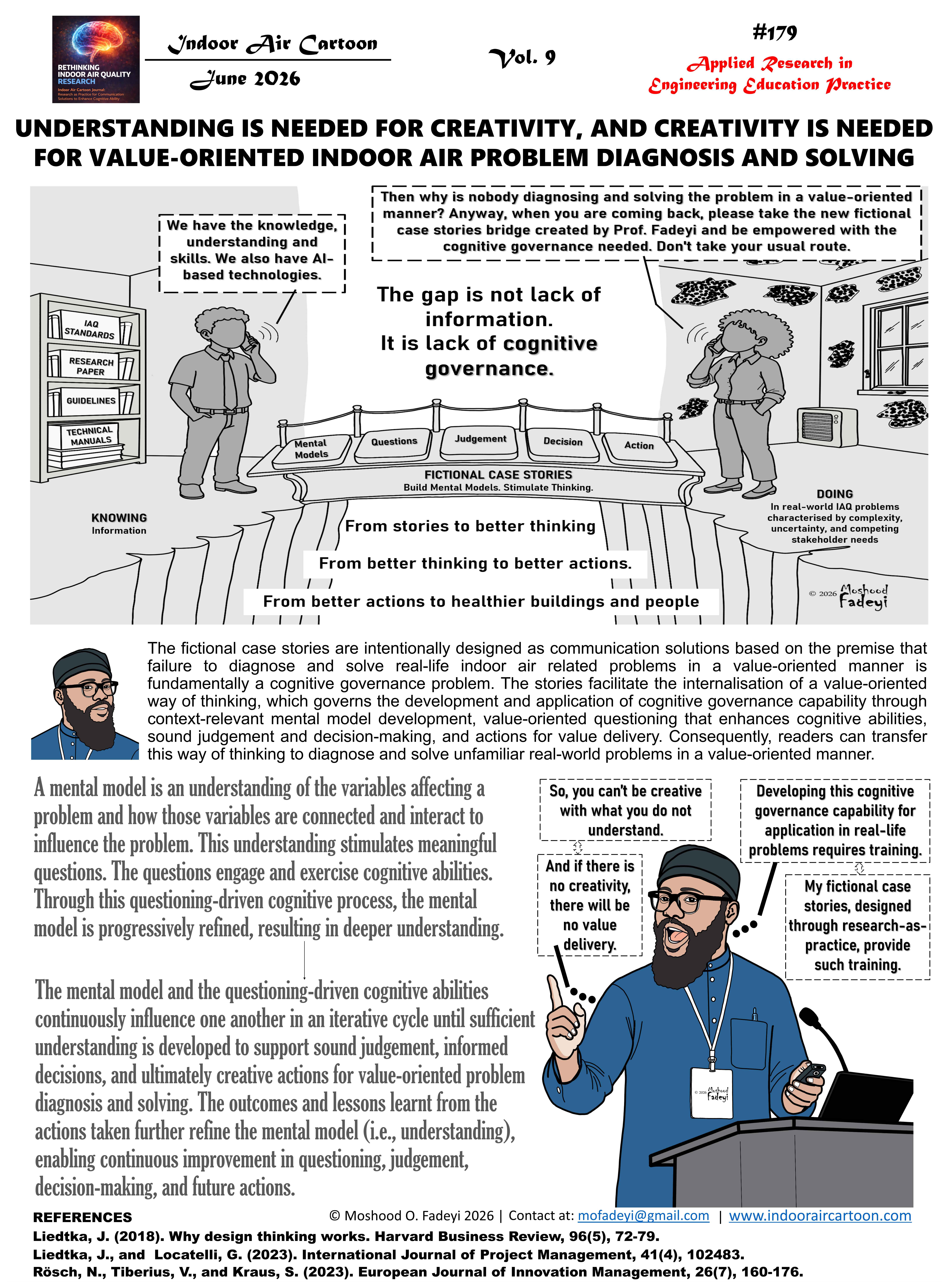


Leave a Reply