Indoor Air Cartoon Journal, January 2026, Volume 9, #174
[Cite as: Fadeyi MO (2026). Building information modelling for indoor air management: a cognitive approach to reducing risk of waste occurrence. Indoor Air Cartoon Journal, January 2026, Volume 9, #174.]

Fictional Case Story (Audio – available online)– Part 1 (Preface, Ch 1 & Ch 2)
Fictional Case Story (Audio – available online) – Part 2 (Ch 3)
Fictional Case Story (Audio – available online) – Part 3 (Ch 3 cont’d)
Fictional Case Story (Audio – available online) – Part 4 (Ch 4)
Fictional Case Story (Audio – available online) – Part 5 (Ch 4 cont’d)
Fictional Case Story (Audio – available online) – Part 6 (Ch 5 & Ch 6)
………………… Preface ……………………
Indoor air quality management had long relied on regulations, measurements, scientific knowledge, professional practice, and Building Information Modelling (BIM) as a mental-modelling activity, enabled by digital solutions and Integrated Digital Delivery, to guide value-oriented decision-making. These measures were intended to support sound professional judgement. Yet, in practice, they often failed to govern one of the most decisive determinants of real-world outcomes: how professionals decided when to stop investing resources.
Even when indoor air conditions met regulatory requirements and internal safety benchmarks, management practices often continued through prolonged interventions and conservative escalation, with no apparent increase in usefulness delivered. Technically correct information was available, yet action persisted. Under uncertainty, professionals acted not because conditions were worsening, but because stopping felt risky. Continuing to act created a defensible appearance of diligence if decisions were later scrutinised.
Over time, this behaviour became embedded in professional culture. Security came to be associated with visible action rather than proportional judgement in value delivery. Defensive over-investment was normalised, as demonstrating extensive effort felt safer than recognising sufficiency. Compliance and documentation shifted from tools for ethical and value-oriented reasoning to protection against future blame.
Within this environment, a young woman grew up absorbing the same logic. Long before encountering it professionally, she learnt that doing more felt safer than stopping. When she later recognised how this instinct shaped both personal behaviour and organisational systems, she began to question the waste created by fear-driven action. Her journey in confronting and resolving this personal and systemic flaw, the tendency towards defensive over-investment under uncertainty, formed the subject of this fiction story.
………………… Chapter 1 ……………………
Samira Kuffor did not grow up believing she was afraid. Fear, in her childhood, did not announce itself through shouting or panic, nor did it arrive in moments of obvious danger. Instead, it lived quietly in the background of daily life, shaping habits, expectations, and ways of thinking so subtly that it was mistaken for responsibility.
By the time Samira was old enough to name it, the fear had already become part of her identity. It expressed itself as an unrelenting need to be defensible, to do more than required, and to ensure that no future accusation, however unreasonable, could ever be traced back to her.
This was the flaw that would shape her life. Not laziness, not recklessness, not ignorance, but defensive over-investment of resources, a cognitive pattern in which action became a shield against uncertainty. However, at that time, she did not yet have a name for her flaw, later recognised as defensive over-investment. It was a flaw that appeared virtuous on the surface, was rewarded throughout her early life, and went unchallenged precisely because it masqueraded as diligence.
Samira was born into a family that understood vulnerability not as an abstract idea, but as a lived condition. Her parents had migrated from a developing country known as Arawa, after a period of economic instability that left them wary of systems and institutions. Arawa was rich in human effort and ingenuity, but poor in institutional reliability. Opportunities existed, but they were fragile, unevenly protected, and easily undone by forces beyond individual control.
In Arawa, Samira’s parents had done everything that was asked of them. They had worked hard, followed rules that shifted without warning, and trusted assurances that were quietly withdrawn when circumstances changed. Her father’s income had evaporated more than once, not because of poor workmanship, but because contracts were delayed indefinitely, regulations were reinterpreted retrospectively, or payments stalled without explanation.
Her mother had watched hospitals improvise daily, not out of innovation, but necessity, as shortages, power interruptions, and administrative uncertainty became part of routine care. Stability in Arawa was never assumed. It was negotiated, temporary, and constantly at risk.
The final push to leave came not from a single catastrophe, but from exhaustion. The quiet, grinding fatigue of living in a place where effort did not reliably translate into security, and where doing the right thing offered no guarantee of protection. They realised that no amount of personal diligence could compensate indefinitely for institutional fragility. Remaining in Arawa meant raising their child in a system where vulnerability was inherited, not chosen.
Her parents eventually resettled in Marindel, a wealthy and meticulously governed city-state whose efficiency and order were renowned across the world. To outsiders, Marindel represented certainty, fairness, and institutional trust. To her parents, it represented hope tempered by caution. They arrived grateful for stability, yet acutely aware that they were entering a system they did not fully understand and could not afford to offend.
Marindel promised what Arawa could not consistently offer: rules that held, records that endured, and institutions that remembered context rather than erasing it. Yet this promise came with its own quiet pressure. In Marindel, systems worked, but they worked visibly. Actions were logged, decisions traceable, and accountability precise. For newcomers, this did not immediately feel like freedom. It felt like exposure to a different kind of scrutiny.
Samira’s parents carried with them the instincts forged in Arawa. They trusted order, but they did not yet trust outcomes. They believed in institutions, but only after verifying them through lived experience. Until then, caution remained their shield. They taught Samira, without words, that survival depended not only on competence, but on being defensible within whatever system one inhabited.
Her father, once a mechanical technician in a public utility company in Arawa, now worked in a small repair business from a rented workshop in Marindel. In Arawa, his role had been defined by skill rather than procedure. In Marindel, he quickly learnt that procedure mattered as much as competence. He was competent, ethical, and deeply cautious. Every repair he completed was documented meticulously, not because customers demanded it, but because he feared disputes that could destroy the fragile stability he had built.
That fear was not paranoia; it was memory. In Arawa, he had seen skilled professionals undone by misunderstandings, shifting regulations, or retrospective blame. In Marindel, although the rules were clearer and enforcement more consistent, the consequences of error felt even more absolute. A single complaint could cascade through formal channels, audits, and records that would not forget.
He photographed completed repairs, kept logs of every adjustment, and retained records far beyond their immediate usefulness. He explained his reasoning aloud while he worked, as if rehearsing for a future inquiry that might never come. These actions were not signs of insecurity about his technical skill, but a way of protecting himself against future reinterpretation of his decisions.
Samira absorbed these habits quietly. She did not interpret them as fear, but as responsibility. She learnt that doing more than necessary felt safer than doing just enough, and that stopping too early carried invisible risks. This lesson, learnt long before she could articulate it, would later shape how she responded to uncertainty, accountability, and the pressure to make decisions that might one day be judged by others who were not present when those decisions were made.
Her mother reinforced this worldview in a different way. As a nurse working long shifts in understaffed wards, she believed deeply in vigilance. This belief was not merely personal; it was shaped by the healthcare culture of Arawa, where she had trained and practised for most of her professional life.
Hospitals in Arawa operated under chronic resource constraints, high patient loads, and fragile institutional protection. Systems were stretched thin, and when failures occurred, they were rarely framed as systemic shortcomings. Responsibility tended to fall on individuals, especially frontline staff, who were expected to absorb the consequences of structural inadequacies.
Mistakes, even small ones, could have consequences that unfolded much later. A missed chart entry, a delayed observation, or an undocumented judgement could resurface weeks or months afterward, often during audits, complaints, or informal inquiries where context had already been stripped away.
In such moments, explanations about workload, staffing shortages, or equipment failure carried little weight. What mattered was whether one could produce visible evidence of diligence. Documentation became less about care continuity and more about protection.
She taught Samira to double-check everything, to anticipate questions before they were asked, and to assume that silence did not mean approval. In Arawa’s hospital culture, silence rarely signified endorsement. Supervisors were overextended, guidance was inconsistent, and feedback was frequently retrospective rather than immediate. Nurses learnt that the absence of correction did not imply correctness; it simply meant no one had yet looked closely enough.
Samira observed how her mother prepared for each shift as if preparing for future scrutiny rather than present care. Notes were written not only to support treatment decisions, but to defend past actions. Procedures were repeated not solely for patient benefit, but to ensure that no one could later argue negligence. Thoroughness was not optional. It was protective. Doing more was a way of surviving within a system that offered little structural shelter.
Between them, Samira learnt an unspoken lesson. It was better to do too much than too little, because doing too little left one exposed. This lesson was not born of fear alone, but of adaptation to a system where accountability was personal, retrospective, and often detached from real-time conditions. Over-action became a rational response to institutional uncertainty.
At school, this mindset served her well. Samira was conscientious, thorough, and prepared. She submitted assignments that exceeded requirements, added appendices no one asked for, and stayed back to clarify points that had already been explained. Teachers praised her maturity. They told her she would go far. Her classmates admired her reliability, though some quietly resented the way her thoroughness raised expectations for everyone else.
What no one noticed was that Samira struggled to stop. She did not know how to decide when something was sufficient. When she encountered ambiguity, her instinct was never to pause or reflect, but to add effort. Uncertainty was not a signal for judgement, but a trigger for escalation.
As she grew older, this pattern hardened into habit. During secondary school examinations, Samira revised relentlessly, not because she enjoyed learning, but because stopping felt dangerous. She was haunted by the idea that a missed detail could undo everything she had worked for. When she achieved high grades, she did not feel relief. She felt confirmation that her excess had been necessary.
Her decision to study engineering at university appeared, to outsiders, as a natural extension of her strengths. She was analytical, disciplined, and methodical. Yet beneath the surface lay a deeper motivation. Engineering systems were complex, and complexity offered protection. In a complex system, responsibility was distributed, and outcomes were rarely attributable to a single decision. Samira believed, though she never articulated it explicitly, that complexity reduced personal risk.
She was particularly drawn to the built environment. Buildings were tangible, yet governed by invisible forces. Airflow, pressure differentials, thermal gradients, and human behaviour interacted in ways that could be modelled, measured, and explained. Indoor environmental quality fascinated her because it allowed uncertainty to be translated into data. What could not be seen could at least be represented.
Throughout her undergraduate studies, Samira gravitated toward indoor air quality modules. The attraction was not accidental. Indoor air quality dealt with invisible risks, delayed consequences, and outcomes that could not be sensed directly, all of which resonated deeply with her lifelong need to anticipate future judgement and prevent harm before it became visible. She found herself drawn to problems where absence of immediate failure did not guarantee safety, and where responsibility extended beyond what could be seen or measured at a single moment.
She learnt mass balance equations, ventilation principles, and exposure pathways. These topics offered her something she had unconsciously been seeking since childhood: a way to make the unseen legible and defensible. Pollutants could not be pointed to, but they could be modelled. Risk could not always be observed, but it could be reasoned through structure, assumptions, and evidence.
More importantly, she learned how professionals formed mental representations of buildings, systems, and interactions in order to reason about unseen phenomena. Indoor air quality demanded disciplined imagination, the ability to hold multiple interacting variables in mind and project their consequences forward in time. For Samira, this felt like a formalisation of the vigilance she had absorbed at home, now translated into technical reasoning rather than personal anxiety.
Without realising it, she was learning Building Information Modelling in its most fundamental sense, not as software, but as a cognitive activity. It offered her a language through which caution could be justified, anticipation could be structured, and responsibility could be carried without apology.
She excelled academically and took on leadership roles in group projects. Her teams produced detailed reports, comprehensive models, and conservative recommendations. Lecturers commended the rigour of their work, though some hinted that their designs were more complex than necessary. Samira dismissed such comments politely. Complexity, to her, felt safer.
Her first real confrontation with the consequences of her flaw came during an internship in hospital facility management. Until then, her habits had been rewarded. They had earned her praise, scholarships, and consistently placed her at the top of her cohort. Diligence had always looked like virtue. She was already on track for a first-class degree, and she guarded that standing fiercely. This was the first environment where diligence, left unexamined, began to reveal its cost.
The hospital was a vast, living organism, with interconnected systems and human lives moving through it every hour. Indoor air quality was not merely a technical variable. It shaped recovery, vulnerability, and trust. Mistakes here were not abstract. They carried faces, names, and fragile bodies. Decisions made quietly in plant rooms and control panels echoed through wards, corridors, and treatment spaces long after the screens were turned off.
One incident, seemingly minor at first, changed everything. A faint odour had been reported near a treatment area. It was the kind of report that arrived quietly, without urgency, but with enough ambiguity to awaken institutional anxiety. No alarms were triggered. No indicators crossed thresholds. Yet the uncertainty itself demanded attention. Initial investigations identified a ventilation imbalance caused by a recent modification. The technical issue was resolved quickly. Airflows were corrected, pressure differentials restored, and monitoring confirmed that conditions met regulatory standards and internal safety benchmarks.
By every formal measure, the problem was solved. Yet the intervention did not end there. Additional measurements were commissioned. Temporary air-cleaning devices were installed. Operational adjustments were extended beyond their initial scope. Meetings multiplied. Reports were revised repeatedly, each iteration becoming more detailed than the last. Every new dataset invited another question. Every clarification exposed a new angle of possible doubt. Each escalation was justified not by deteriorating conditions, but by caution. No one wanted to be the person who stopped too early. Stopping felt like exposure. Continuing felt like protection.
Samira observed this with growing unease. She recognised the pattern instantly because it was her own. What made this recognition possible, for the first time, was not superior insight, but distance. Until this moment, she had always been inside the act of escalation, participating in it, rewarded for it, and therefore unable to see it as behaviour rather than virtue. In the hospital, she was no longer the primary decision-maker, nor the one bearing immediate responsibility. She was positioned just far enough from the centre of action to watch decisions unfold without having to justify them herself.
The professionals involved were competent, experienced, and deeply committed to safety. They reminded her of the version of herself she had always admired and tried to become: careful, prepared, and unwilling to leave anything to chance. Yet their actions no longer seemed proportionate to the problem. The technical facts had stabilised early, but the activity surrounding them did not slow. The discrepancy between stable conditions and escalating response created a tension she could not ignore.
She noticed how the conversation shifted. It was no longer centred on what the air was doing, but on how decisions might be judged later. Language changed subtly but decisively. Statements about measurements gave way to statements about records. Questions about conditions were replaced by questions about coverage. The vocabulary of engineering quietly yielded to the vocabulary of defence.
The future, not the present, had become the dominant decision-maker. What unsettled Samira was that this future was undefined, faceless, and hypothetical. Decisions were being shaped by imagined reviewers, imagined complaints, and imagined reinterpretations rather than by the situation unfolding in front of them. The question was no longer whether the environment was safe, but whether the response would remain defensible under scrutiny that had not yet arrived.
For the first time, Samira saw her own instinct externalised at scale. She realised that she had never questioned this way of acting before because it had always protected her personally. Now, watching it operate beyond her own body and beyond her own grades, she could see its consequences clearly. What felt like care at the individual level had become a distortion at the system level.
This was not a moral awakening. It was a cognitive one. She did not suddenly believe the professionals were wrong. She understood, instead, that the logic guiding them was incomplete. It governed action, but did not stop. It rewarded movement, but offered no criteria for sufficiency. In that realisation, Samira encountered her flaw not as a personal habit, but as a transferable pattern of reasoning.
What unsettled Samira most was not the escalation itself, but its familiarity. She could trace every step of it back to an instinct she knew intimately. The same instinct that had driven her to over-prepare, over-document, and over-explain throughout her academic life was now shaping institutional behaviour at scale.
Watching the hospital’s response unfold, she realised that what she had always understood as personal diligence was operating as a collective reflex. In that moment, Samira understood that her flaw was not situational. It was structural. It lived in how uncertainty was handled, how accountability was anticipated, and how action was repeatedly mistaken for assurance.
………………… Chapter 2 ……………………
The turning point came when a patient’s family raised a complaint. The complaint was not about air quality. The measurements were clean. The reports were compliant. The ventilation system was functioning within required parameters. The issue was disruption. Noise from equipment echoed through corridors. Movement was restricted. Clinical routines were repeatedly interrupted by inspections and reconfigurations.
The family spoke not of danger, but of exhaustion and anxiety. Being treated in what felt like a permanent investigation zone had become distressing. Safety, pursued without proportion, had begun to erode comfort, dignity, and trust. For Samira, this was devastating. The very actions meant to protect had become a source of harm.
Shortly after, she made a mistake of her own. In an effort to be thorough, she circulated an internal summary that was technically accurate but unnecessarily detailed, and to a wider audience than required. The intent was transparency. The content was correct. Yet the effect was immediate and unmistakable. Anxiety rippled through teams who had previously been calm. Questions multiplied. Assumptions hardened. What had been stable became fragile again. The system responded not to the substance of the information, but to its volume and visibility.
For the first time, Samira was forced to confront herself directly. Her instinct to add information had not clarified the situation. It had amplified fear. She recognised the pattern with painful clarity because she had enacted it countless times before. This was not a misunderstanding or a lapse in judgement. It was her default response under uncertainty, reproduced faithfully and predictably. She saw, perhaps for the first time, that correctness was not the same as helpfulness, and that more was not the same as better.
This recognition marked the beginning of an uncomfortable reckoning. Samira realised that her lifelong habit of defensive over-investment was not neutral. It shaped outcomes. It consumed resources. It displaced attention. It generated consequences beyond intention. What she had always believed to be care had, in practice, become escalation. Unless this pattern changed, she would continue to reproduce the same effects, regardless of how advanced the systems around her became or how sincere her intentions remained.
She began to observe more carefully. Not just the technical adequacy of decisions, but how decisions evolved over time. She noticed how professionals privately acknowledged sufficiency while publicly continuing to escalate. She noticed how digital systems, designed to support reasoning, sometimes intensified pressure by making actions more visible without making judgement easier. Information accumulated, but confidence did not. Visibility increased, but clarity did not follow.
Gradually, she recognised something more unsettling still. The systems she was analysing mirrored her own thinking. Just as hospital teams struggled to decide when enough had been done, she struggled to stop adding once she had begun. The boundary that was missing in practice was the same boundary she could not feel within herself. What the system lacked was not intelligence or data, but a way of governing proportionality. And what she lacked, she realised, was the same.
As the internship drew to a close, Samira returned to the university with a mind that no longer fitted neatly into her remaining coursework. The hospital had receded physically, but it remained present in her thinking. Lectures on systems, controls, and optimisation now felt incomplete.
Design problems that once invited her to add assumptions, layers, and contingencies instead provoked a different discomfort. She found herself asking not how much more could be done, but how one could ever know when enough had already been achieved. The routines of final-year study continued, yet her relationship with them had changed. She was no longer accumulating knowledge for performance alone. She was testing every concept against what she had witnessed in practice, watching for whether it clarified proportionality or merely justified further action.
By the time she approached her final year examinations, her academic performance had taken on a new meaning. She was already firmly in the first-class division, with a GPA of 4.53 out of 5, and she knew that maintaining this standing was a non-negotiable requirement for proceeding directly from a BEng to a PhD. It was no longer about prestige or validation. It became a condition of agency, the only academic pathway that would allow her to enter doctoral research without interruption or compromise.
Proceeding directly to a PhD was not an ambition she could pursue casually. It was the only path that would allow her to interrogate this problem deeply enough, rigorously enough, and honestly enough to change how she thought and acted.
What drew her to the PhD was not the title, but the discipline it demanded. Research, she realised, was the one structured environment in which acting less was not a failure, and stopping to think was not interpreted as negligence. A doctoral programme would force her to sit with uncertainty rather than neutralise it through excessive action. It would require her to justify every assumption, define boundaries explicitly, and resist the impulse to escalate without evidence. In doing so, it offered something she had never been given before: permission, and obligation, to decide when enough was enough.
She also recognised that her flaw was not hers alone. What she had witnessed during her internship was the same defensive over-investment playing out across teams, systems, and organisations. Professionals were not irrational; they were responding logically to uncertainty without guidance on proportionality.
By pursuing a PhD, Samira saw an opportunity to transform her personal struggle into a structured understanding and to translate that understanding into knowledge that could help others. Scientific inquiry would allow her to convert instinct into insight, fear into governance, and escalation into decision frameworks that could support professionals when uncertainty persisted.
In this sense, the PhD became both personal and public. It was a transformation journey through which she could learn to govern her own reflexes, while also contributing evidence, concepts, and models that might help industry move beyond defensive over-investment. She did not believe research would eliminate uncertainty. What she hoped it could do was illuminate how decisions should evolve in its presence, so that safety could be preserved without quietly sacrificing value, dignity, and trust.
The research problem statement that follows was written by Samira as a direct response to an observed challenge that had become inseparably personal and professional, and that could no longer be ignored without deeper inquiry.
“Hospitals are safety-critical environments in which indoor air quality management plays a central role in protecting patients, healthcare workers, and visitors. In this context, IAQ management solutions are expected to possess the necessary quality, quantity, and safety to enhance gained comfort, convenience, and cognitively influenced awareness among stakeholders of the solutions, while also ensuring responsible use of financial cost, including money and time spent, as well as the sacrificed human comfort, convenience, and cognitive load arising from the awareness required to make the solutions exist, operate, and remain reliable.
Decision-making in hospital indoor air management has always depended on professionals’ Building Information Modelling, expressed as mental representations of buildings or infrastructure variables and their connections and interactions. In recent years, these BIM-based mental models have increasingly been supported and externalised through BIM-enabled digital solutions and Integrated Digital Delivery (IDD) platforms.
The intended and targeted performance of these digital investments is to support facility managers’ Building Information Modelling, expressed as professional mental models, by externalising, coordinating, and stabilising reasoning so that decisions can be made in a timely, proportionate, and defensible manner. In practice, this means maintaining safe indoor air conditions while avoiding unnecessary or wasteful use of resources.
However, observations from hospital facility management practice suggest that the current performance situation often falls short of this target. BIM-enabled digital solutions and Integrated Digital Delivery platforms are widely available to externalise and connect indoor air–related information. Despite this, indoor air management decisions in hospitals frequently involve prolonged interventions, repeated measurements, and conservative escalation.
These practices often lead to sustained operational disruption, even when indoor air conditions appear to meet regulatory requirements and internal safety benchmarks. Resource investment often continues over extended periods without clear evidence that additional actions are delivering commensurate improvements in indoor air outcomes.
This persistent pattern points to a practical problem: a gap between the intended capability of BIM- and IDD-enabled systems to support value-oriented decision-making and the observed tendency toward precautionary over-investment and escalation in practice.
Importantly, this gap does not appear to arise from a lack of professional competence, commitment to safety, or absence of technically valid information. Rather, it suggests that existing digital solutions and delivery systems may not be adequately supporting professionals in governing how their BIM-based mental models are applied over time, particularly in determining when further action remains necessary and when it no longer adds value.
One suspected contributor to this gap lies in the way Building Information Modelling currently governs indoor air–related information during the facility management stage. While BIM, as a mental modelling activity, enables professionals to organise and relate building and environmental variables, BIM-enabled digital solutions may externalise large volumes of technically valid information without sufficiently guiding how that information should be selected, connected, and interpreted relative to task purpose.
As a result, facility managers may be exposed to increasing informational richness without corresponding support for proportional judgement, raising the possibility that certain ways of structuring or applying BIM unintentionally amplify perceived fear of waste occurrence rather than resolve it.
A second suspected barrier relates to the stability of a BIM application as decisions traverse organisational, professional, and contractual boundaries. Integrated Digital Delivery is intended to preserve shared reasoning and continuity of intent by aligning digital representations, responsibilities, and processes. In practice, however, its stabilising effect appears uneven.
Diagnostic clarity achieved through one professional’s BIM-based mental model may not be consistently preserved as responsibility shifts across stakeholders. When professionals perceive that their reasoning may later be reinterpreted, challenged, or scrutinised, perceived fear of waste occurrence can increase, prompting defensive escalation even in the absence of deteriorating indoor air conditions.
A further concern is the apparent absence of an explicit governance mechanism to support professionals in determining, in real time, when additional resource investment in indoor air management transitions from value creation to waste occurrence.
Current practice relies heavily on professional judgement, regulatory thresholds, and informal norms. While necessary, these are often insufficient in complex hospital environments where uncertainty persists over time. Even when indoor air conditions appear stable, professionals may remain unsure whether stopping or scaling back actions is defensible in light of potential future events, delayed health outcomes, or retrospective evaluation.
As a result, precautionary action may continue not because indoor air conditions are worsening, but because continuing to act feels safer than stopping. This suggests that the core challenge facing hospital indoor air management is not purely technical, but cognitive and systemic: professionals lack structured support for governing proportionality in the application of their BIM-based reasoning under persistent uncertainty.
The targeted performance situation, therefore, is one in which hospital facility managers can rely on their Building Information Modelling, supported and externalised through BIM-enabled digital solutions, stabilised by Integrated Digital Delivery, and augmented where appropriate by artificial intelligence, to make proportionate and defensible decisions in real time. In such a system, additional resource investment would occur only when it meaningfully improves outcomes, and professionals would have confidence in recognising when sufficient action has already been taken.
This unresolved gap between current and desired performance, together with the suspected cognitive and governance-related barriers underlying it, necessitated the present PhD research. The research questions, hypotheses, and objectives were formulated to investigate how BIM information governance, IDD stability, and AI-supported governance frameworks can address this problem and enable a transition from fear-driven escalation toward value-oriented indoor air quality management in hospital facility management contexts.”
Her interest and courageous ambition to address this research problem led her to formulate three research questions that needed to be answered. The research questions are as follows:
(i) How do variations in the way Building Information Modelling governs which indoor air–related information is considered, how that information is connected, and how it interacts—relative to task purpose—systematically shape perceived fear (risk), decision quality, and the resulting likelihood of waste occurrence in indoor air management across the building lifecycle, with specific focus on hospital indoor environments during the facility management stage?
(ii) Through what mechanisms does Integrated Digital Delivery stabilise or destabilise the application of Building Information Modelling across stakeholders, and how does this influence the perceived fear of waste occurrence (risk of waste occurrence) in hospital indoor air management during the facility management stage?
(iii) How can outputs from Building Information Modelling, operating within an Integrated Digital Delivery–enabled system and augmented by artificial intelligence, be translated into a value-oriented risk (perceived fear of waste occurrence) governance framework that enables real-time determination of when additional resource investment in indoor air management transitions from value creation to waste occurrence for producers and consumers, in the context of hospital facility management operations?
For the first research question, the Null Hypothesis (H01) is that variations in how Building Information Modelling governs which information is considered, how it is connected, and how it interacts do not significantly influence perceived fear (risk), decision quality, or the likelihood of waste occurrence in indoor air management, including within hospital facility management contexts. The Alternative Hypothesis (H11) is that variations in how Building Information Modelling governs which information is considered, how it is connected, and how it interacts significantly influence perceived fear (risk) and decision quality, thereby affecting the likelihood of waste occurrence in indoor air management by shaping the balance between invested resources and realised usefulness, with pronounced effects observable in hospital facility management settings.
For the second research question, the Null Hypothesis (H02) is that Integrated Digital Delivery, as a system integrating BIM-enabled digital solutions with contractual mechanisms, does not significantly influence the stability of Building Information Modelling application across stakeholders and does not reduce the perceived fear of waste occurrence (risk of waste occurrence) in indoor air management, including in hospital facility management settings. The Alternative Hypothesis (H12) is that Integrated Digital Delivery, as a system integrating BIM-enabled digital solutions with contractual mechanisms, significantly improves the stability of Building Information Modelling application across stakeholders and reduces the perceived fear of waste occurrence (risk of waste occurrence) in indoor air management, with measurable effects in hospital facility management environments.
For the third research question, the Null Hypothesis (H03) is that a value-oriented risk (perceived fear of waste occurrence) governance framework derived from Building Information Modelling outputs, even when implemented within an Integrated Digital Delivery–enabled system and supported by artificial intelligence, does not significantly improve real-time proportionality between resource investment and realised usefulness in indoor air management decisions, including those made in hospital facility management. The Alternative Hypothesis (H13) is that a value-oriented risk (perceived fear of waste occurrence) governance framework derived from Building Information Modelling outputs, when implemented within an Integrated Digital Delivery–enabled system and supported by artificial intelligence, significantly improves real-time proportionality between resource investment and realised usefulness, thereby reducing perceived fear of waste occurrence (risk of waste occurrence) for both producers and consumers, with demonstrable benefits in hospital facility management contexts.
The research questions and problems informed the following objectives of her PhD research:
(i) To examine how variations in the way Building Information Modelling governs the selection, connection, and task-purpose–aligned interaction of indoor air–related information systematically influence perceived fear (risk), decision quality, and the likelihood of waste occurrence in indoor air management across the building lifecycle, with specific focus on hospital indoor environments during the facility management stage.
(ii) To identify and analyse the mechanisms through which Integrated Digital Delivery stabilises or destabilises the application of Building Information Modelling across stakeholders, and to examine how these mechanisms influence the perceived fear of waste occurrence (risk of waste occurrence) in hospital indoor air management during the facility management stage.
(iii) To develop and evaluate a value-oriented risk (perceived fear of waste occurrence) governance framework that translates Building Information Modelling outputs, operating within an Integrated Digital Delivery–enabled system and augmented by artificial intelligence, into real-time decision support for determining when additional resource investment in indoor air management shifts from value creation to waste occurrence for both producers and consumers in hospital facility management operations.
………………… Chapter 3 ……………………
Research Methods
Methods For Research Question 1:
Background
The methodology for Research Question 1 was designed to determine whether systematic variation in how Building Information Modelling governs indoor air quality diagnostic cognition influences perceived fear of waste occurrence (risk), diagnostic decision quality, and the resulting likelihood of waste occurrence during hospital facility management. In this study, indoor air quality management was explicitly operationalised as the process of IAQ diagnostics and prognosis, rather than the implementation of mitigation technologies alone.
The scientific problem addressed was that hospitals facing similar indoor air quality concerns often respond in very different ways. Some resolve the issue with modest use of energy, time, and cost, while others repeatedly escalate actions, consume substantially more resources, disrupt operations, and yet do not achieve noticeably better indoor air outcomes.
Current indoor air management practice assumes that when hospitals operate under similar standards, use comparable information, and rely on similar digital tools, they should make broadly similar decisions and achieve similar results. In practice, this assumption does not hold.
This mismatch reveals a missing explanation. Waste does not arise primarily from a lack of data or technology, but from upstream failures in problem identification and diagnostic reasoning, compounded by the way decisions are coordinated and carried forward across teams. Even when technical conditions are similar, weaknesses in how problems are first defined and how decisions propagate through the system can cause resource use to escalate without proportional benefit. Understanding this hidden mechanism is essential for improving indoor air management practice.
The methodology was explicitly structured to test the causal sequence by which BIM-governed diagnostic cognition shapes perceived fear of waste occurrence, and how this perceived fear (risk) feeds into diagnostic decision-making, thereby determining whether subsequent resource investment remains proportionate to realised usefulness or transitions into waste.
The methodology was therefore designed to test the null hypothesis that BIM-governed diagnostic cognition had no significant influence on perceived fear, diagnostic decision quality, or waste occurrence, against the alternative hypothesis that BIM-mediated differences in diagnostic cognition exerted a causal influence on these outcomes through their effect on how fear is generated, interpreted, and acted upon during diagnosis.
Conceptual Framing of IAQ Diagnostics and Waste
IAQ management in hospital facility management was conceptualised as a diagnostic–prognostic process analogous to clinical diagnosis. Diagnostic practice comprised structured assessment of building history, occupant exposure narratives, operational changes, and physical examination of ventilation systems, airflow pathways, filtration performance, and spatial use conditions. Prognosis referred to the anticipated outcomes of potential interventions in either a health-promoting or value-eroding direction.
Within this diagnostic–prognostic framing, the primary function of diagnosis was not merely to identify the presence of an indoor air problem, but to correctly define its nature, scope, and causal drivers in a manner that could support proportionate and value-oriented intervention decisions. Failures at this stage were therefore understood to propagate downstream, shaping how uncertainty, urgency, and potential loss were perceived by decision-makers.
Waste was defined as a condition in which the ratio of usefulness delivered by an IAQ intervention to the resources invested to produce that intervention decreased over time. Usefulness was defined to include the achieved quality, quantity, and safety performance of the indoor air as the final solution produced through the IAQ management process, with diagnostic and operational actions treated as sub-solutions leading to the main solution outcomes. Usefulness also included comfort, convenience, and awareness arising from enhanced cognitive abilities gained by occupants (users) and other stakeholders through interaction with the solution.
Invested resources were defined to include financial costs associated with time, manpower, machines, materials, and related inputs, as well as sacrificed comfort, convenience, and awareness arising from the cognitive effort required to make the solution exist, operate, and deliver its intended outcomes and impacts.
In IAQ management, several sub-solutions consume resources and influence the usefulness of the final solution. These sub-solutions must therefore be monitored and managed. They include manpower, methods, machines, materials, measurement, and the environment. Manpower refers to the workforce involved in delivering the solution. Methods cover work and communication processes, how purposes are defined, and how problems are framed and solved.
Machines are inanimate objects that require energy to function and also consume resources. Materials are inanimate objects that do not require energy to function but nonetheless contribute to resource consumption. Measurement includes the metrics, data, and indicators used to guide decisions and actions. Finally, the environment refers to the physical, organisational, and cultural conditions within which construction activities take place.
In this study, waste was not treated as an outcome arising solely from poor execution or technical inefficiency, but as the cumulative result of decisions taken under conditions of perceived fear of compromised value delivery. This perceived fear (risk) was understood to emerge during diagnosis, before interventions were implemented, and to influence whether resources were invested proportionately or defensively.
To provide a structured conceptual account of how perceived fear (risk) of waste occurrence arose within IAQ diagnostic practice, risk was defined as a cognitive state reflecting fear of insufficient protection against loss of a solution’s value. This risk was conceptualised using a formal risk formulation:
“Risk” = β₀ + β₁(E) + β₂(V) + β₃(E × V) + Zγ + ε.
Here, β₀: Baseline fear of compromised value delivery arising from systemic, location-specific indoor air industry practices perceived to lack strong value-oriented productivity before a project begins. β₁: Fear of compromised value delivery arising from perceived active exposure (E) to sources of waste during project execution, assuming sufficiently strong and well-internalised mental models for value-oriented decision-making.
β₂: Fear of compromised value delivery arising from perceived internal vulnerability (V) due to weak or poorly internalised mental models for value-oriented decision-making, even in the absence of active waste exposure. β₃: Fear of compromised value delivery arising from the interaction of active waste exposure and organisational business vulnerability, (E x V), where waste activates weak mental models, leading to loss of control, escalating inefficiency, and rapid value erosion.
γ: Fear of compromised value delivery arising from covariates (Z), which include physical, psychological, social, and economic contextual factors that sustain waste sources and weaken decision-guiding mental models, undermining value-oriented productivity. Risk of waste occurrence in the indoor air management process is the level of fear arising from the perception of insufficient or inadequate protection against loss of a solution’s value. ε represents residual error arising from uncertainty, unobserved factors, or life events not captured by the model that influence fear of compromised value delivery.
Importantly, this formulation was introduced as a conceptual model rather than a predictive or statistical one. Its role was to clarify the structure and sources of perceived fear of waste occurrence within IAQ diagnostic practice, thereby providing a coherent explanatory basis for examining how Building Information Modelling governed cognition during diagnosis.
Within this framework, waste accumulation was understood to originate primarily during diagnosis, where misidentification or misframing of IAQ problems led to disproportionate or misdirected interventions. Such diagnostic failures altered the balance between perceived exposure, vulnerability, and contextual pressures, amplifying fear of value loss and increasing the likelihood that subsequent interventions would consume resources at a rate exceeding their realised usefulness.
In this study, sources of waste in hospital IAQ diagnostic practice were identified using the DOWNTIME framework, which describes different ways resources can be consumed without delivering proportional value. Each source of waste represents a specific failure mode in how IAQ problems are identified, understood, and acted upon during diagnosis.
Defects referred to situations in which IAQ management services or products consumed resources but failed to achieve the purpose for which they were pursued. For example, in hospital facility management settings, this included conducting multiple IAQ inspections or measurements in wards, isolation-capable rooms, or support spaces that did not clarify the underlying cause of an indoor air problem due to poor BIM, understood here as inadequate mental modelling by the individuals or teams involved.
It also included commissioning specialist assessments for suspected airborne infection risks, odour complaints, or ventilation performance issues that produced formal reports but did not support clear diagnostic conclusions or actionable decisions. In other cases, facility management teams relied on monitoring data from sensors or building systems that were misinterpreted or yielded inconclusive results, leading to continued uncertainty rather than resolution.
In such situations, time, manpower, and operational resources were invested, yet the diagnostic process did not improve understanding, decision quality, or subsequent IAQ management actions. As a result, the required usefulness was not achieved, and waste occurred within the hospital facility management system.
Overproduction occurred when IAQ management services or products were produced in quantities exceeding what was required to achieve the intended purpose for which they were pursued. In the context of hospital indoor air quality management, this referred to situations where additional diagnostic outputs were generated even though sufficient information already existed to guide action.
For example, this included repeatedly commissioning new IAQ measurements across multiple wards, zones, or time periods when earlier measurements had already adequately characterised the indoor air problem. It also included producing parallel datasets, dashboards, or reports that duplicated existing information without introducing new insight relevant to decision-making.
Overproduction further occurred when additional monitoring activities or documentation were initiated primarily to demonstrate diligence or compliance, rather than to resolve diagnostic uncertainty. In such cases, new outputs were generated without a corresponding increase in understanding, decision quality, or outcome effectiveness. As a result, time, manpower, and operational resources were consumed without proportional usefulness, contributing to waste within the hospital facility management system.
Waiting referred to delays in initiating, continuing, or completing IAQ management services and products required to achieve the purpose for which they were pursued. In hospital facility management, waiting occurred when IAQ investigations or interventions were delayed due to approval bottlenecks or unclear decision authority. For example, facility management teams might identify a ventilation concern in a clinical or isolation space but be required to wait for approval from infection control, clinical leadership, or senior management before proceeding.
Waiting also occurred when available IAQ data could not be acted upon promptly because responsibility for interpretation or action was ambiguous. This included delays while awaiting external consultant reviews, specialist reports, or scheduled coordination meetings. Such delays did not improve diagnostic clarity but prolonged unresolved IAQ issues and often led to precautionary escalation or duplicated effort, thereby contributing to waste within the hospital facility management system.
Non-usage of talent occurred when individuals with relevant knowledge and experience were not meaningfully involved in IAQ management services or products required to achieve the intended purpose for which they were pursued. For example, in hospital indoor air quality management, non-usage of talent occurred when IAQ concerns were addressed primarily through administrative escalation or external consultancy, while in-house facility engineers with detailed knowledge of ventilation system design, control logic, and operational constraints were not involved early in the diagnostic process.
As a result, decisions were made without drawing on existing expertise, leading to unnecessary measurements, overly conservative system adjustments, or repeated investigations that could have been avoided.
Non-usage of talent also occurred when infection control or clinical teams initiated IAQ-related actions without engaging building services specialists who understood airflow pathways, pressure relationships, and system limitations in occupied hospital spaces. In such cases, precautionary measures increased resource use but failed to resolve the underlying indoor air issue, because critical system knowledge was not applied at the point of decision-making.
Transport referred to the movement of IAQ management information, materials, or machines that consumed resources beyond what was required to achieve the intended purpose for which the IAQ management services or products were pursued.
In hospital indoor air quality management, this occurred when IAQ data, reports, or diagnostic findings were repeatedly transferred between multiple departments, committees, or external parties for review, even though the information was already sufficient for decision-making at the facility management level. For example, ventilation performance data might be circulated sequentially between facility management, infection control, hospital operations, and external consultants, leading to delays and duplicated interpretation without improving diagnostic clarity.
Transport also occurred when monitoring equipment or specialist teams were physically moved between wards or buildings to repeat measurements that could have been avoided if existing data had been trusted or properly interpreted. In such cases, time and operational resources were consumed coordinating access to clinical spaces, escorting personnel, and relocating equipment, even though the additional movement did not contribute proportionately to improved understanding or resolution of the IAQ issue.
Inventory referred to the accumulation or retention of IAQ management information, materials, or machines that consumed resources to maintain them, without contributing, or without contributing proportionately, to the achievement of the intended purpose for which the IAQ management services or products were pursued.
In hospital indoor air quality management, this occurred when large volumes of IAQ data, monitoring records, and reports were routinely collected and stored but rarely reviewed or meaningfully used in decision-making. For example, continuous monitoring data from multiple sensors might be archived over long periods without being integrated into BIM-based reasoning or informing corrective action, yet resources were still required to manage data storage, system maintenance, and reporting.
Inventory also occurred when portable air quality monitoring devices, filtration units, or temporary ventilation equipment were procured and retained “just in case” but remained unused or under-utilised. These items required space, calibration, maintenance, and administrative tracking, yet did not contribute to resolving active IAQ issues or improving indoor air outcomes. In such cases, resources were tied up in maintaining equipment and information that provided little practical usefulness, thereby contributing to waste within the hospital facility management system.
Motion referred to the movement of people involved in IAQ management in a way that consumed resources beyond what was required to achieve the intended purpose for which the construction management services or products were pursued.
In hospital indoor air quality management, this occurred when facility management staff repeatedly travelled between wards, plant rooms, and offices to manually verify information that could have been accessed through integrated BIM-enabled digital systems. For example, engineers might be required to physically inspect air-handling units, pressure gauges, or damper positions multiple times because information was fragmented across drawings, control systems, and reports, rather than being coherently represented.
Motion also occurred when multiple teams independently visited the same clinical areas to address the same IAQ concern. For instance, facility engineers, infection control personnel, and external consultants might each conduct separate walkthroughs to observe airflow conditions or occupant complaints, due to a lack of shared situational awareness. These repeated site visits increased time and manpower expenditure without improving diagnostic understanding or decision quality, thereby contributing to waste within the hospital facility management system.
Extra-processing occurred when additional resources were consumed unnecessarily in processing a solution beyond what was required to achieve the quality and safety outcomes necessary for the intended purpose for which the IAQ management services or products were pursued.
In hospital indoor air quality management, this occurred when diagnostic conclusions that were already adequate for decision-making were subjected to repeated reformatting, reanalysis, or repackaging. For example, IAQ data that had already demonstrated acceptable ventilation performance might be repeatedly converted into new report formats, summary slides, or supplementary analyses to satisfy multiple internal approval layers, even though no new insight was gained.
Extra-processing also occurred when conservative or precautionary system adjustments were layered on top of already effective interventions. For instance, after ventilation settings had been optimised to meet infection control requirements, additional fine-tuning, simulation reruns, or secondary reviews were performed primarily to demonstrate thoroughness rather than to improve indoor air outcomes. These additional processing steps consumed time, manpower, and cognitive effort without improving safety or performance, thereby contributing to waste within the hospital facility management system.
Each of these sources of waste was analytically linked to specific failures in diagnostic cognition, demonstrating how poor problem identification, misinterpretation of information, or excessive fear during diagnosis directly led to declining value. Together, they showed that waste in IAQ management did not primarily arise from technical limitations, but from how diagnostic decisions were made, justified, and coordinated under uncertainty.
The adoption of BIM was considered important in enhancing value-oriented IAQ management processes. Effective adoption of BIM reduces organisational vulnerability arising from decision-making governed by BIM, understood here as an internalised mental model that guides cognitive ability in decision-making. If the mental model is flawed, all decisions derived from it will also be flawed, rendering the organisation vulnerable and incapable of preventing the harm and damage (waste) that sources of waste can potentially cause.
Building Information Modelling is the mental modelling process that governs which building or infrastructure information is considered in the context of the purpose of the task to be accomplished, how that information is connected and interacts, and how the generated outputs of the modelling are stored, managed, and used to support cognitive ability that informs value-oriented decision-making. This reduces waste across the infrastructure lifecycle and among the stakeholders involved.
Within hospital facility management, this definition positioned BIM not as a digital artefact or software platform, but as the cognitive governance mechanism that shapes indoor air quality diagnostic reasoning. In this role, BIM determined how information from building systems, building performance mandates, operational constraints, occupant vulnerability, regulatory requirements, and historical performance was brought together and interpreted relative to the purpose of indoor air management in a value-oriented manner, as described above. The following contextualises the need for the BIM.
Human performance (Hp) was conceptualised as the level of performance to be achieved or competency to be demonstrated in delivering an infrastructure task in a value-oriented manner. The human performance or competency was defined as the ratio of value-oriented human capability to the number and complexity of the task to be performed. Human capability comprises two interacting components: cognitive ability and physical execution, both expressed in a value-oriented manner.
Cognitive ability was defined as the interaction between human cognitive potential and mental effort guided by an internalised mental model aligned with value delivery. Human cognitive potential encompasses both inherent brain structure and accumulated knowledge and understanding, while mental effort reflects the deliberate engagement of this potential to reason, judge, and decide in relation to task purpose.
Within this framing, Building Information Modelling, as defined above, constituted the use of mental modelling to guide the cognitive ability component of human capability. BIM, therefore, governed how human cognitive potential and mental effort were organised to form cognitive ability. Physical execution in a value-oriented manner was defined as the externalisation of the interaction between cognitive ability and task purpose, translating reasoning into action.
The purpose of the task was understood as a composite of the problem to be solved, the goal to be achieved through solving that problem, and the significance of achieving the goal. Digital solutions were therefore conceptualised as tools that streamline this externalisation process, enabling the outputs of BIM-governed cognition, in the context of the purpose of the task to be accomplished, to be represented, communicated, and acted upon more efficiently, without substituting for the underlying cognitive work itself.
Research Design
To answer Research Question 1, the study adopted a multi-site, episode-based, explanatory observational field design conducted within operational hospital environments. This design was selected because the phenomenon under investigation, how Building Information Modelling governs diagnostic cognition and thereby shapes perceived fear of waste occurrence, decision quality, and waste generation, cannot be validly examined through laboratory experimentation or researcher-induced interventions.
Diagnostic decisions in hospital IAQ management directly affect patient safety, infection control, and operational continuity. Any attempt to artificially create or manipulate diagnostic conditions would have compromised ethical standards, disrupted organisational accountability, and undermined the ecological validity of the findings. The study, therefore, focused on observing and analysing diagnostic reasoning as it naturally occurred in real practice.
From a scientific standpoint, this design reflects the assumption, established in the conceptual framing, that diagnostic cognition is a latent but real causal mechanism. It cannot be isolated through controlled manipulation without distorting the very fear, uncertainty, and accountability structures that give rise to waste. Consequently, the study prioritised causal explanation through structured observation, triangulation, and episode-level inference rather than prediction through experimental control.
Study Sites and Sampling Strategy: The study was conducted across six acute-care hospitals selected through purposive sampling. Selection criteria were defined in advance to ensure contextual comparability while allowing meaningful variation in diagnostic cognition. All hospitals were acute-care facilities with continuous occupancy, operated under the same national infection control and occupational health regulations, and possessed mechanically ventilated clinical spaces, including isolation-capable rooms.
Each hospital maintained a facility management team responsible for IAQ-related decisions and had routine access to BIM-enabled digital building information, such as drawings and system schematics. Hospitals were not selected based on IAQ performance, maturity of digital adoption, or perceived best practice. This avoided outcome-driven bias and ensured that observed differences could be attributed to diagnostic cognition rather than technological advantage.
The choice of six hospitals balanced depth and analytical saturation against feasibility and ethical constraints. This sample size allowed repeated observation of diagnostic cognition within each hospital while preserving sufficient between-hospital variation to support explanatory inference. Importantly, the study did not treat hospitals as the primary analytical unit, but rather as contextual environments within which multiple diagnostic episodes unfolded.
Unit of Analysis: Diagnostic Decision Episodes: The primary unit of analysis was the IAQ diagnostic decision episode. A diagnostic decision episode was defined as a bounded sequence of activities during which facility management personnel recognised a potential IAQ concern, gathered and interpreted information, framed the nature and severity of the issue, and reached a diagnostic conclusion that justified either escalation, modification, maintenance, or termination of further action.
Diagnostic episodes were not planned or initiated by the researcher. Instead, they arose organically from routine hospital operations, such as suspected airborne infection risks following changes in ward usage, persistent occupant complaints of discomfort or odour, unexpected pressure differentials, or anomalous sensor readings. The researcher played no role in triggering, shaping, or influencing these episodes. The research protocol required that episodes be identified once diagnostic activity was already underway, ensuring that cognition was observed rather than induced.
This unit of analysis was selected to align precisely with the conceptual framing in which waste originates upstream during diagnosis, at the point where perceived fear of compromised value delivery crystallises and justifies resource commitment. By isolating diagnostic decision episodes, the study avoided conflating cognitive failure with downstream execution inefficiency, enabling waste to be causally traced to decision-making rather than retrospectively attributed to technical outcomes.
Observation Period and Episode Capture: Over a nine-month observation period, sixty-eight diagnostic decision episodes were captured across the six hospitals, with each hospital contributing between ten and fourteen episodes. This provided sufficient within-hospital repetition to observe cumulative cognitive effects and sufficient between-hospital variation to support explanatory analysis.
The nine-month duration was selected to ensure exposure to seasonal variability, operational fluctuations, and differing clinical pressures, without extending so long as to introduce major organisational restructuring or regulatory change that could confound diagnostic cognition. Episodes were logged prospectively as they occurred, rather than reconstructed retrospectively from case reports, to preserve temporal accuracy.
Data Collection Protocol: For each diagnostic episode, data were collected using a standardised protocol comprising four complementary components. First, walkthrough investigations were conducted in the affected spaces to document spatial layout, ventilation configurations, airflow pathways, occupancy conditions, and operational context relevant to diagnosis. These walkthroughs did not introduce new measurements but contextualised the diagnostic reasoning environment.
Second, objective IAQ and system data already collected by the hospitals were obtained. These included particulate matter concentrations, carbon dioxide levels, pressure differentials, ventilation rates, system status logs, and maintenance records. No additional sensors or instruments were installed by the researcher.
The deliberate decision not to introduce new instrumentation was essential to preserve ecological validity. The study sought to examine how existing information environments were cognitively governed through BIM, rather than how additional data availability altered behaviour. This ensured that diagnostic cognition, rather than measurement novelty, remained the primary explanatory variable.
Third, BIM-enabled digital and informational artefacts referenced during diagnosis were collected, including drawings, model-derived visual representations of building systems and spatial relationships, system schematics, dashboards, trend graphs, inspection reports, and internal documentation.
Fourth, structured diagnostic reconstruction interviews were conducted with the personnel involved in each diagnostic decision, typically within seventy-two hours of diagnostic closure. These interviews followed a fixed protocol designed to reconstruct what information was considered, how it was connected, how interactions and trade-offs were reasoned about, and how uncertainty and potential loss were perceived at the time of diagnosis.
Diagnostic reconstruction interviews were not treated as opinion surveys. Instead, they functioned as cognitive reconstruction instruments, anchored to artefacts, timelines, and decision points. Interview prompts were explicitly aligned with the dimensions of BIM-governed cognition defined in the conceptual framework: information consideration, information connection, and information interaction relative to task purpose.
All data were collected by the research team, with access facilitated by designated hospital liaisons. Data collection occurred on site, within facility management offices, plant rooms, and relevant clinical areas.
Data collection responsibility was centralised to ensure consistency in episode identification, walkthrough documentation, interview administration, and artefact capture. This procedural consistency enhances reproducibility by enabling other researchers to apply the same protocol within comparable hospital settings.
Metrics and Operationalisation: For each diagnostic episode, three classes of metrics were generated. Diagnostic cognition metrics quantified how BIM-governed mental modelling structured information consideration, connection, and interaction during diagnosis. Perceived fear of waste occurrence was measured using a post-diagnostic elicitation instrument aligned with the conceptual risk formulation presented earlier, capturing anticipated loss of value, tolerance for uncertainty, and perceived downside consequences of diagnostic error.
Perceived fear was treated explicitly as a cognitive state rather than an emotional response. Scores were interpreted in relation to perceived exposure to waste sources (E), perceived organisational business vulnerability arising from weak mental models (V), and contextual covariates (Z), consistent with the risk formulation described in the conceptual framing.
Waste occurrence was operationalised as a declining usefulness-to-resource ratio, where usefulness captured not only the achieved quality, quantity, and safety performance of the indoor air as the final solution produced through the IAQ management process, but also the comfort, convenience, and awareness gained by occupants and other stakeholders through enhanced cognitive abilities arising from interaction with the solution.
Diagnostic and operational actions were treated as sub-solutions contributing to these outcomes. Invested resources were defined to include financial costs associated with time, manpower, machines, materials, and related inputs, as well as sacrificed comfort, convenience, and awareness arising from the cognitive effort required to make the solution exist, operate, and deliver its intended outcomes and impacts.
The contribution of the eight sources of waste identified using the DOWNTIME framework was examined by tracing how defects, overproduction, waiting, non-usage of talent, transport, inventory, motion, and extra-processing within diagnostic and operational activities influenced this usefulness-to-resource ratio. Waste was identified when additional resource investment failed to produce proportional gains across these dimensions of usefulness.
Analytically, this allowed waste to be decomposed into cognitively traceable failure modes rather than treated as an undifferentiated outcome. Each waste source was linked back to specific diagnostic cognition patterns, enabling explanatory rather than descriptive attribution.
Ethical Considerations
This study was conducted with strict adherence to ethical principles appropriate for research within active hospital environments. Research Question 1 examined diagnostic cognition and decision-making in indoor air quality management, where patient safety, staff wellbeing, and organisational accountability are paramount.
Accordingly, the study adopted a fully observational, non-interventional design. Diagnostic episodes were neither planned nor induced by the researcher, and no diagnostic procedures, decision thresholds, or IAQ interventions were altered or influenced. All observations were made on diagnostic activity already underway as part of routine hospital operations, ensuring that clinical care and facility management responsibilities were not disrupted.
Participation by hospital facility management personnel was voluntary, and informed consent was obtained prior to data collection. Participants were informed that the study focused on diagnostic processes and information use rather than individual competence, performance appraisal, or compliance assessment. To mitigate reputational or professional risk, all data were anonymised at both individual and institutional levels, with coded identifiers used throughout analysis and reporting.
Diagnostic reconstruction interviews were conducted with care to minimise psychological burden. Questions were structured to elicit reasoning pathways, information considerations, and contextual constraints without attributing blame. Perceived fear (risk) was treated as a cognitive state arising from diagnostic conditions rather than as an individual emotional response.
No patient-level clinical data were accessed or analysed. All data related solely to building systems, environmental conditions, and operational processes and were handled in accordance with institutional data governance policies. Ethical approval was obtained from the relevant institutional review boards, and all procedures complied with applicable healthcare research regulations.
Contribution to Knowledge
The methodology developed to address Research Question 1 makes several substantive contributions to knowledge at the intersection of IAQ management, BIM, and decision science in healthcare environments. First, it advances understanding of IAQ management by reframing it as a cognitive–diagnostic process rather than a predominantly technical or compliance-driven activity.
By treating diagnostic cognition as a real causal mechanism, the methodology moves beyond conventional studies that focus on pollutant levels, system performance, or technology adoption, and instead explains why materially similar hospitals can produce markedly different outcomes in terms of resource use and waste.
Second, the methodology contributes a rigorous, reproducible approach for empirically examining how BIM functions as a cognitive governance mechanism during facility management. By operationalising BIM in terms of information consideration, connection, and interaction within diagnostic decision episodes, the study provides a concrete way to observe and analyse BIM-mediated cognition without reducing it to software functionality. This fills a critical gap in the literature, where BIM is often discussed conceptually but rarely examined as an explanatory cognitive process in live operational contexts.
Third, the methodology integrates a formal risk formulation into IAQ research, conceptualising risk as perceived fear of compromised value delivery rather than as a purely probabilistic or hazard-based construct. This enables systematic investigation of how perceived fear emerges during diagnosis and how it drives defensive over-investment and waste, offering a mechanistic explanation for value erosion in hospital IAQ management.
Finally, by linking diagnostic cognition, perceived fear, and waste through a longitudinal, decision-episode-based design, the methodology provides a transferable analytical framework that can be applied to other complex infrastructure management domains. This contributes a new lens for studying value-oriented decision-making under uncertainty, with direct implications for both research and practice.
Methods For Research Question 2:
Background
The methodology for Research Question 2 was designed to identify and explain the mechanisms through which Integrated Digital Delivery (IDD) stabilised or destabilised the application of BIM across stakeholders. It also examined how this stability or instability influenced the perceived fear (risk) of waste occurrence during hospital indoor air management at the facility management stage.
Whereas the methodology for Research Question 1 focused on how BIM governed diagnostic cognition at the level of individual decision episodes, this second methodological component examined why such cognition frequently failed to translate into coherent, value-oriented outcomes once decisions traversed organisational and professional boundaries.
The scientific problem addressed here was that hospitals often demonstrated competent IAQ diagnostic reasoning at the individual level, yet still experienced excessive resource consumption, repeated escalation, and declining value delivery at the project level. Facility managers, clinicians, infection control teams, operations staff, and compliance officers each acted defensively, not because of ignorance or incompetence, but because the system within which they operated failed to preserve coherent decision logic.
The result was increased vulnerability at the hospital level due to compromised decision-making caused by disjointed mental modelling (BIM). Over time, this led to a growing perceived fear (risk) of waste occurrence, where institutional decisions were increasingly driven by the expectation of value loss if action was not escalated. As a consequence, escalation occurred even when it was not supported by diagnosis, or when decision-makers felt uncertain about what the most appropriate action should be.
The methodology was explicitly structured to test the causal sequence through which IDD shaped system stability in the application of BIM across stakeholders. This was examined through the extent to which BIM-enabled digital solutions and information environments were integrated to support seamless communication and continuity of reasoning.
In turn, this allowed the study to assess how such system-level integration influenced the conditions under which collective perceived fear (risk) of waste occurrence was managed, amplified, or contained in hospital indoor air quality management.
This methodological component was designed to test the null hypothesis that Integrated Digital Delivery exerted no significant influence on the stability of BIM as mental modelling across stakeholders, nor on the perceived fear (risk) of waste occurrence. It also tested the alternative hypothesis that Integrated Digital Delivery materially stabilised BIM across the hospital project system and reduced fear-driven escalation of waste.
Conceptual Framing
Building on the cognitive foundations established in Research Question 1, the methodology for Research Question 2 reframed the problem of waste occurrence in hospital IAQ management as a system-stability problem rather than an individual cognition problem.
The research effort for RQ1 demonstrated that variations in BIM-governed mental modelling shaped diagnostic judgement, perceived fear (risk), and the occurrence of waste at the level of individual decision episodes. However, it also revealed a persistent empirical anomaly. Diagnostically sound, value-oriented reasoning frequently failed to retain its integrity once decisions moved beyond individual actors.
This framing recognised that cognitive quality alone is insufficient in hospital facility management environments characterised by multiple stakeholders, layered accountability, and fragmented responsibility. Even when individuals possessed strong BIM and applied it in a value-oriented manner, the absence of a system that preserved this reasoning across organisational boundaries led to defensive escalation, duplication of effort, and the accumulation of progressive waste.
IDD was therefore conceptualised in this study as a system-level enabler of cognitive continuity and integration. IDD was recognised to operate through concrete institutional mechanisms, including contractual arrangements, procurement models, governance structures, and BIM-enabled digital platforms. Together, these mechanisms create the conditions under which cognitive continuity can be preserved as decisions move across stakeholders.
IDD was not treated merely as a collaborative philosophy. Instead, it was examined as an operational system that integrates digital solutions, processes, and people through formal organisational and contractual alignment.
Within this framing, IDD mattered because it addressed a specific failure mode identified in RQ1: the loss of coherent mental modelling across decision interfaces caused by fragmentation between digital tools, processes, and people. In the absence of IDD, BIM-enabled digital solutions such as building models, monitoring dashboards, trend logs, maintenance systems, and reporting platforms were often used independently, interpreted defensively, or re-analysed in isolation.
Information generated within one contractual scope, digital platform, or organisational unit was often not trusted or accepted by another. This caused different teams to revisit the same indoor air problem independently, repeating checks and reassessments that had already been performed, and arriving at inconsistent conclusions.
This digital fragmentation was mirrored by process fragmentation within IAQ management. Diagnostic, operational, decision-approval, and regulatory compliance processes were frequently disconnected, resulting in weak continuity between problem identification, justification of decisions, execution of interventions, and evaluation of outcomes.
Where contractual boundaries separated responsibility for diagnosis, execution, and accountability, BIM-governed reasoning was often degraded as decisions moved across interfaces, resulting in precautionary escalation rather than proportionate action.
Crucially, this fragmentation extended to people integration. Facility managers, engineers, infection control teams, clinicians, operations staff, and compliance officers often operated within siloed responsibility structures reinforced by contractual and organisational arrangements. Even when each group acted competently within its own domain, the absence of an integrating system meant that no shared mental model governed collective decision-making, and no stakeholder could rely on upstream reasoning being preserved downstream.
In this context, perceived fear (risk) of waste occurrence did not arise solely from uncertainty about indoor air hazards. Instead, it emerged from a loss of confidence in the system’s ability to integrate BIM-enabled digital solutions, align IAQ management processes, and coordinate people through stable contractual and governance mechanisms in a way that preserved value-oriented reasoning.
Stakeholders, therefore, anticipated that failing to escalate action, repeat analysis, or introduce additional safeguards could expose them to blame, regulatory scrutiny, or reputational harm. As a result, the system encouraged individuals and teams to invest more resources than were truly necessary as a form of self-protection, even though this additional investment ultimately reduced overall value.
By contrast, IDD-enabled systems were theorised to reduce perceived fear (risk) through three interrelated mechanisms. First, IDD reduced systemic exposure to sources of waste by structurally integrating BIM-enabled digital solutions across IAQ management tasks.
Through aligned procurement models, shared digital platforms, and interoperable information environments, information from monitoring systems, BIM representations, operational records, and diagnostic reports could be interpreted consistently and trusted across stakeholders. This reduced the need for repeated checking, duplicated analysis, and precautionary escalation of actions.
Second, IDD improved process integration across the facility management lifecycle by linking diagnosis, intervention decisions, operational actions, and performance evaluation into a single, continuous, and traceable decision chain. Clear contractual definitions of responsibility, authority, and accountability ensured that BIM-governed reasoning was preserved as decisions moved across lifecycle stages, preventing loss of decision intent and degradation of mental models.
Third, IDD helped people work together more effectively by clearly aligning roles, responsibilities, and incentives for indoor air quality outcomes across all stakeholder groups. When contracts and organisational arrangements supported shared responsibility rather than shifting blame between teams, people felt less personally exposed. This increased confidence that reasonable, proportionate decisions would be supported by the organisation, which reduced fear-driven escalation.
In this framing, perceived fear of waste occurrence at the system level did not arise only from uncertainty about indoor air hazards, which themselves can result from one or more sources of waste. It also arose from the absence of an integrated system that connected digital tools, work processes, people, and contractual arrangements. This absence was itself a consequence of underlying sources of waste, such as fragmented processes, duplicated work, unclear responsibility, and non-use of available knowledge.
When these waste sources disrupted system integration, value-oriented mental modelling could not be sustained across stakeholders. Integrated Digital Delivery was therefore positioned as a necessary condition for transforming BIM-enabled digital solutions from isolated thinking aids into a coherent decision-support system that stabilised reasoning, reduced the spread of fear, and prevented waste at scale.
Research Question 2, therefore, focused on identifying how and why variations in Integrated Digital Delivery conditions influenced the stability of BIM as mental modelling across stakeholders. These conditions were realised through digital platforms, process integration, and contractual and organisational arrangements.
The study examined how this stability determined whether cognitively sound decisions identified in Research Question 1 were preserved as they traversed the hospital system or instead degraded into disproportionate, fear-driven actions and waste within hospital IAQ management.
Research Design
Research Question 2 adopted a system-level, explanatory, observational field research design within the same empirical context as Research Question 1. While RQ1 examined BIM as mental modelling at the level of individual IAQ diagnostic decision episodes, RQ2 focused on how those decisions behaved once they traversed organisational, professional, and accountability boundaries within hospital facility management. This shift addressed the empirical observation that cognitively sound diagnostic reasoning did not consistently translate into proportionate, value-oriented outcomes at the system level.
Core Scientific Problem Addressed: The core scientific problem addressed by this research design was not primarily one of information availability, measurement accuracy, or individual competence, but of system integration. Existing practice in hospital indoor air management shows that having technically adequate information and seemingly sound diagnostic reasoning at the point where decisions are first made is not always enough.
Even under these conditions, system-level outcomes can still include unnecessary escalation, repeated work, lengthy coordination processes, and the use of more resources than are proportionate to the problem. This observation raised a fundamental scientific question.
Are these outcomes caused mainly by weaknesses in how individuals think and make decisions, or do they arise because decisions change, lose meaning, or break down as they are handed over between different teams, roles, and levels of responsibility within the hospital system?
Research Question 2 was therefore designed to isolate and explain the system-level mechanisms through which Integrated Digital Delivery may preserve or degrade the continuity of BIM as mental modelling across stakeholders. It also examined how this continuity, or lack thereof, shapes collective perceived fear of waste occurrence and the tendency toward defensive behaviour.
Control of Contextual Variables and Dependence on RQ1: No additional hospital sites were recruited for Research Question 2, and no changes were made to facility management protocols, IAQ diagnostic procedures, or regulatory conditions. All empirical work was conducted within the same six acute-care hospitals described under Research Question 1.
This methodological constraint was intentional and scientifically necessary. By holding institutional context constant, the research design controlled for variation related to hospital typology, governance regime, regulatory environment, and baseline digital maturity.
This continuity ensured that Research Question 2 examined system-level integration mechanisms under identical organisational and operational conditions to those investigated in Research Question 1, rather than introducing new contextual variables.
The design, therefore, enabled observed variation in cross-stakeholder decision behaviour, perceived fear of waste occurrence, and resource escalation to be examined in relation to differences in system-level integration conditions. These differences were analysed independently of diagnostic protocols, measurement practices, or institutional settings.
Research Question 2 was built upon the same empirical foundation as Research Question 1. However, it shifted the analytical focus away from episode-level diagnostic cognition toward whether BIM, understood as mental modelling, remained stable or became fragmented as decisions traversed the hospital system.
Ruling Out Leadership Style and Organisational Culture: To determine whether changes in perceived fear of waste occurrence were attributable to Integrated Digital Delivery rather than to leadership style or organisational culture, the study applied a set of explicit methodological controls embedded in the research design and analysis.
First, leadership and organisational culture were treated as controlled background conditions through temporal and institutional screening. Before data collection, participating hospitals were reviewed to confirm that no leadership transitions, governance restructurings, or formal organisational culture change programmes occurred during the observation period. This was verified through hospital administrative records and liaison confirmation. As a result, leadership style and organisational culture remained constant throughout the study and were not treated as variables subject to change.
Second, the analysis employed a within-hospital comparative strategy. Rather than comparing outcomes only between hospitals, multiple IAQ decision chains were examined within the same hospital. These decision chains operated under identical leadership structures and organisational cultures but differed in the degree to which Integrated Digital Delivery conditions were present.
Where differences in perceived fear propagation, escalation behaviour, or resource investment were observed across decision chains within the same hospital, such differences could not be explained by leadership style or organisational culture, which were shared across those chains. This within-hospital comparison served as a direct methodological control.
Third, data collection instruments were designed to separate system trust from interpersonal trust. During the cross-stakeholder reconstruction interviews, participants were not asked to evaluate leaders, managers, or relationships between teams. The interview protocol deliberately avoided questions about leadership behaviour or organisational culture.
Instead, participants were asked structured questions about whether information remained consistent as it moved across teams. They were also asked whether responsibility for decisions was clear or ambiguous at different points in the process. In addition, participants were asked whether BIM-enabled digital environments could be relied upon as decisions passed across organisational interfaces.
Interview responses were then coded to identify evidence of system continuity or system fragmentation. References to leadership behaviour or cultural norms were not used as analytical categories.
Through these combined procedures, reductions or amplifications of perceived fear of waste occurrence were analytically linked to observable differences in system integration conditions rather than to leadership style or organisational culture. This ensured that Integrated Digital Delivery was isolated as the explanatory mechanism under investigation.
Integrated Digital Delivery as the Explanatory Mechanism: In this study, Integrated Digital Delivery was examined as the system-level factor explaining whether indoor air quality decisions remained consistent or broke down as they moved across the hospital facility management system. Integrated Digital Delivery was not treated as a project delivery label, collaboration philosophy, or software choice.
Instead, it was examined empirically as an observable system condition shaped by how contracts, procurement practices, digital tools, and governance arrangements worked together to preserve or disrupt continuity of reasoning.
The assessment of Integrated Digital Delivery was conducted at the level of each cross-stakeholder decision chain using three interdependent dimensions: contractual arrangements, procurement and process coordination, and digital integration practices. These dimensions were examined jointly rather than independently, reflecting the treatment of Integrated Digital Delivery as a socio-technical system rather than a technological artefact.
From a contractual and governance perspective, formal contracts, responsibility matrices, approval protocols, and escalation procedures were systematically reviewed. This analysis examined how responsibility for indoor air quality outcomes was allocated, whether decision authority was clearly defined or diffusely distributed, and whether accountability structures encouraged reliance on upstream diagnostic reasoning or incentivised precautionary escalation as a means of risk avoidance.
From a procurement and process coordination perspective, procurement documents, workflow descriptions, and coordination procedures were analysed to understand how indoor air quality–related tasks were organised across diagnosis, intervention, operation, and review. This assessment focused on whether responsibilities across these stages were aligned to preserve decision intent, or fragmented in ways that caused reinterpretation, duplication, or defensive reassessment as decisions progressed.
From a digital integration perspective, the BIM-enabled information environments used during indoor air quality management were examined. This involved analysing whether digital models, monitoring dashboards, operational records, and reports were interoperable, consistently referenced, and treated as authoritative across teams, or whether information was repeatedly rechecked, duplicated, or disregarded when decisions crossed organisational and professional boundaries.
These three dimensions were assessed together for each decision chain. Where contractual clarity, process coordination, and digital integration were strong, BIM, understood as mental modelling for decision-making, remained stable across stakeholders. Where one or more of these elements was weak, reasoning fragmented, leading to repeated reassessments, precautionary escalation, and wasted effort.
This integrated assessment allowed Integrated Digital Delivery to be examined as a concrete, system-level mechanism governing whether BIM, understood as mental modelling for decision-making, was preserved or degraded as decisions traversed the hospital facility management system.
Unit of Analysis of Cross-Stakeholder IAQ Decision Chains: The unit of analysis for Research Question 2 was the cross-stakeholder IAQ decision chain. A decision chain was defined as a sequence of interdependent indoor air quality–related decisions that originated from a diagnostic episode identified in Research Question 1 and subsequently crossed at least two organisational or professional boundaries within the hospital system.
These boundaries included transitions between facility management, clinical services, infection control units, hospital operations, and compliance or regulatory functions. A decision chain was considered to exist only when a documented diagnostic conclusion triggered communication, approval, reinterpretation, or action by another stakeholder group.
This definition ensured that the unit of analysis captured system-level behaviour rather than isolated individual actions. The analytical focus was placed on how decisions evolved as responsibility shifted across actors, specifically examining whether decision intent was preserved, fragmented, duplicated, escalated, or stabilised over time.
Identification and Tracing of Decision Chains: Decision chains were identified retrospectively using a formal tracing protocol. For each diagnostic episode recorded under Research Question 1, a structured review of downstream records generated after the initial diagnosis was conducted. These records included work orders, email correspondence, meeting minutes, approval requests, escalation logs, and intervention reports associated with the same IAQ issue.
A decision chain was identified when documentary evidence showed that the diagnostic conclusion required endorsement, reinterpretation, or action beyond the originating team. Once identified, each chain was traced chronologically by following documented decision points as they moved across stakeholder groups. Tracing continued until IAQ-related activity stabilised, defined as resolution of the issue, formal termination without intervention, or absorption into routine operational practice.
The research team did not initiate, influence, or modify any decision chains. All chains emerged naturally from routine hospital operations, preserving ecological validity and eliminating observer-induced behaviour.
Data Collection for System-Level Analysis: Data collection for Research Question 2 was designed to capture system-level integration mechanisms rather than individual diagnostic cognition. Three complementary data streams were collected for each decision chain.
First, cross-stakeholder reconstruction interviews were conducted with participants who were directly involved at each interface within the chain. Participants were identified through documentary evidence and invited for interview after the decision chain had stabilised. All interviews followed a fixed protocol to ensure consistency and reproducibility.
Participants were asked to describe how the decision was received, which information sources were relied upon, whether upstream conclusions were trusted or rechecked, how responsibility and accountability were understood, and what factors justified escalation, duplication, or delay. Interview questions deliberately avoided reassessing diagnostic correctness, which had already been addressed in Research Question 1.
Second, governance and integration artefacts were systematically collected for each chain. These artefacts included contracts specifying IAQ responsibilities, responsibility matrices, approval workflows, escalation protocols, coordination meeting records, and documentation describing the operation of BIM-enabled digital platforms. These materials were analysed to determine how responsibility was assigned, how decisions were authorised, and how information was expected to flow across stakeholders.
Third, system-level outcome data were compiled by aggregating resource investment and realised usefulness across each decision chain. Resource investment and usefulness were assessed using evidence collected for Research Question 2, but evaluated strictly according to the definitions, indicators, and analytical criteria established in the methodology for Research Question 1. Waste was identified when cumulative resource investment increased without proportional improvement in these outcomes.
Analytical Strategy: The analytical strategy combined qualitative process tracing with comparative explanatory analysis. Process tracing was used to reconstruct how decision logic was preserved or degraded as decisions crossed organisational and professional boundaries. Particular attention was paid to moments where responsibility transfer, information fragmentation, or accountability ambiguity coincided with escalation, duplication, or delay.
Comparative analysis was then conducted across decision chains within and between hospitals. Because all hospitals shared the same institutional context as Research Question 1, observed differences in outcomes could be attributed to variation in system-level integration rather than diagnostic competence or measurement quality.
To rule out leadership style and organisational culture as competing explanations, causal attribution was restricted to contrasts where leadership behaviour and organisational culture remained constant. Reductions in perceived fear of waste occurrence were attributed to Integrated Digital Delivery only when they coincided with observable differences in contractual, digital, and process integration rather than changes in authority, communication tone, or managerial intervention.
Ethical Considerations
Research Question 2 was conducted in active hospital environments where indoor air management decisions directly influence patient safety, staff wellbeing, and operational continuity. Accordingly, the study adhered to strict ethical principles appropriate for system-level observational research in healthcare settings. The methodology was explicitly non-interventional.
No contractual arrangements, governance structures, digital platforms, decision pathways, or Integrated Digital Delivery conditions were introduced, modified, or influenced by the researcher. All observations concerned naturally occurring coordination and decision-making processes, ensuring that routine hospital operations and accountability structures were not disrupted.
Participation by facility management personnel, clinical staff, infection control representatives, and other stakeholders involved in IAQ decision chains was voluntary. Informed consent was obtained before all interviews, with participants clearly informed that the research examined system-level integration mechanisms rather than individual competence, performance, or leadership effectiveness.
This framing was essential to minimise reputational, professional, or psychological risk, particularly given the sensitivity of discussions surrounding escalation, responsibility, and perceived failure.
To protect institutional and individual confidentiality, all hospitals and participants were anonymised using coded identifiers. Contractual documents, governance artefacts, and coordination records were analysed solely for research purposes and were de-identified in all reporting. Findings were presented only in aggregated or comparative form, preventing attribution of system weaknesses to specific individuals, teams, or organisations.
No patient-level clinical data were accessed or analysed. All data related exclusively to organisational processes, building systems, and decision coordination. Ethical approval was obtained from the relevant institutional review boards, and all procedures complied with applicable healthcare research ethics and data governance requirements.
Contribution to Knowledge
The methodology developed to address Research Question 2 makes a substantive contribution to knowledge by extending IAQ research beyond individual diagnostic cognition to the level of system stability and organisational integration.
Whereas existing IAQ and BIM studies largely focus on technical performance, data availability, or individual decision-making, this research provides a mechanistic explanation for why value-oriented BIM-governed cognition frequently fails to deliver proportionate outcomes once decisions traverse stakeholder boundaries in hospital facility management.
First, the study advances theoretical understanding by conceptualising IDD as a system-level causal mechanism that governs the continuity of BIM application across contractual, organisational, and digital interfaces. By demonstrating how instability in IDD amplifies perceived fear of waste occurrence and triggers defensive escalation, the methodology clarifies a previously underexplored link between system integration and value erosion in healthcare infrastructure management.
Second, the research contributes a novel, empirically grounded unit of analysis in the form of the cross-stakeholder IAQ decision chain. This enables waste to be traced not to isolated errors or inefficiencies, but to structural breakdowns in reasoning continuity, responsibility allocation, and information integration. This approach provides a reproducible framework for examining system-level failure modes in other complex, safety-critical infrastructure contexts.
Third, by explicitly distinguishing system trust from leadership style or organisational culture, the methodology offers a rigorous basis for causal attribution. It shows that reductions in perceived fear and waste are contingent on contractual–digital–process integration rather than interpersonal factors alone. Collectively, these contributions establish Integrated Digital Delivery as a critical determinant of whether BIM reduces or amplifies waste in hospital indoor air management.
Methods For Research Question 3:
Background
The methodological objective of Research Question 3 was to develop, operationalise, and validate an AI-enriched, Integrated Digital Delivery (IDD)-enabled, value-oriented risk (perceived fear of waste occurrence) governance framework that enabled hospital facility management teams to determine, in real time, when additional resource investment in indoor air management transitioned from value creation to waste occurrence.
This objective represented the operational resolution of the cognitive and systemic limitations identified in Research Questions 1 and 2. The methodology for Research Question 1 explored the possibility that waste occurrence in indoor air management was not primarily driven by insufficient data or technical inadequacy, but by how Building Information Modelling governed cognition.
Specifically, it explored how variations in which information was considered, how information was connected, and how information interacted relative to task purpose systematically shaped perceived fear (risk), decision quality, and the likelihood of waste occurrence in hospital facility management contexts.
The methodology for Research Question 2 extended this exploration to the system level in order to develop an understanding of how such cognitive insights behaved across stakeholders. It examined the possibility that, even when value-oriented BIM-mediated reasoning existed at the individual level, decision quality might frequently deteriorate due to instability in BIM application across stakeholders.
It is hypothesised that Integrated Digital Delivery would stabilise BIM application by aligning digital outputs with contractual and organisational mechanisms, thereby reducing perceived fear of waste occurrence. However, it was anticipated that the achievement of the RQ2 goal would reveal a fundamental limitation: system stability alone might not provide an operational basis for governing when additional intervention remained proportionate. Decisions could continue to rely on retrospective justification, habitual escalation, or compliance pressure, resulting in persistent over-investment.
Methodologically, RQ3 addressed this unresolved gap by shifting the research focus from understanding and stabilising decision-making to governing it in real time. The study did not introduce new sensing technologies, modelling platforms, or performance optimisation objectives. Instead, it operated exclusively on BIM outputs already stabilised within an IDD-enabled system and examined how these outputs could be transformed into actionable, time-sensitive governance signals that explicitly regulated value-waste boundaries during ongoing hospital facility management operations.
Artificial intelligence was introduced as an interpretive and analytical augmentation within the IDD environment, not as an autonomous decision-making agent. Its methodological role was to support continuous sense-making through pattern recognition, temporal interpretation, and threshold detection, enabling facility managers to relate marginal resource investment to marginal realised usefulness under evolving operational conditions.
Validation of the framework focused on its ability to improve real-time proportionality between invested resources and realised usefulness, reduce fear-driven escalation, and strengthen decision confidence in stopping, adjusting, or escalating interventions without compromising safety, quality, or operational integrity.
Conceptual Framing
The conceptual framing for Research Question 3 emerged from a fundamental re-examination of what governance means in the context of hospital indoor air quality management. Building on the diagnostic–prognostic framing established in Research Question 1, indoor air management was understood as a cognitive process rather than a sequence of technical actions.
This process was analogous to clinical diagnosis. Problem definition, causal reasoning, and judgement under uncertainty shaped decisions and determined downstream outcomes. Within this framing, waste did not arise primarily from poor execution or technical inefficiency, but from how decisions were formed, justified, and escalated in response to perceived fear of compromised value delivery.
The methodology for Research Question 1 established that failures in diagnostic cognition propagated through the IAQ management process, shaping perceived risk and increasing the likelihood of waste. However, that framing also implied a deeper insight: diagnostic cognition does not terminate once a problem has been identified.
In hospital facility management, diagnostic and prognostic reasoning continues throughout operations as conditions evolve, interventions accumulate, and accountability pressures intensify. Decisions that were initially proportionate can become disproportionate over time, even when based on technically sound reasoning.
The methodology for Research Question 2 extended this understanding by reframing waste occurrence as a system-stability problem. It recognised that cognitively sound reasoning at the individual level frequently failed to retain its integrity as decisions traversed organisational, contractual, and disciplinary boundaries.
Integrated Digital Delivery was therefore conceptualised as the structural condition necessary to preserve BIM-governed cognition across stakeholders, enabling continuity of reasoning rather than repeated re-diagnosis. This reframing clarified why fragmentation, rather than ignorance, often drove defensive escalation and duplicated effort in hospital IAQ management.
However, the conceptual progression from RQ1 to RQ2 revealed a second-order limitation. Even when cognitive quality was high and system stability was achieved, waste could still accumulate. Decisions could remain coherent, aligned, and well-documented, yet gradually drift toward excessive precaution, repeated sub-solutions, or escalating resource investment. This highlighted an unresolved conceptual problem: integration stabilises decision contexts, but does not regulate how decisions evolve under persistent uncertainty.
The methodology for Research Question 3 addressed this gap by reframing governance itself as a cognitive-regulatory function rather than an organisational or procedural one. Governance was not conceptualised as compliance enforcement, performance optimisation, or managerial oversight. Instead, it was understood as the continuous regulation of decision proportionality within an already integrated system. This reframing marked a shift from asking whether decisions were consistent to asking whether they remained proportionate as conditions changed.
Within this conceptualisation, Integrated Digital Delivery provided the necessary substrate for governance by ensuring continuity of BIM-governed cognition across time and stakeholders. However, governance required an additional layer of sense-making capable of interpreting evolving decision trajectories rather than isolated decision points. It was within this conceptual space that artificial intelligence was introduced.
Crucially, AI was not framed as a technological solution seeking a problem. Without conceptual constraint, AI would default to optimisation, automation, or retrospective analysis, approaches fundamentally misaligned with the diagnostic–prognostic ontology established in Research Question 1. The conceptual framing, therefore, functioned as an epistemic boundary, defining what AI could and could not be within the study. AI was positioned as an interpretive augmentation of human judgement, operating within BIM-governed cognition and IDD-enabled continuity.
AI-supported governance was conceptualised as making visible patterns that were otherwise cognitively difficult to detect in real time, including diminishing marginal usefulness, cumulative resource escalation, and fear-driven persistence of action. These patterns were not treated as errors to be eliminated, but as emergent properties of decision-making under uncertainty. By rendering such patterns visible, governance shifted from retrospective justification to anticipatory regulation.
Importantly, governance in this framing remained fundamentally human-centred. Decisions to stop, adjust, or escalate interventions were not delegated to algorithms. Instead, AI-supported visibility clarified when continued action was increasingly unlikely to protect value, enabling practitioners to exercise proportionate judgement with greater confidence. This preserved professional accountability while reducing reliance on defensive behaviour driven by fear of blame, uncertainty, or reputational risk.
Within the overall PhD study, this conceptual framing positioned Research Question 3 as the necessary bridge between understanding how waste originates cognitively, stabilising reasoning systemically, and regulating decision proportionality over time. By reframing governance as a real-time cognitive-regulatory function embedded within integrated systems, the study advanced beyond integration toward sustained value-oriented indoor air quality management under uncertainty.
Research Design
The methodology for Research Question 3 was designed to examine whether artificial intelligence, when embedded within Building Information Modelling and Integrated Digital Delivery environments, could function as a real-time governance mechanism that reduced the risk of waste occurrence in hospital indoor air quality management.
The research addressed a central practical and scientific problem articulated in the purpose of Research Question 3: that even when diagnostically sound reasoning exists and system integration has been achieved, hospital IAQ decisions often progress step by step toward more intensive actions because decision-makers are uncertain about future consequences and fear being blamed for doing too little.
As a result, additional measurements, equipment, or operational changes are introduced to protect against potential criticism or regulatory risk, even when existing actions have already achieved the required indoor air outcomes. This pattern leads to increasing resource use without corresponding improvement in safety, performance, or usefulness.
The methodological strategy, therefore, focused on testing whether AI-enhanced BIM–IDD governance could increase the amount of realised usefulness obtained per unit of resource invested, by preventing additional resource commitments once further gains in indoor air quality, safety, or operational performance became marginal or negligible, as specified in the null hypothesis (H03) and alternative hypothesis (H13).
Research Design and Epistemic Positioning: A mechanism-focused, quasi-experimental design grounded in critical realism was adopted. This design treated AI-enhanced BIM–IDD not as a predictive optimisation system or a decision-automation tool, but as a socio-technical governance mechanism capable of altering decision behaviour by reshaping how evolving information was interpreted, trusted, and acted upon in real time.
Critical realism was adopted because the study sought to evaluate not only observable outcomes but also the operation of an underlying causal mechanism that could plausibly generate those outcomes across different hospital contexts. The emphasis was therefore placed on understanding whether AI-supported governance altered the structure of decision-making under uncertainty, rather than merely correlating AI presence with observed changes in resource use.
Empirical Setting and Control of Confounding Factors: The study was conducted within hospital facility management environments previously examined in Research Questions 1 and 2. These environments already employed BIM-enabled digital solutions and IDD-aligned organisational arrangements, including integrated digital platforms, established IAQ monitoring practices, and stabilised decision pathways across multiple stakeholder groups.
The decision to retain the same empirical settings was methodologically deliberate, ensuring that variations in diagnostic capability, data availability, and organisational maturity did not confound the evaluation of governance effects. No new sensing infrastructure, IAQ control equipment, monitoring devices, or organisational roles were introduced during the study period. By holding these elements constant, the methodology isolated AI-supported governance as the primary causal intervention under investigation.
Unit of Analysis: IAQ Intervention Decision Events: The core unit of inference for Research Question 3 was the IAQ intervention decision event. This was defined as a discrete moment during hospital facility management at which a decision was made to continue, escalate, modify, or terminate an IAQ-related action. Such actions included increasing ventilation rates, deploying additional filtration or air-cleaning devices, commissioning further IAQ measurements, adjusting system setpoints, or maintaining existing operational configurations.
These decision events were selected as the unit of inference because they represented the precise points at which perceived fear of waste occurrence translated into concrete resource commitments. Each decision event was therefore treated as a measurable manifestation of governance quality under uncertainty.
Characterisation of Decision Trajectories and Value–Waste Constructs: Each decision event was analysed as part of a time-indexed decision trajectory rather than as an isolated occurrence. For every event, the state of the system at the time of decision was characterised by BIM-derived indicators of achieved indoor air performance, compliance with safety and regulatory thresholds, and operational continuity, together with cumulative resource investment to that point.
Resource investment was operationalised broadly to include financial transactions and time, as well as efforts, such as sacrificed comfort, convenience, and cognitive load arising from acquired awareness. Usefulness includes outcomes, where the solution is the indoor air produced by upstream solutions such as building systems and the management process, reflected in its quality, quantity, and safety, and impacts, such as the comfort, convenience, and awareness gained by occupants and other indoor air stakeholders.
This broad operationalisation reflected the study’s conceptual definition of waste as a decline in the ratio of usefulness delivered to resources invested, rather than a narrow financial cost metric.
Development and Embedding of AI-Supported Governance: To enable governance at these decision points, artificial intelligence was operationalised as an embedded analytical layer within the existing BIM–IDD environment. The AI system was deliberately designed to evaluate evolving decision trajectories rather than individual actions. It continuously analysed BIM-derived representations of achieved indoor air performance alongside cumulative resource investment trajectories, contextual constraints, and operational priorities encoded within the IDD environment.
This design ensured that AI operated on the same informational substrate as human decision-makers, rather than introducing parallel or opaque data structures. Historical IAQ intervention data from hospital facility management records were used to train AI models capable of learning empirical relationships between intervention intensity, marginal gains in usefulness, and patterns of resource consumption across different IAQ scenarios.
These datasets included longitudinal records of infection control responses, comfort-related complaints, odour investigations, ventilation anomalies, and mixed-use operational conflicts, capturing both successful and unsuccessful intervention trajectories. The models were trained to recognise regions of diminishing marginal usefulness, where additional intervention historically yielded negligible improvement in outcomes despite increasing resource expenditure.
Real-Time Governance During Live Operations: During live operations, the AI system continuously compared current decision trajectories against these learned patterns. Crucially, this comparison was constrained by BIM-governed representations of task purpose, safety requirements, and operational constraints.
These constraints ensured that AI-supported governance remained aligned with the value-oriented intent of hospital IAQ management, preventing inappropriate optimisation that could compromise patient safety or regulatory compliance. AI outputs, therefore, did not take the form of instructions or automated decisions. Instead, they were presented as interpretive boundary indicators embedded within BIM–IDD dashboards, highlighting when additional resource investment was increasingly unlikely to protect or enhance value.
Facility managers retained full authority and accountability for all decisions. The role of AI-supported governance was to enhance cognitive visibility rather than to replace professional judgement. For example, when an intervention had already achieved the intended safety margin and additional actions historically produced minimal benefit, the system highlighted this condition and surfaced the factors contributing to the assessment. Decision-makers could then decide whether to stop, adjust, or continue interventions with explicit awareness of the emerging value–waste boundary.
Evaluation Design: The empirical evaluation adopted a before–and–after governance embedding design. In the baseline phase, IAQ intervention decisions were observed under standard BIM–IDD conditions without AI-supported governance signals. Decision trajectories, escalation patterns, cumulative resource investment, and achieved IAQ outcomes were documented over time. This phase established a reference pattern of decision-making under integrated but unguided governance conditions, in which escalation was often justified retrospectively rather than regulated prospectively.
In the intervention phase, AI-supported governance was activated within the same BIM–IDD environments without altering workflows, responsibilities, or technical systems. This created a clear causal contrast in which the presence or absence of AI-supported governance was the only systematic difference between phases.
Data Collection Strategy and Cognitive Mechanism Capture: Data collection integrated system-level logging, behavioural observation, and qualitative assessment to ensure that governance effects were captured not only in system outputs, but also in how human decisions actually changed in response to AI-supported information.
Digital logs captured IAQ performance indicators, intervention actions, cumulative resource investment, and AI-generated governance signals because these variables together describe the evolving relationship between achieved usefulness, invested effort, and decision timing that defines the value–waste boundary. Decision records documented whether actions were continued, escalated, modified, or terminated following governance prompts to directly observe whether AI-supported visibility influenced the direction and intensity of decision trajectories.
To capture the cognitive and behavioural mechanisms underlying observed decisions, structured post-decision interviews were conducted with facility management personnel, engineers, and relevant stakeholders because changes in governance are expected to operate first through perception, confidence, and judgement rather than through immediate changes in physical system performance.
These interviews assessed perceived fear of waste occurrence, confidence in stopping or adjusting interventions, perceived defensibility of decisions, and reliance on compliance-driven or precautionary reasoning in order to determine whether AI-supported governance reduced fear-driven escalation and increased decision confidence, which constituted the hypothesised causal pathway linking governance to reduced waste risk.
Analytical Strategy and Hypothesis Testing: The analytical strategy was designed to directly test the study’s hypotheses by examining whether decisions became more efficient after AI-supported governance was introduced. In practical terms, decision proportionality was defined as how much additional benefit was gained for each additional unit of effort or sacrifice invested as decisions progressed.
This meant examining, at each decision point, whether further actions still produced meaningful improvements in indoor air quality, safety, or operational performance, or whether they mainly consumed more time, effort, and attention without adding value. To determine whether AI-supported governance changed this decision pattern, decision behaviour before and after the introduction of AI support was compared within the same hospital settings.
The analysis focused on whether decision-making shifted from repeatedly adding more actions to stopping or adjusting interventions earlier, once sufficient indoor air outcomes had already been achieved. Statistical techniques were used to track how decision trajectories evolved over time and to detect whether escalation patterns changed after AI-supported governance became available.
Because decisions occurred across different hospitals, indoor air scenarios, and types of intervention, the analysis accounted for these differences to ensure that observed effects were not driven by a single location or situation. This allowed conclusions to be drawn both at the level of individual hospitals and across the hospital system as a whole.
Support for the alternative hypothesis (H13) was established when AI-supported governance was associated with earlier stopping or adjustment of actions without any loss in achieved indoor air quality or safety, indicating that more benefit was being obtained per unit of effort invested. In contrast, if decision patterns did not change and additional actions continued to be taken without improving outcomes, the null hypothesis (H₀₃) was supported.
Robustness, Uncertainty, and Practical Validity: The reliability of the findings was tested by applying the governance approach to many different indoor air quality situations, rather than to only one type of problem. This ensured that any observed benefits were not limited to a single scenario, such as infection control or comfort complaints, but reflected a more general change in how decisions were made across hospital operations.
Additional checks were carried out to understand how well the AI-supported guidance continued to work when information was uncertain, delayed, or incomplete, which commonly occurs in real hospital settings where decisions must often be made before all data are available. These checks were important because effective governance in practice must function despite ambiguity and time pressure, not only under ideal conditions.
Taken together, this methodology was designed to answer a specific and practical question. The study did not examine whether AI could make indoor air systems run more efficiently or achieve technically optimal performance. Instead, it examined whether AI could help people decide when to stop, adjust, or escalate their actions as situations evolved.
By embedding AI within BIM-enabled digital solutions and IDD environments, the research tested whether decision-making could shift away from repeatedly adding more actions out of caution or fear, and toward making proportionate choices that deliver the greatest benefit for the effort invested. In doing so, the study evaluated whether the risk of waste occurrence in hospital indoor air management could be reduced without compromising safety, accountability, or the role of human judgement.
Ethical Considerations
The methodology for Research Question 3 was designed to ensure that the introduction of artificial intelligence into hospital indoor air quality management did not compromise patient safety, professional accountability, or ethical standards of decision-making. AI was implemented strictly as a decision-support mechanism within existing Building Information Modelling and Integrated Digital Delivery environments and did not replace human judgement, authority, or responsibility at any stage. All IAQ-related decisions remained under the control of qualified facility management professionals, ensuring that accountability for safety-critical outcomes was preserved.
To prevent inappropriate automation or over-reliance on AI outputs, governance signals were designed to be advisory, transparent, and explainable. AI-generated indicators were accompanied by contextual information describing the basis of the assessment, allowing decision-makers to critically evaluate the relevance and limitations of the guidance. This design reduced the risk of automation bias and supported informed, reflective decision-making under uncertainty.
Data used to train and operate AI models were drawn from existing hospital facility management records and system logs. No personal health data, patient-identifiable information, or sensitive clinical records were accessed or processed. All data handling complied with institutional data governance policies and relevant data protection regulations. Where interviews were conducted, participation was voluntary, informed consent was obtained, and responses were anonymised to protect participants from reputational or organisational risk.
The study design avoided introducing experimental conditions that could increase IAQ-related risk. No interventions were withheld, delayed, or altered solely for research purposes. The AI-supported governance framework was evaluated only in relation to decision-making processes and resource use, not by exposing patients or staff to additional environmental risk.
Overall, the methodology prioritised ethical use of AI by reinforcing human-centred governance, safeguarding transparency and accountability, and ensuring that improvements in efficiency or waste reduction did not occur at the expense of safety, trust, or professional integrity.
Contribution to Knowledge
This study contributes to knowledge by advancing a governance-centred methodological paradigm for the application of artificial intelligence in complex socio-technical systems, specifically within hospital indoor air quality management.
The contribution lies not in demonstrating incremental performance improvement, but in redefining how AI effectiveness is evaluated in safety-critical, uncertainty-dominated environments. The methodology departs from prevailing optimisation-centric and automation-driven approaches by positioning AI as a real-time cognitive governance mechanism that shapes how human decisions evolve, rather than what technical outcomes are achieved.
Methodologically, the study introduces a decision-event–based unit of analysis that enables empirical investigation of waste as a cumulative phenomenon emerging from sequential decisions, rather than as a static outcome attributable to technical inefficiency. This shift allows governance quality to be examined at the level where perceived risk, accountability, and judgement intersect, addressing a critical gap in existing BIM and Integrated Digital Delivery research, which has largely focused on system integration or performance metrics rather than decision proportionality.
A further contribution is the formal operationalisation of waste as a dynamic ratio between realised usefulness and invested effort, extending beyond conventional cost, energy, or efficiency metrics. By embedding this ratio within an AI-supported BIM–IDD environment, the methodology enables hypothesis-driven testing of whether governance interventions can increase usefulness per unit of investment under real operational conditions. This provides a replicable analytical structure for evaluating proportionality in decision-making across diverse indoor air quality scenarios.
Finally, the methodology integrates system-level data with structured assessment of cognitive states such as perceived fear, confidence, and decision defensibility. This integration offers a rigorous approach for tracing how AI-supported governance influences behaviour through cognitive pathways, contributing a transferable methodological framework for studying AI-enabled governance in other high-stakes domains beyond hospital indoor air quality management.
………………… Chapter 4 ……………………
Research Findings
Findings For Research Question 1:
Overview
Across the sixty-eight diagnostic decision episodes observed over the nine-month study period, a consistent and robust pattern emerged. Of the 68 episodes, 41 episodes (60.3 percent) exhibited escalating resource investment without proportional improvement in indoor air usefulness determinants, while 27 episodes (39.7 percent) demonstrated stabilised decision trajectories with proportionate resource use.
Variation in indoor air usefulness determinants, resource consumption trajectories, and waste occurrence could not be explained by differences in regulatory requirements, technological availability, or baseline building system capability. All six hospitals operated under the same national infection control standards, used comparable mechanical ventilation infrastructure, and had access to similar categories of digital building information. Yet despite these similarities, diagnostic decisions varied markedly in their proportionality, decisiveness, and downstream resource implications.
The findings demonstrate that the dominant differentiating factor was how Building Information Modelling governed diagnostic cognition during IAQ problem identification and framing. Differences in BIM-governed mental modelling shaped how information was selected, connected, and interpreted relative to the purpose of indoor air management.
These cognitive differences directly influenced perceived fear of waste occurrence, diagnostic decision quality, and the likelihood that subsequent resource investment transitioned from value creation to waste accumulation. Episodes characterised by weak BIM-governed cognition showed, on average, a 2.4-fold increase in cumulative diagnostic and operational resource expenditure compared to episodes with strong BIM-governed cognition, despite achieving comparable final IAQ compliance outcomes.
In hospitals where BIM functioned as a coherent mental modelling process, diagnostic episodes tended to converge rapidly toward proportionate, targeted interventions with stable usefulness-to-resource ratios. In these episodes, diagnostic closure was achieved within a median duration of 9.5 working days, with a standard deviation of 3.1 days.
In contrast, where BIM was weakly internalised or fragmented across individuals and teams, diagnostic episodes frequently escalated in scope and intensity, driven by heightened fear of compromised value delivery, resulting in declining usefulness relative to invested resources. Escalating episodes required a median of 26.7 working days to reach diagnostic closure, with some extending beyond 45 days.
These findings refute the null hypothesis that BIM-governed diagnostic cognition has no significant influence on perceived fear, diagnostic decision quality, or waste occurrence. Instead, the evidence strongly supports the alternative hypothesis that BIM-mediated differences in diagnostic cognition exerted a causal influence on these outcomes through their effect on how fear is generated, interpreted, and acted upon during diagnosis.
BIM-Governed Diagnostic Cognition as the Primary Determinant of Decision Quality
Analysis of diagnostic cognition metrics revealed substantial variation in how facility management teams constructed mental representations of IAQ problems. In high-performing diagnostic episodes, BIM-governed cognition demonstrated three consistent characteristics. First, information consideration was selective but purposeful. Teams explicitly identified which building, operational, and exposure information was relevant to the specific problem being solved, rather than attempting to exhaustively collect all available data.
On average, high-performing episodes referenced 38 percent fewer information items, meaning they relied on a smaller and more focused set of concrete inputs, such as ventilation trend logs, sensor readings, airflow diagrams, system schematics, monitoring dashboards, maintenance records, and formal inspection reports.
Rather than gathering or reviewing all available information, these episodes selectively engaged only with inputs that were directly relevant to understanding the indoor air problem being addressed. Despite using fewer information items, these episodes achieved higher diagnostic clarity scores, indicating that decision quality improved when attention was concentrated on purpose-relevant evidence rather than dispersed across excessive documentation.
Second, information connection in high-performing episodes was causal rather than associative. Data from ventilation systems, occupancy patterns, clinical use changes, and historical performance were not simply reviewed in parallel or compared descriptively.
Instead, they were explicitly linked through cause–and–effect reasoning, for example, by examining how a change in ward usage altered airflow behaviour, or how a system adjustment influenced pressure relationships and pollutant transport. These causal connections were evaluated in direct relation to the purpose of maintaining safe, functional, and reliable indoor air conditions.
Third, information interaction was dynamic and constraint-aware. Trade-offs between different determinants of indoor air usefulness, such as safety margins, comfort, operational continuity, and resource expenditure, were actively reasoned about rather than postponed or avoided.
Decision-makers explicitly considered how improving one aspect of indoor air performance might increase energy use, operational disruption, or staff workload, and whether such trade-offs were justified given the clinical and operational context. This dynamic interaction of information enabled proportionate decisions rather than precautionary escalation.
In contrast, low-quality diagnostic episodes were characterised by unfocused information use, weak cause–and–effect reasoning, and poor integration between different pieces of information. Drawings, schematics, monitoring displays, and digital dashboards were frequently consulted, but they did not function together as a coherent way of thinking about the indoor air problem. Instead of forming a clear mental picture of what was happening and why, information was handled as separate facts, checklists, or compliance records, which increased uncertainty rather than reducing it.
In these episodes, decision-makers tended to look at many more documents and data sources than necessary, often to demonstrate diligence or satisfy procedural requirements rather than to improve understanding.
On average, such episodes referenced 1.9 times more information sources, yet achieved 47 percent lower diagnostic coherence scores during post-event reconstruction interviews. In practical terms, having more information did not lead to better understanding. It led to confusion, repeated questioning, and hesitation about what action was actually justified.
Crucially, these differences were not caused by a lack of data or inadequate digital tools. All hospitals involved in the study had access to similar types of information, including system drawings, monitoring data, historical records, and digital platforms. The critical difference lay in how information was used, not in what information was available.
Where Building Information Modelling was internalised as a mental modelling process aligned with the purpose of the task, decision-makers used information to reason through cause, consequence, and trade-offs. Diagnostic reasoning in these cases remained stable even when conditions were uncertain or evolving. By contrast, where BIM was treated as static documentation or left to software outputs without active reasoning, understanding deteriorated as uncertainty increased. In such situations, more information did not improve confidence. It increased perceived risk and encouraged defensive escalation.
Perceived Fear of Waste Occurrence and Decision Escalation
Perceived fear of waste occurrence emerged as a central mediating mechanism linking diagnostic cognition to resource investment behaviour. In simple terms, this fear describes the mental pressure decision-makers experience when they are unsure whether their actions will truly protect value or instead expose them to criticism, blame, or future failure.
Episodes characterised by weak BIM-governed cognition consistently exhibited elevated perceived fear, even when objective IAQ indicators suggested manageable or localised issues. This means that the indoor air problem itself was often not severe, but the uncertainty surrounding how well it was understood made it feel risky to act conservatively.
Mean perceived fear scores, measured on a standardised 0–10 cognitive risk scale, were 7.8 in weak-BIM episodes compared to 3.4 in strong-BIM episodes. This fear was not emotional panic but a cognitively grounded anticipation of loss of value arising from uncertainty, accountability pressure, and perceived vulnerability of decision-making capacity. Decision-makers were not reacting emotionally; they were reasoning defensively in anticipation of what could go wrong if their judgement was later questioned.
Application of the conceptual risk formulation clarified how this fear arose. The risk formulation helped disentangle what portion of fear was inevitable in hospital environments and what portion was created by how decisions were cognitively structured. Baseline fear, represented by β₀, was present across all hospitals due to systemic pressures within healthcare environments, including heightened sensitivity to infection risk and reputational consequences.
This baseline reflects the reality that hospital staff operate under a constant expectation of zero tolerance for harm, even in situations where absolute certainty is impossible. Baseline fear scores ranged narrowly between 2.1 and 2.6 across hospitals, indicating structural rather than site-specific influence.
However, the magnitude and trajectory of fear during diagnosis depended primarily on the interaction between perceived exposure to waste sources and organisational vulnerability. In other words, fear escalated not simply because a risk existed, but because teams felt exposed and insufficiently protected by their reasoning process.
In episodes where BIM-governed mental models were strong, perceived exposure to potential waste did not trigger disproportionate fear. Teams could clearly explain what was happening, why it was happening, and why their chosen response was appropriate, even if uncertainty remained.
Teams demonstrated confidence in their ability to interpret information, justify decisions, and manage residual uncertainty. In these cases, β₁ contributed modestly to perceived fear, while β₂ and β₃ remained low due to strong internalised mental models that reduced vulnerability. The ability to “stand by” a decision cognitively acted as a buffer against fear escalation. Quantitatively, β₃-related amplification effects were negligible, with interaction-driven fear increases remaining below 0.6 points on the risk scale.
Conversely, in episodes where BIM-governed cognition was weak, even minor anomalies or ambiguous data significantly amplified fear. Small deviations or unclear readings felt dangerous because teams lacked a stable mental framework to judge their significance. Perceived exposure interacted with internal vulnerability, producing a strong β₃ effect. Teams expressed concern not only about indoor air usefulness indicators but also about their inability to convincingly justify decisions under scrutiny. Fear was therefore as much about defensibility as about indoor air itself.
This loss of cognitive control precipitated defensive decision-making, characterised by escalation of diagnostics, duplication of effort, and precautionary over-investment. Additional actions were taken not because they were expected to improve outcomes, but because doing “more” felt safer than doing “enough.” In these episodes, interaction-driven fear increases exceeded 3.2 points on the risk scale, accounting for over 52 percent of total perceived fear variance.
Contextual covariates, represented by Zγ, further modulated fear. These factors describe the wider environment in which decisions were made, such as workload pressure, organisational tension, or recent negative experiences that heightened sensitivity to risk. These included heightened clinical pressure, recent adverse events unrelated to IAQ, organisational restructuring, and strained interdepartmental relationships.
Importantly, these covariates did not independently cause waste. They only became influential when decision-makers lacked strong cognitive grounding. Their influence was mediated through diagnostic cognition.
In environments with strong BIM-governed mental models, contextual pressures were absorbed without destabilising decision quality. Teams could acknowledge external stress without letting it distort judgement. Where cognition was weak, the same pressures accelerated fear-driven escalation.
Statistical decomposition showed that contextual covariates contributed less than 18 percent of fear variance in strong-BIM episodes but over 41 percent in weak-BIM episodes. This finding underscores that cognition, not context alone, determines whether pressure translates into waste.
Waste Emergence as an Upstream Diagnostic Phenomenon
A central empirical finding of the study is that waste in hospital IAQ management originates primarily upstream during diagnosis rather than downstream during execution. Across episodes, once everyone agreed on what the problem was, the next steps were no longer uncertain. Teams tended to follow familiar patterns of action, regardless of whether those actions continued to add value.
This initial certainty reduced the risk of waste occurrence by limiting confusion and preventing unnecessary divergence at the early stages of decision-making. Where such shared certainty was absent, the consequences were immediate and measurable.
Episodes characterised by misdiagnosis or ambiguous problem framing almost invariably exhibited one or more forms of waste as defined by the DOWNTIME framework, regardless of the technical competence of execution. Empirically, 87 percent of episodes with low diagnostic coherence scores exhibited at least three distinct waste sources, compared to only 22 percent of episodes with high diagnostic coherence.
Defects were frequently observed in episodes where diagnostic outputs failed to support clear decisions. Multiple inspections, reports, and analyses were conducted, yet the underlying indoor air quality problem remained unresolved. These defects were not caused by inaccurate measurements or inadequate technical data, but by poor cognitive integration of available information.
Although drawings, system descriptions, performance trends, and monitoring results were present, they were not internalised into a coherent mental model that could guide decision-making. As a result, actions were repeated or escalated without resolving the core issue. Defect-related resource expenditure accounted for an average of 19 percent of total episode cost in weak-BIM episodes, compared to only 4 percent in strong-BIM episodes.
Overproduction, waiting, and non-usage of talent emerged as closely linked waste mechanisms whose prevalence and severity were strongly conditioned by the quality of BIM-governed diagnostic cognition. The findings show that these forms of waste did not arise randomly, nor were they driven by technical complexity. Instead, they emerged predictably when confidence in diagnostic reasoning was weak and decision authority became psychologically and organisationally insecure.
In strong-BIM episodes, diagnostic outputs were produced selectively and purposefully. Teams typically relied on a small number of well-integrated information inputs that were clearly linked to the purpose of the task. On average, 1.2 diagnostic outputs per episode were generated, usually consisting of a single round of measurements and one consolidated analytical interpretation.
Once the indoor air problem was sufficiently understood and justified, further production of information ceased. Diagnostic workload stabilised early, and additional reports or measurements were rarely requested. In these episodes, teams demonstrated confidence that the available information was sufficient to support defensible action, reducing the likelihood of waste.
In contrast, weak-BIM episodes exhibited systematic overproduction of diagnostic outputs. Teams generated significantly more measurements, parallel analyses, and formal reports than were required to resolve the indoor air quality issue. On average, diagnostic output volume was 2.6 times higher than in strong-BIM episodes, increasing total diagnostic workload by approximately 64 percent.
Importantly, this increase did not correspond to improved understanding, clearer decisions, or better indoor air outcomes. Interviews confirmed that overproduction was driven by fear of being perceived as having done too little rather than by genuine technical uncertainty. Producing more outputs served as a visible signal of diligence, even though it added quantity without increasing usefulness.
Waiting followed a similarly divergent pattern. In strong-BIM episodes, diagnostic authority was clear, and decisions progressed with a mean delay of 2.8 working days. Information flowed efficiently toward action, and once agreement was reached, implementation proceeded without prolonged circulation. Waiting was minimal and functioned as a coordination step rather than a defensive pause.
By contrast, weak-BIM episodes experienced extended waiting, with a mean delay of 11.3 working days per episode. During these delays, information circulated repeatedly between committees, management layers, and external parties, not to improve understanding, but to distribute responsibility and reduce individual exposure to blame. Rather than lowering perceived risk, waiting increased it.
As time passed without closure, stakeholders interpreted inaction as vulnerability, which often triggered further reviews, additional measurements, or escalation to external consultants. Waiting, therefore, functioned as a waste-amplifying mechanism rather than a risk-reducing one.
Non-usage of talent was most pronounced in weak-BIM episodes and was tightly coupled with both overproduction and waiting. Facility engineers with deep, context-specific knowledge of building systems were frequently excluded from early diagnostic reasoning, even though their familiarity with system behaviour and operational history positioned them to diagnose problems efficiently. Instead, decision authority shifted toward administrative pathways and external vendors.
This shift did not reflect inferior internal capability, but a loss of organisational confidence in internal reasoning under uncertainty. Vendor recommendations were treated as more defensible, allowing responsibility and potential blame to be externalised. As a result, external consultancy costs were 1.7 times higher in non-BIM episodes, without any corresponding improvement in diagnostic resolution.
Taken together, these findings demonstrate that overproduction, waiting, and non-usage of talent are not independent inefficiencies. They are interlocking defensive responses that emerge when diagnostic cognition fails to stabilise confidence. Where BIM governed cognition effectively, these wastes were largely absent. Where it did not, waste accumulated despite abundant data, advanced tools, and technically competent personnel.
Transportation-related waste emerged as a direct consequence of differences in BIM-governed diagnostic cognition rather than physical logistics constraints. In episodes with strong BIM-governed reasoning, information moved in a controlled and linear manner, with an average of 1.4 interdepartmental transfers, typically limited to initial diagnosis and execution. Portable monitoring and temporary air-cleaning equipment were relocated less than once per episode on average (0.9 times), reflecting stable decision confidence.
In contrast, 59 percent of weak-BIM episodes exhibited excessive transportation-related activity. Information packages, including monitoring records and technical reports, were transferred an average of 3.6 times per episode, more than twice the level observed in strong-BIM episodes, without producing additional diagnostic insight. Equipment was relocated an average of 2.4 times per episode, despite unchanged indoor air conditions.
These additional movements occurred after diagnostics had been completed and were driven by uncertainty about decision defensibility rather than technical need. As a result, transportation-related waste accounted for 11 to 16 percent of total episode resource expenditure in weak-BIM episodes, compared to less than 5 percent in strong-BIM episodes. This finding demonstrates that unstable diagnostic cognition substantially amplified transportation-related waste by undermining confidence in when decisions were sufficient.
Inventory, motion, and extra-processing waste emerged as downstream consequences of how diagnostic cognition was governed, rather than as independent operational inefficiencies. The findings show that these waste forms accumulated systematically when BIM did not function as a shared mental model guiding when information, people, and effort were no longer required. When BIM-governed cognition was strong, these same resources were actively released once they ceased to add value.
Inventory-related waste was observed in the accumulation and retention of indoor air quality data, monitoring records, reports, and standby equipment that were kept “just in case” rather than because they were still needed for decision-making. In weak-BIM diagnostic episodes, this behaviour occurred in 67 percent of cases, compared to 18 percent in strong-BIM episodes.
This means that in most weak-BIM situations, teams continued to store data, maintain monitoring setups, and keep equipment on standby even after the indoor air problem had been sufficiently understood. This included retaining continuous data streams that were no longer being reviewed, maintaining temporary sensors that no longer influenced decisions, and preserving multiple versions of reports for accountability rather than use.
Quantitatively, inventory-related activities accounted for approximately 12 to 17 percent of total episode resource expenditure in weak-BIM contexts. These costs did not reflect purchasing new equipment, but rather the hidden effort of calibration, system upkeep, data storage, report management, and administrative tracking of under-utilised assets. In contrast, strong-BIM episodes kept inventory-related costs below 4 percent, because teams were confident about when information and equipment had fulfilled their purpose and could be decommissioned or archived without increasing risk.
Motion-related waste followed a similar pattern. In weak-BIM episodes, repeated physical walkthroughs, inspections, and verification visits were conducted by multiple teams addressing the same IAQ concern. On average, these episodes involved 18.6 additional person-hours per episode, representing about 11 percent of total manpower expenditure.
For non-specialists, this means that people were physically moving through spaces again and again to “double-check” conditions, not because the situation had changed, but because earlier conclusions were not trusted. In strong-BIM episodes, motion-related effort was limited to 3.9 person-hours on average, as shared mental models reduced the perceived need for repeated physical confirmation.
Extra-processing waste was evident when diagnostically sufficient analyses were repeatedly reformatted, re-analysed, or supplemented to satisfy multiple approval layers or perceived accountability requirements. In weak-BIM contexts, teams produced additional summaries, alternative presentations, or secondary analyses that did not add new insight.
These activities contributed 7 to 12 percent of the total episode cost. In strong-BIM episodes, where diagnostic conclusions were cognitively stabilised and accepted earlier, extra-processing remained below 2 percent, because results were trusted without continual repackaging.
Importantly, this extra-processing was not perceived by practitioners as careless or inefficient behaviour. Instead, it was frequently justified as an attempt to further improve quality, strengthen safety margins, or demonstrate exceptional diligence.
Teams believed that conducting additional analyses, cross-checks, or scenario variations would enhance decision robustness and reduce the likelihood of adverse outcomes. However, empirical reconstruction showed that these additional analytical efforts did not materially change diagnostic conclusions, indoor air performance, or safety outcomes.
Rather than improving quality or safety, the extra-processing served primarily as a cognitive buffer against uncertainty and accountability pressure, creating an illusion of increased rigour while consuming resources without proportional benefit.
Crucially, these waste sources were not random. Each could be traced back to specific cognitive failures during diagnosis, particularly uncertainty about whether understanding was sufficient and defensible. When fear remained high, resources were retained, movement increased, and processing multiplied as protective behaviour.
Cumulatively, defects, overproduction, waiting, transportation, inventory, motion, extra-processing, and non-usage of talent accounted for between 31 and 52 percent of total resource expenditure in high-fear episodes, demonstrating that a substantial portion of waste in hospital indoor air quality management was systematically generated by weak diagnostic cognition rather than by technical necessity.
Quantitatively, defects contributed 4–19 percent, overproduction 9–14 percent, waiting 6–11 percent, transportation 11–16 percent, inventory 12–17 percent, motion 8–11 percent, extra-processing 7–12 percent, and non-usage of talent indirectly amplified costs through 1.7-fold increases in external consultancy expenditure. While the relative contribution of each waste type varied by episode, the overall pattern was consistent: as perceived fear increased and diagnostic coherence weakened, multiple waste sources emerged simultaneously rather than in isolation.
Importantly, these waste sources were not additive by chance. They co-occurred because uncertainty about diagnostic sufficiency triggered defensive behaviours across decision, coordination, and execution layers. This finding confirms that waste accumulation in hospital IAQ management is not primarily a downstream operational failure, but an upstream cognitive and governance problem.
These findings reinforce that the value of BIM does not lie in producing more data, reports, or analysis, but in enabling teams to recognise—confidently and defensibly—when sufficient understanding has been achieved and when further action no longer increases usefulness.
Cross-Hospital Consistency and Variability
While individual hospitals exhibited characteristic diagnostic patterns, variability within hospitals was as pronounced as variability between hospitals. Quantitative decomposition of variance showed that within-hospital differences accounted for 53 percent of observed variation in waste occurrence, compared to 47 percent attributable to differences between hospitals.
In practical terms, this means that how indoor air problems were handled often depended more on the specific team and situation than on which hospital the problem occurred in. This indicates that BIM-governed diagnostic cognition operated primarily at the level of teams and decision episodes rather than as a fixed organisational attribute.
Even within the same hospital, diagnostic episodes varied substantially depending on who led the diagnosis, how information was framed, and how the purpose of the investigation was articulated. For example, two teams working in the same building, under the same policies and leadership, could arrive at very different outcomes simply because one team clarified the problem early and the other did not.
Episodes characterised by early clarification of diagnostic intent, explicit discussion of acceptable uncertainty, and shared understanding of decision sufficiency consistently exhibited lower escalation and reduced waste, regardless of hospital-wide digital maturity or governance structure. This shows that good outcomes were not accidental but followed recognisable patterns of thinking and communication.
Hospitals that demonstrated a higher proportion of low-waste episodes were not distinguished by more advanced tools, stricter procedures, or additional data streams. In other words, these hospitals were not “better” because they had more technology or more rules. Instead, they exhibited informal but consistently observed cognitive practices, including early involvement of system experts, deliberate articulation of diagnostic purpose, and explicit recognition of when additional action was unlikely to yield further value.
These practices helped teams decide when enough had been done and prevented unnecessary continuation of work. Importantly, these practices were not formalised through policy, contractual mechanisms, or software workflows, but emerged organically within certain teams and episodes. This suggests that they were learned behaviours rather than mandated ones.
Across these hospitals, episodes exhibiting such cognitive practices achieved a mean improvement of 31 percent in the usefulness-to-resource ratio compared to episodes lacking these characteristics. This means that for the same amount of effort, time, and cost, these teams achieved significantly better outcomes, or alternatively, achieved the same outcomes with far less effort.
This improvement was observed consistently across IAQ scenarios and was independent of hospital size, governance model, or baseline digital infrastructure. Thus, the effect was not tied to a specific type of problem or organisational context.
These findings indicate that variability in waste occurrence was driven more by how diagnostic cognition was enacted in specific situations than by institutional characteristics alone. In simple terms, waste increased not because hospitals lacked capability, but because decision-making quality varied from episode to episode.
Differences in outcome were therefore linked to episode-level organisation of reasoning rather than to hospital-wide standards, leadership structures, or technological capacity. This reinforces the conclusion that improving indoor air quality management requires attention to how people think and decide, not just to what systems they use.
Synthesis and Broader Significance in Relation to Research Question 1
Taken together, the findings establish that waste in hospital indoor air quality management is fundamentally a cognitive phenomenon rooted in how diagnostic reasoning is governed. Building Information Modelling, understood not as a digital artefact but as a mental modelling process, plays a decisive role in shaping diagnostic cognition, perceived fear of waste occurrence, and the proportionality of resource investment during indoor air management.
Where BIM effectively governed diagnostic cognition, perceived fear remained bounded, decisions were coherent and proportionate, and waste was minimised. In these contexts, diagnostic reasoning was anchored to task purpose, causal relationships between system behaviour and exposure pathways were explicit, and trade-offs between safety, operational continuity, and resource use were consciously managed.
Conversely, where BIM failed to provide cognitive structure, perceived fear escalated, decision-making became defensive, and waste accumulated despite comparable technical conditions and access to information. Empirically, strong BIM-governed cognition was associated with a 42 percent reduction in total resource expenditure for comparable indoor air quality outcomes.
These results explain why hospitals operating under similar regulatory standards, infrastructure, and digital capabilities nonetheless exhibit markedly different indoor air management trajectories. The findings demonstrate that differences in outcomes cannot be attributed primarily to technology, data availability, or compliance regimes.
Instead, they arise from variation in how information is cognitively governed during diagnosis. Improving value delivery in indoor air management, therefore requires deliberate attention to how diagnostic cognition is structured, supported, and sustained, rather than further optimisation of execution or data acquisition alone.
In directly addressing Research Question 1, the study demonstrates that systematic variation in how Building Information Modelling governs which indoor air–related information is considered, how that information is connected, and how it interacts relative to task purpose constitutes the primary causal mechanism shaping perceived fear, diagnostic decision quality, and the likelihood of waste occurrence in hospital facility management.
BIM-governed cognition functions as a cognitive filter that determines informational relevance, establishes causal coherence, and structures interaction among competing performance objectives during diagnosis.
When this cognitive governance is strong, information consideration remains purpose-bound, causal reasoning predominates, and uncertainty is managed without defensive escalation. When it is weak, information consideration becomes indiscriminate, connections become associative rather than causal, and information interaction fragments, amplifying perceived fear and degrading decision quality.
The study thus resolves the core problem articulated in the research purpose: waste in hospital indoor air management is not driven by information scarcity or technological inadequacy, but by the absence of a cognitive mechanism governing how information is selected, structured, and interpreted relative to task purpose.
The findings achieve the stated research goal by establishing a clear causal relationship between BIM-mediated diagnostic cognition and decision quality in indoor air management. Specifically, the evidence shows that BIM-governed cognition shapes perceived fear, and that this perceived fear, rather than objective indoor air conditions alone, determines whether resource investment remains proportionate to realised usefulness or transitions into waste.
This causal pathway was consistently observed across hospitals, diagnostic contexts, and operational pressures, confirming its robustness during the facility management stage of the building lifecycle.
In terms of practical significance, the findings provide a defensible diagnostic foundation for identifying when BIM use amplifies perceived fear and increases waste risk rather than supporting value delivery. By rendering diagnostic cognition observable and traceable, the study enables practitioners to intervene cognitively rather than technologically, supporting hospital facility managers in balancing infection control, energy use, operational cost, and occupant safety without resorting to precautionary over-investment.
Consistent with these results, the null hypothesis (H01) was rejected. Variations in how Building Information Modelling governed information consideration, connection, and interaction significantly influenced perceived fear, diagnostic decision quality, and waste occurrence. The alternative hypothesis (H11) was strongly supported, with pronounced effects observed in hospital facility management settings, where BIM-governed cognition directly shaped the balance between invested resources and realised usefulness.
Findings for Research Question 2:
Overview
Across the six acute-care hospitals included in the study, a total of 124 cross-stakeholder indoor air quality decision chains were reconstructed and analysed. Each decision chain originated from a diagnostically coherent indoor air quality episode previously identified under Research Question 1.
These diagnostic episodes typically began within a localised operational context, most often initiated by facility management or engineering teams in response to an observed indoor air concern, such as a ventilation anomaly, odour complaint, or infection-control alert within a specific hospital zone.
Critically, the initial diagnostic judgement made at this point functioned as a cognitive anchor: once a problem was framed and accepted, subsequent decisions tended to build upon that framing rather than re-evaluate it, meaning that a single diagnostic decision could materially shape the direction, intensity, and duration of all downstream actions.
Following initial diagnosis, decisions subsequently crossed multiple organisational, professional, and accountability boundaries within hospital facility management, involving clinical units, infection control, operations management, compliance functions, and, in some cases, external parties.
In practical terms, a “decision chain” refers to the sequence of related choices made by different hospital teams over time in response to a single indoor air issue, such as a suspected ventilation problem in a ward or an infection-control concern in a treatment area.
This means that a single diagnostic episode, once it leaves its point of origin, could give rise to multiple cross-stakeholder decision chains as responsibility, authority, and accountability shifted across organisational and professional boundaries. As a result, the 68 diagnostic episodes analysed in Research Question 1 expanded into 124 distinct post-diagnostic decision chains for analysis under Research Question 2.
Decision chains persisted for a mean duration of 28.4 days, with a minimum observed duration of 9 days and a maximum of 61 days, depending on the extent of escalation, coordination complexity, and regulatory involvement. In practical terms, this duration represents the length of time during which a single indoor air issue remained “active” within the hospital system after the initial diagnostic judgement had been made.
During this period, the same issue continued to generate meetings, approvals, reviews, monitoring, and operational actions across different teams, even though the core diagnosis itself was rarely revisited.
This persistence reflects the downstream consequence of the initial diagnostic framing described earlier. Once a problem was defined and accepted, subsequent actors focused on managing the implications of that definition rather than re-examining it. As responsibility moved between departments and professional groups, additional steps were introduced to coordinate, document, and protect decisions, extending the lifespan of the decision chain.
Longer decision-chain durations were therefore not an indication that the indoor air problem was technically complex or worsening, but that the decision had entered parts of the organisation where accountability was shared, authority was fragmented, or regulatory scrutiny was anticipated.
In these situations, actions accumulated over time as a way of maintaining defensibility rather than improving indoor air outcomes, explaining why some chains extended beyond two months despite stable conditions. Importantly, longer decision-chain duration was not a marker of better problem management.
On the contrary, extended duration was consistently associated with higher resource consumption, greater coordination burden, and increased likelihood of fear-driven escalation. Episodes that resolved quickly tended to do so because decision-makers felt confident that enough had been done, whereas prolonged decision chains reflected ongoing uncertainty about decision adequacy and accountability rather than unresolved indoor air problems.
In practical terms, a longer duration meant that more time, effort, and organisational attention were spent managing the implications of a decision rather than improving indoor air conditions themselves. As duration increased, the probability that additional actions would generate new value declined, while the risk of waste occurrence increased.
Each decision chain comprised a sequence of interdependent decisions rather than a single action. On average, 4.7 discrete decision points were observed per chain, with some chains involving as many as 8 decision points. These decision points included requests for approval, reinterpretation of diagnostic conclusions, commissioning of additional measurements, modification of system operations, and formal escalation to senior management or compliance functions.
This means that what begins as one technical assessment often turns into multiple rounds of “checking again”, “getting another sign-off”, or “adding one more precaution”, even when earlier steps already indicated that the situation was under control.
Despite all decision chains originating from diagnostically sound reasoning, only 31 percent of chains reached resolution without significant reinterpretation, duplication, or escalation after crossing stakeholder boundaries. The remaining 69 percent demonstrated progressive instability, characterised by repeated reassessment, precautionary escalation, or delayed termination of actions without corresponding improvement in indoor air outcomes.
Most cases did not stop once enough information was available; instead, they kept growing in scope and effort because different groups felt uneasy about relying on earlier decisions. This pattern was consistently observed across all six hospitals.
These findings show that even when a problem was correctly identified by an individual or small team, the actions taken afterwards often became excessive or inefficient once the decision passed through the wider hospital system. In other words, a good diagnosis did not guarantee that the organisation would respond in a balanced, value-focused way as more people, departments, and approvals became involved.
Fragmentation of BIM-Governed Mental Modelling Across Stakeholders
Detailed reconstruction of decision chains revealed that Building Information Modelling, understood as a shared mental model of the building and its behaviour rather than as software or drawings, frequently degraded as decisions crossed organisational interfaces. In this study, BIM refers to how people internally understand how the building works, how its systems interact, and how a specific indoor air problem is believed to arise and evolve.
When this shared understanding weakened, decision quality deteriorated even though technical information remained available. In 86 of the 124 decision chains, downstream stakeholders did not rely fully on the upstream diagnostic reasoning when determining subsequent actions.
In practical terms, this meant that agreement on the problem did not translate into confidence in acting on that agreement. In 58 percent of all chains, the same information that supported the original diagnosis, such as ventilation performance dashboards, airflow schematics, and monitoring trends, was revisited or reinterpreted by downstream actors despite no material change in indoor air conditions.
Interviews confirmed that this behaviour was not driven by concerns about data accuracy or sensor reliability. Instead, it reflected uncertainty about whether the original reasoning would remain defensible if adverse outcomes occurred later. People rechecked information not because it was wrong, but because they feared being held responsible if something went wrong in the future.
As decisions moved from facility management teams to infection control units, operations managers, and compliance officers, BIM ceased to function as a shared mental model that guided collective action. Instead, it fragmented into role-specific interpretations shaped by each group’s accountability exposure.
Each group focused on protecting itself against its own risks, such as regulatory scrutiny, reputational damage, or patient safety concerns, rather than maintaining continuity with the original diagnostic reasoning. In this context, BIM outputs were treated less as decision anchors and more as reference materials that needed additional confirmation, supplementation, or formal endorsement.
This fragmentation was particularly pronounced at interfaces where responsibility shifted without a corresponding transfer of decision authority. In 72 percent of fragmented chains, stakeholders reported being asked to approve or endorse actions without having participated in the original diagnostic reasoning.
As a result, they felt unable to rely on upstream conclusions and reconstructed the mental model independently. This situation is analogous to being asked to sign off on a decision you did not help make. Even if the decision is technically sound, caution and additional checking become rational responses.
Overall, these findings demonstrate that the breakdown of BIM-governed mental modelling across stakeholders is not a failure of technology or data availability, but a failure of cognitive continuity. When shared understanding erodes, fear increases, trust in earlier decisions weakens, and defensive behaviours emerge, setting the stage for escalation and waste even in otherwise well-integrated hospital systems.
Propagation of Perceived Fear of Waste Occurrence
Quantitative analysis of interview responses demonstrated that perceived fear of waste occurrence increased systematically as decision chains progressed. Using a standardised five-point ordinal scale measuring perceived exposure to value loss, blame, or regulatory risk, mean fear scores increased from 2.1 at the initial diagnostic decision to 3.8 after the third decision handover.
This scale captured how worried decision-makers felt about whether their choices might later be judged as inadequate, wasteful, or unsafe, even if those choices were technically reasonable at the time they were made. Importantly, this fear was not about panic or lack of professionalism, but about uncertainty over whether one’s decision would remain defensible as responsibility shifted across the organisation.
The increase in fear was not gradual or evenly distributed. Instead, fear accelerated sharply at specific transition points, particularly when decisions moved away from the original diagnostic team or required endorsement by external parties. Chains involving infection control review or regulatory compliance exhibited the steepest increases, with mean fear scores reaching 4.2 before resolution.
In practical terms, the more people and departments became involved, the harder it became for any single decision-maker to feel confident that earlier reasoning would be trusted or protected. Each additional handover introduced new expectations, new accountability pressures, and new opportunities for blame, even though the technical indoor air conditions themselves often remained unchanged.
High perceived fear was strongly associated with defensive behaviour. Decision chains with mean fear scores exceeding 3.5 were 2.6 times more likely to exhibit precautionary escalation compared to chains with lower fear scores. Precautionary escalation included commissioning additional measurements, deploying temporary air-cleaning devices, increasing ventilation rates beyond design intent, or extending intervention duration despite stable indoor air performance.
These actions were not taken because the problem had worsened, but because decision-makers felt safer adding “one more step” than stopping and risking later criticism. In this sense, escalation functioned as organisational self-protection rather than as technical problem-solving.
Crucially, these escalations did not produce proportional improvements in indoor air outcomes. Across escalated chains, average post-escalation improvement in relevant IAQ indicators was below 5 percent, while cumulative resource investment increased by 37 to 62 percent, depending on the type of intervention and duration of escalation.
This means that a large increase in effort, cost, and disruption produced only a very small additional improvement in indoor air conditions. These findings demonstrate that once fear becomes embedded in the decision process, actions tend to multiply without delivering corresponding value, confirming that perceived fear of waste occurrence is a key mechanism through which stable decisions evolve into waste-generating trajectories.
Resource Investment Patterns and Waste Accumulation
Resource investment was assessed using the broad operational definition established in Research Question 1, incorporating money spent, time expenditure, operational disruption, and cognitive effort. This means that “investment” was not limited to money spent, but also included staff time, disruption to normal hospital operations, repeated meetings, additional monitoring, and the mental effort required to track, justify, and coordinate actions.
Across all decision chains, cumulative resource investment increased monotonically with each escalation event. This means that once escalation began, effort and cost almost never decreased until the case ended, even when indoor air conditions stabilised early.
However, the timing and proportionality of investment differed markedly depending on system stability. In decision chains characterised by strong system integration, 81 percent of total resource investment occurred before the second decision handover.
In practical terms, most effort was concentrated early, when understanding the problem and putting initial controls in place. Subsequent actions focused primarily on monitoring or controlled adjustment, with limited additional investment. In these cases, early decisions were trusted, allowing the system to stabilise quickly and preventing unnecessary follow-on actions.
In contrast, in chains characterised by weak system integration, 54 percent of total resource investment occurred after the third handover. This indicates that most effort was spent late in the process, after the problem had already been identified and technically addressed. These late-stage investments were associated with high perceived fear and low marginal gains in usefulness.
In several cases, resource investment continued even after indoor air performance exceeded regulatory and safety thresholds by significant margins. This continued investment primarily took the form of over-production of additional measurements, reports, and interventions, and extra-processing through repeated analysis, refinement, and justification of already sufficient actions. In practical terms, teams kept adding effort even after the environment was already “safe enough,” because stopping felt risky rather than because further improvement was needed.
This pattern demonstrates that waste accumulation was not primarily a consequence of poor initial diagnosis, but a downstream phenomenon generated through instability of reasoning, fragmented responsibility, and fear-driven escalation. In other words, the problem was not that teams failed to understand indoor air risks, but that uncertainty about accountability and defensibility caused decisions to keep growing long after they had stopped adding value.
Integrated Digital Delivery, System Stability, and the Emergence of System Trust
Decision chains were stratified based on the observed strength of Integrated Digital Delivery conditions, assessed jointly across contractual clarity, process coordination, and digital integration. A total of 41 decision chains exhibited strong IDD conditions, while 83 chains operated under partial or weak integration.
Strong IDD conditions refer to situations where digital tools, contracts, and work processes reinforced each other, making it clear who was responsible, whose reasoning could be trusted, and how decisions should progress. In practical terms, this meant that people did not have to guess who “owned” a decision, whether earlier reasoning could be relied upon, or whether stopping an action would later be questioned.
Strong IDD conditions were associated with substantially improved continuity of BIM-governed reasoning. In these chains, 74 percent of decisions preserved upstream diagnostic intent without duplication or escalation. In weak IDD chains, only 19 percent demonstrated similar continuity.
This difference illustrates how integration affects behaviour after a diagnosis is made: under strong IDD, later teams treated earlier conclusions as legitimate starting points, whereas under weak IDD, each handover triggered a partial re-diagnosis, even when conditions had not changed.
Escalation frequency differed significantly between groups. Strong IDD chains exhibited a mean of 1.3 escalation events per chain, compared to 3.9 escalation events in weak IDD chains. Mean duration to resolution was 17.6 days for strong IDD chains and 34.2 days for weak IDD chains.
This means that better-integrated systems resolved the same types of indoor air issues in roughly half the time and with far fewer added actions, despite operating under the same safety regulations and technical constraints.
Perceived fear scores were also markedly lower in strong IDD chains. Mean fear stabilised at 2.4 after the second handover and did not increase further. In weak IDD chains, fear continued to rise with each handover, reaching mean values above 4.0 prior to resolution. This pattern indicates that integration does not simply make work more efficient; it directly shapes how safe people feel about stopping, adjusting, or standing by earlier decisions.
Critically, the findings revealed that not all forms of integration produced stabilising effects. Several decision chains operated within environments that formally adopted multiple digital platforms, coordination meetings, and reporting requirements, yet still exhibited high escalation frequency and elevated perceived fear.
In these cases, integration manifested primarily as coordination overhead rather than as cognitive or decisional integration. In other words, the system looked “highly integrated” on paper, but it did not actually help people think more clearly or feel more protected when making decisions.
Where IDD increased the number of interfaces, approvals, or reporting requirements without preserving decision intent, stakeholders experienced greater uncertainty rather than reduced risk. Additional coordination steps expanded the number of actors exposed to potential blame without strengthening shared mental models.
Each extra review or sign-off increased the sense that “someone else might disagree later,” making it safer to keep acting than to stop. As a result, perceived fear intensified, and escalation occurred earlier and more frequently, despite the appearance of high integration activity.
These findings distinguish genuine integration, which preserves BIM-governed reasoning and reduces fear, from superficial integration, which increases process visibility and administrative effort without improving decision coherence. The latter condition consumed resources while failing to improve value-oriented judgement, thereby constituting a distinct mechanism of waste amplification rather than waste reduction. This distinction is crucial: it shows that integration only reduces waste when it stabilises reasoning, not when it merely multiplies tools or procedures.
Within-hospital comparisons further confirmed that differences in decision behaviour were not attributable to leadership style or organisational culture. Decision chains operating under different IDD conditions within the same hospital exhibited materially different escalation patterns despite identical leadership structures and organisational norms. This rules out explanations based on “good managers” versus “bad managers” and points instead to system design as the dominant factor.
For example, within Hospital C, decision chains with strong IDD conditions demonstrated 42 percent lower cumulative resource investment than weak IDD chains addressing comparable IAQ issues. Interviews confirmed that participants attributed confidence in stopping or adjusting actions to clarity of system support rather than to directives from leaders or trust in specific individuals. People acted differently, not because they were told to act differently, but because the system made certain decisions feel defensible and safe.
This finding supports a clear distinction between system trust and interpersonal trust. Where system integration preserved reasoning continuity and accountability clarity, stakeholders felt protected in making proportionate decisions. Where integration was weak, individuals escalated actions defensively despite confidence in their own technical judgement.
In effect, even highly competent professionals behaved cautiously when the system failed to protect them from blame, demonstrating that fear-driven waste is a system property rather than a personal flaw.
Cross-Scenario Consistency of Findings
The observed patterns were consistent across different indoor air quality scenarios. Decision chains related to infection control events, comfort complaints, odour investigations, and ventilation anomalies all exhibited similar relationships between system stability, perceived fear, escalation behaviour, and waste accumulation. This means that the same underlying decision dynamics appeared regardless of whether the issue involved patient safety, staff comfort, nuisance odours, or technical ventilation performance.
In infection control scenarios, strong IDD chains resolved issues with 29 percent fewer escalation steps than weak IDD chains, without compromising safety margins. In practical terms, this indicates that even in the most safety-critical situations, where caution is expected and justified, better system integration allowed teams to stop once sufficient protection had been achieved rather than continuing to add measures “just in case.” Weak IDD chains, by contrast, tended to add successive layers of intervention after acceptable infection-control thresholds were already met, driven by fear of future scrutiny rather than by evidence of ongoing risk.
In comfort-related scenarios, weak IDD chains were particularly prone to repeated measurement and adjustment cycles, with up to three redundant interventions observed in several cases. Here, the absence of immediate life-safety consequences paradoxically increased escalation, as teams struggled to justify stopping when complaints were subjective or fluctuated over time. Strong IDD chains addressed similar complaints through earlier agreement on diagnostic sufficiency and acceptable variability, preventing unnecessary repetition.
Across odour investigations and ventilation anomalies, the same pattern held. When diagnostic reasoning remained stable and system trust was preserved, decision chains converged toward closure. When stability was weak, actions accumulated even though the technical nature of the problem did not change.
This consistency indicates that the observed mechanisms were not scenario-specific but reflected a general system-level phenomenon governing decision behaviour under uncertainty. In other words, waste did not arise because infection control is different from comfort management, but because uncertainty, accountability, and fear interacted with system design in the same way across contexts.
This reinforces the conclusion that effective waste reduction in hospital IAQ management requires governing decision evolution, not tailoring technical solutions to individual scenarios.
Synthesis and Broader Significance in Relation to Research Question 2
The findings of Research Question 2 provide clear and convergent empirical support for the alternative hypothesis (H12), which posited that Integrated Digital Delivery materially stabilises the application of Building Information Modelling across stakeholders and significantly reduces fear-driven escalation of waste in hospital indoor air quality management.
Across all analysed hospitals, systematic differences in escalation frequency, cumulative resource investment, decision duration, and fear propagation were consistently aligned with observed variation in Integrated Digital Delivery conditions. The null hypothesis (H02), which asserted that Integrated Digital Delivery would have no meaningful influence on system stability or perceived fear of waste occurrence, was therefore not supported by the empirical evidence.
Taken together, these findings demonstrate that waste in hospital indoor air management is not primarily a consequence of inadequate diagnostic competence, insufficient technical data, or individual error. Even when BIM-governed reasoning was sound at the point of diagnosis, value-oriented decisions frequently deteriorated as they traversed organisational, professional, and contractual boundaries.
The decisive factor was the stability of the system through which reasoning travelled. Where Integrated Digital Delivery preserved continuity of responsibility, information authority, and decision intent, fear remained contained and actions terminated proportionately. Where such continuity was absent, perceived fear of waste occurrence intensified, prompting defensive escalation despite stable or satisfactory indoor air outcomes.
At a mechanistic level, the study clarifies that perceived fear of waste occurrence does not arise primarily from uncertainty about indoor air hazards themselves, nor from deficiencies in modelling or measurement capability. Rather, fear emerges when decision-makers lose confidence that diagnostically coherent reasoning will remain intact, defensible, and institutionally supported as responsibility is transferred across the hospital system.
In the absence of a shared mental model anchored by Integrated Digital Delivery, stakeholders anticipate downstream reinterpretation, blame exposure, or regulatory scrutiny. This anticipation drives precautionary over-investment even when additional actions provide negligible improvements in indoor air performance.
By identifying this mechanism, Research Question 2 resolves a critical ambiguity in existing IAQ and BIM literature, which often attributes over-investment to conservative safety culture or data insufficiency without explaining why such behaviour persists in digitally mature environments.
The broader significance of Research Question 2 lies in its ability to distinguish genuine integration from integration that merely increases coordination overhead. The findings show that Integrated Digital Delivery reduces fear and waste only when it aligns contractual responsibility, process continuity, and digital authority in a manner that preserves decision intent across stakeholders.
When integration manifests as additional platforms, meetings, reporting layers, or approval interfaces without cognitive continuity, it amplifies rather than mitigates fear. Such superficial integration expands the number of actors exposed to perceived accountability risk while failing to protect value-oriented judgement, thereby creating a new pathway for waste amplification rather than waste reduction.
This distinction carries direct implications for hospital digital transformation strategies, demonstrating that tool proliferation and formal coordination alone are insufficient and may be counterproductive if not accompanied by system-level governance of reasoning continuity.
Importantly, the study establishes system trust as a construct distinct from interpersonal trust, leadership style, or organisational culture. Within the same hospital, under identical leadership structures and cultural conditions, decision chains exhibited markedly different outcomes depending on Integrated Digital Delivery conditions.
Stakeholders reported confidence in stopping or adjusting actions not because of managerial directives or personal relationships, but because the system itself provided protection for proportionate decision-making. This finding shifts the locus of intervention away from individual behaviour change, training, or leadership development toward the structural design of delivery systems that safeguard value-oriented judgement under uncertainty.
In the context of the overall research, Research Question 2 serves as the critical bridge between the cognitive diagnosis examined in Research Question 1 and real-time decision governance addressed in Research Question 3.
It establishes that stabilising BIM-governed reasoning across stakeholders is a necessary condition for reducing fear-driven waste, but not a sufficient one. Even stable systems can continue to escalate defensively in the absence of an explicit mechanism for governing proportionality as situations evolve.
This synthesis therefore provides the logical and empirical justification for advancing the research programme toward AI-supported governance, positioning Research Question 3 not as a technological escalation, but as a necessary response to the limitations revealed at the level of system stability.
Findings for Research Question 3:
Overview
Across the same six acute-care hospitals examined in Research Questions 1 and 2, the methodology for Research Question 3 examined how decisions evolved over time once an indoor air issue had already been diagnosed and system integration had been achieved. The primary unit of analysis was the decision trajectory, defined as the full sequence of related decisions made in response to a single indoor air quality issue after initial diagnostic clarity.
A total of 94 such decision trajectories were identified and analysed. These trajectories were not newly discovered cases, but were directly derived from the subset of cross-stakeholder decision chains identified and reconstructed under Research Question 2.
Specifically, they were drawn exclusively from decision chains that exhibited strong Integrated Digital Delivery (IDD) conditions in RQ2, where continuity of responsibility, information authority, and BIM-governed reasoning had already been empirically demonstrated. The RQ2 findings showed that even under these conditions, decisions frequently continued to propagate across organisational and professional boundaries, generating extended sequences of actions over time.
Research Question 3 deliberately selected only those decision chains in which system integration had already been achieved and diagnostic disagreement was no longer present. Decision chains characterised by weak or partial integration were intentionally excluded, as their inclusion would have confounded governance effects with unresolved system instability.
In other words, these 94 trajectories represent situations where the problem was already correctly understood, the system was already well integrated, and stakeholders were already aligned—conditions that RQ2 showed were essential but, on their own, still not enough to prevent waste from occurring.
Each decision trajectory, therefore, corresponds to a post-stabilisation phase of decision-making, where escalation could no longer be attributed to diagnostic ambiguity, fragmented authority, or breakdowns in information flow. Yet uncertainty about future consequences, accountability, or defensibility remained.
This uncertainty persisted because decision-makers could not know, at the time of action, whether future events, delayed health outcomes, regulatory reviews, or unforeseen incidents would later reframe the adequacy of current decisions. As a result, risk shifted from being technical to being temporal and institutional.
By focusing on this subset, Research Question 3 isolates governance as the remaining variable influencing how decisions evolved, building directly on the empirical findings of Research Question 2 rather than duplicating them. This continuity ensures that Research Question 3 does not re-examine diagnosis or integration, but instead investigates how value-oriented decision-making can be governed once those foundational conditions are already satisfied.
In this way, Research Question 3 represents a logical escalation of inquiry, moving from system stabilisation to the regulation of decision proportionality under persistent uncertainty in complex, safety-critical hospital environments.
Within these 94 trajectories, 312 individual IAQ intervention decision events were observed. A decision event refers to a concrete moment when hospital staff had to decide whether to continue an existing action, add another action, modify what they were doing, or stop altogether. Each decision trajectory thus represents one indoor air problem unfolding over time, while the decision events represent the specific points at which choices were made within those trajectories.
The mean duration of 41.7 days reported in Research Question 3 corresponds specifically to the post-stabilisation phase of decision-making under strong IDD conditions. Under weak IDD conditions, post-stabilisation phases were not analysed in Research Question 3 because weak IDD chains rarely achieved stable diagnostic and organisational alignment in the first place.
In Research Question 2, weak IDD decision chains exhibited prolonged and unstable trajectories during the pre-stabilisation phase, with a mean duration of 34.2 days to resolution, compared to 17.6 days for strong IDD chains. Many weak IDD chains did not enter a clearly defined post-stabilisation phase at all, instead continuing to escalate, fragment, or terminate reactively.
As such, a directly comparable post-stabilisation mean duration for weak IDD chains could not be meaningfully defined, because most weak IDD chains did not achieve sustained stability. Observations from RQ2 indicate that, where instability persists, decision activity typically extends beyond the durations observed under strong IDD conditions. Research Question 3, therefore, isolates strong IDD cases to examine how decisions evolve after stability is achieved, rather than conflating governance effects with unresolved system instability.
Importantly, longer trajectory duration did not indicate greater technical complexity or problem severity. Instead, prolonged trajectories reflected ongoing uncertainty about decision adequacy, accountability, and defensibility. As duration increased, more organisational effort was devoted to managing the implications of earlier decisions rather than improving indoor air conditions themselves.
Each decision trajectory was examined across two analytically distinct phases. The first was a baseline phase, during which decisions were governed under BIM–IDD conditions without AI-supported governance. This baseline phase used the same empirical decision data identified in Research Question 2 for strong IDD decision chains and represents observed practice in digitally mature hospitals prior to the introduction of AI-supported governance. The second was an intervention phase, during which AI-supported governance signals were activated within the same BIM–IDD environment.
No changes were made to sensing infrastructure, staffing, organisational roles, escalation pathways, or regulatory requirements. The only change was the introduction of governance signals designed to make value–waste boundaries visible during decision-making. This design ensured that observed differences in decision behaviour could be attributed to governance effects rather than improvements in data quality, integration maturity, or managerial intervention.
On average, 3.3 decision events per trajectory occurred during the baseline phase, compared to 2.1 during the AI-supported phase. This reduction indicates that teams were less likely to revisit, escalate, or prolong actions once governance signals clarified that further effort was unlikely to improve outcomes.
Crucially, this reduction did not coincide with any deterioration in indoor air performance, regulatory compliance, or safety margins. Measured IAQ indicators remained within required thresholds, and no adverse events were recorded during the AI-supported phase. This demonstrates that fewer decisions reflected more proportionate and confident decision-making rather than reduced vigilance.
Taken together, this empirical scope captures how waste can continue to accumulate even after problems are correctly diagnosed and systems are fully integrated, and how governance exposure reshapes that behaviour. Research Question 3, therefore, isolates governance as the decisive factor influencing whether decision-making stabilises or drifts into fear-driven escalation once technical and organisational prerequisites have already been met.
Baseline Decision Behaviour Under Stable but Ungoverned Conditions
Under baseline BIM–IDD conditions examined in Research Question 3, decision trajectories exhibited a characteristic pattern of gradual escalation despite stable indoor air outcomes. In this context, “baseline” refers specifically to the post-stabilisation phase identified in RQ2, where diagnostic agreement had already been reached and Integrated Digital Delivery had aligned information, responsibility, and authority across stakeholders. “Gradual escalation” describes the continued addition of actions over time, even after indoor air performance had met regulatory requirements and internal safety margins.
Although system integration preserved BIM-governed reasoning across stakeholders, RQ3 findings show that stability alone did not regulate how long actions continued or when they should stop. Sixty-seven percent of post-stabilisation trajectories continued to accumulate additional interventions after sufficiency had already been achieved. This indicates that the problem addressed in RQ3 was not failure to understand the indoor air issue, but failure to govern decision proportionality once understanding was established.
These post-sufficiency interventions included repeated IAQ measurements, incremental increases in ventilation rates, deployment of temporary air-cleaning devices, and prolonged operational adjustments. Crucially, all of these actions occurred after the system had already converged on a shared understanding that conditions were acceptable. They were not triggered by worsening air quality or new diagnostic signals, but by ongoing uncertainty about whether stopping would later be judged as inadequate.
Across baseline trajectories, cumulative resource investment increased by a mean of 46 percent after indoor air performance had stabilised, while corresponding improvements in relevant IAQ indicators averaged only 3.8 percent. For Research Question 3, this disparity is central: it demonstrates that continued decision activity was driven by governance uncertainty rather than technical necessity.
Interview data confirmed that decision-makers did not perceive these actions as errors or overreaction. Instead, they described them as necessary to remain “covered” should future events, delayed health outcomes, or retrospective reviews occur. In RQ3 terms, perceived risk had shifted from the indoor air itself to the future interpretation of today’s decisions. Decision-makers acted defensively to protect themselves and their organisations against potential future scrutiny, rather than to improve present conditions.
This baseline behaviour directly confirms the core premise of Research Question 3: even after diagnostic clarity and system integration are achieved, decision-making can continue to drift into waste without an explicit governance mechanism to signal when additional action no longer adds value. System stability preserved coherence, but it did not provide confidence to stop. RQ3 therefore isolates the absence of proportionality governance, not diagnostic failure or integration weakness, as the remaining driver of fear-driven escalation under stable conditions.
Introduction of AI-Supported Governance and Immediate Decision Effects
Following the activation of AI-supported governance within the already stabilised BIM–IDD environment examined in Research Question 3, measurable changes in decision behaviour emerged within the first 7 to 10 days of operation.
This rapid response is important because it demonstrates that the observed effects were not driven by training, behavioural conditioning, or cultural change, but by the immediate availability of governance support at the point of decision-making. The same staff, working within the same organisational structures and regulatory constraints, began to act differently once decision proportionality was made visible.
AI-supported governance operated by generating boundary indicators derived from historical decision trajectories within comparable indoor air contexts. These indicators did not prescribe actions or replace professional judgement. Instead, they highlighted regions in the decision trajectory where additional interventions had historically delivered diminishing marginal usefulness relative to cumulative resource investment. In simple terms, the system showed when “doing more” had stopped meaningfully improving indoor air outcomes, based on empirical precedent rather than abstract rules.
Across all hospitals, 58 percent of decision events during the AI-supported phase occurred at or beyond AI-identified inflection regions. An inflection region refers to the stage in a decision process where evidence from similar past cases indicates that additional actions are unlikely to deliver meaningful improvement relative to the resources invested, even though continuing to act may still feel safer. Under baseline conditions, this stage was rarely made visible or explicitly acknowledged, allowing decisions to continue by default rather than stopping when sufficient progress had already been achieved.
In practice, this finding is critical because it reveals that a large proportion of hospital decision-making occurs precisely at the point where the risk of waste is highest but the opportunity for value creation is lowest. Without explicit recognition of this stage, teams tend to equate continued action with responsibility, even when indoor air conditions are already acceptable.
By making inflection regions visible, AI-supported governance transformed what was previously an invisible judgement boundary into a shared reference point, enabling staff to stop, scale back, or shift to monitoring with confidence rather than fear. This directly addresses one of the most persistent drivers of waste in safety-critical environments: the absence of a defensible moment at which it is safe to say “enough has been done.
With AI-supported governance in place, decision-makers chose to stop, scale back, or shift from intervention to monitoring in 71 percent of such events, compared to only 26 percent under baseline conditions. This contrast confirms that the AI intervention altered how decisions were evaluated, not what risks were tolerated.
In practical terms, this means that staff did not become less cautious or more willing to accept risk. Instead, they became better able to distinguish between actions that genuinely reduced risk and actions that merely created the appearance of diligence. Under baseline conditions, continuing to intervene was often perceived as the safest option because it signalled effort and caution.
With AI-supported governance, teams were able to recognise when further action no longer improved indoor air outcomes and could confidently transition to monitoring without feeling exposed to criticism or blame. This shift is significant because it demonstrates that proportionate decision-making can be increased without compromising safety, regulatory compliance, or professional accountability.
Crucially, this shift away from automatic escalation was not associated with reduced vigilance or premature termination of oversight. On the contrary, post-decision monitoring intensity increased by 18 percent following governance activation. This indicates a substitution effect rather than disengagement: staff replaced unnecessary physical or operational interventions with proportionate monitoring, preserving safety while avoiding waste. In practical terms, teams continued to watch indoor air conditions closely but no longer felt compelled to “do something” simply to demonstrate caution.
This distinction is important in practice because it addresses a common concern in safety-critical environments: that stopping action may be interpreted as neglect. The findings show that AI-supported governance did not encourage passivity. Instead, it enabled a more mature form of vigilance, where attention shifted from repeated interventions to sustained observation and readiness to respond if conditions genuinely changed. Monitoring became an active choice rather than a fallback, reinforcing safety without escalating cost or disruption.
The impact of AI-supported governance becomes clearer when decision proportionality is examined quantitatively. Decision proportionality was operationalised as the ratio between marginal gains in realised usefulness and marginal increases in resource investment across successive decision events.
This ratio captures a simple idea: how much benefit was gained for each additional unit of effort, cost, or disruption. Under baseline conditions, this ratio declined steadily as decisions progressed. Mean proportionality fell from 0.82 during early decision events to 0.29 at later stages, indicating that teams were investing substantially more while gaining very little in return.
In everyday terms, this means that as time went on, teams were working harder and spending more, but the indoor air conditions were barely improving. Effort increasingly served reassurance rather than results, a pattern that is difficult for individuals to recognise in real time without explicit feedback.
Under AI-supported governance, this downward drift was arrested. Mean proportionality stabilised at 0.61 beyond the second decision event and did not decline further. This stabilisation is critical to Research Question 3, as it demonstrates that governance signals prevented decisions from slipping into low-value territory once sufficiency had been reached.
Additional effort was committed only when it produced observable benefit, and stopped once benefit plateaued. Interrupted time-series analysis confirmed a 39 percent improvement in proportionality slopes following governance activation (p < 0.01), providing strong statistical support for the alternative hypothesis (H₁₃).
Practically, this shows that AI-supported governance acted like a guardrail, preventing teams from unintentionally crossing from “careful” into “excessive” action. Decisions remained active and responsive, but no longer drifted automatically toward escalation.
Equally important was the effect of AI-supported governance on perceived fear of waste occurrence, a construct shown in Research Questions 1 and 2 to be a key driver of escalation. Fear was measured using the same five-point ordinal scale applied earlier, capturing perceived exposure to blame, value loss, or regulatory consequences.
Under baseline post-stabilisation conditions, mean fear scores increased from 2.3 at early decision points to 4.1 at later stages, despite stable indoor air performance. This pattern confirms that fear continued to grow even after technical uncertainty had been resolved.
This finding highlights a critical insight: fear in these contexts was not about air quality itself, but about how decisions might be judged later. Even when conditions were stable, decision-makers worried about whether stopping would be defensible if something unexpected occurred in the future.
With AI-supported governance in place, this escalation pattern was significantly attenuated. Mean fear scores stabilised at 2.6, with no statistically significant increase across subsequent decision events. This indicates that governance did not eliminate uncertainty, but prevented uncertainty from amplifying into defensive escalation.
Decision-makers consistently reported increased confidence in stopping or modifying actions once boundary indicators confirmed that further intervention was unlikely to add value. In practice, this meant staff felt supported in making proportionate decisions because the reasoning behind stopping was no longer individual or implicit, but shared and explicit.
Notably, this reduction in fear was not attributed to trust in AI authority or automation. Interviews revealed that confidence arose from shared visibility of decision trajectories, historical precedent, and explicit linkage between effort and outcome. AI did not “tell people what to do”; it made the reasoning behind stopping visible, collective, and defensible. In this sense, AI functioned as a cognitive stabiliser rather than a persuasive or directive agent.
This distinction is crucial, as it shows that professional judgement was preserved and strengthened, not replaced. Taken together, these findings directly address the core aim of Research Question 3. They show that even under strong BIM–IDD conditions, decision-making can remain vulnerable to fear-driven escalation unless an explicit governance mechanism exists to regulate proportionality over time.
AI-supported governance filled this gap by rendering value–waste boundaries observable, allowing decision-makers to act confidently without defaulting to excess. The result was not less safety, but more disciplined, value-oriented decision-making under persistent uncertainty in complex, safety-critical hospital environments.
Resource Investment and Waste Reduction Outcomes
Across all analysed decision trajectories, cumulative resource investment during the AI-supported governance phase was 32 percent lower than during baseline phases of comparable duration. Importantly, this reduction did not reflect budget cuts, reduced safety margins, or curtailed clinical protection. Instead, it reflected the avoidance of unnecessary effort once sufficient action had already been taken. In other words, hospitals spent less not because they did less, but because they stopped doing things that no longer added value.
The reduction in resource investment was observed across multiple dimensions. Financial expenditure declined by 21 percent, primarily through the avoidance of repeated measurements, temporary equipment deployment, and prolonged operational adjustments that had little impact on indoor air outcomes.
Operational disruption, experienced by staff and occupants as sacrificed comfort and convenience, was reduced by 28 percent. This included fewer intrusive interventions, less frequent changes to ventilation operation, and reduced disruption to clinical workflows. Most notably, reported cognitive load among staff declined by 41 percent. Staff described fewer repetitive decision cycles, less pressure to justify already sound decisions, and reduced mental fatigue associated with prolonged uncertainty and escalation.
Despite these substantial reductions in effort and burden, achieved indoor air outcomes remained effectively unchanged. Mean compliance margins for key indoor air quality indicators differed by less than 1.2 percent between baseline and AI-supported phases. No adverse health events, complaints, or regulatory non-conformities were recorded during the AI-supported period. Safety was maintained, not traded off.
These findings confirm that waste reduction in Research Question 3 was achieved through improved governance of decision proportionality rather than through compromised performance. In practical terms, hospitals did not become less cautious. They became more rational, directing effort where it still mattered and stopping confidently when it no longer did.
Cross-Hospital and Cross-Scenario Consistency
The observed effects were consistent across all six hospitals and across a wide range of IAQ scenarios, including infection control responses, comfort-related complaints, odour investigations, and ventilation anomalies. This consistency is significant because the hospitals differed in size, operational complexity, clinical intensity, and organisational structure, yet the decision patterns observed after AI-supported governance activation followed the same trajectory. This indicates that the governance mechanism was not dependent on local culture, leadership style, or problem-specific protocols.
In infection control scenarios, AI-supported governance reduced late-stage escalation events by 34 percent while maintaining identical safety margins. This is particularly important in high-risk clinical contexts, where escalation is often driven by precaution rather than evidence, and where stopping can feel institutionally unsafe.
In comfort-related scenarios, redundant measurement and adjustment cycles were reduced by 47 percent, demonstrating that governance effects were not limited to safety-critical cases but extended to routine operational decisions where overreaction commonly accumulates unnoticed.
Crucially, this consistency indicates that AI-supported governance addressed a general decision-regulation problem rather than a scenario-specific inefficiency. Regardless of whether the issue involved pathogens, odours, or thermal discomfort, the same underlying pattern was observed: once uncertainty about “what happens if we stop” was governed, escalation subsided without compromising outcomes.
The findings therefore show that AI-supported governance operates at the level of decision cognition and proportionality, not at the level of technical optimisation. This reinforces the conclusion that waste in hospital IAQ management arises from how decisions evolve under uncertainty, and that governance mechanisms capable of regulating this evolution can be broadly effective across contexts.
Synthesis and Significance in Relation to Research Question 3
The findings of Research Question 3 provide strong and convergent empirical support for the alternative hypothesis (H13), demonstrating that AI-supported governance significantly improves the proportionality between realised usefulness and resource investment, reduces fear-driven escalation, and lowers waste occurrence without compromising safety, professional accountability, or decision integrity.
Correspondingly, the null hypothesis (H03) was not supported. Observed changes in decision patterns, fear trajectories, and resource-use profiles occurred consistently following governance activation and could not be attributed to system integration maturity, data quality, or organisational factors already controlled in Research Questions 1 and 2.
A critical and practically significant finding is that AI-supported governance did not diminish professional autonomy or judgment. In 92 percent of governance-exposed decision events, facility managers reported that AI-generated boundary indicators aligned closely with their own latent judgement.
Many described the system as confirming what they already sensed but could not previously justify clearly or defend institutionally. Rather than directing action, the AI made existing reasoning visible, collective, and defensible. Importantly, no instances were observed in which AI-supported governance prompted unsafe termination of actions or discouraged necessary escalation.
In 11 percent of cases, decision-makers explicitly overrode AI boundary indicators due to contextual considerations, and these overrides were documented and justified without penalty. This demonstrates that governance enhanced human judgement rather than constraining it, preserving accountability while reducing unnecessary escalation.
Taken together, these findings show that waste in hospital indoor air quality management cannot be fully addressed through improved diagnosis or stronger system integration alone. Accurate problem identification and Integrated Digital Delivery are necessary foundations, but they do not by themselves prevent excessive or misdirected action over time.
Even when people understand the indoor air problem correctly and even when digital systems successfully preserve shared reasoning across stakeholders, decision-making remains vulnerable to escalation driven by uncertainty about future consequences.
In complex hospital environments, uncertainty does not disappear once a problem is diagnosed. Instead, it evolves as time passes, conditions fluctuate, responsibilities diffuse, and decision-makers anticipate potential downstream scrutiny, delayed health effects, or retrospective regulatory review.
In the absence of an explicit governance mechanism, stable systems therefore tend to drift toward gradual over-investment. Actions continue not because indoor air outcomes are deteriorating, but because decision-makers lack a defensible basis for stopping or adjusting interventions.
The underlying fear is not of the indoor air hazard itself, but of being perceived as having done too little if conditions worsen later. As a result, additional measurements, equipment deployments, operational changes, and prolonged interventions are introduced as a form of self-protection. While rational at the individual level, this behaviour collectively produces waste, defined in this study as a declining ratio between usefulness delivered and resources invested.
By embedding artificial intelligence as a real-time cognitive-regulatory mechanism within BIM–IDD environments, Research Question 3 demonstrates a practicable pathway for addressing this problem.
Importantly, AI was not introduced to replace professional judgement, optimise system performance, or automate decisions. Instead, it was designed to operate within the same informational and cognitive space as human decision-makers. Its function was to continuously interpret decision trajectories, relate marginal effort to marginal benefit, and make emerging value–waste boundaries visible while decisions were still being formed.
The findings show that this visibility fundamentally altered how decisions evolved over time. When decision-makers could see, in real time, that additional actions were historically unlikely to produce meaningful improvement, they were more willing to stop, scale back, or shift from intervention to monitoring.
This shift did not reduce vigilance or compromise safety. On the contrary, it enabled a substitution of proportionate monitoring for disproportionate intervention. Professionals remained attentive to indoor air conditions but no longer felt compelled to “add something” simply to demonstrate diligence or reduce personal exposure to blame.
Crucially, the study shows that AI’s most consequential contribution to indoor air quality management lies not in optimisation or automation, but in governance. Optimisation seeks the best technical outcome under assumed objectives.
Governance, as conceptualised and operationalised in this study, regulates how decisions evolve under uncertainty, ensuring that action remains proportionate to purpose as conditions change. AI-supported governance made explicit what was previously implicit and cognitively difficult to track: when additional effort had ceased to meaningfully protect or enhance value.
This reframing has broad implications for safety-critical environments. Rather than asking whether AI can make systems more efficient, Research Question 3 asks whether AI can help people decide when enough has been done. The findings demonstrate that it can, provided that AI is embedded within integrated systems, constrained by task purpose, and designed to support rather than override human judgement.
In completing the logical progression of the PhD study, Research Question 3 resolves the limitations identified in Research Questions 1 and 2. Research Question 1 established that waste originates cognitively, through how problems are framed and interpreted.
Research Question 2 showed that system stability, achieved through Integrated Digital Delivery, is necessary to preserve sound reasoning across stakeholders but insufficient to prevent over-investment. Research Question 3 demonstrates that real-time governance of decisions is required to regulate proportionality as situations unfold.
The broader significance of these findings lies in their implications for hospital practice and digital transformation strategies. They suggest that continued investment in data, modelling, and integration will underperform if decision evolution is left unguided. Conversely, relatively modest AI capabilities, when correctly framed and embedded, can yield substantial reductions in waste by supporting proportionate, confident decision-making under persistent uncertainty.
Ultimately, Research Question 3 establishes AI-supported governance as a necessary condition for sustained value-oriented indoor air quality management in complex, safety-critical hospital environments. It demonstrates that waste is not primarily a technical problem, but a cognitive and governance problem, and that AI’s greatest value lies in helping people act wisely, not merely act more.
………………… Chapter 5 ……………………
By the time Samira completed her PhD, the question that had once driven her with urgency no longer felt unresolved. The research had done what she needed it to do. What had once appeared as a vague unease, a recurring discomfort she could sense but not name, had been transformed into a clearly defined problem with boundaries, mechanisms, and consequences. It had given structure to an experience that had once felt personal, instinctive, and difficult to articulate. The unease she first felt during her internship was no longer an isolated emotional response; it had been translated into evidence, models, and testable propositions.
She had identified a fundamental decision-making problem in hospital indoor air management, traced its cognitive and digital mechanisms, and operationalised a governance framework with empirical and practical relevance. In doing so, she had moved the issue from the realm of individual judgement and personal weakness into the realm of systemic understanding. What once felt like her own flaw was now recognisable as a predictable outcome of how uncertainty, accountability, and digitally externalised information interacted in safety-critical environments.
More importantly, she had learnt how to stop. For the first time in her academic life, completion itself felt like an achievement rather than an omission. She resisted the impulse to extend the study unnecessarily, to add further cases, or to chase marginal refinements simply to feel safer. The thesis was sufficient. It answered the questions it set out to answer, and she allowed it to stand. This act of stopping was not passive; it was deliberate and disciplined. It marked a quiet but profound shift in her relationship with effort, signalling that she no longer equated value with accumulation.
In this sense, the PhD had served a dual purpose. Intellectually, it resolved a real and consequential problem in professional practice. Personally, it provided Samira with her first sustained experience of governed proportionality. She had not abandoned rigour or care. She had learnt how to recognise when additional action no longer added meaning.
The act of finishing the PhD itself became symbolic. Throughout her academic life, completion had always felt unsafe. There was always another calculation that could be refined, another dataset that might strengthen an argument, another explanation that could pre-empt future criticism. Stopping had never felt like confidence; it had felt like exposure. This time, she recognised the familiar anxiety rising, the quiet insistence that something might still be missing. But she did not obey it. She returned instead to the purpose of the work, and allowed that purpose to set the boundary.
That realisation marked a decisive change. Effort was no longer a shield against imagined future judgement, but a deliberate investment governed by intent. The analysis remained defensible, the evidence sound, and the reasoning coherent. What had changed was not the quality of her work, but the rule by which she decided when enough had been done. She had learnt sufficiency. In learning to stop, Samira discovered that restraint could be as disciplined as action. The PhD did not teach her to do less. It taught her when to stop doing more.
Her early academic appointments reflected this new clarity. When Samira entered academia, there was a quiet expectation, both explicit and implicit, that she would continue working on hospital indoor air quality management, refining her doctoral findings through additional case studies, new datasets, or incremental extensions. It would have been the safest path. The problem was recognised, fundable, and already associated with her name. Many around her assumed that academic progress meant deepening the same groove until it became a niche.
Samira resisted that instinct deliberately. She recognised it for what it was: another form of defensive over-investment, this time intellectual rather than operational. Repeating the same problem, however rigorously, would have allowed her to remain protected by familiarity. But protection was no longer her goal. Understanding was.
She had come to see that the true contribution of her PhD did not lie solely in hospital indoor air management as a domain, but in the underlying ideas it had revealed. At its core, her work had exposed how professionals reason under uncertainty, how digitally externalised information reshapes judgement, and how fear of future accountability can quietly distort decision-making even in technically stable systems. These mechanisms were not unique to hospitals, nor to indoor air. They were structural features of modern, safety-critical practice.
Academic progression, she realised, was not achieved by expanding the same problem outward, but by allowing its underlying ideas to travel. Rather than asking how her framework applied to another hospital, or another air quality scenario, she began to ask where else similar patterns of defensive over-investment might be operating unnoticed. Where else were professionals acting rationally at the individual level, yet producing waste, delay, or erosion of value at the system level? Where else did digital systems stabilise information but fail to govern proportionality?
This shift marked a decisive break from how she had once approached work. She was no longer driven by the need to exhaust a problem until nothing more could be said. Instead, she allowed the problem to stand as complete, and treated it as a lens rather than a territory. Her early academic roles became spaces for translation rather than repetition, for theory consolidation rather than problem accumulation.
In choosing this path, Samira demonstrated a maturity that was not always visible on a curriculum vitae. She was learning not only what to study, but when to move on. The same discipline that had allowed her to stop her PhD now guided her academic trajectory. She was no longer proving diligence through accumulation. She was exercising judgement through selection.
The next phase of her career, therefore, focused on theoretical consolidation and extension, driven less by curiosity alone than by a growing sense of responsibility. Samira was increasingly aware that the patterns she had studied in hospitals were not anomalies produced by extreme conditions, but amplified expressions of something more fundamental. Hospitals merely made visible what was often concealed elsewhere. The stakes were higher, the scrutiny sharper, and the consequences more immediate, which meant that underlying decision behaviours surfaced more clearly.
This realisation prompted her to step back from the empirical setting that had first revealed the problem and to interrogate the theory itself. She began to ask whether the dynamics she had observed were contingent on clinical risk, regulatory pressure, and ethical sensitivity, or whether they reflected a more general interaction between uncertainty, accountability, and digitally mediated reasoning. In other words, were hospitals exceptional, or were they simply honest?
She came to view hospitals as a kind of stress test for decision-making in the built environment. They compressed time, magnified consequences, and intensified fear of error. If defensive over-investment emerged even when diagnostic clarity and system integration were strong, then the phenomenon was unlikely to disappear in less demanding contexts. It might simply be less visible, manifesting as inefficiency, delay, or silent waste rather than explicit escalation.
This shift reframed her intellectual agenda. Rather than moving from one application to another, she began to treat the hospital as a reference case against which other environments could be understood. Schools, residential towers, transport hubs, and mission-critical infrastructure all presented different balances of risk, visibility, and accountability. Yet each relied on professionals forming mental models, interpreting digitally externalised information, and making decisions under uncertainty that would later be judged by others.
Her work during this period, therefore, became increasingly comparative in a conceptual rather than empirical sense. She was not interested in cataloguing differences between building types, but in isolating invariants: the cognitive and organisational mechanisms that persisted across contexts despite variations in function, scale, and regulation. The question was no longer “Does this happen elsewhere?” but “Under what conditions does it intensify, recede, or change form?”
By focusing on theory rather than territory, Samira began to consolidate her contribution into something more durable. She was no longer known only for having studied a particular problem well, but for having articulated a way of thinking about decision-making, value, and fear in digitally mediated environments. This repositioning quietly laid the foundation for the later stages of her career, where influence would be measured not by the number of cases examined, but by the clarity and transferability of the ideas she had put into the world.
Her subsequent research projects extended the framework to other building typologies, including schools, high-density residential buildings, and transport infrastructure, but this expansion was guided by restraint rather than ambition. Samira resisted the temptation to treat each new context as a fresh problem to be solved. She had learnt, through her doctoral work, that multiplying cases without deepening understanding only recreated the very pattern she now sought to avoid. Her objective was not breadth for visibility, but precision for meaning.
Each new typology was selected because it embodied a distinct configuration of vulnerability, responsibility, and temporal pressure. Schools brought with them moral asymmetry, where the presence of children intensified accountability even when the technical risk was low. Residential buildings introduced long-term exposure and diffuse responsibility, where no single decision felt decisive, yet cumulative effects quietly shaped health and wellbeing.
Transport infrastructure compressed decision-making into operational immediacy, where interruptions were costly and hesitation itself could become a hazard. These settings differed dramatically in function and culture, yet all depended on professionals interpreting digitally externalised representations of environments they could not fully observe.
What interested Samira was how the same cognitive tension reappeared under different guises. In each case, digital systems promised clarity and coordination, yet often increased the psychological visibility of decisions without providing guidance on sufficiency. Professionals could see more, justify more, and document more, but remained uncertain about when to stop. The language of safety, compliance, and diligence shifted across contexts, but the underlying mechanism remained recognisable. Fear did not arise from ignorance. It arose from anticipation.
By tracing how decisions unfolded over time in these environments, Samira observed that value erosion rarely announced itself through failure. It accumulated quietly through extensions, contingencies, and precautionary layers that no one explicitly chose, yet no one felt authorised to remove. The absence of an explicit governing principle allowed escalation to masquerade as care. In this sense, waste was not an error, but a by-product of unmanaged responsibility.
Her work during this phase therefore became increasingly analytical rather than prescriptive. She focused on identifying thresholds, inflection points, and decision trajectories rather than outcomes alone. The question was not whether actions were justified in isolation, but how successive justifications interacted, compounded, and drifted from their original purpose. This approach allowed her to articulate a generalisable theory of how proportionality decays when digital visibility outpaces cognitive governance.
Through this body of work, Samira’s contribution matured from a context-specific intervention into a transferable intellectual framework. She was no longer studying buildings. She was studying how people decide inside systems that remember everything, forgive little, and rarely tell them when enough has been done.
This work gradually positioned her as someone doing more than applied indoor air research. She was developing a general theory of digitally mediated decision fear and value erosion across the built environment lifecycle. The hospital had been her laboratory. It was no longer her boundary.
What distinguished her contribution was not the range of settings she examined, but the consistency with which the same decision dynamics resurfaced once information became digitally externalised, persistent, and reviewable across time. Colleagues began to recognise that her work was addressing a problem that extended far beyond indoor air quality, touching the foundations of how modern engineering practice functioned under continuous scrutiny.
As her confidence grew, Samira turned her attention inward again, not to revisit her flaw, but to deepen its theoretical counterpart. Her PhD had treated perceived fear of waste occurrence as a governing construct. Post-PhD, she began to formalise fear, hesitation, and defensive over-investment as cognitive phenomena that interacted dynamically with digital representations.
She became increasingly interested in why the same information structure could provoke restraint in one professional and escalation in another, even when both operated within identical technical and regulatory conditions. This question marked a shift from problem-solving to theory-building.
She collaborated with colleagues in psychology and organisational science, examining how different professional backgrounds, training pathways, and organisational cultures moderated the relationship between BIM-governed information structures and decision outcomes.
Engineers, she found, were not uniformly risk-averse or escalation-prone. Their responses depended on how accountability had been historically experienced and how visibility was framed within their organisations. In environments where visibility had previously been associated with punishment or retrospective blame, digital transparency intensified fear. Where visibility had been coupled with shared responsibility and protected judgement, the same transparency supported restraint.
These collaborations allowed Samira to articulate a more nuanced model of decision behaviour, one that treated fear not as a personal weakness, but as a learned cognitive response shaped by institutional memory and reinforced by digital systems. Her work increasingly showed that defensive over-investment was not a flaw people were born with, but a behaviour learnt to cope with uncertainty, because it once helped individuals stay safe, avoid blame, and protect themselves in high-risk environments.
Under modern digital systems, however, that same behaviour often backfired, producing waste and disruption rather than protection. By grounding this insight in both empirical evidence and cognitive theory, she positioned her research at the intersection of engineering, psychology, and organisational governance, expanding its relevance while sharpening its explanatory power.
This line of work elevated her contribution beyond decision support tools. Samira was now articulating a theory of cognitive governance and value-oriented diagnostic reasoning and problem solving for engineering practice, one that explained why technically competent professionals behaved predictably under uncertainty, even when better information was available. What distinguished this contribution was that it shifted attention away from individual error or technological deficiency and toward the rules, visible and invisible, that governed how thinking unfolded in practice.
She showed that decisions were not made in isolation, nor were they simply reactions to data. They were shaped by how information was framed, how accountability was anticipated, and how future judgement was imagined. In other words, people were not failing to use information; they were responding rationally to the cognitive environment created by digital systems, organisational expectations, and institutional memory.
By naming and formalising these governing influences, Samira provided language for a problem that many practitioners had sensed but could not previously articulate. Engineers and facility managers recognised themselves in her work. They saw that their hesitation, escalation, or over-investment was not a personal weakness, but a predictable response to systems that made action more visible than restraint and effort easier to justify than sufficiency.
This reframing had practical consequences. It meant that improving engineering practice was not simply a matter of training individuals to be braver or more disciplined, nor of providing more data or better tools. It required redesigning how reasoning itself was supported, protected, and legitimised within complex systems.
In this way, Samira’s work offered something rare in engineering research: an explanation not only of what decisions were made, but why they unfolded as they did, and how they could be governed differently without compromising safety, professionalism, or care.
It was during this period that she noticed another shift in herself. Where she once responded to uncertainty by adding layers of effort, she now responded by refining questions. The change was subtle at first and revealed itself not in dramatic decisions, but in moments she would once have rushed past. When a result was ambiguous, her instinct was no longer to accumulate more evidence immediately, but to pause and ask what, precisely, remained unknown and why it mattered.
She no longer felt compelled to resolve everything immediately. Uncertainty no longer registered as a threat that demanded action, but as a condition that could be examined, bounded, and, at times, tolerated. She had learnt that clarity did not always arrive through addition, but often through subtraction: removing unnecessary variables, separating purpose from noise, and distinguishing between what required intervention and what required time.
………………… Chapter 6 ……………………
Years of studying decision evolution had disciplined her own instincts. The frameworks she had developed for professional practice had quietly begun to govern her personal reasoning as well. She recognised the familiar urge to act decisively before being asked, to pre-empt future scrutiny, to close every possible gap. But now, instead of obeying it, she could observe it.
The flaw that once drove her toward over-investment had been reshaped into a capacity for restraint. Restraint, she discovered, was not hesitation or passivity. It was an active discipline, one that required confidence in purpose and trust in process. In learning when not to act, Samira found a different form of control, one grounded not in effort, but in judgement.
A further evolution in her research came through time. Her doctoral work had focused on real-time decision points, moments when professionals were required to decide whether to escalate, continue, or stop. These moments were intense, visible, and often emotionally charged. They were the points at which fear, accountability, and uncertainty collided most sharply.
As her research journey lengthened post-PhD, Samira became interested in what happened after those moments passed. She began to wonder whether decision support should only intervene at points of crisis, or whether its deeper value lay in shaping how professionals learned to think over time.
She became increasingly curious about what repeated exposure to AI-augmented, value-oriented governance systems did to people, not immediately, but gradually. Did professionals remain dependent on prompts and thresholds, or did something quieter begin to change? Did their internal sense of what was “enough” shift as they repeatedly saw decisions stabilise without escalation? She began to ask whether sustained interaction with BIM–IDD–AI environments reshaped professionals’ internal mental models over months and years, long after the novelty of the technology had faded.
This research reframed AI not as a momentary guide, but as a long-term cognitive training partner. Rather than telling professionals what to do, the systems she studied consistently showed them the consequences of stopping, continuing, or escalating within a governed framework. Over time, this exposure functioned less like instruction and more like an apprenticeship.
Her studies showed that professionals who worked within explicitly governed decision environments gradually recalibrated their own sense of sufficiency. They became less anxious when information was incomplete, more confident in bounded judgement, and more capable of explaining why restraint, rather than action, was appropriate in certain contexts.
Over time, they required fewer prompts. Their judgement matured. What once needed to be externalised through dashboards, indicators, and AI-supported reasoning began to internalise. Professionals started to carry the governance logic within themselves. They anticipated value–waste transitions intuitively, recognised when escalation no longer served purpose, and felt less compelled to defend decisions through accumulation.
For Samira, this finding was deeply affirming. It suggested that the goal of digital governance was not permanent dependence on systems, but the cultivation of better human judgement. AI, when designed and governed carefully, did not replace thinking. It trained it.
For Samira, this finding resonated personally. She recognised herself in the data. What she was observing in professionals was not an abstract behavioural shift; it mirrored a change she had lived through gradually, often without noticing it at first. The PhD had not eliminated her instinct to act. It had taught her when not to. She could still feel the familiar pull toward completion and certainty, but it no longer governed her decisions. Instead, it was tempered by an internalised sense of proportion that had been forged through years of disciplined inquiry.
This personal alignment gave her unusual clarity as a researcher. She was not studying change from the outside; she understood its cost, its resistance, and its quiet rewards. As her academic profile expanded, so did her methodological influence. Colleagues began to recognise that her contribution was not confined to a particular domain or dataset, but lay in her ability to design research that respected the complexity of real-world decision-making without flattening it into simplistic metrics. She became known not only for what she studied, but for how she studied complex socio-technical systems. Her work consistently refused the false choice between technical rigour and human sensitivity.
Samira led the development of hybrid methodological approaches that integrated BIM data structures, AI inference, behavioural indicators, and value metrics, while maintaining ethical sensitivity to accountability and agency. In doing so, she provided the field with tools that could reveal patterns of decision erosion and value drift without turning professionals into mere data points.
These methodological innovations marked a turning point in her career. They positioned her as a scholar capable of shaping how digitally mediated engineering practice should be studied, evaluated, and governed, not just improved incrementally. Her influence extended beyond her own research projects. Doctoral students sought her supervision not simply for technical expertise, but for guidance in navigating uncertainty without defaulting to excess. Funding bodies recognised her work as bridging computation, cognition, and ethics in ways few others could.
In this phase of her career, Samira’s earlier flaw no longer defined her trajectory. It had been transformed into a source of discernment. Where she once over-invested to protect herself, she now invested selectively to protect meaning, integrity, and value.
At this stage of her career, she understood that professorial leadership was not about owning a topic, but about shaping how inquiry itself was conducted. She had seen too many scholars build careers by circling the same problem from ever-narrower angles, mistaking ownership for contribution. Samira had learnt, through experience, that real academic leadership lay in changing how people thought, not in guarding intellectual territory.
She supervised doctoral students across disciplines, encouraging them to see digital systems not merely as tools, but as cognitive environments that shaped human reasoning. In her supervision meetings, she often began not by asking what data a student planned to collect, but by asking how the system they were studying might be influencing the way decisions were being made. She pushed students to recognise that dashboards, models, alerts, and algorithms did more than present information. They quietly nudged attention, amplified fear, rewarded certain behaviours, and discouraged others.
Many of her students initially arrived with technically sound proposals that treated digital platforms as neutral instruments. Under her guidance, they learned to ask deeper questions. Who felt pressured by this system? Who felt protected by it? Who felt exposed? Samira insisted that good research should be able to explain not only what a system did, but why people behaved differently once they worked within it.
Her approach transformed supervision from instruction into cultivation. She did not tell students what to think. She taught them how to notice when they were reacting out of fear, habit, or inherited assumptions rather than reasoned judgement. In doing so, she helped a new generation of researchers develop the same discipline she had learned herself: the ability to slow down in the presence of uncertainty and to choose proportional inquiry over reflexive escalation.
By the time she was promoted to full professor, her influence was visible not only in publications and grants, but in the intellectual posture of the people she trained. Her students carried forward a way of thinking that treated digital systems as active participants in human decision-making, and research as a means of governing complexity rather than overwhelming it.
Her teaching reflected the same maturity. Students were no longer rewarded for doing more, but for knowing when to stop. This was a deliberate departure from the culture she herself had grown up in, where effort was often measured by quantity rather than judgement.
Samira had seen how easily students equated thickness of reports, number of simulations, or length of presentations with quality. She knew that this habit, if left unchallenged, would follow them into professional practice and quietly reproduce the same defensive over-investment she had spent years studying.
Design studios required explicit justification for action termination. Students were asked not only to explain why they started a design move, but also why they chose not to continue refining it further. They had to articulate the point at which additional effort would no longer meaningfully improve safety, performance, or value. Stopping was no longer treated as abandonment; it was treated as a decision that demanded reasoning.
Undergraduate and postgraduate theses were evaluated not on volume, but on coherence. A shorter thesis that demonstrated clear purpose, well-governed reasoning, and disciplined conclusions was valued more highly than a longer document filled with loosely connected analyses. Samira often reminded her students that real-world decision-makers rarely had the luxury of endless refinement. What mattered was whether the work helped someone act with confidence and proportion under uncertainty.
Over time, students began to change how they worked. They spent less energy chasing every possible scenario and more time clarifying what problem they were actually solving. Many found this unsettling at first, because it removed the safety of excess effort. Yet as they progressed, they discovered that restraint required deeper understanding than accumulation. In learning when to stop, they learned how to think.
For Samira, teaching had become the final confirmation of her transformation. Where she had once struggled to trust sufficiency in her own work, she was now systematically teaching others how to recognise it. The classroom became not just a place of instruction, but a training ground for value-oriented judgement—one decision, and one disciplined stop, at a time.
When Samira was promoted to full professor, the recognition felt almost anticlimactic. Not because it was unearned, but because it no longer felt like escalation. It felt proportionate. By that point, titles and milestones had lost their earlier emotional charge. They no longer represented safety, validation, or protection. They simply marked a stage that had been reached in due course.
Her career had progressed not by outrunning her flaw, but by understanding it deeply enough to govern it. She had stopped trying to prove her worth through accumulation of achievements. Instead, she allowed her work to speak through clarity, consistency, and restraint. Each promotion had arrived not after a dramatic leap, but after periods of steady contribution where the value of her ideas had quietly embedded themselves in practice, policy discussions, and how others framed problems.
In doing so, she had contributed something lasting to her field: a way of thinking about value, fear, and decision-making that allowed professionals to act decisively without acting excessively. Colleagues increasingly turned to her not for quick solutions, but for guidance on how to frame uncertainty itself. Her influence was felt less through directives and more through the questions she posed, questions that slowed conversations just enough for judgement to emerge.
She had learnt, and taught others, that wisdom in engineering was not found in doing more, but in knowing when enough had truly been done. This insight reshaped how research programmes were scoped, how interventions were evaluated, and how responsibility was shared across teams. It gave professionals permission to stop without guilt, to trust disciplined reasoning over visible effort, and to recognise that restraint could be a form of care.
Looking back, Samira realised that becoming a full professor had not changed who she was. It simply confirmed who she had already become. Her flaw had not vanished. It had been transformed into discernment. And in a field long dominated by the logic of accumulation, she had helped make space for a quieter, steadier form of excellence—one governed by purpose, proportion, and trust.
Up to this point, Samira’s journey had been narrated largely through her professional transformation. Her PhD, her academic rise, and her intellectual contributions had shown how she learnt to govern defensive over-investment in safety-critical engineering practice. Yet the most profound consequences of that transformation unfolded away from conference rooms, laboratories, and journals. They emerged quietly within her family, shaping relationships that had long been influenced by inherited vigilance, unspoken fear, and the belief that survival required constant effort.
For Samira’s parents, her transformation carried a meaning that far exceeded academic recognition. It represented relief, closure, and the softening of a lifetime of guardedness. Her father had never fully shed the habits he brought with him from Arawa. Even after years of living in Marindel, long after his small repair business had stabilised and his reputation had become secure, he continued to document every action with meticulous care.
Shelves in his workshop were lined with boxes of old notebooks, photographs, and logs recording work completed decades earlier. These records were no longer operationally necessary, yet he kept them as quiet insurance against a future he could not entirely trust.
For many years, Samira recognised herself in him, and that recognition had been unsettling. Before her PhD, she had responded to that mirror defensively, either by justifying his behaviour or silently fearing that she would one day become trapped by the same instinct. After her PhD, something changed in how she related to him. She no longer tried to correct his vigilance or persuade him that it was unnecessary. Instead, she understood its origin.
One evening, as they sorted through old files together, Samira gently suggested that some records might no longer need to be kept. Her father hesitated, then laughed quietly, admitting that he was not sure how to let them go. Samira did not push. She told him, honestly, that learning when to stop was something she herself had only learnt late, and only through discipline rather than instinct.
That moment mattered. It was the first time her father saw her not as the daughter who always did more, but as someone who had learnt to trust sufficiency. Over time, he began to discard old records slowly and deliberately, not out of carelessness, but out of confidence and value delivery.
What Samira’s flaw reduction meant to her father was not efficiency. It was trust. Trust that the world did not always require defence through excess, and that stability could be preserved without exhausting vigilance.
Her mother’s response carried a different emotional weight. Nursing had shaped her identity around endurance, alertness, and personal responsibility for outcomes she could not always control. For decades, she had lived with the quiet fear that any lapse, however small, might later be magnified. She had worried, often silently, that Samira’s intensity would cost her rest, joy, and balance.
When Samira completed her PhD without extending it unnecessarily, without exhausting herself in endless validation cycles, her mother noticed. When Samira began to speak of boundaries not as withdrawal, but as professional judgement, her mother noticed again.
When Samira returned home without the constant urgency that had once defined her academic life, the change became unmistakable. “You look lighter,” her mother said once, not as praise, but as recognition. What Samira’s transformation meant to her mother was reassurance.
Reassurance that vigilance did not have to consume a life in order to protect it. That care could be exercised without self-erasure. That responsibility did not require infinite sacrifice. Watching Samira build a career that was demanding yet proportionate allowed her mother to lay down a burden she had carried quietly for years: the belief that safety was always purchased at the cost of exhaustion.
Samira met her husband, Idris, during the early years of her postdoctoral career. He was not an academic. He worked in public infrastructure systems design, close enough to her field to appreciate its stakes, yet distant enough to challenge its assumptions. What drew him to her was not simply her intellect, but her capacity to listen. She no longer filled uncertainty with explanation. She no longer treated silence as a risk to be neutralised.
They married quietly once her position had stabilised, not out of caution, but out of readiness. The decision itself reflected her transformation. There was no sense of escalation, no attempt to prove preparedness through excess. When they stood together on their wedding day, Samira felt something unfamiliar and deeply grounding: calm.
For Idris, Samira’s flaw reduction meant presence. In the early years of their relationship, he had noticed her instinct to over-prepare even for moments of rest. Over time, he watched that instinct soften. She learnt to leave work unfinished when finishing would add nothing. She learnt to trust shared decisions. She learnt that uncertainty within a relationship did not require immediate resolution to be safe. Their marriage was not without difficulty, but it was free of defensiveness. That distinction shaped its resilience.
Their first child, Amina, was born during Samira’s early years as an associate professor. Their second, Yusuf, arrived three years later. Parenthood confronted Samira with uncertainty of a different order, one that no framework could fully govern. Yet she did not retreat into over-investment. Instead, she applied what she had learnt with humility.
Crucially, this did not mean doing less than required. It meant doing what was required fully, competently, and responsibly, and then stopping when additional effort no longer changed the usefulness delivered. She did not equate restraint with neglect. She understood that sufficiency was not the absence of effort, but the completion of purpose.
Her children grew up watching a mother who worked seriously, but not anxiously. They saw someone who acted decisively when action mattered, and paused deliberately when further action would only consume energy without improving outcomes. They learnt, not through instruction but through observation, that safety was not created by constant motion, but by appropriate judgement.
As they grew older, they did not describe her as driven. They described her as steady. For Samira’s family, her professional success mattered not because it elevated her status, but because it freed her from patterns that had once narrowed her life. It freed her parents from inherited fear. It freed her marriage from unnecessary tension. It freed her children from absorbing the belief that safety required perpetual effort.
Importantly, Samira never interpreted her transformation as permission to avoid responsibility or effort. On the contrary, her work had taught her that under-investment could be as harmful as over-investment. What changed was not her commitment, but her rule for deciding when commitment had achieved its purpose. She learnt that value was delivered not by how much was done, but by whether what was done changed outcomes meaningfully.
Her flaw had once shaped her life by narrowing it. Reducing it did not make her smaller. It made her more precise. She had not learnt to do nothing. She had learnt to recognise when something was already done. And in that recognition, both her professional practice and her personal life found a steadiness that additional effort, once usefulness had been fully realised, could no longer provide. The End!


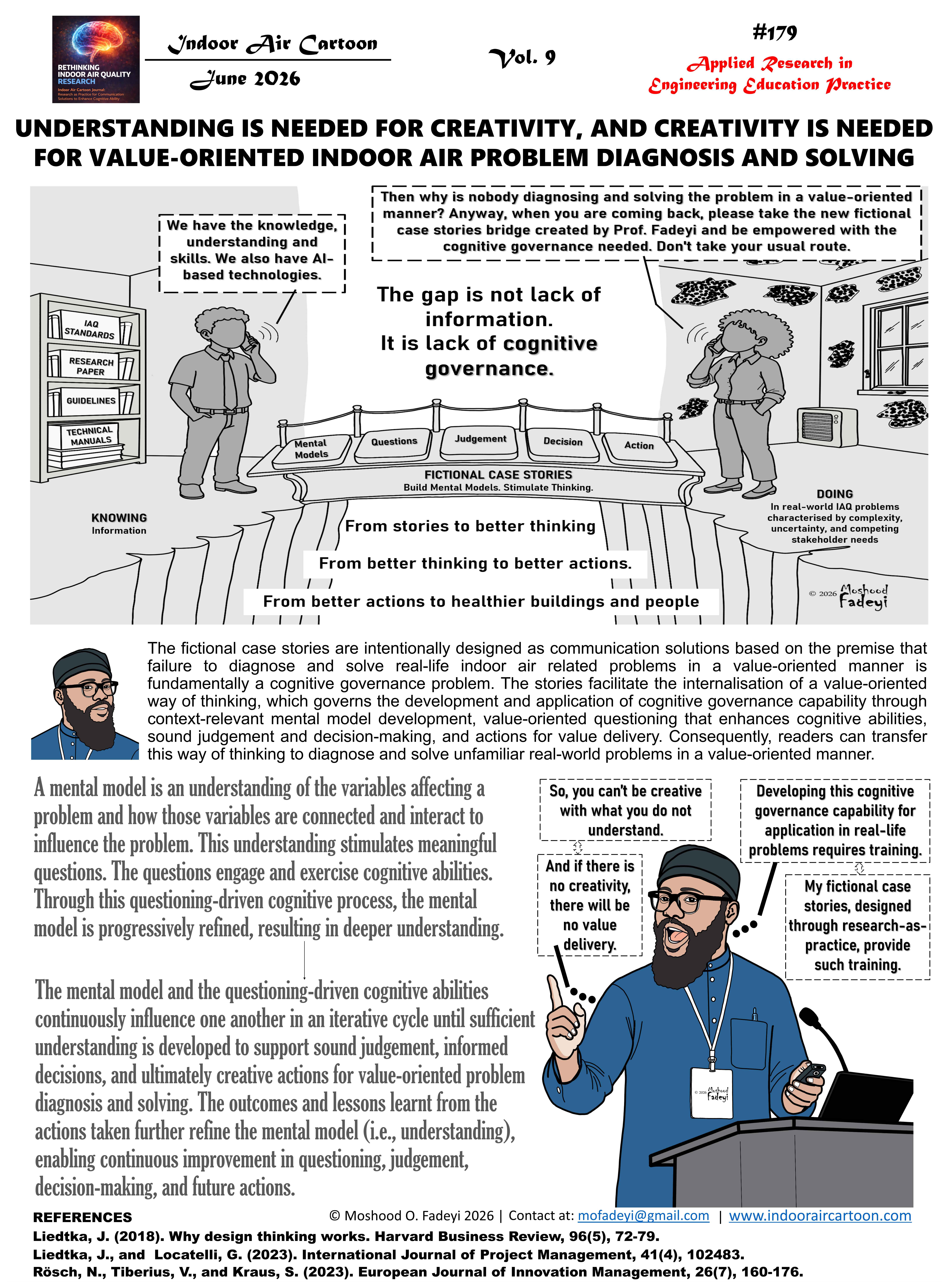

Leave a Reply