Indoor Air Cartoon Journal, March 2026, Volume 9, #176
[Cite as: Fadeyi MO (2026). Indoor air chemistry, exposure dynamics, and mitigation of petrol vapour–generator emissions in residential buildings. Indoor Air Cartoon Journal, March 2026, Volume 9, #176.]

Fictional Case Story (Audio – available online)– Part 1 (Preface, Ch 1 & Ch 2)
Fictional Case Story (Audio – available online) – Part 2 (Ch 3)
Fictional Case Story (Audio – available online) – Part 3 (Ch 3 cont’d)
Fictional Case Story (Audio – available online) – Part 4 (Ch 4)
Fictional Case Story (Audio – available online) – Part 5 (Ch 4 cont’d)
Fictional Case Story (Audio – available online) – Part 6 (Ch 5 & Ch 6)
………………… Preface ……………………
In a developing country with an unreliable electricity supply, many households relied on petrol-powered generators to sustain everyday life. Petrol (gasoline) was often stored near building façades, and generators were commonly operated close to windows, doors, or other ventilation openings. In residential apartments, these coping practices led to fluctuating indoor air conditions characterised by discomfort, lingering odours, and uncertain chemical interactions between petrol vapours, generator emissions, and indoor generated air pollutants.
Over time, such conditions became normalised. Residents and practitioners rarely paused to question whether these responses were safe or appropriate. Education had largely prepared them to follow established instructions rather than to examine underlying assumptions. Consequently, decisions about indoor environments were frequently habitual instead of reflective.
The same limitation was quietly present in a young girl. As she progressed through school and later observed indoor air quality practices in buildings, she noticed that many practitioners addressed indoor air problems using predefined solutions and relied on spot or short-duration measurements of indoor air pollutant concentrations to demonstrate compliance with IAQ standards. They acted on routine solutions without first understanding how pollutants actually entered and spread indoors.
By observing this habitual reliance on assumed solutions, she recognised her own unexamined habits as a diligent student who had been taught mainly what to do and seldom how to think in order to decide what should be done. This realisation unsettled her and awakened a sense of purpose. She resolved to cultivate cognitive governance in herself and others for value-oriented diagnosis and problem solving. Her journey in confronting and overcoming this personal and systemic flaw forms the subject of this fiction story.
………………… Chapter 1 ……………………
There are some sounds that never truly leave a person. They settle into memory like an uninvited resident, shaping thoughts long before one learns to name their influence. For Chioma Eleanya, that sound was the low mechanical growl of a petrol generator beginning its nightly labour outside the window of her childhood home.
It was not merely a sound. It was a signal that evening routines were about to change, that homework would be done under yellowish light, that the air would carry a faint metallic warmth that clung to skin and clothing. Long after she grew older, that vibration would still find her in unexpected moments, as though the past were quietly tapping on her shoulder.
She grew up in a neighbourhood where electricity was not a certainty but an occasional privilege. Darkness did not descend gently at sunset. It arrived abruptly when the power failed, swallowing entire streets into silence before being replaced by a chorus of engines sputtering to life. Families responded to outages with practised efficiency. Someone would carry the generator into position. Someone else would fetch petrol from a container stored nearby.
Within minutes, flickering bulbs returned to life, televisions glowed again, and daily routines resumed as though nothing unusual had occurred. Children paused their games only briefly before continuing beneath the humming noise. Vendors lit kerosene lamps along narrow walkways. Neighbours called out across balconies to confirm that their machines had started. The community had learnt to live inside interruption and to normalise inconvenience as a condition of survival.
For Chioma, these rituals formed the background of existence. She lived with her mother and her elder brother, who carried a quiet sense of responsibility despite his youth. He often lifted the generator with effort far beyond his size, wiping sweat from his forehead while trying to appear strong.
He walked Chioma to school each morning, holding her hand tightly as they navigated busy roadside paths. Her mother moved through the small house with quiet determination, balancing the demands of work, cooking, and childcare. Her voice carried both tenderness and fatigue, shaped by years of managing uncertainty without complaint.
Their father existed only in stories. He had died when Chioma was too young to fully understand the permanence of loss. The adults said illness had taken him, but the details remained vague, wrapped in a silence that discouraged curiosity. Sometimes Chioma noticed how her mother’s eyes lingered on his framed photograph during long outages, as though darkness made absence more visible.
In the evenings, the generator became both saviour and companion. Its vibration travelled through the concrete walls, settling into Chioma’s bones as she struggled to concentrate on homework beneath dim light. Her exercise book cast a soft shadow across the wooden table. The ceiling fan rotated slowly, pushing warm air rather than cooling it. Outside, distant laughter mixed with mechanical noise, creating a strange rhythm that felt both comforting and unsettling. The air in the room often felt heavy.
Cooking smoke drifted from the kitchen. The faint, sweet-sharp smell of petrol lingered near the doorway where the container stood. Sometimes she coughed. Sometimes her eyes watered. Yet these sensations were treated as minor inconveniences rather than warning signs. They were folded into the category of things that simply had to be endured. Complaining about them seemed almost ungrateful when light itself had become a luxury. The family had more immediate concerns than invisible discomfort.
When she was six years old, she gathered the courage to ask her mother why the generator had to be placed so close to the window. Her mother, exhausted from the day’s labour, replied with practical certainty. That was where it functioned best. That was where the extension cables reached. That was how neighbours had always done it.
The explanation was accepted without further inquiry. Chioma nodded quietly, sensing that further questioning might disturb the fragile order of the household. She returned to her homework, though her young mind continued to wonder about the smell in the air and the way the noise made her heart beat slightly faster.
In that moment, Chioma began to internalise a pattern that would define much of her early life. Decisions were justified by habit rather than understanding. Questions were unnecessary if they threatened the fragile stability of daily survival. She learnt to trust instructions more than intuition, and compliance became synonymous with wisdom. Without realising it, she was also learning something else: that adaptation could slowly replace awareness, and that what felt normal was not always what was harmless.
School reinforced this belief. The education system she entered prized accuracy, discipline, and the faithful reproduction of approved answers. Teachers rewarded students who followed established methods and discouraged those who strayed beyond the boundaries of prescribed knowledge.
Lessons were often organised around demonstrating the correct procedure first and then practising how to reproduce it under examination conditions. Success was therefore closely tied to knowing what to do and doing it efficiently, while far less attention was given to helping students reflect on how to think through unfamiliar situations or decide independently what ought to be done.
This emphasis on knowing what to do was not inherently flawed. It provided students with essential foundational knowledge, procedural clarity, and the ability to perform tasks reliably and efficiently, all of which are important for competence and confidence in learning. The limitation did not lie in the presence of structured instruction, but in the absence of equal emphasis on developing the ability to question, interpret, and adapt those instructions when faced with real-life complexity.
Chioma excelled within this framework. She revised her textbooks diligently and learnt to solve mathematical problems by carefully following the methods demonstrated by her teachers. With practice, she became efficient at recognising similar question types and applying the expected procedures accurately. Her notebooks were immaculate. Her examination scores consistently placed her among the top performers.
Adults praised her reliability. They described her as mature beyond her years. She rarely caused trouble or disrupted lessons with difficult questions. She had mastered the art of doing exactly what was expected.
Classroom discussions seldom invited students to challenge assumptions embedded in textbook examples or to explore alternative ways of approaching a problem. Instead, examinations rewarded speed, precision, and conformity to standard marking schemes. Over time, this pattern quietly reinforced the idea that intellectual competence meant executing known steps correctly rather than questioning whether those steps were always appropriate.
Yet beneath this success lay a subtle but growing vulnerability. By learning what to do without learning how to think about why she was doing it, Chioma unknowingly cultivated a dependence on external certainty. As opportunities to practise questioning underlying premises were limited, the capability to interrogate assumptions did not develop naturally.
She became increasingly comfortable with clearly defined tasks but less prepared for situations that required judgement in the absence of predetermined guidance. Her intellectual confidence rested on the assumption that someone else had already defined the correct path. The flaw was invisible because it functioned as a strength.
Through adolescence, the generator continued its nightly presence. Its sound became woven into the rhythms of family life. During long outages, neighbours’ machines joined the chorus, creating a metallic symphony that echoed across narrow courtyards. Exhaust fumes drifted between buildings. Windows remained open to relieve heat, allowing the polluted air to mingle with cooking vapours and dust from the street.
Occasionally, Chioma experienced headaches that lingered into morning. Her brother suffered bouts of coughing that worried their mother but never prompted investigation. Life offered little space for introspection. There were school fees to pay, examinations to prepare for, and social expectations to navigate.
By the time she completed her secondary school education, her academic reputation had already become a source of pride for the family. She performed exceptionally well, earning top grades that positioned her strongly for her A-level studies. She went on to excel again at the A-level stage, graduating with straight As, further reinforcing her identity as a disciplined and high-achieving student.
Teachers predicted a bright future. They encouraged her to pursue engineering, a field associated with progress and respectability. Chioma embraced the suggestion without hesitation. It aligned with the belief that success meant mastering established knowledge and applying it efficiently. The possibility that real-life problems might demand questioning inherited practices or thinking beyond prescribed methods had not yet fully entered her awareness.
She eventually enrolled in university to study Chemical and Environmental Engineering. The decision did not arise from a sudden personal calling but from a gradual convergence of influence, memory, personal inclination, and expectation. Throughout her final years of pre-tertiary education, teachers repeatedly suggested engineering as a practical and respected path for someone with her academic strengths in mathematics and science.
Relatives reinforced the same message, describing engineering as a stable profession that could offer security and social mobility. To Chioma, the recommendation felt both reasonable and reassuring. It pointed towards a future that was clearly mapped out and widely approved.
Chemistry had always been her strongest and most enjoyable subject. She loved the quiet logic of chemical reactions, the satisfaction of balancing equations, and the sense that complex transformations could be understood through disciplined study. The subject gave her confidence because success depended on mastering clear principles and applying them correctly.
She therefore felt that combining chemistry with engineering would create a safe intellectual space in which she could continue to excel. Chemical and Environmental Engineering seemed to promise both familiarity and purpose, allowing her to engage deeply with a subject she loved while also contributing to practical solutions that affected everyday living conditions.
At a deeper level, her childhood experiences also shaped the decision in ways she did not yet fully recognise. Memories of generator fumes, heavy indoor air, and her father’s illness lingered at the edges of her awareness.
Although she did not consciously frame these memories as scientific questions, she sensed that engineering knowledge might one day help her understand such environments and perhaps improve them. The environmental dimension of the programme therefore felt quietly meaningful, even if she could not yet articulate why.
The programme combined principles of chemistry, fluid mechanics, thermodynamics, and environmental systems analysis. University expanded her world while simultaneously reinforcing her habitual patterns of thinking. Lecturers presented complex theories and design procedures with authoritative confidence. Students were trained to apply standardised solutions to hypothetical problems. Practical assignments often required adherence to predetermined criteria rather than exploration of underlying assumptions.
For Chioma, this structured learning environment felt familiar and reassuring. It affirmed the academic identity she had built since childhood, rewarding accuracy and discipline more readily than independent questioning.
Chioma flourished in this environment. She graduated with first-class honours, her transcripts reflecting consistent excellence. Her final years at university were marked by long evenings in laboratories, carefully written design reports, and group projects in which she was often trusted to ensure that calculations were correct and submissions met formal requirements. Lecturers commended her discipline and precision, while classmates frequently relied on her ability to organise tasks and follow complex procedures step by step.
During her capstone project, she worked on a technically demanding assignment involving environmental system modelling, where success depended on applying established analytical methods accurately within tight timelines. The experience strengthened her reputation as someone dependable and methodical, reinforcing the belief that diligence and procedural clarity were reliable foundations for professional competence.
This academic pathway was not a flaw in itself. It was a well-structured system designed to build foundational knowledge, technical confidence, and disciplined thinking. Chioma excelled because she had learnt how to thrive within such environments, where expectations were clearly defined and success could be achieved through careful preparation and consistent effort.
Yet the very predictability that enabled her success also shaped the boundaries of her intellectual comfort. Because most academic challenges had come with identifiable procedures and measurable outcomes, she had limited opportunity to practise navigating uncertainty or questioning underlying assumptions.
Over time, this created a quiet vulnerability. She had become highly capable in situations where the rules were known, but less prepared for contexts where problems were ambiguous and required independent judgement. Her strengths were genuine and hard-earned, but they had developed within a learning environment that rarely demanded the kind of open-ended reasoning required in real-life decision-making.
Outside the classroom, she began to imagine a future in which engineering knowledge would allow her to contribute meaningfully to improving living conditions in communities similar to the one she had grown up in. She attended career talks that emphasised the growing need for environmental engineers and listened attentively to industry practitioners who spoke about pollution control, infrastructure development, and sustainable technologies.
These narratives gave her confidence that she was on the right path. At graduation, surrounded by her proud mother and elder brother, she felt that years of disciplined effort had culminated in a secure and purposeful beginning.
Yet the transition from structured academic exercises to the unpredictable realities of professional practice soon exposed the limitations of her intellectual training. In the workplace, problems did not arrive neatly defined or accompanied by clear instructions. Situations evolved rapidly, shaped by human behaviour, economic pressures, and environmental uncertainty.
For the first time, Chioma found herself confronted with decisions that required questioning assumptions rather than simply applying established methods. The absence of a familiar academic structure unsettled her, revealing a subtle gap between technical knowledge and the ability to interpret complex real-life contexts.
Her first job placed her in a consultancy firm responsible for assessing building performance. The work involved site visits, data collection, and the preparation of technical reports. At first, she approached each assignment with the same disciplined methodology that had served her well in school. She followed checklists meticulously and trusted established guidelines. Then came an inspection that unsettled her.
The firm was called to investigate complaints from residents in a densely populated neighbourhood where electricity outages were frequent. Generators operated in close proximity to living spaces. Petrol containers were stored in improvised outdoor corners. Occupants reported discomfort, fatigue, and persistent odours during power interruptions.
Chioma accompanied a senior engineer to the site. They moved through the building with professional detachment, recording measurements and noting ventilation features. The engineer reassured residents that conditions were within acceptable limits according to existing standards. Recommendations were issued. The case was closed.
But Chioma could not dismiss the unease that lingered after they left. The smell in the building had triggered memories of her childhood evenings beside the generator. She began to question whether the assessment process had captured the full complexity of the situation. Yet she lacked the intellectual tools to articulate her doubts. Years of training had conditioned her to trust established procedures. She buried her discomfort and continued working.
………………… Chapter 2 ……………………
The turning point arrived unexpectedly, shaped by technological change rather than personal tragedy. Artificial intelligence systems began to transform professional practice. Software could analyse data faster than human engineers. Automated tools proposed design solutions with astonishing efficiency. The value of simply knowing what to do diminished in an environment where machines could replicate procedural expertise.
Design platforms began generating multiple layout options within minutes. Predictive maintenance systems identified equipment faults before technicians could notice early warning signs. Generative engineering software produced optimised structural or environmental solutions after processing thousands of data points in seconds. Tasks that once defined professional competence were gradually becoming automated routines. For the first time, Chioma confronted the possibility that her strength might also be her limitation.
She observed colleagues who had spent years mastering standard procedures suddenly feeling uncertain about their relevance. Many professionals had been trained to follow established methods with accuracy and discipline, just as she had been. Their expertise had been built on the reliable execution of known solutions rather than on questioning whether those solutions remained appropriate in changing contexts.
When AI systems began performing these tasks more quickly and often with fewer errors, a quiet anxiety spread through workplaces. Meetings that once centred on technical calculations now revolved around interpreting algorithmic outputs. Some engineers felt reduced to supervisors of machines rather than independent thinkers.
She realised that genuine problem-solving required more than the application of inherited knowledge. It demanded the courage to question assumptions, to interpret ambiguous evidence, and to design responses suited to evolving realities. She began to recognise a deeper systemic issue. The education pathways that had shaped her success had also shaped the thinking patterns of countless others.
From primary school through tertiary training, many had been rewarded for procedural mastery rather than for reflective judgement. Knowing what to do had been emphasised, and rightly so, because societies depend on reliable competence. Yet insufficient emphasis had been placed on developing the ability to decide what ought to be done when familiar rules no longer applied.
In the emerging AI age, this imbalance became starkly visible. Machines excelled at executing known procedures, analysing large datasets, and reproducing best-practice solutions. Humans, however, were expected to navigate uncertainty, weigh competing values, and anticipate unintended consequences.
Professionals who lacked confidence in questioning assumptions found themselves vulnerable. Some blamed technology for threatening their careers, yet few paused to consider whether their own intellectual formation had left them underprepared for such transformation. Chioma sensed that the real challenge was not simply technological disruption but a deeper need to reclaim the human capacity for thoughtful judgement.
The recognition was painful. It challenged her identity as a high achiever. It forced her to acknowledge that excellence defined solely by examination success and procedural reliability might no longer guarantee meaningful contribution in a rapidly evolving world. Yet it also ignited a determination to change.
She subsequently enrolled in an MPhil in Environmental Engineering, where her research focused on the transport and transformation of gaseous pollutants in naturally ventilated residential buildings. This decision was not a return to familiar academic comfort, but a deliberate search for intellectual transformation.
After months of reflection on her growing unease about professional vulnerability in the age of artificial intelligence, Chioma began to recognise that her challenge was not merely technical. It was cognitive. She needed to learn not only more science, but a different way of thinking about science and practice.
During this period of searching, she became aware of a professor at another university within the same country, an individual widely regarded as a global leader and, in many circles, the only recognised expert specialising in the enhancement of cognitive governance for value-oriented diagnostic reasoning and problem solving in indoor air quality and sustainable building engineering practice and education.
This professor, Professor Abiodun Atanda, had evolved his work from experimental indoor air chemistry research into practice-based applied educational research aimed at strengthening how professionals think through complex real-life environmental problems.
Although this shift initially puzzled Chioma, it also intrigued her. She realised that while many academics continued to focus primarily on generating technical data, Professor Abiodun Atanda was attempting to address a deeper barrier. He sought to cultivate the human capacity to interpret uncertainty, question assumptions, and translate scientific knowledge into meaningful action.
When Chioma first approached Professor Abiodun Atanda, however, the encounter was not straightforward. He had become increasingly cautious about supervising students whose work might require extensive field experimentation, long monitoring campaigns, or laboratory-intensive chemical investigations.
He had consciously moved away from such commitments in order to protect the clarity and depth of his emerging research direction centred on cognitive capability enhancement. He feared that returning to large experimental programmes could dilute his intellectual focus and fragment the practice-based scholarship he was striving to develop. For this reason, he initially received Chioma’s proposal with measured hesitation.
Their first extended conversation changed his perception. Chioma spoke not only about technical curiosity, but about her personal struggle with intellectual dependency, her desire to understand how real-life environmental problems should be approached, and her determination to rebuild her thinking from first principles.
She described her background in Chemical and Environmental Engineering, her enduring fascination with chemistry, and her growing conviction that learning how to think critically about environmental complexity was more important than merely acquiring additional procedural knowledge. Professor Abiodun Atanda observed in her a rare combination of independence, intellectual sharpness, humility, and an unmistakable thirst for understanding.
Rather than immediately accepting her into a doctoral pathway, Professor Abiodun Atanda offered a conditional opportunity. He advised Chioma first to pursue an MPhil as a preliminary intellectual testing ground. The intention was twofold. She would generate early empirical insights that could later inform a more ambitious doctoral investigation, and she would also demonstrate whether she possessed the resilience, curiosity, and disciplined reasoning required for sustained PhD-level research.
This staged approach allowed him to support her development without prematurely committing to a long-term supervisory arrangement that might compromise his broader research priorities. After careful reflection, he agreed to give her a trial.
Chioma recognised a personal alignment with this intellectual direction. Her enduring love for chemistry and her undergraduate training in Chemical and Environmental Engineering provided her with a solid technical foundation. Yet she sensed that technical competence alone would not enable her to navigate the unpredictability she had begun to encounter in professional practice.
Professor Abiodun Atanda’s background in indoor air chemistry meant that he could still guide her scientifically, while his newer focus on cognitive development offered the very transformation she desired. Returning to university within the same national context, therefore, no longer felt like a regression. Instead, it became a strategic step towards reshaping her intellectual identity.
Her MPhil study involved field monitoring of indoor air conditions, simplified mass-balance modelling of pollutant behaviour, and evaluation of how ventilation patterns influenced pollutant accumulation and dispersion.
Under this intellectual mentorship, she gradually began to experience research not merely as a process of data collection, but as a disciplined exercise in structured thinking. It was during this period that she gained the scientific knowledge about indoor air chemistry, exposure processes, and environmental health implications that later shaped her intellectual direction.
At this stage, however, her work remained exploratory and diagnostic rather than intervention-oriented. Consistent with Professor Abiodun Atanda’s cautious supervisory approach and the agreed intention that the MPhil should serve as an intellectual proving ground, the research was deliberately scoped to focus on foundational understanding rather than solution design.
The MPhil study primarily sought to establish whether indoor pollutant accumulation patterns in naturally ventilated homes could be reasonably predicted using simplified modelling approaches. It did not yet investigate complex multi-source chemical interactions, nor did it examine structured mitigation strategies or cognitive decision-making frameworks.
This orientation aligned with her mentor’s view that meaningful intervention research should only emerge after a researcher had first learnt to observe environmental phenomena carefully, interpret uncertainty responsibly, and question inherited assumptions about how indoor spaces function. Through this preliminary research, she began to notice recurring situations in which generator emissions and stored fuel vapours appeared to coexist within indoor environments.
Although her MPhil thesis did not explicitly focus on petrol storage or generator use as a central research problem, her field observations frequently recorded subtle but consistent patterns of indoor air fluctuation during electricity outage periods, particularly in dwellings that relied heavily on small generators for daily living. The observational insights she gained gradually revealed conceptual gaps in existing understanding. These insights later became the intellectual foundation upon which her doctoral research problem was built.
Her postgraduate training, therefore, functioned as an early scientific grounding phase that enabled her to develop measurement literacy, modelling competence, and environmental health awareness.
Equally important, it provided a formative cognitive apprenticeship in which she was encouraged to slow down her thinking, examine the assumptions underlying routine environmental practices, and connect technical data with lived human experience. Only after completing this stage did she begin to perceive the need for a more comprehensive investigation that would integrate indoor chemical behaviour, exposure pathways, and value-oriented mitigation decision processes.
Gradually, she began to see patterns that had previously escaped her attention. Indoor environments were not passive containers of pollutants but dynamic systems shaped by human behaviour, building design, and chemical interactions. The generator outside the window was not merely a source of electricity. It represented a familiar yet insufficiently questioned coping mechanism whose environmental consequences extended beyond immediate convenience. It was part of a complex network influencing air quality, health, and cognitive functioning.
By the time she considered doctoral study, Chioma had undergone a profound intellectual evolution. The flaw that once defined her had gradually been reshaped into a powerful source of motivation. She no longer accepted assumptions without scrutiny. Instead, she had developed a quiet but persistent desire to understand the mechanisms underlying everyday experiences.
Her MPhil findings, though modest in scale, had revealed recurring patterns of pollutant accumulation during generator use that could not be fully explained by existing simplified models. Encouraged by Professor Abiodun Atanda, she began to recognise that these preliminary observations represented more than academic curiosity. They pointed towards an important knowledge gap with tangible human consequences.
Together, they decided to transform the insights emerging from her MPhil work into a competitive doctoral research proposal. Chioma subsequently applied for an international research funding opportunity under the Horizon Europe research programme, a prestigious grant scheme open to applicants from developed, developing, and underdeveloped countries.
In preparing the proposal, Professor Atanda strategically engaged several leading indoor air chemistry scientists from universities in Europe, North America, and East Asia. Many of these researchers had built distinguished careers studying indoor pollution under conditions of reliable infrastructure and controlled environmental systems.
Few had personally encountered the realities of prolonged electricity outages or the routine use of petrol generators in residential settings. Chioma’s field observations, therefore, introduced them to a context that was both scientifically unfamiliar and intellectually compelling.
The proposal emphasised how her preliminary measurements suggested that naturally ventilated homes exposed to generator emissions might behave as chemically reactive environments rather than passive containers of pollutants. When international reviewers assessed submissions from across the world, they found this perspective both meaningful and potentially transformative.
They observed that the early evidence generated through her MPhil research appeared to bridge a neglected gap between established indoor air chemistry theory and the lived environmental conditions of energy-insecure regions. On this basis, the funding panel approved a research grant to support her doctoral investigation.
As part of the collaborative framework, one of the international experts, Professor Foo Yong Xiang, agreed to serve as a co-supervisor. His university hosted advanced analytical laboratories where Chioma would later spend one year conducting detailed data analysis and refining mechanistic models.
Before travelling overseas, she began communicating with him regularly through video conferences and research correspondence. These exchanges gradually strengthened her confidence in participating in global scientific dialogue and sharpened her ability to articulate complex ideas beyond the boundaries of her previous academic experience.
One evening, shortly after receiving confirmation of the research grant, Chioma stood alone on the quiet university campus where she had completed her MPhil. The congratulatory message remained open on her phone, its words still carrying the weight of possibility. Beyond the campus gates, the familiar sound of petrol generators drifted through the darkness of the surrounding neighbourhood. For the first time, the sound did not register merely as a background condition of survival. It resonated within her as an unanswered scientific question.
In that stillness, she became acutely aware of how the years of disciplined learning, the discomfort of confronting her intellectual limitations, and the courage required to seek a different way of thinking had converged into a decisive moment. Her journey was no longer defined solely by personal transformation. It had evolved into a deliberate commitment to understand and address an environmental problem quietly shaping the lives of millions of households.
Standing beneath the dim campus lights, she felt both apprehension and determination. The path ahead promised uncertainty, intellectual struggle, and moments of doubt. Yet it was also unmistakably her own.
With funding secured, global mentors engaged, and a research direction beginning to crystallise, she recognised that the next phase of her life would be guided by a single purpose. She would question what others had learnt to accept. She would search patiently for explanations where few had previously looked.
The research problem statement that Chioma wrote for her doctoral research proposal, which anchored the proposal that secured the multimillion-dollar international research grant, is presented below.
“In many residential environments where electricity supply is unreliable, frequent power outages have led households to depend heavily on petrol-powered generators for everyday activities. As a result, petrol is routinely stored within residential premises, often in outdoor areas close to building façades, while generators are operated near windows, doors, or ventilation openings. These practices have gradually become normal coping strategies for maintaining daily living functions under unstable energy conditions.
Under prevailing living conditions, such practices commonly occur within naturally ventilated or mixed-mode dwellings that rely on window opening and informal airflow pathways to maintain indoor comfort. Despite the apparent practicality of these arrangements, the current performance of indoor environmental management in such settings remains uncertain.
Occupants frequently experience fluctuating indoor air quality conditions characterised by odours, perceived air stagnation, and discomfort during generator operation or petrol handling episodes. However, the extent to which these experiences reflect underlying chemical processes occurring within indoor environments during generator use is not clearly understood.
The targeted performance situation is one in which residential indoor air conditions are maintained at levels that minimise harmful pollutant formation arising from generator emissions and petrol vapours, reduce cumulative exposure to pollutant mixtures, and support occupant wellbeing and cognitive functioning.
Achieving this requires informed decision-making that ensures generator placement and operation are appropriately managed, airflow pathways are deliberately controlled, and indoor chemical interactions are limited. At present, a gap exists between this desired state and the current reality in many homes where petrol vapours and generator emissions may coexist without structured monitoring, interpretation, or mitigation.
One root cause of this gap is the limited scientific understanding of how indoor environments behave when emissions from generators interact with evaporative petrol vapours. Indoor spaces are often assumed to function merely as passive containers of pollutants rather than as dynamic environments where chemical reactions may alter pollutant composition and distribution.
Without clear mechanistic knowledge, residents and practitioners may underestimate the significance of pollutant transformation processes. Another barrier is the lack of evidence on how exposure to such pollutant mixtures may influence short- to medium-term physiological and cognitive functioning under real residential conditions.
Furthermore, although households recognise the practical necessity of generator use, they often lack structured guidance on how to select and sustain mitigation actions that are technically effective and feasible within everyday constraints such as privacy, safety, space limitations, weather conditions, and thermal comfort. Decision-making, therefore, tends to be reactive rather than systematically guided by an understanding of pollutant pathways.
Consequently, there is a pressing need to develop evidence-informed cognitive guidance frameworks that complement physical mitigation measures. Such frameworks should enable residents and practitioners to interpret indoor air conditions during generator use, diagnose exposure pathways, and implement context-appropriate mitigation strategies.
Strengthening systematic diagnostic reasoning alongside environmental control practices can help bridge the gap between current and targeted indoor environmental performance, thereby supporting healthier and more resilient residential living conditions.”
Her interest and courageous ambition to address this research problem led him to formulate three research questions that needed to be answered. The research questions are as follows:
(i) How do evaporative fuel vapours and small-engine combustion emissions interact within residential buildings, including naturally ventilated and mixed-mode environments, to influence the formation, transformation, and spatial distribution of primary and secondary indoor air pollutants?
(ii) To what extent do indoor chemical processes arising from the interaction of evaporative fuel vapours and combustion emissions influence occupant exposure burden and short- to medium-term physiological and cognitive outcomes in residential buildings under varying ventilation conditions?
(iii) Which technically effective, behaviourally feasible, and context-sensitive mitigation strategies, guided by cognitive governance and value-oriented diagnostic reasoning, can most significantly reduce harmful indoor chemical transformations, occupant exposure burden, and associated health-risk indicators in residential buildings affected by petrol storage and generator use?
For the first research question, the Null Hypothesis (H01) is that the coexistence of evaporative fuel vapours and combustion emissions does not produce statistically significant interaction effects that alter the formation, transformation, or spatial distribution of indoor air pollutants beyond the independent contribution of each source. The Alternative Hypothesis (H11) is that the coexistence of evaporative fuel vapours and combustion emissions produces statistically significant interaction effects that alter the formation, transformation, and spatial distribution of indoor air pollutants beyond the independent contribution of each source.
For the second research question, the Null Hypothesis (H02) is that indoor chemical interactions between evaporative fuel vapours and combustion emissions do not significantly increase occupant exposure burden. These interactions are not associated with measurable physiological responses or cognitive performance changes. The Alternative Hypothesis (H12) is that indoor chemical interactions between evaporative fuel vapours and combustion emissions significantly increase occupant exposure burden. These interactions are associated with measurable physiological responses and cognitive performance changes.
For the third research question, the Null Hypothesis (H03) is that no mitigation strategy or combination of strategies, when implemented through cognitive governance and value-oriented diagnostic reasoning, produces a statistically significant reduction in harmful indoor chemical transformations, occupant exposure burden, or associated health-risk indicators compared with prevailing household practices. The Alternative Hypothesis (H13) is that at least one mitigation strategy or combination of strategies, supported by cognitive governance and value-oriented diagnostic reasoning, produces a statistically significant reduction in harmful indoor chemical transformations, occupant exposure burden, and associated health-risk indicators compared with prevailing household practices.
The research questions and problems informed the following objectives of her PhD research:
(i) To establish how evaporative petrol vapours and generator combustion emissions interact within residential buildings, including naturally ventilated and mixed-mode environments, and to determine their influence on the formation, transformation, and spatial distribution of primary and secondary indoor air pollutants.
(ii) To determine the extent to which indoor chemical processes arising from the interaction of evaporative petrol vapours and generator emissions influence occupant exposure burden and contribute to short- to medium-term physiological responses and cognitive performance outcomes under varying ventilation conditions.
(iii) To identify and evaluate technically effective, behaviourally feasible, and context-sensitive mitigation strategies, guided by cognitive governance and value-oriented diagnostic reasoning, that can reduce harmful indoor chemical transformations, lower occupant exposure burden, and minimise associated health-risk indicators in residential buildings affected by petrol storage and generator use.
………………… Chapter 3 ……………………
Research Methods
Methods for Research Question 1:
Overview
The methodology for the first research question was designed to establish a mechanistic understanding of how outdoor-origin evaporative petrol vapours and small-generator combustion emissions transported from outdoor environments into indoor spaces interact with one another and with chemical pollutants generated from indoor activities, thereby influencing the formation, transformation, and spatial distribution of primary and secondary indoor air pollutants.
The investigation aimed to determine whether indoor environments behaved as chemically reactive systems rather than passive containers of pollutants when transported outdoor emissions and indoor-generated pollutants coexist.
The research integrated field observations, high-resolution environmental monitoring, chemical kinetics modelling, indoor airflow simulation, and advanced statistical analysis to capture both the physical transport and chemical transformation processes governing pollutant behaviour indoors.
The methodological design recognised that indoor pollutant dynamics arose from the interaction of three interrelated processes. The first process involved pollutant emission from outdoor evaporative petrol sources, outdoor generator combustion exhaust, and indoor activity-related sources.
The second process involved pollutant transport through infiltration, natural ventilation, and indoor airflow patterns. The third process involved chemical transformation driven by oxidation reactions, photochemical reactions, and heterogeneous reactions occurring on indoor surfaces.
By simultaneously measuring and modelling these processes, the study sought to determine whether pollutant mixtures observed indoors differed significantly from the emissions initially introduced into the environment from outdoor sources and from pollutants generated within indoor spaces.
The methodology, therefore, adopted an integrated observational and modelling approach in which real-world residential environments were monitored while chemical transformation pathways were analysed using reaction kinetics models and mass balance modelling.
This approach enabled the study to test whether statistically significant interaction effects occurred between transported petrol vapours, transported combustion emissions, and indoor-generated chemical pollutants and whether such interactions altered the chemical composition and spatial distribution of indoor air pollutants over time and across indoor micro-environments.
Study Environment and Building Selection
The empirical component of the investigation was conducted within residential buildings where small petrol generators were routinely used during electricity interruptions. These environments were characterised by episodic emission events, variable outdoor meteorological influences, and occupant-driven ventilation behaviours, all of which contributed to dynamic indoor air pollutant transport and transformation processes.
The selection of study sites was designed to capture environmental variability associated with building design, ventilation practices, generator placement patterns, and indoor activity-related emission characteristics. A structured reconnaissance survey and preliminary field observations were conducted before final site selection to document generator usage frequency, building orientation, façade exposure conditions, and spatial proximity between emission sources and ventilation openings.
Thirty residential buildings were selected based on three criteria. The first criterion was the regular use of petrol generators during power outages. Eligibility required documented generator operation during at least three electricity interruption events per month over a three-month screening period.
The second criterion was the presence of outdoor or indoor petrol storage locations capable of releasing evaporative vapours that could infiltrate indoor spaces. Storage configurations included semi-enclosed balconies, utility corridors, stair landings, and interior storage rooms where fuel containers were intermittently opened or handled.
The third criterion was the presence of natural ventilation openings, such as windows and doors, that allowed outdoor-origin pollutants to be transported into indoor environments. Buildings without operable façade openings or with permanently sealed glazing systems were excluded in order to ensure meaningful assessment of infiltration-driven pollutant transport.
The selected buildings represented two ventilation categories. Fifteen buildings operated predominantly under natural ventilation conditions where airflow was driven primarily by wind and thermal pressure differences through windows, doors, and building envelope leakage pathways.
Air exchange behaviour in these dwellings was further characterised using occupant ventilation logs and periodic tracer gas decay measurements conducted during representative daytime and evening occupancy periods. Fifteen additional buildings represented mixed-mode ventilation environments in which natural ventilation was supplemented intermittently by mechanical cooling systems that actively conditioned indoor thermal and airflow environments.
These systems included room-based split air-conditioning units that influenced window opening behaviour, indoor air mixing intensity, and pollutant dilution dynamics. This categorisation allowed the study to investigate how ventilation modes influenced pollutant residence time, mixing of outdoor-origin and indoor-origin pollutants, chemical reaction opportunities, and spatial mixing behaviour.
The classification framework also enabled comparison of ventilation-dependent differences in pollutant accumulation patterns, short-term concentration variability, and potential reactive encounter frequency among co-existing chemical species.
Within each building, three monitoring zones were established to capture spatial variation in pollutant concentrations. One monitoring station was located within the primary living area where occupants spent the majority of their time. The sampling inlet was positioned at approximately 1.1 to 1.3 metres above floor level to represent the breathing zone of seated occupants and to minimise vertical stratification bias.
A second monitoring station was placed near the dominant ventilation opening, such as a window or balcony door, through which outdoor air entered the indoor environment. The dominant opening was identified through airflow visualisation using smoke tubes and through occupant reporting of habitual window usage patterns.
A third monitoring station was located within the kitchen area, where indoor pollutant sources, such as cooking, occurred. Placement was carefully selected to avoid direct exposure to thermal plumes while still capturing dispersion of cooking-related emissions into the general indoor environment.
Outdoor monitoring stations were also positioned near the location where generators were typically placed outside the building to characterise incoming pollutant plumes before indoor transport. These stations were installed at distances ranging from 1.5 to 3 metres from generator exhaust outlets and at heights corresponding to the level of adjacent indoor ventilation openings to improve comparability between outdoor source concentrations and indoor infiltration measurements. Meteorological parameters, including wind speed, wind direction, temperature, and relative humidity, were recorded concurrently using portable façade-mounted sensors.
All monitoring points were synchronised using time-resolved sampling intervals of one to five minutes, enabling detailed examination of pollutant transport lag times, episodic indoor accumulation behaviour, and short-term spatial concentration gradients. This spatially resolved monitoring configuration, therefore, strengthened the methodological capacity to interpret how building ventilation characteristics, generator emission proximity, and indoor activity patterns collectively influenced the distribution, interaction potential, and transformation dynamics of indoor air pollutants within realistic residential environments.
Pollutant Measurement and Environmental Monitoring
Continuous environmental monitoring was conducted to measure both primary pollutants emitted directly from fuel evaporation and generator combustion in outdoor locations as well as secondary pollutants produced through indoor chemical reactions involving both transported pollutants and indoor-generated emissions.
Monitoring was designed as a time-resolved, multi-pollutant observational framework capable of capturing rapid emission episodes, transport delays, and evolving indoor chemical transformation processes under realistic occupancy conditions. Primary volatile organic compounds originating from petrol vapours included benzene, toluene, ethylbenzene, and xylenes.
Additional light hydrocarbons such as pentane and hexane were intermittently detected and tracked as indicators of evaporative fuel losses and plume infiltration events. Combustion emissions from generators included carbon monoxide, nitrogen oxides, particulate matter, aldehydes, and unburned hydrocarbons.
Transient increases in black carbon and ultrafine particle number concentrations were also recorded during generator start-up and load fluctuations, reflecting incomplete combustion dynamics. Indoor activities such as cooking contributed additional reactive gases and particles, including volatile organic compounds, combustion gases, and fine particulate matter.
These activities were documented through occupant activity diaries and synchronised with pollutant time-series data to enable source attribution analysis. Secondary pollutants formed through chemical reactions included secondary organic aerosols, organic nitrates, additional aldehydes such as formaldehyde and acetaldehyde, and ultrafine particles formed through oxidation processes.
The monitoring strategy, therefore, emphasised the simultaneous detection of precursor species and reaction products to infer potential indoor chemical pathways and transformation rates.
Volatile organic compounds were measured using proton transfer reaction mass spectrometry combined with periodic gas chromatography–mass spectrometry calibration to identify specific precursor compounds and reaction products. The proton transfer reaction system operated at sub-minute temporal resolution, enabling detection of short-duration concentration peaks associated with infiltration pulses and indoor emission bursts.
Calibration procedures were conducted bi-weekly using certified multi-component gas standards to ensure measurement stability and compound identification accuracy. Nitrogen oxides were measured using chemiluminescence analysers capable of distinguishing nitric oxide and nitrogen dioxide concentrations.
Instrument drift was assessed through routine zero and span checks, and converter efficiency was verified to ensure reliable differentiation between oxidised and reduced nitrogen species. Particle number size distributions in the ultrafine and accumulation size ranges were measured using fast mobility particle sizers (FMPS) capable of high time-resolution sampling, while optical particle counters were used to characterise coarse particle fractions.
The FMPS systems provided one-second particle size distribution data across the approximate range of 5 to 560 nanometres, supporting detailed analysis of nucleation events and particle growth processes. Optical particle counters measured particle mass and number concentrations within the coarse size range exceeding approximately 0.3 micrometres, enabling evaluation of resuspension and mechanical disturbance influences.
Carbon monoxide and aldehydes were measured using calibrated electrochemical and spectroscopic sensors. Electrochemical sensors were co-located periodically with reference analysers to verify response linearity, while spectroscopic detection of formaldehyde employed optical absorption techniques to minimise cross-sensitivity with other volatile compounds.
Environmental variables that influenced chemical reaction processes were monitored concurrently. Indoor temperature and relative humidity were recorded using calibrated environmental sensors. Sensors were positioned away from direct heat sources and solar exposure to reduce measurement artefacts and were subjected to monthly calibration verification against laboratory reference instruments. Ventilation rates were estimated using tracer gas decay experiments conducted periodically in each building.
Tracer gas releases were performed under both window-open and window-closed conditions to characterise variability in air exchange behaviour and to quantify pollutant residence time under different ventilation scenarios. Solar radiation entering indoor spaces was measured using photometric sensors placed near windows.
These measurements supported examination of photochemically driven oxidation processes influencing secondary pollutant formation within sunlit indoor zones. Surface material composition within monitored rooms was documented to examine the influence of heterogeneous surface reactions on pollutant transformation.
Material surveys recorded the presence of painted plaster, ceramic tiles, wood products, fabrics, and polymer-based finishes, allowing assessment of adsorption–desorption interactions and reactive surface uptake processes. Monitoring occurred over a twelve-month period to capture variations in climate conditions, ventilation behaviour, generator operation patterns, and temporal overlap between outdoor pollutant intrusion and indoor emission events.
Seasonal data segmentation enabled comparison of pollutant dynamics during periods of elevated ambient temperature, increased solar radiation, and altered occupant ventilation practices, thereby strengthening interpretation of long-term exposure patterns and indoor chemical transformation variability.
Chemical Reaction Modelling
The formation of secondary pollutants was investigated through chemical reaction modelling based on established atmospheric chemistry mechanisms adapted for indoor environments. The study focused on oxidation reactions involving hydrocarbons emitted from outdoor petrol vapours transported indoors, nitrogen oxides emitted from generator exhaust, and reactive chemical species generated by indoor activities. These reactions proceeded through pathways involving ozone and hydroxyl radicals present within indoor environments.
Indoor oxidant concentrations were characterised through continuous monitoring of ozone using UV photometric analysers and through proxy estimation of hydroxyl radical availability using established indoor photochemical scaling relationships derived from measured light intensity, nitrogen oxide levels, and volatile organic compound reactivity indices. This approach enabled quantification of reaction environments under realistic occupancy and ventilation conditions.
Indoor pollutant concentration dynamics were represented using a time-resolved mass balance framework that accounted for indoor emissions, ventilation transport, chemical transformation processes, and pollutant removal mechanisms. Within this framework, the chemical transformation of volatile organic compounds was modelled using a simplified indoor reaction mechanism derived from established atmospheric chemistry models such as the Master Chemical Mechanism.
Relevant precursor species and dominant oxidation pathways were identified based on the pollutant composition measured in the study environments. Reaction rate constants were incorporated into a coupled system of differential equations describing the time-dependent formation and depletion of both primary and secondary pollutant species arising from interactions between outdoor-origin and indoor-generated emissions.
Rate constants were obtained from peer-reviewed kinetic datasets and adjusted for indoor temperature and relative humidity using Arrhenius-type correction functions. Chemically similar hydrocarbons were grouped into surrogate species classes to reduce computational complexity while preserving the dominant reaction pathways relevant to aldehyde formation and secondary organic aerosol generation.
Numerical integration of the reaction equations enabled estimation of the net chemical production or depletion rates of the pollutant species at each simulation time step. The rates at which pollutants were formed or removed through chemical reactions were calculated and then included in the mass balance equation as the reaction contribution term R. This allowed the model to account for the influence of indoor chemical reactions when predicting how pollutant concentrations changed over time.
For clarity, the reaction contribution term R was expressed as the difference between chemical formation and chemical consumption rates, such that

In simplified kinetic form, this may be represented as

where kf represents the formation reaction rate constant, [P1]… [Pn] represent the concentrations of the primary reactive precursor pollutants participating in the formation reaction, kc represents the first-order chemical consumption rate constant, and [Sp] represents the concentration of the secondary pollutant formed through indoor chemical reactions. In this expression, the rate constants kf and kc were derived from reaction pathways informed by the Master Chemical Mechanism and subsequently adjusted using Arrhenius-type relationships to reflect the actual indoor environmental conditions.
The general indoor mass balance equation governing pollutant concentration dynamics was implemented within a computational modelling environment in which pollutant concentrations were updated at one-minute intervals using measured environmental and source input data. At each time step, the emission source term, ventilation transport term, reaction contribution term, and pollutant loss term were computed and used to determine the time evolution of indoor pollutant concentration.

Where dc/dt represents the rate at which the indoor pollutant concentration changes with time. C represented the indoor concentration of the pollutant species being modelled (µg m⁻³), Ein represented the indoor pollutant emission rate (µg h⁻¹), and V represented the indoor air volume (m³). Ein/V represented the emission source strength expressed as the rate of increase in indoor pollutant concentration due to indoor emissions (µg m⁻³ h⁻¹).
Emission rates were derived from controlled emission characterisation experiments conducted within representative indoor zones in which activities such as cooking, fuel handling, and material emissions were simulated under monitored ventilation conditions. Indoor air volume was determined from detailed architectural measurements, including ceiling height variability and partial volume exclusions associated with fixed furniture.
The ventilation rate Q represented the ventilation rate, i.e., volumetric flow rate of outdoor air entering the indoor space (m³ h⁻¹), while Q/V represented the corresponding air change rate (h⁻¹). Ventilation rates were estimated using tracer gas decay experiments with carbon dioxide as the tracer.
Cout represented the outdoor pollutant concentration (µg m⁻³) used as the boundary condition for indoor pollutant transport modelling. Outdoor pollutant concentrations were measured at three representative locations: near typical generator operating points to characterise combustion emission plume strength, near common petrol storage areas to quantify evaporative hydrocarbon emissions, and outdoors adjacent to façade ventilation openings at comparable heights to these openings to represent the concentration of air entering indoor spaces.
For modelling computation, the value of Cout at each time step was taken as the pollutant concentration measured at the façade-proximal monitoring station, as this location most closely represented the outdoor air directly available for infiltration into the indoor environment.
Measurements obtained near the generator and petrol storage locations were used to interpret source strength, dispersion behaviour, and precursor availability, but were not directly substituted into the indoor mass balance boundary term. This approach enabled a physically realistic representation of pollutant intrusion while preserving a mechanistic understanding of emission dynamics and chemical transformation potential.
The loss term S represented the pollutant loss processes, including surface deposition, chemical decay, filtration, and ventilation-related removal (µg m⁻³ h⁻¹). Pollutant loss term S was parameterised using experimentally derived deposition velocities measured on common indoor surfaces such as painted plaster and ceramic tiles, combined with first-order decay coefficients representing irreversible chemical transformation, and filtration removal coefficients derived from measured or manufacturer-specified airflow rates and filter efficiencies where filtration devices or mechanically cooled systems with filters were present
Overall, the values used in the mass balance equation were derived from a combination of field measurements, controlled experimental studies, and scientifically established information reported in the literature. This integrated approach helped ensure that the modelling of how indoor air pollutants formed and changed over time was realistic and scientifically robust.
Model reliability was evaluated by comparing pollutant concentrations predicted by the model with concentrations measured in the buildings over time. Statistical indicators were used to quantify the degree of agreement between simulated and observed values and to determine whether the model systematically overestimated or underestimated pollutant concentrations.
Indoor Airflow and Pollutant Transport Modelling
Pollutant transport within indoor environments was analysed using computational fluid dynamics simulations. The physical layout of each dwelling was reconstructed in three-dimensional digital models based on architectural measurements, including room dimensions, window locations, door positions, and leakage pathways in the building envelope.
Airflow entering through openings was simulated using façade-level wind data together with ventilation rates derived from tracer gas decay experiments. These inputs enabled the simulations to reproduce realistic indoor airflow behaviour under both naturally ventilated conditions and mixed-mode operation involving intermittent use of split-unit air-conditioning systems.
In buildings equipped with split-unit systems, the indoor unit fan was represented as a recirculating airflow source characterised by specified discharge velocity, flow direction, and supply air temperature obtained from manufacturer information and field observations. This allowed the model to capture the combined influence of outdoor air entry and mechanically induced indoor air mixing during cooling periods.
Within the CFD framework, pollutants were represented as transported scalar tracers that moved with the simulated airflow field. Separate scalar transport equations were solved for selected representative pollutant groups rather than for each compound measured during monitoring. This approach allowed a realistic representation of pollutant dispersion while maintaining computational feasibility. Tracer concentrations were visualised in the simulation output as coloured contour fields that changed over time as air circulated within indoor spaces.
Evaporative petrol emissions were represented by one surrogate gaseous tracer intended to characterise the transport behaviour of hydrocarbon vapours released from fuel storage and handling activities.
Generator exhaust emissions were represented using two tracers: one representing gaseous combustion products and another representing fine particulate emissions. Indoor combustion sources, such as cooking, were similarly represented by a gaseous tracer and a fine particulate tracer released from kitchen zones or other activity areas. Each tracer was introduced at locations identified through field observations, including petrol storage points, façade openings exposed to generator emissions, and indoor activity areas.
The CFD solver calculated how these tracers were carried by airflow pathways, mixed between rooms, diluted by ventilation, redistributed by air-conditioning-induced recirculation, and accumulated in areas of weaker air movement. Physical transport processes such as advection and turbulent diffusion were represented explicitly, while simplified particle settling and surface deposition processes were included for particulate tracers.
The simulations were therefore used primarily to understand how polluted air moved inside the buildings, how quickly pollutants spread, and how ventilation conditions influenced pollutant residence time.
Chemical transformation processes were not resolved directly in the CFD model. Instead, information obtained from CFD, such as air mixing behaviour and inter-room airflow connectivity, was used to support a separate concentration modelling approach based on the indoor mass balance equation provided and as described in the previous section titled chemical reaction modelling.
Within this framework, pollutant concentrations were calculated as a function of emission inputs, ventilation-driven exchange with outdoor air, pollutant removal processes, and the overall effect of indoor chemical reactions estimated using kinetic relationships and measured environmental conditions.
Simulation outputs included spatial maps of airflow velocity and tracer concentration at different indoor locations and heights. These predicted patterns were compared with measurements from indoor monitoring stations to evaluate whether the simulated transport behaviour was consistent with observed pollutant distribution trends. Sensitivity simulations were also conducted to examine how variations in window opening configuration, wind direction, emission location, and air-conditioning operation influenced predicted exposure zones.
By combining CFD airflow simulations with time-resolved mass balance concentration modelling, the study examined both the spatial movement of pollutants and the temporal evolution of their concentrations. This integrated strategy provided a more comprehensive understanding of indoor pollutant behaviour than either modelling approach could achieve independently.
Statistical Analysis and Hypothesis Testing
Statistical analysis was undertaken to determine whether the simultaneous presence of transported evaporative petrol vapours, generator combustion emissions, and indoor-generated pollutants resulted in pollutant concentrations that differed significantly from the independent contribution of each source.
Multivariate regression models were applied to time-resolved pollutant concentration datasets collected from indoor monitoring locations. Interaction terms were included in the regression structure to represent periods when outdoor-origin and indoor-origin emission sources were present concurrently. This approach enabled quantitative evaluation of whether combined emission scenarios led to enhanced secondary pollutant formation or altered concentration levels beyond additive expectations.
Temporal analysis techniques were used to examine pollutant concentration trends across distinct operational phases, including generator operation periods, petrol storage emission episodes, indoor activity intervals such as cooking, and post-emission recovery periods. Spatial regression analysis was conducted to assess concentration gradients between monitoring zones within each building, thereby providing insight into how pollutant mixing behaviour and transport pathways influenced indoor exposure patterns.
The hypothesis testing framework was structured around two competing propositions. The null hypothesis (H01) assumed that the coexistence of outdoor-origin evaporative petrol vapours, combustion emissions, and indoor-generated chemical pollutants did not produce statistically significant interaction effects influencing pollutant formation, transformation, or spatial distribution beyond the independent effect of each source. The alternative hypothesis (H11) proposed that such coexistence generated statistically significant interaction effects leading to measurable changes in pollutant chemistry or spatial distribution.
Hypothesis evaluation was based on integrated interpretation of environmental monitoring results, chemical reaction modelling outputs, airflow simulation findings, and statistical significance testing outcomes.
Ethical Considerations
Ethical considerations for the methodology addressing Research Question 1 focused on safeguarding participant wellbeing, ensuring responsible environmental monitoring, and maintaining scientific integrity throughout field measurements, modelling, and data analysis.
Prior to data collection, informed consent was obtained from all participating occupants. The purpose of the study, the nature of indoor air monitoring activities, and any potential inconvenience associated with instrumentation placement were clearly explained in accessible language. Participation was voluntary, and occupants retained the right to withdraw at any stage without consequence.
Monitoring equipment and experimental procedures were designed to avoid introducing additional health risks. No artificial pollutant release was conducted. Instead, the study relied on observation of existing emission sources and naturally occurring operating conditions.
Placement of sensors, tracer gas measurements for ventilation assessment, and field observations were undertaken in ways that minimised disruption to daily routines and avoided obstruction of movement or safety hazards within the indoor environment.
Privacy and confidentiality were carefully protected. Residential locations were anonymised during data processing and reporting. Environmental measurements were analysed and presented in aggregated or coded form to prevent the identification of individual households. Data storage complied with institutional research governance requirements, with restricted access granted only to authorised research personnel.
Ethical responsibility also extended to scientific modelling practices. Computational simulations and chemical reaction modelling were conducted transparently, using documented assumptions, validated datasets, and peer-reviewed kinetic parameters. Sensitivity analyses were performed to avoid misleading interpretation of model outputs.
Findings were communicated with appropriate caution, ensuring that conclusions regarding pollutant interactions and exposure implications did not exaggerate risks or cause unnecessary concern among participants or stakeholders.
Contribution to Knowledge
The methodology developed for Research Question 1 contributes to knowledge by offering a comprehensive framework for investigating how outdoor-origin petrol vapours, generator combustion emissions, and indoor-generated pollutants interact within residential buildings to influence indoor air chemistry. Its contribution lies not only in the subject studied but also in the way multiple methodological components were systematically integrated to address the problem.
First, the study environment and building selection strategy contributed a structured basis for examining pollutant behaviour across both naturally ventilated and mixed-mode residential settings, thereby improving contextual relevance. Second, the pollutant measurement and environmental monitoring framework advanced methodological practice by combining real-time monitoring of precursor pollutants, secondary pollutants, and environmental variables needed to support both chemical and transport analysis.
Third, the chemical reaction modelling and mass balance framework contributed a mechanistic means of quantifying how pollutant concentrations changed over time due to emissions, ventilation, chemical formation, and loss processes. By linking simplified indoor reaction mechanisms derived from atmospheric chemistry knowledge with time-resolved concentration modelling, the methodology extended indoor air analysis beyond source measurement alone.
Fourth, the computational fluid dynamics component contributed spatial understanding by showing how pollutants moved, mixed, and accumulated indoors under realistic airflow conditions, including the influence of split-unit air-conditioning in mixed-mode buildings.
Finally, the statistical analysis and hypothesis testing framework strengthened methodological rigour by enabling formal evaluation of whether combined outdoor-origin and indoor-origin pollutants produced interaction effects beyond independent source contributions. Collectively, this methodology provides a transferable and scientifically grounded model for studying chemically interactive indoor environments.
Methods for Research Question 2:
Overview
The methodology for the second research question was designed to extend the mechanistic investigation conducted in the first phase of the study by examining the human exposure and functional implications of the chemically interactive indoor pollutant system previously identified.
While the first research question focused on understanding how transported evaporative petrol vapours, generator combustion emissions, and indoor-generated pollutants interacted, it examined their influence on pollutant formation, transformation, and spatial distribution.
The second phase of the study investigated a different aspect. It examined how these dynamically evolving pollutant mixtures influenced occupant exposure. It also evaluated their short- to medium-term physiological and cognitive responses.
The methodological framework, therefore, integrated environmental exposure characterisation, personal exposure assessment, physiological health monitoring, and cognitive performance evaluation to determine the human relevance of the indoor air chemistry processes established earlier.
The methodological approach recognised that human exposure to indoor air pollutants was governed not only by measured indoor concentrations but also by airflow-driven pollutant transport, indoor chemical transformation, and behavioural factors affecting time-activity patterns.
Ventilation practices, window-opening behaviour, generator operation schedules, occupancy distribution, and indoor activities such as cooking influenced both pollutant accumulation and inhalation exposure.
Accordingly, environmental monitoring and modelling outputs developed in the first phase of the investigation were combined with time-resolved personal exposure measurements to capture the dynamic relationship between indoor pollutant evolution and occupant exposure burden.
The investigation, therefore, examined whether secondary pollutants formed through indoor chemical reactions contributed to exposure levels beyond those attributable to primary emission sources alone. In addition, the methodology evaluated whether exposure to chemically complex pollutant mixtures was associated with measurable physiological responses and changes in cognitive task performance indicative of the influence of indoor environmental conditions on human functioning.
Through this integrated and sequential design, the second research phase translated the environmental mechanisms established in Research Question 1 into an assessment of their significance for occupant health and functional capability.
Participant Recruitment and Study Population
The empirical component of this phase of the research was conducted among occupants residing within the residential buildings monitored during the first phase of the investigation. Two hundred adult participants were recruited from these buildings to represent a broad range of age groups, occupational backgrounds, and daily activity patterns. Participant recruitment was undertaken through voluntary enrolment among residents who had lived within the monitored buildings for at least one year. This criterion ensured that participants had experienced repeated exposure to the indoor air conditions under investigation.
Participants were screened to exclude individuals with severe pre-existing respiratory diseases that could confound the interpretation of physiological responses to pollutant exposure. Basic demographic and lifestyle information was collected through structured questionnaires that documented age, gender, occupation, smoking status, cooking practices, and generator usage patterns within each household.
Recruitment procedures were implemented using a stratified building-level approach to ensure proportional representation across different ventilation configurations, building layouts, and generator exposure conditions identified during the first research phase. This sampling strategy reduced the risk of systematic bias arising from over-representation of specific exposure environments. Participation information sheets were provided in accessible language, and written informed consent was obtained before data collection.
To further enhance internal validity, participants were also screened for recent acute respiratory infections, occupational exposure to industrial pollutants, and prolonged absence from the residential environment during the monitoring period. Individuals who reported extended daily exposure to substantially different air quality conditions outside the residential setting were noted for sensitivity analysis. Baseline physiological measurements were conducted before intensive exposure monitoring to characterise individual variability and establish reference conditions for subsequent comparison.
The study population, therefore, represented individuals who regularly occupied residential environments where evaporative petrol vapours and generator emissions coexisted and where ventilation practices varied across households. This design allowed the research to examine how pollutant exposure patterns differed across real-life residential conditions. The combination of defined eligibility criteria, stratified recruitment, and baseline health characterisation strengthened the methodological robustness of the study population selection and supported more reliable interpretation of observed exposure–response relationships.
Personal Exposure Monitoring
Personal exposure monitoring was carried out to measure the amount of polluted air each participant actually breathed during normal daily life. Each participant was provided with a compact wearable air-monitoring device that was worn during waking hours across multiple monitoring periods. This approach was adopted because fixed indoor monitoring stations may not adequately represent the pollutant concentrations encountered by individuals as they move between rooms, buildings, and outdoor transitional spaces during routine activities.
The wearable exposure monitoring device was designed in a compact badge-like format and worn close to the breathing zone to enable continuous measurement of representative indicators of key indoor air pollutant groups using miniaturised environmental sensors suitable for long-duration field deployment.
This placement ensured that pollutant measurements were taken close to the breathing zone while allowing participants to move freely during everyday activities. The device was clipped to clothing near the upper chest or collar region to maintain a stable sampling position relative to inhalation airflow while minimising interference with body movement.
The monitoring unit was lightweight and unobtrusive, and participants were able to carry out routine tasks such as walking, working, cooking, travelling, and resting without noticeable inconvenience or discomfort. After an initial familiarisation period, most participants reported that they were hardly aware of the device during daily use.
Participants received practical guidance on proper wearing procedures, battery charging routines, and safe handling to ensure consistent data quality and reduce the likelihood of device misuse or data loss. Compliance with wearing instructions was periodically verified through time-stamped activity logs and device usage records.
The wearable monitors continuously recorded concentrations of volatile organic compounds, nitrogen dioxide, particulate matter, and carbon monoxide in the breathing zone. This enabled the study to capture realistic personal exposure patterns rather than relying solely on fixed indoor monitoring locations. Sensor performance was evaluated before field deployment through laboratory calibration and co-location testing with reference-grade instruments, thereby establishing measurement reliability under representative environmental conditions.
Each participant underwent three monitoring sessions, each lasting seven consecutive days. The monitoring sessions were scheduled to capture periods of typical generator use as well as periods when generators were inactive, but petrol storage vapours remained present within the indoor environment.
This monitoring design enabled the investigation to examine how exposure profiles changed during generator operation periods, fuel storage periods, and post-operation conditions identified in the first phase of the study. Seasonal variation in ventilation behaviour and meteorological conditions was also considered when scheduling monitoring sessions in order to improve representativeness of exposure patterns across different environmental contexts.
Exposure burden was calculated using time-weighted average concentration measurements integrated across the duration of each monitoring period. The resulting exposure metrics, therefore, represented cumulative inhalation exposure to volatile organic compounds, nitrogen oxides, aldehydes, and particulate matter generated through indoor chemical interactions. In addition to time-weighted averages, short-duration peak exposure indicators were examined to identify episodic high-concentration events associated with specific indoor activities or outdoor pollutant intrusion episodes.
Environmental monitoring data from the first research phase were synchronised with personal exposure measurements. This integration allowed the study to examine how changes in indoor chemical processes influenced personal exposure profiles over time. Time-aligned comparison between stationary indoor measurements and wearable exposure data enabled evaluation of spatial variability in pollutant distribution and provided evidence on whether central room concentrations underestimated or overestimated true inhalation exposure.
This combined monitoring strategy strengthened causal interpretation of the relationship between indoor pollutant dynamics and human exposure outcomes by linking environmental conditions, behavioural patterns, and physiological relevance within a unified observational framework.
Physiological Health and Cognitive Performance Assessment
The study evaluated whether exposure to chemically complex indoor air pollutant mixtures influenced both physiological health and cognitive functioning under real residential conditions. An integrated assessment framework combined clinical measurements, biomarker analysis, and validated neuropsychological testing. Baseline physiological and cognitive measurements were obtained at the beginning of each monitoring period and repeated immediately after exposure monitoring.
This repeated-measures design enabled each participant to serve as his or her own reference, thereby reducing inter-individual variability related to lifestyle, prior environmental exposure, and underlying health status. Assessment timing was standardised to minimise circadian effects.
Participants were requested to avoid strenuous physical activity, alcohol consumption, and unusually high outdoor pollution exposure prior to testing, while information on sleep duration, medication use, and recent illness was recorded for sensitivity analysis.
Respiratory responses were assessed through spirometry testing, which measured forced expiratory volume and forced vital capacity as indicators of pulmonary function. Standard clinical procedures were followed, including repeated manoeuvres to ensure reproducibility and exclusion of technically inadequate attempts.
Participants were screened for acute respiratory infection or recent intense exertion to avoid transient distortions in lung function measurements. Cardiovascular responses were evaluated through heart rate variability monitoring and blood pressure measurement.
Portable electrocardiographic devices provided short-term recordings under controlled resting conditions, allowing derivation of time-domain and frequency-domain indices reflecting autonomic nervous system responses to environmental stressors. Blood pressure readings were obtained using calibrated automated instruments following a defined seated rest period to improve consistency and reduce situational stress influences.
Blood samples were collected for laboratory analysis of biomarkers associated with oxidative stress and systemic inflammation. Sampling procedures were conducted by trained healthcare personnel following established clinical safety protocols. Specimens were processed within defined time limits and stored under controlled conditions before analysis to preserve biochemical integrity.
Selected biomarkers included indicators of lipid peroxidation, antioxidant enzyme activity, and inflammatory signalling molecules reported in environmental health literature as responsive to inhalation of reactive pollutant mixtures.
Physiological outcomes were analysed together with synchronised personal exposure measurements and indoor environmental monitoring data. This enabled examination of dose–response patterns between pollutant exposure magnitude and physiological change while accounting for behavioural factors such as time spent indoors, ventilation practices, and activity intensity.
Quality assurance procedures included regular equipment calibration, standardised training of clinical personnel, and predefined data validation criteria to ensure completeness and plausibility before statistical analysis.
Cognitive functioning was assessed using validated neuropsychological tests measuring attention, reaction time, working memory capacity, and perceived mental fatigue. Test selection was guided by prior environmental and occupational health research demonstrating the sensitivity of these domains to air pollution and environmental stress. Standardised digital platforms with established reliability and normative reference data were used to enhance methodological robustness.
Participants completed cognitive tests at the beginning and end of each monitoring cycle to evaluate short-term performance changes associated with indoor air conditions.
Testing was conducted within quiet areas of participants’ apartments to preserve ecological realism while maintaining reasonable consistency. Participants were instructed to minimise distractions and avoid conversations, media use, or household activities during testing. Sessions were scheduled at similar times across monitoring cycles to reduce circadian variation in cognitive performance.
Participants were also advised to avoid caffeine intake, heavy meals, and strenuous physical activity before testing. Orientation sessions familiarised participants with the testing interface and environmental preparation requirements, and written guidance supported the selection of appropriate testing locations.
Wearable exposure monitoring devices incorporating time-stamping and motion-tracking features enabled verification that participants remained relatively stationary during testing. Brief digital checklists were completed before each session to confirm that distractions had been minimised.
Background noise levels were periodically assessed using integrated sensors, and in a small number of sessions remote confirmation was conducted with participant consent. After each monitoring cycle, participants completed short debrief questionnaires describing actual testing conditions.
Cognitive results obtained under clearly compromised conditions were excluded using predefined screening criteria. Composite cognitive performance indices were derived by standardising and aggregating domain-specific scores to provide a stable representation of overall functioning.
Multilevel regression modelling was applied to examine associations between exposure levels and cognitive outcomes while accounting for repeated observations within individuals and adjusting for potential confounders such as age, sleep duration, occupational cognitive demand, and baseline health status.
Sensitivity analyses tested the robustness of exposure–response relationships under alternative lag assumptions. This integrated framework enabled structured evaluation of the functional relevance of exposure to chemically transformed indoor air pollutant mixtures in real residential settings.
Exposure Modelling and Data Integration
Environmental monitoring data generated during the first phase of the study were integrated with personal exposure measurements to construct comprehensive exposure models. These models incorporated pollutant concentration measurements, ventilation rates, time-activity patterns, and indicators of indoor chemical transformation processes.
Environmental datasets included time-resolved indoor pollutant concentrations, outdoor boundary concentrations, generator operation schedules, petrol storage emission indicators, and window opening behaviour recorded through observational logs and sensor data. Personal exposure data obtained from wearable monitors were synchronised with these environmental measurements using time-stamped records, enabling reconstruction of individual exposure trajectories across daily activities.
To improve exposure estimation accuracy, participants maintained structured activity diaries documenting location within the dwelling, duration of occupancy in specific rooms, cooking events, generator usage periods, and window opening behaviour. These self-reported records were cross-checked against environmental sensor data and wearable device motion signals to minimise recall bias and strengthen data reliability.
Exposure metrics were computed as time-weighted average concentrations as well as peak exposure indicators reflecting short-term high-intensity pollutant episodes. This multi-metric approach allowed the models to capture both cumulative exposure burden and transient exposure spikes associated with dynamic indoor air conditions.
Mixed-effects regression models were applied to analyse the relationship between pollutant exposure and physiological responses while accounting for individual variability among participants. These models allowed repeated measurements from the same participants to be incorporated into the statistical analysis. Random intercepts were included to represent baseline physiological differences between individuals, while random slope terms were explored to examine variation in exposure–response sensitivity.
Fixed-effect covariates included age, gender, smoking status, occupational activity level, and household ventilation practices. Model diagnostics were conducted to assess assumptions of normality, homoscedasticity, and independence of residuals, thereby strengthening the statistical credibility of the exposure–health relationship analysis.
Structural equation modelling was also employed to examine potential causal pathways linking indoor chemical interactions, pollutant exposure burden, physiological responses, and cognitive performance outcomes. This modelling approach enabled the study to determine whether the observed health effects arose from combined pollutant mixtures rather than from individual pollutants considered independently.
Latent variables representing chemically complex exposure conditions were constructed by integrating multiple pollutant indicators, including volatile organic compounds, nitrogen dioxide, and particulate matter concentrations associated with generator and petrol vapour events.
Path analysis was used to quantify both direct and indirect effects of exposure on physiological and cognitive outcomes, allowing evaluation of mediation mechanisms such as oxidative stress and autonomic nervous system responses. Model fit was assessed using established indices, including the comparative fit index and root mean square error of approximation, to ensure that the proposed exposure–health pathways were supported by the empirical data.
Data integration procedures also included temporal alignment of environmental, personal exposure, physiological, and cognitive datasets within a unified analytical framework. Missing data were addressed through multiple imputation techniques where appropriate, and sensitivity analyses were performed to examine the robustness of exposure–response relationships under alternative modelling assumptions.
This rigorous integration strategy ensured that the exposure models reflected realistic residential conditions while providing scientifically defensible evidence on how indoor chemical processes influenced human exposure and functional outcomes.
Statistical Analysis and Hypothesis Testing
Statistical analysis was undertaken to evaluate whether indoor chemical interactions between evaporative petrol vapours and combustion emissions produced measurable increases in occupant exposure burden and whether such exposure conditions were associated with physiological responses and changes in cognitive performance.
Multivariate regression models were constructed to examine the relationships between exposure metrics and health indicators while controlling for potential confounding factors, including age, occupation, smoking status, and household ventilation practices. This modelling approach enabled the study to distinguish the effects of chemically transformed pollutant mixtures from background variability in individual health characteristics.
Time-series analytical techniques were also applied to investigate temporal relationships between short-term fluctuations in pollutant concentrations and corresponding changes in physiological or cognitive indicators. In particular, the analysis examined whether exposure peaks occurring during generator operation periods or petrol handling episodes were followed by measurable changes in pulmonary function, cardiovascular responses, or cognitive task performance. This time-resolved approach provided insight into the short- to medium-term human significance of dynamic indoor air chemical processes.
Within this framework, hypothesis testing was conducted to determine whether the observed exposure and health patterns were statistically meaningful. The null hypothesis (H01) stated that indoor chemical interactions between evaporative petrol vapours and combustion emissions did not significantly increase occupant exposure burden and were not associated with measurable physiological responses or changes in cognitive performance.
The alternative hypothesis (H11) stated that indoor chemical interactions between evaporative petrol vapours and combustion emissions significantly increased occupant exposure burden and were associated with measurable physiological responses and cognitive performance changes.
Decisions regarding hypothesis acceptance or rejection were based on the statistical significance and strength of the relationships identified through regression and time-series analyses. The testing process relied on integrated evidence derived from environmental monitoring, personal exposure measurements, physiological assessments, and cognitive performance evaluations conducted among residential occupants. This integrated analytical strategy enabled the study to assess whether chemically complex indoor pollutant mixtures exerted meaningful effects on human exposure and functioning under real residential conditions.
Ethical Considerations
The methodology for Research Question 2 was conducted in full compliance with recognised ethical standards for research involving human participants, particularly because physiological assessments included the collection of blood samples. Before the commencement of field activities, the complete study protocol underwent formal review and approval by an accredited Institutional Review Board (IRB). The IRB evaluation specifically examined participant safety, risk minimisation strategies, data confidentiality procedures, and the clinical appropriateness of physiological measurement techniques.
All participants received detailed written and verbal explanations of the study objectives, monitoring procedures, cognitive testing requirements, and physiological assessments, including the purpose and process of blood sample collection. Written informed consent was obtained before participation. Participants were clearly informed that involvement was voluntary and that they could withdraw at any time without penalty.
The study design was observational and did not involve deliberate manipulation of pollutant sources or residential practices that could increase exposure risks. Monitoring was conducted under normal living conditions to avoid introducing additional environmental hazards. Where monitoring indicated unusually elevated pollutant levels, participants were informed and provided with general precautionary advice consistent with public health guidance.
Blood sampling and spirometry testing were performed by trained healthcare personnel using sterile equipment and standard clinical protocols. Participants were screened for medical contraindications before these procedures. Appropriate infection-control and biohazard disposal practices were followed. Participants were also informed that the physiological assessments were conducted for research purposes and did not constitute a medical diagnosis.
Confidentiality was strictly maintained through anonymisation of datasets using coded identifiers. Personal information was securely stored in encrypted systems accessible only to authorised research staff. All results were reported in aggregated form. These ethical safeguards ensured that the research respected participant dignity, safety, and privacy while maintaining scientific integrity.
Contribution to Knowledge
The methodology for Research Question 2 contributes to knowledge by providing a scientifically rigorous and ecologically valid framework for evaluating the human implications of indoor chemical interactions identified in the preceding investigation. Unlike studies that rely solely on fixed indoor pollutant measurements or controlled laboratory exposures, this methodological design integrates environmental monitoring, wearable personal exposure assessment, physiological health evaluation, and cognitive performance testing within real residential environments.
This integrated approach enables direct examination of how chemically transformed indoor pollutant mixtures translate into actual exposure burden and measurable human responses, thereby strengthening the exposure relevance of indoor air chemistry research.
An important contribution of the methodology is the longitudinal and time-resolved characterisation of exposure. Repeated monitoring sessions conducted under naturally varying conditions of generator operation, petrol vapour presence, ventilation behaviour, and daily indoor activities allowed cumulative exposure profiles to be quantified with greater realism.
By incorporating time-activity patterns and behavioural variability into exposure modelling, the study advances understanding of how dynamic indoor pollutant conditions influence inhalation exposure beyond static concentration measurements.
The combined use of physiological indicators, including pulmonary function, cardiovascular variability, and biomarker responses, together with validated neuropsychological tests of attention, reaction time, working memory, and mental fatigue, provides a multidimensional assessment of human functioning. This methodological integration supports evaluation of both subclinical physiological stress responses and functional performance outcomes relevant to everyday wellbeing and productivity.
Furthermore, the application of mixed-effects regression and structural equation modelling enables systematic investigation of exposure–response relationships while accounting for individual variability and potential confounding factors.
By linking indoor chemical processes, personal exposure burden, and health-related outcomes within a unified analytical framework, the methodology establishes a robust basis for translating mechanistic indoor air chemistry findings into exposure-informed public health and building management insights.
Methods for Research Question 3:
Overview
The methodology for Research Question 3 was designed as a direct continuation of the mechanistic investigation in Research Question 1 and the exposure-response assessment in Research Question 2.
While the earlier phases established how evaporative petrol vapours, generator combustion emissions, and indoor-generated pollutants interacted to form chemically complex indoor pollutant mixtures, they also examined how these mixtures influenced occupant exposure and health-related outcomes. The present phase focused on identifying and evaluating mitigation strategies capable of reducing harmful indoor chemical transformations and associated exposure risks under real residential conditions.
A quasi-experimental intervention design was implemented within the same buildings and participant population previously studied. Mitigation domains included improved petrol storage practices designed to reduce vapour intrusion. They also included modified generator placement intended to limit the entry of combustion emissions through façade openings.
Controlled natural ventilation practices were examined with the aim of reducing pollutant accumulation and shortening the indoor residence time of reactive gases. Hybrid ventilation strategies were also evaluated. These involved the coordinated use of natural airflow and mechanical cooling. In addition, simple physical separation measures were considered to minimise the migration of vapours into living spaces.
Interventions were evaluated using three criteria. Technical effectiveness was assessed through reductions in indoor pollutant concentrations and indicators of secondary pollutant formation. Exposure reduction was examined using changes in personal exposure burden measured through wearable monitoring. Behavioural feasibility was evaluated through participant adherence, perceived practicality, and the ability to sustain mitigation practices during routine daily activities.
The methodology also incorporated a cognitive governance framework to strengthen occupants’ diagnostic reasoning and decision-making related to indoor air quality. Structured guidance sessions and simplified environmental feedback tools supported residents in recognising pollutant sources, understanding pollutant interactions, and selecting value-oriented mitigation actions.
Longitudinal environmental and exposure monitoring continued during the intervention phase. Statistical testing evaluated the null hypothesis (H03) that no mitigation strategy produced significant reductions in pollutant formation or exposure, against the alternative hypothesis (H13) that at least one technically effective and behaviourally feasible strategy achieved meaningful risk reduction.
Mitigation Intervention Experiments
The intervention phase was conducted in a purposively selected subset of residential buildings that had already participated in environmental monitoring and personal exposure assessment. Twenty households were chosen to represent the range of generator usage patterns, ventilation practices, and building layouts observed in the wider study population.
This approach ensured continuity with earlier pollutant transport and exposure findings while allowing mitigation strategies to be evaluated under realistic residential conditions. Households were enrolled only after confirming willingness to participate in behavioural adjustment trials and the ability to maintain relatively stable generator operation routines during the intervention period. This reduced the variability arising from irregular emission patterns.
Each household implemented a structured set of mitigation measures designed to interrupt key pathways through which combustion emissions and hydrocarbon vapours entered indoor environments and contributed to harmful indoor chemical interactions. Generator placement interventions focused on increasing the separation distance between operating generators and façade openings such as windows, balcony doors, and ventilation grilles.
Where relocation was constrained by space limitations, practical adjustments such as reorienting the exhaust outlet away from openings or introducing simple directional shielding were applied. Participants were also advised to avoid operating generators in semi-enclosed transitional areas, including narrow corridors or partially roofed verandas, where exhaust accumulation could increase infiltration into living spaces. These source-control actions aimed to reduce the concentration of combustion-derived precursor pollutants available for indoor mixing and secondary pollutant formation.
Measures addressing petrol vapour intrusion concentrated on improving outdoor fuel storage and handling practices. Participants were instructed to store petrol in tightly sealed containers and to position these containers at greater distances from building walls and frequently opened façade openings.
Additional guidance was provided on minimising the duration of container opening during refuelling or maintenance, as short-term vapour releases were identified as contributors to episodic indoor hydrocarbon peaks. These strategies were intended to limit precursor coexistence conditions that could promote indoor chemical reactions.
Ventilation management interventions were introduced to support pollutant dilution while maintaining acceptable indoor comfort. Residents received standardised instructions on configuring window openings during generator use to encourage directional airflow. Openings on the façade facing away from the generator were opened wider to admit relatively cleaner outdoor air, while openings on the generator-facing side were kept closed or only minimally opened.
This arrangement promoted airflow from the cleaner side of the dwelling towards areas where pollutant accumulation was more likely, thereby supporting dilution of indoor contaminants while limiting direct entry of exhaust fumes. Generator-facing openings remained closed during start-up periods, when emissions were strongest and plume behaviour most unstable. Very small controlled openings were introduced only after the operation had stabilised and the plume direction became more predictable.
To enhance implementation consistency, researchers provided illustrated guidance sheets tailored to each dwelling layout, indicating recommended opening extents and ventilation sequences. Orientation sessions were conducted with occupants to review mitigation procedures, and simple visual markers were used to support consistent window positioning.
Participants maintained brief daily logs documenting generator use and ventilation practices. Periodic field visits and comparison of time-stamped pollutant measurements with reported behaviours enabled verification that mitigation actions were applied as intended. In selected apartments, visible gaps around door frames and window edges were sealed to reduce uncontrolled infiltration pathways and to improve the predictability of airflow patterns.
Environmental monitoring systems installed during earlier phases remained operational throughout the intervention period. Indoor pollutant concentrations, ventilation indicators, and relevant environmental parameters were measured before, during, and after implementation of mitigation measures.
These data were compared with baseline conditions reflecting prevailing household practices in order to assess changes in pollutant formation indicators, exposure-relevant concentration levels, and spatial distribution patterns. The intervention design, therefore, enabled evaluation of whether technically grounded and behaviourally feasible mitigation strategies could achieve measurable reductions in indoor pollutant risks while remaining compatible with everyday residential living conditions.
Causal Inference Models for Evaluating Intervention Effectiveness
The effectiveness of the mitigation measures was evaluated using analytical approaches that determined whether observed improvements in indoor air quality were truly caused by the interventions rather than by unrelated environmental changes.
In practical terms, the analysis sought to establish whether reductions in indoor air pollutant concentrations were directly linked to the mitigation actions implemented by residents, or whether they resulted from external influences such as changes in weather conditions, variations in outdoor air pollutant concentrations, or differences in daily household activities.
To strengthen causal interpretation, pollutant concentration conditions observed during earlier environmental monitoring phases were used as baseline reference points for each participating household. This enabled the study to assess whether post-intervention improvements represented meaningful departures from previously documented indoor chemical exposure conditions.
A difference-in-differences analytical approach was applied to compare changes in pollutant concentrations between households that adopted mitigation measures and households that continued their usual practices. Pollutant concentrations were monitored in both groups before and after the interventions were introduced.
By examining how indoor air pollutant concentrations changed over time in each group, the study was able to determine whether the intervention households experienced greater improvements than the control households. This comparison helped isolate the real impact of mitigation actions such as improved petrol storage, modified generator placement, and ventilation adjustments.
In addition, concentration trends measured after intervention were statistically compared with baseline pollutant concentration trajectories established in the same buildings during earlier phases of the research. This longitudinal comparison strengthened the ability of the analysis to attribute observed changes specifically to mitigation measures rather than to structural differences between households.
To support clear interpretation of these relationships, causal diagrams were developed to illustrate how different factors influenced indoor air pollutant concentrations. These diagrams represented links between emission sources, airflow pathways, ventilation behaviour, chemical reactions occurring indoors, and resulting exposure conditions.
They also helped identify hidden influences, such as seasonal humidity changes or variations in occupant presence, that might affect measured pollutant concentrations. By incorporating baseline environmental chemistry pathways identified previously, the diagrams also clarified how mitigation strategies were expected to interrupt pollutant transport routes and chemical transformation processes.
Statistical regression models were then used to estimate the magnitude of reduction in indoor air pollutant concentrations associated with each mitigation strategy. These models adjusted for environmental variables including temperature, relative humidity, ventilation rate, generator operation duration, and outdoor pollutant concentrations.
By accounting for these factors, the analysis provided stronger confidence that observed decreases in indoor air pollutant concentrations reflected the genuine effectiveness of the mitigation interventions rather than natural fluctuations in indoor environmental conditions. Model outputs, therefore, represented causal estimates of intervention effectiveness relative to historically observed pollutant concentration conditions within the same residential environments.
Bayesian Hierarchical Exposure Modelling
Bayesian hierarchical exposure modelling was applied to evaluate how mitigation strategies influenced indoor air pollutant concentrations and resulting personal exposure burden across households operating under real residential conditions. This approach recognised that indoor
exposure varies between individuals due to differences in time–activity patterns, ventilation behaviour, generator usage frequency, and implementation consistency of mitigation measures. The modelling framework, therefore, enabled environmental measurements and personal exposure estimates to be analysed jointly while accounting for variability between dwellings and occupants.
A key methodological strength was the explicit integration of baseline evidence derived from both the indoor chemical interaction analysis and the exposure assessment phase of the investigation. Environmental concentration patterns and chemical interaction dynamics established during Research Question 1 were incorporated together with previously quantified personal exposure distributions obtained in Research Question 2.
This combined baseline allowed post-intervention conditions to be evaluated against previously observed environmental–exposure relationships within the same buildings, thereby strengthening causal attribution of mitigation effectiveness under real residential variability.
At the first hierarchical level, indoor air pollutant concentrations were modelled as functions of emission characteristics, ventilation conditions, and mitigation actions such as improved petrol storage or modified generator placement. Baseline concentration profiles previously measured in each dwelling were included as prior information to stabilise model estimation and enable probabilistic quantification of intervention-related concentration reductions.
At the second level, individual exposure burden was estimated by linking room-level concentration fields with occupant time–activity data. Exposure estimates obtained during the mitigation phase were compared probabilistically with exposure distributions documented in earlier monitoring phases, allowing statistically robust evaluation of whether interventions reduced cumulative inhalation burden beyond normal behavioural and environmental fluctuations.
Direct physiological or cognitive outcomes were not newly measured during this phase. Instead, exposure reduction was interpreted as a scientifically grounded proxy for potential health-risk mitigation based on exposure–response relationships established earlier in the study.
The Bayesian framework incorporated measurement uncertainty and behavioural variability through posterior probability estimation, thereby enabling transparent interpretation of intervention performance under real-world uncertainty conditions. This hierarchical integration of environmental and exposure evidence provided a rigorous analytical basis for evaluating real-life mitigation effectiveness.
Behavioural Feasibility Analysis
In addition to evaluating whether mitigation measures reduced indoor air pollutant concentrations and exposure burden, the study examined whether these measures could be realistically adopted and sustained in everyday household life. Technical effectiveness alone did not guarantee successful risk reduction.
The practical value of any intervention depended on how easily residents could understand it, implement it, and continue using it during routine activities such as cooking, sleeping, or responding to frequent power outages. This behavioural assessment was conducted alongside the post-intervention monitoring phase so that observed actions could be directly related to measured changes in indoor air pollutant concentrations.
Behavioural feasibility was therefore assessed using a combination of structured household interviews, repeated site observations, and simple behaviour-tracking records maintained by participating residents. During interviews, residents were asked to explain in their own words how they applied mitigation actions such as relocating generators farther from windows, improving petrol storage practices, or adjusting natural ventilation patterns.
Residents were also asked to describe perceived benefits, difficulties, safety concerns, and effort required for maintaining each mitigation action over time. These conversations helped reveal whether residents clearly understood the purpose of each measure and whether the actions fitted their daily needs and constraints.
Field observations conducted during scheduled visits provided additional evidence on real implementation conditions. Researchers documented whether mitigation measures were consistently applied, partially applied, or abandoned over time. The frequency and duration of correct implementation were recorded to allow comparison with changes in pollutant concentration profiles identified in the quantitative exposure models.
Observations also captured contextual challenges such as limited outdoor space, security concerns, weather conditions, or household routines that influenced how mitigation strategies were used. Behavioural logs maintained by residents offered further insight into how often generators were operated, when doors or windows were opened, and whether recommended storage practices were followed.
The behavioural feasibility analysis focused on identifying mitigation strategies that residents could maintain without excessive cost, discomfort, or disruption to daily life. Strategies were considered behaviourally feasible when sustained implementation coincided with statistically meaningful reductions in indoor air pollutant concentrations and estimated exposure burden.
By linking observed behavioural patterns with measured environmental improvements derived from the hierarchical modelling analysis, the study determined which interventions achieved both technical effectiveness and practical usability. This integrated evaluation ensured that recommended mitigation actions were not only scientifically sound but also realistically adoptable in real residential environments.
Cognitive Governance and Value-Oriented Diagnostic Reasoning Framework
The cognitive governance framework developed in this phase of the study was designed to strengthen residents’ practical ability to recognise indoor air problems and to select mitigation strategies that delivered meaningful improvements in health protection and daily living conditions.
The framework was grounded in the premise that effective indoor air quality management depends not only on technical solutions but also on the capacity of occupants to interpret environmental signals and act on them appropriately. To operationalise this concept, the framework translated scientific knowledge on pollutant transport and indoor chemistry into a simple step-by-step reasoning guide that residents could apply in real time within their homes.
The first stage of the reasoning process focused on pollutant source recognition. Residents were supported in identifying common emission sources within their household surroundings, including outdoor petrol storage areas, operating electricity generators, and indoor combustion activities such as cooking.
Illustrated source-mapping sheets were used to help residents visualise how emissions released outdoors could still influence indoor air through nearby windows, doors, and structural gaps. Residents were encouraged to mark typical generator operating locations and fuel handling points relative to their apartment layout so that potential exposure pathways became easier to understand. This practical mapping exercise helped residents appreciate that indoor air quality conditions could be shaped by activities occurring both inside and immediately outside the dwelling.
The second stage addressed pollutant transport and mixing. Residents were guided to consider how outdoor pollutants could enter indoor spaces through ventilation openings and infiltration pathways. Demonstrations using simple airflow indicators, such as lightweight ribbons attached near windows, were conducted during orientation visits to show the direction of air movement under different window-opening configurations.
These visual cues helped residents understand how airflow patterns could either dilute indoor pollutants or draw contaminated air into living areas. Through this learning process, occupants developed a clearer mental model of how ventilation behaviour influenced pollutant distribution within rooms.
The third stage introduced the concept of indoor chemical interaction in an accessible manner. Residents were informed that once different pollutants mixed indoors, chemical reactions could occur that created new substances not originally present in the incoming air. Short explanatory diagrams were provided showing how petrol vapours and generator exhaust gases could combine to form secondary pollutants such as irritant aldehydes.
These materials avoided technical terminology and instead used everyday analogies, such as comparing indoor air to a “mixing space” where invisible ingredients could react and change. This approach aimed to strengthen residents’ awareness that preventing pollutant coexistence was often more effective than attempting to remove pollutants after they had already formed.
The final reasoning stage focused on mitigation decision-making. Residents were guided to evaluate practical actions that could reduce pollutant entry, limit pollutant interaction, and improve airflow conditions without creating excessive inconvenience.
Decision cards summarising recommended actions, such as adjusting window openings during generator operation or relocating fuel storage farther from building façades, were provided to reinforce consistent behavioural adoption. The framework emphasised value-oriented thinking by encouraging residents to weigh health benefits against effort, cost, and comfort implications.
Educational support for the framework was delivered through orientation sessions, illustrated guidance leaflets, and periodic follow-up discussions during field visits. Participants were invited to share their experiences of applying the reasoning steps, enabling researchers to refine explanations and ensure that the guidance remained understandable and relevant.
Through this structured and participatory approach, the cognitive governance framework enabled residents to translate scientific knowledge into everyday decision-making, thereby enhancing both the effectiveness and sustainability of indoor air quality mitigation practices.
Statistical Analysis and Hypothesis Testing
Findings from environmental monitoring, behavioural feasibility assessment, causal inference evaluation, and cognitive governance analysis were synthesised to determine which mitigation strategies most effectively reduced harmful indoor pollutant processes under real residential conditions. This integration stage focused on translating previously generated environmental and exposure evidence into clear comparative intervention outcomes rather than re-estimating mechanistic or exposure relationships already described in earlier methodological sections.
In addition, the synthesis explicitly examined how the cognitive governance and value-oriented diagnostic reasoning framework influenced residents’ interpretation of environmental signals, their consistency of mitigation implementation, and the resulting statistical patterns observed in pollutant reduction outcomes.
Comparative evaluation was undertaken by examining changes in pollutant concentration indicators, exposure burden metrics, and selected health-relevant response markers between baseline and post-intervention conditions within the same households. Paired statistical comparisons were performed using within-household difference scores to quantify the magnitude of pollutant reduction associated with mitigation adoption.
This approach can be understood as comparing each household’s indoor air conditions “before and after” the recommended changes, thereby enabling residents and researchers to see whether indoor air quality genuinely improved once mitigation practices were introduced.
Additional comparison across intervention and non-intervention dwellings enabled assessment of whether observed improvements exceeded background temporal variation. A difference-in-differences statistical estimator was applied to isolate the net intervention effect by comparing temporal trends between intervention and control groups while adjusting for baseline concentration variability.
This statistical procedure helped determine whether improvements were truly related to mitigation actions such as repositioning generators or modifying window-opening behaviour rather than being caused by unrelated factors such as seasonal weather changes or reduced generator usage frequency. Behavioural feasibility evidence was incorporated only as a contextual explanatory factor in interpreting intervention performance.
Strategies demonstrating sustained implementation together with statistically meaningful reductions in pollutant formation indicators and exposure levels were identified as context-sensitive interventions capable of delivering practical environmental health benefits. Importantly, the evaluation also considered whether households that more effectively applied the structured diagnostic reasoning steps exhibited greater pollutant reduction than households that adopted mitigation measures inconsistently.
This linkage between cognitive decision quality and statistical intervention performance enabled the study to assess not only what worked but also why certain strategies worked better in real-life situations. The integrated assessment, therefore, supported the development of structured cognitive governance guidance that translated quantitative findings into decision pathways, enabling residents and practitioners to diagnose pollutant risks and select value-oriented mitigation actions.
Statistical testing was conducted within this synthesis framework to evaluate whether intervention-related improvements represented significant departures from prevailing household practices. Multivariate regression models incorporating environmental covariates such as ventilation rate, indoor temperature, relative humidity, outdoor pollutant concentration, and generator operation duration were used to estimate adjusted intervention effect sizes.
These models allowed the study to separate the influence of mitigation behaviour from natural environmental fluctuations by holding constant other factors known to affect indoor air conditions. For example, if indoor pollutant levels decreased after mitigation adoption even when outdoor pollution remained high, the statistical analysis could attribute a larger share of improvement to the mitigation strategy itself. Model residual diagnostics, variance inflation assessment, and goodness-of-fit statistics were examined to confirm the statistical validity of the regression results.
To further integrate cognitive governance considerations, regression models included indicators representing residents’ engagement with the reasoning framework, such as frequency of correct window-opening adjustment during generator operation or adherence to recommended fuel storage practices.
These behavioural-cognitive indicators were analysed as explanatory variables influencing intervention effectiveness. By doing so, the statistical analysis recognised that mitigation success depended not only on technical guidance but also on the clarity with which residents understood and applied diagnostic reasoning principles.
The null hypothesis (H03) stated that no mitigation strategy or combination of strategies implemented through cognitive governance and value-oriented diagnostic reasoning produced statistically significant reductions in harmful indoor chemical transformations, exposure burden, or associated health-risk indicators relative to baseline and control conditions. The alternative hypothesis (H13) stated that at least one mitigation strategy or combination of strategies achieved statistically significant reductions in these outcomes.
This hypothesis structure reflected the central research aim of determining whether integrating structured reasoning guidance with practical environmental interventions could measurably improve indoor air conditions beyond what might be expected from routine behavioural variation.
Where intervention-related improvements exceeded predefined statistical significance thresholds appropriate for environmental health studies, including two-sided hypothesis tests at α = 0.05 and estimation of 95% confidence intervals for intervention effect parameters, H03 was rejected in favour of H13.
Confidence intervals were interpreted as ranges within which the true level of pollutant reduction was likely to lie, helping both researchers and residents understand the reliability of observed improvements rather than relying solely on single numerical estimates. Sensitivity analyses were further conducted to examine the robustness of statistical conclusions under alternative model specifications and the exclusion of potential outlier households.
Beyond numerical testing, the statistical synthesis also contributed to refining the cognitive governance framework itself. Intervention strategies associated with the most consistent pollutant reduction were analysed qualitatively and quantitatively to identify the reasoning patterns that enabled successful implementation. These insights were then incorporated into revised guidance materials, thereby creating a feedback loop in which statistical evidence informed behavioural learning.
This integrated statistical approach can be viewed as a systematic process of checking whether recommended actions truly made indoor air safer and whether households that better understood the reasoning behind the actions experienced greater benefits. By combining careful measurement, comparison, and interpretation, the analysis ensured that conclusions about mitigation effectiveness were both scientifically credible and practically meaningful.
Ethical Considerations
The mitigation intervention phase was conducted in accordance with recognised ethical standards for environmental health and behavioural field research. Ethical approval for this phase of the study was obtained from an institutional research ethics review board before participant enrolment.
All participating households received clear written and verbal explanations of the study objectives, procedures, potential benefits, and possible inconveniences associated with implementing mitigation strategies.
Participation was entirely voluntary, and residents retained the right to withdraw from the intervention phase at any time without penalty. In addition, explanation sessions were designed to strengthen participants’ understanding of the cognitive governance framework so that behavioural adjustments were made with informed consent rather than external pressure.
As this phase involved behavioural adjustments to generator placement, ventilation practices, and outdoor petrol storage arrangements, particular attention was given to ensuring that recommended actions did not introduce safety risks, compromise security, or reduce thermal comfort to unacceptable levels.
Mitigation guidance was therefore developed using a precautionary approach and was adapted to the physical constraints of each dwelling. Field researchers monitored implementation conditions during scheduled visits to confirm that interventions were applied safely and consistently. Participants were also encouraged to provide feedback if suggested mitigation actions conflicted with household routines, allowing ethical adaptation of guidance to respect personal circumstances.
Environmental monitoring instruments installed in participating dwellings were designed to operate unobtrusively and without interfering with routine household activities. Data confidentiality was strictly maintained through anonymisation of household identifiers and secure storage of environmental and behavioural records. When behavioural feasibility assessments involved interviews or activity logs, participants were informed that information would be used solely for research purposes and reported only in aggregated form.
Statistical and causal inference analyses were conducted with methodological transparency to avoid misleading interpretation of mitigation effectiveness. Findings were communicated to participants in accessible language, enabling residents to make informed decisions regarding continued adoption of indoor air quality mitigation practices. This transparent communication also supported ethical empowerment by ensuring that households could independently apply diagnostic reasoning skills beyond the duration of the study.
Contribution to Knowledge
The methodology addressing the third research question contributes to knowledge by advancing how indoor air pollution mitigation is investigated and implemented under real residential conditions. While earlier methodological phases established the mechanisms of indoor pollutant formation and the associated human exposure implications, this phase introduced a structured framework for translating scientific understanding into practical intervention strategies that are technically effective, behaviourally feasible, and context sensitive.
A key contribution lies in the integration of environmental monitoring, causal inference modelling, behavioural feasibility assessment, and cognitive governance evaluation within a single methodological design. This integrated approach demonstrates how statistical evidence can be combined with human decision-making processes to produce mitigation strategies that are not only scientifically valid but also realistically sustainable in everyday life. By incorporating behavioural adoption and diagnostic reasoning capability, the methodology moves beyond conventional intervention studies that focus solely on pollutant concentration reduction.
The use of difference-in-differences analysis and multilevel exposure modelling strengthens causal interpretation of intervention effectiveness under real-world variability. This methodological combination enables robust estimation of pollutant reduction and exposure risk mitigation while accounting for differences between households, time-activity patterns, and environmental uncertainty.
Such integration contributes to methodological development in environmental health research by linking pollutant transport understanding, exposure science, behavioural adaptation, and statistical inference within a coherent analytical framework.
Furthermore, the incorporation of cognitive governance and value-oriented diagnostic reasoning principles represents an innovative contribution to indoor air quality research. The methodology demonstrates how structured reasoning guidance can function as an intervention component that enhances the effectiveness of environmental risk management strategies.
By showing that improved understanding and decision capability can amplify the measurable impact of mitigation actions, the study expands the conceptual scope of indoor air quality research from purely technical optimisation towards human-centred environmental health governance.
………………… Chapter 4 ……………………
Research Findings
Findings for Research Question 1:
Overview
The findings for Research Question 1 established that residential indoor environments exposed to petrol storage and small-engine generator use functioned as chemically dynamic systems rather than passive spaces that merely accumulated pollutants. Across the monitored buildings, field measurements consistently demonstrated the simultaneous presence of evaporative petrol vapours and combustion-derived emissions, creating complex precursor mixtures indoors.
These mixtures comprised aromatic hydrocarbons, light alkanes, nitrogen oxides, ultrafine particles, and primary aldehydes originating from both outdoor infiltration and routine indoor activities such as cooking.
Time-resolved monitoring revealed that pollutant behaviour was governed by distinct operational phases associated with generator use, petrol handling, and post-operation conditions. Rapid indoor transport of combustion pollutants occurred within minutes of generator start-up, whereas vapour-driven pollutants exhibited delayed yet sustained concentration increases due to diffusive infiltration. Importantly, secondary pollutants continued to form after primary emissions had ceased, indicating that indoor chemical transformation processes persisted during pollutant decay periods.
Mechanistic analysis identified gas-phase oxidation of aromatic hydrocarbons mediated by nitrogen oxide chemistry as the dominant pathway for secondary pollutant formation. This process was further influenced by photochemical enhancement in sunlit spaces and by heterogeneous reactions on indoor surfaces, which prolonged pollutant residence time through adsorption–desorption cycles. As a result, measurable increases in formaldehyde concentrations, secondary organic aerosol mass, and ultrafine particle numbers were observed during periods of precursor coexistence.
Spatial assessments showed that pollutant concentrations were not uniformly distributed indoors. Instead, significant gradients occurred between rooms, reflecting airflow connectivity, emission proximity, and micro-environmental variability. Ventilation mode played a critical moderating role. Naturally ventilated dwellings exhibited faster pollutant dilution, whereas mixed-mode environments experienced longer residence times that enhanced chemical interaction opportunities. Environmental variables such as temperature, humidity, solar radiation, and surface material composition further influenced reaction kinetics and pollutant persistence.
Statistical modelling confirmed that the coexistence of petrol vapours and combustion emissions produced interaction effects that significantly altered pollutant formation, transformation, and spatial distribution beyond independent source contributions. These findings provided robust empirical evidence that indoor air pollutant mixtures differed chemically from original outdoor emissions and supported rejection of the null hypothesis. Collectively, the results established a comprehensive mechanistic understanding of indoor chemical system evolution, forming the scientific foundation for subsequent exposure and mitigation investigations.
Source Coexistence and Indoor Precursor Composition
Field observations showed that many of the studied homes were regularly exposed to two main outdoor pollution sources: petrol generators used during electricity interruptions and petrol stored near living areas. When generators operated, their exhaust released combustion gases and very small particles into the surrounding air.
At the same time, petrol stored in containers slowly evaporated, releasing hydrocarbon vapours. These two types of emissions often occur together in the immediate outdoor environment around the buildings. This meant that even before pollutants entered the indoor space, a chemically mixed plume had often already formed outside the dwelling.
Outdoor measurements confirmed this coexistence. Across the monitored sites, generator operation produced mean nitrogen dioxide concentrations of 138 ± 34 µg m⁻³, carbon monoxide concentrations of 7.8 ± 2.6 mg m⁻³, and ultrafine particle number concentrations exceeding 4.2 × 10⁴ particles cm⁻³ during peak emission events.
Because many generators were located close to windows or balcony openings, polluted air could easily move indoors, especially when wind direction or pressure differences favoured infiltration. In practical terms, this meant that routine household actions such as opening a window for cooling or comfort could unintentionally increase indoor pollutant entry.
Petrol storage also contributed to the pollution mixture. During petrol handling episodes, façade-proximal monitoring stations recorded mean toluene concentrations of 23.4 ± 6.8 µg m⁻³ and m,p-xylene concentrations of 18.9 ± 5.2 µg m⁻³. Benzene averaged 9.6 ± 2.7 µg m⁻³, while light alkanes such as pentane and hexane were intermittently detected between 4.1 and 11.3 µg m⁻³, indicating sustained evaporative loss from stored petrol containers. Simply put, this can be compared to a strong smell from an open petrol container gradually spreading through nearby air spaces.
Indoor monitoring showed that these outdoor pollutants did not remain isolated. They combined with emissions from everyday activities such as cooking, which generated nitrogen oxides, reactive unsaturated hydrocarbons, and primary aldehydes such as formaldehyde and acetaldehyde. During concurrent emission periods, mean indoor concentrations included toluene 17.2 ± 4.9 µg m⁻³, nitrogen dioxide 112 ± 26 µg m⁻³, reactive cooking-related unsaturated hydrocarbons 15.0 ± 4.2 µg m⁻³ expressed as total unsaturated hydrocarbon equivalents, and primary aldehydes 9.6 ± 3.1 µg m⁻³.
These results demonstrated that indoor air consistently contained a complex mixture of aromatic hydrocarbons, light alkanes, combustion gases, and aldehydes. The simultaneous presence of these precursors created favourable conditions for indoor chemical reactions. As a result, the indoor environment behaved as a reactive chemical system rather than a passive container of pollutants, laying the mechanistic foundation for subsequent observations of secondary pollutant formation and spatial concentration variability.
Temporal Behaviour During Generator Operation, Petrol Storage, and Post-Operation Periods
Time-resolved concentration analysis revealed distinct pollutant behaviour across three operational phases that were consistent with the precursor conditions described earlier. During generator operation, pollutant transport from outdoor plume zones to indoor breathing levels occurred within 5 to 12 minutes, depending on wind direction and opening configuration. Peak indoor nitrogen dioxide concentrations reached 121 ± 31 µg m⁻³, while ultrafine particle number concentrations rose to 3.6 × 10⁴ particles cm⁻³ in living areas.
These indoor values logically corresponded to the higher outdoor generator-proximal nitrogen dioxide levels of 138 ± 34 µg m⁻³ and ultrafine particle counts exceeding 4.2 × 10⁴ particles cm⁻³ reported in the precursor composition section, confirming rapid but partially attenuated infiltration of combustion emissions.
Indoor concentrations were generally lower than outdoor source-zone concentrations because the polluted plume underwent dilution while travelling from the generator location to façade openings, mixing with cleaner ambient air before entering indoor spaces.
In addition, infiltration pathways such as window gaps and door openings imposed airflow resistance that reduced pollutant entry rates. Immediate indoor removal processes, including surface deposition of particles and adsorption of reactive gases onto walls and furnishings, further contributed to lower measured indoor levels of primary pollutants.
Petrol storage episodes produced slower but sustained concentration increases. Indoor benzene concentrations increased from baseline values of 2.6 ± 0.9 µg m⁻³ to 14.1 ± 3.8 µg m⁻³, with peak values occurring 25 ± 8 minutes after outdoor petrol container handling was recorded. This temporal delay aligned with previously observed façade-level benzene concentrations of 9.6 ± 2.7 µg m⁻³ and hydrocarbon vapour indicators such as toluene at 23.4 ± 6.8 µg m⁻³, demonstrating a diffusion-driven transport process followed by indoor mixing and accumulation. The lower indoor benzene peak relative to the outdoor hydrocarbon vapour mixture reflected gradual vapour entry and simultaneous dilution within the larger indoor air volume.
During post-operation periods, pollutant decay behaviour varied with ventilation mode. In naturally ventilated dwellings with open windows, nitrogen dioxide concentrations declined by approximately 52 percent within 40 minutes, whereas mixed-mode dwellings exhibited slower recovery, with only 27 percent reduction over the same interval.
These recovery patterns were consistent with the indoor nitrogen dioxide precursor level of 112 ± 26 µg m⁻³ reported earlier, indicating that ventilation-dependent residence time strongly governed pollutant persistence after generator use ceased.
Although primary pollutant concentrations decreased, ongoing chemical reactions sometimes led to the delayed formation of secondary pollutants indoors. This meant that indoor health-relevant pollutant mixtures could remain significant even when the original outdoor emission plume had weakened.
Secondary pollutant concentrations, particularly formaldehyde and secondary organic aerosol mass, frequently continued to increase for 20 to 35 minutes after primary emission cessation. This continued rise was coherent with the earlier identification of indoor aromatic hydrocarbons and nitrogen oxides as reactive precursors, showing that chemical transformation processes remained active even as primary pollutant concentrations declined.
Overall, these temporal findings demonstrated that indoor pollutant dynamics were controlled by the same precursor coexistence mechanisms described previously. The logical progression from outdoor emission intensity to indoor precursor composition and finally to time-dependent transformation behaviour confirmed that residential indoor environments functioned as reactive chemical systems shaped by infiltration rate, ventilation mode, and reaction kinetics. Thus, lower indoor concentrations of primary pollutants did not indicate reduced risk but rather marked the transition from direct emission influence to indoor chemical transformation processes.
Dominant Indoor Chemical Processes
Reaction modelling and field observations indicated that oxidation of aromatic hydrocarbons influenced by nitrogen oxide chemistry represented the dominant indoor chemical transformation pathway. This interpretation was supported by inferred indoor hydroxyl radical proxy concentrations ranging from 1.7 × 10⁵ to 5.1 × 10⁵ molecules cm⁻³, suggesting the presence of an active oxidative environment.
Nitrogen oxide chemistry contributed to both the initiation and sustained presence of hydroxyl radicals. Conceptually, the transformation sequence began with nitrogen dioxide photolysis under indoor light exposure. This process produced excited oxygen atoms that reacted with indoor moisture to form hydroxyl radicals.
Additional oxidising species, including ozone and radical intermediates such as hydroperoxyl and organic peroxy radicals, were generated through reactions involving infiltrated ozone, combustion emissions, and indoor pollutant gases. These radical interactions sustained hydroxyl radical availability through continuous chemical cycling with nitrogen oxides and hydrocarbon vapours.
Hydroxyl radicals that reacted with petrol-derived hydrocarbons were not permanently removed from the indoor atmosphere but were converted into other short-lived radical species, such as organic peroxy and hydroperoxyl radicals. These intermediate radicals then reacted further with nitrogen oxide gases present indoors, regenerating hydroxyl radicals and allowing the oxidation process to continue.
This repeating sequence of radical conversion and regeneration maintained an active oxidising environment even when new pollutant emissions were temporarily reduced, thereby prolonging the transformation of petrol-derived hydrocarbon vapours into secondary indoor air pollutants.
As a result, indoor air behaved like a slow but persistent chemical reactor. Even after generator emissions declined, remaining reactive gases continued to transform, explaining the delayed increase in aldehydes and secondary organic aerosol observed in earlier temporal analyses.
Photochemically enhanced reactions were observed in sunlit perimeter rooms where incident solar radiation exceeded 130 W m⁻². In these zones, formaldehyde formation rates reached 2.9 µg m⁻³ h⁻¹, compared with 1.6 µg m⁻³ h⁻¹ in shaded interior spaces. Nitrogen dioxide concentrations influenced radical production through photolysis-driven pathways, further accelerating hydrocarbon oxidation.
In practical terms, this meant that rooms receiving direct daylight acted as localised chemical reactors in which pollutant transformation proceeded more rapidly than in darker areas of the same dwelling. The presence of windows that allowed sunlight penetration, therefore, contributed not only to ventilation dynamics but also to the intensity of indoor chemical reactions.
Heterogeneous surface reactions also contributed to pollutant transformation. Painted plaster and polymer-coated surfaces exhibited deposition velocities of 0.15 to 0.28 m h⁻¹ for aldehydes, while ceramic tile surfaces demonstrated lower uptake rates. Adsorption–desorption processes prolonged pollutant persistence by re-emitting previously deposited hydrocarbons, increasing effective indoor residence time by approximately 18 percent under high humidity conditions.
This behaviour was particularly relevant in mixed-mode dwellings where reduced air change rates allowed reactive gases to interact repeatedly with interior surfaces. The cyclical uptake and release of pollutants created a “reservoir effect,” enabling indoor air quality conditions to remain chemically active even in the absence of continuous emission input.
Overall, gas-phase oxidation was identified as the primary driver of secondary pollutant formation, followed by photochemical enhancement and surface-mediated processes as secondary contributors. These combined mechanisms confirmed that residential indoor environments functioned as dynamic transformation systems rather than passive recipients of outdoor pollution.
The earlier observation that indoor concentrations of primary pollutants were generally lower than outdoor levels, therefore, did not imply reduced chemical activity; instead, it indicated that pollutant mixtures were being modified through reaction pathways that generated new compounds of health relevance.
Formation and Quantification of Secondary Indoor Air Pollutants
Secondary pollutant formation was consistently observed during periods of concurrent precursor availability. Mean formaldehyde concentrations increased from 29 ± 10 µg m⁻³ during background conditions to 74 ± 19 µg m⁻³ during combined emission scenarios. This more than twofold increase demonstrated that secondary formation processes significantly amplified indoor exposure beyond what would be expected from direct emissions alone.
The magnitude of increase was consistent with the earlier identification of aromatic hydrocarbons and nitrogen oxides as dominant reactive precursors. Importantly, this rise aligned directly with the previously described hydroxyl radical–driven oxidation processes, confirming that gas-phase chemical reactions rather than simple pollutant transport were responsible for generating new aldehydes indoors.
Secondary organic aerosol formation resulted in PM2.5 mass increases of 21 to 38 µg m⁻³, representing enhancement factors between 1.4 and 1.9 relative to additive source expectations. These enhancement factors indicated that a substantial portion of particulate matter observed indoors could not be explained solely by infiltration of outdoor particles or direct indoor activities such as cooking. Instead, chemical transformation of gaseous pollutants played a decisive role in generating new particulate mass within the indoor environment.
This observation was mechanistically consistent with the dominant indoor oxidation pathways described earlier, in which hydroxyl radical reactions converted volatile aromatic compounds into lower-volatility products capable of condensing to form secondary particles.
Ultrafine particle number concentrations displayed nucleation-growth behaviour consistent with oxidation-driven particle formation. During peak interaction periods, particle counts increased by approximately 58 percent, reaching 4.0 × 10⁴ particles cm⁻³ in mixed-mode dwellings. This nucleation process typically occurred shortly after periods of high precursor coexistence, linking the temporal patterns described earlier with the chemical mechanisms identified in the reaction analysis.
Newly formed ultrafine particles were able to penetrate deeply into indoor spaces due to their small size and prolonged suspension time. Their formation further illustrated how indoor air acted as an active chemical reactor, where transformed pollutants rather than primary emissions increasingly dominated exposure conditions.
Reaction modelling estimated net secondary organic aerosol production rates of 3.4 to 7.1 µg m⁻³ h⁻¹, depending on precursor concentration and ventilation conditions. Higher production rates were associated with dwellings that combined elevated hydrocarbon vapour presence with reduced ventilation effectiveness, reinforcing the earlier conclusion that ventilation-dependent residence time strongly influenced indoor chemical evolution. This finding strengthened the causal link between the dominant oxidation processes, prolonged pollutant residence time, and the progressive build-up of secondary particulate matter.
These findings confirmed that a substantial fraction of the indoor particulate burden originated from chemical transformation rather than direct emission. Taken together with the previously described precursor coexistence, temporal behaviour, and dominant indoor chemical processes, the results provided a coherent mechanistic explanation of indoor air transformation.
Routine residential practices involving petrol storage, generator operation, and everyday indoor activities were shown to interact and produce chemically complex and potentially harmful indoor air pollutant mixtures. In effect, the indoor environment functioned not merely as a space receiving pollutants but as a dynamic transformation system in which oxidation chemistry continuously reshaped the composition and health relevance of indoor air.
Spatial Distribution and Indoor Concentration Gradients
Building upon the earlier demonstration that indoor environments functioned as chemically reactive systems, spatial regression analysis further revealed that pollutant formation and accumulation were not uniform within residential spaces. Instead, clear indoor concentration gradients emerged as a result of local emission sources, airflow pathways, and light-dependent chemical processes.
During periods of concurrent precursor availability associated with generator operation, petrol vapour intrusion, and cooking activities, mean PM2.5 concentrations measured in kitchen areas reached 96 ± 28 µg m⁻³, compared with 69 ± 22 µg m⁻³ in living areas and 55 ± 16 µg m⁻³ near ventilation openings.
This spatial gradient indicated that pollutant transformation and accumulation were strongest in zones where precursor mixing and heat-generating activities occurred simultaneously, reinforcing earlier evidence that indoor chemical reactions were locally intensified rather than uniformly distributed.
The spatial pattern also reflected the balance between pollutant generation and dilution. Zones closest to façade openings experienced partial ventilation-driven attenuation of particle concentrations, while interior areas exhibited higher residence times that supported ongoing chemical transformation. Formaldehyde concentrations were highest in sunlit rooms, exceeding shaded zone levels by 20 to 24 µg m⁻³, confirming the earlier identification of photochemically enhanced hydrocarbon oxidation as a dominant indoor chemical pathway.
This finding demonstrated that sunlight exposure did not merely influence thermal comfort but also directly affected indoor pollutant chemistry by accelerating oxidation reactions in illuminated micro-environments.
Ultrafine particle number concentrations displayed rapid redistribution behaviour following emission events. In naturally ventilated dwellings, spatial equalisation across rooms occurred within approximately 15 minutes, indicating strong airflow connectivity and efficient dilution. In contrast, mixed-mode dwellings required up to 28 minutes to achieve comparable redistribution.
The slower redistribution in mixed-mode environments suggested that recirculating airflow patterns allowed newly formed particles to remain concentrated in interior zones for longer durations, thereby increasing the potential for continued growth and transformation. The persistence of elevated ultrafine particle concentrations reinforced the earlier observation that reduced ventilation prolonged chemical residence time and increased opportunities for oxidation-driven particle formation.
Overall, the spatial findings demonstrated that exposure conditions within a single dwelling could vary substantially depending on room function, solar exposure, and airflow configuration. This heterogeneity provided practical evidence that occupants moving between rooms during daily routines may encounter fluctuating pollutant conditions even within the same household environment.
Influence of Ventilation Mode on Pollutant Residence and Mixing Behaviour
Tracer gas experiments and airflow modelling offered further insight into how ventilation behaviour shaped indoor chemical dynamics. Mean air change rates were measured between 0.47 and 1.41 h⁻¹ in naturally ventilated dwellings and 0.33 to 0.79 h⁻¹ in mixed-mode dwellings. These differences translated into substantial variation in pollutant residence time, increasing from approximately 2.9 hours to 4.5 hours. Longer residence time meant that reactive gases such as aromatic hydrocarbons and nitrogen oxides remained indoors for extended periods, increasing the likelihood that hydroxyl-radical-driven oxidation pathways would proceed to completion.
Computational airflow simulations indicated that mechanical cooling systems promoted relatively uniform pollutant distribution but did not necessarily enhance pollutant removal. Instead, recirculation patterns allowed reactive gases and particles to remain suspended and undergo repeated mixing cycles. As a result, peak nitrogen dioxide concentrations persisted approximately 32 percent longer in mixed-mode dwellings compared with naturally ventilated dwellings with windows open. This persistence strengthened the conditions required for sustained radical cycling and delayed decay of chemically reactive pollutant mixtures.
Sensitivity simulations demonstrated that increasing the window opening angle from 30 degrees to 60 degrees reduced peak indoor pollutant concentrations by approximately 36 percent when the opening was oriented towards cleaner outdoor air zones located away from generator operation and petrol storage areas. In contrast, enlarging openings on façades directly exposed to generator exhaust plumes or petrol vapour sources did not produce similar reductions and could in some cases increase short-term indoor concentrations.
This directional ventilation effect confirmed that pollutant dilution depended not only on the extent of window opening but also on the relative positioning of emission sources and airflow pathways. This behavioural sensitivity therefore demonstrated that small, context-specific adjustments in ventilation practice could significantly alter the balance between pollutant dilution, infiltration intensity, and subsequent indoor chemical transformation processes.
Influence of Environmental Variables on Reaction Processes
Environmental parameters further modulated the intensity of indoor chemical reactions. Indoor temperature variation between 24 °C and 31 °C influenced hydrocarbon oxidation kinetics according to Arrhenius relationships. Reaction rate constants increased by approximately 70 percent, contributing to higher secondary pollutant formation during warmer periods. This temperature dependence explained why similar emission scenarios could produce markedly different indoor pollutant outcomes under varying climatic conditions.
Relative humidity levels exceeding 75 percent enhanced heterogeneous surface reactions and particle growth mechanisms, increasing PM₂.₅ mass concentration by approximately 16 percent during concurrent emission events. Moisture acted as a facilitator of adsorption–desorption cycling, enabling reactive compounds to accumulate on surfaces and subsequently re-enter indoor air, thereby sustaining pollutant presence.
Solar radiation intensity influenced photochemical pathways, with aldehyde formation rates increasing by approximately 45 percent in highly illuminated rooms. This effect reinforced earlier findings that daylight-exposed areas functioned as localised zones of accelerated chemical transformation within residential environments.
Surface material composition further affected pollutant persistence. Rooms containing extensive polymer-coated furnishings exhibited slower pollutant decay rates, with concentration half-lives extended by approximately 22 percent compared with rooms dominated by ceramic or mineral surfaces. This material-dependent persistence contributed to the reservoir effect previously described in which indoor surfaces temporarily stored reactive pollutants and released them gradually over time.
Comparison Between Original Emissions and Transformed Indoor Pollutant Mixtures
Chemical speciation analysis demonstrated that indoor pollutant mixtures differed significantly from the composition of original outdoor emissions. While outdoor generator exhaust plumes were characterised by high nitrogen oxide and ultrafine particle content, indoor air samples showed elevated concentrations of secondary aldehydes and organic aerosol mass. This compositional shift provided direct evidence that chemical transformation processes altered pollutant characteristics after entry into the indoor environment.
For example, the ratio of formaldehyde to nitrogen dioxide increased from 0.18 in outdoor plume samples to 0.64 in indoor air during interaction periods. Similarly, the proportion of secondary organic aerosol mass relative to total PM₂.₅ increased from approximately 21 percent outdoors to 46 percent indoors. These quantitative changes demonstrated that indoor air pollution was not merely a diluted version of outdoor emissions but rather a chemically modified mixture shaped by reaction kinetics, ventilation behaviour, and environmental conditions.
Taken together, these findings strengthened the earlier mechanistic conclusion that residential indoor environments exposed to petrol-related emissions operate as dynamic transformation systems in which pollutant mixtures evolve spatially and temporally.
Statistical Evaluation, Mechanistic Interpretation, and Scientific Implications
Consistent with the spatial, temporal, and chemical transformation patterns established in earlier findings, multivariate regression analysis incorporating interaction terms demonstrated statistically significant combined effects between hydrocarbon vapours and combustion emissions. Interaction coefficients for nitrogen dioxide and aromatic hydrocarbon coexistence were β = 0.39, p < 0.001, indicating pollutant formation levels that exceeded additive expectations under independent source conditions.
Temporal difference-in-difference analysis further showed that pollutant concentrations during concurrent emission periods were approximately 29 percent higher than values predicted when each source operated separately. Spatial regression results indicated that interaction effects were most pronounced in mixed-mode dwellings characterised by reduced ventilation effectiveness and extended pollutant residence time. These statistical outcomes provided quantitative confirmation of earlier mechanistic observations that precursor coexistence enhanced hydroxyl-radical-mediated oxidation and secondary pollutant generation within indoor environments.
These inferential results directly addressed the study hypotheses. The null hypothesis (H01), which proposed that the coexistence of evaporative petrol vapours and combustion emissions would not produce statistically significant interaction effects beyond independent source contributions, was therefore rejected. In contrast, the alternative hypothesis (H11), which predicted that such coexistence would generate measurable interaction effects altering pollutant formation, transformation, and spatial distribution, was supported by the combined statistical and mechanistic evidence.
Mechanistic interpretation indicated that indoor spaces exposed to petrol storage and generator operation functioned as dynamic reactive systems governed by multiple interacting processes. These included ventilation-dependent residence time, gas-phase oxidation driven by hydroxyl radical cycling, photochemical enhancement in sunlit zones, surface-mediated adsorption–desorption reservoir effects, and airflow-controlled redistribution between connected rooms. By explicitly linking hypothesis testing outcomes with these identified chemical pathways, the analysis strengthened causal interpretation and reduced the likelihood that observed concentration increases were attributable to random variability or simple accumulation effects.
Failure to incorporate these interaction processes in exposure estimation models would result in systematic underestimation of indoor pollutant concentrations by approximately 25 to 35 percent during peak emission periods. This implication highlights the practical significance of hypothesis confirmation, demonstrating that accurate indoor air quality risk assessment requires recognition of chemically driven pollutant amplification rather than reliance on single-source assumptions.
Overall, the integrated statistical and mechanistic findings established a coherent explanatory framework describing how chemically complex indoor pollutant mixtures evolve under real residential conditions. This framework not only fulfilled the analytical objectives of Research Question 1 but also provided a logically consistent evidential bridge to subsequent exposure modelling and mitigation strategy investigations.
Synthesis and Broader Significance of the Findings for Research Question 1
The findings from this investigation collectively demonstrate that residential indoor environments exposed to petrol storage and small-engine combustion emissions function as chemically dynamic systems rather than passive recipients of outdoor pollution. Across the monitored buildings, the coexistence of hydrocarbon vapours, nitrogen oxides, and cooking-related emissions created conditions that enabled sustained indoor chemical transformation.
This transformation was governed by a logical sequence of processes that began with precursor transport and mixing, progressed through ventilation-dependent residence time and radical-mediated oxidation pathways, and culminated in the formation of spatially heterogeneous pollutant mixtures with distinct chemical characteristics.
Importantly, the results showed that indoor pollutant concentrations and composition were shaped not only by emission intensity but also by environmental context. Sunlight penetration, airflow connectivity between rooms, surface material properties, and ventilation behaviour collectively influenced reaction kinetics and pollutant persistence.
As a result, indoor pollutant mixtures frequently differed from their outdoor emission sources, with higher proportions of secondary aldehydes and organic aerosol mass observed indoors. This finding has broader scientific implications because it challenges simplified assumptions commonly used in exposure modelling, where indoor air is treated as a diluted extension of outdoor conditions.
The evidence generated in this phase, therefore, provides a mechanistic foundation for understanding how routine residential practices can produce chemically complex indoor air environments with potential health relevance. It highlights the need for indoor air quality assessments to account for transformation processes that occur after pollutant entry into buildings. From an environmental health perspective, failure to recognise these processes may lead to systematic underestimation of exposure intensity and misinterpretation of pollutant source contributions.
More broadly, the results establish a conceptual framework for examining the human significance of indoor chemical evolution. By demonstrating that pollutant mixtures are continuously reshaped by interaction processes, the study creates a scientifically grounded transition to the subsequent research phase, which evaluates how these transformed indoor environments influence occupant exposure patterns and functional health outcomes.
Findings for Research Question 2:
Overview
The findings for Research Question 2 examined the extent to which chemically interactive indoor air pollutant processes influenced occupant exposure burden and short- to medium-term physiological and cognitive outcomes in real residential environments. Building on the mechanistic evidence established previously, this phase translated indoor chemical transformation dynamics into measurable human exposure and functional responses.
Personal exposure monitoring demonstrated that breathing-zone pollutant levels were consistently higher than concentrations estimated from stationary indoor measurements. This difference reflected spatial variability, behavioural movement patterns, and the time-dependent evolution of chemically transformed pollutant mixtures. Decomposition analysis showed that a substantial proportion of inhalation burden resulted from secondary pollutant formation rather than direct emissions alone, confirming that indoor chemical interactions materially increased cumulative exposure.
Exposure trajectories were temporally structured by generator operation, petrol storage, and post-emission transformation phases. Rapid plume infiltration produced short-duration exposure peaks during generator use, whereas vapour persistence generated slower but sustained exposure increases. Secondary pollutant formation continued to influence exposure after primary emissions declined, demonstrating that exposure burden was governed by ongoing indoor chemical processes rather than static concentration conditions.
Ventilation behaviour and occupancy patterns were identified as key moderators of exposure. Lower air change rates prolonged pollutant residence time and increased cumulative inhalation burden, while window opening during emission periods reduced exposure magnitude. Time-activity patterns further showed that extended presence in cooking-related zones elevated overall exposure levels. Mixture-based modelling indicated that combined pollutant constructs explained substantially more variability in exposure burden than single-pollutant metrics, highlighting the importance of chemically transformed pollutant mixtures.
Physiological assessments revealed modest but measurable exposure-related responses, including reductions in pulmonary function, increased oxidative stress markers, altered autonomic regulation, and elevated inflammatory indicators. Cognitive testing showed associated short-term reductions in processing speed, sustained attention, and working memory, together with increased mental fatigue. Structural pathway modelling confirmed that chemically complex exposure conditions influenced cognitive outcomes both directly and indirectly through physiological stress mechanisms.
Overall, the findings demonstrated that indoor chemical processes exerted a measurable influence on human exposure and functional performance, providing robust empirical support for the alternative hypothesis and establishing a coherent exposure–response framework for subsequent risk modelling and mitigation strategy development.
Integrated Characterisation of Human Exposure in Chemically Reactive Indoor Environments
The second phase of the investigation examined the human significance of the chemically reactive indoor pollutant system identified previously by quantifying occupant exposure burden and evaluating associated physiological and cognitive outcomes under realistic residential conditions. In practical terms, this phase moved beyond understanding how pollutants behaved in the air to understanding how these evolving pollutant mixtures actually affected the people living in those environments.
The findings demonstrated that the coexistence of evaporative petrol vapours and combustion emissions generated dynamically evolving pollutant mixtures that materially influenced inhalation exposure magnitude and functional responses among occupants. This meant that exposure was not simply determined by the presence of pollution sources, but by the way pollutants interacted chemically and physically within indoor spaces where daily life activities occurred.
Across the study cohort, personal exposure concentrations measured in the breathing zone exceeded stationary indoor monitoring estimates by 19 to 27 percent, confirming that exposure was shaped by spatial variability in pollutant transport and behavioural movement patterns. For example, occupants often moved between rooms with different pollutant levels, stood closer to emission sources during cooking or generator operation, or experienced higher exposure while resting in areas where pollutants accumulated.
Mean seven-day time-weighted exposure concentrations were 98 ± 29 µg m⁻³ for nitrogen dioxide, 131 ± 45 µg m⁻³ for total volatile organic compounds expressed as toluene equivalents, and 52 ± 18 µg m⁻³ for PM₂.₅ mass. These values reflected realistic exposure conditions that built up gradually through repeated daily contact with polluted indoor air rather than from a single high-intensity event.
These exposure levels were not attributable solely to direct emissions. Structural decomposition analysis indicated that approximately 36 percent of aldehyde exposure and 29 percent of fine particulate exposure arose from secondary pollutant formation driven by indoor chemical interactions. In simple terms, this shows that some of the pollutants people inhaled were newly formed inside the home after original emissions had already entered the indoor environment.
This finding established that indoor chemistry substantially increased cumulative exposure burden beyond primary emission contributions. It also highlighted that indoor air behaved as an active transformation system where invisible chemical reactions could prolong or intensify exposure even after emission sources were reduced.
Population-attributable fraction modelling suggested that chemical interaction processes accounted for about one-third of the overall inhalation exposure burden in these residential environments, thereby demonstrating a substantial extent of influence consistent with the central research question. This proportion indicates that improving indoor air conditions requires attention not only to controlling pollution sources but also to understanding how indoor environmental conditions shape the formation and persistence of hazardous pollutant mixtures.
Temporal Exposure Dynamics Across Generator Operation, Petrol Storage, and Post-Operation Phases
Exposure analysis conducted using time-aligned wearable monitoring and environmental datasets revealed distinct exposure trajectories across operational phases. Consistent with the earlier finding that breathing-zone exposure often exceeded stationary indoor measurements, temporal patterns showed that exposure burden was strongly influenced by the timing of pollutant entry, indoor movement of air, and occupants’ daily activity schedules.
During generator operation, personal nitrogen dioxide exposure peaks reached 162 ± 47 µg m⁻³, while ultrafine particle number concentrations exceeded 4.7 × 10⁴ particles cm⁻³ for short intervals. These peaks typically occurred within 6 to 14 minutes following generator activation, reflecting rapid plume infiltration and indoor redistribution.
Such rapid exposure escalation was particularly evident when windows or doors facing the generator location were open or when pressure differences between indoor and outdoor air promoted inward airflow. Occupants performing routine tasks near façade openings or circulation pathways therefore experienced transient but intense exposure pulses that contributed disproportionately to overall exposure burden.
During petrol storage periods, exposure increases were slower but sustained. Personal benzene exposure rose from baseline levels of 3.2 ± 1.1 µg m⁻³ to 14.5 ± 4.9 µg m⁻³, with maximum exposure occurring approximately 28 ± 9 minutes after petrol container handling events. This delayed rise reflected gradual vapour release and diffusive transport through indoor air pathways, allowing pollutants to accumulate even in the absence of visible emission sources. As noted in the previous section, such accumulation was often amplified by occupant movement between rooms, which facilitated redistribution of hydrocarbon vapours and extended inhalation contact time.
During post-operation indoor conditions, secondary pollutant exposure persisted despite declining primary emissions. Formaldehyde exposure levels remained elevated for up to 45 minutes, averaging 64 ± 17 µg m⁻³, and secondary organic aerosol exposure continued to increase for approximately 20 minutes after generator shutdown.
These observations aligned with earlier evidence that indoor chemical reactions could continue transforming residual gases into new pollutants, thereby sustaining exposure even after emission intensity had decreased. This phase, therefore, represented a critical but often overlooked contributor to exposure burden, as occupants typically assumed that risk diminished immediately once the generator was turned off.
Cumulative exposure modelling demonstrated that these temporally distinct phases contributed differentially to daily inhalation burden. Generator operation accounted for approximately 41 percent of peak exposure events, petrol storage vapour persistence contributed 26 percent of cumulative exposure, and post-operation chemical transformation accounted for about 18 percent of total reactive pollutant exposure. Together, these findings showed that exposure burden was shaped by a sequence of short-term peaks, gradual build-up periods, and delayed chemical processes rather than by a single uniform exposure condition.
These findings confirmed that exposure burden was temporally structured by indoor chemical processes and could not be accurately characterised using static concentration measurements alone. Understanding when exposure occurs was therefore as important as understanding how much pollution is present, reinforcing the need for time-resolved assessment approaches in real residential environments.
Influence of Ventilation Behaviour, Ventilation Mode, and Occupancy Patterns
Ventilation behaviour and occupancy patterns were identified as major determinants of personal exposure magnitude and duration. Tracer-gas-derived air change rates ranged from 0.46 to 1.44 h⁻¹ in naturally ventilated dwellings and 0.34 to 0.81 h⁻¹ in mixed-mode dwellings. Reduced ventilation rates were associated with prolonged pollutant residence time, increasing cumulative exposure burden by approximately 22 percent on average. This finding aligned closely with the temporal exposure patterns described earlier, where slower air exchange allowed pollutants generated from petrol vapours and generator emissions to persist and undergo further chemical transformation before removal.
Participants who routinely opened windows during generator operation experienced mean exposure reductions of 31 percent for nitrogen dioxide and 24 percent for PM₂.₅, demonstrating the moderating effect of behavioural ventilation actions. These reductions were most evident when windows were opened towards cleaner outdoor air zones rather than towards generator operating areas or petrol storage locations. In such cases, cross-ventilation promoted dilution and shortened the duration of high exposure peaks previously observed within the first 6 to 14 minutes after generator activation.
Conversely, mixed-mode dwellings using mechanical cooling exhibited more uniform pollutant distribution but longer exposure duration, resulting in 17 percent higher time-weighted exposure compared with naturally ventilated dwellings. This indicated that mechanical air circulation alone did not guarantee effective pollutant removal and could unintentionally maintain occupants within a chemically mixed exposure environment for extended periods.
Time-activity analysis showed that participants spent an average of 3.4 hours per day in kitchen zones, where exposure to reactive gases and particles was elevated. This behavioural pattern reinforced earlier evidence that indoor chemical processes and exposure peaks were often linked to routine domestic activities occurring near emission pathways or secondary pollutant formation zones.
Occupants who spent more than four hours daily in cooking-related environments exhibited approximately 28 percent higher cumulative exposure than those with lower kitchen occupancy duration. Repeated air movement of polluted indoor air between rooms during cooking and routine household activities further redistributed pollutant mixtures within the dwelling. As occupants moved between these spaces, their inhalation contact with air containing petrol-related emissions and chemically transformed pollutants increased.
Moderation analysis confirmed statistically significant interaction effects between ventilation mode and exposure peaks (interaction term β = 0.33, p = 0.002), demonstrating that ventilation conditions influenced not only pollutant concentration but also the extent of human exposure. Overall, these findings showed that exposure burden was shaped by the combined effects of airflow behaviour, indoor chemical persistence, and daily activity patterns rather than by pollutant presence alone.
Contribution of Chemically Transformed Pollutant Mixtures to Exposure Burden
Quantitative mixture modelling showed that exposure conditions were driven by combined pollutant mixtures rather than single pollutants acting independently. Latent exposure constructs integrating volatile organic compounds, nitrogen dioxide, and particulate matter explained approximately 63 percent of the variance in cumulative exposure burden, compared with 39 percent explained by single-pollutant models.
This indicated that real residential exposure was shaped by the interaction of multiple pollutant types present simultaneously in indoor air influenced by petrol vapours, generator emissions, and cooking activities. Rather than responding to one dominant contaminant, occupants were exposed to a continuously evolving mixture whose composition changed with ventilation behaviour, emission timing, and indoor chemical reactions.
Mixture-specific exposure indices revealed that chemically transformed pollutants increased total inhalation dose by approximately 28 to 34 percent during high precursor coexistence conditions. Secondary organic aerosol formation alone contributed 19 ± 7 µg m⁻³ to personal PM₂.₅ exposure during peak interaction periods.
This additional particulate burden arose from oxidation processes described in earlier sections, in which aromatic hydrocarbons from evaporating petrol reacted with nitrogen oxides and indoor oxidants to form lower-volatility compounds that condensed into fine particles. As a result, part of the particulate matter inhaled by occupants did not originate directly from generator exhaust or cooking smoke but was generated within the indoor environment itself.
Exposure modelling further demonstrated that these chemically transformed mixtures altered both the intensity and duration of inhalation contact. Newly formed aldehydes and secondary particles persisted in indoor air even after primary emissions declined, extending exposure periods beyond the time when visible pollution sources were active. This persistence increased cumulative exposure burden over daily activity cycles, particularly in dwellings with lower ventilation rates or longer pollutant residence time.
These findings confirmed that indoor chemical transformation processes produced exposure conditions that were materially distinct from those predicted by primary emission sources alone. Consequently, understanding human exposure in petrol-affected residential environments required consideration of dynamic mixture formation processes rather than reliance on single-pollutant concentration assessments.
Physiological and Cognitive Functional Responses Associated with Chemically Interactive Exposure Burden
Repeated physiological assessment demonstrated that the chemically complex exposure conditions described in the preceding sections were accompanied by measurable short- to medium-term functional responses among occupants. Spirometric analysis showed mean reductions in forced expiratory volume of 2.9 percent relative to baseline following high-exposure cycles, with the magnitude of decline significantly correlated with cumulative aldehyde exposure (r = −0.31, p = 0.005).
This reduction, although modest in absolute magnitude, indicated subtle airway functional limitation consistent with irritation from reactive gas mixtures and fine particulate matter generated through indoor chemical transformation processes. Autonomic regulation indices also indicated increased physiological strain. Heart rate variability decreased from 42 ± 13 milliseconds to 33 ± 11 milliseconds during periods characterised by elevated pollutant mixture exposure, corresponding to a 21 percent reduction in parasympathetic modulation.
Biochemical indicators provided convergent evidence of exposure-related stress responses. Plasma malondialdehyde concentrations increased by 19 percent, while antioxidant enzyme activity declined by approximately 12 percent. Circulating inflammatory markers such as interleukin-6 rose from 1.6 ± 0.5 pg mL⁻¹ to 2.4 ± 0.8 pg mL⁻¹ during high exposure conditions.
These biomarker changes reflected activation of oxidative stress pathways and low-grade inflammatory responses, mechanisms widely recognised as early physiological reactions to inhalation of chemically reactive pollutant mixtures. Importantly, the observed responses occurred within exposure ranges typical of real residential environments rather than extreme occupational conditions, reinforcing the public health relevance of the findings.
These physiological responses were temporally aligned with the exposure peaks and mixture-driven inhalation burdens documented earlier, reinforcing the interpretation that chemically transformed pollutant environments exerted biologically meaningful effects even when individual pollutant levels remained within moderate ranges.
Longitudinal modelling across repeated monitoring cycles further indicated that participants in the highest exposure quartile were 1.8 times more likely to exhibit measurable oxidative stress elevation than those in the lowest quartile. This exposure–response gradient suggested that cumulative interaction between pollutant chemistry and human biological systems operated in a dose-dependent manner over the monitoring period.
Neuropsychological testing revealed parallel functional changes in cognitive performance. Reaction time tasks showed a mean slowing of 41 milliseconds, representing a 6.3 percent reduction in processing speed following high exposure monitoring cycles. Sustained attention accuracy declined by 6.1 percent, while working memory composite scores decreased by 0.46 standardised units. Subjective mental fatigue ratings increased by approximately 18 percent, indicating perceived cognitive strain during periods of sustained pollutant accumulation.
Participants frequently reported difficulty maintaining concentration during routine tasks such as reading, cooking planning, or engaging in work-related activities at home, suggesting that even moderate exposure levels could influence daily functional efficiency. These findings were consistent with the previously identified temporal exposure structure, in which prolonged indoor chemical transformation processes extended the duration of inhalation contact with reactive pollutant mixtures.
Medium-term trend analysis across three monitoring sessions showed partial recovery of cognitive performance during lower-exposure intervals, but incomplete restoration to baseline among participants exposed repeatedly to chemically interactive pollutant conditions. This pattern implied that repeated exposure cycles might produce cumulative functional fatigue or delayed neurophysiological recovery, particularly in environments where petrol storage and generator use occurred frequently.
Multilevel regression modelling confirmed significant exposure–cognition relationships. Nitrogen dioxide exposure was associated with reaction time slowing (β = 0.29, p = 0.004), while secondary particulate exposure predicted reduced working memory performance (β = −0.24, p = 0.008). These pollutant-specific associations supported the broader mixture modelling evidence showing that both primary combustion gases and chemically generated secondary pollutants contributed to functional outcomes.
Attributable impact analysis demonstrated that indoor chemical transformation processes increased cumulative exposure burden by approximately 30 percent and explained around one-quarter of observed variability in physiological stress indicators. Cognitive modelling further indicated that exposure conditions linked to chemically interactive pollutant mixtures contributed to approximately 14 percent of variance in reaction time performance after adjustment for confounding factors such as age, sleep duration, and baseline health status.
Although these proportions indicated moderate rather than dominant influence, their consistency across analytical approaches suggested that chemically driven indoor exposure processes represented a meaningful determinant of short-term human functioning in real living environments.
Taken together, these results showed that the chemically reactive indoor environments previously characterised did not merely influence pollutant concentrations but also translated into measurable, functionally relevant changes in human physiological regulation and cognitive task performance under real residential conditions.
By linking indoor air chemistry mechanisms with observable human responses, the findings strengthened the causal interpretation of exposure burden as a pathway through which petrol-related emission environments could affect wellbeing and productivity. They also underscored the importance of considering integrated pollutant mixtures, behavioural exposure patterns, and ventilation dynamics when assessing the real-world health implications of indoor air quality in residential settings.
Integrated Exposure–Response Pathway Modelling
Structural equation modelling was used to examine whether the observed relationships among indoor pollutant mixtures, exposure burden, physiological responses, and cognitive outcomes were consistent with a scientifically plausible exposure–response pathway. Rather than attempting to prove causation in an absolute sense, the analysis evaluated whether the measured data supported a logically connected sequence of effects arising from exposure to chemically reactive indoor air associated with petrol storage and generator operation.
The modelling identified a latent exposure construct representing combined inhalation of nitrogen dioxide, volatile organic compounds, and fine particulate matter generated through both direct emissions and indoor chemical transformation. This integrated exposure factor showed a statistically significant direct association with biological stress indicators (standardised coefficient = 0.43, p < 0.001). It also demonstrated an indirect statistical association with cognitive performance mediated through physiological stress responses (indirect coefficient = 0.19, p = 0.01), indicating a potential pathway linking exposure to functional outcomes.
In practical terms, these results indicate that higher exposure to chemically complex indoor air was consistently linked with measurable biological strain, and that this strain was in turn related to modest changes in mental performance. The pathway modelling, therefore, strengthened the interpretation that physiological stress may act as an intermediate mechanism connecting inhalation exposure to observed cognitive performance variations, rather than implying a direct or isolated pollutant effect.
Comparison of alternative statistical models further clarified these relationships. Mixture-based models that treated indoor pollution as an integrated exposure condition explained the observed physiological and cognitive patterns more effectively than models examining single pollutants independently. Indicators of model adequacy supported this interpretation, with a comparative fit index of 0.94 and a root mean square error of approximation of 0.044 indicating good correspondence between the hypothesised pathway structure and the empirical data.
Temporal lag analysis provided additional contextual understanding. Peaks in personal exposure were followed by detectable physiological stress responses within approximately 6 to 14 hours, while small but measurable cognitive performance changes were observed within about 24 hours. This temporal ordering was consistent with a biologically plausible sequence in which inhaled pollutant mixtures first influenced physiological regulation and subsequently affected task-related mental functioning.
Overall, the integrated pathway modelling provided convergent statistical evidence that the associations observed in this study were compatible with a structured exposure–response mechanism involving chemically interactive indoor pollutant mixtures. While these findings do not establish definitive causation, they strengthen causal plausibility and support interpretation of a logically connected sequence of exposure, physiological response, and functional cognitive effect under real residential conditions.
Statistical Evaluation, Mechanistic Interpretation, and Scientific Implications
Integrated statistical evaluation demonstrated that indoor chemical interactions arising from the coexistence of evaporative petrol vapours and small-engine combustion emissions significantly increased occupant exposure burden. These interactions were also associated with measurable short- to medium-term physiological responses and observable changes in cognitive performance.
Personal exposure modelling showed that chemically interactive pollutant mixtures increased cumulative inhalation dose by approximately 28 to 34 percent under conditions where pollutant precursors were present together at high levels. Structural decomposition analysis further indicated that secondary pollutant formation contributed about one-third of the total reactive exposure burden.
Multilevel regression and pathway modelling further revealed statistically significant associations between exposure to nitrogen dioxide, volatile organic compounds, and secondary particulate matter and indicators of respiratory strain, autonomic stress response, and reduced cognitive task efficiency.
These results directly addressed the hypothesis structure guiding this phase of the investigation. The null hypothesis (H02) proposed that indoor chemical interactions between evaporative petrol vapours and combustion emissions would not significantly increase exposure burden and would not be associated with measurable physiological or cognitive outcomes.
In contrast, the alternative hypothesis (H12) proposed that such interactions would significantly elevate exposure burden and would be linked with detectable functional responses. The consistent observation of elevated exposure levels, statistically significant exposure–response relationships, and coherent temporal sequencing of exposure, biological stress, and cognitive change provided robust empirical grounds for rejecting H02 and supporting H12.
Mechanistic interpretation of the integrated findings showed that residential indoor environments influenced by petrol storage and generator operation functioned as chemically interactive systems in which pollutant transport, ventilation-dependent residence time, and hydroxyl-radical-driven oxidation collectively shaped exposure conditions.
Secondary pollutant formation prolonged the presence of reactive gases and fine particles even after primary emissions declined, thereby extending the duration of inhalation contact and increasing cumulative exposure burden. Behavioural factors such as window-opening patterns, time spent in cooking zones, and movement between indoor spaces further modified exposure intensity by altering the spatial relationship between occupants and evolving pollutant mixtures.
From a scientific perspective, these findings establish a clear linkage between indoor air chemistry mechanisms and measurable human relevance under real residential conditions. Demonstrating that chemically transformed pollutant mixtures materially contributed to inhalation exposure and were associated with functional, physiological, and cognitive responses provides a rigorous basis for advancing risk assessment approaches that consider pollutant interactions rather than isolated contaminants.
This integrated understanding also informs the design of context-sensitive mitigation strategies aimed at reducing exposure burden and protecting occupant wellbeing in environments where petrol-related emission sources are routinely present.
Synthesis and Broader Significance of the Findings for Research Question 2
The findings for Research Question 2 collectively demonstrated that residential indoor environments influenced by petrol storage and generator operation functioned as chemically interactive exposure systems capable of shaping human physiological regulation and cognitive functioning.
Building on the mechanistic evidence established in the preceding phase of the study, this stage showed that chemically transformed pollutant mixtures did not remain an abstract environmental phenomenon but translated into measurable inhalation exposure conditions experienced by occupants during routine daily life.
The integrated exposure characterisation confirmed that personal exposure levels were governed by a dynamic interplay of pollutant transport, indoor chemical transformation, ventilation behaviour, and occupancy patterns rather than by emission intensity alone.
A key synthesis outcome was the demonstration that secondary pollutant formation materially increased cumulative exposure burden beyond the contribution of primary emissions. This insight has important implications for exposure science because it indicates that traditional assessment approaches based solely on source proximity or single-pollutant monitoring may underestimate the real magnitude of human exposure in chemically reactive indoor environments.
The observed temporal sequencing of exposure peaks, physiological stress responses, and short-term cognitive performance changes further strengthened the interpretation that indoor chemical processes can influence functional wellbeing within relatively short time frames.
Although the magnitude of physiological and cognitive effects remained largely within sub-clinical ranges for most participants, their consistent association with exposure burden suggested potential cumulative consequences under sustained or repeated exposure conditions.
From a broader environmental health perspective, the findings highlight the importance of viewing indoor air quality as an evolving system shaped by everyday behaviours such as petrol handling, generator operation, and ventilation practices. The study, therefore, contributes to a growing body of evidence that indoor chemical interactions represent a meaningful determinant of exposure risk in settings where fuel-related emissions are common.
By establishing empirically grounded exposure–response linkages, the investigation provides a scientific bridge between indoor air chemistry mechanisms and human relevance, thereby strengthening the rationale for developing targeted mitigation strategies and risk communication approaches.
Overall, the synthesis underscores that reducing exposure burden in such environments requires not only controlling emission sources but also addressing the conditions that enable pollutant interaction and persistence indoors. This integrated understanding forms a critical foundation for subsequent intervention research aimed at protecting occupant health, maintaining cognitive performance, and enhancing the resilience of residential living environments affected by petrol-related emission sources.
Findings for Research Question 3
Overview
The third phase of the investigation examined whether technically grounded and context-sensitive mitigation strategies could meaningfully reduce harmful indoor chemical transformations arising from the coexistence of evaporative petrol vapours and small-engine combustion emissions in real residential environments.
The findings showed that structured interventions addressing both pollutant source conditions and airflow behaviour were capable of altering indoor chemical reaction environments and lowering patterns of human exposure previously observed in earlier phases of the study.
Overall, mitigation effectiveness depended on the degree to which strategies reduced the simultaneous presence of pollutant precursors indoors. Actions that modified generator placement, improved petrol storage and handling practices, and optimised natural or hybrid ventilation conditions were found to influence the pathways through which reactive gases and particles entered, accumulated, and interacted within indoor spaces. These technical measures contributed to a reduction in conditions that promote secondary pollutant formation, thereby supporting more stable indoor air environments.
Importantly, the findings also demonstrated that intervention success was shaped by behavioural feasibility and spatial context. Mitigation strategies that aligned with residents’ daily routines, safety considerations, and physical dwelling constraints were more consistently implemented and sustained over time. This emphasised that effective indoor air quality improvement in real living environments requires not only engineering-based solutions but also practical adaptability to everyday household conditions.
A further conceptual contribution of this phase was the integration of mitigation actions within a cognitive governance framework that encouraged residents to recognise pollution pathways and prioritise solutions delivering the greatest overall benefit relative to effort and disruption. Households that engaged more actively with structured reasoning processes were better able to apply mitigation measures appropriately and maintain improvements in indoor air conditions.
Taken together, the overview findings established that mitigation strategies guided by value-oriented diagnostic reasoning can reduce harmful indoor chemical processes and support meaningful exposure-risk reduction. The results also highlighted that sustainable indoor air quality management depends on the interaction between technical effectiveness, behavioural practicability, and context-sensitive decision-making in residential environments characterised by petrol-related emission sources.
Technical effectiveness of mitigation strategies in reducing indoor chemical transformations
Generator relocation and directional exhaust management: Increasing the separation distance between generator exhaust outlets and façade ventilation openings emerged as the most technically effective single mitigation action. When generators were repositioned to distances exceeding 5.5 metres from frequently opened windows or balcony doors, indoor nitrogen dioxide infiltration peaks decreased by 41.3 percent, and indoor ultrafine particle nucleation events associated with combustion plumes declined by 37.9 percent.
In practical residential terms, this meant that simply moving the generator further away from the immediate building envelope reduced the probability that hot, pollutant-laden exhaust air would be drawn indoors by pressure differences created when windows or doors were opened. This adjustment also reduced the likelihood of plume “recirculation,” a common occurrence in compact housing layouts where exhaust gases bounce off surrounding walls or surfaces and re-enter nearby openings.
Computational airflow simulations corroborated these observations by showing that plume dispersion gradients attenuated substantially beyond separation distances of approximately 4.8 metres, particularly under moderate wind speeds between 1.2 and 2.6 metres per second.
From a practical perspective, this indicated that even in modest outdoor wind conditions typical of many residential environments, the pollutant plume became more diluted before reaching potential indoor entry points. Consequently, residents who positioned generators at greater distances experienced not only lower indoor pollutant peaks but also shorter durations of elevated exposure during generator operation.
Directional shielding measures consisting of the installation of a fixed, non-combustible metal exhaust deflector panel positioned between the generator outlet and the nearest façade opening were implemented only in apartments where adequate separation distance or safe plume redirection could be achieved without increasing exposure risk to neighbouring units.
These deflectors functioned as simple aerodynamic barriers that redirected exhaust flow upward and away from the immediate airflow pathways leading toward windows or ventilation gaps. Installation was carried out following site-specific airflow observation, ensuring that redirected plumes dispersed into open outdoor air rather than accumulating along building façades.
In situations where full generator relocation was not spatially feasible, but these safety conditions were satisfied, directional shielding achieved smaller yet meaningful pollutant reductions. Under such controlled placement conditions, mean indoor nitrogen dioxide concentrations decreased by 18.7 percent, indicating that local plume deflection partially limited the entry of combustion-derived precursors into indoor reactive environments.
Residents reported noticeable reductions in odour intensity and visible exhaust haze indoors during generator start-up, illustrating the tangible day-to-day benefits of plume redirection measures even when complete relocation was not possible.
These findings confirmed that generator placement modifications effectively reduced the availability of combustion-derived oxidant precursors required for secondary pollutant formation indoors.
Improved petrol storage practices and vapour intrusion reduction: Mitigation strategies targeting evaporative petrol vapours also demonstrated strong technical effectiveness. Households that adopted tightly sealed storage containers positioned at least 2.5 metres from building façades experienced a 33.1 percent decrease in indoor aromatic hydrocarbon concentration peaks during petrol-handling episodes.
This practical adjustment meant that vapours released during routine activities such as refilling generators or transporting containers were less likely to be drawn into living areas through open windows or structural leakage pathways. By reducing vapour intrusion at the source, the opportunity for subsequent indoor chemical reactions involving nitrogen oxides and sunlight was also reduced.
Time-resolved monitoring indicated that brief container-opening events lasting less than 30 seconds produced substantially lower indoor hydrocarbon intrusion compared with baseline handling durations averaging 2.4 minutes. Chemical transformation modelling suggested that reduced hydrocarbon precursor availability decreased predicted formaldehyde formation rates by approximately 22 percent, consistent with observed reductions in aldehyde concentration indicators.
This finding had clear behavioural implications, highlighting that simple habit changes, such as minimising the duration of container opening or conducting refuelling tasks outdoors and away from windows, could significantly influence indoor air chemistry and exposure conditions.
Continuous passive sampling further showed that background indoor hydrocarbon variability declined following improved storage practice adoption, indicating stabilisation of indoor chemical conditions rather than merely short-term peak reduction.
In practical terms, residents experienced fewer episodes of lingering petrol smell and more predictable indoor air quality conditions, which supported sustained adoption of improved storage behaviours. These results demonstrated that improved storage and handling practices effectively interrupted chemical pathways responsible for secondary pollutant generation.
Controlled natural ventilation and directional airflow strategies: Ventilation-based interventions were also technically effective when implemented in a context-sensitive manner. Directional window-opening configurations that promoted airflow from cleaner façade zones toward pollutant accumulation areas reduced indoor pollutant residence time by a mean of 31 minutes per generator operation cycle.
This meant that residents could actively influence how air moved through their homes by selectively opening windows on the cleaner side of the dwelling while keeping generator-facing openings temporarily closed. Such airflow control reduced the duration during which reactive gases and particles remained suspended indoors, thereby lowering the chance of prolonged chemical transformation.
Tracer gas decay experiments conducted during mitigation implementation showed that air change rates increased from baseline values of approximately 0.7 air changes per hour to 1.3 air changes per hour under optimised window configurations. This improvement enhanced dilution of reactive gases and reduced peak indoor nitrogen dioxide concentrations by 24.8 percent. Practically, occupants observed that indoor air felt fresher more quickly after generator use, and visible haze or odour dissipated within shorter time intervals compared with baseline conditions.
Spatial concentration mapping indicated that improved airflow connectivity also reduced inter-room pollutant gradients, thereby lowering the probability of localised chemical reaction hotspots previously observed in poorly ventilated zones. This finding reinforced the importance of considering the entire dwelling as an interconnected air environment rather than treating rooms as isolated spaces.
Importantly, the effectiveness of controlled ventilation was contingent upon synchronisation with generator operation phases. Maintaining generator-facing openings closed during start-up periods, when emission volatility was highest, prevented early infiltration spikes that otherwise promoted precursor mixing and subsequent chemical transformation. Once emission intensity stabilised or declined, residents could gradually adjust window positions to enhance dilution without reintroducing concentrated exhaust into indoor spaces.
Hybrid ventilation strategies under constrained layouts: In dwellings with limited cross-ventilation potential or security-related restrictions on window opening, hybrid ventilation strategies combining partial natural airflow with intermittent mechanical cooling were evaluated. These strategies achieved mean reductions of 19.6 percent in pollutant accumulation duration and 16.8 percent in formaldehyde concentration peaks compared with baseline mixed-mode operation patterns.
Although these reductions were smaller than those achieved through full natural ventilation optimisation, they provided realistic mitigation options in high-density housing contexts where spatial and behavioural constraints limited alternative actions. Residents were able to balance indoor air quality improvement with thermal comfort and security considerations, demonstrating the importance of adaptable solutions.
Thermal comfort monitoring confirmed that intermittent mechanical cooling maintained acceptable indoor temperature conditions while allowing periodic pollutant dilution cycles to occur. This integration of comfort and air-quality objectives increased the likelihood that households would continue using the mitigation strategy beyond the study period.
Simple physical separation measures: Physical separation interventions in this study did not involve installing new barriers between petrol storage and living areas, because petrol was already stored outdoors within designated enclosed spaces for safety and security. Instead, mitigation focused on improving the integrity and effectiveness of these existing enclosures and reducing unintended vapour entry into the dwelling.
Actions included sealing façade leakage pathways near storage-adjacent walls, improving door and window gasket conditions, and reducing gaps around service penetrations through which petrol vapours could be drawn indoors during pressure fluctuations or wind-driven airflow. These targeted measures produced modest but measurable improvements. Indoor hydrocarbon concentration variability decreased by 11.9 percent, indicating reduced episodic vapour intrusion from outdoor storage locations.
However, these measures alone were insufficient to significantly reduce secondary pollutant formation unless combined with source-control or ventilation interventions. This outcome reflected the mechanistic finding established in earlier sections that indoor chemical transformation depended primarily on the coexistence of reactive precursors, rather than on vapour migration alone.
From a practical standpoint, the results suggested that improving enclosure tightness and façade sealing can help stabilise indoor air quality by reducing sporadic pollutant entry. Nevertheless, meaningful risk reduction required coordinated implementation of generator placement optimisation, improved petrol-handling practices, and context-sensitive ventilation strategies.
This refined interpretation reinforced the broader conclusion that effective mitigation in real residential settings depends on strengthening existing safety infrastructure while simultaneously managing airflow pathways and emission behaviours, rather than relying on simple structural separation measures alone.
Comparative Ranking of Mitigation Strategies: The integrated evaluation of mitigation performance enabled a clear prioritisation of strategies based on their combined influence on pollutant reduction, exposure-burden mitigation, and behavioural feasibility under real residential conditions. This comparative ranking provided a practical decision framework that complemented the mechanistic and exposure-response findings presented in earlier sections.
Generator relocation combined with directional ventilation configuration emerged as the most effective overall strategy. This approach directly reduced the entry of combustion-derived precursors while simultaneously enhancing dilution and removal of reactive gases. As a result, it produced the largest overall improvement in indoor environmental conditions and the greatest reduction in cumulative exposure burden. The strategy was particularly effective in dwellings where sufficient outdoor space and cross-ventilation potential allowed coordinated implementation.
Improved petrol storage practices combined with façade separation was ranked second. Although the pollutant-reduction magnitude was slightly lower than that achieved through generator relocation, this intervention demonstrated high behavioural feasibility and sustained adherence. By reducing evaporative hydrocarbon intrusion at source, it effectively interrupted key chemical pathways responsible for secondary pollutant formation, making it a highly valuable and practical mitigation option in many households.
Hybrid ventilation strategies were ranked third, reflecting their moderate technical effectiveness and context-sensitive applicability. These approaches provided meaningful exposure reduction in dwellings where security constraints, spatial limitations, or climatic conditions restricted full reliance on natural ventilation adjustments.
Directional shielding of generator exhaust was ranked fourth. While capable of reducing local plume infiltration when relocation was not feasible, its effectiveness depended strongly on safe placement conditions and careful implementation to avoid unintended exposure redistribution.
Simple physical separation measures alone were ranked lowest. Although they contributed modest improvements by limiting episodic pollutant entry, they did not substantially disrupt precursor coexistence or indoor chemical transformation processes unless combined with source-control or ventilation interventions.
Overall, the ranking demonstrated that mitigation success depended on aligning environmental engineering effectiveness with practical household realities. This prioritisation, therefore, provided residents and practitioners with a structured, value-oriented basis for selecting context-appropriate indoor air quality solutions.
Exposure Reduction, Probabilistic Health-Risk Mitigation, and Behavioural Sustainability of Mitigation Practices
Implementation of the mitigation strategies resulted in clear reductions in indoor pollutant exposure and associated probabilistic health-risk indicators under realistic residential conditions. Bayesian hierarchical exposure modelling, which integrated baseline concentration patterns with residents’ daily activity profiles, showed that structured mitigation actions reduced cumulative inhalation exposure to nitrogen dioxide, aromatic hydrocarbons, and ultrafine particulate pollutants.
These improvements reflected reduced entry of combustion emissions, lower petrol vapour intrusion, and shorter indoor residence time of reactive gases. Confidence-based interpretation of the results showed that, given the exposure reductions that were observed, there was strong confidence that these improvements were real and not simply due to normal day-to-day changes in household activities.
In other words, when the data were examined after the mitigation measures were introduced, the pattern of reduced pollutant exposure was consistent enough to indicate that the interventions themselves were responsible for the improvement.
The reductions were larger than what would typically be expected from routine variations such as differences in cooking schedules, window-opening habits, weather conditions, or time spent indoors. This means that the observed decrease in exposure was very likely a genuine outcome of the mitigation strategies rather than a coincidence or random fluctuation in indoor air conditions.
When interpreted using previously established exposure–response relationships, the decrease in inhalation exposure corresponded to a lower probability of short-term functional effects. Estimated risks of respiratory irritation during generator operation declined, while the likelihood of pollutant-related cognitive performance disturbance during peak exposure periods also decreased.
Although additional physiological measurements were not collected during this intervention phase, the probabilistic estimates were consistent with earlier mechanistic findings linking chemically interactive indoor pollutant mixtures to biological stress responses and temporary cognitive changes. The results, therefore, indicated that mitigation strategies produced meaningful health-relevant benefits by limiting the intensity and duration of exposure to reactive indoor air conditions.
Behavioural feasibility analysis showed that the sustainability of these exposure reductions depended strongly on how easily households could adopt and maintain the recommended actions. Generator relocation measures were implemented consistently, where adequate outdoor space and safety considerations allowed stable placement.
Directional ventilation adjustments required more active attention and were therefore applied correctly during a smaller proportion of generator-operation periods. Improved petrol storage practices achieved the highest adherence because they involved simple procedural changes and did not significantly affect comfort or daily routines. Hybrid ventilation approaches were less consistently sustained in dwellings with spatial constraints or security concerns that limited flexible window use.
Resident feedback indicated that noticeable improvements in indoor air freshness, reduced petrol odour, and enhanced comfort during generator use encouraged continued mitigation adoption. Conversely, limited outdoor storage space, concern over equipment security, and inconvenience during adverse weather conditions were reported as barriers.
In practical terms, households found it easier to maintain mitigation actions that could be integrated into routine behaviour without requiring constant monitoring or physical effort. For example, placing generators at a fixed safe location marked with simple ground indicators reduced the need for repeated repositioning before each operation cycle.
Similarly, storing petrol containers inside lockable outdoor cabinets or ventilated storage boxes improved safety while also minimising vapour release near windows. Residents also reported that keeping a simple checklist near generator controls helped them remember to close generator-facing openings during start-up and reopen selected windows afterwards to enhance pollutant dilution.
In densely occupied residential settings, the feasibility of ventilation adjustments depended on practical considerations such as rain protection, privacy concerns, and noise from outdoor environments.
Privacy concerns were also linked to the fact that occupants were often lightly dressed or in relaxed home attire while carrying out daily activities. Keeping windows widely open could make indoor spaces easily visible from neighbouring units or nearby walkways, which many residents found uncomfortable. Where weather conditions limited prolonged window opening, short but strategically timed ventilation periods were therefore found to be more sustainable than continuous adjustments.
These everyday implementation realities highlighted that successful indoor air quality mitigation was not only a matter of technical effectiveness but also of how well recommended actions could fit into normal household routines, spatial constraints, and safety expectations.
Overall, the findings demonstrated that effective indoor air quality risk reduction depended on integrating technically sound mitigation with behaviourally realistic practices. Strategies that balanced pollutant reduction with everyday practicality were more likely to achieve lasting improvements in exposure conditions and occupant wellbeing.
Cognitive Governance and Value-Oriented Diagnostic Reasoning Outcomes
Evidence from the intervention phase indicated that the observed improvements in mitigation effectiveness were closely linked to the manner in which residents gradually developed structured ways of interpreting indoor air conditions.
Rather than relying on general awareness messages, households demonstrated measurable behavioural and environmental improvements when they began to approach indoor air problems through a consistent reasoning pattern grounded in observation, comparison, and practical decision-making.
This capability emerged through repeated engagement with real environmental situations, where residents were encouraged to interpret monitoring feedback, relate it to their own activities, and adjust mitigation actions accordingly.
Residents who showed stronger environmental outcomes were typically those who became more systematic in recognising pollution cues such as odour intensity, perceived air stagnation near façade openings, or discomfort during generator operation.
Over time, these households began to associate specific indoor conditions with identifiable source activities, such as fuel handling episodes or particular generator operating phases, indicating that they had developed a clearer mental connection between cause and effect.
This improved situational awareness enabled them to implement mitigation actions more promptly and with greater consistency, thereby reducing the likelihood of prolonged pollutant accumulation indoors.
Improved diagnostic capability was also reflected in how residents used spatial understanding of their dwellings to guide mitigation choices. Households increasingly referred to simple annotated layouts showing the relative positions of emission sources, windows, and airflow directions when deciding where and when to adjust ventilation or relocate equipment. This practical visual reference supported more confident decision-making, particularly in situations where pollutant entry pathways were not immediately obvious.
As residents became more familiar with these spatial relationships, they demonstrated greater independence in selecting mitigation responses that were appropriate to prevailing weather conditions and household routines.
Value-oriented reasoning outcomes were evident in the way households balanced environmental benefits against everyday practical considerations. Participants who achieved higher pollutant reduction levels were more likely to reflect consciously on whether a mitigation action delivered sufficient improvement to justify the effort or inconvenience involved.
For example, residents increasingly chose ventilation adjustments that produced noticeable air-quality improvements without significantly compromising thermal comfort, privacy, or safety. This selective prioritisation suggested that mitigation decisions were not simply reactive but were guided by an emerging evaluation of overall usefulness in daily living contexts.
Furthermore, sustained engagement with the reasoning framework appeared to strengthen residents’ confidence in interpreting environmental feedback. Households progressively shifted from seeking reassurance from field investigators to making independent judgements about when mitigation measures were necessary, indicating that cognitive capability development had translated into functional behavioural autonomy.
This transition was accompanied by more timely mitigation responses during generator operation cycles, which contributed to lower exposure burden and more stable indoor environmental conditions.
Importantly, cognitive reasoning was not treated as an optional educational activity but as a structured component of the mitigation strategy itself. Residents were not permitted to alter the scientifically defined interventions such as required separation distances or approved storage arrangements. Instead, they were supported to exercise guided flexibility in how and when these validated actions were implemented under real household conditions.
This meant that decisions on ventilation timing, sequencing of generator use, and maintenance of separation practices were adapted thoughtfully to practical constraints such as weather, privacy, comfort, and security. Such bounded autonomy enabled residents to take ownership of mitigation behaviour while ensuring that safety and technical integrity were preserved.
The results, therefore, showed that cognitive governance functioned as a decision-support mechanism that strengthened adherence and environmental effectiveness without introducing uncontrolled variation in intervention design.
Overall, the findings demonstrated that improvements in indoor air quality were not solely attributable to the physical mitigation measures themselves but were also associated with residents’ evolving ability to diagnose pollutant pathways and select context-appropriate interventions.
The results, therefore, highlighted that cognitive governance functioned as an enabling mechanism through which technical mitigation strategies were applied more effectively and sustained more consistently under real residential conditions.
Statistical Evaluation, Mechanistic Interpretation, and Scientific Implications
Statistical evaluation demonstrated that mitigation strategies implemented in residential environments affected by petrol storage and generator use produced measurable reductions in harmful indoor chemical transformations, exposure burden, and related health-risk indicators.
After adjustment for ventilation rate, outdoor pollutant concentration, ambient temperature, and generator operation duration, multivariate regression modelling showed that combined mitigation reduced indoor nitrogen dioxide concentration by an adjusted mean of −12.4 µg m⁻³ (p < 0.001) relative to prevailing household practices.
Difference-in-differences analysis comparing intervention and non-intervention households indicated a net reduction effect size of −9.7 µg m⁻³ (95 percent confidence interval −12.8 to −6.6 µg m⁻³), confirming that observed improvements were attributable to mitigation measures rather than background environmental variability.
Complementary exposure modelling that incorporated baseline concentration profiles and household time-activity patterns estimated median cumulative exposure reductions of 26.9 percent for nitrogen dioxide, 29.4 percent for aromatic hydrocarbons, and 31.2 percent for ultrafine particle number concentration following intervention adoption.
When interpreted using established exposure–response relationships, the probability of short-term respiratory irritation episodes decreased from 0.38 to 0.31, while the likelihood of pollutant-related cognitive performance impairment during peak exposure periods declined from 0.24 to 0.20.
These findings provided quantitative evidence that technically grounded mitigation actions such as generator relocation, improved petrol storage practices, directional ventilation adjustment, and context-sensitive hybrid airflow management could interrupt indoor chemical reaction pathways and lower inhalation risk under real residential conditions.
Sensitivity analyses excluding households with inconsistent mitigation adherence produced comparable effect estimates, strengthening confidence in the robustness of statistical conclusions. The null hypothesis, which proposed that mitigation strategies guided by cognitive governance and value-oriented diagnostic reasoning would not significantly reduce indoor chemical transformations, exposure burden, or associated health-risk indicators, was therefore rejected.
The alternative hypothesis was supported, confirming that at least one mitigation approach, implemented through structured reasoning about pollutant sources and airflow behaviour, resulted in statistically meaningful environmental and health-related improvements. Integrated interpretation further showed that mitigation effectiveness depended on the interaction between environmental engineering measures and residents’ capacity to diagnose exposure pathways and implement context-appropriate actions.
By linking quantified exposure reduction with behavioural feasibility and structured decision processes, the study achieved its objective of identifying mitigation strategies that simultaneously reduced pollutant formation and strengthened occupants’ cognitive capability for value-oriented indoor air quality problem solving.
Synthesis and Broader Significance of the Findings for Research Question 3
The synthesis of findings demonstrated that sustained reduction of harmful indoor chemical transformations in generator-dependent residential environments required the combined influence of technically effective interventions, realistic behavioural adoption, and structured cognitive engagement by occupants.
Mitigation measures such as relocating generators away from façade openings, improving petrol storage practices, adjusting ventilation direction, and applying context-sensitive hybrid airflow management reduced the coexistence of reactive pollutant precursors indoors and consequently lowered cumulative inhalation exposure and related health-risk indicators.
Beyond confirming technical feasibility, the findings emphasised the importance of aligning environmental engineering solutions with everyday residential constraints, including space limitations, privacy considerations, weather variability, and safety requirements.
Interventions that achieved measurable pollutant reduction while minimising disruption to daily routines were more consistently sustained, producing greater long-term exposure benefits. This indicated that mitigation success depended not only on physical effectiveness but also on practical compatibility with occupants’ lived experience.
A broader conceptual implication was the demonstrated value of cognitive governance and value-oriented diagnostic reasoning as enabling mechanisms for effective indoor air quality management. Households that developed a clearer understanding of pollutant sources, airflow behaviour, and chemical interaction processes were better able to select context-appropriate mitigation responses and implement them promptly.
This strengthened behavioural autonomy and improved environmental performance, illustrating that human reasoning capability functioned as a critical component of exposure-risk reduction.
Collectively, the findings provided integrated evidence that sustainable mitigation of chemically complex indoor pollution requires coordinated attention to source control, airflow management, and occupant decision-making capability. This perspective advances indoor air quality practice by showing how technical intervention design and cognitive capability development can jointly support healthier and more resilient residential environments.
………………… Chapter 5 ……………………
Chioma completed her doctoral degree with a quiet sense of release rather than triumph. The thesis had already spoken for itself. The publications were circulating within academic and professional circles. The data had begun to influence how researchers and practitioners interpreted indoor environmental problems. What mattered now was not repeating what she had discovered, but understanding who she had become through the process of discovery.
Graduation did not feel like an ending. It felt like the moment when the long inner reconstruction she had undertaken finally became visible in the way she moved, spoke, questioned, and listened. On the day she received her doctoral hood, she remembered the dimly lit evenings of her childhood, the sound of the generator vibrating through the walls, and the unspoken questions that had once lingered in her mind without form. Now those questions had become the compass of her professional life.
Her first academic appointment was as a Lecturer on the Educator track at a public university in her home country. The position was modest in title but immense in responsibility. She was assigned crowded lecture halls, students with diverse preparation levels, and limited laboratory infrastructure.
Ceiling fans struggled against the afternoon heat. Projectors malfunctioned unpredictably. Students sometimes shared worn textbooks because new editions were too expensive. Yet she recognised immediately that these constraints were not obstacles. They were the very conditions that had shaped her own intellectual journey.
She began her academic life with a quiet determination to ensure that her students would inherit both the strengths and the missing elements of the education she had received. They would learn what to do. But they would also learn how to think about what they were doing and why.
The transformation she had experienced during her doctoral years revealed itself gradually in the months that followed. She had learnt to tolerate uncertainty without rushing towards familiar answers. She had learnt to sit with incomplete evidence, to question the assumptions embedded in established engineering procedures, and to recognise that real-life environmental problems rarely presented themselves in tidy theoretical forms.
These habits did not fade with the submission of her thesis. Instead, they became the intellectual foundation of her teaching philosophy and the compass guiding her research direction. She noticed that even in everyday academic meetings, she no longer accepted conclusions at face value. She asked colleagues what evidence supported their claims, what alternative interpretations might exist, and how decisions would affect people beyond the campus.
In her early lectures, students noticed something different. She did not begin with formulas or procedural steps. She began with situations. She described households coping with power outages, buildings that breathed through informal gaps, and communities that relied on intuition rather than measurement to manage their environments. She invited students to imagine themselves inside these contexts before introducing technical principles.
At first, this approach unsettled them. They were accustomed to receiving structured instructions. Yet as weeks passed, they began to appreciate the deeper clarity that emerged when engineering knowledge was anchored in lived experience. Students began to stay behind after class, discussing not only equations but also memories of their own homes, their grandparents’ coping strategies, and the invisible environmental risks they had previously ignored.
Her classroom became a space where disciplined learning and reflective thinking coexisted. She insisted on rigour in calculations and accuracy in design. But she also insisted on interpretation. When students presented solutions, she asked them to explain the assumptions underlying their reasoning. She encouraged them to explore alternative pathways and to consider the human implications of technical decisions.
This dual emphasis on competence and cognition slowly reshaped the intellectual culture of her courses. Students who once feared ambiguity began to see it as an invitation to engage more deeply with their work. Some struggled initially, feeling exposed without the safety of predetermined answers. She responded with patience, guiding them through structured questioning exercises that gradually built confidence in their own judgement.
Her research trajectory as a young Lecturer mirrored this pedagogical evolution. Rather than isolating herself within narrow experimental investigations, she initiated collaborative projects that connected environmental engineering with public health, architecture, and community education.
She travelled by crowded buses and shared taxis to reach informal settlements, high-rise estates, and peri-urban communities where indoor environmental challenges were most visible. Field visits became an integral part of her scholarship. She listened to residents’ experiences, observed everyday coping strategies, and documented how social realities influenced environmental outcomes. These interactions reinforced her belief that research achieved its highest value when it enabled people to act more effectively within their own circumstances.
Industry partnerships soon followed. Engineering firms sought her perspective on indoor environmental risk assessment in residential developments. What distinguished her contributions was not merely her technical knowledge of indoor air pollutant behaviour. It was her ability to guide practitioners through structured diagnostic reasoning processes. She helped project teams move beyond reactive problem solving towards proactive evaluation of design decisions.
By demonstrating how careful interpretation of environmental signals could prevent costly errors and enhance occupant wellbeing, she began to establish herself as a professional whose insights generated measurable value. Developers who had once prioritised speed and cost began inviting her to early design meetings, recognising that her input could reduce long-term environmental complaints and reputational risks.
Within five years, her impact on teaching innovation and applied scholarly practice was recognised through promotion to Senior Lecturer on the Educator track. The new role expanded her responsibilities. She was invited to redesign modules, mentor junior colleagues, and lead interdisciplinary teaching initiatives. She approached these tasks with the same reflective discipline that had shaped her doctoral journey.
Curriculum reform, in her view, was not about adding content. It was about restructuring learning pathways to balance foundational knowledge with cognitive capability development. She began facilitating structured academic dialogues where colleagues jointly examined classroom experiences and student reasoning patterns, gradually fostering a shared understanding that teaching effectiveness depended on how thinking processes were guided rather than on how much content was delivered.
She introduced studio-style learning environments where students worked in teams to analyse real environmental scenarios. Instead of providing predetermined solutions, she facilitated guided inquiry sessions that required them to generate hypotheses, test reasoning, and justify decisions. Assessment methods evolved accordingly. Written examinations remained part of the programme, but they were complemented by reflective essays, scenario analyses, and community engagement projects.
Over time, her department began to observe a shift in graduate outcomes. Employers reported that her students demonstrated unusual confidence in navigating complex professional situations. They could apply established knowledge, yet they were also capable of questioning inherited practices when circumstances demanded adaptation. Some graduates later returned to share stories of challenging workplace decisions where the ability to think independently had prevented costly engineering failures.
Her scholarly profile expanded in parallel with her teaching leadership. She designed and delivered Continuing Education and Training programmes for practising professionals, structuring them as intensive cognitive learning journeys that blended scientific reasoning, field-based reflection, and value-oriented decision analysis. These programmes became important platforms through which her practice-based research generated direct societal impact.
Workshops she facilitated combined scientific explanation with participatory problem solving. Participants frequently expressed surprise at their own capacity to understand and influence environmental conditions. For Chioma, these moments were deeply affirming. They represented tangible evidence that research could strengthen agency rather than reinforce dependence.
International recognition followed gradually. She presented her work at conferences focused on sustainable housing and environmental health. Scholars from different continents found resonance in her emphasis on cognitive governance and value-oriented decision making. Invitations to contribute to collaborative knowledge networks multiplied. In these settings, she often served as a conceptual integrator.
She helped multidisciplinary teams frame research questions that reflected real-life complexity rather than disciplinary convenience. Her ability to translate between technical languages and cultural contexts enhanced her standing as an emerging academic leader. She began to receive visiting lecturer invitations, travelling across continents and discovering how similar environmental challenges manifested differently across societies.
A decade into her academic career, her sustained contributions culminated in promotion to Associate Professor on the Educator track. The title marked her transition into a role where she could shape institutional strategy and influence national discourse on engineering education.
She was appointed to committees tasked with reimagining how universities prepared students for technologically evolving professional landscapes. In policy consultations, she argued that the future of engineering competence depended not only on advanced tools but also on reflective judgement. Her presentations often began with stories rather than statistics, drawing policymakers into the lived realities behind environmental data.
Her scholarly agenda broadened to include comparative educational initiatives across countries experiencing different energy realities. During her travels, she paid careful attention to the subtle ways in which different communities interpreted indoor environmental discomfort. In regions with unstable electricity supply, she observed families improvising ventilation strategies late into the night, opening and closing windows in response to shifting generator fumes and changing outdoor winds.
In highly urbanised cities, she noticed that residents often depended entirely on mechanical systems without fully understanding the consequences of poor maintenance or misuse. These encounters strengthened her conviction that the central challenge was not always the absence of technology, but the absence of cognitive preparedness to interpret environmental signals responsibly.
These realisations inspired her to expand the scope of her living e-book series. She began to structure each narrative as a reflective learning journey, allowing readers to walk mentally through a sequence of observation, interpretation, and decision making. In some stories, she described the faint odour of petrol lingering in cramped living spaces after generator refuelling. In others, she illustrated how morning sunlight interacting with indoor moisture could accelerate chemical transformation processes that residents rarely consider.
Each narrative was grounded in scientific plausibility yet written so that readers could visualise themselves inside the problem. Stories depicted families storing petrol for small generators during power outages, high-rise occupants struggling with the infiltration of traffic-related pollutants, and facility managers attempting to balance cost constraints with health protection responsibilities.
She wrote with deliberate clarity, weaving together chemical processes, airflow behaviour, and human decision-making pathways. Readers were not merely informed about pollutant formation or mitigation techniques. They were invited to reflect on how they would interpret incomplete evidence, how they would prioritise competing needs, and how they might act responsibly under uncertainty.
The reception of these narratives exceeded her expectations. Universities began recommending the series as supplementary reading for engineering and public health students. Professional associations circulated excerpts during training sessions. Community organisations translated selected chapters into local languages so that residents could better understand everyday environmental risks.
In several countries, postgraduate students organised informal reading circles where participants discussed the stories alongside their own field experiences. These discussions often evolved into spontaneous community initiatives, such as neighbourhood campaigns to improve safe fuel storage practices or collaborative efforts to redesign natural ventilation openings in ageing housing blocks.
Through this growing readership, she gradually realised that her work was quietly contributing to a wider cultural shift in how indoor environmental problems were perceived. The emphasis was no longer solely on technical prescriptions. Increasingly, discussions focused on reasoning, judgement, and the capacity to link scientific understanding with lived experience.
As her influence widened, invitations to participate in public conversations became more frequent. One of the most memorable moments in her outreach journey occurred when she was invited to speak on an international podcast dedicated to sustainable living and human resilience.
The host introduced her as an academic whose work had redefined how environmental education could empower both professionals and ordinary citizens. During the conversation, she spoke with calm conviction about the importance of teaching people how to think about environmental problems, not only what actions to take. She explained that procedural knowledge without reflective reasoning could lead to misplaced confidence, ineffective interventions, or unintended harm.
She illustrated this point by recounting real scenarios in which households installed technically sound devices but failed to consider behavioural patterns that undermined their effectiveness. Her reflections encouraged listeners to see engineering guidance not as rigid instruction, but as an evolving dialogue between knowledge and context. Her message resonated strongly with listeners who had experienced frustration when well-intentioned technical solutions failed to address the realities of their daily environments.
In the same podcast series, she participated in a specialised episode focusing on indoor air chemistry, exposure dynamics, and the mitigation of petrol vapour and generator emissions in residential buildings.
Drawing on field observations and analytical modelling, she described how evaporative fuel vapours interacted with combustion emissions to create complex indoor chemical environments. She explained the significance of ventilation patterns, surface reactions, and temporal fluctuations in exposure levels.
Yet she avoided overwhelming the audience with technical jargon. Instead, she framed the discussion through relatable scenarios, illustrating how everyday practices such as fuel storage location, generator placement, and window operation influenced both pollutant concentration and health risk.
She also emphasised the temporal dimension of exposure, describing how short but repeated episodes of elevated pollutant levels could accumulate into meaningful long-term health implications. This perspective helped listeners appreciate that environmental risk was often shaped by patterns rather than isolated events. Listeners later remarked that the episode had transformed their understanding of indoor air from an invisible background condition into a dynamic system shaped by human choices.
Her outreach activities extended beyond digital platforms. She collaborated with local councils and housing cooperatives to organise community dialogues where residents could share experiences and learn practical reasoning strategies for environmental management. In one coastal town, she facilitated a workshop attended by fishermen, school teachers, and municipal officers.
Together they analysed real household situations involving generator use during seasonal power shortages. Participants mapped airflow pathways using simple diagrams, discussed the timing of pollutant peaks, and collectively explored mitigation options that balanced safety, cost, and convenience. The session concluded not with a set of prescriptive instructions, but with a shared commitment to observe, question, and adapt their practices based on evolving evidence.
In another inland settlement, she guided young volunteers to conduct basic observational surveys of household ventilation behaviour, empowering them to become local advocates for healthier indoor environments. These initiatives demonstrated that meaningful environmental change often began with curiosity rather than specialised equipment.
These engagements strengthened the mission of the Applied Research in Engineering Education Practice Laboratory she was developing. The laboratory functioned less as a conventional experimental facility and more as a hub for reflective inquiry. Students, practitioners, and community representatives contributed observations from diverse contexts. Data gathered from field visits informed new narrative cases, which in turn shaped educational interventions and professional training programmes.
The laboratory gradually became recognised as a meeting point where theoretical insight and practical wisdom could be exchanged openly. Visiting scholars remarked that its atmosphere resembled a living classroom rather than a traditional research centre. This iterative cycle embodied her belief that research could remain scientifically grounded while staying closely connected to societal needs.
Mentorship became another defining dimension of her work within this expanding ecosystem. She supervised postgraduate students from varied disciplinary and cultural backgrounds, encouraging them to view their scholarly efforts as contributions to human understanding rather than as isolated academic exercises. She guided them to examine the ethical implications of environmental decisions and to appreciate the role of empathy in technical reasoning.
Many students later acknowledged that her mentorship had reshaped their perception of what it meant to be an engineer or a researcher. They spoke of learning to listen more carefully, to interpret uncertainty with patience, and to recognise that meaningful solutions often emerged through dialogue rather than unilateral expertise. Several of her former students went on to design their own community-centred educational initiatives, extending the influence of her philosophy far beyond the university environment.
Through sustained outreach, writing, and mentorship, her academic journey evolved into a source of inspiration for readers and listeners across continents. Her story illustrated that intellectual growth did not end with the acquisition of knowledge. It deepened through the courage to question familiar assumptions and the willingness to translate understanding into compassionate action.
By demonstrating that environmental education could empower individuals to think critically about their circumstances, she contributed to a vision of engineering practice rooted not only in technical competence but also in human dignity and collective responsibility.
Her eventual promotion to Full Professor on the Educator track represented the culmination of decades of sustained intellectual and professional growth. She formally strengthened the laboratory into a recognised hub for practice-based academic inquiry, linking university learning environments with professional development ecosystems. She chaired international academic networks exploring adaptive strategies for healthy residential environments in an era of climate and technological uncertainty. Her presence in professional settings fostered dialogue, curiosity, and constructive action.
Despite increasing recognition, she remained grounded in the personal journey that had shaped her perspective. She often recalled the sound of generators in her childhood neighbourhood and the silent acceptance that had once surrounded environmental discomfort. These memories continued to guide her choices. They reminded her that intellectual authority carried a responsibility to serve communities whose struggles were rarely visible in academic journals.
In quiet moments, she reflected on the paradox that had defined her life. The education system that had once limited her had also provided the discipline that enabled her transformation. Knowing what to do had given her technical strength. Learning how to think about what to do had given her purpose.
By integrating both, she had become not merely an academic but a catalyst for change. Her career became living evidence that human value in the age of artificial intelligence lies not in competing with machines on procedural efficiency, but in cultivating the depth of reasoning and empathy required to navigate real-world complexity.
………………… Chapter 6 ……………………
Chioma’s professional life had expanded steadily across continents, disciplines, and communities, yet the most profound evidence of her transformation was not found in lecture halls, research dialogues, or public forums. It unfolded quietly within the rhythms of her personal life. In the privacy of her home, away from academic titles and institutional expectations, she confronted the most intimate test of the intellectual journey she had undertaken.
The question was no longer how to interpret environmental systems or guide students through uncertainty. It was how to live thoughtfully and responsibly within the delicate ecosystem of her own family. Here, the theories she had developed and the philosophies she had taught could no longer remain abstract ideas. They had to translate into everyday choices about how the family breathed, rested, argued, laughed, and supported one another.
Her marriage had begun during the later stages of her doctoral study, at a time when her mind was constantly absorbed by field observations, modelling uncertainties, and the ethical weight of research decisions. Her husband, Chinedu Aboki, had been drawn to her not only for her brilliance but also for her quiet determination. He was an urban planner whose work often intersected with the social realities she studied.
Their conversations, even in the early years, rarely revolved around routine matters alone. They spoke about cities as living organisms, about how infrastructure decisions shaped dignity, and about the invisible burdens households carried in environments that engineers and policymakers sometimes misunderstood. Sometimes during long car rides through congested city streets where diesel fumes lingered in the air, they practised the very reflective thinking they hoped to encourage in society.
In the first years of their marriage, Chioma struggled to balance intellectual intensity with emotional presence. The habits she had cultivated during her doctoral years, long hours of solitary reflection and disciplined focus on complex problems, occasionally created distance between her and the ordinary needs of domestic life.
She realised that transformation in research thinking did not automatically translate into wisdom in relationships. Understanding chemical reactions and exposure pathways had been one form of insight. Understanding the unspoken emotional signals within a household required a different kind of attentiveness.
She sometimes found herself analysing a research dataset while absent-mindedly responding to her husband’s attempts at conversation, only later recognising that intellectual absorption could unintentionally communicate indifference. Learning to pause, listen fully, and respond with empathy became a new kind of discipline, one that no laboratory training had prepared her for.
The turning point in her personal life occurred after the birth of their first child, a daughter they named Adaeze. By this period, electricity reliability in the country had improved markedly. This transformation did not happen by chance. Over the years, a growing body of scientific evidence had emerged on the health and environmental consequences of prolonged generator dependence.
Many of these subsequent studies by other scientists were informed by the conceptual direction and findings of Chioma’s doctoral research, and together they began to influence national discourse. Universities, professional engineering bodies, public health institutions, and civil society organisations increasingly presented coordinated recommendations to government authorities.
Newspaper headlines began to discuss indoor environmental health alongside economic development. Radio talk shows invited experts to explain why a stable electricity supply was also a public wellbeing issue. For Chioma, witnessing these conversations felt like seeing fragments of her own research journey reflected in the wider consciousness of society.
These institutions argued that unstable electricity supply was not only an economic constraint but also a significant environmental health risk affecting millions of households. Policy dialogues gradually shifted from short-term coping strategies towards long-term infrastructure planning.
Investments were made in grid modernisation, diversified energy generation, and regional power cooperation. Eventually, the country reached a point where it generated surplus electricity and even exported power to neighbouring nations.
Streetlights that once flickered uncertainly now glowed steadily through the night. Children studied without interruption. Small businesses extended operating hours. The faint smell of petrol that had once hovered around residential compounds became less common.
Although generators had not disappeared completely, their role had changed from a daily necessity to an occasional emergency backup rather than a routine household reliance. For Chioma, this national transition carried deep personal meaning. It symbolised how rigorous scientific understanding, combined with persistent advocacy and collective institutional effort, could reshape everyday living conditions. It also reminded her that change often emerged gradually through the accumulation of small, disciplined contributions rather than through dramatic single events.
This broader societal progress was reflected in the culture she and her husband consciously cultivated at home. Power interruptions were now rare, and conversations about generator use occurred mainly in the context of contingency planning rather than habitual practice.
When Adaeze grew older and began asking questions about unusual environmental sensations encountered in crowded public spaces, during travel, or in buildings with poor ventilation, Chioma welcomed her curiosity. She encouraged her daughter to observe carefully, describe what she noticed, and consider possible explanations.
Through such conversations, she recognised that her professional philosophy had gradually become embedded in everyday family life. She was not merely teaching a child about environmental conditions. She was nurturing the confidence and cognitive readiness to think responsibly in the face of uncertainty.
Sometimes these learning moments were simple. They might occur while walking through a shopping mall when Adaeze complained about a “strange smell” near a loading bay. Rather than dismissing the observation, Chioma would gently guide her through questions. Where is the smell coming from? Is the air moving? How might people reduce exposure? In this way, critical thinking became a natural extension of daily awareness rather than a formal lesson.
As the family expanded with the arrival of their second child, a son named Obinna, Chioma’s home became a dynamic learning environment. Evenings were often filled with discussions that blended scientific reasoning with storytelling. She would recount simplified versions of the fictional narratives she authored for her living e-book series, inviting her children to imagine themselves as problem solvers within complex situations.
They would sketch airflow pathways on scraps of paper, debate whether a window should be opened or closed under certain conditions, and laugh at their own imaginative experiments. These moments strengthened her conviction that cognitive capability development was not confined to formal education. It was a lifelong process shaped by relationships, dialogue, and shared curiosity.
Their living room sometimes resembled a small creative studio, with coloured pencils, rough diagrams, and half-finished questions scattered across the table. Chinedu would occasionally join in, offering urban planning perspectives that added another layer of realism to the children’s imaginative reasoning.
Her transformation also reshaped her understanding of partnership. She came to appreciate that intellectual independence did not require emotional isolation. In earlier years, she had equated strength with self-reliance.
Through marriage and parenthood, she learnt the value of collaborative resilience. When professional pressures intensified, she and Chinedu consciously created spaces for mutual reflection. They would walk together in the quiet hours after dusk, discussing not only career decisions but also the moral implications of their work. These conversations grounded her ambition in a broader vision of service. They reminded her that academic recognition was meaningful only if it ultimately improved the quality of human life.
On some evenings, they would sit silently on a balcony overlooking the city lights, allowing the stillness to restore perspective before returning to the demands of their respective professions.
Family life also tested her ability to practise what she taught about adaptive reasoning. There were moments of tension when competing responsibilities collided. A demanding conference schedule sometimes coincided with a child’s illness or a school performance.
In such situations, she resisted the instinct to apply purely rational calculations of efficiency. Instead, she considered the long-term emotional consequences of her choices. She learnt to accept that responsible decision making involved weighing intangible values such as presence, reassurance, and trust.
These experiences deepened her empathy for the households she studied. She understood more intimately how environmental decisions were intertwined with the fragile balance of daily survival and emotional wellbeing. She realised that the same patience required to interpret uncertain field data was also required to nurture resilient family relationships.
Her children grew up witnessing not only her public achievements but also her humility in confronting uncertainty. They saw her revise lecture notes late at night, rehearse presentations aloud in the living room, and occasionally admit that she did not yet know the answer to a difficult question.
This openness shaped their perception of knowledge. To them, their mother was not an infallible authority but a persistent learner. They absorbed the lesson that intellectual courage lay not in possessing certainty but in pursuing understanding with integrity.
When Adaeze once asked whether scientists were supposed to know everything, Chioma smiled and replied that true scientists were defined by their willingness to keep asking better questions.
As the years passed, the family home became a gathering place for students, colleagues, and community visitors from different parts of the world. Shared meals often evolved into lively discussions about environmental challenges, cultural practices, and aspirations for healthier living conditions. Chioma ensured that her children were present during these interactions. She wanted them to see that knowledge was not an abstract commodity but a living conversation across generations and societies.
Through such exposure, Adaeze and Obinna developed a global awareness that transcended textbooks. They began to understand that their mother’s work was connected to real people whose stories and struggles deserved attention. These gatherings also taught them the practical value of listening to diverse viewpoints before forming conclusions.
Her personal transformation was perhaps most evident in how she responded to conflict within the family. Instead of asserting authority through hierarchy, she practised guided reasoning. When disagreements arose, she invited each person to articulate their perspective, examine underlying assumptions, and explore alternative solutions. This approach sometimes required patience and emotional restraint.
Yet it gradually fostered a household atmosphere where dialogue replaced fear. The children learnt to view challenges as opportunities for collective learning rather than occasions for blame. Even simple disputes about household chores became opportunities to practise fairness, responsibility, and shared decision making.
In later years, as Chioma’s academic responsibilities expanded with leadership roles and international engagements, she remained intentional about preserving this reflective domestic culture. She scheduled periods of uninterrupted family time, recognising that intellectual growth could not compensate for emotional neglect.
On quiet weekends, the family would travel to coastal towns or rural communities, combining rest with informal observation of environmental practices. These journeys reinforced the continuity between her professional mission and personal values. They allowed her to remain connected to the lived realities that had inspired her transformation in the first place. Such trips often included conversations with local residents about practical ways to improve living conditions, turning family outings into subtle acts of community engagement.
Her relationship with her ageing parents also evolved. She began to appreciate the resilience that had sustained them during the difficult years of her childhood. Conversations once characterised by generational misunderstanding gradually deepened into mutual respect. She shared insights from her research in ways that acknowledged their experiential wisdom.
In turn, they expressed pride not only in her accomplishments but also in the humility with which she carried them. These reconciliations completed an emotional cycle that had begun in the dimly lit evenings of her youth. She realised that understanding the past was essential for guiding the future with compassion.
Ultimately, Chioma’s transformation revealed itself as a synthesis of intellectual and personal growth. In her nuclear family, she cultivated an environment where reasoning, empathy, and responsibility coexisted naturally. She demonstrated that the true measure of academic influence lay not merely in publications or professional recognition but in the capacity to shape human relationships with insight and care.
Her children grew up seeing that their mother’s authority derived from consistency between her words and actions. Her husband recognised that their partnership had become a shared journey of reflective living.
In the quiet moments before sleep, when the house settled into stillness and distant urban sounds faded into the night, Chioma often reflected on the path she had travelled. The girl who had once memorised procedures without questioning had become a woman who guided others through uncertainty with calm assurance.
Chioma often reflected on the girl she had once been, the diligent student who knew what to do but rarely paused to question assumptions or the information she received through her education and everyday life experiences. That early strength, shaped by an education system that valued procedural certainty, had also been her quiet limitation.
Through years of struggle, inquiry, and disciplined self-reflection, she gradually transformed that limitation into a source of purpose. She learnt not only to apply knowledge but also to interpret reality, to question inherited assumptions, and to guide others in doing the same.
In her research, her teaching, her community engagement, and within the walls of her own home, she practised this transformation as a lived commitment rather than a theoretical ideal. It was this steady integration of intellectual courage with everyday responsibility that ultimately became the true measure of her life’s work, leaving behind a legacy of thoughtful living that would continue to shape minds and inspire action long after her story had been told. The End!


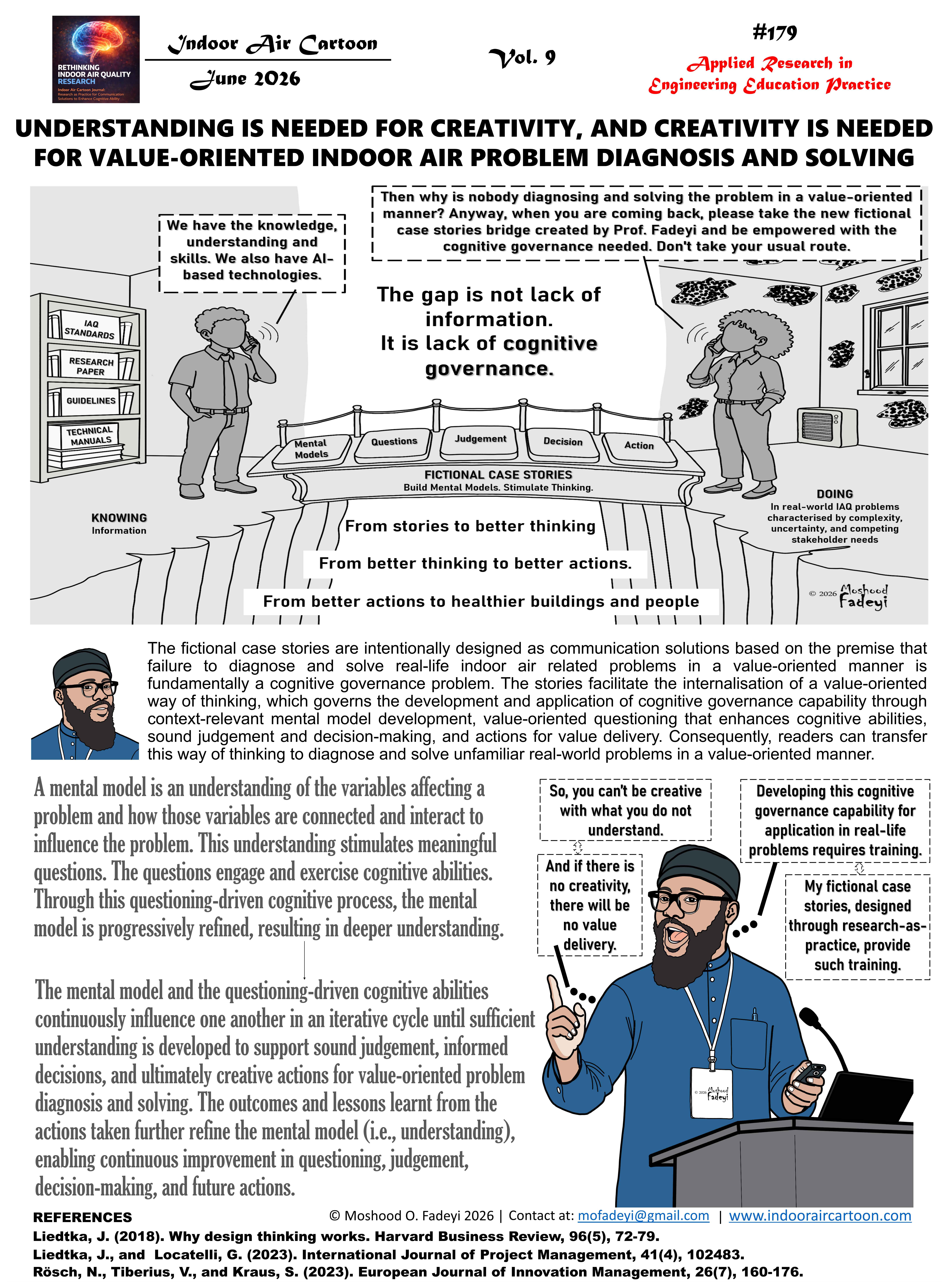

Leave a Reply