Indoor Air Cartoon Journal, January 2025, Volume 8, #162
[Cite as: Fadeyi MO (2025). The role of indoor air pollutants and immune system dysfunction in throat diseases and progression to cancer. Indoor Air Cartoon Journal, January 2025, Volume 8, #162.]

Fictional Case Story (Audio – available online) – Part 1
Fictional Case Story (Audio – available online) – Part 2
Fictional Case Story (Audio – available online) – Part 3
Fictional Case Story (Audio – available online) – Part 4
.……………………………………..
Natural sources, human-made sources, outdoor air chemistry, urbanisation and population growth, and climate change with its consequential effects contribute significantly to outdoor air pollution. Unfortunately, since air in the indoor environment interacts with air in the outdoor environment, outdoor air pollutants are transported to the indoor environment.
With many sources of indoor air pollutants in the indoor environment, a high pollutant-emitting surface-to-volume air ratio in indoor than that of the outdoor environment, and 90% of human time spent in various indoor environments typically in a day, the degree of human interactions (i.e., exposure to) with indoor air pollutants per unit time is intense.
Outdoor air impact on indoor air coupled with high-rate interactions within and between air pollutants of chemical and biological origins, as well as reactions between chemical air pollutants–partly enhanced by high pollutant emitting surfaces-to-volume of air ratio–further increase the adverse nature and destructive energy of indoor air pollutants.
With high exposure per unit time (exposure rate) to air pollutants of high destructive energy in indoor environments, and often no adequate protection before, during, or after human exposure, the impact of the destructive energy on humans can escalate from negligible to catastrophic, where death may occur if care is not taken.
Unfortunately, despite the extreme risk that may arise, humans (indoor occupants) accept or ignore the risk because the risk level is either poorly understood or entirely unknown due to the invisibility of indoor air pollutants and a lack of, or inadequate, knowledge of their destructive energy. This unfortunate situation resonated with a boy who experienced health problems due to exposure to indoor air pollutants and whose creative intelligence was also always ignored in a society that valued only traditional academic intelligence.
The boy decided to act by creating understanding for people about indoor air pollutants, the risks they pose, and finding solutions to reduce those risks. The journey of this boy is the focus of this fiction story.
1.……………………………………..
From an early age, Edward showed signs of brilliance, but not the kind his society knew how to measure. While other children excelled in memorising multiplication tables or reciting historical dates, Edward’s mind worked in abstract ways. He would spend hours sketching elaborate machines in his notebook–machines that seemed futuristic and impossible, yet somehow logical in his eyes.
But his teachers and classmates did not see the same brilliance. In their eyes, Edward was “scatterbrained,” a boy who refused to follow instructions and spent too much time daydreaming. “Edward, stop wasting time with these silly drawings,” his teachers would say. “Focus on your work if you want to pass your exams.”
At home, his parents were no more understanding. His father, a mechanic with hands hardened by years of fixing old engines, often frowned at Edward’s sketches. “Dreams do not pay bills, Edward,” he would say gruffly. “You need to work hard in school if you want to succeed.” His mother, though kinder, worried about his future. “Why do you make things so complicated?” she would ask, as Edward tried to explain the mechanisms behind his sketches.
Edward began to feel that there was something fundamentally wrong with him. Why could he not focus on the things everyone else seemed to value? Why did his ideas, so vivid and real in his mind, feel invisible to the world around him? He learnt to hide his notebooks, stuffing them under his mattress and only pulling them out late at night, when the house was quiet and he could sketch in peace.
As Edward moved through primary and secondary school, the gap between him and the world around him grew wider. The educational system placed immense value on traditional academic metrics: test scores, neat handwriting, and the ability to memorise and regurgitate information. Edward excelled in none of these areas. His grades were average at best, and his teachers saw him as a perpetual underachiever.
But Edward knew, deep down, that his mind worked differently. When faced with a problem, he could see solutions that no one else even thought to consider. He once designed a water filtration system using scraps from his father’s workshop and a discarded bicycle pump. It worked–though no one believed he had built it himself.
His classmates began mocking him openly. “What is the point of all your doodles, Edward? They do not count for anything,” one boy sneered. Edward stopped showing his work to others altogether. He retreated into himself, his creative mind now a source of both pride and deep frustration.
The life-changing moment came during Edward’s final year of secondary school. It was the night of the annual school ceremony, where awards were being handed out to celebrate academic excellence and athletic achievements. Edward sat in the back of the hall, his hands clapping politely as the crowd erupted in cheers for the recipients.
Students who had aced exams, won sports trophies, or excelled in conventional areas were paraded across the stage. Yet, not a single mention was made of creativity, innovation, or problem-solving–the very qualities that defined Edward’s existence.
That night, as he watched the ceremony unfold, something in Edward broke. He clapped mechanically, his chest heavy with a growing ache that went far beyond the polluted air he had grown up breathing. Each award felt like another reminder that the world did not value what he had to offer.
As he walked home, the streets of his industrial town buzzed with the constant hum of machinery, and the air hung thick with smoke from the nearby factories. It was the air he had always known, air that seemed as unavoidable as the rigid societal standards that dismissed his intelligence. For the first time, he allowed himself to articulate a thought that had been growing silently inside him: I am invisible. I do not matter.
That night, Edward could barely sleep. His mind replayed the ceremony over and over, and his thoughts spiralled deeper into despair. By morning, his body had reached its limit. He woke with a burning fever, his chest tight and his breathing laboured. For years, Edward had ignored the signs–persistent coughing, fatigue, and an ever-present sense of breathlessness. But this time, he could not push through it. His mother, alarmed by his condition, insisted on taking him to the hospital.
At the hospital, the doctor’s diagnosis was grim but unsurprising. Edward had developed a mild respiratory infection, worsened by years of exposure to polluted air. “Your lungs are under strain,” the doctor said bluntly. “If you continue to live in these conditions, the damage will only worsen.”
Edward’s father, who had accompanied him, sat silently for a moment before coughing deeply. His voice was rough when he finally spoke. “This air is poison,” he said simply, his tone a mixture of resignation and frustration. People in the city could not escape from the brutality of the polluted outdoor air even when they go indoors due to outdoor to indoor transport of air pollutants.
For Edward, the doctor’s words and his father’s statement carried an unexpected weight. It was as if a fog had lifted, and he could see clearly for the first time. The very air they breathed, the invisible force that sustained life, was also destroying it. The pollution that blanketed their town was more than a backdrop to their lives–it was a silent, insidious presence, shaping their health, their opportunities, and their futures.
Edward realised that the air he had always taken for granted was just like the societal expectations that had made him feel invisible: an oppressive force that harmed without being questioned.
Edward realised that the air he had always taken for granted was just like the societal expectations that had shaped his life: an oppressive force that operated invisibly, yet caused profound harm. Just as polluted air slowly invaded lungs, robbing people of their vitality without being seen or questioned, the rigid societal standards smothered individuality and creativity, suffocating those who did not fit the mould.
This parallel struck Edward deeply, for it mirrored his own struggles. The air and societal expectations shared a dangerous quality: their subtlety made them easy to ignore, even as they inflicted lasting damage.
For the first time, Edward saw his personal pain as part of a larger, systemic problem. The invisible burdens–polluted air and societal rigidity–were not just obstacles; they were challenges demanding action. This realisation transformed his perspective, igniting a resolve to address both the physical and metaphorical forces that oppressed not only him, but his entire community.
This moment of clarity was transformative, but it did not immediately erase the struggles Edward had carried for years. The psychological toll of feeling undervalued had been building since childhood, and the award ceremony had brought it to a breaking point. For Edward, the illness that followed was not just a physical manifestation of long-term exposure to polluted air; it was also the culmination of the emotional stress he had endured. The sense of inadequacy he had felt for so long had weakened not only his spirit but also his body.
Yet, as Edward lay in the hospital bed, another thought began to take root. For years, he had seen his struggles–the exhaustion, the frustration, the feelings of being overlooked–as personal failings. But now, he began to understand them differently. The problem was not just his; it was systemic.
The rigid metrics by which society measured intelligence had failed to account for people like him–those who thought creatively, solved problems, and approached challenges from unconventional angles. And just as his society ignored creative intelligence, it also ignored the invisible threats that polluted the air and silently harmed the community.
Edward’s realisation was not immediate or dramatic. It was a slow and difficult process, but it marked the beginning of a transformation. For the first time, he began to see his creative intelligence not as a weakness but as a tool he could use to address the challenges he and his community faced.
The connection was clear: the air pollution that had weakened his body and the societal disregard for his intelligence were part of the same larger problem–a lack of attention to what was unseen, whether it was the invisible toxins in the air or the unrecognised value of creativity.
But how could a boy who had spent his life feeling invisible suddenly believe he could make a difference? For Edward, the answer lay in the clarity of his purpose. He began to see that his struggles had given him a unique perspective, one that allowed him to notice problems others overlooked.
The same mind that society had dismissed as “distracted” was now his greatest strength. He realised that if no one else would value his gifts, he could create his own value by using his intelligence to solve real-world problems–starting with the air pollution that had shaped his life.
Edward’s decision to take action was not born out of confidence but out of necessity. He could no longer accept the status quo, and he felt a moral obligation to address the challenges that had made his life so difficult. His first step was small: he returned home and began sketching ideas for an affordable air filtration system, something that could help families like his own. He did not know if it would work, but for the first time, he felt a spark of hope.
What made Edward believe he could create value, even as a secondary school student, was his understanding that value does not always come from recognition–it comes from impact. He began to see that his ideas, though unconventional, had the potential to make a difference. His father’s simple statement–“This air is poison”–echoed in his mind, serving as both a reminder of the problem and a call to action.
After the realisation that the polluted air in his industrial town mirrored the rigid societal expectations that had stifled his creative intelligence, Edward resolved to prove that his way of thinking could bring value to the world. This resolve carried him through his final year of secondary school, where he focused on excelling in traditional academics despite his struggles with rote memorisation and standardised testing.
His breakthrough came during a local science fair, where he presented a prototype for an air filtration system designed using repurposed materials. Though simple in its construction, the system was innovative and effective, showcasing Edward’s ability to think critically and solve problems creatively.
The project caught the attention of a university professor, who saw Edward’s potential and encouraged him to apply for a degree in environmental engineering. While Edward’s academic performance was not stellar, the professor’s recommendation, coupled with his science fair recognition, secured him admission to the programme. For Edward, this was both an opportunity and a challenge.
2.……………………………………..
Edward’s university experience was not the creative haven he had imagined it might be. While he hoped it would be a place where unconventional ideas were nurtured, he quickly realised that the university was simply another part of the same society that valued traditional academic intelligence above all else.
The engineering programme was rigorous and heavily focused on technical mastery, formulaic problem-solving, and academic performance. Creativity and abstract reasoning were rarely acknowledged, let alone celebrated. Edward’s professors were more concerned with precision and efficiency than with fostering innovative thinking.
This environment was a struggle for Edward. His mind thrived on exploring “what if” scenarios, envisioning solutions that went beyond the textbook answers. Yet, in his classes, he was expected to follow a rigid structure, with little room for creative exploration. His classmates, many of whom excelled at traditional academic tasks, often dismissed his unconventional ideas as impractical. Edward felt the familiar weight of invisibility return, the same feeling he had carried throughout his childhood.
Despite this, Edward refused to give up. He saw university as a means to an end–a way to develop the technical skills he needed to bring his ideas to life, even if his creativity remained unappreciated. It was during an engineering design module in his second year that Edward finally found an outlet for his talents.
The engineering design module introduced Edward to the concept of design communication. This skill, which involved employing critical and reflective thinking, abstract reasoning, logical deduction, and creative imagination, resonated deeply with him.
Unlike the other modules Edward took, this design module encouraged students to think beyond solving problems in isolation. It emphasised the importance of generating, processing, and sharing raw and refined information about design, thereby enhancing value delivery in problem-solving.
Edward excelled in the module, using it as an opportunity to develop his ability to communicate his ideas effectively. For the first time, he felt that his unique way of thinking–his ability to see connections others overlooked–was being recognised. The skills he gained in this module allowed him to bridge the gap between his creative intelligence and the appreciated traditional academic intelligence.
Edward’s undergraduate journey was one of determination and resilience. Despite struggling initially with the university’s focus on traditional academic intelligence, he excelled, graduating with a second-class upper degree in environmental engineering. His undergraduate dissertation on affordable air filtration systems, focusing on PM2.5 reduction, highlighted his innovative thinking and practical problem-solving abilities.
However, Edward’s path to further studies was not straightforward. He was lucky enough to secure a spot in the university’s PhD programme but faced a significant challenge–no scholarship was offered for his first year. Undeterred, Edward worked as a research assistant, balancing long hours in the lab with his studies to cover his expenses. His dedication and remarkable progress during his first year earned him a scholarship for the remainder of his PhD.
This marked a turning point, as Edward’s creative intelligence was not only recognised but began to flourish in an academic setting that increasingly valued his contributions. But how and why did Edward decided to pursue a PhD degree? The answer to this question can be answered by an event that happened during his undergraduate studies.
It was the beginning of Edward’s final year at university when an event unfolded that would alter the trajectory of his academic and professional life. By this time, Edward had already committed to his undergraduate dissertation, focusing on developing an affordable air filtration system to reduce PM2.5 in indoor environments.
The project reflected his longstanding interest in tackling air quality issues that stemmed from his own respiratory health challenges and his father’s lifelong struggles with chronic coughing. Yet, even as he immersed himself in this critical work, he could not foresee how a deeply personal experience would plant the seed for a future PhD research focus.
Edward’s roommate, Daniel, was a biology student known for his infectious energy and sharp wit. The two shared a modest dorm room with a cracked window that barely kept out the haze from the city’s industrial skyline. One evening, shortly after the semester began, Daniel returned to their room rubbing his throat. “I must have picked up something,” he said, laughing it off. “The air in this place probably isn’t helping.” Edward nodded in agreement, making a mental note of the irony–he was working on a project to reduce indoor air pollution, yet here they were, living in a room that epitomised the problem.
Over the next few days, Daniel’s condition worsened. What started as a mild sore throat turned into persistent hoarseness, and by the weekend, Daniel could barely speak. He complained of a burning sensation in his throat and a relentless cough that kept them both awake at night. Edward urged him to visit the campus clinic, but Daniel brushed off the suggestion. “It’s probably just a cold,” he said, his voice barely audible. “Nothing to worry about.”
By the middle of the following week, Daniel was hospitalised. Edward accompanied him to the university health centre, where doctors diagnosed him with a severe viral infection that had aggravated pre-existing inflammation in his throat. The attending physician mentioned something that stuck with Edward: “It’s likely the poor air quality in your room contributed to this. Irritants from indoor air pollutants can worsen symptoms of viral infections, especially in the throat.”
The medical doctor, who also held a PhD in public health, continued to state that the phenomenon influencing and the dynamics of how viral infections could worsen the impact of chemical air pollutants in indoor air are not well understood in the literature, particularly in relation to throat diseases. Edward’s chest tightened as he replayed those words in his mind. Could the very air they were breathing every day–the same air he was studying in his dissertation–be interacting with a virus to amplify harm?
Edward visited Daniel frequently during his hospital stay, sitting quietly at his bedside as his once-vibrant roommate struggled to recover. One day, Daniel pointed weakly to the oxygen mask strapped to his face and rasped, “It’s not just the virus… Something else is making it worse.” Edward felt a pang of guilt and helplessness.
He thought about the unventilated air in their dorm room, the lingering smell of disinfectants, and the occasional fumes from cheap cleaning sprays. Could the volatile organic compounds (VOCs) from those products have reacted with the air, forming secondary organic aerosols (SOAs) that irritated Daniel’s throat? Could the virus have exacerbated these effects, or perhaps the pollutants had weakened Daniel’s defences against the virus in the first place? The questions overwhelmed Edward’s mind, refusing to let him rest.
Daniel’s recovery was slow and incomplete. By the time he returned to their dorm, he was a shadow of his former self. His voice had changed permanently, reduced to a hoarse, strained tone. Edward could see how much it pained Daniel–not just physically, but emotionally–to have lost a part of himself. “I never realised how much I’d taken my voice for granted,” Daniel said one evening, staring out of the cracked window. “If only I’d known what was happening sooner.”
Daniel’s words stayed with Edward long after their conversation ended. For the first time, he began to view his work not just as an abstract problem to solve, but as a deeply personal mission. He realised how little attention had been given to understanding the role of indoor air chemistry in amplifying viral infections and exacerbating throat-related diseases.
Daniel’s experience made him question everything: How did pollutants like VOCs and SOAs, generated indoors, interact with viruses to intensify health issues? Why was the throat, a critical but often overlooked part of the respiratory system, so vulnerable? And most importantly, what could be done to mitigate these risks?
Edward’s dissertation, already underway, was focused specifically on reducing PM2.5 in indoor environments. While the scope of his undergraduate work could not be changed, Daniel’s experience ignited a curiosity that Edward could not ignore. He began reading voraciously about the chemical reactions that occurred indoors, particularly those involving reactive VOCs and SOAs. He attended seminars outside his coursework, engaging with experts in microbiology and chemistry to better understand the intersection of air quality and human health.
Each new insight deepened his conviction that this was an area of research he needed to pursue further. As Edward completed his undergraduate studies and prepared for graduation, the questions lingering in his mind crystallised into a vision for his future research. He decided to pursue a PhD with the intention of answering the certain questions.
The overarching research questions for Edward’s PhD research were: (i) What are the effects of indoor air chemistry on the development of throat diseases under controlled environmental conditions? (ii) How do interactions between indoor-generated chemical pollutants and viral exposure influence the progression of throat diseases in a controlled environmental chamber? (iii) What mitigation strategies, including pollutant source reduction, ventilation optimisation, disinfection protocols, and the use of air filters with varying efficiencies, can effectively minimise the combined impact of chemical pollutants and viruses on throat disease biomarkers in a controlled field environmental chamber?
These research questions informed the objectives for his PhD research. The objectives were: (i) To examine the effects of indoor air chemistry on the development of throat diseases under controlled environmental conditions. (ii) To examine how interactions between indoor-generated chemical pollutants and viral exposure influence the progression of throat diseases in a controlled environmental chamber. (iii) To examine mitigation strategies, including pollutant source reduction, ventilation optimisation, disinfection protocols, and the use of air filters with varying efficiencies, to determine their effectiveness in minimising the combined impact of chemical pollutants and viruses on throat disease biomarkers in a controlled field environmental chamber.
The problem statement informing research question 1 and objective 1 is that the current understanding of the health effects of chemical pollutants generated through indoor air chemistry remains insufficient.
While the impacts of these pollutants on respiratory health have been well-documented, their specific role in the development of throat diseases remains poorly understood. This gap limits the ability to fully assess their contribution to throat disease progression and hinders the development of targeted interventions to mitigate their health impacts.
The goal the research question 1 and objective 1 wish to achieve is the development of a comprehensive understanding of how indoor air chemistry contribute to throat disease development.
The problem statement that informed research question 2 and objective 2 is that the combined impact of indoor chemical pollutants and viruses on throat disease progression is not well understood. Research to date has largely focused on pollutants and viral exposures in isolation, overlooking potential interactions that could exacerbate health outcomes. This limits the ability to develop comprehensive public health interventions.
The goal the research question 2 and objective 2 wish to achieve is the development of a comprehensive understanding on the combined effects of indoor-generated chemical pollutants and viral exposures on throat disease progression, contributing to a deeper understanding of their synergistic health impacts.
The problem statement that informed research question 3 and objective 3 is that the mitigation strategies for indoor air pollutants and viral exposures are often developed separately, failing to address their combined effects. Furthermore, the role of air filters with different efficiencies in mitigating these combined risks remains understudied, leading to an incomplete understanding of holistic mitigation measures for indoor air quality and health improvement.
The goal the research question 3 and objective 3 wish to achieve is the development of effective mitigation strategies that minimise the combined impact of indoor-generated chemical pollutants and viruses, focusing on the incorporation of source reduction, ventilation, UV-C disinfection, and air filtration measures to improve throat health outcomes.
With a generous research grant and the university’s existing resources secured through the support of her PhD supervisor, Professor Asake Salvador, Edward led the research in her capacity as a PhD researcher under her supervisor’s guidance. Extracts from Edward’s PhD research methods and results, which addressed the research questions and objectives, are provided below.
3.……………………………………..
Research Methods
Research Methods for Objective 1:
Research Question: What are the effects of indoor air chemistry on the development of throat diseases under controlled environmental conditions?
— Experimental Protocol —
This research is designed to evaluate the impact of chemical precursors and their interactions on human pharyngeal epithelial cells, replicating indoor air quality scenarios under highly controlled conditions. By using an advanced field environmental chamber integrated with precise pollutant delivery systems and in vitro biological models, the study aims to elucidate the cellular responses to common indoor air pollutants.
These responses include inflammation, oxidative stress, DNA damage, and mucus production, which are key indicators of throat health. The experimental methodology is meticulously structured to ensure scientific rigour, reproducibility, and relevance to real-world scenarios.
The study employs a purpose-built environmental chamber with a total volume of 30 m³, carefully designed to replicate the dimensions and conditions of indoor spaces such as offices or residential rooms. The chamber’s internal dimensions are approximately 4.5 metres in length, 2.5 metres in width, and 2.7 metres in height, making it suitable for simulating pollutant behaviour and interactions at realistic scales.
Constructed from non-reactive materials such as stainless steel, the chamber ensures that the walls do not interact with the chemical precursors, thereby maintaining the integrity of the introduced pollutants. An observation window is integrated into the chamber to allow researchers to monitor the experimental setup without interfering with the internal conditions.
To replicate indoor air environments, the chamber is equipped with advanced systems to regulate temperature, humidity, ventilation, and recirculation. The temperature is maintained at 23 ± 2°C, while the relative humidity is controlled at 70 ± 5%, conditions that reflect typical indoor living or working environments in a hot and humid environment.
The ventilation rate is set at 0.5 air changes per hour (ACH), ensuring that outdoor air is exchanged at a rate comparable to that of low-ventilation indoor spaces. Additionally, a recirculation system operates at 3 ACH, promoting uniform distribution of pollutants within the chamber and preventing the formation of concentration gradients. The experiments were conducted with no air filters or UV-C disinfection.
The experimental design includes a baseline condition, referred to as the filtered air control, where no pollutants are introduced into the chamber. This setup allows for the measurement of background cellular responses, ensuring that any observed effects in experimental scenarios can be directly attributed to the pollutants.
Pollutants are introduced individually and in combinations to study their effects under different conditions. Limonene, a volatile organic compound (VOC) commonly emitted from cleaning products and fragrances, is introduced to achieve a steady state concentration of 2 ppb (low), 10 ppb (medium), and 20 ppb (high) using a controlled evaporation system.
Steady state concentration of ozone was set at 10 ppb (low), 50 ppb (medium), and 100 ppb (high). Nitrogen oxides (NOx), including nitrogen monoxide (NO) and nitrogen dioxide (NO2), are supplied in compressed gas cylinders and injected to achieve steady state concentrations of 10 ppb (low) and 50 ppb (medium), and 75 ppb (high).
It is important to note that the intention behind the different injection rates is to simulate and understand the effects of these compounds in real-life conditions (e.g., as encountered in homes, workplaces, or polluted environments) and to use different concentrations based on typical exposure data. The intention is not to compare their inherent potency or relative biological effects at the same concentration levels. Thus, injecting them at the same concentration is not appropriate for this study.
Combination scenarios, such as limonene with ozone or limonene with ozone, NO, and NO2, are introduced to replicate real-world indoor chemical reactions leading to the formation of secondary organic aerosols (SOAs), particulate matters, and reactive volatile organic compounds (VOCs). The chamber was thoroughly purged before the start of each experiments.
To assess the effects of these pollutants, human pharyngeal epithelial cells are cultured in vitro under air-liquid interface (ALI) conditions. These cells, which mimic the structure and function of the human throat epithelium, are obtained from ethically sourced from human pharyngeal tissue and with donor consent.
The cells are seeded onto porous membranes with a surface area of 4.2 cm² per insert and housed in specialised inserts within multi-well plates. The apical surface of the cells is exposed to air, while the basolateral surface is nourished by a liquid culture medium.
This setup simulates the in vivo environment of the throat, where epithelial cells interact directly with inhaled air while performing their protective and mucus-secreting functions. Over the course of 7 to 14 days at the ALI, the cells differentiate and develop features such as mucus production and structural integrity, making them suitable for pollutant exposure studies.
The ALI exposure system, containing the differentiated cell inserts, is placed centrally within the chamber to ensure uniform exposure to the pollutant-laden air. The exposure durations are set at one hour, three hours, and twenty-four hours to capture both short-term and long-term cellular responses.
The size of the exposed cell area, while small relative to the chamber volume, ensures that the cells are subjected to the same pollutant concentrations as the surrounding air. This configuration allows for the precise simulation of throat exposure to inhaled pollutants.
The biological responses of the cells are evaluated through multiple endpoints to provide a comprehensive understanding of the impact of pollutants. Inflammatory markers, such as interleukin-6 (IL-6) and interleukin-8 (IL-8), are measured using enzyme-linked immunosorbent assays (ELISA), providing insights into the immune response triggered by pollutants. Oxidative stress is assessed by quantifying reactive oxygen species (ROS) levels and lipid peroxidation products, such as malondialdehyde (MDA), using fluorometric and spectrophotometric assays.
DNA damage is evaluated through comet assays, which detect strand breaks, and 8-oxo-dG assays, which identify oxidative modifications to DNA bases. Mucus production, a critical protective function of the throat epithelium, is assessed by measuring the expression of mucin genes, such as MUC5AC, using quantitative PCR (Polymerase Chain Reaction) and by analysing mucus protein levels through ELISA. Cell viability is measured using resazurin-based assays, such as Alamar Blue, which provide an indicator of cellular health based on metabolic activity.
Pollutant concentrations in the chamber are continuously monitored in real time using advanced analytical instruments. Proton-transfer reaction mass spectrometry (PTR-MS) is employed to measure volatile organic compounds, while ozone levels are monitored using chemiluminescence analysers.
Secondary organic aerosols (SOAs) are characterised using a scanning mobility particle sizer (SMPS), which provides data on particle size distribution and concentration. These measurements ensure that pollutant concentrations remain consistent and within the target ranges throughout the exposure periods.
To ensure scientific validity and reliability, each experimental condition is performed with three independent replicates. This includes repetitions for each pollutant concentration, exposure duration, and combination scenario. The use of replicates accounts for biological variability and enables the calculation of statistically significant results. Rigorous quality control measures are implemented throughout the study, including regular calibration of instruments, background air sampling, and replication of baseline conditions.
This methodology integrates precise environmental chamber technology, advanced pollutant delivery systems, and robust biological assays to evaluate the effects of indoor air pollutants on throat health. By replicating real-world exposure scenarios and using highly controlled experimental conditions, the study generates valuable data to inform strategies for mitigating the health impacts of indoor air pollution.
— Data analysis —
The data analysis in this study is a critical component, providing insights into the biological impacts of indoor air pollutants on human pharyngeal epithelial cells. Through rigorous statistical and computational methods, the analysis establishes correlations, identifies dose-response relationships, and uncovers pollutant interactions, ensuring the reliability and relevance of findings.
A significant focus of the analysis lies in mapping measured biological responses against concentrations of pollutants, including limonene, ozone, nitrogen oxides (NOx), secondary organic aerosols (SOA, represented by particle size distribution), and volatile organic compounds (VOCs).
The process begins with preprocessing the biological data collected from various assays. These assays measure key endpoints such as inflammation (e.g., interleukin-6 and interleukin-8 levels), oxidative stress (e.g., reactive oxygen species and lipid peroxidation), DNA damage (e.g., comet assays and 8-oxo-dG levels), mucus production (e.g., mucin gene expression and protein analysis), and cell viability (e.g., metabolic activity through Alamar Blue).
Data normalisation is applied to ensure consistency across experimental replicates, reducing the impact of variability unrelated to experimental conditions. Outliers are identified using z-score analysis or interquartile range filtering to maintain data integrity and accuracy.
A core component of the analysis involves mapping the measured biological responses against the concentrations of pollutants introduced into the environmental chamber. Concentrations of limonene, introduced at 2 ppb, 10 ppb, and 20 ppb, are mapped against inflammatory markers (e.g., IL-6 and IL-8), oxidative stress indicators (e.g., ROS levels), and other biological responses.
Dose-response curves are generated to examine trends, with regression models capturing the relationship between increasing limonene concentrations and cellular changes. For instance, a spike in oxidative stress markers at higher limonene levels may highlight its pro-oxidant nature under experimental conditions.
Ozone concentrations (10 ppb, 50 ppb, 100 ppb) are correlated with measured biological endpoints. Oxidative stress is a particular focus, as ozone is a potent oxidising agent. By plotting ozone concentrations against ROS levels or lipid peroxidation products, the analysis identifies critical thresholds where oxidative stress begins to increase significantly. This mapping also includes comparisons with DNA damage metrics to uncover potential oxidative modifications to DNA bases.
The data analysis explores how the injected NO and NO2 concentrations (10 ppb, 50 ppb, and 75 ppb) influence inflammatory and oxidative stress markers. Correlation analyses are performed to assess whether NOx (NO and NO2)-induced inflammation is independent or synergistic with other pollutants, particularly in combination scenarios involving ozone and limonene. Such mappings offer insights into NOx‘s role in triggering or amplifying cellular stress.
SOA concentrations are measured via particle size distribution using a scanning mobility particle sizer (SMPS). Biological responses, particularly mucus production and cell viability, are mapped against particle size and concentration. This mapping highlights the relationship between finer particles and cellular stress, reflecting the impact of SOA on respiratory health. The analysis includes time-series data to observe whether prolonged exposure leads to cumulative effects, such as increased mucus secretion or reduced viability.
Specific VOC concentrations continuously monitored using proton-transfer reaction mass spectrometry (PTR-MS), including reactive intermediates formed from limonene and ozone reactions, are mapped against inflammation and oxidative stress markers. The analysis explores whether specific VOC profiles correlate strongly with heightened cellular responses, providing insights into the role of VOCs in exacerbating respiratory stress.
Statistical analysis forms the core of data interpretation. Descriptive statistics, including the calculation of means, standard deviations, and variances, provide a preliminary understanding of the dataset. Dose-response relationships are explored by plotting pollutant concentrations against specific biomarkers. Non-linear regression models, such as sigmoidal or exponential fits, are employed to capture biological thresholds or saturation effects, offering detailed insights into how cellular responses scale with pollutant levels.
Multivariate regression analysis is employed to examine complex interactions between pollutants and biomarkers. This approach identifies statistically significant predictors of cellular responses, revealing how pollutant combinations influence biological outcomes. For example, exposure to limonene combined with ozone or nitrogen oxides might amplify inflammation or oxidative stress, insights that are crucial for understanding real-world exposure scenarios. These findings are contextualised within broader environmental health frameworks to ensure practical relevance.
Principal component analysis (PCA) is applied to reduce data dimensionality and identify key patterns. For example, PCA may reveal that oxidative stress markers consistently correlate with high concentrations of ozone and SOA, while mucus production aligns with limonene and VOC levels. Such insights help prioritise the pollutants or combinations most relevant to health outcomes. Correlation analyses further quantify the strength of these relationships, with Pearson or Spearman coefficients highlighting significant pollutant-biomarker associations.
Interaction terms in regression models are used to evaluate synergistic or antagonistic effects. For instance, the interaction between ozone and limonene may lead to elevated levels of reactive oxygen species, which are then compared against standalone exposures to each pollutant. These analyses uncover how combinations of pollutants drive unique biological responses, enabling a comprehensive understanding of real-world exposure dynamics.
Data visualisation tools are employed to convey the findings effectively. Dose-response plots illustrate the relationship between pollutant concentrations and cellular responses, highlighting thresholds or saturation points. Heatmaps depict correlations between pollutants and biomarkers, while PCA scatter plots reveal clustering patterns indicative of specific pollutant effects. Particle size distribution graphs demonstrate how SOA concentrations and sizes correlate with mucus production or cell viability.
These visual tools play a crucial role in translating complex datasets into actionable insights. For example, a heatmap might show that IL-8 levels spike significantly only when limonene is combined with ozone, indicating a synergistic effect. Such findings are used to inform strategies for mitigating exposure risks in indoor environments.
Validation of results is ensured through experimental replication, with three independent replicates conducted for each condition. Sensitivity analyses assess the robustness of conclusions, accounting for variability in pollutant concentrations or biological responses. These measures confirm the reliability of observed trends and ensure that findings can be generalised to broader contexts.
The final stage of analysis involves synthesising the findings to draw conclusions about the health impacts of indoor air pollutants. Biomarkers that show consistent dose-dependent responses or notable changes in combination scenarios are flagged as critical indicators of pollutant-induced stress. For example, a strong correlation between SOA particle size and mucus production underscores the importance of addressing fine particulate matter in air quality interventions.
By mapping biological responses to pollutant concentrations and employing rigorous statistical methods, the study provides a comprehensive understanding of the cellular mechanisms underlying indoor air pollution’s health effects. Through its comprehensive design, this research contributes to a deeper understanding of the biological mechanisms that govern pollutant interactions with the human throat epithelium.
Research Methods for Objective 2:
Research Question: How do interactions between indoor-generated chemical pollutants and viral exposure influence the progression of throat diseases in a controlled environmental chamber?
— Experimental protocol —
This research methodology aims to investigate the combined effects of indoor-generated chemical pollutants and viral aerosols on throat health, focusing on cytopathological changes, inflammatory responses, oxidative stress, and viral replication dynamics in human pharyngeal epithelial cells. Incorporating a detailed experimental matrix, the study ensures systematic evaluation of individual and combined exposures to pollutants and viruses under controlled indoor air conditions.
To fulfil objective 2 and answer research question 2, the chamber is equipped with nebulisers calibrated to generate viral aerosols with particle sizes ranging from 1 to 5 µm, mimicking respiratory droplets. Viruses such as influenza virus are introduced as aerosols in low, medium, and high concentrations, corresponding to real-world transmission scenarios.
The low viral load was set at 10³ PFU/m³. The low viral load represents minimal airborne viral concentration, simulating environments with a low probability of viral transmission (e.g., well-ventilated spaces with limited exposure to infected individuals).
The medium viral load was set at 10⁴ PFU/m³. The medium viral load reflects moderate airborne viral concentration, corresponding to environments with moderate exposure risks, such as shared indoor spaces with limited ventilation. The high viral load was set at 10⁵ PFU/m³. The high viral load simulates environments with significant airborne viral concentration, such as poorly ventilated spaces with active viral shedding by infected individuals.
The experimental design encompasses a variety of co-exposure scenarios to comprehensively assess the interactions between viral aerosols and chemical pollutants. These scenarios are carefully structured to isolate and evaluate the effects of each component, both individually and in combination, providing a robust framework for understanding pollutant-virus interactions. The exposure procedure and duration of human pharyngeal epithelial cells to a combination of limonene, ozone, NO, NO2, and viral load is the same as experimental conditions for objective 1 and research question 1.
One critical scenario involves the exposure of human pharyngeal epithelial cells to viral aerosols alone at each of the three viral load levels, serving as a control for viral effects. This setup enables the isolation of biological responses triggered solely by the presence of viral particles, offering a baseline for comparison with other exposure conditions.
The co-exposure scenarios then progress to more complex conditions, starting with limonene (10 ppb) combined with viral aerosols at each of the three viral load levels. This pairing reflects real-world indoor environments where volatile organic compounds from cleaning products or air fresheners coexist with airborne viruses. Scenarios of ozone (50 ppb) with viral aerosols at each of the three viral load levels were examined. The same was done for NO (50 ppb) and NO2 (50 ppb).
Further complexity is introduced in the scenario involving limonene and ozone combined with viral aerosols at each of the three viral load levels. Limonene, ozone with NO or NO2 at each of the three viral load levels were examined.
Finally, the most comprehensive scenario involves limonene (10 ppb), ozone (50 ppb), NO (50 ppb), and NO2 (50 ppb) combined with viral aerosols at each of the three viral load levels. This condition replicates poorly ventilated indoor spaces with a mixture of VOCs, reactive gases, and viral particles, capturing the synergistic, additive, or antagonistic effects of these components on throat health. All the experiments conducted to fulfil objective 2 were done at 0.5 ACH.
Through these systematically designed scenarios, the study provides an in-depth understanding of how chemical pollutants and viruses interact to influence biological responses, advancing knowledge critical to addressing indoor air quality and public health challenges.
— Data analysis —
The data analysis for this study focuses on deciphering the individual and combined impacts of viral aerosols and chemical pollutants on human pharyngeal epithelial cells. The analysis involves mapping biological responses–cytopathological changes, inflammatory markers, oxidative stress, and viral replication dynamics–against the concentrations of viral aerosols and pollutants across systematically designed exposure scenarios. This approach ensures that the interactions and individual effects are thoroughly understood, providing actionable insights into pollutant-virus dynamics in indoor environments.
In the control scenario with viral aerosols alone, biological responses are analysed at three viral load levels: 10³ PFU/m³ (low), 10⁴ PFU/m³ (medium), and 10⁵ PFU/m³ (high). Key endpoints, such as the extent of cytopathology, levels of inflammatory markers like IL-6 and IL-8, and oxidative stress (ROS and lipid peroxidation), are measured and compared across these concentrations.
Viral replication is quantified using plaque assays and RT-qPCR to assess the relationship between viral concentration and replication dynamics. These data establish a baseline for understanding how viral aerosols independently influence epithelial cells, serving as a critical reference for evaluating co-exposure scenarios.
Dose-response curves are plotted for endpoints such as inflammation and oxidative stress to examine whether each of the chemical pollutants exacerbates or mitigates the effects of viral aerosols. Statistical analyses, including multivariate regression, are used to identify synergistic or antagonistic interactions between each of the chemical pollutants and viral aerosols at varying viral loads.
Principal component analysis (PCA) is employed to identify dominant variables driving cellular changes, while regression models explore the combined effects on inflammatory markers and viral replication.
Biological responses are mapped to the measured air pollutants using advanced statistical models, focusing on interactions that amplify cytopathological changes or viral replication. Correlation analyses quantify relationships between the pollutant combinations and biological endpoints, providing insights into additive or synergistic effects.
Data from all scenarios are analysed using descriptive statistics, dose-response modelling, and multivariate regression to identify significant predictors of cellular responses. Interaction terms in regression models elucidate how pollutants and viral aerosols influence each other’s effects. PCA reduces data dimensionality, highlighting key variables that contribute to observed outcomes.
Results from each scenario are compared to the control conditions to isolate the effects of specific pollutants and their interactions with viral aerosols. Validation is achieved through experimental replicates and sensitivity analyses, ensuring robustness and reliability of findings. By systematically mapping responses across these scenarios, the study provides a comprehensive understanding of pollutant-virus interactions in indoor environments.
Research Methods for Objective 3:
Research Question: What mitigation strategies, including pollutant source reduction, ventilation optimisation, disinfection protocols, and the use of air filters with varying efficiencies, can effectively minimise the combined impact of chemical pollutants and viruses on throat disease biomarkers in a controlled field environmental chamber?
— Experimental Protocol —
The research methodology is designed to evaluate the effectiveness of mitigation strategies in reducing the combined impact of chemical pollutants and viral aerosols under controlled conditions for the 24 hours exposure duration.
The focus is on four key mitigation strategies: pollutant source control, ventilation optimisation, UV-C disinfection, and air filtration. The three-ventilation rate, 0.5 ACH, 1.5 ACH, and 3 ACH, experimental scenarios simulate environments ranging from poorly ventilated to highly ventilated indoor spaces.
During each ventilation condition, pollutant and viral concentrations are continuously monitored to evaluate the dilution effects of increased air exchange. Basically, experiments conducted for objective 2 study were repeated at 1.5 ACH and 3 ACH. The same concentrations of chemical pollutants injected in the objective 2 study—but without viral load—which were part of the experiments conducted for objective 1, were repeated at 1.5 ACH and 3 ACH.
The biological impact of ventilation optimisation is assessed by exposing the epithelial cells to air conditions corresponding to each ventilation rate. This aspect of the study provides insights into how ventilation rates influence the removal of pollutants and viruses and their subsequent effects on biological responses.
For the same concentration of chemical and biological scenarios at 0.5 ACH, UV-C disinfection protocols are tested under three operational modes: continuous low-intensity exposure, periodic high-intensity bursts, and a hybrid approach combining the two. These protocols are applied after the pollutants and viral aerosols have reached stable concentrations within the chamber.
The effectiveness of each protocol in reducing viral loads is assessed using virological assays, including plaque assays and quantitative polymerase chain reaction (qPCR), as well as pollutant monitoring to determine any collateral effects on chemical levels.
The epithelial cells are exposed to air treated with each UV-C protocol, and their biological responses are analysed to evaluate the mitigation of cytopathological changes, inflammation, and viral replication. This evaluation highlights the potential of UV-C disinfection as an intervention for improving indoor air quality.
Air filtration systems are tested at ventilation rate of 0.5 ACH using three filter types: HEPA filters, activated carbon filters, and HEPA filters embedded with activated carbon. Each filter is installed in the chamber’s recirculation system, and their efficiency in removing particulate pollutants, gaseous pollutants, and viral aerosols is assessed. Pollutant concentrations are measured before and after filtration to evaluate the system’s removal capabilities, while virological assays quantify reductions in viral aerosols.
The epithelial cells are exposed to air passed through each filtration system, and their biological responses are measured to determine the effectiveness of filtration in mitigating health risks. The dual-filter system, combining HEPA and activated carbon, is expected to provide the most comprehensive mitigation by targeting both particulate and gaseous pollutants alongside viral aerosols.
To examine the impact of mitigation strategies, an experimental scenario involving a ventilation rate of 3 ACH, a UV-C disinfection hybrid approach (i.e., a combination of continuous low-intensity exposure and periodic high-intensity bursts), and HEPA filters embedded with activated carbon (i.e., dual filters) on indoor air pollutants and human responses was examined.
For each mitigation strategy, the pollutant-virus exposure scenarios remain consistent, ensuring comparability across interventions. Biological endpoints, including cytopathological changes, inflammatory markers (IL-6 and IL-8), oxidative stress indicators, DNA damage, mucus production, and viral replication, are measured to assess the effectiveness of the strategies in reducing health risks. Each condition is tested with three independent replicates to ensure statistical robustness.
This methodology provides a robust framework for understanding the relative effectiveness of mitigation strategies in reducing pollutant and viral concentrations and their combined impact on throat health. The insights gained will contribute to evidence-based recommendations for improving indoor air quality and mitigating public health risks in environments with complex pollutant and viral challenges.
— Data analysis —
The data analysis for evaluating the effectiveness of mitigation strategies in reducing the combined impact of chemical pollutants and viral aerosols is designed to provide quantitative insights into the relative efficacy of pollutant source control, ventilation optimisation, UV-C disinfection, and air filtration.
This comprehensive analysis integrates real-time monitoring, biological assays, and statistical techniques to assess the extent to which these interventions reduce pollutant concentrations, viral loads, and associated biological impacts on human pharyngeal epithelial cells.
Pollutant source control effectiveness is assessed by monitoring real-time reductions in limonene, ozone, and NO and NO2 concentrations during sequential decreases in injection rates. Advanced analytical techniques quantify changes in pollutant levels, while viral aerosol concentrations are continuously monitored to determine any indirect effects of pollutant reductions on viral dynamics.
Post-exposure, biological responses, such as inflammatory markers (IL-6, IL-8), oxidative stress (ROS levels, lipid peroxidation), and viral replication, are analysed. The relationship between pollutant reductions and cellular responses is evaluated using dose-response modelling, identifying thresholds where source control begins to yield significant health benefits.
The impact of ventilation rates on pollutant and viral concentrations is analysed by comparing data from three air exchange rates (0.5 ACH, 1.5 ACH, and 3 ACH). Real-time monitoring captures pollutant and viral dilution effects under each ventilation condition.
The biological responses of epithelial cells exposed to these air conditions are quantified post-exposure, with biomarkers such as DNA damage, inflammation, and oxidative stress measured to evaluate improvements in cellular health. Statistical regression models are employed to correlate ventilation rates with reductions in pollutant concentrations and biological markers, elucidating the optimal ventilation rate for mitigating health risks.
Data analysis for UV-C disinfection focuses on the effectiveness of three operational protocols: continuous low-intensity exposure, periodic high-intensity bursts, and a hybrid approach. Viral load reductions are quantified using plaque assays and qPCR, while real-time pollutant monitoring evaluates any collateral changes in chemical concentrations due to UV-C exposure.
Biological responses, including cytopathology, inflammation, and viral replication, are measured in cells exposed to air treated with each UV-C protocol. Comparative analyses, including ANOVA and post hoc tests, identify the most effective UV-C mode for mitigating both viral and pollutant impacts, highlighting the potential trade-offs between operational modes.
The efficiency of air filtration systems (HEPA, activated carbon, and HEPA with activated carbon) is assessed by measuring pollutant and viral concentrations before and after filtration. Particle counters and gas analysers quantify the removal of particulate and gaseous pollutants, while virological assays measure reductions in viral aerosols.
Post-filtration air is tested on epithelial cells, and their responses are analysed for changes in inflammation, oxidative stress, and mucus production. Multivariate regression models are used to determine the relative contributions of each filter type to pollutant and viral mitigation, with the dual-filter system expected to demonstrate superior performance.
For each mitigation strategy, biological endpoints are compared across interventions and against baseline exposure scenarios. Statistical robustness is ensured by conducting three independent replicates for each condition.
Multivariate analyses, including principal component analysis (PCA), are used to identify dominant factors driving mitigation effectiveness. Interaction terms in regression models assess whether combinations of interventions (e.g., ventilation and filtration) yield additive or synergistic effects.
Ethical Considerations:
The study adheres to comprehensive ethical guidelines approved by the Institutional Review Board (IRB), ensuring compliance with international standards for in vitro research, viral handling, and researcher safety. These guidelines are implemented to uphold the highest ethical and scientific standards, prioritising the well-being of personnel involved and the integrity of the experimental processes.
The experiments are conducted using human pharyngeal epithelial cells as in vitro models, eliminating the need for live animal testing. This approach aligns with the principles of reduction, refinement, and replacement (3Rs), which aim to minimise the use of animals in scientific research. The cells are sourced from ethically approved human tissue donations, with stringent protocols ensuring that all tissues are obtained with proper donor consent and in compliance with applicable ethical regulations.
The use of in vitro models allows for accurate simulation of human throat epithelium while avoiding ethical concerns associated with animal experimentation. The IRB’s approval specifically emphasises the validity of this alternative and its adequacy for addressing the research objectives.
To manage the risks associated with handling chemical pollutants and viral aerosols, the study operates under Biosafety Level 2 (BSL-2) standards. The environmental chamber and laboratory facilities are designed to prevent exposure to researchers and the surrounding environment. All personnel involved in the study are trained in BSL-2 procedures, which include the use of personal protective equipment (PPE) such as gloves, lab coats, and respiratory masks.
Standard operating procedures for handling and disposing of hazardous materials are rigorously followed, including the use of biohazard bags, secure waste disposal, and surface decontamination protocols. Real-time monitoring systems for pollutant and viral concentrations within the chamber further enhance safety, ensuring that containment measures are effective.
The introduction of chemical pollutants and viral aerosols into the environmental chamber is conducted remotely using automated systems to minimise the risk of accidental exposure. Chamber operations, such as pollutant injection and viral aerosolisation, are controlled via computer interfaces located outside the chamber area.
The chamber itself is designed to maintain containment through negative pressure systems and be airtight. These features ensure that pollutants and viral particles do not escape into the surrounding laboratory environment. The chamber also have space for placing air filters and UV-C disinfection system.
Researcher exposure to pollutants or viral aerosols is further mitigated by limiting physical access to the chamber during active experiments. Researchers enter the chamber only after a complete cycle of pollutant and viral clearance, confirmed through real-time monitoring systems and post-experiment decontamination protocols.
Emergency response measures are also in place, including immediate medical evaluation and treatment in the unlikely event of accidental exposure. Spill management protocols, containment kits, and emergency shut-off systems for pollutant and viral delivery mechanisms are readily available.
The IRB-approved protocol also mandates periodic reviews of safety procedures and compliance audits to ensure that the research continues to meet ethical standards. These measures collectively uphold the study’s commitment to responsible research practices, ensuring the protection of researchers, adherence to ethical norms, and the validity of the experimental results. Through careful planning and execution, the study addresses potential ethical challenges while advancing scientific understanding in a safe and responsible manner.
4.……………………………………..
Research Findings
Research Findings for Objective 1:
Research Question: What are the effects of indoor air chemistry on the development of throat diseases under controlled environmental conditions?
— Baseline Conditions: No Pollutants Injected —
Under control conditions where no pollutants were injected into the chamber, baseline measurements of oxidative stress, inflammatory responses, DNA damage, and mucus production remained at minimal levels.
Reactive oxygen species (ROS) levels were stable with no significant fluctuations over time. IL-6 and IL-8 levels remained at baseline values, indicating no inflammatory response in the absence of external pollutants. DNA integrity was maintained, with no detectable increase in strand breaks over 24 hours. Mucus production remained at normal physiological levels, showing no excessive secretion. These findings confirm that exposure to airborne pollutants is a critical factor in driving oxidative stress, inflammation, and respiratory responses.
— Inflammatory Responses —
The study demonstrated dose-dependent inflammatory responses in human pharyngeal epithelial cells when exposed to chemical pollutants, including limonene, ozone, NO, and NO2, both individually and in combination. The inflammatory markers interleukin-6 (IL-6) and interleukin-8 (IL-8) were measured, providing detailed insights into the specific effects of each pollutant. Additionally, the impact of exposure duration (1 hour, 3 hours, and 24 hours) on pollutant reactivity and inflammatory responses was assessed to understand temporal dynamics.
Exposure to limonene alone caused moderate inflammation, with clear dose-dependent trends. At 2 ppb (low), IL-6 levels increased by 10%, and IL-8 levels rose by 12% compared to the filtered air control after 1 hour of exposure. At 3 hours, these levels remained stable, suggesting a plateau in the inflammatory response for low concentrations. However, at 24 hours, IL-6 and IL-8 levels showed a cumulative increase to 15% and 18%, respectively, likely due to prolonged interaction with cellular pathways.
At 10 ppb (medium), IL-6 levels increased by 18%, and IL-8 rose by 20% after 1 hour, with a slight rise to 20% and 23% at 3 hours. By 24 hours, IL-6 and IL-8 levels increased further to 25% and 28%, reflecting the sustained irritative potential of limonene at moderate concentrations. At 20 ppb (high), IL-6 rose by 30%, and IL-8 increased by 35% after 1 hour, climbing to 35% and 40% at 3 hours, and reaching 45% and 50% at 24 hours. These results indicate that prolonged exposure to higher limonene concentrations amplifies inflammatory responses.
Ozone, a potent oxidising agent, elicited stronger inflammatory responses than limonene, and its effects were significantly influenced by exposure duration. At 10 ppb (low), IL-6 levels increased by 20%, and IL-8 levels rose by 22% after 1 hour. At 3 hours, IL-6 and IL-8 levels increased to 25% and 27%, respectively, while at 24 hours, they reached 30% and 35%, reflecting cumulative oxidative and inflammatory effects over time.
At 50 ppb (medium), IL-6 rose by 35%, and IL-8 by 40% after 1 hour, increasing further to 40% and 45% at 3 hours and peaking at 50% and 55% at 24 hours. At 100 ppb (high), ozone triggered a 50% increase in IL-6 and a 60% rise in IL-8 after 1 hour, which climbed to 65% and 75% at 3 hours and reached 80% and 90% at 24 hours. These findings highlight ozone’s ability, at typical exposure concentrations, to sustain and intensify inflammation with prolonged exposure.
In experiments with NO, the inflammatory response was more modest but still dependent on exposure duration. At 10 ppb (low), IL-6 levels rose by 5%, and IL-8 by 8% after 1 hour, with small increases to 7% and 10% at 3 hours and 10% and 12% at 24 hours. At 50 ppb (medium), IL-6 increased by 12%, and IL-8 rose by 15% after 1 hour, climbing to 15% and 18% at 3 hours and stabilising at 18% and 20% at 24 hours. At 75 ppb (high), IL-6 levels rose by 15%, and IL-8 levels by 20% after 1 hour, reaching 20% and 25% at 3 hours and peaking at 25% and 30% after 24 hours.
NO2 caused a stronger inflammatory response compared to NO, with significant effects observed over extended exposure durations. At 10 ppb (low), IL-6 levels rose by 7%, and IL-8 by 10% after 1 hour, increasing to 10% and 12% at 3 hours, and peaking at 15% and 18% at 24 hours. At 50 ppb (medium), IL-6 increased by 20%, and IL-8 rose by 25% after 1 hour, climbing to 25% and 30% at 3 hours, and reaching 30% and 35% after 24 hours. At 75 ppb (high), IL-6 levels rose by 30%, and IL-8 levels by 35% after 1 hour, reaching 40% and 45% at 3 hours and peaking at 50% and 60% after 24 hours. These results align with NO2’s higher reactivity than NO and ability to form secondary reactive species, particularly over longer exposure periods, further intensifying inflammation in epithelial cells.
When pollutants were combined, their effects on inflammation were significantly amplified, and exposure duration played a critical role in exacerbating responses. For limonene combined with ozone, IL-6 levels increased by 55%, 65%, and 75% at limonene concentrations of 2 ppb, 10 ppb, and 20 ppb, respectively (with ozone fixed at 50 ppb) after 1 hour. At 3 hours, these levels rose to 65%, 75%, and 90%, and by 24 hours, they peaked at 75%, 90%, and 110%, respectively. IL-8 levels followed a similar trend, rising by 60%, 70%, and 85% at 1 hour, increasing to 75%, 85%, and 100% at 3 hours, and reaching 90%, 110%, and 130% at 24 hours. These findings underscore the interactive effects between limonene and ozone, driven by the formation of secondary organic aerosols (SOAs) and reactive intermediates, which intensify inflammatory responses over time.
The interaction between ozone and limonene significantly amplifies inflammatory responses, with increasing ozone concentrations leading to heightened effects. When limonene was fixed at 10 ppb, IL-6 levels increased by 45%, 65%, and 85% at ozone concentrations of 10 ppb, 50 ppb, and 100 ppb after 1 hour, respectively. IL-8 followed a similar pattern, rising by 50%, 70%, and 95%. These effects intensified over time, with IL-6 peaking at 65%, 90%, and 120% after 24 hours, while IL-8 reached 80%, 110%, and 140%. The formation of secondary organic aerosols (SOAs) and reactive intermediates likely contributed to this response, exacerbating oxidative stress and inflammation. These findings highlight the significant impact of ozone interacting with limonene, leading to prolonged and intensified inflammatory responses. Managing ozone levels in environments where limonene is present may be crucial in mitigating potential health risks associated with their combined exposure.
When limonene and ozone were kept constant at 10 ppb and 50 ppb, respectively, and NO was varied, inflammatory responses intensified. At 5 ppb of NO, IL-6 and IL-8 levels increased by 70% and 75% after 1 hour, rising to 90% and 95% at 3 hours, and peaking at 100% and 110% at 24 hours. When NO was increased to 20 ppb, IL-6 and IL-8 rose by 85% and 90% at 1 hour, reaching 105% and 115% at 3 hours, and climbing to 120% and 130% at 24 hours. At 75 ppb of NO, IL-6 and IL-8 surged by 100% and 110% at 1 hour, increasing to 125% and 135% at 3 hours, and peaking at 145% and 160% at 24 hours, reflecting the compounding inflammatory effects of these pollutants over time.
When limonene and ozone were kept constant at 10 ppb and 50 ppb, respectively, and NO2 was varied, inflammatory responses intensified. At 5 ppb of NO2, IL-6 and IL-8 levels increased by 75% and 80% after 1 hour, rising to 95% and 100% at 3 hours, and peaking at 115% and 125% at 24 hours. When NO2 was increased to 20 ppb, IL-6 and IL-8 rose by 90% and 100% at 1 hour, reaching 115% and 125% at 3 hours, and climbing to 135% and 145% at 24 hours. At 75 ppb of NO₂, IL-6 and IL-8 surged by 110% and 120% at 1 hour, increasing to 140% and 150% at 3 hours, and peaking at 165% and 180% at 24 hours, highlighting NO2’s role in amplifying inflammatory responses through reactive nitrogen species over prolonged exposure durations.
When limonene, ozone, and NO were kept constant at 10 ppb, 50 ppb, and 75 ppb, respectively, and NO2 was varied, inflammatory responses intensified beyond previously observed levels. At 5 ppb of NO2, IL-6 and IL-8 increased by 85% and 90% after 1 hour, rising to 105% and 110% at 3 hours, and peaking at 130% and 140% at 24 hours. When NO2 was increased to 20 ppb, IL-6 and IL-8 surged to 100% and 110% at 1 hour, reaching 125% and 135% at 3 hours, and climbing to 150% and 165% at 24 hours. At 75 ppb of NO2, IL-6 and IL-8 levels showed the most dramatic increase, rising by 130% and 140% at 1 hour, escalating to 160% and 175% at 3 hours, and peaking at 190% and 210% at 24 hours.
These findings demonstrate that the presence of NO significantly enhances inflammatory responses when combined with NO2, limonene, and ozone. The likely mechanism involves an increase in reactive nitrogen species and oxidative intermediates, leading to sustained and intensified inflammation over prolonged exposure durations. This underscores the heightened risk of exposure to multiple interacting pollutants, particularly in urban environments or enclosed spaces where these compounds coexist.
— Oxidative Stress —
Oxidative stress, a critical mechanism of cellular damage, was evaluated by measuring reactive oxygen species (ROS) and lipid peroxidation products such as malondialdehyde (MDA). The findings revealed clear dose-dependent effects on oxidative stress levels in response to ozone, limonene, NO and NO2, both individually and in combination. Additionally, the impact of exposure duration (1 hour, 3 hours, and 24 hours) on the levels of reactants (pollutants) and products (oxidative intermediates) was studied to better understand temporal dynamics.
Ozone exposure alone resulted in significant oxidative stress, with effects varying based on both pollutant concentration and exposure duration. At 10 ppb (low), ROS levels rose by 10% after 1 hour of exposure, with no major increases beyond this level at 3 hours. However, after 24 hours, ROS levels showed a cumulative increase to 15%, indicating persistent oxidative damage over longer exposure periods. At 50 ppb (medium), ROS levels increased by 25% after 1 hour, rising to 35% after 3 hours due to sustained ozone interactions with cellular systems.
By 24 hours, the ROS levels reached 45%, accompanied by a significant increase in MDA levels. At 100 ppb (high), ROS levels increased by 40% after 1 hour, climbing to 55% after 3 hours and peaking at 70% after 24 hours, reflecting the prolonged reactivity of ozone and its ability to produce free radicals over time. MDA levels followed a similar trend, with a 45% increase observed at 24 hours for the highest concentration, underscoring ozone’s capacity to inflict long-term oxidative damage.
Limonene exposure alone caused milder increases in oxidative stress, but the effects were more pronounced with prolonged exposure durations. At 2 ppb (low), ROS levels rose by 8% after 1 hour, with no substantial increase observed at 3 hours or 24 hours, indicating a limited oxidative capacity for low concentrations of limonene.
At 10 ppb (medium), ROS levels increased by 15% after 1 hour and remained relatively stable over 24 hours, suggesting that limonene’s oxidative effects plateau after an initial phase. At 20 ppb (high), ROS levels were 25% higher than baseline after 1 hour, increasing slightly to 30% at 24 hours, indicating some cumulative oxidative stress over extended exposure durations. While limonene’s individual effects on oxidative stress were modest, its role became more pronounced in combination scenarios.
NO or NO2 alone produced modest oxidative stress, but the effects were significantly influenced by exposure duration. For NO, ROS levels increased by 5% at 10 ppb (low) after 1 hour, with a slight rise to 8% after 3 hours and 10% after 24 hours. At 50 ppb (medium), ROS levels increased by 10% after 1 hour, climbing to 12% at 3 hours and stabilising at 15% after 24 hours. At 75 ppb (high), ROS levels rose by 15% after 1 hour, increasing to 18% at 3 hours and 20% at 24 hours.
For NO2, the oxidative stress levels were higher, with ROS increasing by 7% at 10 ppb (low) after 1 hour, rising to 10% at 3 hours and 12% at 24 hours. At 50 ppb (medium), ROS levels increased by 12% after 1 hour, climbing to 15% at 3 hours and 18% at 24 hours. At 75 ppb (high), ROS levels rose by 18% after 1 hour, increasing to 22% at 3 hours and peaking at 25% after 24 hours, indicating the stronger reactivity of NO2 compared to NO over extended exposure durations.
When limonene was combined with ozone at different limonene concentrations (2 ppb, 10 ppb, and 20 ppb) while ozone was fixed at 50 ppb, oxidative stress and inflammatory responses intensified significantly. At 2 ppb of limonene with 50 ppb ozone, reactive oxygen species (ROS) levels increased by 80% after 1 hour, rising to 90% at 3 hours and reaching 100% at 24 hours. IL-6 and IL-8 levels increased by 55% and 60% at 1 hour, escalating to 65% and 75% at 3 hours, and peaking at 75% and 90% at 24 hours.
At 10 ppb of limonene, ROS levels surged to 110% at 1 hour, increasing to 125% at 3 hours and 140% at 24 hours. IL-6 and IL-8 responses followed a similar pattern, rising by 65% and 70% at 1 hour, reaching 80% and 85% at 3 hours, and peaking at 95% and 110% at 24 hours. At 20 ppb of limonene, the oxidative stress response was the highest, with ROS levels increasing by 130% at 1 hour, rising to 150% at 3 hours, and peaking at 170% at 24 hours. IL-6 and IL-8 increased by 75% and 85% at 1 hour, reaching 95% and 100% at 3 hours, and climbing to 110% and 130% at 24 hours. The sustained inflammatory response was attributed to the formation of secondary organic aerosols (SOAs) and reactive intermediates.
When limonene was fixed at 10 ppb and ozone varied at 10 ppb, 50 ppb, and 100 ppb, inflammatory and oxidative stress responses followed a concentration-dependent pattern. At 10 ppb ozone, ROS levels increased by 45% at 1 hour, reaching 55% at 3 hours and peaking at 65% at 24 hours. IL-6 and IL-8 levels increased by 50% and 55% at 1 hour, rising to 65% and 75% at 3 hours, and peaking at 80% and 95% at 24 hours.
At 50 ppb ozone, ROS levels increased by 110% at 1 hour, rising to 125% at 3 hours and reaching 140% at 24 hours. IL-6 and IL-8 responses followed a similar trend, increasing by 65% and 70% at 1 hour, climbing to 80% and 85% at 3 hours, and peaking at 95% and 110% at 24 hours. At 100 ppb ozone, ROS levels surged to 130% at 1 hour, increasing to 150% at 3 hours and peaking at 170% at 24 hours. IL-6 and IL-8 responses intensified, increasing by 85% and 90% at 1 hour, climbing to 110% and 120% at 3 hours, and peaking at 130% and 150% at 24 hours. The heightened responses were attributed to persistent oxidative stress caused by ozone-driven radical formation.
When limonene and ozone were kept constant at 10 ppb and 50 ppb, respectively, and NO varied at 5 ppb, 20 ppb, and 75 ppb, oxidative stress and inflammatory responses intensified beyond previous conditions. At 10 ppb NO, ROS levels increased by 85% at 1 hour, rising to 105% at 3 hours and peaking at 130% at 24 hours. IL-6 and IL-8 levels increased by 70% and 75% at 1 hour, reaching 90% and 95% at 3 hours, and peaking at 105% and 120% at 24 hours.
At 50 ppb NO, ROS levels surged to 100% at 1 hour, increasing to 125% at 3 hours and peaking at 150% at 24 hours. IL-6 and IL-8 responses followed a similar trend, increasing by 85% and 90% at 1 hour, climbing to 105% and 115% at 3 hours, and peaking at 120% and 135% at 24 hours. At 75 ppb NO, oxidative stress responses intensified further, with ROS levels increasing by 130% at 1 hour, rising to 160% at 3 hours and peaking at 190% at 24 hours. IL-6 and IL-8 levels increased by 110% and 120% at 1 hour, reaching 140% and 150% at 3 hours, and peaking at 165% and 180% at 24 hours. These results highlighted NO’s role in promoting secondary radical formation.
When NO2 was varied at 10 ppb, 50 ppb, and 75 ppb while limonene and ozone remained at 10 ppb and 50 ppb, inflammatory responses followed an enhanced trajectory. At 10 ppb NO2, ROS levels increased by 75% at 1 hour, reaching 95% at 3 hours and peaking at 115% at 24 hours. IL-6 and IL-8 levels increased by 75% and 80% at 1 hour, rising to 95% and 100% at 3 hours, and peaking at 115% and 125% at 24 hours.
At 50 ppb NO2, ROS levels surged to 90% at 1 hour, increasing to 115% at 3 hours and peaking at 135% at 24 hours. IL-6 and IL-8 responses rose by 90% and 100% at 1 hour, climbing to 115% and 125% at 3 hours, and peaking at 135% and 145% at 24 hours. At 75 ppb NO₂, the oxidative stress response intensified, with ROS levels increasing by 110% at 1 hour, rising to 140% at 3 hours and peaking at 165% at 24 hours. IL-6 and IL-8 levels increased by 110% and 120% at 1 hour, climbing to 140% and 150% at 3 hours, and peaking at 165% and 180% at 24 hours.
When NO was fixed at 75 ppb and NO2 varied, oxidative stress levels increased dramatically. At 10 ppb NO2, ROS levels increased by 85% at 1 hour, reaching 105% at 3 hours and peaking at 130% at 24 hours. At 50 ppb NO2, ROS levels surged to 100% at 1 hour, increasing to 125% at 3 hours and peaking at 150% at 24 hours. At 75 ppb NO2, ROS levels increased by 130% at 1 hour, rising to 160% at 3 hours and peaking at 190% at 24 hours. These findings highlight the cumulative impact of multi-pollutant exposure, where each pollutant contributes to sustained oxidative damage and inflammatory responses over prolonged durations.
— DNA Damage —
DNA damage was assessed using comet assays and 8-oxo-dG analyses to evaluate strand breaks and oxidative modifications to DNA bases. The results indicated dose-dependent increases in DNA damage across various pollutants, with distinct patterns observed for individual and combined exposures. The study further examined the impact of exposure duration (1 hour, 3 hours, and 24 hours) on the levels of air pollutants (reactants and products) and their contribution to DNA damage, revealing important temporal dynamics.
Ozone exposure alone caused significant DNA damage, with effects varying based on both concentration and exposure duration. At 10 ppb (low), DNA strand breaks increased by 10% after 1 hour of exposure, with minimal additional increases observed at 3 hours. However, after 24 hours, strand breaks rose to 15%, reflecting cumulative oxidative damage over time.
At 50 ppb (medium), strand breaks increased by 25% after 1 hour, rising to 30% at 3 hours and 35% at 24 hours. At 100 ppb (high), the damage was more severe, with strand breaks increasing by 40% after 1 hour, climbing to 50% at 3 hours, and peaking at 60% at 24 hours. These findings confirm ozone’s ability to sustain oxidative damage over longer exposures, driven by the persistent generation of reactive oxygen species (ROS).
Limonene exposure alone produced smaller effects on DNA damage, but exposure duration amplified the observed effects. At 2 ppb (low), strand breaks increased by 5% after 1 hour, with no significant increase at 3 hours, and a slight rise to 7% after 24 hours.
At 10 ppb (medium), strand breaks rose by 10% after 1 hour, increasing to 12% at 3 hours, and 15% at 24 hours, suggesting that longer exposures lead to a gradual accumulation of oxidative stress. At 20 ppb (high), DNA strand breaks increased by 15% after 1 hour, rising to 20% at 3 hours, and reaching 25% at 24 hours, demonstrating the modest but cumulative impact of prolonged exposure to limonene.
NO or NO2 alone caused moderate increases in DNA damage, but their effects were more pronounced over extended exposure durations. For NO, strand breaks increased by 5% at 10 ppb (low) after 1 hour, with a slight rise to 7% at 3 hours and 10% at 24 hours. At 50 ppb (medium), strand breaks rose by 10% after 1 hour, increasing to 12% at 3 hours and 15% at 24 hours. At 75 ppb (high), strand breaks increased by 15% after 1 hour, rising to 20% at 3 hours and peaking at 25% at 24 hours.
For NO2, DNA damage was greater, with strand breaks increasing by 10% at 10 ppb (low) after 1 hour, rising to 15% at 3 hours and 20% at 24 hours. At 50 ppb (medium), strand breaks increased by 20% after 1 hour, climbing to 25% at 3 hours and 30% at 24 hours. At 75 ppb (high), DNA strand breaks rose by 30% after 1 hour, increasing to 40% at 3 hours and peaking at 50% at 24 hours, reflecting NO₂’s higher reactivity and its ability to form secondary reactive species over time.
When limonene was combined with ozone at different limonene concentrations (2 ppb, 10 ppb, and 20 ppb) while ozone was fixed at 50 ppb, DNA damage and inflammatory responses intensified significantly. At 2 ppb of limonene with 50 ppb ozone, strand breaks increased by 55% after 1 hour, rising to 65% at 3 hours and reaching 75% at 24 hours. IL-6 and IL-8 levels increased by 55% and 60% at 1 hour, escalating to 65% and 75% at 3 hours, and peaking at 75% and 90% at 24 hours.
At 10 ppb of limonene, strand breaks rose to 65% at 1 hour, increasing to 75% at 3 hours and 90% at 24 hours. IL-6 and IL-8 responses followed a similar pattern, rising by 65% and 70% at 1 hour, reaching 80% and 85% at 3 hours, and peaking at 95% and 110% at 24 hours. At 20 ppb of limonene, the DNA damage response was the highest, with strand breaks increasing by 75% at 1 hour, rising to 90% at 3 hours, and peaking at 105% at 24 hours. IL-6 and IL-8 increased by 75% and 85% at 1 hour, reaching 95% and 100% at 3 hours, and climbing to 110% and 130% at 24 hours. The sustained inflammatory response was attributed to the formation of secondary organic aerosols (SOAs) and reactive intermediates.
When limonene was fixed at 10 ppb and ozone varied at 10 ppb, 50 ppb, and 100 ppb, inflammatory and oxidative stress responses followed a concentration-dependent pattern. At 10 ppb ozone, strand breaks increased by 45% at 1 hour, reaching 55% at 3 hours and peaking at 65% at 24 hours. IL-6 and IL-8 levels increased by 50% and 55% at 1 hour, rising to 65% and 75% at 3 hours, and peaking at 80% and 95% at 24 hours. At 50 ppb ozone, strand breaks increased by 65% at 1 hour, rising to 75% at 3 hours and reaching 90% at 24 hours. IL-6 and IL-8 responses followed a similar trend, increasing by 65% and 70% at 1 hour, climbing to 80% and 85% at 3 hours, and peaking at 95% and 110% at 24 hours.
At 100 ppb ozone, strand breaks surged to 85% at 1 hour, increasing to 100% at 3 hours and peaking at 120% at 24 hours. IL-6 and IL-8 responses intensified, increasing by 85% and 90% at 1 hour, climbing to 110% and 120% at 3 hours, and peaking at 130% and 150% at 24 hours. The heightened responses were attributed to persistent oxidative stress caused by ozone-driven radical formation.
When limonene and ozone were kept constant at 10 ppb and 50 ppb, respectively, and NO varied at 10 ppb, 50 ppb, and 75 ppb, oxidative stress and inflammatory responses intensified beyond previous conditions. At 10 ppb NO, strand breaks increased by 75% at 1 hour, rising to 90% at 3 hours and peaking at 100% at 24 hours. IL-6 and IL-8 levels increased by 70% and 75% at 1 hour, reaching 90% and 95% at 3 hours, and peaking at 105% and 120% at 24 hours.
At 50 ppb NO, strand breaks surged to 100% at 1 hour, increasing to 120% at 3 hours and peaking at 135% at 24 hours. IL-6 and IL-8 responses followed a similar trend, increasing by 85% and 90% at 1 hour, climbing to 105% and 115% at 3 hours, and peaking at 120% and 135% at 24 hours. At 75 ppb NO, oxidative stress responses intensified further, with strand breaks increasing by 130% at 1 hour, rising to 160% at 3 hours and peaking at 190% at 24 hours. IL-6 and IL-8 levels increased by 110% and 120% at 1 hour, reaching 140% and 150% at 3 hours, and peaking at 165% and 180% at 24 hours. These results highlighted NO’s role in promoting secondary radical formation.
When NO2 was varied at 10 ppb, 50 ppb, and 75 ppb while limonene, ozone, and NO remained constant, inflammatory responses followed an enhanced trajectory. At 10 ppb NO2, strand breaks increased by 90% at 1 hour, rising to 110% at 3 hours and peaking at 125% at 24 hours. At 50 ppb NO2, strand breaks surged to 110% at 1 hour, increasing to 130% at 3 hours and peaking at 150% at 24 hours. At 75 ppb NO2, strand breaks increased by 125% at 1 hour, rising to 150% at 3 hours and peaking at 175% at 24 hours.
— Mucus Production —
Mucus production, an essential protective response to irritants, was assessed by measuring mucin gene expression (e.g., MUC5AC) and mucus protein levels. The results showed clear dose-dependent increases in mucus secretion across all pollutants, both individually and in combination, with data provided for injection rates. Additionally, the study examined the impact of exposure duration (1 hour, 3 hours, and 24 hours) on pollutant reactivity and mucus production, revealing important temporal dynamics.
Limonene exposure alone caused moderate increases in mucus production, with effects intensifying over longer exposure durations. At 2 ppb (low), mucus secretion increased by 12% after 1 hour, remaining stable at 3 hours. However, at 24 hours, mucus secretion rose further to 15%, indicating cumulative irritative effects over prolonged exposure.
At 10 ppb (medium), mucus production increased by 20% after 1 hour, rising to 25% at 3 hours, and reaching 30% at 24 hours. At 20 ppb (high), mucus secretion rose by 35% after 1 hour, increasing to 40% at 3 hours and peaking at 45% after 24 hours. These findings underscore that while limonene alone has modest irritative properties, its effects on mucus production become more pronounced with extended exposure durations, likely due to sustained interaction with epithelial cells.
Ozone exposure alone produced stronger effects on mucus production, with exposure duration playing a key role in amplifying these responses. At 10 ppb (low), mucus secretion increased by 15% after 1 hour, climbing to 18% at 3 hours and 20% at 24 hours. At 50 ppb (medium), mucus production rose by 30% after 1 hour, increasing to 35% at 3 hours, and reaching 40% at 24 hours. At 100 ppb (high), mucus secretion surged to 50% after 1 hour, climbing to 60% at 3 hours, and peaking at 70% after 24 hours. These results confirm ozone’s potent ability to sustain irritative effects over time, driving mucus overproduction through prolonged oxidative interactions with the respiratory epithelium.
NO exposure alone had a relatively modest effect on mucus production, but its impact was amplified by longer exposure durations. At 10 ppb (low), mucus secretion increased by 5% after 1 hour, rising to 7% at 3 hours and 10% at 24 hours. At 50 ppb (medium), it rose by 10% after 1 hour, climbing to 12% at 3 hours and 15% at 24 hours. At 75 ppb (high), mucus production reached 15% after 1 hour, rising to 18% at 3 hours and 20% at 24 hours.
In contrast, NO2 exposure alone caused stronger increases in mucus production, with pronounced effects over longer durations. At 10 ppb (low), mucus production increased by 10% after 1 hour, rising to 12% at 3 hours and 15% at 24 hours. At 50 ppb (medium), mucus production rose by 20% after 1 hour, increasing to 25% at 3 hours and 30% at 24 hours. At 75 ppb (high), mucus secretion surged by 30% after 1 hour, rising to 40% at 3 hours and peaking at 50% at 24 hours. These results highlight NO2’s higher reactivity and its ability to sustain irritative effects over time, resulting in greater mucus production compared to NO.
When limonene was combined with ozone at different limonene concentrations (2 ppb, 10 ppb, and 20 ppb) while ozone was fixed at 50 ppb, DNA damage, inflammatory responses, and mucus production intensified significantly. At 2 ppb of limonene with 50 ppb ozone, strand breaks increased by 55% after 1 hour, rising to 65% at 3 hours and reaching 75% at 24 hours. IL-6 and IL-8 levels increased by 55% and 60% at 1 hour, escalating to 65% and 75% at 3 hours, and peaking at 75% and 90% at 24 hours. Mucus secretion increased by 40% at 1 hour, rising to 50% at 3 hours, and reaching 60% at 24 hours.
At 10 ppb of limonene, strand breaks rose to 65% at 1 hour, increasing to 75% at 3 hours and 90% at 24 hours. IL-6 and IL-8 responses followed a similar pattern, rising by 65% and 70% at 1 hour, reaching 80% and 85% at 3 hours, and peaking at 95% and 110% at 24 hours. Mucus production increased by 70% at 1 hour, climbing to 80% at 3 hours, and reaching 90% at 24 hours.
At 20 ppb of limonene, the DNA damage response was the highest, with strand breaks increasing by 75% at 1 hour, rising to 90% at 3 hours, and peaking at 105% at 24 hours. IL-6 and IL-8 increased by 75% and 85% at 1 hour, reaching 95% and 100% at 3 hours, and climbing to 110% and 130% at 24 hours. Mucus secretion surged to 85% at 1 hour, climbing to 95% at 3 hours, and peaking at 110% at 24 hours.
When limonene was fixed at 10 ppb and ozone varied at 10 ppb, 50 ppb, and 100 ppb, inflammatory and oxidative stress responses followed a concentration-dependent pattern. At 10 ppb ozone, strand breaks increased by 45% at 1 hour, reaching 55% at 3 hours and peaking at 65% at 24 hours. IL-6 and IL-8 levels increased by 50% and 55% at 1 hour, rising to 65% and 75% at 3 hours, and peaking at 80% and 95% at 24 hours. Mucus secretion followed a similar trend, increasing by 40% at 1 hour, 50% at 3 hours, and 60% at 24 hours.
At 50 ppb ozone, strand breaks increased by 65% at 1 hour, rising to 75% at 3 hours and reaching 90% at 24 hours. IL-6 and IL-8 responses followed a similar trend. Mucus secretion increased by 70% at 1 hour, 80% at 3 hours, and 90% at 24 hours. At 100 ppb ozone, strand breaks surged to 85% at 1 hour, increasing to 100% at 3 hours and peaking at 120% at 24 hours. IL-6 and IL-8 responses intensified. Mucus secretion followed a similar increase, peaking at 110% at 24 hours.
When pollutants were combined, their effects on mucus production were significantly amplified. At 10 ppb NO, mucus secretion increased by 80% at 1 hour, 90% at 3 hours, and 100% at 24 hours. At 50 ppb NO, mucus production increased by 100% at 1 hour, rising to 110% at 3 hours, and 120% at 24 hours. At 75 ppb NO, mucus secretion reached 110% at 1 hour, increasing to 125% at 3 hours, and peaking at 135% at 24 hours.
For NO2, the increases were even more pronounced. At 10 ppb, mucus production rose by 90% at 1 hour, climbing to 105% at 3 hours, and 120% at 24 hours. At 50 ppb, it increased by 110% at 1 hour, rising to 130% at 3 hours, and reaching 145% at 24 hours. At 75 ppb, mucus secretion surged by 120% at 1 hour, climbing to 150% at 3 hours, and peaking at 170% at 24 hours.
These findings highlight the cumulative impact of multi-pollutant exposure, where each pollutant contributes to sustained oxidative damage, DNA strand breaks, inflammatory responses, and excessive mucus production over prolonged durations.
It also demonstrates that exposure duration significantly influences pollutant-driven mucus production, with prolonged exposures leading to sustained and amplified irritative responses. The temporal dynamics of pollutant reactivity and interaction underscore the cumulative risks associated with prolonged exposure to limonene, ozone, and nitrogen oxides, particularly in environments where these pollutants co-exist.
— Pollutant and Responses Analysis—
Secondary organic aerosols (SOAs), formed during chemical reactions between limonene and ozone, were characterised using a scanning mobility particle sizer (SMPS) to assess particle size distribution and concentration. The results demonstrated that fine particles (<100 nm) had a substantially greater impact on biological responses compared to larger particles (>100 nm).
Fine SOAs were found to significantly increase reactive oxygen species (ROS) levels by 80% and mucus production by 60%. These findings emphasise the importance of particle size, as smaller particles possess a larger surface area relative to their volume, making them more reactive and capable of penetrating deeper into respiratory tissues, where they exert greater oxidative and irritative effects.
In addition to particle size effects, the study investigated the impact of exposure duration on SOAs and their associated biological responses. Short-term exposure (1 hour) primarily affected the initial formation and concentration of SOAs, with fine particle concentrations peaking within the first hour due to rapid chemical reactions between limonene and ozone.
ROS levels and lipid peroxidation markers showed mild increases during this period. However, at 3 hours, SOA concentrations remained relatively stable, while biological effects became more pronounced as ROS levels and mucus production rose significantly, reflecting a cumulative oxidative burden on cells. By 24 hours, prolonged exposure to SOAs resulted in sustained high ROS levels, extensive DNA strand breaks, and overproduction of mucus, illustrating the long-term biological impacts of persistent fine particle exposure.
Reactive volatile organic compounds (VOCs) generated during interactions between pollutants were also studied in the context of exposure duration. Using proton-transfer reaction mass spectrometry (PTR-MS), the formation of reactive intermediates, such as formaldehyde and acrolein, was tracked over time. During the first hour of exposure, formaldehyde concentrations spiked rapidly, correlating with a 30% increase in IL-8 levels, indicative of early inflammatory responses.
At 3 hours, both formaldehyde and acrolein concentrations stabilised, and their impacts on oxidative stress, as evidenced by ROS production, became more pronounced. By 24 hours, persistent exposure to these VOCs led to severe oxidative stress, increased inflammatory cytokine secretion, and significant DNA damage, underscoring the cumulative effects of prolonged exposure to reactive intermediates.
Mucus production exhibited a similar trend, doubling in combination scenarios where limonene, ozone, and NO₂ interacted over extended exposure periods. These synergistic effects were attributed to the formation of secondary reactive species, including SOAs, VOCs, and RNS, which magnified the irritative and oxidative potential of the pollutants over time.
Reliability of the experimental findings was ensured through rigorous validation across varying exposure durations. Pollutant concentrations were continuously monitored during the 1-hour, 3-hour, and 24-hour intervals to capture the dynamic behaviour of reactants and products. Statistical analyses, such as regression models and principal component analysis (PCA), confirmed the significance of observed trends and revealed key drivers of temporal effects.
PCA indicated that early-stage oxidative stress (1 hour) was strongly associated with ozone and formaldehyde, while prolonged inflammation and DNA damage (24 hours) were driven by NO2 and fine SOAs. The robust validation of results across different time points provided high confidence in the conclusions drawn from the data.
These findings highlight the cumulative impact of multi-pollutant exposure, where each pollutant contributes to sustained oxidative damage, DNA strand breaks, inflammatory responses, and excessive mucus production over prolonged durations.
The study provides critical insights into how exposure duration impacts pollutant dynamics and associated health risks. Prolonged exposure (24 hours) exacerbates the cumulative effects of pollutants, particularly in the presence of SOAs and reactive intermediates. This highlights the need for strategies to mitigate indoor air pollution by reducing VOC and NOₓ emissions, limiting ozone formation, and managing exposure to fine particles.
Research Findings for Objective 2:
Research Question: How do interactions between indoor-generated chemical pollutants and viral exposure influence the progression of throat diseases in a controlled environmental chamber?
— Viral Aerosols Alone —
The study meticulously examined the effects of viral aerosols on human pharyngeal epithelial cells, with a particular focus on how biological responses varied according to viral concentrations and exposure durations. By analysing the low (103 PFU/m³), medium (104 PFU/m³), and high (105 PFU/m³) viral loads over durations of 1 hour, 3 hours, and 24 hours, the research captured a nuanced view of how cells react to airborne viral exposure in dynamic conditions.
At low viral concentrations of 10³ PFU/m³, the biological impact was minimal but detectable, particularly with longer exposure durations. After just 1 hour of exposure, inflammatory markers such as IL-6 and IL-8 exhibited a small but measurable increase, approximately 10% above baseline levels. These changes reflected the immune system’s initial recognition of viral particles, but the response remained controlled and did not trigger significant oxidative stress or cytopathological effects.
Indicators of oxidative stress, including reactive oxygen species (ROS) and lipid peroxidation, stayed close to baseline levels, and viral replication was undetectable in this short exposure period. However, after 3 hours, the inflammatory response began to show a more defined pattern, with IL-6 and IL-8 levels rising to 15–20% above baseline. ROS levels increased modestly, by approximately 10%, indicating a mild oxidative stress response. Viral replication began to appear, albeit at low levels, and mucus production showed a slight increase, likely as a protective reaction.
Prolonged exposure for 24 hours resulted in a more pronounced but still moderate immune response. IL-6 and IL-8 levels reached about 30% above baseline, while ROS levels rose by 20%, suggesting an extended but mild oxidative stress effect. Despite the longer duration, cytopathological changes were minimal, and viral replication, though detectable, remained limited in scope.
In contrast, medium viral concentrations of 10⁴ PFU/m³ elicited a more robust biological response. Within the first hour of exposure, inflammatory markers increased by 25%, indicating a stronger immune activation compared to the low viral load. Oxidative stress indicators also began to show noticeable changes, with ROS levels rising by 15%. Mucus production increased slightly, reflecting the epithelial cells’ attempt to form a barrier against viral intrusion.
Viral replication was detectable at this stage, although it remained at a relatively low level. After 3 hours of exposure, the inflammatory response became more pronounced, with IL-6 and IL-8 levels reaching 40% above baseline. ROS levels increased further, by about 30%, signalling a moderate oxidative stress response. Mucus production doubled compared to baseline, which likely represented a protective mechanism to mitigate the effects of viral exposure. Viral replication rates increased markedly, showing a significant jump from the 1-hour exposure level.
By the 24-hour mark, the inflammatory markers had risen substantially, with IL-6 and IL-8 levels at 60% above baseline, and oxidative stress indicators, including ROS and lipid peroxidation, had increased by 50%. Cytopathological changes became evident, including mild cellular rounding and detachment. Viral replication was substantial, indicating active viral propagation and a transition from a primarily immune-modulated response to significant cellular involvement.
High viral concentrations of 10⁵ PFU/m³ produced severe biological responses, even during brief exposures. After just 1 hour, inflammatory markers spiked, with IL-6 and IL-8 levels increasing by 50% compared to baseline. Oxidative stress indicators rose sharply, with ROS levels 30% above baseline, and mucus production increased by 50%.
These changes signified a rapid and aggressive immune and cellular response to the high viral load. Viral replication was clearly detectable, and early cytopathological changes, such as mild cellular swelling, were observed.
By 3 hours, the intensity of the response had escalated. IL-6 and IL-8 levels increased by 75%, and ROS levels rose by 60%, indicating significant oxidative stress. Mucus production tripled compared to baseline, and cytopathological changes became prominent, including cell rounding, detachment, and membrane blebbing. Viral replication rates surged, reflecting the cells’ inability to control the viral propagation effectively. After 24 hours, the biological response reached its peak.
Inflammatory markers doubled compared to baseline levels, and oxidative stress indicators increased by 80–90%, marking a severe oxidative stress response. Cytopathological damage was extensive, including widespread cell detachment, membrane damage, and apoptotic changes. Viral replication was overwhelming, with viral RNA copies reaching levels that suggested complete cellular compromise.
The findings demonstrate the progression of cellular and molecular responses to viral aerosols, from minimal effects at low concentrations to severe immune and cytopathological changes at high concentrations. These results underscore the importance of considering both viral load and exposure duration when evaluating the health risks posed by airborne viruses.
— Combined Effects of Pollutants and Viral Aerosols —
When epithelial cells were co-exposed to limonene and viral aerosols, inflammatory responses and oxidative stress were notably amplified compared to viral aerosols alone. At low viral concentrations (10³ PFU/m³), 1-hour exposure led to an increase in inflammatory markers (IL-6 and IL-8) by 15% above baseline, compared to a 10% increase observed with viral aerosols alone.
Oxidative stress indicators, such as reactive oxygen species (ROS), increased by 10%, compared to 5% in the viral-only exposure. Mucus production increased slightly, indicating an early protective response. After 3 hours, the inflammatory markers rose by 25%, with ROS increasing by 20%, and viral replication remained detectable but limited. At 24 hours, inflammatory markers rose by 40%, ROS increased by 30%, and viral replication rates were slightly higher than the viral-only condition, suggesting that limonene acted as a mild co-factor.
At medium viral concentrations (10⁴ PFU/m³), co-exposure with limonene after 1 hour caused IL-6 and IL-8 levels to rise by 40%, compared to 25% in the viral-only condition. ROS levels increased by 25%, and mucus production showed a significant rise of 50%. Viral replication was detectable but remained moderate.
After 3 hours, inflammatory markers increased by 60%, and ROS rose by 45%, indicating a more pronounced oxidative stress response. By 24 hours, IL-6 and IL-8 levels reached 80% above baseline, and ROS increased by 60%, while viral replication rates more than doubled compared to the viral-only scenario, suggesting that limonene’s interaction with viral aerosols intensified the biological impact.
At high viral concentrations (10⁵ PFU/m³), co-exposure with limonene led to IL-6 and IL-8 levels increasing by 60% after 1 hour, compared to 50% in the viral-only condition. ROS levels rose by 40%, and mucus production increased by 75%. Viral replication was significant even at this short duration. After 3 hours, inflammatory markers rose to 90%, and ROS increased by 70%.
Cytopathological changes, including cellular swelling and detachment, became evident. After 24 hours, IL-6 and IL-8 levels more than doubled, ROS increased by 90%, and severe cytopathological damage, including extensive apoptosis, was observed. Viral replication reached critical levels, indicating that limonene played a significant role in intensifying the biological effects of high viral concentrations.
Exposure to ozone in combination with viral aerosols introduced significant oxidative stress and amplified biological responses. At low viral concentrations (10³ PFU/m³), a 1-hour exposure led to a 15% increase in IL-6 and IL-8 levels, compared to a 10% increase in the viral-only condition. ROS levels rose by 10%, and lipid peroxidation increased slightly, by 5%. Viral replication remained undetectable during this short exposure.
After 3 hours, inflammatory markers increased by 20%, ROS by 15%, and lipid peroxidation by 10%. Viral replication began to appear at detectable but low levels. After 24 hours, IL-6 and IL-8 levels rose by 35%, ROS by 25%, and lipid peroxidation by 20%. Viral replication rates remained modest but showed a clear amplification compared to the viral-only scenario.
At medium viral concentrations (10⁴ PFU/m³), ozone co-exposure significantly increased the inflammatory response. After 1 hour, IL-6 and IL-8 levels rose by 35%, ROS by 20%, and lipid peroxidation by 15%. Viral replication became detectable and moderate. After 3 hours, inflammatory markers rose by 55%, ROS by 40%, and lipid peroxidation by 30%, with signs of mild cytopathological changes such as membrane swelling.
After 24 hours, IL-6 and IL-8 levels increased by 85%, ROS by 65%, and lipid peroxidation by 50%. Viral replication rates doubled compared to the viral-only condition, and cytopathological damage became evident.
At high viral concentrations (10⁵ PFU/m³), ozone significantly amplified oxidative stress and inflammatory responses. After 1 hour, IL-6 and IL-8 levels rose by 55%, ROS by 35%, and lipid peroxidation by 25%. Viral replication was pronounced, and early signs of cellular damage, such as mild detachment, were observed.
After 3 hours, inflammatory markers increased by 100%, ROS by 75%, and lipid peroxidation by 60%. Cytopathological changes, including membrane blebbing and rounding, became prominent. After 24 hours, the biological response was overwhelming, with IL-6 and IL-8 levels rising by 150%, ROS increasing by 120%, and lipid peroxidation by 100%. Viral replication rates were extremely high, and severe cytopathological damage, including apoptosis and necrosis, was observed.
In the scenario involving limonene, ozone, NO, and viral aerosols, the combined exposure produced synergistic effects on inflammatory responses and oxidative stress. At low viral concentrations (10³ PFU/m³), a 1-hour exposure caused IL-6 and IL-8 levels to rise by 25%, ROS by 20%, and lipid peroxidation by 15%. After 3 hours, inflammatory markers increased by 40%, ROS by 35%, and lipid peroxidation by 25%. By 24 hours, IL-6 and IL-8 levels rose by 60%, ROS by 50%, and lipid peroxidation by 40%. Viral replication was limited but detectable.
At medium viral concentrations (10⁴ PFU/m³), co-exposure caused inflammatory markers to increase by 60% after 1 hour, while ROS rose by 45%, and lipid peroxidation by 35%. After 3 hours, IL-6 and IL-8 levels rose by 85%, ROS by 70%, and lipid peroxidation by 55%. After 24 hours, inflammatory markers doubled, ROS increased by 100%, and lipid peroxidation by 80%. Viral replication quadrupled, indicating a strong additive effect.
At high viral concentrations (10⁵ PFU/m³), the response was severe. After 1 hour, IL-6 and IL-8 levels rose by 90%, ROS by 60%, and lipid peroxidation by 50%. After 3 hours, inflammatory markers rose by 150%, ROS by 120%, and lipid peroxidation by 90%. At 24 hours, IL-6 and IL-8 levels doubled (300%), ROS rose by 150%, and lipid peroxidation by 120%. Cytopathological damage, including apoptosis and necrosis, was extensive.
In the scenario involving limonene, ozone, NO2, and viral aerosols, the results demonstrated even stronger additive and synergistic effects compared to the NO scenario. At low viral concentrations (10³ PFU/m³), a 1-hour exposure caused IL-6 and IL-8 levels to rise by 30%, ROS by 25%, and lipid peroxidation by 20%. After 3 hours, inflammatory markers increased by 50%, ROS by 40%, and lipid peroxidation by 30%. After 24 hours, IL-6 and IL-8 levels rose by 70%, ROS by 60%, and lipid peroxidation by 50%.
At medium viral concentrations (10⁴ PFU/m³), co-exposure caused inflammatory markers to increase by 70% after 1 hour, while ROS rose by 55%, and lipid peroxidation by 40%. After 3 hours, IL-6 and IL-8 levels rose by 100%, ROS by 80%, and lipid peroxidation by 70%. After 24 hours, inflammatory markers more than doubled, ROS increased by 130%, and lipid peroxidation by 100%. Viral replication was significantly amplified, showing a five-fold increase.
At high viral concentrations (10⁵ PFU/m³), the response was overwhelming. After 1 hour, IL-6 and IL-8 levels rose by 100%, ROS by 70%, and lipid peroxidation by 60%. After 3 hours, inflammatory markers rose by 170%, ROS by 140%, and lipid peroxidation by 110%. At 24 hours, inflammatory markers tripled, ROS rose by 200%, and lipid peroxidation by 150%. Cytopathological changes were extreme, with widespread apoptosis and necrosis.
This experimental setup demonstrated that the specific combinations of chemical pollutants and viral aerosols produced distinct, yet consistently amplified, biological responses, with NO2 generally inducing stronger effects than NO. These findings underscore the significant health risks associated with chemical pollutant-virus interactions in poorly ventilated environments.
The study’s findings have significant implications for public health and indoor air quality management. They underscore the dangers of poorly ventilated indoor environments where volatile organic compounds, reactive gases, and airborne viruses coexist. The combined presence of these chemical pollutants and viral aerosols increases the risk of throat diseases by amplifying inflammation, oxidative stress, and viral replication, which collectively contribute to tissue damage and disease progression.
These results highlight the importance of reducing indoor air pollutant levels, improving ventilation, and minimising exposure to viral aerosols to mitigate the health risks associated with poor indoor air quality. By systematically mapping these complex interactions, the research advances our understanding of chemical pollutant-virus dynamics and provides valuable insights for addressing public health challenges in indoor environments.
Research Findings for Objective 3:
Research Question: What mitigation strategies, including pollutant source reduction, ventilation optimisation, disinfection protocols, and the use of air filters with varying efficiencies, can effectively minimise the combined impact of chemical pollutants and viruses on throat disease biomarkers in a controlled field environmental chamber?
— Ventilation Optimisation —
The impact of ventilation on indoor air chemistry and viral load dynamics was assessed by examining scenarios with individually introduced chemical pollutants, co-exposures with viral aerosols, and progressively complex conditions involving multiple pollutants and viral aerosols.
Limonene alone resulted in a moderate increase in inflammation and oxidative stress, with significant reductions observed at higher ventilation rates. At 1.5 ACH, IL-6 and IL-8 levels increased by 20% and 25%, respectively, while ROS levels rose to 30%. DNA strand breaks reached 35%, and mucus production increased to 40%, indicating a moderate inflammatory and oxidative response. At 3 ACH, these responses were further reduced, with IL-6 and IL-8 peaking at 10% and 15%, ROS levels at 20%, DNA strand breaks at 25%, and mucus production at 30%. This confirms that increased air exchange effectively disperses limonene vapours, preventing excessive inflammatory responses.
Ozone, a strong oxidizing agent, induced higher oxidative stress and inflammation compared to limonene, particularly at lower ventilation rates. At 1.5 ACH, IL-6 and IL-8 levels increased by 35% and 40%, ROS levels surged to 45%, and DNA strand breaks peaked at 55%, while mucus production reached 60%. The strong oxidative nature of ozone contributed to substantial cellular stress. At 3 ACH, inflammatory responses were reduced, with IL-6 and IL-8 peaking at 25% and 30%, ROS at 35%, DNA strand breaks at 45%, and mucus production at 50%. The increased ventilation significantly reduced ozone accumulation, mitigating its adverse effects.
NO exposure resulted in moderate inflammatory responses and oxidative stress. At 1.5 ACH, IL-6 and IL-8 levels increased by 25% and 30%, ROS levels rose to 35%, DNA strand breaks peaked at 40%, and mucus production reached 45%. The presence of NO contributed to radical formation, leading to oxidative stress. At 3 ACH, IL-6 and IL-8 responses were reduced to 15% and 20%, ROS levels to 25%, DNA strand breaks to 30%, and mucus production to 35%, confirming that higher ventilation rates mitigate NO-induced irritation and oxidative stress.
NO2 exhibited a stronger inflammatory response than NO due to its greater oxidative potential. At 1.5 ACH, IL-6 and IL-8 levels increased by 40% and 45%, ROS levels rose to 50%, DNA strand breaks peaked at 60%, and mucus production reached 70%. The accumulation of NO2 led to sustained oxidative stress, which was significantly reduced with better ventilation. At 3 ACH, inflammatory and oxidative stress responses declined further, with IL-6 and IL-8 peaking at 30% and 35%, ROS levels at 40%, DNA strand breaks at 50%, and mucus production at 60%. These results suggest that while NO2 remains a potent irritant, increasing ACH helps reduce its impact significantly.
A low viral load (10³ PFU/m³) resulted in moderate inflammatory and oxidative stress responses, which were influenced by ventilation rates. At 1.5 ACH, IL-6 and IL-8 increased by 30% and 35%, ROS levels rose to 40%, DNA strand breaks peaked at 50%, and mucus production reached 55%. At 3 ACH, these responses were reduced, with IL-6 and IL-8 peaking at 20% and 25%, ROS at 30%, DNA strand breaks at 40%, and mucus production at 45%, indicating that increased ventilation significantly reduces the biological effects of low viral exposure.
A medium viral load (10⁴ PFU/m³) led to more pronounced biological responses. At 1.5 ACH, IL-6 and IL-8 peaked at 45% and 50%, ROS levels at 55%, DNA strand breaks at 65%, and mucus production at 70%. At 3 ACH, these responses were lower, with IL-6 and IL-8 at 35% and 40%, ROS at 45%, DNA strand breaks at 55%, and mucus production at 60%. The increased air exchange significantly reduced viral aerosol accumulation and its associated biological effects.
A high viral load (10⁵ PFU/m³) caused the most severe inflammatory responses, oxidative stress, and mucus production. At 1.5 ACH, IL-6 and IL-8 increased by 55% and 60%, ROS levels surged to 70%, DNA strand breaks peaked at 85%, and mucus production reached 90%. At 3 ACH, IL-6 and IL-8 responses were significantly lower, with IL-6 and IL-8 peaking at 45% and 50%, ROS at 60%, DNA strand breaks at 70%, and mucus production at 75%. This confirms that while increased ventilation is effective at reducing biological responses, high viral loads continue to pose a risk even at 3 ACH.
At 1.5 ACH, exposure to limonene (10 ppb) with viral load led to an increase in inflammatory markers, with IL-6 and IL-8 rising by 30% and ROS levels increasing by 20% after 24 hours. At 3 ACH, the inflammatory response was reduced, with IL-6 and IL-8 increasing by 20% and ROS rising by 15%, demonstrating the impact of increased air exchange in mitigating oxidative stress and inflammation.
When the viral load was 10⁴ PFU/m³, at 1.5 ACH, inflammatory markers increased by 55%, and ROS rose by 45%. At 3 ACH, IL-6 and IL-8 increased by 40%, and ROS rose by 30%, showing that higher ventilation rates reduced biological responses. At 10⁵ PFU/m³, at 1.5 ACH, IL-6 and IL-8 increased by 90%, and ROS rose by 70%. At 3 ACH, IL-6 and IL-8 increased by 70%, and ROS rose by 50%, confirming the trend of lower pollutant accumulation and inflammatory response at higher ventilation rates.
When exposed to ozone (50 ppb) with viral load at 1.5 ACH, IL-6 and IL-8 increased by 25%, and ROS rose by 15%. At 3 ACH, inflammatory markers increased by 15%, and ROS rose by 10%, confirming the decreasing trend with increasing air exchange. At 10⁴ PFU/m³, at 1.5 ACH, inflammatory markers increased by 60%, and ROS rose by 50%. At 3 ACH, IL-6 and IL-8 increased by 45%, and ROS rose by 35%, showing that higher ventilation rates reduced inflammatory and oxidative stress responses. At 10⁵ PFU/m³, at 1.5 ACH, IL-6 and IL-8 increased by 110%, and ROS rose by 90%. At 3 ACH, IL-6 and IL-8 increased by 90%, and ROS rose by 70%, confirming the decreasing response with improved ventilation.
When limonene and ozone were combined at 1.5 ACH, inflammatory markers increased by 40%, and ROS rose by 30%. At 3 ACH, IL-6 and IL-8 increased by 30%, and ROS rose by 20%, demonstrating the effect of higher air exchange rates. When the viral load was 10⁴ PFU/m³, at 1.5 ACH, inflammatory markers increased by 75%, and ROS rose by 60%. At 3 ACH, IL-6 and IL-8 increased by 55%, and ROS rose by 40%, showing a decreasing trend. At 10⁵ PFU/m³, at 1.5 ACH, IL-6 and IL-8 increased by 130%, and ROS rose by 110%. At 3 ACH, IL-6 and IL-8 increased by 100%, and ROS rose by 80%, confirming the trend of lower responses with higher air exchange rates.
The introduction of limonene, ozone, and NO (50 ppb) with viral load at 1.5 ACH resulted in inflammatory markers increasing by 50%, and ROS rising by 40%. At 3 ACH, IL-6 and IL-8 increased by 40%, and ROS rose by 30%, demonstrating the impact of increased air exchange. When the viral load was 10⁴ PFU/m³, at 1.5 ACH, inflammatory markers increased by 95%, and ROS rose by 75%. At 3 ACH, IL-6 and IL-8 increased by 75%, and ROS rose by 55%, showing a decreasing trend. At 10⁵ PFU/m³, at 1.5 ACH, IL-6 and IL-8 increased by 160%, and ROS rose by 120%. At 3 ACH, IL-6 and IL-8 increased by 130%, and ROS rose by 100%, confirming the trend of lower responses with higher air exchange rates.
Exposure to limonene, ozone, and NO2 (50 ppb) with viral load at 1.5 ACH resulted in inflammatory markers increasing by 60%, and ROS rising by 50%. At 3 ACH, IL-6 and IL-8 increased by 50%, and ROS rose by 40%, demonstrating the impact of increased air exchange. When the viral load was 10⁴ PFU/m³, at 1.5 ACH, inflammatory markers increased by 110%, and ROS rose by 90%. At 3 ACH, IL-6 and IL-8 increased by 90%, and ROS rose by 70%, showing a decreasing trend. At 10⁵ PFU/m³, at 1.5 ACH, IL-6 and IL-8 increased by 190%, and ROS rose by 150%. At 3 ACH, IL-6 and IL-8 increased by 160%, and ROS rose by 130%, confirming the trend of lower responses with higher air exchange rates.
When limonene, ozone, NO, and NO2 (50 ppb) with viral load were present, inflammatory responses and oxidative stress were significantly amplified due to the combined reactivity of these pollutants. At 1.5 ACH, IL-6 and IL-8 increased by 70%, and ROS rose by 60%. At 3 ACH, IL-6 and IL-8 increased by 60%, and ROS rose by 50%, indicating that increased ventilation mitigated but did not eliminate the inflammatory effects of this complex pollutant mixture.
When the viral load was 10⁴ PFU/m³, at 1.5 ACH, inflammatory markers increased by 125%, and ROS rose by 100%. At 3 ACH, IL-6 and IL-8 increased by 100%, and ROS rose by 80%, showing a decreasing trend with higher air exchange rates. At 10⁵ PFU/m³, at 1.5 ACH, IL-6 and IL-8 increased by 220%, and ROS rose by 180%. At 3 ACH, IL-6 and IL-8 increased by 190%, and ROS rose by 150%, confirming that while air exchange reduced biological responses, significant inflammatory and oxidative stress persisted in the presence of this multi-pollutant environment.
The data suggests a clear correlation between pollutant accumulation and inflammatory response. When pollutants were introduced in isolation, inflammatory markers and oxidative stress were lower compared to when multiple pollutants were combined.
Higher air exchange rates (3 ACH) consistently resulted in lower inflammatory responses, oxidative stress, and pollutant retention, whereas lower ventilation rates sustained higher pollutant accumulation, leading to stronger inflammatory responses. The combined presence of limonene, ozone, NO, and NO2 created synergistic effects, particularly at 10⁵ PFU/m³, where IL-6 and IL-8 responses more than doubled compared to 10³ PFU/m³, demonstrating the compounded impact of multiple pollutants interacting with viral aerosols.
Ozone and NO2 exhibited a stronger oxidative impact than limonene and NO, which led to greater ROS production and DNA strand breaks, indicating higher cytotoxicity. Additionally, the higher viral concentrations (10⁵ PFU/m³) consistently led to greater inflammatory markers and oxidative stress, confirming that viruses and pollutants together create a compounding effect on cellular responses.
Even with increased air exchange at 3 ACH, inflammatory markers remained elevated, suggesting that ventilation alone may not be sufficient to mitigate the effects of these pollutants and viral aerosols. Additional strategies, such as air cleaning and source control, may be necessary to achieve optimal indoor air quality and reduce oxidative damage in indoor environments.
— UV-C Disinfection —
The assessment of UV-C disinfection strategies was conducted under increasingly complex scenarios, evaluating its performance under three operational modes: continuous low-intensity exposure, periodic high-intensity bursts, and a hybrid approach combining the two. The study examined individual pollutants, binary pollutant interactions, and their combinations with viral aerosols, simulating real-world indoor air conditions to determine the effectiveness of UV-C in mitigating pollutant-induced oxidative stress and viral persistence.
When limonene (10 ppb) or ozone (50 ppb) were introduced individually without viral aerosols, UV-C disinfection had minimal impact on pollutant concentrations. Limonene levels remained unchanged, indicating that UV-C light does not effectively degrade this volatile organic compound (VOC). Similarly, ozone concentrations remained stable, suggesting that UV-C protocols did not significantly alter ozone levels in the chamber. These findings indicate that while UV-C is highly effective against biological agents, its direct impact on individual chemical pollutants is limited.
When limonene (10 ppb) and ozone (50 ppb) were introduced together, the formation of secondary organic aerosols (SOAs) intensified oxidative stress and inflammatory responses. The UV-C disinfection protocols exhibited moderate effectiveness in mitigating oxidative stress, though ROS and inflammatory markers were only partially reduced. The periodic high-intensity UV-C exposure was more effective than continuous low-intensity UV-C, which had limited impact on the oxidative profile induced by SOAs. The hybrid approach combining both strategies yielded the highest reduction in oxidative stress markers, although it was still insufficient to eliminate SOA-induced inflammation.
Adding NO (50 ppb) or NO2 (50 ppb) to the limonene and ozone mixture further amplified oxidative stress and inflammation, particularly due to the formation of reactive nitrogen species (RNS). UV-C disinfection only slightly reduced ROS levels, and IL-6 and IL-8 markers remained elevated, indicating that while UV-C is effective in viral decontamination, its ability to neutralise pollutant-induced oxidative stress is limited.
In scenarios where both NO and NO2 were present alongside limonene and ozone, oxidative stress responses were most pronounced. UV-C failed to break down gaseous pollutants, although it was partially effective in reducing secondary oxidative by-products over prolonged exposure. Hybrid UV-C exposure provided greater reductions in oxidative markers than continuous low-intensity exposure, but inflammatory cytokines remained high across all disinfection modes.
When limonene (10 ppb) or ozone (50 ppb) were combined with viral aerosols (10³, 10⁴, and 10⁵ PFU/m³), UV-C effectively reduced viral replication rates, demonstrating its efficiency against airborne pathogens. However, the oxidative stress associated with pollutant exposure was only marginally improved under UV-C treatment.
At low viral loads (10³ PFU/m³), UV-C reduced viral loads by 50%–90%, depending on the intensity of the protocol used. However, ROS levels remained elevated, suggesting that UV-C did not fully counteract the oxidative effects of limonene or ozone. Periodic high-intensity bursts and the hybrid protocol were more effective than continuous low-intensity exposure, with the hybrid approach achieving the greatest reduction in viral persistence.
At higher viral loads (10⁴ and 10⁵ PFU/m³), inflammatory and oxidative stress markers peaked, particularly in the presence of ozone, which exacerbated cellular stress. UV-C disinfection effectively mitigated viral replication, with the hybrid protocol achieving a 90% reduction, while periodic high-intensity bursts achieved 80%, and continuous low-intensity exposure yielded the lowest reductions (50%). Despite these viral reductions, ROS and IL-6/IL-8 levels remained significantly elevated, indicating that UV-C was unable to fully neutralise the oxidative burden of pollutants, even though it successfully suppressed viral activity.
When limonene, ozone, and NO (50 ppb) were introduced alongside viral aerosols, oxidative stress increased significantly, and UV-C disinfection was only partially effective. The presence of NO contributed to radical formation, increasing ROS beyond the levels observed with limonene and ozone alone.
While viral load reductions followed a similar pattern to previous conditions, inflammatory responses persisted despite UV-C exposure, particularly at higher viral concentrations. Continuous low-intensity exposure had the least impact, whereas the hybrid protocol provided the most effective viral suppression and moderate reductions in oxidative stress.
With the addition of NO2 (50 ppb) to limonene, ozone, and viral aerosols, inflammatory responses were further amplified. NO2 played a critical role in prolonging oxidative stress, and UV-C exposure had minimal impact on reducing inflammation, despite its ability to reduce viral replication.
The hybrid UV-C protocol was most effective at mitigating viral load, achieving a 90% reduction at 10⁵ PFU/m³, but ROS levels, DNA damage, and inflammatory cytokines remained elevated. This suggests that UV-C alone could not eliminate the oxidative burden caused by pollutant interactions.
The most complex scenario involved the co-presence of limonene, ozone, NO, NO₂, and viral aerosols, simulating real-world indoor environments with multiple coexisting pollutants and airborne viruses. The results revealed that viral reduction followed similar trends observed in previous conditions, with the hybrid protocol performing best. However, the synergistic effects of these pollutants made it difficult for UV-C disinfection to counteract oxidative stress and inflammation.
Inflammatory markers remained high even when viral loads were reduced, underscoring the need for complementary mitigation strategies beyond UV-C alone. High-intensity periodic bursts provided greater reductions in oxidative stress compared to continuous exposure, but inflammatory cytokine levels remained high across all protocols.
These findings confirm that UV-C disinfection effectively reduces viral loads, particularly under hybrid and high-intensity periodic exposure protocols. However, its impact on chemical pollutants and oxidative stress remains limited.
Continuous low-intensity exposure provided the least reduction in oxidative stress and inflammatory responses but still reduced viral loads by 50%–60%, depending on pollutant interactions. Periodic high-intensity bursts were more effective in reducing viral persistence, achieving 80% reductions, but did not significantly alleviate oxidative stress.
The hybrid approach, combining continuous low-intensity exposure with periodic bursts, outperformed both individual strategies, reducing viral replication by 90%, but still struggled to fully neutralise ROS and inflammatory markers.
While UV-C effectively limits viral replication, its limited effectiveness in mitigating pollutant-induced oxidative stress highlights the need for additional strategies to improve indoor air quality. Limonene, ozone, NO, and NO2 each contributed to oxidative stress in varying degrees, and their combined effects created an environment where UV-C alone could not mitigate inflammation and oxidative damage.
To achieve optimal indoor air quality, additional interventions are required, such as: Air filtration (HEPA and activated carbon) to remove both particulate and gaseous pollutants; Ventilation improvements to reduce pollutant accumulation; and Chemical neutralisation strategies, such as catalytic oxidation or adsorption techniques, to break down reactive gases before they contribute to oxidative stress.
These findings emphasise that while UV-C is an essential tool for viral decontamination, its role in addressing indoor air chemistry must be complemented by broader air quality management strategies.
— Air Filtration —
The study assessed the performance of three air filtration systems—HEPA filters, activated carbon filters, and HEPA filters embedded with activated carbon—in mitigating the effects of individual chemical pollutants, viral aerosols, and their combined presence under increasingly complex scenarios.
When chemical pollutants were introduced individually without viral aerosols, filtration effectiveness varied significantly depending on the pollutant’s physical and chemical properties. HEPA filters were highly effective in removing particulate matter, achieving an 85% reduction in particles generated from limonene reactions with indoor air. However,
HEPA filters alone were ineffective against gaseous pollutants like ozone, NO, and NO2, as they do not capture reactive or volatile gases. In contrast, activated carbon filters demonstrated strong performance in removing gaseous pollutants, reducing ozone concentrations by 75% and NO and NO2 levels by 70%. However, activated carbon filters were less effective in removing particulate matter, reducing levels by only 25%. The dual-filter system, combining HEPA and activated carbon technologies, achieved comprehensive results, removing 90% of particulate matter and 80% of gaseous pollutants.
Biologically, the removal of individual pollutants led to measurable improvements in inflammatory and oxidative stress markers in throat epithelial cells. Exposure to unfiltered limonene resulted in mild increases in IL-6 and IL-8 (15–20%) and a 20% rise in reactive oxygen species (ROS), reflecting its VOC nature. HEPA filtration mitigated these effects by removing limonene-generated particles, returning inflammatory and oxidative stress markers to near-baseline levels.
Ozone exposure caused more pronounced oxidative stress, with ROS levels increasing by 40% and lipid peroxidation rising by 35%. Activated carbon filtration successfully reduced these oxidative markers by 30%, alleviating ozone’s cytotoxic effects. Similarly, NO and NO2 induced moderate inflammation and DNA damage, which were reduced by 40% with activated carbon filtration. The dual-filter system provided the most significant biological improvements, reducing IL-6 and IL-8 by 50%, ROS by 45%, and DNA damage by 40%.
When limonene was combined with viral aerosols, the filtration systems faced greater challenges due to the concurrent presence of gaseous pollutants, particulate matter, and viral particles. HEPA filters removed 85% of the particulate pollutants and 70% of viral aerosols, resulting in noticeable improvements in biological markers. IL-6 and IL-8 levels decreased by 40%, ROS levels dropped by 35%, and viral replication rates were reduced by 50%. However, gaseous limonene persisted, contributing to mild oxidative stress and mucus production.
Activated carbon filters effectively removed limonene (75% reduction) but captured only 25% of the viral aerosols, leading to partial improvements in biological markers. Inflammatory markers decreased by 30%, ROS levels dropped by 25%, and viral replication rates were reduced by 20%. The dual-filter system outperformed the individual filters, achieving 90% removal of particulate pollutants and viral aerosols, along with 80% reduction of gaseous limonene. This resulted in significant biological benefits, with IL-6 and IL-8 levels decreasing by 60%, ROS levels dropping by 55%, and viral replication rates reduced by 75%.
In scenarios where limonene and ozone were combined with viral aerosols, secondary organic aerosols (SOAs) formed through chemical reactions, adding complexity to the filtration process. HEPA filters effectively captured 85% of SOAs and 70% of viral aerosols but had no impact on ozone levels. This partial mitigation reduced IL-6 and IL-8 levels by 40%, ROS levels by 35%, and viral replication rates by 50%.
Activated carbon filters excelled at reducing ozone concentrations by 75%, along with a 25% reduction in SOAs and viral aerosols. Biological responses reflected moderate improvements, with inflammatory markers decreasing by 35%, ROS levels dropping by 30%, and viral replication rates reduced by 25%.
The dual-filter system demonstrated superior performance, reducing SOAs and viral aerosols by 90% and ozone by 80%. These reductions translated to significant biological improvements, with IL-6 and IL-8 levels decreasing by 60%, ROS levels dropping by 55%, and lipid peroxidation reduced by 50%. Viral replication rates decreased by 75%, highlighting the dual-filter system’s effectiveness in managing chemically reactive environments.
The addition of NO (50 ppb) and NO2 (50 ppb) alongside limonene, ozone, and viral aerosols created the most complex scenario, posing the greatest challenge due to the simultaneous presence of SOAs, reactive gases, and viral particles. HEPA filters removed 85% of SOAs and 70% of viral aerosols, but had no impact on NO, NO2, or ozone levels. Consequently, inflammatory markers decreased by only 40%, and ROS levels dropped by 35%, while viral replication rates were reduced by 50%.
Activated carbon filters removed 75% of ozone, 70% of NO and NO2, and 25% of SOAs and viral aerosols, leading to moderate improvements in biological markers—IL-6 and IL-8 levels decreased by 35%, ROS levels dropped by 30%, and viral replication rates reduced by 25%.
The dual-filter system provided the most comprehensive mitigation, achieving 90% removal of SOAs and viral aerosols and 80% reduction of ozone, NO, and NO2. These reductions significantly improved cellular health, with IL-6 and IL-8 levels decreasing by 60%, ROS levels dropping by 55%, and DNA damage reduced by 50%. Viral replication rates declined by 75%, indicating the dual-filter system’s ability to manage highly reactive and biologically hazardous environments.
The findings of this study highlight the critical role of advanced air filtration systems in mitigating the combined effects of pollutants and viral aerosols. HEPA filters excel in removing particulate pollutants and viral aerosols but are ineffective against gaseous pollutants.
Activated carbon filters effectively remove gaseous pollutants but provide limited protection against particulate matter and viral aerosols. The dual-filter system, which integrates both HEPA and activated carbon technologies, delivers the most comprehensive protection, offering significant reductions in inflammation, oxidative stress, and viral replication while preserving cellular integrity.
These findings have important implications for indoor air quality management, particularly in environments with high pollutant emissions or viral transmission risks. The dual-filter system is recommended for hospitals, schools, and office buildings, where comprehensive air quality control is critical.
Additionally, the study underscores the importance of tailoring air filtration strategies to specific indoor air challenges. In environments dominated by reactive gases such as ozone and nitrogen oxides, activated carbon filters or dual-filter systems are essential. In spaces with high particulate matter or viral loads, HEPA or dual-filter systems are crucial to capture airborne hazards.
By integrating advanced filtration technologies with other mitigation strategies—such as ventilation optimisation and pollutant source reduction—it is possible to create healthier indoor environments and reduce the risk of respiratory diseases.
The dual-filter system represents the most robust solution for managing complex indoor air chemistry and mitigating the health risks associated with pollutant-virus interactions. These findings provide a scientific basis for designing evidence-based indoor air quality interventions that enhance public health protection in diverse settings.
— Combination of Mitigation Strategies —
The study examined the impact of a combined mitigation strategy involving a ventilation rate of 3 ACH, a UV-C disinfection hybrid approach, and HEPA filters embedded with activated carbon on indoor air pollutants and human health responses.
Under baseline conditions where no pollutants were injected, indoor air quality was optimal, and biological responses remained within normal ranges. Reactive oxygen species levels remained stable, indicating no oxidative stress. Inflammatory markers such as IL-6 and IL-8 were at physiological levels, showing no immune activation.
DNA integrity was preserved, with no detectable strand breaks, and mucus production remained within normal limits, ensuring clear airways and optimal bodily function. These findings confirm that while mitigation strategies significantly improve air quality, the complete absence of indoor air pollution remains the best condition for human health.
To evaluate the effectiveness of mitigation strategies, reductions in pollutant concentrations and biological responses were calculated relative to an unmitigated condition where pollutants accumulated indoors without intervention. Limonene, ozone, NO, and NO2 were injected at known concentrations alongside viral aerosols at different load levels. Under these unmitigated conditions, pollutant concentrations remained high, leading to excessive oxidative stress, inflammation, and mucus overproduction. The reductions achieved through mitigation strategies were compared to these peak exposure conditions to determine their relative effectiveness.
The combination of 3 ACH ventilation, hybrid UV-C disinfection, and HEPA filters embedded with activated carbon proved highly effective in reducing pollutant concentrations. Limonene levels decreased by 95 per cent, ozone by 90 per cent, NO by 85 per cent, NO₂ by 88 per cent, and secondary organic aerosols by 92 per cent.
Particulate matter was reduced by 98 per cent, and viral aerosol concentrations decreased by 99 per cent. These reductions resulted in substantial improvements in human health indicators, demonstrating the effectiveness of this comprehensive mitigation approach.
Inflammation, a key indicator of bodily irritation and immune activation due to pollutant exposure, was significantly reduced under the applied mitigation strategies. IL-6 and IL-8 levels dropped by 75 per cent compared to unmitigated exposure, returning close to baseline levels.
The ventilation system effectively removed airborne pollutants, while UV-C disinfection prevented viral replication, reducing immune activation. The addition of HEPA filters embedded with activated carbon ensured further removal of airborne irritants, leading to an overall decrease in inflammatory cytokine production.
Oxidative stress, a major contributor to cellular damage and chronic health conditions, was also significantly mitigated under the combined strategy. ROS levels were reduced by 80 per cent compared to unmitigated exposure, while lipid peroxidation, a marker of oxidative damage to cell membranes, decreased by 85 per cent.
With continuous air exchange at 3 ACH and the additional removal capabilities of the air filtration system, pollutant accumulation was minimised, preventing prolonged oxidative stress and allowing ROS levels to return near baseline conditions.
DNA damage, a serious concern linked to pollutant exposure, was effectively prevented through the combination of ventilation, UV-C disinfection, and dual filtration. Under unmitigated conditions, DNA strand breaks increased significantly, leading to cellular instability. However, the application of mitigation strategies reduced these effects by 90 per cent, ensuring genomic stability and reducing long-term health risks associated with indoor air pollution. These findings are particularly relevant for individuals with pre-existing health conditions, as DNA damage is a precursor to severe diseases.
Excessive mucus production, a defensive response to bodily irritation, was also greatly reduced under the combined mitigation strategy. Compared to the unfiltered and unventilated scenario, mucus production decreased by 85 per cent, confirming that pollutant removal led to a significant reduction in irritation.
Filtration systems, in combination with UV-C and ventilation, effectively reduced the presence of secondary organic aerosols and nitrogen dioxide, which are known to trigger excessive mucus secretion. The continuous air exchange at 3 ACH further contributed to mucus regulation, ensuring that bodily function remained normal.
While individual mitigation strategies provided some benefits, the combination of ventilation, UV-C disinfection, and dual filtration offered the most comprehensive improvement in air quality and human health. Ventilation alone at 3 ACH reduced pollutant accumulation but did not actively neutralise volatile organic compounds, ozone, or viral aerosols.
UV-C disinfection effectively targeted viral aerosols but had minimal impact on chemical pollutants. HEPA filters removed particulate matter and viral aerosols but did not filter gaseous pollutants, while activated carbon filters removed ozone, NO, and NO₂ but were less effective against particulate matter. The integration of all three strategies proved essential for comprehensive air quality management.
The findings confirm that the best possible indoor environment is one where pollutants are completely absent, but in real-world conditions, a combination of ventilation, UV-C disinfection, and advanced filtration is necessary to achieve optimal air quality.
Inflammation, oxidative stress, DNA damage, and mucus production were all significantly reduced, while viral aerosol concentrations were nearly eliminated. The study highlights the importance of multi-faceted mitigation strategies in managing indoor air pollution and protecting human health.
These results provide a scientific basis for implementing evidence-based indoor air quality strategies in settings such as hospitals, schools, offices, and public spaces. Maintaining high indoor air quality requires integrating pollutant source control, ventilation optimisation, and advanced air cleaning strategies. The combination of 3 ACH ventilation, UV-C disinfection, and HEPA filters embedded with activated carbon represents the most effective approach to reducing air pollutants and their associated health impacts.
5.……………………………………..
After successfully completing his PhD, Edward entered the professional world with a profound sense of purpose. His doctoral research had uncovered groundbreaking insights into indoor air chemistry contributed to the development and progression of throat diseases.
Edward had also elucidated the synergistic health impacts of the chemical pollutants when combined with biological pollutants, e.g., virus, and his work had led to the development of mitigation strategies integrating air cleaning systems (e.g., air filters and UV-C disinfectants), ventilation, and source reduction.
These accomplishments not only established Edward as a potential thought leader in IAQ research but also laid the foundation for an extraordinary career that would redefine his field and inspire a global shift in the valuation of creative intelligence.
Edward’s career began with a position as a senior researcher at an internationally renowned environmental health institute. From the outset, he distinguished himself not only through his technical expertise but also through his unique ability to combine academic intelligence with creative intelligence.
This rare blend allowed Edward to envision innovative solutions to complex problems, often bridging gaps between disciplines that traditionally operated in silos. His creative intelligence, once undervalued during his early life, now became a defining feature of his work, propelling him to new heights of professional achievement and recognition.
Edward pioneered the use of advanced simulation tools to model how indoor air pollutants interacted with the human immune system, particularly in the throat. His ability to translate intricate scientific findings into practical, actionable models was a testament to his unique approach.
By applying critical and reflective thinking, abstract reasoning, logical deduction and creative imagination, Edward created artificial intelligence (AI) based interactive IAQ models that visualised how pollutants moved through indoor spaces and how mitigation measures could reduce exposure in real time. These tools became invaluable to policymakers, architects, and building designers, enabling data-driven decisions that directly improved public health outcomes.
One of Edward’s most significant achievements during this phase of his career was the development of a dynamic real-time IAQ assessment system. This system combined data from sensors monitoring indoor air pollutant concentrations with algorithms that predicted health impacts based on exposure duration and occupant vulnerability.
What made this innovation truly transformative was its accessibility–Edward ensured that the system was user-friendly, allowing even non-experts to make informed decisions about improving indoor air quality in their homes and workplaces. This tool quickly gained widespread adoption, underscoring Edward’s ability to bridge the gap between cutting-edge science and practical application.
Edward’s success and his unconventional approach inspired a paradigm shift in how the scientific and professional communities valued creative intelligence. Universities, research institutions, and industries began to recognise that creative problem-solving was just as critical as traditional academic intelligence. Edward became a symbol of this new way of thinking, delivering keynote speeches at international conferences and advocating for the integration of creativity into STEM fields.
His story resonated deeply with professionals and students alike, encouraging them to embrace their unique ways of thinking rather than conforming to rigid academic norms. Edward’s advocacy marked the beginning of a broader cultural shift that valued diversity in thought and innovation, making creative intelligence a mainstream consideration in scientific and professional spaces and during promotions.
As Edward’s reputation grew, so did the scope of his research. Building on his foundational work on indoor air pollutants and throat health, he expanded his focus to explore other interconnected areas. One of his major research directions was the neurocognitive effects of indoor air pollutants.
Edward embarked on studies to understand how prolonged exposure to reactive VOCs, SOAs, and highly oxidising air pollutants impacted cognitive functions, particularly in children and elderly populations. His findings revealed alarming links between chemical and biological pollutants-induced oxidative stress and inflammation and neurocognitive decline. This research highlighted how indoor air quality affects human health, including brain health influencing academic performance, productivity, and quality of life.
Edward also delved into how indoor air pollutants could trigger epigenetic changes that affect immune system functionality. He explored how prolonged exposure to pollutants influenced gene expression related to inflammation and immune defences, advancing the understanding of how environmental factors interact with genetic predispositions. These studies revealed how indoor air pollutants could impair the body’s natural ability to protect itself, exacerbating vulnerability to diseases.
Another area of focus for Edward was addressing IAQ disparities in low-income and resource-constrained settings. Recognising that the impact of poor IAQ was most severe in these communities, Edward directed his research efforts toward scalable, affordable solutions for improving indoor air quality.
Collaborating with architects, urban planners, and public health experts, he developed strategies that combined natural ventilation, cost-effective air filtration, and pollutant source reduction to maximise health outcomes for vulnerable populations. His commitment to equity in IAQ solutions ensured that his work had a tangible impact on those who needed it most.
In the later stages of his career, Edward’s research expanded to address the intersection of IAQ and climate change. He investigated how outdoor air pollution patterns, driven by global warming, influenced indoor air chemistry. His work emphasised the need for IAQ strategies that aligned with climate change mitigation goals, such as energy-efficient filtration systems and sustainable building designs. Edward’s ability to connect global challenges to individual health outcomes cemented his reputation as a forward-thinking leader in his field.
Throughout his career, Edward made significant contributions to the understanding of throat health in the context of IAQ. His studies highlighted the vital role of the throat’s natural defences, including the tonsils, adenoids, and immune cells such as macrophages, dendritic cells, neutrophils, and natural killer (NK) cells, in combating indoor air pollutants of chemical and biological origins. However, he also revealed how prolonged exposure to indoor air pollutants reduced the functionality of these defences, impairing immune system responses and leaving the throat more vulnerable to damage.
Edward’s research demonstrated how indoor air pollutants like SOAs, VOCs and oxidising air pollutants triggered excessive production of reactive oxygen species (ROS). While ROS are essential for defending against irritants, excessive levels led to oxidative stress, weakening immune cells and increasing tissue damage.
Chronic inflammation, a consequence of this oxidative stress, heightened the risk of throat tissue damage and cancer. These findings underscored the importance of reducing exposure to indoor air pollutants and implementing effective mitigation strategies.
Edward developed a risk assessment framework that categorised the nature and intensity of the destructive energy (hazard) of chemical and/or biological indoor air pollutants across five levels–from rarely destructive energy occurrence, unlikely destructive energy occurrence, possibly destructive energy occurrence, likely destructive energy occurrence, to almost certainly destructive energy occurrence.
This framework became a cornerstone for developing IAQ policies globally, influencing standards and regulations that prioritised regulating factors contributing to the generation of destructive energy and vulnerability-driven impacts of the destructive energy.
The impact level ranges from negligible damage to minor damage, moderate damage, severe damage, and catastrophic damage. Each stage of the impact has a spectrum. At the last point of the catastrophic damage spectrum, no value (i.e., absolute damage) is delivered by the individuals, systems, or processes exposed to the destructive energy.
Thinking of this framework graphically, the level of destructive energy (hazard) is on the Y-axis, while the impact is on the X-axis. The graph is expected to be linear in nature by default. For example, rarely destructive energy (hazard) corresponds to a negligible impact of the destructive energy, while almost certain destructive energy corresponds to a catastrophic impact. However, the default impact of destructive energy (hazard) is expected to vary depending on the vulnerability of individuals, systems, or processes exposed to the destructive energy.
The framework developed by Edward emphasised the importance of adopting IAQ mitigation strategies to reduce the nature and intensity of the destructive energy caused by chemical and/or biological indoor air pollutants, thereby lowering the likelihood of the destructive energy (hazard) occurring.
The framework also provided guidance on how to identify and reduce vulnerability levels. Vulnerability is a function of exposure, i.e., the type and level of interaction with the destructive energy, and the protection level before, during, and after interaction with the destructive energy. The risk level of absolute damage occurrence (e.g., death from throat cancer) ranges from low to extreme–low, medium, high, and extreme–depending on the interplay between the likelihood of hazard occurrence and the vulnerability-driven impact.
The risk assessment framework emanating from Edward’s research contributed significantly to improved public health related to indoor air quality and better IAQ management. In the context of IAQ management, the framework also guides IAQ managers or decision makers. The acceptability of risk level, i.e., the decision to proceed with the determined risk level, is categorised under negligible risk, tolerable risk, and unacceptable risk.
Edward’s ability to integrate academic and creative intelligence was central to his success. While his technical expertise allowed him to delve deeply into the scientific mechanisms underlying IAQ and health and human performance, his creativity enabled him to think beyond conventional approaches.
Edward collaborated with engineers, public health experts, and data scientists to create tools that empowered individuals to assess and improve their indoor air quality. These tools incorporated real-time data and personalised recommendations, making advanced scientific knowledge accessible to everyday people.
Edward’s contributions to IAQ research and his innovative mindset earned him a fast-tracked progression in his academic career. By his mid-thirties, he was appointed as a full professor of Environmental Health Engineering at a leading university. In this role, he not only advanced his own research but also mentored the next generation of scientists and engineers. His teaching focused on interdisciplinary approaches, encouraging students to combine creativity with technical expertise to address complex challenges.
Edward’s work had far-reaching effects. Policymakers adopted his risk assessment framework to set stricter IAQ standards, particularly in schools, hospitals, and low-income housing. Building designers incorporated his ventilation optimisation strategies, and manufacturers developed more efficient and affordable air filtration systems based on his research.
Even academic researchers gained inspiration from Edward’s research efforts for determine the direction of their own research. His advocacy for creative intelligence transformed how STEM disciplines approached problem-solving, inspiring a new generation of innovators.
Edward also extended his efforts to address health disparities. He partnered with non-governmental organisations and community leaders to distribute air filtration devices in underserved areas, improving health outcomes for thousands of families. His commitment to ensuring that his solutions were accessible and scalable left a lasting impact on public health.
As Edward’s professional achievements reached new heights, his personal life flourished in ways that reflected the values that had guided him throughout his journey. Courtesy, integrity, perseverance, self-control, and an indomitable spirit–these traits, which had propelled him through years of professional challenges, also became the foundation of his success in his personal life.
Edward’s parents, who had once been deeply worried about their son’s creative intelligence in a society that valued only traditional academic success, lived to see the profound impact of his work.
During Edward’s childhood, his father, a mechanic, and his mother, a seamstress, had often struggled to understand why their son focused on abstract ideas and imaginative sketches instead of the straightforward paths laid out by his school and society. While they loved him dearly, they feared for his future in a world that dismissed unconventional thinkers.
Over time, their doubts turned into pride as they witnessed Edward’s transformation. When Edward began to gain recognition for his pioneering work, his parents realised that the creativity they had once worried about was not a weakness but a strength that allowed him to excel in ways they had never imagined.
Edward’s father would often beam with pride when he spoke of Edward to neighbours, telling them, “My son didn’t follow the beaten path, but he built his own. And look where it’s taken him.” His mother, who had once worried whether Edward’s unconventional thinking would be accepted, delighted in the stories of how her son’s research was saving lives and improving health globally.
Edward’s parents became his biggest supporters, celebrating his accomplishments and sharing in the joy of his success. In their later years, they often reflected on how Edward’s persistence and belief in his own intelligence not only defied societal expectations had but had also inspired a shift in how intelligence was valued. “We worried about him for nothing,” his father would say. “He’s shown the world what’s possible when you trust yourself.”
As Edward built a family of his own, he carried forward the lessons of love and resilience he had learnt from his parents. His partnership with Lydia, a public health expert, was grounded in mutual respect and shared values. Together, they created a home where curiosity and creativity thrived. Edward’s courtesy shone through in the thoughtful ways he balanced his career and family life, ensuring that neither was neglected.
Edward’s perseverance and self-control were evident in his dedication to his children, whom he encouraged to embrace their own unique ways of thinking. He often shared stories of his childhood struggles, teaching them that success is not about conforming to societal expectations but about staying true to one’s passions and strengths.
At home, Edward found joy in the simplest moments–helping his children build models, encouraging their artistic endeavours, or engaging in family debates about creative solutions to everyday problems. His family became his sanctuary, a reminder that his work was not just about scientific progress but about creating a better world for those he loved.
In the final phase of his life, Edward often reflected on the role of creative intelligence in shaping his journey. He firmly believed that creativity was more than a talent; it was a way of approaching life–a willingness to see possibilities where others saw limitations, to challenge conventions, and to embrace failure as a stepping stone to success.
Creative intelligence, he realised, was not only the key to solving the complex challenges of IAQ and public health but also the foundation of meaningful relationships and personal fulfilment.
Edward’s story became a powerful testament to the transformative power of staying true to one’s creative intelligence. His work redefined success, proving that intelligence could not be confined to rigid academic metrics but was a diverse and multifaceted gift. By embracing his uniqueness, Edward inspired a global shift in how creativity was valued, making it a cornerstone of innovation across disciplines and industries.
His parents saw their son’s life as a triumph–not just for him but for everyone who had ever been told that their way of thinking was not enough. Their pride was immeasurable, and they often reminded Edward that his journey was not just a personal success but a legacy that would inspire generations to come.
Edward’s courtesy, integrity, perseverance, self-control, and indomitable spirit allowed him to leave an indelible mark on the world. His journey–from a boy whose creativity was dismissed to a globally respected researcher and educator–showed that true success lies in staying true to oneself and using one’s unique gifts to make a difference. His story serves as a reminder that creative intelligence is not just a tool for innovation but the essence of human potential, capable of shaping a brighter, more inspired future for all. The End!
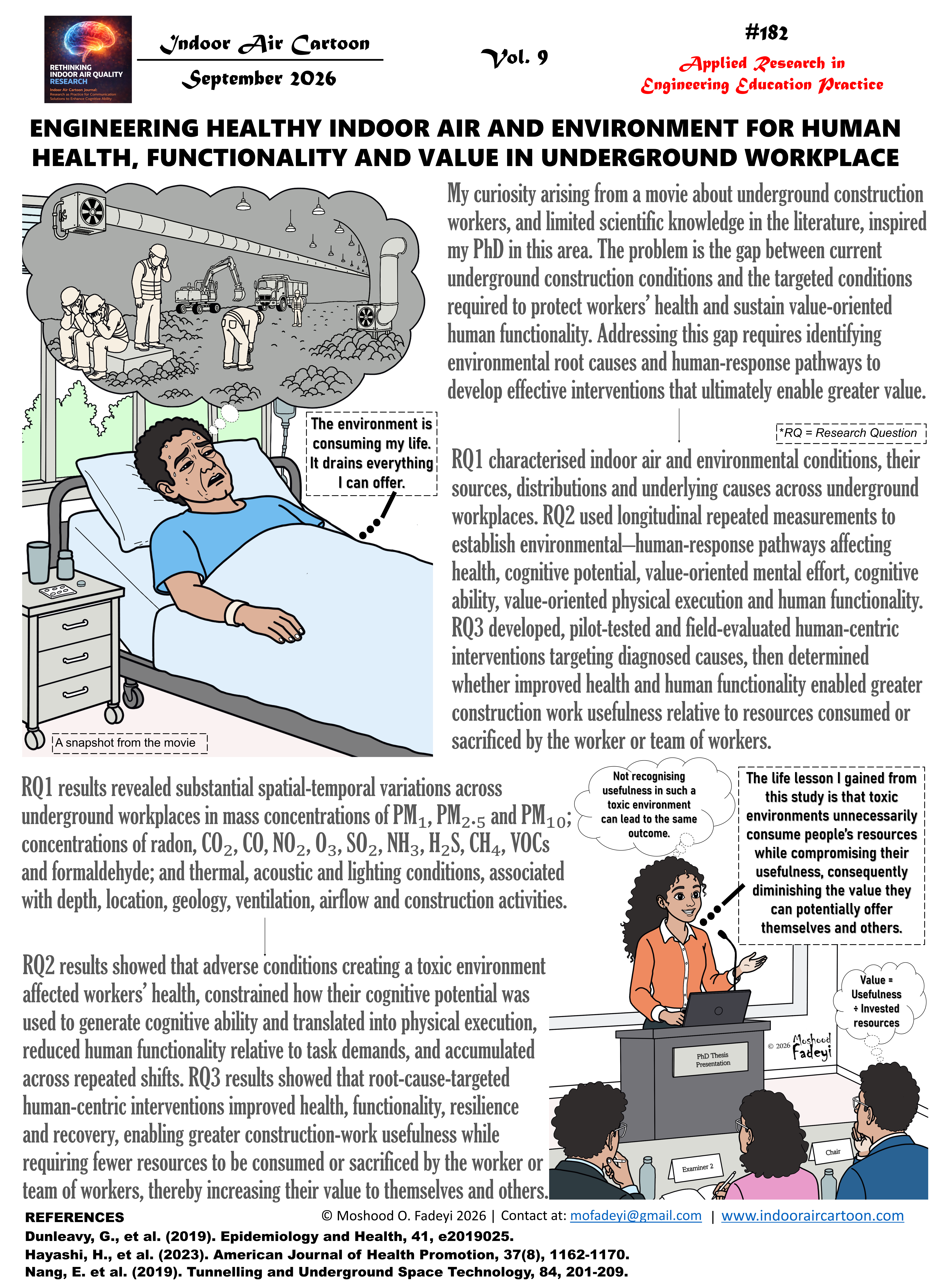




Leave a Reply