Indoor Air Cartoon Journal, October 2024, Volume 7, #159
[Cite as: Fadeyi MO (2024). Artistic educational research: Advancing communication for improved indoor air quality education and practice. Indoor Air Cartoon Journal, October 2024, Volume 7, #159.]

Fictional Case Story (Audio – available online) – Part 1
Fictional Case Story (Audio – available online) – Part 2
Fictional Case Story (Audio – available online) – Part 3
……………………………………..
Misconceptions about communication emerged as a significant barrier to progress in many societies, and unfortunately, many people did not realise it. People, especially educators, often believed that communication was merely about transmitting information, failing to appreciate the critical role of cognitive abilities in effective understanding and problem-solving. This oversight led to an oversimplification of communication education, where institutions focused primarily on rhetoric and presentation skills, neglecting the need for adaptive strategies that considered diverse cognitive processes. Research in communication for effective education and practice, which was meant to enhance education, produce competent and agile professionals for the industry, and advance a knowledge-based economy, was neither regarded as essential nor valued in academia. This predicament infiltrated the built environment industry, particularly hindering the provision of healthy indoor air in a value-oriented manner. As a result, students, industry professionals, and everyday people in the community struggled to grasp the intricate concepts surrounding indoor air quality (IAQ), leaving them ill-equipped to address the challenges in their indoor environments. It was a motherly love for her son that planted the seed for global transformation in IAQ and engineering education and practice within him. This transformation was achieved through the development of people’s cognitive abilities–abilities that are especially essential in an artificial intelligence-driven world–for effective communication. The journey of the son is the focus of this fictional story.
1……………………………………..
“Son, your definition of communication is misleading,” Ridwan’s mother, Dr. Zainab Williams, exclaimed, her tone firm yet gentle. The aroma of brewed tea lingered in the air, mingling with the scent of freshly baked bread in their modest kitchen, a space overflowing with books and the warmth of lively discussions. Dr. Zainab, an Associate Professor of Philosophy, had always emphasised the importance of clarity and depth in their conversations, making moments like this both challenging and enriching for Ridwan.
“But Mum, I learnt it from my instructor!” Ridwan protested, his brow furrowing with confusion.
His mother leaned closer, her eyes sparkling with the fervour of a dedicated educator. “Communication is not merely the act of transmitting and exchanging information through speaking, writing, or other mediums. It is much more profound. It is the act of employing critical and reflective thinking, abstract reasoning, logical deduction, and creative imagination to inform how information and processed information* are generated, received, stored, and shared, thereby enhancing value delivery in problem-solving.”
She paused, allowing her words to resonate before continuing. “The definition developed by Prof. Moshood suggests that communication is the engine room of effective problem-solving. Unfortunately, many people reduce it to merely a language, a soft skill, or a teaching exercise, failing to recognise poor communication as a practical problem that requires research.”
Ridwan’s eyes widened as realisation dawned upon him. “Wow! Communication is so complex! It requires continuous improvement in stakeholders’ thought processes, task processes, and understanding of purpose.”
That night, after their heartfelt discussion, Ridwan went to bed with his mind buzzing with ideas and insights. The kitchen had been filled with warmth, laughter, and the rich aroma of his mother’s tea, but it was the spark in her eyes that left a lasting impression. “Communication is the bridge to understanding, my dear,” she had said, leaning across the table, her voice imbued with the passion of a true educator. Ridwan clung to her words, feeling a sense of purpose that had ignited within him.
However, that warmth was extinguished in the early hours of the morning. A home robbery, or so it seemed, claimed the life of Ridwan’s mother, leaving him to bear the unbearable weight of grief. The sight that met him in the living room would haunt him forever–his mother, his hero, lifeless on the floor, taken in an instant by a senseless act of violence.
It was the sound of the gunshot that killed his mother that woke Ridwan in his bedroom on the upper floor. As a young boy, he was very scared to come out. Moreover, he did not hear his mother’s voice and saw the gunmen rushing out of the house. The living room and his mother’s bedroom appeared ransacked, as if a robbery had just occurred.
Neighbours recounted their account of gunmen entering and leaving the compound of the house of Ridwan’s parents. They also recounted how the gunmen shot into the air as they were leaving. Unfortunately, the culprits were never caught by the police. As the reality of the loss of his mother crashed down on him, an unbearable weight settled on the 14-year-old Ridwan’s chest. Grief was a tidal wave, pulling him under as he struggled to breathe. He fell to his knees, tears streaming down his face, his heart shattered.
At this point, Ridwan had now lost both of his parents. Ridwan’s father, Idris Williams, was an investigative journalist who died in a suspicious car accident when Ridwan was just eight years old, likely the result of his work exposing corruption. After Idris’s death, Ridwan’s mother, Dr. Zainab, became his sole guardian, nurturing him through the grief.
Dr. Zainab not only instilled in Ridwan the values of truth and integrity that Idris lived by, but she also taught him the power of communication. She believed that clear, meaningful communication could bridge divides and change the world, a lesson that deeply influenced Ridwan’s own journey in life and education.
After the recent death of his mother, Ridwan’s world was thrown into turmoil again. The tragedy left him feeling adrift, as the sense of security and belonging that both his parents and later only his mother had provided was totally ripped away. At the tender age of fourteen, he found himself at a crossroads, facing the immense emotional and logistical challenges of navigating life without his father and mother.
Fortunately, Ridwan’s extended family stepped in to care for him. His maternal aunt, Amina, took him into her home. Amina, a strong and compassionate woman, had been close to Ridwan’s mother and understood the depth of the loss he was experiencing. Though she had a family of her own and a busy household, Amina made it clear that Ridwan was now one of her own, offering him a place to heal and continue his education.
Amina’s house, though filled with the noise and bustle of children, became a sanctuary for Ridwan. The transition was not easy; grief weighed heavily on him, and adjusting to a new home with new routines was daunting. Yet, Amina provided him with the emotional support he so desperately needed. She allowed him space to grieve while also encouraging him to focus on his future.
Her husband, Uncle Musa, also played an essential role in Ridwan’s life. A quiet but thoughtful man, Musa often shared words of wisdom with Ridwan. He would sit with him in the evenings, offering advice about life and the importance of resilience. “Grief is like a river,” Musa once told him. “It will take you on a journey, sometimes calm, sometimes stormy, but you must keep moving, finding strength in the love your parents left behind.”
Although life at Amina and Musa’s home was different from what Ridwan had known as the only child, it was full of care, structure, and routine. Ridwan’s cousins quickly embraced him as an older brother, offering a sense of companionship that helped to ease his loneliness. Uncle Musa and Aunt Amina had three children. The family provided a loving, stable environment where he could focus on his education and, over time, heal from his parents’ loss.
This new chapter in Ridwan’s life was marked by emotional highs and lows, but his aunt’s unwavering support allowed him to channel his grief into something constructive. Amina, though not a replacement for his mother, was a strong role model in her own right. She embodied many of the same values his mother had held dear: the importance of education, empathy, and the drive to improve the lives of others. Under her guidance, Ridwan began to regain his footing, slowly coming to terms with his new reality.
Though his parents were gone, Ridwan found a new family who nurtured and supported him. With Amina’s love and guidance, he was able to not only survive but thrive, turning the profound sorrow of his loss into motivation to excel academically and honour his parents’ legacy.
The last words exchanged with his mother echoed painfully in his mind–her teachings now felt like distant echoes in a chasm of silence. With the support of Aunt Amina and her family, Ridwan vowed to carry the lessons from his mother with him, believing that through the pursuit of communication, he could keep her spirit alive.
Despite the swirling storm of grief, Ridwan excelled academically, pouring himself into his studies as a means of escape. As he moved through high school, Ridwan discovered a passion for science and communication. He realised that understanding the world around him could empower others, just as his mother had empowered him.
Each lesson became a tribute to his parents, a way to honour their memory by striving for excellence. Mathematics and science, once merely subjects to be conquered, transformed into realms of discovery that allowed him to forge a new identity–one built on resilience and determination. The more he learnt, the more he felt connected to the values instilled in him by his mother and father: hard work, curiosity, and the importance of knowledge.
Through late-night study sessions and group projects with friends, Ridwan became increasingly fascinated by the interconnectedness of systems–the way that everything, from the smallest particle to the grandest structure, was interrelated. Each scientific principle he learnt unveiled new layers of complexity in the world, and he began to see the potential of engineering as a way to harness this understanding to create solutions for real-world problems. He decided to study mechanical engineering at the university.
Years later, upon receiving his acceptance letter to his country’s (Vandam)best university, University of Malcom, Vandam, to study mechanical engineering, Ridwan’s heart swelled with a mixture of pride and sorrow. Her mother used to be a professor in the philosophy department of the university. The weight of his parents’ absence pressed heavily on him, a reminder of the milestones they would never see him achieve. Yet he knew they would have celebrated this momentous milestone with joy and pride.
As he stepped onto the campus, a vibrant and energetic setting, he felt a rush of excitement wash over him. Every corner of the university echoed with laughter, spirited debates, and the fervent quest for knowledge. Every day, Ridwan wandered the bustling halls, a sense of purpose guiding his steps.
He approached each lecture with quiet determination, absorbing every lesson, engaging in fervent discussions, and building connections with professors and fellow students. His engineering classes were filled with challenging concepts and rigorous problem-solving tasks, and Ridwan thrived in this stimulating environment. It felt as though he had found his true calling–a way to honour his parents by striving for excellence and contributing to society.
Yet, amidst this academic fervour, an unusual incident ignited a spark that would shift his trajectory. During a particular time, Ridwan attended a seminar on environmental engineering. As he settled into his seat, the room buzzed with energy. The speaker, a renowned expert in indoor air quality (IAQ), began to recount a harrowing tale.
The speaker spoke of a family whose health had been compromised by unseen indoor air pollutants lurking within the walls of their home–mould spores, volatile organic compounds, and allergens–all thriving in the hidden corners of modern living spaces. Ridwan listened, captivated, as the expert detailed the family’s journey from despair to hope, advocating for change through improved IAQ management.
The story resonated deeply within him, echoing his own experience of loss and the quest for a safer world. The thought of families suffering due to something so preventable ignited a passion within him, intertwining his love for engineering with a newfound commitment to public health. How could he contribute to a future where homes were sanctuaries, not sources of suffering?
As he left the seminar, Ridwan felt a fire ignite in his heart, propelling him towards a path he had not previously considered. He was determined to deepen his expertise in IAQ, to understand how he could use his engineering skills to make a tangible difference in people’s lives.
Driven by this vision, Ridwan enrolled in a Master of Science programme, choosing to conduct research on IAQ upon his graduation with a First-Class (Honours) in Mechanical Engineering. His motivation was fuelled by a sense of responsibility–an urgency to uncover the truth hidden within the air people breathed.
He focused his research on the impact of household pollutants on health, using his engineering skills to design innovative solutions for monitoring and mitigating these risks. Each experiment was a step closer to understanding the invisible threats that lurked within homes and how they could be addressed.
As he delved into his research, Ridwan felt a profound connection to the families whose stories he aimed to illuminate. Late nights spent poring over data, countless hours in the lab, and fervent discussions with his advisers painted a picture of dedication and purpose. He often found himself imagining the faces of those who would benefit from his findings, their lives transformed by the insights he sought to uncover.
2……………………………………..
After completing his master’s degree by research with distinction, Ridwan entered the professional world, bound by a three-year work obligation to fulfil the terms of his scholarship. He secured a position at a reputable indoor environmental quality consultancy company, where he was eager to apply the IAQ knowledge he had gained during his studies.
His work involved monitoring IAQ, assessing the causes of IAQ problems, and recommending solutions to improve the health and safety of occupants in residential and commercial buildings. For Ridwan, it was an exciting opportunity to put theory into practice.
However, it did not take long for him to notice a recurring issue within the company–and across the industry as a whole–that hindered the effectiveness of their work. It became clear that many of his colleagues, despite their technical expertise, struggled with the critical cognitive abilities necessary for effective communication.
This deficiency was particularly evident when defining problems, identifying their underlying causes, and using those causes to inform practical solutions. The teams would often jump to conclusions without fully understanding the problem at hand, or they would implement solutions that only addressed surface-level symptoms rather than the root cause of the issue.
Ridwan observed that these communication breakdowns led to inefficient workflows and, at times, the implementation of inappropriate or ineffective solutions. Meetings would often be filled with technical jargon, but there was a distinct lack of clarity and logical reasoning when it came to problem-solving.
The complexity of indoor environmental issues, such as IAQ, required a more refined approach–one that involved thorough analysis, clear definition of the problem, and the ability to trace the problem back to its source. Only then could a truly effective solution be developed. This realisation deeply troubled Ridwan. He saw how these deficiencies were not just inconveniences; they had real-world consequences.
Families and businesses depended on the consultancy’s work to ensure their indoor environments were safe and healthy. But without the ability to communicate effectively and problem-solve in a structured, logical manner, many solutions were falling short of their intended goals. Ridwan began to question how these cognitive shortcomings could be addressed, not just within his company, but across the entire industry.
As the months passed, Ridwan found himself becoming more intrigued by the underlying issue. He began researching the importance of cognitive skills in engineering, particularly the role they play in communication and problem-solving. He sought to understand why so many highly educated professionals struggled with these essential skills and how these shortcomings could be mitigated. Ridwan realised that this was a significant gap in the field–one that extended beyond technical expertise into the realm of education and practice.
Ridwan’s experiences led him to a pivotal decision. He knew that in order to truly make a difference, he needed to delve deeper into this problem. This desire to understand the interplay between cognitive skills, communication, education, and engineering practice pushed him to pursue a PhD in Engineering Education.
Ridwan believed that by addressing these gaps, future engineers could be better equipped to tackle complex environmental problems with precision and clarity. It was no longer enough for him to work in the industry; he wanted to contribute to the development of more effective educational approaches that would strengthen cognitive abilities and enhance problem-solving capabilities, ultimately making graduates to be job ready and enhancing problem solving capabilities of industry professionals.
However, as he shared his aspirations with colleagues and mentors, he encountered a wave of scepticism. Many told him that someone of his brilliance and technical capabilities should focus on generating new knowledge in the area of mechanical systems or IAQ. They urged him to reconsider his focus, warning that engineering education lacked the prestige and impact of more traditional engineering disciplines.
“Why waste your talents on education?” one colleague implored during a lunch break. “You could be contributing to ground breaking advancements in technology. Engineering education? That’s not where you belong.” These comments echoed in Ridwan’s mind, sowing seeds of doubt that momentarily clouded his vision. He understood their concerns; they saw potential in him that they felt would be squandered on developing people rather than systems.
Yet, in the face of their naysaying, Ridwan’s conviction only solidified. He realised that doing systematic research to understand and provide solutions to enhance how students and professionals learned, thought critically, and applied knowledge to real-world problems was vital.
Their scepticism ignited a fire within him, compelling him to delve deeper into the field of engineering education. He began to explore successful educational models and the impact of cognitive skills on learning outcomes. He sought out mentors who understood the importance of communication and its role in the engineering profession.
With every study he read and every conversation he had, Ridwan felt more resolute in his desire to pave the way for a new generation of engineers equipped not only with technical knowledge but also with the skills needed to engage effectively with the challenges they would face.
Ultimately, Ridwan’s journey through industry became a crucible for his aspirations, refining his focus and sharpening his resolve. The naysayers who once filled him with doubt now became catalysts for his determination. He knew that he wanted to contribute to the next generation of engineers in a way that would leave a lasting impact on the profession and society at large.
After a period of reflection and preparation, Ridwan applied to several prestigious universities overseas known for their engineering education programmes. His drive and clear vision caught the attention of renowned institutions that specialised in addressing exactly the type of problem
Ridwan was passionate about solving. To his immense joy, he was awarded a scholarship to study overseas, specifically in Bravena, a developed, high-income country, where he would have the opportunity to conduct research that could shape the future of engineering education and practice.
With a heart full of hope and a mind teeming with ideas, he embraced this new chapter, ready to champion the importance of effective communication and cognitive development in engineering. He stood at the threshold of his PhD journey, prepared to confront the challenges ahead and dedicated to the vision he held close to his heart.
As he stepped into the role of a PhD candidate at the University of Roseland, Bravena, Ridwan felt his purpose crystallising. He stood at the intersection of engineering and education, wielding the tools of both to effect meaningful change. Each lecture, each paper he wrote, felt like a tribute to his parents–a continuation of the conversation he had shared with his mother that fateful night. He poured his heart into his work, driven by the desire to create a legacy that would honour their memory.
The overarching research questions for Ridwan’s PhD research were: (i) What cognitive barriers hinder the effective communication needed for the adoption of IAQ best practices, and how can targeted communication approaches overcome these barriers to ensure that resources are effectively utilised for improving IAQ? (ii) How can effective communication, incorporating critical and reflective thinking, abstract reasoning, logical deduction, and creative imagination, be developed to enhance IAQ education and practices for achieving healthy indoor air in a value-oriented manner? (iii) How can basic arithmetic mathematical equations be integrated into communication solutions that utilise anecdotal and scientific evidence to develop cartoon illustrations and fictional case stories for enhancing understanding of IAQ education, its health impacts, and the value delivery approach in addressing IAQ challenges?
These research questions informed the objectives for his PhD research. The objectives were: (i) To identify the cognitive barriers that hinder the effective communication of IAQ best practices and to develop targeted communication approaches that overcome these barriers, ensuring the effective utilisation of resources to improve IAQ. (ii) To develop communication strategies that incorporate critical and reflective thinking, abstract reasoning, logical deduction, and creative imagination to enhance IAQ education and practices, fostering a value-oriented approach to achieving healthy indoor air. (iii) To integrate basic arithmetic mathematical equations into communication solutions that utilise anecdotal and scientific evidence for creating cartoon illustrations and fictional case stories, enhancing the understanding of IAQ education, its health impacts, and value delivery strategies in addressing IAQ challenges.
Ridwan’s PhD research was applied in nature. With a generous applied research grant secured with the support of his PhD supervisor, Professor George Boston, Ridwan led the field study in his capacity as a PhD researcher under the supervision of his supervisor. Summaries of Ridwan’s PhD research methods and results, which addressed the research questions and objectives, are provided below.
3……………………………………..
Research Methods:
Research Objective 1: Cognitive Barriers Hindering IAQ Communication
The aim of this section is to systematically identify and address the cognitive barriers that impede non-expert stakeholders–such as building occupants and facility managers–from understanding and adopting best practices related to IAQ. A mixed-methods approach integrates qualitative and quantitative data, thereby providing a comprehensive analysis that enhances the validity and applicability of the findings within various building contexts.
This inquiry focuses on the factors that affect how stakeholders perceive, interpret, and act upon information related to IAQ. By exploring these cognitive barriers, the study seeks to uncover the challenges that various audiences face in understanding and applying IAQ knowledge.
—Participant Sampling and Recruitment —
To ensure a representative and diverse study population, a purposive sampling strategy was implemented. This strategy focused on engaging participants from various building environments, including residential, commercial, and institutional settings. Participants were systematically segmented into two main groups: building occupants (residential and commercial) and facility managers/building engineers. A total of 100 non-IAQ experts were recruited to participate in this study.
The sampling process was stratified based on several factors, including geographical region, building type, and socio-economic background. This stratification aimed to capture a wide array of experiences concerning IAQ exposure and the effectiveness of existing communication systems. For example, recruiting participants from high-rise apartments, office buildings, and educational institutions provided a broad perspective on the unique challenges faced in each environment.
— Data Collection Methods —
The study utilised a triangulation of data collection methods, including semi-structured interviews, focus group discussions, structured surveys, and the Delphi Method to ensure the robustness of the data obtained. Semi-structured interviews were conducted with facility managers and selected building occupants to explore their personal experiences with IAQ practices, the challenges they encountered in communication, and their perceptions of best practices.
The semi-structured nature of these interviews allowed for open-ended responses while ensuring that specific topics of interest, such as misunderstandings, cognitive biases, and psychological barriers, were systematically addressed. A predetermined set of questions guided the interviews, while additional questions emerged based on participants’ responses, fostering a more in-depth exploration of the themes.
Focus group discussions included both building occupants and facility managers, creating an interactive environment to explore real-life experiences related to IAQ knowledge and the effectiveness of past communications. The focus groups facilitated dialogue among participants, allowing for the emergence of diverse perspectives on perceived barriers, such as socio-economic constraints, cognitive biases, and cultural factors that influence the adoption of IAQ practices. Sessions were recorded and transcribed to ensure that all insights were accurately captured for analysis.
Quantitative data were collected through structured surveys designed to quantify participants’ knowledge of IAQ, perceived risks, and attitudes toward best practices. The surveys utilised Likert-scale questions to measure participants’ evaluations of the clarity, utility, and persuasiveness of existing IAQ communication materials. Pre-testing of the survey instrument was conducted to validate its reliability and relevance to the study population, ensuring that it effectively captured the constructs of interest.
A modified Delphi Method was employed to gather expert opinions on the cognitive barriers to effective communication regarding IAQ best practices. The Delphi method involves collecting anonymous responses from experts through structured questionnaires across multiple rounds to reach a consensus on a specific issue or topic. This anonymity encourages open and honest feedback, allowing experts to reconsider their opinions based on the group’s collective input.
A panel of experts, including IAQ researchers, communication specialists, and public health professionals, participated in multiple rounds of surveys to identify and rank key cognitive barriers. Through iterative feedback, the panel aimed to reach a consensus on the most significant barriers that hinder effective communication. This method not only provided a breadth of insights but also facilitated a deeper understanding of how these barriers manifest across different stakeholder groups.
— Data Analysis —
Qualitative data from the semi-structured interviews and focus groups were systematically analysed through thematic analysis. This involved coding the transcriptions and identifying recurrent themes related to cognitive barriers. Specific barriers included confirmation bias, information overload, and misinterpretation of technical terms.
Participants often demonstrated a preference for familiar or trusted sources of information, leading to a selective understanding of IAQ practices. Many participants reported difficulty processing complex technical information, which often resulted in disengagement or misinterpretation of important concepts. A lack of clarity in technical jargon led to confusion among participants regarding IAQ-related concepts, further hindering effective communication.
Quantitative data collected from the surveys were analysed using descriptive statistics and multivariate regression analysis. This analysis aimed to identify patterns in IAQ awareness, attitudes, and knowledge gaps across demographic groups. The results highlighted significant disparities in IAQ knowledge and perception based on factors such as age, educational background, and geographical location, thus offering insights into which groups were more vulnerable to misinformation or misunderstanding.
— Experimental Intervention —
Following the identification of cognitive barriers, targeted experimental interventions were designed and implemented to assess whether simplified communication could enhance comprehension and the adoption of IAQ practices among non-experts.
Participants were provided with newly developed IAQ communication materials grounded in principles of critical and reflective thinking. These materials aimed to simplify complex IAQ concepts while directly addressing the identified cognitive barriers. They included infographics that visually represented key information, risk models that contextualised health risks associated with poor IAQ, and scenario-based case studies that illustrated the practical implications of adopting best practices in real-world settings.
Follow-up interviews and observations were conducted to measure any changes in participants’ comprehension and willingness to adopt IAQ practices after exposure to the new materials. Pre- and post-test assessments were used to quantitatively compare participants’ understanding of IAQ concepts before and after the intervention. These assessments included a variety of questions designed to evaluate both factual knowledge and practical application of IAQ best practices.
The key outcome of this section is to evaluate the cognitive barriers that impede effective communication and understanding of IAQ best practices among non-expert participants. The first research question focused on identifying cognitive barriers that non-experts encounter when trying to understand IAQ and its associated health risks.
This research question aimed to steer the investigation in a direction where the findings illuminated specific challenges that hindered comprehension, such as complex terminology and abstract concepts, necessitating the development of tailored communication strategies. The first research question also intended to necessitate research that provided insights into the specific challenges faced by these stakeholders, ultimately contributing to the development of more effective communication strategies that enhance understanding and practice adoption related to IAQ.
Research Objective 2: Co-creation of IAQ Communication Solutions
This section focused on the development and testing of communication strategies that incorporate critical and reflective thinking, abstract reasoning, logical deduction, and creative imagination. This part of the study intends to prove that collaborative effort leading to the development of communication solutions is essential in integrating diverse perspectives to enhance the clarity and effectiveness of IAQ. Building on the findings from the first research question, participants were engaged in the co-creation of communication strategies that specifically addressed the cognitive barriers identified previously.
Emphasis was placed on the collaborative development and testing of communication tools and techniques that enhanced understanding and facilitated the adoption of best practices in IAQ. In this phase, communication strategies were designed by participants who worked collaboratively.
— Participatory Action Research (PAR) Framework —
Participants collaboratively developed IAQ communication strategies tailored to various building contexts, including residential, commercial, and institutional settings. These strategies were designed to disseminate information and inspire critical engagement among diverse audiences, addressing the motivational barriers identified in the previous phase.
A key component of this phase was the co-creation of scenario-based learning tools, which proved effective in enhancing participants’ motivation. By presenting realistic case studies that illustrated the consequences of poor IAQ and showcasing successful interventions, participants were encouraged to engage in critical and reflective thinking.
For example, a scenario depicting a family impacted by indoor air pollution prompted discussions about preventive measures and best practices. This engagement with real-life examples stimulated creative imagination and abstract reasoning, leading participants to brainstorm innovative solutions to similar issues within their contexts.
The incorporation of visual aids and interactive digital platforms further motivated participants to engage with IAQ issues. One notable tool was an application that allowed users to simulate different IAQ scenarios in their homes, encouraging experimentation with various solutions, such as adjusting ventilation rates, using air purifiers or filters, or eliminating source or reducing source emission rate. By actively participating in this learning process, users developed a greater investment in their understanding of IAQ, sparking curiosity and facilitating logical deductions regarding the effects of different interventions on IAQ.
In community workshops, local residents engaged with IAQ topics through interactive and participatory learning experiences. Each workshop began with an introductory session that provided foundational knowledge about common indoor pollutants, their sources, and associated health impacts.
Participants were then divided into small groups to discuss specific scenarios, such as the effects of inadequate ventilation in homes or the impact of household cleaning products on air quality. Facilitators guided group discussions, posing probing questions that prompted deeper thinking and allowing attendees to share their insights and experiences. Interactive tools, including infographics and digital resources, were employed to clarify complex concepts and maintain participants’ attention, enhancing the dynamism of the sessions.
Workshops also featured practical demonstrations on solutions for improving IAQ, including proper ventilation techniques and the use of air purifiers. Participants had hands-on opportunities to experiment with low-cost solutions, such as DIY air filters or strategic plant arrangements that can enhance IAQ. This practical application reinforced learning, demonstrating that effective solutions were accessible and achievable.
In school settings, the implementation focused on engaging students and educators in IAQ education through tailored lessons that integrated the new communication strategies. Simplified terminology and visual aids were employed to facilitate understanding. Teachers were trained to guide discussions connecting students’ everyday experiences with IAQ problems, such as how poor IAQ in classrooms and homes affects occupants’ health.
Projects were assigned to promote critical thinking, encouraging students to assess their classroom’s IAQ through activities like measuring IAQ parameters or conducting surveys on common sources of indoor pollution. Students presented their findings and proposed improvements based on their analyses, fostering a sense of ownership and responsibility regarding their indoor environments.
Educational materials were designed to resonate with students’ experiences, ensuring the content remained relatable and relevant. Interactive quizzes and gamified learning experiences were also incorporated to sustain students’ interest and enhance engagement.
At health fairs and community festivals, the co-created communication strategies aimed to reach a broader audience. Interactive booths featured engaging displays, videos, and informational pamphlets highlighting key IAQ issues. Volunteers conducted mini workshops that included brief presentations followed by hands-on activities demonstrating the impact of poor IAQ on health and the environment.
Feedback forms were distributed to gather insights on participants’ motivations to learn about and address IAQ issues, enabling real-time adjustments and improvements in ongoing outreach efforts.
— Data Collection and Analysis —
Data for this research were collected through a combination of qualitative and quantitative measures to evaluate the effectiveness of the newly developed communication strategies. Pre- and post-tests were conducted to assess participants’ understanding of IAQ concepts and their ability to apply critical thinking and practical knowledge to real-world situations. Quantitative data on the effectiveness of the communication strategies implemented during the study were provided by these assessments.
In addition to structured assessments, reflective journals were maintained by participants throughout the workshops or learning activities. These journals served as a tool for capturing thought processes, challenges, and learning experiences related to the IAQ topics discussed. This qualitative data is crucial for understanding how critical thinking is applied by participants in their problem-solving efforts and for identifying patterns in their reflections on the learning process.
The analysis of the collected data involved a comparative analysis of pre- and post-test results, which enabled the determination of improvements in participants’ understanding and retention of IAQ knowledge. Furthermore, a content analysis of the reflective journals was conducted to identify recurring themes and patterns in the application of critical thinking to IAQ problem-solving. This dual approach to data analysis ensures a comprehensive understanding of the impact of the communication solutions through the co-creation efforts.
It is anticipated that the findings from this research will provide valuable insights into effective communication methods for IAQ education, ultimately contributing to greater awareness and the adoption of best practices in managing IAQ.
In summary, the research question 2 is meant to gear the research in the direction where its findings built upon the findings from research question 1 by engaging interdisciplinary stakeholders in the co-creation of communication tools designed to address the identified barriers.
Research Objective 3: Art-Based Communication Solutions for IAQ Education and Practice
In research objective 3, the focus lies on examining how art-based communication solution can enhance IAQ education and practice. This objective builds on insights from previous research inquiries by creating a framework for effective communication that merges cognitive, interdisciplinary, and artistic approaches.
The goal is to craft solutions that can breakdown cognitive barriers and make IAQ concepts more accessible and engaging to the public and professionals alike, combining the intellectual rigour of mathematical thinking with the emotional and imaginative power of storytelling and art.
Before attending the workshop, participants interacted with a well-curated IAQ public educational resource that featured articles combining fiction, cartoons, and simplified mathematical concepts related to IAQ. These articles were designed to make complex scientific ideas more relatable by weaving fictional narratives around them, accompanied by visual elements such as cartoons.
The use of basic mathematical equations, embedded within the storytelling, served to demystify IAQ principles and present them in a digestible format. This pre-engagement phase was critical for ensuring participants had time to absorb and reflect on the material at their own pace.
This independent exploration allowed participants to build a foundational knowledge of IAQ before the workshop, enabling more in-depth discussions during the sessions. The integration of fictional stories and cartoons was intended to foster an emotional connection to the material, which is often lacking in traditional scientific discourse, thus preparing participants to think about IAQ issues from both analytical and creative perspectives.
The workshop functioned as both a learning environment and a platform for gathering insights into the effectiveness of the communication strategies introduced in the IAQ public educational resource. Participants were asked to reflect on their pre-workshop engagement with the materials and discuss how elements like mathematical thinking equations, anecdotal evidence, and artistic representations (fiction and cartoons) influenced their understanding of IAQ. This reflective dialogue aimed to uncover the degree to which the integration of cognitive and artistic elements succeeded in enhancing comprehension and engagement.
A key component of the workshop was encouraging participants to critique the clarity and relevance of the mathematical equations presented in the fictional stories. For instance, they could point out if certain equations were confusing due to their complexity or if they were disconnected from the narrative flow, making them harder to grasp. On the other hand, when mathematical thinking equations effectively elucidated IAQ concepts, participants were prompted to discuss why these elements worked well and how similar strategies could be employed in future educational resources.
The fictional stories and cartoons also played a significant role in this analysis, as participants were asked to evaluate whether these artistic forms successfully conveyed the seriousness of IAQ issues while maintaining emotional resonance. Feedback on the narrative style, visual presentation, and the overall impact of combining scientific information with art was invaluable in assessing whether the artistic approach truly enhanced understanding or merely entertained without adding substantive value.
The feedback provided during the workshop created a cycle of continuous learning and improvement. Participant insights, particularly about the effectiveness of the mathematical thinking and artistic elements, were used to refine and evolve the communication strategies. This iterative process meant that the findings were not only applied in real-time to adjust the current communication solutions but also fed into the design of future IAQ educational interventions.
As the participants’ feedback informed the development of the IAQ public educational resource, the research gained a deeper understanding of how cognitive and emotional engagement with IAQ concepts could be improved. For example, simplifying equations without compromising scientific accuracy, ensuring narratives had relatable human elements, or refining cartoon designs to better illustrate complex ideas.
This ongoing evaluation process was crucial in ensuring that the art-based communication strategies were both effective in educating and emotionally resonant, offering a holistic approach to IAQ education that goes beyond traditional methods.
4……………………………………..
Research Findings
Research Objective 1: Cognitive barriers hindering IAQ communication
The cognitive barriers identified in the study, when examined through the lens of higher-level cognitive psychology, reveal intricate and scientifically significant impediments to the effective communication of IAQ education and best practices. These barriers are not merely obstacles to understanding but are deeply rooted in established cognitive processes that affect how individuals perceive, process, and act upon IAQ information, particularly regarding indoor air pollutants.
— Confirmation bias skews perceptions —
The reliance on familiar or trusted non-expert sources for IAQ information, such as family members, friends, or non-expert media outlets, reflects a classic case of confirmation bias, a cognitive shortcut where individuals favour information that supports their pre-existing beliefs while ignoring contradictory evidence. In the realm of IAQ, this bias has profound implications.
For instance, many participants exhibited a deeply ingrained belief that outdoor air is universally more polluted than indoor air. This belief, while sometimes accurate, is frequently contradicted by data showing that certain indoor air pollutants–such as formaldehyde emitted from furniture, volatile organic compounds (VOCs) from household products, or PM2.5 from cooking and smoking–can surpass outdoor pollutant levels.
Participants would selectively ignore data on the risks posed by these indoor pollutants, thereby inhibiting their ability to recognise the severity of indoor air pollution. Such selective information processing significantly obstructs the reception and integration of evidence-based IAQ knowledge, especially regarding pollutants that are less visible or have delayed health effects, like formaldehyde and VOCs, which are associated with long-term health risks, including respiratory issues and cancer.
The cognitive attachment to familiar sources also hindered the effectiveness of expert-driven communication. Participants tended to trust anecdotal experiences over scientific evidence. For instance, they might disregard expert recommendations on source reduction, ventilation improvements or air cleaning technologies, relying instead on advice from non-experts who downplayed the significance of indoor pollutants.
This cognitive bias not only perpetuates ignorance regarding pollutants such as ozone, carbon monoxide, and nitrogen dioxide–often associated with indoor combustion sources–but also creates a feedback loop that entrenches misconceptions about IAQ risks.
In facility managers, a similar but distinct cognitive bias–status quo bias–was observed. Despite their professional responsibilities, many facility managers exhibited a strong preference for past practices and long-established routines over adopting innovative IAQ measures.
This bias manifested in their reluctance to integrate newer technologies, such as high-efficiency particulate air (HEPA) filters or smart ventilation systems, despite overwhelming evidence of their efficacy in reducing indoor concentrations of harmful pollutants like PM2.5, PM0.1, and NO2.
This reluctance was particularly evident in their approach to managing biological contaminants (e.g., mould spores, bacteria, and viruses) in institutional settings, where they favoured traditional cleaning protocols over scientifically validated air purification techniques that could mitigate microbial contamination more effectively.
The status quo bias thus creates a significant barrier to the uptake of advanced IAQ technologies that could substantially improve IAQ, especially in high-risk environments like hospitals and schools, where vulnerable populations are exposed to these air pollutants.
A critical cognitive barrier was the deficiency in critical and reflective thinking, defined as the ability to independently evaluate information, challenge assumptions, and synthesise data to make informed decisions. In the context of IAQ, this barrier has serious implications for the communication of scientifically complex and abstract concepts, such as the health effects of particulate matter (PM0.1, PM2.5 and PM10), volatile organic compounds (VOCs), and indoor radon.
Many participants, despite receiving data on the dangers of these pollutants, found it challenging to reassess their own practices or make informed behavioural changes. For example, participants were resistant to reducing their use of household products emitting high levels of VOCs–such as cleaning agents, paints, and air fresheners–even when presented with compelling evidence of their long-term health risks, including asthma, allergies, and carcinogenic effects.
This cognitive resistance also extended to more advanced IAQ concepts, such as chemical reactions between indoor pollutants (e.g., reactions between ozone and terpenes in cleaning products, leading to the formation of secondary pollutants like formaldehyde and fine particles).
The inability to engage critically with these ideas prevented participants from fully grasping the cumulative risks of indoor air pollutant exposure, which is often a combination of primary emissions and by-products of indoor air chemical reactions within indoor environments.
Without this reflective capacity, the communication of IAQ best practices–such as minimising the use of VOC-emitting products or improving ventilation, coupled with air filter system with high clean air delivery rate, during activities that generate particulate matters (PM2.5 and PM0.1) –becomes substantially less effective.
Logical deduction, or the ability to systematically reason through problems and draw valid conclusions, emerged as another critical barrier. Participants consistently struggled to link specific indoor air pollutants to their health effects or to understand the necessary preventive actions. For example, while many participants were aware of PM2.5 and its association with respiratory issues, they failed to recognise the specific indoor activities–such as cooking with gas stoves, burning candles, or smoking–that contributed to the accumulation of PM2.5 in their homes.
Similarly, participants often misunderstood the dangers posed by carbon monoxide (CO), particularly from poorly ventilated gas appliances, and the risks of NO2 exposure from indoor combustion sources.
This difficulty in deductive reasoning not only led to confusion but also resulted in ineffective prioritisation of IAQ risks. Participants were often unable to distinguish between high-priority concerns, such as exposure to CO and PM2.5, and lower-priority risks, such as mild odours from cleaning agents, leading to misdirected efforts to improve IAQ.
This inability to connect technical IAQ concepts to actionable steps significantly hindered their ability to implement effective mitigation strategies, such as improving ventilation or using air purifiers capable of filtering fine particulate matter.
Finally, participants’ limited creative imagination posed a significant barrier to the practical implementation of IAQ guidelines. While many understood general recommendations–such as improving ventilation, reducing the use of pollutant-emitting products, or utilising air filters or purifiers–they struggled to envision how these guidelines could be applied within their specific environments.
For instance, when advised to improve ventilation to reduce the buildup of indoor pollutants, many participants failed to devise practical ventilation strategies, especially in urban settings where outdoor pollution might also be high. This cognitive limitation was particularly evident in high-rise residential buildings, where participants felt helpless in balancing IAQ improvements with the need to limit outdoor pollutant ingress.
This inability to visualise practical solutions to IAQ challenges often resulted in feelings of powerlessness and inaction. Participants in rural areas, for example, reported difficulties in implementing ventilation improvements due to the lack of external technical support or resources.
Rural area residents may need educational programmes on the importance of proper ventilation and maintaining good IAQ; access to affordable or free IAQ monitoring devices to measure pollutants; guidelines on the best times to open windows; financial assistance programmes for upgrading windows or ventilation systems; access to professional consultation from IAQ specialists; cost-effective air filtration systems; and easy-to-understand technical manuals or digital resources to help troubleshoot IAQ issues on their own.
Even in commercial buildings, where IAQ management is often the responsibility of facility managers, employees struggled to see how they could influence IAQ, particularly in spaces where they had little control over ventilation systems or indoor air pollutant sources. This cognitive barrier underscores the importance of not only communicating IAQ guidelines but also providing tailored, actionable steps that align with the specific constraints and capacities of different building types and occupant groups.
In essence, these cognitive barriers–confirmation bias, status quo bias, deficiencies in critical thinking, challenges with logical deduction, and limited creative imagination–severely impede the effective communication and understanding of indoor air pollutants and their associated health risks.
Overcoming these barriers requires a multifaceted communication strategy that not only delivers IAQ information in a scientifically accurate manner but also addresses these deeply ingrained cognitive limitations by promoting critical reflection, providing clear and accessible explanations of pollutant-health links, and offering practical, context-specific solutions for improving indoor air quality.
— Disparity in IAQ knowledge —
The research uncovered substantial disparities in IAQ knowledge and perception across different demographic groups, highlighting the impact of socio-economic, educational, and geographical factors.
Younger participants (aged 18-35) demonstrated a greater awareness of IAQ issues compared to older participants, yet their knowledge was largely superficial. This group often derived its IAQ information from digital and social media platforms, where content was frequently oversimplified or sensationalised, resulting in fragmented and incomplete understanding.
While they were cognisant of popular IAQ concerns, such as visible issues like mould or dust, their understanding of more complex and less obvious problems, such as the dangers posed by invisible pollutants like formaldehyde or volatile organic compounds (VOCs), was limited. It’s not that technical and detailed information about these pollutants isn’t available, but rather that such information is difficult for non-experts to relate to.
Therefore, it is crucial to contextualise IAQ information through storytelling or cartoons to make it both engaging and accurate. The key is to strike a balance between engagement and accuracy, ensuring that the information remains clear and meaningful, while avoiding overly technical details that might confuse or disengage the audience.
Educational attainment also played a pivotal role in shaping participants’ IAQ knowledge. Participants with university-level education, when presented with IAQ information or materials, showed a more robust understanding of IAQ risks, being better equipped to identify pollutant sources, evaluate indoor air pollutant mitigation strategies, and comprehend the health implications of poor IAQ.
In contrast, participants with lower educational attainment displayed significant gaps in both knowledge and comprehension, often struggling to conceptualise IAQ issues beyond immediate or visible pollutants, such as dust or cigarette smoke. Their reduced capacity for abstract reasoning limited their ability to connect scientific IAQ data to real-world consequences, resulting in a failure to recognise the long-term health risks associated with continuous exposure to indoor pollutants.
Geographical disparities in IAQ knowledge were also pronounced. Urban participants, who were more frequently exposed to media coverage on environmental issues, exhibited a higher baseline understanding of IAQ concerns compared to their rural counterparts. In rural or lower-income areas, where participants had limited access to reliable IAQ information, there was a noticeable knowledge gap.
This geographic discrepancy suggests a lack of equitable information dissemination, particularly in under-resourced regions where residents are less likely to be targeted by public health campaigns or have access to IAQ monitoring resources.
These findings suggest that socio-economic status, education, and information accessibility are key determinants of IAQ literacy, with participants possessing higher levels of abstract reasoning showing greater proficiency in interpreting and applying IAQ knowledge. In contrast, those with lower reasoning skills struggled to grasp the relevance of technical IAQ information, often leading to disengagement or misinformed practices.
— Communication Barriers Across Building Types —
Focus group discussions provided insights into the variations in IAQ perception and communication barriers across different building types, revealing that cognitive barriers were often context dependent.
Participants living in residential settings expressed frustration over the general nature of IAQ guidelines, which often failed to address the unique challenges of their living environments. For example, residents of high-rise buildings frequently dealt with cross-contamination from neighbouring units, such as secondhand smoke or cooking fumes, which conventional IAQ guidelines did not address.
The occupants’ limited abstract reasoning skills made it difficult for them to adapt generic indoor air pollutant mitigating strategies recommendations to their specific context, where the source of indoor air pollutants was external and beyond their control. This gap in contextual understanding exacerbated their feeling of helplessness in managing IAQ, reinforcing a sense of resignation.
Office workers were generally interested in improving indoor air quality but expressed frustration over their lack of control over ventilation systems and building operations. This lack of personal agency (individual’s capacity to act independently) weakened their engagement with IAQ guidance.
They perceived that responsibility for IAQ management lay exclusively with building administrators, resulting in a diffusion of accountability. Office workers, though well-informed, felt powerless to act upon their knowledge, and thus were less motivated to actively engage with IAQ communication.
Facility managers, who held greater operational control over IAQ management, demonstrated a better grasp of IAQ concepts but faced barriers when communicating these issues to building occupants. Many reported difficulties in simplifying technical IAQ information for non-expert audiences, particularly in environments like schools or hospitals, where compliance with IAQ best practices was crucial.
Occupants’ lack of critical thinking and reflective consideration frequently led to the dismissal of IAQ concerns as overly technical or irrelevant. Facility managers found it challenging to bridge the knowledge gap between expert recommendations and occupant comprehension, resulting in miscommunication or non-compliance with IAQ protocols.
— Technical Jargon —
One of the most significant cognitive barriers identified by the Delphi panel was the use of technical jargon in IAQ communications. Terminology such as “volatile organic compounds (VOCs),” “PM2.5,” and “formaldehyde” often poses significant challenges for non-expert stakeholders, who may lack the foundational knowledge required to interpret these terms accurately. This barrier is compounded by the fact that many IAQ communication materials are designed with expert audiences in mind, neglecting the need for simplification and clarification for lay audiences.
The complexity of this jargon not only inhibits comprehension but also engenders confusion regarding the nature and severity of various IAQ threats. For instance, many individuals may not fully understand the implications of exposure to VOCs, which are prevalent in common household products, such as paints, solvents, and cleaning agents.
The potential health impacts of these compounds–ranging from short-term effects, such as eye irritation and headaches, to long-term consequences, including damage to the liver, kidneys, and central nervous system–can be obscured by a lack of clarity in communication.
Furthermore, the challenge of technical jargon is particularly acute when considering PM2.5. This particulate matter, which can penetrate deeply into the respiratory system, is often presented in terms that fail to convey its health significance effectively.
Without an adequate understanding of what PM0.1, PM2.5, or PM10 represents, individuals may underestimate their exposure risks, particularly in environments where indoor sources of these particles, such as cooking and smoking, are prevalent. Consequently, the reliance on technical language serves as a formidable barrier that must be addressed to improve stakeholder understanding and engagement with IAQ issues.
— Perceived Low Risk —
Another critical cognitive barrier identified by the panel was the perceived low risk associated with IAQ among stakeholders. This perception is largely rooted in the invisibility of many air pollutants and the often-insidious nature of health effects stemming from chronic exposure. Unlike other environmental hazards, which may present immediate and tangible risks (e.g., visible smoke, strong odours, or health emergencies), many indoor air pollutants elude detection by the senses, creating a psychological disconnect between perceived risk and actual exposure.
Participants commonly expressed the belief that IAQ issues were relevant only in extreme cases, such as the presence of visible smoke or foul odours. This misapprehension leads to a significant degree of complacency regarding IAQ, as individuals may fail to recognise that pollutants like formaldehyde can be emitted continuously from household furnishings and materials without any accompanying visual or olfactory cues.
Consequently, the delayed onset of serious health effects associated with chronic exposure–such as asthma, respiratory diseases, and various forms of cancer–further exacerbates this complacency. Stakeholders often do not perceive the need for immediate action until symptoms manifest, which can result in avoidable health complications.
This cognitive bias towards perceiving a low risk has profound implications for stakeholder engagement with IAQ improvement strategies. It discourages proactive behaviour, such as investing in air filtration systems or adopting better ventilation practices and fosters a reactive rather than preventative mindset.
To combat this barrier, IAQ communication must emphasise the long-term health consequences of exposure to indoor air pollutants and create a sense of urgency that encourages stakeholders to prioritise IAQ in their decision-making processes.
— Lack of Personal Agency —
The Delphi panel also highlighted a prevalent lack of personal agency among participants, particularly in commercial and institutional settings. Many individuals expressed feelings of disempowerment regarding IAQ management, as they perceived these issues to be under the purview of building administrators or facilities management teams. This sense of helplessness significantly diminishes motivation to engage with IAQ communication, as occupants feel that their input and efforts are inconsequential in influencing IAQ improvements.
In commercial settings, employees often believe that the responsibility for managing IAQ rests solely with their employers or building managers. This disconnect can lead to a culture of disengagement, where individuals do not feel motivated to advocate for changes or improvements in IAQ practices, such as requesting better ventilation systems or reporting IAQ concerns. Moreover, this lack of agency can stifle initiatives for collaborative engagement, where stakeholders could work together to implement effective IAQ strategies.
To address this cognitive barrier, communication strategies must focus on empowering individuals by highlighting actionable steps they can take to influence IAQ within their environments. This can include educating occupants about their rights to a healthy indoor environment, encouraging them to report IAQ problems or concerns, and providing them with practical tools and resources to improve IAQ. By fostering a sense of personal agency, stakeholders are more likely to engage with IAQ communication and take proactive steps to enhance their indoor environments.
The consensus reached by the Delphi panel on these cognitive barriers–technical jargon, perceived low risk, and lack of personal agency–illuminates the fundamental challenges that impede effective IAQ communication. The barriers also cause lack of motivation for people to engage in the needed critical and reflective thinking, abstract reasoning, logical deduction, and creative imagination for enhancing IAQ education and practices.
By addressing these barriers through targeted communication strategies that prioritise clarity, urgency, and empowerment, stakeholders can enhance their understanding and engagement with IAQ issues. This approach is essential for cultivating a more informed public that actively participates in the promotion of healthier indoor environments, ultimately leading to improved public health outcomes.
Research Objective 2: Co-creation of IAQ communication solutions
The findings from Research Objective 2 highlight the pivotal role that collaborative efforts play in formulating effective communication strategies that not only address but also significantly reduce barriers to motivation for engaging in critical and reflective thinking, abstract reasoning, logical deduction, and creative imagination. The research findings emphasise the need for collaboration and critical engagement, detailing how tailored communication solutions can inspire individuals to invest in their understanding and actions regarding IAQ.
— Enhancing Critical and Reflective Thinking Skills —
The workshops played a crucial role in enhancing participants’ critical and reflective thinking skills regarding IAQ, particularly through their focus on analytical engagement with data and real-life scenarios. One of the most significant outcomes of the workshops was the shift in participants’ ability to move beyond surface-level understanding of IAQ issues and engage in deeper, more critical evaluations of how specific pollutants affect their environments and health.
During the sessions, attendees were presented with a variety of data sets that illustrated the concentrations of common indoor air pollutants such as lead dust, carbon monoxide, volatile organic compounds (VOCs), particulate matter (PM), and formaldehyde. These pollutants were contextualised with detailed explanations of their sources, typical concentrations in various indoor settings, and associated health risks.
For example, lead dust from deteriorating paint was discussed in relation to its long-term neurotoxic effects, particularly in children. Carbon monoxide was highlighted as a stealthy, odourless threat, especially in homes with faulty gas appliances or improper ventilation.
As participants engaged with this data, they were encouraged to think critically about how these pollutants might manifest in their own living spaces. The interactive nature of the workshops allowed for extensive discussions, where participants posed insightful questions. For instance, many attendees raised concerns about the long-term health implications of continuous low-level exposure to lead dust.
One participant, a mother of two young children living in an older residential building, shared her apprehensions about the peeling lead-based paint in her apartment and asked how long-term exposure might affect her children’s cognitive development. The discussion that followed allowed her and others in similar situations to explore possible mitigation strategies, such as repainting with lead-safe products, using HEPA-filtered vacuum cleaners, and increasing ventilation.
Another example of critical thinking involved discussions around carbon monoxide, a pollutant with potentially fatal consequences. Participants asked probing questions about the prevalence of carbon monoxide in homes, especially those that use gas stoves or space heaters. Many attendees were unaware that even low levels of carbon monoxide exposure can lead to symptoms such as headaches, dizziness, and fatigue, which are often mistaken for other common ailments.
This realisation prompted them to question the safety of their appliances and the adequacy of their home ventilation systems. Several participants shared personal experiences of feeling unwell at home, which they had previously attributed to stress or poor sleep but now wondered if it might be related to IAQ.
The analytical engagement fostered in these discussions marked a noticeable shift in the participants’ approach to IAQ issues. Prior to the workshops, many attendees held a surface-level understanding, primarily recognising that indoor air pollution existed but not fully grasping its complexity or the specific health risks associated with different pollutants.
Through the workshops, however, participants began to critically evaluate the sources of pollutants in their homes, workplaces, and schools. They started to consider not just what pollutants were present, but how they could assess and mitigate these hazards effectively.
For example, participants became adept at interpreting the data on particulate matter (PM), recognising the significance of PM2.5 and PM10 levels in relation to respiratory health. When presented with case studies that demonstrated how certain activities, such as cooking or burning candles, significantly increased PM levels, attendees started to reflect on their own household habits.
Some expressed surprise at how routine actions could contribute to poor IAQ. One participant remarked that she had never considered how burning scented candles in her bedroom–a common practice for relaxation–could be filling the air with fine particles that could aggravate her asthma.
In response to this growing awareness, the workshops encouraged a questioning mindset. Participants were urged to not just accept that pollutants were present in their indoor environments but to delve deeper into understanding how they could measure these pollutants and reduce their presence.
This mindset was reinforced through hands-on activities, such as learning how to construct low-cost air quality monitors using accessible materials or understanding how to interpret readings from commercially available devices. These activities helped participants feel empowered to take charge of their own IAQ assessments, as they realised that they did not need expensive equipment or professional expertise to identify and address potential problems.
The workshops also introduced the concept of source control as a primary mitigation strategy, which further spurred critical thinking. Attendees were taught to ask themselves key questions, such as: Where are the pollutants coming from? What changes can I make to reduce their presence? How can I ensure that the sinks for air pollutants (pollutant removal) in the indoor environment are greater than the sources of air pollutants in the indoor environment?
The last question was posed when attendees learnt that the concentration of an indoor air pollutant equals the ratio of sources to sinks; the higher the sink level, the lower the indoor air pollutant concentration, and vice versa in the case of sources. They also learnt that sinks should be properly maintained to ensure continuous effectiveness and that they do not become sources of indoor air pollutants.
This led to lively discussions about practical steps they could implement in their own homes, such as switching to low-VOC paints, eliminating the use of aerosol sprays, and ensuring that appliances were regularly serviced and vented properly.
One particularly engaging segment of the workshops involved a discussion on ventilation practices. Participants learnt about the importance of maintaining good airflow to reduce pollutant concentrations indoors, particularly in spaces with limited natural ventilation. They examined different ventilation strategies, such as opening windows, using exhaust fans during cooking, and employing mechanical ventilation systems.
These strategies were critically analysed based on different scenarios, such as living in densely populated urban areas where outdoor air quality might also be compromised. This prompted further questions about how to balance ventilation with the risk of introducing outdoor pollutants, especially in areas with high traffic emissions. Through these discussions, participants gained a nuanced understanding of ventilation practices and the need to tailor solutions to their specific environmental contexts.
As the workshops progressed, participants displayed an increasing ability to draw connections between their IAQ concerns and larger societal issues, such as housing quality and urban planning. In one group discussion, a participant working in a commercial office raised the question of how building design and construction materials contribute to poor IAQ.
This led to a debate about the responsibility of developers, landlords, and government agencies in ensuring safe indoor environments. Several participants from residential buildings expressed frustration about the lack of enforcement of IAQ standards in older apartment complexes, highlighting the socio-economic barriers that prevent tenants from making necessary improvements.
The workshops also emphasised the importance of long-term monitoring and evaluation of IAQ. Many participants asked how they could ensure that their efforts to improve IAQ were effective over time. This led to discussions about the use of monitoring tools, both professional-grade and DIY options, and how to track changes in indoor air pollutant concentrations after implementing mitigation strategies. Participants were encouraged to keep logs of their IAQ readings and the measures they had taken, which could then be shared in future community meetings for collective learning and support.
Moreover, the workshops underscored the importance of personal responsibility and community involvement in addressing IAQ problems. Participants were asked to reflect on their role as advocates for better IAQ in their homes, workplaces, and communities.
This reflection was particularly powerful in the context of schools, where several teachers in attendance expressed a renewed sense of responsibility for ensuring that their students were learning in a safe and healthy environment. One teacher, for instance, committed to working with her school administration to assess IAQ in classrooms and potentially introduce air purifiers if pollutant levels were found to be high.
— Collaborative Problem-Solving Strategies —
The workshops encouraged participants to work together to develop actionable steps for improving IAQ. Participants discussed the importance of better ventilation practices to reduce moisture levels that contribute to mould growth. They explored methods to enhance airflow in homes, such as opening windows and using exhaust fans during cooking. Discussions included practical advice on the best times to ventilate, taking into account outdoor air quality and weather conditions.
The workshops highlighted the significance of using exhaust fans during cooking to minimise the release of particulate matter into the air. Participants were encouraged to consider alternatives to traditional cooking methods that might generate less pollution, such as using induction cooktops or electric grills instead of gas stoves.
Attendees advocated for community initiatives to reduce smoking indoors, as tobacco smoke introduces harmful pollutants into shared living spaces. This collective approach to addressing IAQ issues fostered a sense of community responsibility and engagement. Participants also discussed the potential for local legislation to restrict smoking in public indoor areas and high-rise residential buildings, especially those developed by the government, thereby enhancing overall community health.
The educational initiatives instilled a sense of ownership and responsibility among participants regarding their indoor environments. For instance, students-initiated assessments of their classrooms for IAQ by measuring pollutants such as CO2 levels and discussing sources like inadequate ventilation or high concentrations of allergens from textiles and furnishings. By presenting their findings, students were empowered to advocate for improvements, such as suggesting the installation of air purifiers, air filters or increasing the frequency of cleaning schedules.
This proactive approach to managing IAQ created a culture of responsibility and accountability among participants, reinforcing the idea that everyone can play a role in improving IAQ. The workshops also encouraged students to form clubs or committees focused on IAQ issues within their schools, promoting long-term engagement and activism.
Workshops featured practical demonstrations on solutions for improving IAQ. Participants were provided with hands-on opportunities to experiment with low-cost solutions, further reinforcing the learning experience. This included demonstrating how to use everyday materials to create effective air filters or how to assess ventilation effectiveness in their homes.
Participants learnt how to create simple filters using readily available materials, reinforcing the idea that improving IAQ does not necessarily require significant financial investment. Many attendees left the workshop equipped with the knowledge and materials to build their own filters, allowing them to make immediate changes in their homes.
These practical applications ensured that participants felt equipped with the tools and knowledge necessary to tackle IAQ problems in their environments. The collaborative environment fostered a sense of community and support, allowing participants to share their experiences and strategies for success.
The key findings are that the community engagement and education play a pivotal role in addressing the pressing issue of IAQ and its implications for public health. By equipping individuals with knowledge, practical skills, and a sense of ownership over their environments, workshops can empower communities to take proactive measures to improve IAQ and, consequently, public health outcomes.
The increasing attendance and commitment to adopting safer practices among participants signal a shift toward greater awareness and responsibility regarding IAQ. As the demand for these educational initiatives continues to grow, the potential for lasting impact on community health is significant. The iterative refinement process based on participant feedback further contributed to the ongoing enhancement of the communication strategies, ensuring that they remained relevant and engaging.
Participants expressed a desire for more personalised IAQ recommendations based on their unique circumstances. In response, the communication strategies were refined to include customisable content that allowed users to input specific information about their living conditions.
This personalisation increased motivation, as individuals felt that the recommendations were directly applicable to their situations. By fostering a sense of ownership over their learning, participants were encouraged to engage in logical deduction and creative problem-solving when implementing recommended practices.
The refinement process underscored the necessity for clear communication regarding the health risks associated with poor IAQ. Participants emphasised the importance of establishing explicit links between IAQ and health outcomes.
By simplifying risk communication and providing clear, relatable examples, the strategies motivated individuals to take action by clarifying the stakes involved in addressing IAQ concerns. This clarity fostered a sense of urgency and relevance, prompting individuals to engage in critical and reflective thinking about their environmental choices.
The establishment of feedback loops encouraged ongoing engagement with IAQ topics. This collaborative learning environment fostered a culture of critical and reflective thinking, where individuals motivated each other to explore creative solutions and share successes and challenges.
Research Objective 3: Art-Based Communication Solutions for IAQ Education and Practice
This research, which sought to develop innovative communication strategies to enhance public understanding of IAQ, yielded a range of important findings. The study was conducted with the overarching aim of overcoming cognitive barriers and engaging a diverse audience in comprehending IAQ issues.
Through a combination of mathematical equations, art-based fictional storytelling, and scientifically informed narratives, the study made strides in improving IAQ literacy. The findings demonstrate that an integrated approach to communication, combining scientific rigour with emotionally engaging content, is essential in translating complex environmental health concepts into actionable knowledge.
— Benefits of Cartoons and Fictional Case Stories —
The research highlighted the effectiveness of transforming scientific evidence and anecdotal experiences into fictional stories, which were then integrated into cartoons to convey complex IAQ concepts. This approach was particularly effective in engaging participants emotionally while also providing intellectual depth.
The study focused on embedding mathematical equations within these fictional narratives and visual illustrations, a strategy that helped participants comprehend abstract IAQ concepts in a more intuitive and relatable manner. The seamless integration of these mathematical equations within the fictional stories was a pivotal finding, as it demonstrated that storytelling could serve as a powerful vehicle for conveying scientific data in a format that is digestible by a wide audience.
Participants interacted with the mathematical equations only within the context of the published fictional stories and cartoons in public educational resources. This design ensured that the mathematical data were never presented in isolation, but always embedded in a narrative that connected the numbers to real-world IAQ scenarios.
The integration of these equations with the storyline provided a practical understanding of IAQ principles. For instance, participants were introduced to equations that described the relationship between pollutant concentration and ventilation rates, which helped demystify how IAQ could be managed and improved.
In one prominent fictional story, characters grappled with indoor air pollution in a domestic setting, learning how to adjust ventilation to mitigate the effects of pollutants. A simplified equation was embedded within the narrative to show how opening windows or increasing ventilation could reduce indoor pollutant concentrations.
This storytelling approach effectively translated a complex scientific concept into a practical solution that participants could easily understand and apply. Another story explored the impact of poor IAQ on cognitive and physical performance, using mathematical equations to quantify the relationship between indoor air pollutant exposure, health outcomes, and ventilation interventions. These stories provided a bridge between scientific theory and everyday actions, empowering participants to take control of their indoor environments.
— Participant Engagement and Cognitive Enhancement —
The study’s findings revealed that participants responded positively to the fictional storytelling format, particularly when mathematical equations were incorporated into the narratives. Feedback collected from surveys and focus groups indicated that the participants found the fictional characters’ experiences with poor IAQ both relatable and emotionally resonant.
This emotional engagement was a critical factor in enhancing comprehension, as participants were more likely to retain information that was tied to a story with identifiable characters and clear narrative arcs. By connecting IAQ concepts to the experiences of fictional characters, the research overcame cognitive barriers that often impede the public’s understanding of environmental health issues.
The incorporation of mathematical equations within the stories had a profound impact on participants’ logical thinking and problem-solving abilities. Pre-test and post-test data revealed a marked improvement in participants’ ability to apply the simplified equations to real-world IAQ scenarios.
Participants reported that they could now relate IAQ data to everyday actions, such as adjusting ventilation, identifying sources of indoor air pollutants, and understanding the implications of their exposure to indoor air pollutants. This increase in comprehension demonstrated the potential of art-based storytelling to not only engage participants but also to facilitate deeper cognitive processing of scientific concepts.
— The Role of Visual Communication in Enhancing IAQ Literacy —
Another significant finding of the research was the role of visual communication in improving participants’ understanding of IAQ concepts. The study utilised cartoons as a key medium for conveying both the fictional stories and the accompanying mathematical equations.
The visual representations of IAQ data, particularly the integration of mathematical equations into the cartoon illustrations, provided participants with a clear understanding of how small actions, such as increasing ventilation or reducing sources of indoor pollution, could have a measurable impact on IAQ. This approach of embedding scientific content within visually engaging formats was found to be particularly effective across diverse age groups.
Observational studies conducted during the research indicated that participants showed a higher level of engagement with the cartoon illustrations compared to traditional text-based materials. Participants were more likely to interact with and recall information presented visually, which underscores the importance of using visually engaging formats to communicate complex scientific concepts.
The cartoon format also facilitated greater comprehension by breaking down abstract mathematical concepts into visual forms that participants could easily grasp. For example, in one cartoon, the relationship between pollutant levels and ventilation rates was illustrated using simple graphics that showed indoor air pollutants being cleared from a room as the ventilation rate increased.
The visual integration of mathematical equations into these cartoons enhanced participants’ problem-solving abilities. During group discussions, participants demonstrated a greater capacity to apply the information learned from the cartoons to real-world IAQ challenges, such as determining optimal ventilation rates for different scenarios.
The cartoons also provided a platform for participants to explore how the fictional characters in the stories navigated their own IAQ problems, which helped reinforce the practical applicability of the mathematical concepts. This merging of visual storytelling with scientific data proved to be a critical factor in the success of the communication strategy.
— Emotional Engagement and Knowledge Retention —
The emotional resonance of the fictional stories played a key role in facilitating the retention of IAQ knowledge. Participants consistently reported that they found the fictional characters’ experiences with poor IAQ compelling and relatable.
By portraying characters facing familiar IAQ challenges–such as struggling with indoor air pollution while balancing daily life activities–the stories helped participants form a personal connection with the material. This connection was instrumental in enhancing both comprehension and retention.
Survey feedback indicated that participants were more likely to remember IAQ information when it was presented in the form of a narrative, as opposed to a purely factual or data-driven approach. The emotional elements of the stories helped to make the scientific content more memorable.
Participants also reported feeling more motivated to engage with the material because they wanted to learn how the fictional characters would resolve their IAQ problems. This narrative structure, combined with the embedded mathematical equations, helped participants retain critical IAQ concepts and apply them to their own lives.
The emotional impact of the stories was not only effective in retaining information but also in encouraging participants to take action. Post-intervention surveys revealed that participants felt empowered to address IAQ issues in their homes and communities after engaging with the fictional stories. This sense of empowerment was tied to the participants’ ability to relate to the characters and their struggles, as well as to the practical solutions that were provided within the stories.
— Overcoming cognitive barriers for effective IAQ education and practice —
It was evident from the study that the developed communication solutions (cartoons and storytelling-based articles published in the public educational resource) were effective in enhancing the IAQ education and practice due to their effectiveness in overcoming the following cognitive barriers which were fundamentally based on cognitive barriers identified in Objective 1 and responses from participants that participated in the study designed to fulfil Objective 3.
Overcoming Confirmation Bias: The communication solutions were highly effective in challenging preconceived notions held by individuals about the purity of indoor air. Before exposure, participants commonly assumed that indoor air was naturally cleaner than outdoor air. However, the communication solutions, which depicted common indoor environments filled with invisible pollutants, prompted participants to question these assumptions.
Post-exposure surveys showed a significant increase in participants’ awareness of indoor air pollutants sources, indicating that the communication solutions encouraged critical evaluation of their prior beliefs.
Addressing Functional Fixedness: Functional fixedness, the cognitive bias that limits people’s ability to see alternative uses for familiar objects, was mitigated by the communication solutions’ creative depictions of everyday tools such as windows and vents. Participants were introduced to scenarios in which windows were not just viewed as a means for fresh air, but also as a critical element in controlling pollutant entry.
This reframing inspired participants to think about how common household features could be repurposed to improve IAQ. Observational data indicated that after interacting with the solutions, participants were more likely to consider adjusting windows and ventilation strategies to enhance IAQ conditions.
Reducing Cognitive Dissonance: The communication solutions effectively eased cognitive dissonance, especially in individuals who were initially resistant to accepting that their homes could contain harmful pollutants. The light-hearted communication solutions, often featuring exaggerated depictions of poor IAQ consequences, helped participants confront this uncomfortable reality without overwhelming them.
Feedback from participants revealed that the humorous and approachable style of the solutions made it easier for them to accept the need for change, with over 80% reporting a willingness to implement IAQ improvements in their homes.
Challenging Anchoring Bias: Anchoring bias, which occurs when individuals rely too heavily on initial impressions, was addressed through the communication solutions’ varied narrative settings. By showcasing IAQ issues in diverse environments – from urban flats to suburban homes – the communication solutions broadened participants’ perspectives.
Pre- and post-exposure assessments revealed that participants who initially anchored their understanding of IAQ to their specific living conditions became more aware of the variability of IAQ issues across different environments. This shift in awareness suggested that the solutions successfully disrupted reliance on personal anchors.
Mitigating Overconfidence Bias: The communication solutions also helped reduce overconfidence in participants’ knowledge about IAQ. Prior to engagement, many participants believed they already understood enough about IAQ. However, the simplicity and clarity of the communication solutions’ information, presented through cartoons and storytelling, led to increased recognition of gaps in their knowledge.
Post-intervention assessments revealed a marked increase in participants’ desire to learn more about IAQ and a greater openness to new information, indicating that the communication solutions effectively reduced overconfidence bias.
Countering Availability Bias: The vivid illustrations in the communication solutions helped participants move beyond relying solely on their personal experiences with IAQ. The availability heuristic often leads people to base decisions on what is most readily recalled from memory, such as the outdoor air they experience.
By making indoor air pollutants visible through storytelling, the solutions broadened participants’ understanding of IAQ risks that are not immediately apparent. Surveys conducted post-intervention showed a heightened concern for invisible indoor pollutants, with many participants reporting they had not previously considered the impact of pollutants like formaldehyde or particulate matter.
Reducing Self-Serving Bias: The communication solutions fostered a sense of shared responsibility for maintaining good IAQ, thereby diminishing the self-serving bias that often leads individuals to downplay their role in poor IAQ. The communication solutions depicted collaborative efforts among characters to improve their environments, reinforcing the idea that improving IAQ was a collective responsibility. Participants demonstrated a stronger sense of accountability for IAQ, with many expressing intentions to take active steps to ensure cleaner air in both personal and shared spaces.
Avoiding Sunk Cost Fallacy: The solutions’ format, consisting of short, engaging cartoons, allowed participants to easily let go of outdated practices or previous inaction regarding IAQ. Unlike longer, more intensive interventions, the quick and digestible nature of the solutions made it easier for participants to embrace new perspectives without feeling burdened by previous investments in ineffective solutions. This was reflected in post-exposure interviews, where participants expressed a readiness to adopt new IAQ measures without hesitation.
Shifting Mental Sets: The study found that the communication solutions successfully shifted participants’ mental sets by presenting alternative solutions to common IAQ challenges. For example, participants were exposed to creative problem-solving scenarios in the communication solutions, where characters found simple but effective ways to reduce indoor pollutants. This exposure led to a noticeable change in how participants approached IAQ issues, with post-intervention problem-solving tasks showing more innovative and flexible thinking.
Reframing the Framing Effect: The communication solutions approached IAQ not only as a health risk but also as an opportunity for positive change, thus reframing the issue in an empowering light. Rather than inducing fear about the dangers of poor IAQ, the communication solutions highlighted the potential health and wellbeing benefits of clean air. Post-exposure surveys indicated a significant shift in participants’ attitudes, with many reporting a newfound sense of optimism about their ability to improve IAQ in their environments.
Reducing Hindsight Bias: Participants also reported a greater appreciation for the complexity of IAQ issues after engaging with the communication solutions. The iterative nature of the communication solution, which depicted a gradual discovery of indoor pollutants and their solutions, reduced hindsight bias. Participants acknowledged that the solutions to IAQ problems were not always obvious and appreciated the learning journey, as evidenced by a shift in responses during follow-up discussions about their initial understanding of IAQ.
Counteracting Loss Aversion: The communication solutions successfully tackled loss aversion by focusing on the gains of improving IAQ rather than the losses associated with poor IAQ. The hopeful tone and positive outcomes depicted in the communication solutions encouraged participants to take action, motivated by the potential benefits rather than fear of negative consequences. This was reflected in a significant increase in participants’ willingness to invest in IAQ improvements post-intervention.
The communication solutions proved to be highly effective in addressing a range of cognitive barriers that hinder understanding of indoor air quality. By using engaging and accessible storytelling techniques, they promoted critical thinking, broadened perspectives, and encouraged proactive behaviour towards improving IAQ. These findings suggest that similar educational approaches could be valuable in enhancing public awareness and fostering behavioural change in other complex environmental issues.
5……………………………………..
For his post-doctoral research in engineering education at the department of the University of Roseland, Bravena, where he had conducted his PhD research, Ridwan continued his work, which focused on enhancing engineering education through the kind of research he coined artistic educational research. He developed innovative communication strategies that focused on IAQ and its impact on health and human performance.
Ridwan’s contributions gained significant recognition not only for advancing the technical understanding of IAQ but also for pioneering communication techniques that simplified complex ideas, making IAQ accessible to people, especially non-expert audiences, to initiate and enhance their cognitive abilities. IAQ experts and researchers also benefited from his work.
As a newly recruited assistant professor in the Department of Engineering Education at Pandee University, Bravena, Ridwan’s commitment to enhancing the cognitive abilities of both students and industry professionals never wavered. He continued to assert that mastering technical concepts alone was insufficient for addressing the growing challenges in IAQ practice. He setup a lab he called Artistic Educational Research Lab.
Ridwan’s research output continued to highlight the fact that meaningful progress in IAQ education and practice required the development of critical and reflective thinking, logical deduction, creative imagination, and problem-solving skills. Ridwan’s research further led him to filmmaking to encourage deeper engagement with IAQ issues, in addition to the cartoons and fictional stories for which he was popular for in academia, industry, and the community.
The public educational resource that emerged from his research efforts became a major platform through which these materials reached a wide audience. It was not simply a space for sharing information about IAQ but also a forum for stimulating cognitive abilities and empowering individuals to become part of the solution.
For Ridwan, the cognitive development of his audiences was crucial. This belief became increasingly apparent with the growing adoption of artificial intelligence in educational institutions, industry, and the community.
By engaging with these fictional stories, cartoons, and films, people were encouraged to move beyond surface-level understanding. They were prompted to question the root causes of indoor air pollution, critically examine its effects on health, and consider creative solutions.
Ridwan’s stories and films reflected real-world challenges, encouraging audiences to relate to the characters and contemplate how IAQ influenced their own lives. His focus was on making IAQ education engaging, interactive, and accessible so that audiences, especially non-experts, could better understand and apply IAQ principles in everyday settings. The goal was not only to educate but also to equip individuals with the tools they needed to address IAQ challenges themselves or to engage intellectually with experts they consulted to solve their IAQ problems.
As a professor, Ridwan trained many BEng, MSc and MEng, PhD research students in engineering education. His approach to mentoring these students focused not only on mastering technical expertise in IAQ but also on developing high-quality research that led to ground breaking communication solutions–story writing and filmmaking–and disseminating them to the public, industry professionals, and policymakers.
Ridwan placed significant emphasis on ensuring that the research his students conducted contributed to the global advancement of IAQ education, grounded in scientific excellence and underpinned by effective communication solutions that strengthened the cognitive abilities of those who engaged with them.
Ridwan’s students learnt that excellence in IAQ research did not end with publishing technical findings. They were taught how to craft narratives and visuals that could bring their research to life, making the technical content more relatable and understandable for non-experts while also benefiting experts in the process. Ridwan mentored his PhD students on how to develop communication solutions that could engage audiences at all levels–from policymakers and industry professionals to ordinary individuals concerned about the IAQ in their homes and workplaces.
For instance, one of Ridwan’s PhD students, who researched the relationship between poor IAQ and cognitive performance in children, used data from the research to create an animated film. The film told the story of a young child struggling in school due to exposure to indoor air pollutants at home.
All of Ridwan’s PhD students conducted their research in collaboration with the Department of Mechanical Engineering, where Ridwan had joint appointment. The IAQ instruments used by Ridwan were housed in the Department of Mechanical Engineering. The university facilitated and encouraged inter-departmental collaborations for interdisciplinary and innovative research outcomes. That was precisely what Ridwan did.
By blending scientific findings with a compelling narrative, the film reached beyond academic circles and found a broader audience, sparking public discussions on the importance of clean air in indoor environments. The research was published in top-tier journals, but the impact of the story and film extended far beyond academia, influencing policies on IAQ and public health campaigns.
Another student focused on studying how IAQ affects the elderly population, particularly in care homes. After conducting a rigorous analysis of IAQ and its effects on respiratory and cognitive health, the student produced a series of short fictional stories based on the empirical data he collected.
These stories illustrated how elderly individuals suffered from poor IAQ and highlighted the simple interventions that could improve their quality of life. The stories were published in his public educational resource and shared on several social media platforms, making the research accessible to caregivers, healthcare professionals, and families. The animated film based on the stories was also screened at a scientific conference.
Ridwan’s students were also encouraged to create educational materials that could be used by professionals in the field. For example, one PhD student developed a series of educational films targeted at building managers, explaining how different ventilation systems could mitigate IAQ issues. The students also collected data on how industry professionals benefited from the developed communication solutions.
These films were based on empirical data gathered during the student’s research but were presented in a way that allowed building managers with no scientific background to easily grasp the importance of proper IAQ management. The films were widely adopted by training programmes across various industries and were credited with improving IAQ practices in office buildings and commercial spaces.
Ridwan’s students became experts in integrating world-class research with creative communication strategies. They mastered the art of transforming dense scientific findings into powerful stories that could captivate both academic and non-academic audiences. This interdisciplinary approach positioned Ridwan’s students as thought leaders in the field of effective IAQ communication for enhancing IAQ education and practice.
To ensure the highest quality in both research and its communication, Ridwan held his PhD students to exceptionally high standards. He required them to develop a deep understanding of both the scientific content and the cognitive strategies needed for effective communication.
At the same time, Ridwan provided them with the tools and mentorship necessary to explore creative outlets such as film and fiction writing. This dual approach ensured that his PhD students were not only respected researchers but also effective communicators capable of translating their work into actionable insights.
One particularly notable success story emerged from a student who conducted a ground breaking study on the impact of air filtration systems in public buildings. The research was published in a leading journal, where it garnered significant attention from experts in the field.
However, the real-world impact stemmed from the animated film and fictional story the student produced, which explained how individuals and businesses could implement low-cost air filtration solutions to dramatically improve IAQ. The animated film was widely shared on social media, gaining millions of views and sparking a global conversation about simple, affordable ways to enhance IAQ in public spaces.
As Ridwan’s influence grew, so did the reach of his work. His PhD students came from all over the world, and many returned to their home countries to implement the IAQ communication strategies they had developed under Ridwan’s mentorship. These students became leaders in their own right, creating educational programmes, public health campaigns, and policy initiatives informed by Ridwan’s innovative approach to IAQ education.
Another interesting fact is that some IAQ PhD students who were not Ridwan’s students, from other universities locally and globally, sought out his public educational resource and viewed his animated films to gain ideas for their PhD research. Some faculty members and career researchers conducting research on IAQ also benefited, in one form or another, from the outputs of Ridwan’s artistic educational research lab that were publicly disseminated.
In this way, Ridwan’s impact extended far beyond the walls of his university. His mentorship helped train a generation of researchers who not only contributed to the technical understanding of IAQ but also played a critical role in advancing global public awareness of IAQ issues.
As Ridwan’s career progressed, his reputation as a leader in both IAQ research and engineering education continued to grow. His innovative approach to engineering education, which emphasised cognitive development through communication, attracted attention from academic institutions, governments, and industry professionals alike. He was appointed as a Full Professor of Engineering Education, a position that recognised his outstanding contributions to both research and teaching.
In this role, Ridwan continued to mentor PhD students, guiding them not only in their research but also in developing the skills necessary to be effective educators. Some of Ridwan’s former PhD students went on to become professors and researchers themselves, implementing the strategies they had learnt from Ridwan in their own teaching and research practices.
Ridwan’s career as a Full Professor was marked by numerous accolades and awards for his contributions to IAQ education and communication. He was invited to speak at international conferences, where he shared his insights into how cognitive development could enhance problem-solving and communication in engineering. His work was widely regarded as transformative, not only for its technical contributions but also for its impact on the approach to IAQ education.
Ridwan was also interviewed by new media. An example of such an interview occurred during primetime show of an international news channel, Cable Television (CTV). In the interview, Ridwan shared how his conversation with his mother the night before she was killed shaped his research direction, focusing on using creative communication solutions to enhance the cognitive abilities needed for improving IAQ education and practice. Below is an extract from the conversation Professor Ridwan William had with the host of CTV primetime programme.
[The Host]: “Professor, it is fascinating to learn that the discussion you had with your mother many years ago became the focal point of your PhD study and shaped the direction of your career as a professor and researcher. You focused your research on asking and methodically answering questions related to the expression of the arts as an avenue for communication and the enhancement of education, particularly for solving indoor air quality problems.
You then coined your research, which is applied in nature as it addresses practical problems, as artistic educational research. You focus on empowering people, not companies. As a Professor of Engineering Education professing engineering communication, could you share the specific research you are undertaking to advance indoor air quality education and practice including the output, outcome and impact you are making?”
[Ridwan]: “I explore the development of interdisciplinary communication solutions to address cognitive barriers that lead to poor communication. In terms of output of my research, I have published numerous communication solutions, some of which contain basic mathematical equations, to develop the cognitive abilities required for effective communication that enhances value delivery and helps non-experts understand IAQ.
In terms of outcomes of my research, audiences engaging with my communication solutions enhance their cognitive abilities and gain the knowledge and understanding essential for achieving healthy IAQ. Regarding impact of my research, the audiences adopt healthier IAQ practices and apply their enhanced cognitive abilities to daily problem-solving, thereby improving their value delivery. In an AI-driven world, strengthening cognitive abilities is the most crucial factor for effective communication and problem-solving.
Let me take you through the journey of how cognitive ability is relevant to education and problem-solving. Education is the act or process of presenting information to individuals or groups or engaging oneself or others in activities to generate or receive information to facilitate learning to generate experience and applying the experience to solve problems. Learning is the processing of information to generate experience. Experience, also known as processed information, includes knowledge, understanding, and skills. This definition of education is according to Prof. Moshood who my mother first brought to my attention when we were talking about communication.
The mathematical thinking equation can be expressed as ‘Processed Information = Information × Learning (i.e., processor).’ The processor, i.e., learning, is a function of the quality of thinking and questioning. Thinking and questioning also determine how information is generated or received. Additionally, thinking and questioning are essential to how the generated processed information (knowledge, understanding, and skills) is perceived and actually used to solve problems.
Thus, thinking and questioning, which are integral components of the cognitive process informing the quality of communication, are essential for education. This means that education is a function of communication, and communication is a function of cognitive processes as previously defined.
The key takeaway is that, to enhance education, the cognitive processes of the educator and the student involved in the communication process leading to education should be continuously improved. A thorough understanding of the problem to be solved and the goal to be achieved in any instance provides a clear direction for cognitive processes. Even this understanding of the problem and goal requires appropriate cognitive processes.
Therefore, education, as a process, is a closed feedback loop. Cognitive processes inform the quality of processed information generated, and the quality of processed information generated determines the quality of cognitive processes, which further enhances the quality of the processed information generated. In essence, cognitive processes and the quality of processed information are mutually reinforcing.
The repeated exercise of how a problem is solved is referred to as the practice of problem-solving. When cognitive processes are compromised, this practice is directly affected, as effective problem-solving relies on sound reasoning, analysis, and judgment. Therefore, to enhance the practice of problem-solving, it is essential to strengthen the cognitive processes that underlie it. Improving cognitive processes bolsters communication, which in turn enriches education.
This interconnected flow—cognitive processes informing communication and communication supporting education—creates a foundation that elevates problem-solving abilities. When cognitive processes are refined, they enhance the clarity, depth, and accuracy of communication, thus enabling more effective educational experiences and leading to more consistent and successful problem-solving practices.”
[The Host]: “Thank you very much professor. This is very informative.”
[Ridwan]: “You are most welcome!”
6……………………………………..
Ridwan’s personal life thrived despite the demands of his extraordinary career. The loss of both parents at a young age had left an indelible mark on him, but it also set him on a path that would define not only his professional journey but also his personal resilience.
His mother’s words about the power of enhancing cognitive abilities for effective communication became the bedrock of his philosophy. She had taught him that communication was not merely about exchanging information but about connecting hearts, inspiring minds, and transforming lives. Her lesson echoed throughout Ridwan’s life and work, becoming the foundation of his innovative approach to education and research.
Even though Ridwan had faced great tragedy early on, he never felt entirely alone. Uncle Musa and his maternal aunt, Amina, became his pillars of support. They had raised him with compassion and care, instilling in him the values of perseverance, empathy, and hard work. Ridwan held a deep respect and admiration for them, recognising how their unwavering belief in his potential had shaped his path.
Their children, his cousins, had grown into accomplished individuals, reflecting the strong family values that connected them all. Ridwan often expressed his gratitude for the role they played in his life, calling them his ‘second parents,’ for they had sheltered his spirit and nurtured his dreams when he most needed it.
As Ridwan’s career soared, his family remained his greatest joy. His wife, Samira, was a formidable intellectual in her own right, a professor of economics who shared Ridwan’s passion for solving societal challenges. Together, they built a home filled with love, curiosity, and mutual respect. Their children, inheriting their parents’ thirst for knowledge, went on to achieve remarkable success in their respective fields.
Ridwan’s eldest daughter, Maiza, became an environmental lawyer, passionately advocating for policies that protected public health. His son, Mubarak, pursued a career in architecture, designing sustainable buildings that harmonised with the environment, a clear extension of his father’s vision for healthy, breathable spaces. Their youngest, Malika, found her calling in the arts, using film to raise awareness about social and environmental issues, much like her father had done with his animated IAQ films.
Despite his busy career, Ridwan remained a devoted husband and father, finding balance in the midst of his responsibilities. He often spoke about how the love and support of his family were the secret to his endurance. Samira, in particular, had been his constant companion, offering counsel and encouragement when the pressures of academia seemed overwhelming. Together, they shared a commitment to nurturing not only their family but also the communities they served.
As Ridwan reflected on his life, he saw how he had come full circle. The boy who had lost his parents had grown into a man whose work touched countless lives, yet he remained rooted in the values they had imparted.
His mother’s belief in the power of cognitive abilities for effective communication for education and problem solving was not just a memory; it had become the force that transformed his career, guiding him to develop communication solutions that bridged the gap between scientific knowledge and human understanding. Ridwan had carried the essence of his parents’ wisdom into every facet of his life, from his ground breaking research to his role as a mentor, husband, and father.
The life lesson from Ridwan’s journey is clear: adversity does not define one’s future; instead, it is the values we choose to uphold that shape our destiny. Ridwan’s story teaches us that true success lies not just in professional achievements but in how we use our talents to uplift others and honour the legacies of those who came before us.
His life demonstrates the power of perseverance, the importance of nurturing meaningful relationships, and the transformative potential of communication. In a world often driven by individual ambition, Ridwan’s experience reminds us that the greatest impact we can have is in the lives we touch, the wisdom we pass on, and the positive change we inspire. The End!
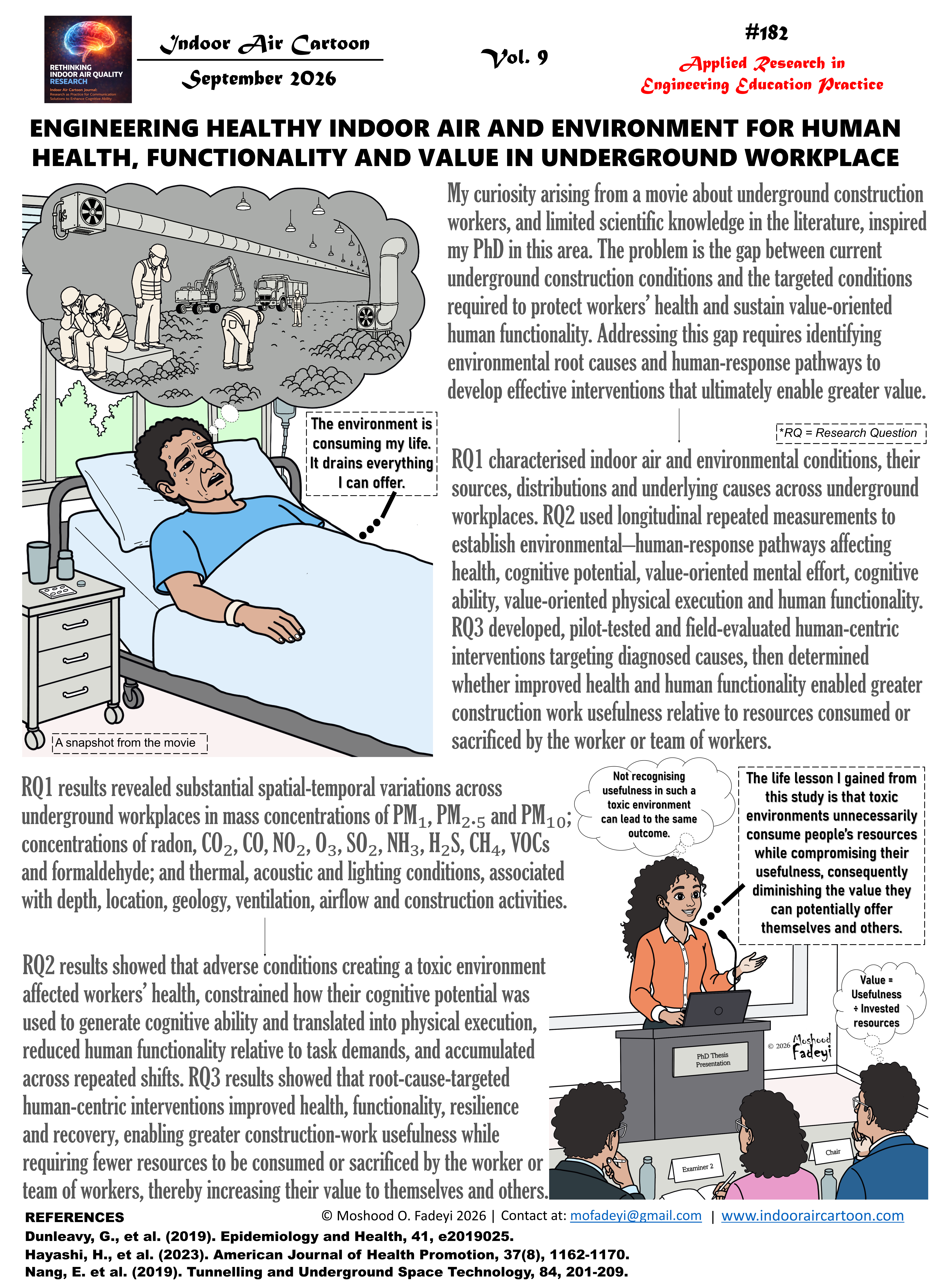


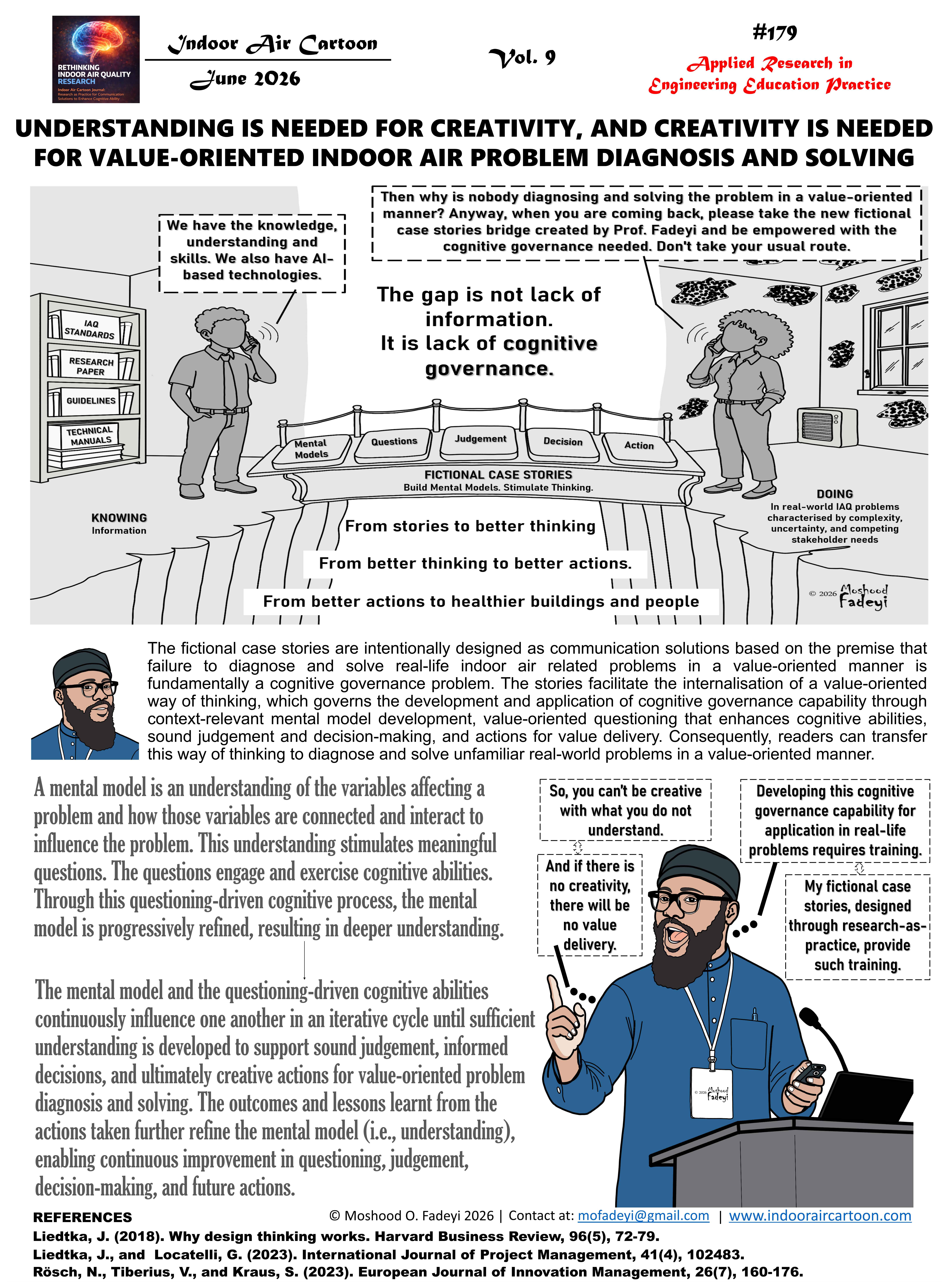

Leave a Reply