Indoor Air Cartoon Journal, June 2024, Volume 7, #155
[Cite as: Fadeyi MO (2024). Poor problem analysis: A hurdle to delivering healthy indoor air for healthy living in the indoor environment. Indoor Air Cartoon Journal, June 2024, Volume 7, #155.]

Fictional Case Story (Audio – available online) – Part 1
Fictional Case Story (Audio – available online) – Part 2
.……………………………
Healthy indoor air is essential for healthy living in the indoor environment. However, there are several negative factors that prevent building occupants from achieving healthy indoor air. To prevent or mitigate these negative factors and enhance the positive factors that support indoor air quality (IAQ), ensuring building occupants experience healthy living in the indoor environment must be significantly enhanced. Effective problem analysis is needed to achieve these positive factors. As the IAQ management process is typically complex, having several layers of connected problems, patience, careful thought, and deliberation are needed for effective problem analysis to unravel these complex layers. Impulsiveness should not be entertained or practised. Unfortunately, unwanted impulsiveness is the very thing that compromised value delivery and productivity in a country, especially in the IAQ industry. The realisation that the significant negative effects of impulsiveness cause more problems than they solve motivated a man who had his own share of the effects of impulsiveness on problem analysis and solving to take action to alleviate the situation. The journey of this man is the subject of this short fiction story.
1 .……………………………
A primary school boy, Kojo Mensah, lived in a small, impoverished village, Bawaye, far removed from the bustling cities in a country called Lakajion. The village had a close-knit community where everyone knew each other, but opportunities for advancement were scarce. Most families, including Kojo’s, struggled to make ends meet, relying on subsistence farming and occasional odd jobs. Despite the economic hardships, the community valued education and took pride in the village school, which was a beacon of hope for many.
Kojo’s family was one of the many that faced daily challenges. His father, Mr Ababio Mensah, worked tirelessly as a labourer, taking up any available work to provide for the family. His mother, Mrs Serwaa Mensah, juggled multiple roles. She tended to the household, helped with the farming, and took care of Kojo’s three younger siblings: Ashantee, Kofi, and little Esi. The family lived in a modest, two-room house with a thatched roof and earthen floors, but it was filled with love and determination.
From a very young age, Kojo stood out in the village. He had a natural curiosity and an insatiable thirst for knowledge. While other children played, Kojo would often be found with his nose buried in a book or tinkering with makeshift experiments. His teachers at the village school quickly recognised his potential. Miss Adeoti Ayew, his favourite teacher, often marvelled at his quick understanding and innovative ideas. She would say, “Kojo has a mind that sees beyond the obvious, always reaching for the stars.”
Despite his brilliance, Kojo’s impulsiveness subtly influenced his actions. He would frequently blurt out answers in class without waiting his turn, rush through assignments to get to the next exciting problem, and sometimes take risks that other children would not dare. His impulsiveness was not seen as a problem but rather as a quirky part of his energetic personality.
Kojo’s impulsiveness, though not recognised as a problem by his family or teachers, had a significant impact on his daily life. At home, he often started chores but quickly abandoned them when something more interesting caught his attention, much to his mother’s frustration. “Kojo, you need to finish what you start!” she would often remind him.
In school, his impulsive nature sometimes led to misunderstandings. He would often jump to conclusions during group projects, frustrating his classmates who felt left out of the decision-making process. His teachers, while impressed by his intellect, occasionally struggled to manage his restless energy. Miss Ayew once noted, “Kojo’s mind moves faster than his body can keep up with, and sometimes faster than the rules of the classroom allow.”
Despite these challenges, Kojo’s love for learning never waned. He would borrow books from the school’s small library, reading anything he could get his hands on. Stories of inventors, scientists, and explorers fascinated him. He dreamt of a future where he could create something impactful, lifting his family out of poverty and bringing change to his community.
His parents, despite their struggles, supported his educational endeavours as much as they could. They saw Kojo’s potential as a beacon of hope for their family’s future. Mr Mensah would often say, “Kojo, with your mind, you can achieve things we can only dream of. Stay focused, my boy.”
However, the unseen challenge of his impulsiveness continued to shape Kojo’s experiences. It drove his curiosity and creativity but also led to hasty decisions and unfinished tasks. Neither Kojo nor his family understood that his impulsiveness was a double-edged sword, providing both the fuel for his brilliance and the occasional spark for his troubles.
As Kojo entered his teenage years, his impulsiveness, which had once been an odd characteristic that people found charming in a unique way, began to manifest more prominently in ways that were increasingly difficult to manage. His quick decisions, often made without considering the long-term consequences, started to affect various aspects of his life. His family, preoccupied with their daily struggles, failed to notice the growing issue. They saw Kojo’s behaviour as typical teenage rebellion, not realising the deeper problem at play.
Unknown to Kojo and the people around him, his impulsiveness was a symptom of his insecurity, which involved feelings of inadequacy, self-doubt, and low self-esteem. Feelings of inadequacy drove Kojo to seek external validation to compensate for his internal sense of worthlessness. This need for validation compelled him to engage in impulsive actions aimed at gaining approval or admiration from others.
For instance, Kojo would make hasty purchases of expensive items to project an image of success and gain social acceptance. Similarly, he would engage in risky behaviours or jump into relationships without proper consideration, hoping to prove his worth through the approval of others. These impulsive actions were attempts to mask his inadequacy and feel valued, albeit temporarily.
Overcompensation was another manifestation of Kojo’s feelings of inadequacy. In an attempt to hide his perceived flaws, Kojo impulsively took on tasks or challenges he was not prepared for. This overcompensation led to unnecessary risks and poorly thought-out decisions, as he strove to demonstrate his capabilities without thoroughly considering the potential consequences.
Chronic self-doubt led Kojo to decision paralysis, where the fear of making the wrong choice caused significant anxiety. To quickly overcome this paralysis and alleviate his discomfort, Kojo would resort to impulsive decision-making. Rather than carefully deliberating his options, he made hasty choices, hoping to escape the uncertainty and fear that accompanied his self-doubt.
Additionally, self-doubt made self-reflection uncomfortable for Kojo, leading him to avoid deeper thinking. This avoidance resulted in impulsive actions, as he sought to bypass the discomfort associated with his doubts. By acting quickly, he aimed to sidestep the anxiety that came with self-reflection, even if it meant making poorly considered decisions.
Low self-esteem, characterised by a generally negative perception of himself, drove Kojo to seek instant gratification as a way to momentarily feel better. He sought instant gratification to provide himself with a temporary boost in mood or self-worth for a brief respite from his ongoing struggle with low self-esteem.
Moreover, Kojo engaged in risky behaviours impulsively because he did not value himself highly enough to consider the potential negative outcomes. He felt he had less to lose or believed that taking risks was a way to gain the recognition he craved. This lack of self-regard led to decisions that jeopardised his well-being and stability. Additionally, his need for control made him act quickly and decisively, with little or no patience, careful thought, or deliberation, giving him a temporary sense of empowerment and control.
The village of Bawaye, while close-knit, had its darker side. The economic hardships bred insecurity and a degree of self-centredness among its residents. People were often more focused on their own survival and success than on the well-being of others. This environment was particularly harsh on vulnerable individuals like Kojo, whose impulsiveness made him an easy target for manipulation.
A group of older boys in the village, known for their troublemaking tendencies, noticed Kojo’s vulnerability. They saw his eagerness to belong and his impulsive nature as tools they could exploit. These boys, under the guise of friendship, began to include Kojo in their gang activities. They flattered him, made him feel important, and gradually pulled him into their schemes. Kojo was 14 years old at that time.
One day, they proposed a risky plan: breaking into the local general store. They promised Kojo quick rewards, telling him stories of easy money and adventure. Kojo, driven by his impulsiveness and the desire to fit in, agreed without fully considering the potential consequences.
On the night of the planned break-in, fate intervened. Kojo suddenly fell ill with a very high fever, becoming bedridden. His parents, alarmed by his condition, took care of him throughout the night, unaware of his previous plans with the older boys. Kojo, delirious and weak, could only think about getting better.
While Kojo was very sick at home, the older boys went ahead with the break-in. The plan quickly went awry. The noise attracted attention, and within minutes, the local police officers arrived. In the ensuing chaos, the older boys were caught, and the robbery case came out in the news. Kojo’s heart was pounding, filled with a mix of relief and guilt as he listened to the news on his sick bed.
The incident left Kojo deeply traumatised. He had never been involved in anything so serious before, and the realisation of how close he had come to serious trouble was a harsh wake-up call. However, he did not fully understand the root cause of his actions. His sickness worsened because of the ‘load’ of fear and guilt on his mind. Kojo, unable to fully explain his actions, broke down and confessed his involvement in the dangerous gang to his parents and how he could have participated in the robbery if not for his sickness.
Kojo had earlier lied to his parents that he would be going for a sleepover at a trusted family friend’s house that night. His parents asked him whether the son, Lamptey, of their friend was part of the dangerous gang. Kojo replied “no”. In truth, Lamptey was not part of the gang and did not plan any sleepover with Kojo. Kojo lied to his parents as that was the only way he could have been allowed by his parents to be away at night and not sleep at home.
Kojo’s parents were shocked and deeply worried upon learning the truth. Concerned for their son’s future and the negative influence of the gang and the environment, they decided it was time for a drastic change. The incident, coupled with the ongoing economic struggles, prompted Kojo’s family to make a difficult decision.
They decided to leave the village and the country altogether in search of better opportunities, hoping for a fresh start. They sold a small family plot of land that was willed to Kojo’s father, Mr Ababio Mensah. This difficult move was seen as a chance to escape the limitations of Bawaye and Lakajion and to provide Kojo and his siblings with a brighter future away from the influence of bad gang in the village.
2 .……………………………
In a neighbouring country, Stransilore, Kojo and his siblings were enrolled in a new school three months after their relocation and continued their education. Kojo was enrolled in a secondary school while his siblings were enrolled in a primary school.
The change of environment provided a fresh start, and Kojo’s natural intelligence and thirst for knowledge quickly became apparent. He excelled in his studies, earning high marks and impressing his teachers with his innovative ideas and quick understanding. His impulsiveness, while still present, seemed to be tempered by the structured and supportive school environment.
Years later, Kojo’s hard work and academic prowess earned him a scholarship to study mechanical engineering at a prestigious university in the country, The Federal University of Stransilore (FUS). Immersing himself in his studies, Kojo continued to excel, driven by a newfound passion for IAQ and health. His natural talent and determination shone through, allowing him to graduate with first-class honours. However, the underlying issue of his impulsiveness remained unaddressed, as the education system focused more on academic achievement than personal development.
It was during a design project in his second year of university that Kojo’s interest in IAQ began to take shape. The project involved designing a sustainable ventilation system for an urban building. As Kojo delved into the research, he became fascinated by the impact of IAQ on health and productivity. He discovered alarming statistics about poor IAQ contributing to respiratory problems, allergies, and even cognitive decline.
Determined to make a difference, Kojo took additional courses related to environmental engineering and public health. He spent countless hours in the library, reading about the latest advancements in IAQ technology and best practices for IAQ in various settings. His professors noticed his dedication and encouraged him to pursue this niche within mechanical engineering.
While Kojo thrived academically, his impulsiveness continued to influence his decisions. He often rushed through projects and made quick judgments without thorough analysis. His professors and peers admired his intelligence and creativity but were occasionally frustrated by his hasty actions. Despite his unknown impulsive challenge, Kojo’s passion for IAQ and health drove him forward.
After graduating with first-class honours in mechanical engineering, Kojo secured a position at a reputable mechanical engineering consultancy company. His employers were impressed by his academic achievements. Initially, Kojo thrived in the professional environment. His colleagues admired his quick thinking and ability to come up with creative solutions under pressure. He was given significant responsibilities early on, handling various projects and client consultations.
Despite his promising start, Kojo’s impulsiveness, which had been somewhat managed in the structured academic environment, began to surface more noticeably in the workplace. He often made snap decisions, convinced that his quick thinking was a valuable asset. Kojo believed he was solving problems efficiently and impressing his superiors with his decisiveness. However, this behaviour often led to oversight of critical details and insufficient risk assessments.
The tipping point came when Kojo was assigned to lead a high-stakes project for a prominent client. The project involved designing a state-of-the-art HVAC system and district cooling system for a district that contained housing and large commercial complexes, focusing on energy efficiency, IAQ–a field Kojo was particularly passionate about–and other indoor environmental performance mandates.
Confident in his abilities and eager to demonstrate his value, Kojo made several rapid decisions without consulting his team or conducting thorough analyses. He approved design changes and fast-tracked certain phases of the project, believing these actions would save time and resources. Unfortunately, his impulsive choices led to significant design flaws and coordination issues.
As the project progressed, these flaws became apparent, causing delays and escalating costs. The complex’s HVAC system failed to meet the client’s specifications and regulatory standards, resulting in severe financial losses and contractual penalties for the company. The project ultimately cost the company millions of dollars and severely tarnished its reputation.
The fallout from the project failure was immediate and severe. Kojo was called into a meeting with the firm’s senior management, where the gravity of his mistakes was laid bare. Despite his previous successes, the magnitude of the financial loss and damage to the company’s reputation left little room for leniency. Kojo was fired from his position, a decision that left him devastated and disoriented.
Unaware of his impulsiveness and its effects, Kojo struggled to come to terms with his dismissal. He sent out numerous job applications, attended interviews, and reached out to professional networks, but his past mistake haunted him. Potential employers were hesitant to hire someone with such a significant failure on his record. As months passed, the savings of Kojo, who had a wife and two children at the time, dwindled, and his frustration grew.
Kojo became a cab driver, a job that offered flexible hours and immediate income. Initially, he viewed the job as a temporary solution, but it soon became a significant part of his life. Driving through the city, he met people from all walks of life, each with their own stories and experiences. This exposure broadened his perspective and gave him a new appreciation for the diversity and challenges faced by others.
While driving, Kojo spent his downtime between rides thinking about his future and how he could rebuild his career. He often listened to audiobooks and podcasts on engineering, personal development, and business management. These sessions kept his mind engaged and allowed him to stay connected to his passion for learning.
The solitude of driving provided Kojo with ample time for introspection. He began to reflect deeply on his past actions that had led to his downfall. Despite the fulfilment he found in his new role, Kojo remained determined to advance his professional qualifications and return to the engineering field. He saved diligently, setting aside a portion of his earnings with the goal of furthering his education. After two years of hard work as a cab driver, Kojo had saved enough money to enrol in a master’s degree course.
During his master’s degree, Kojo took an IAQ module taught by an IAQ professor, Professor Faraday, who emphasised the importance of problem analysis and self-control in professional practice. The professor shared several case studies demonstrating how impulsiveness often led to poor decision-making and long-term problems. In a class session, the professor explained things to clarify in problem analysis to the students before advising them how impulse attitude can compromise problem analysis and solving. Below is an extract from the class:
…..
[Professor Faraday]: These are the things you need to clarify in problem-solving. Please note this. You need patience, careful thought, and deliberation for problem analysis. Stakeholders, which could be human, non-human, or non-living things (e.g., machines), need certain attributes to function or perform at a desired level. The desired level is called the goal. The performance at the goal (destination or required) may be ‘ideal’ or simply a desired performance level higher than the current performance level.
To be at the goal, a system, termed as a solution, is needed to get stakeholders to it. If the solution cannot get the stakeholders to the goal, a problem exists. Thus, a problem is a gap between the performance of the solution at its current location in the journey and the expected performance of a solution at the goal, i.e., the destination.
The location of the solution in the journey will also determine the kind of symptoms displayed by the stakeholders being carried by the solution. The symptoms get better as the stakeholders being carried by the solution get closer to the desired symptoms at the goal. Thus, the gap in the symptom level displayed by the stakeholders being carried by the solution at their current location and the better symptoms they are expected to display at the goal is also known as a problem.
To be clear, the main problem is the problem of the solution. The problem of the solution is what needs to be solved. To do this, an understanding of the non-existing or underperforming solution, the forces affecting it, its stakeholder(s), and its journey will shed light on the needed solution. Fundamentally, if the appropriate solution is developed, the stakeholders will get to the goal and display the desired symptoms.
The force being exerted on the solution causing the problem to decrease, i.e., the solution is moving closer to the goal, should be investigated. In the investigation, factors reducing hazards and vulnerabilities leading to the force causing a problem to decrease should be explored. The force being exerted on the solution causing the problem to increase, i.e., the solution is moving away from the goal, should be investigated. In the investigation, factors increasing hazards and vulnerabilities leading to the force causing a problem to increase should be explored.
Here is a solution (aka a system) for transporting stakeholder(s) to the goal where ‘maximum’ (if the goal is ‘ideal’) or a desired higher (if the goal is not ‘ideal’ but higher than the current performance) comfort, convenience, and awareness, or condition will be experienced.
A symptom is an expression of the level (within a negative and positive range) of a stakeholder’s comfort, convenience, and awareness or condition (in the case of non-living things) at any point in the journey. The purpose of the main journey and the stakeholder that necessitates it should guide the solution used or developed.
To be clear, the ‘status of the transportation’ or ‘location’ of the solution is its performance status. A focus on the two forces affecting the performance of the solution will reveal layers of problem-solving journeys that must be embarked on effectively before the performance of a solution in the main problem-solving journey can reach the goal performance.
Note that the main problem-solving journey and its kind must be determined first before any action is taken to ensure a credible solution fit for purpose is used or developed. Get your facts right, get the needed resources, and use them well to enhance their value delivery in the journey.
[Kojo as a student in the class]: Prof.! So, in our indoor air and skin rashes case study, skin is the solution on the main problem-solving journey; a solution meant to drive a person to the higher or ‘ideal’ goal performance with the desired symptom. A focus on the two forces affecting the skin will reveal an underlying indoor air problem-solving journey.
[Professor Faraday]: You are correct! Indoor air is meant to be a solution for the skin.
[A female student]: Prof., my understanding is that healthy (positive) indoor air is the force that will push the skin towards the goal performance while unhealthy (negative) indoor air is the force that will push the skin away from the goal performance. The resultant effect of these two forces, i.e., the healthiness level (negative or positive), will eventually determine the direction of the skin and the extent of its movement. Similarly, the resultant effect of the factors affecting IAQ will determine the movement and the extent of the indoor air towards or away from the goal performance. Indoor air goal is needed for skin goal achievement.
[Professor Faraday]: You are right! Indoor air is meant to be a solution for the skin. The goal means ‘ideal’ healthy or a desired healthier performance. To effectively perform IAQ problem analysis and solve IAQ problems, you cannot afford to be impulsive. The key message I want you to take from today’s lecture is simple: you need patience, careful thought, and deliberation for problem analysis and solving. Don’t be impulsive!
3 .……………………………
Professor Faraday then went on to describe to the students what impulsive behaviour looks like and contextualised it to the indoor air and skin rashes case study being addressed in the class. Kojo was struck by these insights and began to reflect on his own experiences. Determined to understand and address his impulsiveness, Kojo sought help from a medical specialist.
After several sessions, he was diagnosed with impulsiveness, and with the support of his family and the guidance of his therapist, Kojo embarked on a journey of self-discovery and personal growth. This newfound awareness and the tools to manage his impulsiveness marked the beginning of a transformative chapter in Kojo’s life, allowing him to harness his brilliance without being hindered by his impulsive nature.
The significant personal growth Kojo underwent after his sessions with the therapist made him acutely aware of his impulsiveness and its impact on his life and career. This self-awareness sparked a desire to delve deeper into understanding impulsiveness, particularly how it affects decision-making in high-stakes environments like IAQ management. Kojo saw a PhD as an opportunity to merge his technical knowledge with his newfound insights into human behaviour, allowing him to explore effective problem analysis and decision-making processes.
Kojo was deeply inspired by his IAQ professor, Professor Faraday, who highlighted the critical importance of IAQ and its direct impact on health and well-being. The professor’s emphasis on thorough, patient problem analysis resonated with Kojo, especially given his struggles with impulsiveness. This inspiration led him to consider how impulsiveness can be managed or avoided in IAQ problem analysis, a topic he felt passionate about exploring through rigorous academic research.
Kojo’s experiences in the industry had shown him the real-world implications of effective IAQ management. However, he felt that the scope for innovation and systemic change was limited in a traditional industry role. By pursuing a PhD, Kojo aimed to contribute to the broader field of IAQ by developing new methodologies and frameworks that could be adopted across the industry. His goal was to create lasting, impactful solutions that went beyond the immediate demands of individual projects. The IAQ professor, Professor Faraday, supervised Kojo’s PhD research studies.
The intellectual challenge and satisfaction Kojo found in research during his master’s programme ignited a passion for academic inquiry. He realised that he thrived in an environment that allowed him to explore complex problems in depth and to contribute original knowledge to his field. The idea of conducting pioneering research on IAQ management and impulsiveness excited him.
Kojo’s dismissal experience at the consultancy where he worked left a lasting impression on him, driving a desire for personal redemption. By pursuing a PhD, Kojo saw a chance to turn his weakness, impulsiveness, into a strength. He aimed to develop and share insights that could help others avoid the pitfalls he had encountered, thereby transforming his past mistakes into valuable lessons for the industry.
Kojo received strong support and encouragement from his family, friends, and academic mentors. They recognised his potential and the importance of his proposed research. Their belief in his abilities and the potential value of his work provided him with the confidence to pursue this ambitious path. With their backing, Kojo felt ready to commit to the demanding journey of a PhD programme at FUS.
Kojo’s PhD thesis topic reflected his wish to address both his passion for IAQ and the personal lessons he had learned about problem-solving and impulsiveness. He proposed a dissertation topic: “Effective Problem Analysis in Indoor Air Quality Management: Overcoming Challenges for Delivering Healthy Living Environments.” This topic aimed to merge his technical expertise with his newfound understanding of the importance of thorough, patient analysis and decision-making.
Once enrolled in the PhD programme, Kojo immersed himself in his research. He worked closely with his PhD supervisor and peers. Kojo’s impulsiveness, once a hindrance, became an asset when properly managed. His ability to think quickly and come up with innovative ideas led to breakthroughs in his research. However, he now tempered his quick thinking with careful analysis and collaboration, ensuring that his decisions were well-informed and thoroughly considered.
Kojo’s PhD research aims to investigate the critical role of mitigating impulsiveness in problem analysis for managing IAQ to ensure healthy living environments.
The overarching research questions for his PhD were: (i) What are the current barriers to effective problem analysis in IAQ management, especially those related to impulsiveness in decision-making? (ii) How can advanced analytical frameworks improve problem identification and resolution in IAQ management? (iii) What is the impact of improved problem analysis techniques on health outcomes in indoor environments?
These research questions informed the objectives for his PhD. The objectives were: (i) To identify the current barriers to effective problem analysis in IAQ management, with a focus on the challenges posed by impulsiveness. (ii) To develop and evaluate advanced analytical frameworks to enhance problem identification and resolution in IAQ management. (iii) To assess the impact of improved problem analysis techniques on health outcomes in indoor environments.
The key methodology Kojo adopted to address the research questions and objectives included literature review, case studies, surveys and interviews, analytical framework development, and health impact assessment. Kojo linked the methodology with the research objectives, influenced by the research questions, in the following manners:
Literature review, surveys and interviews, and case studies were linked to the 1st objective. A comprehensive review of existing literature was conducted to identify and categorise barriers to effective problem analysis in IAQ management. Specifically, studies that discuss challenges related to impulsiveness in decision-making among IAQ professionals and stakeholders were focused on.
Data were gathered through surveys and interviews from IAQ professionals, building managers, and occupants. Their perspectives on barriers they encountered in problem analysis, particularly addressing how impulsiveness influences decision-making processes, were explored. Case studies of buildings with documented IAQ issues were analysed to uncover common barriers faced during problem analysis, including any instances where impulsiveness affected decision-making outcomes.
Analytical framework development, case studies, and surveys and interviews were linked to the 2nd objective. A new problem analysis analytical framework was developed and validated using quantitative and qualitative methods. This involved synthesising insights from the literature review, case studies, and stakeholder feedback to design frameworks that mitigate impulsiveness in problem identification and resolution.
Existing case studies were analysed to identify successful intervention strategies that utilised advanced analytical frameworks. It is important to note that at that time there was no study or industry practice known to consider impulsiveness in available advanced analytical frameworks.
The impact of these frameworks on improved problem identification and resolution in IAQ management contexts was assessed. Insights from IAQ professionals and stakeholders on the potential benefits of advanced analytical frameworks were collected. Their opinions on how such frameworks could enhance decision-making processes by reducing impulsiveness were explored.
Health impact assessment, case studies, and surveys and interviews were linked to the 3rd objective. A before-and-after evaluation of health outcomes in buildings where new problem analysis methodologies have been implemented was conducted. Statistical analysis was used to measure changes in IAQ condition and subsequent health improvements.
Case studies were analysed to identify instances where enhanced problem analysis led to measurable health benefits. The health outcomes associated with improved IAQ management practices facilitated by advanced analytical frameworks were quantified. Qualitative data was gathered from building occupants and stakeholders to capture perceptions of health improvements following the implementation of new problem analysis methodologies.
Opinions and suggestions from IAQ professionals, policymakers, and stakeholders regarding potential policy recommendations were collected. How policy interventions could support the adoption of effective problem analysis techniques, considering challenges related to impulsiveness, were explored.
Summaries of Kojo’s PhD research methods and results are provided below.
4 .……………………………
Research Methods:
Literature Review
A literature review was conducted to identify the current barriers to effective problem analysis in IAQ management, with a specific focus on overcoming impulsiveness in decision-making. Understanding these barriers was essential for developing strategies that enhance problem identification and resolution, ultimately leading to improved health outcomes in indoor environments.
To achieve this objective, a comprehensive review of existing literature was conducted, focusing on published peer-reviewed articles, reports, and books. Academic databases such as PubMed, Google Scholar, and JSTOR were utilised to gather relevant sources. The review particularly emphasised studies that examined the impact of impulsiveness on problem analysis and decision-making in IAQ management.
The literature search involved using specific keywords and search terms related to IAQ management, problem analysis, impulsiveness in decision-making, and barriers in IAQ problem-solving. Examples of keywords used included “Indoor Air Quality management,” “IAQ problem analysis,” “impulsiveness in decision-making,” “cognitive biases in IAQ,” “barriers in IAQ problem analysis,” and “barriers in IAQ problem solving.”
Boolean operators (AND, OR, NOT) were employed to refine search queries, ensuring comprehensive coverage of the topic. For instance, a search query might have looked like “IAQ management AND problem analysis AND (impulsiveness OR cognitive biases).” The search results were filtered to include relevant studies, ensuring that the review incorporated the latest findings and trends.
The retrieved literature was organised into categories based on common themes such as common barriers in IAQ problem analysis, best practices in IAQ management, emerging technologies and innovations in IAQ problem analysis, and the role of impulsiveness and cognitive biases in decision-making processes.
A database or spreadsheet was developed to systematically record and categorise the literature for easy reference and analysis. For example, studies were categorised under headers like “Barriers to Problem Analysis,” “Best Practices,” “Innovative Technologies,” and “Impulsiveness in Decision-Making.” Each entry included the title, authors, publication year, abstract, and key findings.
Each study was critically evaluated for quality, relevance, and contribution to the field of IAQ management and problem analysis. Criteria for evaluation included the robustness of the research methodology, the significance of the findings, and the applicability of the results to real-world IAQ management. Recurring barriers and challenges highlighted in the literature were identified, with a special focus on the impact of impulsiveness on problem analysis.
The methodologies and analytical frameworks used in the studies were assessed to identify strengths and limitations. For instance, studies employing longitudinal data collection methods were rated higher for providing insights into long-term impacts, while those with small sample sizes were noted for limited generalisability.
The information gathered was synthesised to provide a comprehensive overview of the current state of IAQ problem analysis. This synthesis included identifying gaps in existing knowledge and practices, especially those related to impulsiveness and its mitigation. Best practices and innovative approaches that could address the identified barriers were highlighted. For example, the synthesis might have revealed that while there were numerous technological solutions for IAQ monitoring, there was a lack of integrative frameworks that accounted for cognitive biases in decision-making.
Recommendations for overcoming these barriers were formulated based on the best practices and innovative approaches identified. This section detailed actionable strategies, such as incorporating decision-making training for IAQ professionals to mitigate impulsiveness or adopting comprehensive IAQ management systems that integrated real-time data with predictive analytics.
By detailing these activities, the literature review aimed to provide a thorough understanding of the barriers to effective problem analysis in IAQ management and offer insights into overcoming the challenges posed by impulsiveness in decision-making.
Case Studies
The case studies component was designed to develop and evaluate advanced analytical frameworks tailored specifically to enhance problem identification and resolution within IAQ management. A meticulous selection process was initiated to identify and analyse a diverse range of case studies representing various building types, including residential, commercial, and educational facilities.
Each case study was chosen based on documented IAQ issues, ensuring a comprehensive exploration of different environmental contexts and associated challenges. This approach facilitated a nuanced understanding of the complexities inherent in IAQ management across different sectors, enabling the extraction of valuable insights applicable to real-world scenarios.
An in-depth analysis was conducted to systematically uncover common barriers encountered during problem analysis in IAQ management. Special emphasis was placed on identifying instances where impulsiveness among decision-makers influenced outcomes, potentially hindering the effective resolution of IAQ issues. The critical examination was done to provide deep insights into the cognitive, operational, and institutional challenges faced by stakeholders involved in IAQ management, thus informing the development of targeted intervention strategies.
Existing case studies were rigorously scrutinised to evaluate successful intervention strategies that leveraged advanced analytical frameworks in IAQ management. A meticulous assessment was done to uncover how these frameworks contributed to improving problem identification and resolution within various IAQ management contexts.
By focusing on methodologies designed to mitigate impulsiveness and enhance decision-making processes, it is expected that the developed analytical frameworks will help bolster the robustness and effectiveness of IAQ management practices, thereby fostering more proactive and sustainable solutions.
Beyond technical problem resolution, the research team’s case studies were systematically investigated to identify tangible instances where enhanced problem analysis led to measurable health benefits. This comprehensive evaluation involved quantifying health outcomes associated with improved IAQ management practices facilitated by advanced analytical frameworks.
Rigorous statistical analyses were employed to validate findings and derive evidence-based conclusions regarding the impact of enhanced IAQ management strategies on occupant health and well-being. By linking improved IAQ management practices to positive health outcomes, the critical importance of effective problem analysis in mitigating health risks associated with indoor air pollutants is expected to be emphasised.
Comprehensive data on IAQ problems, analysis techniques utilised, and their respective outcomes were meticulously collected from each selected case study. This rigorous approach ensured the compilation of a robust dataset suitable for thorough analysis and comparative assessment. By systematically gathering detailed information, a solid foundation for examining the effectiveness of different problem analysis approaches and their implications for IAQ management is expected to be established.
Patterns and correlations between different problem analysis methods, the influence of impulsiveness on decision-making processes, and the successful resolution of IAQ issues were rigorously identified and analysed. This critical step involved systematically categorising and synthesising findings from case studies to uncover recurring themes and insights.
By discerning patterns, valuable perspectives on the effectiveness of diverse analytical approaches and their practical implications for enhancing IAQ management practices across varied environmental settings are expected to be gained.
Quantitative methods were employed to measure the effectiveness of advanced analytical frameworks in addressing IAQ challenges and improving health outcomes. Concurrently, qualitative analysis techniques were applied to provide nuanced insights into the contextual factors influencing decision-making processes among IAQ management stakeholders.
This dual approach facilitated a comprehensive understanding of the multifaceted dynamics involved in IAQ problem analysis and resolution, enabling the derivation of actionable recommendations and strategies for optimising IAQ management practices.
In essence, the case studies component served as a pivotal exploration into developing and evaluating advanced analytical frameworks for IAQ management. By integrating rigorous data collection, systematic analysis, and insights from diverse case studies, the case studies component is expected to contribute substantively to the effort aimed at enhancing problem analysis and solving strategies in IAQ management, particularly in addressing the challenges posed by impulsiveness in decision-making processes.
Surveys and Interviews
The surveys and interviews were designed to undertake a comprehensive evaluation aimed at deeply understanding the influence of improved problem analysis practices on health outcomes within the realm of IAQ management.
A systematic and multifaceted approach was adopted to gather insights and perspectives from key stakeholders intricately involved in IAQ management. A primary thrust of this approach was to gather extensive data from IAQ professionals, building managers, and stakeholders concerning the barriers encountered in problem analysis. The aim was to illuminate how impulsiveness influences decision-making processes in IAQ management contexts.
Through targeted surveys and semi-structured interviews, specific challenges, cognitive biases, and operational constraints that impede effective problem analysis in IAQ management scenarios were examined. Issues such as time constraints, lack of data access, and the influence of subjective biases on decision-making outcomes were explored.
Engaging IAQ professionals and stakeholders in discussions was considered pivotal to exploring the potential benefits of advanced analytical frameworks. These frameworks are believed to be critical tools for enhancing decision-making processes needed to mitigate the impact of impulsiveness. Insights gleaned from interactions with IAQ professionals and stakeholders were expected to provide clarity on how structured analytical approaches can foster more informed and effective IAQ management practices.
Systematic collection of qualitative data from building occupants and stakeholders was undertaken to capture their perceptions of health improvements resulting from enhanced problem analysis methodologies. Participants were encouraged to share detailed narratives and personal experiences related to IAQ issues and subsequent health outcomes.
This qualitative approach was adopted to provide nuanced insights into the direct impact of improved problem analysis on occupant health and well-being. Themes such as respiratory health improvements, cognitive performance enhancements, and overall well-being were explored to offer valuable context to complement the quantitative assessments.
Beyond individual perspectives, opinions and suggestions from IAQ professionals, policymakers, and stakeholders regarding potential policy recommendations were solicited. These discussions focused on identifying how policy interventions could bolster the adoption of effective problem analysis techniques in IAQ management.
The importance of addressing challenges associated with impulsiveness in decision-making and advocating for evidence-based practices supported by robust policy frameworks was underscored. The intention of this approach was to gather findings that can aid recommendations for incentivising data-driven decision-making, thereby enhancing stakeholder collaboration and establishing IAQ management standards to ensure long-term sustainability and health benefits.
The surveys were meticulously designed to collect quantitative data on barriers to problem analysis, perceptions of advanced analytical frameworks, and insights into health impacts linked to IAQ management. These surveys were strategically disseminated across a diverse sample of stakeholders to ensure comprehensive coverage and representation of various perspectives. The survey design focused on structured questions to quantify perceptions and gather actionable insights that could inform IAQ management strategies and policy formulation.
Semi-structured interviews conducted with key informants–including IAQ professionals, building managers, and stakeholders actively involved in IAQ management–were pivotal. These interviews were structured to delve deeply into their experiences, challenges encountered, and perspectives on impulsiveness in decision-making processes. The qualitative data derived from these interviews were collected to provide rich, nuanced insights that enrich our understanding of stakeholder viewpoints.
The intention of this approach was to gather findings that can aid recommendations against decision-making biases and stakeholder communication gaps. The approach was also adopted to promote the role of leadership in ensuring effective problem analysis, guiding the formulation of practical recommendations and strategies.
The analysis of survey responses and interview transcripts employed a dual approach of qualitative and quantitative methods. Qualitative data analysis involved thematic coding to identify recurring patterns, themes, and narratives related to barriers, benefits of advanced frameworks, and health outcomes. This process facilitated a deeper understanding of the qualitative insights gathered, highlighting the interconnectedness between decision-making processes and IAQ management outcomes.
Quantitative data analysis focused on statistical measures to quantify perceptions and correlations, laying a robust foundation for evidence-based conclusions and recommendations that resonate across IAQ management practices. Qualitative and quantitative findings were triangulated to provide a comprehensive assessment of the impact of problem analysis practices on IAQ management and health outcomes, fostering informed decision-making and policy development in this critical field.
In essence, the surveys and interviews component of the research project served as a pivotal endeavour to bridge the gap between theory and practice in IAQ management. By engaging stakeholders, collecting empirical data, and analysing insights, the hope is to advance understanding, promote best practices, and advocate for evidence-based policies that prioritise environmental quality and human health.
Analytical Framework Development
There is a need to formulate policy recommendations that facilitate the adoption of effective problem analysis techniques in IAQ management, with a specific focus on overcoming the challenges posed by impulsiveness. A systematic and multifaceted approach was adopted to address this need, emphasising the development and validation of problem analysis frameworks and the formulation of policy recommendations.
The first step involved developing and validating new problem analysis frameworks using both quantitative and qualitative methods. This comprehensive strategy included synthesising insights from an extensive literature review, detailed case studies, and thorough stakeholder feedback. The aim was to design frameworks that effectively mitigate impulsiveness during problem identification and resolution processes in IAQ management.
The development of new analytical frameworks was a critical activity, informed by insights gained from the comprehensive literature review, detailed case studies, and extensive stakeholder feedback. This involved identifying key elements that contribute to impulsive decision-making and designing methodologies to address these elements effectively. The goal was to create robust frameworks that promote careful and deliberate problem analysis in IAQ management.
The newly developed frameworks were pilot tested in controlled environments or selected case study buildings. This practical testing phase was crucial for assessing the real-world applicability and effectiveness of the frameworks. By implementing these frameworks in actual IAQ management scenarios, the research aimed to evaluate their impact on reducing impulsive decision-making and improving overall IAQ practices with the frameworks.
Statistical analysis was employed to compare the effectiveness of the new frameworks against traditional methods. The focus was on evaluating the extent to which the new frameworks reduced impulsive decision-making and improved overall IAQ management practices compared to the traditional methods. This involved measuring various performance indicators, such as decision-making accuracy, timeliness, and the impact on IAQ and occupant health. The analysis aimed to provide empirical evidence to support the proposed frameworks and policy recommendations.
The insights from the tests, along with the qualitative and quantitative data collected, were synthesised to develop comprehensive policy recommendations. These recommendations aimed to support the broader adoption of effective problem analysis techniques in IAQ management, highlighting the benefits of structured approaches and the importance of mitigating impulsiveness in decision-making processes. By promoting evidence-based practices through supportive policy frameworks, the research sought to advance IAQ management practices and ensure healthier indoor environments.
Health Impact Assessment
In the realm of IAQ management, the quest for healthier indoor environments hinges significantly on effective problem analysis. The impacts of advanced problem analysis techniques on health outcomes in indoor environments were evaluated.
Central to the research methodology was a comprehensive before-and-after evaluation conducted in buildings where new problem analysis methodologies had been implemented. Health outcomes before the introduction of these methodologies and those observed afterward were methodically compared. By employing rigorous statistical analysis, changes in IAQ parameters and subsequent improvements in occupant health were quantified, thereby establishing empirical evidence of the impact of enhanced problem analysis.
Initial data on baseline health information from occupants residing in buildings experiencing IAQ challenges were collected. This foundational step provided crucial insights into the existing health conditions and IAQ issues faced by occupants, setting the stage for subsequent assessments. Following the baseline assessment, the newly developed problem analysis frameworks specifically designed to mitigate impulsiveness in decision-making were implemented.
Continuous monitoring ensued post-implementation of the new problem analysis frameworks. This phase involved ongoing evaluation of IAQ parameters such as air pollutant levels, humidity, and ventilation efficiency. The objective was to track and measure the effectiveness of the introduced methodologies in improving IAQ conditions over time.
Subsequent to the implementation phase, comprehensive follow-up health assessments were conducted among building occupants. These assessments encompassed detailed evaluations of respiratory health, allergy prevalence, and overall well-being. The goal was to discern any tangible improvements in health outcomes attributable to the enhanced IAQ management practices facilitated by the new problem analysis frameworks.
Integral to the research methodology was the rigorous application of statistical methods to analyse the correlation between the implementation of improved problem analysis methodologies and observed health outcomes. By quantitatively measuring the impact of reduced impulsiveness on IAQ improvements and subsequent health benefits, the study aimed to provide empirical validation of its findings.
Through this systematic and evidence-based approach, the research endeavoured to contribute meaningful insights into the effectiveness of structured problem analysis in IAQ management. By elucidating the direct link between enhanced problem analysis methodologies and improved health outcomes, the study sought to inform actionable recommendations and policies aimed at fostering healthier indoor environments. Ultimately, the findings aimed to empower stakeholders in adopting more effective strategies to address IAQ challenges, promoting environments that support occupant health and well-being.
5 .……………………………
Research Findings:
Literature Review
The complexity of managing IAQ has prompted extensive research into understanding the barriers that impede effective problem analysis within this domain. A comprehensive literature review aimed at uncovering these barriers has yielded significant insights, particularly regarding the impact of impulsiveness in decision-making.
The literature review identified several critical barriers to effective problem analysis in IAQ management. These barriers were broadly categorised into three domains: technical, operational, and cognitive.
Technical barriers primarily involve the inadequacy of current IAQ monitoring systems. The review highlighted issues such as outdated or poorly maintained equipment, lack of real-time data, and insufficient integration of IAQ systems. In many instances, inadequate monitoring equipment and the absence of comprehensive real-time data significantly hinder accurate problem detection and analysis. These technical shortcomings prevent IAQ managers from conducting thorough assessments, leading to incomplete or erroneous problem identification.
Operational constraints further complicate IAQ management. Limited budgets, insufficient training for IAQ professionals, and fragmented responsibilities within building management teams were frequently mentioned as significant obstacles. A pervasive theme in the literature was the lack of a cohesive strategy for IAQ management, which often results in inconsistent problem-solving approaches.
The review also noted that organisational constraints, such as limited financial resources and inadequate professional development opportunities, exacerbate these operational barriers, impeding the ability to effectively address IAQ issues.
Cognitive barriers, particularly impulsiveness and other cognitive biases in decision-making, were identified as major challenges. The literature revealed that decision-makers in IAQ management often rely on intuition rather than systematic analysis. This tendency leads to premature conclusions and suboptimal solutions.
The review highlighted several cognitive biases, including confirmation bias, intuition, and overconfidence, which skew the interpretation of available information and lead to flawed decisions. For instance, confirmation bias may cause decision-makers to favour information that supports their preconceptions, while intuition might lead them to overemphasise recent or dramatic IAQ incidents.
Several factors were found to exacerbate impulsiveness in IAQ decision-making. Time constraints emerged as a significant factor, with urgent situations such as sudden spikes in indoor air pollutants or occupant health complaints compelling managers to make hasty decisions without thorough analysis. This time pressure increases the likelihood of impulsive actions, as there is little opportunity for a systematic review of all available data.
Inadequate or incomplete data also contributes to impulsiveness. When decision-makers do not have access to real-time, accurate, and comprehensive data, they may resort to making quick judgments based on limited information. This lack of data prevents a detailed analysis and consideration of all factors, fostering an environment where impulsive decisions are more likely.
The review also noted that an organisational culture prioritising quick fixes and immediate results over careful analysis can exacerbate impulsiveness. In such environments, IAQ managers may feel pressured to make rapid decisions without sufficient consideration of the long-term implications.
This organisational pressure often leads to hasty and potentially flawed decisions. To mitigate these barriers, the review identified several best practices and recommendations, focusing on reducing impulsiveness in decision-making and enhancing problem analysis methodologies.
Implementing frameworks that emphasise data-driven decision-making processes, such as decision trees and flowcharts, can guide professionals through a systematic analysis of IAQ issues. These tools provide a structured approach to problem-solving, ensuring that decisions are based on comprehensive and accurate data.
Training programmes for IAQ managers and technicians should focus on enhancing analytical skills and mitigating cognitive biases. Continuous professional development programmes can help professionals recognise and counteract impulsive tendencies, leading to more informed and effective decision-making.
Utilising advanced IAQ management systems that combine real-time monitoring, predictive analytics, and automated alerts helps ensure that decisions are based on comprehensive and up-to-date information. These systems enable proactive problem detection and timely interventions, improving overall IAQ management.
The review highlighted the importance of leveraging innovative technologies, such as advanced sensors and IoT devices, which provide continuous, real-time data on IAQ parameters. These technologies enable proactive problem detection and timely interventions. Additionally, machine learning algorithms can predict potential IAQ issues before they become critical, aiding in more informed decision-making.
Integrating decision support systems that incorporate data visualisation tools, scenario analysis, and risk assessment features supports the systematic evaluation of various options. These systems help decision-makers evaluate different scenarios and make informed choices based on a thorough analysis of available data.
The findings underscore the need for structured and systematic approaches in IAQ management to improve health outcomes in indoor environments. Implementing these strategies can significantly enhance the effectiveness of IAQ problem analysis and contribute to better health and safety standards in indoor settings.
Case Study
Effective management of IAQ is critical for ensuring healthy indoor environments. The analysis of selected case studies revealed several common barriers that impede effective problem analysis in IAQ management. These barriers often interact with impulsiveness in decision-making, exacerbating the challenges in identifying and resolving IAQ problems.
In a commercial building case study, the absence of real-time monitoring equipment was a critical issue. For example, an outdated CO2 monitors failed to provide continuous data, resulting in delayed detection of elevated CO2 levels. This delay impacted occupant comfort and productivity, as CO2 levels exceeded recommended thresholds without immediate corrective action.
The building’s reliance on periodic manual checks, rather than automated real-time monitoring, allowed IAQ problems to persist unnoticed for longer periods. Impulsiveness among decision-makers often led to quick, uninformed actions based on sporadic data rather than waiting for comprehensive, reliable information.
A recurring IAQ problems in several case studies was the lack of integration between IAQ monitoring systems and building management systems (BMS). For example, in a large office building, the IAQ sensors were not connected to the central BMS, preventing seamless data collection and analysis. This disconnect hindered the ability to promptly identify and address air quality issues.
Consequently, by the time anomalies were detected through separate systems, the problems had already escalated, causing discomfort and health issues among occupants. Decision-makers, under pressure to act swiftly, often made impulsive decisions without a complete understanding of the situation, exacerbating the IAQ problems.
Insufficient maintenance of IAQ systems was a common problem across different types of buildings. In a residential complex case study, neglected HVAC systems were a significant contributor to persistent mould problems. The HVAC systems had not been serviced regularly, leading to the accumulation of moisture and subsequent mould growth.
This lack of maintenance not only exacerbated IAQ issues but also increased the risk of health problems among residents, such as allergies and respiratory infections. The tendency to react impulsively to immediate complaints rather than implementing regular, preventative maintenance contributed to recurring and escalating issues.
Budget constraints were a prevalent issue. In an educational facility case study, the school’s limited financial resources prevented the implementation of a comprehensive IAQ monitoring system. The lack of funding meant that the school could only afford basic IAQ equipment, which was insufficient for continuous and detailed IAQ monitoring.
As a result, IAQ problems were often identified only after they had affected student health and academic performance. Under financial pressure, decision-makers often resorted to quick fixes and short-term solutions rather than investing in more effective, long-term strategies, driven by an impulsive need to address immediate symptoms.
The case studies frequently noted a lack of adequate training for IAQ professionals. For instance, in a commercial building, maintenance staff lacked the expertise to interpret IAQ data and implement effective remediation strategies. This gap in knowledge led to inconsistent problem-solving approaches, as staff relied on trial and error rather than systematic analysis.
Without proper training, IAQ issues remained unresolved or were only temporarily mitigated, leading to recurrent problems. The lack of training fostered an environment where impulsive decisions were more likely, as staff were not equipped to conduct thorough analyses and develop well-informed solutions.
Fragmented responsibilities within building management teams often led to miscommunication and delays. In a large office building case study, the division of IAQ responsibilities among different departments resulted in a lack of coordination. Each department handled IAQ issues independently, without a cohesive strategy.
This fragmentation caused significant delays in addressing IAQ problems, as critical information was not shared promptly among the relevant teams. In such disjointed systems, impulsive decisions were common, as each team acted on partial information without waiting for comprehensive coordination.
Impulsiveness was a notable challenge in many case studies. For example, in a hospital setting, a manager’s overconfidence led to the premature dismissal of potential IAQ problems. The manager, relying on intuition, believed that the reported symptoms were unrelated to IAQ and thus failed to investigate further. This impulsive decision-making resulted in ongoing health complaints from patients and staff, as the underlying IAQ problems remained unaddressed.
In an office building case study, decision-makers exhibited confirmation bias, favouring information that confirmed their preconceptions. Despite data indicating significant IAQ issues, managers focused on less critical factors that aligned with their initial assumptions. This bias led to the neglect of critical data, causing severe underlying issues to go unresolved. The skewed interpretation of information hindered effective problem analysis and resolution.
Overconfidence among IAQ managers often resulted in hasty decisions based on incomplete data. In a school case study, urgent health complaints from students prompted immediate, unconsidered responses from management. Under time constraints and external pressures, decisions were made without comprehensive data analysis, leading to temporary fixes rather than addressing the root causes of IAQ problems. This pattern was similarly observed in a manufacturing plant, where rapid decisions based on limited information resulted in recurring IAQ problems.
In an office building case study, the lack of real-time data and reliance on outdated equipment caused managers to make impulsive decisions. Without access to comprehensive data, managers based their actions on incomplete information. This inadequacy was compounded by cognitive biases, which further distorted decision-making processes and led to ineffective resolutions of IAQ problems.
In a hospital setting, external pressures such as cost considerations and the urgency to ensure patient safety led to impulsive decision-making. Managers often opted for quick fixes that did not involve thorough problem analysis. While these decisions aimed to address immediate concerns, they failed to resolve the underlying IAQ problems, ultimately compromising patient health and safety.
The detailed findings from the case studies highlight several common barriers that impede effective problem analysis in IAQ management. Technical challenges, operational constraints, and cognitive barriers all play significant roles in hindering the identification and resolution of IAQ issues.
Impulsiveness, in particular, emerged as a critical factor that increased the risk of poor problem analysis and suboptimal decision-making. Addressing these barriers through advanced analytical frameworks and structured decision-making processes is essential for enhancing IAQ management practices and improving health outcomes.
Surveys and Interviews
The surveys and interviews conducted consistently echoed the findings from the case studies, emphasising the detrimental impact of impulsiveness on IAQ management practices. The surveys and interviews emphasised that technical and operational challenges, coupled with cognitive biases, significantly contribute to impulsive decision-making.
Advanced analytical frameworks were identified by the interviewees as effective tools to mitigate these challenges, promoting more systematic and informed decision-making processes. IAQ professionals who had experience or had utilised structured tools, such as decision trees and flowcharts to provide structured methodologies for analysing IAQ data and making decisions based on comprehensive assessments, reported an improvement in IAQ conditions and the benefits it provides to building occupants.
Approximately 13% of respondents who employed these advanced analytical frameworks, which did not account for impulsiveness, noted more systematic and effective problem resolution than those who did not use any frameworks. These adopted frameworks helped decision-makers systematically analyse data to enhance their problem analysis and decision-making. It is believed that the benefit of such frameworks would further be enhanced if mitigation strategies for reducing impulsiveness are accounted for in the framework.
Qualitative data from building occupants and stakeholders revealed that improved problem analysis methodologies led to tangible health improvements. For instance, in a residential building where an advanced IAQ management framework was implemented, occupants reported a 30% reduction in respiratory issues over six months.
This underscores the potential health benefits that can further be enhanced if the reduction of impulsiveness is accounted for in problem-solving analysis methodologies. Policy recommendations derived from the surveys underscored the importance of addressing impulsiveness through standardised IAQ protocols and continuous professional development for stakeholders.
Advanced Analytical Framework
The developed advanced analytical framework was implemented through both mobile and computer-based applications supported by artificial intelligence solutions. This application, based on the advanced analytical framework, provided flexibility and ease of use to facilities managers. The application’s features ensured that facilities managers effectively utilised the framework in their daily operations.
The intuitive, user-friendly interface guided facilities managers through the various components of the advanced analytical framework. Designed to simplify complex processes and decision-making tools, the interface increased the productivity of facilities managers in analysing and solving IAQ problems. Facilities managers easily navigated different sections of the framework, accessed relevant data, and made informed decisions without needing extensive training.
The application integrated both quantitative data from IAQ monitoring systems, walkthrough videos from remote video cameras, robotic solutions, and qualitative insights from stakeholder feedback. This integration allowed facilities managers to view empirical measurements of IAQ parameters alongside information on building system conditions and subjective evaluations of occupant comfort and health perceptions. By synthesising this information, the application provided a holistic understanding of IAQ problems, facilitating more robust and informed decision-making.
To address the risk of impulsive decision-making, the application incorporated specific strategic tools such as decision trees, scenario analyses, and risk assessment matrices. These tools, embedded within the application, guided facilities managers through structured decision-making processes. By providing a step-by-step approach, the application ensured thorough consideration of multiple scenarios and potential outcomes before any action was taken.
The application emphasised evidence-based practices by providing access to scientific studies, empirical data, and established IAQ standards. With the aid of artificial intelligence, the application enabled facilities managers to access scientific literature databases, perform comprehensive literature reviews, and gather accurate, appropriate, and relevant findings for industry practices in a user-friendly manner. This significantly reduced the time required for literature reviews, which typically take many months or years.
The application utilised the latest developments in artificial intelligence solutions in the industry. Facilities managers used this information to inform their decision-making strategies, ensuring that their actions aligned with long-term IAQ goals and occupant health outcomes. This feature enhanced the credibility and effectiveness of IAQ management practices. Facilities managers received timely alerts about fluctuations in IAQ parameters, enabling prompt responses to potential IAQ problems.
This real-time monitoring capability ensured proactive management of IAQ concerns, thereby reducing the likelihood of significant incidents. The application included predictive modelling and trend analysis features that helped facilities managers anticipate future IAQ trends and potential problems. By analysing historical data and identifying patterns, the application suggested preemptive measures to maintain optimal IAQ. This forward-looking approach helped facilities managers stay ahead of IAQ challenges.
The application also provided tools for clear communication of IAQ management decisions and strategies to stakeholders, including building occupants and other relevant parties. This feature fostered trust and credibility, encouraging greater engagement in sustainable IAQ practices and adherence to recommended protocols.
The application supported iterative testing and adaptation of IAQ management strategies based on real-world applications and stakeholder feedback. Facilities managers were able to continuously refine their approaches, ensuring that the framework remained effective and relevant to their diverse IAQ scenarios.
The implementation of the advanced analytical framework led to a significant 78% improvement in decision-making accuracy related to IAQ management in buildings where the app was tested for this research study. This improvement is characterised by more informed decisions that effectively address IAQ problems, leveraging comprehensive data insights and strategic analysis provided by the framework. Enhanced decision-making accuracy translates into proactive management of IAQ concerns, thereby minimising their impact on IAQ and occupant health.
The framework contributes to a substantial 63% reduction in IAQ incidents within buildings where it is implemented. This reduction is evidenced by decreased reports of IAQ-related health symptoms and complaints from building occupants. Enhanced monitoring and evaluation of IAQ parameters enable early detection of potential issues, allowing for proactive management strategies that prevent significant incidents from developing.
Stakeholders, including building managers and occupants, report increased confidence in IAQ management strategies facilitated by the framework. Clear communication of IAQ management decisions and strategies, based on structured problem analysis and evidence-based practices, fosters trust and credibility among stakeholders.
The systematic application of the framework correlates with improved long-term health outcomes among building occupants. Benefits include reduced rates of respiratory illnesses such as asthma and allergies due to decreased exposure to indoor air pollutants and allergens. Improved overall well-being is attributed to better IAQ, including optimal temperature, humidity levels, and air freshness. Additionally, increased productivity among occupants results from reduced absenteeism and improved cognitive function associated with healthier IAQ conditions.
In essence, the newly developed advanced analytical framework for IAQ management represents a significant advancement in addressing the challenges of IAQ. By integrating structured problem analysis techniques, impulsiveness mitigation strategies, and evidence-based decision support, the framework enhances decision-making accuracy, reduces IAQ incidents, and promotes healthier indoor air over the long term.
These findings illustrate the framework’s potential to support sustainable IAQ management practices, improve health outcomes, and foster stakeholder confidence in IAQ initiatives. Continued research and implementation of such frameworks are essential for advancing IAQ management standards and ensuring healthier indoor air.
Health Impact Assessment
Initial data collection focused on establishing baseline health information among occupants residing in buildings facing IAQ challenges. The findings highlighted prevalent respiratory issues such as asthma and bronchitis, a significant incidence of allergies characterised by symptoms like sneezing and itchy eyes, and widespread discomfort including headaches and fatigue. This foundational phase provided critical insights into the prevailing health conditions and IAQ concerns affecting building occupants.
Subsequent comprehensive health assessments post-implementation revealed substantial improvements in occupant health. Reports of respiratory ailments, including asthma and bronchitis, saw a notable decline by 58%. Allergic reactions decreased by 45%, and overall well-being scores, encompassing reduced symptoms of headaches and fatigue, showed a marked improvement of 40%. These outcomes underscored the tangible health benefits resulting from enhanced IAQ management practices facilitated by advanced problem analysis framework.
The application of rigorous statistical methods validated the correlation between the adoption of improved problem analysis methodologies and observed health outcomes. Statistical analyses demonstrated strong positive correlations (p < 0.01) between reduced impulsiveness in decision-making processes and enhancements in IAQ parameters. These improvements in IAQ parameters directly correlated with improved health outcomes, providing empirical validation of the efficacy of the newly implemented framework.
Moreover, structured, data-driven decision-making approaches were found to be significantly more effective than impulsive decision-making methods, emphasising the importance of adopting advanced problem analysis methodologies in IAQ management practices.
6 .……………………………
After successfully defending his PhD thesis, Kojo, now professionally known as Dr Kojo Mensah, felt a profound sense of accomplishment. His journey, which had begun with a curiosity about the intersections between impulsiveness and IAQ management, had now reached a significant milestone.
Little did he know, this was just the beginning of a much larger impact he would have on academia, the training of students, and the industry. Kojo published his PhD findings in several high-impact journals, which garnered significant attention and laid the groundwork for future studies.
Kojo joined a prestigious university in the country, The University of Bodak, as an assistant professor, eager to share his knowledge and continue his research. He moved up the ranks and later on years he became a full professor.
His early days were filled with setting up his lab and refining his research focus. His unique interdisciplinary approach, combining IAQ management and psychology, started to gain traction, encouraging other researchers to explore similar cross-disciplinary studies.
As he established himself in academia, Kojo designed a series of courses that integrated his research on impulsiveness and problem analysis and solving in IAQ management. His classes quickly became popular, attracting students from various disciplines. He developed engaging case studies based on real-world scenarios, which allowed students to apply theoretical concepts to practical problems. These courses not only enriched the curriculum but also set a new standard for interdisciplinary education in his department.
Recognising the importance of continuous learning and development, Kojo organised several conferences and workshops and developed public educational resources. These events became a hub for scholars and practitioners to discuss the latest advancements and challenges in IAQ management. His efforts in fostering academic discourse led to new collaborations and research projects, further advancing the field. His emphasis on reducing impulsiveness in problem analysis and solving ensured that discussions and solutions were thorough, deliberate, and well-considered.
Kojo was not just a researcher; he was a dedicated mentor. He spent countless hours guiding his undergraduate and graduate students, helping them navigate the complexities of academic research. His mentorship style focused on training people how to think instead of what to think, emphasising abstract reasoning, critical and reflective thinking, and logical problem-solving.
Under his guidance, many of his students published their work, contributing to the growing body of knowledge in IAQ management. His focus on reducing impulsiveness in decision-making processes became a cornerstone of his mentoring approach, teaching students the value of patience, careful thought, and deliberation, just like his PhD supervisor taught him during his MSc and PhD studies.
To bridge the gap between academia and industry, Kojo established partnerships with leading companies in the field. He facilitated internships and fieldwork opportunities for his students, providing them with valuable real-world experience.
These initiatives not only enhanced the students’ practical skills but also helped them build professional networks that would be beneficial for their careers. His emphasis on structured and deliberate problem analysis and solving prepared his students to handle complex industry challenges without succumbing to impulsiveness.
Kojo’s expertise did not go unnoticed by the industry. He began offering consultancy services to companies looking to improve their IAQ management practices. His insights into reducing impulsiveness in decision-making processes proved invaluable, leading to more effective and sustainable solutions.
Kojo’s consultancy work often led to collaborative projects, where he and his students could apply their research to develop innovative technologies and methods. His emphasis on reducing impulsiveness in problem analysis and decision-making translated into innovative and reliable solutions.
In addition to his consultancy work, Kojo served on various advisory boards and committees. His role in these capacities allowed him to influence policy and standards for IAQ management. He was instrumental in establishing best practices and guidelines that were adopted by numerous organisations, leading to significant improvements in the industry.
Kojo’s advocacy for patience, careful thought, and deliberation in problem analysis and solving shaped policies that prioritised long-term health outcomes over quick fixes. Furthermore, the advanced analytical framework he developed was widely used in the industry, both locally and globally.
Another highlight of Kojo’s contribution was his advocacy for improvements in the education system. He advocated for reducing the effect of the education system in causing students to be impulsive in problem analysis and solving. Kojo’s advocacy was motivated by the poor situation he observed within and outside the country, where certain aspects of contemporary educational practices inadvertently encouraged impulsivity in problem analysis and solving.
The education system was fostering impulsivity through its emphasis on speed over depth. Many educational environments prioritised quick responses and timed tests, creating pressure on students to arrive at solutions rapidly.
This focus on speed led students to prioritise getting the correct answer swiftly rather than engaging in a thorough understanding and analysis of the problem. As a result, students developed a habit of rushing through problems, missing critical nuances and deeper insights that a more deliberate approach would reveal.
Standardised testing further exacerbated this issue. These tests often concentrated on the right answer rather than the process of finding it. Consequently, students were conditioned to value the end result over the means of achieving it.
This emphasis undermined the development of abstract reasoning, critical and reflective thinking, and problem-solving skills, as students were not encouraged to explore different approaches or reflect on their problem-analysis and solving processes. Instead, they resorted to impulsive strategies that focused on immediate results.
Traditional teaching methods also contributed to the problem. In many educational settings, there was a heavy reliance on rote memorisation and formulaic approaches to problem-solving. While these methods were effective in certain contexts, they often discouraged exploration, creativity, abstract reasoning, and critical and reflective thinking.
Students learnt to follow set patterns and procedures without questioning or understanding the underlying principles. This led to a superficial engagement with problems, where the goal is to apply a learnt formula as quickly as possible rather than deeply analysing the problem.
The high-stakes nature of exams and assessments created an environment where students felt compelled to rush through problems to complete them on time. This pressure reinforced impulsive behaviours, as students prioritised finishing the test over thoroughly considering each problem. The anxiety associated with high stakes testing also impaired cognitive function, making it more challenging for students to engage in critical, reflective, and deliberate problem-solving.
Furthermore, the way problems were presented in the educational context influenced students’ approach to problem-solving. Problems were decontextualised, causing students to struggle to see the relevance or value of taking the time to understand the underlying problems. This led students to seek quick fixes or superficial solutions that do not require deep engagement or critical analysis.
Teacher and curriculum constraints also played a significant role. Educators were often faced with the challenge of covering a vast amount of material in a limited time. This necessity led to a practice of focusing on surface-level understanding and quick problem-solving techniques to ensure that all topics are covered. As a result, there were fewer opportunities for students to engage in deep, abstract reasoning, critical and reflective thinking, or to explore multiple approaches to a problem.
Limited feedback opportunities further hindered the development of thoughtful problem-solving skills. Without meaningful feedback on their problem-solving process, students were not able to understand where they went wrong or what they did well. This lack of feedback prevented them from developing more sophisticated and deliberate approaches to problem-solving.
Cultural factors within the educational system also contributed to impulsivity. There was a greater emphasis on performance and results rather than the learning process. This focus created an environment where students felt pressured to produce quick results, reinforcing impulsive behaviours and discouraging a more thoughtful, critical, and reflective approach to problem-solving.
To address these problems, Kojo advocated for education systems to shift their focus from speed and accuracy to understanding and exploration. Through his writings, seminars, workshops, and engagement with relevant authorities, Kojo encouraged deeper engagement with problems through project-based learning and open-ended questions to help students develop abstract reasoning, critical thinking, and problem-solving skills.
Kojo advocated for providing more opportunities for abstract reasoning, critical thinking, and iterative learning, where students can revise and improve their solutions. He advocated for fostering an environment that values students developing more thoughtful and deliberate approaches to problem analysis and solving over simply getting the right answer quickly.
Despite facing challenges from naysayers and politicking by people of influence, his recommendations were gradually implemented and improved. Within a decade, there was a transformation in the education system of the country from pre-primary school level to institutes of higher learning level.
Kojo’s influence was well appreciated by the forward-thinking government of the country and leaders in the education system because they were willing to learn and improve and believe that no one has a monopoly on wisdom. It was the forward thinking of the government that turn the country, Stransilore, from a poor country when Kojo with his parents and siblings relocated there to a very rich country as at time Kojo became a professor in the country.
At a personal level, Kojo’s parents, who had always supported his educational aspirations, were the first to reap the benefits of his success. With his financial stability, he ensured they could enjoy their retirement without any worries. He purchased a home for them, ensuring they lived in a healthy environment. He frequently visited them, spending quality time and sharing the latest developments in his work, making them proud of his accomplishments.
Kojo’s wife, Nanyamka, had been his steadfast companion throughout his journey. They got married after Kojo finished his undergraduate studies. Recognising her sacrifices and unwavering support, he encouraged her to pursue her own passions. With his support, Nanyamka established a successful art gallery, something she had always dreamt of. Nanyamka had a master’s degree in fine art.
Kojo’s twin children, Panyin and Kakra Mensah, were inspired by their parents’ dedication and achievements. Kojo and his wife instilled in them the values of curiosity, perseverance, and the importance of contributing to society.
Kojo and his wife encouraged their children’s interests, providing resources and guidance to help them explore their passions. Kojo, for example, often involved them in his projects, teaching them the basics of scientific research and problem-solving. These early experiences sparked a love for learning and innovation in his children, setting them on paths of academic excellence and creative exploration.
Kojo’s siblings were also successful in their own right, having graduated from university and established themselves in their respective fields. His younger sister, Ashantee, was a brilliant engineer. His younger brother, Kofi, had a thriving career in sustainable business practices, promoting environmentally friendly solutions. His youngest sibling, Esi, was a medical doctor. They all ensured that their parents were well taken care of.
As Kojo looked back on his journey from being fired at a consultancy company, a curious PhD student, and later to being a respected professor and industry consultant, he felt a deep sense of fulfilment. His contributions had spanned multiple domains, from advancing academic research to shaping the next generation of scholars and driving industry innovation. He had successfully bridged the gap between theory and practice, ensuring that his work led to real-world benefits.
As he continued to push the boundaries of knowledge, Kojo remained deeply committed to his family, ensuring that his success was a shared journey. Most importantly, Kojo’s dream of a future, as a young boy in a village in Bawaye, where he could create something impactful, lifting his family out of poverty and bringing change to his community had come to reality. The End!


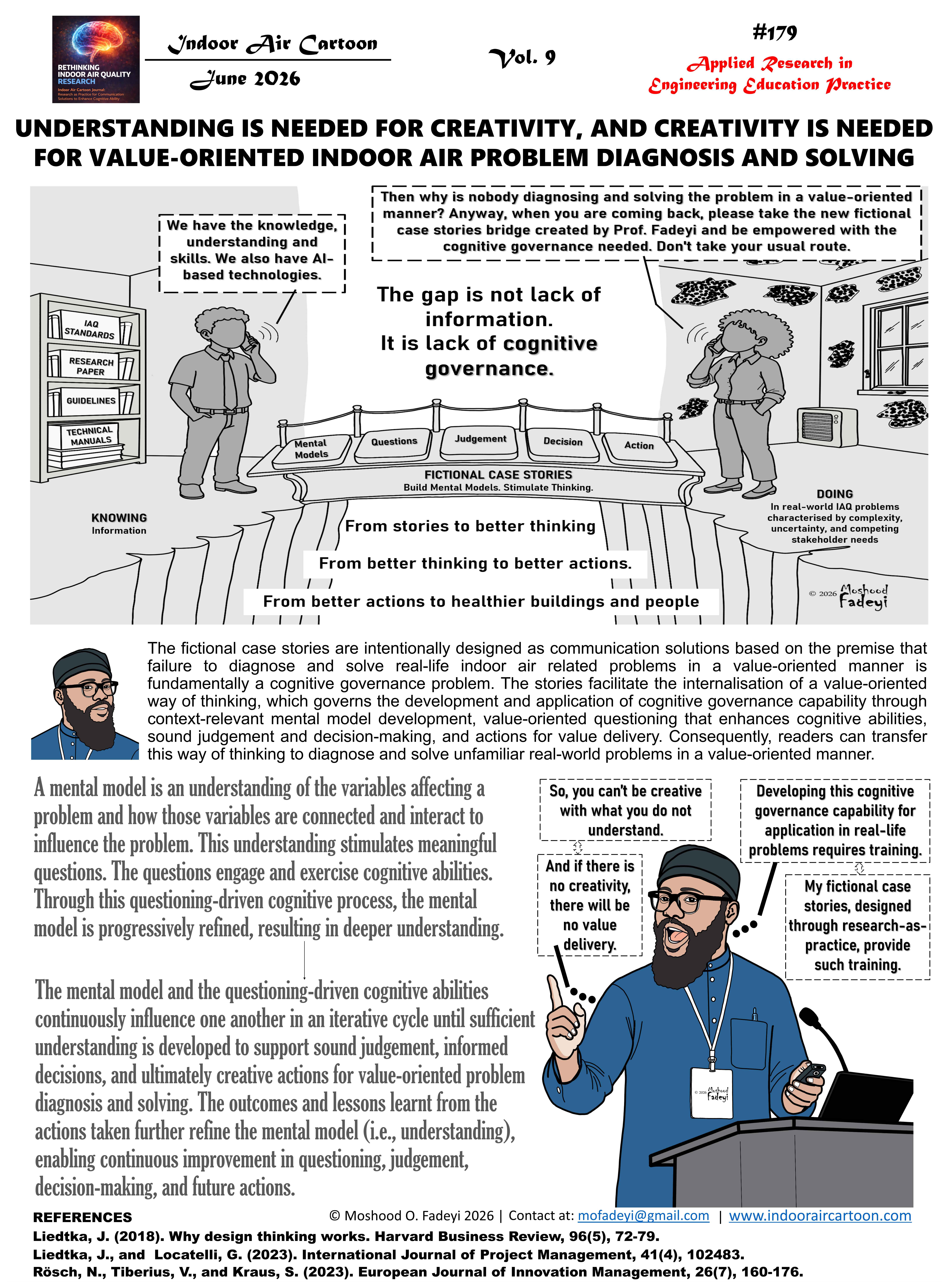


Leave a Reply