Indoor Air Cartoon Journal, September 2026, Volume 9, #182
[Cite as: Fadeyi MO (2026). Engineering healthy indoor air and environment for human health, functionality and value in underground workplace. Indoor Air Cartoon Journal, September 2026, Volume 9, #182.]

Fictional Case Story (Audio – available online)– Part 1 (Preface, Ch 1 & Ch 2)
Fictional Case Story (Audio – available online) – Part 2 (Ch 3)
Fictional Case Story (Audio – available online) – Part 3 (Ch 3 cont’d)
Fictional Case Story (Audio – available online) – Part 4 (Ch 3 cont’d)
Fictional Case Story (Audio – available online) – Part 5 (Ch 4)
Fictional Case Story (Audio – available online) – Part 6 (Ch 4 cont’d)
Fictional Case Story (Audio – available online) – Part 7 (Ch 4 cont’d)
Fictional Case Story (Audio – available online) – Part 8 (Ch 5 & Ch 6)
………………… Preface ……………………
Across extensive underground construction workplaces in high-density cities, workers increasingly spent long periods in environments where indoor air, thermal, acoustic and lighting conditions varied with depth, location, geology, ventilation, airflow and construction activities. Existing knowledge and practice did not sufficiently explain the root causes of these conditions or how they affected workers’ physiological and circadian health, psychological wellbeing and mental health, cognitive ability, value-oriented physical execution and human functionality. Consequently, the gap between current conditions and those required to protect health and sustain value-oriented human functionality remained inadequately resolved, limiting the development of human-centric interventions capable of creating healthier conditions and enabling greater value.
It was an experienced civil engineer who decided to investigate what could be done to address this problem after a fictional movie about underground construction workers stimulated her curiosity and her subsequent reading revealed limited scientific knowledge. In seeking answers, however, she embarked on more than a journey to understand underground workplaces and develop healthier conditions for workers. The process confronted her with a flaw in how she had judged people throughout her life and gradually transformed how she understood the relationship between environment, human functionality and value. She would eventually use this transformation to give value not only to herself, but also to her family, learners, professional practice, industry and society. Her journey forms the subject of this fiction story.
………………… Chapter 1 ……………………
Nathaleen Abraham had rarely wanted something badly enough and failed to get it. She was born into an affluent family where comfort, security and opportunity were ordinary parts of life rather than things she consciously recognised as privileges. Nathaleen was, by circumstance of birth, a privileged young woman, although she did not see herself that way. Her father was a successful oil tycoon whose business interests had created considerable wealth for the family, while her mother was a practising surgeon and Professor of Surgery at a medical school, combining professional practice with research, teaching and academic life. Her parents lived in a large home in one of the most desirable parts of the city. She attended excellent schools, travelled during holidays and grew up surrounded by highly educated and professionally successful people. If she needed books, she had them. If she needed a computer, there was one. If she needed a quiet place to study, she could close the door of her bedroom. Yet Nathaleen never attributed her achievements to these advantages. She worked extraordinarily hard, and that fact mattered greatly to her. As a child, she studied while her friends played.
When she entered university to study Civil Engineering, the same discipline followed her. At university, she remained in the library long after other students had left. She organised her time carefully, demanded excellence from herself and refused to allow difficulties to interfere with her goals. She graduated with first-class honours with a Bachelor of Engineering degree in Civil Engineering, completed her postgraduate studies with distinction, and established herself professionally. Her experiences repeatedly confirmed what she already believed: people who worked hard, remained disciplined and refused to make excuses could usually find a way to succeed, without her recognising how much the privileged conditions surrounding her had supported her own journey.
That belief became part of the way Nathaleen judged other people. She admired those who were productive, dependable and useful, and she had little patience for people who repeatedly failed to meet their responsibilities. When a junior colleague once arrived late for a meeting and explained that they had hardly slept because their apartment had been extremely hot and noisy throughout the night, Nathaleen listened but remained unimpressed. The colleague had known about the meeting. Other people had organised their schedules around it. Whatever difficulties the colleague had experienced, she believed it remained the colleague’s responsibility to manage them. For Nathaleen, accepting difficult circumstances too readily could encourage people to use them as excuses for failing to meet their responsibilities, and she was not entirely wrong. People remained responsible for making reasonable efforts to manage their circumstances and honour commitments to others.
When the colleague’s contributions during the meeting were subsequently poor, Nathaleen regarded this as further evidence that greater discipline was needed. What Nathaleen did not consider, however, was whether those circumstances might sometimes exceed what personal discipline alone could reasonably overcome. She did not consider whether conditions and demands encountered within and outside the workplace might have consumed or compromised resources the colleague needed to function effectively that morning. Such a question did not naturally occur to her. She saw a professional responsibility, an expected level of performance and a person who had failed to meet it. She did not yet see that accountability for performance and consideration of the conditions affecting a person’s capacity to perform could both be valid at the same time.
Her cousin Rebecca encountered the same side of her. Rebecca had grown up with many of the same advantages Nathaleen had enjoyed, although their adult lives had placed them in very different working environments. Rebecca worked in a poorly maintained office and frequently complained about headaches, poor perceived air quality, heat, noise and difficulty concentrating. Nathaleen initially sympathised, but her sympathy diminished as the complaints continued. She advised Rebecca to speak to management, organise her work differently and concentrate on what she could control. When Rebecca once said that by late afternoon she sometimes felt too exhausted to think clearly, Nathaleen responded that everyone encountered difficult circumstances and that allowing those circumstances to determine one’s performance only made matters worse. Rebecca looked at her and quietly remarked that such advice was easy for Nathaleen to give. Nathaleen immediately understood what she meant and rejected the implication. People often looked at her family’s wealth and overlooked how hard she had worked. Her privilege had not written her examinations, completed her degrees or built her career. She had done those things herself. To Nathaleen, using privilege to explain her success diminished the effort behind it.
But the heat, noise and poor air were not the only conditions Rebecca was trying to overcome. She worked among people who had gradually become careful about when to speak, what to say and whom to trust. A simple question could sometimes be interpreted as criticism, an honest mistake could remain attached to someone long after it had been corrected, and asking for help could occasionally be mistaken for an inability to cope. Nothing about these behaviours appeared serious when considered separately, and there was no single incident Rebecca could point to as the problem. Yet their accumulation meant that she sometimes spent as much energy anticipating reactions, choosing words and avoiding misunderstanding as she did thinking about the work itself. Nathaleen knew about some of these experiences but regarded them much as she regarded the perceived air quality, heat and noise: difficult circumstances that a sufficiently mature professional should learn to navigate. She never considered what might be lost when part of a person’s attention and emotional resources had to be repeatedly spent navigating the people around them before those resources could be directed towards the work they were there to do.
She therefore remained convinced that circumstances could make life harder but should not determine whether a person became useful. She accepted that environments could be unpleasant and even unhealthy. What she did not understand was that an environment, whether shaped by physical conditions or by the accumulated behaviours of people within it, could unnecessarily consume the physical, cognitive, psychological and other resources upon which a person’s functionality depended. Consequently, when she judged someone’s usefulness, she rarely considered the resources that person might already have expended merely in overcoming the conditions surrounding them. Nathaleen did not know that this was a flaw in her thinking. From her perspective, she was simply refusing to make excuses for people. She believed that expecting individuals to remain responsible for their contribution was fair.
One evening, after finishing the work she had brought home, Nathaleen opened YouTube to unwind before going to bed. She browsed casually through the recommendations until a thumbnail showing construction workers deep inside an underground tunnel caught her attention. It was a fictional movie about the lives of construction workers. Nathaleen had no particular reason to watch it, but the underground setting intrigued her, so she clicked on it. Initially, the movie was little more than evening entertainment, and she occasionally checked messages on her phone while it played. Before long, however, something unfolding on the screen captured her full attention. In one scene, construction workers descended into an underground construction space. Natural daylight disappeared as they moved deeper below ground. Temporary lights illuminated unfinished surfaces. Large ventilation ducts extended through tunnels. Machinery operated nearby, and particles became visible when they crossed beams of artificial light. Workers communicated against persistent background noise while moving among equipment, temporary structures and changing construction activities.
Nathaleen gradually stopped checking her phone and began watching properly. As the story unfolded, the movie portrayed several workers experiencing difficulties that appeared to be connected with their working conditions. One character complained of headaches after long shifts. Another described the poor perceived air quality, heat and physical exhaustion. A third struggled to maintain concentration after many hours underground. Some workers were portrayed returning home exhausted, sleeping poorly and beginning another shift without feeling completely recovered. Nathaleen found these portrayals troubling, particularly because the work itself already appeared demanding. She began wondering how people could maintain the concentration, judgement and physical capability required to perform safely under such conditions.
One part of the movie affected her particularly strongly. A worker returned home after a long shift and was greeted by his young daughter. The child wanted him to play with her. He tried, but after a short period he sat down, visibly exhausted. She brought him something she had made and repeatedly tried to attract his attention. The father responded briefly, but it was obvious that he wanted to rest. Nathaleen felt sorry for the child and for the man. Yet even then, her established worldview remained intact. Part of her wondered whether workers exposed to such demanding conditions needed better strategies for maintaining their health, managing fatigue and preserving their ability to function at work and at home. She did not yet ask whether the environment itself was unnecessarily consuming resources that belonged to the worker. She certainly did not connect what she was watching with her own tendency to judge people according to the usefulness they provided.
The movie had affected her emotionally and stimulated questions she had never previously considered about the relationship between working conditions, health and people’s ability to function. Although the story was fictional, the possibilities it portrayed gave Nathaleen something real to think about and questions worth pursuing beyond the movie. Yet she interpreted what she had seen primarily as a problem of protecting workers’ health and helping them remain capable of performing their responsibilities. She had not begun to question whether toxic conditions could unnecessarily consume the resources people needed to provide usefulness, or what this might mean for the value they could offer themselves and others. The movie had stimulated her thinking, but it had not yet changed the way she understood value because the story itself had never explored the idea of value in those terms.
What it did create was curiosity. Nathaleen wanted to know whether the conditions portrayed in the movie could occur in real underground construction workplaces and, if so, what they might mean for workers’ health and functionality. The movie could stimulate these questions, but answering them required scientific evidence. She began searching the scientific literature. She encountered studies examining particulate matter, gases, ventilation, thermal conditions, noise, lighting, occupational exposures, sleep, fatigue, physiological responses, psychological wellbeing, cognitive functioning and occupational safety. However, she found surprisingly little scientific knowledge that brought these issues together meaningfully within the context of long-duration work across extensive underground construction workplaces. Most comprehensive scientific efforts examining relationships between indoor environmental conditions, human health and functionality had concentrated on indoor environments above ground. Underground construction workplaces appeared much less understood as integrated human environments.
The limited literature she found intensified her interest. Nathaleen began asking how environmental conditions might affect workers’ health and their ability to perform demanding tasks. If workers experienced heat, polluted air, noise, inadequate lighting or disrupted sleep, could these conditions affect their concentration and judgement? Could repeated exposures affect their health over time? Could deterioration in health compromise the cognitive and physical capabilities required to complete construction work safely and effectively? She became particularly interested in underground workplaces because workers could spend long periods away from natural daylight while depending heavily on engineered environmental systems. The interconnected nature of tunnels and underground spaces also interested her. Conditions experienced by one worker might differ considerably from those experienced by another worker elsewhere within the same development. This made her question whether knowledge developed predominantly from above-ground indoor environments was sufficient to explain what might be happening to people working for prolonged periods below ground.
Still, Nathaleen’s underlying belief remained untouched. She continued to think primarily in terms of helping workers remain healthy enough to perform what was expected of them. In her mind, workers still had a responsibility to be useful, disciplined and productive. Environmental engineering could help by removing barriers that made this more difficult. If unhealthy conditions compromised workers’ performance, then those conditions should be identified and improved so that workers could perform properly. This reasoning was scientifically productive, but incomplete. Nathaleen had begun to recognise the environment as a determinant of human health and functionality, yet she had not recognised what this meant for the way she judged human value. She still did not understand that asking people to overcome unnecessarily toxic conditions could itself consume resources that they might otherwise use to provide value to themselves and others.
As Nathaleen continued reading, another question became increasingly important. If scientific knowledge about underground construction workplaces remained limited, what was actually happening within the underground workplaces in her own country? She knew that her own country was investing heavily in infrastructure and that construction workers were spending substantial periods in underground tunnels, caverns and associated workplaces. Yet the available knowledge did not provide the comprehensive understanding she was looking for. What surprised Nathaleen was how difficult she found it to put the question aside. She had a successful career that she enjoyed, a comfortable life and no personal need to become involved in the problems of underground construction workers. Her days were already full, and pursuing the subject would require time she could easily have devoted to her own work and life. Yet the scene of the exhausted father and his young daughter repeatedly returned to her mind. What happened to a worker during hours spent underground, she began to wonder, might not end when the worker returned to the surface. If the conditions experienced there affected health, sleep, concentration and physical capability, their consequences might follow people home and affect what they remained capable of doing in other parts of their lives.
Her interest was also not entirely disconnected from who she was professionally. By this stage of her career, Nathaleen was an experienced registered civil engineer. Those years of experience had trained her to approach problems systematically, to look beyond what was immediately visible, and to persist until she understood what was happening and why. The same discipline that had characterised her education and professional life also made it difficult for her to abandon a question simply because answering it would demand additional effort. Once she became convinced that something was worth understanding, she was prepared to organise her time around it, read extensively and continue thinking about it long after others might have regarded their curiosity as satisfied. That possibility made the gaps she encountered in the scientific literature increasingly difficult for her to dismiss as merely an interesting academic question. She was accustomed to pursuing questions until she understood them, particularly when the answers could have practical consequences. Her affluent background meant that she did not need to pursue the subject for financial security or professional advancement; if anything, it made her decision to devote scarce personal time to it less obvious. But the combination of what the fictional story had invited her to consider and what science appeared not yet to explain had created an unresolved question that continued to occupy her thinking. She wanted to know whether there was a real problem, how significant it was, what was causing it and whether something could be done about it.
She wanted evidence rather than assumptions. What environmental conditions existed across these underground workplaces? How did they vary between locations and over time? What were their sources? How were they associated with depth, geology, ventilation, airflow and construction activities? What consequences might they have for workers’ health and their ability to function? Could appropriately designed interventions create healthier conditions and help workers sustain the cognitive and physical capabilities required for demanding underground work? For Nathaleen, these unanswered questions provided a reason to move beyond what the fictional movie had invited her to imagine and towards scientific investigation of what was actually occurring in real underground construction workplaces. These questions increasingly occupied Nathaleen’s thinking. The fictional movie had placed the possible consequences of underground working conditions within a human context and stimulated questions she had not previously considered, while her subsequent reading had shown her how much remained scientifically unclear. Yet the deeper lesson contained within what she had seen remained hidden from her. She still believed that a person’s value depended predominantly upon what that person chose to make of themselves. She still judged people who failed to contribute without fully appreciating what their environments might already have required them to consume. She had discovered a research problem without discovering her own problem.
………………… Chapter 2 ……………………
What had begun as curiosity was becoming something more consequential. Nathaleen was beginning to consider whether the questions occupying her mind were important enough to change the direction of her life. Pursuing them seriously would mean undertaking a PhD, and that possibility was not a simple one for her. By then, Nathaleen was thirty-six years old. She was no longer a young graduate searching for a direction in life. She had substantial professional experience and a career she genuinely enjoyed. She was also married and raising two children with her husband. Her evenings were therefore not empty spaces waiting to be filled. Although the family had domestic help, there were still meals, conversations, school matters, children who wanted her attention, responsibilities shared with her husband, who was a chemical engineer and managing director of one of her father’s oil companies, and the ordinary unpredictability of family life. Some evenings, by the time the children were asleep and everything that needed immediate attention had been settled, there was little of the evening left.
This made the possibility of pursuing a PhD a serious decision. Nathaleen did not need another degree to prove that she was successful, nor was she trying to escape an unsatisfying career. Pursuing the doctorate would require her to resign from a secure engineering position and step away from a career she genuinely enjoyed and in which she was doing well. It would also affect more than Nathaleen alone. She was married and raising two children with her husband, and becoming a full-time doctoral researcher would change the routines, responsibilities and use of time that their family had established. Although her affluent background meant that leaving employment did not expose the family to the degree of financial insecurity that many others might face, the decision was still consequential. She would be exchanging professional certainty, work she enjoyed and an established identity as a practising engineer for several years of demanding research with no guarantee that the questions occupying her mind would yield simple answers.
She was not planning to abandon engineering permanently. If she completed the PhD, she hoped to return to the profession with a different kind of capability, combining her experience as a practising engineer with research expertise that would allow her to contribute to the design of healthier underground workplaces, advise on complex underground projects and help translate scientific knowledge into engineering practice. The doctorate therefore represented not an escape from the career she valued, but a deliberate interruption intended to broaden what she could contribute when she returned to it. There was another possibility she had also begun to consider. Nathaleen’s mother was a practising surgeon and Professor of Surgery at a medical school, and Nathaleen had grown up watching her combine professional practice with research, teaching and academic life. Until then, Nathaleen had never seriously imagined following a similar path. The PhD made that future conceivable. Perhaps, after completing it and returning to engineering practice, she could eventually combine practice with research and teaching and, over time, become a professor in her own field. She did not know whether that was where her career would ultimately lead, but the possibility gave the doctorate a longer-term place within the life she could imagine for herself.
One evening, after several weeks of reading, Nathaleen sat in front of her computer surrounded by papers and notes. Her husband and children had gone to bed, and the house had become quiet. She returned to the fictional movie and watched several scenes again, including the underground workers moving through the tunnels and the exhausted father returning home to his daughter. Perhaps because she was now a mother as well as an engineer, the scene carried an additional significance. She could understand the child’s desire simply to have her father available to her, and she could also understand the responsibilities waiting for an adult after the working day had supposedly ended. Yet she still interpreted what she saw principally as a question of health and the capacity to function, rather than through the deeper concept of human value that she had not yet developed.
The scenes reminded her why she had begun asking these questions, while the gaps she had encountered in the scientific literature convinced her that the questions warranted serious investigation. She wanted to understand what workers in her own country were experiencing rather than leave important questions about their working conditions, health and functionality unanswered. She wanted evidence that could contribute something original to scientific understanding and something useful to professional practice. But she wanted more than knowledge that would remain within a thesis. As an engineer, she wanted the knowledge to become usable: to help engineers and construction professionals recognise unhealthy underground conditions, understand why they occurred and how they affected people, and develop interventions capable of creating healthier workplaces in which workers could sustain the capabilities demanded by their work. A PhD offered her the opportunity to investigate those questions systematically, develop the research capability required to answer them rigorously, and establish a body of knowledge that could be communicated to both the scientific community and professional practice.
Nathaleen opened a blank document and began organising her thoughts. She had made her decision. She would pursue a PhD to understand the conditions experienced by underground construction workers in her own country and provide original knowledge for the scientific world and professional practice. She knew that resigning from her engineering position to pursue the PhD, while continuing to meet her responsibilities within her marriage and as a mother, would demand considerable discipline and sacrifice, but the question had become important enough to her that leaving it unanswered no longer felt satisfactory. What Nathaleen did not yet know was that the research she had decided to conduct would eventually force her to examine not only underground workplaces, but also a flaw in the way she understood people.
“The development of extensive underground tunnels, caverns and associated infrastructure is increasingly important in high-density urban environments where competition for above-ground land constrains further development. Construction of these underground environments requires workers to spend prolonged periods at substantial depths and across spatially extensive networks of tunnels, caverns, shafts and supporting work areas. Unlike conventional above-ground workplaces, these environments may have no natural daylight, depend heavily on engineered ventilation and artificial lighting, contain long and changing airflow pathways, and involve construction activities that generate dust, combustion products, heat, noise and other environmental burdens. Workers may also move repeatedly between locations with substantially different environmental conditions during the same shift. The practical problem is the potential gap between the conditions and human functionality currently experienced during long-duration underground construction work and the targeted condition in which workers can remain healthy and function effectively while performing the required work. The targeted performance situation is not merely compliance with individual environmental exposure limits. It is an underground workplace in which indoor air and other environmental conditions protect and sustain workers’ physiological and circadian health, psychological wellbeing and mental health, cognitive ability, value-oriented physical execution, human performance or functionality, and safety throughout acute, repeated and long-duration work.
However, achieving this targeted situation requires understanding what is creating or sustaining any observed gap. Underground construction is dynamic: excavation progresses, geological conditions vary, pollutant-generating activities and equipment relocate, ventilation networks are reconfigured, workers move between locations, and task demands and shift patterns change. Consequently, a worker’s condition may arise from interacting person–environment–task–location–time circumstances rather than from a single environmental parameter. Without establishing the nature, magnitude, sources and spatial-temporal distribution of environmental problems, and identifying how depth, geology, ventilation, construction activities and other operating conditions contribute to them, interventions risk treating measured symptoms rather than their root causes. A second practical barrier is insufficient understanding of how identified environmental conditions translate into consequences for workers. Environmental deterioration becomes practically important not simply because an undesirable concentration, temperature or lighting condition exists, but because exposure may affect workers’ health and their capacity to function. It is therefore necessary to establish whether and how environmental conditions relate to physiological and circadian health, psychological wellbeing and mental health, cognitive potential, its value-oriented stimulation and use, cognitive ability, value-oriented physical execution, and ultimately human performance or functionality under different task demands.
Even when these environmental and human-response mechanisms are understood, a further problem remains: what solutions can overcome the diagnosed causes under actual underground construction conditions? Technically plausible interventions may be unsafe, operationally incompatible, unreliable or difficult to sustain as construction progresses. Solutions therefore need to be developed from diagnosed causes, screened and pilot-tested, and then evaluated under live construction conditions to establish whether successful implementation actually moves workers from the current towards the targeted performance situation without creating unacceptable deterioration elsewhere. Finally, intervention effectiveness alone does not establish whether the resulting improvement is valuable in practice. Improved human functionality should enable the worker or team of workers to be of greater value to themselves and other people through the construction work they produce, by delivering greater usefulness relative to the resources they consume or sacrifice in doing so. The research was therefore required to progress systematically from characterising the current situation, to diagnosing its root causes and human consequences, to developing and evaluating solutions, and ultimately to determining whether improved human functionality enables greater value in real underground construction practice.”
This need forms the basis for the research questions and hypotheses that guided her PhD study.
(i) (a) – What are the nature, sources, concentrations, physicochemical characteristics, and spatial and temporal distributions of pollutants and other indoor environmental conditions, including thermal, acoustic and lighting conditions, encountered during long-duration work across extensive underground tunnel and cavern networks in high-density urban environments?(b) How do these pollutants and other indoor environmental conditions vary with underground depth, location, geological conditions, tunnel and cavern characteristics, ventilation and airflow conditions, occupancy and operational activities?
(ii) (a) – What are the dose–response, spatial, temporal and interactive relationships between indoor environmental exposures across extensive underground tunnel and cavern networks and workers’ physiological and circadian health, psychological wellbeing and mental health, social and organisational experience, and workforce acceptance; and how are these human responses associated with the value-oriented mental effort (MEV) through which human cognitive potential (Cp) is translated into cognitive ability (Ca) during acute, repeated and long-term underground work? (b) How does the resulting cognitive ability (Ca), through its interaction with the purpose of the task (Φ) and externalisation into value-oriented physical execution (PEV), determine workers’ human performance or functionality (Hp) relative to the number and complexity of tasks (T); and what person–environment–task–location–time combinations are associated with meaningful deterioration in these pathways and outcomes during acute, repeated and long-term underground work?
(iii) (a) – To what extent can integrated, adaptive and spatially distributed human-centric design, indoor-environmental, monitoring and control, technological, occupational and organisational interventions across extensive underground tunnel and cavern networks protect workers’ physiological and circadian health, psychological wellbeing and mental health, and support workforce resilience during long-term underground work? Can these interventions provide and sustain the cognitive ability (Ca) and value-oriented physical execution (PEV) required to overcome the number and complexity of tasks (T) and thereby achieve the required human performance or functionality (Hp)? (b) What value does construction workers’ human performance or functionality (Hp) deliver to themselves and other people through the quantity (Qt), quality (Ql) and safety (S) of construction work produced and the resulting comfort (Cf), convenience (Cv) and awareness (Aw) experienced by stakeholders, relative to the workers’ sacrifices in comfort (Cfs), convenience (Cvs) and awareness (Aws), together with time and/or monetary cost (Ct); and does engineering healthier underground working conditions through successful interventions increase this value compared with baseline conditions?
For the first part of the research question 1, the conventional null and alternative hypothesis is not necessary for RQ1(a) because it is fundamentally a descriptive and characterisation question. It establishes what exists, where it exists, when it exists and its characteristics, rather than testing a predefined relationship or difference. For the second part of the research question 1, the Null Hypothesis (H01) is that the nature, concentrations, physicochemical characteristics, and spatial and temporal distributions of pollutants and other indoor environmental conditions across extensive underground tunnel and cavern networks do not vary systematically or meaningfully with underground depth, location, geological conditions, tunnel and cavern characteristics, ventilation and airflow conditions, occupancy or operational activities. The Alternative Hypothesis (H11) is that the nature, concentrations, physicochemical characteristics, and spatial and temporal distributions of pollutants and other indoor environmental conditions across extensive underground tunnel and cavern networks vary systematically and meaningfully with one or more of underground depth, location, geological conditions, tunnel and cavern characteristics, ventilation and airflow conditions, occupancy and operational activities.
For the first part of the research question 2, the Null Hypothesis (H02a) is that indoor environmental exposures across extensive underground tunnel and cavern networks have no statistically or practically meaningful causal, dose–response, spatial, temporal or interactive relationships with workers’ physiological and circadian health, psychological wellbeing and mental health, social and organisational experience, or workforce acceptance, and do not meaningfully influence the value-oriented mental effort (MEV) through which human cognitive potential (Cp) is translated into cognitive ability (Ca). The Alternative Hypothesis (H12a) is that indoor environmental exposures across extensive underground tunnel and cavern networks have statistically and practically meaningful causal, dose–response, spatial, temporal and/or interactive relationships with one or more aspects of workers’ physiological and circadian health, psychological wellbeing and mental health, social and organisational experience, and workforce acceptance, and meaningfully influence the value-oriented mental effort (MEV) through which human cognitive potential (Cp) is translated into cognitive ability (Ca). For the second part of the research question 2, the Null Hypothesis (H02b) is that cognitive ability (Ca), its interaction with task purpose (Φ), and its externalisation into value-oriented physical execution (PEV) do not meaningfully determine human performance or functionality (Hp) relative to the number and complexity of tasks (T), and person–environment–task–location–time combinations are not systematically associated with meaningful deterioration in these pathways or outcomes during acute, repeated or long-term underground work. The Alternative Hypothesis (H12b) is that cognitive ability (Ca), through its interaction with task purpose (Φ) and externalisation into value-oriented physical execution (PEV), meaningfully determines human performance or functionality (Hp) relative to the number and complexity of tasks (T), with specific person–environment–task–location–time combinations systematically associated with meaningful deterioration in these pathways or outcomes during acute, repeated and/or long-term underground work.
For the first part of the research question 3, the Null Hypothesis (H03a) is that an integrated, adaptive and spatially distributed human-centric design, indoor-environmental, monitoring and control, technological, occupational and organisational interventions will not produce statistically and practically meaningful improvements in the targeted underground environmental conditions or protect and sustain workers’ physiological and circadian health, psychological wellbeing and mental health, workforce resilience, cognitive ability (Ca), value-oriented physical execution (PEV), and human performance or functionality (Hp) required to overcome the number and complexity of tasks (T) during long-term underground work. The Alternative Hypothesis (H13a) is that an integrated, adaptive and spatially distributed human-centric design, indoor-environmental, monitoring and control, technological, occupational and organisational interventions will produce statistically and practically meaningful improvements in the targeted underground environmental conditions while protecting and sustaining workers’ physiological and circadian health, psychological wellbeing and mental health, workforce resilience, cognitive ability (Ca), value-oriented physical execution (PEV), and human performance or functionality (Hp) required to overcome the number and complexity of tasks (T) during long-term underground work, without unacceptable deterioration in non-target health, functionality or safety outcomes. For the second part of the research question 3, the Null Hypothesis (H03b) is that there is no statistically or practically meaningful difference between baseline and successful intervention conditions in the value of construction workers’ human performance or functionality (Hp), determined from the usefulness delivered through the quantity (Qt), quality (Ql) and safety (S) of construction work produced and the resulting stakeholder comfort (Cf), convenience (Cv) and awareness (Aw), relative to workers’ sacrifices in comfort (Cfs), convenience (Cvs) and awareness (Aws), together with time and/or monetary cost (Ct). The Alternative Hypothesis (H13b) is that there is successful interventions produce a statistically and practically meaningful increase from baseline in the value of construction workers’ human performance or functionality (Hp), determined from the usefulness delivered through the quantity (Qt), quality (Ql) and safety (S) of construction work produced and the resulting stakeholder comfort (Cf), convenience (Cv) and awareness (Aw), relative to workers’ sacrifices in comfort (Cfs), convenience (Cvs) and awareness (A_ws), together with time and/or monetary cost (Ct).
The research problem and questions informed the following objectives of her PhD study:
(i) (a) To examine the nature, sources, concentrations, physicochemical characteristics, and spatial and temporal distributions of pollutants and other indoor environmental conditions, including thermal, acoustic and lighting conditions, encountered during long-duration work across extensive underground tunnel and cavern networks in high-density urban environments. (b) To examine how these pollutants and other indoor environmental conditions vary with underground depth, location, geological conditions, tunnel and cavern characteristics, ventilation and airflow conditions, occupancy and operational activities.
(ii) (a) To examine the dose–response, spatial, temporal and interactive relationships between indoor environmental exposures across extensive underground tunnel and cavern networks and workers’ physiological and circadian health, psychological wellbeing and mental health, social and organisational experience, and workforce acceptance; and to examine how these human responses are associated with the value-oriented mental effort (MEV) through which human cognitive potential (Cp) is translated into cognitive ability (Ca) during acute, repeated and long-term underground work. (b) To examine how the resulting cognitive ability (Ca), through its interaction with the purpose of the task (Φ) and externalisation into value-oriented physical execution (PEV), determines workers’ human performance or functionality (Hp) relative to the number and complexity of tasks (T); and to identify the person–environment–task–location–time combinations associated with meaningful deterioration in these pathways and outcomes during acute, repeated and long-term underground work.
(iii) (a) To examine the extent to which integrated, adaptive and spatially distributed human-centric design, indoor-environmental, monitoring and control, technological, occupational and organisational interventions across extensive underground tunnel and cavern networks can protect workers’ physiological and circadian health, psychological wellbeing and mental health, and support workforce resilience during long-term underground work; and to examine whether these interventions can provide and sustain the cognitive ability (Ca) and value-oriented physical execution (PEV) required to overcome the number and complexity of tasks (T) and thereby achieve the required human performance or functionality (Hp). (b) To examine the value delivered by construction workers’ human performance or functionality (Hp) to themselves and other people through the quantity (Qt), quality (Ql) and safety (S) of construction work produced and the resulting comfort (Cf), convenience (Cv) and awareness (Aw) experienced by stakeholders, relative to the workers’ sacrifices in comfort (Cfs), convenience (Cvs) and awareness (Aws), together with time and/or monetary cost (Ct); and to examine whether engineering healthier underground working conditions through successful interventions increases this value compared with baseline conditions.
………………… Chapter 3 ……………………
Research Methods
Methods for Research Question 1:
Overview
The methodology was developed to characterise the indoor air and environmental conditions encountered during long-duration work across extensive underground tunnel and cavern networks and determine the factors governing their spatial and temporal variability. In this context, tunnels are predominantly elongated underground passages providing movement, access and connection, while caverns are substantially larger underground volumes created to accommodate activities, equipment or other functions. Because continuously instrumenting every location was impractical within a PhD, a nested, repeated-measurement strategy provided scientifically robust environmental information from strategically selected locations and operational conditions. Three independent underground construction developments constituted the principal site-level replicates. Each comprised interconnected tunnels, caverns, shafts, access passages and supporting underground operational areas. Shafts provided predominantly vertical connections between the surface and underground network for functions such as access, material movement, utilities and ventilation, while access passages provided local connections between underground areas. Thus, tunnels, caverns and shafts formed functionally and environmentally interconnected parts of the same underground development. They provided contrasting combinations of depth, geology (the natural rock, soil and groundwater conditions through which the underground spaces were excavated), network configuration, construction stage, ventilation arrangement and operational activity. The design therefore did not assume that observations from one development represented all underground construction environments.
The underground environment was conceptualised as an interconnected three-dimensional environmental system, rather than independent rooms or monitoring locations. Pollutants generated by excavation, construction equipment, geological materials, combustion and construction processes were transported beyond their sources, while workers moved between active work zones, connecting tunnels, caverns and supporting areas. Consequently, a pollutant generated in one location could affect workers elsewhere in the network. Five complementary components were integrated: longitudinal sentinel monitoring, rotating intensive monitoring, shift-integrated sampling for reference measurements and laboratory physicochemical analyses, activity- and source-specific campaigns, and repeated mobile transects along worker routes. Together, these captured long-term changes, detailed conditions at selected locations, source-related events and environmental changes encountered as workers moved through the network. Direct-reading data-logging instruments, active filter and sorbent sampling, passive or integrated samplers and laboratory analytical instruments were used. Core instruments provided automatic unattended logging, using mains electricity with uninterruptible power supply or rechargeable batteries, internal data storage, scheduled downloads and remote transmission only where reliable underground communication existed. RQ1(a) established pollutants and environmental conditions, concentrations, physicochemical characteristics, probable sources, and spatial and temporal distributions. RQ1(b) determined their variation with depth, location, geology, tunnel and cavern characteristics, ventilation and airflow, occupancy, construction stage and operational activities, without extending into the human exposure–response relationships investigated in RQ2.
Study Design
A longitudinal, repeated-measures environmental field study was conducted within active underground construction developments comprising interconnected tunnels, caverns, shafts, access passages and supporting underground operational areas. The study combined continuous and periodic instrumental monitoring with laboratory analysis, spatial mapping, geological information, ventilation measurements and systematic recording of construction activities and occupancy. A multi-site design was adopted to avoid basing conclusions on a single underground development. Three underground developments constituted the principal study units. This number provided replication across contrasting underground conditions while remaining feasible for a doctoral field investigation requiring repeated monitoring, instrument maintenance, laboratory analysis and detailed contextual documentation. Three physically independent underground construction developments were used. This provided genuine site-level replication while keeping the field programme manageable for one doctoral researcher. Within each development, repeated measurements were subsequently obtained from multiple environmental zones, producing hierarchical observations nested within location and development.
The investigation was conducted over approximately 12 months of field measurement. The duration was selected to capture changes in construction stage, work activities and ventilation configuration rather than to represent seasonal variation alone. Monitoring was not conducted continuously at every location throughout the 12 months. Instead, a small number of sentinel stations remained in selected locations for extended periods, while specialised instruments were systematically rotated among predetermined locations. This arrangement provided longitudinal information while enabling detailed characterisation of substantially more locations than could realistically be equipped simultaneously. Field measurements were organised into approximately four months of repeated monitoring within each underground development, with limited overlap between developments where instrument availability permitted. Sentinel measurements operated during these periods, while rotating intensive campaigns, mobile mapping and source-specific sampling were scheduled around them. This sequencing avoided the unrealistic requirement for three complete sets of expensive specialist instruments to operate simultaneously at all sites. RQ1(a) was treated as descriptive and discovery-oriented and was not subjected to a conventional null–alternative hypothesis test. RQ1(b) tested H₀₁, which specified that the nature, concentrations, physicochemical characteristics, and spatial and temporal distributions of pollutants and other environmental conditions did not vary systematically or meaningfully with underground depth, location, geological conditions, tunnel and cavern characteristics, ventilation and airflow conditions, occupancy or operational activities. H₁₁ specified meaningful systematic variation with one or more of these determinants.
Study Setting and Selection of Underground Locations
The study was conducted within active underground developments containing interconnected tunnels, caverns, shafts, access passages and supporting operational areas at different stages of construction. Construction activities included, where applicable, excavation, drilling, rock cutting, blasting, spoil removal, concrete works, material handling, mobile equipment operation and vehicle movement. The study was not restricted to locations at which active excavation occurred because workers also occupied and travelled through underground areas affected by pollutants transported from other locations. The three developments were selected before detailed monitoring using information obtained from engineering drawings, geological records, ventilation layouts, construction programmes and preliminary site visits. Selection required each development to contain multiple underground work zones and sufficient spatial extent to permit meaningful comparison of source, transport, occupied and reference environments. A development consisting only of a single isolated underground chamber was therefore not considered suitable for the principal study. Each investigated development was initially mapped using available engineering drawings, ventilation information, geological records, construction schedules and field reconnaissance. The interconnected underground areas within each development were subsequently divided into environmentally meaningful zones. These comprised active source zones where major pollutant-generating activities occurred; transport zones located along probable pollutant and airflow pathways; occupied non-source work zones; ventilation supply and return-air zones; and relatively low-activity locations that could provide contemporaneous reference conditions.
These classifications were allowed to change during the study. A tunnel section classified as a low-activity location during one monitoring campaign could subsequently become an active source zone following advancement of the construction front. Construction stage and environmental-zone classification were therefore recorded as time-varying characteristics rather than permanent properties of monitoring locations. Locations were selected to represent contrasting depths, geological conditions, tunnel and cavern geometries, shaft and access-passage characteristics, ventilation arrangements, distances from shafts and portals, occupancies and operational activities. Actual depth in metres below ground level was retained for analysis rather than imposing universal definitions of shallow, intermediate and deep underground environments. This avoided assuming that depth categories had equivalent environmental meaning across different geological and ventilation conditions.
Within each development, approximately six to eight principal monitoring locations were established, producing approximately 18–24 repeatedly investigated locations across the three developments. Some instruments remained at two selected locations for extended periods to track how core environmental conditions changed over time, while specialised instruments were moved systematically among the remaining locations to provide more detailed measurements across a wider part of the underground development. The instruments at the two longer-term monitoring locations automatically logged selected environmental variables throughout the approximately four-month monitoring period allocated to that development, except during scheduled calibration, maintenance, instrument servicing or unavoidable operational interruptions. Specialist instruments were moved among the remaining locations for predetermined intensive monitoring periods, while integrated sampling and mobile measurements provided complementary spatial and physicochemical information. The same specialist instruments were used across developments wherever practicable, thereby reducing between-instrument variability and avoiding the need for three complete sets of specialist equipment. Limited overlap between developments was permitted where sufficient instruments were available.
Comparability of measurements across locations, monitoring periods and developments was established through a common quality-assurance and quality-control protocol. Instruments measuring the same environmental variable were co-located before field deployment and periodically during the study to quantify agreement and identify systematic differences. Instrument-specific zero, span and flow checks, manufacturer-specified or traceable calibrations, and relevant field and laboratory quality-control procedures were performed at predefined intervals. Where different instruments or units were used to measure the same parameter, co-location data were used to quantify and, where justified, correct systematic measurement differences. Calibration status, maintenance, instrument replacement, relocation and periods of data interruption were documented and incorporated into data processing. This approach enabled measurements obtained at different locations, times and developments to be meaningfully compared and contrasted.
Environmental Monitoring Strategy
Environmental measurements were obtained through a monitoring strategy designed to balance temporal continuity, spatial coverage, analytical detail and practical feasibility. Two longer-term monitoring locations were established within each development, giving six such locations across the three developments. These locations represented contrasting environmental conditions, including a location strongly influenced by ventilation supply and an active work zone or downstream location substantially affected by construction activities. The instruments at these locations automatically measured PM1, PM2.5, PM10, CO, CO2, NO2, O2, temperature and relative humidity throughout the approximately four-month monitoring period allocated to each development, except during documented monitoring interruptions. PM1, PM2.5, PM10 were selected to provide continuous and comparable characterisation of particulate mass across different particle-size fractions, locations and monitoring periods. These provide practical, consistently defined mass-based size fractions that can be monitored repeatedly across many locations and over extended periods. In contrast, the extremely small individual mass of ultrafine particles (UFPs) means that mass concentration is generally not the most informative measure of their abundance. A location may contain a very large number of UFPs without these particles contributing substantially to total particulate mass. UFPs are therefore commonly characterised using particle number concentration rather than as an additional mass fraction alongside PM1, PM2.5, and PM10. As this study was designed to characterise particulate exposure by mass rather than particle number, UFP number concentration was not separately measured.
PM1, PM2.5, and PM10 were measured using calibrated optical aerosol monitors capable of simultaneous size-fraction measurement and automatic data logging. Each instrument was fitted with an appropriate inlet and positioned approximately within worker breathing-zone height while avoiding obstruction of normal construction activities. Zero and flow checks were performed at predefined intervals, and instruments were periodically co-located with gravimetric particulate measurements. Optical PM measurements were corrected where co-location demonstrated systematic bias associated with underground dust composition. CO, CO2, NO2 and O2 were measured using calibrated direct-reading gas analysers with automatic data logging. H₂S and other source-relevant gases were measured when their presence was identified from geological information, construction activities or preliminary measurements. Separate NO and NO2 analysers were used during intensive campaigns requiring greater analytical specificity. Gas instruments were positioned away from immediate wall surfaces, exhaust outlets and other locations likely to produce unrepresentative point measurements unless source-proximal measurement was specifically intended. Temperature and relative humidity were measured continuously using calibrated temperature–humidity data loggers synchronised with the principal air-quality instruments.
All longer-term monitoring instruments were programmed before deployment for automatic measurement and data logging at a common 1-min recording interval. They operated during working and non-working periods where site safety and operational requirements permitted. Recorded data included instrument identification, date and time, measurement value, available diagnostic information and monitoring-location code. The common 1-min interval enabled measurements from different environmental parameters to be aligned on the same timeline, while higher-frequency data were retained where available for investigating short-duration events. Environmental variability was characterised across multiple temporal scales, including individual construction activities, within shifts, between shifts, working and non-working periods, and changes in construction stage and ventilation configuration. Operational activities and ventilation changes were therefore recorded with their start and finish times and linked to environmental measurements using synchronised instrument clocks. This enabled changes in measured environmental conditions to be examined in relation to what was occurring within the underground development at the corresponding time. The monitoring system was inspected at least weekly. Instrument operation, inlet condition, power status, clock synchronisation, memory capacity and visible contamination were checked, and data were downloaded and backed up. More frequent inspection was undertaken during high-dust activities because inlet contamination and optical-chamber fouling could compromise particulate measurements.
Continuous monitoring referred to automatic repeated measurement at the two longer-term locations during the approximately four-month period allocated to each development; it did not mean that instruments operated uninterrupted for the entire 12-month study. Calibration, maintenance, battery replacement, servicing, site shutdowns, access restrictions and equipment failures were documented as monitoring interruptions. Specialised instruments were moved between the remaining principal monitoring locations in repeated intensive campaigns lasting approximately 7–14 consecutive days per location. This captured multiple work shifts, working and non-working periods and changing activities. Selected locations were revisited under substantially different construction or ventilation conditions. Measurements included particle-number concentration, particle-size distribution, NO and NO2, radon, other relevant gases, detailed thermal conditions, acoustic conditions and spectrally resolved lighting. Particle-number concentration was measured using a calibrated condensation particle counter, while particle-size distributions were measured using a calibrated optical particle sizer over its validated measurement range. These specialised instruments were moved between predetermined locations rather than permanently deployed because of their cost, maintenance requirements and sensitivity to construction conditions.
Reference and physicochemical sampling was undertaken during representative 8–12 h work shifts. This included gravimetric particulate sampling, respirable dust, crystalline silica, particle composition and compound-specific VOC measurements. These resource-intensive measurements targeted representative combinations of locations and activities rather than being undertaken throughout every part of each development. Short-duration source campaigns were undertaken during selected pollutant-generating activities. Measurements were obtained before, during and after activities and, where airflow permitted, upstream, source-proximal and downstream of the operation. Repeated mobile transects complemented these measurements by characterising environmental conditions along predetermined routes connecting major underground work areas. For mobile transects, portable instruments measuring particulate matter, gases, temperature and relative humidity were carried along predefined worker routes. Underground position was reconstructed using predefined network markers, engineering stationing or local survey coordinates because satellite-based positioning was unreliable underground. Instrument clocks were synchronised before each transect so that measurements could subsequently be linked to the corresponding locations along the route.
Particulate Matter and Aerosol Characterisation
Particulate matter constituted a principal pollutant group because underground construction generated mineral dust, respirable crystalline silica, combustion particles and mechanically generated particles through excavation, drilling, rock cutting, crushing, concrete works, diesel equipment, vehicle movement, brake and tyre wear, and resuspension of deposited material. In addition to the automatically logged PM1, PM2.5, and PM10 measurements described previously, occupationally relevant inhalable and respirable particulate fractions were determined using size-selective sampling and gravimetric analysis during representative shifts. Particle-number concentration and particle-size distribution were measured during intensive campaigns to capture ultrafine and accumulation-mode particles that occurred in high numbers while contributing relatively little to particulate mass. Respirable particulate samples were collected using calibrated battery-powered constant-flow sampling pumps connected to validated respirable size-selective samplers and pre-weighed filters. Pumps were calibrated immediately before and checked after each sampling period using a traceable flow calibrator. For the principal environmental characterisation under RQ1, samplers were positioned at representative worker breathing-zone height within the investigated work area. Worker-worn sampling was undertaken only where personal exposure measurement was specifically required and ethically approved. Inhalable particulate matter was similarly collected using validated inhalable aerosol samplers connected to calibrated sampling pumps. Filters were transported in sealed holders and conditioned under controlled laboratory temperature and relative humidity before pre- and post-sampling weighing.
The optical–gravimetric co-location and correction procedures described previously were applied to account for systematic differences associated with underground particle size, shape, composition and optical properties. Selected filters and particulate samples underwent physicochemical analysis rather than laboratory characterisation of every collected sample. Samples were purposively selected to represent contrasting geological formations, activities, locations, particle concentrations and suspected sources. Scanning electron microscopy coupled with energy-dispersive X-ray spectroscopy was used to examine particle morphology and elemental composition, while X-ray diffraction was used to determine mineralogical composition. Relevant metallic constituents were quantified using inductively coupled plasma mass spectrometry where preliminary analysis indicated their importance. Respirable crystalline silica received specific attention during excavation, drilling, rock cutting, crushing and concrete-related operations. Quartz and cristobalite were quantified by X-ray diffraction using a validated occupational analytical method. Samples of excavated rock and other geological materials were analysed where necessary to determine whether the mineralogical composition of airborne particles corresponded with geological source material. Laboratory blanks, field blanks and duplicate samples were incorporated into the analytical process. Elemental and organic carbon were determined for selected samples where diesel or other combustion emissions were relevant. The resulting combination of mass concentration, particle number, size distribution, morphology, mineralogy and chemical composition provided a physicochemical characterisation of underground particulate matter that could not be obtained from PM2.5, and PM10 measurements alone.
Significance of Measuring Gaseous Pollutants in Underground Construction Environments
Gaseous monitoring was based on credible underground source pathways rather than a generic building IAQ pollutant list. CO and nitrogen oxides, including NO and NO₂, were characterised because underground combustion engines and mobile equipment generated these pollutants, while limited ventilation and dilution could contribute to their accumulation. CO₂ was measured because concentrations reflected contributions from occupancy, combustion, ventilation effectiveness and, in some geological settings, subsurface sources. O₂ was measured as an atmospheric condition rather than classified as a pollutant. Its measurement provided information on potential oxygen depletion associated with displacement by other gases, inadequate ventilation or unusual geological or operational conditions. Radon (Rn) was specifically investigated because it originates naturally from the radioactive decay of uranium present in rocks and soils and can enter underground openings and accumulate where ventilation and dilution are insufficient. Its measurement across contrasting depths, geological conditions, fracture characteristics and ventilation conditions enabled geological and environmental influences on radon concentrations to be distinguished rather than assuming that greater underground depth necessarily resulted in higher concentrations.
H2S was measured where geological formations, groundwater, sewer interfaces or construction processes provided a plausible source. CH4 was monitored where geological information or preliminary screening indicated potential subsurface release or migration. SO2 was included where combustion, blasting or other identified processes provided a credible source. These gases were therefore not assumed to occur universally at all study locations. VOCs were investigated where fuels, solvents, coatings, waterproofing products, adhesives or other construction materials were used. TVOC measurements provided temporal indication of changes in the overall concentration of detectable VOCs, while compound-specific analysis enabled individual VOCs of interest to be identified and quantified. Carbonyl compounds such as formaldehyde were investigated separately where relevant because their concentrations could not be inferred reliably from TVOC measurements. The gaseous monitoring programme remained adaptive throughout RQ1(a). Additional gases were investigated where geological records, site reconnaissance, material inventories or preliminary measurements identified credible sources. This prevented both arbitrary omission of site-specific pollutants and unnecessary expansion of the monitoring programme to compounds without plausible underground sources.
Pollutant Source Attribution
Probable sources of particulate and gaseous pollutants were attributed using multiple converging lines of evidence rather than the presence or concentration of an individual pollutant alone. This was particularly important within interconnected underground construction environments because pollutants generated at one location could be transported through tunnels, caverns, shafts and access passages by engineered ventilation and other airflow pathways, potentially producing elevated concentrations at locations where the pollutant was not generated. Source attribution therefore integrated concentration patterns with activity timing and location, airflow direction, source-proximal and downstream measurements, physicochemical characteristics, co-pollutant patterns and geological information. Temporal correspondence between pollutant concentrations and documented construction activities was examined together with spatial concentration gradients and the direction of pollutant transport. This enabled locally generated emissions to be distinguished, where possible, from pollutants transported from other parts of the underground network.
For particulate pollutants, particle size, morphology, mineralogy and chemical composition provided additional evidence of probable sources. The composition of airborne mineral particles was compared, where relevant, with excavated rock and other geological materials, while elemental and organic carbon and associated gaseous pollutants supported interpretation of combustion-related particulate sources. Gaseous pollutants were interpreted in relation to operational, combustion, material, geological and subsurface source pathways, with combinations of gases and their temporal and spatial behaviour used to strengthen or challenge individual source interpretations. Where the number and chemical resolution of samples were sufficient, receptor modelling was used to investigate underlying source patterns. Statistically derived factors were not treated as source identities in themselves. Source identities were assigned only when statistical patterns were supported by independent operational, spatial, geological or physicochemical evidence. Where the available evidence could not distinguish confidently between plausible sources, the source was reported as uncertain rather than assigning a definitive attribution.
Ventilation, Airflow and Pollutant Transport
Ventilation was characterised as a dynamic determinant of underground environmental conditions rather than represented simply as the presence or absence of mechanical ventilation. Local air velocity and direction were measured using a calibrated vane anemometer during intensive campaigns. Where volumetric airflow was required, multiple velocity measurements were obtained across representative tunnel or duct cross-sections rather than relying on a single centreline measurement. Available engineering information on supply and exhaust airflow, fan operation, duct configuration and ventilation-system changes was documented and time-aligned with the environmental measurements. Where operational data were available, fan operating status, duct dimensions, nominal airflow and recorded supply or extraction flow were incorporated into the study database. Field measurements were used, where practicable, to verify representative ventilation conditions rather than assuming that recorded or design values represented actual conditions during monitoring.
Detailed tracer-gas experiments were restricted to selected representative network sectors because conducting such experiments throughout an active underground construction development would have been impractical and potentially disruptive. Where operational permission and safety requirements allowed, a non-reactive tracer suitable for occupied environments was released in controlled quantities, and tracer concentrations were measured at selected downstream locations using calibrated direct-reading tracer-gas analysers to investigate air-movement pathways, transport time and mixing between interconnected underground locations. Approximately two representative network sectors per development were investigated, with tracer release quantities predetermined to comply with applicable exposure and site-safety requirements. Ventilation and airflow information was integrated with the spatially and temporally resolved pollutant measurements to characterise how pollutants dispersed, accumulated and were transported through the underground network. Transport behaviour was examined particularly in relation to distance and pathway from fresh-air supply and pollutant-generating activities, supply and return-air locations, network junctions, dead-end sections and other locations where network geometry or ventilation configuration could influence pollutant movement and accumulation.
Other Indoor Environmental Conditions
In addition to indoor air quality, the methodology for RQ1 characterised thermal, acoustic and lighting conditions because workers experienced these environmental conditions concurrently during long-duration underground work. These conditions followed the same overall spatial and temporal measurement framework established for indoor air quality, using the same principal monitoring locations, intensive monitoring periods and common time reference wherever applicable. Measurement frequency and duration were adapted to the characteristics of each environmental parameter: variables suitable for automatic long-term logging were measured over extended periods, while parameters requiring specialist instrumentation were measured during intensive campaigns and representative work shifts. This common framework enabled thermal, acoustic and lighting measurements to be spatially and temporally aligned, where applicable, with pollutant, ventilation, operational and geological measurements.
Thermal Environment: Air temperature, relative humidity and air velocity were measured at representative occupied locations. Globe temperature was additionally measured during intensive campaigns where radiant heat was expected to contribute meaningfully to the thermal environment. Temperature and relative humidity were measured continuously using calibrated electronic data loggers. During intensive thermal campaigns, a portable thermal-environment monitor incorporating dry-bulb temperature, relative humidity and globe-temperature measurement was used. Sensors were positioned at representative occupied heights and protected from direct contact with wet surfaces or local equipment heat sources unless such exposure was itself being investigated. Depth was examined in conjunction with geology because deeper environments could be influenced by geological heat, while equipment, lighting, workers and construction activities could provide additional anthropogenic heat loads. Thermal measurements were therefore related to depth, location, ventilation, operational activity and geological conditions rather than interpreted as a simple depth gradient.
Acoustic Environment: Acoustic conditions were measured during representative work shifts and operations using calibrated integrating sound-level meters and, for selected activities, personal or area noise dosimetry. Measurements included equivalent continuous A-weighted sound pressure level (L_Aeq), maximum sound level, peak sound pressure level and frequency-resolved measurements where source characterisation required them. A calibrated Class 1 integrating sound-level meter was used for area measurements, with an acoustic calibrator applied before and after each measurement session. Personal noise dosimeters were used during selected activity-specific measurements where understanding worker-associated movement was necessary. Continuous acoustic measurements were normally limited to representative shifts rather than the entire 12-month period because noise instruments were used as rotating specialist equipment. Measurements were repeated during contrasting operational conditions to differentiate relatively persistent ventilation and mechanical noise from activity-specific noise associated with excavation, drilling, cutting, vehicles and material handling. Acoustic measurements were spatially referenced to permit comparison among tunnels, caverns and operational zones.
Lighting Environment: Lighting was characterised during intensive monitoring campaigns rather than continuously throughout every location. Horizontal and vertical illuminance were measured at representative work-plane and worker-eye positions. Spectral power distribution and relevant spectral characteristics were measured using a portable spectroradiometer at selected locations and times. Illuminance was measured using a calibrated lux meter, while spectral characteristics were measured using a calibrated portable spectroradiometer. Vertical measurements were obtained with the sensor oriented approximately towards the worker’s prevailing field of view rather than assuming that horizontal work-plane illuminance represented retinal exposure. Measurements were repeated across different artificial-lighting configurations, work zones and shifts. Particular attention was given to locations where workers remained underground for prolonged periods without daylight exposure. Where feasible, measurements were also obtained during workers’ transition between surface and underground environments to characterise the magnitude of the change in light exposure.
Geological, Spatial, Physical, Occupancy and Operational Determinants
To address RQ1(b), environmental measurements were linked to a common set of spatial, geological, physical, occupancy and operational determinants so that variation in indoor air, thermal, acoustic and lighting conditions could be examined within and across the three underground construction developments. RQ1 thereby characterised these environmental conditions and their spatial and temporal variability without inferring their consequences for workers. Whether these conditions, individually or in combination, affected workers’ physiological and circadian health, psychological wellbeing and mental health, cognitive ability, value-oriented physical execution or human functionality was subsequently investigated under RQ2. Determinants already captured through the preceding measurement procedures were integrated into the same spatially and temporally referenced database rather than measured through a separate monitoring programme. Underground depth was recorded in metres below ground level for every monitoring location. Three-dimensional location, network distance, distance and pathway from relevant shafts, portals and ventilation infrastructure, and position within the interconnected underground network were also recorded. Locations were referenced using engineering survey chainage, local construction coordinates or surveyed station markers because satellite positioning could not be assumed to function underground, and were linked to the three-dimensional network representation.
Geological determinants were derived from available geological and geotechnical records and, where necessary, representative excavated materials analysed as described previously. Relevant characteristics included lithology, mineralogical composition, fractures and other geological conditions capable of influencing particulate generation, radon and other geological gases, groundwater conditions or the thermal environment. Physical characteristics included tunnel and cavern dimensions, cross-sectional geometry, approximate volume where applicable, connectivity, construction stage and surface condition. Occupancy was represented by worker numbers within defined monitoring zones and observation periods, while operational determinants included activity type, duration, equipment, energy source, location and proximity to monitoring locations. Determinants that changed during the study, particularly construction stage, occupancy, operational activity and ventilation configuration, were time-aligned with the environmental measurements rather than treated as fixed characteristics of a location. This enabled RQ1(b) to examine environmental variability in relation to both relatively stable determinants, such as depth and network geometry, and time-varying determinants, such as construction activity, occupancy and ventilation conditions.
Data Quality, Analysis, Reproducibility and Integration
Quality-assurance, analytical and data-governance procedures ensured that RQ1 findings were reliable, robust, traceable and reproducible. All instruments were calibrated using recognised procedures, and instruments measuring the same environmental condition were co-located for at least 24 h before deployment and periodically rechecked to identify systematic differences and instrument drift. Approximately 10% of filter-based samples comprised field blanks, duplicates or other quality-control samples. Measurement uncertainty, analytical precision, contamination, and detection and quantification limits were documented. Measurements were excluded only following documented instrument, calibration or sampling failure; extreme values were retained where they represented genuine underground events. Missing measurements and their causes were documented and estimated only when analytically necessary and scientifically defensible.
RQ1(a) characterised typical environmental conditions, variability, extremes and duration of elevated conditions using appropriate descriptive statistics, time-series analysis and spatial mapping. These analyses identified persistent spatial differences, pollution hotspots and short-duration events and examined pollutants jointly where common sources were plausible. RQ1(b) examined how environmental conditions varied with spatial, geological, physical, ventilation, occupancy and operational determinants. Statistical models accounted for repeated measurements within monitoring campaigns, locations and the three underground developments, recognising that frequent automated measurements were not independent observations. Temporal and spatial dependence, non-linear relationships and prespecified scientifically meaningful interactions were incorporated where relevant. Findings were interpreted using effect size, uncertainty, consistency and environmental importance rather than statistical significance alone.
Sensitivity analyses examined whether conclusions remained consistent under alternative time-averaging periods and after sequential exclusion of unusual operational events, monitoring locations, campaigns and individual developments. Optical particulate-matter measurements were checked against gravimetric measurements, while concentrations below detection limits received appropriate statistical treatment rather than being assigned zero. Probable pollutant sources were validated against independent evidence from construction activities, particle characteristics, geology and airflow; unsupported source attribution was reported as tentative. Confirmatory RQ1(b) outcomes, determinants, interactions, exclusion criteria and analytical procedures were prespecified, while exploratory RQ1(a) analyses were identified accordingly. Every measurement remained traceable to its time, location, depth, instrument, calibration, ventilation, occupancy and construction conditions. Raw and processed data, laboratory results and quality-control records were systematically retained. Security-sensitive locations were de-identified while preserving the spatial and network relationships required for scientific interpretation. Together, RQ1(a) and RQ1(b) established the environmental exposure characterisation used in RQ2.
Ethical Considerations and Methodology Contribution to Knowledge
RQ1(a) and RQ1(b) primarily involved environmental measurements rather than experimentation on workers. No environmental condition was deliberately created or altered to increase worker exposure. All measurements were undertaken within existing underground construction conditions and in accordance with site safety requirements. Monitoring activities were positioned and conducted so that they did not interfere with construction operations, worker movement, ventilation systems or established safety procedures. Where worker-worn instruments were required for specific measurements, informed consent was obtained and participation was voluntary. No personally identifiable information was attached to environmental measurements. Construction activity, occupancy and location information was recorded only to the level required to interpret environmental conditions. Sensitive information concerning underground infrastructure, engineering layouts and exact locations was protected, with spatial data de-identified where necessary while retaining the network relationships required for scientific analysis. Researchers also complied with site-specific requirements governing access, blasting, hazardous areas and other construction risks.
Methodologically, RQ1 contributed an integrated approach for characterising indoor environments across extensive and interconnected underground construction developments. Rather than treating underground workplaces as conventional buildings or examining individual pollutants and locations in isolation, the methodology integrated indoor air quality, thermal, acoustic and lighting conditions with spatial location, depth, geology, ventilation and airflow, occupancy and changing construction activities. RQ1(a) established what environmental conditions occurred, where, when, how much, their characteristics, probable sources and movement, while RQ1(b) established what explained their variation. This provides a methodological framework for developing spatially and temporally resolved environmental exposure characterisations of complex underground workplaces.
Methods for Research Question 2:
Overview
The methodology for RQ2 extended the environmental exposure characterisation generated through RQ1 to investigate how the measured underground indoor environmental exposures influenced workers’ physiological and circadian health, psychological wellbeing and mental health, social and organisational experience, workforce acceptance, cognitive–physical functioning, and overall human performance or functionality. The methodology was designed around the conceptual pathway:
Ca=Cp×MEV
PEV=E(Ca×Φ)
Hp=(Ca+PEV)/T
where human cognitive potential (Cp) is translated through value-oriented mental effort (MEV) into cognitive ability (Ca); cognitive ability (Ca) interacts with task purpose (Φ) and is externalised into value-oriented physical execution (PEV); and the combination of cognitive ability (Ca) and value-oriented physical execution (PEV), relative to the number and complexity of tasks (T), determines human performance or functionality (Hp).
Because RQ2(a) explicitly investigated causal, dose–response, spatial, temporal and interactive relationships, the methodology could not rely on a purely cross-sectional worker survey. A prospective longitudinal repeated-measures worker study was therefore embedded within the same three underground developments investigated in RQ1. Repeated within-worker measurements were combined with the environmental exposure characterisation generated through RQ1, personal environmental measurements, objective physiological and behavioural measurements, validated questionnaires, standardised cognitive assessments, and task-based measurements. The methodology did not deliberately expose workers to harmful environmental conditions. Causal inference instead exploited naturally occurring variation in environmental conditions across locations, shifts, work activities, ventilation configurations and construction conditions, supplemented where available by natural experiments, such as planned ventilation changes or workers’ movement between environmental zones. The methodology distinguished acute effects occurring within a work shift, repeated effects developing across consecutive underground workdays or shifts, and longer-term effects occurring over several months of repeated underground work. “Long-term” within this PhD therefore referred to longitudinal effects observable during the doctoral follow-up period and was not interpreted as evidence of lifetime or multi-decade disease risk.
Study Design, Worker Cohort, Recruitment and Eligibility
A prospective longitudinal cohort of underground workers was recruited from the same three independent underground developments investigated under RQ1, thereby allowing worker measurements to be linked directly to the environmental exposure characterisation established at those developments. Approximately 120 workers, around 40 from each development, were initially recruited. This allowed for attrition, changes in employment or work location, incomplete repeated measurements and temporary unavailability, while targeting an analysable longitudinal cohort of approximately 90–100 workers. Final sample-size requirements were verified using simulation-based power analysis that accounted for the expected number of repeated measurements per worker, similarity between repeated measurements from the same worker, differences between workers, expected attrition and the minimum effects considered practically meaningful. The large number of repeated sensor measurements was not treated as an equivalent increase in the number of independent participants.
To keep the study feasible within a four-year PhD, measurements were organised according to their resource requirements. The wider cohort provided the principal longitudinal health, wellbeing, social and organisational, workforce acceptance and work-related information. Within this cohort, approximately 60 workers, around 20 per development, participated in more intensive repeated personal exposure, physiological and cognitive measurements. A smaller subsample of approximately 45 workers, around 15 per development, additionally participated in repeated circadian measurements, including saliva-based biomarkers, because collecting and analysing these measurements for the entire cohort would have been impractical within a single PhD. Workers were followed longitudinally for up to approximately 12 months, with individual follow-up duration depending on recruitment timing, employment continuity, work location and site access. Following baseline assessment, repeated measurement campaigns were undertaken at planned intervals and, where practicable, during contrasting underground locations, shifts, work activities and environmental conditions. The same worker was measured repeatedly wherever possible, allowing changes within individuals to be examined alongside differences between workers.
Participants were adult workers undertaking regular occupational activities within the same three underground developments investigated under RQ1. Eligibility required participants to work underground regularly and to have sufficient expected employment continuity to permit repeated measurements during the longitudinal follow-up period. Workers whose roles involved only occasional underground entry were excluded because their limited exposure and opportunities for repeated measurement were inconsistent with the longitudinal purpose of RQ2. Recruitment was conducted independently of employers’ performance-management processes. Participation was voluntary, and workers received information explaining the study before providing written informed consent. Participation or non-participation did not affect employment, and individual research measurements were not provided to supervisors or used for employment evaluation. At baseline, information was collected on characteristics that could reasonably influence either workers’ environmental exposures or the outcomes investigated under RQ2. These included age, work role, underground-work experience, occupational history, work and shift schedule, smoking exposure, caffeine consumption, habitual sleep and chronotype. Medication and other health-related information were collected only where directly relevant to the particular physiological, circadian, psychological or cognitive measurements being analysed. Information that was not required to answer RQ2 or account for plausible alternative explanations of observed exposure–response relationships was not collected.
RQ2(a): Human Health, Experience and Translation of Cp through MEV into Ca
RQ2(a) addressed the human-response and cognitive part of the pathway. The methodology was structured to connect changes experienced by workers under naturally occurring underground conditions with the development of the cognitive capability subsequently required for purposeful physical action.
Individual Environmental Exposure Assessment: Individual environmental exposures were determined by integrating environmental measurements with worker-specific information on location, task and time. The environmental and worker measurements formed part of the same coordinated field methodology across the three underground developments. This allowed the environmental measurements to be analysed to characterise the underground indoor environment under RQ1 and linked by location and time to individual workers to investigate exposure–response relationships under RQ2. During selected monitored work shifts, each worker’s location and activity were recorded using structured time–activity logs referenced to engineering chainage and predefined underground zones. Start and finish times for changes in location and work activity were recorded using the same synchronised time reference used for the environmental and physiological measurements. This enabled each worker’s location–activity history to be linked to corresponding measurements of particulate, gaseous, thermal, acoustic and lighting conditions.
Selected workers in the intensive panel additionally carried personal environmental instruments during complete monitored work shifts. Respirable particulate exposure was measured using a personal sampling pump fitted with a respirable size-selective sampler; personal noise exposure was measured using a noise dosimeter; personal light exposure was measured using a wearable light logger; and temperature and relative humidity were measured using a wearable temperature–humidity data logger. Personal gas exposure was measured using a wearable direct-reading gas monitor for the specific gases identified through the environmental characterisation as requiring individual-level measurement. All instruments were operated, checked and calibrated according to the quality-control procedures established for the corresponding environmental measurements. Personal measurements and location-linked environmental measurements were time-synchronised. The personal measurements provided direct estimates of exposure experienced by selected workers and were compared with the exposures assigned from location-based measurements. This established how well the wider environmental monitoring represented exposure at the individual-worker level and informed exposure assignment for workers who did not carry personal instruments during every monitored shift.
Exposure metrics were selected according to the environmental condition and human response being investigated. They included shift-average and time-weighted exposure, peak exposure, cumulative exposure, duration of elevated exposure and temporal variation. Time-resolved exposure histories were retained when short-duration peaks or changes were relevant to acute responses rather than reducing an entire work shift to a single average value. The environmental exposures entering RQ2 analyses were determined from the environmental conditions characterised under RQ1 and their relevance to the human response being investigated. Consequently, every environmental variable measured within the overall field study was not automatically included in every exposure–response model.
Physiological Health Assessment: Physiological responses were repeatedly measured among workers in the intensive panel during the same monitored work periods used for individual exposure assessment. All physiological instruments were time-synchronised with the environmental measurements and worker location–activity records, allowing physiological responses to be related to the environmental conditions and work activities occurring at corresponding times. Heart rate and beat-to-beat intervals were recorded throughout monitored work periods using a research-grade ambulatory chest-strap heart-rate monitor. Heart-rate variability (HRV) was derived from beat-to-beat recordings after applying predefined signal-quality and artefact-removal criteria. Because heart rate and HRV are influenced by physical activity as well as environmental exposure, physical workload was measured concurrently using a wrist-worn triaxial accelerometer. Work-activity records provided additional information on the task being undertaken. Environmental effects on heart rate and HRV were therefore evaluated while accounting for concurrent physical workload rather than attributing physiological changes directly to environmental exposure.
Peripheral oxygen saturation (SpO2) was measured using a validated portable pulse oximeter, and systolic and diastolic blood pressure were measured using a validated automated upper-arm blood-pressure monitor with an appropriately sized cuff. Measurements were taken after a standardised seated resting period before and after selected monitored shifts. Repeated measurements were taken using the same measurement procedure and body position to reduce procedural variation. All physiological instruments were assigned unique identifiers, and their operating condition was checked before each deployment according to prescribed procedures. Instrument type, body placement, recording interval, measurement time, deployment start and finish times, clock synchronisation, signal-quality checks and interruptions were documented. Physiological measurements that failed predefined signal-quality or measurement-validity criteria were identified before exposure–response analysis. Physiological responses were examined at the three timescales established in the Overview. Acute responses were evaluated by relating within-shift physiological changes to corresponding time-resolved environmental exposures and work activities. Repeated responses were examined across consecutive monitored workdays or shifts, while longer-term changes were examined across repeated measurement campaigns over several months.
Circadian Rhythm and Sleep Assessment: Circadian and sleep assessment combined the lighting measurements collected within the integrated environmental–worker field methodology with worker-level light exposure, shift timing and sleep–wake behaviour. This enabled the lighting conditions characterised under RQ1 to be linked to individual circadian and sleep responses under RQ2. Workers in the intensive panel wore a wrist actigraph incorporating a calibrated light sensor continuously for 7 consecutive days during selected monitoring campaigns, removing the device only when required for safety or activities incompatible with its use. The actigraph recorded movement and light exposure at predefined intervals throughout underground work, above-ground non-work periods and sleep periods. Validated actigraphy algorithms were used to derive sleep onset and wake time, sleep duration, sleep efficiency, periods of wakefulness during the sleep period and 24-h rest–activity patterns. Workers additionally completed a brief daily sleep diary recording bedtime, estimated sleep onset, awakening time, rising time and device removal, allowing actigraphy-derived sleep periods to be checked against participant-reported timing.
A smaller subsample of approximately 45 workers participated in circadian biomarker assessment. Salivary melatonin was measured to characterise the timing of the biological night, while salivary cortisol was measured to characterise the cortisol response associated with awakening. Saliva was collected using sterile saliva-collection swabs and collection tubes according to a predefined sampling schedule. Melatonin was sampled repeatedly during the evening under controlled low-light conditions to characterise its rise rather than interpreting a single concentration as circadian timing. Cortisol was sampled immediately after awakening and at predefined intervals during the first hour after awakening. Participants recorded actual sampling times, awakening time and protocol deviations. Samples were refrigerated immediately after collection, transferred under temperature-controlled conditions, frozen at −20°C or below, and analysed in batches using validated enzyme-linked immunosorbent assays (ELISA) for salivary melatonin and cortisol. Sample identifiers, collection times, storage conditions, freeze–thaw events and assay quality-control results were documented. Light exposure, shift timing, underground duration, sleep–wake behaviour and biomarker timing were analysed together. This allowed the methodology to investigate whether patterns of underground light exposure and work timing were related to changes in sleep and circadian timing without treating a single hormone measurement as evidence of overall circadian health.
Psychological Wellbeing and Mental Health Assessment: Psychological wellbeing and mental health were assessed longitudinally using a predefined set of validated questionnaires supplemented by brief repeated assessments during selected monitored work periods. The assessment schedule was deliberately limited to obtain repeated psychological information without imposing excessive participant burden or interfering with underground work. The World Health Organization-Five Well-Being Index (WHO-5) was used to assess psychological wellbeing, the Generalized Anxiety Disorder-7 (GAD-7) questionnaire to assess anxiety symptoms, and the Patient Health Questionnaire-9 (PHQ-9) to assess depressive symptoms. Relevant psychosocial working conditions were assessed using preselected domains of the Copenhagen Psychosocial Questionnaire (COPSOQ). The selected COPSOQ domains and scoring procedures were specified before data collection rather than chosen after examining relationships with environmental exposures. These instruments were administered at baseline and at predefined follow-up points during the longitudinal study using the same administration and scoring procedures.
During selected intensive monitoring campaigns, workers additionally completed a brief electronic momentary questionnaire near predefined points within the monitored shift. The questionnaire recorded current perceived stress, mood, fatigue, environmental comfort and perceived safety using the same predefined response scales at each assessment. Assessment times were recorded and linked to the corresponding environmental, location, activity and physiological measurements. Questionnaire scores were calculated using the validated scoring procedures for each instrument. Changes within the same worker over time were examined alongside differences between workers and related to corresponding environmental exposures, shift characteristics and relevant psychosocial working conditions.
Social and Organisational Experience and Workforce Acceptance: Social and organisational experience was assessed longitudinally using preselected domains and items from the Copenhagen Psychosocial Questionnaire (COPSOQ). The selected measures assessed social support, quality of leadership, social relationships at work, work organisation and other psychosocial working conditions directly relevant to long-duration underground work. The same questionnaire items and validated scoring procedures were used at baseline and predefined follow-up assessments. Because perceived isolation associated specifically with working underground was not assumed to be adequately represented by a general occupational psychosocial questionnaire, it was assessed using predefined study-specific items. These items asked workers about their perceived isolation and disconnection from the above-ground environment during underground work. Responses were recorded using the same predefined rating scale at each assessment. The items were developed before the main study, reviewed for content relevance and comprehensibility, and pilot-tested with workers representative of the study population before use.
Workforce acceptance was assessed as a separate construct rather than inferred from physiological health, psychological wellbeing or continued employment. Workers were asked about their willingness to continue working in the underground environment, perceived suitability of the environment for prolonged work, overall acceptability of the underground working environment and preference for working under alternative environmental conditions. Responses were collected using a predefined study-specific workforce-acceptance questionnaire at baseline and the same longitudinal follow-up points. The workforce-acceptance questionnaire was developed before the main field study. Its items were derived from the predefined workforce-acceptance construct, reviewed for content validity and comprehensibility, and pilot-tested with workers representative of the target population. Its measurement properties were evaluated using the study data, including internal consistency and factor structure. Individual items were retained and reported separately where the evidence did not support combining them into a single workforce-acceptance score. The resulting score was therefore not treated as a validated measure unless the measurement evaluation supported that interpretation. Social and organisational experience and workforce acceptance were analysed as related but distinct outcomes. This distinction allowed the study to determine, for example, whether workers could remain physiologically and functionally capable of underground work while nevertheless finding prolonged underground working conditions unacceptable.
Human Cognitive Potential (Cp): Human cognitive potential (Cp) was conceptualised as the potential available within the worker’s brain that could be harvested for cognitive activity. It comprised two components: the physiological condition supporting brain function and the stored knowledge and understanding retained by the worker. The physiological component was estimated from the physiological, circadian and sleep measurements described previously. These included heart-rate and heart-rate-variability measures, blood pressure, peripheral oxygen saturation, sleep duration, sleep efficiency, sleep fragmentation, rest–activity rhythm and circadian biomarker measurements. Stored task-relevant knowledge and understanding were measured using a standardised baseline knowledge-and-understanding assessment.
Because these measurements had different units and represented different aspects of Cp, their raw values were not added. Measurements were first coded so that higher values consistently represented a more favourable condition and standardised to a common scale. Confirmatory factor analysis was then used to determine whether the prespecified physiological/circadian indicators adequately represented a common physiological-condition component. A latent physiological-condition score was estimated for each worker and measurement period. This score was combined with the worker’s standardised knowledge-and-understanding score within a prespecified structural measurement model to estimate Cp. Component scores were also reported separately so that a high value in one component could not conceal an important deficit in another. Cp therefore represented the physiological condition of the brain-supporting system together with what the worker’s brain retained in knowledge and understanding, rather than cognitive ability itself.
Value-Oriented Mental Effort (MEV): Value-oriented mental effort (MEV) represented the stimulation capability through which the worker interacted with and harvested Cp. Its value orientation concerned whether that stimulation directed available cognitive potential towards understanding the problem, identifying the goal, recognising why achieving that goal mattered, and reasoning towards an appropriate response. The physiological and circadian health measurements contributing to Cp, together with the previously measured psychological wellbeing and mental health, social and organisational experience, workforce acceptance and corresponding work-context conditions, were treated as determinants of the worker’s capacity and orientation for mental stimulation. Healthy conditions were hypothesised to support stronger value-oriented stimulation; unhealthy conditions could reduce stimulation or redirect mental effort towards responses that did not support the intended value.
MEV was directly assessed during standardised underground-work scenarios. Workers identified the problem, goal, significance, relevant information and reasoning leading to their intended response. Responses were independently scored using a predefined rubric measuring the extent and value orientation of demonstrated mental stimulation. The measured human-condition variables were coded in a common favourable direction and standardised. A longitudinal structural model then estimated MEV from the directly observed value-oriented-stimulation indicators while simultaneously estimating how physiological/circadian condition, psychological wellbeing and mental health, social and organisational experience and workforce acceptance contributed to variation in MEV. Thus, these conditions were not arbitrarily averaged to create MEV; their empirically estimated relationships with the demonstrated stimulation construct determined their contributions. The resulting latent MEV score was estimated for each worker at each relevant measurement period.
Cognitive Ability (Ca): Cognitive ability (Ca) represented the cognitive capability produced when value-oriented mental effort (MEV) stimulated and harvested the worker’s available cognitive potential (Cp):
Ca = Cp × MEV
Ca was operationalised through reflective and critical thinking, abstract reasoning, logical deduction and creative imagination. Standardised task-based problems required workers to interpret information, question assumptions, establish relationships, derive defensible conclusions and generate appropriate alternative possibilities rather than merely recall information. Responses were scored using predefined rubrics, with the resulting indicators used to estimate Ca as a latent construct.
Environmental exposures could influence the physiological and circadian component of Cp and, through physiological/circadian health, psychological wellbeing and mental health, social and organisational experience and workforce acceptance, influence the extent and value orientation of MEV. MEV then determined how effectively the available Cp was harvested to produce Ca. The theoretical relationship Ca = Cp × MEV was evaluated within the longitudinal structural model using standardised latent scores and their interaction, rather than by multiplying raw measurements expressed in incompatible units. The directly measured Ca indicators provided the outcome against which the hypothesised Cp × MEV relationship was tested. This allowed the study to determine whether the proposed cognitive mechanism was supported by the worker data rather than assuming that the equation was true by definition.
RQ2(b): Cognitive–Physical Functioning and Human Functionality
Building directly on RQ2(a), RQ2(b) addressed the transition from cognitive capability to purposeful physical action and overall human functionality. The methodology established how workers applied their cognitive ability to the purpose and demands of underground work, thereby completing the pathway from environmental exposure to human functionality.
Standardised Task Assessment: RQ2(b) continued the pathway established under RQ2(a) by investigating how cognitive ability (Ca) was used to understand a task purpose (Φ) and then converted into value-oriented physical execution (P_EV). The approximately 60 workers in the intensive panel, comprising around 20 workers from each of the three underground developments, completed the standardised task assessments during selected intensive monitoring campaigns. The same workers participated in the corresponding intensive cognitive, physiological and individual-exposure measurements, allowing their task responses to be linked to the environmental and human-condition measurements described under RQ2(a). A standardised simulated underground inspection-and-response task was used because underground construction work commonly requires workers to observe their surroundings, recognise that something requires attention, understand what needs to be achieved, decide what should be done and physically carry out the required actions safely. The task therefore reproduced this general observe–understand–decide–act sequence without asking workers to undertake hazardous construction operations.
Workers were presented with a tabletop representation of an underground work area containing equipment, workers, ventilation components, access routes and environmental information. A developing situation was presented. For example, an environmental warning occurring while work was underway. Workers inspected the information, identified the problem and required outcome, selected a response, and then physically implemented that response by manipulating labelled controls, equipment and worker-position markers on the tabletop arrangement. The same equipment, instructions, starting arrangement and scoring rules were used for all participants undertaking the same task condition. Thus, differences in results reflected differences in how workers dealt with comparable problems rather than differences between their normal jobs.
Task Purpose (Φ): Task purpose (Φ) established what workers were trying to accomplish before judging how well they physically acted. It comprised the problem to be solved, goal to be achieved and significance of achieving that goal. For example, if the presented information indicated deterioration of an underground environmental condition, workers first stated what the problem was, what outcome should be achieved, and why achieving it mattered. These responses were recorded and independently scored by two trained assessors using a predefined rubric for correctness and completeness.
Each of the three components—problem, goal and significance—was scored using the same predefined criteria and converted to a numerical scale ranging from 0 to 1, where 0 represented no demonstrated understanding and 1 represented complete demonstrated understanding. Intermediate values represented partial understanding according to the predefined rubric. The three component scores were combined with equal weighting to produce the task-purpose score (Φ). Inter-rater agreement was established before confirmatory analysis. This step was essential because two workers could perform the same physical action for very different reasons. Workers who correctly understood the problem and purpose but executed the response poorly represented a different failure from workers whose physical actions were inappropriate because the problem itself had been misunderstood.
Value-Oriented Physical Execution (PEV): After establishing workers’ understanding of Φ, workers physically carried out their chosen responses on the standardised task arrangement. This represented value-oriented physical execution (PEV): the physical externalisation of Ca towards achieving the understood task purpose. For example, workers might need to stop a simulated activity, select the appropriate control, reposition worker markers away from the affected area and establish the required safe sequence before simulated work resumed. The precise actions depended on the predefined scenario but were identical for workers completing the same scenario.
The instrumented task interface electronically recorded when execution began, the sequence of actions and completion time. A predefined observation rubric additionally recorded execution accuracy omitted or incorrect actions, corrective actions and completion of safety-critical steps. Two trained assessors independently scored the recorded execution. Thus, PEV measured what workers physically did, rather than repeating the measurement of what they thought. Because these indicators had different units, their raw values were not added. Each indicator was converted to a numerical scale ranging from 0 to 1, where 0 represented the poorest predefined level of execution and 1 represented complete correct execution according to the task protocol. Completion time was scored relative to the predefined acceptable time range for the task; sequence adherence, accuracy and safety-critical actions were scored against the predetermined correct execution; and omissions, incorrect actions and required corrective actions reduced the corresponding scores. The prespecified indicators were then combined using equal weighting to produce the PEV score. Individual component scores were retained and reported alongside the combined score so that poor execution of a safety-critical action could not be concealed by strong performance on less critical components.
Number and Complexity of Tasks (T): The same underlying inspection-and-response task was presented at low, moderate and high task-demand levels. This allowed the study to determine whether workers could maintain cognitive and physical functioning as the amount and difficulty of work increased. At the low-demand level, workers dealt with one clearly presented problem requiring a short sequence of actions. At the moderate level, more information, actions and dependencies between actions were introduced. At the high level, workers had to manage multiple relevant information elements, competing demands, alternative responses and a longer sequence in which some actions depended on earlier actions being completed correctly. Task demand (T) was determined before testing from the number of required task components and their complexity, including information elements, action dependencies, competing demands, decision alternatives and consequences of incorrect execution.
Each task-complexity component was scored using a predefined task-analysis rubric and converted to a numerical scale ranging from 0 to 1, where 0 represented the lowest predefined complexity and 1 represented the highest predefined complexity. The complexity components were combined with equal weighting to obtain a complexity score. The number of required task components was likewise standardised relative to the minimum and maximum task-component counts used in the assessment. These two elements, number of task components and task complexity, were then combined to obtain the task-demand construct. Because task demand (T) appears in the denominator of the human-functionality equation, the final task-demand value entered into the equation was transformed to a strictly positive scale ranging from 1 to 2, where 1 represented the lowest predefined task demand and 2 represented the highest predefined task demand. This prevented division by zero while preserving the ordered increase in task demand.
Human Performance or Functionality (Hp): Human performance or functionality (H_P) represented workers’ combined cognitive and physical capability relative to the task demand encountered:
Hp = (Ca + PEV) / T
Before computing Hp, Ca and PEV were expressed on numerical scales ranging from 0 to 1, where values approaching 1 represented greater cognitive ability and more effective value-oriented physical execution. Task demand (T) was expressed on the corresponding strictly positive 1-to-2 scale, where higher values represented greater number and complexity of tasks. For each workers’ assessment, the standardised Ca and PEV scores were summed and divided by the corresponding task-demand score (T) to calculate Hp. Higher Hp therefore represented greater cognitive–physical capability relative to the task demand that had to be overcome.
The complete tested pathway was:
Cp × MEV → Ca→ Ca×Φ → PEV → (Ca + PEV) / T =Hp
where E represented externalisation into physical execution. Importantly, the component measurements and construct scores were retained alongside Hp. Consequently, the analysis could determine why Hp changed. For example, whether workers had lower Ca, understood Φ inadequately, understood Φ but physically executed the response poorly, or encountered a greater T. Sensitivity analyses tested whether conclusions remained consistent under alternative defensible scaling and weighting assumptions.
Statistical Analysis, Missing Data and Measurement Quality
The analysis examined how changes in underground environmental conditions were related to changes in workers over time. Because the same workers were measured repeatedly, and workers came from three underground developments, multilevel longitudinal statistical models were used to account for these different levels of data rather than treating every measurement as an independent observation. The analysis also examined the proposed pathway from environmental exposure through workers’ health and other human conditions to value-oriented mental effort (MEV), cognitive ability (Ca), value-oriented physical execution (PEV) and ultimately human performance or functionality (Hp). Multilevel structural equation modelling was used to test whether the measured data supported these proposed connections.
Missing measurements and participant withdrawals were documented. Statistical methods that could use available repeated measurements were applied rather than automatically excluding workers with some missing data. Sensitivity analyses examined whether missing data, unusual construction events or individual underground developments materially changed the findings. Personal exposure measurements were also compared with assigned environmental exposures to assess their accuracy. Measurement quality was protected through instrument calibration, functional checks and time synchronisation. Standardised procedures were used for cognitive assessments, questionnaires and biological samples. Trained assessors independently scored workers’ task-purpose, mental-stimulation and physical-execution responses using predefined criteria, and agreement between assessors was evaluated.
Ethical Considerations and Methodology Contribution to Knowledge
Ethical approval was obtained from the relevant institutional review board before recruitment and data collection. Workers received clear information about the study, provided written informed consent and could withdraw without employment consequences. Recruitment and participation were independent of employer performance-management processes, and individual findings were not disclosed to supervisors. The research was conducted under naturally occurring underground construction conditions without experimentally manipulating workers’ environmental exposures, work conditions or activities. The research team observed and measured environmental conditions and human responses as they occurred during normal work. Research procedures did not interfere with site safety requirements, personal protective equipment, operational responsibilities or emergency procedures. Participant data and biological samples were coded, securely managed and accessible only to authorised researchers. Psychological measures were used for research rather than clinical diagnosis, with a predefined ethics-approved procedure for responses indicating serious psychological distress or self-harm risk. Findings were reported in aggregated or de-identified form to protect workers and security-sensitive underground locations.
Methodologically, RQ2 provides an integrated naturalistic longitudinal field approach for determining how naturally occurring underground environmental exposures affect workers and how resulting changes influence their capability to function under different work demands. Time-synchronised environmental, personal-exposure and human measurements enabled environmental conditions and human responses to be connected at the individual-worker level without experimentally creating exposures. A particular methodological contribution is the operationalisation and empirical testing of the proposed human-functionality model comprising human cognitive potential (Cp), value-oriented mental effort (MEV), cognitive ability (Ca), task purpose (Φ), value-oriented physical execution (PEV), task demand (T), and human performance or functionality (Hp). This provides a reproducible methodology for investigating how and under what naturally occurring underground conditions environmental exposure translates into changes in human functionality, providing the human-response evidence required for the intervention development and evaluation undertaken under RQ3.
Methods for Research Question 3:
Overview
Building directly on the methodology for RQ1 and RQ2, the methodology for RQ3 addressed the intervention and value components of the research pathway. RQ3(a) translated the environmental and human-response evidence established in the preceding research into the development and evaluation of integrated human-centric interventions for protecting workers’ health and enabling the human performance or functionality (Hp) required for long-duration underground work. RQ3(b) subsequently evaluated the value of construction workers’ Hp, representing the value of construction workers as persons to themselves and other people through the construction work their functionality enabled them to produce.
The methodology therefore progressed from environmental characterisation in RQ1 to human response and functionality in RQ2, followed by intervention development and evaluation in RQ3(a), and finally evaluation of the value of intervention-enabled Hp in RQ3(b). This progression ensured that interventions were developed in response to empirically established environmental conditions and their human consequences rather than selected independently of the preceding research findings. It also ensured that value evaluation was undertaken only under intervention conditions that first satisfied the predefined requirements for environmental effectiveness, physiological and circadian health, psychological wellbeing and mental health, human functionality and safety.
Study Design
RQ3 used a multi-phase intervention study within the same three underground developments investigated in RQ1 and RQ2. The complete RQ3 programme was undertaken over approximately 9–12 months, with phases overlapping where activities could proceed concurrently. The study comprised four sequential phases. Phase 1 translated the environmental conditions, exposure pathways and human consequences established through RQ1 and RQ2 into intervention requirements and developed three candidate human-centric intervention packages addressing environmental engineering, monitoring and technological support, and occupational and organisational practice. The specific content of each package was therefore determined by the environmental problems and human-response pathways established through RQ1 and RQ2, rather than prescribed before completion of those investigations. Candidate interventions were prioritised according to the problems identified, expected human benefit, technical feasibility, safety and compatibility with underground construction operations. Approximately 2–3 months were allocated to Phase 1 and the subsequent pilot refinement in Phase 2.
Phase 2 subjected the candidate interventions to limited-scale pilot implementation in selected underground work areas. Pilot areas were selected to represent the environmental and operational conditions for which each intervention was intended, while remaining sufficiently bounded for implementation and repeated measurement. The pilot established whether each intervention could be safely and reliably implemented under actual construction conditions, whether workers and site operations could accommodate it, and whether the environmental and human measurements required to evaluate its effects could be collected reliably. Implementation fidelity was documented by recording whether the intervention was installed, operated and maintained according to its predefined specification, together with deviations and reasons for those deviations. Pilot findings were used to refine the interventions and select those sufficiently feasible for field evaluation, thereby preventing resources from being committed to interventions that could not realistically operate underground.
Phase 3 evaluated the selected interventions under naturally occurring underground working conditions over approximately 4–6 months using the cluster-based, multiple-period controlled intervention design described under RQ3(a). The research did not deliberately create harmful environmental exposures or control normal construction activities. Measurements were restricted to outcomes directly related to the environmental problems and human consequences that each intervention was designed to address, rather than repeating the entire RQ1 and RQ2 measurement programme. Baseline and intervention measurements were obtained together with contemporaneous comparison observations during phased intervention introduction. Where the same intervention was evaluated across more than one development or work area, the same intervention specification, outcome definitions and measurement procedures were retained. The intervention, implementation procedure, location, duration, operating conditions and measurement schedule were documented to permit reproduction.
Phase 4 evaluated the value of construction workers as persons of value to themselves and other people through the construction work their human performance or functionality (Hp) enabled them to produce. Only intervention conditions satisfying the predefined RQ3(a) requirements for environmental effectiveness, physiological and circadian health, psychological wellbeing and mental health, human functionality and safety progressed to this evaluation. Value assessment therefore followed the intervention-effectiveness evaluation and applied the predefined RQ3(b) value model to determine the value of Hp, rather than the value of the intervention itself. Approximately 2–3 months were allocated to value analysis, integration and interpretation, partly overlapping with completion of field evaluation.
Non-Negotiable Requirement for Intervention Success
A predefined non-negotiable requirement for success governed intervention development and evaluation. An intervention was classified as successful only when it simultaneously enabled workers to deploy and sustain the cognitive ability (Ca) and value-oriented physical execution (PEV) required to overcome the number and complexity of tasks (T) and achieve the required human performance or functionality (Hp); protected physiological and circadian health; protected psychological wellbeing and mental health; and did not introduce unacceptable safety consequences. For interventions targeting a specific environmental problem, success additionally required improvement in the environmental condition that the intervention was designed to address. Accordingly, an intervention was not classified as successful solely because it reduced a pollutant concentration, improved an environmental parameter, improved cognitive ability or physical execution, or reduced financial cost. Improvement in one dimension was not allowed to compensate for unacceptable deterioration in another non-negotiable dimension. This did not require every intervention to improve every measured outcome. Rather, the targeted environmental and human outcomes had to achieve their predefined improvement criteria, while the remaining non-negotiable health, functionality and safety outcomes had to show no predefined unacceptable deterioration.
The minimum acceptable conditions for the targeted environmental exposures, physiological and circadian outcomes, psychological wellbeing and mental-health outcomes, Ca, PEV, Hp, and safety were specified before confirmatory intervention testing using the evidence generated by RQ1 and RQ2 and relevant scientifically or operationally established criteria. For each outcome, a success criterion was documented before Phase 3 and stated the variable assessed, direction of required change, minimum practically meaningful improvement or maximum acceptable deterioration, assessment period and method of comparison with baseline and comparison conditions. Safety criteria included predefined intervention-related incidents, hazards and near misses that would constitute failure. Where no recognised external threshold existed, the criterion was derived from the RQ1–RQ2 evidence and justified before intervention testing rather than determined after observing intervention results. Intervention success therefore required simultaneous satisfaction of the predefined criteria rather than a favourable average across otherwise compensatory outcomes. Only intervention alternatives satisfying the complete non-negotiable success requirement progressed to the value evaluation in RQ3(b). This established a clear distinction between intervention success and the value of workers’ human performance or functionality (Hp). Value was evaluated only under successful intervention conditions rather than used to justify an intervention that failed to protect human health, functionality or safety. The success decision and reasons for passing or failing each criterion were recorded for every intervention, providing a reproducible decision trail into RQ3(b).
Intervention Development and Selection
Candidate interventions were developed through an explicit evidence chain linking the environmental problems established in RQ1 with their human consequences established in RQ2 and subsequently identifying the modifiable mechanisms through which those problems were addressed. Intervention selection was therefore evidence-led rather than technology-led. For each identified problem, an intervention-development record documented the RQ1 environmental evidence, associated RQ2 human consequence, modifiable mechanism, proposed intervention, intended environmental and human outcomes, and rationale connecting the intervention to those outcomes. Each candidate intervention was screened according to its expected effect on the identified mechanism, worker safety, technical feasibility within the underground environment, operational compatibility and evaluability within the resources and duration of the PhD. A predefined screening matrix was used, with each candidate assessed against the same criteria. Candidates presenting an unacceptable safety risk or lacking technical or operational feasibility were excluded irrespective of their potential benefit. The remaining candidates were prioritised according to expected benefit, feasibility, operational compatibility and ability to be evaluated reliably within the 9–12-month RQ3 programme. The development process involved the research team together with relevant engineering, occupational-health, site-operational and worker representatives.
Their participation established practical feasibility, usability and implementation constraints, while the scientific rationale for intervention selection remained grounded in RQ1 and RQ2 findings. The same development and screening procedure was applied across the three underground developments so that selection decisions could be traced and repeated. The resulting interventions were organised into three integrated packages rather than numerous isolated measures, enabling evaluation of alternative human-centric strategies while preserving methodological feasibility. The three packages addressed environmental engineering, monitoring and technological support, and occupational and organisational practice. Their precise components were determined by RQ1 and RQ2 findings and documented before pilot implementation. Phase 2 then tested each package on a limited scale, and only packages demonstrating acceptable safety, technical reliability, operational compatibility, worker usability and measurable implementation proceeded to the Phase 3 field evaluation.
Intervention Implementation and Operational Responsibility
The interventions were evaluated within live underground construction projects; therefore, the research team did not independently modify construction systems, equipment, work procedures or operational conditions. The research team developed intervention specifications from RQ1 and RQ2 findings and evaluated their implementation and outcomes, while decisions on whether, where, when and how interventions were implemented remained with the contractor and other responsible project parties. Interventions affecting construction systems or operations underwent the project’s established engineering review, risk assessment, safety and approval procedures and were implemented and operated by authorised project personnel. Interventions proceeded to field evaluation only where they could be implemented without unacceptable effects on construction safety, quality, production, programme or project resources. The research team monitored intervention fidelity and environmental and human outcomes without assuming operational responsibility for the construction works.
Intervention Package 1 — Indoor-Environmental Engineering: The first intervention package directly modified the underground physical environment. It comprised targeted environmental engineering measures identified from RQ1 and RQ2, including modifications to ventilation distribution, local source capture and pollutant removal, thermal environmental control, artificial lighting and spatial environmental conditions. These represented the intervention domains from which the final package was developed; only measures directly addressing environmental problems and associated human consequences demonstrated in RQ1 and RQ2 were implemented. This prevented the PhD from becoming an evaluation of numerous unrelated engineering technologies. In practical terms, the solutions implemented under this package were selected according to the specific environmental problems and corresponding human-response pathways established through RQ1 and RQ2.
For pollutant accumulation associated with inadequate airflow at an active work face, the intervention comprised repositioning the existing ventilation-duct outlet closer to the work area, adjusting the direction or quantity of supplied air, and installing local extraction close to the identified pollution source. For excessive heat, targeted air movement or local cooling was provided at the affected work area. For insufficient or inappropriate lighting, additional task lighting was positioned at the identified work location. Thus, workers experienced a physical modification of the environmental condition responsible for the targeted exposure rather than a generic modification of the underground environment. The measures, locations, configurations and operating settings implemented were specified from the RQ1 and RQ2 evidence and documented before pilot implementation.
Individual measures were selected according to the environmental mechanism established in RQ1 and its demonstrated human consequence in RQ2. Ventilation modification, for example, was implemented only after the RQ1 pollutant-transport analysis had established the relevant airflow pathway and the intervention design had demonstrated that the modification reduced exposure without transferring pollutants into another occupied location. For every selected measure, the intervention specification documented its target problem, operating principle, installation location, configuration, operating setting, intended exposure reduction and corresponding human outcome. The original environmental and operational conditions were recorded before implementation to provide the baseline against which intervention-period conditions were evaluated. Engineering measures underwent commissioning before worker-level intervention evaluation. Airflow, environmental-control performance, system operation and conditions at target and downstream locations were verified before an intervention period was classified as operational. Commissioning measurements used the corresponding RQ1 measurement procedures so that baseline and intervention conditions were directly comparable. Any intervention period during which the engineering measure did not operate according to its predefined specification was recorded as an implementation failure rather than treated as successful exposure to the intervention.
Intervention Package 2 — Monitoring, Control and Technological Support: The second package integrated real-time environmental sensing, monitoring, decision support and adaptive control. Sensors continuously measured the environmental indicators established through RQ1 and RQ2 as important determinants of worker exposure and human response. Only indicators requiring timely detection or response were included, thereby avoiding duplication of the comprehensive environmental monitoring already undertaken under RQ1. Measurements were processed using predefined decision rules. Data were transmitted through the available underground communication infrastructure, while local processing was used in locations where reliable network communication was unavailable. Sensor locations, measurement intervals, communication arrangements and data-processing procedures were documented for each deployment. Sensors followed the calibration, co-location, time-synchronisation and quality-control procedures established under RQ1.
In practice, fixed sensors were positioned at work areas identified through RQ1 and RQ2 as requiring timely environmental detection, and their measurements were continuously processed against predefined trigger conditions. When particulate matter, carbon monoxide, temperature or another targeted environmental condition reached its predefined trigger, the system identified the affected location and issued a local warning or transmitted an alert to authorised project personnel. The alert specified the predefined response: ventilation was increased, local extraction was activated, access was temporarily restricted, or workers were relocated until the predefined acceptable condition was restored, according to the response protocol applicable to the triggering condition. Where automatic response received project approval, the trigger initiated the corresponding predefined engineering control directly. The sensors, trigger conditions, warning methods and required responses were selected from the environmental and human-response pathways established through RQ1 and RQ2 and documented before pilot implementation.
Predefined environmental and operational trigger conditions initiated specified responses, including ventilation adjustment, local extraction, environmental alerts and operational recommendations. Each trigger was linked to a specific response, responsible system or person, and required response time. Thresholds were derived from applicable health or safety criteria and, where these were unavailable, from the exposure–response evidence established through RQ1 and RQ2. Trigger thresholds and response rules were established before confirmatory intervention evaluation and were subsequently retained during the evaluation period. Where a response required modification of construction systems or operations, the system provided an alert or recommendation for action by authorised project personnel; automatic control was used only where specifically reviewed and approved by the responsible project parties.
The technological system therefore responded to measured environmental and operational conditions rather than operating as a generic monitoring platform. Every trigger, system response, override and system failure was time-stamped to permit subsequent assessment of intervention fidelity and effectiveness. Effectiveness was evaluated by comparing the frequency, magnitude and duration of targeted adverse environmental conditions and their corresponding human outcomes before and during implementation. System reliability was quantified from successful data capture, trigger detection and completion of prescribed responses.
Intervention Package 3 — Occupational and Organisational Support: The third package addressed exposure and human-functioning conditions that were not completely controlled through environmental engineering and technological measures. It comprised optimised work–rest scheduling, exposure-duration management, task rotation, recovery opportunities, worker environmental awareness, shift-related support and organisational measures identified through RQ2 as relevant to sustained human health and functionality. As with the other packages, these were candidate intervention domains rather than measures automatically implemented together. The final components were limited to those supported by RQ2 evidence and feasible within normal underground construction operations.
In practice, these interventions changed how workers encountered and responded to residual underground environmental conditions. Where prolonged continuous exposure required exposure-duration management, a predefined maximum continuous working period in the targeted zone was followed by a specified recovery period in a designated lower-exposure area. Where task rotation was implemented, workers alternated between higher- and lower-exposure activities according to a predefined schedule rather than remaining continuously at the higher-exposure task. Where shift-related or circadian pathways required intervention, predefined work–rest timing and appropriately timed lighting support were implemented. Where environmental awareness required intervention, workers received short, task-specific information identifying the environmental condition, its significance, the warning signal and the action required. The measures, schedules, durations and procedures implemented were selected from the human-response pathways established through RQ2 and documented before pilot implementation.
Occupational and organisational measures complemented rather than replaced reasonably achievable engineering controls. Their implementation was therefore directed towards residual exposure, human recovery and work-organisation pathways demonstrated through RQ2. For each selected measure, the required procedure, timing, duration, frequency, responsible personnel and intended human outcome were specified before implementation. For example, where work–rest scheduling was selected, the duration and timing of work and recovery periods were predefined rather than left to individual interpretation. Where exposure-duration management or task rotation was selected, workers’ locations, activities and time spent under the targeted condition were recorded using the same time–activity framework established in RQ2.
Changes to work schedules, task allocation or other operational arrangements were implemented by authorised project personnel following project approval rather than independently by the research team. Implementation fidelity was assessed from documented adherence to the prescribed intervention, including whether scheduled measures occurred, their duration and any deviations. Brief worker feedback collected after pilot implementation assessed usability, acceptability and operational barriers and was used to refine the package before Phase 3. Once confirmatory field evaluation began, the intervention specification was retained unless modification was required for safety, in which case the change and its reason were documented.
RQ3(a): Intervention Effectiveness and Human Functionality
RQ3(a) evaluated whether the selected interventions improved the targeted underground environmental conditions and whether those improvements translated into protection or enhancement of workers’ health, cognitive–physical functioning, human performance or functionality (H_P), and resilience across repeated work periods.
Field Evaluation: Although principal environmental interventions operated at the level of shared underground spaces, individual worker randomisation was inappropriate. The primary evaluation therefore used a cluster-based, multiple-period controlled intervention design. The evaluation was conducted under naturally occurring underground construction conditions. Normal construction activities and environmental exposures were not experimentally created or controlled; only the approved interventions were introduced through the project procedures described above. Approximately six principal intervention-evaluation zones, two within each of the three underground developments, underwent repeated baseline and intervention measurements. Intervention introduction followed a prospectively specified multiple-baseline sequence, with the approved intervention introduced at different predefined times across the six zones.
This provided within-zone baseline comparisons while retaining contemporaneous non-intervention observations during the phased introduction. Here, contemporaneous means that while one zone was already receiving the intervention, measurements continued during the same period in other comparable zones that had not yet received it. This provided comparison measurements collected at approximately the same time rather than relying only on measurements taken weeks or months earlier. Each zone therefore contributed a baseline period before intervention implementation and an intervention period after verified implementation, while zones awaiting implementation provided contemporaneous comparison observations. The sequence and planned implementation dates were documented before examination of intervention outcomes. Dates were changed only where required by construction operations or safety, with the reason and revised date documented before implementation. This single design was retained across the principal intervention evaluations to maintain methodological consistency and feasibility within the approximately 4–6-month Phase 3 field-evaluation period.
Interventions were evaluated only in zones for which sufficient baseline measurement and an operationally acceptable intervention period were available. The same intervention was not required to be implemented in all six zones; only zones relevant to the environmental or human-response mechanism targeted by the selected intervention were included in its evaluation. This avoided imposing inappropriate interventions merely to achieve a balanced experimental structure. Worker-level interventions involving work–rest arrangements or individual technological support were evaluated using repeated within-worker comparisons with controlled intervention periods. The same workers were assessed before and during implementation wherever employment continuity and operational access permitted, thereby reducing the influence of stable differences between workers. Stable differences are characteristics that normally differ from one worker to another but remain relatively unchanged during the study, such as age, previous underground-work experience and accumulated task knowledge. Comparing the same workers before and during intervention reduced the possibility that these pre-existing differences, rather than the intervention, explained observed changes.
Participant Cohort: Workers participating in RQ2 formed the principal RQ3 cohort wherever employment continuity and site access permitted. Approximately 60–80 workers contributed repeated intervention measurements across the three developments. The intensive RQ2 panel was prioritised because detailed baseline environmental exposure, physiological, circadian, psychological, cognitive and task-function measurements had already been established for these participants.
Additional workers entering participating intervention zones were recruited according to the RQ2 eligibility and consent procedures. Their shorter baseline histories were explicitly represented in the longitudinal analysis rather than being treated as equivalent to workers with extended RQ2 follow-up. The number of workers contributing to each intervention evaluation, their number of repeated observations, intervention-zone membership and duration of baseline and intervention observation were reported separately. Repeated measurements from the same worker were not treated as independent participants. In other words, measuring one worker on ten occasions produced repeated information about one participant, not ten different participants; the statistical analysis therefore retained the connection between measurements belonging to the same worker.
Intervention Fidelity: Intervention fidelity was measured independently of outcome effectiveness. Engineering interventions were characterised through system operating time, airflow, equipment status, delivered environmental-control performance and target-zone coverage. Monitoring and technological systems recorded sensor availability, data completeness, trigger events, system responses, alarms, overrides and communication failures. Occupational and organisational interventions recorded implementation, worker participation, adherence and duration. A predefined minimum implementation threshold was required before a measurement period was classified as a valid intervention period. This means that, before Phase 3 began, the minimum level of correct intervention operation required for workers and their environment to be considered genuinely exposed to the intervention was specified. For example, a ventilation intervention period was not labelled an intervention period merely because the equipment had been installed; the prescribed ventilation configuration and operating condition had to be achieved and maintained for the predefined required period.
The threshold was specified separately for each intervention before Phase 3 because correct implementation differed between engineering, technological and occupational interventions. For example, a ventilation intervention required the specified ventilation configuration and operating condition to be maintained during the classified intervention period; a monitoring intervention required the sensing and alert system to be operational according to its specification; and a work–rest intervention required the prescribed work and recovery periods to have been implemented. This prevented failure of intervention delivery from being incorrectly interpreted as failure of the intervention mechanism. Intended-intervention and verified-implementation analyses were conducted separately where the distinction materially affected interpretation.
Environmental Effectiveness: The RQ1 environmental monitoring architecture was retained during RQ3 to preserve measurement comparability. Environmental outcomes were selected according to the mechanisms targeted by each intervention and included relevant particulate fractions, particle-number concentration, gaseous pollutants, thermal conditions, airflow, acoustic conditions and lighting characteristics. Only environmental variables directly relevant to the intervention mechanism and its identified consequences were repeated, rather than reproducing the complete RQ1 measurement programme. The same instrument type, measurement location principles, sampling interval, calibration, quality-control and time-synchronisation procedures established in RQ1 were retained for the selected variables.
Intervention effectiveness was quantified through changes in mean exposure, peak exposure, cumulative exposure, duration above predefined environmental levels, spatial extent of adverse conditions and temporal variability. Baseline, intervention and contemporaneous comparison periods were evaluated using equivalent measurement procedures. Environmental measurements were time-linked to intervention operating records, construction activities, ventilation conditions, occupancy and worker location so that changes occurring during verified intervention operation could be distinguished from changes associated with normal construction variability. Downstream monitoring remained operational during environmental intervention testing. Improvement at the intervention location was not classified as successful environmental control when the intervention merely transferred pollutants or another adverse environmental condition to a different occupied location.
Physiological, Circadian and Psychological Outcomes: The measurement methods established under RQ2 were retained to evaluate whether intervention-induced environmental changes translated into meaningful human benefit. Physiological outcomes included heart rate, heart-rate variability and the additional physiological indicators established as relevant in RQ2. The additional physiological indicators were blood pressure and peripheral oxygen saturation where these were relevant to the pathway targeted by the intervention. Sleep and circadian outcomes were measured using actigraphy and worker-level light exposure, while melatonin and cortisol measurements were repeated in the circadian subsample for interventions targeting lighting, shift timing or other circadian-relevant mechanisms.
Psychological wellbeing and mental health, stress, fatigue, mood and environmental experience were assessed using the same validated instruments and repeated short assessments employed in RQ2. Maintaining the same measurement methods enabled direct longitudinal comparison between pre-intervention and intervention conditions. The World Health Organization-Five Well-Being Index (WHO-5), Generalized Anxiety Disorder-7 (GAD-7), Patient Health Questionnaire-9 (PHQ-9), relevant Copenhagen Psychosocial Questionnaire (COPSOQ) domains and the predefined momentary assessments were repeated only at assessment points required by the intervention mechanism and evaluation period. Environmental improvement was therefore not assumed to represent human benefit. Protection or improvement of the corresponding human outcomes had to be demonstrated empirically. Human measurements were time-linked to workers’ intervention exposure, location, activity and shift so that the intervention condition experienced by each worker was identifiable.
Cognitive Ability, Physical Execution and Functionality: The standardised cognitive and cognitive–physical task assessment established under RQ2 was repeated during baseline and intervention periods. Cognitive ability (Ca) was evaluated using the same task-based assessment of reflective and critical thinking, abstract reasoning, logical deduction and creative imagination established in RQ2. Task purpose (Φ) and the number and complexity of tasks (T) were standardised or explicitly measured to prevent apparent intervention effects from arising from differences in task requirements. The same task instructions, scenario structure, physical task arrangement, scoring rubrics and assessor procedures were retained between baseline and intervention assessments. Equivalent task versions were used where repeated exposure to an identical scenario would create a learning effect.
Value-oriented physical execution (PEV) remained explicitly defined as physical execution, measured through response initiation, completion time, execution sequence, accuracy, omission and commission errors, corrective actions and adherence to safety-critical task requirements. These observations were converted into the same predefined PEV scoring procedure established in RQ2 so that baseline and intervention values were directly comparable. The principal functionality analysis established whether intervention implementation enabled workers to preserve or improve the cognitive ability (Ca) and value-oriented physical execution (PEV) required relative to the number and complexity of tasks (T) and thereby sustain the required human performance or functionality (Hp). Human functionality was calculated using the same RQ2 relationship, Hp= (Ca + PEV ) / T, with Ca, PEV and T computed using the previously established procedures. Longitudinal mediation analysis subsequently examined whether observed intervention effects on functionality operated through the environmental and human-response pathways established in RQ2.
Workforce Resilience: Workforce resilience was evaluated as the capacity to maintain or recover health, cognitive–physical functioning and acceptable work experience across repeated underground work demands. It was assessed longitudinally rather than represented by a single generic resilience score. Indicators included maintenance of Ca, PEV and Hp across repeated shifts; recovery following periods away from underground work; sleep and circadian stability; psychological wellbeing; fatigue accumulation and recovery; workforce acceptance; and continued capability to undertake required tasks without progressive deterioration.
Resilience was therefore determined from repeated trajectories in these constituent outcomes rather than by combining them into an arbitrary composite resilience score. Maintenance was represented by absence of meaningful deterioration across repeated work periods, deterioration by a sustained adverse change from the worker’s baseline trajectory, and recovery by movement towards the worker’s baseline level following a defined recovery period. The duration of work and recovery periods was recorded for every assessment so that recovery was interpreted against actual elapsed time rather than assumed from nominal shift schedules. Patterns of maintenance, deterioration and recovery were compared between baseline and intervention conditions to determine whether intervention implementation strengthened workers’ capacity to sustain long-duration underground work. Only the resilience indicators relevant to the mechanism targeted by a particular intervention were included in its confirmatory evaluation, thereby maintaining feasibility and avoiding unnecessary repetition of the complete RQ2 measurement programme.
RQ3(b): Comprehensive Value Evaluation
RQ3(b) evaluated the value of workers’ human performance or functionality (Hp) under successful intervention conditions by relating the usefulness delivered through the construction work produced to the resources workers invested or sacrificed in producing that usefulness.
Value-Assessment Framework: RQ3(b) evaluated the value of construction workers as persons of value to themselves and other people through the construction work their functionality enabled them to produce. Stakeholders were defined as people who experienced the construction work produced by the workers. They included other workers, supervisors and other project personnel whose wellbeing, duties or understanding were affected by that work. Construction workers were also stakeholders because they subsequently experienced their own and other workers’ completed work, which influenced the continuity of their functionality and subsequent work.
Accordingly, value (V) also represented the value of the construction workers’ human performance or functionality (Hp). Hp described the workers’ capability to function, whereas V established the value of that functionality to themselves and other people through the quantity (Qt), quality (Ql) and safety (S) of the construction work their functionality produced, the resulting comfort (Cf), convenience (Cv) and awareness (Aw) experienced by stakeholders, and the resources the workers sacrificed or invested in producing that work. Thus, Hp and V were related but not interchangeable: Hp represented human functionality, while V represented the value delivered through that functionality. Only intervention conditions satisfying the non-negotiable RQ3(a) requirements for environmental effectiveness, physiological and circadian health, psychological wellbeing and mental health, functionality and safety progressed to RQ3(b). The intervention was therefore an upstream condition enabling worker functionality, not the object whose value was calculated.
Value (V) was calculated as:
V = ( Cf + Cv+ Aw ) ( Qt × Ql × S ) / ( Cfs + Cvs + Aws ) (Ct )
The model followed a defined pathway:
“worker resources”→ Hp → Qt, Ql, S → Cf , Cv , Aw → V
where workers invested comfort (Cfs), convenience (Cvs), awareness or cognitive resources (Aws), and time and/or money (Ct) to produce construction work of a given quantity (Qt), quality (Ql) and safety (S). Stakeholders experienced the usefulness of that work through comfort (Cf), convenience (Cv) and awareness (Aw). To permit comparison across parameters with different units, every parameter was expressed as an actual-to-expected ratio:
X = Xactual / Xexpected
Expected values were specified before each intervention evaluation from approved drawings, specifications, method statements, work programmes, safety requirements and task requirements. Actual values were obtained during the corresponding work period. Before these ratios were calculated, the actual and expected measurements for each parameter were normalised to the same predefined numerical scale using applicable recognised standards, validated instruments, established scientific scoring procedures or prospectively defined project-performance criteria. Where an established standard provided a required or reference level, that level anchored the normalisation. Where no applicable external standard existed, the scale, anchors and scoring procedure were specified prospectively from the construct definition and project requirements and pilot-tested before confirmatory evaluation. Data-driven minimum–maximum normalisation based on the observed RQ3 sample was not used because this would make scores dependent on the particular workers or interventions included and impede replication.
The normalisation direction was fixed so that higher scores for Qt, Ql, S, Cf, Cv, Aw consistently represented greater delivered work or stakeholder usefulness, whereas higher Cfs, Cvs, Aws, Ct represented greater worker sacrifice or resource investment. Each actual value, expected value, normalised score, ratio and final V was retained to permit independent reproduction of the calculation.
Quantity of Work (Qt): Quantity (Qt) represented the number or amount of stipulated construction work completed by workers. Expected quantity was obtained from the approved work programme, task allocation or stipulated production requirement for the defined work period. Actual quantity was obtained from verified site production records and field observation for the same period.
Qt = “actual stipulated work completed” / ” expected stipulated work”
For example, completing 18 of 20 stipulated installations produced Qt = 0.90. The unit—installations, metres, components, tasks or another countable construction output—was defined before observation and remained identical in the numerator and denominator. Because actual and expected quantity already shared the same physical unit and reference period, their ratio itself provided the dimensionless normalised quantity score; no additional arbitrary rescaling was applied.
Quality of Work (Ql): Quality (Ql) represented the excellence of the work produced in relation to the purpose and requirements of the construction project. Before the work commenced, observable acceptance criteria were extracted from approved drawings, specifications, tolerances, inspection requirements and method statements. Authorised project inspection records were used to determine the number of applicable quality requirements satisfied without rework.
Ql = “quality requirements satisfied first time” / “applicable quality requirements”
Thus, satisfying 19 of 20 applicable requirements produced Ql = 0.95. Defects subsequently identified within the evaluation period were linked to the originating work and included in the quality determination. Quality criteria were therefore normalised against the applicable approved construction acceptance requirements: conformity received the predefined compliant score and non-conformity the predefined non-compliant score, producing a common proportional scale from 0 to 1 across evaluated work episodes.
Safety of Work (S): Safety (S) represented the safety of the construction work produced, rather than merely whether workers avoided injury while producing it. Safety was operationalised as:
S = 1 – “Risk”
Before assessment, safety-critical requirements applicable to the completed work were identified from approved risk assessments, drawings, specifications and inspection requirements. Risk represented the proportion of applicable safety-critical requirements for which the completed work retained an identified unsafe condition:
S = 1- (“unsafe applicable safety-critical requirements” / “applicable safety-critical requirements”)
A work output with no identified residual unsafe requirement therefore produced S=1. Work failing the project’s mandatory safety acceptance requirements was not treated as successful merely because other value parameters were favourable. This procedure normalised safety to a numerical scale from 0 to 1, with 1 representing satisfaction of all applicable safety-critical requirements and progressively lower values representing increasing residual risk.
Stakeholder Comfort (Cf): Comfort (Cf) represented the ease experienced by stakeholders in relation to their wellbeing because of the quantity, quality and safety of the workers’ completed work. For each evaluated work output, the directly affected stakeholders were identified prospectively. They rated their actual experienced comfort using the same anchored numerical scale used to state the expected acceptable comfort for that work.
Cf = “actual stakeholder comfort” / “expected stakeholder comfort”
Where several stakeholders experienced the same output, their ratios were averaged. The assessment explicitly referred to the completed work so that general workplace comfort was not incorrectly attributed to it. A validated comfort scale was used where an established instrument existed for the relevant comfort domain; otherwise, a prospectively developed anchored rating scale was content-validated and pilot-tested. Scores were normalised to the predefined common scale before the actual-to-expected ratio was calculated.
Stakeholder Convenience (Cv): Convenience (Cv) represented the ease with which stakeholders could perform their own work or duties because of the quantity, quality and safety of the construction work they experienced. Expected convenience described the predefined level at which the completed work should enable the stakeholder’s subsequent activity. Actual convenience was assessed using an anchored rating supported by observable task interruption, additional movement or additional actions where applicable.
Cv = “actual stakeholder convenience” / “expected stakeholder convenience”
Stakeholder ratios were averaged for each evaluated work output. Observed task indicators and anchored stakeholder ratings were scored using a prospectively specified rubric and normalised to the common scale, with greater ease of undertaking the stakeholder’s own duties represented by a higher Cv score.
Stakeholder Awareness (Aw): Awareness (Aw) represented the knowledge, understanding and, where applicable, skills, certainty, clarity and confidence stakeholders experienced because of the quantity, quality and safety of the workers’ completed work. Only dimensions relevant to the particular work output were specified beforehand. Stakeholders completed brief task-specific questions or demonstrations immediately after experiencing the work.
Aw = “actual awareness demonstrated” / “expected awareness”
Expected responses were defined in advance from the information or capability the completed work was intended to provide. This prevented the amount of information available from being mistaken for awareness actually achieved. Correctness and completeness were scored using a predefined task-specific rubric, while certainty, clarity and confidence were measured using anchored ratings; the applicable scores were normalised to the common scale before calculation of Aw.
Worker Comfort Sacrifice (Cfs): Comfort sacrifice (Cfs) represented the ease or comfort workers sacrificed to produce the achieved Qt, Ql and S. Workers rated task-specific physical and environmental discomfort immediately after the defined work period using an anchored scale. Expected acceptable sacrifice was specified prospectively for the same task and duration.
Cfs= “actual comfort sacrificed” / “expected acceptable comfort sacrifice”
The assessment concerned discomfort experienced while producing the evaluated construction work, not general underground discomfort. Validated occupational comfort/discomfort scales were used where applicable; otherwise, a predefined anchored and pilot-tested scale was used. Scores were normalised so that increasing values consistently represented increasing comfort sacrifice.
Worker Convenience Sacrifice (Cvs): Convenience sacrifice (Cvs) represented the ease workers sacrificed in overcoming obstacles encountered while producing the achieved Qt, Ql and S. Predefined observations recorded additional movements, interruptions, procedural steps and time attributable to obstacles. Worker ratings captured burdens not directly observable.
Cvs= “actual convenience sacrificed” / “expected acceptable convenience sacrifice”
Actual and expected values referred to the same task, work period and predefined indicators. Observable burdens were referenced to the stipulated task procedure and expected work sequence, then converted using a predefined scoring rubric to the common scale; higher scores represented greater sacrifice required to overcome obstacles.
Worker Awareness Sacrifice (Aws): Awareness sacrifice (Aws) represented the cognitive load workers sacrificed to produce the achieved Qt, Ql and S. Immediately after the defined task period, workers completed the same brief task-specific cognitive-load assessment addressing mental demand, information processing, attention and concentration required to complete the work. Expected acceptable cognitive load for the task was specified before evaluation.
Aws = “actual cognitive load” / “expected acceptable cognitive load”
This distinguished cognitive resources expended by workers from Aw, which represented awareness gained by stakeholders. A validated workload instrument and its established scoring procedure were used to generate the cognitive-load score, which was normalised to the common scale with higher values representing greater cognitive-resource sacrifice.
Worker Cost (Ct): Cost (Ct) represented the money and/or time spent by workers to produce the achieved Qt, Ql and S. For employed construction workers, time was the principal directly measurable worker resource and was obtained from time-stamped task observations and work records. Worker-borne monetary expenditure directly attributable to the evaluated work was recorded where present.
Ct = “actual worker time and/or monetary cost” / “expected worker time and/or monetary cost”
Time and money were not combined without a predefined common monetary conversion; where both occurred, the components were reported separately and converted using the prospectively specified costing rule. Because actual and expected costs were expressed using the same unit, functional basis and work period before division, their ratio provided the required dimensionless Ct score without sample-dependent normalisation.
Computation and Interpretation of Value: For each defined construction work episode, raw site measurements were first scored against the applicable established standard, validated scientific instrument or prospectively defined and pilot-tested criterion. Scores requiring comparability were normalised using the predefined scale; corresponding actual and expected normalised scores were then used to generate the ten dimensionless parameter ratios. No scaling limits were estimated retrospectively from the observed sample. The resulting parameter ratios were entered into the predefined value equation specified under the Value-Assessment Framework. The complete parameter set was reported alongside V. A calculation record for every evaluated work episode retained the raw measurement, measurement source, applicable standard or scoring rule, normalisation procedure, expected reference, actual score, actual-to-expected ratio and resulting V. This provided an auditable calculation chain enabling another researcher to reproduce the value calculation from the original site observations.

The value equation was applied using equivalent procedures to construction work produced during eligible baseline and intervention conditions, enabling the value of workers’ human performance or functionality (Hp) before intervention to be compared with its value after intervention. The numerator of the equation represented the usefulness delivered through workers’ performance: the quantity, quality and safety of construction work produced and the resulting comfort, convenience and awareness experienced by stakeholders. The denominator represented the resources workers invested or sacrificed—comfort, convenience, cognitive resources, and time and/or money—to deliver that level of usefulness. The value of Hp therefore contextualised the usefulness delivered through workers’ performance by the worker resources required to deliver it, rather than evaluating performance solely from the amount or quality of work produced.
Value of HP =”usefulness delivered through workers’ performance” / “worker resources invested to deliver that usefulness”
Higher V therefore represented a construction worker providing greater value to themselves and other people through the usefulness generated by the quantity, quality and safety of their construction work relative to the resources invested or sacrificed to deliver that usefulness. RQ3(b) compared V before and after intervention to determine whether engineering healthier underground working conditions enabled workers not merely to function, but to deliver greater value through their human performance or functionality and thereby be persons of greater value to themselves and other people through their work.
Quality Assurance and Intervention Integrity
The quality-assurance and quality-control procedures established under RQ1 and RQ2 remained applicable to measurements repeated during RQ3. Environmental instruments, physiological measurements, laboratory analyses and human-functionality assessments retained their established calibration, functional-check, time-synchronisation, scoring and data-quality procedures. Measurements introduced specifically for RQ3(b) followed the applicable recognised standard, validated scientific instrument or prospectively specified and pilot-tested measurement and scoring procedure described under the corresponding value parameter.
Intervention implementation integrity was established through the commissioning and intervention-fidelity procedures described under RQ3(a). All intervention operating periods, deviations, malfunctions, overrides and modifications were documented against the prospectively specified intervention condition so that measurements obtained during verified implementation could be distinguished from measurements obtained during incomplete or altered implementation. Researchers scoring standardised assessments were blinded to intervention condition where the assessment permitted blinding.
Ethical Considerations and Methodology Contribution to Knowledge
RQ3 was conducted following institutional ethical approval and permission from participating underground construction projects. Worker and stakeholder participation was voluntary and based on informed consent, with withdrawal permitted without employment consequence. Recruitment remained independent of employer performance management, identifiable individual data were not disclosed to supervisors or used for employment evaluation, and research data were de-identified and securely stored. The research team developed intervention specifications and evaluated implementation and outcomes but did not independently alter construction systems, equipment, work procedures or operational conditions. Interventions underwent established project engineering, risk-assessment, safety and approval procedures and were implemented by authorised project personnel. No intervention deliberately exposed workers to harmful conditions or transferred unacceptable risk elsewhere.
The major methodological contribution of RQ3 was the development and operationalisation of an integrated methodology for evaluating interventions and the value of human performance or functionality (Hp) through the value equation. The equation conceptualised value as the usefulness generated through the quantity, quality and safety of construction work produced and the resulting comfort, convenience and awareness experienced by stakeholders, relative to the comfort, convenience, cognitive resources, time and/or money sacrificed or invested by workers in producing that work. By explicitly defining each parameter, establishing its on-site measurement, normalisation and actual-to-expected computation, and providing an auditable pathway from raw field measurements to the resulting value index, the methodology made it possible to quantitatively evaluate how Hp enables construction workers to be persons of value to themselves and other people. This extended intervention evaluation beyond determining whether an intervention works to determining the value enabled through the resulting human functionality.
………………… Chapter 4 ……………………
Research Findings
Findings for Research Question 1:
Overview
The results for RQ1 revealed substantial spatial, temporal and physicochemical heterogeneity in the underground environment across the three construction developments. RQ1(a) showed that workers encountered a complex mixture of particulate and gaseous pollutants alongside thermal, acoustic and lighting conditions that varied markedly across locations and work periods. Particulate matter differed not only in concentration but also in size distribution, mineralogical and chemical composition, and source characteristics, while silica, combustion pollutants, radon and volatile organic compounds exhibited distinct spatial and activity-related patterns. The results further showed that pollutants generated locally were frequently transported through interconnected tunnels and caverns, producing elevated concentrations beyond their immediate source zones. Environmental conditions therefore could not be adequately represented by a single monitoring location, pollutant concentration, shift average or classification of underground space.
RQ1(b) identified operational activity and ventilation and airflow as the strongest general determinants of particulate and combustion-related pollution, while geology was particularly important for respirable crystalline silica and radon. Network position and geometry influenced pollutant transport, persistence and accumulation; occupancy primarily influenced CO₂ and thermal conditions; and construction stage altered environmental conditions through changes in activity, geometry and ventilation. Several significant interactions demonstrated that these determinants did not operate independently. Collectively, RQ1 established that extensive underground construction developments functioned as dynamic, interconnected and spatially and temporally heterogeneous environmental systems, in which environmental conditions emerged from interacting source, geological, ventilation, network, occupancy and operational processes. The evidence supported H11 and rejected H01 for RQ1(b), while providing the environmental exposure foundation for investigating human responses under RQ2.
Data Coverage, Completeness and Measurement Quality
Measurements were obtained from 21 principal locations across three physically independent underground construction developments: seven in Development A, six in Development B and eight in Development C. Six fixed monitoring stations, two in each development, remained in place for extended periods, while the remaining 15 locations contributed repeated intensive monitoring periods lasting 7–14 days. The final database contained 1,436,822 valid 1-min observations for continuously monitored environmental variables, 312 shift-integrated particulate samples, 126 compound-specific gaseous or volatile-organic-compound samples, 84 particle-composition samples, 67 acoustic monitoring shifts, 73 detailed lighting assessments and 61 detailed thermal-environment assessments.
Overall data completeness was 93.6% for PM1, 94.1% for PM2.5, 93.8% for PM10, 95.7% for CO, 96.2% for CO2, 94.8% for NO2, 97.1% for O2, and 96.5% for temperature and relative humidity. Missing measurements arose principally from scheduled calibration, power interruption, restricted site access and instrument servicing. Thus, more than 93% of the intended continuous measurements were available for every principal environmental variable. Twenty-four-hour tests in which duplicate instruments were operated together showed R2= 0.91-0.97 for gas analysers and R2= 0.86- 0.94 for optical particulate monitors, indicating strong agreement between instruments measuring the same conditions. Optical PM10 measurements overestimated gravimetric mass by a median 18.7% during mineral-dust-dominated periods and underestimated it by 7.9% during combustion-dominated periods; activity- and site-specific correction equations were therefore applied. Field blanks showed contamination below 3% of median sample mass, while duplicate gravimetric samples differed by a median 6.4%. Together, these findings indicated that the dataset was sufficiently complete and reliable to support the subsequent RQ1 environmental characterisation and determinant analyses.
Overall Indoor-Air Conditions
Indoor-air conditions varied substantially across the three underground developments, between locations within the same development and over time. Across all repeated monitoring periods, median concentrations were 44 µg/m³ for PM1, 79 µg/m³ for PM2.5, 196 µg/m³ for PM10, 1.8 ppm for CO, 846 ppm for CO2 and 37 ppb for NO2. These overall values, however, concealed much larger differences between locations and construction activities. Active source zones recorded a median PM₁₀ concentration of 412 µg/m³ (IQR 218–781), compared with 171 µg/m³ (IQR 88–311) in zones through which pollutants were being transported, 119 µg/m³ (IQR 62–219) in occupied zones without a local pollution source, 69 µg/m³ (IQR 38–126) near ventilation-air supply and 61 µg/m³ (IQR 34–109) in low-activity reference zones. The 95th percentile PM10 concentration reached 1,486 µg/m³ in active source zones, showing that workers could experience short periods of very high particulate exposure that were not apparent from average or median concentrations alone.
These differences occurred because pollutant generation was concentrated around particular construction activities, while ventilation and airflow transported and diluted pollutants differently throughout the interconnected underground network. This means that a worker’s exposure depended strongly on where and when they worked; an overall concentration for an underground development could therefore conceal substantially higher exposures experienced in particular locations or during particular activities. Multilevel modelling confirmed that these spatial and temporal differences were systematic rather than merely descriptive. After adjustment for activity, ventilation and other determinants, active-source zones retained 2.48 times the PM10 concentration of low-activity reference zones (95% CI 2.04–3.02), transport/downstream zones 1.67 times (95% CI 1.38–2.01), and occupied non-source zones 1.39 times (95% CI 1.16–1.67). Return-air zones similarly had 1.52 times the adjusted NO₂ concentration of supply-air zones (95% CI 1.23–1.88). Overall, the multilevel models explained 63% of within-location and 71% of between-location variation in PM10, 58% and 67%, respectively, for NO2, 46% and 73% for radon, and 52% and 61% for air temperature.
Particulate Matter Mass
PM₁₀ was the dominant particulate mass fraction during excavation-related activities. During active drilling, cutting and spoil handling, median PM₁₀ was 438 µg/m³ compared with 167 µg/m³ during matched low-activity periods at the same locations, representing a 2.62-fold increase. Median PM2.5 was 92 µg/m³ in active source zones compared with 48 µg/m³ in reference zones. PM2.5 showed a weaker relationship with mineral-dust-generating activities but increased substantially near diesel-powered equipment. The median PM2.5/PM10 ratio was 0.22 during drilling and cutting, 0.31 during spoil handling and 0.58 during diesel-equipment operation. Thus, excavation predominantly generated larger particles, whereas diesel operation produced a substantially greater proportion of finer particles.
This pattern occurred because mechanical disturbance of rock and construction materials during drilling, cutting and spoil handling generated comparatively coarse mineral particles, whereas combustion from diesel-powered equipment generated much finer particles. This means that particulate concentration alone did not fully describe the pollution encountered by workers; the activity producing the particles also influenced their size distribution and therefore the nature of the exposure. The activity relationships remained after competing determinants were considered simultaneously. Relative to low-activity periods, adjusted PM10 concentration was 3.12-fold higher during drilling (95% CI 2.68–3.63), 3.74-fold higher during rock cutting (95% CI 3.01–4.65), 2.26-fold higher during spoil handling (95% CI 1.94–2.63), and 1.71-fold higher during heavy vehicle movement (95% CI 1.48–1.98). The magnitude of the activity effect depended on ventilation: drilling increased PM10 4.26-fold under lower-airflow conditions but 2.18-fold under higher-airflow conditions. Each 1 m/s increase in mean local air velocity was independently associated with a 26% reduction in PM10 concentration. Thus, particulate conditions reflected the interaction between pollutant-generating activity and the ventilation available to dilute and remove the generated particles.
Respirable and Inhalable Dust
While PM1, PM2.5 and PM10 characterised particulate pollution according to particle-size-dependent mass, respirable and inhalable dust measurements characterised the particulate environment from an occupational-exposure perspective using different sampling methods. PM1, PM2.5 and PM10 were measured using size-selective particulate monitors that continuously separated and quantified airborne particles according to their aerodynamic size, producing 1-min concentration measurements. In contrast, respirable and inhalable dust were collected over complete work shifts using personal size-selective samplers positioned in workers’ breathing zones. The inhalable sampler collected particles according to their likelihood of entering the nose and mouth during breathing, whereas the respirable sampler selectively collected the fraction capable of penetrating to the gas-exchange region of the lungs. Of the 312 shift-integrated particulate samples, 176 measured respirable dust and 136 measured inhalable dust. Thus, although the particle-size ranges overlapped, the PM measurements characterised how particulate pollution in the underground environment changed over time and location, whereas the shift-integrated inhalable and respirable measurements represented occupationally relevant particle fractions encountered by workers during their work shifts.
Median respirable-dust concentration was 0.74 mg/m³ (IQR 0.38–1.46), increasing to 1.91 mg/m³ (IQR 1.02–3.36) during drilling and rock cutting. Median inhalable-dust concentration was 2.84 mg/m³ (IQR 1.36–5.92), with a maximum shift-integrated concentration of 14.6 mg/m³ during combined cutting and spoil removal. Respirable and inhalable concentrations were only moderately correlated (rs=0.61), showing that a high concentration of inhalable dust did not necessarily correspond to an equally high concentration of the smaller respirable fraction. The difference occurred because construction activities generated particles across a wide range of sizes, and the proportion sufficiently small to penetrate to the gas-exchange region of the lungs varied with the source and activity. This means that inhalable-dust concentration could not be used as a direct substitute for respirable-dust concentration; both fractions were needed to characterise different dimensions of workers’ occupational dust exposure.
Respirable Crystalline Silica
Quartz was detected in 141 of the 162 respirable samples selected for mineralogical analysis, corresponding to 87.0%. Median quartz content was 11.8% of respirable particulate mass (IQR 5.6–21.9%). Quartz content differed substantially among developments, with median fractions of 21.6% in Development A, 10.3% in Development B and 5.1% in Development C (p<0.001). Median respirable crystalline-silica concentration during active drilling and cutting was 0.164 mg/m³ compared with 0.038 mg/m³ during non-excavation periods at the same locations. Consequently, two locations with similar amounts of respirable dust could expose workers to substantially different silica concentrations because the mineral composition of the excavated material differed. Cristobalite was detected in 9 of 162 analysed samples and was associated with specific construction materials rather than the natural surrounding geology.
These differences occurred because the geological materials being excavated contained different proportions of quartz, while drilling and cutting released those mineral constituents into the airborne respirable fraction. This means that respirable-dust mass alone could not establish the silica burden encountered by workers: the geological or construction material from which the dust originated was also important. The determinant analysis confirmed the combined importance of geology and operational disturbance. After adjustment for activity intensity and other determinants, excavation in quartz-rich formations was associated with 2.73-fold higher respirable crystalline-silica concentration than excavation in low-quartz formations (95% CI 2.05–3.63). The geology-by-excavation interaction was also significant: differences between high- and low-quartz formations were modest during low-activity periods but increased more than fourfold during active drilling and cutting. Thus, quartz-bearing geology established the potential source of silica, while operational disturbance strongly influenced the extent to which that geological potential became an airborne exposure.
Particle Number and Size Distribution
Median particle-number concentration across intensive monitoring periods was 2.9×10^4particles/cm³, increasing to 8.4×10^4particles/cm³ during diesel-equipment operation. The highest particle-number concentrations did not coincide with the highest PM₁₀ mass concentrations. During diesel-dominated periods, particle number increased by a median 186%, while PM₁₀ increased by only 29%. Conversely, during rock cutting, PM₁₀ increased by 241%, while particle number increased by 52%. Particle-size distributions also shifted towards smaller diameters during combustion activity. The most frequently occurring particle diameter changed from approximately 160–220 nm during low-activity conditions to below 100 nm during fresh diesel-emission events. These findings showed that particulate mass and particle number described different aspects of underground air pollution: excavation generated comparatively large amounts of particulate mass, whereas diesel emissions generated large numbers of much smaller particles.
This occurred because a large number of very small combustion-generated particles can contribute relatively little total mass, whereas fewer larger mineral particles can contribute substantial mass. This means that mass concentration alone could underrepresent pollution dominated by large numbers of small particles, while particle number alone could underrepresent high-mass mineral-dust events; both measurements therefore revealed complementary characteristics of the underground aerosol. After adjustment for depth, zone, ventilation and development, diesel-intensive activity remained associated with a 2.84-fold increase in particle-number concentration (95% CI 2.31–3.49), confirming that the observed increase was independently associated with diesel activity rather than simply reflecting the locations in which diesel equipment operated.
Particle Morphology and Chemical Composition
Analysis of 42 representative filters using scanning electron microscopy with energy-dispersive X-ray spectroscopy showed clear differences in particle form and composition. Mineral-dominated samples contained predominantly angular and irregular particles rich in silicon (Si), aluminium (Al), calcium (Ca), iron (Fe) and magnesium (Mg), whereas combustion-influenced samples contained substantially greater proportions of small carbon-rich particle clusters. The median proportion of carbon-rich particles was 39% in diesel-influenced samples compared with 12% in excavation-dominated samples (p<0.001). Elemental-carbon concentration was 3.4-fold higher in diesel-dominated zones than during matched non-diesel periods. The elemental composition of airborne particles in excavation zones was strongly correlated with that of the corresponding excavated rock (rs=0.79, p<0.001). Together, the particle shape and chemical evidence distinguished mineral dust generated by excavation from carbon-rich particles associated with combustion and independently supported identification of their sources.
These differences occurred because mechanical fragmentation retained the mineral characteristics of the excavated geological material, whereas diesel combustion generated characteristically small carbon-rich agglomerates. This means that particle morphology and chemical composition provided evidence of pollutant origin that particulate concentration alone could not provide, allowing excavation-generated and combustion-generated particles to be distinguished more confidently.
Carbon Monoxide and Nitrogen Oxides
Carbon monoxide (CO) concentrations were generally low during non-operational periods, with a median of 0.7 ppm, but increased to 4.8 ppm during diesel-intensive operations. Short-duration concentrations above 15 ppm occurred during 4.7% of diesel-operation monitoring periods. Nitric oxide (NO) responded rapidly to fresh combustion emissions, increasing from a median baseline of 21 ppb to 183 ppb within 5 min of diesel-equipment activation. Nitrogen dioxide (NO2) increased more gradually, from 31 ppb to 76 ppb over approximately 15–25 min. The median NO:NO2 ratio was 2.6 within 25 m of active diesel sources compared with 0.9 at locations more than 150 m downstream. This spatial and temporal pattern indicated fresh combustion emissions close to operating diesel equipment followed by changes in the nitrogen-oxide mixture as polluted air travelled through the underground network. The pattern occurred because diesel combustion directly generated CO and nitrogen oxides, with NO being prominent close to fresh emissions and part of the emitted NO subsequently transforming as the polluted air moved away from the source. This means that workers’ exposure to combustion pollutants depended not only on whether diesel equipment was operating, but also on their distance from the source, the time since emission and the movement of polluted air through the underground network.
After adjustment for depth, zone, ventilation and development, diesel-intensive activity remained associated with 3.61-fold higher CO (95% CI 2.84–4.57) and 2.17-fold higher NO₂ (95% CI 1.81–2.61). Ventilation independently reduced both pollutants: each 1 m/s increase in mean local air velocity was associated with 21% lower CO and 29% lower NO₂. The effect of diesel activity on NO₂ also depended significantly on ventilation, increasing 2.91-fold under lower ventilation compared with 1.54-fold under higher ventilation. These findings confirmed that the combustion-pollutant conditions resulted from the interaction between emission-generating activity and the capacity of the ventilation system to transport, dilute and remove those emissions.
Carbon Dioxide and Oxygen
Median CO2 concentration was 846 ppm overall, increasing to 1,142 ppm in highly occupied zones with low ventilation and decreasing to 634 ppm near ventilation-air supply. After accounting for ventilation and combustion activity, every additional 10 workers within a monitored zone was associated with an approximately 84-ppm increase in median CO₂ concentration. CO2 therefore reflected the combined influence of occupancy and ventilation rather than occupancy alone. Oxygen concentration remained between 20.4% and 20.9% for 99.3% of valid observations. Measurements below 20.0% occurred during seven isolated episodes associated with ventilation interruption or unusual gaseous accumulation. No persistent oxygen-deficient condition was observed during the monitoring period. The higher CO2 concentrations in occupied, poorly ventilated zones occurred because workers and combustion sources added CO2 while ventilation determined how rapidly it was removed or diluted.
The isolated reductions in oxygen occurred when normal air replacement was temporarily disrupted or other gases accumulated. This means that occupancy had to be interpreted together with ventilation when characterising CO2 conditions, while the oxygen findings showed that reduced oxygen was episodic rather than a persistent characteristic of the monitored underground environments. The multilevel analysis confirmed this interaction. Each additional 10 workers was associated with an adjusted CO2 increase of approximately 81 ppm (95% CI 59–104 ppm), while each 1 m/s increase in local air velocity was associated with 12% lower CO2. Importantly, each additional 10 workers increased CO₂ by approximately 46 ppm under high-airflow conditions compared with 128 ppm under low-airflow conditions. The significant occupancy-by-airflow interaction therefore demonstrated that the environmental consequence of occupancy depended strongly on the ventilation available to dilute occupant-generated CO2.
Radon
Median radon concentration was 74 Bq/m³ overall but varied substantially between locations, ranging from 19 to 486 Bq/m³. Development C recorded the highest median concentration at 139 Bq/m³, compared with 61 Bq/m³ in Development A and 43 Bq/m³ in Development B. Within Development C, fractured-rock zones with poor ventilation had a median radon concentration of 228 Bq/m³ compared with 67 Bq/m³ in well-ventilated sections at similar depths. The contrast showed that being deeper underground did not, by itself, explain radon concentration; geological characteristics and ventilation were also important. This pattern occurred because radon originated from geological materials and could enter underground spaces through rock and fractures, while ventilation controlled its subsequent dilution and removal. This means that two locations at similar underground depths could have substantially different radon concentrations depending on the surrounding geology and airflow conditions; depth alone was therefore an inadequate indicator of radon exposure.
Multilevel analysis confirmed that the apparent relationship with depth was non-linear and strongly modified by both geology and ventilation. Locations intersecting fractured uranium-bearing geological units had adjusted radon concentrations 2.41 times those in comparison geological units (95% CI 1.66–3.51), while both depth-by-geology and depth-by-ventilation interactions were significant. The combined evidence therefore showed that radon conditions could not be predicted from depth alone but emerged from the interaction between geological source characteristics and the ventilation available for dilution and removal.
Hydrogen Sulphide, Methane and Sulphur Dioxide
Hydrogen sulphide (H2S) exceeded 1 ppm in 2.8% of targeted measurements and was confined to two groundwater-influenced sectors. The maximum 1-min H₂S concentration was 4.6 ppm. Methane (CH4) was detected above background concentration in one geological sector, reaching a maximum of 0.34% by volume; no accumulation approaching flammable conditions was observed. Sulphur dioxide (SO2) remained below 0.2 ppm in 98.6% of targeted measurements, with brief elevations following selected combustion- or blasting-related activities. Unlike particulate matter and several combustion-related pollutants, these gases were therefore localised to particular geological or operational circumstances rather than being widespread throughout the underground developments.
Their localisation occurred because their sources were themselves spatially or operationally specific: H2S was associated with groundwater-influenced sectors, CH4 with a particular geological sector, and brief SO2 elevations with selected combustion or blasting activities. This means that low development-wide concentrations could conceal locally important gaseous conditions, making source- and location-specific characterisation necessary rather than assuming that these gases were uniformly distributed underground.
Volatile Organic Compounds
Median total volatile organic compound (TVOC) concentration was 246 µg/m³ during ordinary construction activity but increased to 912 µg/m³ during waterproofing, coating and adhesive use, reaching a maximum of 4,180 µg/m³. Compound-specific analysis showed that similar TVOC concentrations could represent chemically different mixtures. Formaldehyde ranged from below the analytical detection limit to 78 µg/m³ and was only weakly correlated with TVOC (r=0.28). Thus, a single TVOC measurement did not reliably indicate the concentration of individual volatile compounds such as formaldehyde, demonstrating the importance of compound-specific measurements when characterising underground chemical exposures. The increases occurred because waterproofing products, coatings and adhesives introduced volatile chemicals that were not generated to the same extent during ordinary construction activities. The weak relationship between TVOC and formaldehyde occurred because TVOC represented the combined concentration of many volatile compounds whose individual contributions varied with the materials and activities present.
This means that a similar TVOC concentration could represent substantially different chemical exposure mixtures, and total concentration alone could not identify which specific compounds workers encountered. Construction stage further explained the changing chemical profile. Relative to early-stage access development, later fit-out stages had 2.36 times the TVOC concentration while having 28% lower adjusted PM10. This showed that progression through construction did not simply increase or decrease overall pollution; it changed the dominant sources and consequently the mixture of pollutants encountered.
Thermal Environment
Median air temperature across occupied underground locations was 28.4°C (IQR 26.8–30.1°C), with measurements ranging from 22.7°C to 35.6°C. Median relative humidity was 78% (IQR 69–86%), showing that workers commonly experienced warm and humid underground conditions, although the magnitude varied substantially between locations. Deep equipment-intensive locations with restricted airflow had median temperatures 3.8°C higher than well-ventilated locations at comparable depths. Globe temperature, which reflects the combined influence of air temperature and heat radiated from surrounding surfaces and equipment, exceeded air temperature by more than 2°C in 23% of intensive thermal assessments, particularly near heavy plant and freshly placed concrete.
These differences occurred because heat generated by construction equipment, processes and materials accumulated more readily where airflow provided insufficient removal, while hot equipment and surfaces also transferred radiant heat to the surrounding environment. The comparison between locations at similar depths showed that depth alone did not explain the thermal conditions. This means that workers’ thermal environment depended on the interaction between underground location, construction activity, local heat sources and ventilation rather than simply on how far underground they were working. The adjusted analysis quantified these contributions. Air temperature increased by 0.74°C per additional 100 m depth (95% CI 0.42–1.06°C), decreased by 1.18°C for each 1 m/s increase in local airflow, increased by a mean 1.42°C during equipment-intensive activity, and increased by 0.36°C per additional 10 workers. The depth-by-airflow interaction was significant, confirming that ventilation moderated part of the depth-associated thermal burden.
Acoustic Environment
Median equivalent continuous A-weighted sound level, which represents the average noise energy experienced over a measurement period, was 88.9 dB(A) during active construction shifts compared with 74.8 dB(A) during low-activity periods. Activity-specific medians were 95.1 dB(A) during drilling, 92.8 dB(A) during rock cutting, 86.7 dB(A) during material handling and 82.4 dB(A) during vehicle-dominated activity. Peak sound levels exceeded 120 dB in 11 of 67 monitored shifts, predominantly during impact operations. Ventilation systems produced a persistent acoustic background of approximately 72–79 dB(A) even during periods with minimal construction activity. Thus, underground noise comprised both activity-related peaks and a persistent background generated by equipment required to maintain the underground environment. The substantially higher levels during drilling, cutting and impact operations occurred because these activities generated intense mechanical noise, while the enclosed underground geometry limited the unrestricted propagation of sound away from its sources. The persistent background occurred because ventilation systems continued operating even when construction activity was minimal. This means that workers’ acoustic exposure depended on both the particular task being performed and the continuously operating infrastructure around them; periods without major construction activity were therefore not necessarily quiet periods.
Activity type explained 64% of between-shift variation in equivalent continuous A-weighted sound level. After other determinants were considered, drilling was associated with a 19.8-dB increase, rock cutting with a 17.2-dB increase and material handling with a 10.6-dB increase relative to low-activity conditions. Ventilation-system operation independently contributed a persistent 5.1–8.3-dB increase, whereas depth showed no meaningful independent acoustic effect after activity and equipment were accounted for. These findings confirmed that the acoustic environment was principally determined by operational and infrastructure sources rather than underground depth itself.
Lighting Environment
Median horizontal illuminance, representing light reaching a horizontal working surface, was 168 lux, while median vertical illuminance measured at workers’ eye level was 74 lux. In 46% of intensive observations, vertical illuminance was less than half the corresponding horizontal illuminance. Twenty-nine percent of task locations met the predefined horizontal task-lighting criterion while simultaneously failing the corresponding vertical criterion. A work surface could therefore appear adequately illuminated according to a horizontal measurement even though substantially less light reached workers’ eyes. Measurements from surface access points into the underground network showed a median illuminance reduction of 93% within the first 120 m from areas influenced by daylight. Spectral measurements, which characterised the wavelengths making up the available light rather than simply its brightness, showed substantial differences between temporary lighting systems, with little or no daylight-like spectral contribution in deep work areas.
These patterns occurred because daylight diminished rapidly with distance from underground access points, leaving deeper locations dependent predominantly on artificial lighting whose position, direction and spectral characteristics varied between work areas. The large difference between horizontal and eye-level illumination further showed that the amount of light falling on a work surface did not necessarily represent the light experienced visually by workers. This means that characterising the underground lighting environment required consideration of light level, direction and spectral composition rather than relying on a single horizontal illuminance measurement. Determinant analysis showed that distance from daylight-access points, rather than depth itself, was the principal spatial determinant of illuminance. Horizontal illuminance declined by approximately 37% over the first 100 m beyond portal influence and thereafter depended almost entirely on installed artificial lighting. Lighting configuration explained 71% of between-location variation in vertical illuminance, while depth no longer meaningfully predicted illuminance after distance from daylight access and installed-lighting configuration were considered.
Integrated Spatial and Temporal Determinants
Across the environmental conditions considered together, the determinant analyses showed that underground depth alone was not a general measure of environmental severity. For PM10, for example, the apparent unadjusted increase of 14% per additional 100 m depth decreased to 3% after activity, ventilation, geology and network position were considered (95% CI −1% to 7%). Network characteristics independently influenced pollutant persistence: each additional 100 m of effective network distance from fresh-air supply was associated with 11% higher PM10 and 9% higher CO2, while dead-end sections had 1.43-fold higher adjusted PM10 than through-flow sections. Cavern volume itself was not independently associated with particulate concentration once airflow and activity were considered. Construction progression also changed the environmental system by altering source location, activity, geometry and ventilation. Active excavation stages had 1.88-fold higher adjusted PM10 than early-stage access development, whereas later fit-out stages had 28% lower PM10 but 2.36-fold higher TVOC. Within the same zones, replacement of temporary ventilation by permanent or upgraded ventilation was followed by reductions of 41% in median PM10, 34% in NO2 and 18% in CO2. Construction stage therefore operated principally through changes in pollutant sources and ventilation conditions rather than as an independent physical exposure.
The principal determinant relationships were consistent across the three physically independent developments despite differences in their dominant environmental burdens. Development A had the greatest respirable crystalline-silica burden, Development B the strongest combustion-related pollutant signature and Development C the highest radon concentrations; nevertheless, the directions of the principal activity and ventilation relationships remained consistent. Leave-one-development-out analyses changed their principal effect estimates by less than 15%, without changing their practical interpretation. Sensitivity analyses using different particulate averaging periods, excluding the highest 1% of concentrations, sequentially excluding intensive monitoring campaigns and using uncorrected rather than gravimetrically corrected optical particulate measurements likewise did not materially alter the principal determinant relationships. Taken together, the integrated findings showed that the spatial and temporal environmental heterogeneity observed across the underground construction developments emerged from interacting operational activity, ventilation and airflow, geology, network position and geometry, occupancy and construction-stage conditions. The importance of these determinants was environmental-condition-specific, and several operated interactively rather than independently. RQ1 therefore characterised not simply a collection of underground pollutants and physical conditions, but a dynamic and interconnected environmental system whose conditions changed as sources, workers, construction activities and ventilation interacted across space and time.
Integrated Interpretation of the Findings
The integrated findings from RQ1 established that extensive underground construction developments should not be understood as environmentally uniform spaces in which exposure can be represented simply by being “underground”. Instead, they functioned as dynamic, interconnected, spatially and temporally heterogeneous environmental systems. The indoor air and other environmental conditions encountered by workers emerged from the interaction between the physical underground network, its geological setting, construction activities, occupancy, and the ventilation and airflow processes connecting different locations. The findings demonstrated that environmental conditions were pollutant- and condition-specific. Different environmental variables responded to different combinations of determinants rather than to a common set of factors operating uniformly throughout the underground environment. Geological conditions were particularly important where pollutants originated from surrounding geological materials, whereas operational activities determined whether some of those materials became airborne. Combustion-related pollutants were more strongly connected to equipment operation and subsequent ventilation and transport processes. Occupancy was particularly relevant to conditions affected directly by human presence, while thermal, acoustic and lighting environments reflected their own combinations of underground configuration, operational activity, infrastructure and access to external environmental resources such as daylight. Consequently, underground depth alone did not provide a meaningful general indicator of environmental severity.
A particularly important finding was that these determinants did not always operate independently. Ventilation, for example, could dilute and remove locally generated pollutants while simultaneously transporting contaminated air through interconnected passages towards other locations. Geological characteristics could establish the potential for a pollutant to occur, but operational disturbance could determine whether that potential translated into airborne exposure. Similarly, the environmental consequences of occupancy and pollutant-generating activities depended partly on the ventilation conditions under which they occurred. Construction stage further changed these relationships as work fronts, activities, materials, spatial configurations and ventilation arrangements evolved. The underground environment was therefore not static: the environmental conditions encountered by workers changed as the construction system itself changed. These integrated findings provide the basis for rejecting H₀₁ and supporting H11. Importantly, support for H11 does not imply that every prespecified determinant influenced every environmental condition. Rather, it establishes systematic and meaningful heterogeneity governed by different combinations and interactions of spatial, geological, physical, ventilation, occupancy and operational determinants according to the environmental condition being considered.
The findings also have an important implication for exposure characterisation. A single monitoring location, overall development average, shift-average measurement or measure of underground depth cannot adequately represent what workers encounter across an extensive interconnected underground construction network. Environmental measurements need to remain connected to where workers were, when they were there, what activities were occurring, the surrounding geological and physical conditions, and how ventilation and airflow connected that location with the wider network. RQ1 therefore established the spatially and temporally resolved environmental foundation required for RQ2. Rather than treating workers as experiencing a generic “underground exposure”, RQ2 can investigate their human responses in relation to the naturally occurring combinations of indoor-air and environmental conditions actually encountered as they worked across the underground network, thereby maintaining the connection between environmental context, exposure and subsequent human response.
Findings for Research Question 2:
Overview
The RQ2 results showed that the environmental conditions characterised under RQ1 were systematically associated with workers’ human responses and the cognitive–physical pathway through which they functioned during underground work. Under RQ2(a), adverse environmental exposures were associated with changes in physiological and circadian health, psychological wellbeing and mental health, social and organisational experience, and workforce acceptance. These human responses were associated with value-oriented mental effort (MEV), while the interaction between human cognitive potential (Cp) and MEV significantly explained variation in cognitive ability (Ca). RQ2(b) showed that Ca was translated into purposeful physical action through its interaction with task purpose (Φ) and externalisation into value-oriented physical execution (PEV). Higher Ca was associated with higher PEV, with the relationship substantially stronger when workers correctly recognised the problem, goal and significance constituting Φ. Human performance or functionality (Hp) consequently varied according to the cognitive ability and physical execution available relative to the number and complexity of tasks (T). Meaningful deterioration clustered under identifiable person–environment–task–location–time combinations rather than occurring randomly across observations.
The complete pathway supported by the results was:
Environmental exposure → human responses → MEV → Cp × MEV → Ca → Ca × Φ → PEV → ( Ca + PEV ) / T → Hp
Distinct temporal patterns were also evident. Acute responses occurred within individual shifts, repeated effects accumulated across successive shifts when recovery was incomplete, and longer-term trajectories emerged across months of underground work. The principal relationships remained after accounting for repeated observations within workers and developments and were supported by effect estimates, 95% confidence intervals, dose–response patterns, temporal ordering, model fit and sensitivity analyses. Collectively, the findings showed that deterioration in Hp was not associated with environmental exposure alone, but with how environmental conditions related to workers’ physiological, circadian, psychological, social and organisational responses and the subsequent pathway through MEV, Cp, Ca, Φ and PEV to overall human functionality.
Participant Recruitment, Follow-up and Analytical Sample
A total of 126 underground construction workers were assessed for eligibility across the three developments. Six did not meet the predefined inclusion criteria and four declined participation, resulting in 116 enrolled workers: 39 from Development A, 38 from Development B and 39 from Development C. Ninety-eight workers contributed sufficient longitudinal observations to the principal repeated-measures analyses, representing 84.5% of the enrolled cohort. The intensive repeated-measurement panel comprised 61 workers, while 46 participated in the circadian-biomarker substudy. The 116 enrolled workers contributed 3,482 worker-shifts, 1,964 pre- and post-shift physiological assessment pairs, 1,127 intensive exposure–response observations, 782 standardised cognitive assessments and 746 complete cognitive–physical task assessments. Median follow-up was 9.8 months (IQR 8.1–11.2 months), with 83 workers contributing observations extending beyond nine months.
Participants had a median age of 37 years (IQR 31–44), median underground construction experience of 8.2 years (IQR 4.9–13.6) and median tenure at the investigated development of 14 months (IQR 8–23). Fifty-eight per cent primarily worked day shifts, 24% primarily worked night shifts and 18% rotated between schedules during follow-up. Workers retained in the longitudinal analytical cohort did not differ meaningfully from those without sufficient follow-up in baseline age, underground experience, baseline human cognitive potential (Cp), psychological wellbeing or principal job category. These similarities indicated no clear evidence that loss to follow-up was systematically associated with the baseline characteristics examined, although the possibility of attrition bias could not be excluded.
Exposure Assignment and Temporal Alignment
The environmental conditions characterised under RQ1 were successfully connected to individual workers according to where and when they worked underground. Workers’ movements across the underground network were tracked and temporally matched to environmental conditions at each location for 94.2% of monitored working time. For the remaining 5.8%, workers’ locations could not be established with sufficient temporal and spatial certainty for location-specific exposure assignment. Of 3,482 worker-shifts, 3,281 had sufficient temporally aligned environmental information to provide complete worker-specific exposure profiles. This established the environmental conditions each worker encountered as they moved between underground locations and activities, recognising that exposure changed according to where they were, what they were doing and when.
Median worker-specific shift exposures were 83 µg/m³ for PM2.5 (IQR 48–147), 207 µg/m³ for PM10 (IQR 111–398), 39 ppb for NO2 (IQR 25–67), 1.9 ppm for CO (IQR 0.9–4.0) and 873 ppm for CO2 (IQR 711–1,118). Median noise exposure was 87.1 dB(A), temperature 28.6°C and vertical illuminance during prolonged underground occupancy 76 lux. Worker-specific profiles additionally incorporated respirable and inhalable dust, silica, particle number, radon and other gases where temporally resolved measurements were available. These represented the environmental conditions encountered during workers’ actual work and formed the exposure side of RQ2. Exposure also varied substantially within the same workers over time. The median worker experienced a 3.7-fold difference between lowest and highest weekly PM10 exposure, 2.9-fold for NO2, 6.1 dB for noise and 4.2°C for shift-average temperature. Workers therefore moved through changing environmental conditions rather than experiencing a fixed “underground exposure”. This variation enabled examination of whether changing environmental conditions corresponded with changes in physiological, circadian, psychological, social and organisational responses and workforce acceptance.
RQ2(a): Human Health, Experience and Translation of Cp through MEV into Ca
Physiological Responses to Underground Environmental Exposure: Workers’ physiological responses changed with the environmental conditions encountered as they moved through the underground network. After adjustment for age, smoking status, caffeine intake, baseline cardiovascular status, physical workload, shift type, development and time of day, increasing PM2.5, respirable dust, particle-number and NO2 exposures were independently associated with greater cardiovascular strain. An interquartile-range increase in PM2.5 of 99 µg/m³ was associated with a 3.8 beats/min greater post-shift heart-rate elevation (95% CI 2.4–5.2) and 7.6% lower heart-rate variability (95% CI 4.2–10.8%). An interquartile-range increase in NO2 of 42 ppb was associated with 5.1% lower heart-rate variability (95% CI 2.1–8.0%). CO showed a weaker independent association, while CO2 showed no independent cardiovascular association after accounting for physical workload and ventilation conditions. Simultaneous high PM2.5 and NO2 exposure was associated with a further 3.2% reduction (95% CI 0.8–5.5%).
Thermal conditions independently contributed to physiological strain. Each 2°C increase above a worker’s within-person median temperature was associated with a 2.6 beats/min increase in shift-average heart rate (95% CI 1.8–3.4) after adjustment for physical workload. The increase became appreciably greater above approximately 30°C. Peripheral oxygen saturation remained stable for most observations. The median pre-to-post-shift change was –0.3 percentage points, compared with –1.4 during seven RQ1 episodes involving transient oxygen reduction or unusual gaseous accumulation. Radon and silica showed no discernible acute physiological relationships, consistent with their relevance principally to cumulative rather than within-shift health effects. The limited number of unusual gaseous episodes precluded general inferential conclusions.
Dose–Response Relationships: Workers’ physiological responses changed progressively with increasing environmental exposure rather than appearing only between nominally high and low conditions. Dose–response relationships differed among pollutants. Relative to 50 µg/m³ PM2.5, adjusted heart-rate variability was 3.1% lower at 100 µg/m³, 7.4% lower at 200 µg/m³ and 12.6% lower at 350 µg/m³. NO₂ and particle-number concentrations showed similar graded relationships with heart-rate variability, whereas CO associations were weaker and CO2 showed no clear independent gradient. Thermal responses became progressively stronger at higher temperatures. Relative to 27°C, adjusted shift-average heart rate was 1.2 beats/min higher at 29°C, 3.9 beats/min higher at 31°C and 7.1 beats/min higher at 33°C after accounting for physical activity. Noise showed a graded relationship with end-of-shift fatigue, with every 5-dB increase associated with a 0.31-point increase on the standardised fatigue scale (95% CI 0.19–0.43). These findings showed that different underground environmental exposures had different relationships with workers’ responses: some demonstrated clear exposure–response gradients, others weaker relationships, and others no discernible independent association.
Circadian Rhythm and Sleep: The 46-worker circadian sub-study generated 311 complete 24-h actigraphy records and 174 complete melatonin–cortisol sampling sequences. Workers’ circadian and sleep responses differed with indoor air quality, underground light, noise, thermal conditions and shift schedule. Night-shift workers received 42% of the 24-h light exposure recorded among day-shift workers, while median vertical light exposure during work was 61 lux compared with 104 lux among day workers. After adjustment for chronotype, age, caffeine intake and days into the current shift schedule, night-shift work was associated with a 1.38-h later melatonin onset (95% CI 0.92–1.84 h), 17% lower first-hour cortisol awakening response (95% CI 8–25%) and 54 min shorter sleep duration per 24 h (95% CI 31–77 min). Higher particulate and NO2 exposures, higher noise and temperature, and lower underground light exposure were associated with shorter subsequent sleep and greater circadian disruption, although the strengths of these relationships differed across exposures.
Among the environmental conditions examined, lower underground light exposure showed the strongest association with circadian disruption, with a larger adjusted association than particulate and NO2 exposures, noise and temperature. Melatonin timing displacement increased from 0.93 h among night-shift workers with the highest biologically relevant vertical light exposure to 1.71 h among those with the lowest exposure. Repeated exposure compounded these responses. Workers completing five or more consecutive night shifts accumulated an adjusted 38-min greater sleep deficit than workers completing two or fewer consecutive night shifts, after accounting for baseline sleep duration and chronotype.
Psychological Wellbeing and Mental Health: At baseline, median World Health Organization Five Well-Being Index score was 64 on its 0–100 scale. During follow-up, workers’ psychological wellbeing and mental health varied with indoor air quality, noise, thermal conditions, underground light exposure, prolonged underground duration and perceived isolation. A one-standard-deviation increase in the prespecified cumulative adverse-environment index was associated with a 4.7-point reduction in WHO-5 score (95% CI 3.1–6.3), a 0.82-point increase in GAD-7 anxiety score (95% CI 0.45–1.19) and a 0.91-point increase in PHQ-9 depressive-symptom score (95% CI 0.53–1.29). Higher particulate and NO2 exposures, higher noise and temperature, and lower light exposure contributed independently to these relationships, although their strengths differed across outcomes.
Among the environmental conditions examined, combined high noise and thermal exposure showed the strongest association with momentary psychological response. During shifts simultaneously in the upper quartile for noise and temperature, momentary stress scores were 0.74 SD higher (95% CI 0.51–0.97) than during workers’ own shifts in the lower two quartiles of both conditions. Workers nevertheless differed substantially in their responses to the same environmental conditions. Approximately 22% showed little measurable psychological response across the observed exposure range, whereas 18% showed changes exceeding twice the cohort-average effect. This variation was subsequently incorporated into the person–environment analyses.
Social and Organisational Experience: Workers’ social and organisational experiences varied with both underground environmental conditions and organisational context. Communication difficulty and team coordination were particularly associated with environmental conditions, while supervisory support influenced how workers experienced those conditions. Every 5-dB increase in noise was associated with a 0.27-SD increase in reported communication difficulty (95% CI 0.16–0.38). Workers in high-noise zones also recorded 1.42 times as many communication repetitions or clarification events per task episode (95% CI 1.20–1.68). Among the environmental conditions examined, noise showed the strongest association with communication difficulty.
Team coordination modified this environmental relationship. Workers in teams with the highest coordination showed approximately 35% less noise-associated deterioration in communication ratings than those with the lowest coordination, with a significant noise-by-team-coordination interaction (p<0.01). Supervisory support similarly influenced workers’ responses. Although it showed no meaningful relationship with measured indoor air pollutant exposures, workers reporting greater supervisory support experienced lower psychological strain across the range of indoor air quality, noise, temperature and light conditions encountered underground. Thus, organisational conditions influenced how workers experienced the underground environmental conditions they encountered.
Workforce Acceptance: Workers’ acceptance of prolonged underground work varied with indoor air quality, noise, thermal conditions, lighting, fatigue and their perceived ability to influence their working conditions. On the prospectively validated workforce-acceptance scale, a one-standard-deviation increase in cumulative adverse environmental conditions was associated with a 0.39-SD reduction in acceptance (95% CI 0.27–0.51). Workers reporting greater environmental control had acceptance scores 0.46 SD higher than those reporting lower control across the range of indoor air quality, noise, temperature and light conditions encountered underground (95% CI 0.24–0.68). These relationships also developed over time. Acceptance remained comparatively stable among workers whose environmental conditions improved or remained moderate, whereas it declined by a mean 0.51 SD over six months among workers repeatedly experiencing the highest adverse environmental exposures.
Human Cognitive Potential (Cp): Human cognitive potential (Cp) represented the physiological condition of workers’ brains together with the knowledge and understanding stored within them. The measurements supported this structure, with standardised loadings of 0.61–0.82 and acceptable model fit (CFI = 0.96; TLI = 0.95; RMSEA = 0.046), showing that the measured physiological indicators meaningfully represented workers’ physiological brain condition. Task-domain knowledge remained stable over short periods but differed substantially between workers (mean = 0.03 SD; SD = 0.94). Knowledge increased moderately with relevant underground experience (r=0.43, 95% CI 0.27–0.56), meaning that more experienced workers generally knew and understood more, although years of experience alone did not reliably represent what individual workers knew.
The combined model supported physiological condition and stored knowledge and understanding as different contributors to Cp. Their weak relationship (r=0.19) showed that having more stored knowledge and understanding did not necessarily mean that a worker’s brain was in a better physiological condition to make that retained capability available. Underground environmental conditions were associated mainly with the physiological component of Cp. Repeated adverse indoor air quality, noise, thermal and lighting exposures were associated with poorer physiological condition, while stored knowledge and understanding remained comparatively stable. Thus, the underground environment could affect the condition of the brain available to use what workers already knew and understood, without necessarily changing what was stored within it.
Value-Oriented Mental Effort (MEV): Value-oriented mental effort (MEV) represented the extent and value orientation of workers’ mental stimulation when engaging with a problem. Although mental stimulation could not be observed directly, workers demonstrated observable differences in problem identification, recognition of goals and significance, determination of relevant information, questioning of assumptions and development of value-oriented reasoning. Each manifestation was assessed from 0 (not demonstrated) to 4 (strongly demonstrated), producing a total observable-evidence score from 0 to 20 that was normalised from 0 to 1 to provide an inferred MEV score representing the otherwise unobservable construct. The assessment of these observable manifestations showed high agreement between assessors (intraclass correlation coefficient = 0.88, 95% CI 0.84–0.91). Inferred MEV scores were distributed across the scale, with 6.1% of observations within the lowest 10% and 4.8% within the highest 10%, showing that workers demonstrated different levels and value orientations of mental stimulation.
Inferred MEV scores were lower when workers experienced greater physiological and circadian disruption, psychological distress, and poorer social and organisational experience. A one-standard-deviation increase in physiological/circadian disruption was associated with a 0.24-SD reduction in inferred MEV score (95% CI 0.14–0.34), while psychological distress was associated with a 0.29-SD reduction (95% CI 0.18–0.40). Stronger social and organisational experience was associated with a 0.18-SD increase (95% CI 0.08–0.28). Workforce acceptance was also associated with inferred MEV. A one-standard-deviation increase in acceptance was associated with a 0.16-SD increase in inferred MEV score (95% CI 0.06–0.26). Together, these factors explained 48% of changes in inferred MEV scores within individual workers and 57% of differences between workers. Thus, workers’ physiological and circadian health, psychological wellbeing and mental health, social and organisational experience, and workforce acceptance were associated with differences in the observable manifestations from which the extent and value orientation of mental stimulation (MEV) were inferred.
Cognitive Ability (Ca): Workers demonstrated differences in cognitive ability (Ca) through reflective and critical thinking, abstract reasoning, logical deduction and creative imagination when solving standardised problems. Together, these four manifestations provided consistent evidence of workers’ cognitive ability (Ca). The statistical results supported this interpretation (CFI = 0.95; TLI = 0.94; RMSEA = 0.049), with all four contributing meaningfully to Ca: reflective and critical thinking (0.76), abstract reasoning (0.71), logical deduction (0.83) and creative imagination (0.64). Both human cognitive potential (Cp) and inferred value-oriented mental effort (MEV) were positively associated with Ca. A one-standard-deviation increase in Cp was associated with a 0.42-SD higher Ca (95% CI 0.32–0.52), while a one-standard-deviation increase in inferred MEV was associated with a 0.37-SD higher Ca (95% CI 0.27–0.47).
More importantly, Cp and inferred MEV interacted in their relationship with Ca. The standardised interaction coefficient was 0.21 (95% CI 0.11–0.31; p<0.001). At high Cp (+1 SD), a one-standard-deviation increase in inferred MEV was associated with a 0.59-SD increase in Ca; at low Cp (−1 SD), the increase was only 0.25 SD. Similarly, greater Cp corresponded with substantially less realised cognitive ability when inferred MEV was low than when it was high. Thus, having greater cognitive potential did not necessarily translate into greater cognitive ability; what was available in Cp also had to be used in a value-oriented manner through MEV. The model containing Cp, inferred MEV and their interaction explained 62% of differences in Ca, compared with 49% without the interaction. The improvement in model fit was significant (ΔR2=0.13, p<0.001). These findings supported the theoretical relationship Ca = Cp × MEV: cognitive ability reflected both the cognitive potential available to workers and the extent and value orientation with which that potential was used, while Ca remained independently evidenced through observable manifestations of thinking rather than being mathematically defined by Cp and MEV.
Temporal Ordering of the RQ2(a) Pathway: The timing of the findings was consistent with the proposed RQ2(a) pathway. Adverse environmental exposure during a shift was followed by greater physiological/circadian and psychological disturbance at the end of the shift. Those human responses were subsequently associated with lower inferred MEV, representing lower value-oriented usage of workers’ cognitive potential, which was followed by lower Ca. The indirect standardised pathway from adverse environmental exposure through human-response disturbance and inferred MEV to Ca was −0.11 (95% bootstrap CI −0.17 to −0.06). The reverse pathway, in which lower Ca preceded subsequent environmental exposure through the same sequence, was substantially weaker and not statistically significant (−0.02, 95% CI −0.06 to 0.01). This difference in temporal direction strengthened the proposed interpretation, but because environmental exposures occurred naturally rather than being randomised, it was not considered definitive evidence of causation.
Acute, Repeated and Longer-Term Responses: Acute responses were most evident in heart rate, heart-rate variability, fatigue, stress and inferred MEV. Repeated exposure across consecutive shifts was associated with incomplete recovery in sleep duration, fatigue and circadian markers. Longer-term exposure was associated principally with changes in psychological wellbeing, workforce acceptance and inferred MEV. Workers in the highest quartile of cumulative adverse exposure showed a mean six-month decline of 0.34 SD in inferred MEV (95% CI 0.19–0.49), compared with 0.05 SD (95% CI −0.06 to 0.16) among workers in the lowest quartile. The exposure-group-by-time interaction was significant (p<0.01). However, Cp did not show an equivalent uniform decline because stored knowledge and understanding remained comparatively stable. However, Cp did not show an equivalent uniform decline because stored knowledge and understanding remained comparatively stable. Longer-term changes occurred mainly in workers’ physiological and circadian condition and in how they used, that is, stimulated, their cognitive potential in a value-oriented manner (MEV).
RQ2(b): Cognitive–Physical Functioning and Human Functionality
Understanding of Task Purpose (Φ): Workers correctly identified the central problem in 88.6% of task episodes and the stipulated goal in 91.2%, but correctly recognised why the situation and achieving the goal mattered in only 76.4%. Complete understanding of task purpose (Φ), comprising the problem, goal and significance, was therefore demonstrated in 71.8% of episodes. Higher cognitive ability (Ca) was associated with better understanding of Φ. Each one-standard-deviation increase in Ca was associated with 1.84 times the odds of completely understanding the problem, goal and significance (95% CI 1.48–2.29).
Workers’ understanding of Φ also varied with the environmental conditions encountered during the task. Each one-standard-deviation increase in combined particulate exposure was associated with 1.31 times the odds of incomplete understanding (95% CI 1.12–1.54), while corresponding increases in gaseous pollutant exposure, noise and temperature were associated with odds ratios of 1.19 (95% CI 1.03–1.38), 1.27 (95% CI 1.09–1.48) and 1.22 (95% CI 1.05–1.42), respectively. A one-standard-deviation increase in vertical light exposure was associated with lower odds of incomplete understanding (OR 0.81, 95% CI 0.69–0.95). These relationships weakened when workers’ physiological/circadian and psychological responses and Ca were included, consistent with part of the environmental relationship occurring through the human-response and cognitive pathway established under RQ2(a). However, greater cognitive ability did not necessarily mean that workers understood the purpose for which that ability needed to be used. Among workers with Ca above the cohort median, 17.3% of assessments still showed incomplete understanding of task significance. This distinguished workers’ cognitive ability (Ca) from their understanding of the purpose (Φ) towards which that ability needed to be directed.
From Ca and Φ to Value-Oriented Physical Execution (PEV): Workers demonstrated differences in value-oriented physical execution (PEV) through how they initiated, sequenced and completed tasks, performed actions accurately, corrected errors and completed safety-critical steps. Mean standardised PEV score was 0.04 SD (SD 0.96), with substantial differences within the same workers across repeated assessments. Higher cognitive ability (Ca) was associated with better PEV, with each one-standard-deviation increase in Ca associated with a 0.41-SD increase in PEV (95% CI 0.32–0.50). Understanding the task purpose (Φ) also mattered. Workers who completely understood the problem, goal and significance demonstrated PEV scores 0.36 SD higher than those with incomplete understanding (95% CI 0.24–0.48). More importantly, Ca and understanding of Φ worked together in their relationship with PEV. The interaction coefficient was 0.19 (95% CI 0.09–0.29; p<0.001). Greater Ca was associated with substantially better physical execution when workers understood the problem, goal and significance. When Φ was incompletely understood, the relationship between Ca and PEV was approximately 43% weaker.
The interaction model explained 56% of differences in PEV, compared with 48% when Ca and Φ were considered without their interaction. Thus, greater cognitive ability alone did not necessarily translate into better physical execution; workers also needed to understand the purpose towards which that ability was directed and translate it into appropriate physical action. Workers recorded a mean 1.7 errors per task episode. Those in the lowest quartile of PEV recorded 2.6 errors per episode compared with 0.9 among workers in the highest quartile. Understanding of task purpose was strongly associated with execution errors and safety-critical actions. Incomplete understanding of Φ was associated with 2.21 times the rate of execution errors (95% CI 1.71–2.86). Failure or delayed completion of at least one safety-critical step occurred in 18.4% of episodes with incomplete understanding, compared with 6.7% when the problem, goal and significance were completely understood. Higher Ca was also associated with fewer execution errors independently of task complexity. Each one-standard-deviation increase in Ca was associated with a 32% lower error rate (incidence-rate ratio 0.68, 95% CI 0.59–0.78).
Human Performance or Functionality (Hp): Human performance or functionality was calculated prospectively as the following equation using the predefined standardised and directionally aligned component scores. Hp was treated as a relative functionality index rather than a percentage or probability.
Hp = ( Ca + PEV ) / T
Both cognitive ability (Ca) and value-oriented physical execution (PEV) were retained in Hp because they represented distinct components of workers’ functionality: the ability to think and reason through a task, and the ability to externalise that cognitive ability into appropriate physical action. Although higher Ca was associated with better PEV, the preceding results showed that the translation was neither automatic nor complete and depended partly on workers’ understanding of task purpose (Φ). Defining Hp as PEV / T would therefore omit cognitive functionality that did not become, or did not yet need to become, observable physical execution.
Task number and complexity (T) provided the demand context within which available Ca and PEV determined human functionality. Task demand ranged from 1.00 to 2.00 on the predefined strictly positive scale. Mean T was 1.19 for low-demand assessments, 1.48 for moderate-demand assessments and 1.81 for high-demand assessments. Increasing T did not substantially alter workers’ measured Ca or PEV, but it changed whether the available cognitive ability and physical execution were sufficient to maintain overall functionality. For otherwise comparable Ca and PEV, an increase in T from 1.20 to 1.80 reduced calculated Hp by 33.3%, consistent with the predefined functionality model rather than representing a post hoc statistical association. Across complete assessments, median Hp was 1.08 (IQR 0.83–1.34). Low-demand episodes had a median Hp of 1.31, compared with 1.07 for moderate-demand and 0.82 for high-demand episodes. Importantly, Ca, PEV and T entering the equation were independently measured. Consequently, greater task number and complexity could reveal limitations in functionality even when Ca or PEV considered separately appeared adequate.
The distribution demonstrated that Hp reflected different combinations of cognitive ability and physical execution. For these comparisons, low, moderate and high Ca and PEV represented the prospectively defined lower, middle and upper thirds of their respective distributions. For example, under moderate task demand, workers with high Ca and high PEV had a median Hp of 1.39, compared with 1.08 among workers with moderate Ca and moderate PEV, and 0.76 among workers with low Ca and low PEV. Importantly, similar Hp values could arise through different cognitive–physical configurations under the same task demand. Under moderate task demand, workers with high Ca and moderate PEV had a median Hp of 1.18, compared with 1.16 among those with moderate Ca and high PEV. Thus, the same overall level of functionality could conceal whether it arose principally from greater cognitive ability or greater physical execution. This provided a further reason why defining Hp solely as PEV / T would be inappropriate, as doing so would exclude Ca as an independently demonstrated component of human functionality and obscure different cognitive–physical configurations underlying overall functionality. Component scores were therefore retained alongside Hp rather than allowing the composite index to obscure the pathway producing it.
Environmental Deterioration of Human Functionality: Environmental conditions were associated with human performance or functionality (Hp) principally through deterioration along the preceding human-response and cognitive–physical pathway rather than through an arbitrary direct environmental term in the Hp equation:
Environmental conditions → human responses → MEV → Ca → PEV → Hp
A one-standard-deviation increase in cumulative adverse environmental conditions was associated with a 0.23-SD reduction in inferred MEV, propagating to reductions of 0.17 SD in Ca, 0.12 SD in PEV and ultimately 0.15 SD in Hp. The overall indirect association with Hp through the prespecified pathway was −0.14 (95% bootstrap CI −0.20 to −0.09), whereas the residual direct association was considerably smaller (−0.05, 95% CI −0.10 to 0.01). Thus, environmental adversity was associated with functionality substantially through workers’ human condition, value-oriented stimulation of cognitive potential, cognitive ability and physical execution.
The magnitude of deterioration depended on the person experiencing the environment. Workers with lower baseline physiological-condition components of Cp showed approximately 1.6 times greater deterioration in inferred MEV under high cumulative adverse exposure than workers in the upper tertile of physiological condition (p<0.01). Workers whose chronotype was least aligned with assigned night work showed a 0.41-SD greater decline in inferred MEV following consecutive night shifts than better-aligned workers (95% CI 0.18–0.64). Greater underground experience partially attenuated deterioration in Ca under moderate environmental adversity, but this association diminished under the highest exposure quartile. Task demand amplified the functional consequences of environmental adversity. From the lowest to highest quartile of adverse environmental conditions, Hp declined by 0.09 SD under low task demand, 0.21 SD under moderate demand and 0.38 SD under high demand (pinteraction<0.001). Thus, environmental deterioration with relatively limited functional consequences during simpler work became substantially more consequential as task number and complexity increased.
Location mattered principally through the environmental conditions encountered there. Active and downstream zones combining elevated particulate pollution, noise, thermal burden and prolonged distance from daylight-influenced access showed mean inferred MEV, Ca, PEV and Hp values 0.31, 0.24, 0.20 and 0.22 SD lower, respectively, than lower-adversity zones. The independent association with location became weak when measured environmental conditions were included, indicating that the conditions encountered at a location were more informative than its physical label. Deterioration also developed with time and repeated exposure. Median Hp declined from 1.14 during the first quarter of a shift to 1.05 during the third and 0.94 during the final quarter. After consideration of task demand and environmental conditions, the final-quarter reduction was 0.14 SD (95% CI 0.08–0.20), increasing to 0.29 SD under high environmental adversity compared with 0.07 SD under low adversity (pinteraction<0.01). After four consecutive high-adversity shifts, Hp was 0.19 SD lower than after the first (95% CI 0.09–0.29), while no meaningful cumulative decline occurred across four low-adversity shifts. Over six months, workers persistently in the highest cumulative-adversity quartile showed a 0.27-SD decline in Hp (95% CI 0.14–0.40), compared with 0.03 SD in the lowest quartile (95% CI −0.08 to 0.14). Workers whose environmental conditions improved showed partial recovery in inferred MEV, Ca and Hp, consistent with at least part of the deterioration representing dynamic functional suppression rather than permanent capability loss.
These relationships converged in identifiable person–environment–task–location–time combinations. The predicted probability of HP falling below the prospectively defined meaningful-deterioration threshold was 9% under the reference combination, increasing to 24% under high environmental adversity, 29% under high task demand and 41% when both occurred together. With additional circadian misalignment or reduced physiological-condition Cp, the probability reached 57%, rising to 68% (95% CI 57–77%) during the final quarter of a night shift following at least three consecutive underground shifts. No single pollutant, worker characteristic, task, location or time independently defined the highest-risk condition; deterioration emerged from their conjunction. The complete structural model supported this integrated pathway (CFI = 0.94; TLI = 0.93; RMSEA = 0.047; SRMR = 0.051). Alternative models reversing the principal temporal ordering or bypassing MEV and Ca fitted the data less well. These findings were consistent with, but did not prove, the proposed pathway from underground environmental conditions through human responses, MEV, Ca and PEV to Hp, and directly supported the person–environment–task–location–time formulation of RQ2(b).
Sensitivity, Robustness and Alternative Explanations
The principal findings remained directionally consistent across sensitivity analyses. Excluding smokers, workers taking medications potentially affecting heart rate or sleep, unusual construction events and seven transient low-oxygen episodes did not materially alter the principal exposure–response relationships, with exclusion of the low-oxygen episodes changing coefficients by less than 4%. Using personal exposure measurements alone produced somewhat larger environmental-effect estimates than combining personal and spatially reconstructed exposures, although confidence intervals substantially overlapped. Analyses conducted separately by development preserved the direction of 91% of principal coefficients, while leave-one-development-out analyses retained positive Cp and Ca and MEV and Ca relationships in every analysis.
Adjustment for age, underground experience, smoking, caffeine, chronotype, shift type and physical workload attenuated several environmental associations but did not materially change the principal pathway relationships. Inverse-probability weighting for missing outcomes produced estimates within 8% of the complete-case longitudinal models, and no single participant determined the principal MEV, Ca, PEV or Hp findings. Together, these analyses reduced the likelihood that the principal findings were attributable solely to one development, unusual environmental events, exposure-assignment method, measured confounding, differential follow-up or a small number of influential workers. They did not, however, exclude residual or unmeasured confounding inherent in the observational field design.
Integrated Interpretation of the Findings
The combined findings did not support H02a or H02b. H02a and H02b were therefore rejected and H12a and H12b supported for the longitudinal relationships tested. RQ2 established a quantitatively supported pathway connecting the underground environmental conditions characterised in RQ1 with workers’ human performance or functionality (Hp). The findings did not support a simple process in which environmental exposure directly and uniformly reduced functionality. Instead, deterioration occurred through an interconnected human-response and cognitive–physical pathway whose consequences depended on person–environment–task–location–time conditions. Naturally occurring underground environmental conditions were associated with workers’ physiological and circadian health, psychological wellbeing and mental health, social and organisational experience, and workforce acceptance. These human responses were associated with inferred value-oriented mental effort (MEV), representing the extent and value orientation with which workers stimulated and used their cognitive potential. MEV interacted with human cognitive potential (Cp) to explain independently evidenced cognitive ability (Ca). Thus, having cognitive potential was not equivalent to demonstrating cognitive ability; what was available through Cp also had to be used in a value-oriented manner through MEV.
The resulting Ca was associated with workers’ understanding of task purpose (Φ) and value-oriented physical execution (PEV). Greater Ca was associated with better PEV, but this relationship was substantially stronger when workers completely understood the stipulated problem, goal and significance. Cognitive ability alone therefore did not guarantee appropriate physical execution: workers also needed to understand the purpose towards which that ability was directed and externalise it into value-oriented physical action. Human functionality consequently depended on both cognitive ability and physical execution relative to the number and complexity of tasks. Retaining both components was important because similar Hp could conceal substantially different cognitive–physical configurations. The principal finding was therefore not merely that adverse underground environmental conditions were associated with lower functionality, but where deterioration occurred within the human pathway and when it became consequential. Environmental adversity was associated with human responses and MEV; differences in MEV affected how available Cp translated into Ca; and reduced Ca, particularly with incomplete understanding of Φ, constrained PEV. These limitations became increasingly consequential as task demand increased. Vulnerability was therefore combinatorial rather than attributable to a universal underground condition, consistent with the finding that meaningful deterioration ranged from 9% under the reference combination to 68% when multiple adverse person–environment–task–location–time conditions converged.
For practice, these findings mean that protecting underground workers cannot be reduced to controlling individual pollutants or maintaining environmental parameters within limits considered separately. Environmental management needs to consider whether the combined conditions encountered by a particular worker, performing a particular task, at a particular location and time, are sufficient to protect the human pathway required for that worker to function. A condition that is manageable during simpler work, earlier in a shift or by a well-recovered worker may become consequential during complex work, circadian misalignment, accumulated fatigue or combined environmental adversity. Monitoring and intervention should therefore connect environmental conditions with worker condition, task demand, location and time rather than treating environmental compliance alone as evidence of preserved functionality. RQ2 consequently provided the human evidence required for RQ3. RQ1 established what environmental conditions existed underground and what governed their variation; RQ2 established how those conditions were associated with the human pathway through which workers functioned; RQ3 can therefore target the environmental and human-response conditions where intervention has the greatest potential to preserve health and functionality. These longitudinal observational findings support the proposed pathway but do not constitute experimental proof of causation.
Findings for Research Question 3:
Overview
RQ3 results showed that the interventions produced measurable improvements in the environmental and human conditions identified as problematic in RQ1 and RQ2, with benefits differing by intervention type, implementation fidelity and operating context. Indoor-environmental engineering produced direct reductions in targeted pollutant, thermal and lighting burdens; monitoring and technological support reduced adverse environmental episodes; and occupational and organisational interventions reduced prolonged exposure, improved recovery and supported circadian stability. Successful conditions were accompanied by better physiological and circadian health, psychological wellbeing and mental health, cognitive ability (Ca), value-oriented physical execution (PEV), and human performance or functionality (Hp). RQ3(a) further showed that intervention assignment alone did not guarantee benefit. Effects were strongest when interventions operated according to predefined specifications, demonstrating the importance of implementation fidelity. Successful conditions reduced targeted environmental burdens without transferring unacceptable risks elsewhere or producing predefined unacceptable deterioration in health, functionality or safety.
RQ3(b) showed greater value from the Hp of the worker or team of workers under successful-intervention conditions. Purpose-relevant quantity (Qt), quality (Ql) and safety (S), together with comfort (Cf), convenience (Cv) and perceived awareness (Aw) experienced from the construction work, increased. Simultaneously, the worker or team sacrificed less ease to wellbeing (Cfs), overcame fewer obstacles (Cvs), sacrificed fewer cognitive resources (Aws), and consumed less time and applicable monetary resources (Ct) in providing that usefulness. Thus, greater usefulness alone did not constitute greater value; greater value occurred when the usefulness delivered through the construction work increased relative to the resources consumed or sacrificed in delivering it.
Intervention Development, Pilot Testing and Selection
This section presents how interventions were developed, selected and prepared for confirmatory field evaluation. The first subsection explains how candidate interventions were derived from the problems, diagnosed causes and human-response pathways established in RQ1 and RQ2, while the second presents the findings from their pilot implementation under actual underground construction conditions.
Interventions Derived from RQ1 and RQ2 Findings: The RQ1 and RQ2 findings identified unhealthy environmental conditions, their underlying causes and associated human consequences, providing the evidence from which intervention solutions were developed. Intervention selection therefore targeted the diagnosed causes producing or sustaining the measured environmental problems rather than the measured conditions alone. For example, elevated particulate and gaseous exposures associated with pollutant-generating activities, inadequate source capture and ventilation distribution informed local source extraction and ventilation redistribution; elevated thermal conditions associated with inadequate airflow informed targeted air redistribution and local cooling; and inadequate task and biologically relevant light exposure informed repositioned or additional task and worker-eye-level lighting. The resulting solutions formed three integrated intervention packages: indoor-environmental engineering, monitoring and technological support, and occupational and organisational interventions.
Across the three packages, the findings demonstrated a consistent progression from measured problem → diagnosed cause → candidate solution → screening → pilot implementation → refinement → field evaluation. This progression was evident across the four RQ3 phases. Phase 1 produced candidate intervention solutions traceable to the problems, diagnosed causes and human-response pathways established in RQ1 and RQ2 and identified those suitable to progress. Phase 2 showed which retained solutions could operate under actual construction conditions and identified the refinements required before confirmatory evaluation. Phase 3 subsequently established the environmental and human changes achieved when the resulting intervention packages were implemented, while Phase 4 established the value delivered through changes in workers’ human functionality and the construction work it enabled. The findings therefore showed that the intervention need and target arose from the problems, causes and human-response pathways established in RQ1 and RQ2, whereas selection among candidate intervention systems depended on their suitability for implementation under active underground construction conditions. Thus, selection did not determine which established problems warranted intervention, but which technically appropriate systems could safely, feasibly, reliably and measurably address their diagnosed causes within the realities of ongoing construction.
Screening showed that not every initially considered intervention component was suitable for active underground construction. Components presenting unacceptable safety limitations, insufficient technical or operational feasibility, or inadequate evaluability were excluded or modified. The retained components therefore had traceable problem–cause–solution relationships while satisfying predefined requirements for expected benefit, safety, feasibility, operational compatibility and evaluability.
Pilot Implementation: Limited-scale pilot implementation showed that most retained components could operate under actual underground construction conditions but identified operational limitations requiring refinement. Local extraction was substantially affected when mobile equipment changed pollutant-source positions, reducing mean capture efficiency from 71% under static conditions to 34% during normal operations. The extraction arrangement was therefore modified to accommodate mobile pollutant sources. The proposed task-rotation arrangement achieved only 58% adherence, below the predefined 80% implementation threshold, because construction sequencing repeatedly prevented the prescribed rotation. The arrangement was consequently modified to improve compatibility with construction operations. No serious intervention-related safety event occurred. Four minor implementation deviations were identified: two delayed ventilation adjustments, one sensor-communication failure and one missed recovery period. These were corrected before confirmatory evaluation.
RQ3(a): Intervention Effectiveness and Human Functionality
This section presents the confirmatory field-evaluation findings for the interventions developed and refined through the preceding phases. The first two subsections establish the coverage of the field evaluation and whether interventions operated as intended. The subsequent subsections examine intervention effectiveness across the three intervention packages and determine whether the resulting environmental improvements translated through the human-response pathway to health, cognitive ability, value-oriented physical execution, human performance or functionality, and workforce resilience.
Field-Evaluation Coverage: The confirmatory field evaluation covered six principal intervention zones, two within each development, and included observations before intervention, during verified intervention and from zones awaiting intervention. This provided contemporaneous evidence for distinguishing intervention-related changes from changes occurring under normal construction conditions. A total of 74 workers contributed to at least one intervention evaluation. Sixty-three had previously participated in RQ2, while 11 were recruited after entering participating work areas. The principal repeated-measures cohort comprised 68 workers with at least one baseline and one verified-intervention observation, allowing changes within the same workers to be examined while retaining workers with shorter histories in the wider longitudinal analysis.
Across the three intervention packages, the field evaluation generated 1,486 worker-shifts, 2,314 environmental observation periods, 642 paired physiological assessments, 286 actigraphy observation-days, 171 circadian biomarker sequences, 418 psychological assessments, 392 cognitive assessments and 376 complete cognitive–physical task assessments. Median baseline observation duration was 31 days per zone and median verified-intervention duration was 43 days. Contemporaneous comparison observations were available for 81% of intervention-zone operating days. The resulting evidence therefore allowed intervention-related changes to be examined across environmental, physiological, circadian, psychological, cognitive and physical-functioning outcomes rather than judging intervention effectiveness from a single outcome or observation period.
Intervention Fidelity: Overall, 87.6% of intended intervention periods met the predefined requirements for verified implementation. Fidelity was 91.2% for indoor-environmental engineering interventions, 88.4% for monitoring and technological support, and 82.1% for occupational and organisational interventions. Engineering-fidelity failures arose principally when construction progression required temporary ventilation reconfiguration. Monitoring and technological failures resulted mainly from underground communication interruptions, while occupational and organisational deviations arose primarily from missed recovery periods and unavoidable task-sequencing conflicts. These periods were therefore distinguished from periods in which the interventions operated according to their predefined specifications.
Across the environmental and human outcomes assessed, estimated effect magnitudes were consistently smaller when incompletely implemented periods were included than when analyses were restricted to verified implementation. The findings therefore distinguished intervention effectiveness from implementation failure: reduced effects during incomplete implementation reflected periods in which workers did not receive the intervention as specified rather than evidence that a fully implemented intervention was ineffective. Subsequent effectiveness findings therefore distinguish intended-intervention from verified-implementation results wherever implementation status materially affected interpretation.
Indoor-Environmental Engineering Package: The engineering intervention addressed elevated particulate and gaseous exposures identified in RQ1 and associated with human-response and functionality deterioration in RQ2 by redistributing ventilation air towards high-exposure work zones and introducing local source extraction at pollutant-generation points. Median PM10 concentration decreased from 396 µg/m³ at baseline to 247 µg/m³ during verified intervention, a 37.6% reduction. The adjusted intervention effect was –35.8% (95% CI –43.1 to –27.5%). PM2.5 decreased from 118 to 81 µg/m³, with an adjusted reduction of 30.9% (95% CI –38.6 to –22.2%). The benefit extended to elevated and cumulative exposures. The 95th-percentile PM10 concentration decreased by 42.7%, cumulative shift-integrated PM10 exposure by 33.8%, and median duration above the predefined elevated-exposure level from 126 to 61 min/shift. Workers therefore experienced lower particulate concentrations, lower cumulative exposure and substantially less time at elevated exposure levels. In diesel-affected zones, ventilation redistribution and source extraction targeting diesel-contaminated air reduced NO2 by 28.4% (95% CI –36.9 to –18.8%), CO by 24.7% (95% CI –33.0 to –15.4%) and particle-number concentration by 32.1% (95% CI –40.5 to –22.5%). Downstream PM10 changed by –4.1% (95% CI –12.3 to 4.8%) and NO2 by –2.7% (95% CI –10.2 to 5.4%). Thus, redistributing ventilation and controlling pollutants closer to their sources reduced exposure in targeted work zones without evidence of increased exposure in downstream occupied zones.
The intervention addressed elevated temperatures and inadequate air movement identified in RQ1 and associated with human-response and functionality deterioration in RQ2 by redirecting air towards low-airflow work zones and providing local cooling where workers experienced elevated thermal conditions. Median operative temperature decreased from 31.2°C to 28.9°C, a reduction of 2.3°C (95% CI –2.8 to –1.8°C), while time above the predefined thermal-stress level decreased by 61%. Workers therefore experienced lower temperatures and substantially shorter periods under elevated thermal conditions. Zones in the lowest baseline-airflow tertile showed a 2.9°C reduction, compared with 1.5°C in the highest-airflow tertile. Targeting additional air movement and cooling towards poorly ventilated locations therefore produced the greatest thermal improvement where baseline airflow was lowest.
The intervention addressed two lighting problems identified across RQ1 and RQ2: inadequate illumination for work and inadequate biologically relevant light exposure associated with circadian deterioration. Task lighting was installed or repositioned towards poorly illuminated work areas and worker task planes. Median vertical illuminance increased from 62 to 148 lux and horizontal task-plane illuminance from 171 to 326 lux. The proportion of observations satisfying the predefined lighting criterion increased from 41% to 89%. Targeting light towards locations and task planes where it was required therefore substantially increased the proportion of work observations conducted under the required lighting conditions. Where circadian-relevant lighting was required, appropriately specified light was additionally delivered at worker-eye level. Biologically relevant light exposure increased by 67% during intervention periods. The intervention therefore addressed two distinct lighting functions identified in RQ2: illumination required for work and light exposure relevant to workers’ circadian condition.
Sensor-Based Environmental Monitoring and Response: The preceding engineering interventions reduced the targeted air-quality, thermal and lighting problems, but changing underground construction activities meant that adverse environmental conditions could subsequently re-emerge. Pollutant sources moved, ventilation arrangements changed, equipment operated at different locations and workers moved between work zones. A sensor-based environmental monitoring and response system was therefore implemented to continuously measure environmental conditions, detect predefined deterioration and initiate or prompt corrective action. The system linked environmental sensors to predefined trigger thresholds and response protocols. When a threshold was exceeded, the system detected the event and identified the corresponding response, including ventilation adjustment, local extraction activation, worker relocation or temporary access control. These responses used the engineering and operational controls already available rather than introducing another environmental-control mechanism.
The sensor-based system correctly detected 661 of 684 predefined trigger events, giving a detection sensitivity of 96.6%. Median time from threshold exceedance to detection was 38 s. Median time from detection to authorised response initiation was 2.1 min for local extraction activation, 3.4 min for ventilation adjustment and 4.8 min for worker relocation or access control. The practical benefit was evident in how quickly adverse environmental conditions were resolved and workers’ exposure reduced. Without the sensor-based intervention, adverse environmental episodes lasted a median 27.6 min, compared with 11.4 min during verified intervention, a 58.7% reduction. Peak magnitude decreased by 19.6%, while cumulative exposure attributable to triggered events declined by 46.2%. The system remained operational across different underground communication conditions. Successful data transmission was 98.2% in connected zones and 92.4% in zones requiring local processing. Local processing maintained the monitoring and response function during nine communication interruptions. Three automated responses were temporarily overridden by authorised project personnel for operational reasons and were excluded from the verified automatic-response analysis. The sensor-based system therefore complemented the engineering interventions rather than replacing them. The engineering interventions controlled identified environmental problems, while the sensor-based system continuously checked whether those conditions remained acceptable and enabled available engineering or operational controls to respond when deterioration re-emerged.
Occupational and Organisational Support Package: Engineering controls and sensor-based responses reduced environmental adversity but could not eliminate workers’ exposure under all construction conditions. The occupational and organisational package therefore addressed how long and when workers encountered remaining adverse conditions, their opportunities for recovery, and their ability to recognise and respond to environmental deterioration. Work–rest scheduling reduced uninterrupted exposure duration from a median 178 min to 112 min. Workers completed 84.7% of scheduled recovery periods, increasing to 91.3% following pilot-derived scheduling refinements. Task rotation reduced median time in higher-exposure zones by 29.4% without increasing total task completion time. Together, exposure-duration measures reduced individual cumulative particulate exposure by 17.8% and thermal exposure by 21.3%.
Among workers receiving circadian-related work–rest and lighting support, actigraphy-derived sleep duration increased by 31 min per 24 h (95% CI 18–44 min), while within-worker melatonin timing variability decreased by 24 min (95% CI 9–39 min). Workers were also taught how to recognise specific signs that environmental conditions were becoming unsafe and what action they should take when this occurred. After this support, 91.7% correctly identified the predefined warning condition and the required response, compared with 66.2% at baseline. This now makes the three packages read as complementary layers of protection: engineering controls reduce the environmental problem; sensor-based monitoring detects and enables response when deterioration re-emerges; occupational and organisational support reduces workers’ remaining exposure, supports recovery and circadian health, and enables workers to respond appropriately.
Physiological Outcomes: The environmental and occupational improvements were accompanied by measurable improvements in workers’ physiological condition. Across interventions reducing air-pollution or thermal exposure, post-shift heart-rate elevation decreased by 3.1 beats/min relative to baseline (95% CI –4.4 to –1.8), while heart-rate variability increased by 8.4% (95% CI 4.7–12.3%), indicating improved physiological recovery and regulation. Among workers receiving thermal interventions, the post-shift increase in systolic blood pressure was 4.6 mmHg smaller than at baseline (95% CI –7.1 to –2.0 mmHg). Peripheral oxygen saturation showed no meaningful change because clinically relevant oxygen reduction had been uncommon at baseline. Further analysis showed that reductions in the targeted indoor air pollutants and thermal exposure explained 63% of the intervention-associated improvement in heart-rate variability, linking the physiological improvement to the environmental conditions improved by the interventions.
Circadian and Sleep Outcomes: The lighting, work–rest and shift-related interventions were accompanied by improvements in workers’ sleep and circadian regulation. Mean sleep duration measured by actigraphy increased by 34 min per 24 h (95% CI 20–48 min), sleep efficiency increased by 3.8 percentage points (95% CI 2.0–5.6), and variation in individual workers’ sleep midpoint decreased by 21 min. The delay in melatonin onset associated with consecutive night shifts decreased from 1.41 h at baseline to 0.86 h during intervention, a difference of –0.55 h (95% CI –0.82 to –0.28). Cortisol awakening response increased by 11% (95% CI 4–18%). Improvements were greater among workers who had experienced greater circadian disruption before intervention, showing that workers with the greatest initial disruption experienced the greatest changes.
Psychological Wellbeing and Mental Health: Improvements in environmental conditions, exposure management and recovery were also accompanied by better psychological wellbeing and mental health. WHO-5 wellbeing scores increased by 5.8 points (95% CI 3.4–8.2), while GAD-7 anxiety scores decreased by 0.71 points (95% CI –1.12 to –0.30) and PHQ-9 depressive-symptom scores by 0.63 points (95% CI –1.04 to –0.22). Workers also reported lower immediate stress (–0.36 SD, 95% CI –0.49 to –0.23), fatigue (–0.41 SD, 95% CI –0.55 to –0.27) and environmental discomfort (–0.52 SD, 95% CI –0.67 to –0.37). The greatest improvement occurred when healthier environmental conditions were combined with structured recovery periods. Momentary wellbeing improved by 0.49 SD when workers received both, compared with 0.27 SD when environmental conditions alone were improved.
Cognitive Ability (Ca): RQ2 showed that adverse underground environmental and human conditions were associated with lower cognitive ability (Ca), with Ca depending on workers’ cognitive potential (Cp) and how they stimulated and used that potential in a value-oriented manner (MEV). Under the RQ3 interventions, this deterioration was partly reversed. Mean latent Ca increased by 0.24 SD during verified successful-intervention periods relative to baseline (95% CI 0.14–0.34). Improvements occurred in reflective and critical thinking, abstract reasoning and logical deduction, while creative imagination increased by 0.12 SD. Workers experiencing the greatest environmental adversity at baseline showed the greatest improvement in Ca: 0.37 SD in the highest-adversity quartile compared with 0.11 SD in the lowest. Thus, improvement was greatest among workers whose environmental conditions had provided the strongest scope for intervention. Consistent with the Cp × MEV → Ca relationship established in RQ2, further analysis showed that improvement in Ca occurred principally through improvement in the physiological-condition component of Cp and greater value-oriented stimulation and use of available cognitive potential (MEV). The combined standardised indirect effect through these pathways was 0.16 SD (95% bootstrap CI 0.10–0.23), accounting for approximately 67% of the intervention-associated improvement in Ca.
Value-Oriented Physical Execution (PEV): RQ2 results showed that cognitive ability alone did not ensure effective physical execution: workers needed to recognise and understand the stipulated problem, goal and significance constituting task purpose (Φ) and externalise their cognitive ability into value-oriented physical execution (PEV). Under the RQ3 interventions, improvement in Ca was accompanied by improvement in this physical execution. Mean PEV increased by 0.29 SD during verified successful-intervention periods (95% CI 0.18–0.40). Execution time decreased by 8.7%, omission and commission errors by 28.6%, and missed or delayed safety-critical steps from 11.9% of task episodes at baseline to 6.1%. These improvements did not result from easier tasks. Task purpose (Φ) and number and complexity of tasks (T) were held constant within equivalent task versions or accounted for where conditions differed. Consistent with RQ2, improvement in Ca partly explained improvement in PEV, with translation into physical execution depending on workers’ recognition and understanding of Φ. The indirect standardised effect through Ca was 0.12 SD (95% bootstrap CI 0.07–0.18).
Human Performance or Functionality (HP): RQ2 results showed that adverse person–environment–task–location–time combinations were associated with deterioration in workers’ human performance or functionality (Hp) through changes across the cognitive–physical pathway. RQ3 showed that improving the environmental and human conditions associated with this deterioration was accompanied by improvement in workers’ functionality relative to their task demands. Median Hp increased from 1.04 (IQR 0.81–1.27) at baseline to 1.24 (IQR 0.99–1.46) during verified successful-intervention periods, a median relative improvement of 18.9%. Mixed-effects analysis similarly showed a 0.27-SD increase (95% CI 0.17–0.37) after accounting for task demand, shift timing, worker experience, development and construction-stage variation. Under high task demand, the estimated improvement in Hp was 0.34 SD compared with 0.18 SD under low task demand. Thus, the intervention-associated improvement identified at the Cp, MEV, Ca and PEV stages was also evident at the level of workers’ overall functionality, including under demanding underground-work conditions.
Workforce Resilience: RQ2 results further showed that deterioration could accumulate across repeated high-adversity underground shifts rather than being confined to a single work period. RQ3 therefore examined whether the interventions also reduced this repeated deterioration and supported recovery between shifts, rather than merely producing short-term improvement. Across four consecutive high-adversity baseline shifts, fatigue progressively increased while Cp, Ca and Hp deteriorated, with Hp decreasing by 0.18 SD (95% CI –0.27 to –0.09). During corresponding verified successful-intervention periods, the estimated Hp decline was substantially smaller at 0.04 SD (95% CI –0.11 to 0.03), with its confidence interval including zero. Recovery also became faster. Median time for fatigue to return to within 10% of each worker’s pre-exposure level decreased from 18.6 h at baseline to 12.9 h during intervention, while recovery of Ca improved from 21.4 h to 14.7 h. The proportion of workers maintaining Hp within the predefined acceptable range across four consecutive shifts increased from 62% to 84%. The interventions therefore addressed both dimensions of deterioration identified in RQ2: immediate reduction in functionality during adverse work conditions and its accumulation across repeated underground-work demands. Workers experienced less deterioration in their functionality across consecutive shifts and required less time to recover from the fatigue and cognitive deterioration associated with repeated underground work.
RQ3(b): Comprehensive Value Evaluation
The RQ3 findings present the development, implementation and evaluation of interventions informed by the environmental mechanisms established in RQ1 and the human-response pathways established in RQ2. The subsections first establish how interventions were developed, pilot-tested and implemented, before examining their effectiveness in improving targeted underground environmental conditions and protecting and sustaining workers’ health, cognitive ability, value-oriented physical execution, human performance or functionality, and resilience. The findings subsequently examine whether the resulting improvements in human functionality were accompanied by greater value through the construction work produced by the worker or team of workers.
Value-Assessment Coverage: Having established under RQ3(a) that the interventions improved workers’ conditions and functionality without unacceptable adverse consequences, RQ3(b) examined whether these improvements were accompanied by greater value from workers’ human performance or functionality (Hp). Value represented the usefulness delivered through the construction work enabled by workers’ HP relative to the resources and sacrifices they invested in producing that usefulness. The comprehensive value evaluation included 36 construction-work observations: 18 under baseline conditions and 18 under verified successful-intervention conditions across the three underground developments. All 36 satisfied the predefined value-assessment requirements and represented corresponding types of construction work with comparable work requirements under the two conditions. Complete value data were obtained for every observation. Each worker or worker group and their measured Hp were linked to the construction work they produced. The usefulness side captured the quantity (Qt), quality (Ql) and safety (S) of that work and the resulting comfort (Cf), convenience (Cv) and awareness (Aw) experienced by the workers themselves and other people interacting with or depending upon the work. The resource side captured the workers’ sacrifices in comfort (Cfs), convenience (Cvs) and awareness (A_ws), together with the attributable time and monetary or resource cost (Ct) consumed in producing that usefulness.
Across the 36 observations, 42 workers, supervisors and other project personnel provided 86 assessments of construction work they directly experienced or depended upon. Some contributed to more than one observation where they experienced more than one relevant completed work activity. Workers who produced the work also contributed where they subsequently experienced or depended upon their own or others’ completed work. The resulting evidence therefore provided, for all 36 observations, the complete pathway required to evaluate the value of workers’ Hp: the usefulness delivered through the construction work they produced relative to the resources and sacrifices they consumed in producing that usefulness. This enabled direct comparison of value between baseline and verified successful-intervention conditions.
Quantity of Work (Qt): Under successful-intervention conditions, workers produced construction work that came closer to the quantity needed to solve the stipulated construction problem completely. Mean Qt increased from 0.91 at baseline to 0.98 during intervention. The adjusted increase was +0.071 (95% CI 0.047–0.095), equivalent to a 7.8% relative improvement from baseline. The number of observations achieving the quantity required for complete problem resolution increased from 8 of 18 (44.4%) at baseline to 12 of 18 (66.7%) during intervention. Importantly, the quantity initially expected was treated as a reference target rather than automatically assumed to be the quantity actually required to solve the stipulated problem completely. Verification against the defined problem, intended purpose of the work and evidence of problem resolution identified 5 of the 36 observations in which the initial target underestimated the quantity required and 3 in which it overestimated it. The remaining 28 initial targets were consistent with the quantity required for complete problem resolution.
All eight observations with initially under- or overestimated targets were retained in the analysis. Where more work than initially expected was necessary to solve the problem completely, the additional work was recognised as useful quantity and Qt could exceed 1. Where additional work was unnecessary for problem resolution, it was not credited as additional useful quantity. Conversely, where the stipulated problem was completely resolved with less work than initially expected, the worker or worker group was not treated as having produced inadequate quantity simply because the original target had been excessive. The resulting Qt therefore represented useful quantity in the context of complete problem resolution rather than simple compliance with an initially specified target. This prevented inadequately specified initial targets from artificially increasing or decreasing the measured usefulness of the construction work produced through workers’ HP.
Quality of Work (Ql): Under successful-intervention conditions, workers produced construction work that came closer to the quality needed to solve the stipulated construction problem completely and fulfil its intended purpose. Mean Ql increased from 0.92 at baseline to 0.97 during intervention. Applicable quality requirements satisfied without rework increased from 91.8% to 96.7%, while work requiring at least one corrective rework action decreased from 4 of 18 observations (22.2%) at baseline to 2 of 18 (11.1%) during intervention. The adjusted increase in Ql was +0.048 (95% CI 0.031–0.065). Importantly, the quality initially expected was treated as a reference target rather than automatically assumed to be the quality actually required to solve the stipulated problem completely and fulfil its intended purpose. Verification against the defined problem, intended purpose of the work and evidence of problem resolution identified 4 of the 36 observations in which the initial quality target underestimated the quality required and 2 in which it overestimated it. The remaining 30 initial quality targets were consistent with the quality required for complete problem resolution.
All six observations with initially under- or overestimated quality targets were retained in the analysis. Where a higher quality than initially expected was necessary to solve the problem completely and fulfil the work’s intended purpose, the additional quality was recognised as useful and Ql could exceed 1. Where quality beyond that required did not contribute further to problem resolution or fulfilment of purpose, it was not credited as additional useful quality. Conversely, where the stipulated problem was completely resolved and its purpose fulfilled at a lower quality requirement than initially specified, the worker or worker group was not treated as having produced inadequate-quality work merely because the original target had been excessive. The resulting Ql therefore represented useful quality in the context of complete problem resolution and fulfilment of the work’s intended purpose rather than simple compliance with an initially specified quality target. This prevented inadequately specified initial quality targets from artificially increasing or decreasing the measured usefulness of the construction work produced through workers’ Hp.
Safety of Work (S): Under successful-intervention conditions, workers produced construction work that moved closer to the ideal safety target of zero risk. Mean safety (S) increased from 0.955 at baseline to 0.982 during intervention. Safety-critical requirements not satisfactorily achieved decreased from 4.5% of applicable checks at baseline to 1.8% during intervention. The adjusted increase in S was +0.027 (95% CI 0.014–0.040). Safety was defined as S = 1 – Risk , with S = 1 representing the ideal target at which the work produced presented zero risk to the workers and other people interacting with or depending upon it. Consequently, unlike Qt and Ql, S could not exceed 1, and additional quantity or quality could not compensate for increased risk. No intervention-period work observation failed mandatory project safety-acceptance requirements. The increase from 0.955 to 0.982 therefore showed that the work produced moved closer to the ideal zero-risk condition while its quantity and quality also improved. Together, Qt, Ql and S showed whether workers’ Hp produced construction work that solved the stipulated problem in the required quantity and quality while approaching the ideal condition of doing so without risk.
Comfort Experienced from the Work (Cf): Under successful-intervention conditions, the construction work produced provided greater comfort or ease experienced in relation to the wellbeing of the worker or team of workers who produced it, supporting their continued ability to function in a value-oriented manner, and of other people who interacted with or depended upon the work, supporting their ability to perform their own work in a value-oriented manner. Mean comfort (Cf) increased from 0.86 at baseline to 0.96 during intervention, meaning that experienced comfort increased from 86% to 96% of the ideal target. The adjusted increase was +0.10 (95% CI 0.07–0.13). Improvements were particularly evident where the completed work affected environmental conditions, access or subsequent construction activities.
Comfort was assessed against an ideal target of 100%, representing the condition in which the worker or team of workers who produced the work and other people who interacted with or depended upon it experienced the maximum intended comfort or ease in relation to their wellbeing from that work. Because the survey was bounded at 100%, Cf ranged from 0 to 1 and could not exceed 1. The increase from 0.86 to 0.96 therefore showed that the comfort or ease experienced in relation to wellbeing from the construction work moved closer to the ideal target. For the worker or team of workers who produced it, this greater comfort supported their continued ability to function in a value-oriented manner. For other people interacting with or depending upon the work, it supported their ability to perform their own work in a value-oriented manner. The improvement in Cf therefore represented an increase in the usefulness delivered through the construction work produced by the Hp of the worker or team of workers.
Convenience Experienced from the Work (Cv): Under successful-intervention conditions, the construction work produced provided greater convenience to the worker or team of workers who produced it, supporting their continued ability to overcome obstacles encountered and function in a value-oriented manner, and to other people who interacted with or depended upon the work, supporting their ability to overcome obstacles encountered and perform their own work in a value-oriented manner. Mean convenience (Cv) increased from 0.84 at baseline to 0.95 during intervention, meaning that experienced convenience increased from 84% to 95% of the ideal target. Interruptions to subsequent activities attributable to preceding work decreased by 31%, while additional movements required because preceding work was incomplete or inconvenient decreased by 27%. The adjusted increase in Cv was +0.11 (95% CI 0.08–0.14).
Convenience was assessed against an ideal target of 100%, representing the condition in which the worker or team of workers who produced the work and other people who interacted with or depended upon it experienced the maximum intended convenience in overcoming obstacles encountered while carrying out activities enabled or affected by that work. Because the survey was bounded at 100%, Cv ranged from 0 to 1 and could not exceed 1. The increase from 0.84 to 0.95 therefore showed that the convenience experienced from the construction work moved closer to the ideal target. For the worker or team of workers who produced it, this greater convenience supported their continued ability to overcome obstacles encountered and function in a value-oriented manner. For other people interacting with or depending upon the work, it supported their ability to overcome obstacles encountered and perform their own work in a value-oriented manner. The improvement in Cv therefore represented an increase in the usefulness delivered through the construction work produced by workers’ Hp.
Awareness Gained from the Work (Aw): Under successful-intervention conditions, the construction work produced provided greater awareness to the worker or team of workers who produced it, supporting their continued ability to use the knowledge and understanding gained to function in a value-oriented manner, and to other people who interacted with or depended upon the work, supporting their ability to use the knowledge and understanding gained to perform their own work in a value-oriented manner. Mean perceived awareness (Aw) increased from 0.82 at baseline to 0.94 during intervention, meaning that perceived awareness gained increased from 82% to 94% of the ideal target. Correct and complete understanding of information required for subsequent activities increased from 78% to 91%, while perceived certainty and clarity increased by 0.41 SD. The adjusted increase in Aw was +0.12 (95% CI 0.08–0.16). Perceived awareness was assessed against an ideal target of 100%, representing the condition in which the worker or team of workers who produced the work and other people who interacted with or depended upon it perceived that they had gained the maximum intended knowledge and understanding from that work to support their subsequent value-oriented functioning. Because the survey was bounded at 100%, A_wranged from 0 to 1 and could not exceed 1. The increase in correct and complete understanding provided complementary evidence that the increase in perceived awareness was accompanied by greater demonstrated understanding.
The increase from 0.82 to 0.94 therefore showed that perceived awareness gained from the construction work moved closer to the ideal target. For the worker or team of workers who produced it, this greater awareness supported their continued ability to use the knowledge and understanding gained to function in a value-oriented manner. For other people interacting with or depending upon the work, it supported their ability to use the knowledge and understanding gained to perform their own work in a value-oriented manner. Together, the findings for Qt, Ql, S, Cf, Cv and Aw showed greater usefulness from the construction work produced through workers’ Hp under successful-intervention conditions. The work moved closer to solving its stipulated problems completely through the required quantity, quality and safety, while providing greater comfort, convenience and awareness to the worker or team of workers who produced it and other people who interacted with or depended upon it.
Worker Comfort Sacrifice (Cfs): The preceding findings established the usefulness delivered through the construction work. The remaining value components established the resources consumed or sacrificed by the worker or team of workers in being of value to themselves or others through producing that usefulness. Under successful-intervention conditions, the worker or team of workers sacrificed less ease to their own wellbeing in providing the usefulness delivered through the construction work they produced. Mean actual-to-expected comfort sacrifice (Cfs) decreased from 1.29 at baseline to 1.03 during intervention. The adjusted reduction was –0.26 (95% CI –0.32 to –0.20), equivalent to a 20.2% reduction from baseline. Reductions were greatest during work benefiting from thermal and particulate-control interventions. The decrease from 1.29 to 1.03 therefore showed that the ease to their wellbeing that workers had to sacrifice moved substantially closer to the expected level. Values above 1 indicated that the worker or team had to sacrifice more ease to their wellbeing than expected to provide the usefulness. Workers therefore delivered greater usefulness while sacrificing less ease to their own wellbeing in being of value to themselves or others through the work they produced.
Worker Convenience Sacrifice (Cvs): Under successful-intervention conditions, the worker or team of workers had to overcome fewer obstacles to provide the usefulness delivered through the construction work they produced. Mean actual-to-expected convenience sacrifice (Cvs) decreased from 1.24 at baseline to 1.05 during intervention. Additional movements, interruptions and unnecessary procedural steps encountered in producing the usefulness decreased by 23%, while workers’ perceived burden associated with overcoming these obstacles decreased by 0.34 SD. The adjusted reduction in Cvs was –0.19 (95% CI –0.25 to –0.13). The decrease from 1.24 to 1.05 therefore showed that the amount of obstacles workers had to overcome moved substantially closer to the expected level. Values above 1 indicated that the worker or team had to overcome more obstacles than expected to provide the usefulness. Workers therefore delivered greater usefulness while having to overcome fewer obstacles in being of value to themselves or others through the work they produced.
Worker Awareness Sacrifice (Aws): Under successful-intervention conditions, the worker or team of workers sacrificed fewer cognitive resources in processing information and maintaining the awareness required to overcome environmental and operational demands while providing the usefulness delivered through the construction work they produced. Mean actual-to-expected awareness sacrifice (Aws) decreased from 1.21 at baseline to 1.02 during intervention. Mental-demand ratings decreased by 0.28 SD, while information-processing and attentional burdens decreased by 0.31 SD and 0.26 SD, respectively. The adjusted reduction in Aws was –0.19 (95% CI –0.24 to –0.14). The decrease from 1.21 to 1.02 showed that the cognitive resources the worker or team of workers had to sacrifice moved substantially closer to the expected level. Values above 1 indicated that the worker or team had to sacrifice more cognitive resources than expected to provide the usefulness. This did not mean that the worker or team of workers thought less or became less cognitively engaged. Rather, fewer cognitive resources were consumed in overcoming unnecessary demands, leaving more available for producing the required work in a value-oriented manner. Aws was distinct from Aw: Aws represented cognitive resources sacrificed by the worker or team of workers in providing usefulness, whereas Aw represented perceived awareness gained by the worker or team and other people from experiencing that usefulness.
Worker Cost (Ct): Under successful-intervention conditions, the worker or team of workers also consumed less time in providing the usefulness delivered through the construction work they produced. Mean actual-to-expected task time (Ct) decreased from 1.17 at baseline to 1.04 during intervention. The adjusted reduction was –0.13 (95% CI –0.17 to –0.09), equivalent to an 11.1% reduction from baseline. The decrease from 1.17 to 1.04 showed that the time consumed by the worker or team of workers moved substantially closer to that expected for producing the required work. The worker or team consumed 17% more time than expected at baseline, compared with 4% more during intervention. Time was the principal measurable cost to the worker or team of workers. Direct worker- or team-borne monetary costs occurred in only 1 of the 36 observations and therefore contributed negligibly to the overall findings. The worker or team of workers therefore delivered greater usefulness while consuming less time in being of value to themselves or others through the work they produced. Taken together, the findings showed that improved Hp of the worker or team of workers was accompanied by greater usefulness from the construction work produced while the worker or team consumed fewer resources in being of value to themselves or others through that work. The subsequent overall analysis therefore evaluated the value of the Hp of the worker or team of workers as the usefulness delivered relative to the resources they consumed in delivering that usefulness.
Value Findings: Based on the reported mean parameter values across the 36 construction-work observations, value (V) increased from approximately 0.46 for the 18 baseline observations to 0.83 for the 18 verified successful-intervention observations, representing an approximately 79.2% increase. The increase in V reflected simultaneous improvement in usefulness and reduction in the resources consumed or sacrificed by the worker or team of workers in providing that usefulness. On the usefulness side, Qt increased from 0.91 to 0.98 and Ql from 0.92 to 0.97, indicating movement towards the quantity and quality required for complete problem resolution, while Sincreased from 0.955 to 0.982, moving closer to the ideal zero-risk condition. Comfort (Cf), convenience (Cv) and perceived awareness (Aw) experienced from the work increased from 0.86, 0.84 and 0.82 to 0.96, 0.95 and 0.94, respectively. Simultaneously, comfort sacrifice (Cfs), convenience sacrifice (Cvs), awareness sacrifice (Aws) and cost (Ct) decreased from 1.29, 1.24, 1.21 and 1.17 to 1.03, 1.05, 1.02 and 1.04, respectively.
Integrated Interpretation of Findings
The hypothesis evaluation provides the central interpretation of RQ3. H03a was rejected and H13a supported, indicating that appropriately designed and successfully implemented human-centric interventions can improve the targeted underground working conditions while protecting and sustaining the health and human performance or functionality (Hp) required for long-duration underground work. H03b was also rejected and H13b supported, indicating that improvements in Hp resulting from the interventions can be accompanied by greater value through the construction work produced. These conclusions establish an important distinction: an intervention is not successful merely because it changes an environmental condition, and improved Hp is not itself the endpoint. What ultimately matters is what healthier conditions enable people to do and the value realised through what they do. For underground construction practice, this provides a basis for moving beyond an environment-centred intervention approach towards a human-centred engineering approach. Ventilation, air-cleaning, thermal, lighting, monitoring, technological, occupational and organisational interventions should therefore be designed and implemented not simply to satisfy environmental targets, but to create conditions that enable the worker or team of workers to remain healthy and function effectively throughout long-duration underground work.
The findings also have implications for how intervention success is judged in industry. Compliance with an exposure limit, improvement in an environmental parameter, increased construction output, or implementation of a new technology should not independently constitute evidence of success. An intervention that improves one outcome while compromising health, functionality or safety elsewhere represents an unacceptable trade-off within the framework developed in this research. Verification that an intervention actually operates as intended is equally important; installing or assigning an intervention is different from demonstrating successful implementation. Most importantly, the research extends industry decision-making from effectiveness to value. The practical question becomes not only “Did the intervention work?” but also “What did the resulting human functionality enable the worker or team to provide, and what did they have to consume or sacrifice in providing it?” This places the worker or team of workers at the centre of underground engineering decisions as people whose health and functionality enable them to be of value to themselves and other people through the construction work they produce.
………………… Chapter 5 ……………………
Nathaleen was forty-two years old when she successfully completed her PhD, nearly six years after she had first decided to pursue it. She had begun the doctoral programme at thirty-seven, following the time required to prepare for the transition from professional practice to full-time research. After approximately four years of doctoral research, she submitted her thesis, followed by several months of examination, defence and final corrections. The degree mattered to her, but not merely because she could now place another qualification after her name. By the time she submitted her thesis, the questions that had first drawn her towards underground construction had changed the way she understood engineering, human functionality and, unexpectedly, herself. She had entered the PhD wanting to understand what environmental conditions workers experienced underground, how those conditions affected their health and ability to function, and what engineering could do about them. She emerged with answers to many of those questions, new questions that would occupy much of her subsequent career, and a different understanding of what it meant for one person to be of value to themselves and others.
Nathaleen’s transformation had begun during her PhD, but it had not occurred suddenly. There had been no single finding, conversation or experience that changed the way she thought about people, their responsibilities and the value they could offer themselves and others. Instead, her thinking had changed gradually as evidence accumulated and as she began to understand what the conditions surrounding people could demand from them. By the time she completed her PhD, she no longer saw human functionality simply as a matter of whether people were sufficiently disciplined or willing to perform. She had begun to understand that people could remain responsible for their actions while the environments surrounding them could simultaneously consume resources they needed to function and be of value to themselves and others.
She had spent long periods studying underground workplaces as interconnected human environments rather than merely as engineering spaces. She had observed how conditions differed between locations and changed over time. She had examined indoor air, thermal conditions, lighting, noise, ventilation, construction activities and the characteristics of the underground environment. More importantly, she had followed what happened to people working within those conditions. As the research progressed, she saw how physiological strain, disrupted sleep, psychological demands and other human responses could compromise the cognitive and physical resources workers needed to perform demanding construction tasks. The interventions made the relationship even more difficult for her to ignore. When unhealthy conditions were improved, workers did not simply experience healthier environments; they were better able to use their resources to function and perform the work expected of them. Gradually, Nathaleen began to recognise something that her earlier way of judging people had largely overlooked: the conditions surrounding a person could consume resources that the person might otherwise have used to be of value to themselves and others.
Some of the findings initially unsettled her because they challenged a distinction she had rarely questioned. Nathaleen had always separated circumstances from personal responsibility. Difficult circumstances were real, she believed, but responsible people should make reasonable efforts to overcome them. Her PhD did not convince her that this belief was entirely wrong. Workers still had responsibilities. Discipline still mattered. Preparation mattered. Competence mattered. People could sometimes make excuses for failures they could reasonably have prevented. What changed was her understanding of what also had to be considered before judging another person’s contribution. She increasingly recognised that personal responsibility and environmental conditions were not competing explanations from which she had to choose one. A person could remain responsible for making reasonable efforts while simultaneously operating within conditions that unnecessarily consumed or compromised the very resources required to make those efforts effective.
That recognition became increasingly difficult for her to confine to underground construction. She remembered the junior colleague who had arrived at a meeting after barely sleeping in a hot and noisy apartment. Years earlier, Nathaleen had heard the explanation and focused almost entirely on the missed responsibility. She now wondered what she had failed to ask. She remembered Rebecca describing not only heat, noise and poor air at work, but also the exhausting effort of navigating an environment in which people carefully chose their words, anticipated reactions and tried to avoid being misunderstood. Nathaleen had regarded those experiences as circumstances a mature professional should learn to manage. She still believed people sometimes had to navigate difficult circumstances. What she had failed to appreciate was that navigating them was not free. Attention spent anticipating unnecessary conflict was attention unavailable for something else. Energy spent recovering from preventable environmental strain could not simultaneously be used for family, work, learning or creativity. Time spent overcoming avoidable obstacles was time that could not be invested elsewhere. She was beginning to see these not simply as difficulties people should overcome, but as demands that consumed resources people could otherwise have directed towards being useful to themselves and others.
Eventually, Nathaleen found language for what her PhD had taught her beyond its scientific findings. She wrote the sentence in a notebook before she ever used it publicly: “The life lesson I gained from this study is that toxic environments unnecessarily consume people’s resources while compromising their usefulness, consequently diminishing the value they can potentially offer themselves and others.”
She read the sentence repeatedly. The word unnecessarily mattered to her. Human life could never be made free from difficulty, sacrifice or responsibility, nor did she now believe that it should be. Engineering itself often required people to work through difficult problems. Parenthood demanded resources. Relationships required patience. Professional responsibility sometimes required sacrifice. Her lesson concerned something different: conditions that consumed resources without needing to do so, particularly when those conditions could reasonably be changed. The distinction mattered because difficulty itself was not the problem. The problem was the unnecessary consumption of resources that could otherwise contribute to a person’s health, functionality and capacity to be of value to themselves and others. She had spent much of her life admiring people according to what they produced without sufficiently considering what they had first been required to overcome merely to reach the point from which production became possible.
The insight was uncomfortable because Nathaleen could no longer examine other people’s environments without eventually examining her own. She thought about the bedroom in which she had studied as a child, with books available, a computer when she needed one and a door she could close when she wanted quiet. She remembered believing that remaining in the library longer than other students demonstrated why she succeeded. It did demonstrate her discipline. Her transformation did not require her to deny that. But she now understood something she had previously missed: her discipline had operated within conditions that allowed much of her energy to be directed towards the goal she had chosen. Her privilege had not studied for her, passed her examinations or built her professional competence. It had, however, removed many demands that might otherwise have competed for the resources with which she did those things. She could therefore recognise the importance of her own effort without assuming that everyone else had been given equally supportive conditions within which to make theirs.
That distinction prevented her transformation from becoming another simplistic judgement. Nathaleen did not replace “people should take responsibility” with “people are products of their environments.” Instead, she became slower to conclude. Understanding the conditions affecting a person did not mean excusing the person; it meant diagnosing more completely before reaching a judgement. When someone failed to perform, she still asked what the person had done, but she also asked what the person had been required to overcome. When someone succeeded, she admired the achievement while becoming more attentive to the conditions that had supported it. When she encountered poor performance professionally, her first instinct gradually shifted from identifying whom to blame towards diagnosing the system more completely: What was expected? What capability was required? What resources were available? What unnecessary demands were consuming those resources? What remained within the individual’s reasonable responsibility? What could engineering, management, education or organisational design change?
After graduation, Nathaleen faced another decision. She had once imagined returning completely to engineering practice, equipped with additional research capability. The PhD had complicated that plan. She still loved engineering practice, but she had discovered that she also loved producing knowledge and helping other people develop the capability to use it. Academia offered something that conventional practice alone could not easily provide: the opportunity to investigate fundamental and applied questions over long periods, educate future professionals and make knowledge publicly available to people she might never meet. It also offered her an opportunity to advance the way engineers understood the relationship between environmental conditions, human health, functionality and value. She accepted an academic position in Civil and Environmental Engineering, initially telling herself that she could always return fully to industry if academic life proved unsuitable.
She never completely left industry. From the beginning, Nathaleen resisted treating academic research and professional practice as separate worlds. Her consultancy work kept her close to actual engineering problems. Clients approached her with complex questions involving underground environments, indoor air, environmental health, worker functionality and the design of healthier workplaces. She did not arrive with academic papers and assume that a published finding was automatically a solution. She listened. Her PhD had taught her that what appeared to be a problem was not necessarily its root cause and that understanding what people were experiencing mattered before deciding what should be changed. She examined the problem being experienced, the intended outcome, the physical and human context, and the resources available to those expected to implement a solution. She also considered whether existing conditions were unnecessarily consuming resources that people needed to function and provide value to themselves and others. Her research helped her ask better questions; practice repeatedly exposed limitations in what research had yet explained.
That reciprocal relationship became one of the defining characteristics of her career. Problems encountered through consultancy generated questions worthy of systematic investigation. Research subsequently strengthened the knowledge she could bring back into consultancy. Teaching forced her to explain complex relationships clearly enough for learners to reason with them rather than merely memorise them. Questions from students sometimes exposed assumptions that experienced professionals had stopped noticing. Industry experience gave her students cases in which engineering decisions had consequences for actual people. Each activity strengthened the others. Research strengthened her education and consultancy, education strengthened her ability to communicate and question what she thought she understood, and consultancy continually confronted both with the realities of professional practice.
Her scholarly work consequently expanded beyond the original PhD. Nathaleen continued investigating healthy indoor air and environmental conditions, but increasingly examined their relationship with human health, cognitive capability, physical execution, functionality and value. The lesson she had learnt during her PhD increasingly became an intellectual foundation for this work: engineering environments should not unnecessarily consume the resources people need to remain healthy, function effectively and be of value to themselves and others. She collaborated with engineers, environmental scientists, health researchers and practitioners. Some studies characterised environmental problems. Others investigated human-response pathways. Still others developed and evaluated interventions. She remained interested in numbers, but she became increasingly careful about what numbers could and could not establish. She wanted evidence capable of informing action without pretending that measurements captured the entirety of human experience.
Her publications contributed original scholarly knowledge to the literature, but publication itself never became the endpoint by which she judged her work. She wanted knowledge to travel. She developed professional guidance, teaching cases, workshops and communication materials that allowed engineers, students and other practitioners to encounter scientific knowledge within problems they could reason through. Her purpose was not simply to give people more information, but to strengthen their capability to think with that information when diagnosing and solving problems for themselves and others. She became known for asking professionals not simply whether a technical solution worked, but what problem it was intended to solve, whose resources were being consumed, what usefulness the solution enabled and whether the people affected actually experienced greater value.
This orientation changed her teaching profoundly. Nathaleen did not want students merely to reproduce engineering calculations or repeat what she had told them. She wanted them to develop ways of thinking that could travel with them into problems neither she nor they had previously encountered. She increasingly saw education as an opportunity to empower learners to develop the cognitive capability required to question, diagnose, judge and act rather than depend upon someone else to tell them what to think. In her classes, a technically correct answer could therefore become the beginning of another question. What assumptions produced it? What information was missing? Who would experience the consequences? What happens if the operating conditions change? Does the solution remove a root cause or merely conceal a symptom? What resources must people consume to make the solution work? What appears efficient from the perspective of the system but burdens the human beings operating within it? And, ultimately, does the proposed solution enable people to provide greater value to themselves and others without unnecessarily consuming the resources they need to do so?
Students sometimes found her questions uncomfortable at first. Later, many understood why she asked them. Nathaleen was trying to empower them rather than make them dependent upon her answers. She wanted future engineers capable of diagnosing before prescribing, questioning before assuming and recognising that technically functional infrastructure could still impose unnecessary human costs. She also wanted them to understand that recognising the conditions affecting people’s functionality did not mean abandoning personal responsibility; it meant developing a more complete understanding of the problem before deciding what should be done. Former students began returning years after graduation to tell her how a question encountered in her classroom had resurfaced during a project, a design meeting or a difficult professional decision. Such conversations became some of the evidence Nathaleen valued most about her educational contribution.
Her reputation within industry grew alongside her academic career. Practitioners respected that she understood the pressures under which engineering decisions were actually made. She did not enter consultancy assignments expecting unlimited budgets, perfect information or environments free from constraints. Nor did she assume that every undesirable condition could be eliminated. Instead, she helped teams distinguish unavoidable constraints from unnecessary resource consumption. She became respected not simply for identifying what was wrong, but for helping people understand why a problem existed and develop solutions that were technically appropriate, practically achievable and capable of providing value to the people affected. Her professional experience gave her credibility; her continuing research gave her access to emerging knowledge; her teaching sharpened her ability to communicate complex reasoning. Clients were therefore not merely purchasing an academic expert’s knowledge. They were engaging someone whose knowledge was continually being tested, refined and translated across research, education and practice. At the same time, every consultancy problem returned something to her academic work: new questions for research, new realities against which existing knowledge could be examined and new experiences through which learners could be empowered to think.
………………… Chapter 6……………………
Nathaleen progressed through the academic ranks. Promotion mattered to her, but increasingly as recognition of a body of contribution rather than proof of personal worth. Her progression was unusually rapid. She had entered academia at forty-two not as an inexperienced professional beginning a new career from the ground up, but as an experienced registered civil engineer with substantial professional practice behind her and a PhD that had already established an original programme of research. Over the following thirteen years, she built upon that foundation with a sustained body of scholarly work that contributed original knowledge to Civil and Environmental Engineering and Health, while translating that knowledge into education and professional practice. Her research informed solutions to problems encountered in industry; her consultancy kept her scholarship connected to problems experienced in practice; and the knowledge and experience generated through both strengthened the education through which she empowered learners and practising professionals. Her publications, professional guidance, educational contributions, consultancy and growing recognition within industry therefore developed not as separate achievements, but as mutually reinforcing expressions of a coherent body of work. The breadth, originality, sustained development and demonstrated value of these contributions led to recognition that would ordinarily take considerably longer to establish. Thirteen years after completing her PhD, at the age of fifty-five, she was appointed Professor of Civil and Environmental Engineering and Health.
At her inaugural lecture, her husband and children sat in the audience. Her mother, now eighty-six years old, healthy, retired from clinical practice and holding the title of Professor Emerita of Surgery, watched from beside Nathaleen’s eighty-six-year-old father, who remained healthy and continued to serve as Chairman of the group of companies he had founded. Day-to-day executive leadership had increasingly passed to Nathaleen’s two elder siblings, a fifty-eight-year-old brother and sister who were twins, while Nathaleen served as Non-Executive Group Director for Value Delivery. She was not involved in the day-to-day management of the companies. Instead, she brought an independent perspective informed by her academic research, engineering practice and consultancy, helping the group examine the usefulness it provided to people relative to the resources consumed in providing that usefulness, and whether its business activities created conditions that enabled employees and other stakeholders to be of greater value to themselves and others. The role allowed Nathaleen to contribute meaningfully to the family enterprise while remaining principally committed to her academic career and professional consultancy. The moment inevitably reminded Nathaleen of the possibility she had imagined years earlier: perhaps she might one day become a professor like her mother, although in her own field and in her own way.
The title pleased her, but the person receiving it was different from the woman who had once imagined it. Younger Nathaleen might have interpreted professorship principally as evidence that discipline and hard work had been rewarded. Professor Nathaleen Abraham still knew how hard she had worked. She had no reason to pretend otherwise. But she could now see the network of conditions and people that had made her contribution possible: her parents’ resources and encouragement, her husband’s support, her three children who did not give her reasons to worry about them, domestic help, the research funding she had received, the world-class education and research facilities and resources she had access to, colleagues who created opportunities, research participants who gave their time, workers who allowed researchers into their environments, students whose questions refined her thinking, collaborators whose expertise corrected her blind spots, and professionals who trusted her sufficiently to expose difficult problems.
None of these things diminished the years of discipline, sacrifice and intellectual effort she had invested. They helped her understand the conditions within which that effort had been possible. Her children, for example, had grown into responsible young people without creating serious difficulties that repeatedly demanded her attention or consumed the emotional and cognitive resources she needed for her work. She could now recognise this as something for which to be grateful rather than silently incorporating it into a story in which professional success resulted from individual effort alone. She sometimes wondered how differently her career might have developed if, alongside the demands of research, teaching, consultancy and family life, she had spent years dealing with a child in serious difficulty, an unsupportive marriage, persistent financial insecurity, an unhealthy home or other circumstances requiring substantial resources simply to endure. The question did not diminish what she had achieved. It made her more careful about using her own achievements as a standard by which to judge what other people should have been able to achieve.
Her transformation was perhaps most visible outside university and industry. The people closest to Nathaleen experienced a woman whose standards remained high but whose judgement had become more patient, more curious and more complete. She had not become someone who automatically accepted every explanation for poor behaviour or unfulfilled responsibility. Rather, she had become less willing to judge before understanding what resources a person had available, what demands had already been placed upon those resources and what remained reasonably within that person’s control. Her husband noticed that Nathaleen had become better at listening without immediately converting another person’s difficulty into advice. When he returned home exhausted from managing difficult organisational problems, she became less likely to tell him how the situation should have been handled before understanding what the situation had demanded from him. Earlier in their marriage, she might have listened to an account of a difficult day and quickly identified what she thought he should have done differently. Her intention had usually been helpful. She was a problem-solver, and to her, identifying a solution was a form of support. What she had not always recognised was that immediately solving another person’s problem could prevent her from first understanding the resources the problem had already consumed.
Now she sometimes asked what had made the situation particularly difficult, what he had already tried, what competing demands he had been managing and whether he wanted her thoughts or simply wanted someone to listen. This small change altered the quality of their conversations. Her husband could describe frustration without having to defend why he had found something frustrating. Nathaleen, in turn, sometimes discovered that what had initially sounded to her like a straightforward management problem involved conflicting responsibilities, incomplete information, personalities, organisational constraints and consequences that were invisible from outside the situation. Their conversations became less concerned with establishing who was correct and more concerned with understanding what each person had experienced. Disagreement did not disappear. Responsibility did not disappear. But judgement was increasingly preceded by curiosity. There were still occasions when Nathaleen eventually told her husband that she thought he had handled something poorly, just as he sometimes challenged her own decisions. The difference was that such judgements increasingly followed understanding rather than replacing it. Their marriage became stronger not because difficult conversations disappeared, but because each became more able to enter the other’s circumstances before evaluating the other’s actions.
Her children experienced the change differently. As they grew older, their problems became more complicated than forgotten homework and untidy bedrooms. There were disappointing results, friendship difficulties, periods of uncertainty and occasions when effort did not produce the expected outcome. By the time Nathaleen became a professor, all three were old enough for their choices to carry consequences that she could no longer manage for them. This required a different kind of parenting from the one she had practised when they were young. Her instinct had once been to identify the expected standard, point out the gap and explain what needed to be done. Increasingly, she recognised that helping them develop into responsible adults required understanding how they were thinking, what they were experiencing and what might be consuming resources they needed to respond constructively.
Nathaleen still expected discipline. She still refused to teach them that every failure was someone else’s responsibility. But she had learnt to ask a question she would once have considered unnecessary: What made this difficult for you? Sometimes the answer revealed an excuse that needed to be challenged. Sometimes it revealed a genuine obstacle. Often it revealed both personal responsibility and difficult circumstances operating together. A disappointing examination result, for example, could involve inadequate preparation and anxiety at the same time. A conflict with another person could involve someone else’s unreasonable behaviour while also revealing something her own child could have handled better. A failure to meet an obligation could reflect poor organisation while occurring during a period in which several legitimate demands had competed for the same limited time and attention. Nathaleen became increasingly comfortable with such complexity. She no longer felt compelled to choose immediately between “you are responsible” and “your circumstances made this difficult”. Both could be true.
Nathaleen learned that understanding the obstacle did not require abandoning accountability; it allowed accountability to be exercised more intelligently. This became one of the most important things she gave her children. Instead of merely teaching them to overcome difficulty, she taught them to diagnose it. What part of the problem came from their own decisions? What part came from conditions surrounding them? Which conditions could they change? Which had to be managed? Where did they need help? What resources were being unnecessarily consumed? What remained their responsibility regardless of those conditions? Her children gradually learnt that explaining a difficulty to their mother would not automatically excuse them, but neither would it automatically result in judgement. It would begin a conversation about understanding the problem properly. Years later, Nathaleen recognised something deeply satisfying in this. Her PhD had originally been undertaken to understand underground construction workers whom she did not know personally. Yet the way of thinking that emerged from it had entered her own home. The research had contributed knowledge to science and engineering practice, but its life lesson had also changed the conditions Nathaleen herself created for the people closest to her. She could not remove every difficulty from her husband’s or children’s lives, nor did she want to. What she could increasingly avoid was becoming an unnecessary additional demand upon the resources they needed to navigate those difficulties.
As her parents grew older, Nathaleen found another opportunity to live by what her PhD had taught her. Although they remained healthy and independent, she became increasingly attentive to demands that needlessly consumed their time and energy. The younger Nathaleen might have focused primarily on what they remained capable of doing for themselves. The transformed Nathaleen asked a different question: what could be made easier without diminishing their independence, so that more of their resources remained available for the people, activities and purposes that gave their lives meaning? She therefore began quietly redesigning parts of their everyday lives, not by taking control or treating them as incapable, but by identifying burdens that served little purpose. She simplified complicated arrangements, coordinated appointments to reduce avoidable waiting and travel, arranged appropriate professional assistance and ensured that administrative and technological tasks did not repeatedly drain them. She had come to understand that supporting independence did not mean leaving people to overcome every obstacle themselves; sometimes it meant removing obstacles so that independence could be better sustained.
The effects were modest individually but substantial collectively. Her father had more energy for family, old colleagues, younger people seeking his business experience and his continuing responsibilities as Chairman. Her mother had more time to read, occasionally mentor younger surgeons and enjoy being a grandmother. Nathaleen increasingly visited not because something needed fixing, but because she wanted to be with them. Her husband and children became part of the same network of support, helping create conditions in which her parents’ later years could remain purposeful, connected and fulfilling. One afternoon, Nathaleen found her mother reading one of her recent papers. Her mother placed it down and smiled at the density of the diagrams. “You became a professor after all,” she said. Nathaleen laughed. Years earlier, the observation might have satisfied something competitive within her. Now she looked at the retired surgeon before her and thought about what she had inherited that no curriculum vitae could adequately record. She had been given opportunity, high expectations, intellectual confidence and access to education. She had also grown up with the example of a woman who had successfully combined professional practice, scholarship and teaching. “I had very good conditions,” Nathaleen replied. Her mother initially thought she was joking. Nathaleen was not diminishing her own work. She was finally able to hold two truths together: she had worked extraordinarily hard, and circumstances she had not created for herself had enabled much of that effort to be directed productively.
That ability to hold apparently competing truths together became central to her maturity. A worker could be accountable and constrained. A student could need to work harder and also need a better learning environment. An organisation could demand high standards while remaining responsible for conditions that hindered those expected to meet them. A technically successful engineering system could satisfy specifications while imposing avoidable human costs. A privileged person could genuinely work hard while benefiting from circumstances that made that effort more productive. Recognising one truth did not require denying another. Her understanding of value had also become more complete. She became attentive not only to the resources people had to consume or sacrifice in order to provide usefulness, but also to what happened after that usefulness had been provided. A person could invest time, energy, knowledge and effort in producing something useful to others yet receive little recognition or appropriate reward in return. Nathaleen increasingly recognised that this, too, could diminish the person’s capacity to continue being of value to themselves and others. Creating healthier environments therefore meant more than preventing unnecessary consumption of people’s resources. It also meant ensuring, as far as reasonably possible, that the usefulness people provided was appropriately recognised and rewarded.
This broader understanding of value also sharpened Nathaleen’s professional judgement. When organisations asked her to improve human performance, she did not begin by assuming that the human being was the defective component. She examined the person, task, organisation and environment together. Sometimes workers needed additional capability; sometimes procedures required improvement; sometimes expectations were poorly defined; and sometimes organisational or environmental conditions made it unnecessarily difficult for people to contribute what they were capable of contributing. She also examined what happened when people did contribute: whether the usefulness they provided was recognised and whether they received appropriate value in return. Her role was not to excuse failure or assume that every contribution deserved the same reward. It was to understand what enabled or constrained useful contribution, determine where responsibility lay and help create conditions in which value could be provided and appropriately reciprocated. This way of thinking strengthened her standing in industry. She could move between construction sites, research meetings, classrooms and boardrooms, bringing insights from each into the others. Practice exposed problems worth investigating. Research enabled her to understand them more deeply. Education challenged her to turn knowledge into capabilities that others could use. Consultancy placed those capabilities back into situations where decisions had real consequences. Rather than developing as separate parts of her career, these activities continually informed one another. Years later, Nathaleen could see how far the question that had begun underground had travelled. It had become much more than a research question. It had shaped the knowledge she produced, the engineers she educated, the organisations she advised, the way she raised her children, the support she gave her parents and, perhaps most importantly, how she understood and responded to other people.
Late in her career, Nathaleen occasionally remembered the evening when she had opened YouTube simply to unwind. She remembered the fictional underground tunnels, the workers and especially the exhausted father whose daughter wanted him to play. The movie had provided neither scientific evidence nor the theory she would eventually develop. It had done something that came before both: it had stimulated her to notice, question and seek understanding. Science allowed her to investigate those questions. Practice showed her what the answers could accomplish. Education enabled her to empower others to continue thinking beyond the answers she could give them. Her family revealed how deeply the principle mattered when applied to everyday life. Nathaleen herself remained its most consequential case. The young woman who believed that people who worked hard enough could usually overcome their circumstances had not disappeared. Her discipline remained, her standards remained high, and she continued to believe that people should make reasonable efforts to honour their responsibilities. What had diminished was the flaw that once made those beliefs incomplete. She had learnt to consider not only what someone contributed, but also what surrounded that person, what they had reasonably done themselves and what might be preventing their capabilities from being used effectively.
That change did not make Nathaleen less demanding. It made her judgement more complete. It also changed what Civil and Environmental Engineering and Health meant to her. Engineering was not merely about creating physical environments that satisfied technical requirements. Environments participated in human life: they could protect or compromise health, support or obstruct functionality, and shape how effectively people could use what was available to them. Engineering healthier environments therefore became more than a technical endeavour. For Nathaleen, it became a means of creating conditions that allowed more of people’s capabilities to be directed towards purposes that mattered to themselves and others. By the time she became one of the most respected senior figures in her field, Nathaleen no longer measured her career principally by professorial rank, publications or consultancy assignments. She saw its significance in professionals who diagnosed problems differently, learners who carried a transferable way of thinking into situations she would never witness, organisations that examined environments before automatically blaming people struggling within them, workers whose workplaces became healthier, parents whose later years she had helped make richer rather than merely easier, and a family in which she had learnt to place understanding before judgement.
Her PhD had begun because a fictional story made her curious about people working underground. It contributed original knowledge to science, strengthened engineering practice, shaped her education of others and helped build an exceptional career. Yet its most enduring contribution to Nathaleen was more personal. In trying to understand the environments in which other people worked, she had learnt to understand more completely the conditions within which people live, struggle, contribute and become of value to themselves and others. The engineer who went underground searching for answers ultimately returned with a better way of seeing people. The End!
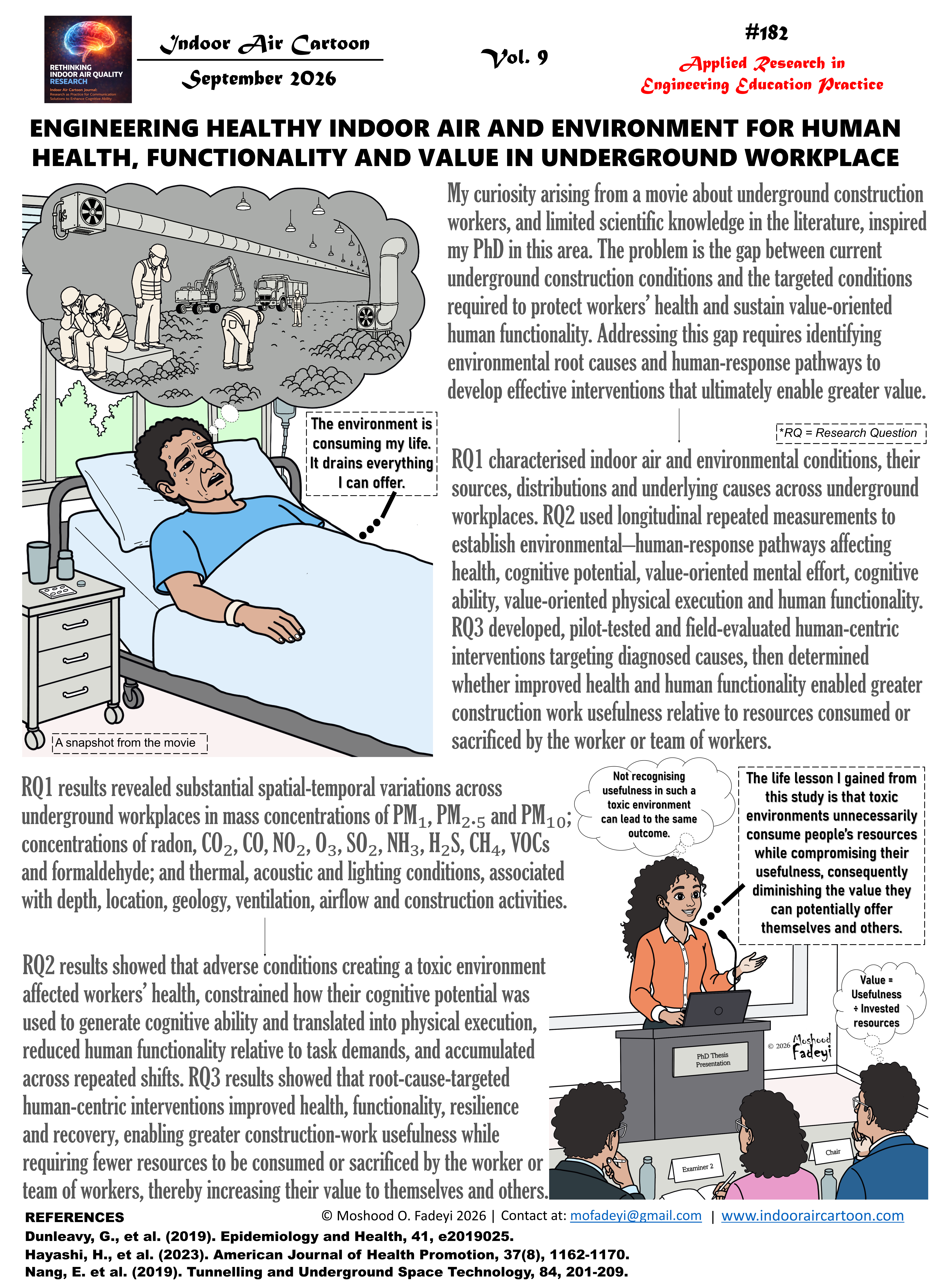


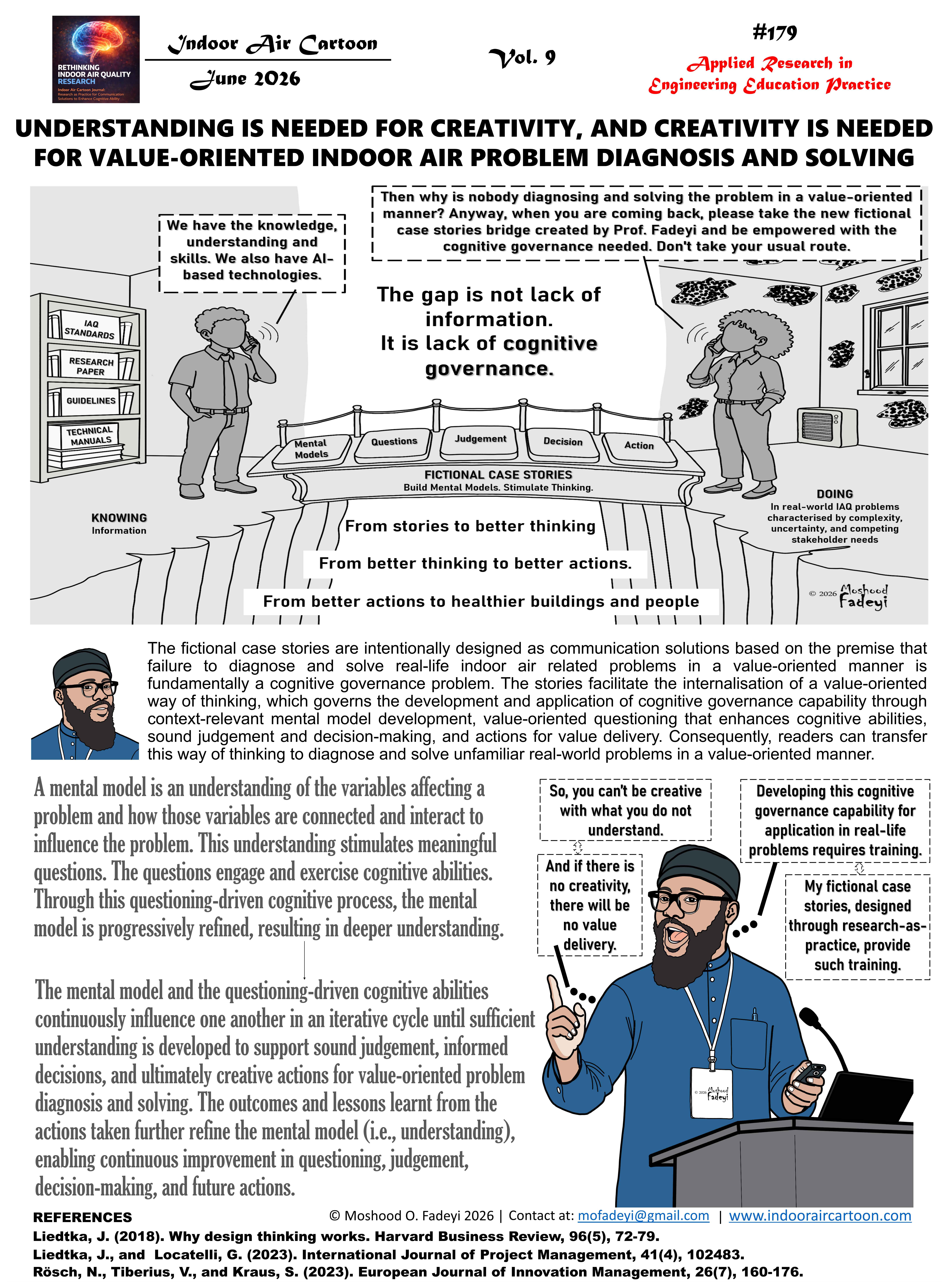

Leave a Reply