Indoor Air Cartoon Journal, November 2024, Volume 7, #160
[Cite as: Fadeyi MO (2024). History and physical examination of facilities housing occupants: Keys to indoor air quality diagnostic practice. Indoor Air Cartoon Journal, November 2024, Volume 7, #160.]

Fictional Case Story (Audio – available online) – Part 1
Fictional Case Story (Audio – available online) – Part 2
Fictional Case Story (Audio – available online) – Part 3
……………………..
The practice of quick fixes and negligence in monitoring expectations to guide necessary actions has severely compromised indoor air quality (IAQ) globally. Quick fixes often address symptoms rather than root causes, providing temporary solutions that fail to resolve long-term IAQ problems and lead to the wastage of invested resources. Moreover, the lack of an effective diagnostic system to conduct the essential history and physical examination of the facility housing occupants deepens the culture of quick fixes, resource waste, and reluctance to engage in IAQ assessments due to concerns about the resources required or the commitment involved. The fundamental consequences of inadequate diagnostic practices include increased discomfort, inconvenience, and declining cognitive capabilities, which can manifest in the form of poor health, poor perceived air quality, poor performance in given tasks, and unfavourable financial implications for stakeholders, e.g., building occupants, managers, and owners. In some cases, death can be a consequence for building occupants exposed to unhealthy indoor air. An unfortunate life event led a young girl to see a parallel between her own experience and the widespread problem of poor IAQ diagnostic practices in the country where she was living. Inspired to take action, she embarked on a journey to make a difference. The life journey of this young girl is the focus of this fiction story.
1……………………..
The first time Amara was lost, she was but a day old–a helpless infant swaddled in soft linens, her cries echoing through the poorly lit corridors of a bustling Galos hospital in Galos State of Nerukia. Nerukia, a developing country, had just emerged from a brutal three-year civil war when Amara was born. The midwife, tired and overwhelmed by the flood of deliveries, cradled Amara briefly before handing her to the wrong mother. It was an act of human error–a seemingly minor lapse amidst the chaos of life. Yet, it rippled outward, shaping the destinies of two families and tangling them in threads of love, sorrow, and aching questions that defied answers.
Amara grew up in a small home that radiated warmth despite its humble surroundings. Her father, Mr. Chukwudi Okeke, was a stoic man of principle, weathered by years of selling spare parts in a crowded market. Her mother, Mrs. Ngozi Okeke, was a lively presence, her laughter filling the tiny house as she prepared meals and told Amara stories of their ancestors.
Chukwudi and Ngozi had only high school qualifications. The financial limitations of their parents prevented them from furthering their studies. They met at a local market where they were working for their respective bosses. Chukwudi and Ngozi were 22 and 21 years old, respectively, when Amara came into their lives.
They adored her, lavishing her with all they had–a treasure trove of affection and hope. But even in their love, there lingered a shadow, a faint whisper of doubt they both dared not give voice to. Amara’s delicate features–her almond-shaped eyes and fairer skin–were unlike theirs. Chukwudi often noticed the curious glances from neighbours, the whispers that sometimes reached his ears. “Are you sure she’s yours?” one bold acquaintance had once remarked, laughing it off as a joke. Chukwudi had smiled, but the words lodged themselves in his mind like a thorn.
For years, he dismissed these doubts, chalking them up to the mischief of gossip. But the question grew louder as Amara grew older. She was sharp, with a precocious intellect that outpaced her peers. While her parents had struggled with basic education, Amara devoured books, solving puzzles and asking questions that seemed beyond her years. The level of critical and reflective thinking she displayed was far above her age. She was different, and no one could deny it.
It was Chukwudi who first succumbed to the weight of his suspicions. Quietly, without telling Ngozi, he took strands of Amara’s hair and his own to a laboratory in the city. The results came back in a plain brown envelope, and when Chukwudi opened it, the words seared into his mind like a brand: Probability of Paternity: 0%.
He was devastated. The child he had called his daughter for 14 years, the child he had cradled, taught to ride a bicycle, and prayed for every night–she was not his. But how could he face Ngozi with this? How could he even begin to utter the words that would unravel their family?
When he finally mustered the courage, his wife’s reaction was as fierce as a storm. Ngozi was furious–not at Chukwudi’s discovery, but at the implication that she had betrayed him. “You think I would do such a thing?” she cried, tears streaming down her face. But as the anger subsided, a chilling realisation set in. If Chukwudi wasn’t Amara’s father, was it possible that she, too, was not her mother?
Ngozi decided to perform her own DNA test, dreading what it might reveal. The result came swiftly, cold and clinical, yet earth-shattering in its clarity: No biological relationship detected. Ngozi collapsed onto the floor of their small living room, clutching the paper as if it were a weapon aimed straight at her heart. Chukwudi held her, the two of them bound in a sorrow they could barely comprehend.
Amara, overhearing their muffled cries, stood at the doorway, her 14-year-old frame trembling. “What is wrong?” she asked softly. When they told her, she felt as though the ground had been ripped from beneath her feet. The family she had known, the people she had loved and trusted her entire life–they were strangers in the most fundamental way.
The devastating revelation sent ripples of anguish through the family. The couple, childless apart from Amara, was consumed by questions: Where was their biological child? Who were Amara’s biological parents? With the hospital of her birth now defunct and a history of dismal record-keeping in the country, there were no leads, no paper trail to follow. It was as if both children–the one they had lost and the one they had unknowingly raised–were swallowed by the shadows of systemic neglect.
Amara became withdrawn, retreating into her room for hours, staring at the ceiling as questions churned in her mind. If they are not my parents, then who am I? Who are my biological parents? And where are they now?
Amara’s realisation that the people she had always called her parents were not her biological family shattered her world. The discovery was not just a personal tragedy but a harsh indictment of the systemic failures that had governed her life and the lives of countless others. Her case was not merely an isolated error but a symptom of a society that lacked the systems necessary to monitor, record, and ensure accountability. If a hospital could misplace a child so profoundly and leave no trace, what other unseen errors might be occurring, unnoticed and unaddressed?
This realisation consumed a brilliant Amara’s thoughts. She began to see her own story as emblematic of a broader societal flaw: a lack of systems to monitor what needed to be measured and understood. Her life had been upended by the absence of proper oversight–her biological ties severed, her identity misplaced, and her questions left unanswered. The idea persistently bothered her: how many other lives were being quietly derailed by invisible failures, just as hers had been?
Amara’s introspection deepened as she connected her misplaced identity to the broader environment she had grown up in. She remembered the haze of smoke that seemed to settle permanently over their neighbourhood, the suffocating air inside their home, and the persistent illnesses that plagued her childhood.
The memory of her childhood ailments suddenly seemed like another kind of systemic oversight–an unmonitored, unaddressed exposure to invisible threats that slowly eroded her health. It struck her that just as her biological parentage had been lost in the chaos of poor record-keeping, her health had been quietly undermined by the unseen air pollutants in her environment.
The parallel between these failures became unavoidable: both her identity and her health had been compromised by the absence of systems designed to monitor what mattered most. If a society lacked the means to track something as crucial as the parentage of its children, how could it be expected to monitor the air people breathed, the water they drank, or the safety of the spaces they inhabited? The same negligence that had led to her misplaced identity was, she believed, mirrored in the widespread neglect of indoor air quality (IAQ).
The thought haunted her: just as no one had been watching when she was handed to the wrong family, no one was paying attention to the silent harm being done by polluted air in homes and schools. People were living with the consequences of a system that failed to measure what it needed to prevent–and because no one measured, no one noticed the damage until it was too late.
This realisation began to drive Amara in a way she had never anticipated. The pain of her identity crisis, though profound, was transformed into a burning curiosity about the hidden systems–or lack thereof–that governed people’s lives. She began to research at the age of 14 the impact of invisible threats on health and the role of diagnostics in uncovering them.
Amara saw a direct line between her personal tragedy and the wider societal failure to monitor and prevent harm. If the unseen forces that shaped people’s lives could not be measured, they could not be managed. Amara realised that the answer to her questions–and the prevention of similar tragedies–lay in creating systems that could bring the unseen into focus.
Amara’s journey toward towards what is IAQ and her fixation on indoor air pollution and its implications began subtly, two days before the devastating revelation about her parentage. Two days earlier in the evening, as she sat on the worn couch of her family’s small living room, the television flickered with a documentary exploring the hidden dangers of poor IAQ.
The programme highlighted how seemingly harmless factors–poor ventilation, indoor pollutants from cooking, or materials like mould and dust–could seem at first but has the capability to severely impact health. It featured stories of children whose persistent coughing and asthma had been traced back to undetected indoor air problems. Amara listened in silence, her heart sinking as the narrative mirrored her own health struggles.
As the programme concluded, she briefly wondered if her lifelong bouts of asthma, uncontrollable coughing, and fatigue could be linked to the quality of the air she had grown up breathing. But the thought was fleeting; her life was too consumed by other worries to dwell on it. She pushed the idea aside, burying it under the weight of daily life.
Yet, when the shattering realisation struck that the parents she had known all her life were not her biological parents, the memory of the programme resurfaced with a vengeance. This was because this is another testament to the country’s systemic failures.
The television programme had planted a seed, but the revelation of her parentage gave it fertile ground to grow. Amara began to see her misplaced identity and her health struggles as interconnected symptoms of a society that failed to measure what mattered most.
2……………………..
Amara realised that she could not change the past or undo the loss of her biological ties, but she could take control of something else–something that might prevent others from experiencing the kind of silent harm that had shaped her life. She decided to channel her grief, her anger, and her lingering questions into a mission to confront one of the invisible threats that had impacted her health.
Her decision to pursue IAQ diagnostics was not just a professional ambition but a deeply personal form of reclamation. While she no longer believed she could ever find her biological parents, the idea of creating a system to monitor and prevent harm gave her a sense of agency.
Amara saw IAQ diagnostics as a way to wrest control from the chaos that had defined her life, to create order where disorder had reigned. If she could help develop tools to measure and improve the quality of indoor air, she could prevent others from enduring the kind of unseen harm that had followed her from birth. On the issue of parentage, Amara consoled herself that she was lucky to have a loving parent that means the world to her.
Years later, Amara enrolled in a degree programme in environmental science with an intensity that startled even her professors. Her academic work was fuelled by a relentless drive to build a solid research competency foundation for uncovering what others overlooked and to measure what others ignored. She delved into the intersections of health and diagnostics, exploring how unseen environmental factors could shape lives in profound ways. By the time she graduated with top honours, she had already set her sights on a PhD that would focus on improving IAQ diagnostic practices.
Amara secured a lucrative and highly competitive scholarship to pursue her PhD degree at the prestigious Tenford University in Glenford. Aside from the prospective of fulfilling her dream of embarking on a PhD study, Amara was excited to be travelling overseas from her country, Nerukia, to Glenford. Glenford was and still a global superpower. Chukwudi and Ngozi were very proud of their only child and happy that the future looked very bright for her. They were excited to see her travel overseas, but they were concerned about how much they would miss her.
The research problem she decided to work on for her PhD study was informed by events that occurred during her undergraduate studies. One such event was her interaction with a professor.
“[Amara asked]: What competency must indoor air quality diagnostician possess?
[Professor responded]: Good Question! Before I address the competency, let’s go through the process first. When occupants display signs of health problems that could be due to poor IAQ or there is a need to fulfill compliance requirements, IAQ audit should be done. It should be done to establish if there is IAQ problem, define the problem (i.e., extent of the gap between the current and expected performance) and identify causes.
The definition and causes of problem identification is caused diagnosis. Diagnosis should inform the prognosis, i.e., potential outcomes of exploring possible solutions to reduce or eliminate causes of the problem. The extent or nature of the outcome will determine the extent of the prognosis in healthy or unhealthy direction. Keys to IAQ diagnosis practice are ‘history and physical examination’ of the facility housing occupants.
When carrying out these two key steps in IAQ diagnostic practice, the diagnostician should examine how natural and human-made objects and activities interact with a facility and its systems, as well as how the facility’s ‘immune system’ level influences the risk of poor IAQ and its impact on human biological responses, such as irritation, inflammation, and oxidative stress, along with the subsequent effects on human comfort, convenience, and cognitive abilities.
The diagnostician should possess the knowledge and understanding needed to carry out the two key steps and the skills to use the necessary investigative tools in their application. This should be capped with communication skills that necessitate critical and reflective thinking, abstract reasoning, logical deduction, and creative imagination.
[Amara asked]: Could you please explain what the two key steps – history and physical examination – mean in the context of a building?
[Professor responded]: In the realm of indoor air quality (IAQ) diagnostics, the approach of a “history examination” and “physical examination,” inspired by medical practices, serves as a structured and systematic method for identifying and addressing IAQ concerns in buildings. This methodology allows for a comprehensive understanding of both past and present factors influencing IAQ, combining investigative tools and techniques for a thorough assessment.
The history examination in IAQ diagnostics parallels the collection of a patient’s medical history. This process involves gathering detailed information about the building’s background, usage patterns, and any IAQ-related concerns. Tools such as walkthrough investigations, survey administration, interviews, and the review of records are pivotal in this phase.
During a walkthrough investigation, a diagnostician visually observes the building environment, noting any obvious signs of IAQ issues, such as water damage, visible mould, or poorly maintained ventilation systems. Survey administration and interviews provide direct insights from occupants, capturing their experiences, complaints, and health symptoms potentially linked to IAQ.
For instance, occupants may report respiratory irritation or odours that align with specific building conditions or usage patterns. Additionally, reviewing records, such as maintenance logs, construction details, and incident reports, sheds light on past events that could influence IAQ, such as renovations, chemical spills, or flooding.
[Professor paused to capture the attention of two students who were conversing with one another before proceeding to respond to Amara’s question]: The physical examination complements this historical inquiry by involving direct, on-site evaluation of the building environment.
This phase employs a combination of observational techniques and the use of advanced IAQ measurement instruments and equipment. Visual inspections are critical for identifying physical signs of IAQ problems, such as condensation, structural damage, or accumulation of dust and debris. Smell tests are also employed to detect unusual odours that may signal microbial growth, chemical emissions, or combustion by-products.
Measurement instruments further enhance this assessment by providing precise data on key IAQ parameters. For example, instruments may measure particulate matter (PM2.5, PM10), volatile organic compounds (VOCs), formaldehyde, carbon dioxide (CO2), humidity, and temperature. Surface sampling techniques can be employed to collect dust or microbial samples for laboratory analysis, offering deeper insights into specific IAQ hazards.
Furthermore, ventilation assessments are conducted to evaluate airflow patterns and ensure that natural or mechanical ventilation systems function effectively. In naturally ventilated buildings, such as those relying on windows as the sole ventilation source, the examination focuses on airflow behaviour and its capacity to dilute indoor pollutants.
[Professor stopped to drink water before continuing to speak]: By integrating history and physical examinations, IAQ diagnostics provide a holistic understanding of the building’s air quality dynamics. The combination of historical data, obtained through records and occupant input, with real-time observations and measurements allows for the identification of potential pollutant sources and pathways.
This methodology not only aids in diagnosing existing IAQ problems but also informs the development of targeted mitigation strategies, ensuring healthier indoor environments for occupants. Through this multi-faceted approach, IAQ diagnostics bridge investigative rigour with practical solutions, much like medical diagnostics strive to restore health and well-being.”
Another such event was the discussion she had with a colleague at her workplace during a mandatory internship in her undergraduate studies. In the discussion, Amara shared with the colleague what her professor had told her.
“[The colleague said]: Thank you for sharing with me your experience with your professor. What I am struggling with is how to streamline IAQ diagnostics process to enhance value delivery for the stakeholders involved. Streamlining the process will encourage the practice of fully engaging in the IAQ diagnostic process to inform the proposed solution, rather than offering solutions to any potential or actual IAQ problem on the fly.
[Amara responded]: This should be an industry-wide concern. Identifying pain points in the IAQ diagnostic process and understanding the causes of resource wastage, or areas for better resource use, can guide the development and adoption of AI-based, user-friendly solutions that enhance value delivery and mitigate motivation for quick fixes.”
It was this particular discussion with the colleague during her internship that solidified the idea of the research problem she wanted to work on for her PhD, which she planned to pursue upon completing her undergraduate studies. The following is a summary of the research problem that guided Amara’s PhD study.
“IAQ assessments in buildings often lack a systematic diagnostic approach similar to a clinical history and physical examination in medicine. This gap impedes the identification and remediation of environmental factors contributing to poor IAQ, ultimately impacting occupant health and building sustainability. Without a structured framework for diagnosing indoor air issues, building professionals may overlook key environmental cues, misinterpret indoor air pollutant sources, or inadequately address conditions that increase occupant exposure to harmful indoor air pollutants.
A key problem in IAQ interventions is the lack of a clinically inspired diagnostic approach, which undermines the accuracy and effectiveness of solutions. The absence of streamlined diagnostic processes leads to disengagement from thorough assessments, resulting in solutions that may address symptoms rather than root causes. This issue contributes to inefficient resource use and diminishes value delivery to stakeholders.
The failure to identify pain points in the diagnostic process and understand the underlying causes of inefficiencies further exacerbates the problem. Consequently, there is a pressing need for AI-based, user-friendly solutions that can improve diagnostics, enhance value delivery, and reduce the reliance on quick fixes that fail to address the core issues
This problem statement highlights the need for a structured, diagnostic-like approach to evaluating indoor air conditions, which could lead to better health outcomes and more sustainable building practices.”
The overarching research questions for Amara’s PhD research to address the research problem statement were: (i) How can a systematic, clinically inspired diagnostic framework be developed to assess IAQ in buildings, and in what ways might it improve the identification of key factors affecting occupant health and sustainability? (ii) What are the primary pain points and sources of inefficiency in current IAQ diagnostic practices, and how do these challenges impact the effectiveness of interventions and resource allocation? (iii) To what extent can AI-based diagnostic tools streamline the IAQ assessment process, enhance value delivery for stakeholders, and reduce the motivation for quick fixes that undermine comprehensive IAQ management practices?
These research questions informed the objectives for her PhD research. The objectives were: (i) To develop a systematic, clinically inspired diagnostic framework for assessing IAQ in buildings and evaluate how this framework can enhance the identification of factors influencing occupant health and sustainability outcomes. (ii) To identify and analyse the primary pain points and inefficiencies in current IAQ diagnostic practices and assess how these challenges affect the effectiveness of interventions and the optimization of resource allocation within building management. (iii) To evaluate the potential of AI-based diagnostic tools in streamlining the IAQ assessment process and determine how these tools can enhance value delivery for stakeholders, while reducing the reliance on quick-fix solutions that undermine long-term IAQ management strategies.
Amara’s PhD research was applied in nature. With a generous applied research grant secured through the support of her PhD supervisor, Professor Meredith Jones, Amara led the research in her capacity as a PhD researcher under Professor Jones’s supervision. Summaries of Amara’s PhD research methods and results, which addressed the research questions and objectives, are provided below.
3……………………..
Research Methods:
Research Method for Objective 1
This objective was central to addressing the core issue of the research problem: the absence of a systematic diagnostic approach in IAQ assessments. The research highlighted the lack of a structured method for defining IAQ problems, identifying factors affecting IAQ, and addressing them. This issue was analogous to the clinical approach in healthcare, where a thorough history and physical examination are conducted to diagnose health problems. Similarly, building professionals needed a more rigorous and structured method for assessing IAQ and its impact on occupant health, performance, and sustainability outcomes.
A diagnostic framework that mimicked the clinical process was developed to ensure that all relevant factors influencing indoor air pollutant concentration were systematically identified and analysed. These factors were either related to the sources or sinks (removal of pollutants from indoor air), or phenomena contributing to the existence and intensity of these sources or sinks.
Fundamentally, the proposed clinically inspired IAQ diagnostic framework acknowledges two key factors essential to effective diagnosis in clinical practice: a thorough history and physical examination of the patient’s health condition. By establishing a comprehensive framework, this research addresses gaps where these critical factors may have been overlooked or misinterpreted in current IAQ diagnostic practices.
The framework also focused on linking IAQ factors with their potential effects on occupant health, performance in executing tasks within the indoor environment, and building sustainability (e.g., energy efficiency, long-term resilience, and durability). This approach helped diagnose IAQ problems more effectively, providing actionable insights that could directly influence health and sustainability outcomes in buildings. A framework in this context means a mental conceptual structure or system of ideas designed to guide understanding, assessment, and decision-making about IAQ.
The research methodology comprised two key phases: framework development and framework validation. These phases integrated literature review, expert input, and case study analysis, ensuring that the framework was grounded in both scientific theory and practical applicability.
— Framework Development —
The first phase of the research involved conducting a comprehensive literature review to inform the creation of the IAQ diagnostic framework. This review focused on several critical areas, including clinical diagnostic methods, environmental health frameworks, and systems thinking. Each of these elements played a pivotal role in structuring the diagnostic approach to IAQ, allowing for a more thorough and precise assessment of factors that influenced IAQ and affected occupant health, performance, and sustainability outcomes of the buildings.
Clinical diagnostic methodologies had long been the cornerstone of medical practice. These methods relied on systematic processes such as patient history-taking, clinical examinations, and diagnostic tests, all of which aimed to identify and address health issues early. By exploring these methods, the research sought to adapt their structured approach to the context of IAQ diagnostics.
History-taking in clinical medicine, for example, involved obtaining detailed information from patients about their symptoms and prior exposures. This process was analogous to gathering occupant histories in IAQ diagnostics, where details about the occupants’ exposure to indoor pollutants and any related health complaints were used to identify potential environmental issues. It also included obtaining historical details on building systems performance through surveys and interviews with building managers, owners, and occupants.
Further, clinical examinations and diagnostic tests, which typically involved physical assessments and lab tests, were adapted to IAQ contexts by involving comprehensive assessments of the indoor environment. These assessments included measurements of indoor air pollutants using instruments and evaluations of building conditions and ventilation systems through walkthrough investigations. The integration of biomarkers–such as lung function tests or allergy assessments–enhanced the diagnostic process by linking IAQ with specific health outcomes.
In addition to clinical diagnostics, the research reviewed established environmental health frameworks that identified the links between indoor air pollutants, environmental conditions, and health outcomes. One such framework was the Exposure-Disease Model, which provided a foundational understanding of how exposure to indoor air pollutants translated into adverse health outcomes.
These frameworks were adapted to IAQ diagnostics, providing a clear mapping of how exposure to indoor air pollutants could lead to specific health effects such as respiratory issues, cognitive impacts, and long-term diseases like asthma or heart disease. By integrating these models into the framework, the research established a direct connection between air pollutant exposure in indoor environments and the health consequences faced by building occupants.
A key guiding principle in the development of the diagnostic framework was systems thinking. This approach emphasised the interconnectedness of all elements within a system. In the context of IAQ, this meant considering not just individual indoor air pollutants, but also how various components of the indoor environment–such as building features (ventilation, insulation), occupant behaviour, and environmental factors (relative humidity and temperature) –interacted and affected occupant health and performance.
Systems thinking allowed for a holistic view, addressing the complex relationships that governed IAQ and health. This perspective was critical in understanding how multiple variables–IAQ, building design, other indoor environmental conditions (e.g., acoustics, thermal comfort, lighting, spatial), and occupant behaviours–combined to influence the overall health outcomes of residents. The literature review ultimately culminated in the development of a conceptual framework that included several critical components: Indoor air pollutant identification, exposure assessment, health impact pathways, sustainability impact, and occupant performance.
First, indoor air pollutant identification was a key focus, with a goal of identifying and categorising the various air pollutants present in indoor environments. In terms of exposure assessment, the levels and durations of exposure to identified pollutants, considering factors such as ventilation rates, air exchange, and occupant behaviour were determined. In terms of health impact pathways, the direct effects of IAQ on occupant health, including short-term symptoms and long-term conditions like cognitive impairments and cardiovascular problems were mapped out.
In terms of sustainability impact, the question of how IAQ affects broader sustainability metrics, such as energy consumption, operational costs, and long-term building resilience was examined. In terms of occupant performance, the question of how IAQ impacts occupant performance in various tasks, considering cognitive function, productivity, and overall well-being was examined.
Once the conceptual framework was developed, the next step involved engaging a multidisciplinary panel of experts to refine and validate it. The Delphi method was used to facilitate this process, gathering expert feedback through several rounds of input. The expert panel, which included IAQ experts, environmental health specialists, building engineers, architects, clinicians, and sustainability professionals, provided invaluable insights.
— Framework Validation —
Once the framework was developed and refined, it was validated through case studies in real-world settings. This phase aimed to test the framework’s effectiveness in diagnosing IAQ problems and predicting health outcomes. The selected case study buildings, including residential homes, office buildings, and healthcare facilities, represented different environments with varying IAQ profiles. Data were collected through IAQ monitoring, surveys, interviews, and walkthrough investigations.
The IAQ diagnostic framework was applied to each building, guiding the identification of key pollutants, exposure pathways, potential impact on occupants’ health and performance, and sustainability impacts. The framework’s findings were compared with established IAQ guidelines from organisations like the World Health Organisation (WHO) and the Environmental Protection Agency (EPA) to assess its accuracy and reliability.
Statistical methods, such as regression analysis and factor analysis, were used to evaluate the relationships between pollutant concentrations and health outcomes. These methods helped determine whether the framework could effectively link IAQ issues to specific health complaints. Additionally, the framework’s ability to assess sustainability outcomes was evaluated using multivariate models.
Ultimately, the case study methodology and statistical analysis provided empirical evidence to validate the framework’s effectiveness in diagnosing IAQ issues and improving occupant health. This iterative process ensured the framework remained scientifically rigorous and practically applicable in real-world settings.
Research Method for Objective 2
This objective directly addressed the identified inefficiencies and pain points in current IAQ diagnostic practices in the industry, which were part of the broader problem outlined in the research problem. The research problem highlighted the tendency of building professionals to offer quick fixes or inadequate solutions, often due to a lack of structured diagnostic processes and the invested resources implications. This objective aimed to investigate and understand these inefficiencies, which contributed to poor decision-making and resource wastage.
— Identification of Pain Points and Inefficiencies —
The first phase of this research was dedicated to identifying inefficiencies in existing IAQ diagnostic practices across both residential and commercial buildings. This was accomplished through a combination of qualitative data collection and systematic observational studies to gain a comprehensive understanding of the challenges faced by stakeholders involved in IAQ diagnostics.
To uncover inefficiencies, the research conducted semi-structured interviews and focus groups with key stakeholders in the building management industry, including building owners, facility managers, IAQ consultants, and health experts. These stakeholders provided insights into the practical challenges faced during IAQ diagnostics, such as delays in identifying IAQ problems, misinterpretation of data, and the limitations of existing diagnostic tools and methods.
In addition to these interviews, surveys were distributed to building occupants to assess their experiences with IAQ management practices. These surveys explored how occupants perceived the effectiveness of IAQ management, the responsiveness of building management to IAQ concerns, and the impact of IAQ issues on their health and well-being. This highlighted areas where current diagnostic practices failed to meet occupant needs effectively.
— Framework Development for Mitigating Inefficiencies —
This phase of this research for Objective 2 entailed the development of a comprehensive theoretical and practical framework aimed at mitigating inefficiencies identified in earlier stages of the study. This framework was structured to optimise IAQ diagnostic practices and improve resource utilisation within building management systems.
Root cause analysis (RCA) methodologies, specifically fishbone diagrams and failure mode and effect analysis (FMEA), were employed to systematically uncover the fundamental causes of inefficiencies within IAQ diagnostics. These RCA techniques were integral in identifying critical issues such as inadequate training, lack of standardisation across diagnostic procedures, improper utilisation of diagnostic tools, and insufficient communication between key stakeholders involved in IAQ management.
The fishbone diagram, for instance, was applied to delineate factors contributing to diagnostic delays, revealing underlying issues such as prolonged response times, communication lapses between building managers and IAQ consultants, and inefficient data collection practices. FMEA was utilised to evaluate potential points of failure in the diagnostic processes, with specific attention given to risks such as misdiagnoses or ineffectual interventions.
Insights from these RCA techniques informed the construction of a best-practice framework designed to streamline IAQ diagnostics by addressing recurring sources of inefficiency, ultimately enhancing the accuracy and cost-effectiveness of IAQ diagnostics process.
— Impact Assessment —
Once the inefficiencies were identified, the next step involved assessing their impact on building management practices. This was done using quantitative data analysis and performance metrics to measure the broader effects of these inefficiencies on building operations, occupant health, and resource allocation.
Quantitative analysis was employed to evaluate how inefficiencies in IAQ diagnostics contributed to resource wastage, increased operational costs, and health problems among building occupants. Data was gathered on building operations, including the costs associated with corrective actions (e.g., cost associated with air filtration system installations, reworking ventilation systems, etc.), diagnostic equipment, and other IAQ management measures. By comparing buildings with ‘efficient’ IAQ diagnostic processes to those with less effective practices, the research identified key factors that drove up costs and inefficiencies.
Additionally, econometric analysis was used to assess how IAQ diagnostic inefficiencies impacted energy consumption. Inefficient IAQ management can lead to overuse of energy-intensive systems like ventilation and air filtration, thereby increasing energy costs. This analysis explored the relationship between poor diagnostic practices and energy inefficiency, providing insights into the economic benefits of optimising IAQ diagnostic processes.
Moreover, occupant health outcomes were assessed in relation to diagnostic inefficiencies. Poor IAQ management can result in delayed identification of hazardous air pollutants, leading to prolonged exposure and negative health effects. By comparing health data (e.g., respiratory problems, allergies, cognitive issues) with the effectiveness of IAQ diagnostic practices, the research quantified the health impacts of inefficiencies and the potential health improvements associated with optimised diagnostic methods.
To evaluate the effectiveness of IAQ diagnostic practices, key performance indicators (KPIs) were developed. These KPIs measured various aspects of IAQ diagnostics, including diagnostic accuracy, resource efficiency, and health outcomes. Diagnostic accuracy was assessed by comparing IAQ diagnostic practices across buildings to established standards. Resource efficiency was measured by the time, costs, and personnel required for diagnostics, while health outcomes were assessed by tracking changes in occupant health following interventions.
These performance metrics served as benchmarks for comparing diagnostic practices and identifying areas for improvement. By evaluating buildings with different IAQ diagnostic methods, the research assessed the impact of these practices on IAQ management and occupant well-being.
Basically, this part of the research examined how the developed clinically inspired IAQ diagnostic framework perform against traditional IAQ diagnostic practice in reducing sources of wastes in the diagnostic process. This aspect of the study was done in both residential and commercial buildings, as these environments presented distinct challenges and inefficiencies in IAQ diagnostics. More details of how this part of the study was conducted can be found under the section titled “Waste Mitigation Assessment” of research methods for Objective 3.
Research Methods for Objective 3
This objective focused on using artificial intelligence (AI) concepts to further reduce reliance on reactive ‘quick-fix’ measures beyond what the developed clinically inspired IAQ diagnostic framework could achieve, by streamlining the IAQ diagnostics process even further.
AI technology has the potential to revolutionise IAQ diagnostics by shifting from a reactive mindset to proactive, evidence-based decision-making. The research proposed an AI solution that could help diagnosticians navigate the complex factors influencing IAQ and diagnose the root causes of air quality issues with greater precision.
To achieve this, the methodology focused on developing an AI tool that would guide IAQ assessments through a structured process of questioning, followed by context-specific, data-supported recommendations. This process aimed to reduce diagnostic errors and ensure that interventions were not only effective but also sustainable in the long term.
In the AI-based clinically inspired IAQ diagnostic framework, all relevant data–whether from occupants’ observations, real-time measurements from instruments, or insights from walkthrough investigations–were uploaded to an AI-based cloud repository in real time. The AI system then processed this data and provided immediate, dynamic guidance to the diagnostician. The adoption of AI in this study benefited from AI solutions and infrastructure available in the market but never applied to IAQ diagnostics practices.
— AI-Based Clinically Inspired IAQ Diagnostic Framework —
At the core of the research methodology was the development of an AI-based diagnostic tool designed to assist IAQ diagnosticians in asking the right questions. The AI tool would guide the diagnostician through a structured questioning process to accurately identify IAQ problems, diagnose their causes, and suggest appropriate solutions. The first step in developing this tool involved creating a robust training dataset, which allowed the AI to learn about various IAQ problems commonly encountered in buildings.
This dataset included sensor data for pollutants such as particulate matter (PM0.1, PM2.5, PM10), volatile organic compounds (VOCs), carbon dioxide (CO2), temperature, and humidity levels. Additionally, the dataset contained environmental variables such as outdoor air quality, seasonal changes, building characteristics, and typical occupant behaviour patterns.
By training the AI on this comprehensive dataset, the tool could detect trends and anomalies in pollutant levels, relate them to specific environmental factors, and establish causal links that would inform the diagnostic process. For example, the AI could recognise that a sudden increase in CO2 concentrations might be linked to an occupancy surge or inadequate ventilation.
By learning these relationships, the AI would guide the diagnostician to ask targeted questions about possible causes, such as, “Has the building recently experienced a change in occupancy?” or “Is there an obstruction in the ventilation system?”
The AI incorporated decision-tree algorithms and neural networks within its architecture. The decision-tree model enabled the AI to break down complex IAQ problems into smaller, manageable segments and ask relevant questions that would lead to a clearer definition of the problem.
Machine learning algorithms were also integrated to help the AI improve its performance over time. The more data the AI received, the better it could identify subtle patterns and correlations between pollutants and environmental conditions, allowing it to suggest the most relevant questions based on the building’s specific circumstances.
Another critical aspect of the AI’s design was its ability to identify correlations between pollutant levels and occupant behaviour. For example, if high levels of VOCs were detected, the AI could prompt the diagnostician to ask about potential sources of the pollutants, such as specific building materials, furniture, cleaning agents, or occupant activities. By focusing on these behavioural factors, the AI ensured that the diagnostic process was comprehensive, helping the diagnostician consider all possible sources of pollution within the building.
— Iterative Testing and Refinement for Diagnostic Precision —
The testing phase of the AI diagnostic tool was critical to evaluating its effectiveness in real-life applications. The objective of this phase was to assess the AI’s ability to guide diagnosticians in identifying and diagnosing IAQ problems across various building environments. The tool was pre-tested in both residential and commercial buildings to represent diverse real-world conditions and IAQ challenges. In total, the study involved testing the AI tool in 10 residential buildings and 10 commercial buildings, each selected to represent a broad spectrum of IAQ challenges encountered in real-world settings.
Residential buildings were chosen for their unique IAQ challenges, such as variations in ventilation practices, different occupancy schedules, and specific pollutant sources like household products and indoor activities. These buildings provided the perfect testing ground for assessing how the AI could guide diagnosticians through questions related to occupant behaviour, window-opening patterns, and the use of chemical cleaners. The 10 residential buildings varied in terms of size, occupant density, and building materials, ensuring the AI could be tested in diverse environments.
Commercial buildings, with more complex environments like larger HVAC systems, high occupant density, and industrial equipment, presented additional challenges in IAQ diagnostics. The 10 commercial buildings chosen for testing included office spaces, retail outlets, and mixed-use buildings.
These varied settings provided a range of IAQ challenges, from high VOC emissions linked to retail operations to pollutants associated with office activities, such as CO2 buildup due to high occupant load and inadequate ventilation. Testing the AI in these environments allowed for a comprehensive evaluation of its ability to adapt to a broader range of factors influencing IAQ.
To thoroughly evaluate the AI’s diagnostic capabilities, realistic IAQ scenarios were created to simulate common problems encountered in building environments. Scenarios involving unexpected increases in particulate matter (PM0.1, PM2.5, PM10) or volatile organic compounds (VOCs) were designed to test how well the AI could detect and differentiate between external and internal sources of pollution.
This testing was essential because many IAQ problems stem from either external pollution source, such as traffic and smoking, or internal factors like building materials, occupant activities, or equipment. The AI had to navigate this complexity and guide the diagnostician through the right set of questions to pinpoint the exact source of the pollution.
During testing, the AI’s ability to generate relevant, data-driven questions was closely monitored. The tool used decision trees and machine learning algorithms to formulate enquiries based on the specific IAQ anomaly detected. For example, if a rise in CO2 levels was noted, the AI would prompt questions about recent occupancy levels, HVAC system settings, or whether windows had been opened.
Similarly, when increased VOC levels were detected, the AI would enquire about potential indoor activities, such as the use of cleaning products or the presence of specific materials that could contribute to the indoor air pollution. The aim was to ensure the AI could adapt its questioning framework to the specific environmental context of each building.
The performance of the AI was compared to traditional IAQ diagnostic methods led by human experts. Experienced diagnosticians were also tasked with identifying the root causes of IAQ problems using their expertise and conventional diagnostic tools. The AI’s output was assessed against the human diagnosticians’ diagnoses to determine the accuracy and effectiveness of the AI in guiding enquiries.
The evaluation focused on three main criteria: accuracy of the diagnosis, relevance and precision of the questions generated, and practicality of the solutions recommended. This comparison helped identify strengths and weaknesses in the AI tool, providing valuable insights for further refinement.
An essential part of the testing phase was incorporating feedback loops into the AI system. After each round of testing, the AI’s performance was reviewed, and any areas for improvement were identified. If the AI’s questioning framework led to a misdiagnosis or failed to suggest an appropriate solution, the system was updated to include additional context-specific enquiries. This iterative process allowed the AI to learn from its mistakes and improve its diagnostic performance over time, making it more accurate in future testing scenarios.
Through this iterative process, the AI tool gradually improved its diagnostic capabilities. Each round of testing provided the system with more data and feedback, enabling it to refine its questioning framework and adapt to new IAQ challenges. The integration of continuous learning algorithms allowed the AI to progressively enhance its ability to identify nuanced IAQ issues and generate more targeted, relevant questions. As a result, the AI became increasingly adept at providing data-driven recommendations for sustainable solutions tailored to the unique characteristics of each building environment.
The testing phase focused not only on improving the AI’s diagnostic accuracy but also on ensuring that the tool could provide actionable, context-specific solutions. Once the AI guided diagnosticians through a series of targeted questions and accurately defined the IAQ problem, it used its knowledge base to suggest appropriate solutions.
These solutions were informed by historical data on IAQ interventions, indoor air pollutant sources, and building characteristics. For example, if the AI identified that high VOC levels were linked to specific materials, it might recommend improved ventilation strategies or suggest the removal of certain materials. In cases where external pollutants were the identified cause, the AI could recommend adjustments to filtration efficiency or optimal natural ventilation strategies based on outdoor air quality data.
— Knowledge from Diagnostic Questions for Solution Identification —
The AI tool’s methodology extended beyond the identification of IAQ problems to offering specific, context-driven solutions. Once the diagnostician had accurately identified the IAQ problem through the AI-guided questioning process, the AI would suggest appropriate remedial actions based on its vast knowledge base. This knowledge base included data about common IAQ interventions, pollutant sources, and building characteristics. By considering the environmental conditions of the building and the source of the IAQ problem, the AI could recommend tailored solutions that addressed the root cause of the problem.
For example, if high VOC levels were identified and linked to specific indoor activities or building materials, the AI could suggest improvements in ventilation strategies, such as increasing the airflow rate or using specific air filtration systems to reduce indoor air pollutant concentrations. In cases where external air pollution was identified as the source, the AI might recommend solutions such as improving the efficiency of air filtration systems or suggesting optimal times for natural ventilation, based on outdoor air quality data.
— Waste Mitigation Assessment —
The final phase of testing the AI-based clinically inspired IAQ diagnostic framework followed a structured approach designed to evaluate its capability to streamline diagnostic processes and eliminate inefficiencies. The study aimed to address eight specific types of lean waste: defects, overproduction, waiting, non-utilised talent, transportation, inventory, motion, and extra processing.
The testing was conducted in diverse building environments to assess the framework’s practical effectiveness and its potential to enhance IAQ diagnostics comprehensively. The study was conducted in 10 residential buildings and 10 commercial buildings different from those used to train and refine in the pre-test stage of the AI-based diagnostic framework.
The research method was divided into three distinct phases: data collection and baseline establishment, implementation of the AI-guided diagnostics, and comparative analysis of the AI-based clinically inspired IAQ diagnostic framework with the traditional IAQ diagnostic practice and non-AI-based IAQ diagnostic framework. Each phase was carefully designed to ensure thorough and meaningful evaluation of the diagnostic framework.
The first and second phases focused on collecting baseline data on traditional IAQ diagnostic practice and practices informed by the non-AI-based IAQ diagnostics framework. Two different groups of IAQ diagnosticians were involved: one group of diagnosticians for the traditional IAQ diagnostic practice, and a second group of IAQ diagnosticians who performed the diagnostic practice using the developed clinically inspired IAQ diagnostic framework in the same selected buildings used by the first group.
The third group of IAQ diagnosticians adopted the developed AI-based clinically inspired IAQ diagnostic framework in the same selected buildings. Prior to deployment, diagnosticians in the second and third groups were trained to operate the developed diagnostic solutions as intended.
General Methodological Considerations for All Objectives
To address the research problem of improving IAQ diagnostic practices, several key methodological considerations were essential. These included ethical practices, data integrity and transparency, and a multidisciplinary approach, all of which ensured that the research was scientifically rigorous, ethically responsible, and comprehensive.
— Ethical Considerations —
Ethical practices were paramount in the research involving human participants and sensitive data. Health data from building occupants were collected alongside environmental data, requiring informed consent from all participants. Participants were fully informed about the nature of the research, the data collection process, and any potential risks.
Privacy and confidentiality were strictly maintained through the anonymisation of personal data and secure storage methods. Ethical approval was sought from an Institutional Review Board (IRB) to ensure compliance with ethical guidelines, prioritising participant safety and autonomy.
The research also focused on participant well-being throughout the study. Any adverse effects arising from data collection or interventions were promptly addressed. Ethical standards ensured that participant rights were protected, and any risks associated with participation were minimised.
— Data Integrity and Transparency —
Data integrity and transparency were vital to the success of the research. Transparency in data collection, methodology, and analysis ensured that the results were reproducible and could be critically evaluated. All data sources, including IAQ sensors, building management systems, and occupant feedback, were documented, providing clarity about how data was collected and processed. This documentation was essential for understanding the study’s limitations and ensuring that results were reliable and applicable in similar contexts.
Reproducibility was maintained through clear descriptions of the methods used for data analysis, including statistical models and machine learning algorithms. Detailed documentation of AI model development allowed for independent validation of the study’s findings. Additionally, the research promoted data sharing, making datasets and models publicly available for peer review, thereby supporting the scientific community and encouraging further research.
The study also maintained transparency regarding any assumptions or limitations in the methodology, ensuring that other researchers could accurately interpret the results. This openness strengthened the scientific validity of the research and contributed to a more robust understanding of IAQ diagnostic practices.
— Multidisciplinary Approach —
A multidisciplinary approach was crucial to address the complexities of IAQ and ensure a comprehensive investigation. Building science expertise was necessary to understand how the physical characteristics of buildings, such as ventilation and insulation, impacted IAQ. Experts in this field were involved in designing buildings that optimised IAQ, ensuring that diagnostic tools accounted for factors like air circulation and pollutant sources.
Environmental health professionals provided critical insights into how poor IAQ affected occupant health, guiding the identification of harmful pollutants and the development of effective interventions. Medical professionals, particularly those specialising in respiratory and environmental health, contributed to the accurate measurement of health outcomes and assisted in interpreting the data.
AI and machine learning specialists played a key role in developing diagnostic tools capable of analysing large datasets from various sources, identifying pollutant patterns, and offering actionable recommendations. They ensured the accuracy and reliability of the AI models used in the study. Systems engineering experts helped integrate these data streams into a cohesive diagnostic framework, ensuring that the tools were user-friendly and scalable across different building types.
This multidisciplinary collaboration ensured that the study was not only scientifically rigorous but also addressed the multifaceted nature of IAQ diagnostics and its impact on occupant health and performance, and sustainability.
4……………………..
Research Findings:
Research Findings for Objective 1
The structured approach enabled a systematic process for identifying indoor air pollutants, assessing exposure pathways, predicting IAQ effect on occupants’ health and performance, and assessing sustainability implications, thereby providing a refined method for IAQ diagnostic practice. The research findings are discussed below:
— Enhanced Precision in IAQ Assessment —
The clinically inspired IAQ diagnostic framework, introduced in the study and guided by insights from a comprehensive literature review, allowed for a systematic and detailed classification of diagnostic methods for air pollutants that often generalise indoor air pollutant categories. This framework’s structured approach provided a refined level of precision.
It organised indoor air pollutants into identifiable categories and enabled traceability to specific sources, making it possible to relate health complaints to environmental triggers with greater accuracy. The categories were based on the states and origins of the indoor air pollutants.
In terms of state, indoor air pollutants are either in gaseous or physical state. In terms of origin, indoor air pollutants are either of chemical or biological origin. The gaseous state can be sub-divided into gas or vapour.
Vapour is a substance in a gaseous state that exists below its critical temperature, meaning it can condense into a liquid or solid with a change in temperature or pressure. Gas is a substance that remains in the gaseous state at and above its critical temperature, where it cannot condense into a liquid or solid by simply increasing the temperature and pressure. Indoor air pollutants in gaseous state are only of chemical origin. Examples of indoor air pollutants that are gas are CO2, NO2, O3. Examples of indoor air pollutants that are a vapour are volatile organic compounds, which include formaldehyde, limonene, phthalates, etc.
Particulate matter are indoor air pollutants in physical state. Particulate matter are either of chemical or biological origin. Particulate matter is a term that is used to describe the size of tiny solid or liquid object (i.e., particle) suspended in the air. Particulate matter is interchangeably used with the term airborne particle and aerosol.
Specifically, airborne particle is a term that emphasises that a particle is present and residing in the air. It does not specify the size of the particle. Aerosol is a qualitative term that describes particles that are suspended in the air. It emphasises the suspended nature of the particles without specifying their size or extent of their resident status in the air. Particulate matter can be generated through chemical phenomena or vapour condensing. Particulate matter generated from biological sources can be in the form of spores, pollens, fragments of bacteria, viruses, and algae.
By systematically categorising these pollutants, their possible sources and effect on humans, building managers and environmental health professionals could design targeted interventions to alleviate specific IAQ problems. This precision reduced the ambiguity often associated with IAQ diagnosis and allowed for more effective and tailored responses to indoor air pollutants that pose direct health risks to occupants.
— Comprehensive Understanding of Exposure Pathways —
The framework incorporated environmental health models to evaluate how indoor air pollutants enter, spread, and accumulate in indoor spaces, factoring in elements like ventilation, building insulation, building systems and occupant behaviours. This integrated perspective on exposure pathways demonstrated the interaction between indoor air pollutants, human presence, and building characteristics related to the mechanical, electrical and plumbing (MEP) systems, structural systems, envelope systems, and interior systems.
Case studies revealed that buildings with optimal ventilation and air cleaning systems experienced significantly lower indoor air pollutant concentrations. Designs with cross-ventilation enabled quicker indoor air pollutant dissipation, while poorly ventilated indoor environments showed higher retention of indoor air pollutants. This understanding allowed for the identification of exposure hotspots–areas with limited airflow or high occupant density–where indoor air pollutant concentrations could reach harmful levels. By highlighting how indoor air pollutants migrate and persist indoors, the study illustrated the critical role of building design in IAQ management.
— Linking IAQ with Health and Performance —
A major finding from the study was the framework’s ability to substantiate links between specific indoor air pollutants and health effects, as well as their impact on cognitive performance. Data showed that elevated concentrations of VOCs and particulate matter, such as PM0.1, PM2.5, and PM10, were associated with an increase in respiratory ailments and cardiovascular problems among building occupants. Furthermore, the framework provided quantitative evidence of how poor IAQ impacted cognitive function, leading to slower reaction times, diminished focus, and impaired decision-making abilities, especially in settings requiring sustained mental effort, such as offices and educational facilities.
The study suggested that IAQ improvements could enhance productivity and well-being in high-performance environments. For instance, high levels of CO2, VOCs, and particulate matter were correlated with reduced task performance, with workers in high-VOC environments reporting mental fatigue and decreased efficiency. These findings highlighted the importance of IAQ management in workspaces and schools, advocating for enhanced ventilation and filtration systems to maintain optimal IAQ.
— Occupant Behaviour as a Significant Factor in IAQ —
The study found that occupant behaviour significantly influenced IAQ, sometimes outweighing architectural and mechanical factors. Activities like cooking, cleaning, and smoking were shown to elevate pollutant levels, regardless of ventilation quality. For example, cooking without adequate ventilation led to increased PM2.5 and nitrogen dioxide levels, while using VOC-emitting cleaning products contributed to higher indoor concentrations of harmful gases.
These findings stress the need for educational programmes to inform occupants about best practices for IAQ maintenance, such as ventilating cooking spaces or minimising the use of aerosol-based cleaning products. In addition to building system improvements, occupant education on IAQ-promoting behaviours was recognised as essential, especially in residential settings where daily activities directly impact IAQ.
— IAQ and Sustainability —
The study underscored the link between IAQ and sustainability, revealing that poor IAQ could negatively impact a building’s energy efficiency. Buildings with substandard IAQ had higher energy demands due to increased reliance on ventilation and filtration systems to reduce indoor air pollutant discomfort. This increased energy usage not only raised operational costs but also counteracted the goals of sustainable building practices.
The framework advocated for incorporating IAQ into sustainability metrics, demonstrating that IAQ improvements could contribute to both energy efficiency and cost savings. For example, naturally ventilated buildings with strategic window placements required less mechanical ventilation, reducing energy consumption. This finding emphasised that sustainability and IAQ objectives could complement each other, suggesting that energy-efficient designs should also focus on IAQ to create buildings that are both environmentally sustainable and conducive to occupant health.
— Framework Visualisation —
The developed framework can be visualised as a layered system, with each layer representing a key stage in IAQ diagnostics. This structure enables IAQ professionals to follow a clear sequence from indoor air pollutant classification to exposure analysis and intervention planning.
Indoor Air Pollutant Classification Layer: This foundational layer organises indoor air pollutants by state (gaseous and physical) and source origin (chemical and biological). A visual tree diagram illustrates the indoor air pollutants and their sources, such as combustion appliances or household cleaning activities, aiding in indoor air pollutant identification.
Exposure Pathways Layer: A flowchart visually represents pollutant movement within the indoor environment, showing pathways from sources to building areas and illustrating how factors like air circulation and building design influence indoor air pollutant spread. Colour-coded help professionals assess areas prone to pollutant accumulation.
Behavioural Influence Layer: A visual guide illustrates how occupant activities like cooking, smoking and cleaning impact IAQ. Flow lines indicate how indoor air pollutant increases from specific behaviours and areas where behavioural modifications can mitigate IAQ issues.
Health and Performance Impact Layer: This layer displays a matrix linking indoor air pollutants to health impacts, with visual markers indicating severity levels. The matrix simplifies understanding of how pollutant-specific health effects and increase in concentration can influence cognitive performance.
Sustainability Integration Layer: The final layer connects IAQ improvements to sustainability metrics, showing how strategies could influence energy consumption and operational costs. Green icons represent sustainable practices, reinforcing the interconnectedness of IAQ and sustainability goals.
These five layers are represented in an integrated map that allows users to move from pollutant classification through to specific health and sustainability outcomes. Icons, flow lines, and colour coding provide a clear visual language that simplifies the complexity of IAQ diagnostics while reinforcing the framework’s systematic, step-by-step approach. This structured and visualised framework enables diagnosticians to identify indoor air pollutant sources, health and cognitive impacts, and potential sustainable interventions quickly, fostering a holistic understanding of IAQ issues.
— Evaluation of the newly developed IAQ diagnostic framework —
The research findings indicate that the newly developed IAQ diagnostic framework informed by clinical practice outperforms traditional industry IAQ diagnostic practices in defining IAQ problems, identifying their causes, and providing effective solutions. Specific examples illustrate the ways in which the framework surpasses conventional methods by offering a more detailed and actionable approach to IAQ diagnostics in both commercial and residential buildings.
IAQ Problem Definition: Traditional IAQ diagnostic practices often focus on general indoor air pollutant measurements, such as overall levels of particulate matter (PM0.1, PM2.5, and PM10) or carbon dioxide (CO2), without carefully investigating the specific state (gaseous or physical) or origins (chemical or biological-based) of indoor air pollutants contributing to poor IAQ. This general approach can limit the precision of IAQ assessments, often leading to recommendations that address broad issues rather than specific indoor air pollutants or sources that directly impact occupant health and comfort.
The developed clinically inspired IAQ diagnostic framework addresses this limitation by introducing a structured Indoor Air Pollutant Classification Layer. This foundational layer enables diagnosticians to classify indoor air pollutants by state and origin. This detailed classification system allows IAQ professionals to accurately identify the specific kind of indoor air pollutants present in a given environment, as well as their potential sources.
In practice, the clinically inspired IAQ diagnostic framework has been shown to significantly refine IAQ problem definition. For example, in a commercial office setting where occupants reported frequent headaches and eye irritation, traditional diagnostic practices might have indicated high levels of VOCs without identifying the exact sources. Using the new framework, IAQ diagnosticians could trace specific VOCs back to particular cleaning products used in the building.
By identifying VOCs as the primary cause, specifically from cleaning activities, the framework enabled the building management to implement targeted changes, such as switching to low-emission cleaning products. This level of specificity allowed for a precise problem definition, which guided interventions focused on mitigating the exact source of pollution, rather than general IAQ measures that may have overlooked the specific cause.
Identification of Causes of IAQ Problems: Conventional IAQ diagnostic practice often measure indoor air pollutant concentration without fully examining the underlying causes of indoor air pollutant accumulation, which may result from factors such as building layout, ventilation patterns, or external pollution sources. This can make it difficult to identify how and why indoor air pollutants concentrate in certain areas, potentially leading to incomplete or less effective IAQ interventions.
The new framework introduces an Exposure Pathways Layer that goes beyond simple indoor air pollutant measurement by mapping how pollutants move and accumulate within the indoor environment. This layer visually represents pollutant movement and identifies areas susceptible to indoor air pollutant accumulation, influenced by factors like air circulation, building design, and ventilation inefficiencies. By incorporating these pathways into IAQ diagnostics, professionals can accurately trace indoor air pollutant sources and determine how they spread within the building.
In a residential building case study located near a high-traffic area, diagnosticians applied this layer to identify that vehicle emissions were infiltrating through poorly sealed windows, leading to a buildup of PM2.5 and nitrogen dioxide (NO2) in low-ventilation zones such as bedrooms. Traditional IAQ methods would likely have recorded high PM2.5 levels in these areas but might not have traced the emissions to their point of entry or identified how they accumulated due to ventilation patterns.
The developed clinically inspired IAQ diagnostic framework, however, allowed IAQ professionals to pinpoint that these indoor air pollutants were entering specifically through windows facing the street. This insight enabled the management to implement solutions targeted at sealing these windows and optimising ventilation to reduce pollutant buildup, providing a level of problem source identification that traditional methods could not achieve.
Provision of Solutions to Eliminate Causes of IAQ Problems: In traditional IAQ practices, solutions to IAQ problems often involve general air purification techniques, air filters adoption or increased ventilation. While these methods may temporarily improve IAQ, they do not necessarily address the underlying causes of pollutant accumulation or account for sustainability. For instance, installing high-powered air purifiers could improve IAQ but may also increase energy consumption, which contradicts sustainable building goals.
The developed clinically inspired IAQ diagnostic framework introduces a Sustainability Integration Layer that aligns IAQ solutions with energy-efficient and environmentally friendly practices. This layer highlights how specific IAQ improvement strategies can enhance both IAQ and building sustainability.
For example, in a commercial office with high levels of CO2 attributed to inadequate ventilation, the framework enabled IAQ professionals to implement smart, demand-controlled ventilation instead of recommending energy-intensive air purifiers. This approach allowed ventilation rates to be automatically adjusted based on occupancy, thereby ensuring fresh air supply when needed while reducing energy use during low-occupancy periods.
In another instance, the framework was applied in a residential building where occupants were experiencing increased allergy symptoms due to dust and pet dander accumulation. Instead of simply recommending portable air purifiers, the framework guided IAQ professionals to introduce sustainable, low-energy solutions, such as enhancing natural ventilation during specific times of the day and installing energy-efficient filtration systems within the HVAC setup. These interventions not only reduced the need for continuous, high-energy air purifiers but also improved occupant comfort without increasing the building’s energy footprint.
By integrating sustainability considerations into IAQ solutions, the framework ensures that the interventions recommended are not only effective but also environmentally responsible, supporting long-term indoor air quality and sustainable building practices. This approach provides a more holistic, impactful, and efficient alternative to the traditional IAQ diagnostic practice prevalent in the industry.
Research Findings for Objective 2
— Identification of Pain Points and Inefficiencies in IAQ Diagnostics —
The research identified several critical inefficiencies within current IAQ diagnostic practices that impeded effective IAQ problem resolution and resource allocation. These inefficiencies were not only costly but also compromised the overall health and safety of building occupants. The key pain points identified during the study were as follows:
Reactive Solutions and Misdiagnosis: One of the primary issues in IAQ management was the reactive approach to problem-solving. Many building professionals tended to address IAQ concerns only after they became apparent, rather than proactively identifying potential issues before they escalated. This led to a series of inefficient and costly interventions, including the modification of HVAC systems and the installation of air filtration units, without accurately diagnosing the root cause of the pollutants.
For instance, building managers often assumed that particulate matter or volatile organic compounds (VOCs) were due to external factors or outdated HVAC systems, only to find that they were linked to specific indoor sources like mould growth in the case of particulate matter, outgassing from furniture in the case of VOC, or inadequate ventilation.
This misdiagnosis resulted in unnecessary interventions, leading to increased costs for both the building management and occupants. The installation of air filtration systems, for example, was a common but often misguided approach when the actual cause of poor IAQ may have been something as simple as blocked ventilation ducts or an overcrowded space causing insufficient airflow.
Inefficient Data Collection: Traditional IAQ diagnostic methods often employed rudimentary data collection techniques that failed to capture the complexity of IAQ issues. Professionals typically relied on basic pollutant concentration measurements, such as particulate matter (PM) levels, or generic sensors that were not calibrated to detect specific indoor air pollutants.
These methods failed to account for the intricate interactions between various indoor sources of air pollutants and environmental factors, such as relative humidity and temperature, and occupancy patterns. For example, a study might show high levels of particulate matter without identifying whether the source was from outdoor air pollution or from activities inside the building, such as cooking or smoking. Additionally, seasonal variations or changes in building use–such as increased occupancy during the winter months–were often overlooked, which led to incomplete or inaccurate diagnoses.
Poor Communication and Knowledge Gaps: A significant gap in IAQ management was the lack of effective communication between building managers, IAQ consultants, and building occupants. This often resulted in delayed action and a lack of clarity regarding the roles and responsibilities of each stakeholder. Building managers, who were typically responsible for monitoring and addressing IAQ concerns, often lacked the technical expertise to interpret diagnostic results accurately. This gap in knowledge and understanding led to misinterpretations of IAQ data, which in turn delayed effective interventions.
For example, a building manager may have received a report indicating elevated VOC levels but failed to recognise the need for source identification and only addressed the issue by increasing air filtration or ventilation rate, without considering possible internal sources like cleaning products or furniture. This kind of miscommunication not only wasted resources but also exacerbated the problem by implementing solutions that did not address the core issue.
Resource Wastage: Resource wastage was another key issue highlighted in the study. Many diagnostic procedures were unnecessarily prolonged, often extending over several weeks or months, due to the overuse of diagnostic tools or excessive testing. In some cases, the same diagnostic tests were repeated multiple times, with little variation in the results. This redundancy added to operational costs and wasted valuable time that could have been spent on more effective interventions.
Moreover, personnel involvement was often excessive. Diagnostic teams, which could have included IAQ experts, engineers, and building managers, frequently spent too much time on site due to a lack of focus on the most pressing IAQ issues. This inefficiency often led to the involvement of multiple specialists for tasks that could have been handled by a smaller, more focused team.
Lack of Proactive Measures: The most critical inefficiency identified in the study was the lack of proactive IAQ management. Many building managers were unprepared to address potential IAQ problems before they became health hazards or led to costly remediation actions. Rather than implementing continuous monitoring or predictive maintenance systems that could identify potential IAQ problems early, many buildings only took action once IAQ issues became visible or resulted in occupant complaints.
For example, IAQ sensors were often installed as a response to complaints about odours or respiratory symptoms, but no proactive measures were in place to monitor indoor air pollutants on a continuous basis. This reactive approach resulted in missed opportunities for early interventions that could have reduced health risks and prevented the need for expensive mitigation strategies, such as full-scale HVAC overhauls or extensive air filtration systems.
— Impact Assessment of Inefficiencies —
The study assessed the impact of these inefficiencies through both quantitative and qualitative analyses, highlighting several key findings:
Operational Costs: The study found a direct correlation between inefficient IAQ diagnostic practices and higher operational costs. Buildings with poor diagnostic practices incurred significant costs due to unnecessary remediation actions, such as installing expensive air filtration systems and making costly HVAC system upgrades that were often unnecessary. Furthermore, the prolonged exposure to pollutants due to delayed diagnoses increased operational costs in the form of health interventions, medical expenses, and employee absenteeism.
For example, a building with ineffective IAQ management may have faced prolonged exposure to elevated VOC levels, leading to a higher incidence of respiratory problems among occupants. This, in turn, could have resulted in increased absenteeism, lower productivity, and higher healthcare costs. These indirect costs often went unaccounted for when assessing IAQ management practices.
Health Consequences: The inefficiencies in IAQ diagnostics had serious health implications for building occupants. Prolonged exposure to indoor air pollutants such as particulate matter (PM), VOCs, and carbon dioxide (CO2) was linked to a variety of adverse health outcomes, including respiratory issues, cognitive impairments, and allergies. A lack of early detection and effective intervention meant that occupants continued to live or work in environments with poor IAQ, increasing the risk of chronic illnesses like asthma, cardiovascular diseases, and even cancer.
The study showed that improving diagnostic processes could significantly reduce these health impacts. For instance, early identification of VOC sources and implementing targeted interventions like source removal or better ventilation could have prevented long-term health effects.
Energy Inefficiency: Inefficient IAQ management also led to unnecessary energy consumption. Buildings with inadequate ventilation systems often had to rely on energy-intensive air filtration systems to improve air quality. This reliance on mechanical filtration increased energy use and operational costs. The research identified the economic and environmental benefits of optimising IAQ diagnostics to reduce energy consumption. For example, the implementation of demand-controlled ventilation (DCV) systems–systems that adjusted airflow based on occupancy and pollutant levels–could have ensured that energy was used more efficiently while still maintaining good IAQ.
Impact on Building Occupant Satisfaction: Inefficiencies in IAQ management also affected occupant satisfaction. Surveys conducted as part of the study showed that occupants in buildings with delayed IAQ responses reported higher levels of dissatisfaction, particularly with air quality management. Health complaints, such as headaches, fatigue, and respiratory problems, were more prevalent in buildings where IAQ problems were not addressed promptly. This dissatisfaction led to a decrease in tenant retention, particularly in commercial and residential buildings, where building owners relied on tenant satisfaction to maintain occupancy rates.
— Framework Development for Mitigating Inefficiencies —
In response to the identified inefficiencies, the research developed a comprehensive framework to improve IAQ diagnostic practices and resource allocation. The key components of the framework included:
Root Cause Analysis (RCA): The framework incorporated Root Cause Analysis (RCA) techniques, such as fishbone diagrams and Failure Mode and Effect Analysis (FMEA), to identify and address the underlying inefficiencies in IAQ diagnostics. By understanding the root causes of misdiagnosis, poor communication, and excessive testing, the framework recommended targeted interventions to prevent recurring issues. For instance, training building managers on the use of more precise diagnostic tools, like pollutant-specific sensors, could have addressed the problem of misdiagnosis.
Optimised Diagnostic Processes: The framework called for a standardised approach to IAQ diagnostics that would reduce errors and ensure accurate results. Rather than using generic air quality sensors, the framework recommended more targeted pollutant detection systems that could identify specific sources of indoor pollution, such as CO2, VOCs, and particulate matter. It also suggested a structured diagnostic process that could be tailored to the specific needs of different building types, thereby improving the overall diagnostic accuracy and effectiveness.
Streamlined Resource Allocation: To reduce the wastage of resources, the framework proposed a more efficient allocation of diagnostic tools and personnel. It recommended limiting diagnostic tests to those most relevant to the building’s specific issues, rather than conducting a wide range of tests that may not provide useful information. Additionally, the framework encouraged the use of technology, such as remote monitoring systems, to reduce the need for frequent on-site visits.
Proactive IAQ Management: The framework emphasised the need for proactive IAQ management, incorporating continuous monitoring systems and predictive analytics. These technologies could have helped identify potential IAQ issues before they became critical, enabling building managers to intervene early and prevent health risks. This proactive approach not only improved IAQ but also reduced the need for expensive, reactive interventions.
Training and Knowledge Sharing: Improving the knowledge and skills of IAQ professionals was a central component of the framework. By offering targeted training on the latest diagnostic tools, building managers and consultants would have been better equipped to make informed decisions. This, in turn, would have improved the accuracy of diagnoses and the effectiveness of interventions.”
Enhanced Communication and Collaboration: The framework also recommended improving communication between building managers, IAQ consultants, and occupants. Clear lines of responsibility, regular reporting, and feedback loops would have ensured that all stakeholders were aligned in addressing IAQ concerns.
Sustainability Integration: The framework integrated sustainability principles by recommending energy-efficient IAQ management solutions. For instance, it prioritised demand-controlled ventilation (DCV) systems and energy-efficient air filtration options, which would have maintained good air quality while minimising energy consumption.
— Framework Development for Mitigating Sources of Waste in the Process —
By aligning the framework’s components with the 8 Lean Sources of Waste, the study provided a holistic approach to mitigating inefficiencies in IAQ diagnostics. The framework not only addressed the root causes of waste but also outlined practical steps that could lead to more efficient, accurate, and cost-effective IAQ management, improving both occupant health and operational efficiency.
Defects: Defects occurred when a product or service did not meet the expected quality or standards, requiring rework or corrections. The framework’s emphasis on identifying the root causes of IAQ issues aimed to improve diagnostic accuracy by tackling the underlying factors that contribute to poor IAQ. By focusing on these root causes, the framework reduced the likelihood of “defects” in diagnosis–mistakes or oversights that could lead to incorrect conclusions about IAQ problems.
Addressing the core issues from the start minimised the need for rework or subsequent corrections, as fewer initial errors were made. This approach not only saved time and resources but also ensured that interventions targeted the actual sources of poor IAQ, leading to more sustainable improvements.
In addition, by incorporating more accurate and specific diagnostic tools, the framework enhanced the precision of IAQ assessments. These tools allowed for a more detailed and accurate identification of pollutants, thereby reducing the risk of diagnostic errors that could lead to ineffective or even harmful interventions. With better tools, the likelihood of correctly diagnosing IAQ problems increased, which meant that interventions were more tailored to the specific pollutants and conditions identified. Consequently, the accuracy of IAQ diagnoses improved, reducing the risk of faulty interventions and ensuring that corrective measures were appropriate and effective.
Overproduction: Overproduction, which is producing more quantity of a product or services, occurred when diagnostic tools or tests were used excessively or too early, leading to unnecessary work and data collection. The framework proposed focusing only on the most relevant and necessary tests rather than conducting a broad range of unnecessary measurements. The framework promotes the use of remote monitoring systems to continuously assess IAQ condition, thereby reducing the need for excessive manual reporting and minimising the collection of data that might not be directly relevant to immediate IAQ concerns.
Remote monitoring systems streamline IAQ management by automating data collection and focusing on relevance, thereby reducing unnecessary workload and data “overproduction.” By continuously collecting and transmitting data on key IAQ parameters in real-time, these systems eliminate the need for periodic, labour-intensive assessments and reduce reliance on frequent manual measurements and reports.
Additionally, remote monitoring can be configured to capture only the most relevant data, such as levels of specific pollutants, while filtering out non-essential information. This targeted approach minimises the collection of redundant or irrelevant data, ensuring that only high-value information that directly contributes to understanding immediate IAQ concerns is gathered. The continuous accessibility of this data also reduces the need for manual reporting, saving time and minimising documentation workload. Together, these benefits prevent overproduction by ensuring that IAQ monitoring is both efficient and focused on essential data management.
Waiting: Waiting involved delays in the process due to dependencies or gaps in the availability of necessary resources or information. By implementing continuous monitoring systems, the framework aimed to reduce idle time spent waiting for indoor air pollutant readings to escalate into noticeable problems. Real-time monitoring ensured quick detection, reducing the waiting period between problem identification and action.
By using Root Cause Analysis (RCA) techniques, teams could quickly pinpoint the fundamental causes of issues as they arose. This rapid identification process prevented delays that might otherwise occur when investigating problems without RCA. With RCA, solutions were already in place or easily developed because the true causes had been promptly identified, making it easier to implement corrective actions immediately when issues were flagged.
Non-usage of Talent: Underutilisation occurred when workers’ skills and talents were not fully leveraged, leading to inefficiencies in problem-solving and decision-making. The framework’s emphasis on better utilising the knowledge and expertise of IAQ professionals through specialised training addressed a crucial gap in the industry: underutilisation of skilled professionals. IAQ professionals possess the expertise required to effectively identify and solve complex IAQ problems, but without proper training or access to the latest diagnostic tools and methods, their potential may not be fully realised.
Offering specialised training ensured that building managers, consultants, and other stakeholders were equipped with the necessary knowledge to effectively assess and address IAQ issues. This not only empowered professionals to perform their roles more efficiently but also contributed to a more proactive approach to managing IAQ, reducing the risk of missed diagnoses or ineffective interventions due to gaps in knowledge or outdated practices. By enhancing the capabilities of IAQ professionals, the framework improved the overall quality of decision-making and problem-solving, avoiding the inefficiencies that come with underutilising skilled personnel.
In addition, improving communication among stakeholders was crucial to ensuring that everyone’s expertise was effectively leveraged. In many IAQ projects, multiple parties–such as building managers, environmental engineers, consultants, and health experts–must collaborate to identify and address air quality concerns. When communication channels are weak or fragmented, valuable expertise may go unnoticed or underappreciated, leading to delays in the diagnostic process and potentially inadequate solutions.
The framework addressed this challenge by fostering clear and open lines of communication, ensuring that all relevant expertise was integrated into the diagnostic process. This collaborative approach helped prevent knowledge gaps from hindering progress, enabling stakeholders to quickly share insights and develop more accurate, timely interventions. As a result, the diagnostic process was faster and more effective, leading to more informed decisions and a greater likelihood of resolving IAQ issues promptly and efficiently.
Transportation: This type of waste referred to unnecessary movement or transfer of materials, equipment, or information that did not add value to the process. The framework advocated for the use of technology, such as remote monitoring, to reduce unnecessary transportation of diagnostic equipment. By reducing the need for multiple on-site visits, the framework eliminated the inefficiency of moving diagnostic equipment unnecessarily.
Clear lines of communication between stakeholders helped ensure that only necessary information was shared with relevant parties, minimising back-and-forth exchanges that could lead to delays and inefficiencies. By eliminating redundant or irrelevant information transfers, teams avoided unnecessary coordination efforts and prevented the need for repeated follow-ups. This streamlined communication reduced the “transportation waste” of excessive information flow and improved the overall efficiency of information transfer, allowing stakeholders to act on the most important information without added delays.
Inventory: Carrying excess inventory referred to having more diagnostic tools, sensors, or equipment than necessary, which resulted in unused resources. By focusing on the use of indoor air pollutant-specific sensors and targeted measurements, the framework reduced the need to carry excessive equipment. This reduced the inventory of diagnostic tools and ensured that only the necessary ones were available when needed. By ensuring that building managers and consultants were trained in the appropriate diagnostic methods and tools, there was no need to maintain a large inventory of unused or rarely needed equipment.
Motion: This waste referred to unnecessary motion by workers that did not add value. With the use of remote monitoring and continuous diagnostics, the framework eliminated the need for unnecessary motion, such as travel to the site for repeated IAQ checks. This reduced the physical movement of both personnel and equipment. With better preparation and real-time data, building managers could avoid multiple site visits and redundant testing, reducing unnecessary motion.
Extra processing: Extra processing, also known as overprocessing, referred to doing more work than needed to achieve the desired quality output and outcome, leading to inefficiency. The framework’s emphasis on streamlining diagnostic procedures focused on selecting only the most relevant tests and measurements, which directly contributed to reducing “overprocessing.” In traditional diagnostic practices, there is often a tendency to conduct a broad range of assessments to cover all possible sources of IAQ problems. However, this can lead to unnecessary data collection and complexity without providing additional diagnostic value.
By prioritising only those tests critical to achieving an accurate diagnosis, the framework avoided excessive testing that might not contribute meaningfully to understanding IAQ problems. This targeted approach allowed resources to be allocated more efficiently, reducing time and effort spent on superfluous diagnostic tasks and ensuring that testing remained precise and purposeful.
Similarly, the framework’s call to minimise redundant testing aimed to reduce unnecessary repetitions that did not enhance diagnostic clarity. For example, excessive testing of the same air quality parameters from the same sources, when initial results already provided a sufficient understanding, added little value to the diagnostic process.
By identifying and eliminating such redundancies, the framework prevented resource wastage and reduced testing fatigue. Focusing on eliminating excessive re-tests meant that diagnostic efforts remained efficient and avoided the accumulation of repetitive data, ultimately streamlining the diagnostic workflow and ensuring that all tests conducted were necessary to reach an accurate understanding of IAQ conditions.
Research Findings for Objective 3
— Development of an AI-Based Diagnostic Questioning Framework —
The creation of an AI-based diagnostic questioning framework represented a significant advancement in the field of IAQ diagnostics. While the clinically inspired framework already mimicked the structured and systematic questioning approach seen in medical diagnostics, integrating AI amplified its capability to deliver precise, efficient, and context-sensitive diagnostic results.
The AI-based framework was designed to dynamically adapt to the unique conditions of each diagnostic scenario. At its core, the AI utilised machine learning algorithms to process real-time IAQ data, such as indoor air pollutant concentrations, environmental conditions, building systems condition and occupant feedback, in the AI-based cloud repository. By cross-referencing this data with historical IAQ cases and established health thresholds, AI generated targeted diagnostic questions aimed at identifying root causes efficiently.
For example, if the framework detected a sudden rise in formaldehyde concentrations within a building, the AI guided the diagnostician to focus on potential sources such as new furnishings, adhesives, or recently applied paints. This process avoided the traditional “one-size-fits-all” diagnostic checklist that the clinically inspired IAQ diagnostic framework may also cause, especially by non-experienced diagnosticians, and instead allowed for a tailored line of questioning, thereby reducing time spent on irrelevant factors.
This AI-based clinically inspired IAQ diagnostic framework also integrated predictive analytics, allowing it to anticipate potential IAQ issues before they fully manifested. By analysing patterns in data, such as recurring spikes in relative humidity or seasonal indoor air pollutant variations, the AI proactively directed diagnosticians to investigate pre-emptive mitigation measures.
Both the traditional IAQ diagnostic practice and the clinically inspired IAQ diagnostic framework developed in the study relied heavily on the expertise and intuition of diagnosticians, making them prone to human error or oversight. In contrast, the AI-based framework offered a standardised yet flexible approach that minimised subjectivity, further reduced redundant activities, and addressed each case with precision. This adaptive questioning system marked a departure from reactive diagnostics and underscored the importance of understanding IAQ issues holistically rather than applying superficial fixes.
— Iterative Testing and Refinement for Diagnostic Precision —
AI’s ability to learn and improve over time transformed the diagnostic process into an iterative cycle of enhancement. The non-AI based IAQ diagnostic methods often struggled with repeated misdiagnoses or incomplete problem resolution, necessitating revisits to address unresolved issues. In contrast, the AI-based framework continuously refined its diagnostic accuracy through machine learning, incorporating feedback from real-world applications to evolve its questioning logic and intervention strategies.
The iterative testing process began during the initial deployment of the AI system, where it was exposed to a diverse range of IAQ scenarios. Each diagnostic case provided data points that the AI used to update its models, learning from successful interventions as well as errors. For instance, if an initial diagnostic effort failed to resolve complaints of respiratory irritation, the AI adjusted its algorithm to consider additional factors such as interactions between multiple pollutants or overlooked sources like nearby construction activities.
This iterative learning process reduced diagnostic inefficiencies, which in lean methodology terms are classified as “defects.” By systematically addressing the root causes of misdiagnoses or incomplete resolutions, the AI framework ensured that subsequent diagnostics were increasingly precise and effective.
The refinement also extended to the prioritisation of questions during diagnostics. The AI dynamically re-ordered or restructured questioning paths based on new insights, ensuring that the most critical areas were addressed first. This adaptability not only enhanced diagnostic precision but also significantly reduced time wastage, as diagnosticians no longer needed to revisit the same issues repeatedly.
AI’s iterative refinement also played a pivotal role in identifying complex, multi-faceted IAQ problems. For example, in cases where occupants reported persistent headaches and fatigue, traditional frameworks might have focused solely on carbon dioxide concentrations or ventilation rates. However, AI could detect subtle correlations between low-concentration of other indoor air pollutants, poor lighting, poor acoustic condition, poor thermal condition and occupant behaviour, offering a more comprehensive understanding of the problem.
The iterative nature of the AI system directly countered the practice of quick fixes by demanding a robust and thorough diagnostic process. By learning from past challenges and continuously improving its questioning strategies, the AI framework ensured that diagnostic precision was not compromised for the sake of expediency.
— Knowledge from Diagnostic Questions for Solution Identification —
The AI-based framework excelled at translating diagnostic findings into actionable solutions, bridging a critical gap in traditional IAQ diagnostic practices and non-AI based clinically inspired IAQ diagnostic framework. The AI framework was found to be highly effective in suggesting targeted interventions based on the diagnostic results.
AI-driven solution identification was rooted in its ability to synthesise vast amounts of data and contextual knowledge. For instance, if the diagnostic process revealed elevated PM2.5 concentrations due to outdoor air infiltration, the AI recommended specific measures such as optimising window usage during high-traffic periods, upgrading to higher-efficiency filters, or sealing air leaks. These recommendations were not generic; they were tailored to the specific building conditions, occupant needs, and environmental context.
The AI framework also integrated cost-effectiveness and sustainability into its recommendations. By analysing historical data and the building’s operational characteristics, it prioritised interventions that balanced efficacy with feasibility. For example, rather than simply suggesting high-cost HVAC upgrades, the AI might propose a phased approach starting with lower-cost measures like sealing gaps or introducing portable air purifiers.
A key strength of the AI-based approach was its ability to model the potential impact of various interventions. Before recommending a solution, the AI simulated its effects on IAQ metrics, providing diagnosticians with evidence-based predictions. This capability reduced the risk of trial-and-error approaches that often led to inefficiencies and unnecessary expenditures in non-AI based IAQ diagnostic practices.
By guiding diagnosticians toward long-term solutions, the AI framework actively discouraged the use of quick fixes. Quick fixes typically address only the symptoms of IAQ problems without resolving their underlying causes, leading to recurring problems and wasted resources. The AI framework, however, ensured that all proposed solutions were informed by a comprehensive understanding of the diagnostic findings, making them inherently more effective and sustainable.
For example, in a scenario where occupants reported unpleasant odours, a quick-fix approach might involve masking the odour with air fresheners or increasing ventilation temporarily. The AI framework, on the other hand, would analyse data to identify the odour’s source–be it biological (e.g., mould growth) or chemical (e.g., VOCs from cleaning products)–and recommend targeted remediation measures.
This systematic application of diagnostic knowledge to solution identification exemplified how AI transformed IAQ practices in this study, shifting the focus from reactive measures to proactive and sustainable interventions.
— How AI Prevented the Practice of Quick Fixes —
Despite reducing the eight lean wastes inherent in IAQ diagnostic processes, the clinically inspired IAQ diagnostic framework without AI remains susceptible to quick fixes due to potential biases, limited insights, or pressures to resolve issues swiftly. As evident from this study, integrating AI into this framework fundamentally reshaped the diagnostic approach, ensuring a robust, thorough, and sustainable resolution to IAQ problems.
Data-Driven Precision: AI introduced a level of precision that surpassed human decision-making capabilities, even within the structured confines of the clinically inspired IAQ framework. Quick fixes often arise when human diagnosticians rely on assumptions or incomplete data to make decisions under time constraints. In this study, AI mitigated this by analysing extensive datasets, including real-time pollutant levels, historical IAQ records, and environmental variables, to inform every diagnostic step.
For instance, where a human diagnostician might attribute occupant complaints of respiratory discomfort solely to elevated particulate matter, AI evaluated a broader range of factors, such as relative humidity levels, volatile organic compounds (VOCs), and ventilation rates. By synthesising this data, AI identified underlying causes, such as insufficient airflow leading to indoor air pollutant accumulation, and guided interventions toward addressing the root cause rather than masking symptoms. This ensured that the proposed solutions were data-backed and precise, leaving little room for superficial remedies.
Objective Analysis: Human diagnosticians, even within a clinically inspired IAQ diagnostic framework, are prone to cognitive biases or external pressures that can lead to quick fixes. For example, a diagnostician under pressure from a building manager might recommend increasing ventilation rates to alleviate odour complaints without investigating the odour’s source.
AI eliminated such biases by maintaining objectivity throughout the diagnostic process. Its decisions were guided purely by evidence, free from external influences or preconceived notions. This objectivity was particularly valuable in complex scenarios where multiple factors interacted to create IAQ issues. AI resisted the temptation to prioritise easy fixes, such as deploying odour neutralisers, and instead pursued comprehensive investigations to resolve the underlying problem.
Comprehensive Understanding: AI’s holistic analytical capabilities were instrumental in addressing the multi-faceted nature of IAQ problems. Quick fixes often stem from an incomplete understanding of the interconnected factors influencing IAQ. While the clinically inspired framework reduced this risk by structuring the diagnostic process, it could not entirely eliminate human limitations in processing complex information.
AI bridged this gap by considering all possible variables–outdoor pollution, building design, ventilation efficiency, occupant behaviour, even seasonal changes, etc. For example, in a scenario where mould growth caused odours and respiratory complaints, traditional methods or even the clinically inspired framework might focus solely on cleaning the mould without addressing the conditions fostering its growth.
AI, however, analysed data to identify contributing factors such as high relative humidity, poor drainage, or insufficient airflow and recommended a combination of solutions, including dehumidification and building repairs. This comprehensive understanding ensured that no contributing factor was overlooked, fundamentally reducing the likelihood of quick fixes.
Simulated Impact Assessment: One of AI’s most transformative contributions was its ability to simulate the effects of proposed interventions before implementation. In traditional diagnostics, human decision-making, even within structured frameworks, often involved a degree of trial and error, with diagnosticians testing solutions to see if they worked. This approach, while sometimes effective, carried the risk of quick fixes that only partially addressed the problem.
AI’s simulation capabilities allowed diagnosticians to evaluate the potential outcomes of different interventions in a virtual environment. For example, if high levels of CO2 were detected, AI could model the effects of increasing ventilation rates, adjusting occupancy limits, or introducing portable CO2 scrubbers. The simulation predicted the extent to which each measure would reduce CO2 concentrations and their impact on other IAQ parameters, such as relative humidity or temperature.
By providing a clear picture of the intervention’s effectiveness, AI minimised reliance on temporary measures that offered immediate relief but failed to address the root cause. Instead, it encouraged diagnosticians to implement solutions with long-term benefits, such as optimising ventilation systems or modifying occupant behaviour.
Iterative Learning and Adaptation: AI’s capacity for iterative learning ensured continuous improvement in diagnostic practices, further reducing the likelihood of quick fixes. Traditional methods and even the clinically inspired framework relied on human expertise, which could stagnate without new knowledge or experience. AI, however, adapted with each diagnostic case, incorporating feedback to refine its algorithms and decision-making processes.
For instance, if an initial intervention failed to resolve IAQ complaints, AI analysed the outcome and adjusted its questioning and solution-identification logic for future cases. This iterative learning process not only enhanced diagnostic precision but also created a feedback loop that systematically reduced the recurrence of unresolved or misdiagnosed issues.
By learning from past mistakes, AI actively discouraged the repetition of quick fixes that had previously proven ineffective. This evolution ensured that the framework became increasingly robust over time, consistently favouring comprehensive and sustainable solutions.
Addressing Quick Fixes in the Clinically Inspired IAQ Diagnostic Framework: While the clinically inspired IAQ diagnostic framework significantly reduced the eight lean wastes in IAQ diagnostics addressed in objective 2, it still left room for human error, particularly in the form of quick fixes. Diagnosticians, despite following a structured process, could default to temporary measures under pressure or due to incomplete analysis.
The integration of AI addressed this vulnerability by acting as a safeguard against hasty decision-making. For example, where a human diagnostician might recommend opening windows to address odour complaints without investigating the source, AI identified the presence of VOCs from cleaning products and recommended substituting those products with low-VOC alternatives.
Additionally, AI’s real-time guidance ensured that diagnosticians adhered to best practices even in high-pressure situations. Its evidence-based recommendations provided a level of confidence that mitigated the temptation to resort to superficial solutions, reinforcing the importance of thorough diagnostics and sustainable interventions.
Cultural Shift in IAQ Diagnostic Practices: Beyond its technical capabilities, AI facilitated a cultural shift in IAQ diagnostics, instilling a mindset of accountability and long-term thinking. By prioritising root-cause resolution and discouraging temporary fixes, AI promoted a standard of excellence that permeated the diagnostic process. Diagnosticians were encouraged to view IAQ challenges as complex systems requiring comprehensive understanding rather than isolated issues to be patched quickly.
This cultural shift was particularly impactful in settings where quick fixes had been entrenched as a norm due to time constraints or limited resources. AI’s insistence on thoroughness set a new standard for IAQ diagnostics, ensuring that interventions delivered lasting improvements in air quality and occupant health.
In summary, the integration of AI into the clinically inspired IAQ diagnostic framework effectively eliminated the practice of quick fixes by introducing data-driven precision, objective analysis, holistic understanding, simulated impact assessment, and iterative learning.
While the clinically inspired framework without AI already reduced inefficiencies and improved diagnostic outcomes, the inclusion of AI elevated the practice to a new level of thoroughness and sustainability, ensuring that IAQ issues were addressed at their root and not merely alleviated temporarily. This advancement marked a fundamental shift in IAQ diagnostic practices, prioritising long-term solutions that safeguarded both indoor environments and occupant well-being.
5……………………..
Amara’s career trajectory was defined by an unwavering commitment to advancing IAQ research and delivering practical solutions that bridged the gap between academia, industry, and community health. After completing her groundbreaking PhD research, where she pioneered AI-driven diagnostic framework for IAQ and explored how building environments could be improved to mitigate health risks, Amara transitioned into a postdoctoral role where she began to expand her focus beyond the development of diagnostic tools. Her work centred on the integration of these tools into real-world urban building environments, refining predictive models for IAQ improvement and collaborating with international partners to scale her innovations.
Amara’s transition from postdoc to assistant professor at Harleyvard University, Westchancellor, was marked by a remarkable surge in both recognition and influence. Westchancellor was another global superpower country. During her time as a postdoc, she had already published high-impact papers and gained attention in the field for her ability to leverage cutting-edge technologies to address complex IAQ challenges. As an assistant professor, she continued to innovate while shaping the next generation of scholars. She led projects that tested the effectiveness of her earlier AI diagnostic systems in a variety of global settings.
Her courses, focusing on sustainable building practices and IAQ solutions, gained wide acclaim for their interdisciplinary approach, which combined engineering, public health, and technology. Amara’s teaching inspired her students to think critically about the real-world impact of IAQ, and her research began to attract attention from a wide range of stakeholders, including government bodies, the healthcare sector, and international building standards organisations. Her work was instrumental in developing new policies and recommendations for improving IAQ in buildings.
As Amara advanced to associate professor, her reputation as an authority in IAQ was solidified. She continued to publish extensively, focusing not just on diagnostics but also on practical interventions for improving IAQ in everyday environments. Her interdisciplinary research was increasingly applied in both academic and industrial contexts. The AI-based clinical inspired IAQ diagnostic framework was used globally as a guide for doing IAQ assessments in buildings of all types. Amara’s collaborations with architectural and engineering companies, environmental organisations, and technology companies helped bring her innovations to scale, influencing the design of smarter, healthier buildings worldwide.
Her influence extended to leadership roles within prominent global IAQ initiatives, where she led research groups that developed guidelines for sustainable building certifications and improved IAQ technologies. She became a sought-after speaker at international conferences and a key advisor to governmental and non-governmental organisations looking to address the health impacts of poor IAQ.
Noteworthy is her contribution to advancing IAQ education and practice in Nerukia, her native country. She particularly focused on raising awareness about the pitfalls of relying on quick fixes, advocating instead for the establishment of robust systems that enable consistent monitoring of expected outcomes to guide the necessary actions required to achieve them. Collaborating closely with researchers and government agencies, she played a pivotal role in implementing these initiatives. This strategic approach significantly enhanced value delivery and productivity across Nerukia over the years.
By the time Amara was promoted to full professor, she was not only regarded as a leader in her field but also as a global ambassador for improving the quality of indoor environments. Her research had led to groundbreaking public health interventions that mitigated the impact of IAQ on vulnerable populations, particularly in urban settings. She had earned respect across academia, industry, and the public health community, becoming a trusted authority whose work had been implemented to achieve healthy buildings worldwide.
Throughout her career, Amara remained dedicated to improving the value delivery of IAQ assessments and management, ensuring that her research translated into tangible health benefits for people around the globe. Her contributions reshaped the IAQ landscape, positioning her as a true pioneer and a globally respected figure in both academia and the broader community.
6……………………..
The very beautiful Amara was married to a very rich businessman, a native of Westchancellor, and together they lived a fulfilling life, balancing Amara’s illustrious academic career and her husband’s business commitments. Chukwudi and Ngozi, the parents Amara had always known and loved, had also relocated to Westchancellor after her marriage. Amara got married at the beginning of academic carrier as a faculty member at Harleyvard University, to be closer to her.
Wanting them to enjoy their golden years in comfort, Amara and her husband purchased a villa in front of theirs for Amara parents to live in and employed a helper to assist with their needs. Chukwudi and Ngozi visited the villa of Amara and her husband regularly, doting on their two sets of twin grandchildren and becoming an integral part of their life.
It was an ordinary day at the hospital where Amara had visited hospital for her regular medical check-up around the time she had just been made a full professor at the age of 42. Her family doctor approached her with an urgent request–a patient with a rare blood type, identical to hers, needed a transfusion. The doctor said the patient could die without the blood transfusion.
The doctor said they had tried different means but could get the required blood type. Without hesitation, Amara agreed to donate blood, seeing it as an opportunity to help someone in need. She never asked about the patient’s identity, nor did she seek any recognition. That is typical of Amara, always willing to help people.
The patient, Adesola, a professor of computer science, was recovering from surgery and insisted on meeting the donor who had saved his life. His gratitude was overwhelming, and despite initial reluctance, Amara eventually agreed to meet him. Through the doctor, Amara invited the patient to her residence. When Adesola and his family with Amara family doctor arrived at Amara’s residence to express their thanks, they unknowingly set the stage for a moment of profound discovery.
Adesola came with his wife, his sister Adebola and her husband, and their parents, Drs. Bankole and Funmi Ademola. Dr. Bankole Ademola was a renowned neurosurgeon, and Dr. Funmi Ademola was a respected general surgeon. Funmi gave birth to twins. Though they had long realised that Adebola was neither their biological child nor the twin of Adesola, they had embraced her as their own and loved her unconditionally. They became aware of the situation when Adebola and Adesola were two years old.
Later, in their teenage years, both Adesola and Adebola were informed of the truth. Adebola, now a cardiothoracic surgeon, adored her known parents unconditionally. The bond between Adesola and Adebola remained unbreakable. The Ademolas had moved to Westchancellor when Adesola and Adebola were three, seeking new opportunities and a fresh start.
As the guests were ushered into the guest living area on a Saturday afternoon, Amara was upstairs with her husband, while Chukwudi and Ngozi were playing with their grandchildren in another room. A house helper greeted the guests briefly before leaving to fetch refreshments, unaware of the extraordinary events about to unfold. The house helper who attended to them only focus her eyes on Adesola’s wife.
When Amara descended the staircase with her husband, the sight that met Funmi’s eyes was overwhelming. She fainted on the spot, and Bankole froze, his face a picture of shock. Amara, a perfect carbon copy of Funmi, stood before them–her face, her voice, even her mannerisms uncannily identical. The commotion drew Chukwudi and Ngozi from upstairs. Upon seeing Funmi, Ngozi also fainted, while Chukwudi stood immobilised, mirroring Bankole’s reaction. Funmi looked exactly like the daughter they have raised.
As everyone recovered from the initial shock, the pieces of the puzzle began to fall into place. The uncanny resemblance between Amara and Funmi, coupled with the Ademolas’ long-standing awareness of the mix-up involving Adebola, set the stage for an emotional and revelatory discussion.
Ngosi and Funmi gave birth at the same hospital on the same day and at the same time. Both families shared their stories–how the Ademolas had confirmed many years ago that Adebola was not their biological daughter, how Amara’s childhood was marked by an unshakeable sense of being loved but known not to be biological daughter of Chukwudi and Ngozi, and how fate had brought them together in this extraordinary way.
A DNA test was arranged, though there was no doubt left in anyone’s mind: Probability of Paternity in all cases: 99.999…%.The results confirmed what their hearts already knew: Amara was the biological daughter of Bankole and Funmi Ademola, and Adesola, the patient whose life she had unknowingly saved, was her twin brother.
Meanwhile, it was revealed that Adebola was the biological daughter of Chukwudi and Ngozi, having been mistakenly switched with Amara at birth. The families were stunned by the serendipity that had reunited them in a foreign land, far from where the mix-up had occurred in Nerukia.
The reunion was bittersweet but overwhelmingly joyous. Amara embraced Bankole and Funmi with tears of gratitude and affection, while Adesola marvelled at the sister he had unknowingly been separated from for decades. Adebola, too, was welcomed with open arms by Chukwudi and Ngozi, who saw her as the daughter they never knew they had. There was no bitterness, only a profound sense of love, unity, and gratitude to the Almighty.
Another context to the story is that Bankole and Funmi were from a tribe different from that of Chukwudi and Ngozi, and the name they gave to the child they brought home from the hospital was from their respective tribe.
Amara’s husband, who had witnessed the events with quiet amazement, extended his full support to the newly reunited families. He insisted on hosting a celebratory dinner that evening, bringing both families together to share stories, laughter, and a renewed sense of connection.
Chukwudi and Ngozi, already living near Amara, continued to enjoy their role as doting grandparents, now with the added joy of building a relationship with Adebola. The Ademolas, despite having loved Adebola unconditionally as their own, felt a sense of completeness with the newfound bond they shared with Amara.
The two families, united by fate, formed a unique and supportive community. Amara continued to excel in her career, now with the added support of two sets of parents who were equally proud of her achievements. Her twin brother, Adesola, often collaborated with her on interdisciplinary projects, blending his expertise in computer science with her work on IAQ solutions. Adebola, ever the compassionate cardiothoracic surgeon, became a confidante and friend to Amara, bridging the gap between the two families with grace and warmth.
As the years went by, the families celebrated milestones together, from anniversaries to the achievements of the next generation. The story of their reunion became a cherished family tale, a testament to the power of love, resilience, and the mysterious workings of fate.
In the end, Amara’s life was not defined solely by her professional success but by the richness of her personal connections. The extraordinary circumstances that brought her biological and known families together became a source of enduring strength and inspiration, reminding everyone involved that even the most challenging twists of fate can lead to unexpected and beautiful new beginnings. The End!


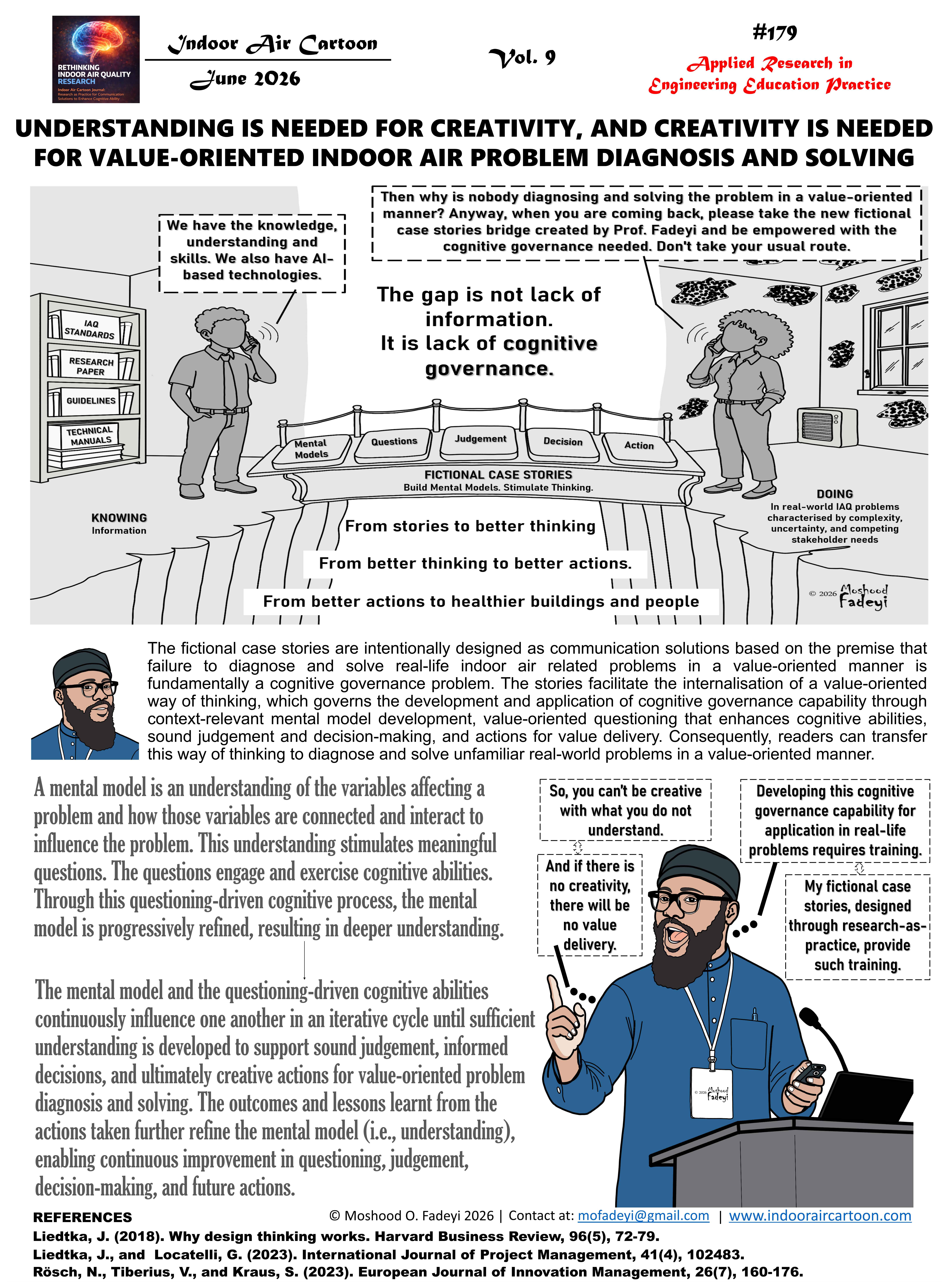


Leave a Reply