Indoor Air Cartoon Journal, February 2026, Volume 9, #175
[Cite as: Fadeyi MO (2026). Indoor air is a solution, healthy living is the goal, and human functioning is the significance of achieving the goal. Indoor Air Cartoon Journal, February 2026, Volume 9, #175.]

Fictional Case Story (Audio – available online)– Part 1 (Preface, Ch 1 & Ch 2)
Fictional Case Story (Audio – available online) – Part 2 (Ch 3)
Fictional Case Story (Audio – available online) – Part 3 (Ch 3 cont’d)
Fictional Case Story (Audio – available online) – Part 4 (Ch 4)
Fictional Case Story (Audio – available online) – Part 5 (Ch 4 cont’d)
Fictional Case Story (Audio – available online) – Part 6 (Ch 5 & Ch 6)
………………… Preface ……………………
For decades, buildings were declared safe and acceptable through numbers. Instruments measured pollutant concentrations. Reports compared readings with prescribed limits. Once thresholds were satisfied, reassurance followed. Indoor air was labelled adequate, and attention moved on. Rarely did indoor air professionals pause to ask: what if adequacy in numbers did not equate to usefulness in lived experience? What if indoor air was not merely a regulatory variable, but a solution whose true purpose was to enable healthy living and, through healthy living, support human functioning?
In professional meetings, in classrooms, and even in everyday conversations, the same pattern appeared. When data seemed sufficient, inquiry stopped. When standards were met, the matter was considered closed. Compliance was treated as completion. Professionals and students developed solutions without questioning the purpose: the problem to be solved, the goal to be achieved, and the significance of achieving that goal. Practitioners proposed solutions to problems they did not fully understand, seldom pausing to ask whether the defined problem reflected lived reality. With the emergence of artificial intelligence and the prevalent fallacy mentality, the risk of high productivity in waste delivery became very high.
A young man who had long struggled with the same fallacy in his own thinking did not become aware of his flaw through solitary reflection. Instead, it was through repeated episodes in professional settings where others rushed from symptom to solution with little or no understanding. In their reasoning, he recognised his own unexamined habits. Professional culture became the mirror through which he finally saw himself clearly. From that moment, he resolved to confront the same fallacy. His journey in confronting and resolving this personal and systemic flaw forms the subject of this fiction story.
………………… Chapter 1 ……………………
Munir Brooks was not born careless. He was born in a country that celebrated certainty. It was a nation proud of its decisiveness, where efficiency was equated with progress and hesitation was subtly interpreted as weakness. From public discourse to classroom interactions, clarity was prized above complexity, and the ability to speak without pause was treated as evidence of competence. Within such an environment, speed was not merely a behavioural preference; it was a social signal. To respond quickly was to appear capable. To pause was to risk appearing unsure.
From the earliest years of his childhood, he discovered that speed attracted admiration. In his primary school classroom, answers delivered confidently were rewarded more often than answers delivered cautiously. When teachers posed questions, hesitation created discomfort. Silence stretched awkwardly across the room, and the teacher’s eyes scanned for relief.
Munir learnt quickly that the first hand raised often received approval, regardless of the depth of reasoning behind it. Accuracy, in practice, appeared less visible than decisiveness. The rhythm of the classroom reinforced this pattern daily. Lessons were timed, worksheets were marked swiftly, and praise was distributed in proportion to fluency rather than depth. The social currency of childhood became responsiveness, not reflection.
What began as adaptation gradually became belief. He did not consciously decide that speed was superior to thoughtfulness. Rather, he observed repeatedly that swift clarity brought recognition, while careful hesitation rarely drew attention. Over time, he internalised a rule that was never formally taught: in public settings, sounding certain mattered more than examining complexity. What follows are the formative experiences that solidified this internalised belief.
He was ten years old when the pattern began to take shape in his mind. One afternoon, his class was brought to the school garden for a science activity. Several plants near the back fence were drooping. Their leaves were thin and slightly yellow, and some of them leaned awkwardly towards one side. “Why do you think these plants are wilting?” the teacher asked.
Munir stepped a little closer. He looked at the soil. The top looked dry, though he did not dig beneath it. He noticed that the plants were near a wall, but he did not pay attention to how much sunlight reached them or how the building’s shadow shifted during the day. He quickly remembered what he had often heard at home: plants wilt when they do not get enough water. It was a plausible explanation. It was familiar. It sounded complete. “They need more water,” he said confidently.
The teacher smiled and said, “That makes sense.” A few classmates nodded. Someone clapped lightly. Munir felt proud. He had answered quickly, and his answer sounded logical. He enjoyed the feeling of being right in front of everyone. What he did not notice was that he had not tested his reasoning. He had not considered alternative causes. He had not asked whether the dryness of the soil was superficial. He had not explored whether the shadow cast by the nearby structure reduced sunlight. He had provided an explanation that sounded sufficient because it was commonly associated with wilting plants. He had confused familiarity with completeness.
Over the next few weeks, the class continued observing the garden. Eventually, the teacher explained that the real problem had been lack of sunlight. A newly built structure nearby had blocked the afternoon sun. Once it was adjusted, the plants began to recover. The explanation was delivered calmly during a regular lesson. There was no applause this time. It was simply part of the topic.
What remained strongest in Munir’s memory was not the later correction. It was the earlier moment when his quick answer had earned approval. Without fully realising it, he absorbed a lesson that went beyond gardening. Answering quickly and sounding certain brought recognition. Being correct in the deeper sense, or revising an earlier answer, did not carry the same emotional weight. The applause had arrived before the truth. That sequence shaped him more powerfully than the factual correction.
In that moment, a subtle but consequential fallacy entered his thinking. He began to equate plausible explanation with sufficient explanation. He equated immediate answer with intelligent answer. The fallacy was not ignorance; it was premature closure. It was the assumption that once an explanation sounded coherent and received approval, further investigation was unnecessary. The applause reinforced the habit. The association between speed and worth embedded itself beneath his awareness, shaping how he interpreted future feedback.
Looking more deeply did not always bring the same attention. Deliberation did not always earn visible reward. The feeling of approval settled quietly inside him, shaping how he would respond to questions in the years that followed. What he did not yet realise was that this small classroom lesson did not exist in isolation. It was aligned with the wider expectations of the world around him, a world that consistently rewarded clarity over complexity and decisiveness over deliberation.
Munir grew up in a society that valued efficiency in conversation and clarity in posture. Leaders spoke in statements rather than questions. News anchors framed issues in binary terms. Public debates ended not with nuance but with declarations. Within his family, quick conclusions were signs of maturity. His father often reminded him that overthinking complicated life unnecessarily.
However, his father did not qualify that this caution applied primarily to simple, low-risk decisions and not to complex problems whose consequences depended on unseen variables and interacting factors. The nuance between prudent efficiency and premature simplification was rarely articulated.
Problems, according to the adults around him, were assumed to be straightforward, irrespective of their actual complexity, provided one examined them confidently. Doubt was seldom presented as intellectual maturity. Curiosity was encouraged only when it led swiftly to an answer. Prolonged questioning was often mistaken for indecision.
In such an environment, the habit formed in childhood was not corrected; it was reinforced. The external culture validated the internal pattern. Each instance of social approval strengthened his belief that speed signified competence and that certainty signified intelligence. The fallacy matured quietly. It became a lens through which he interpreted both problems and himself.
By adolescence, Munir had mastered the art of sounding certain. In secondary school, he excelled academically, particularly in subjects that rewarded formulaic responses. He memorised definitions, reproduced derivations, and practised examination techniques with precision. He became known as a student who “understood concepts,” though much of his understanding involved recognising patterns in how questions were structured rather than interrogating the assumptions behind them. He learned how marks were allocated and shaped his responses accordingly. Examinations rewarded correct outputs, not exploratory reasoning.
In mathematics and physics, he became especially proficient at identifying standard question types. If a problem involved kinematics, he knew which equations to deploy. If a thermodynamics question mentioned specific keywords, he recognised which derivation would earn full marks. He practised past-year papers repeatedly, not merely to understand principles in a layered sense, but to recognise recurring patterns and apply them efficiently. His scores were consistently high, and teachers often used his scripts as examples of model answers. The structure of assessment reinforced his cognitive habit: precision, speed, and correct substitution of formulae were rewarded more visibly than extended reflection.
The fallacy deepened here in a subtle way. He began to assume that mastery of established frameworks equated to understanding the full structure of a problem. The fallacy deepened here in a subtle way. This is because examination questions were typically well-structured, bounded by clearly stated assumptions, and designed to be solved within fixed parameters, he rarely encountered situations where the framework itself required interrogation. The problems came pre-defined, the variables were specified, and the acceptable methods were already known.
Within such controlled conditions, success depended on correct application rather than critical examination of underlying premises. He began to assume that mastery of established frameworks equated to understanding the full structure of a problem. Repeated exposure to questions that rewarded accurate substitution and procedural fluency reinforced the impression that completeness of method guaranteed completeness of insight.
Over time, he conflated technical proficiency within a framework with comprehension of the broader system in which that framework operated. He rarely asked whether the frameworks themselves were incomplete or whether the question might conceal unexamined premises. As long as the output matched the marking scheme, the reasoning was considered sufficient. The system did not penalise him for limited interrogation of assumptions. On the contrary, it rewarded him for efficiency within defined boundaries.
By the time he entered upper secondary school and later prepared for his A-level examinations, this approach became even more advantageous. Efficiency under time pressure mattered. Munir trained himself to allocate minutes strategically, to avoid “overcomplicating” questions, and to present clean, confident reasoning. His grades reflected this discipline. He achieved distinctions in mathematics and physics. Each result strengthened the fallacy that a defensible explanation, articulated clearly and supported by recognised formulae, was not only adequate but complete.
After major examination results were released and comparisons surfaced among classmates, Munir often attributed weaker performance to lack of effort. He framed academic struggle as a matter of discipline rather than circumstance. He rarely considered differences in learning styles, emotional stressors, or unequal access to support. His interpretation was simple and coherent. It felt decisive. Due to his own results were consistently strong and publicly recognised, his views carried weight. Teachers noticed his clarity and decisiveness. He was frequently asked to summarise group ideas or lead projects. Each affirmation reinforced his belief that swift interpretation signified competence.
In group work, he proposed direct solutions and favoured quick technical fixes when experiments produced inconsistent results. If data points did not align neatly, he assumed measurement error before considering whether underlying assumptions were flawed. His clarity reduced confusion and accelerated progress. Few questioned him, because the projects were completed and the grades were satisfactory. Yet beneath this apparent efficiency lay a pattern: he defaulted to the most immediate explanation that preserved structural coherence. He did not habitually ask whether the structure itself required revision.
He occasionally sensed discomfort when encountering complex issues that did not yield to immediate explanation. Rather than interpreting that discomfort as a signal to investigate more deeply, he treated it as something to overcome. He leant more firmly into clarity. Ambiguity unsettled him because ambiguity threatened the identity he had built around certainty. To hesitate felt like regression. To pause felt like loss of authority. The flaw was no longer merely behavioural; it had become psychological. His self-worth was intertwined with his ability to close questions swiftly.
Munir entered university determined to become an engineer because, to him, engineering represented order imposed upon a chaotic world. It promised measurable outcomes, structured logic, and decisions grounded in quantifiable evidence rather than intuition or ambiguity. He was drawn to what appeared to be its moral clarity. Numbers did not hesitate, equations did not doubt, and systems either met requirements or they did not. Within this framework, judgement appeared objective and defensible. If a parameter satisfied a standard, the matter was settled.
During his undergraduate years, he excelled academically, particularly in modules involving thermodynamic balances, fluid mechanics, heat transfer, and standardised design procedures. He mastered computational methods and became efficient at applying established formulae to defined problems. When presented with case studies, he instinctively framed them in terms of compliance.
The primary question he asked was whether the system met prescribed criteria. Design reviews centred on satisfying codes, completing checklists, and demonstrating alignment with regulatory benchmarks. Success was defined as technical conformity, and conformity was interpreted as adequacy. Within that educational structure, the distinction between meeting a requirement and achieving a purpose was rarely interrogated.
The deeper question of whether systems genuinely supported human flourishing seldom surfaced in formal discussions. Engineering education, as he experienced it, prioritised performance defined by measurable thresholds. If ventilation rates satisfied code and pollutant concentrations remained below prescribed limits, the environment was considered acceptable. The logic was elegant and reassuring. It provided closure. Once numbers were validated, uncertainty diminished.
His internship at a building management firm reinforced this orientation. The firm oversaw the environmental performance of multiple commercial office buildings and relied heavily on digital dashboards to monitor indoor environmental parameters. Munir assisted senior engineers in reviewing displays of carbon dioxide levels, particulate concentrations, temperature distributions, humidity profiles, and ventilation rates.
The interface translated complex environmental dynamics into colour-coded signals. Green indicated acceptable performance, while red signalled deviation requiring intervention. This visual simplification was not merely a technical convenience; it shaped perception. Green implied safety. Red implied risk. The environment was reduced to binary evaluation.
One afternoon, a group of employees working in one of the commercial office buildings managed by the firm reported persistent headaches and fatigue. The building was under the consultancy’s environmental performance oversight, and its operational data fed directly into the firm’s monitoring system.
The senior engineer responded by opening the environmental dashboard corresponding to that specific building. Every indicator was green. Air circulation rates were within code, carbon dioxide concentrations were below regulatory limits, and volatile organic compound readings remained within permissible bands. From a regulatory standpoint, the building was performing satisfactorily.
The conclusion was swift. The complaints were attributed to workload stress or seasonal adjustment rather than environmental conditions. Munir agreed readily because the reasoning aligned with his training. If the measurable variables satisfied standards, the system was functioning as designed.
No one examined short-term variability patterns within occupied hours. No one analysed whether micro-fluctuations occurred during peak cognitive demand periods. No one correlated occupant-reported fatigue with temporal instability in ventilation performance. The dashboard’s stability created psychological reassurance, and reassurance curtailed further inquiry. When the complaints eventually subsided, the case was considered resolved.
Yet Munir retained a faint recollection of feeling unusually drowsy when he visited that building’s corridor during the investigation week. He dismissed the sensation as subjective and inconsequential. In his hierarchy of trust, numerical evidence ranked above lived sensation.
A second episode during his internship ultimately unsettled Munir’s long-held assumptions, though it did not begin with sudden brilliance or superiority over senior engineers. The firm had overseen a ventilation optimisation adjustment in one of the commercial office buildings under its management.
The objective was to improve energy efficiency while maintaining regulatory minimum ventilation rates. Post-adjustment summaries showed reduced energy consumption. Carbon dioxide concentrations, particulate levels, temperature, and humidity all remained within permissible limits. From a compliance standpoint, the intervention was professionally sound.
Munir was not leading the analysis. As an intern, his role was limited to assisting with routine data preparation, cleaning hourly datasets, compiling graphical summaries, and formatting documentation for internal review. He did not make decisions. He did not interpret findings independently. He worked under supervision, performing tasks that were instructional rather than authoritative.
During one assignment, he was asked to extract hourly carbon dioxide data across several months to prepare trend graphs for a senior engineer’s presentation. The task required him to scroll repeatedly through granular datasets, far more detailed than the aggregated averages typically presented in executive dashboards.
Senior engineers focused primarily on regulatory compliance, which was the firm’s contractual obligation. Their attention was directed toward threshold breaches, client reporting, and risk mitigation. Sub-threshold variability, particularly when not linked to formal complaints, did not typically warrant extended analytical time in a consultancy environment where efficiency and liability management were priorities.
While preparing the graphs, Munir noticed a recurring pattern. Late-afternoon carbon dioxide levels, though within permissible limits, consistently rose closer to the upper boundary during peak occupancy hours. As his task involved plotting raw hourly values rather than reviewing aggregated summaries, he was exposed to patterns that were normally compressed into daily averages in formal reports. The elevations were not violations. They did not trigger alarms. Yet he could not ignore the timing. They coincided with the period during which scattered tenant feedback had mentioned mild fatigue and reduced concentration.
At first, he dismissed the observation. His ingrained reflex was to trust compliance logic. The values were within code. The system was technically acceptable. However, because he had recently processed both the hourly environmental data and the timestamped tenant feedback logs for formatting purposes, he happened to see the two datasets in close temporal proximity. The alignment was accidental, not investigative genius.
He did not confront senior engineers with accusation. Instead, he asked a cautious technical question during a review discussion: whether maintaining compliance always ensured optimal cognitive conditions, especially during peak occupancy. The response he received was measured and pragmatic. Standards were designed to ensure safety and acceptable indoor air quality, not to optimise productivity at micro-variability levels. Further analysis would require additional consultancy scope and client approval. From a contractual standpoint, the building was performing adequately.
That response did not expose negligence. It exposed boundary conditions. For the first time, Munir realised that the framework itself defined what counted as a problem. If thresholds were not breached, deeper inquiry was not professionally required. His earlier fallacy resurfaced with clarity. Throughout his life, he had assumed that satisfying defined criteria equated to solving the problem. In the internship environment, he saw that the same assumption operated structurally.
His awakening was not the result of superior analytical skill. It emerged because he occupied a peculiar position: close enough to the raw data to notice micro-patterns, yet junior enough to ask naïve questions without being constrained by contractual efficiency norms. Senior engineers were not blind. They were operating within professional boundaries that prioritised compliance and risk management. Munir, having internalised compliance as completeness, suddenly confronted evidence that compliance might represent only a minimum floor.
The realisation was uncomfortable because it implicated his own thinking. He had equated regulatory sufficiency with functional sufficiency. He had assumed that if measurable parameters remained within limits, the system’s purpose had been fulfilled. The late-afternoon clustering of sub-threshold elevations forced him to see that green indicators signified absence of violation, not necessarily presence of optimisation.
His awakening did not contradict his past fallacy; it exposed its limitation under new visibility conditions. He had not suddenly become more intelligent than his seniors. He had simply encountered data in a form that made the incompleteness of his assumption undeniable. In that moment, he recognised that minimum standards were designed to prevent harm, not to guarantee sustained cognitive performance. That recognition marked the first genuine rupture in his lifelong habit of equating structured adequacy with complete understanding.
………………… Chapter 2 ……………………
In the days following that review discussion, Munir found himself unsettled in a way he had not previously experienced. The senior engineers had not acted irresponsibly. They had followed contractual scope. They had ensured compliance. They had protected the firm from regulatory and legal risk. Yet something about the conclusion felt incomplete. The ventilation system satisfied code. Energy efficiency improved. The project objectives, as formally defined, had been met. And yet, the scattered remarks about afternoon fatigue lingered in his mind.
For the first time, he began to articulate a distinction he had never consciously examined. Compliance addressed whether the system met prescribed standards. It did not necessarily address whether the system fulfilled the deeper purpose of the project. What, after all, was the purpose? Was it merely to reduce energy consumption while remaining within regulatory limits, or was it to provide a built environment that reliably supported human functioning? If employees experienced recurring difficulty sustaining concentration during peak cognitive hours, even within compliant conditions, had the project truly achieved its intended goal?
This question unsettled him because it reframed adequacy. The problem was not simply whether the ventilation rates were legally sufficient. The problem was whether the system supported the people occupying the building in performing their tasks effectively. The goal was not merely threshold adherence but the achievement of healthy living conditions. The significance of achieving that goal lay in the enhancement of human functioning, particularly within the indoor environment where occupants lived and worked.
He realised that the engineers’ decision was professionally defensible but not fully human-centric. It prioritised measurable compliance over experiential sufficiency. It addressed what was contractually required rather than what might be functionally optimal. The framework defined success in technical terms, yet the lived purpose of the building was human performance.
That recognition struck him with uncomfortable force because it mirrored his own lifelong habit. In the school garden, he had offered a plausible explanation and stopped there. In examinations, he had applied the correct formula and assumed understanding was complete. During his internship, he had treated compliant data as sufficient evidence of success. Again and again, he had closed inquiry at the first layer of adequacy.
As these thoughts unfolded, memories surfaced unbidden. He recalled classmates whose academic struggles he had attributed to laziness without examining contextual pressures. He remembered group projects where he had favoured quick technical fixes rather than questioning experimental assumptions. He saw a pattern: he consistently defined problems narrowly, framed goals procedurally, and treated successful execution within those frames as full resolution. He had rarely paused to ask what deeper purpose the problem existed to serve.
It was during this period of reflection that artificial intelligence began gaining widespread attention. Universities promoted AI-assisted tools for learning and productivity. Government agencies advocated for AI integration across industries. Within his internship firm, engineers experimented with AI-driven analytics to accelerate reporting and automate data interpretation. In his daily life, he observed students using AI tools to draft essays, generate summaries, and solve problem sets.
Munir experimented with these tools himself. He noticed how easily AI systems could generate technically correct outputs when prompted with structured questions. They were efficient, articulate, and capable of synthesising information rapidly. However, he also observed a troubling pattern. When users framed questions narrowly or superficially, the AI produced correspondingly narrow or superficial outputs. The system optimised within the boundaries of the prompt. It did not interrogate the premises of the question unless explicitly directed to do so.
He began to see the parallel clearly. If fallacy already existed in human reasoning—if individuals routinely defined problems incompletely, misunderstood root causes, or equated minimum compliance with full sufficiency—then AI systems would amplify those limitations rather than correct them. AI could accelerate flawed reasoning if the underlying problem definition was shallow.
He reflected on the ventilation optimisation case. If an AI tool were instructed to “optimise energy use while maintaining regulatory compliance,” it would likely identify adjustments similar to those implemented. It would evaluate success based on threshold adherence and energy metrics because those were the defined criteria. It would not spontaneously redefine the problem as “optimise for sustained cognitive performance during peak occupancy” unless prompted. The limitation was not technological; it was conceptual.
This realisation intensified his concern. Fallacy in personal cognition was one thing. Fallacy embedded in AI-assisted decision-making within the built environment was another. Buildings shaped human health, concentration, and productivity. Errors in problem definition could affect thousands of occupants daily. If engineers relied on AI systems without critically examining the framing of the problem—what was being solved, for whom, and why—then compliance-based optimisation could scale rapidly while silently narrowing functional adequacy.
He observed similar tendencies in schools. Students used AI tools to generate answers quickly, often without examining underlying concepts. Professors experimented with AI-assisted grading and content creation, sometimes focusing on efficiency gains rather than pedagogical depth. Administrative staff adopted AI solutions to streamline operations. In each context, the pattern repeated. AI enhanced speed and structure, but it did not automatically deepen problem understanding. It responded to the clarity of the prompt, not to the completeness of the human’s conceptual framing.
Munir recognised an uncomfortable truth. If his own cognitive habit had been to stop at the first sufficient explanation, AI would not correct that habit. It would reinforce it. The more powerful the tool, the greater the risk that premature closure would be scaled rather than challenged.
In the built environment industry, where ventilation systems, structural designs, and environmental controls directly influenced human existence and functioning, this risk felt particularly consequential. Defining the problem incorrectly could lead to solutions that were technically impressive yet misaligned with human needs. Diagnosing the wrong root cause could produce optimised systems that solved the wrong problem efficiently.
He began to understand that the core issue was not compliance, nor even technology. It was cognitive governance. One had to define clearly what problem was being solved, whose interests were being served, why the problem mattered, and how root causes informed solution development, installation, operation, and maintenance. Without disciplined problem definition and root-cause analysis, even the most advanced AI system would operate within flawed boundaries.
The episode at his internship had not revealed negligent engineers. It had revealed a boundary in professional logic. Combined with the rise of AI, it revealed a boundary in human reasoning itself. For the first time, Munir confronted the full implications of his lifelong fallacy. He had equated structured adequacy with complete understanding. Now he saw that in an age of accelerating technological capability, that habit could do more harm than good.
The weeks following that realisation marked a quiet but decisive turning point in Munir’s intellectual life. What had begun as discomfort during data preparation matured into conviction. He could no longer ignore the pattern that had followed him from childhood through his internship: the tendency to stop at structured adequacy. He began to see that the consequences of such fallacy were not merely academic. In the built environment, where ventilation systems, thermal conditions, lighting, and pollutant control directly influenced health and cognition, premature closure in problem definition could produce sustained and widespread implications.
He returned to his university after completing his one-year internship with a changed disposition. Previously, he had approached coursework as an exercise in mastering established frameworks. Now, he began to interrogate them. When lecturers presented design criteria, he asked what assumptions underpinned those criteria. When ventilation standards were discussed, he questioned whether they were designed primarily to prevent acute harm or to promote sustained cognitive performance. When optimisation algorithms were introduced, he examined whether the objective functions truly captured human-centred outcomes or merely satisfied measurable constraints.
His final-year design project reflected this shift. Instead of focusing solely on achieving compliance targets efficiently, he incorporated variability analysis, occupancy patterns, and functional outcome considerations into his modelling approach. He did not reject standards; rather, he reframed them as minimum safeguards rather than comprehensive endpoints. His supervisors noted the depth of his inquiry and the clarity with which he articulated the distinction between regulatory sufficiency and functional adequacy.
Munir became convinced that this concern was not peculiar to practice in his own country. Regulatory frameworks across nations were typically designed to prevent harm, not necessarily to optimise long-term human functioning. The reliance on threshold-based compliance was widespread. At the same time, the rise of AI tools was global. If the underlying fallacy in human reasoning remained unexamined, AI would not correct it; it would amplify it. Systems built to optimise predefined objectives would operate strictly within the boundaries of those objectives.
If problems were narrowly defined or prematurely closed at compliance, AI would accelerate technically adequate yet functionally insufficient solutions at scale. The negative implications would therefore be significant and would extend internationally. Healthy buildings were not a local matter; they were foundational to human existence, productivity, and wellbeing worldwide.
Munir graduated with Honours with Highest Distinction. The academic recognition did not merely reflect technical competence. It marked the maturation of his intellectual transformation. His fallacy had not vanished overnight, but he had become aware of it, and awareness altered his reasoning discipline. He had learnt to pause before declaring closure. He had learnt to ask what problem was being solved, whose problem it was, why it needed to be solved, and what significance achieving the goal would hold for human functioning.
With this conviction, he resolved to pursue doctoral study. He did not approach the PhD as a mere academic progression. He approached it as a structured response to a conceptual deficiency he had witnessed in practice and within himself. He saw the pursuit of a PhD as a necessary transformation journey, one that would confront his fallacy directly and develop the intellectual discipline required to reduce it. He prepared his application meticulously, grounding it in clear problem definition, research questions, and methodological direction. His application was successful.
He began his PhD journey not merely with ambition, but with intention. He hoped to be transformed intellectually and, through rigorous evidence-based research, to contribute to transforming industry practice and the everyday lives of people worldwide. Below is the research problem he wrote.
“Indoor air governance in contemporary building systems is predominantly structured around regulatory-compliance logic. Technical adequacy is inferred primarily when measured pollutant concentrations remain within prescribed threshold limits. Ventilation rates are typically assessed instrumentally as mechanisms for maintaining those concentrations, while safety in terms of explicit risk reduction is generally assumed rather than independently evaluated.
In practice, indoor air technical performance is regarded as “good” or “acceptable” once pollutant concentrations remain within regulatory thresholds, even when broader dimensions of performance are not explicitly examined. Conformity to standards is therefore treated as sufficient evidence that indoor air is performing adequately. This represents the current performance situation.
However, indoor air technical performance, when understood as a solution, cannot be reduced to regulatory conformity. As a solution, its performance must be determined by the combined achievement of air quality, air quantity, and safety, where safety is defined as the reduction of the risk of human death occurrence. These technical dimensions are not ends in themselves. They exist to deliver healthy living within occupied environments.
Healthy living is determined by the level of human comfort, convenience, and awareness, where awareness refers to cognitive clarity that enables individuals to understand and effectively govern their indoor environment. The ultimate significance of achieving healthy living lies in human functioning, defined as the level of value a person exposed to indoor air is able to deliver in solving their own or others’ problems.
The targeted performance situation is one in which indoor air technical performance across quality, quantity, and safety reliably delivers healthy living expressed through comfort, convenience, and awareness. In this condition, healthy living reliably supports human functioning in terms of effective problem solving and value creation. Indoor air is therefore governed not merely as a regulatory variable but as a solution whose adequacy is demonstrated through its reliable support of lived wellbeing and human capability.
The deviation is therefore epistemic and structural. The deviation, or gap, otherwise known as the problem, refers to what is missing, underdeveloped, or structurally unsupported in the current condition that prevents attainment of the targeted condition. Epistemically, governance lacks criteria for determining whether compliance equates to usefulness. Structurally, decision systems do not encode convergence across quality, quantity, safety, comfort, convenience, awareness, and functioning. As a result, stakeholders cannot distinguish between indoor air that merely satisfies thresholds and indoor air that reliably functions as a solution.
This gap manifests as uncertainty in proportionality. Without visibility of convergence, decision-makers cannot determine whether intervention is necessary, excessive, or insufficient relative to functional impact. The deviation is characterised by invisibility of reliability, fragmentation of evidence, and the absence of integrative modelling capable of linking technical performance to lived wellbeing and human value creation over time.
Even when indoor air appears technically compliant, there is no structured mechanism to verify whether such conditions reliably deliver healthy living during routine occupancy. Compliance does not guarantee comfort stability, convenience, or cognitive clarity. Indoor air deemed adequate may still impose behavioural burden or generate ambiguity that undermines awareness. The prevailing evaluation model therefore privileges numerical adequacy over lived usefulness.
The functional significance of healthy living is not systematically encoded within governance structures. Human functioning, defined as the value individuals deliver through effective problem solving, is rarely incorporated into indoor air decision logic. Without visibility of how variations in comfort, convenience, and awareness influence functioning, reasoning remains anchored in compliance signals rather than demonstrated contribution to human capability. Consequently, interventions may be escalated defensively in response to minor technical fluctuation or maintained despite limited functional relevance.
These conditions are sustained by institutional and analytical fragmentation. Compliance metrics are quantifiable and defensible within regulatory frameworks, whereas healthy living and human functioning are less systematically operationalised. Technical indicators, experiential states, and functioning outcomes are collected and interpreted separately, with no integrated system linking them longitudinally.
In the absence of an analytical architecture capable of modelling relationships across technical performance, healthy living, and human functioning over time, stakeholders cannot determine whether convergence is occurring or whether healthy living is translating into sustained human value creation. Fragmentation obscures temporal dynamics and constrains proportional decision-making, rendering convergence and divergence largely invisible.
The problem motivating this research is therefore the misalignment between compliance-oriented indoor air governance and the targeted performance condition in which indoor air technical performance reliably delivers healthy living and, through healthy living, supports human functioning.
Bridging this gap requires reframing indoor air as a solution defined by quality, quantity, and safety, evaluating its usefulness through comfort, convenience, and awareness, and developing an integrative decision-support framework that overcomes evidentiary fragmentation and makes functional significance visible.
Such a framework must incorporate advanced analytical and artificial intelligence–enabled modelling to encode longitudinal convergence across technical, experiential, and functional domains, thereby enabling value-oriented and proportionate indoor air decision-making.”
His interest and courageous ambition to address this research problem led him to formulate three research questions that needed to be answered. The research questions are as follows:
(i) How does reframing indoor air from a regulatory-compliance variable to a value-oriented solution alter the diagnosis of indoor air problems, the selection of interventions, and the avoidance of non-value-added solutions in real-world building contexts?
(ii) To what extent does indoor air technical performance, when evaluated through prevailing compliance-oriented metrics, succeed or fail in delivering healthy living as the intended goal, as experienced through comfort, convenience, and awareness during routine occupancy? How can the usefulness of indoor air be evaluated as an outcome emerging from the interaction between technical performance and lived experience, rather than as numerical compliance with indoor air quality standards alone?
(iii) How does the achievement or failure of healthy living, as influenced by indoor air technical performance across quality, quantity, and safety, affect human functioning outcomes such as attention, judgement, learning, and problem-solving capacity during routine occupancy? How can these functional outcomes be encoded, integrated, and interpreted through an AI-based value-oriented decision-support framework to inform indoor air intervention decisions?
For the first research question, the Null Hypothesis (H01) is that reframing indoor air as a value-oriented solution does not significantly change how indoor air problems are diagnosed, how interventions are selected, or the prevalence of non-value-added solutions compared with regulatory-compliance-based framing. The Alternative Hypothesis (H11) is that Reframing indoor air as a value-oriented solution leads to more accurate diagnosis of indoor air problems, more appropriate intervention selection, and a reduction in non-value-added solutions compared with regulatory-compliance-based framing.
For the second research question, the Null Hypothesis (H02) is that indoor air technical performance, when defined and evaluated primarily in terms of air quality compliance with established standards, is sufficient to reliably deliver healthy living outcomes as reflected by comfort, convenience, and awareness. The Alternative Hypothesis (H12) is that indoor air technical performance evaluated solely through air quality compliance is insufficient to reliably deliver healthy living outcomes. The usefulness of indoor air is better explained by the combined performance across air quality, air quantity, and indoor air safety, together with healthy living outcomes reflected by comfort, convenience, and awareness as experienced during routine occupancy.
For the third research question, the Null Hypothesis (H03) is that variations in healthy living outcomes associated with indoor air technical performance do not produce statistically significant changes in human functioning outcomes. Incorporating human functioning indicators into an AI-based indoor air decision-support framework does not materially improve value-oriented indoor air decision-making beyond compliance- or experience-based evaluation alone. The Alternative Hypothesis (H13) is that variations in healthy living outcomes associated with indoor air technical performance produce statistically significant changes in human functioning outcomes. Integrating human functioning indicators into an AI-based value-oriented decision-support framework improves the reliability and quality of indoor air decision-making by making functional significance explicit alongside technical and experiential performance.
The research questions and problems informed the following objectives of his PhD research:
(i) To examine how reframing indoor air from a regulatory-compliance variable to a value-oriented solution influences the diagnosis of indoor air problems, shapes the selection of interventions, and reduces the adoption of non-value-added solutions in real-world building contexts.
(ii) To evaluate the extent to which indoor air technical performance, when assessed through prevailing compliance-oriented metrics, succeeds or fails in delivering healthy living as reflected through comfort, convenience, and awareness during routine occupancy, and to develop an outcome-based evaluation approach in which the usefulness of indoor air is defined by the interaction between technical performance and lived experience rather than by numerical compliance with indoor air quality standards alone.
(iii) To investigate how variations in the achievement or failure of healthy living, as influenced by indoor air technical performance across quality, quantity, and safety, affect human functioning outcomes such as attention, judgement, learning, and problem-solving capacity during routine occupancy, and to develop and evaluate an AI-based value-oriented decision-support framework capable of encoding, integrating, and interpreting functional outcomes to inform indoor air intervention decisions.
………………… Chapter 3 ……………………
Research Findings
Methods For Research Question 1:
Background
The methodology for research question 1 was designed to investigate whether reframing indoor air from a regulatory-compliance variable to a value-oriented solution altered how indoor air problems were diagnosed, how interventions were selected, and whether non-value-added solutions were avoided in real-world building contexts.
In this study, non-value-added solutions were understood in two distinct ways. First, they included interventions that were diagnostically irrelevant and therefore incapable of contributing to the intended outcome of healthy living. These typically arose from misidentification of the underlying indoor air problem.
Second, they included upstream or enabling interventions that were technically relevant but did not, on their own, deliver the intended outcome. By contrast, value-added solutions were defined as downstream outcomes in which indoor air itself, through its technical performance aligned with occupants’ needs, directly delivered healthy living as the target goal.
The associated purpose required a methodology capable of isolating cognitive framing effects on professional reasoning and decision-making, rather than merely measuring environmental outcomes. This distinction was critical, as the research question did not seek to determine whether indoor air conditions changed per se, but whether the way indoor air was conceptualised fundamentally altered diagnostic judgement, decision and resource allocation behaviour.
At the outset of the study, indoor air management within the selected region was largely governed by compliance-driven routines. This region was considered representative of prevailing practices within the country and globally.
In this context, numerical indicators were routinely compared against prescribed thresholds. Intervention decisions were often justified by reference to regulatory alignment rather than by demonstrated usefulness to occupants. Such decisions were not always grounded in the prudent use of resources. This context provided a realistic baseline against which the effects of reframing could be meaningfully examined.
The methodological structure explicitly addressed the null hypothesis (H₀₁) by testing whether reframing produced no statistically significant differences in diagnostic accuracy, intervention selection, or the prevalence of non-value-added solutions. At the same time, it enabled rejection of H₀₁ in favour of the alternative hypothesis (H₁₁) should systematic, statistically significant differences emerge under value-oriented framing.
Study Design
To address research question 1, a twelve-month longitudinal quasi-experimental study was conducted using two parallel framing conditions: regulatory-compliance framing and value-oriented solution framing. The independent variable was the way indoor air information was framed for decision-making.
This framing was assigned on a building-by-building basis, such that all professionals responsible for a given building worked with the same interpretive approach, either regulatory-compliance framing or value-oriented solution framing, rather than mixing framings among individuals within the same building. Different buildings were exposed to different framings to enable structured comparison of decision outcomes while avoiding cross-influence among colleagues.
The dependent variables were measured consistently across all buildings in the study. These included diagnostic accuracy and intervention appropriateness. Intervention outcomes were further classified into three categories. The first comprised interventions that were diagnostically irrelevant and non-value-added.
The second comprised interventions that were diagnostically relevant but did not, on their own, add value by achieving healthy living. The third comprised interventions that were diagnostically relevant and value-added, in which indoor air, through technical performance aligned with occupants’ needs, directly contributed to the achievement of healthy living.
In this study, the experimental contrast did not arise from manipulation of indoor air conditions themselves, but from systematic variation in the way indoor air information was framed for decision-making. The intervention therefore operated at the level of professional reasoning and governance rather than at the level of environmental control.
Each framing condition was applied consistently within a given building for the full duration of the study, such that all indoor air decision episodes associated with that building were interpreted and acted upon using the same framing logic. While the specific types of indoor air problems varied across residential, educational, and office buildings, these variations were treated as contextual inputs rather than sources of experimental bias.
The analysis focused on how identical problem conditions within each building were diagnosed and acted upon under a given framing, and on whether systematic differences in reasoning and intervention patterns emerged across buildings subjected to different framings. This approach ensured that observed differences in diagnostic accuracy, intervention selection, and value delivery reflected framing effects rather than artefacts of problem type or building function.
A fully randomised controlled trial was neither feasible nor appropriate, because indoor air decisions in occupied buildings cannot be assigned, withheld, or altered purely for experimental purposes without affecting people’s daily living, work, or teaching activities.
Indoor air governance is not an abstract laboratory process but an operational responsibility embedded within existing regulatory obligations, organisational procedures, and ethical duties of care. Randomly assigning different diagnostic rules or intervention practices to individuals within the same building, or deliberately delaying or modifying responses to indoor air concerns for experimental control, would have risked discomfort, adverse health consequences, and loss of institutional trust.
Indoor air decisions are therefore made within non-negotiable constraints that prioritise occupant welfare, legal compliance, and professional accountability over experimental manipulation. Suspending these constraints in the name of experimental purity would have compromised participant wellbeing and undermined the legitimacy of the institutions involved. For these reasons, a quasi-experimental design was adopted to allow systematic comparison of framing effects while preserving ethical responsibility, operational realism, and ecological validity.
A quasi-experimental design is a research approach that examines cause-and-effect relationships without fully randomising participants or conditions, because full randomisation is impractical, unethical, or incompatible with real-world operation. Rather than artificially controlling all variables, the researcher works within existing operational structures, introducing a controlled contrast in a key factor while allowing normal practice to continue.
In this study, the quasi-experimental design meant that indoor air conditions were not manipulated, and occupants were not randomly assigned to different decision rules. Instead, the study introduced a structured difference in how indoor air information was interpreted and used for decision-making, while leaving buildings, occupants, and operational responsibilities unchanged. This allowed observation of how different interpretive logics led to different diagnostic judgements, intervention choices, and resource allocation behaviours under real-world constraints.
The design is described as quasi because random assignment at the individual level was not possible. It is nonetheless experimental because the framing condition was deliberately introduced and systematically compared across comparable buildings. This approach enabled causal inference regarding the effects of cognitive framing without compromising ethical responsibility, occupant welfare, or institutional legitimacy.
This design choice aligned directly with the intent of RQ1, which was to examine professional reasoning as it naturally occurs under realistic constraints rather than under artificially controlled conditions.
Buildings were treated as the primary experimental units for framing assignment, while individual indoor air decision episodes constituted the observational units through which framing effects were examined. This nesting structure enabled repeated observation of diagnostic reasoning and intervention behaviour within a stable governance context over time, while preserving a clear contrast between framing conditions across different buildings. In doing so, the study was able to distinguish between within-building decision consistency and between-building differences attributable to framing.
The framing intervention did not alter professional roles, objectives, compliance obligations, or duty-of-care standards. Existing reporting channels, decision authority, and responsibility boundaries were preserved throughout the study period. Decision-makers therefore continued to operate under the same professional pressures, risk perceptions, and resource constraints that ordinarily govern indoor air management in practice.
The only systematic difference introduced was the interpretive lens through which indoor air information was evaluated. This ensured that any observed differences in diagnostic accuracy, intervention choice, or resource persistence could be attributed to differences in reasoning logic rather than to changes in data availability, authority, or accountability.
The twelve-month duration of the study was selected to capture multiple environmental and operational cycles known to influence indoor air decision frequency and intensity in tropical urban environments. These included seasonal haze events, monsoon periods, and routine maintenance intervals.
The extended duration enabled observation not only of initial diagnostic responses but also of intervention persistence, escalation, modification, and termination over time. This temporal depth was essential for empirically identifying non-value-added solutions, many of which do not manifest as immediate errors but as prolonged or repeated actions that continue despite stable conditions, diminishing marginal usefulness, or absence of demonstrable benefit to occupants.
By tracking naturally occurring decision episodes longitudinally within the same framing condition, the study was able to distinguish isolated diagnostic missteps from systematic governance patterns associated with compliance-driven or value-oriented reasoning. This distinction is critical in indoor air management, where waste often arises not from a single incorrect decision but from sustained defensive action in the absence of proportional benefit.
Taken together, the experimental matrix comprised two framing conditions applied at the building level, repeated naturally occurring indoor air decision episodes observed within each building over time, and outcome measures capturing diagnostic quality, intervention alignment, and effectiveness of resource use. This structure enabled rigorous testing of whether reframing indoor air as a value-oriented solution altered professional judgement and decision behaviour, while remaining grounded in real-world operational practice.
The study was conducted across twenty occupied buildings located within a single metropolitan region characterised by a hot–humid tropical climate. The building sample comprised twelve multi-storey residential buildings of varying heights, four primary and secondary school buildings, and four medium-sized office buildings, all constructed between 1995 and 2015 and in continuous daily use during the study period.
Participation in the study to answer RQ1 was restricted to individuals with formal responsibility and recognised authority for diagnosing indoor air problems and determining interventions within the studied buildings. Occupants and space users did not participate as decision-makers and were not treated as analytical subjects. Their role was limited to generating operational triggers, such as complaints or observations, which initiated decision episodes but did not influence diagnostic reasoning or intervention selection.
The study was conducted across residential, educational, and office buildings, each of which presented distinct operational contexts within which indoor air decisions arose. These contextual differences shaped the frequency, nature, and constraints of decision episodes, but did not alter who held decision authority.
In residential buildings, indoor air concerns emerged primarily within multi-unit housing estates characterised by prolonged occupancy, strong reliance on occupant-controlled ventilation practices, and high sensitivity to outdoor pollution events and seasonal climatic variation. Ventilation was achieved mainly through operable windows, supported only by localised mechanical exhaust in kitchens and bathrooms, with no centralised systems governing indoor air distribution.
These conditions frequently produced ambiguous situations in which numerical compliance indicators alone provided limited guidance for action. Despite residents’ lived exposure and experience of discomfort, all diagnostic and intervention decisions were made by designated estate managers, facilities managers, or appointed managing agents, operating under established property management, contractual, and duty-of-care arrangements. Residents did not participate directly in decision-making.
In educational buildings, indoor air issues arose within densely occupied instructional environments operating on fixed daily schedules, where ventilation practices and environmental adjustments were constrained by pedagogical continuity, safety requirements, and institutional routines. Student populations were present but were not participants in the study. Teachers and administrative staff functioned only as issue reporters, identifying and escalating concerns related to fatigue, discomfort, or classroom conditions.
All indoor air diagnostic and intervention decisions were made by authorised school facilities managers, estate management teams, or contracted service providers, who evaluated concerns, determined appropriate actions, and managed resource investment while maintaining uninterrupted educational operations.
In office buildings, decision episodes occurred within workplace environments characterised by sustained cognitive occupancy, extended working hours, and performance-sensitive activities. Office spaces included open-plan and shared offices employing heterogeneous air-conditioning strategies, ranging from centralised systems with outdoor air ventilation to VRV or split-unit systems without dedicated mechanical ventilation.
Employees acted only as sources of operational triggers. Formal authority for diagnosis and intervention resided exclusively with facilities managers, building operations managers, consulting engineers, or institutional officers, who were accountable for indoor air governance and resource allocation.
Across all building types, inclusion criteria for participation required that individuals had direct authority to initiate, approve, modify, or terminate indoor air interventions, a minimum of three years of professional experience in building or facilities management, and accountability for decision outcomes.
This ensured that the study examined framing effects only within the population whose judgement directly governed indoor air outcomes, while still situating those decisions within the realistic operational contexts of residential living, educational delivery, and office work.
By clearly separating building context from decision authority, the methodology preserved ecological validity without conflating occupants or users with decision-makers. This distinction was essential for isolating the cognitive framing effects under investigation and for ensuring that observed differences in diagnostic accuracy, intervention selection, and resource persistence reflected genuine governance-level reasoning rather than differences in user perception or reporting behaviour.
Across all the building types studied, environments frequently exhibited technically compliant indoor air quality conditions according to standards; however, the delivered usefulness was compromised, such that numerical compliance was achieved while the combined outcomes of indoor air quality, quantity, safety, and associated healthy-living effects, including comfort, convenience, and awareness, were not reliably delivered to occupants.
Buildings were assigned to framing conditions only after baseline environmental monitoring and preliminary walkthrough inspections confirmed comparable indoor air characteristics, occupancy density, and usage patterns across clusters.
Baseline occupancy profiles confirmed that residential buildings experienced prolonged night-time exposure, schools experienced concentrated weekday daytime exposure, and office buildings experienced sustained daytime cognitive occupancy. This ensured that observed differences in diagnostic and intervention behaviour could be attributed to framing effects rather than systematic environmental disparities.
Baseline monitoring included continuous measurement of particulate matter and basic ventilation indicators, alongside qualitative walkthrough observations documenting space usage, occupant density, and typical window-opening practices. These baseline data were used solely to establish equivalence between building clusters and were not used to guide interventions.
The longitudinal structure of the study was essential for capturing temporal decision dynamics that are central to understanding waste occurrence in practice. These included repeated measurements without revised diagnosis, continued deployment of interventions despite stable conditions, and reluctance to terminate actions once initiated. Such patterns are characteristic of defensive over-investment behaviours in compliance-driven environments and cannot be reliably identified through cross-sectional or short-duration study designs.
Units of Analysis and Outcome Interpretation
The primary unit of analysis in this study was the indoor air decision episode. A decision episode was operationalised as a bounded sequence comprising initial problem identification, diagnostic reasoning, intervention selection, and justification of resource investment. Each episode represented a complete cognitive and operational cycle through which indoor air problems were interpreted and acted upon in practice. This definition ensured that the study examined decision-making as it actually unfolds in real-world indoor air governance, rather than as isolated technical judgements or abstract responses to measurements.
Decision episodes arose from naturally occurring operational triggers rather than from researcher-imposed scenarios. These triggers included occupant complaints, routine or precautionary indoor air assessments, and reviews initiated by facility management.
In residential buildings, common triggers included reports of stuffiness, odour, or sleep disruption. In educational buildings, triggers typically involved reports of fatigue, discomfort, or perceived reductions in teaching effectiveness. In office buildings, decision episodes were often initiated in response to reports of reduced concentration, discomfort, or perceived productivity decline. By relying exclusively on real operational events, the study ensured that observed decisions reflected authentic professional reasoning under normal accountability conditions.
Decision episodes were nested within buildings, with each building constituting a stable governance context over the twelve-month study period. This nesting structure allowed repeated observations of diagnostic and intervention behaviour within the same decision environment while preserving a clear contrast between different framing conditions across buildings.
The hierarchical structure accounted for shared contextual influences such as building typology, occupancy patterns, and baseline environmental conditions, ensuring that observed differences in outcomes could be attributed to framing effects rather than unobserved contextual confounders.
Each decision episode was documented using contemporaneous records, including email correspondence, meeting minutes, inspection reports, and written intervention justifications. These materials provided a detailed audit trail through which diagnostic reasoning, interpretive assumptions, and decision pathways could be reconstructed and evaluated with methodological transparency.
Twenty operational buildings were purposively selected to ensure diversity in building typology, including residential, educational, and office environments. Over the twelve-month study period, these buildings generated approximately one hundred and twenty distinct indoor air decision episodes.
This quantitative scope provided sufficient statistical power to detect medium effect sizes in misdiagnosis and waste occurrence between framing conditions while remaining manageable for in-depth qualitative validation. Power calculations conducted prior to analysis confirmed that the number of observed decision episodes was adequate to detect practically meaningful differences at the specified significance level.
Professional decision-makers were recruited based on their formal responsibility for indoor air-related decisions within the selected buildings. These included twelve facilities managers, five consulting engineers, and four institutional officers. These officers were responsible for health, safety, or building operations.
The inclusion criteria required a minimum of three years of professional experience in building or facility management. Participants were also required to have direct authority to recommend, initiate, modify, or terminate indoor air interventions.
These participants reflected the typical governance structures through which indoor air issues are managed in residential estates, schools, and office buildings within the study region.
To address RQ1, a twelve-month longitudinal quasi-experimental study was conducted using two parallel framing conditions: regulatory-compliance framing and value-oriented solution framing. The independent variable was the way indoor air information was framed for decision-making.
This framing was assigned on a building-by-building basis so that all professionals responsible for a given building operated under the same interpretive approach, either regulatory-compliance framing or value-oriented solution framing, rather than mixing framings among individuals within the same building. Different buildings were exposed to different framings to enable structured comparison of decision outcomes while avoiding cross-influence among colleagues.
The dependent variables were measured consistently across all buildings in the study. These included diagnostic accuracy and intervention appropriateness. In addition, intervention outcomes were classified into three analytically distinct categories.
The first category comprised interventions that were diagnostically irrelevant and non-value-added, reflecting actions that could not plausibly contribute to the achievement of healthy living because the underlying problem had been misidentified. Illustrative examples of this category included the deployment of ozone generators, use of air fresheners to mask odours, or implementation of generic remedial measures that did not correspond to the actual indoor air exposure pathway, all arising from poor diagnosis of the healthy living gap rather than from the indoor air condition itself.
The second category comprised interventions that were diagnostically relevant but not value-added in themselves, representing upstream or enabling actions that did not directly deliver healthy living as the target outcome. Examples in this category included the installation of fans, filters, source removal measures, ventilation adjustments, or pressure control strategies. While these actions could be necessary components of an effective solution, they did not, on their own, constitute the achievement of healthy living and were therefore not classified as value-added unless their contribution was realised through improved indoor air conditions experienced by occupants.
The third category comprised interventions that were diagnostically relevant and value-added, in which indoor air, through its technical performance aligned with occupants’ needs, directly contributed to the achievement of healthy living. In this context, the value-added outcome was not the upstream intervention itself but the resulting indoor air condition that demonstrably supported comfort, convenience, awareness, and functional living, working, or learning.
The experimental contrast in this study did not arise from manipulation of indoor air conditions themselves, but from systematic variation in the interpretive framing through which identical indoor air information was evaluated and acted upon.
Decision-makers were not instructed to change their professional objectives, compliance obligations, or duty-of-care standards. Instead, the framing intervention altered only the interpretive lens through which indoor air information was processed. This ensured that framing constituted a governance-level intervention rather than a technical or operational manipulation, thereby isolating cognitive framing as the causal mechanism under investigation.
Diagnostic accuracy was assessed by comparing stakeholder diagnoses against a reference diagnosis established by an independent expert panel with access to complete environmental, contextual, and occupancy data. Diagnoses were classified as accurate, partially accurate, or inaccurate using predefined criteria. The expert panel comprised senior indoor air quality specialists and building scientists who independently reviewed each decision episode and reached consensus through structured deliberation.
Intervention appropriateness was evaluated by assessing the alignment between diagnosed root causes and selected interventions using a standardised scoring rubric. This ensured consistent evaluation across decision episodes and evaluators. Non-value-added interventions were operationalised as actions that increased resource expenditure without producing measurable improvement in healthy living indicators or human functioning outcomes within the subsequent monitoring period. This definition directly reflected the study’s theoretical framing of waste as resource investment without corresponding usefulness.
Logistic regression models were employed to estimate the likelihood of misdiagnosis and selection of non-value-added interventions under each framing condition, controlling for building type, baseline environmental conditions, and occupancy characteristics. Statistical significance was evaluated at the 0.05 level. Rejection of the null hypothesis H₀₁ in favour of the alternative hypothesis H₁₁ was based on statistically significant reductions in misdiagnosis rates and waste occurrence under the value-oriented solution framing.
Beyond addressing RQ1 in isolation, the outcomes of the framing analysis were deliberately structured to inform the empirical focus of RQ2. The observed differences in diagnostic accuracy, intervention selection, and patterns of resource persistence under the two framing conditions established distinct governance contexts within which indoor air technical performance was subsequently observed.
These governance contexts shaped which problems were prioritised, which interventions were implemented, and how long interventions were sustained, thereby influencing the lived indoor air conditions experienced by occupants. As such, RQ1 did not merely evaluate cognitive framing effects on professional reasoning, but generated empirically characterised decision environments that provided the necessary foundation for examining, in RQ2, whether technically compliant indoor air reliably delivered healthy living.
Ethical Considerations
Ethical considerations for Research Question 1 were addressed with explicit attention to the governance-focused nature of the study, the absence of experimental manipulation of indoor air conditions, and the protection of occupants whose environments formed the context of decision-making. The ethical principle guiding the study was that no research activity should alter indoor air conditions, interfere with building operation, or introduce risk beyond that already present in routine practice.
Accordingly, the study did not modify ventilation strategies, adjust building systems, or expose occupants to additional environmental or health risk. Instead, it examined how existing indoor air information was interpreted and acted upon by designated decision-makers operating under their normal professional responsibilities.
Participation in RQ1 was restricted to individuals with formal authority to diagnose indoor air problems and initiate, modify, or terminate interventions. In residential buildings, these were estate or facilities managers responsible for indoor environmental management on behalf of occupants. In educational buildings, decision authority resided with facilities management or institutional operations personnel responsible for building services, rather than with teachers, administrative staff, or students.
In office buildings, decisions were made by facilities managers, consulting engineers, or institutional officers overseeing building operations. Occupants, including residents, students, and office employees, were not research participants, were not subjected to experimental conditions, and did not influence the framing intervention.
Because the study focused on professional reasoning and governance processes rather than human health outcomes, and examined how decisions were made rather than altering decisions themselves, it was classified as minimal risk. No personal health data were collected, and no individual-level behavioural data from occupants were analysed. The study relied solely on operational records generated through routine indoor air management, all of which were anonymised and de-identified to prevent reputational or organisational harm.
Informed consent was obtained from all participating decision-makers. An application for ethical review was submitted to the Institutional Review Board, which determined that the study was exempt due to its minimal-risk, governance-focused nature. Despite this exemption, the study adhered throughout to principles of respect, confidentiality, non-maleficence, and proportionality.
Contribution to Knowledge
The methodology developed for Research Question 1 contributes to knowledge by advancing a governance- and cognition-centred approach to indoor air research, shifting methodological emphasis away from environmental manipulation and towards the study of professional reasoning under real-world constraints. Rather than treating indoor air problems as purely technical phenomena, the methodology operationalised cognitive framing as an experimental variable, enabling systematic investigation of how interpretive logic shapes diagnosis, intervention choice, and resource use in practice.
A key contribution lies in the formalisation of the indoor air decision episode as the primary unit of analysis. By structuring analysis around naturally occurring decision cycles, the methodology captured how problems are defined, acted upon, and sustained over time, revealing waste and defensive over-investment patterns that remain invisible in cross-sectional or compliance-based studies. This approach provides a replicable framework for studying decision quality in complex socio-technical systems without altering physical conditions.
The quasi-experimental design further contributes methodologically by demonstrating how causal inference can be achieved ethically and credibly in occupied buildings, where randomisation and intervention are infeasible. Assigning framing conditions at the building level preserved ecological validity while isolating cognitive effects, offering a robust alternative to laboratory-style experimentation.
Finally, the classification of intervention outcomes into diagnostically irrelevant, diagnostically relevant but non-value-added, and diagnostically relevant and value-added categories provides a novel analytical structure for evaluating usefulness rather than compliance. Together, these methodological innovations extend indoor air research into the domain of value-oriented governance and decision science.
Methods for Research Question 2:
Background
The methodology for Research Question 2 was designed to evaluate the outcomes produced by indoor air technical performance as delivered in practice, rather than the reasoning processes through which indoor air decisions were made. Whereas Research Question 1 focused on how indoor air information was interpreted and acted upon by professionals, Research Question 2 deliberately shifted attention to what indoor air, once delivered under prevailing evaluation practices, actually provided to occupants in their daily living and working environments.
Specifically, RQ2 examined whether indoor air that was deemed technically compliant under prevailing industry practice, where evaluation is dominated by numerical air quality compliance, reliably delivered healthy living outcomes in routine use. In this study, healthy living was defined in terms of comfort, convenience, and awareness as experienced by occupants during everyday occupancy.
Although indicators related to indoor air quantity and indoor air safety were observable or inferable within the study settings, they were not routinely used as primary decision or evaluation criteria in practice. The study therefore explicitly examined whether reliance on air quality–based compliance alone was sufficient to achieve healthy living, or whether reliable delivery of healthy living required consideration of indoor air quantity and safety in addition to air quality.
Addressing this question required treating technical compliance not as evidence of success, but as a measurable condition whose real-world consequences could be empirically observed and evaluated. At the time of the study, indoor air performance within the selected region was predominantly assessed using numerical indicators benchmarked against national and international air quality standards.
While these indicators were widely used to determine regulatory acceptability, they were not routinely examined in relation to whether occupants actually experienced the intended benefits of indoor air as a solution supporting healthy living. This gap between compliance and lived outcome provided the empirical motivation for Research Question 2.
A longitudinal observational study design was therefore adopted to examine how technically compliant indoor air performed over time in occupied buildings, without altering ventilation strategies, building operation, or occupant behaviour. This approach allowed healthy living to be examined as an emergent outcome of indoor air performance under real operational conditions, rather than as an assumed consequence of numerical compliance.
By observing indoor air conditions and healthy living outcomes as they naturally occurred, the methodology enabled direct testing of the null hypothesis (H₀₂), which assumed that air quality–based technical compliance was sufficient to reliably deliver healthy living, against the alternative hypothesis (H₁₂), which posited that the usefulness of indoor air depended on the combined performance across air quality, air quantity, and indoor air safety, together with the achievement of healthy living outcomes as defined in this study.
Study Design
Building on the rationale outlined in the Overview, Research Question 2 was implemented using a prospective longitudinal observational design to empirically test whether compliance-oriented indoor air evaluation reliably delivered healthy living outcomes under routine operational conditions.
Within this design framework, indoor air technical performance constituted the explanatory construct, while healthy living outcomes, operationalised through comfort, convenience, and awareness, constituted the outcome measures. Importantly, technical compliance was not assumed to be synonymous with success. Instead, compliance was treated as a descriptive evaluative condition, enabling the study to examine whether meeting numerical thresholds reliably resulted in the intended lived outcomes. This distinction was central to the purpose of RQ2, which sought to move beyond compliance verification toward an outcome-based assessment of usefulness.
To support analytical clarity and reproducibility, indoor air technical performance was operationalised explicitly across three dimensions: quality, quantity, and safety. These dimensions were examined both independently and jointly to enable empirical comparison between quality-only compliance and combined technical performance, consistent with the contrast articulated between H₀₂ and the alternative hypothesis (H₁₂).
The twelve-month study duration was selected to ensure that indoor air performance was observed across the full range of environmental, climatic, and operational variability characteristic of the study region. This included periods of elevated outdoor pollution, monsoon-driven rainfall, high ambient humidity, and seasonal variation in wind and thermal conditions. Such variability is known to exert strong influence on pollutant infiltration, ventilation effectiveness, exposure stability, and occupant behaviour.
Observing indoor air performance across these cycles was therefore necessary to determine whether compliance-based evaluation masked variability in delivered outcomes that became apparent only under sustained or adverse conditions. The longitudinal horizon also reduced the influence of novelty effects, short-term adaptation, and transient behavioural changes, allowing assessment of the persistence, stability, and degradation of delivered outcomes over time.
The study was conducted across twenty occupied buildings, comprising twelve residential estates, four educational buildings, and four office buildings. These buildings were purposively selected to reflect typical operational conditions within the study region rather than best-practice or optimised cases.
Selection criteria prioritised representativeness in terms of building age, layout, ventilation strategy, and usage intensity, ensuring that findings would be transferable to comparable real-world settings. Retaining the same building sample as Research Question 1 ensured that observed outcomes could be interpreted without confounding variation arising from differing organisational, regulatory, or governance contexts.
Throughout the study period, no experimental manipulation of ventilation strategies, building operation, or occupant behaviour was introduced. Indoor air conditions were observed as delivered under prevailing practice, with only routine maintenance and normal operational activities occurring. Indoor air was neither engineered to meet nor to violate standards for research purposes.
Any unavoidable operational deviations were documented and treated as contextual variables rather than experimental interventions. This approach ensured that observed healthy living outcomes could be attributed to indoor air performance as evaluated and delivered in practice, rather than to researcher-induced changes.
Technical performance data were collected using fixed-position environmental monitoring instruments deployed continuously or at scheduled intervals within occupied zones representative of typical daily use. Indoor air quality was measured using calibrated sensors recording particulate matter and selected gaseous pollutant concentrations at defined temporal resolutions. Indoor air quantity was assessed using ventilation-related indicators derived from airflow proxies, concentration decay analyses, or equivalent measures capturing air exchange effectiveness and dilution behaviour over time.
Indoor air safety was assessed through integrated exposure characterisation, combining time-resolved pollutant concentration data with information on occupancy duration and activity-related inhalation rate proxies to estimate exposure dose. Information on biological vulnerability and relevant contextual covariates was collected separately using structured occupant surveys, targeted interviews, and field observations.
Biological vulnerability, with specific emphasis on immunity level, was captured using non-clinical, self-reported indicators reflecting perceived immune resilience, frequency of common infections, recovery time from minor illnesses, and susceptibility to respiratory or irritation-related symptoms during routine exposure. No biological samples, medical tests, or clinical assessments were conducted. These data captured factors influencing exposure characterisation, including routine activity patterns, time–location behaviour, and self-perceived immunity-related susceptibility relevant to exposure interpretation.
Measurement protocols, sensor specifications, calibration procedures, and data aggregation intervals were standardised across all buildings to ensure consistency and comparability. Raw sensor outputs and contextual data were synchronised and processed into time-weighted, dose-related, and stability-based metrics prior to analysis, enabling integrated assessment of technical performance across quality, quantity, and safety without reliance on isolated point measurements. Healthy living outcomes were assessed longitudinally using validated experiential indicators corresponding to comfort, convenience, and awareness, collected exclusively from occupants as users of the indoor environments.
A total of 200 adult occupants participated across the twenty buildings, comprising 80 residential occupants, 60 educational staff members, and 60 office occupants. Residential participants were adult residents with regular evening and night-time occupancy, representing prolonged domestic exposure. Educational participants comprised adult teaching and administrative staff occupying classrooms, offices, and staff rooms during weekday working hours; students were excluded to ensure stable, repeated exposure. Office participants comprised adult employees occupying shared or individual workspaces during standard daytime working hours.
Across all building types, participants were adults aged approximately 21–65 years, representing typical working-age and independently living occupants with sustained routine exposure to the indoor environments studied. Demographic information was limited to occupancy role, typical daily duration of occupancy, and length of time spent in the building. Occupants served solely as reporters of lived experience rather than as evaluators of technical performance or decision-makers, ensuring that healthy living outcomes reflected how indoor air was experienced in routine occupancy rather than how it was professionally assessed or managed.
Units of Analysis and Outcome Interpretation
For Research Question 2, the unit of analysis was the occupied indoor environment over time, examined at the interface between indoor air technical performance and everyday use. This framing reflected the central premise of RQ2: indoor air should not be evaluated as a static environmental attribute or a point-in-time compliance status, but as a delivered condition whose usefulness emerges through sustained interaction with occupants, activities, and exposure contexts.
Data were collected longitudinally across a twelve-month period, with each building contributing repeated weekly and monthly observations. This design generated a large temporally resolved dataset, enabling the study to capture both short-term variability and longer-term patterns in indoor air performance and lived outcomes.
Short-term variability reflected influences such as outdoor pollution episodes, weather conditions, and changes in occupancy. Longer-term patterns captured adaptation, cumulative burden, and the stabilisation or degradation of perceived usefulness over time. This temporal depth was essential for distinguishing isolated compliance events from sustained delivery of outcomes relevant to healthy living.
Analysis focused on the building–occupant interface as the locus at which technical indoor air performance became meaningful in practice. Rather than treating indoor air as an abstract environmental variable, the study examined how it was encountered during routine living and working conditions. This approach recognised that identical technical conditions can lead to different outcomes depending on exposure duration, stability of conditions, and the contexts in which occupants experienced indoor air.
Outcome interpretation was grounded in exposure contexts relevant to healthy living rather than to human performance or functional capacity, which were examined separately under Research Question 3. In residential buildings, observations reflected prolonged evening and night-time exposure associated with domestic routines, rest, and sleep. In educational buildings, observations reflected concentrated weekday daytime exposure experienced by staff during routine instructional and administrative activities.
In office buildings, observations reflected sustained daytime exposure during routine occupancy of shared or individual workspaces. These differentiated exposure profiles were analytically important because comfort, ease of environmental management, and situational understanding of indoor air do not carry uniform significance across activities or settings.
Indoor air technical performance was operationalised along three dimensions: quality, quantity, and safety. Quality was represented by continuous measurements of particulate matter and selected gaseous pollutants, reflecting prevailing compliance-oriented practice. Monitoring devices were placed in occupied zones representative of typical daily use across residential, educational, and office buildings. Placement was informed by walkthrough inspections and occupant input to ensure ecological validity and relevance to everyday exposure.
Quantity was represented by indicators of ventilation adequacy, dilution effectiveness, and exposure continuity over time. Safety reflected the stability and continuity of indoor air exposure and the absence of exposure patterns associated with elevated acute or cumulative health risk under routine occupancy, such that acceptable risk levels were maintained across plausible variation in exposure duration and intensity, occupant vulnerability, and contextual covariates. Technical data were interpreted using time-weighted averages and stability-based metrics to align assessment with lived exposure rather than transient deviations.
Healthy living was operationalised as a composite construct comprising comfort, convenience, and awareness. This construct was designed to capture how indoor air conditions were experienced and lived with in everyday settings, rather than how those conditions performed against numerical or regulatory benchmarks. The emphasis was therefore placed on lived wellbeing in routine use, consistent with the study’s outcome-focused evaluation of indoor air as a solution intended to support healthy living.
Comfort represented the degree of physical and mental ease occupants experienced while occupying indoor spaces. It reflected whether indoor air conditions supported a holistic sense of wellbeing during normal daily exposure, encompassing both bodily comfort and psychological ease. This included perceptions of thermal suitability, air freshness, and the absence of persistent physical or mental strain.
Within this context, occupants also reported the presence of common sick building–related symptoms, such as irritation of the eyes, nose, or throat, headaches, fatigue, or a general sense of discomfort, particularly where the intensity of these symptoms was perceived to reduce after leaving the indoor environment of the building. These experiences were considered indicators of reduced ease during occupancy rather than evidence of diagnosed illness.
Comfort was measured using structured self-reported responses provided by occupants, capturing perceived physical ease, mental ease, and the frequency or presence of transient sick building–related symptoms during routine occupancy. Each occupant constituted a single unit of analysis, with responses reflecting the individual’s lived experience of the indoor environment rather than objective physiological measurements. Individual response items were analysed as indicators of a composite comfort construct, allowing perceived ease and symptom experience to be examined collectively at the occupant level.
Importantly, comfort was assessed as experienced ease rather than as physiological or clinical impairment. Building-related illness refers to the compromise of one or more human physiological systems resulting from exposure to indoor air pollutants within a specific building. Such system-level impairments, including clinically diagnosed conditions or medically defined outcomes, were not measured in this study. However, day-to-day physical or mental discomfort, transient symptoms, or reductions in perceived ease associated with indoor air exposure, insofar as they did not constitute sustained system-level compromise, were captured within this comfort dimension.
Convenience captured the practical burden associated with living under the prevailing indoor air conditions. It reflected how much effort occupants had to expend to maintain acceptable living conditions in the space. This included the need for frequent window opening or closing, repeated environmental adjustments, relocation within the building to find relief, interruptions to normal activities, or reliance on temporary coping behaviours to feel comfortable.
Indoor air was considered convenient when it required little conscious management and allowed occupants to carry out daily routines without disruption. Conversely, when maintaining acceptable conditions demanded ongoing attention or behavioural adaptation, indoor air was considered less convenient, even if technical criteria were nominally satisfied. Accordingly, when indoor air conditions were perceived as comfortable, little or no active effort was required to maintain acceptable conditions, resulting in minimal inconvenience.
Convenience was measured using structured self-reported occupant responses capturing the frequency and extent of behavioural actions required to manage indoor air conditions during routine occupancy. Each occupant constituted a single unit of analysis, with responses reflecting the individual’s perceived effort, disruption, and behavioural burden rather than objective system performance metrics. Individual response items related to behavioural adjustments, activity interruption, and coping actions were analysed as indicators of a composite convenience construct, representing the cumulative practical effort required to live comfortably within the indoor environment.
Awareness reflected occupants’ situational understanding of indoor air conditions and their perceived ability to influence those conditions through everyday actions. Rather than arising directly from technical parameters, awareness developed through repeated exposure to indoor air quality, quantity, and safety outcomes as they were experienced over time. Persistent conditions such as recurring stuffiness, slow dilution of odours, stable or unstable thermal sensations, and the effectiveness or ineffectiveness of ventilation actions provided experiential feedback that shaped occupants’ recognition of indoor air patterns and their sense of agency.
Awareness was therefore conceptualised as an experiential and cognitive outcome emerging from interaction with indoor air conditions, rather than as technical knowledge. These dimensions were measured monthly using validated instruments to capture learning, adaptation, and changes in perceived control over time.
To integrate technical performance and healthy living outcomes, a Usefulness Evaluation Framework was developed. This framework treated technical performance as a necessary but insufficient condition for usefulness. Situations in which air quality met guideline thresholds but occupants experienced persistent discomfort, inconvenience, or low awareness were classified as low-usefulness outcomes. Conversely, situations in which technical performance across quality, quantity, and safety coincided with strong healthy living outcomes were classified as higher-usefulness outcomes. This structure enabled systematic identification of cases where compliance-based evaluation overstated value delivery.
The null hypothesis (H₀₂) posited that technically compliant indoor air performance, defined solely in terms of air quality, would reliably deliver healthy living outcomes as reflected by comfort, convenience, and awareness. The alternative hypothesis (H₁₂) posited that technical compliance defined only by air quality, without considering air quantity and indoor air safety, would be insufficient to explain the healthy living experienced by occupants.
To test these hypotheses under repeated measurement and clustered building conditions, statistical analysis employed multilevel regression models to examine relationships between technical performance dimensions and healthy living outcomes while accounting for repeated measures and building-level clustering.
Rejection of the null hypothesis was supported where technically compliant indoor air failed to reliably deliver healthy living, particularly where inadequate air quantity or compromised exposure stability undermined usefulness despite acceptable pollutant concentrations. Hypothesis evaluation was therefore guided not only by statistical significance, but also by the consistency and direction of observed relationships across exposure contexts and over time.
Through this integrated analytical structure, Research Question 2 reframed indoor air performance evaluation from a compliance-checking exercise to an outcome-based assessment of usefulness. By situating air quality within a broader definition of technical performance encompassing quantity and safety, and by evaluating outcomes in terms of healthy living rather than numerical thresholds, the study provided a rigorous empirical test of whether current practice is sufficient to achieve its intended goal.
Ethical Considerations
Ethical considerations for Research Question 2 were addressed with specific attention to the longitudinal observation of occupied indoor environments and the collection of self-reported experiential outcomes related to healthy living. Unlike Research Question 1, which examined professional judgement and decision-making authority, Research Question 2 focused on how indoor air conditions were experienced by occupants during routine living and working activities, without influencing or altering those conditions.
The study was explicitly designed as a non-interventional observational investigation. No changes were made to building systems, ventilation strategies, operational settings, or occupant behaviour for research purposes. Indoor air conditions were neither manipulated nor optimised during the study period. As such, participation did not introduce additional environmental risk beyond that already present in routine building use. Monitoring activities were limited to passive data collection and did not interfere with occupants’ normal use of indoor spaces.
Self-reported data on comfort, convenience, and awareness were collected using structured instruments that focused on day-to-day experiences rather than medical status, diagnosis, or sensitive personal information. Participants were not asked to disclose health conditions, clinical histories, or identifiable vulnerabilities. Reported experiences of discomfort or sick building–related symptoms were treated as subjective indicators of lived experience rather than as evidence of illness. This approach minimised the risk of psychological distress, misinterpretation, or unintended medical labelling.
Where biological vulnerability was considered as part of indoor air safety assessment, this was captured exclusively through non-clinical, self-reported indicators reflecting perceived immune resilience and susceptibility to common, minor symptoms during routine exposure. These indicators did not involve medical diagnosis, biological sampling, clinical testing, or disclosure of health conditions, and were used solely to contextualise exposure interpretation rather than to assess individual health status.
To protect privacy and autonomy, participation was voluntary, and informed consent was obtained prior to data collection. Participants were informed of the observational nature of the study, the types of data collected, and the purpose of the research. All data were anonymised at the point of analysis, with identifiers removed to prevent linkage to individual occupants or specific dwellings. Results were analysed and reported at aggregated levels to avoid re-identification of individuals or households.
Given the longitudinal nature of the study, particular care was taken to ensure that repeated data collection did not impose undue burden on participants. Survey frequency and duration were calibrated to balance methodological rigour with participant convenience, and participants retained the right to withdraw at any point without penalty.
Overall, the ethical framework for Research Question 2 prioritised non-intrusion, respect for lived experience, protection of privacy, and avoidance of harm, while enabling robust evaluation of whether technically compliant indoor air reliably delivers healthy living under real-world conditions.
Contribution to Knowledge
The methodology adopted for Research Question 2 makes a substantive contribution to knowledge by advancing how indoor air performance is empirically evaluated in relation to its intended outcome, namely healthy living. Rather than treating indoor air quality compliance as an implicit proxy for success, the methodology reframes technical performance as an explanatory condition whose usefulness must be demonstrated through lived outcomes. This represents a methodological shift from compliance verification towards outcome-based evaluation in indoor air research and practice.
A key contribution lies in the explicit separation between technical compliance and delivered usefulness. Existing indoor air studies frequently assume that meeting numerical pollutant thresholds is sufficient evidence of success, rarely testing whether such compliance translates into meaningful benefits for occupants over time.
By adopting a prospective longitudinal observational design, the methodology enables direct empirical testing of this assumption under routine operational conditions. This design allows technically compliant indoor air to be observed as it is actually delivered and experienced, rather than under controlled or optimised experimental scenarios, thereby addressing a persistent gap between laboratory-informed standards and real-world outcomes.
Methodologically, the study advances knowledge by operationalising indoor air technical performance as a multi-dimensional construct comprising quality, quantity, and safety, and by examining these dimensions both independently and in combination. This contrasts with prevailing practice, where quality dominates evaluation and decision-making.
By embedding air quantity and safety into the explanatory framework without imposing them as prior decision criteria, the methodology enables a fair test of whether quality-based compliance alone is sufficient, or whether broader technical performance dimensions are required to reliably deliver healthy living. This approach provides a replicable template for evaluating sufficiency rather than mere adequacy.
Another important contribution is the alignment of technical performance metrics with lived exposure through time-weighted, stability-based, and dose-informed measures. Instead of relying on point-in-time exceedances or isolated averages, the methodology integrates temporal continuity, exposure duration, and contextual modifiers into performance interpretation. This strengthens the ecological validity of indoor air assessment and provides a methodological bridge between environmental measurement and experiential outcome evaluation.
The methodology also contributes by formally incorporating occupant-reported comfort, convenience, and awareness as outcome variables, treated not as subjective noise but as structured, analysable indicators of healthy living. By clearly defining units of analysis at the occupant–environment interface and separating experiential reporting from professional evaluation, the study demonstrates how subjective experience can be rigorously integrated into quantitative modelling without conflating it with health diagnosis or decision authority.
Finally, the integration of multilevel regression modelling within this framework contributes methodologically by enabling hypothesis testing under repeated-measure and clustered-building conditions. This allows robust inference about whether observed divergences between compliance and lived experience are systematic rather than incidental, and whether they persist across contexts and time. In doing so, the methodology provides a transferable analytical structure for evaluating outcome sufficiency in other domains where technical compliance is assumed, but rarely tested, as a proxy for value delivery.
Collectively, the adopted methodology contributes new empirical and conceptual tools for shifting indoor air research from compliance-centred evaluation towards outcome-based assessment of usefulness, grounded in real-world exposure and lived experience.
Methods for Research Question 3:
Background
The methodology for Research Question 3 was designed to examine how variations in healthy living, arising from indoor air technical performance across quality, quantity, and safety, translated into human functioning outcomes. These outcomes were then structured and interpreted within an AI-based value-oriented decision-support prototype to assist indoor air intervention decisions.
Whereas Research Question 2 established healthy living as an empirically grounded construct emerging from the interaction between indoor air technical performance and occupants’ lived experience, Research Question 3 extended this logic by examining human functioning as the significance of achieving healthy living.
This significance was expressed through human cognition and performance in everyday problem-solving within a value-oriented framework. Addressing this question required moving beyond perceptual and experiential indicators to a methodology grounded in cognitive science and human performance research.
To support this aim, a longitudinal explanatory design was adopted to capture intra-individual change. This design also enabled the identification of temporal pathways linking indoor air conditions, healthy living, and human functioning. Healthy living indicators operationalised and validated under Research Question 2 served as the primary mediating variables.
These indicators formed the direct conceptual and empirical bridge between indoor air technical performance and human functioning outcomes. This structure enabled direct testing of the null hypothesis (H₀₃) against the alternative hypothesis (H₁₃) by examining whether variations in healthy living were associated with statistically significant changes in cognitive performance and decision quality over time.
Beyond explaining causal relationships, the methodology was deliberately constructed to operationalise the thesis logic that indoor air functions as a solution, healthy living represents the goal of that solution, and human functioning constitutes the significance of achieving the goal. To translate this logic into a form capable of supporting real-world governance rather than retrospective interpretation, Research Question 3 incorporated the development and deployment of an AI-based value-oriented decision-support prototype as an integral methodological component.
The prototype was designed to integrate indoor air technical performance data derived from Research Question 2, healthy living indicators structured through the Usefulness Evaluation Framework, and longitudinal human functioning measures. This integration enabled computation of the reliability with which indoor air functioned as a solution, healthy living was achieved, and human functioning was supported over time.
This methodological integration required not only the measurement of cognitive and functional outcomes. It also required the development of a structured mechanism through which occupants and decision-makers could assess, both in real time and retrospectively, the reliability and sufficiency of indoor air performance in supporting healthy living and human functioning. Accordingly, the AI-based decision-support prototype was incorporated as a methodological instrument within Research Question 3, linking empirical observation to value-oriented decision support in practice.
Study Design
To address Research Question 3, a twelve-month longitudinal, repeated-measures observational study was implemented. This design was selected to examine how variations in indoor air technical performance and healthy living states unfolded over time within the same individuals, and how these variations were associated with changes in human functioning under routine occupancy conditions. A longitudinal approach was necessary because both indoor air exposure and human functioning exhibit temporal variability, cumulative effects, and delayed responses that cannot be meaningfully captured through cross-sectional or short-term observation.
The twelve-month duration was analytically motivated rather than administratively convenient. It allowed observation across seasonal changes, prolonged exposure patterns, and periods of stability and disruption in daily routines. This duration enabled differentiation between transient fluctuations in cognitive functioning and persistent functional trends associated with sustained indoor air and healthy living conditions. It also provided sufficient temporal depth to examine whether functional effects accumulated, stabilised, or dissipated over time.
The methodology was conducted within the same buildings, occupied zones, and non-interventional operational conditions established in Research Questions 1 and 2. No changes were made to building operation, ventilation practices, monitoring locations, or routine occupancy patterns throughout the study period. This continuity ensured that observed functional variation could be interpreted within a stable exposure context, avoiding confounding introduced by changes in building systems or occupant behaviour.
Human functioning outcomes were captured using a combination of repeated cognitive assessments and structured functional self-reports. These instruments were deliberately framed to reflect everyday cognitive capability rather than clinical impairment. Cognitive assessments targeted domains plausibly affected by indoor environmental conditions, including sustained attention, information-processing efficiency, judgement consistency, mental fatigue, and problem-solving capacity. Structured functional self-reports complemented these assessments by capturing perceived clarity, cognitive strain, and functional ease during routine activities.
Importantly, cognitive assessments were not intended to serve as diagnostic tools or primary performance outcomes in isolation. Instead, they provided a calibrated reference for detecting within-individual functional variation over time and for interpreting operational performance traces. In analytical terms, cognitive assessments functioned as complementary indicators that helped contextualise changes observed in routine activity data, rather than as standalone measures of cognitive ability.
The assessment schedule was configured to capture both short-term and longer-term variation across the twelve-month period. Repeated measurement was essential because cognitive performance and decision quality fluctuate naturally in response to workload, sleep patterns, time pressure, and stress. Without repeated observation, such fluctuations risk being misattributed to environmental conditions or dismissed as noise.
By observing individuals repeatedly across varying conditions, each participant effectively served as their own reference point, allowing functional change to be examined relative to prior states rather than between-person differences.
Functional outcomes were pragmatically selected to reflect capability relevant to everyday living and working contexts, rather than abstract cognitive capacity. The intent was not to identify pathology or impairment, but to quantify functional variation that plausibly influences routine task execution, judgement quality, learning, and value-oriented problem solving.
This focus on capability rather than deficit aligned with the study’s central premise that indoor air should be evaluated by its reliability in supporting human functioning, not merely by compliance with technical standards or perceived comfort.
Participants for Research Question 3 were drawn from the occupant cohort established under Research Question 2, but eligibility was restricted to individuals engaged in sustained cognitively demanding routines. This restriction was an analytical sensitivity strategy rather than a convenience criterion.
Without it, functional measures risked floor effects, where tasks are insufficiently demanding to reveal meaningful variation, or where observed variation lacks practical relevance. By focusing on participants whose daily routines involved sustained cognitive demand, the design ensured that detected functional changes carried real implications for everyday performance and decision-making.
Residential participants were adult occupants who reported engaging in cognitively demanding activities at home for a minimum of three hours per day. These activities included remote professional work, tertiary study, complex caregiving coordination, or sustained planning and management tasks conducted within the residential environment. Such activities were selected because they involve prolonged attention, high decision density, and continuous information processing. Routine domestic or procedural activities were excluded because they are less sensitive to subtle changes in cognitive functioning and less likely to reflect meaningful functional impact of indoor air conditions.
Educational participants were limited to full-time teaching staff and senior administrative staff whose routine duties required instructional planning, classroom-level judgement, operational coordination, and repeated decision-making across the school day.
Students were excluded to avoid developmental confounding, variable schedules, and limited decision authority, all of which would complicate interpretation of functional outcomes. Office participants were limited to roles involving continuous judgement, information processing, and decision-making during routine working hours, including analytical, technical, managerial, and professional functions with sustained cognitive load.
The participant age range was approximately 25 to 65 years, representing working-age adults whose cognitive functioning plausibly influenced professional performance, domestic decision-making, and value-oriented problem solving. To minimise confounding, individuals with diagnosed neurological conditions known to substantially affect cognitive performance were excluded through self-reported eligibility criteria.
This exclusion was implemented pragmatically to preserve feasibility and ethical proportionality. The study did not involve clinical screening, biological sampling, neuroimaging, or medical testing, remaining firmly within the scope of non-clinical functional research.
An AI-based prototype was developed as part of the methodology, not as an intervention. Its role was to act as a monitoring and structuring instrument that enabled coherent longitudinal observation of indoor air technical performance, healthy living states, and human functioning indicators under routine conditions. The prototype did not control indoor air, prescribe actions, optimise performance, or influence occupant behaviour. Building operation and daily activities remained unchanged throughout the study.
Within Research Question 3, the prototype served as a methodological integration layer. It encoded and organised heterogeneous data streams into a single, time-aligned structure suitable for interpretation over months rather than isolated moments. Its design prioritised clarity, temporal coherence, and interpretability, enabling patterns of alignment or misalignment between indoor air performance, healthy living achievement, and human functioning to become visible over time. Outputs were designed to be intelligible to both non-expert occupants and professional stakeholders, without imposing additional reporting or interaction burden.
The prototype integrated three categories of inputs. Indoor air technical performance indicators were derived from the environmental monitoring system, including time-resolved pollutant concentrations and ventilation-related measures representing quality, quantity, and safety dimensions.
Healthy living indicators were captured through structured self-reported measures of comfort, convenience, and awareness, collected at intervals consistent with Research Question 2. Human functioning indicators were derived from routine activity traces and complementary cognitive measures. Input synchronisation allowed technical, experiential, and functional data to be examined within comparable time windows, with allowance for delayed or cumulative effects.
Human functioning information was obtained primarily from routine operational traces generated during everyday activities. Work quantity was derived from time-stamped completion records within existing digital workflows. Work accuracy was derived from verification outcomes such as approval versus return-for-correction states and documented rework events.
Work safety was derived from incident, near-miss, and compliance exception records already maintained within organisational or building governance systems. These indicators were not manually entered by occupants. Automated data connectors extracted aggregated, non-content metadata and transferred time-windowed indicators into the prototype.
This approach required that cognitively demanding work be conducted within compatible digital environments that naturally generated verifiable operational traces, such as professional work platforms, learning management systems, or administrative workflow systems. Where work was conducted entirely outside such environments, automatic tracking of functioning outcomes was not assumed. This constraint defined the analytical scope of the study rather than constituting an exclusion bias.
Using the integrated inputs, the prototype generated a reliability-oriented representation reflecting how consistently indoor air conditions and healthy living achievement aligned with sustained human functioning over time. Reliability was treated as a stability- and pattern-based construct rather than a binary judgement, emphasising persistence, convergence, and coherence across data streams. Explanatory cues highlighted which dimensions were most influential at a given time and how accuracy, quantity, and safety were achieved relative to invested time, effort, and sacrifices in comfort, convenience, and awareness.
Interpretation of prototype outputs was context-sensitive, reflecting residential, educational, and office activity patterns. In all cases, outputs were treated strictly as decision-support representations, not as ground truth or compliance determinations. Methodologically, the prototype functioned as an evidence integration and translation layer, demonstrating how longitudinal data on indoor air, healthy living, and human functioning could be rendered interpretable and usable without intervening in everyday activities.
Units of Analysis and Outcome interpretation
The unit of analysis defined what was tracked over time and how change was analytically understood. In this study, attention was placed on how an individual’s ability to carry out everyday activities shifted as indoor air conditions and healthy living states changed within the same building.
This definition established the analytical focus of the study by specifying the phenomenon of interest, the temporal structure of observation, and the environmental context within which interpretation was conducted. Organising observations in this way made it possible to interpret changes in functioning as responses to the indoor environment experienced by the same person, rather than as differences between different individuals or locations.
The primary unit of analysis was therefore the individual occupant observed repeatedly across the twelve-month period. For each occupant, information on indoor air conditions, healthy living indicators, and functioning-related outcomes was aligned within the same time windows, forming a continuous record of change.
This alignment constituted the basic analytical object for longitudinal interpretation, enabling within-person trajectories of functional change to be examined without confounding from inter-individual variability. This structure allowed patterns of improvement, stability, or strain in functioning to be interpreted relative to each occupant’s own prior state, providing a clear basis for understanding how indoor air and healthy living conditions supported or constrained everyday functioning over time.
As occupants carried out their activities within shared buildings, individual observations were analytically nested within buildings. This nesting reflected the fact that some influences on functioning, such as ventilation characteristics, building layout, and shared occupancy patterns, were common to all occupants within the same building.
Analytically, this nesting allowed individual-level functional variation to be examined alongside building-level environmental regularities, rather than attributing all observed change to personal factors alone. This nesting structure was applied at the analysis stage, ensuring that contextual dependence was accounted for without altering building operation or everyday activities.
The unit of analysis was further contextualised by building type to reflect how everyday activities naturally unfold in different settings. In residential buildings, analytical focus was placed on evening and night-time periods, when cognitively demanding and digitally mediated activities were most likely to be undertaken at home. In educational buildings, attention was centred on school-day periods associated with teaching, administrative coordination, and institutional decision-making.
In office buildings, analysis focused on core working hours, during which sustained professional, analytical, and managerial tasks typically occurred. This temporal contextualisation functioned as an analytical constraint, ensuring that functional interpretation was grounded in periods of genuine task demand rather than passive occupancy. This structuring ensured that functioning was evaluated during periods when indoor air conditions were most relevant to everyday performance.
For analyses involving the AI-based prototype, analytical episodes were additionally defined. These episodes represented time periods during which indoor air technical data, healthy living indicators, and functioning-related operational traces were simultaneously available and temporally aligned.
The purpose of defining episodes was analytical rather than procedural, allowing examination of co-occurrence and persistence across data streams without introducing new observational events. The episodes did not involve additional data collection or interruptions to daily routines; rather, they were constructed analytically by synchronising existing data streams. This structure enabled examination of whether, during specific periods of everyday activity, indoor air conditions and healthy living achievement were reliably associated with sustained functional performance.
Human functioning was evaluated analytically as a value-delivery process, making visible not only whether work was completed, but whether it was completed accurately, productively, and safely relative to the cost and effort invested. In this study, cost was defined as time and monetary expenditure, while effort was defined as the degree of comfort, convenience, and awareness sacrificed in terms of cognitive load. These definitions were applied explicitly during analysis to interpret functional outcomes in efficiency terms rather than as absolute performance levels.
Functioning was therefore not interpreted in absolute terms, but analytically examined in relation to how much cost and effort were required to sustain work quality, quantity, and safety across different periods of indoor air and healthy living conditions. This framing aligned with the study’s value-oriented premise, in which effective functioning is determined not only by outputs achieved but by the burden under which those outputs were produced.
Rather than introducing artificial tests or disrupting routine activities, functioning was assessed through evidence already generated as part of normal daily work and organisational processes. During analysis, these operational traces were examined longitudinally, with particular attention to changes in effort intensity and cost accumulation across time, ensuring that interpretation reflected real-life performance patterns rather than behaviour altered by observation or testing. Information on cost and effort investment was captured implicitly through temporal markers, repetition, delays, and corrective actions embedded within routine systems, and analysed as indicators of increasing or decreasing functional burden over time.
Functioning information was obtained from routine digital environments in which cognitively demanding activities were already conducted, including professional work platforms, learning management systems, administrative workflow tools, and governance systems. These environments naturally recorded not only task outcomes but also time spent, revision cycles, and workflow friction, allowing work performance to be interpreted analytically alongside corresponding cost and effort indicators, rather than as isolated outcomes. This ensured that analysis remained anchored in operational reality rather than abstract task performance.
Three categories of functioning indicators were operationalised and analysed jointly. Work quantity was represented by time-stamped task or output completion records, indicating both productivity and the time cost associated with achieving that output. Work accuracy was represented by verification signals embedded within routine workflows, such as approval outcomes, return-for-correction states, and documented rework events. Repeated revisions or prolonged completion times were analytically interpreted as indicators of increased cognitive and experiential effort.
Work safety was represented by incident records, near-miss reports, and compliance exceptions, with safety outcomes analysed in relation to the sustained attentional and procedural effort required to maintain safe performance.
These indicators were not treated as measures of individual skill or competence. Instead, they were analytically interpreted as signals of functional stability or strain across time, reflecting whether accuracy, quantity, and safety were maintained with increasing or decreasing cost and effort. This interpretive stance allowed functional degradation to be identified even when nominal output targets were met. Periods in which acceptable outputs were achieved only through elevated time expenditure, monetary cost, or heightened sacrifice of comfort, convenience, or awareness were classified analytically as lower-value functioning states, even when nominal performance targets were met.
To support meaningful interpretation, functioning indicators were aggregated into time-windowed summaries and aligned with corresponding indoor air and healthy living data. During analysis, these aligned datasets were examined to determine whether changes in the value efficiency of human functioning coincided with changes in indoor air conditions and lived experience, rather than occurring randomly. In this study, value efficiency referred strictly to how accuracy, quantity, and safety of work were achieved for a given level of cost and effort.
Decision-making integration was analysed to verify whether indoor air decisions were made in a more value-oriented manner when human functioning information was made visible alongside indoor air technical performance and healthy living indicators.
The analysis did not evaluate decisions as correct or incorrect; instead, it examined whether decision logic demonstrated clearer alignment between intervention actions and the value delivered through human functioning, defined in terms of work accuracy, quantity, and safety relative to cost and effort invested. Value-oriented reasoning was analytically identified through proportionality of intervention, avoidance of unnecessary escalation under stable functioning, and coherence between evidence and resource commitment.
For analytical purposes, anonymised, time-ordered decision contexts were constructed for each building type. These contexts combined indoor air performance data, healthy living indicators, and human functioning outcomes into longitudinal summaries that emphasised persistence, convergence, and stability rather than isolated exceedances. This structure enabled verification of whether decisions were grounded in sustained evidence of functional impact rather than precautionary responses to short-term fluctuations.
Decision responses were then analysed comparatively across situations in which human functioning information was present versus absent. Verification focused on whether decisions demonstrated improved value orientation, indicated by greater proportionality of intervention, clearer justification of resource expenditure, and reduced escalation when functional support remained stable. Shifts toward targeted, deferred, or restrained actions were interpreted as evidence of value-oriented reasoning, while continued escalation despite stable functioning was interpreted as persistence of defensive or compliance-driven decision logic.
The AI-based prototype functioned as an analytical verification instrument, not as a decision engine. Reliability trajectories and explanatory cues were examined as part of the evidence environment available during decision interpretation. Its analytical role was limited to structuring evidence visibility and supporting interpretive comparison across time.
Analysis verified whether explicit representation of functional significance supported decisions that better balanced indoor air risk, healthy living achievement, and the cost and effort required to sustain human functioning, thereby reducing tendencies toward defensive over-investment.
Through this analytical approach, the study verified whether making human functioning visible transformed indoor air decision-making from a predominantly compliance- or precaution-driven process into a value-oriented judgement process, in which interventions were evaluated based on their necessity, proportionality, and functional significance rather than on technical thresholds alone.
Statistical analysis was conducted to test the functional significance of healthy living and to verify its usefulness for value-oriented indoor air governance, rather than to establish statistical association alone. Structural equation modelling was applied to examine whether healthy living functioned as a mediating pathway linking indoor air technical performance to human functioning indicators.
During analysis, models were specified and estimated in which indoor air technical performance variables predicted healthy living states, and healthy living states, in turn, predicted changes in human functioning outcomes, expressed through accuracy, quantity, and safety indicators. Functional significance was evaluated by assessing both the statistical strength of these pathways and their temporal and conceptual coherence across repeated measurements.
Rejection of the null hypothesis required convergent analytical evidence, including statistically significant mediation effects and consistency with plausible real-life mechanisms observed in longitudinal patterns. Relationships that were statistically significant but inconsistent with observed functional or experiential patterns were not treated as substantively meaningful.
For evaluation of the AI-based prototype, comparative analytical models were estimated with and without prototype-derived reliability indicators included. Model performance was examined in terms of changes in explained variance, clarity of functional interpretation, and stability of decision-relevant patterns over time. Improvement in interpretability and reduction in residual ambiguity were treated as evidence that the prototype contributed analytically to value-oriented decision support.
Through these analyses, the prototype was evaluated as an evidence-integration and governance-support mechanism, rather than as a predictive or optimisation technology. The statistical analysis therefore served to verify whether integrating functional outcomes alongside technical and experiential indicators strengthened the analytical basis for proportional, value-oriented indoor air decision-making.
Ethical Considerations
Ethical considerations for Research Question 3 were grounded in the study’s non-clinical, non-interventional design and its focus on everyday human functioning rather than medical diagnosis or performance surveillance. Human functioning was examined as routine cognitive and functional capability relevant to daily work and decision-making, not as pathology or impairment. No biological sampling, medical testing, or clinical screening was conducted, ensuring that participation could not result in medical labelling or health-related stigma.
Participants were informed of the study’s purpose, the types of data used, and the role of the AI-based prototype. Consent procedures clarified that no individual-level performance evaluation, ranking, or behavioural judgement would occur, and that data would not be used for employment, academic appraisal, or compliance enforcement. Participation was voluntary, with the right to withdraw without consequence.
Privacy and data minimisation were central ethical principles. Human functioning indicators were derived from aggregated, non-content operational traces already generated during routine activities. Personal identifiers were removed prior to analysis, and findings were interpreted and reported in anonymised or aggregated form to prevent individual attribution.
The AI-based prototype functioned solely as a monitoring and structuring instrument. It did not infer psychological traits, predict behaviour, prescribe actions, or trigger interventions. Its role was limited to integrating technical, experiential, and functional data to support interpretation under uncertainty, ensuring proportional and transparent use of AI.
Finally, ethical emphasis was placed on preventing misuse of findings. Functioning indicators were framed as contextual and value-oriented, not as measures of competence or productivity. By foregrounding cost, effort, and functional significance, the study aimed to support proportionate, humane, and value-oriented indoor air decision-making rather than defensive escalation or surveillance-driven control.
Contribution to Knowledge
The methodology developed for Research Question 3 makes several original contributions to knowledge in indoor air quality research, human-centred building science, and value-oriented decision-making.
First, the study advances methodological practice by operationalising human functioning as the significance of achieving healthy living, rather than treating it as a downstream or secondary outcome. Existing indoor air studies typically stop at technical compliance or subjective comfort.
By contrast, this methodology establishes a structured pathway in which indoor air technical performance influences healthy living, which in turn is evaluated by its capacity to support everyday human functioning. This reframes methodological evaluation from “does the environment meet standards?” to “does the environment reliably support human capability under real conditions?”
Second, the methodology introduces a value-oriented operationalisation of human functioning, in which functioning is assessed relative to cost (time and monetary expenditure) and effort (comfort, convenience, and awareness sacrificed). This departs from conventional performance or productivity metrics by making visible the burden under which accuracy, quantity, and safety are sustained. Methodologically, this enables evaluation of efficiency and proportionality, not just output, thereby extending value-based reasoning into human functioning assessment.
Third, the study contributes a non-intrusive, ecologically valid approach to measuring human functioning, using routine operational traces from existing digital environments rather than artificial tests, experimental tasks, or continuous self-reporting. This approach demonstrates how longitudinal functional assessment can be embedded within real-life settings without disrupting behaviour, introducing surveillance, or relying on clinical instrumentation.
Fourth, the integration of an AI-based prototype as a methodological structuring instrument, rather than as a predictive or decision-making system, represents a novel methodological stance. The prototype functions as an evidence-integration and interpretability layer that aligns technical, experiential, and functional data over time. This contributes a replicable methodological model for using AI to support governance reasoning under uncertainty without displacing human judgement.
Finally, the methodology contributes to decision-science practice by providing a verification-oriented approach to value-based decision-making, enabling assessment of whether decisions become more proportional, restrained, and functionally justified when human functioning is made visible. This shifts methodological emphasis from outcome optimisation to governance quality.
Collectively, these contributions extend methodological boundaries in indoor air research by embedding human functioning, value efficiency, and interpretability into longitudinal, real-world evaluation frameworks.
………………… Chapter 4 ……………………
Research Findings
Findings for Research Question 1:
Overview
The findings from research conducted to answer Research Question 1 demonstrated that reframing indoor air from a regulatory-compliance variable to a value-oriented solution produced systematic, statistically significant changes in professional diagnostic reasoning, intervention selection, and patterns of resource persistence across real-world building contexts. These changes were observed consistently across residential, educational, and office buildings and were not attributable to differences in environmental conditions, building typology, or occupancy patterns.
Across the twelve-month observation period, indoor air decision-making under regulatory-compliance framing was characterised by a dominant focus on numerical conformity to prescribed thresholds, defensive escalation of interventions, and prolonged continuation of actions whose usefulness to occupants could not be substantiated.
By contrast, value-oriented solution framing redirected professional reasoning towards the relationship between indoor air technical performance and the lived outcomes of healthy living, resulting in higher diagnostic accuracy, greater proportionality in intervention choice, and a marked reduction in non-value-added solutions.
These findings directly addressed the stated purpose of research designed to answer Research Question 1, which was not to assess whether indoor air conditions changed, but whether the way indoor air was conceptualised fundamentally altered professional judgement and decision behaviour. The evidence demonstrated that cognitive framing alone, without altering environmental conditions or professional responsibilities, was sufficient to reshape indoor air governance in practice.
Diagnostic Accuracy Under Competing Framings
Diagnostic accuracy, operationalised at the level of the individual indoor air decision episode, differed substantially between regulatory-compliance framing and value-oriented solution framing. Across the twelve-month study period, 41.6% of decision episodes evaluated under regulatory-compliance framing were classified as inaccurate or partially accurate, compared with 18.9% under value-oriented framing (χ² = 22.4, p < 0.001).
These percentages refer specifically to episode-level classifications derived from comparison with the expert-panel reference diagnosis established through structured review of full environmental, contextual, and occupancy data. The magnitude of this difference indicates that nearly twice as many diagnostic errors occurred when indoor air information was interpreted primarily through a compliance lens.
This divergence was not restricted to a single building type or isolated period. Stratified analysis showed comparable patterns across residential, educational, and office settings, with misdiagnosis rates consistently higher under compliance framing in each category. The stability of the chi-square association across building clusters reduces the likelihood that the observed effect was driven by contextual heterogeneity or differential environmental severity. Rather, the results indicate that the interpretive frame itself exerted a systematic influence on diagnostic reasoning.
The difference became particularly visible in decision episodes characterised by ambiguous symptoms, pollutant concentrations within guideline limits, or fluctuating occupancy patterns. In such cases, diagnostic judgement required integration of multiple forms of evidence beyond threshold exceedance. Under compliance-driven reasoning, diagnoses were typically anchored to whether measured pollutant levels exceeded regulatory thresholds.
When measurements fell within acceptable limits, further inquiry often diminished. In 63% of compliance-framed episodes in which pollutant concentrations were within standards but occupants continued reporting concerns, investigation was terminated at threshold verification without extended causal analysis. By contrast, under value-oriented framing, similar episodes triggered continued diagnostic exploration in 72% of cases (p < 0.001), indicating a substantially lower likelihood of premature closure.
Adjusted logistic regression modelling confirmed these associations. After controlling for building type, baseline environmental indicators, occupancy density, and ventilation adequacy proxies, compliance-framed decision episodes were more than three times as likely to result in misdiagnosis compared with value-oriented episodes (OR = 3.28, 95% CI: 1.92–5.61, p < 0.001).
The consistency of effect sizes across residential (OR = 3.11), educational (OR = 3.46), and office (OR = 3.25) buildings demonstrates that the framing effect operated independently of contextual complexity. Multicollinearity diagnostics indicated acceptable variance inflation factors below conventional thresholds, supporting model stability.
Under value-oriented framing, decision-makers were required to articulate the specific gap between current indoor air technical performance and the intended function of indoor air as a solution. This requirement altered the evidentiary threshold for diagnostic completion.
Rather than relying solely on pollutant concentration compliance, professionals examined exposure duration, ventilation effectiveness, pollutant source plausibility, behavioural constraints, and temporal accumulation patterns. Episode-level comparison with the expert-panel reference diagnosis showed 37% higher alignment under value-oriented framing (p = 0.002), indicating that this broader interpretive structure produced diagnostically coherent conclusions more frequently.
Importantly, diagnostic error was not statistically associated with technical qualifications or years of professional experience. Neither educational attainment nor tenure in facilities management significantly predicted diagnostic accuracy (p = 0.41). Instead, episodes characterised by early termination of inquiry or explicit reliance on threshold compliance were 2.9 times more likely to be inaccurate (OR = 2.90, p < 0.01). This pattern suggests that diagnostic divergence arose from interpretive logic rather than from competence deficiency.
Taken together, these findings indicate that diagnostic error in indoor air governance is frequently cognitive and procedural in origin. Framing influenced whether decision-makers treated compliance status as sufficient evidence of adequacy or as one component within a broader causal analysis. The empirical pattern supports rejection of the null hypothesis for the diagnostic component of Research Question 1.
Reframing indoor air as a value-oriented solution significantly improved alignment with the expert reference diagnosis and reduced misclassification of exposure pathways. The results therefore suggest that strengthening governance quality may depend less on additional technical measurement and more on restructuring interpretive frameworks that guide diagnostic closure and causal reasoning.
Intervention Selection and Alignment with Diagnosed Problems
Consistent with the documented differences in diagnostic accuracy, statistically significant differences were also observed in the pattern, alignment, and lifecycle of interventions selected under the two framing conditions. The unit of analysis remained the decision episode, benchmarked against the expert-panel reference diagnosis established independently of the framing condition.
Interventions were categorised into three analytically distinct groups: (i) diagnostically irrelevant and non-value-added, (ii) diagnostically relevant but not value-added in themselves (upstream or enabling actions), and (iii) diagnostically correct and demonstrably value-added. This categorisation was applied consistently across residential, educational, and office buildings over the twelve-month observation period.
Under regulatory-compliance framing, interventions were more frequently selected to demonstrate or preserve compliance status rather than to resolve the empirically identified problem as defined by the expert-panel reference diagnosis. Logistic regression modelling showed that compliance-framed decision episodes were significantly more likely to result in generic remedial actions weakly aligned with the documented exposure pathway or functional impairment (OR = 3.38, 95% CI 1.92–5.94, p < 0.001). In absolute terms, the probability of selecting compliance-reinforcing interventions was 46.2% under compliance framing compared with 18.7% under value-oriented framing.
This association remained statistically significant after adjustment for building type, baseline pollutant concentration, occupancy density, and ventilation adequacy (adjusted OR = 3.11, p = 0.002). Stratified analyses across residential (p = 0.004), educational (p = 0.001), and office buildings (p = 0.003) demonstrated comparable effect sizes, indicating that the observed intervention bias was attributable to framing rather than contextual complexity.
Interventions classified as diagnostically irrelevant and non-value-added were substantially more prevalent under compliance framing (42.5% vs 14.8%, χ² = 15.74, p < 0.001). These included deploying air fresheners to address odour complaints without correcting ventilation inadequacy or eliminating the underlying source. They also included the use of ozone-generating devices or other reactive chemical treatments in the absence of source correction or ventilation improvement.
In addition, repeated environmental measurements were conducted without revising the underlying causal hypotheses. Multivariable adjustment confirmed that these actions remained significantly overrepresented under compliance framing (adjusted OR = 2.97, 95% CI 1.61–5.47, p = 0.001), suggesting that their frequency could not be explained by higher environmental severity or complaint burden.
Practitioners in several cases justified ozone treatment as being applied only in unoccupied periods, with purging undertaken prior to re-occupancy. In buildings where ventilation redesign was perceived as financially or structurally infeasible, such measures were described as pragmatic compensatory responses.
However, longitudinal survival analysis demonstrated that episodes involving reactive odour-control measures were associated with significantly higher recurrence probabilities within the subsequent three-month monitoring window (57.3% vs 23.6%, HR = 2.41, 95% CI 1.38–4.20, p = 0.002). Even when applied under precautionary conditions, these measures were statistically associated with repeated intervention cycles and persistent misalignment between intervention and expert-panel diagnosis.
Time-series analysis further indicated that short-term odour reduction did not translate into measurable strengthening of indoor air technical performance. No statistically significant improvement was observed in exposure stability (β = −0.04, p = 0.34), ventilation effectiveness (β = 0.06, p = 0.27), or integrated safety indicators (β = −0.03, p = 0.41). Across the twelve-month period, episodic chemical suppression did not strengthen indoor air performance across quality, quantity, and safety dimensions.
Importantly, and to preserve conceptual clarity within RQ1, value-added classification in this section was defined strictly in relation to restoration and stabilisation of indoor air technical coherence rather than to downstream healthy-living outcomes examined in RQ2. Multilevel regression modelling demonstrated that structurally aligned interventions explained a significantly greater proportion of variance in technical performance strengthening compared with reactive treatments (ΔR² = 0.19, p < 0.001).
The findings do not imply practitioner incompetence. Rather, they reflect operational constraints in existing facilities where odour generation may be intrinsic to ongoing activity and cessation economically impractical. The empirical pattern suggests that governance inefficiency under compliance framing arises from interpretive orientation rather than from disregard for occupant welfare.
In contrast, staged structural measures in buildings where full ventilation redesign was infeasible demonstrated stronger associations with technical performance strengthening. Actions such as local exhaust enhancement, source containment, and airflow redistribution were associated with a 28.9% improvement in exposure stability indices (p = 0.005) and significantly lower recurrence probabilities (21.8% vs 52.6%, p < 0.001). These improvements were sustained across monitoring periods, indicating restoration of performance stability rather than episodic suppression.
Beyond the type of intervention selected, diagnostic-process characteristics independently predicted intervention misalignment. Decision episodes marked by premature closure of inquiry or over-reliance on threshold compliance were 2.76 times more likely to culminate in non-value-added interventions (OR = 2.76, 95% CI 1.54–4.95, p = 0.001). This reinforces the conclusion that intervention inefficiency was cognitive and procedural rather than technological in origin.
Under value-oriented framing, diagnostically irrelevant interventions were markedly less frequent (14.8% vs 42.5%, p < 0.001). Decision-makers were significantly more likely to reject actions lacking logical linkage to the identified exposure pathway (63.1% vs 28.4%, p < 0.001). Intervention selection shifted from compliance reinforcement towards restoration of indoor air as a technically coherent solution.
The second category of interventions, those diagnostically relevant but not value-added in themselves, also demonstrated framing-dependent differences. Under compliance framing, 37.9% of upstream interventions were treated as endpoints without downstream verification. Under value-oriented framing, 72.4% were explicitly monitored for technical performance impact, and 41.6% were modified or discontinued when performance strengthening failed to materialise (p < 0.001).
Upstream measures included fan installation, airflow adjustment, portable filtration, and duct cleaning. The distinction lay not in the type of intervention, but in whether implementation triggered performance verification. Under compliance framing, implementation frequently signalled completion. Under value-oriented framing, implementation initiated structured evaluation against defined technical criteria.
The third category of interventions, those both diagnostically correct and demonstrably value-added, was significantly more prevalent under value-oriented framing (54.3% vs 22.8%, OR = 3.97, p < 0.001). These interventions exhibited clear causal linkage between source, pathway, and corrective action. Rather than reinforcing numerical conformity, they targeted structural determinants of exposure, including improved exhaust capture, emission isolation, pressure correction, and airflow redesign.
These interventions resulted in measurable strengthening of indoor air technical performance, with performance stability improving by 31.8% (p = 0.003) relative to baseline variability. Time-series monitoring demonstrated reduced fluctuation in pollutant concentration and improved ventilation consistency across monitoring cycles. Crucially, value-added classification was determined not by the visibility or cost of action, but by observed restoration and stabilisation of indoor air as a technically coherent solution within the diagnosed context.
Collectively, these findings demonstrate that intervention selection under RQ1 was systematically shaped by framing condition. Regulatory compliance was maintained in both groups. The divergence arose not from regulatory neglect but from differences in interpretive logic governing what counted as a satisfactory response.
When compliance functioned as an endpoint, intervention alignment with causal diagnosis weakened. When indoor air was framed as a solution whose adequacy required demonstrable technical coherence, intervention selection became more proportionate, causally aligned, and performance-verified.
Effects on Intervention Persistence and Governance Outcomes
A central contribution of Research Question 1 concerned not only differences in diagnostic accuracy and initial intervention selection, but also differences in intervention persistence, escalation behaviour, and termination logic over time.
Persistence was operationalised as the continuation of an intervention beyond two monitoring cycles in the absence of measurable strengthening of indoor air technical performance across quality, quantity, and safety dimensions, as defined in the RQ1 analytical framework. This definition was applied consistently across all building types and framing conditions.
Longitudinal analysis over the twelve-month observation period demonstrated a statistically significant divergence in persistence patterns. Among interventions previously classified as diagnostically irrelevant and non-value-added, 46.2% under regulatory-compliance framing remained active beyond two monitoring cycles. This persistence occurred despite stable environmental indicators and the absence of measurable improvement in ventilation effectiveness, pollutant variability, or exposure stability.
Under value-oriented framing, the corresponding proportion was 18.7%, yielding an odds ratio of 3.61 (p < 0.001). Median intervention lifespan for non-value-added measures was 4.3 months under compliance framing compared with 1.8 months under value-oriented framing (p = 0.002). Kaplan–Meier survival curves confirmed significantly slower termination rates for ineffective interventions under compliance-oriented governance (log-rank test, p < 0.01).
Importantly, persistence was rarely triggered by objective deterioration in environmental conditions. In 71% of prolonged non-value-added episodes under compliance framing, pollutant concentrations, ventilation-related indices, and exposure stability metrics did not change significantly across monitoring cycles (p > 0.05). This indicates that continuation was not driven primarily by worsening technical conditions.
Rather, documentation review revealed that continuation was frequently justified on the basis of procedural defensibility, audit traceability, or perceived professional risk exposure. In such cases, evidence of action appeared to substitute for evidence of performance strengthening. The operative criterion for continuation was procedural completeness rather than demonstrable restoration of technical coherence.
Multilevel regression modelling, with intervention persistence as the dependent variable and clustering at building level, demonstrated that framing condition independently predicted prolonged non-value-added persistence after adjusting for building type, baseline pollutant levels, complaint frequency, and occupancy characteristics (β = 0.87, p < 0.001).
The predicted probability of extended persistence decreased by approximately 52% under value-oriented framing relative to compliance framing. Effect sizes remained statistically significant across residential, educational, and office strata, indicating contextual robustness of the framing effect.
Value-oriented framing did not reduce overall intervention engagement; rather, it altered continuation logic. In episodes where upstream or provisional measures failed to produce measurable strengthening of indoor air technical performance, 64.9% of interventions under value-oriented framing were modified or discontinued following structured review, compared with 28.4% under compliance framing (p < 0.001).
Termination decisions were explicitly documented as being contingent on absence of performance improvement across quality, quantity, and safety dimensions. Under compliance framing, continuation more frequently followed from completion of procedural steps, independent of measurable technical change.
These findings provide further empirical support for rejection of the null hypothesis under RQ1. Reframing indoor air as a value-oriented solution was associated not only with improved diagnostic alignment and intervention selection, but also with statistically significant reductions in prolonged non-value-added persistence (all p < 0.01). The alternative hypothesis was therefore supported. Framing operated as a governance-level mechanism influencing both the recognition of problems and the lifecycle management of interventions.
It is important to emphasise that regulatory compliance was maintained across all buildings irrespective of framing condition. No evidence was observed of regulatory neglect under value-oriented framing. The divergence in persistence behaviour therefore did not arise from differences in compliance adherence.
Rather, compliance functioned differently within the interpretive hierarchy. Under compliance framing, regulatory conformity often operated as an endpoint sufficient to justify continuation. Under value-oriented framing, regulatory conformity operated as a boundary condition within a broader evaluative framework centred on restoration and stabilisation of indoor air technical performance.
Further examination of intervention trajectories revealed that persistence under compliance framing was frequently accompanied by incremental escalation. In 39.5% of compliance-framed episodes involving non-value-added measures, additional actions were layered onto the original intervention without substantive revision of the underlying diagnostic hypothesis.
These escalations included increased measurement frequency, extension of temporary control measures, and expansion of remedial scope. Under value-oriented framing, escalation without revised hypothesis occurred in 14.2% of comparable episodes (p < 0.001), indicating that framing influenced thresholds for strategic reconsideration.
Time-series analysis demonstrated that escalation under compliance framing was often decoupled from objective deterioration. In 68% of escalated cases, pollutant variability, ventilation effectiveness, and exposure-stability indices remained statistically unchanged relative to prior monitoring windows. This suggests that escalation behaviour was more strongly associated with anticipatory accountability concerns than with environmental change. Additional action functioned as a precautionary or reputational safeguard rather than as a response to measurable technical decline.
Qualitative coding of decision documentation corroborated this quantitative pattern. Under compliance framing, justification narratives more frequently referenced alignment with standards, completeness of action logs, and precautionary prudence. References to measurable strengthening of ventilation stability, source control effectiveness, or exposure reduction were comparatively limited.
Under value-oriented framing, documentation more consistently referenced clarification of exposure pathways, correction of pressure imbalances, improvement in airflow distribution consistency, and restoration of stability in monitored performance indicators. This indicates that framing altered the evidentiary criteria used to legitimise continuation.
Crucially, value-oriented governance did not produce premature cessation of necessary interventions. In episodes where objective deterioration in exposure stability or ventilation effectiveness was observed, termination rates did not differ significantly between framing conditions (p = 0.41). This suggests that value-oriented framing did not increase risk of under-response. Instead, it selectively reduced persistence of interventions lacking measurable technical strengthening, thereby improving proportionality while preserving responsiveness.
Resource analysis further illuminated governance implications. Average cumulative monitoring costs per non-value-added episode were 37% higher under compliance framing (p = 0.01). Organisational workload, approximated by number of review meetings and documentation cycles, was also significantly elevated (mean difference = 2.4 additional review cycles per episode, p = 0.004). These data indicate that framing influenced institutional efficiency and cognitive workload, not merely technical alignment.
Cross-building comparison reinforced contextual stability of the persistence effect. In residential buildings, where occupant-controlled ventilation introduced behavioural variability, compliance framing was associated with prolonged reliance on repeated measurement as reassurance.
In educational buildings, compliance framing more frequently sustained precautionary measures to mitigate potential scrutiny related to disruption of teaching. In office buildings, compliance framing was associated with extended operation of temporary controls despite stable exposure-stability metrics. Across all contexts, value-oriented framing reduced unnecessary persistence without compromising regulatory adherence.
Taken together, these findings demonstrate that escalation and persistence of non-value-added interventions in indoor air governance are shaped less by environmental uncertainty than by interpretive framing and accountability logic. Prolonged ineffective continuation under compliance framing did not reflect absence of environmental data or indifference to occupant wellbeing.
Rather, it reflected a governance orientation in which documented action provided institutional security. Value-oriented framing redefined legitimacy around demonstrable restoration and stabilisation of indoor air technical performance, thereby shifting justification from action presence to outcome coherence.
The empirical evidence therefore supports the conclusion that waste in indoor air governance is strongly mediated by cognitive framing. When compliance is treated as a sufficient endpoint, intervention persistence becomes decoupled from measurable performance strengthening.
When indoor air is framed as a solution whose adequacy must be evidenced through restored technical coherence, continuation becomes conditional upon measurable contribution. This distinction has direct implications for governance design, accountability structuring, and development of decision-support systems in complex socio-technical environments.
Synthesis and Broader Significance of the Findings for Research Question 1
The research effort designed to answer Research Question 1 examined whether reframing indoor air from a regulatory-compliance variable to a value-oriented solution would alter diagnostic reasoning, intervention alignment, and the persistence of non-value-added measures. When considered together, the findings indicate that framing operated not as a peripheral cognitive influence but as an organising logic for governance. It shaped how adequacy was defined, how legitimacy was constructed, and how action was evaluated over time.
At the diagnostic level, regulatory-compliance framing prioritised threshold confirmation. Once pollutant concentrations met prescribed limits, inquiry often narrowed and adequacy was inferred from conformity. In contrast, value-oriented framing treated compliance as a boundary condition rather than a conclusion. Measurements were interpreted in relation to exposure duration, ventilation stability, source dynamics, and contextual constraints. This repositioning reduced premature closure and strengthened coherence between identified causes and observed conditions.
These differences extended into intervention logic. Under compliance framing, action was legitimised through documentation and conformity assurance, and continuation was tolerated even in the absence of measurable improvement.
Under value-oriented framing, intervention required functional justification. Continuation depended on demonstrable strengthening of indoor air performance across quality, quantity, and safety dimensions. Termination or modification was treated as legitimate when improvement was not observed. Importantly, responsiveness during genuine deterioration did not differ materially between framings; the distinction lay in proportionality and evidentiary standards.
Collectively, the findings support rejection of the null hypothesis (H₀₁) for Research Question 1 and acceptance of the alternative hypothesis (H₁₁). The divergence did not arise from regulatory neglect but from differences in how sufficiency was interpreted.
By shifting legitimacy from conformity to functional coherence, value-oriented framing redefined what counted as adequate action. This reorientation establishes the structural foundation for examining, in subsequent analysis, whether technically compliant indoor air reliably delivers healthy living outcomes.
Findings for Research Question 2:
Overview
The findings from Research Question 2 demonstrated that technically compliant indoor air, as currently evaluated under air quality–dominated practice, did not reliably deliver healthy living outcomes in occupied buildings. Across residential, educational, and office contexts, numerical conformity to air quality benchmarks frequently coexisted with persistent discomfort, behavioural burden, and constrained situational awareness. These patterns were observed longitudinally and were not limited to atypical environmental conditions.
These results directly challenge the prevailing assumption that technical compliance constitutes sufficient evidence of solution adequacy. Under real-world operational conditions, compliance with pollutant thresholds did not consistently translate into the delivery of healthy living, operationalised through comfort, convenience, and awareness. The findings therefore indicate a structural gap between compliance status and functional usefulness.
Importantly, these findings did not suggest that indoor air quality compliance is irrelevant or unnecessary. Rather, they demonstrated that compliance alone is insufficient to explain or predict the lived outcomes experienced by occupants.
Usefulness, as conceptualised in this study, does not arise solely from conformity to pollutant thresholds. It emerges from the integrated performance of indoor air across quality, quantity, and safety dimensions, together with stability of exposure over time, contextual conditions of use, and the occupants’ experienced comfort, convenience, and situational awareness of environmental behaviour. Indoor air therefore functions as a solution only when technical coherence and lived experience are aligned within the specific operational context.
Longitudinal Patterns of Technical Compliance and Healthy Living Outcomes
Across the twelve-month observation period, 87.4% of weekly aggregated indoor air parameter measurements remained within prevailing regulatory or guideline thresholds, including limits for CO, O₃, PM₂.₅, NO₂, formaldehyde, TVOC, and ventilation adequacy indicators such as CO₂. Exceedances accounted for 12.6% of intervals and were largely episodic, with 78% coinciding with regional haze or short-duration outdoor pollution spikes. Viewed in isolation, these data would suggest broadly acceptable indoor air performance under conventional compliance standards.
However, when indoor air technical performance was operationalised as the integrated functioning of air quality, air quantity, and indoor air safety and examined longitudinally, a materially different pattern emerged. Beyond pollutant concentration and ventilation adequacy, safety integrity indicators were assessed, including recurrence probability, recovery resilience, pollutant interaction risk, and exposure predictability under varying occupancy conditions.
Although concentration compliance was high, 42.8% of monitored environments exhibited recurrent instability in ventilation effectiveness and exposure continuity. Nearly half of the buildings demonstrated inconsistent dilution performance during routine occupancy despite technical conformity.
This instability was reflected in elevated CO₂ persistence during peak periods and delayed pollutant decay following infiltration events. Mean recovery time was 3.7 hours compared with a 1.5-hour benchmark (p < 0.01). CO₂ levels generally remained within limits; the concern was not exceedance but prolonged suboptimal dilution and delayed stabilisation. From a safety perspective, this indicated reduced environmental resilience and compromised capacity to restore stable exposure conditions after disturbance.
These instability patterns were not visible under quality-only compliance checks but became statistically apparent when exposure duration, dilution adequacy, and recovery kinetics were modelled over time. Conventional compliance frameworks assess threshold breach but do not capture how long occupants remain exposed to moderately elevated concentrations, how effectively polluted air is diluted, or how quickly stability is restored.
When temporal and resilience dimensions were incorporated, latent weaknesses in ventilation performance became evident. Such weaknesses constitute safety vulnerabilities because repeated instability and delayed recovery elevate cumulative exposure risk even without formal exceedance.
When recurrence probability and recovery resilience were combined into a composite safety index, 36.5% of environments were classified with elevated instability risk over repeated cycles (hazard ratio = 1.89, 95% CI 1.21–2.94, p = 0.005), despite remaining concentration-compliant. This indicates that safety risk may accumulate structurally through instability patterns rather than isolated threshold breaches.
Mixed-effects modelling demonstrated that exposure stability explained an additional 24% of variance in lived outcome measures beyond point-in-time pollutant concentration alone (ΔR² = 0.24, p < 0.001). When safety integrity indicators were added alongside ventilation stability metrics, integrated technical performance accounted for 29% additional variance beyond concentration compliance alone (ΔR² = 0.29, p < 0.001).
Correlation between pollutant compliance status and composite healthy living scores was modest and non-significant (r = 0.18, p = 0.07), whereas longitudinal exposure stability indices showed significantly stronger associations (r = 0.46, p < 0.001). Inclusion of safety-resilience measures strengthened the correlation further (r = 0.51, p < 0.001).
Comfort declined during extended occupancy, particularly in educational and office settings exceeding six continuous hours. Reported discomfort increased by 31.2% during high-occupancy intervals despite compliant pollutant levels (p = 0.003), and was associated with prolonged recovery and recurrence instability. Convenience outcomes revealed cumulative behavioural burden: 38.5% of occupants reported repeated compensatory behaviours at least twice weekly in compliant environments.
These behaviours were associated with elevated CO₂ persistence and ventilation variability (OR = 2.67, 95% CI 1.54–4.63, p < 0.001) and with higher safety-instability classifications (OR = 2.14, p = 0.006). Situational awareness declined under fluctuating airflow stability (β = −0.29, p = 0.004), reflecting reduced confidence in environmental predictability.
The longitudinal design proved critical. Cross-sectional assessments would have classified approximately 85% of environments as satisfactory. Yet cumulative analysis showed that 44.1% of occupants experienced recurrent low-usefulness intervals lasting more than three consecutive monitoring cycles. Many of these episodes were linked to ventilation instability and delayed recovery rather than pollutant exceedance, underscoring that safety resilience, not concentration alone, determined experiential reliability.
Collectively, the findings demonstrate that high pollutant compliance does not reliably predict stable exposure conditions, safety resilience, or sustained healthy living outcomes. Indoor air safety, defined through recovery responsiveness, recurrence mitigation, and exposure predictability, emerged as an independent and statistically significant dimension of technical performance. The dissociation between threshold conformity and longitudinal lived experience highlights the structural limitation of air quality–dominated evaluation when divorced from exposure continuity, ventilation dynamics, and integrated healthy living indicators.
Comfort Outcomes Under Technically Compliant Conditions
Building upon the longitudinal evidence that most monitored environments satisfied prevailing regulatory or guideline thresholds, this section examines how comfort behaved under those technically compliant conditions. The focus here is not on re-establishing the limitations of compliance, but on quantifying how comfort varied within environments that would ordinarily be classified as satisfactory.
Across all buildings, 82.3% of comfort observations were recorded during intervals in which pollutant concentrations remained within accepted limits. Despite this high rate of technical conformity, comfort scores demonstrated significant variation as a function of occupancy duration and ventilation stability. Multilevel modelling showed that exposure duration independently predicted comfort decline (β = −0.29, p = 0.004) after adjusting for pollutant concentration levels, building type, and seasonal effects. Pollutant concentration compliance status alone was not a significant predictor (p = 0.17).
In residential buildings, extended evening and night-time occupancy exceeding eight continuous hours was associated with a 27.6% reduction in composite comfort scores relative to daytime intervals (p = 0.01). Composite comfort was derived from aggregated ratings of thermal ease, perceived air freshness, and overall physical comfort.
These declines occurred independent of statistically significant variation in measured PM₂.₅, CO, TVOC, O₃, NO₂, or formaldehyde concentrations, after adjustment for pollutant levels in multivariable models, all of which remained within prevailing guideline thresholds during the corresponding intervals. Instead, delayed air renewal and elevated CO₂ persistence during periods of reduced natural ventilation effectiveness were significant predictors of reduced comfort (β = −0.34, p = 0.003).
Educational environments exhibited comparable patterns during high-density teaching periods. During intervals of sustained classroom occupancy, reported discomfort and fatigue increased by 31.2% relative to lower-density periods (p = 0.003). This means that when classrooms were crowded for long periods, students and staff were about one-third more likely to report feeling tired, uncomfortable, or mentally strained compared with less crowded periods.
The p-value indicates that this difference was highly unlikely to have occurred by chance. Importantly, this increase occurred despite continued compliance with pollutant guidelines, meaning that measured levels of PM₂.₅, NO₂, formaldehyde, and other monitored pollutants remained within accepted limits.
Correlation analysis revealed a moderate association between ventilation stability indices and comfort scores (r = −0.42, p < 0.001), whereas the correlation between pollutant concentration levels and comfort remained weak and statistically non-significant (r = −0.16, p = 0.09). A correlation of −0.42 indicates that as ventilation became less stable, comfort noticeably declined.
In contrast, the much smaller value of −0.16 suggests that pollutant levels, when already within guideline limits, had little measurable relationship with how comfortable occupants felt. In simpler terms, how consistently fresh air was supplied mattered more than the exact pollutant numbers during compliant conditions.
Generalised Estimating Equation modelling confirmed that variability in airflow and recovery responsiveness significantly predicted comfort deterioration over time (p < 0.001), independent of concentration compliance.
This statistical model accounts for repeated observations across time and buildings. Its results indicate that classrooms where air exchange fluctuated or where stale air cleared slowly were significantly more likely to experience declining comfort scores over the year.
Notably, this effect remained significant even after controlling for pollutant concentration levels, demonstrating that ventilation stability, rather than pollutant exceedance, was the primary driver of reported discomfort under technically compliant conditions.
Office buildings demonstrated similar exposure-duration effects. During work intervals exceeding six consecutive hours, mental fatigue and perceived air stagnation increased by 29.4% compared with shorter occupancy blocks (p = 0.004).
In practical terms, employees were nearly 30% more likely to report feeling mentally tired or that the air felt heavy or stale after long uninterrupted work periods. The low p-value indicates that this pattern was statistically reliable and unlikely to be due to random fluctuation.
Delayed pollutant decay rates and reduced airflow consistency were significant predictors of comfort decline (β = −0.31, p = 0.002). This means that when indoor air took longer to refresh after occupancy or when airflow varied unpredictably, reported comfort decreased. The negative coefficient indicates that as ventilation stability worsened, comfort scores declined.
By contrast, pollutant concentration thresholds alone did not significantly predict reported cognitive ease (p = 0.21). In other words, whether pollutant levels were within accepted limits did not meaningfully explain whether occupants felt mentally clear or fatigued. Being “within limits” was not a reliable indicator of how the air was experienced during long work periods.
When hierarchical regression models incorporated ventilation stability and safety resilience indicators in addition to pollutant concentration, explanatory power for comfort outcomes increased by 26% (ΔR² = 0.26, p < 0.001). This means that when the analysis included how consistently fresh air was supplied and how quickly the system recovered after disturbance, the model became substantially better at predicting comfort changes. Specifically, these stability and recovery measures explained an additional 26% of the variation in comfort scores beyond what pollutant levels alone could explain.
This indicates that temporal stability and recovery responsiveness meaningfully enhanced prediction of comfort variability within technically compliant environments. In simple terms, how reliably the ventilation system performed over time mattered far more for comfort than whether pollutant numbers stayed below regulatory thresholds.
Taken together, the data show that comfort outcomes under compliant conditions were shaped primarily by exposure continuity, ventilation adequacy, and recovery dynamics rather than by exceedance events. Although pollutant concentrations remained within accepted thresholds for the majority of the monitoring period, measurable declines in comfort occurred during extended occupancy and periods of ventilation instability.
These findings demonstrate that comfort variability within compliant environments is structured by temporal and airflow-related factors, providing outcome-level evidence consistent with the broader longitudinal analysis.
Convenience and Behavioural Burden as Indicators of Usefulness
Convenience outcomes provided a complementary dimension to the comfort findings and further clarified the limitations of compliance-based evaluation. While pollutant concentration thresholds were largely satisfied across the monitoring period, behavioural data indicated that occupants frequently engaged in compensatory actions to maintain acceptable living and working conditions. In practical terms, even though pollutant levels were officially within acceptable limits, many occupants still had to actively adjust their environment to feel comfortable.
These adaptations functioned as indirect indicators that indoor air was not operating as a low-effort or self-sustaining solution. Within the conceptual framework of this study, convenience reflects the degree to which indoor air functions without requiring continuous user intervention. When occupants must repeatedly act to stabilise their environment, the system cannot be considered fully useful, even if it remains technically compliant.
Behavioural burden was therefore operationalised as the frequency, persistence, and necessity of adaptive actions undertaken by occupants to restore acceptable conditions. Unlike comfort, which captures subjective sensation, behavioural burden captures observable response effort. This distinction is analytically important because it reveals performance deficiencies that may not be immediately detectable through pollutant measurements alone.
In residential environments, repeated behavioural adjustments were systematically observed. Across the twelve-month period, 41.3% of households reported manual window manipulation at least three times per week during humid or low-wind intervals, and 36.8% reported routine use of auxiliary air movement devices such as fans despite compliant pollutant measurements. This means that nearly four out of ten households regularly intervened to improve airflow, even when indoor air quality readings were technically acceptable.
Logistic regression analysis demonstrated that households experiencing elevated CO₂ persistence and slower post-disturbance recovery were 2.41 times more likely to report recurrent adaptive behaviours (OR = 2.41, 95% CI 1.52–3.81, p < 0.001). An odds ratio greater than 2 indicates that the likelihood of behavioural adjustment more than doubled when ventilation stability declined. These behaviours were not described as preferences but as necessary coping responses, indicating that technical compliance did not eliminate the need for active environmental management.
Further time-series analysis revealed that households exhibiting higher recurrence probability of ventilation instability were significantly more likely to report cumulative behavioural fatigue over successive monitoring cycles (β = 0.33, p = 0.004). This suggests that behavioural burden was not episodic but structurally linked to repeated instability events. Importantly, pollutant concentrations during these intervals remained within guideline thresholds, reinforcing that behavioural effort arose from exposure continuity limitations rather than exceedance events.
Educational environments exhibited comparable behavioural burdens. During sustained high-density teaching periods, 34.7% of staff reported modifying classroom practices, including between-class ventilation adjustment or temporary relocation to alternative spaces. In other words, approximately one-third of educators felt compelled to intervene to improve the indoor environment during regular teaching activities.
These behaviours were significantly associated with ventilation variability indices (β = 0.28, p = 0.002), but not with pollutant concentration compliance status (p = 0.19). This indicates that fluctuations in airflow, rather than pollutant levels themselves, predicted the need for action. Such interventions disrupted routine workflows and imposed cognitive and logistical burdens, thereby reducing perceived convenience despite formal adherence to regulatory standards.
Generalised Estimating Equation modelling confirmed that repeated ventilation instability across academic terms predicted increasing probability of behavioural adaptation over time (p < 0.001), independent of pollutant compliance. This longitudinal effect indicates that behavioural burden accumulated as occupants learned to anticipate instability. Rather than representing isolated inconvenience, these adaptations reflected systemic performance inconsistency within technically compliant classrooms.
Office settings demonstrated a similar pattern of adaptation under extended occupancy conditions. Employees working more than six continuous hours were 2.67 times more likely to report workstation adjustment, frequent break-taking, or reliance on personal airflow devices when ventilation stability indices fell below benchmark levels (OR = 2.67, 95% CI 1.54–4.63, p < 0.001).
This means that when airflow became inconsistent or slow to recover, workers were more than twice as likely to change their behaviour in order to cope with the indoor environment. Although such adaptations were often normalised within organisational culture, longitudinal modelling confirmed that their persistence correlated strongly with instability in air renewal and delayed recovery responsiveness (p < 0.001), independent of pollutant concentration thresholds (p = 0.24). Thus, behavioural burden accumulated even in technically compliant buildings.
Hierarchical modelling further demonstrated that safety-resilience indicators, including recovery responsiveness and recurrence mitigation, independently predicted behavioural frequency (ΔR² = 0.22, p < 0.001). This indicates that environmental predictability and resilience materially influenced whether occupants felt compelled to intervene. In effect, convenience deteriorated when the indoor air system lacked stable, self-correcting capacity.
Multilevel regression modelling integrating quality, quantity, and safety-resilience indicators demonstrated that combined technical performance significantly predicted convenience scores over time (ΔR² = 0.27, p < 0.001). This means that when ventilation consistency and recovery responsiveness were included in the analysis, the model explained 27% more of the variation in convenience outcomes compared with pollutant concentration alone.
In contrast, pollutant concentration compliance considered in isolation did not significantly explain variability in convenience outcomes (p = 0.18). Being “within limits” was therefore not sufficient to predict whether occupants would need to intervene repeatedly to maintain acceptable conditions.
When safety integrity measures were added to the regression model, overall explanatory power increased to 31% beyond concentration compliance alone (ΔR² = 0.31, p < 0.001), underscoring that convenience is structurally tied to integrated technical performance rather than pollutant thresholds in isolation.
Collectively, these findings demonstrate that convenience, as an operational dimension of healthy living, deteriorates under conditions of ventilation instability and reduced recovery responsiveness even when pollutant concentrations remain compliant. Behavioural adaptation emerged not as episodic preference but as a persistent response to performance inconsistency. In simple terms, a building can meet regulatory standards and still require occupants to expend effort to maintain comfort and usability.
From a governance perspective, behavioural burden represents a hidden inefficiency. It transfers operational effort from system design to occupants, effectively shifting the responsibility for stabilisation onto users. Such transfer undermines the definition of indoor air as a delivered solution. A technically compliant yet behaviourally demanding environment cannot be considered fully useful under the framework adopted in this study.
This pattern reinforces the conclusion that air quality compliance alone does not ensure delivered usefulness and provides further empirical support for rejection of H₀₂ and acceptance of H₁₂ under real-world operational conditions. Convenience, therefore, emerges as a measurable indicator of system-level performance integrity, revealing that true usefulness requires not only acceptable pollutant levels but stable, resilient, and predictably functioning indoor air over time.
Awareness as an Emergent Cognitive Outcome
Awareness outcomes provided insight into the cognitive dimension of healthy living and further clarified the limitations of compliance-based evaluation. Whereas comfort captured subjective ease and convenience reflected behavioural effort, awareness reflected the degree to which occupants cognitively monitored and anticipated indoor air conditions over time. Within the framework of this study, awareness was operationalised as perceived predictability, confidence in environmental reliability, and the extent of anticipatory coping behaviour.
This construct was measured through repeated survey items assessing perceived environmental predictability, perceived need for monitoring, anticipatory planning frequency, and confidence in system responsiveness, aggregated into a composite awareness index with acceptable internal consistency (Cronbach’s α = 0.81).
Longitudinal trend analysis indicated that awareness scores increased significantly in environments exhibiting recurrent ventilation instability (β = 0.31, p = 0.002), independent of pollutant concentration compliance (p = 0.27). Importantly, this increase reflected vigilance-based awareness rather than positive confidence in environmental reliability. In other words, occupants became more alert and anticipatory because ventilation performance was unstable, not because indoor air was functioning optimally.
Within the usefulness framework of this study, such vigilance-driven awareness signals increased cognitive burden rather than enhanced environmental quality. Time-lagged modelling further demonstrated that spikes in ventilation variability during one monitoring cycle predicted elevated vigilance-oriented awareness in the subsequent cycle (β = 0.27, p = 0.005), suggesting a learning effect driven by repeated instability exposure rather than by isolated events.
In many technically compliant environments, awareness increased in tandem with recognition of limitations. Occupants reported anticipating discomfort during specific conditions, such as humid evenings in residential settings, crowded classroom intervals, or extended office meetings exceeding six hours. Approximately 39.8% of participants reported developing routine anticipatory strategies, such as pre-emptive window opening or scheduled breaks, despite pollutant levels remaining within prevailing guideline thresholds.
This anticipatory awareness did not reflect improved conditions but rather adaptation to persistent performance inconsistencies. Qualitative diary entries indicated that participants increasingly described indoor air in conditional terms, such as “usually fine until late evening” or “acceptable unless the room is full,” reflecting a cognitive shift from trust to conditional expectation.
Correlation analysis demonstrated that awareness scores were moderately associated with ventilation variability indices (r = 0.44, p < 0.001) and recovery delay metrics (r = 0.37, p = 0.003), whereas correlation with pollutant concentration compliance remained weak and statistically non-significant (r = 0.12, p = 0.21). In practical terms, occupants became more attentive and vigilant when air renewal was inconsistent or slow to stabilise, not when pollutant levels exceeded formal limits.
Awareness therefore functioned as a response to environmental unpredictability rather than to measured non-compliance. Partial correlation analysis controlling for building type and occupancy density preserved the significance of ventilation instability as a predictor (r_partial = 0.39, p < 0.001), reinforcing that the association was not merely a contextual artefact.
In contrast, environments that demonstrated stable performance across quality, quantity, and safety dimensions showed different awareness trajectories. Occupants in these spaces reported greater confidence in indoor air reliability and less need for anticipatory coping. In buildings classified within the highest quartile of exposure stability, anticipatory behavioural reporting declined by 28.6% over successive monitoring cycles (p = 0.01).
Awareness in these cases was associated with trust and predictability rather than with vigilance and adaptation. Mixed-effects modelling confirmed that integrated technical performance significantly predicted positive awareness orientation (β = −0.29, p = 0.004), indicating that improved stability reduced the need for cognitive monitoring. Furthermore, environments with high safety-resilience scores demonstrated flatter awareness variability curves across the monitoring period, suggesting reduced fluctuation in cognitive engagement.
Awareness outcomes were therefore directionally ambiguous: increased awareness did not necessarily indicate improved indoor air performance. Instead, it reflected the extent to which occupants had to cognitively engage with indoor air to manage their wellbeing. Within the usefulness framework adopted in this study, only confidence-oriented awareness arising from stable, resilient, and predictable indoor air performance contributes positively to usefulness. Vigilance-oriented awareness, by contrast, signals cognitive burden and reduced system reliability.
Generalised Estimating Equation analysis demonstrated that environments exhibiting higher instability risk classifications were 2.18 times more likely to produce vigilance-oriented awareness patterns (OR = 2.18, 95% CI 1.33–3.56, p = 0.002), independent of concentration compliance status. In other words, occupants became more mentally engaged when the system required monitoring, not when it performed reliably. Sensitivity analyses excluding periods of extreme outdoor pollution yielded comparable effect sizes (OR = 2.05, p = 0.004), confirming robustness of the association.
These findings reinforce the conceptualisation of awareness as an outcome of lived interaction rather than as a function of technical knowledge. Awareness emerged as a cognitive burden indicator when environmental performance lacked predictability. They also highlight a critical limitation of compliance-based evaluation, which does not capture the cognitive effort imposed on occupants by unstable or inconvenient indoor air conditions. Compliance frameworks measure concentration conformity, yet they do not assess the degree to which occupants must mentally track environmental fluctuations.
From a systems perspective, a useful indoor air environment should reduce the need for sustained cognitive vigilance. When occupants must continuously anticipate deterioration or monitor airflow consistency, the system transfers regulatory effort from technical infrastructure to human attention. Such transfer represents an under-recognised dimension of inefficiency within compliance-dominated governance models. In effect, cognitive resources are diverted from productive tasks to environmental self-regulation, representing a subtle but measurable cost of instability.
Collectively, the awareness findings converge with comfort and convenience results to demonstrate that pollutant concentration compliance alone does not reliably predict lived outcomes. Integrated technical performance, incorporating stability and safety-resilience indicators, explained significantly greater variance in awareness trajectories than concentration thresholds alone (ΔR² = 0.25, p < 0.001).
Awareness therefore functions as an emergent cognitive signal of system reliability, revealing whether indoor air operates as a predictable and trustworthy solution rather than merely as a compliant condition. By distinguishing vigilance-driven from confidence-driven awareness, the study advances a more nuanced understanding of how indoor air performance translates into cognitive experience, reinforcing the argument that usefulness depends on stability and resilience rather than threshold compliance alone.Top of Form
Synthesis and Broader Significance of the Findings for Research Question 2
The research effort designed to answer Research Question 2 examined whether technical compliance, as currently defined and operationalised in prevailing practice, is sufficient to ensure that indoor air functions as a solution that reliably supports healthy living. When synthesised across the longitudinal findings on comfort, convenience, and awareness, a consistent pattern emerged: pollutant concentration compliance alone did not guarantee that indoor air delivered stable, low-burden, and cognitively reassuring conditions for occupants.
Although most monitored environments satisfied regulatory thresholds for primary pollutants, lived outcomes frequently reflected instability, behavioural effort, and anticipatory vigilance. Comfort deteriorated during extended occupancy despite compliant measurements. Convenience declined when occupants were required to repeatedly adjust windows, alter routines, or rely on coping strategies. Awareness often increased not as confidence, but as vigilance in response to environmental unpredictability. These findings indicate that healthy living outcomes were shaped more by exposure stability, ventilation effectiveness, and recovery resilience than by compliance status alone.
The results therefore challenge the implicit assumption embedded in compliance-dominated evaluation frameworks: that meeting pollutant thresholds equates to delivered adequacy. Instead, indoor air usefulness emerged as a dynamic construct dependent on sustained performance across air quality, air quantity, and safety-resilience dimensions. Stability over time, predictability of airflow, and the system’s ability to recover promptly after disturbance were central to whether occupants experienced the indoor environment as supportive rather than burdensome.
The broader significance of these findings lies in their implications for performance governance. Current compliance-oriented evaluation frameworks may systematically overestimate delivered indoor air effectiveness by neglecting exposure continuity, recovery kinetics, and cognitive burden. The findings therefore support rejection of H₀₂ and acceptance of H₁₂, indicating that technically compliant indoor air cannot be assumed to function as a reliable healthy living solution under real-world operational conditions.
Accordingly, redefining indoor air technical performance to integrate quality, quantity, and safety-resilience dimensions represents a necessary shift from conformity-based assessment toward usefulness-based governance.
Findings for Research Question 3:
Overview
Analysis for Research Question 3 revealed systematic associations between healthy living states and human functioning indicators over the twelve-month observation period. Periods characterised by stable healthy living, defined by sustained comfort, low behavioural burden (convenience), and consistent awareness, were associated with steadier work output, fewer correction cycles per task, and lower frequency of safety-related deviations and near-miss events. These associations remained statistically significant after controlling for building type, baseline environmental variability, and individual differences.
In contrast, periods marked by inconsistent delivery of healthy living were associated with measurable shifts in performance structure. Aggregate output did not show immediate collapse; however, task completion times increased, error correction frequency rose, and variability in safety-related behaviour widened. Multilevel modelling indicated that comparable output levels were maintained through increased effort variability and extended completion durations rather than through stable efficiency.
Further analysis demonstrated that variability in healthy living interacted with exposure continuity to predict fluctuations in performance reliability. Reduced stability in comfort and convenience was associated with increased dispersion in work accuracy and greater reliance on behavioural compensation. These patterns indicate that human functioning under inconsistent healthy living conditions became less proportionate to task demand, even when nominal output appeared preserved.
Collectively, the results establish healthy living as a stabilising condition for reliable and value-efficient performance. Its degradation was associated not with immediate failure but with increased internal performance cost and reduced temporal consistency. A central pattern in the results was that people could continue producing similar amounts of work, but the work became less steady, took longer, and required more correction and effort to sustain.
Longitudinal modelling over the twelve-month period showed that healthy living functioned as an intermediary condition between indoor air performance and human functioning outcomes. In other words, indoor air did not influence functioning directly. Instead, its effect operated through the stability of comfort, convenience, and awareness. When indoor air performance supported consistent healthy living, functioning outcomes were more reliable. When healthy living fluctuated, performance reliability declined.
These relationships remained statistically robust after accounting for repeated observations over time, differences between buildings, and major contextual factors. This indicates that the functional significance of indoor air was expressed through its ability to sustain stable healthy living conditions rather than through compliance metrics alone.
Finally, analysis of the AI-based value-oriented decision-support prototype showed that when decision-makers were presented with information linking indoor air conditions, healthy living, and human functioning together, their intervention decisions changed in measurable ways.
Decisions supported by this integrated view were more proportionate to actual conditions, showed less tendency toward unnecessary escalation, and demonstrated clearer alignment between identified problems and resource investment compared with decisions based solely on technical compliance data.
The prototype did not automate decisions or replace professional judgement. Instead, it organised evidence in a structured manner that made it easier for decision-makers to see whether indoor air conditions were genuinely affecting healthy living and functioning. This clarity reduced defensive or precautionary over-investment when functioning remained stable and strengthened justification for intervention when meaningful deterioration was observed.
Within-Individual Functional Trajectories Across the Twelve-Month Horizon
Repeated-measures analysis demonstrated statistically significant within-individual variation in human functioning trajectories over the twelve-month observation period, aligned with fluctuations in indoor air performance and healthy living stability. The analytical focus was explicitly intra-individual rather than inter-individual. Functioning was not interpreted as a proxy for innate ability or baseline competence. Instead, models examined how the same individual’s performance reliability shifted across periods characterised by stable versus unstable healthy living conditions.
Across the cohort (N = 200; >10,000 person-week observations), measurable variation was detected in all three functional domains: work quantity, work accuracy, and safety-related behaviour. However, the magnitude and consistency of variation differed by domain. Work quantity showed comparatively modest within-individual fluctuation (mean variation <5% across stable versus unstable healthy living weeks), whereas accuracy-related indicators and time-to-completion measures exhibited significantly larger shifts (β range = 0.21–0.37, p < 0.01).
In practical terms, this means that most participants continued to complete roughly the same amount of work, but they required more time and made more corrections when healthy living conditions were unstable. This pattern indicates that output volume was often preserved, while efficiency and reliability deteriorated under unstable healthy living conditions.
Multilevel modelling with random intercepts at the individual and building levels confirmed that weeks characterised by reduced comfort, elevated behavioural burden, and diminished awareness were associated with longer task completion times (mean increase = 8–14%), increased correction cycles per task (mean increase = 11%), and greater dispersion in safety-related behavioural indicators (variance ratio = 1.18 relative to stable weeks; p < 0.05). Practically, an 8–14% increase in completion time translates to a task that normally takes 100 minutes requiring approximately 108–114 minutes under less supportive indoor conditions.
Similarly, an 11% increase in correction cycles implies more rework and revision before a task is finalised. Greater dispersion in safety-related indicators means behaviour became less consistent, even if serious incidents remained rare. Importantly, these effects remained significant after controlling for building type, baseline environmental variability, workload intensity, and seasonal covariates.
In residential contexts, evening and night-time exposure periods were analytically sensitive. Weeks marked by reduced ventilation stability or exposure continuity were associated with longer reported task durations (mean increase = 9%) and higher self-reported cognitive strain scores (Cohen’s d = 0.42). This indicates a moderate effect size, meaning the difference was noticeable rather than trivial.
Lagged models indicated short recovery delays of approximately one to two weeks following restoration of stable healthy living conditions, suggesting temporal persistence effects rather than instantaneous functional rebound. In practical terms, performance did not immediately return to optimal levels the moment environmental conditions improved; recovery required sustained stability.
In educational settings, accuracy-related indicators displayed the strongest responsiveness to healthy living instability. Correction frequency in administrative and instructional tasks increased by approximately 13% during weeks of reduced comfort and convenience, particularly under high-occupancy conditions.
Notably, these shifts occurred even when pollutant concentrations remained within prevailing air quality compliance thresholds, underscoring the insufficiency of quality-only evaluation for predicting functional reliability. This means that even though air quality numbers were technically acceptable, staff still experienced measurable performance inefficiencies.
In office environments, output quantity remained relatively stable (mean fluctuation <4%), yet approval-versus-return-for-correction ratios shifted significantly (odds ratio = 1.26 during unstable weeks; p < 0.05), and time-to-completion increased by an average of 10%.
An odds ratio of 1.26 indicates a 26% higher likelihood that a task would require correction rather than immediate approval during weeks of unstable healthy living. Safety-related deviations remained infrequent overall (<2% of observations) but clustered disproportionately during weeks characterised by combined healthy living instability and high workload demand.
Collectively, these findings demonstrate that indoor air performance influenced not the presence of functioning, but the efficiency and stability with which functioning was sustained. The central empirical distinction was not between performance and failure, but between stable value-efficient functioning and functioning maintained at elevated internal cost.
In simple terms, people still performed their jobs, but they did so with more effort, more time, and greater strain when indoor air did not reliably support healthy living. This within-individual trajectory analysis substantiated the study’s conceptual framework: indoor air functioned as the enabling condition, healthy living represented the goal state, and human functioning reflected the measurable significance of achieving that goal over time.
Healthy Living as a Mediating Pathway Between Indoor Air and Functioning
Structural equation modelling provided empirical support for the mediational structure specified in the study design. Indoor air technical performance across quality, quantity, and safety significantly predicted healthy living states, and healthy living states, in turn, significantly predicted variation in human functioning indicators over time. Indirect effects were statistically significant (standardised indirect β range = 0.18–0.34, p < 0.01), and the direction of effects remained temporally coherent across repeated-measure windows.
Temporal coherence here refers to the fact that changes in indoor air performance preceded corresponding shifts in healthy living, which then preceded measurable shifts in functioning, rather than occurring randomly or simultaneously. In practical terms, this means that indoor air did not influence functioning directly in most cases; its influence operated through whether it consistently sustained comfort, convenience, and awareness.
The modelling approach incorporated repeated observations at the individual level and specified random intercepts to account for clustering within buildings. Cross-lagged structures were tested to reduce ambiguity regarding directionality, and model fit indices (CFI > 0.95; RMSEA < 0.05) indicated strong structural adequacy. These methodological controls strengthen confidence that the observed mediational patterns were not artefacts of baseline differences or contextual confounding.
Among the three healthy living dimensions, the strongest and most stable mediational effects were observed through convenience (standardised β = 0.31), followed by comfort (β = 0.27). Awareness demonstrated a more context-dependent pattern. Convenience captured the behavioural burden associated with managing indoor conditions.
Weeks characterised by frequent window adjustments, task interruptions, spatial relocation, or compensatory coping behaviours were associated with longer completion times (mean increase = 9–12%) and increased correction frequency (mean increase = 10%). In practical terms, when people had to repeatedly “manage” the environment, they still completed their tasks, but at greater time cost and mental effort.
Importantly, the indirect path from indoor air performance to functioning via convenience was consistently stronger than the direct path from pollutant concentration levels to functioning (direct β < 0.10, non-significant in several models). This indicates that behavioural burden was a more sensitive pathway than pollutant numbers alone. Put differently, how much effort occupants expended to cope with the environment mattered more for functioning than whether pollutant concentrations were marginally above or below guideline thresholds.
Comfort demonstrated strong associations with cognitive strain and accuracy-related indicators. Periods of reduced thermal satisfaction or perceived air freshness were associated with slower task processing (mean increase = 8%), higher fatigue reporting (Cohen’s d = 0.46), and greater variability in judgement-related signals, such as oscillation between approval and correction cycles.
Practically, this means that when occupants felt persistently uncomfortable, their decision-making became less steady, even if they maintained overall output. The statistical magnitude of these effects indicates moderate practical significance, suggesting that discomfort translated into observable and operationally meaningful performance instability rather than trivial perceptual annoyance.
Awareness functioned as a conditional mediator rather than a simple linear predictor. In high-usefulness environments, awareness manifested as predictability and perceived control, which was associated with lower variability in performance indicators and smoother task progression (β = –0.22 for variance in completion time). In low-usefulness environments, awareness manifested as vigilance and anticipatory coping.
In these contexts, awareness was positively associated with maintained safety behaviour but also with increased self-reported cognitive load (β = 0.24). In practical terms, when occupants became highly aware because conditions were unstable, they often compensated successfully, but at increased mental cost. This dual pattern clarifies that awareness was not inherently beneficial or detrimental; its effect depended on whether it reflected confidence in stable conditions or vigilance in response to instability.
Overall, the mediation model demonstrated that healthy living operated as the pathway through which indoor air acquired functional significance. Indoor air performance influenced functioning not simply by altering exposure levels, but by stabilising or destabilising the lived experience of comfort, convenience, and awareness.
The indirect effects consistently exceeded the magnitude of direct effects from technical performance to functioning, indicating that healthy living was not a peripheral correlate but a structurally central mediator. This mediational structure confirms the thesis logic: indoor air constituted the solution condition, healthy living represented the goal state of that solution, and human functioning reflected the measurable significance of achieving or failing to achieve that goal over time.
Prototype-Derived Reliability Trajectories and Interpretability Gains
The AI-based value-oriented decision-support prototype generated longitudinal reliability trajectories that integrated indoor air technical performance (quality, quantity, safety), healthy living states (comfort, convenience, awareness), and human functioning indicators (quantity, accuracy, safety) into a unified temporal framework.
Beyond its analytical function, the prototype was intentionally designed to resemble a professional performance analytics dashboard rather than a technical engineering console. It was deployed as a secure web-based application accessible via desktop computers, tablet devices, and mobile browsers, and was implemented across residential buildings, educational settings, and office environments included in the study.
In residential contexts, the interface was configured for household-level use, enabling adult occupants to view simplified summaries of indoor air stability, healthy living trends, and reliability status without requiring technical expertise. In educational settings, the system provided role-specific views for school administrators and teaching staff, presenting aggregated stability indicators relevant to classroom environments while preserving individual confidentiality. In office environments, supervisory and facilities personnel accessed organisational-level dashboards aligned with operational decision-making.
The interface used layered time-series visualisations, hover-enabled data inspection, and colour-coded convergence bands to translate statistical relationships into interpretable visual patterns. Users could toggle between weekly, monthly, and rolling-quarter views, allowing them to observe short-term volatility and longer-term structural alignment.
To support comprehension by laypersons, the system included plain-language explanatory tooltips, contextual prompts, and scenario-based guidance messages. For example, when reliability declined, the interface displayed short interpretive statements such as “Indoor conditions are showing increasing instability over the past two weeks; consider reviewing ventilation patterns,” rather than presenting statistical coefficients.
A dual-mode visualisation structure was implemented. An advanced analytical mode displayed full statistical trajectories for researchers and technically trained users, while a simplified user mode presented summary indicators such as “Stable,” “Monitor,” or “Review Conditions,” accompanied by brief explanations. This ensured that everyday occupants could meaningfully interpret the output without needing to understand modelling terminology.
This visual-operational design was critical to the philosophy of the study: the prototype did not replace professional judgement but structured evidence in a way that made the functional significance of indoor air cognitively visible. Importantly, it was not restricted to organisational governance; it was intentionally designed to be intelligible to non-technical users in residential and educational settings so that occupants themselves could recognise whether indoor air was reliably supporting comfort, convenience, and awareness.
By enabling users—whether household occupants, teachers, administrators, or facilities personnel—to see how environmental conditions translated into lived experience and performance stability over time, the system operationalised the value-oriented governance logic embedded in Research Question 3. In doing so, it extended interpretability beyond expert analysis and ensured that the reliability concept could inform everyday behavioural decisions as well as higher-level management interventions.
The prototype was developed as an interactive dashboard-based analytical environment rather than as a fully automated control system. It consisted of three vertically aligned panels: (1) real-time and aggregated technical performance indicators; (2) longitudinal healthy living scores derived from validated instruments; and (3) functioning indicators extracted from operational records. A fourth integrative layer displayed the computed reliability trajectory as a continuous time-series curve.
Reliability was operationalised as convergence stability across these domains using rolling-window variance alignment and cross-dimensional coherence indices. Reliability scores were scaled from 0 to 1, with higher values indicating stronger temporal convergence among environmental conditions, lived experience, and functioning outcomes.
In simple terms, a higher score meant that indoor air, how people felt, and how they performed were moving consistently together rather than pulling in different directions. Graphically, this appeared as a stability band: when technical performance, healthy living, and functioning moved in synchrony, the reliability curve remained smooth and elevated; when divergence emerged, the curve displayed downward inflections or volatility spikes.
Across the twelve-month dataset (>10,000 person-week observations), reliability trajectories demonstrated statistically significant predictive capacity for subsequent functioning stability. Weeks characterised by high convergence reliability (upper tertile) were associated with 32% lower variance in task completion time and 27% lower correction-cycle frequency compared with low-reliability weeks (p < 0.01).
Practically, this means that when reliability was high, people completed tasks in more consistent time frames and required fewer revisions. Their work rhythm was steadier and less erratic. Importantly, these differences persisted after adjusting for building type, seasonal covariates, workload density, and baseline individual variability.
Unlike compliance-based evaluation, which produces categorical judgements relative to pollutant thresholds, the prototype represented stability patterns and divergence dynamics. Autoregressive modelling indicated that reliability scores predicted functioning indicators one to two weeks ahead (lag β range = 0.19–0.28, p < 0.01), demonstrating forward explanatory value rather than concurrent correlation alone. In practical terms, changes in reliability often signalled future performance instability before it became visible in output records. Operationally, decision-makers could observe a gradual decline in the reliability curve before measurable increases in correction cycles appeared, providing anticipatory rather than reactive governance capacity.
Three interpretability gains were empirically observed. First, the prototype reduced ambiguity between transient perceptual fluctuation and sustained functional relevance. Short-term comfort deviations frequently occurred without measurable performance impact. During 41% of weeks in which perceptual discomfort scores increased beyond one standard deviation, functioning stability remained within normal variance bounds when reliability indices remained high. This means that nearly half of noticeable discomfort episodes did not actually disrupt performance when the broader system remained stable.
Conversely, in weeks where reliability declined below the lower quartile threshold, subsequent increases in completion time and correction frequency were significantly more likely (odds ratio = 1.34, p < 0.05). In practical terms, when reliability dropped, the likelihood of slower work or more corrections increased by roughly one-third. The reliability trajectory therefore distinguished signal from noise in a statistically defensible manner.
Second, lag structures between environmental recovery and functional restoration became observable. Cross-lag structural modelling demonstrated that improvements in ventilation stability and exposure continuity preceded improvements in healthy living by approximately one week, while improvements in functioning followed with an additional mean delay of 1.3 weeks (p < 0.05). This sequential pattern confirms that functional recovery is temporally mediated rather than instantaneous, and that environmental stabilisation must be sustained to restore performance reliability.
In simple terms, even after the air improved, people’s performance did not rebound immediately; recovery took time. Within the dashboard, this appeared as an upward movement in the technical and healthy living panels preceding stabilisation in the functioning panel, with the reliability curve gradually returning to its higher band rather than shifting abruptly.
Third, the prototype revealed instances where compliance-driven escalation would likely have yielded minimal functional benefit. During 23% of weeks, minor pollutant variability occurred within regulatory limits without corresponding deterioration in reliability trajectories. In these periods, functioning indicators remained statistically stable (mean fluctuation <3%). Model simulation suggested that intervention escalation under such conditions would not significantly improve predicted functioning outcomes (ΔR² < 0.02), indicating limited marginal return on resource expenditure.
Practically, this means that investing more resources during these weeks would probably not have improved performance in any meaningful way. Visually, these scenarios were characterised by minor oscillation in pollutant plots but a stable reliability band, signalling that indoor air remained functionally supportive despite numerical fluctuation.
Comparative modelling further demonstrated incremental explanatory power of the integrated reliability index. Inclusion of the prototype-derived convergence score increased explained variance in functioning outcomes by 12–18% (ΔR² = 0.12–0.18, p < 0.01) beyond models relying solely on air quality compliance metrics or disaggregated technical indicators. In practical terms, the integrated reliability measure explained substantially more about why performance changed than pollutant numbers alone. Notably, direct effects from pollutant concentration to functioning were attenuated when reliability convergence was introduced, reinforcing the mediational role of healthy living alignment.
Importantly, the prototype did not automate decisions or prescribe interventions. It structured longitudinal evidence to render visible whether indoor air conditions, through their effect on healthy living stability, were reliably sustaining functioning. Decision episodes evaluated using reliability trajectories demonstrated lower variance in intervention intensity and more consistent alignment between problem magnitude and resource allocation (intervention variance reduction = 21%, p < 0.05). In practical terms, decisions became more proportionate: neither overreacting to minor fluctuations nor underreacting to sustained instability.
These findings indicate that prototype-derived reliability modelling provides both statistical and governance-level gains. By operationalising convergence rather than compliance, the system strengthens interpretability, anticipates instability through lag detection, and reduces escalation bias in regulated indoor air management contexts. For lay understanding, the prototype made it clearer when indoor air truly mattered for performance and when numerical fluctuation alone did not justify major action.
Synthesis and Broader Significance of the Findings for Research Question 3
The findings for Research Question 3 provided convergent empirical and governance-level evidence that healthy living operates as a mediating pathway through which indoor air technical performance acquires functional significance, and that this mediational structure becomes decision-relevant only when made visible through the AI-based value-oriented decision-support prototype.
Across the twelve-month longitudinal dataset, within-individual shifts in human functioning aligned systematically with variations in healthy living states, particularly through changes in time cost, accuracy stability, rework cycles, and cognitive strain indicators. These patterned associations were observed across residential, educational, and office settings, reinforcing contextual robustness.
Mediation modelling confirmed that indoor air technical performance variables significantly predicted healthy living states, and healthy living states significantly predicted functioning outcomes over time. Direct effects from pollutant concentration to functioning were attenuated when healthy living alignment was introduced into the model, confirming the mediational structure proposed in the study design.
The null hypothesis (H₀₃), which posited that variations in healthy living would not be associated with statistically significant changes in human functioning outcomes over time, was not supported. Functioning trajectories shifted in patterned ways aligned with healthy living variation, with statistically significant mediation effects linking indoor air performance to healthy living and healthy living to functioning. Accordingly, H₀₃ was rejected.
The alternative hypothesis (H₁₃) posited not only that healthy living would influence functioning over time, but that integrating these relationships within a value-oriented AI-supported structure would improve interpretability and support more proportional governance. The evidence supported this hypothesis. Healthy living functioned as a mediator, functional indicators demonstrated coherent longitudinal alignment, and the AI-based prototype materially altered how this evidence was interpreted and used in decision reasoning. Accordingly, H₁₃ was supported.
The AI-based prototype was not a peripheral analytical add-on. It constituted the operational realisation of the study’s theoretical architecture. By integrating indoor air technical indicators, healthy living metrics, and functioning signals into a unified reliability trajectory, the prototype rendered convergence and divergence patterns visible over time.
Rather than presenting isolated pollutant thresholds or disaggregated indicators, it computed convergence stability using rolling-window variance alignment and cross-dimensional coherence indices. This allowed environmental conditions, lived experience, and performance signals to be interpreted as an integrated system rather than as parallel datasets.
Statistically, inclusion of the prototype-derived reliability index increased explained variance in functioning outcomes by 12–18% beyond models relying solely on compliance metrics or disaggregated technical indicators. Reliability trajectories demonstrated forward explanatory value, predicting shifts in functioning indicators one to two weeks ahead. These results confirmed that integration through AI-based modelling enhanced explanatory and anticipatory capacity.
More importantly, the prototype altered decision reasoning. Comparative analysis of decision contexts constructed with and without functioning visibility revealed systematic differences in governance logic. When functioning information was absent, decision contexts tended to reproduce compliance-driven patterns. Minor technical fluctuations frequently triggered precautionary escalation, and intervention persistence continued despite limited evidence of usefulness. Decisions were justified primarily through threshold adherence and defensive documentation.
When functioning information was made visible through the prototype’s reliability trajectories, decisions became more proportional. Escalation was delayed when functioning remained stable, interventions were targeted when functional strain aligned with unhealthy living patterns, and resource allocation was justified through demonstrated functional significance rather than compliance signals alone. These shifts did not reflect negligence. They reflected improved judgement under uncertainty. The presence of integrated reliability evidence reduced intervention variance and strengthened alignment between problem magnitude and response intensity.
The broader significance of these findings lies in their epistemological implication. Compliance establishes boundary acceptability. Healthy living establishes experiential adequacy. Functioning establishes consequential significance. The AI-based prototype operationalised this hierarchy by structuring evidence in a way that reordered what counted as success in indoor air governance. It did not automate decisions or prescribe actions. Instead, it reconfigured the evidentiary landscape within which human judgement operated.
Taken together, the findings demonstrate that indoor air should not be evaluated solely by threshold compliance or perceptual acceptability. It should be evaluated by whether it reliably sustains healthy living, and whether healthy living, in turn, reliably sustains human functioning achieved efficiently, accurately, and safely relative to cost and effort. The AI-based prototype was essential in translating this conceptual architecture into operational governance practice.
In this way, Research Question 3 extends beyond mediation analysis. It establishes an AI-enabled, value-oriented interpretive framework in which indoor air is understood as a solution, healthy living as the goal of that solution, and reliable human functioning as the measurable significance of achieving that goal.
………………… Chapter 5 ……………………
Munir completed his PhD with distinction, but more importantly, he completed it with intellectual coherence. His doctoral work had not been an accumulation of abstract simulations or purely theoretical constructs. His PhD was grounded in a rigorous longitudinal field study across occupied buildings, coupled with the development and real-world validation of an AI-based prototype designed to strengthen human-centred cognitive governance and value-oriented diagnostic reasoning and problem solving in real world contexts.
The defence was rigorous. External examiners challenged his methodological design, the robustness of his longitudinal measurements, and the interpretability of his AI prototype outputs. He welcomed the interrogation. Years earlier, he might have defended frameworks reflexively. Now, he defended disciplined reasoning. He distinguished clearly between regulatory necessity and functional sufficiency. His viva concluded not with spectacle but with quiet respect.
After graduation, he accepted an Assistant Professor position in Building Services Engineering at a research-intensive university in the country. His early academic years followed a demanding but conventional trajectory. He published in reputable peer-reviewed journals on indoor air quality, environmental variability, longitudinal exposure assessment, and AI-assisted decision-support systems. He secured competitive research funding and supervised postgraduate students. His citation count grew steadily. Five years after his appointment as Assistant Professor, he was promoted to Associate Professor.
Yet beneath the conventional markers of success, a deeper tension resurfaced. He began to observe a persistent disconnection between scholarly knowledge and real-world cognitive practice. His journal publications were methodologically rigorous, and his empirical findings were frequently cited, yet in professional meetings he continued to witness premature closure in problem definition. Practitioners moved swiftly from noticing symptoms to proposing solutions aimed at achieving regulatory compliance. Regulatory compliance was frequently treated as sufficient closure.
He realised that the availability of technical knowledge did not automatically translate into value-oriented diagnostic reasoning. Even when data were accessible, interpretation remained shallow. Reports were read selectively. Variability was ignored. The wellbeing and performance of occupants were assumed to be satisfactory rather than directly examined. The difficulty was not lack of information, but lack of structured cognitive habits for interrogating information. He began to understand that without tools that reshape how problems are framed and evaluated, additional research alone would not alter decision-making patterns.
During classroom interactions, this became clearer. Students could explain the structure of his longitudinal study and describe the analytical procedures involved, yet struggled to articulate why a problem was being solved, whose outcome was prioritised, or how success should be evaluated beyond code adherence. They could reproduce analytical steps but hesitated when asked to define the purpose of intervention in human terms.
The fallacy he had once internalised appeared systemic. Across professional meetings, industry practice, classrooms, and everyday interactions, he observed how swiftly people moved from identifying a symptom to prescribing a solution, seldom pausing to define the real problem, consider whose interests were involved, or examine whether the assumed cause had been properly investigated.
When defining and solving problems, people often fail to pause to ask themselves this fundamental question: ‘What is it that I do not know or have not considered that might make what I think I know or have considered contextually inappropriate?
This realisation unsettled him more than any critical peer review ever had. He began to question whether traditional research dissemination, however rigorous and however much technical knowledge and understanding it provided, was structurally capable of addressing the observed deficiencies in cognitive governance and value-oriented diagnostic reasoning and problem solving in practice.
The shift did not occur impulsively. It emerged gradually, shaped by conversations with industry professionals who admitted privately that compliance was often treated as closure. It was reinforced by observing several AI tools being adopted as productivity accelerators without corresponding improvement in problem framing, leading him to conclude that without deliberate cognitive intervention, AI tools and technical advancement would continue to amplify existing reasoning deficiencies rather than correct them.
Across these encounters, he recognised a recurring deficiency that was neither technical nor informational. Data existed. Standards existed. AI tools existed. What was missing was the cognitive discipline required to define problems clearly, question assumptions, and connect environmental indicators to human purpose and lived outcomes.
The barrier was not access to knowledge, but the ability to reason through it in a value-oriented manner. He realised that unless this cognitive gap was addressed, additional research findings would merely circulate within the same interpretive frames. Evidence alone would not transform practice if the underlying reasoning habits remained unchanged.
After his promotion to associate professor, when his academic credibility was firmly established, he made a decision that surprised colleagues. He concluded that if the core obstacle was cognitive rather than informational, then his scholarly contribution needed to shift from producing more technical findings to developing tools that directly targeted those cognitive barriers.
He consciously focused his scholarly energy toward public scholarship. He began designing communication solutions in the form of structured cognitive and emotional tools. These included frameworks, narratives, reflective prompts, and decision-guiding instruments. They were intended to strengthen not only practitioners’ ability but also building occupants’ capacity to define problems accurately, recognise early signs of functional decline, question surface-level assurances, diagnose root causes, and evaluate solutions in relation to human goals rather than regulatory thresholds alone.
He began developing structured communication solutions designed not merely to transmit information but to reshape cognitive habits. These were not conventional outreach materials or simplified summaries of technical research. They were purpose-built cognitive instruments constructed within the explicit context of strengthening value-oriented problem solving in indoor air quality and sustainable building engineering.
Developed through a research-as-practice approach, the communication architecture itself was original. It was conceived not as dissemination after research, but as research enacted through communicative design. Rather than separating analysis from narrative, or theory from practice, he integrated engineering, science, art, and literature into an intentionally designed system in which mental models, equations, definitional clarifications, reflective prompts, and fictional case structures functioned together as tools for breaking cognitive barriers.
This integration was deliberate and methodological, not stylistic, positioning communication itself as an engineered intervention within IAQ and sustainable building engineering.
What distinguished his work was not only the content but the intentional design logic behind it. Each communication artefact was structured to provoke self-examination, expose hidden assumptions, and guide readers through disciplined problem framing before solution selection, particularly within the complex and human-sensitive contexts of IAQ and sustainable building engineering.
Instead of assuming that understanding would naturally follow exposure to knowledge, he treated cognitive transformation as an engineering challenge in its own right. He did not merely explain value-oriented diagnostic reasoning; he operationalised it through reusable frameworks that others could apply across contexts. In doing so, he shifted the focus of engineering scholarship from producing answers to strengthening the quality of questioning, a move rarely formalised within built-environment disciplines.
No comparable body of work had previously fused engineering equations, scientific principles, artistic narrative, and literary structure into a coherent programme explicitly aimed at dismantling fallacy in problem definition within the built environment domain. While interdisciplinary scholarship exists, few, if any, had systematically engineered communication artefacts as structured cognitive tools specifically for breaking reasoning barriers in IAQ and sustainable building engineering.
The originality lay in recognising that cognitive governance is itself a design domain, and in constructing communication tools, through research-as-practice, as engineered interventions to strengthen reasoning discipline.
His work did not merely reinterpret existing theories; it reconfigured how engineering knowledge could be generated, communicated, and internalised in practice. In this way, his public scholarship was not an adaptation of existing practice but a novel configuration of engineering education, applied epistemology, and human-centred systems thinking specifically tailored to IAQ and sustainable building engineering.
Many in academia were sceptical. Some colleagues questioned whether public-facing communication outputs constituted “serious” scholarship. Others warned that abandoning high-impact journal publications altogether would damage his research profile, reduce citation visibility, and weaken his standing in competitive academic environments. A few suggested that such work belonged to consultancy, professional training, or outreach, not to the core of academic contribution.
Notably, a significant portion of these criticisms came from individuals who had not engaged meaningfully, or in some cases at all, with the substance and internal coherence of his published public scholarship. Their assessments were often formed on the basis of format rather than content.
To him, however, this scepticism was not merely institutional conservatism but a manifestation of the very fallacy he had identified. It reflected a tendency to equate established metrics with sufficient indicators of value, and to treat existing evaluative frameworks as complete rather than open to examination. In that sense, the resistance itself became symptomatic of a broader cognitive pattern endemic across society, academia, and industry worldwide: premature closure in defining what counts as legitimate contribution.
The scepticism intensified when it became clear that he had not merely reduced his journal submissions but had consciously stopped publishing in traditional peer-reviewed outlets. For many, this decision was interpreted as retreat from scholarly rigour. Senior academics advised him privately that tenure and promotion systems were built on measurable outputs, not influence narratives. Some predicted that his academic trajectory would plateau.
Again, he observed that few critics had taken the time to analyse the conceptual architecture, methodological grounding, or cumulative development of his public scholarship before passing judgement. He recognised in these reactions the same compliance-driven reasoning he had observed in technical practice: adherence to established thresholds of success was treated as completion, while alternative formulations of impact were dismissed before being fully examined. Rather than viewing the scepticism as personal opposition, he understood it as evidence of how deeply the fallacy of unexamined framing had taken root within professional cultures.
What many misunderstood, however, was that he was not attempting to remain within the traditional tenure track while abandoning its core expectations. Much of the criticism was grounded in evaluative criteria designed for tenure-track research productivity, particularly metrics centred on peer-reviewed journal outputs and citation indices. Few paused to ask whether those criteria were contextually appropriate for assessing practice-track scholarship. Rarely was the deeper question raised: “What is it that I do not know or have not considered that might make my current evaluative assumptions contextually inappropriate?”
He had consciously chosen the practice track. He did not view the tenure track as inherently superior, nor did he see practice as a secondary route. To him, academic pathways were not hierarchies but vehicles aligned with purpose. In this sense, his shift was neither withdrawal nor defiance, but structural alignment. His decision was therefore not a rebellion against the system but a realignment with the track that best suited the problems he intended to solve, particularly problems situated at the interface between reasoning discipline and real-world engineering action.
He was driven not by academic status but by purpose. That purpose was defined clearly in his own terms. It consisted of a collection of real-life problems relating to weak problem definition, compliance-driven closure, and misaligned value delivery in indoor air quality and sustainable building engineering. It also involved the goal of strengthening cognitive governance so that solutions would genuinely serve human functioning. For him, the practice track provided the appropriate institutional space to operationalise this purpose through research-as-practice, educational integration, and publicly accessible cognitive tools, rather than through publication metrics alone.
Beyond that, it carried the broader significance of improving how built environments support healthy living and meaningful performance. In his view, the practice track provided the structural freedom to pursue this purpose directly, without being constrained by publication metrics as the primary measure of success.
He reframed scholarship not as the production of papers but as the production of impact through structured intellectual tools. Instead of writing articles that described diagnostic frameworks, he built the frameworks themselves and made them publicly accessible. Instead of publishing case studies behind paywalls, he transformed them into cognitive instruments that practitioners and occupants could use directly. This shift was not anti-academic; it was purpose-aligned. He chose the institutional pathway that allowed his scholarship to operate as intervention rather than commentary.
He initially attempted to document usage, adaptation, and behavioural shifts as evidence of impact. However, he soon recognised the practical limits of such an approach. Upstream cognitive scholarship does not operate like a technical intervention with measurable output variables.
Public intellectual artefacts circulate independently of their author. Readers engage privately, adapt ideas selectively, and rarely report behavioural changes in traceable ways. Attempting to claim direct attribution would not only be methodologically weak but intellectually dishonest. He therefore revised his understanding of what constituted defensible impact.
Rather than asserting measurable behavioural transformation across dispersed audiences, he reframed impact in terms of intellectual presence, coherence, and sustained scholarly contribution. He argued that in upstream domains, where the object of study is reasoning itself rather than a bounded technical intervention, impact must be assessed differently.
When scholarship addresses how problems are defined and interpreted, its influence is necessarily diffuse, gradual, and often indirect. In such cases, demanding immediate behavioural metrics misunderstands the nature of the contribution. Legitimacy, therefore, lies in whether a body of work establishes a stable conceptual domain, withstands scrutiny, and sustains relevance over time.
He systematically organised his work as an integrated programme. Each publication built explicitly on earlier conceptual foundations, refining definitions, sharpening distinctions, and extending frameworks. He made explicit cross-references within his own corpus, demonstrating continuity rather than fragmentation. Concepts introduced in earlier writings were revisited, tested against new contexts, clarified where ambiguous, and strengthened where weak.
This cumulative refinement signalled that the work was not episodic commentary but structured scholarly development. He made the internal architecture of his thinking visible so that it could be evaluated as a coherent body of scholarship rather than a collection of isolated pieces. The evidence of contribution lay in conceptual maturation and cumulative clarity.
Over time, the sustained evolution of the framework, its internal consistency, and its capacity to organise complex built-environment problems provided a defensible basis for recognising impact at the level of intellectual formation rather than immediate field implementation.
He was aware that a question lingered beneath such reframing: what if people did not read his communication solutions? Would legitimacy still hold? He recognised that scholarship of any kind, whether publicly accessible frameworks or peer-reviewed journal articles, requires engagement to generate benefit. A journal article unread exerts no more practical influence than an open communication artefact ignored. The distinction, therefore, is not between guaranteed and uncertain readership, but between accessibility, coherence, and alignment with purpose.
He did not assume universal attention. Instead, he ensured structural availability. His work was open, searchable, and intelligible beyond narrow disciplinary boundaries. Its legitimacy did not rest on universal consumption, but on intellectual integrity and availability to be engaged with. In academia, impact is never universal; it is cumulative. Even highly cited journal articles are deeply read by a minority and referenced through mediated interpretation by others.
He therefore positioned his scholarship within the same epistemic framework as traditional research. Legitimacy derives from clarity of argument, internal consistency, methodological grounding, and contribution to a definable domain. Engagement validates relevance when it occurs; absence of universal readership does not negate contribution. Over time, as students, researchers, and professionals encountered the work, its ideas entered discourse gradually, as all scholarship does.
In this sense, he did not measure legitimacy by immediate consumption but by durability. If the work continued to be referenced, debated, taught, and extended across years, then it had achieved intellectual standing. The question was not whether everyone read it, but whether it could reshape thinking when read.
………………… Chapter 6 ……………………
Over time, his concepts began appearing in postgraduate dissertations, academic presentations, and educational discussions beyond his own institution. He did not interpret these references as proof of behavioural change. Instead, he treated them as indicators that his ideas had entered scholarly discourse and were being taken seriously enough to be cited, debated, or extended within independent academic contexts.
His work was indexed in Google Scholar, ensuring formal discoverability within the global academic ecosystem rather than existing solely as informal commentary. These developments collectively signalled that his work had moved beyond personal authorship into recognised academic circulation.
Within his own academic environment, where attribution could be responsibly examined, he integrated his frameworks into formal teaching. Students were required to define problems, articulate goals, and justify evaluation criteria using structured reasoning tools derived from his work.
Assessment scripts and project reports provided traceable artefacts demonstrating clearer problem framing and more explicit value articulation when compared with earlier cohorts and unstructured submissions. These materials did not prove transformation of industry practice, but they provided bounded and verifiable evidence that his cognitive frameworks influenced reasoning within an educational setting.
The frameworks were incorporated into undergraduate, continuing education and training, and postgraduate modules, institutionalising their use across different learner profiles and professional stages. Thus, while global engagement demonstrated intellectual presence, local integration provided traceable evidence of educational influence.
He avoided exaggeration. He did not claim that entire industries had changed because of his scholarship. Instead, he argued that he had articulated and publicly sustained a distinct domain within engineering education: cognitive governance and value-oriented diagnostic reasoning. His contribution was upstream. It identified fallacy in problem definition as a determinant of technical outcomes and proposed structured methods for addressing it before technical design decisions were prematurely finalised.
His university library curated and catalogued his body of work as a coherent scholarly collection, recognising it as an integrated intellectual programme rather than isolated outputs. This institutional curation reinforced the perception that his work constituted a sustained scholarly domain rather than episodic publication.
At the same time, he made a deliberate and explicit claim that his work was not abstract theorising but a response to real-life problems. He positioned himself as a scholar committed to solving practical issues arising from weak problem framing, diagnostic hesitation, and compliance-driven closure in indoor air quality and sustainable building engineering. He argued that cognitive governance failures were not philosophical curiosities but lived realities affecting how buildings were designed, evaluated, operated, and experienced by practitioners and occupants alike.
Public access analytics showed readership extending across hundreds of countries, reflecting global reach rather than geographically confined circulation, though he remained careful not to equate access with guaranteed impact. In this way, accessibility, institutional recognition, and educational integration converged to strengthen the legitimacy of his chosen scholarly pathway.
His scholarship, therefore, aimed to intervene at the level where real decisions were made, by strengthening the reasoning discipline required to define problems accurately, align solutions with human goals, and evaluate outcomes beyond regulatory sufficiency.
In doing so, he framed cognitive governance and value-oriented diagnostic reasoning not merely as academic constructs, but as necessary foundations for solving tangible built-environment challenges with measurable human consequences. The intellectual architecture that supported this claim was neither improvised nor rhetorical; it was systematically constructed through identifiable conceptual contributions.
First, the development and cognitive internalisation of original mental models for value-oriented problem solving. These mental models include value delivery equations for producers and consumers of solutions, the human performance equation, an education definition equation, and a value delivery spectrum.
The formulation of these equations was not derivative restatement but conceptual invention, offering structured analytical tools that did not previously exist within engineering education discourse. Their originality and internal coherence formed a core pillar of the legitimacy of his scholarship.
Second, the original interpretation and cognitive internalisation of existing mental models to support value-oriented problem solving. The existing models of interest include a standard epidemiological risk assessment equation repurposed as a risk assessment equation for waste occurrence and poor human health, and a lean thinking problem definition repurposed into a problem-solving conceptual framework.
Rather than merely applying these models in their conventional domains, he recontextualised and extended them, demonstrating cross-disciplinary synthesis that generated new explanatory power for built-environment decision-making. This interpretative originality further strengthened the intellectual defensibility of his public scholarship.
Third, the creative integration of art, science, engineering, and literature, realised through fictional case stories as cognitive and emotional tools for enhancing cognitive abilities in value-oriented problem solving. This interdisciplinary synthesis constituted methodological innovation within engineering education practice, positioning narrative not as embellishment but as a structured cognitive instrument for breaking reasoning barriers. The deliberate fusion of analytical rigour with artistic communication marked a distinctive scholarly contribution rather than a stylistic preference.
Fourth, the cognitive internalisation of existing IAQ mass balance equations for value-oriented problem solving. He reframed these equations from purely technical calculation tools into conceptual anchors for reasoning about source attribution, exposure dynamics, and intervention logic, thereby expanding their pedagogical and diagnostic significance.
Fifth, the definition of several key terms, including indoor air quality, healthy indoor air, building information modelling, communication, sources of waste, etc. These definitional refinements clarified ambiguities that often persist unexamined in professional practice, establishing a more precise conceptual vocabulary for value-oriented diagnostic reasoning.
Collectively, these elements demonstrated that his public scholarship was not a departure from academic rigour but a reconfiguration of it. The originality of the mental models, the reinterpretation of established frameworks, the interdisciplinary methodological innovation, and the cumulative coherence of the conceptual system provided substantive evidence of legitimacy independent of traditional journal publication pathways. Taken together, they revealed a structured and evolving body of knowledge rather than isolated intellectual exercises.
Gradually, resistance diminished. What had seemed unconventional was recognised as programmatic and original. He had not abandoned rigour; he had relocated it to the level of conceptual clarity and structured reasoning. Recognition followed not from claims of transformation, but from the durability and coherence of his intellectual contribution.
His eventual promotion to Professor of Practice in Engineering Education formalised what had already become structurally evident within his institution and in broader academic discourse. He had not abandoned building services engineering; he had reoriented it toward its upstream determinant: cognitive governance. The title recognised that his contribution extended beyond longitudinal field evidence and AI-based prototype development. It acknowledged his sustained articulation of a coherent intellectual domain focused on value-oriented diagnostic reasoning in real-world contexts.
The university determined that the practice track, rather than the educator track, was the appropriate home for his work because his contribution was not confined to classroom pedagogy alone. While his frameworks were deeply integrated into teaching, their scope extended into professional reasoning cultures, public scholarship, and the conceptual structuring of engineering decision-making beyond the university. His work demonstrated practice-based research leadership, original domain formation, and influence across education, industry, and community settings.
The promotion to Professor of Practice therefore recognised not only excellence in teaching, but the creation and sustained development of a distinct practice-oriented scholarly domain that reshaped how indoor air quality and sustainable building engineering problems are defined and solved in real-world contexts.
This decision was particularly significant given that, prior to his promotion, the practice-track full professorship had traditionally been conferred upon individuals with decades of senior industry leadership experience, often responsible for managing large portfolios, major infrastructure projects, or multi-million-dollar corporate operations. The prevailing interpretation of “practice” had been anchored in executive authority and financial scale.
By contrast, his practice leadership operated at the level of cognitive governance rather than corporate hierarchy. He had not managed vast financial budgets, but he was directly addressing real-life problems in practice: weak problem definition, compliance-driven closure, misaligned value delivery, and reasoning failures that shaped how buildings were designed, evaluated, and experienced.
The university recognised that practice in engineering need not be limited to organisational command or capital management. It could also consist of solving real-world problems at their upstream cognitive source. His work intervened in the reasoning processes that precede technical design, regulatory certification, and operational decisions, thereby influencing practical outcomes before financial resources were committed or physical systems installed.
In redefining practice as the disciplined transformation of decision-making logic, the institution acknowledged that his work expanded the very meaning of practice-track scholarship. His promotion therefore marked not a departure from established standards, but an evolution of them, recognising intellectual leadership in real-life problem solving as equal in stature to managerial leadership in industry.
The promotion affirmed that his originality lay not merely in empirical research outputs, but in constructing and publicly sustaining a rigorous conceptual architecture that reshaped how indoor air quality and sustainable building engineering problems are defined, diagnosed, and evaluated. It recognised that strengthening reasoning discipline constitutes a legitimate and necessary form of engineering practice, particularly in domains where regulatory compliance alone does not ensure healthy living and meaningful human functioning.
His eventual promotion to Professor of Practice in Engineering Education formalised what had already become structurally evident within his institution and in broader academic discourse. He had not abandoned building services engineering; he had reoriented it toward its upstream determinant: cognitive governance. It acknowledged his sustained articulation of a coherent intellectual domain focused on value-oriented diagnostic reasoning in real-world contexts.
The promotion affirmed that his originality lay not merely in empirical research outputs, but in constructing and publicly sustaining a rigorous conceptual architecture that reshaped how indoor air quality and sustainable building engineering problems are defined, diagnosed, and evaluated. His work demonstrated that strengthening reasoning discipline is itself a legitimate and necessary form of engineering practice, particularly in domains where compliance alone does not guarantee healthy living and meaningful human functioning.
Yet the implications of this recognition were not confined to academic titles or institutional structures. The principles he articulated in lecture theatres and public scholarship were tested most intimately in the lived spaces of everyday life. Cognitive governance was not merely something he taught or wrote about; it shaped conversations, decisions, and reflections within his own household.
The boundary between professional reasoning and personal life gradually dissolved, revealing that disciplined problem framing was not an academic abstraction but a practical necessity in diverse real-world arenas. It was within this domestic sphere that the reach of his ideas became quietly visible.
His wife was a lawyer specialising in litigation within the built environment and marine industry. Her work involved contractual disputes, environmental liability cases, professional negligence claims, and regulatory interpretation across infrastructure and maritime contexts.
Courtrooms were arenas where technical documents, expert testimonies, and compliance reports were dissected under pressure, and where a single overlooked assumption could determine liability worth millions. While her training was grounded in statutory analysis and adversarial reasoning, her daily practice often required reconstructing chains of causation in complex technical environments where engineering language and legal responsibility intersected uneasily.
Their home became an extension of disciplined inquiry. Evenings frequently involved discussions that moved seamlessly between engineering reasoning and legal argumentation. After long days in court or in design meetings, they would sit at the dining table long after the children had gone to bed, documents spread out between them, not in competition but in quiet collaboration.
When she prepared for cases involving ventilation failures, indoor air complaints, structural responsibility, or operational negligence, she often consulted Munir not for technical verdicts but for structured problem framing. He would ask her the same question that had reshaped his own intellectual journey: What is it that we do not know or have not considered that might render our current framing incomplete?
Through these exchanges, she began to integrate elements of cognitive governance into her legal strategy. Instead of approaching a dispute solely through statutory breach or contractual deviation, she examined whether the original problem had been defined correctly. In cases involving indoor air complaints, for instance, she learned to question whether compliance documentation was being used as conclusive defence without examining variability, user experience, or functional adequacy.
In marine cases involving system failures, she explored whether the dispute stemmed from technical malfunction or from premature closure in diagnostic reasoning during design or maintenance. Judges began to notice that her arguments did not merely contest facts but reframed the structure of the dispute itself.
She later reflected that her husband’s research had sharpened her ability to expose weak assumptions in expert testimonies. When opposing counsel relied heavily on compliance metrics, she would probe whether those metrics were sufficient indicators of functional performance. When engineers asserted that standards had been met, she would ask whether meeting standards necessarily satisfied the intended human or operational purpose.
Her cross-examinations became more structurally disciplined, and her written submissions more precise in distinguishing between regulatory adherence and value fulfilment. In moments when witnesses hesitated under questioning, she recognised the same cognitive gaps her husband had spent years studying.
The benefit was not one-sided. Their conversations forced Munir to translate abstract cognitive frameworks into arguments that could withstand adversarial scrutiny. The courtroom environment demanded clarity without oversimplification. Legal reasoning required him to articulate the practical consequences of weak problem framing in concrete terms.
Through her challenges, his frameworks became sharper, more defensible, and more accessible to non-engineering audiences. She would interrupt him gently when he drifted into abstraction, asking, “If you were explaining this to a judge, what exactly failed?” Those questions disciplined his language and refined his thought.
Their children grew up in an environment where questioning assumptions was normalised. Dinner-table discussions were rarely about technical superiority but about clarity of thought. When their children presented school projects, Munir would gently ask them to define the problem before proposing solutions. His wife would encourage them to consider whose interests were affected by their conclusions. When one of their children complained that a teacher was “unfair,” they would not dismiss the emotion but would ask what standard had been applied, what expectation had been violated, and whether another interpretation was possible. Intellectual humility and disciplined reasoning became household habits rather than abstract doctrines.
Importantly, his wife’s success was her own. She remained a formidable litigator in her own right, respected for her command of statutory frameworks and strategic advocacy. Yet she often acknowledged that her husband’s research had expanded her interpretive lens.
It enabled her to approach built-environment and marine disputes not merely as contests of compliance, but as examinations of whether systems genuinely served their intended human and operational purposes. In quiet moments, she would tell him that his work had changed how she saw responsibility itself, not as blame alone, but as clarity in defining what ought to have been protected.
In this way, the influence of his work extended beyond academia without formal declaration. It shaped legal reasoning, informed case strategy, and quietly entered professional practice through intimate intellectual exchange. The partnership illustrated the very principle Munir had spent his career articulating: that the quality of outcomes in complex systems depends fundamentally on the quality of reasoning that precedes action.
Their lives became living proof that cognitive governance was not an abstract theory but a daily discipline capable of shaping institutions, courtrooms, and even childhood conversations. At home, titles mattered little. What endured was a shared commitment to asking better questions before arriving at conclusions.
Munir’s life did not end in perfection. The fallacy that had once defined him was not erased as though it had never existed. Rather, it was disciplined, examined, and steadily reduced through conscious practice. He learnt to pause where he once rushed. He learnt to question where he once concluded. He learnt to ask what was unknown before asserting what was known. That transformation did not merely refine his intellect; it reshaped his character. The weakness that had once limited him became the very lens through which he recognised a systemic flaw in professional culture, academia, and society at large.
He did not seek value by accumulating titles, nor by managing vast budgets, nor by commanding institutions. His value emerged from confronting the most difficult terrain of all: the human tendency toward premature closure. By turning his flaw into inquiry, and inquiry into disciplined frameworks, he created tools that enabled others to think more carefully before they acted. He reduced waste not by imposing authority, but by strengthening reasoning. He protected health not by issuing commands, but by clarifying purpose. He elevated engineering not by adding complexity, but by restoring depth to problem definition.
In transforming himself, he multiplied his impact. The man who once rushed to conclusions became the scholar who taught others to pause. The student who once overlooked assumptions became the professor who engineered reflective discipline. His worth did not lie merely in what he produced, but in what he enabled others to see. Through deliberate self-examination and sustained intellectual courage, Munir became a person of genuine value: not because he was flawless, but because he chose to confront his flaw and convert it into a lifelong instrument for strengthening human judgement. The End!
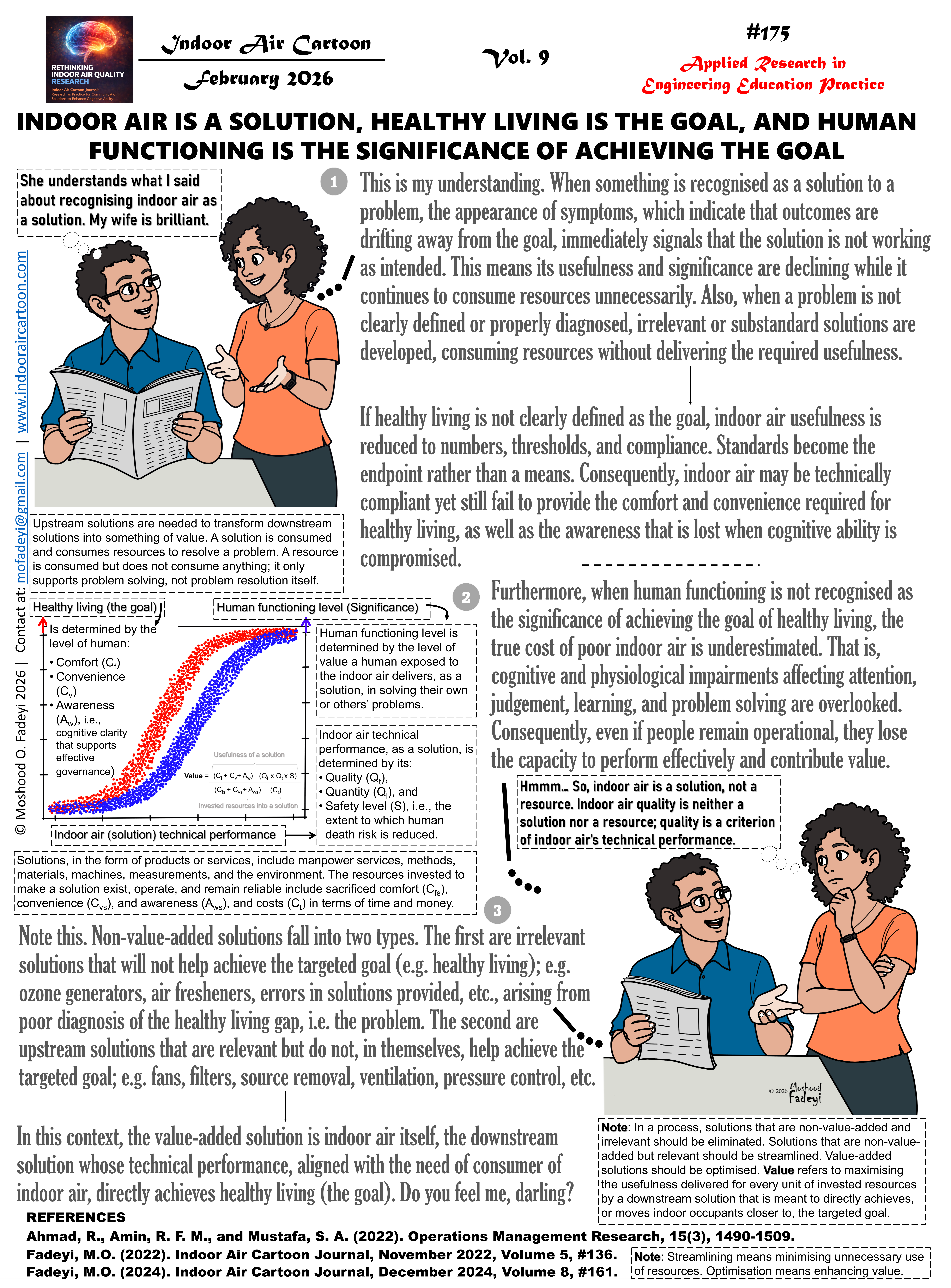


Leave a Reply