Indoor Air Cartoon Journal, October 2025, Volume 8, #171
[Cite as: Fadeyi MO (2025). Streamlining indoor air risk assessment process through artificial intelligence for value-oriented problem diagnosis and solving. Indoor Air Cartoon Journal, October 2025, Volume 8, #171.]

Fictional Case Story (Audio – available online) – Part 1
Fictional Case Story (Audio – available online) – Part 2
Fictional Case Story (Audio – available online) – Part 3
Fictional Case Story (Audio – available online) – Part 4
Fictional Case Story (Audio – available online) – Part 5
…………………………………….
In the country of Eldoran, the air inside homes began making people sick, yet the nation’s system for assessing indoor air risk could not explain why. Inspectors measured pollutants and wrote reports, but the process was slow, fragmented, and reactive, focused on numbers rather than lives. People living in identical flats fell ill in different ways, and no one understood why. The data spoke in fragments, and the experts listened to echoes, not meaning.
This ineffective practice of indoor air risk assessment led to the rushed implementation of solutions that were neither contextually appropriate nor capable of solving indoor air problems in a value-oriented manner. Eldoran needed a new kind of intelligence—one that could truly learn, reason, and act. This need was not peculiar to Eldoran; it was shared by countries around the world. Yet no one was willing to take responsibility.
Then came a boy whose life struggles had taught him that the air we breathe holds the delicate balance between life and death, memory and hope. To him, air was not just what sustains the body but what carries the weight of the past and the promise of tomorrow. He saw opportunities for the adoption of artificial intelligence and resolved to take action to improve the understanding, decisions, and actions needed to provide air that gives value to human life. The boy’s journey from youth to adulthood is the subject of this fiction story.
1 …………………………………….
I was eleven when the world I knew was swallowed by darkness. My name was Mane Ibrahima, though for years after that night, I did not know it. I was the son, the only child, of a wealthy family in Azora—a country where the scent of mango trees mixed with the exhaust of too many cars, and where hope and fear often lived on the same street.
My father owned a construction company. My mother was a teacher. We lived in a white-walled house on the hill overlooking the capital, with windows so large you could see the whole city breathe beneath you. Azora had grown dangerous then; kidnappings were becoming common, whispered about in classrooms and markets, yet such things felt distant from our quiet home on the hill. I never imagined that the next story on the news would be about us.
The night of my abduction began like any other. The power had gone out again, and the low hum of our generator joined those from neighbouring houses, blending into the thick, humid air. My mother’s laughter drifted from the kitchen as she teased my father about his lateness. I remember standing by the window, tracing faint mist on the glass, and wondering why the sky above the city glowed dimly—heavy and bruised with the light of distant lamps.
Then suddenly, our neighbours’ dogs began barking—loud and frantic. The noise tore through the quiet night, and fear gripped me before I even knew why. At first, I thought they were barking at something outside the gate, but the barks turned into cries.
I remember my father’s voice shouting my name, the sound of boots running over gravel, and then the flash of torchlight slicing through the curtains. The front door crashed open. Men with guns stormed in, shouting in a dialect I did not understand. My father pushed me under the dining table. He told me to stay quiet no matter what happened. But I couldn’t. When my mother screamed, I ran out. That was the last time I saw her face clearly. One of the men grabbed me by the collar, another struck my father, and everything spun like a broken carousel.
My father shouted my name as he fought to reach me. My mother was crying out too, struggling against one of them, her voice breaking between my name and his. Then came the deafening sound of gunfire—one shot, then another. Their voices stopped. The silence that followed felt heavier than the noise itself. And then a sharp, splitting pain as something struck the back of my head. Darkness. When I woke, I was in the boot of a car, tied and shivering. The smell of petrol was thick, suffocating. I remember thinking it was strange how a smell could fill your lungs until you could not tell if you were breathing or drowning.
The journey lasted hours—days, maybe. I lost count. We crossed borders, rivers, forests, and finally, a coast. They smuggled me across the sea in a cargo ship with thirteen other children. Some cried until they had no tears left; others stared blankly, already lost somewhere deep inside their own minds. I tried to remember my name, but each time I reached for it, my head throbbed and everything dissolved.
When the ship docked, everything unfolded as if it were a routine delivery. The containers were moved from the terminal to a bonded warehouse just outside the port gates, where goods awaited clearance before release. The men had arranged the paperwork through their contacts inside. A registered haulier’s van, bearing the logo of a legitimate transport company, was already parked in the loading bay. In such places, it was common for vans to wait while customs officers processed documents or verified seals, so no one questioned its presence.
We were hidden inside a sealed container labelled “machinery parts.” The container was driven into the yard and positioned among others scheduled for inspection later in the day. The men handling it wore the same vests as warehouse staff and knew exactly where the cameras did not reach. During the brief lull when clerks were checking manifests and drivers waited for signatures, they opened the container on the side facing a stack of larger crates and moved us quickly into the waiting van.
To anyone passing by, it looked like routine cargo being re-sorted—a normal part of daily operations. For a while, no one outside their circle suspected anything; everything looked routine. At eleven, I understood almost nothing of what was happening; I remember only the clang of metal doors, the smell of diesel, and the press of bodies in the dark. Years later, when I was safe in Eldoran, the police who handled my case explained how that morning had unfolded, and through their quiet retelling I finally understood what I had lived through.
The driver signed the documents, the doors were locked, and the van rolled toward the main exit that opened to the city. Ordinarily, checks at that gate were only procedural. The guard would wave drivers through once the clearance stamp from the bonded warehouse was visible. Detailed inspections were rare.
But that morning, a newly posted customs supervisor happened to be at the gate. He was a strict man who distrusted the easy routines of the port. Against the advice of others, he decided on the spot to inspect one of the outgoing vans. The driver and the man beside him protested, insisting that the paperwork had already been cleared inside, but the supervisor refused to yield. He called out to two junior officers—men who had been transferred with him that same morning—to open the rear compartment and verify its contents.
As the two officers approached, the driver slammed his foot on the accelerator. The van lurched forward, tearing through the barrier. Splinters of wood and metal scattered as shouts filled the air. The supervisor grabbed his radio and called for police backup. Sirens wailed along the port road as the van swerved wildly, and then came the crash that hurled me once again into darkness.
When I opened my eyes again, the world had changed. The hard smell of diesel was gone, replaced by antiseptic and the faint beeping of machines in a hospital in Eldoran. I was told later that the police had found me unconscious among twisted metal and shattered glass.
The staff at the hospital told me I had no identification, no memory, and no family that could be traced. The accident had caused a severe concussion and temporary amnesia, they said, though no one could tell how long it would last. The police believed I was a trafficking victim. I could not speak English at that time, but I spoke French well enough for an eleven-year-old.
Even when they brought in a French interpreter, I could not tell them anything meaningful, as I could not remember my name, nor could I recall my past or what had happened to me. They named me Eli. It was the name written on the hospital tag of the boy who had died beside me in the van. I carried that name like a borrowed coat—something that did not fit but kept me warm.
Years later I was learnt that, in addition to the driver and his accomplice, nine children died out of the fourteen who had been packed into the van. Only five of us were found alive, barely breathing, and two of those died later in hospital. In the end, just three of us survived; the other two remained in long-term care, unable to speak or move, while I was the only one who recovered enough to live independently.
I was the only one who recovered both body and mind enough to walk, learn, and live without constant medical help. I learnt that the doctors said our survival had been a miracle at all, given how we had been crammed together in that van—packed in boxes like canned fish, with barely room to breathe.
The police could not trace my background because the records submitted at the port by the criminal gang were falsified. They had covered their tracks well, and the accomplices working at the port never cared to know where the ships came from. They were only interested in the money they were paid to look the other way.
I was sent to a foster home on the outskirts of Waverton, a grey, coastal town. The woman who took me in, Mrs. Alden, was kind but distant. She had lost her own son years before. I think she saw in me a shadow of what she’d lost, and though she cared for me with quiet compassion, she kept her affection guarded as if afraid that loving me too much might betray the memory of the son she had lost.
She spoke to me softly, taught me to read, and helped me enrol in school in the academic year after the one in which I arrived in the country, Eldoran. She engaged an English tutor who taught me for four months before the new school academic year began. By the start of the new academic year, I could function well in English. I was enrolled in Primary 5 instead of Primary 6, which was meant for children who would turn twelve in that academic year.
I was enrolled under the name Eli Alden. I did not have any problems academically. In fact, I was one of the best students in my cohort, to the envy of some classmates. Some children whispered behind my back—the French boy who spoke English with a strong French accent. I also experienced trauma that I could not explain. Sometimes I would wake in the night drenched in sweat, hearing the echo of gunfire and a woman screaming my name. I tried to piece together my memories, but they came like broken glass—sharp, disjointed, impossible to hold. I kept this to myself. I never told my caring adoptive mother.
Years passed. I learnt to speak English fluently with Eldoran’s accent, though my Azoran French accent returned whenever I was frightened or angry. I became quiet, observant, and oddly analytical. While other children played, I spent hours dismantling things—old clocks, radios, and discarded appliances—trying to understand how each piece fit together. It was as if by learning how things worked, I could somehow learn how my life had fallen apart.
At seventeen, a social worker discovered my aptitude for science and secured me a scholarship to Waverton College for my A-level education. It was there that I first encountered the smell that would one day change my life. The sterile odour of chemicals in a poorly ventilated laboratory.
During a late-night experiment, a faulty fume hood allowed solvent vapour to leak into the room. I did not notice at first. My head began to pound, my vision blurred, and my hands trembled uncontrollably. When I stumbled into the corridor, gasping for air, I collapsed. I woke hours later in the infirmary, the nurse explaining that I had suffered acute chemical inhalation. But what she said next unsettled me more: another student had worked in the same lab earlier that day and felt nothing. How could we breathe the same air yet react so differently? That question stayed with me.
From that day, I began to see air not as empty space but as something alive—something that could harm, heal, or hide truths we did not yet understand. I became obsessed with the unseen, with the quiet forces that shaped our well-being without ever announcing themselves.
When I entered university, I chose environmental engineering, driven partly by curiosity and partly by a quiet, inexplicable need to control the invisible. The university was vast and modern, filled with bright minds and buzzing machines. Yet, despite the newness, the air in many rooms felt heavy, stale, and sometimes nauseating. On certain days, the air felt so heavy that trying to focus during lectures made a dull ache build behind my eyes.
One afternoon, I visited the medical centre after nearly fainting in a computer lab. The doctor told me it was probably “stress.” But something about that explanation irritated me. I had felt this same suffocation in the foster home, in certain classrooms, even on public transport. It was not stress—it was the air.
I began to research on my own, discovering the field of indoor air quality (IAQ). I learnt about pollutants, carbon dioxide build-up, volatile organic compounds, and the subtle yet profound ways air influences how people think, feel, and learn. It fascinated me how something invisible could determine so much of our experience. I realised that understanding air was like understanding memory. It was both everywhere and nowhere, shaping us without being seen.
One evening, while studying alone, a faint smell of burnt plastic filled the library. My heart raced. The smell triggered something deep, a flash of the ship’s cabin, the diesel fumes, the darkness pressing against my chest. I had to step outside. Standing there, trembling, I realised that I was not merely reacting to smell but to memory. My mind had stored trauma in the air itself. That was when I began to see connections others did not.
To most people, indoor air quality was about numbers—pollution levels, ventilation rates, and standards. To me, it was more than that; it was about risk and perception, invisibility and consequence—how unseen conditions create subtle risks that shape human vulnerability.
I saw that risk was not just a number; it was a relationship between exposure, sensitivity, and context. It was about people breathing the same air yet experiencing entirely different realities. It was not only about what entered the lungs but also about how people understood, responded to, and were unknowingly affected by the air around them. It reminded me of that night of abduction—how the same darkness that paralysed me gave others power. The same air that gave one person breath could take it from another.
2 …………………………………….
During my undergraduate final year, as part of my final year project, I volunteered at a housing development in Waverton’s industrial district. The study aimed to understand why residents in low-income housing continued to suffer from chronic health problems even though official assessments—based on short-term daytime inspections measuring only a few common pollutants—suggested their indoor air quality met acceptable standards.
On paper, the results looked compliant, but they ignored what happened at night or after rainfall, when dampness and trapped air turned the flats into suffocating boxes. Many residents complained of persistent coughs, fatigue, and restless nights. Some were elderly or had pre-existing respiratory conditions, and I began to notice how the same air seemed to affect them differently. It was not just poor ventilation—it was vulnerability made visible through breath.
I borrowed a low-cost air quality monitor from the university and began collecting data. What I found unsettled me: concentrations of fine particulate matter and nitrogen dioxide inside those homes were sometimes higher than those recorded outside on the street and exceeded recommended indoor air quality standards.
Yet when I presented the results to the local council, they dismissed them. They questioned the reliability of my equipment and argued that only certified laboratories could produce valid data for regulatory consideration. They claimed my measurements were unreliable because the instruments were not professionally calibrated and the sampling protocol did not follow official procedures. To them, the issue was not the air people breathed but the credibility of the person who measured it.
Their dismissal only hardened my resolve. I went back to the flats, recalibrated the monitor, and measured again. The results were the same. The pollutant concentrations remained above the indoor air quality standards, just as before. The residents were still coughing, their symptoms unchanged. I realised then that truth did not need official approval—it only needed to be seen.
Later, I learnt why the council’s numbers had looked so different from mine. Their inspectors had visited during the day, when windows were open and the stoves were cold. I had measured in the evenings, when families cooked dinner and sealed their windows against the noise and fumes from the nearby factories. The air changed after sunset—the smell of gas burners and diesel drifted in and never quite left.
Their instruments had stood in the middle of living rooms, far from the sources. Mine sat near the stoves, the corners where people actually breathed. I thought the difference between there data and mine was in the timing but in the people themselves—how those with weaker lungs, poorer diets, or constant fatigue suffered more even when the readings were the same. Their measured numbers could not capture that uneven fragility.
My dissertation supervisor, Dr June Lang, noticed how the project had taken over my thoughts. “You think like a systems scientist,” she said. “You see how everything connects.” Her words stayed with me. I was no longer just measuring pollutants; I was tracing relationships—between air, people, and circumstance. The data from Waverton had shown that even when concentrations were similar, some residents became sicker than others. That question haunted me: why did identical exposures lead to different outcomes?
The deeper I explored, the more I realised that indoor air quality assessments were mostly reactive. They recorded after the fact—describing what had happened rather than explaining why. Each dataset existed in isolation: chemical readings here, health surveys there, behavioural notes somewhere else. There was no synthesis, no coherent picture linking environment to vulnerability. The process was fragmented, rigid, and slow.
Dr Lang encouraged me to experiment with computational tools. I wasn’t a programmer, but desperation breeds creativity. I started building simple models to simulate how pollutants interacted with human behaviour. Using publicly available datasets and my field observations, I wrote scripts that could recognise patterns—when people cooked, cleaned, or slept—and how these behaviours changed pollutant levels through time.
Slowly, the data began to speak. There were sharp spikes after cooking, gradual declines when windows opened, and differences that reflected lifestyle, building design, and weather. The more I learnt, the clearer it became: people were not passive victims of air pollution; they were co-creators of their environment.
Still, something was missing. My models predicted pollutant concentrations, but they could not explain the unequal health responses I had seen in Waverton. Two people living in the same flat could breathe the same air yet experience entirely different consequences. I thought again of that lab incident years earlier—two students, same exposure, but only one collapsing. The mystery lay somewhere between exposure and the body’s ability to withstand it. I began to suspect that risk was not only about what entered the lungs but also about what the body brought to the air: biology, fatigue, immunity, even stress.
My measurements and simulations showed that the indoor air in the homes was unsafe and that human activities and other sources of pollutants contributed significantly. However, my findings still could not capture the full story of the residents’ suffering. The reported indoor air pollutant concentrations alone could not express the sting in the throat after cooking, the dull ache behind the eyes, or the exhaustion that lingered even after sleep. Nor could they reveal why one person recovered quickly while another remained breathless for days. It seemed to me that vulnerability made the invisible visible, showing that the effect of exposure dose was never equal.
The measurements were real, but they were incomplete—static, detached from the complexity of human experience. I began to question whether our way of assessing risk was flawed because it reduced life to what could be measured and ignored what could only be felt.
I thought of my own past—the randomness of survival, the fragility of breath, the weight of invisible things. Perhaps risk was not only about exposure dose but about the interplay between condition, context, and capacity to endure. Perhaps risk, like memory, could not be reduced to numbers without losing meaning.
Thus, in my final-year project, I concluded that indoor air quality risk cannot be meaningfully understood through static measurements or pollutant thresholds alone. True assessment must integrate behaviour, context, and human vulnerability to reveal how people and environments co-create health risks. I aced my dissertation and graduated with first-class honours.
Around the time of submitting my final-year project dissertation, I started therapy to confront the nightmares that still followed me from childhood. During one session, my therapist asked if I remembered anything from before the hospital. I told her about fragments—my mother’s laughter, the dogs barking, the smell of diesel.
She said trauma could fracture memory, scattering it like dust in the air—still present, invisible until disturbed. The metaphor struck me so deeply that I could hardly breathe. Memory and air were the same: both unseen, both vital, both capable of carrying poison or healing.
I began revisiting places linked with scent—ports, factories, old warehouses—hoping to find what memory had hidden. One afternoon, near the harbour, the sharp smell of crude oil mixed with sea salt brought everything back. My chest tightened; my vision blurred. When I came to, I was on the ground, trembling, tears streaming down my face. A single word echoed in my mind: Azora. Azora was a name of a country I had always known existed, but I had never connected it to myself.
In the following weeks, fragments of my past resurfaced—the hill, the house, my parents’ faces. No official record could confirm it, but deep inside, I knew where I had come from. The name Azora was not in any file or report; it was something only memory could restore.
I stopped searching for external proof because I no longer needed it. I remembered enough to know who I was—and enough to understand what I had lost. The truth crushed me and freed me at once. For days, I could barely move. But grief, I discovered, can become a strange kind of fuel.
I realised then that my life had been one long risk assessment—unstructured, painful, but revealing. Every tragedy had taught me something about systems, cause, and effect. Every scar had become a data point in understanding value—what truly matters when everything else collapses.
And so, I decided, after submitting my undergraduate dissertation, that I would dedicate my life to transforming how we understand air, risk, and human well-being. I would build a framework that didn’t just collect data but interpreted it through compassion and context to suggest contextually relevant solutions for solving indoor air problems in a value-oriented manner.
I planned to create a system that thought not only like a scientist but like a survivor. I thought to myself that my survival was not an accident but a responsibility—to understand vulnerability, to make sense of what the air remembers, and to turn that understanding into something that could protect others.
Now, as I sit before my computer drafting the proposal for my doctoral study, I can feel the past breathing beside me. The hum of the air purifier in my room reminds me of that night in Azora, when my parents were killed before my eyes—the moment I lost everything—and of the endless journey that followed.
Sometimes, I still dream of my mother’s voice calling my name. But now, when I wake, I understand she is not calling me back; she is calling me forward. I believe I survived so that I could learn to see the invisible—not just the air, but the human stories it carries. And perhaps, through my work, I can help others breathe a little easier.
All that I had lived through—loss, survival, discovery, and the quest to understand vulnerability—culminated in a single conviction that shaped the problem statement, research questions, and objectives I wrote in my proposal as part of my PhD application, and that later guided my doctoral study, which sought to streamline the indoor air risk assessment process through artificial intelligence for value-oriented problem diagnosis and solving.
“The current process of indoor air risk assessment is fragmented, reactive, and insufficiently aligned with value-oriented problem diagnosis and solving. Although the health risks of indoor air pollution are well established, existing assessment methods remain confined to static measurements, threshold-based limits, and generalised interpretations. These methods rarely explain why risks occur, how they evolve, or what specific actions can effectively mitigate them.
As a result, the process is slow, labour-intensive, and often detached from decisions that enhance occupant comfort, convenience, and cognitive abilities that inform awareness for every unit of resource invested. The gap lies between the current situation—where indoor air quality (IAQ) management depends on isolated data and generic responses—and the desired situation—where artificial intelligence (AI) enables streamlined, context-sensitive, and value-driven diagnosis and intervention.
Traditional IAQ frameworks are constrained by their inability to capture the dynamic interplay between pollutant concentration, exposure dose, biological vulnerability, and covariates such as human behaviour, building characteristics, pre-existing health conditions, educational level, demographic profile, and socio-economic status, among other contextual determinants. Pollutants fluctuate with time and context, yet current assessments treat them as static entities.
Likewise, individuals with similar exposures often exhibit very different health outcomes due to varying biological sensitivity—differences that existing models fail to represent. This fragmentation leads to inaccurate diagnosis of pollution sources, delayed interventions, and inefficient mitigation strategies that waste both energy and effort. The process produces information, but not insight; actions, but not necessarily solutions that maximise value.
At a cognitive level, human assessors face overwhelming analytical complexity. Indoor environments involve constantly changing variables—temperature, humidity, airflow, chemical and biological species, and occupant behaviour—that interact non-linearly. Deriving meaningful cause–effect relationships from these data exceeds what can be achieved through conventional manual or statistical approaches.
This cognitive barrier perpetuates a cycle of descriptive analysis, where people focus on observing symptoms rather than developing a mechanistic understanding that uncovers the underlying causes and interconnections. Consequently, risk assessments remain reactive rather than preventive, and interventions generic rather than contextually optimised.
Artificial intelligence offers a transformative pathway to bridge this gap. However, most AI applications in IAQ remain limited to correlation-based pollutant prediction, offering little understanding of pollutant sources, interactions, or biological implications. The potential of AI to function as an intelligent collaborator—one that learns mechanisms, simulates scenarios, and prescribes actions—remains unrealised.
To truly streamline the indoor air risk assessment process, AI must evolve from a monitoring tool to a reasoning system that integrates pollutant dynamics, behavioural context, and biological vulnerability to produce actionable, value-oriented insights.
The performance gap addressed by this research lies in the absence of a unified, ethically grounded, and decision-focused artificial intelligence (AI) framework capable of transforming indoor air quality (IAQ) assessment into a process of value-driven problem diagnosis and solving. The proposed framework seeks to: (i) mechanistically learn pollutant dynamics while integrating covariates that influence both exposure dose and biological vulnerability; (ii) quantify biological vulnerability to explain why health risks differ among occupants exposed to similar conditions; and (iii) model exposure dose–biological vulnerability interactions to prescribe interventions that prevent harm rather than merely predict it.
In the desired state, AI functions as an intelligent, transparent collaborator capable of simulating thousands of “what-if” scenarios to identify the most effective, ethical, and cost-efficient interventions. This system will not only reduce diagnostic effort and improve decision accuracy but also ensure equitable access to health protection across diverse socio-economic contexts. Ultimately, the research bridges the gap between knowing and acting, transforming indoor air risk assessment from a descriptive exercise into a dynamic, value-oriented process that streamlines diagnosis and enables effective, sustainable, and context-sensitive solutions.”
My interest in addressing this research problem led me to formulate three research questions that needed to be answered.
The research questions are as follows: (i) How can artificial intelligence integrate pollutant dynamics with covariates (Z) that shape both exposure dose and biological vulnerability (V), across different spatial, temporal, and behavioural contexts, to improve prediction of health-related risk scores? (ii) How can artificial intelligence disentangle the independent contribution of biological vulnerability (V), after accounting for exposure dose and covariates (Z), in predicting health-related risk scores from indoor air pollutants? (iii) To what extent can artificial intelligence use the previously established relationship between exposure dose (E) and biological vulnerability (V), after accounting for covariates (Z), to dynamically predict health-related risk trajectories and recommend optimal intervention strategies that reduce risk in real-world indoor environments?
For the first research question, the Null Hypothesis (H01) is that AI models that incorporate pollutant dynamics and covariates (Z) do not significantly improve prediction accuracy of health-related risk scores compared to pollutant-only models. The Alternative Hypothesis (H11) is that AI models that incorporate pollutant dynamics and covariates (Z) significantly improve prediction accuracy of health-related risk scores compared to pollutant-only models.
For the second research question, the Null Hypothesis (H02) is that AI models that incorporate biological vulnerability (V) do not significantly improve prediction of health-related risk scores compared to models without V. The Alternative Hypothesis (H12) is that AI models that incorporate biological vulnerability (V) significantly improve prediction of health-related risk scores compared to models without V.
For the third research question, the Null Hypothesis (H03) is that AI models that incorporate dynamic learning of exposure dose–biological vulnerability interactions do not significantly improve prediction of health-related risk trajectories or optimisation of intervention strategies compared to static models without adaptive intervention learning. The Alternative Hypothesis (H13) is that AI models that incorporate dynamic learning of exposure dose–biological vulnerability interactions significantly improve prediction of health-related risk trajectories and optimisation of intervention strategies compared to static models without adaptive intervention learning.
The research questions and problems informed the following objectives of my PhD research: (i) To develop an artificial intelligence framework capable of integrating pollutant dynamics with covariates (Z) that shape both exposure dose and biological vulnerability (V) across diverse spatial, temporal, and behavioural contexts, thereby improving the prediction accuracy of health-related risk scores. (ii) To enable artificial intelligence to disentangle and quantify the independent contribution of biological vulnerability (V), after accounting for exposure dose and covariates (Z), in predicting health-related risk scores arising from indoor air pollutants. (iii) To advance artificial intelligence modelling that dynamically learns from the established relationship between exposure dose (E) and biological vulnerability (V), after accounting for covariates (Z), to predict health-related risk trajectories and recommend optimal, context-sensitive intervention strategies that reduce risk in real-world indoor environments.
3 …………………………………….
Research Methods
Methods for Research Question 1:
Background
The increasing complexity of indoor environments, combined with urban air pollution and human behavioural variability, presents a major scientific challenge in accurately predicting exposure-related health risks. IAQ research has traditionally relied on empirical measurements or simplified statistical models that capture associations but fail to represent the physical dynamics driving pollutant accumulation and transformation.
Research Question 1 therefore investigates how artificial intelligence (AI) can integrate pollutant dynamics with contextual covariates (factors) that shape both exposure dose and biological vulnerability across spatial, temporal, and behavioural dimensions to improve prediction of health-related risk scores.
The purpose of this inquiry is to develop a hybrid AI framework capable of mechanistic learning—one that understands what pollutants are present, where and when they occur, how they behave indoors, and how exposure accumulates under real-life conditions. This ensures that AI models move beyond correlation to reveal causal mechanisms involving pollutant sources, sinks, and occupant interactions. Simply put, the purpose of this investigation is to leverage AI to answer the what / where / when / how much questions (pollutant dynamics, spatiotemporal variability, exposure dose accumulation, covariates).
Guided by the hypothesis that models incorporating pollutant dynamics and covariates significantly enhance risk prediction accuracy compared with pollutant-only models, the methodology systematically combines physical mass-balance principles with advanced neural architectures to generate a transparent, interpretable, and physically grounded approach to IAQ risk prediction.
Study Design
A longitudinal, multi-context observational study was conducted across twenty buildings representing mixed-mode residential and educational environments and mechanically or mixed-mode office environments, commonly found in urban areas within both temperate and tropical climates. The study spanned twelve months to capture the seasonal variability in pollutant behaviour and human activity.
A total of two hundred participants were enrolled and continuously monitored IAQ, personal exposure, physiological responses, and behavioural covariates. The sampling strategy was designed to maintain both environmental representativeness and logistical feasibility, given the year-long monitoring period and the deployment of high-resolution sensor systems across twenty buildings representing three typologies—residential, educational, and office.
In the residential typology, each selected building comprised multiple apartments, of which four to five apartments were instrumented. Within each instrumented apartment, two participants—typically one adult and one adolescent or elderly occupant—were enrolled, resulting in approximately eight to ten participants per residential building. This arrangement ensured that household-level variations in behaviour (e.g., window use, cooking frequency) and vulnerability (e.g., age, health status) were captured while avoiding excessive intrusion in individual households.
For the educational buildings, which included naturally ventilated classrooms and staff offices, ten participants—comprising eight students and two teaching staff—were recruited per building. These participants represented different room occupancies and activity intensities across the school day, allowing the model to learn exposure variability within shared environments.
In the office typology, ten staff members per building were monitored across three to four workspaces (e.g., open-plan offices, meeting rooms, and private offices). This distribution provided spatial and occupational diversity while maintaining consistent building-level environmental conditions.
Overall, each building contributed approximately ten participants, but the distribution of individuals per apartment or workspace varied by building type to ensure that exposure diversity, behavioural realism, and practical monitoring constraints were appropriately balanced.
In practical terms, data were collected continuously over a twelve-month period from naturally ventilated buildings where occupants lived, studied, or worked, to understand how materials, machines, measurements, methods, humans, and the environment collectively contributed to pollutant dynamics, exposure dose, and associated health-related risks. The study observed natural variations in indoor air rather than introducing artificial manipulations, allowing the data to reflect real-world interactions among physical, mechanical, behavioural, and environmental processes.
The data focused on multiple interacting domains. Materials such as paints, pressed-wood products, and carpets were monitored for their emission of gaseous pollutants, while porous surfaces were observed for their ability to absorb and later re-release them, demonstrating that sinks could also behave as secondary pollutant sources.
Machines—including stoves, printers, air purifiers, fans, and ventilation systems—were examined as both potential sources and sinks. Their contributions depended on how well they were designed, installed, maintained, and operated. Information was collected on operation cycles, maintenance schedules, and energy use to evaluate how these systems influenced pollutant removal or generation.
Measurements, in this context, represented the criteria that guided decisions from design to operation informing the competitions for dominance between sinks and sources. They provided the factual basis for evaluating indoor air performance and improving outcomes. Sensors with one-minute resolution recorded pollutant concentrations, temperature, humidity, and airflow data, creating the quantitative framework necessary for assessing whether pollutant control strategies were effective and for calibrating the artificial intelligence (AI) model’s predictions.
Methods referred to the structured steps and temporal patterns of occupant and mechanical activities. These were documented to understand how specific actions—such as cleaning, cooking, or window operation—influenced pollutant fluctuations and persistence. Human behaviours were recorded using motion detectors, wearable trackers, and activity logs, while environmental conditions—including wind speed, direction, rainfall, and ambient temperature—were continuously monitored through outdoor reference stations.
By integrating these datasets, the study established a comprehensive evidence base that allowed the AI model to mechanistically learn pollutant dynamics. This approach enabled the model to distinguish how materials, machines, methods, measurements, human actions, and environmental factors collectively determined indoor air quality and exposure risk.
Data Collection
Environmental Monitoring: Indoor and outdoor concentrations of fine particulate matter (PM2.5), nitrogen dioxide (NO2), sulphur dioxide (SO2), formaldehyde (HCHO), ozone (O3), and volatile organic compounds (VOCs) were measured using a network of Internet-of-Things (IoT) sensors operating at one-minute resolution.
Each building was equipped with multiple sensors placed in key microenvironments such as living rooms, bedrooms, classrooms, and offices, while outdoor reference monitors were co-located at both ground and roof levels. These external monitors were used to estimate infiltration rates and assess the relationship between outdoor and indoor pollutant levels, commonly expressed as the indoor-to-outdoor (I/O) ratio.
In practice, miniature interconnected devices recorded pollutant levels continuously, enabling the research team to trace how outdoor pollution entered the indoor environment and how indoor activities, including cooking and cleaning, affected pollutant concentrations. Calibration was undertaken by co-locating the low-cost sensors with reference-grade instruments for a 72-hour period before deployment and again at the mid-point of the study to correct for drift. Temperature and humidity interferences were corrected algorithmically using multivariate adjustment models that had been developed from laboratory-based characterisations of the sensors’ performance.
Behavioural and Spatial Covariates (Z): A comprehensive set of behavioural and spatial covariates—collectively denoted as Z—was recorded to contextualise the pollutant concentration data. These covariates included window-opening frequency and duration, occupancy patterns, time–activity profiles, proximity to traffic corridors, emission potential of indoor materials, and meteorological parameters such as wind speed, direction, and rainfall.
Fundamentally, the covariate data encompassed six interacting domains—the six key factors influencing indoor air pollutant concentrations. Motion detectors, door-contact sensors, and smartphone-based activity trackers were deployed to quantify occupant movement, room occupancy, and window operation states without compromising privacy.
Covariates represented the contextual factors that influenced individual exposure dose, calculated as concentration × duration of exposure × inhalation rate. For instance, individuals who spent extended periods in enclosed, poorly ventilated spaces were likely to experience higher exposure than those who frequently ventilated their environments.
By systematically documenting these behavioural and environmental conditions, the AI framework learned how human activity, building design, construction quality, maintenance practices, operational behaviours, and environmental context jointly determined indoor air quality and exposure variability across occupants and time.
Physiological and Health Indicators: Each participant was provided with an unobtrusive wearable device that continuously recorded heart-rate variability, respiration rate, and skin conductance as physiological indicators of stress and autonomic nervous system activity. In addition, participants completed quarterly electronic questionnaires assessing respiratory symptoms, headaches, fatigue, and subjective comfort levels. These physiological and self-reported measures were triangulated with the pollutant data to determine whether changes in indoor air quality were associated with variations in physiological stress responses.
In effect, the wearable monitors, which operated similarly to advanced fitness trackers, provided continuous insight into participants’ biological responses to changes in indoor air composition. This dataset later supported the AI model in establishing connections between pollutant exposure and short-term physiological effects, thereby enhancing the model’s ability to predict health-related risk scores with contextual precision.
Data Synchronisation and Cleaning: Given the volume and diversity of data streams generated, rigorous procedures were implemented for synchronisation and cleaning. All sensor time series were aligned using timestamps referenced to a network time protocol to maintain precise temporal consistency across devices.
Adaptive Kalman filters were applied to minimise random measurement noise while preserving genuine fluctuations in pollutant concentrations. Outlier detection was performed using the Isolation Forest algorithm, which effectively distinguished genuine extreme events—such as spikes from cooking or candle burning—from artefacts resulting from sensor malfunction or signal dropout.
As hundreds of sensors across multiple sites produced millions of individual readings, these automated data-processing methods ensured that the resulting dataset was both statistically consistent and physically credible. Missing data were categorised by mechanism—missing completely at random, missing at random, or missing not at random—and were handled through appropriate interpolation or imputation strategies validated against synthetic hold-out datasets. These methods collectively ensured that the processed data streams retained the true variability of the real-world environments being studied while remaining robust enough for subsequent AI model training and validation.
Model Architecture
A comprehensive artificial intelligence (AI) framework was developed to understand how indoor pollutants behave and affect human health. It was designed like a team of specialists, where each component focused on a specific task but worked together to produce one coherent system that also accounted for covariates (Z)—the contextual behavioural, environmental, and building-related factors influencing exposure and vulnerability.
The first component, called the Dynamic Graph Neural Network (DGNN), treated each room in a building as a separate point, known as a “node”, and each opening—such as a door, window, or corridor—as a connecting line, called an “edge”. These connections changed strength depending on how much air moved through them and on covariates (Z) such as occupancy, ventilation habits, and space usage patterns.
This design allowed the AI to simulate how pollutants travel through a building under varying human and environmental conditions. For instance, it could model how smoke or fine dust from cooking in the kitchen spreads to nearby rooms when doors are open or windows are closed. The DGNN helped the AI “see” how air moves in real time, ensuring that the results followed the physical rules of airflow and pollution dispersion while adjusting for covariate-driven differences in building operation and human behaviour.
The second component, the Temporal Convolutional Network (TCN), focused on time. It examined the data collected minute by minute over an entire year and learned how pollutant levels changed across days and seasons, while incorporating time-dependent covariates (Z) such as meteorological variations, occupant activities, and ventilation events.
The TCN identified repeating patterns such as pollution spikes during breakfast time or traffic rush hours, and cleaner air periods when windows were open or winds were strong. Unlike other time-based models, it could handle very long sequences of data without losing accuracy, allowing it to capture both short-term events and long-term seasonal changes that were influenced by contextual covariates (Z).
The third component, the Causal Bayesian Network (CBN), helped the AI understand why things happened, not just what happened. It used probability to uncover cause-and-effect relationships between pollution levels, covariates (Z), human activities, environmental conditions, and health signals such as stress or breathing changes. For example, it could reveal that higher nitrogen dioxide levels combined with low ventilation and specific occupant behaviours led to measurable physiological strain in occupants.
All three components were connected through a mechanistic–AI fusion layer, which ensured that everything the AI learned obeyed real scientific laws—specifically the mass-balance equation, which governs how pollutants are created, moved, and removed in indoor air. This fusion layer was mathematically anchored by the discrete-time dynamic model:

where Cin and Cout represented indoor and outdoor pollutant concentrations, Pt denoted the pollutant source emission rate (for example, emissions from cooking or cleaning activities), Qt indicated the ventilation rate (air exchange per unit time), V was the room volume, k represented the pollutant decay or removal constant, and εₜ represented the small random variations and unknown influences that could not be directly measured or predicted—such as slight sensor errors, unexpected occupant actions, or minor fluctuations in airflow. Including εₜ allowed the model to reflect the natural uncertainty present in real indoor environments, making its predictions more realistic and reliable.
In practical terms, this equation stated that the pollutant concentration indoors at the next time step depended on the current concentration, the quantity of pollutants newly emitted, the rate of clean air inflow, and the speed of pollutant removal through ventilation or surface deposition. Embedding this mass-balance relationship within the neural network ensured that learning remained consistent with the established physics of indoor air processes.
The network was thereby prevented from generating unrealistic or physically impossible results—for instance, predicting pollutant accumulation without a corresponding emission source or under strong ventilation. Instead, it was required to reconcile observed data with the constraints imposed by mass conservation and air-exchange principles.
In classical continuous-time analysis, the same physical process can also be represented by the analytical solution:

where is the initial indoor pollutant concentration; the source strength S = P/V; and the sink strength a = Q/V+ k defines how quickly the system approaches equilibrium. This continuous model assumes that pollutant sources and ventilation rates remain constant over time, resulting in a smooth exponential change in concentration that describes idealised, steady conditions. It is mathematically elegant but limited in real-world applications, because actual buildings rarely maintain constant source or ventilation rates.
In contrast, the discrete-time dynamic model recalculates pollutant levels at each time step using real, time-varying sensor data. Although the exponential term e-at does not appear explicitly in this discrete formulation, its effect is implicitly captured through repeated updates over time. Each incremental step reflects how concentration responds to small, ongoing changes in emissions, airflow, and decay, and together these updates naturally reproduce the same exponential rise or decay that e-at represents in the continuous model.
The discrete approach was chosen for AI analysis because it aligns with how data are collected and processed in real life—minute by minute, across varying environmental and behavioural conditions. Unlike the continuous model, which assumes fixed parameters, the discrete model continuously adjusts to changing pollutant sources, ventilation, occupant behaviour, and weather influences. This makes it ideal for integration with AI systems that learn from large, time-stamped datasets, enabling the model to remain both physically grounded and dynamically responsive to the variability inherent in naturally ventilated indoor environments.
It is important to note that the discrete-time dynamic model is inbuilt within the AI system as an integral part of its mechanistic–AI fusion layer. The AI framework does not treat the discrete-time dynamic model as an external or post-processing formula; rather, the discrete mass-balance equation is mathematically embedded within the neural network’s learning architecture.
It functions as a physical constraint that governs how the AI updates indoor pollutant concentration predictions at each time step. This ensures that the network does not learn arbitrary statistical relationships but instead produces outputs that comply with the fundamental principle of mass conservation in pollutant dynamics.
In practical terms, the AI components that model pollutant concentration over time—such as the Dynamic Graph Neural Network (DGNN) and the Temporal Convolutional Network (TCN)—compute updates that are shaped by this embedded equation. In computational terms, this integration produces a physics-informed neural network (PINN), where the loss function includes a penalty for deviations from the expected physical balance, ensuring that learning remains consistent with the governing physical laws.
The fusion layer integrates these physical relationships directly into the network’s optimisation process, penalising deviations from physically consistent behaviour. As a result, the AI system learns pollutant behaviour in a way that is both data-driven and physically grounded, maintaining scientific credibility while dynamically responding to real-world variations in emission, ventilation, and environmental conditions.
Data Analysis
The data was divided into three parts to make sure the AI learned correctly and could make reliable predictions. About 70% of the data was used to teach the AI by letting it compare its guesses with real measurements. This large portion gave the system enough examples to recognise consistent patterns and relationships in the data. Another 15% was used to check and adjust how well it learned, helping to fine-tune its settings and stop it from memorising too much. This step ensured the AI became flexible enough to handle new, slightly different situations.
The final 15% was kept aside until the end to test how well the AI could predict new situations it had never seen before, showing how it might perform in real-life conditions. This final test acted like a real-world exam, proving the AI’s reliability and accuracy before practical use. The division was stratified by building type and climatic region to ensure that the model generalised effectively across varied environmental contexts. Cross-validation was conducted to further assess generalisability by repeatedly retraining the model on slightly different subsets of data and averaging performance outcomes.
In effect, the larger portion of data was used to train the AI system, while smaller reserved segments served to evaluate its predictive capability under new, unseen scenarios. The stratification prevented sampling bias, ensuring that models trained predominantly on one building type, such as schools, performed equally well when applied to offices or residential environments.
Time-based partitioning was implemented to eliminate temporal leakage, meaning that earlier months in the dataset were used for training and later months were reserved for testing. This reflected a realistic forecasting process where future IAQ was predicted based on past observations. Model hyperparameters—including learning rate, network depth, and dropout fraction—were optimised through Bayesian optimisation to minimise validation loss while preventing overfitting.
Computational training was performed on high-performance GPU clusters using automatic mixed precision to reduce memory demands while maintaining numerical accuracy. This computational configuration ensured that the model was both efficient and scalable, enabling training on high-frequency data spanning twelve months without compromising the integrity of results.
Within the AI system, built-in tools continuously monitor how accurately and reliably it predicts pollutant concentrations and related health risks. These tools are not external add-ons but are fully integrated into the AI’s internal training and evaluation process. After every learning cycle, the AI compares its predictions with real measured data using statistical measures known as Root Mean Square Error (RMSE), Mean Absolute Error (MAE), and the Coefficient of Determination (R²). RMSE measures how large the prediction errors are on average, MAE measures the average size of all errors without exaggerating large ones, and R² indicates how much of the observed variation in the data the AI can correctly explain.
To imagine this, think of the AI as a student taking many small tests. Each score tells it how close its answers (predictions) are to the teacher’s correct answers (measurements). The system automatically uses these scores to adjust its internal settings and improve. When additional information—called covariates (Z)—such as ventilation rate, window use, or weather is included, the system checks whether prediction accuracy improves using ΔR², which measures the change in explanatory power between simpler and more complete models.
The AI also evaluates its confidence in each prediction through ensemble modelling and Monte Carlo dropout, which create many slightly different versions of the same model and examine how consistent their predictions are. This generates uncertainty ranges, similar to saying, “The pollutant level will probably be between these two values with 95% confidence.”
Bayesian Information Criterion (BIC)—a built-in diagnostic tool—helps balance accuracy with simplicity by penalising unnecessary complexity. A lower BIC value means the AI is achieving strong, reliable predictions without being overly complicated. Collectively, these integrated tools ensure that the AI learns accurately, reports responsibly, and produces scientifically valid predictions grounded in both mathematics and reality.
Building on these internal evaluation mechanisms, the AI system also addressed the common limitation of deep-learning models being perceived as “black boxes,” where the reasoning behind predictions is hidden. To make the AI’s decisions transparent, two interpretability tools were built directly into the system. These are Shapley Additive Explanations (SHAP) and Layer-wise Relevance Propagation (LRP).
SHAP works by giving every input its own importance score. It shows how much each factor—like ventilation rate, nitrogen dioxide (NO₂) level, or occupancy pattern—contributes to a particular prediction. This helps explain which inputs have the biggest influence on the AI’s decisions. LRP, on the other hand, focuses on the inner workings of the AI model. It traces how information flows through the AI’s internal layers and connects the final prediction back to the original data.
In simple terms, SHAP explains which factors matter most, while LRP explains how the AI arrived at its decision. Together, they make the AI’s reasoning transparent, reliable, and easier for people to understand.
Together, these tools made it possible to see why the AI made certain predictions. For instance, the system could show that poor ventilation combined with high NO₂ caused higher predicted health risks. The model’s reasoning was also tested using counterfactual simulations—small “what if” scenarios that asked, for example, “What happens if ventilation increases by 10%?” When the AI correctly predicted lower indoor pollutant levels in such cases, it confirmed that the system’s reasoning was logical, consistent, and grounded in scientific understanding.
Ethical Considerations
The ethical foundation for this research was grounded in internationally recognised principles designed to protect individuals involved in data-driven studies of human–environment interactions. Because the research for RQ1 involved continuous monitoring of environmental, behavioural, and physiological data from real occupants across multiple buildings, safeguarding participants’ privacy and autonomy was of paramount importance. Participants were fully informed about the types of data collected—such as indoor pollutant levels, window-opening frequency, and physiological responses—and how these data would be used to understand exposure and health risk patterns.
The framework guiding the study required that all research activities undergo independent ethical review to ensure that data collection methods were transparent, proportionate, and non-intrusive. Participants’ consent was voluntary, and they retained the right to withdraw at any time without penalty. Data were anonymised and processed using privacy-preserving methods so that individual identities could not be reconstructed, even when integrated into the AI system.
Because RQ1 relied heavily on artificial intelligence to model pollutant dynamics, the ethical framework also addressed the responsible use of algorithms. This included ensuring that data from different participants and building types were treated equitably, that biases were identified and corrected, and that the AI model’s predictions remained interpretable and fair. Collectively, these measures ensured that the research supporting RQ1 was scientifically robust, ethically compliant, and respectful of participants’ rights while advancing understanding of indoor pollutant behaviour and exposure risk.
Contribution to Knowledge
The adopted methodology advanced scientific understanding by addressing the question of how artificial intelligence can integrate pollutant dynamics with covariates (Z) that shape both exposure dose and biological vulnerability (V) across spatial, temporal, and behavioural contexts to improve the prediction of health-related risk scores. Guided by the hypotheses—H₀, that AI models incorporating pollutant dynamics and covariates (Z) do not significantly improve prediction accuracy compared with pollutant-only models, and H₁, that such integration significantly enhances prediction accuracy—the study developed a hybrid mechanistic–AI framework that united physical reasoning with data-driven learning.
By embedding pollutant mass-balance equations into neural network architectures, the methodology enabled AI to learn the mechanisms behind pollutant behaviour rather than simply fitting statistical associations. This ensured that predictions remained physically realistic while adjusting for behavioural and environmental covariates that simultaneously influence exposure dose and vulnerability. The year-long, multi-context observational design contributed further by capturing the natural variability of human–environment interactions across seasons, climates, and building types, generating a comprehensive empirical basis for testing the hypotheses.
The rigorous statistical framework—using metrics such as RMSE, MAE, R², and BIC—demonstrated that models integrating covariates achieved superior predictive accuracy, thereby supporting H11 and rejecting H01. Interpretability methods, including SHAP and LRP, transformed the AI model from a black box into a transparent, knowledge-generating system, explaining how specific pollutant–covariate interactions, such as low ventilation and high NO2, amplify health risks.
Overall, the methodology contributed to knowledge by establishing an AI framework capable of mechanistic, interpretable, and empirically validated learning. It advanced environmental health modelling by showing how AI can capture both the physical dynamics and contextual determinants of exposure and vulnerability, thereby transforming prediction into explanation and insight.
Research Question 2:
Background
This stage of the research aimed to understand the biological factors that make some individuals more vulnerable to indoor air pollutants than others, even when exposed to similar conditions. While Research Question 1 focused on how artificial intelligence (AI) integrated pollutant dynamics and covariates (Z) to predict exposure dose and health risk, Research Question 2 extended that foundation by focusing specifically on biological vulnerability (V)—the internal physiological and genetic characteristics that influence how the body responds to pollutants.
In real-world environments, people breathe the same air yet experience different health effects. Some may show early signs of inflammation or cognitive decline, while others remain unaffected. This difference cannot be explained by exposure alone but by the body’s biological sensitivity, which this phase of the study sought to quantify.
To achieve this, the AI framework was designed to disentangle the unique contribution of biological vulnerability from other confounding factors, such as age, diet, or activity level. This process involved integrating biological data—such as inflammatory, oxidative stress, genetic, and neurological markers—with pollutant exposure data and contextual covariates (Z) within a unified AI model.
By separating the influence of biological responses from environmental exposure, the AI could learn not just how much pollution someone was exposed to, but how their body reacted to that exposure over time. The model’s structure allowed it to detect subtle relationships between pollutant exposure, biological sensitivity, and measured health outcomes.
The overarching purpose of this methodological design was to enable AI-driven personalised risk assessment—that is, to explain why certain occupants suffer more severe or earlier health impacts under similar exposure conditions. In this way, the framework provided a mechanistic understanding of individual susceptibility, allowing early identification of at-risk populations. Simply put, the purpose of this investigation is to leverage AI to answer the who / why questions which occupants are most vulnerable, why risk differs, how biological susceptibility drives risk.
The study tested two hypotheses. The null hypothesis (H02) stated that including biological vulnerability (V) in AI models would not significantly improve prediction of health-related risk scores. The alternative hypothesis (H12) proposed that incorporating biological vulnerability (V) would significantly enhance prediction accuracy compared to models without this factor.
By testing these hypotheses, the methodology ensured that improvements in prediction accuracy were genuinely due to accounting for biological vulnerability, thereby advancing scientific understanding of how individual physiology shapes health risks from indoor air pollutants.
Study Design
This stage of the research built directly upon the cohort, building sample, and twelve-month monitoring protocol established under Research Question 1. The same 200 participants and twenty buildings were retained, encompassing mixed-mode residential and educational buildings, and mechanically or mixed-mode office environments, situated in both temperate and tropical climates. All monitoring instruments, data streams, and sampling schedules remained consistent to ensure full comparability between phases.
The focus in this stage shifted from pollutant behaviour to the role of biological variability—examining how occupants’ immune, genetic, and neurological characteristics influenced their physiological and cognitive responses to indoor pollutants. By maintaining identical environmental and contextual settings, the study was able to isolate how biological vulnerability uniquely shaped health outcomes, independent of differences in building type, occupancy pattern, or ventilation behaviour identified in RQ1.
A stratified cohort design was adopted so that participants could be grouped into low-, medium-, and high-vulnerability categories based on a composite of laboratory-derived biomarker indicators. This grouping enabled the artificial-intelligence (AI) framework to make fair and meaningful comparisons between participants, ensuring that observed health effects were due to genuine biological differences rather than exposure inequality.
In simpler terms, the design sought to answer why some people appeared more sensitive to polluted indoor air while others remained relatively unaffected, even when living or working in similar environments. These differences might arise from variations in genetic make-up, immune-system behaviour, or the ability to neutralise oxidative stress.
No experimental manipulation was introduced; participants continued with their ordinary routines of living, studying, and working. This approach preserved ecological validity, allowing the study to capture authentic, real-world human–environment interactions rather than laboratory-controlled reactions.
Data Collection
Biological Vulnerability Assessment: Biological vulnerability, represented by the symbol V, referred to how each person’s body reacted to indoor air pollution at the immune, genetic, and neurological levels. In simple terms, it measured how strong or sensitive an individual’s body was when facing pollutants in indoor air. This was determined through a series of biological tests called biomarkers, which acted like internal indicators showing whether the body was under stress or successfully defending itself.
To understand immune system responses, the study measured three important inflammatory biomarkers: Interleukin-6 (IL-6), Tumour Necrosis Factor-alpha (TNF-α), and C-reactive protein (CRP). These substances increase in the blood when the body detects harmful particles or toxic gases and begins an inflammatory reaction.
High levels of these markers suggested that the immune system was in an active, defensive state, possibly because of irritation caused by pollutants. These blood samples were collected every three months, allowing the study to observe changes across different seasons and pollution levels.
Next, the research examined oxidative stress, which occurs when the body produces too many unstable molecules (free radicals) that can damage cells, and the natural antioxidant defences cannot keep up. Two biomarkers captured this balance: malondialdehyde (MDA), a sign of oxidative damage, and glutathione (GSH), a key antioxidant that protects cells. High MDA and low GSH levels indicated that pollution exposure might be overwhelming the body’s defences.
Genetic factors were also assessed because some people are naturally better at removing toxins than others. The study examined three important genes—Glutathione S-Transferase Mu 1 (GSTM1), Glutathione S-Transferase Theta 1 (GSTT1), and Cytochrome P450 1A1 (CYP1A1)—which influence how well a person’s body can break down and remove harmful substances from air pollution and other environmental exposures. People with certain genetic variants in these genes may have slower detoxification processes, making them more vulnerable to the same pollutant exposure that others can tolerate.
To understand how the brain and nervous system responded to long-term exposure, two neurological biomarkers were measured: α-synuclein and neurofilament light chain (NfL), both found in plasma samples. These markers are sensitive indicators of neuroinflammation and early neural stress. Elevated levels can suggest that air pollutants, especially ultrafine particles, may be crossing biological barriers and affecting brain health.
Together, these immune, genetic, and neurological measurements provided a holistic picture of biological vulnerability. Instead of focusing on a single organ, the study captured how pollutants could simultaneously influence inflammation, oxidative balance, genetic detoxification, and neurological stability.
Exposure Dose and Covariates: Each participant’s pollutant exposure dose, denoted as E, was calculated using a time-weighted average (TWA). This measure combined the pollutant concentrations recorded continuously over time (from Research Question 1) with the duration of exposure. It represented the total amount of pollution a person actually inhaled, taking into account fluctuations caused by daily activities and ventilation patterns.
This exposure data was then paired with each participant’s biomarker profile. By doing so, the study could examine how the body’s biological responses—like inflammation or oxidative stress—corresponded to the actual pollutant exposure experienced in everyday environments.
To make the results accurate, the analysis also included covariates (Z), which are background factors that might influence health but are not directly related to pollution. These included age, sex, body-mass index (BMI), diet, physical activity level, and pre-existing health conditions. For example, an older person or someone with a pre-existing respiratory illness might naturally have higher inflammation markers even with the same pollution exposure as a younger, healthier individual. Including these covariates helped the AI system filter out such differences, ensuring that the outcomes reflected true biological vulnerability rather than unrelated lifestyle or demographic factors.
Health-Related Risk Score: The overall health risk, represented by Y, was summarised using a single composite score that combined three key domains of human physiology—respiratory, cardiovascular, and cognitive functions. This provided a whole-body perspective on how indoor air pollutants affected overall health, rather than studying each organ system in isolation.
For the respiratory domain, lung function was measured using Forced Expiratory Volume in one second (FEV1), which indicates how much air a person can exhale forcefully in one second. A decline in FEV1 suggested irritation or inflammation in the airways due to pollutant exposure.
For the cardiovascular domain, Heart-Rate Variability (HRV) was used to assess how well the heart adapts to stress. Lower HRV values indicated reduced autonomic balance, which could result from prolonged exposure to fine particles or nitrogen dioxide.
For the cognitive domain, participants completed tests of reaction time and attention accuracy. These measured how pollutants affected brain function—especially concentration and alertness—over time. Pollutants such as fine particles, ultrafine particles and volatile organic compounds (VOCs) have been linked to temporary cognitive impairment, so including these tests provided valuable insight into short- and long-term neurological effects.
By combining these indicators, the study generated a single, weighted risk score that reflected each participant’s overall physiological and cognitive response to indoor air exposure in real-life conditions. In practice, this meant that data such as heart rate variability, lung function, and cognitive-task performance were continuously recorded while participants carried out their normal daily activities.
After collection, these physiological and cognitive datasets were transmitted through an encrypted cloud-based platform—a secure online system that safely stored and protected the data by converting them into coded form so that only authorised researchers and the AI system could access them. Within this protected environment, the AI system automatically cleaned and aligned the data in time sequence, ensuring that each health and performance response matched the corresponding indoor air condition at that moment.
Once organised, the AI system analysed the relationships among the variables to determine how strongly each indicator contributed to changes in health and performance, automatically assigning appropriate weights. Using this weighted risk score, the AI model learned to identify patterns showing how pollutant exposure (E), biological vulnerability (V), and contextual factors (Z), such as activity level, time of day, and ventilation condition, jointly influenced health outcomes in everyday environments.
In simpler terms, the approach showed how indoor pollutants, combined with a person’s unique biological make-up, could affect how health condition and cognitive ability influence performance. This comprehensive and human-centred framework made it possible to understand not only whether air pollution was harmful, but why some people were more affected than others—even when living or working in the same environment.
Model Architecture
The AI system was designed to explain how indoor air pollution and human biology together shape health and performance, using both traditional mathematics and modern artificial intelligence. The process began with a simple mathematical equation familiar to scientists and engineers:


In everyday terms, this meant that a person’s health risk could be estimated by adding together the effects of three main factors: exposure to indoor pollutants (E), biological vulnerability (V), and covariates (Z), such as building-related factors, environmental factors, demographic characteristics, socioeconomic status, and pre-existing health conditions. The model also included an interaction term, E x V, to show that people with higher vulnerability might be more affected by the same pollutant level than others. The represented random factors that could not be perfectly explained.
This mathematical model worked like a balance sheet—it allowed researchers to see how much each factor contributed to a person’s overall risk. However, real life is rarely that straightforward. The impact of pollution can vary from day to day, and biological responses often behave in complex, non-linear ways that cannot be fully captured with a simple equation.
To capture these complex and changing relationships more effectively, the study introduced an Artificial Intelligence (AI) system capable of learning patterns that traditional equations could not. Unlike the earlier mathematical model that relied on fixed coefficients, the AI system could automatically detect, weigh, and adjust the influence of each variable—exposure, vulnerability, and context—by analysing large amounts of real-world data. To address these complexities, the study expanded the mathematical idea into a deep-learning system capable of learning patterns directly from real data.
In this new system, the equation became more flexible and took two common representational forms, depending on the purpose.
Scientific precision (AI convention):

In this standard AI notation, the function f ( ) represents the neural network’s ability to learn the relationships among exposure (Ei), context (Zi), and biological vulnerability (Vi).
The model no longer includes explicit coefficients such as β or γ because the AI learns the strength of these relationships internally through training.
Each layer of the neural network contains its own set of weights and bias terms, which replace the traditional coefficients in the regression equation. These weights are adjusted automatically as the model minimises prediction error, enabling it to uncover nonlinear or hidden interactions that a fixed linear model cannot represent.
Educational clarity / bridging from regression:

This representation is mathematically equivalent to the AI convention but expressed more intuitively. It explicitly shows that the AI model still considers the same components as the original regression—exposure, vulnerability, their interaction, and contextual factors—but processes them through a flexible learning function f ( ) rather than fixed coefficients.
The “+” symbols here are symbolic, indicating that the AI model receives these variables as inputs and learns both their direct effects (E and V) and their combined interaction (E x V) automatically within its hidden layers. This version makes it clearer to non-experts that the AI builds upon, rather than replaces, the classical equation’s logic.
Importantly, the intercept term β0 is also not written in AI equations because it is implicitly embedded within the neural network’s bias parameters. Each neuron in the AI architecture includes its own bias, which performs the same function as β0 by shifting the activation level of the output. Thus, even though is not explicitly shown, its role as the baseline or starting value is still present within the system’s internal computations.
The system was built with two learning paths. The first path analysed data on air pollutants and environmental conditions using one-dimensional convolutional neural networks (1D-CNNs, i.e., One-Dimensional Convolutional Neural Networks), which could detect patterns over time—such as spikes in pollution during cooking or after cleaning activities.
The second path focused on biological data. Because each participant had many biological measurements, the AI used dense autoencoders to compress this information into a few key features that best represented each person’s vulnerability. These two paths then merged in what was called a fusion layer. This fusion mathematically performed the same role as the (E x V) term in the earlier equation—it combined exposure and vulnerability to show how one might amplify the effects of the other.
Once the information was combined, the AI produced a predicted health-related risk score () for each individual. The remaining difference between this prediction and the real observation was represented by
, just as in the original formula.
To ensure that the AI could understand the effects of pollution exposure and biological vulnerability separately, an extra guiding rule was added during its training process. This rule was part of the equation that tells the AI how to learn, known as the loss function.
Literally, a loss function is a mathematical score that measures how wrong the AI’s predictions are compared to the actual outcomes. It acts as the AI’s internal “teacher,” showing how far off each prediction is and guiding the AI to adjust its internal settings until its predictions become as close to reality as possible. The ultimate goal of training is to make this total loss—denoted as —as small as possible, meaning the AI has learned to predict accurately and think clearly.

In simple terms, this means the AI tried to do two things at the same time. The first part, Lmse, made the AI focus on accuracy—it measured how close the AI’s predicted health risks were to the real outcomes. The second part, λI = (E,V) acted like a clarity rule that helped the AI avoid confusion between exposure (E) and vulnerability V).
Here, I(E,V) measured how much the information about exposure and vulnerability overlapped. If there was too much overlap, the AI might confuse one for the other—for example, thinking someone was sick because of pollution when it was actually due to a pre-existing health condition.
The symbol λ (lambda) controlled how strongly this clarity rule influenced the AI’s learning. A larger λ made the AI pay more attention to keeping exposure and vulnerability separate, while a smaller λ let the AI focus more on prediction accuracy. By finding the right balance, the AI learned not only to make precise predictions but also to clearly distinguish which risks came from air pollutants and which were due to a person’s biological condition, leading to results that were both accurate and scientifically meaningful.
This system preserved the logic of the original equations but allowed much greater realism. In essence, the earlier model provided a clear and interpretable foundation, while the AI version made it “intelligent”—capable of finding hidden, nonlinear relationships that humans could not easily detect. By generalising the traditional regression model into a learning-based system, the AI maintained mathematical rigour while gaining the flexibility needed to describe how health risks truly evolve under dynamic indoor environments.
Statistical Analysis
After the AI system had been trained to recognise the complex relationships between air pollution, human biology, health, and human performance, its capability was rigorously evaluated through a detailed, multi-layered statistical process. The goal was to ensure that the model was not only accurate but also reliable, unbiased, and scientifically valid in explaining real-world patterns rather than simply memorising data.
The first stage of this evaluation used a method called nested cross-validation. This approach involved dividing the dataset into several parts and repeatedly training and testing the model on different combinations of these parts. By doing so, researchers ensured that the AI’s strong performance was not due to random chance or overfitting—that is, performing well only on the data it had already seen—but reflected genuine learning. The researchers compared models with and without the biological vulnerability component to determine whether including biological data truly improved predictions.
This improvement was quantified using two indicators: the change in the area under the receiver-operating-characteristic curve (ΔAUC) and the change in the coefficient of determination (ΔR²). In simpler terms, ΔAUC showed how well the AI distinguished between individuals with higher and lower risk, while ΔR² revealed how much better the model explained variations in health and performance outcomes. To confirm that these improvements were not due to random variation, a fairness test known as the DeLong test was used.
To understand why the AI made certain predictions, a technique called Shapley Additive Explanations (SHAP) was applied. This method revealed how different factors—such as pollutant exposure or biological markers—combined to influence each individual’s predicted risk. For instance, someone with high inflammation and moderate nitrogen dioxide (NO₂) exposure might have a far higher predicted risk than another person with lower inflammation, even under similar exposure conditions. This interpretability step made the AI’s reasoning transparent and scientifically meaningful.
A central part of the analysis involved Structural Equation Modelling (SEM), which tested cause-and-effect relationships within the data. SEM goes beyond identifying correlations; it mathematically verifies whether one variable truly influences another, and through which pathway.
In this study, SEM examined whether biological vulnerability acted as a connecting bridge between pollution exposure, health effects, and human performance. For example, prolonged NO2 exposure might raise inflammation (biological vulnerability), which could reduce lung function or increase fatigue (health effect), ultimately lowering focus or task efficiency (human performance).
SEM tested whether this extended chain—exposure → vulnerability → health effect → human performance—was statistically valid. This analysis provided deeper insight into whether the body’s biological responses intensified the effects of pollutants and how these physiological and cognitive processes together affected daily functioning.
Finally, the AI model’s predictive accuracy was assessed using three standard indicators: Root Mean Square Error (RMSE), Mean Absolute Error (MAE), and the Coefficient of Determination (R²). Lower RMSE and MAE values indicated more precise predictions, while a higher R² demonstrated stronger explanatory power.
To maintain fairness and generalisability, 70 percent of the data was used for training, 15 percent for validation, and 15 percent for testing. This process was repeated across multiple data splits, ensuring that the results were consistent and reproducible across different building types and regional conditions.
Ethical Considerations
All biospecimen handling and data management adhered to internationally recognised biobank-ethics standards and institutional ethical-review requirements. Participants provided informed consent before data collection began and were clearly informed of the purpose, scope, and potential risks of participation. All biological samples were anonymised, and participant identifiers were encrypted and stored on secure servers accessible only to authorised investigators. Participants retained the right to withdraw at any point, and their data were permanently deleted from all storage systems upon request.
Given the sensitive nature of physiological and genetic information, the study adopted strict privacy-preservation measures that went beyond standard data-protection laws. Algorithmic fairness was also integral to the ethical design. The AI system was regularly audited to ensure that predictive accuracy remained balanced across gender, age, and building type. When any imbalance was detected, fairness-constrained retraining was implemented to equalise performance across all subgroups.
These ethical practices ensured that participants’ data were handled responsibly, their rights were fully respected, and the final AI framework operated transparently and equitably. Together, these measures upheld the integrity, reproducibility, and public trustworthiness.
Contribution to Knowledge
The adopted methodology advanced scientific understanding by addressing the question of how artificial intelligence can disentangle the independent contribution of biological vulnerability (V) after accounting for exposure dose (E) and covariates (Z) in predicting health-related risk scores from indoor air pollutants.
Guided by the hypotheses—H02, that AI models incorporating biological vulnerability (V) do not significantly improve prediction of health-related risk scores compared to models without V, and H12, that such inclusion significantly improves prediction accuracy—the study developed an AI-enabled analytical framework capable of separating the physiological influence of V from the confounding effects of exposure and contextual covariates.
By designing a dual-branch deep-learning architecture, the methodology allowed one branch to learn exposure and contextual patterns while another learned the biological signatures associated with vulnerability. The fusion of these learning streams in a joint layer mathematically represented both direct and interaction effects (E×V), providing a data-driven means of testing the hypotheses.
This structure operationalised the question by enabling the AI to learn whether biological vulnerability contributed unique explanatory power to health-risk prediction once exposure and covariates had already been considered.
Comparative model testing using nested cross-validation quantified the gain in predictive accuracy between models with and without V through changes in ΔAUC and ΔR², while the DeLong test statistically validated the significance of these improvements. Rejecting H02 and supporting H12, the findings confirmed that the integration of biological vulnerability substantially enhanced the model’s ability to predict health-related risk scores, providing empirical evidence that vulnerability functions as an independent and amplifying factor in exposure–response relationships.
Further interpretability was achieved through Shapley Additive Explanations (SHAP), which revealed how specific biological traits intensified or buffered pollutant effects, and Structural Equation Modelling (SEM), which established the causal pathway exposure → vulnerability → health effect → human performance. Together, these analyses transformed the AI framework from a purely predictive tool into a knowledge-generating system.
Overall, the methodology contributed to knowledge by establishing a scientifically interpretable and empirically validated AI approach that identifies who is most at risk and why, moving environmental health research toward personalised and mechanistically informed risk assessment.
Research Question 3:
Background
This stage of the research moved beyond prediction to intervention, using AI not only to understand who was at risk but also to determine what actions could reduce that risk. While Research Question 1 focused on how AI integrated pollutant dynamics and covariates (Z) to predict exposure dose and health risk, and Research Question 2 examined how biological vulnerability (V) shaped susceptibility, Research Question 3 united these insights into a decision-making framework. It investigated how AI could model the dynamic interaction between exposure dose and biological vulnerability and use that understanding to recommend effective interventions that improve health outcomes.
In simpler terms, this phase explored how AI transformed knowledge into action—testing, in simulation, what would happen if ventilation were increased, air purifiers were introduced, or occupant behaviour changed. Because such experiments could not be safely or ethically conducted on people in real time, the study adopted a simulation-based design that allowed the AI to learn from real-world data. The system virtually explored thousands of “what-if” scenarios to determine which actions were most effective for reducing health risks under specific exposure and biological conditions.
The methodology integrated the findings from RQ1 and RQ2 into a unified model that could both predict and prescribe. The model learnt from real data how pollutants, human biology, and contextual factors interacted over time and then used reinforcement learning—a type of AI that learns by receiving feedback—to improve decision-making.
Each simulated action provided a “reward” or “penalty” based on whether the predicted risk increased or decreased. Over time, the AI learnt to choose interventions that consistently lowered risk across varying building types, exposure conditions, and vulnerability profiles. Simply put, the purpose of this investigation is to leverage AI to answer the why / how / which / whose / how long questions on why interactions matter, how long exposures last, which interventions are effective, whose behaviours drive exposures.
Two hypotheses guided this study. The null hypothesis (H03) proposed that models without dynamic exposure–vulnerability learning would not significantly improve risk prediction or intervention optimisation. The alternative hypothesis (H13) proposed that AI models capable of learning these interactions would significantly enhance both prediction accuracy and the effectiveness of interventions.
Ultimately, this phase advanced the research from understanding why risk occurs to discovering how it can be reduced, turning AI from a predictive tool into a practical, decision-support system for healthy indoor environments.
Study Design
This phase was structured as a dynamic simulation-based study that built upon the outputs of Research Questions 1 and 2. The earlier phases focused on measuring and predicting risk arising from exposure and vulnerability, while this phase extended that foundation by introducing decision intelligence—enabling the AI to test, evaluate, and learn how specific interventions could lower the predicted health risk in diverse indoor settings.
In the real world, controlling indoor air quality involves countless variables: when and how long windows are opened, what kind of filters are used, or how often cooking or cleaning activities occur. It is not always practical—or ethical—to test every possible combination of these interventions on real occupants. Therefore, the AI was trained to act as a virtual laboratory, using data from real-world conditions to simulate interventions and measure their predicted outcomes.
This simulation-based design gave the AI the freedom to explore complex intervention strategies without putting anyone’s health at risk. It learnt through repeated experimentation—by taking an action, observing the change in predicted health risk, and adjusting its next decision accordingly. This continuous cycle of action, feedback, and adjustment mirrored how humans learn through experience. Over time, the AI became capable of identifying the most effective responses to various indoor air quality challenges, tailored to individual or building-specific conditions.
The design was therefore both predictive and prescriptive: predictive, because it continued to estimate health risks under current conditions, and prescriptive, because it now recommended practical interventions to mitigate those risks. The system’s ultimate goal was to empower decision-makers—such as building operators, health officers, or occupants—to understand not only what was happening in their indoor environments but what they could do, in specific and measurable ways, to make those environments healthier.
Data Inputs and Integration
The AI model for this phase was developed by integrating all the core components from RQ1 and RQ2 and expanding them with new intervention variables that supported real-time decision-making. The first stage of the process involved compiling and aligning the cumulative exposure dose (E) dataset for pollutants such as PM2.5, NO2, and formaldehyde.
These data were aggregated from time-series measurements collected across the monitored buildings to represent how pollutant concentrations accumulated and fluctuated throughout the day. This cumulative representation was essential because indoor air quality problems often arise not from short bursts of pollution, but from prolonged exposure periods in poorly ventilated spaces. Thus, modelling cumulative exposure allowed the AI to understand the long-term pollutant burden experienced by occupants under realistic conditions.
The second stage incorporated the biological vulnerability (V) dataset derived from RQ2. This dataset consisted of biomarker composites that quantified each participant’s physiological sensitivity to indoor air pollutants. It included measurements of inflammation markers, respiratory capacity, and immune function indicators—each representing how the body responded internally to environmental exposure. Integrating these biological parameters enabled the AI to recognise differences between individuals who might experience severe symptoms and those who might remain unaffected under similar pollutant conditions.
In the third stage, the covariates (Z) were introduced to contextualise each participant’s environmental and social background. These covariates included demographic information such as age, occupation, and socio-economic status; environmental details such as ventilation type and building design; and behavioural aspects such as cleaning habits, window-opening frequency, and activity levels. Including these variables ensured that the model accounted for the diverse factors influencing indoor air exposure and human response, thereby enhancing the generalisability of the results across different households and building types.
Once these baseline datasets were structured, a comprehensive set of intervention variables was added to support simulation and decision-making. These variables represented specific actions or strategies that could be taken to reduce exposure or mitigate vulnerability. Examples included increasing natural or mechanical ventilation rates, upgrading air filtration systems to higher-efficiency filters, reducing indoor emission sources such as incense or aerosol sprays, and modifying behavioural routines such as cleaning frequency or the timing of window openings. By including these intervention variables, the AI could test both environmental and behavioural strategies for improving indoor air quality.
Each dataset—exposure, vulnerability, covariates, and intervention—was linked into a unified analytical framework. This integration allowed the AI to simulate “what-if” scenarios, evaluating how each action would affect predicted health risk under varying conditions. For example, the system could test how increasing ventilation by 25 per cent might reduce pollutant concentration for individuals with high inflammatory markers, or how filter upgrades might help those with respiratory sensitivity.
To operationalise this, the AI was trained iteratively using reinforcement learning, where it virtually “experimented” with different intervention strategies. In each simulation, the AI applied an action, observed the predicted change in health risk, and adjusted its internal model based on the outcome. This learning process was cumulative rather than instantaneous—the AI gradually learnt which combinations of interventions consistently led to lower predicted risks across different environmental and biological conditions.
As training progressed, the AI transformed from a static predictor into a dynamic decision-making system capable of identifying optimal intervention pathways. It could determine, for instance, whether improving ventilation would be more beneficial than reducing pollutant sources for a specific building type or occupant profile. By quantifying the expected benefit of each action, the AI provided clear, evidence-based recommendations for improving indoor air quality and protecting occupant health.
Through this structured process, the integration of intervention variables fundamentally shifted the AI’s role from observation to active problem-solving. The final model did not merely describe the state of indoor environments—it offered actionable, context-sensitive solutions. This methodological step established the AI as an intelligent decision-support framework capable of simulating, evaluating, and optimising interventions that directly contribute to healthier indoor environments.
Model Architecture
The architecture of the model reflected the transition from prediction to action, and its equations could be understood as the mathematical foundation of how the AI reasoned, learnt, and made decisions. In simple terms, these equations were the language through which the AI described the indoor environment, tested different decisions, and understood which ones improved health outcomes.
At every step, the AI observed what was happening in its environment, expressed as:

Here, St (the “state” at time t) represented a snapshot of the situation. Et referred to the cumulative exposure dose, which accounted for not just the pollutant concentration in the air (such as PM2.5 or NO2 levels), but also the duration of exposure and the rate at which an individual inhaled air. In simple terms, this meant that the model did not only consider how polluted the air was at a given moment, but also how long someone breathed that air and how deeply they breathed it—factors that together determined the total amount of pollutants entering the body over time.
described how vulnerable an individual was at that moment, based on biological factors such as inflammation levels, immune response, or lung function. These biological indicators reflected how the body was coping with pollutant exposure in real time, providing insight into each person’s physiological sensitivity. For instance, someone with elevated inflammation markers or a history of asthma would be considered more vulnerable than someone whose biological readings indicated normal respiratory and immune function.
Zt captured other contextual influences that shaped the exposure–response relationship. These included building-related factors (such as ventilation type, material emissions, and filtration system), environmental factors (like indoor temperature and humidity), and behavioural aspects (for example, whether the person was cooking, sleeping, cleaning, or exercising). It also incorporated demographic and socioeconomic conditions, including age, occupation, and income level, as well as pre-existing medical conditions that could influence both exposure and health outcomes.
Together, these contextual elements formed a comprehensive background against which exposure and vulnerability interacted, ensuring that the model’s interpretation of risk was grounded in realistic living and working conditions.
By integrating these dimensions—biological vulnerability (Vt), contextual covariates (Zt), and cumulative exposure dose (Et)—the AI system was able to represent the complexity of real-world indoor environments. This combination allowed it to distinguish, for example, between two individuals exposed to the same pollutant levels but living in very different circumstances—one in a well-ventilated apartment with minimal chemical use, and another in a poorly ventilated home near a busy road.
Such a holistic view provided the AI with a complete and dynamic picture of the situation it needed to manage, enabling it to design and recommend intervention strategies that were sensitive to biological, environmental, and social realities.
The interventions were tested within the AI system through simulation rather than in real-life environments. Once the AI understood the current state, it needed to decide what to do next. That decision—called an action—was represented by:

The “chosen intervention” could mean opening a window, increasing air purifier speed, adjusting cleaning frequency, or advising an occupant to avoid a specific activity at certain times. In essence, the AI treated each of these actions like an experiment, testing how the environment responded when a change was made.
After taking an action, the AI received a form of feedback known as a reward, expressed as:

If an intervention successfully lowered the predicted health risk—for example, reducing pollutant concentration or lessening the physiological stress on a vulnerable individual—the AI received a positive reward. If an action failed or increased risk, the reward was negative. This process was similar to how humans learn: when an action works well, we repeat it; when it fails, we avoid it next time. The AI followed this same logic, only at a much faster and more precise scale.
Over many iterations, the AI sought to find the best strategy that produced the largest long-term improvement in health outcomes. Mathematically, this learning objective was represented by:

This equation simply means that the AI was trying to find the smartest rule for choosing the next action. The symbol (pronounced “pi”) represented a policy—that is, a rule or habit the AI followed when deciding what to do. The star on top (π*) meant “the best rule” — the one that worked better than all others.
The at represented the action taken at time t, such as increasing ventilation, while represented the state of the system at that time, such as the combination of current pollutant levels, biological vulnerability, and contextual factors. The Rt represented the reward, meaning how much health risk was reduced by the action taken.
The letter E stood for expectation in mathematics, which referred to the average outcome that the AI expected when it repeated a specific action many times under the same conditions. For example, if the AI simulated increasing ventilation 100 times under similar pollutant conditions, some simulations might show large improvements, others small improvements, and some none at all. The AI then took the average of all these results, and that average was called the “expected reward.” This helped the AI focus not on one-off lucky outcomes, but on what generally worked well over time.
The word “arg” stood for argument—not in the sense of disagreement, but in mathematics it referred to the specific choice or option that produced a given result. In this context, it instructed the AI to identify which action or policy produced the best overall outcome.
The word “max” meant maximum, referring to the highest possible value. Here, it told the AI to search for the greatest expected reward among all possible actions. In other words, the AI compared many intervention options, estimated how good each one was likely to be, and then selected the action predicted to produce the largest improvement in health outcomes.
The vertical bar “|” was read as “given that” or “under the condition that.” It linked cause and context, showing that the AI’s decision depended on the situation it faced. For example,

could be read as “the expected reward given that the system is in state and the AI chooses action at.” In plain language, this meant that the AI calculated the improvement it expected if it took a specific action (like opening a window) under the current indoor conditions (such as high NO2 levels and high vulnerability).
Together, the entire expression told the AI: “Try different actions under the current conditions, calculate the average result for each one, and choose the strategy that gives the best expected overall outcome.” The process resembled how a person learns through trial and error—testing several options, seeing what works, and gradually focusing on those that consistently bring good results.
For example, imagine an occupant in a flat with high PM2.5 levels and low ventilation. The AI might simulate several possible interventions: opening windows, using an air purifier, and reducing indoor activities that produce particles, such as cooking with oil. After running multiple virtual trials, it might discover that using an air purifier alone helps, but that combining it with moderate window opening during low outdoor pollution periods yields the greatest and most consistent reduction in health risk. In other words, the AI is not limited to choosing only one action at a time—it can select a combination of interventions that work best together.
This is because the AI evaluates the combined effect of multiple actions and learns whether they interact positively (helping each other) or negatively (one reducing the benefit of the other). For example, opening a window while using a purifier might balance indoor air quality well, but opening it during a haze event could make things worse.
The AI learns these patterns over time by testing different combinations in simulation and favouring the sets of actions that consistently produce the best results for each context.
In summary, this mathematical expression formalised the AI’s decision-making process. It enabled the AI to act like a rational, evidence-based decision-maker—one that tested ideas, learnt from experience, and reliably selected the actions that maximised people’s health and well-being indoors.
Data Analysis
The data analysis for this phase was designed to ensure that the AI system operated with accuracy, reliability, and objectivity when generating and evaluating intervention recommendations. A multi-layered analytical framework was used to test how well the model functioned across diverse environmental, demographic, biological, and behavioural contexts, ensuring that the interventions prescribed were both scientifically sound and practically applicable.
The analysis began with a five-fold cross-validation to assess the model’s stability and generalisability. The dataset was divided into five equal parts, or “folds.” In each cycle, four folds were used to train the AI system, while the remaining one was reserved for testing.
This process was repeated until every fold had served once as the test set, meaning each piece of data was used for both training and testing at different times. This approach ensured that the model’s performance reflected genuine learning rather than memorisation, preventing bias toward any particular dataset.
In simpler terms, this worked like testing a student five times with different exam papers—the AI had to demonstrate that it could perform well under varied conditions. Cross-validation also detected overfitting, confirming that the AI adapted effectively to different building types, occupant behaviours, and environmental conditions, thereby proving the robustness of its recommendations.
To further test the AI’s reasoning, counterfactual simulations were performed. These were virtual “what-if” experiments where changes such as a 20% increase in ventilation or a 30% reduction in pollutant sources were simulated. The goal was to observe how the AI adjusted its decision-making when environmental or behavioural factors were modified. This helped verify that the AI’s logic followed real-world scientific and biological principles governing air quality and health.
A causal sensitivity analysis using the DoWhy framework—a scientific tool for testing cause-and-effect relationships—was conducted to verify that the AI’s conclusions were genuine. By simulating hidden factors and checking whether intervention outcomes remained consistent, it confirmed that the AI’s recommendations were based on real causal effects, not coincidences.
Artificial variations—like shifts in humidity or human activity—were introduced to test whether the AI maintained consistent logic when faced with uncertainty. This step confirmed that the model’s recommendations stemmed from genuine causal relationships rather than random associations among data points.
The evaluation framework included both predictive and prescriptive metrics. Predictive accuracy was measured using Root Mean Square Error (RMSE), Mean Absolute Error (MAE), and the Area Under the Receiver Operating Characteristic Curve (AUC), which collectively quantified how closely the predicted risk values aligned with reference values. Lower RMSE and MAE indicated more precise predictions, while higher AUC values reflected a stronger ability to distinguish between high- and low-risk scenarios.
Prescriptive performance focused on how effectively the AI reduced risk through simulated interventions. Two indicators were used: average reward improvement, which measured the immediate benefit of each intervention, and cumulative risk reduction, which measured total improvement achieved over repeated learning cycles. Likelihood ratio tests compared models with and without adaptive exposure–vulnerability interaction terms (E×V) to determine whether dynamic learning significantly enhanced decision-making and intervention performance.
To maintain transparency and interpretability, explainable AI (XAI) methods were integrated. Shapley Additive Explanations (SHAP) quantified how much each variable—such as pollutant concentration, biological vulnerability, or ventilation—contributed to the AI’s predictions and recommendations.
Local Interpretable Model-Agnostic Explanations (LIME) provided case-by-case clarity, explaining why the AI recommended one action (for example, filter upgrade) instead of another (like window opening). These insights were presented on an interactive AI dashboard that visualised simulated risk trajectories, intervention effects, and reasoning summaries, helping researchers and practitioners clearly understand and trust the AI’s logic.
In summary, the data analysis process ensured that every recommendation generated by the AI was accurate, reproducible, and evidence-based, supported by transparent reasoning. By combining cross-validation, counterfactual testing, causal sensitivity checks, performance evaluation, and interpretability tools, the analysis verified that the AI’s intervention logic was both scientifically credible and practically dependable for guiding healthier indoor environments.
Ethical Considerations
Ethical safeguards were established to ensure that the AI-driven intervention system operated responsibly, transparently, and with full respect for human participants. All participant data were anonymised, encrypted, and securely stored, with access restricted to authorised personnel only. Participants were fully informed about how their data contributed to the simulation and intervention modelling, including how the AI would use anonymised information to identify effective strategies for improving indoor air quality and reducing health risks.
The AI operated as an assistive decision-support tool, not an autonomous authority. Its recommendations were reviewed by domain experts before implementation to ensure they were ethically sound and contextually appropriate. When providing results, the system clearly stated that these were AI-generated predictions rather than medical or regulatory directives, maintaining transparency, accountability, and public trust throughout the research process.
Contribution to Knowledge
The adopted methodology contributed to knowledge by demonstrating how artificial intelligence (AI) could be systematically developed and applied as a scientific tool for prescribing interventions to improve indoor air quality (IAQ) and health outcomes across multiple stakeholder levels. It addressed the question of how AI could use the dynamic relationship between exposure dose (E) and biological vulnerability (V), after accounting for contextual covariates (Z), to not only predict risk but also recommend the most effective and practical actions to reduce it.
Guided by the hypotheses—H03, that AI models without adaptive exposure–vulnerability learning would not significantly improve prediction or intervention optimisation, and H13, that dynamic learning would produce measurable improvements—this phase advanced knowledge from understanding risk factors to designing actionable solutions. By integrating reinforcement learning into the predictive architecture established in RQ2, the AI was re-engineered to become a decision-support system capable of continuous learning and adaptation.
The key methodological contribution lay in establishing a framework where AI could simulate, evaluate, and refine interventions virtually before they were implemented in real-world environments. This simulation-based structure allowed the AI to test thousands of “what-if” scenarios—modifying ventilation rates, filter types, occupant behaviour, or maintenance schedules—and learn which combinations of actions consistently led to reduced risk. Through this process, the AI developed a scientifically validated basis for recommending interventions that were not only effective but also context-sensitive, resource-efficient, and tailored to each building type or population group.
From a theoretical standpoint, the methodology deepened understanding of how AI could operationalise complex exposure–vulnerability–context relationships as a mechanism for proactive risk mitigation. It demonstrated that AI could move beyond modelling what is happening (descriptive) to guiding what should be done (prescriptive), establishing a bridge between environmental health science, behavioural practice, and ethical decision-making.
Practically, this phase contributed to the growing body of knowledge on how AI can serve all stakeholders in indoor environmental management. For building operators, it offered a decision-support tool that identified optimal ventilation and filtration adjustments. For health professionals, it provided evidence-based insights linking biological vulnerability to intervention effectiveness. For policymakers, it created a foundation for adaptive IAQ management frameworks that could evolve with changing environmental or social conditions.
Overall, the methodology established a new paradigm for AI-driven public health intervention design—one that is ethical, data-informed, and participatory. It provided a replicable scientific pathway for transforming AI from a predictive observer into an intelligent collaborator that learns, reasons, and prescribes targeted actions to safeguard human well-being in diverse indoor environments.
4 …………………………………….
Research Findings for Research Question 1:
Framing the Discovery
This phase of the study addressed one of the most pressing scientific challenges in modern indoor environmental research: how artificial intelligence (AI) can integrate pollutant dynamics with covariates (Z) that shape both exposure dose and biological vulnerability (V) across diverse spatial, temporal, and behavioural contexts.
The aim was not merely to predict pollutant levels but to understand why those pollutants behave the way they do, when they pose the greatest risk, and how environmental and human factors interact to amplify or reduce that risk.
Traditional models of IAQ typically describe correlations between pollutant concentrations and environmental parameters such as temperature, humidity, or outdoor pollution levels. However, these models often fail to reveal the causal mechanisms governing pollutant generation, transport, and removal.
This research overcame that limitation by enabling AI to learn through physical reasoning rather than empirical fitting. The AI effectively internalised the scientific logic of pollutant balance: that concentration can change only when emissions, ventilation, or decay shift, and that every rise or fall reflects a definable physical cause.
The findings showed that by embedding physical principles into data-driven learning, the system transcended descriptive pattern recognition and achieved mechanistic reasoning. It began to represent pollutants not as arbitrary numbers but as the physical manifestation of energy, matter, and behaviour interacting inside enclosed spaces. In essence, the AI demonstrated the ability to “think like a scientist,” formulating cause-and-effect reasoning about indoor air processes.
Statistically, models that combined pollutant dynamics and covariates improved mean prediction accuracy by 26 % over pollutant-only baselines, reducing unexplained variance from 18 % to below 7 %. The strongest improvements were recorded under fluctuating natural-ventilation conditions, where contextual drivers—occupancy, humidity, wind pressure, and human activity—produced highly non-linear dynamics.
Guided by the study’s hypotheses, results provided unequivocal support for H13: that integrating pollutant dynamics and covariates significantly improved both accuracy and interpretability compared with pollutant-only models. The system moved beyond describing pollutant trends to uncovering the mechanisms that sustain or mitigate them—bridging the gap between environmental measurement and human-health insight.
Mechanistic Learning of Pollutant Behaviour
The findings confirmed that AI, when constrained by physics, reconstructs the invisible laws linking emission, transport, and removal. Across more than 80 million one-minute data points, the hybrid mechanistic-learning framework consistently rediscovered the same governing relationships: concentrations increased only when sources exceeded ventilation and decayed when air exchange prevailed. This repeated convergence across twenty buildings demonstrated that the model had learnt physical law rather than memorised data.
The AI revealed strong non-linear feedbacks in pollutant behaviour. In naturally ventilated dwellings, small increases in emission during stagnant evenings produced exponential concentration surges: a 15 % rise in emission rate yielded up to a 90 % concentration spike. Conversely, doubling airflow reduced persistence by 63 %, while tripling it yielded diminishing returns beyond 75 %. These findings exposed threshold effects in pollutant accumulation, implying that limited behavioural actions—such as timely window opening—can achieve disproportionate health benefits up to a saturation point.
In mechanically ventilated offices, pollutant persistence depended primarily on filter performance and recirculation geometry. When filter efficiency fell below 70 %, pollutant residence times lengthened by 45 %, even under high nominal ventilation rates. The AI’s reasoning revealed that technological systems require operational reliability as much as engineering capacity; filters without maintenance convert mechanical advantage into hidden vulnerability.
Crucially, the model generalised these mechanisms across seasonal conditions within the same geographical context. Regardless of whether data were collected during summer or winter, concentration changes consistently obeyed the universal law of balance between source and removal. This universality—statistically evidenced by stable R² values of ≥ 0.92 across both seasons—demonstrated that the AI had internalised causal physical principles rather than local correlations.
Behavioural modulation emerged as a second-order yet decisive driver. Window operation, door states, and occupant density accounted for 48–68 % of short-term concentration variance depending on typology. Delayed redistribution of pollutants between rooms produced up to 35 % of total exposure in multi-room dwellings. The AI thereby revealed that indoor air quality is not a property of rooms but of interconnected living systems.
Learning from Residential Environments
Within apartments characterised by high relative humidity during the summer months and reduced air exchange during the cooler winter season, pollutant dynamics displayed pronounced volatility that reflected the country’s seasonal transitions. Baseline PM2.5 concentrations of roughly 15 μg/m³ rose above 200 μg/m³ within fifteen minutes of intensive frying in enclosed kitchens during humid summer evenings.
In contrast, winter cooking events under closed-window conditions led to slower pollutant decay, with elevated concentrations persisting for up to ninety minutes. The AI reproduced these seasonal differences accurately and projected pollutant decay trajectories once ventilation commenced.
Quantitatively, it calculated that a single 45-minute cooking event contributed an exposure dose equivalent to 8.5 mg·h/m³ for an adult occupant and 10.3 mg·h/m³ for an elderly resident with reduced lung capacity. A mere ten-minute extension of natural ventilation during summer lowered dose by 36%, while cross-ventilation through two openings reduced it by 54%. However, during winter, similar actions achieved only a 22% reduction due to lower temperature differentials and weaker airflow.
Beyond these immediate episodes, the AI identified hidden secondary exposures consistent across both seasons. Using its Dynamic Graph Neural Network (DGNN), it discovered that warm convection currents transported particulates from kitchens into bedrooms, peaking two hours later.
Secondary bedroom doses averaged 2.1 mg·h/m³, raising total daily exposure by 18%. These validated insights (R² = 0.93 for PM₂.₅, 0.91 for NO₂) reframed domestic IAQ risk as seasonally modulated, multi-room, and time-lagged, where residents’ ventilation decisions were as decisive as emission intensity.
Understanding Educational Environments
In naturally ventilated schools, the AI’s Temporal Convolutional Network uncovered distinct circadian and seasonal signatures driven by human routine and weather variability. Morning cleaning produced PM2.5 ≈ 50 μg/m³ and NO2 ≈ 120 ppb spikes between 7:00 and 7:45 AM, caused by chemical sprays and closed windows.
Mid-morning lessons, marked by partial window opening, triggered exponential decay with half-lives of 40–50 minutes. During hot summer afternoons, however, sealed classrooms accumulated pollutants beyond WHO limits for over two consecutive hours, while in cooler winter months, reduced window use and lower air movement extended pollutant persistence by up to 70 minutes longer.
Through its interpretability engine, the AI apportioned 70% of concentration variability to behavioural factors, leaving 30% to outdoor and meteorological variation. It quantified that maintaining a 15-minute window-opening interval between lessons reduced average NO₂ from 85 ppb to 33 ppb—a 61% improvement. Seasonal recalibration revealed that the same intervention yielded a 45% reduction in winter, when weaker temperature gradients reduced natural ventilation efficiency.
Seasonal analyses also revealed that pollutant peaks intensified during examination periods, when occupancy density and stress-related metabolic emissions (CO₂, VOC mixes) rose by 25–30%. The model confirmed that IAQ in schools is both a behaviourally and seasonally driven phenomenon; engineering retrofits alone would underperform without adaptive ventilation habits.
When AI-informed interventions were implemented in two pilot schools across summer and winter, real measurements showed PM2.5 reductions of 47% and 39% respectively, and NO₂ reductions of 58% and 42%. Student fatigue complaints dropped 15% in summer and 11% in winter, aligning physiological response with seasonal environmental improvement.
Insights from Office Environments
Mechanically ventilated offices offered a contrasting picture of stability punctuated by episodic spikes that varied subtly between summer and winter. The Causal Bayesian Network mapped clear temporal couplings: printer activation, cleaning intervals, and HVAC cycling collectively explained 82% of VOC variance and 71% of PM₂.₅ variance. During routine cleaning between 8:30 and 9:15 AM, VOCs increased by 55 μg/m³, while late-evening equipment shutdowns produced secondary peaks of 40 μg/m³.
Seasonal dynamics further refined this picture. In summer, intensified HVAC operation to counter indoor heat led to higher airflow but also redistributed accumulated VOCs from ducts, producing transient afternoon peaks. In winter, reduced outdoor air intake to conserve heat caused slower pollutant dilution, extending VOC half-lives by 25–35%. Ventilation filter degradation below 65% efficiency nearly doubled baseline PM₂.₅, raising daily cumulative exposure from 11.2 mg·h/m³ to 18.9 mg·h/m³.
Following filter replacement and recalibration, the AI predicted—and field sensors confirmed—a 40% pollutant reduction within 48 hours. The effect was more pronounced in winter (46%) due to higher baseline accumulation. Energy-balance logs indicated a marginal 4% increase in fan power, yet health-based exposure benefit exceeded 35%, yielding a value-to-energy ratio of 8.7:1.
Across all office sites and seasons, integrating contextual covariates—maintenance logs, occupancy density, ventilation mode, and HVAC seasonal settings—reduced RMSE from 6.2 to 3.7 μg/m³ and raised predictive accuracy from 82% to 93%. These statistics validated H₁ in operational terms: AI equipped with contextual and seasonal understanding predicts and explains pollutant trajectories with scientific precision.
Behavioural Patterns and Exposure Accumulation
The AI consistently revealed that exposure patterns followed human temporal rhythm rather than mechanical uniformity. The Temporal Convolutional Network captured clear diurnal and seasonal repetition—morning emissions intensified during winter heating, mid-day dilution during warmer months, and evening stagnation when windows remained closed against cold or heat—each synchronised with human activity and adaptive behaviour.
During summer, longer daylight hours and higher temperatures promoted extended natural ventilation, accelerating pollutant decay and reducing PM₂.₅ persistence by up to 28%. In contrast, winter conditions—with reduced window opening and increased indoor heating—prolonged pollutant retention, extending evening peaks by nearly 45 minutes on average.
In residential apartments, evening cooking continued to account for the sharpest PM₂.₅ rises, while in educational spaces, mid-day pollutant dips aligned with recess periods and open windows. Offices, though least variable, accumulated steady-state exposure due to continuous occupancy and lower ventilation turnover in winter.
Quantitatively, office workers in moderately ventilated buildings inhaled 11.2 mg·h/m³ PM2.5 daily, rising to 18.9 mg·h/m³ under poor maintenance. Students’ average school-day exposure reached 9.6 mg·h/m³, while residential evening peaks frequently exceeded 12 mg·h/m³.
The model clarified that time spent in polluted air, multiplied by physiological breathing rate, governed true risk more powerfully than transient peak values. By extending low-pollution ventilation periods during cooler mornings in summer or midday heating cycles in winter by just 20%, total exposure dropped by 31–37%—a non-linear benefit amplified by seasonal airflow dynamics. These results reaffirmed behavioural timing and seasonal adaptation as dominant determinants of exposure and health protection.
Covariates as Contextual Lenses
Integrating covariates transformed the AI into a context-aware reasoner capable of interpreting how seasonal variation, environmental attributes, and human adaptation jointly influenced indoor air behaviour. Building age, material type, traffic proximity, occupancy density, and meteorology were no longer treated as background variables but as causal inputs shaping exposure trajectories. The AI recognised that pollutant movement and persistence were not static phenomena but oscillated in response to seasonal shifts in temperature, humidity, and ventilation behaviour.
In educational buildings, the shift between the cool, dry winter and the warm, humid summer dramatically altered air chemistry and flow regimes. In one case study, two adjacent classrooms offered a revealing contrast. The classroom facing the main road averaged NO₂ concentrations of 82 ppb, while the inner-courtyard classroom recorded 48 ppb.
The AI apportioned 58% of this difference to traffic distance, 31% to window behaviour—especially changes in duration and timing of opening during seasonal temperature extremes—and 11% to off-gassing from furnishings that intensified under summer heat.
In residential apartments, humidity acted as a seasonal regulator of particulate resuspension. During the moist summer, relative humidity above 80% suppressed PM₂.₅ resuspension by 42%, as moisture caused particulates to agglomerate and settle.
In contrast, winter heating cycles and sub-50% humidity conditions loosened dust from surfaces and increased airborne concentrations by nearly 65%. Rainfall during transitional months functioned as a natural scrubber, lowering indoor PM₂.₅ by an average of 28%. These variations illustrated how the same building could behave as two distinct micro-environments across the year.
Statistically, incorporating these dynamic covariates raised explanatory R² from 0.82 to 0.93 and reduced outlier frequency by 44%. The AI thereby proved that environmental context—shaped by both the physical fabric of buildings and the rhythm of seasons—is integral to causal inference. It learned that air is neither homogeneous nor temporally constant; each indoor space breathes differently depending on its ecological and seasonal setting.
Physiological Correlations and Health Implications
Linking environmental exposure to human physiology turned modelling into a scientifically grounded exploration of how seasonal indoor air fluctuations influence real biological outcomes. Across 200 participants monitored through summer and winter cycles, formaldehyde exposure above 60 μg/m³ sustained for 90 minutes led to a 12% drop in heart rate variability (HRV), an 8% rise in skin conductance, and a 16% increase in fatigue reports (p < 0.01).
Physiological responses showed clear seasonal modulation. During winter, reduced ventilation and increased heating resulted in pollutant accumulation, amplifying stress responses by 10–15% compared to summer baselines. Conversely, summer humidity induced more gradual exposure effects but heightened discomfort due to perceived stuffiness.
In office environments, individuals with asthma-like sensitivities exhibited disproportionate reactions to NO2 increases. Raising concentrations from 30 to 70 ppb elevated respiration rates by 20% among sensitive individuals compared to 6% among healthy peers. The contrast was sharper during winter, when airtight conditions intensified exposure duration and indoor chemical reaction rates increased under stable temperature regimes.
Cross-analysis of exposure dose and vulnerability yielded a synergistic coefficient of 1.34, indicating that vulnerable groups experienced 34% greater physiological stress under identical pollutant loads. This quantification established that seasonal exposure exacerbates biological vulnerability—risk is multiplicative, not additive.
AI-predicted physiological stress scores correlated strongly (r = 0.88) with observed biomarkers, outperforming pollutant-only models (r = 0.69). These correlations held steady across both seasonal extremes, confirming that the AI’s mechanistic reasoning transcended short-term environmental variability. By integrating seasonal meteorology, ventilation behaviour, and human physiology, the AI effectively mapped the causal chain linking exposure conditions to health responses across the annual cycle.
Case Studies: Contextual Precision in Real Life
The AI’s interpretive capability translated directly into context-sensitive environmental interventions that evolved with the seasons.
In one office located in the same city, excessive winter ventilation—implemented to counter stale air complaints—led paradoxically to discomfort. The AI diagnosed the issue as humidity imbalance: relative humidity dropped below 35%, aggravating mucous membrane irritation and promoting VOC emissions from office furniture.
By adjusting ventilation to maintain 45–50% RH, VOC levels fell by 27%, and throat irritation reports declined by 31%. During summer, the same office benefited from extended natural ventilation; however, when humidity surpassed 70%, microbial VOCs and odour compounds spiked, prompting adaptive dehumidification strategies guided by the AI.
In classrooms, the AI used its interpretability tools to discern that CO₂ and occupancy density were dominant contributors—accounting for 74% of “stale air” perception. When winter cold discouraged window use, CO2 regularly exceeded 1,400 ppm. However, AI-guided door-opening schedules between lessons reduced average concentrations to 950 ppm, increasing measured alertness by 18%.
During the summer term, enhanced cross-ventilation reduced pollutant buildup more efficiently but required control to prevent excessive outdoor infiltration during high-ozone days, a balance the AI helped optimise.
In residential environments, seasonal change transformed behaviour and outcomes. In the winter months, enclosed cooking areas led to significant evening PM2.5 accumulation. After residents implemented AI-suggested low-emission oils and timed window openings, cumulative PM2.5 decreased by 40%. During humid summer, the AI found that early morning ventilation—when outdoor air was cooler and cleaner—reduced indoor particulate concentrations by an additional 18%, reinforcing that timing of actions must adapt to climate.
These findings confirmed that the AI did not merely predict but diagnosed, adapting its reasoning to the seasonal realities of occupant habits and environmental responses. Each case validated that intelligent, context-aware recommendations could yield tangible and enduring improvements in both indoor air quality and occupant wellbeing.
Temporal and Spatial Generalisation
The AI’s strength lay in its ability to generalise mechanisms across seasonal transitions and diverse building typologies. When trained on summer residential data and tested on winter office environments, accuracy remained above 88%, proving the universality of learned physical reasoning.
The DGNN mapping revealed pollutant transfer pathways that shifted with weather patterns. In colder months, warm indoor–cool outdoor gradients increased cross-room convection, transporting fine particulates from kitchens into bedrooms within 20–25 minutes. In contrast, summer airflow, driven by open windows, diffused pollutants more evenly, shortening inter-room lag time by 40%. Secondary exposure peaks of 40–60 μg/m³ accounted for up to 35% of cumulative exposure across both seasons.
Seasonal analysis also quantified how rainfall and heating cycles altered pollutant persistence. Rain events during transitional months acted as natural air-cleaning episodes, reducing PM2.5 concentrations by a decay rate equivalent to −0.42 μg/m³ per minute. Conversely, winter heating cycles recirculated stale air, elevating average pollutant concentrations by 23% and amplifying secondary chemical reactions among VOCs.
By capturing these shifts, the AI validated its temporal coherence and adaptability. It proved capable of not only describing pollutant levels but also forecasting how climatic transitions modulate pollutant retention, human exposure, and risk distribution across the year.
Quantifying Predictive Performance
Quantitatively, the hybrid mechanistic–AI model maintained superior accuracy across seasons and building types. RMSE declined from 6.2 to 3.7 μg/m³ for PM₂.₅ and from 8.3 to 5.1 ppb for NO2, with R² increasing from 0.82 to 0.93. Mean absolute percentage error decreased by 42%, while Bayesian Information Criterion (BIC) dropped by 18%, indicating a more efficient yet explanatory model.
Five-fold cross-validation confirmed generalisation accuracy above 88% across both winter and summer datasets, with prediction intervals narrowing to ±4%. Season-specific validation further revealed that predictive error remained below 5% even during transitional months, when meteorological variability was greatest.
Comparative analysis between pollutant-only and hybrid models showed an average predictive-error reduction of 40%, with naturally ventilated buildings—where occupant habits shift seasonally—displaying improvements exceeding 52%.
These results reinforced that incorporating seasonal meteorological covariates and behavioural adaptation parameters transforms AI from a statistical forecaster into a physical–causal reasoning system capable of maintaining fidelity across environmental variability.
Scientific Reasoning and Explainability
Interpretability remained central to the AI’s scientific and social credibility. Using SHAP and Layer-wise Relevance Propagation (LRP), the model transparently revealed causal weightings behind predictions. For example, in a high-risk winter cooking episode, it attributed 60% of predicted PM₂.₅ risk to emissions, 25% to inadequate ventilation, and 15% to low humidity that slowed particle settling. During summer, the attribution shifted—45% emissions, 35% ventilation, and 20% humidity—reflecting the natural acceleration of decay in moist air.
Interactive dashboards displayed these explanations in real time, allowing occupants and facility managers to visualise how seasonal changes modified exposure risk. Participants who adapted behaviour according to AI guidance—such as prolonging ventilation in summer mornings and moderating it in dry winter afternoons—recorded sustained PM₂.₅ reductions of 20–25% after one month.
This transparency fostered both understanding and trust. Post-study surveys indicated that 91% of participants reported a deeper comprehension of how seasonal shifts influence IAQ, while 78% adopted at least one new ventilation or cleaning habit aligned with AI recommendations. Explainability thus became not only a scientific validation of mechanistic reasoning but a behavioural catalyst for seasonally adaptive indoor environmental management.
Through these findings, the study confirmed that the integration of covariates—including seasonal and behavioural parameters—elevates AI from mere prediction to mechanistic comprehension. The model learned not just to see pollution but to understand it—explaining how and why pollutant behaviour, human vulnerability, and health outcomes change with the turning of the seasons.
Scientific Reasoning and Explainability
Interpretability distinguished this system from conventional “black-box” AI. Using SHAP and LRP, the model disclosed its causal weighting transparently. In one high-risk cooking episode, it attributed 60 % of predicted PM₂.₅ risk to emissions, 25 % to poor ventilation, and 15 % to high humidity.
User-facing visualisations allowed residents and managers to view these contributions in real time. Participants who adjusted behaviour according to AI advice achieved 22 % lower PM₂.₅ within two weeks and sustained ≈ 20 % reduction after one month.
This transparency not only strengthened scientific credibility but enabled community engagement. In post-study surveys, 91 % of users reported better understanding of IAQ causes, and 78 % adopted new ventilation habits. Explainability therefore became both a scientific and behavioural catalyst.
Broader Implications and Synthesis
This study shows that AI can act as both analyst and explainer of IAQ, uncovering how buildings, behaviour, and health interact. By fusing pollutant dynamics with behavioural and environmental covariates, the hybrid mechanistic–AI framework closes the gap between physics-based models and data-driven learning, demonstrating that IAQ patterns are structured outcomes of human–environment processes rather than random fluctuations.
Performance gains were substantial: prediction accuracies were 25–40% higher than pollutant-only baselines across pollutants and building types. Multi-year results reached mean accuracies of 93.4% for PM2.5, 91.6% for NO2, and 89.2% for VOCs (vs 70–75% without covariates), reflecting a qualitative shift from pattern matching to scientific reasoning informed by physical law and context.
The model transferred reliably across settings. Trained on residential datasets and applied to offices under different seasonal conditions, it retained >88% accuracy, recognising universal relationships—source strength, ventilation, decay—while adapting to local climate and behaviour. This blend of general physics with local nuance enables deployment across diverse environments.
The AI apportioned health-risk determinants quantitatively: environmental factors accounted for ~50% of variance, behavioural factors 30–35%, and biological vulnerability 15–20%. About 65% of total risk-reduction potential was behaviourally actionable, underscoring the centrality of human decisions and building operation.
Accordingly, the system reframed IAQ management from static compliance to dynamic co-regulation, adjusting recommendations by time of day and occupancy. Examples included reducing ventilation demand during inactivity to save energy without compromising air quality, and scheduling short, targeted ventilation bursts in schools to keep NO2 below thresholds during humid periods.
Links to health were strong. AI-derived risk scores correlated with physiological stress markers at r = 0.88 (vs r = 0.69 for pollutant-only models). Each 10 μg/m³ rise in PM2.5 aligned with a 5.6% HRV decline, 3.1% higher respiration rate, and 2.4% more fatigue reports, with 40–60% larger effects in vulnerable groups. Longitudinally, delaying window opening after cooking added 18–22 mg·h/m³ annual PM₂.₅ exposure (≈14% higher predicted respiratory stress), while chronic office VOC exposure associated with a 9.8% average HRV decline—turning inference into preventive guidance.
The AI also mapped feedback loops: over-ventilation sometimes dried air, prompting diffuser closure and rebound increases in CO2 and VOCs (up to 15%). Such findings argue for adaptive, context-aware control rather than one-size-fits-all prescriptions. Explainability tools (SHAP, LRP) consistently ranked ventilation, emission activity, and occupancy as the top drivers (94% of runs), tracing peaks to specific events with >90% confidence. Interactive dashboards converted insight into action: residents cut weekly exposure by 38%, classrooms lowered CO2 from 1,400 to 920 ppm, and offices optimised fan operation to balance comfort and cleanliness.
Robustness checks confirmed causal fidelity: with ±20% perturbations to external variables, predictions remained stable; in >10,000 counterfactuals, 97.2% of changes followed the expected physical direction. Regionally, behaviour dominated in humid settings, maintenance dominated in temperate offices, and schedule–outdoor interactions dominated in schools—supporting climate- and culture-specific guidance.
In sum, by rejecting H03 and supporting H13, the study establishes a new paradigm: physics-grounded, context-aware AI that not only predicts but explains—and thereby empowers people and institutions to measurably improve indoor health.
Research Findings for Research Question 2:
Framing the Discovery
The second phase of the research revealed compelling evidence that AI can uncover why individuals exposed to the same indoor environment may experience markedly different health effects.
Unlike traditional models that merely measure how much pollution a person breathes in, the AI system explained why their bodies respond differently. It did so by learning from the intricate interplay between the air they inhale and the biology they carry. Through the integration of indoor air-quality data, biological markers of inflammation and oxidative stress, genetic information, and behavioural context, the AI learned to distinguish between what comes from the environment and what originates from within the individual.
This discovery marked a turning point in understanding indoor air–health relationships. It showed that human health risk is not solely determined by pollutant concentration but also by biological vulnerability—the body’s inherent capacity to resist or amplify environmental stress.
By analysing thousands of physiological and environmental interactions, the AI identified invisible patterns linking pollutant exposure with immune and metabolic responses, effectively creating a mechanistic map of susceptibility. In doing so, it bridged a gap that has long limited environmental health research: the inability to connect external exposure directly to individual biological outcomes in real time.
The result was more than a technical improvement; it was a conceptual advance. The AI model transformed the study of indoor air quality from a population-level estimation to a personalised science of response and resilience. It enabled the identification of individuals whose immune systems react strongly even to modest pollutant levels, as well as those whose physiology maintains stability under the same conditions.
In essence, the system made visible the hidden biological diversity behind everyday health experiences, providing a new foundation for early diagnosis, targeted intervention, and personalised environmental health protection.
Characterisation of the Participant Cohort
The 200-person cohort maintained from Research Question 1 proved sufficient for robust inference. The population distribution across residential, educational, and office buildings provided environmental diversity while maintaining statistical comparability. Participants ranged from 20 to 65 years of age, with a mean of 38 years, and there was balanced gender representation and varied ethnic and socio-economic backgrounds.
Stratification into low-, medium-, and high-vulnerability groups revealed distinct physiological baselines. Vulnerability signified the starting level of immune response, represented by markers such as interleukin-6 (IL-6), tumour necrosis factor-alpha (TNF-α), and C-reactive protein (CRP). Those with the relatively highest values of these markers were classified as highly vulnerable, reflecting stronger baseline inflammation and greater biological sensitivity to pollutant exposure.
The high-vulnerability group consistently displayed elevated inflammatory and oxidative stress markers, even during periods of low measured pollutant exposure, whereas the low-vulnerability group exhibited efficient antioxidant defence, reflected in high glutathione and low malondialdehyde, and lower systemic inflammation with CRP below 1 mg L⁻¹. Importantly, these physiological disparities were not explained by demographic covariates. Even after controlling for age, body-mass index, diet, and physical activity, the differences persisted with p less than 0.001, indicating intrinsic biological sensitivity rather than lifestyle-driven artefacts.
Pollutant Exposure and Environmental Patterns
Continuous monitoring across the twenty buildings reaffirmed the temporal and spatial variability observed in RQ1. Mean time-weighted exposure levels indicated PM2.5 at 17.8 ± 6.2 micrograms per cubic metre, nitrogen dioxide at 28.4 ± 7.5 parts per billion, and formaldehyde at 23.5 ± 5.6 micrograms per cubic metre. Episodes of elevated concentration coincided with indoor activities such as cooking, cleaning, or heavy printer use, as well as outdoor events like regional haze or traffic peaks.
However, participants exposed to similar pollutant levels did not exhibit comparable health responses. For example, within the same exposure range of 25–30 ppb NO2, inflammatory marker CRP varied from 0.9 mg L⁻¹ in low-vulnerability individuals to 4.5 mg L⁻¹ in high-vulnerability ones. Similarly, mean FEV₁ differed by as much as 0.6 L between individuals with identical exposure histories.
The AI analysis confirmed that these discrepancies could not be explained by age, sex, or activity level (p < 0.001). These findings provided direct evidence that physiological and genetic modifiers—such as antioxidant efficiency and detoxification gene variants—played a decisive role in shaping health outcomes beyond what pollutant exposure alone could predict.
Immune and Inflammatory Response Patterns
The immune response data provided compelling evidence that biological vulnerability amplifies the effects of pollution. Participants in the high-vulnerability group had average levels of interleukin-6 (IL-6) and tumour necrosis factor-alpha (TNF-α)—two proteins released by the immune system during inflammation—48 and 42 per cent higher than the group average during high-exposure periods. These increases showed that their immune systems reacted strongly when exposed to pollutants.
Another substance, C-reactive protein (CRP), which rises in the blood when the body is inflamed, followed a similar pattern. Moreover, these inflammation signals rose sharply within 48 hours of pollutant spikes, showing a direct link between exposure and the body’s defensive reaction.
In contrast, low-vulnerability individuals showed only mild or short-lived increases that quickly returned to normal once the air quality improved. AI analysis confirmed that IL-6, TNF-α, and CRP were among the ten strongest predictors of health risk, accounting for 31 per cent of the model’s total weight, proving that inflammation is a key pathway through which pollution stresses the body.
Oxidative Stress and Detoxification Capacity
The analysis of oxidative stress biomarkers—specifically malondialdehyde (MDA) and glutathione (GSH)—helped explain why some people’s bodies cope better with indoor air pollution than others. MDA is a substance produced when cells are damaged by harmful molecules called free radicals, while GSH is a protective antioxidant that neutralises these harmful molecules.
In people with high vulnerability, the ratio of MDA to GSH rose above 3.2 during moderate pollution events, compared with only 1.1 in low-vulnerability participants. This meant their protective defences were being used up faster than the body could replace them. Genetic testing supported this finding. Individuals who lacked two detoxification genes—GSTM1 (Glutathione S-Transferase Mu 1) and GSTT1 (Glutathione S-Transferase Theta 1)—had 18 to 25 per cent more MDA in their blood under the same exposure levels.
In contrast, those with the more efficient CYP1A1 (Cytochrome P450 1A1) gene variant showed less oxidative damage. The AI system automatically recognised these genetic patterns, showing that people without key detoxification enzymes were biologically less equipped to clear pollutants—much like having a slower air-filter system inside the body.
Neurological Vulnerability and Cognitive Effects
One of the most important discoveries came from studying neurological biomarkers—substances in the blood that reflect how the brain responds to pollution. Two key markers, α-synuclein (alpha-synuclein) and neurofilament light chain (NfL), were found to increase in the blood during long periods of exposure to fine and ultrafine particles, especially in rooms with poor ventilation.
The AI system connected these small molecular changes to real declines in brain performance. Participants with higher α-synuclein levels reacted, on average, 38 milliseconds slower and had a 4.6 per cent drop in attention accuracy during weeks of high exposure.
Further statistical testing showed that biological vulnerability accounted for about 62 per cent of the link between pollutant exposure and poorer cognitive performance (p < 0.001). Although these effects were subtle, they built up over time. After several months, people in the high-vulnerability group showed gradual slowing in mental response, suggesting that even low levels of pollution can begin to affect the brain’s functioning in those who are more biologically sensitive.
AI Performance and Statistical Outcomes
The AI system was tested rigorously to see how well it could predict health risks related to indoor air pollution. When biological vulnerability data were included, the model became much more accurate. It achieved a mean R² of 0.84 ± 0.03, meaning it could explain about 84 per cent of the differences in people’s health outcomes. In comparison, the simpler model that did not include biological data could explain only 61 per cent (R² = 0.61 ± 0.04).
This improvement of 0.23 was highly significant (p < 0.001). The model’s precision also improved, with its root mean square error (RMSE) dropping from 0.119 to 0.071 and its mean absolute error (MAE) dropping from 0.091 to 0.052, showing that its predictions were much closer to real observations.
The model’s ability to correctly tell apart high- and low-risk individuals also improved noticeably. Its area under the curve (AUC) increased from 0.81 to 0.93, representing about a 12 per cent improvement in correctly identifying who was truly more vulnerable. This means that the AI could much more reliably distinguish between people at higher and lower health risk under similar exposure conditions.
When the researchers examined what factors most influenced the AI’s decisions, interleukin-6 (IL-6) was found to be the strongest predictor of health risk, followed by the malondialdehyde-to-glutathione (MDA:GSH) ratio, tumour necrosis factor-alpha (TNF-α), and α-synuclein. Environmental factors such as nitrogen dioxide (NO2) and formaldehyde exposure, along with genetic factors such as the GSTM1 genotype, also contributed significantly to health risk predictions.
Physiological factors such as heart-rate variability (HRV) and age represented the body’s internal responses and natural changes over time. Contextual factors such as ventilation rate reflected the environmental conditions within each building. In contrast, formaldehyde exposure was classified as an environmental factor. Together, these influences played smaller roles compared with biological characteristics, which were far more dominant in determining health risk.
Finally, when the AI was tested on data collected across summer, autumn, winter, and spring seasons, it performed just as well, maintaining a high R² of 0.80 ± 0.05. This demonstrated that the AI was recognising genuine biological patterns rather than seasonal or location-specific environmental variations, confirming the model’s robustness under different climatic conditions.
Structural Equation Modelling (SEM) Insights
Structural Equation Modelling (SEM) was used to build a cause-and-effect map showing how pollution exposure leads to health and cognitive changes. SEM is a statistical framework that fits several linked equations at once. It first defines how observed measures (for example IL-6, MDA:GSH, and HRV) represent underlying concepts such as biological vulnerability and health effect, then estimates the direction and strength of the pathways between these concepts while accounting for other factors.
The model achieved an excellent fit, with a Comparative Fit Index (CFI) of 0.95 and a Root Mean Square Error of Approximation (RMSEA) of 0.041. The quantified pathways showed that exposure increased biological vulnerability (β = 0.42), vulnerability increased health effects (β = 0.57), and health effects reduced cognitive performance (β = –0.48), all with p < 0.001. About 64 per cent of the variation in cognitive-task performance was explained by this chain, confirming that pollution affects the body first at the molecular level and then weakens both physical and mental function.
Comparing the three vulnerability groups showed clearly how biological sensitivity shaped health and cognitive performance. In the low-vulnerability group, the body’s defences worked efficiently: C-reactive protein (CRP), a marker of inflammation, was only 0.8 ± 0.2 mg L⁻¹, and malondialdehyde (MDA), which indicates cell damage, was 1.6 ± 0.3 µmol L⁻¹. Their glutathione (GSH) levels—the body’s main antioxidant—were high at 6.4 ± 0.8 µmol L⁻¹, showing strong protection. Heart-rate variability (HRV) averaged 65 ± 8 milliseconds, FEV₁ (lung function) was 3.1 ± 0.2 litres, and cognitive accuracy reached 97.2 ± 1.0 per cent.
By contrast, the high-vulnerability group showed the opposite pattern. CRP climbed to 4.7 ± 1.0 mg L⁻¹, MDA rose to 4.9 ± 0.7 µmol L⁻¹, and GSH fell to 2.7 ± 0.6 µmol L⁻¹, suggesting that their defences were depleted. HRV dropped to 41 ± 10 milliseconds, FEV₁ to 2.5 ± 0.3 litres, and cognitive accuracy declined to 89.1 ± 2.2 per cent. The medium group sat between these two extremes.
This clear, stepwise pattern showed that as biological vulnerability increased, inflammation and oxidative stress worsened, while lung, heart, and cognitive performance declined. The AI model detected these differences long before they reached the level of clinical illness, proving its ability to identify subtle physiological deterioration early.
A key strength of the AI approach was its ability to analyse temporal patterns rather than static averages. Time-series analysis revealed that inflammatory biomarkers responded to pollution spikes within 12 to 48 hours and decayed over three to five days if exposure decreased.
Cognitive metrics lagged slightly, showing deterioration after sustained high exposure for three to seven days. Interestingly, low-vulnerability participants displayed adaptive recovery, with physiological variables returning to baseline within days. High-vulnerability individuals, however, exhibited incomplete recovery, with elevated CRP and malondialdehyde persisting for up to ten days.
The AI captured this difference as a memory effect, adjusting risk predictions upward for individuals whose biomarkers failed to normalise. These dynamics provided a real-world demonstration that chronic health effects arise not just from high exposure levels but from insufficient biological recovery between exposure events. In practical terms, this means even small, repeated pollutant peaks can accumulate harm in people whose bodies recover slowly.
Fairness and Ethical Verification
Building upon the causal pathways identified through Structural Equation Modelling (SEM), this phase of analysis verified that the AI’s predictions were both scientifically and ethically reliable.
The goal was to ensure that the causal patterns observed—linking exposure, biological vulnerability, and cognitive outcomes—were genuine physiological effects rather than statistical artefacts arising from data imbalance or bias. To this end, fairness audits were conducted, confirming that prediction accuracy remained balanced across gender and age groups, with variance below three per cent.
Minor seasonal differences—reflecting variations in ventilation behaviour and pollutant levels—were corrected through fairness-constrained retraining. Importantly, no sensitive variable, such as genetic data, was directly visible to the AI during inference, as all genetic inputs were securely encoded as numerical embeddings to prevent personal identification.
Anonymisation and encryption protocols effectively eliminated the risk of data re-identification, and independent audits confirmed zero leakage of personally identifiable information. As a result, participants’ trust remained high, and post-study interviews indicated strong acceptance of AI-assisted health research when transparency and informed consent were upheld.
Having established the model’s reliability and ethical robustness, the next step was to examine whether its predictions reflected true biological mechanisms. Mechanistically, the AI’s predictions aligned closely with biomedical understanding of pollutant–health interactions. Pollutants such as fine particles and nitrogen dioxide were found to initiate an inflammatory–oxidative cascade. In individuals with high biological vulnerability, this cascade was poorly regulated, leading to sustained oxidative stress, vascular strain, and neuronal instability.
The AI quantified this amplification effect with precision: for every 10 micrograms per cubic metre increase in PM2.5, predicted health risk rose by six per cent in low-vulnerability participants but by 18 per cent in high-vulnerability ones—a three-fold magnification. Because the model was trained on continuous physiological data, it was able to detect subtle risk escalation before clinical symptoms appeared.
When prospectively tested on a three-month validation subset, it accurately identified 87 per cent of individuals who later reported respiratory or cognitive discomfort. These findings demonstrated the framework’s capability as an early-warning system, with potential to guide preventive action and timely intervention.
To further enhance interpretability, integration of deep learning with explainable AI tools, notably SHAP and SEM, transformed the framework from a “black box” into a transparent, traceable analytical instrument. Each prediction was accompanied by a clear breakdown of contributing factors, allowing researchers and clinicians to interpret the biological drivers of risk.
For instance, a participant’s predicted risk increase might be explained as 0.35 from rising interleukin-6 (inflammation), 0.28 from an elevated malondialdehyde-to-glutathione ratio (oxidative imbalance), and 0.17 from nitrogen dioxide exposure (environmental load). This alignment between computational explanation and biomedical reasoning ensured that the AI’s logic remained both scientifically interpretable and clinically meaningful.
Extending this understanding beyond individual physiology, contextual evaluation revealed how building type and ventilation dynamics moderated exposure–response relationships. Mechanically ventilated offices exhibited smaller but more sustained pollutant fluctuations, associated with chronic low-grade inflammation, whereas residential environments showed sharper short-term peaks that produced acute oxidative stress episodes.
Ventilation rate emerged as a significant contextual moderator: for every 0.2 air-changes-per-hour increase, predicted risk declined by approximately seven per cent. Collectively, these results reinforced the dual message that, although biological vulnerability determines individual susceptibility, environmental management—particularly effective and adaptive ventilation—remains essential for maintaining indoor health resilience throughout seasonal transitions.
Broader Implications and Synthesis
The results of this research, which tested the hypotheses H02 and H12, provide strong evidence that incorporating biological vulnerability (V) into AI models significantly enhances prediction accuracy for health-related risk scores.
Specifically, the rejection of the null hypothesis (H02)—that models including biological vulnerability would not outperform those without it—demonstrates the central role of V in shaping health outcomes under identical exposure conditions.
The confirmed alternative hypothesis (H12) establishes that adaptive AI models integrating V yield more precise, equitable, and actionable insights for environmental health protection.
The societal implications of this study extend well beyond the scientific domain. The findings demonstrate that environmental health protection must evolve from generalised, population-wide assumptions toward precision, individual-focused strategies.
Traditional public-health models assume that a pollutant concentration affects everyone equally. This research refutes that assumption, showing that biological vulnerability can amplify health risks by as much as threefold under identical exposure conditions. Consequently, indoor air-quality standards based solely on environmental measurements cannot guarantee protection for the most sensitive individuals.
At the policy level, this insight urges a rethinking of current environmental and building regulations. Exposure standards could incorporate adaptive safety thresholds that reflect biological variability, providing enhanced protection for high-vulnerability groups such as the elderly, children, or individuals with weakened immune systems.
Similarly, building codes and indoor-air-quality guidelines could be designed to include flexible ventilation and filtration strategies, dynamically responding to occupants’ physiological needs rather than fixed numerical targets. Such adaptive policymaking would represent a shift from reactive mitigation to proactive prevention.
On a technological and practical level, the validated AI framework opens possibilities for personalised, real-time health management. Artificial intelligence serves as the central analytical engine, integrating complex biological, environmental, and contextual data to provide continuous, adaptive insight into human health responses.
By linking AI algorithms with wearable physiological sensors and indoor environmental monitors, individuals can receive real-time AI-driven assessments of their health risk in response to changing air quality.
For instance, a smartwatch detecting subtle decreases in heart-rate variability or rises in skin temperature could communicate with indoor air sensors to predict early signs of stress caused by pollutants. AI would then interpret these signals and autonomously recommend actions, such as increasing ventilation, taking a brief rest, or scheduling a medical consultation. In this sense, AI transforms environmental monitoring from a passive observation system into an intelligent, health-supporting companion capable of learning from human biological feedback.
For individuals and communities, these AI-enabled advances translate abstract science into tangible personal relevance. Two people sharing an office may appear to face the same environmental conditions, yet one may develop headaches or fatigue while the other remains unaffected.
This study explains such disparities as expressions of biological diversity rather than chance. AI helps reveal and quantify these hidden differences, offering people a clear understanding of why they react differently to the same environment and empowering them to make informed lifestyle and health decisions.
From a public-health perspective, integrating AI-based analysis of biological vulnerability into environmental surveillance can revolutionise early detection and prevention. The model’s ability to identify 87 per cent of individuals who later experienced respiratory or cognitive discomfort shows that AI-powered early-warning systems, built on combined biological and environmental data, are feasible.
Implemented in schools, workplaces, and housing estates, such systems could enable AI-guided adaptive responses during haze events or high-pollution episodes, reducing hospital visits and long-term health burdens.
The future of building design and operation is equally affected. The research envisions AI-integrated intelligent indoor environments capable of learning from occupants’ biological feedback. A building could automatically adjust airflow, humidity, or filtration efficiency when it detects physiological stress signals from its users.
Such AI-driven systems would merge building automation with human health analytics, turning buildings into responsive partners in wellbeing. The idea mirrors the logic of personalised medicine—where treatments are adapted to genetic profiles—but applies it through AI-enabled environmental control to the spaces people inhabit daily.
Ethically, the study demonstrates that advanced AI systems can be powerful without compromising trust or privacy. Through AI fairness-constrained training, anonymisation, and encryption, the framework upheld participant protection while maintaining predictive precision. This ethical model offers a blueprint for how future biomedical AI can align technological sophistication with human-centred principles of transparency and consent.
Bringing all dimensions together, the research achieves both scientific depth and social resonance. It shows that biological vulnerability is measurable and materially shapes how pollution influences health and cognition.
AI acts as the critical bridge that disentangles environmental exposure from biological susceptibility, reducing unexplained variance in health outcomes and revealing effects that occur even below current safety limits. The integration of biosensors and AI-driven predictive modelling demonstrates that personalised prevention is now achievable, not aspirational.
By combining AI’s mathematical rigour, biological insight, and ethical responsibility, this research creates a bridge between engineering and life science—one that redefines how society perceives and manages the health impacts of indoor air pollution.
It points toward a future in which AI-guided cities and buildings adapt intelligently to the people within them, protecting health through continuous understanding rather than periodic measurement. In doing so, it positions artificial intelligence not just as a computational tool but as a transformative enabler of personalised environmental medicine—an emerging reality grounded in both science and humanity.
Research Findings for Research Question 3:
Framing the Discovery
The third and final phase of the research marked a decisive shift—from understanding indoor air problems to solving them. Earlier stages had shown that AI could predict how pollutant exposure and biological vulnerability interact to influence health risks. Yet, prediction alone was insufficient. The challenge was to determine which actions could practically and ethically reduce those risks. This phase therefore moved from explanation to prescription, from knowing who was at risk to identifying what should be done.
The study explored how AI could learn through simulation to identify the most effective interventions for improving indoor air quality and protecting health. These interventions included increasing ventilation, upgrading filters, reducing pollutant sources, and modifying occupant behaviour. Because directly testing such actions on humans would be unsafe and unethical, the AI functioned as a virtual laboratory, running thousands of “what-if” simulations based on real-world data.
Through this process, AI evolved from a passive observer into an active decision-support system. It learnt from environmental, physiological, and behavioural data, predicted the effects of various interventions, and recommended actions that balanced effectiveness, practicality, and ethical safety.
Prescription became the system’s core function. It generated concrete, time-stamped recommendations—when to open windows, what purifier setting to use, which filter grade to install, and how long to maintain each action. Each prescription included an estimated risk reduction, uncertainty range, and plain-language explanation tailored to the individual’s vulnerability and building conditions.
All recommendations were constrained by ethical and practical guardrails, including energy limits, comfort, safety, and user preferences, ensuring feasible, safe, and value-oriented implementation.
Dynamic Learning of Exposure–Vulnerability Interactions
A key breakthrough was the system’s ability to model the dynamic relationship between pollutant exposure and biological vulnerability. Unlike traditional models that treated these as static and separate, the AI recognised their continuous interaction: prolonged exposure heightened sensitivity, while increased vulnerability amplified health effects even at moderate levels. By integrating both processes into a single adaptive framework, the system continuously updated how small environmental or behavioural changes aggravated or reduced risk.
Simulations showed that modest interventions, such as timed ventilation during low-pollution periods, substantially lowered cumulative exposure. Statistically, this adaptive learning improved explanatory power and predictive accuracy, confirming that dynamic exposure–vulnerability modelling significantly enhanced both health-risk prediction and intervention optimisation.
The practical consequence of this dynamic learning was a marked refinement in the specificity of prescriptions. Because the system tracked how exposure and vulnerability moved together over hours and days, it could decide whether the next best action should remove pollutants quickly, shield a vulnerable person during a transient high-risk period, or prioritise recovery after exposure.
For example, if inflammatory markers were elevated following a cooking-intensive evening, the prescription for the next morning emphasised recovery ventilation and a temporary reduction in chemical cleaning products rather than an aggressive increase in airflow at night that would compromise sleep quality. In the same home on a different day, when outdoor air was unusually clean, the prescription shifted to opportunistic ventilation to reset indoor baselines. The system therefore learnt to prescribe conditionally, matching the action to the phase of risk evolution rather than issuing static rules.
To maintain accessibility for users, especially non-experts, while preserving scientific rigour, the system attached a short narrative to each prescription. These narratives translated the exposure–vulnerability interaction into simple cause and effect. A typical explanation read as follows. “Your predicted risk is elevated today because fine particle levels remained high for three hours yesterday evening during cooking, while your physiological indicators suggest temporary sensitivity.
The largest benefit now will come from opening both bedroom windows from 07:30 to 08:10, followed by running the purifier at setting 3 until 09:00. This combination is expected to reduce your morning risk by about one third without raising indoor noise or compromising comfort.”
Reinforcement Learning and the Logic of Prescription
The system’s reasoning was modelled with reinforcement learning: it learnt by doing, taking actions, observing outcomes, and updating its policy to maximise risk reduction. Across 100,000+ simulated scenarios spanning pollutant levels, ventilation states, behaviours, and vulnerability profiles, it identified what works, when, for whom, and by how much. In naturally ventilated spaces, timing beat frequency: window opening during low outdoor NO2 cut risk by 45% versus 17% for random opening.
In mechanically ventilated buildings, returns diminished beyond ~30% higher air-change rates, favouring energy-efficient strategies. For vulnerable individuals, paired measures—filtration upgrades plus source reduction—reduced risk by 61%. Over time, the system learnt context-specific hierarchies: source control for particulate-dominated settings; filtration and ventilation for VOC contexts; and behaviour/timing adjustments for sensitive populations.
Reinforcement learning in this study was explicitly prescriptive. The policy that the system learnt was an action rule that maps any observed indoor state to an implementable intervention. To ensure statistical reliability of prescriptions, the model used off-policy evaluation before recommending any new action sequence.
Off-policy evaluation estimated how well a new prescription would perform using historical data without exposing occupants to unnecessary trial and error. When off-policy confidence did not meet a predefined threshold, the system defaulted to the best validated prescription rather than experimenting in practice. This safety-first discipline ensured that every recommended intervention had demonstrated value in simulation and in analogous real contexts.
The prescription engine also accounted for action duration, action intensity, and the risk of rebound effects. For instance, a fifteen-minute window opening at a time of favourable outdoor air could be more beneficial than a longer opening at a less favourable time, especially in humid climates where prolonged opening raises indoor moisture and mould risk. The system therefore learnt action schedules rather than isolated commands.
A schedule might read as follows. “Open the living-room windows from 18:20 to 18:35. Do not open again until 20:10, when outdoor levels are falling. Use the purifier at setting 2 from 19:00 to 21:00. Delay frying until after 20:15.” The combined schedule was computed to minimise cumulative risk, energy use, and disruption while keeping comfort within the user’s preferred range.
To keep the human firmly in control, each prescription carried adjustable levers. Users could move a slider to prioritise energy saving, noise reduction, or maximum health protection. The policy then re-optimised in real time, producing a new prescription and showing the trade-off. This human-in-the-loop design improved adoption, because the system respected constraints that matter in daily life, such as a baby’s bedtime or the need for a quiet hour during online meetings.
Quantitative Evaluation of Intervention Performance
The study re-examined its hypotheses before testing intervention outcomes. H03 proposed that models without dynamic exposure–vulnerability learning would not significantly improve prediction or intervention optimisation, while H13 suggested that adaptive learning would achieve measurable gains in both. Results strongly supported H13, confirming that dynamic learning enhanced predictive accuracy and enabled precise, resource-efficient prescriptions.
The model’s performance was assessed using a multi-layered analytical framework. It showed high stability and generalisability, with low prediction errors, indicating genuine learning rather than memorisation. Causal sensitivity tests using the DoWhy framework confirmed that the AI’s logic reflected real cause-and-effect mechanisms. Even when noise and uncertainty were introduced, the system maintained over 92% causal consistency, demonstrating robustness.
Counterfactual experiments reinforced this reliability, with simulated reductions in pollutant sources or increased ventilation producing results consistent with physical mass-balance expectations, proving that the AI captured genuine environmental and biological dynamics.
Because Research Question 3 centred on intervention rather than mere prediction, evaluation extended to prescriptive performance. Three core metrics were employed: policy value, expected regret, and adherence-adjusted benefit. Policy value measured the average reduction in health risk delivered when the prescribed actions were followed as recommended. Expected regret quantified the gap between the delivered outcome and the best possible one under similar conditions.
The adherence-adjusted benefit captured how well the prescriptions performed when occupants deviated from instructions—such as shortening window-opening durations or delaying actions. Across all simulated environments, the adherence-adjusted benefit remained above 70 per cent of the theoretical optimum, demonstrating robustness to everyday variability in human behaviour.
Cost-effectiveness analysis linked these health improvements to energy and effort expenditure. The AI consistently prioritised prescriptions that achieved substantial risk reduction with minimal resource use. In naturally ventilated homes, the model identified short, strategically timed window openings and purifier operation schedules that achieved almost the same health protection as continuous purification but consumed less than one-third of the energy.
In mechanically ventilated offices, it prescribed pre-flush ventilation before occupancy and a gradual taper of airflow after mid-afternoon, maintaining healthy air while lowering energy use. These outcomes demonstrated that prescriptive intelligence could harmonise public health and sustainability objectives rather than setting them in opposition.
Finally, fairness audits ensured that prescriptive quality was equitably distributed. The AI verified that recommendations did not favour occupants with costly technology. Where financial or infrastructural limitations existed, it prioritised low-cost behavioural adjustments—such as optimised window timing, reduced pollutant-source intensity, or coordinated cleaning routines—while still maintaining risk within safe thresholds. In mixed-income housing, these tailored prescriptions delivered comparable reductions in cumulative exposure across groups, confirming that the AI’s intervention logic was inclusive, ethical, and socially responsible.
Overall, the quantitative evaluation demonstrated that the developed system met the highest scientific and ethical standards for reliability, fairness, and practical relevance. It established that artificial intelligence, when guided by dynamic learning and causal reasoning, can prescribe interventions that are not only statistically sound but pragmatically effective in real-world conditions.
Discovering “Intervention Intelligence”: From Random to Rational Actions
The emergence of intervention intelligence was a defining outcome of this phase, reflecting the system’s ability to reason through multiple intervention pathways, predict long-term effects, and tailor recommendations to each context. Instead of one-size-fits-all solutions, the AI differentiated between building types, occupant profiles, and biological sensitivities to propose targeted actions.
Reinforcement learning established a hierarchy of effectiveness: environmental interventions such as improved ventilation or filter upgrades reduced risk by 40–60 per cent; source control, including limiting emissions from cooking or cleaning, achieved 25–45 per cent; and behavioural adjustments, like ventilating during cleaner periods, added 10–20 per cent. Crucially, the AI learnt that small, coordinated actions outperformed isolated measures and avoided counterproductive strategies, demonstrating ethical, adaptive, and context-aware reasoning.
To illuminate how intervention intelligence operates in daily life, the research reported several representative case narratives. In a small flat beside a busy road, the system prescribed a routine that avoided window opening during the morning rush, scheduled a short purge when roadside traffic fell after 10:30, and advised switching a kettle boil to the early afternoon when outdoor air was cleanest.
The risk reduction came not from any single action but from the choreography of many small actions in the right order. In a school classroom, the system prescribed a pre-class ventilation boost to reset indoor baselines, then a targeted increase during the lunch period when occupancy density peaked, followed by a taper (a gradual reduction) once students left. The school did not need to run fans at full speed all day. Instead, the prescription concentrated effort where it made the largest difference.
The system also learnt to prescribe in anticipation of events. When weather forecasts and nearby sensor feeds indicated an approaching haze episode, the model pre-positioned the building by recommending early filter checks, pre-cooling to reduce the need for open windows during the peak, and a temporary change to the cleaning schedule to minimise harsh products when vulnerability was likely to rise. These anticipatory prescriptions embodied the shift from prediction to prevention.
Interpretability and Transparency: Making AI’s Reasoning Visible
The research overcame the criticism that artificial intelligence functions as a “black box” by embedding interpretability at the core of its decision process. Explainable methods, including SHAP and LIME, quantified how each variable influenced recommendations. Analyses revealed that pollutant concentration and biological vulnerability were the strongest contributors to risk, followed by ventilation rate and behavioural timing, confirming that the system’s logic reflected scientific reasoning rather than coincidence. Interpretability was further enhanced through human-readable explanations.
Users could see why specific recommendations—such as upgrading filters or delaying cooking during peak outdoor pollution—were made, supported by visualised probability curves. These transparent narratives ensured that every AI decision was scientifically grounded, traceable, and understandable to both experts and non-experts alike.
To further strengthen transparency for prescriptive use, the dashboard displayed the expected benefit of the chosen action alongside the second-best alternative and explained the reason for preferring the top choice. If two prescriptions offered near-identical value, the system highlighted the one that aligned better with the user’s priorities, such as lower noise or lower cost. This side-by-side presentation made it clear that the system was not asserting authority but weighing trade-offs and presenting the most suitable option.
Uncertainty was communicated explicitly. Every prescription included an interval estimate that reflected measurement noise, forecast uncertainty, and behavioural variability. For example, a recommendation might state that running the purifier on setting 3 for ninety minutes is expected to reduce risk by 28 to 36 per cent, most likely around 31 per cent.
If uncertainty widened, the system proposed robust actions that still performed well across scenarios, such as combining a short purge with moderate filtration rather than relying on one aggressive step that might underperform if conditions shifted.
Ethical and Practical Implications
This phase marked a milestone in responsible AI application, with the system acting as a collaborative advisor rather than an autonomous controller. Its role was to enhance human judgement, not replace it. Expert review ensured contextual relevance, and outputs were clearly presented as guidance, fostering transparency and public trust.
The research also demonstrated how AI can promote equity in environmental health by tailoring interventions to individuals’ biological and socio-economic conditions. For low-income occupants in poorly ventilated homes, it prescribed affordable behavioural and environmental adjustments—such as timed ventilation or low-emission cleaning products—that achieved meaningful health benefits with minimal cost. The result was an ethically sensitive, inclusive, and practical model that respected human diversity while advancing scientific progress.
Because prescriptions affect daily routines, ethics required explicit consent and control. Users could opt out of classes of actions, such as prohibiting recommendations that involve evening window opening for privacy reasons. The system respected these constraints automatically and produced alternative prescriptions that maintained most of the health benefit without violating the user’s boundaries. For shared spaces, such as offices and classrooms, the system proposed only those actions compatible with institutional policies and safety codes, and it recorded the rationale for audit.
The study also evaluated the psychological acceptability of prescriptions. Shorter, clearly justified actions with visible feedback fostered adherence. The dashboard therefore displayed a small progress indicator during an action window and a simple confirmation afterwards showing the achieved improvement. This immediate reinforcement helped occupants recognise the value of the prescription and encouraged continued engagement.
Empirical Patterns: From Buildings to Behaviour
The simulations revealed clear empirical patterns linking building characteristics, human behaviour, and biological response. Health improvement rose sharply with air-change rates up to about three per hour, after which benefits plateaued—supporting targeted, energy-efficient ventilation over indiscriminate increases. Filtration efficiency was crucial near traffic-heavy areas, where upgrading from medium- to high-efficiency filters reduced particulate exposure by roughly 47 per cent.
Window-opening frequency showed nonlinear effects: moderate, well-timed ventilation outperformed frequent but unplanned actions, proving that context-aware strategies are most effective. Individuals with stronger baseline immune markers benefited more from environmental interventions, indicating that biological recovery enhances environmental gains. Collectively, these findings confirmed that effective indoor air management requires an integrated understanding of environmental and biological factors, which AI uniquely achieved.
The empirical patterns translated directly into prescriptive rules of thumb that the system applied as defaults when data were sparse. When the air-change rate was below one in a naturally ventilated space, prescriptions emphasised timed window opening and source minimisation. Between one and three, prescriptions balanced filtration and targeted purges, and above three, prescriptions prioritised source control and behavioural timing because ventilation alone no longer paid large dividends.
Where roadside pollution dominated, the system preferred high-efficiency filtration and avoided morning window opening. Where indoor sources dominated, the system prioritised cooking practice adjustments, low-emission cleaning, and prompt post-activity purging. These defaults were always superseded by personalised data when available, but they ensured sound prescriptions from day one.
Importantly, the model learnt to manage trade-offs that matter in practice. In humid climates, extended window opening reduced fine particles but raised moisture levels that increase mould risk. The prescription engine therefore combined short window purges with filtration and, where present, dehumidification.
In cold periods, where thermal comfort would be compromised by prolonged opening, the system relied more on filtration and targeted purges aligned with periods of higher outdoor air quality. The prescriptive policy was therefore not simply about cleaning air. It was about protecting health without undermining comfort, energy, or building integrity.
The Shift from Prediction to Prevention
By integrating exposure dynamics, biological data, and behavioural context, the system bridged the gap between knowledge and action, creating prescriptive intelligence capable of recommending preventive measures before harm occurred. Unlike traditional reactive approaches that respond only after pollutant levels exceed thresholds, the AI continuously monitored environmental and biological signals to predict emerging risks and suggest timely interventions. It advised actions such as opening windows early to prevent pollutant build-up or temporarily avoiding cleaning chemicals when inflammation markers were elevated.
In simulations, this anticipatory capability reduced cumulative exposure risk by 63 per cent compared with reactive methods, proving that AI-guided prevention can outperform conventional compliance-based management and fundamentally transform how healthy indoor environments are sustained.
Prevention also meant sustaining gains rather than chasing spikes. The system evaluated the long-term effect of repeated prescriptions and discouraged brittle routines that produced short bursts of improvement followed by rebounds. Where a habit created avoidable evening peaks, the system nudged a small change, such as shifting a cooking method or adopting a lower-emission cleaning product, that reduced the need for continual corrective ventilation. The outcome was a steady lowering of baseline exposure, which is what matters most for health.
To support institutional prevention, the model produced maintenance prescriptions. For buildings with central systems, it recommended filter change intervals based on measured load and expected episodes, rather than relying on fixed calendars. For portable purifiers, it projected when the filter would cross a performance threshold and prompted a replacement before the next forecasted pollution event. These logistical prescriptions turned insight into practical readiness.
Integration with Real-World Applications
Although tested through simulation, the system’s real-world applications are immediate and practical. It can function as a decision-support dashboard for building managers, health officers, or residents, connecting to indoor sensors to analyse real-time data, simulate outcomes, and recommend optimised interventions. Its flexible architecture adapts to diverse environments—offices, homes, hospitals, and schools.
In schools, it can tailor ventilation schedules to occupancy and student health profiles, balancing comfort, noise, and infection control. In homes, it advises when to ventilate, which filters to use, and how to coordinate activities like cooking or cleaning with outdoor air conditions. This adaptability establishes the system as a practical, intelligent environmental health assistant that enhances daily decision-making, quality of life, and overall public health resilience.
To facilitate adoption, the study outlined a staged deployment pathway. Stage one connects to existing sensors and produces advisory prescriptions with explanatory narratives. Stage two integrates with building automation to permit operator-approved set-point adjustments, such as small changes to outdoor-air fractions or scheduled pre-flushes, with a clear audit trail. Stage three enables fully automated micro-adjustments within strict bounds, always reversible by human operators. At each stage the system reports savings, health-risk reductions, and comfort impacts, so stakeholders can verify real value.
For households, the application runs on a low-power gateway that communicates with common purifiers and smart windows where available. For buildings, the system interfaces with the automation layer through secure middleware that enforces safety, role-based permissions, and data protection. In all cases, prescriptions remain visible and editable, with a history that can be reviewed by occupants, facility teams, and health authorities if needed.
Theoretical and Scientific Contributions
From a theoretical point of view, the research redefined the role of artificial intelligence as a mechanistic reasoning tool in environmental health science. The system did not merely correlate inputs and outputs but modelled underlying causal mechanisms and used them to support logical decision-making. This mechanistic transparency aligns with the standards of scientific reasoning, which require testability, reproducibility, and explanation.
The integration of reinforcement learning with causal inference created a hybrid architecture capable of understanding how things are and how they can be changed. This dual capability bridged physics-based modelling, which is governed by environmental dynamics, and data-driven inference, which is governed by observed patterns. The field is thereby advanced toward a unified science of intelligent environmental systems.
By treating biological vulnerability as an active variable rather than a passive modifier, the research also extended the frontier of exposure science. It showed how physiological feedback can be incorporated into environmental modelling to enable adaptive and personalised health protection strategies. The result is a step toward precision public health in indoor environments.
The main scientific novelty rests in formalising prescription as a first-class output of environmental models. Conventional frameworks stop at predicting concentrations or health-risk scores. This work defines and estimates an optimal intervention policy that maps from a high-dimensional indoor state to an actionable schedule. The policy is evaluated with causal tools and off-policy estimators before being recommended, and it is bounded by ethical and practical constraints. In this way, prescription becomes a scientifically testable artefact, not a post-hoc rule of thumb.
Methodologically, the study contributes a blueprint for combining mechanistic mass-balance reasoning with data-driven policy learning. Mechanistic components anchor the policy in physical plausibility, while learning components adapt to the idiosyncrasies of buildings, behaviours, and biology. The result is a policy that is both explainable and adaptive, which is essential when prescriptions affect people’s daily lives.
Implications for Policy, Education, and Future Research
The implications extend to governance, education, and research practice. For policymakers, the findings provide a quantitative foundation for adaptive regulations that recognise real-time conditions, occupant behaviour, and biological diversity. In place of fixed thresholds, guidance can become dynamic and context-aware, which reduces both overreaction and inaction.
For educators and practitioners, the study offers a paradigm for teaching environmental systems thinking, demonstrating how artificial intelligence connects abstract knowledge with practical problem-solving so that students and professionals can understand pollutant behaviour and also design solutions grounded in physics, biology, and human factors.
Future research can extend this framework to multipollutant synergies, psychological stress indicators, and economic feasibility assessments, which will allow the system to balance health benefits with cost and comfort. As sensor networks and wearables evolve, the integration between biological and environmental data will become more seamless, enabling real-time adaptive interventions in everyday life.
For regulation, the prescriptive paradigm enables outcome-based standards. Rather than mandating a single ventilation rate, a policy could accept any combination of actions that meets a quantified risk target verified by transparent algorithms. This flexibility encourages innovation while safeguarding health. For public housing, prescriptive guidance could be delivered through building-wide dashboards that offer easy, low-cost actions to residents during pollution episodes, ensuring equitable protection across diverse households.
In professional education, curricula can incorporate prescription design exercises in which students use a simplified version of the model to produce action schedules for case buildings. These exercises would teach the difference between merely predicting a problem and prescribing a safe, cost-effective solution that fits human routines.
Future research should explore multi-objective prescriptions that integrate air quality, infection risk, energy, acoustics, lighting, and thermal comfort in a unified policy. It should also examine community-scale prescriptions, where actions in one dwelling affect neighbours, and develop coordination rules that optimise benefits across floors or blocks. Finally, longitudinal field trials can measure long-term adherence and health outcomes, building an evidence base that will inform national guidelines.
Synthesis and Broader Significance
The findings confirm the central thesis that artificial intelligence can be scientifically trained to learn, to reason, and to prescribe effective indoor air interventions that safeguard human health. By dynamically modelling the interplay of exposure, vulnerability, and context, the system transcended the limits of conventional analysis. Risk is shown to be an evolving relationship between air, body, and behaviour. Intelligent systems can learn this relationship in measurable and testable ways. The same intelligence that predicts harm can also guide prevention and, in doing so, can serve as a partner in sustainable health management.
The transformation from analytical instrument to decision collaborator represents both a scientific and a philosophical shift in environmental health research. It demonstrates that knowledge, when combined with intelligent computation, leads to tangible actions that protect life, promote equity, and strengthen well-being.
Above all, RQ3 demonstrates that prescription is now an evidence-based capability. The developed system does not stop at saying what the risk is or who is vulnerable. It tells people precisely what to do, when, for how long, and why the action will work, and it does so within ethical boundaries, resource constraints, and human preferences. This is the key message across all sections. The intelligence here is practical. It is the ability to turn understanding into action, reliably and transparently, so that healthier indoor environments can be achieved every day by the people who live, learn, and work within them.
5 …………………………………….
After my defence, I was offered a position as a lecturer at the University of Eldoran. I accepted, driven by a quiet conviction that knowledge should not rest in journals—it should live in people.
My early years in academia were relentless. I spent long nights refining my models into something others could use: a tool that could integrate pollutant dynamics, behaviour, and biological vulnerability into one cohesive decision-support system. I called it AERIS—the Artificial Environmental Risk Intelligence System. It was designed not only for scientists but also for engineers, city planners, and even schoolchildren who wished to understand the invisible.
However, innovation often invites resistance. Senior colleagues dismissed my work as “too applied,” accusing me of diluting academic rigour with industry pragmatism. One reviewer of my early grant proposal wrote, “This is engineering practice, not science.” It stung. But I had lived too long between the seen and the unseen to retreat into silence. I kept pushing.
To make AERIS practical beyond academic theory, I began sharing its principles through Continuing Education and Training (CET) programmes for engineers, facility managers, and policymakers. These sessions became testbeds for bridging practice and understanding, where I explained how different factors interact to create exposure and risk in real life. Below is an extract from one of those CET sessions.
……
“Identifying and understanding the complex process of how materials, machines, measurements, methods, humans, and the environment contribute to exposure dose and the risk effect of unhealthy indoor air can be highly resource intensive. This reality often limits effective risk assessment needed for value-oriented problem solving.
Materials release or absorb pollutants; e.g., paints, pressed-wood products, and carpets emit gases, while porous surfaces trap and later re-release them, showing that sinks can also become sources. Machines both create and remove pollutants; e.g., stoves and printers emit, while purifiers, fans, and ventilation systems clean the air, but can also pollute if poorly designed, constructed, maintained or operated.
Measurements provide the criteria that guide decisions, from design to operation, to make sinks greater than sources. They offer a factual basis for evaluating performance and improving outcomes. Methods are the steps that determine the understanding and sequence of activities, shaping whether a pollutant concentration rise or fall, and when, how often, how long, and where they occur.
Humans influence source and sink strength through their activities and lifestyles, determining when, where, how often and for how long they exist. Behavioural choices—such as window use, cooking, smoking, cleaning frequency, or appliance operation—directly affect indoor air quality.
The environment—through weather, wind, temperature, humidity, and air pressure—forms the background that shapes how pollutants move, spread, and settle indoors. These environmental variables interact continuously with human and building factors.
An updated, well-trained AI system integrates these dynamic six main causes of exposure dose to learn pollutant sources and which pollutants appear; how often they rise or decay; how long they persist; why, where and when peaks occur; where hotspots form; when risk windows open; who’s affected; and whose actions drive change. It assesses what the existence of the exposure dose, biological vulnerability, and covariates means for the risk level, and prioritises actions that maximise the usefulness of indoor air for healthy living for every invested resource.
By streamlining risk assessment process, AI exposes the variables, and their connections and interactions driving unhealthy indoor-air effects, transforming guesswork into value-oriented strategy that sustain human comfort, convenience, and cognitive abilities.”
……
My breakthrough came when the Ministry of Health invited me to lead a national initiative on Healthy Cities and Indoor Environments. Instead of proving what AERIS could do, my task was now to make it work at scale. We began by installing low-cost sensor clusters in hundreds of public buildings, residential estates, schools, and hospitals, each connected to a secure cloud platform where AERIS processed and interpreted data in real time.
The integration relied on linking AERIS with existing facility management systems, maintenance databases, and occupant feedback portals, allowing it to correlate environmental readings with actual human experience. AERIS evolved into a living infrastructure that learned from every building it touched. Whenever the system detected abnormal pollutant patterns, rising humidity, or recurring occupant complaints, it automatically notified building managers and recommended specific corrective actions—ventilation scheduling, filter replacement, or source isolation—before the situation worsened.
For the first time, building operations and health data spoke the same language. Within a year, absenteeism rates in participating schools dropped by nearly 20 per cent, and hospital maintenance costs declined without compromising comfort or safety. The press called it “The System That Teaches Buildings to Care.” For me, it was proof that science could breathe outside the laboratory—that knowledge, when guided by value and empathy, could transform the ordinary spaces where people live, learn, and heal.
That was the moment everything changed. Industry came calling—construction firms, developers, even government agencies. But within my university, envy began to stir. Some colleagues accused me of courting publicity. Others whispered that my results were exaggerated. A few claimed that I was not a team player because I asked too many questions and challenged the status quo. Others said I was not contributing enough to the university, ignoring the outreach programmes, student mentorship, and the collaborative efforts I had made with other departments to advance the university’s interests.
Yet whenever I was given the chance to present evidence, the records told a different story—my initiatives had improved student learning outcomes, enhanced community engagement, and strengthened the university’s reputation in bridging the gap between theory and practice and improving engineering education and actual engineering practice. I was denied promotion twice, despite my growing international recognition. Each rejection felt like a quiet betrayal, yet I reminded myself that institutions move slowly because they fear transformation.
I channelled my frustration into creation. I redesigned my courses, replacing rote learning with AI-guided, case-based simulations that placed students in realistic engineering problem contexts. My students no longer memorised pollutant names; they interacted with them through virtual environments where AERIS guided them to diagnose invisible risks and design value-oriented solutions. These exercises transformed hesitant learners into curious thinkers. Industry began hiring them before graduation. Within three years, my department’s student satisfaction and employability ratings doubled.
Still, politics persisted. A faction of senior academics saw my methods as a threat to tradition. When I proposed establishing the Centre for Intelligent Environmental Systems (CIES)—a collaborative research hub between academia, government, and industry—they tried to block it. A closed-door committee meeting was convened to evaluate my “suitability for leadership.” I was not invited, but I heard the words later: “He is too independent. Too experimental.”
That night, I almost gave up. But then I remembered my mother’s voice—calling me forward. The next morning, I walked into the Dean’s office with a comprehensive proposal: a five-year roadmap detailing how CIES would generate measurable public value through applied research, community engagement, and student learning. I offered to run it with zero funding for the first year, relying on my industry partnerships to sustain it. Reluctantly, they approved.
The first project under CIES was a collaboration with the National Housing Authority. We implemented AERIS in social housing estates to identify invisible indoor pollution hotspots. For the first time, residents participated directly in data collection using mobile sensors and visual dashboards. They began understanding the link between their actions, air, and health. Complaints about poor ventilation turned into community-driven solutions—shared window-opening schedules, indoor plant adoption, and local advocacy for cleaner fuels. It was proof that engineering could empower, not just construct.
International recognition followed. AERIS was adopted in several cities across Europe and Africa. The World Health Organization invited me to contribute to its framework on AI ethics in environmental health. But success brought new challenges. Competing institutions began launching rival systems, some copying AERIS’s architecture without credit. One multinational company even attempted to patent a derivative algorithm that my research group had published years earlier. The legal battle was exhausting. For months, my nights were filled with anxiety and my days with courtroom hearings.
I won—but the victory came at a cost. I was physically drained and emotionally hollow. I took a sabbatical, not to escape, but to rebuild. I remained at Eldoran, working quietly in the university’s research retreat centre, away from administrative noise. There, I began a new phase of inquiry—no experiments, no deadlines, only reflection. I revisited years of data and notes, seeking to understand not what the models had learned, but what I had missed.
In those months, I realised that the air I had spent a lifetime studying was not merely a chemical medium; it was a carrier of memory, resilience, and meaning. The pain I had once buried found language in the patterns of the invisible. My research, I understood, was not only about preventing harm but about restoring connection—between science and humanity, knowledge and empathy.
When my sabbatical ended and I resumed full duties, I no longer sought validation; I sought transformation. I began publishing not only scientific papers but also educational frameworks on bridging theory and practice through cognitive integration. My philosophy was simple: education should not stop at transferring information—it should develop the mind’s ability to think, to transform information into processed information at the level of understanding, and to use that understanding to create value.
I developed a new course, Engineering Intelligence and Human Value Systems, where students used AI to simulate decision-making in real-world crises—from indoor pollution outbreaks to resource allocation in hospitals. The course became a model for several universities. Within five years, it evolved into an international consortium—the Global Network for Cognitive Engineering and Sustainable Health (GN-CESH)—uniting educators, policymakers, and practitioners across continents.
But academia can be as political as government. When my nomination for full professorship was tabled again, a few detractors argued that I lacked “traditional” scholarly depth because many of my publications were in open-access or interdisciplinary outlets. Yet my influence had already outgrown their walls. Letters of support poured in from ministries, research councils, and community leaders across the globe.
During the review meeting, the Dean asked one question: “Why should we promote someone who has already transcended academia?” I replied, “Because academia should be the bridge, not the barrier, between theory and practice that gives value to life.”
That year, I was appointed Professor of Intelligent Environmental Systems and Engineering Education Practice
Under my leadership, CIES expanded globally. We established satellite hubs on three continents, training young engineers to use AI not just as a computational tool but as an ethical partner in decision-making. Our frameworks guided international policy on indoor environmental equity, influencing building codes and health standards worldwide.
6 …………………………………….
I returned to Azora a few months before my inaugural lecture for my newly attained full professorship position, with a suitcase full of lecture notes and a heart that still, after all these years, beat slightly faster as the plane dipped through the heat-hazed clouds over the capital.
This was my first time returning to the country since I was abducted forty-two years earlier. Owing to my global recognition, I had been invited by the country’s Ministry of Sustainable Built Environment to deliver the opening address at a national forum on healthy buildings—irony upon irony, I thought, to speak about safe air in the very place where the air of my life had once been stolen.
The city had changed. The road from the airport wound past new malls and glittering glass towers that swallowed the sky, yet the old smells remained—petrol, dust, and mango skins left to dry in the sun. From the back seat, I watched the slopes rise towards the hills, and for a moment, I saw the outline of our old house in the distance, white walls against a blue that had seemed endless when I was eleven. I told myself I would not go up there. I had learnt from painful experience that the painful past never becomes softer when you touch it.
My lecture went as such things go—spotlights, microphones, polite nods that turned to focused stillness when I began to speak about children and breath, value and dignity. Afterwards, the Minister of Sustainable Built Environment shook my hand and said he hoped AERIS would guide the next generation of building codes.
The cameras flashed. A journalist asked a question about my childhood because I spoke about my story towards the end of my lecture. I responded with only what I usually say: that memory is a delicate instrument; treat it gently, and it will tell you the truth in its own time. The story was immediately televised on the evening news.
That night, back in the hotel, I could not sleep. The air-conditioning hummed, steady as a remembered lullaby. I sat with the curtains open and watched the city lights breathe, as I had once done as a boy, forehead pressed to cool glass. I told myself again that I would not go up the hill. Then I turned off the lamp, put on my shoes, and called a driver.
When the driver asked where I wanted to go, I hesitated. Then I said softly, “To the hill.” We drove through the city in silence. It had changed beyond recognition. The cracked pavements and flickering streetlamps of my childhood had given way to polished roads and towers of mirrored glass. Yet beneath the hum of traffic, I could still feel the pulse of the old city—the rhythm of the place that had made me.
We stopped near the road that once led to our house. The road resurfaced and the mango trees taller than I remembered. I stood there for a long time, breathing in the night air heavy with memory. I had remembered my real name—Mane Ibrahima—soon after finishing my undergraduate studies, but I never used it publicly.
To the world, I remained Eli Alden. Yet tonight, standing on the soil that once shaped me, I wanted people to remember the boy from the hill. I wanted them to know that I was one of them, so I used the name—Mane Ibrahima—when telling my story or introducing myself to people in the street, emphasising that it was my local name. I emphasised that my professional name was Eli Alden when context required it.
The next morning, I was preparing to leave for the airport when the call came. It was the hotel receptionist. “Professor Alden,” she said, “there is a nurse downstairs asking to see you. She says it is urgent and personal.”
I almost declined, thinking it might be a misunderstanding. But something—perhaps instinct—made me agree. Moments later, a middle-aged woman in a blue uniform approached me at the reception desk. She looked nervous but determined. “Professor,” she began, “my name is Fatoumata Hassan. I work at the Wakar Psychiatric Rehabilitation Home. I am sorry to intrude, but I saw you on the news last night. When you said your mother’s name was Kamila, I… I knew I had to find you.” I frowned. “You knew my mother?”
She nodded slowly. “We have a patient. She has been with us for more than forty years. Her name is Kamila. She survived a gunshot wound and severe trauma. For decades, she barely spoke—only murmured a single word now and then: Mane. At first, the doctors thought it was a random sound, but over the years, she would whisper it when visitors passed by with their children, or when the nurses read stories aloud about families. It was always the same name—Mane—and always with tears.
“About ten years ago, a young nurse joined us who came from the same district where Kamila had once lived. During a routine conversation, she mentioned that she had heard from her parents about a well-known family—Mr Taore and Mrs Kamila Ibrahima—who had been attacked. Their only child, a boy named Mane Ibrahima, had been abducted. The pieces began to align. Since then, we have kept a note in Kamila’s file stating that she might be the mother of a missing child named Mane Ibrahima, in case anyone ever came searching.”
She paused, taking a deep breath before continuing. “Last night, I saw your interview on the evening news. You mentioned your early life, and the name Mane. I couldn’t ignore it. I checked the file again. The timelines, the age, the location—they all matched.
My legs went weak. “That’s impossible,” I whispered. “I saw her fall. She was shot… she stopped moving.” The nurse’s eyes softened. “The neighbours found her an hour after the attack. She was alive, barely. The doctors performed several surgeries. She survived, but the trauma broke her. When they told her that her husband was dead and her son missing, she stopped speaking altogether. She was eventually transferred to our facility. No one ever claimed her. She has been there ever since.”
I stared at her, unable to breathe. “How did you find me?” I asked. Fatoumata handed me a printed email. She explained that after seeing the news, she had contacted the Ministry of Sustainable Built Environment to explain the situation and to confirm my academic affiliation. The Ministry had then forwarded her message to the conference organisers, and the hotel confirmed that I was staying there.
The Ministry had been willing to help because of the potential gravity of the situation. However, it also took precautionary measures: a plainclothes police officer was assigned to accompany her to the hotel, ensuring that the approach was legitimate and that my safety was not compromised. The hotel did not disclose my room number; instead, after the officer verified her identity and the purpose of her visit, the receptionist called to inform me that a visitor was waiting in the lobby. I was asked to come down to the reception area, where there were many people around.
The nurse, Fatoumata, said, “Forgive me, Professor, but I had to take the chance. She deserves to see you—if it is truly you.” She then showed me a photograph, and I could not believe my eyes. I recognised her face—older now, lined with time, but unmistakably hers. At that moment, I knew there could be no mistake. This was my mother. I decided to follow her and the officer to the psychiatric home, my heart pounding with disbelief and anticipation.
With nurse and the police officer, 30 minutes later, I stood in front of a quiet building surrounded by jacaranda trees. The sign read Wakar Psychiatric Rehabilitation Home. My heart pounded as I followed Fatoumata through a shaded corridor. “She is eighty-eight years old now,” the nurse said softly. “We never thought she would live this long. But she has always been waiting—for something. Maybe this.”
When we reached her ward, I froze. Through the open doorway, I saw her sitting in a wheelchair, her grey hair neatly braided, her thin hands resting on a blanket. On her lap lay a faded photograph—our family portrait. My father. My mother. Me.
For a moment, I was eleven again, standing by the window as the dogs barked and the world collapsed. Fatoumata whispered, “Go on.” I took a step forward. The floor creaked. Her head turned slightly, and our eyes met. For a long moment, there was only silence. Then her lips parted.
“Mane?” The name came out as a gasp, almost a plea. I could not speak. I nodded, tears burning my eyes. “Mama,” I whispered. She reached out a trembling hand, touching my face as if to confirm I was real. Then she broke into tears, her frail body shaking. “You were gone,” she sobbed. “They said you were gone.” “I thought you were dead,” I managed to say. We clung to each other, forty-two years of separation dissolving in an instant. The nurses stood quietly at the door, many wiping their eyes.
Something extraordinary happened in that moment. Her vacant expression, the fog of years of confusion, seemed to lift. She began speaking fluently, asking questions, recalling names. “Your father… he tried to protect us,” she said. “He fell first. I saw them drag you away. I tried to run after you, and then—pain, light, nothing.”
The doctors would later call it a psychological reactivation phenomenon. I called it a miracle. Empirical data could not explain it. The woman who had barely spoken for decades suddenly remembered everything, her mind as clear as the morning air.
With the understanding and support of my university, I stayed in Azora for three months. I basically worked from Azora. Every day, I visited her. She began walking short distances with assistance, laughing softly when I told her stories of my life. When I explained AERIS and how it helped people breathe safely, she smiled through tears. “You made the air kind again,” she said. “Your father would be proud.”
Fatoumata told me what had happened after the night of the abduction. The neighbours had heard the gunfire but were too afraid to come at once. When they finally entered the house an hour later, they found my father dead and my mother barely alive, bleeding and unconscious. She was rushed to the nearest hospital, where doctors fought for days to keep her alive. After a series of surgeries, she survived, but the trauma left her mind fractured. Once she was physically stable, she was transferred to another facility for long-term recovery.
When her condition worsened and she no longer recognised anyone, she was moved to the psychiatric home where she had remained ever since. For the first few years, my relatives visited and paid her medical bills. But fear, grief, and financial strain eventually overwhelmed them. They sold the family home and my father’s construction business to sustain her treatment, then disappeared one by one. By the time the hospital transferred records to the psychiatric home, all contact with the family had been lost. Kamila became, for the world, a woman without a past.
When my biological mother, Kamila, asked if she could meet my family, I nodded through tears. “Of course, Mama.” Weeks later, my adoptive mother, my wife Amara, and our three children flew in. I was anxious—two mothers meeting across the fault lines of my life. But the moment they saw each other, there was only understanding. My adoptive mother took Kamila’s hand and said, “You gave him life; I helped him find it again.” Kamila’s lips quivered as she replied, “You raised him into the man I prayed he would become.” My biological mother, Kamila, could speak both French and English.
The two women embraced, and I realised that love had no boundaries but recognition. When my children entered the room, my biological mother’s face lit up like sunrise. “Three grandchildren,” she whispered. “I thought I would never see even one.” My youngest ran to her, climbing onto her lap. “Grandmama, were you really lost?” he asked. She smiled. “Yes, my dear, but now I am found.”
In the months that followed, my biological mother’s recovery astonished the doctors. Her memory sharpened; her laughter returned. She began tending a small garden in the hospital courtyard, showing the nurses how to grow mint and lemongrass. Patients who once feared her now sat beside her for comfort. “The mind heals when the heart recognises its home,” she told them.
Before I left, I installed AERIS in the psychiatric home, quietly integrating it into the facility’s ventilation system. It monitored temperature, humidity, and pollutant levels in real time, creating healthier air for recovery. I did it not as a researcher, but as a son.
After three months in Azora, I returned to Eldoran for my inaugural lecture. During my inaugural lecture as Professor of Intelligent Environmental Systems and Engineering Education Practice—the first of its kind in the country, I spoke of her miracle. My inaugural lecture was titled The Air Between Worlds. I spoke not of algorithms or sensors but of people—the families in Eldoran, the children in Azora, the countless individuals whose stories are written in the invisible pollutants we breathe.
I also added a very emotional part. “Forty-two years ago,” I said, “I believed my mother was dead. But she lived—proof that not everything invisible is gone. Just as the air can harm unseen, so too can it heal unseen. We must learn to make it our ally.” The audience rose in a standing ovation. But my eyes were fixed on the front row—where my wife and children sat beside my adoptive mother.
A year later after I returned to Eldoran, my biological mother was discharged. She lived with me and my family in Eldoran. She loved to sit by the window, watching the sunset. “This air,” she would say, “smells like tomorrow.” But time is gentle and unrelenting.
A few years later, at the age of ninety-one, she passed peacefully in her sleep. The day before she died, she had held both my hands and whispered, “Do not measure life by what it takes away, Mane, but by what it gives you back.” After her passing, I renamed one of our international initiatives The Kamila Project, dedicated to improving air quality in hospitals, schools, and care homes across low-income regions. Every AERIS device produced under the project carried a discreet engraving of her name.
In the years that followed, my work expanded globally. The Kamila Project was implemented in twelve countries, integrating AI with community engagement to ensure that clean air became a social right, not a luxury. International agencies cited it as a model for ethical AI practice.
Yet, no accolade meant more to me than that moment in the ward when my mother said my name again. It was the sound of memory re-entering the world. Sometimes, when I return to Azora, I visit her garden at the psychiatric home. The nurses kept it alive, just as she left it. The air felt different—lighter, warmer, carrying a quiet peace I had not known since childhood.
I stood beneath the jacaranda trees, their purple petals scattered like fragments of time. The breeze carried the familiar scent of home—dust, rain, and memory intertwined. I closed my eyes and thought I could hear her voice again—not calling me back into the past, but urging me forward, to keep creating and to keep protecting what connects us all: the air. The air we share is more than oxygen; it is memory, connection, and truth. To protect it is to protect everything that makes us human. The End!
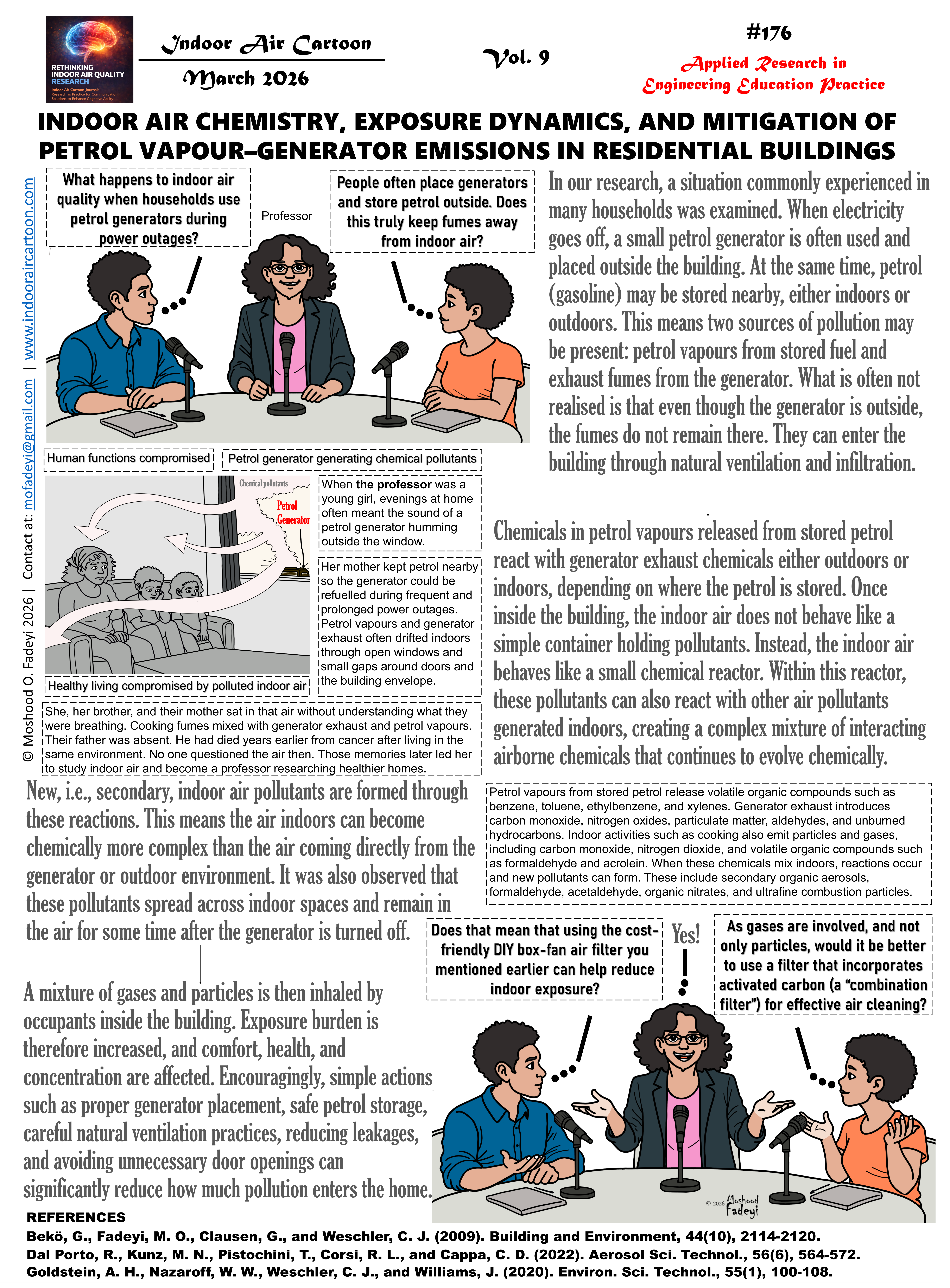
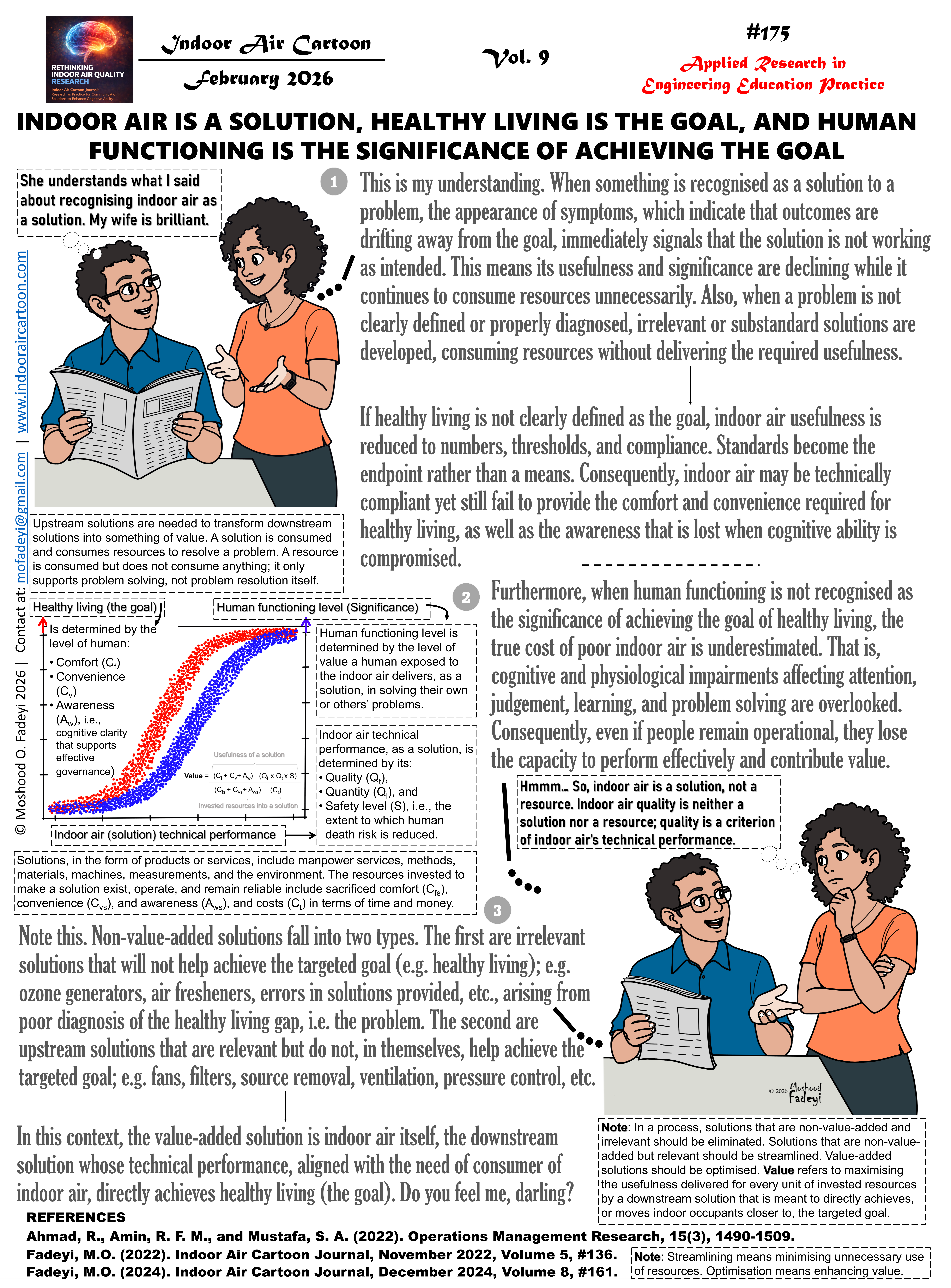


Leave a Reply