Indoor Air Cartoon Journal, July 2025, Volume 8, #168
[Cite as: Fadeyi MO (2025). Impact of water leakage, amplified by building practices, behaviour and environmental dynamics, on mould growth and health effects. Indoor Air Cartoon Journal, July 2025, Volume 8, #168.]

Fictional Case Story (Audio – available online) – Part 1
Fictional Case Story (Audio – available online) – Part 2
Fictional Case Story (Audio – available online) – Part 3
Fictional Case Story (Audio – available online) – Part 4
……………………………….
Across different parts of the world, people became increasingly exposed to mould in their indoor environments, but no clear explanation emerged for the rising levels of exposure or the worsening public health outcomes. Despite significant progress in building science, the exact conditions under which water leakage led to persistent mould growth and airborne contamination remained poorly understood.
Flaws in building design, vulnerability of construction materials, environmental factors such as humidity and rainfall, and the human tendency toward superficial fixes often interacted in ways that were not well characterised. Occupants and maintenance professionals, driven by habit, urgency, or lack of resources, frequently responded in ways that unintentionally worsened the problem. Health outcomes varied significantly, yet the role of biological vulnerability in shaping these effects was insufficiently explored. Differences in climate—across temperate, subtropical, and tropical regions—added further complexity, making it difficult to identify consistent exposure patterns or to design context-sensitive public health interventions.
A young woman, seeking to overcome her own tendency for quick fixes and to embrace the practice of effective solutioning, made it her mission to bridge these knowledge gaps. Her goal was to advance public health and improve professional practice by using the bridged knowledge to inform the solutions needed. Most importantly, she sought to heal herself—both personally and professionally. This young woman’s journey is the subject of this fiction story.
1…………………………….
When Jessica was three years old, the world around her collapsed without warning, and she was far too young to understand what had happened—or why her parents never came back. Her parents, Dembe and Florence Kaikara, were two of Equatoria’s brightest young and upcoming engineers, both deeply committed to designing sustainable housing for flood-prone communities.
On that fateful day, they had been travelling across provinces to present their breakthrough design for climate-resilient public housing—a project they had poured their hearts into. But as their car ascended the slick mountain bends of the Mertiger Range, torrential rains swept across the highway. Their vehicle skidded on a patch of oil-laced water and plunged into the ravine. The news of their deaths reverberated across Equatoria’s engineering circles. Colleagues mourned the loss of two visionary minds. But in a small flat in Elukra, a toddler waited for her parents—waited in vain.
While they were away, Jessica had been staying with her mother’s older sister, Bolara, in one of Elukra’s ageing neighbourhoods. There was at least 12 years difference between Bolara and Jessica’s mother. Bolara and Jessica’s mother were the two surviving children of their parents. Two other children between them had died at young age due to asthma – a common cause of death among children in the Republic of Equatoria. Jessica’s stay at Bolara’s house was not supposed to be permanent. Just a weekend, maybe a week at most. But in the shadow of tragedy, that weekend became her new life.
Bolara was a dressmaker—a kind, sharp-eyed woman with calloused fingers and tired eyes. Her workshop sat beneath her cramped second-floor flat, where the air always seemed heavy with steam and dust. She had grown up with Florence in a modest household, but while Florence earned a government scholarship to study civil engineering at the university, Bolara had left school early to support their ailing mother.
Their father had passed away when Bolara was still in secondary school, leaving their mother to raise both daughters alone. The financial strain was immense, and when their mother fell seriously ill just a few years later, Bolara, as the elder sibling, left school to care for her and keep the household afloat, taking on piecework and odd jobs to cover food and medicine. This early sacrifice enabled her younger sister, Florence, to continue her education uninterrupted and eventually earn a scholarship to study civil engineering. Florence’s rise had been celebrated, but it hadn’t lifted the family out of hardship.
When Florence and Dembe died suddenly, there were no savings left behind. Their careers had just begun to blossom, but they had not yet accumulated wealth. No life insurance. No property. Only debt from their research travels and design prototypes. No other relatives came forward to take Jessica. It was Bolara—overworked, underpaid, and already struggling—who opened her door without hesitation. The decision was not practical. It was not easy. But it was love.
By then, Bolara was already a widow, raising two children of her own: a teenage daughter, Benita, and a son, Benson. Her husband, Aaron, had died of heart failure three years earlier, leaving her with little more than his worn-out toolbox and a pile of unpaid hospital bills. Benita, seventeen, helped run errands after school, and Benson, fourteen, often swept the workshop floor. They were a family already stretched thin—but they made space for a three-year-old Jessica.
The flat was weathered and worn, its cracked plaster walls drinking in humidity like parched earth. The wooden shutters swelled shut when it rained, and the ceiling sagged above the kitchen where water dripped when the upstairs neighbour forgot to shut her tap. Bolara kept the lights on by mending zips late into the night and sewing school uniforms until her vision blurred. There was never enough. Not time. Not money. Not space.
When a corner of the wall bloomed dark with mould, Bolara dragged the wardrobe in front of it. When Jessica coughed into the night, she boiled ginger, rubbed menthol on her chest, and shut the windows tight against the damp air. The word “fix” in their home meant shifting, covering, adjusting—not solving.
Jessica watched this quietly. She saw how her aunt responded to problems with urgency and improvisation, not because she was careless, but because survival demanded it. If the bed got damp, move it. If the clothes smelled musty, hang them by the fan. If the landlord delayed repairs, wait—or work around it. To pause and investigate would mean falling further behind. So Bolara patched and pushed forward, and Jessica, a child trying to make sense of a fragile world, learnt to do the same.
As the years passed, Jessica internalised these patterns—not as shortcuts, but as signs of strength. To her, Bolara was not poor; she was resourceful. The problem wasn’t the wall, but how to live with it. The problem wasn’t the air, but how to cope when it thickened. This was how Jessica learnt to mistake coping for problem-solving. She mistook improvisation for problem-solving. When things went wrong, her instinct was to move quickly, make it neat, make it look like it never happened and move on. She never knew another way.
But it was not only Bolara’s flat that operated like this. Jessica noticed that even her neighbours dealt with the damp the same way—with buckets under leaks, scented candles masking mustiness, and paint layered over paint until the walls were shiny but sick. The whole building seemed to live by the rule that if it looked fixed, it was. And so Jessica grew up not in ignorance, but in a culture where urgency and appearance often stood in for understanding and resolution.
Jessica absorbed this way of solving problems like moisture seeps into plaster—slowly, quietly, and completely. In primary school, she quickly became known as the girl who always had the answer, always finished first, and always looked composed. Her teachers praised her speed and her well-organised worksheets, rarely probing how she arrived at her answers.
When asked to show working steps in mathematics, she often skipped them, relying instead on intuition or memory. If a science experiment required observation over three days, Jessica did it in one, fabricated the pattern, and wrote the report as if nothing was missing.
Her teachers, overwhelmed by large class sizes and focused on completing the syllabus, rewarded neatness and punctuality more than depth of reasoning. They spoke about inquiry-based learning and critical thinking, but in reality, they celebrated students who could produce fast, tidy results with minimal supervision.
In secondary school, Jessica’s reputation followed her. She excelled in group projects—not by exploring topics in depth, but by directing others toward solutions that sounded impressive and looked complete. She knew which templates to reuse, which catchphrases projected intelligence, and how to pull together a last-minute presentation that disguised the lack of real understanding.
When her school introduced a design thinking module, she breezed through the “ideation” and “prototyping” stages, delivering a functional-looking product in record time. She skimmed over empathy research and problem scoping—those were too uncertain, too messy. But her teachers did not seem to mind. Her prototypes were visually clever, her reports were glossy, and her confidence during presentations made her a classroom favourite.
Even when educators spoke of cultivating deep thinkers and resilient learners, their actions often sent a different message. The grading rubrics were structured to reward output more than process. Applied learning was encouraged, but mainly through controlled projects with predetermined timelines and showcase events.
Reflection journals were marked not by the depth of insight, but by adherence to word counts and formatting. Jessica learnt to play the system well. She became a master at working fast, sounding polished, and presenting every task as a success story. She never saw her habits as shortcuts—she saw them as efficiency, brilliance, even leadership.
And society around her reinforced this belief. Family members praised her for being “smart and fast.” Aunt Bolara beamed with pride whenever Jessica finished a school project in one evening and still received top marks. Friends’ parents asked her to tutor their children in how to “think quickly like Jessica.” In a country where outward success and speed were often equated with intelligence, Jessica was celebrated not just for her outcomes, but for how easily she appeared to achieve them. The culture valued performance over process, polish over persistence.
By the time she reached the pre-university level, there was no way for her to see her practice as a flaw. No one had ever questioned it. In fact, she came to view it as a powerful asset—something that made her exceptional, efficient, and admired.
By the time Jessica completed her 6 years high school education, her path to university seemed almost predetermined—shaped by years of praise, predictable success, and the confidence of those around her. She applied and was accepted into the School of Environmental Design at the University of Elukra, one of the most prestigious institutions in the Republic of Equatoria.
She chose to study Built Environment and Public Health, a multidisciplinary programme designed to integrate architectural design, environmental engineering, and sustainable practices to address real-world challenges such as housing quality, urban density, and health outcomes. For Jessica, the course felt like a natural extension of her identity—someone who could “solve problems” quickly and elegantly.
Her decision, however, was not based on a deep engagement with the nature of complex problems, but on the surface appeal of being seen as a high-achieving, purpose-driven student. She liked the idea of public impact but not the long process of grappling with ambiguity. She wanted to be known for delivering solutions, not for wrestling with the difficult process of creating them.
As she progressed through university, her practice of quick fixes deepened. The more complex the assignments became—integrating airflow simulations, occupant behaviour, and material interactions—the more she relied on presentation over process. Although the curriculum included modules such as Design Thinking, Communication for Innovation, and Sustainable Systems, it lacked a dedicated, structured module on the art of problem-solving.
There was little explicit emphasis on how to engage deeply with uncertainty, iterate meaningfully, or critically assess assumptions. Reflection was often reduced to a brief paragraph at the end of an assignment. Without being challenged to develop problem-solving as a disciplined cognitive skill, Jessica’s belief that fast and polished meant smart remained unshaken. And with no obvious feedback pointing otherwise, her confidence only grew.
In the programme, Jessica found herself drawn to indoor air quality. She was fascinated by how invisible particles and dampness could determine health outcomes. She memorised pollutant thresholds and ventilation formulas but skipped the deeper inquiry. Why test moisture buffering when the spec sheet promised performance? Why assess wall assemblies if the ventilation rate met the standard?
The field of IAQ seemed vast and complex, but Jessica’s mind instinctively filtered it down to what she could summarise quickly, present smoothly, and execute with minimal effort. Her assignments were neat, her group contributions polished, and her language persuasive. Professors praised her for her initiative and professional tone. Yet beneath the compliments, her understanding remained superficial, never quite anchored in real-world complexity.
Then came Jessica’s final-year capstone project—a two-semester-long individual assignment that would determine a large portion of her final degree classification. Each student was tasked with selecting a design problem relevant to public health and sustainability within the built environment. Jessica chose a topic close to what she believed to be her strength: indoor air quality.
Her specific project brief was to conceptualise and prototype a design intervention that could help reduce exposure to fine particulate matter (PM2.5), nitrogen dioxide (NO2), and formaldehyde (HCHO) in naturally ventilated, low-cost housing units in Equatoria—particularly those in high-density neighbourhoods like Bostari.
These homes, often built decades earlier, relied entirely on natural ventilation. During Equatoria’s long rainy season, windows were usually kept shut—either due to wind-driven rain, privacy concerns, or fear of break-ins. As a result, rooms became stuffy, indoor pollutants accumulated, and residents—especially children and the elderly—were exposed to elevated levels of airborne contaminants.
Many of the homes featured sliding aluminium-framed glass windows that moved horizontally on a track. One pane was fixed, while the other slid open partway, creating a limited aperture for air exchange—an opening rarely used effectively for ventilation.
In her first design attempt, Jessica proposed a hybrid solution: a slim ventilation booster module with a low-power fan and activated carbon cloth, designed to clip into the narrow slot formed when the window was opened slightly. It was marketed as a quick-to-install, energy-efficient fix for pollutant build-up. Her pitch was clear and confident: “No structural modification, no training needed. Just slide, clip, and breathe better.” Her professors were intrigued but encouraged her to validate the design through humidity and pollutant retention testing.
However, the prototype failed in its environmental chamber trials. The fan’s effectiveness dropped after 48 hours, the charcoal filter became saturated and began releasing odours, and microbial growth appeared around the casing seams. Worse still, the slight air resistance caused by the charcoal filter led to reverse airflow during wind gusts, pulling polluted air into the room. Jessica’s quick-fix mindset had backfired. Her narrow framing—treating ventilation as a hardware install rather than a systemic issue—was now evident.
She was devastated. For days, she avoided the laboratory entirely. Her prototype, which had once looked sleek and promising, now sat on a shelf—moulding, stagnant, and quietly mocking her. Jessica could not sleep. The sense of failure was not technical alone—it was deeply personal. She had always seen herself as a clear thinker, someone who could cut through complexity.
But now, she questioned whether she even understood the problem she was trying to solve. What stung the most was the knowledge that she had been warned, gently, and she had dismissed the caution in favour of elegance and speed. Her confidence dissolved into silence. For a full week, she skipped her supervisor’s lab meetings and refused to open her data files.
After weeks of reflection, Jessica reframed her problem. She realised her previous solution was reactive, not preventative. She needed to design something that respected airflow dynamics, occupant behaviour, and seasonal variation, all without relying on electricity or invasive installation.
Her revised idea was a passive insert that could sit within the existing aluminium window frame—precisely in the small space exposed when the sliding pane was slightly opened. The insert consisted of a breathable laminated shell containing layers of fine copper mesh (for microbial resistance), activated clay granules, and a replaceable non-woven electrostatic filter layer. The lamination edges were reinforced with weather-resistant silicone gaskets, enabling a snug press-fit into the narrow track without tools or adhesives.
The materials were selected for three functions: the electrostatic layer would trap PM2.5; the activated clay would absorb and stabilise formaldehyde; and the copper mesh would inhibit bacterial or fungal growth. The laminated shell had directional air slits designed to leverage small pressure differentials between indoors and outdoors. This allowed the system to facilitate consistent, fan-less airflow while still filtering incoming and outgoing air.
Jessica tested the revised insert in the university’s controlled environmental test chamber, which had been configured to simulate a typical Bostari flat exposed to traffic emissions and intermittent rainfall. Volunteers from the university’s public health and architecture programmes participated in user interaction trials, simulating typical household activities under monitored conditions. These participants appreciated that the prototype “looked like a real part of the window” and could be operated without confusion. They noted that it offered a reassuring balance between ventilation and protection from rain or outside view.
Feedback was collected through post-trial interviews, where users emphasised the insert’s intuitive installation, unobtrusive appearance, and the sense of privacy it maintained. The chamber tests confirmed pollutant reductions—41% for PM2.5, 28% for NO2, and 22% for HCHO—over a 48-hour period, even during induced rainy conditions, without the need for mechanical assistance.
Her dissertation documented both the failure and recovery. She reflected candidly on how her instinct for “fast and understandable” solutions had blinded her to deeper mechanisms at play. She acknowledged the seductive clarity of quick answers—and the rigour required to resist them.
Her final submission included airflow simulation data, material performance results, and user feedback analysis, earning her strong commendation for both technical ingenuity and self-awareness. Jessica did not just meet the project brief. She transformed the way she approached problem-solving—trading speed for understanding, and neatness for depth.
2…………………………….
She graduated with honours, but something deeper had shifted. During her final semester, Jessica had begun part-time work at the Ministry of Housing’s Indoor Air Quality Taskforce. After graduation, the role became full-time. What began as a data analyst position evolved into something more observational—more troubling.
She reviewed development submissions from contractors claiming to implement “ventilation features.” In reality, many of these amounted to narrow, uninsulated slots above aluminium windows—too high to be effective and too small to enable meaningful air exchange. She studied maintenance logs for subsidised housing blocks. In one, a report showed the same bedroom wall had been repainted six times in three years. No investigation had ever been made into what lay beneath. When she queried it, a senior officer shrugged: “Budget doesn’t cover that. Just aesthetics.”
She sat through vendor presentations touting “mould-killing paint films,” “photocatalytic stickers,” and even “AI-based scent monitoring sprays.” None addressed the source of moisture or improved ventilation performance. Yet they won procurement bids. They looked effective. However, the pattern ran deeper than procurement. Even the public reinforced it.
She observed residents placing camphor balls in wardrobes, unaware that the vapour could trigger asthma attacks. She watched cleaners scrub porous, painted concrete with undiluted bleach, assuming the smell of “clean” meant safety. She listened to landlords refusing tenant requests for mechanical ventilation, arguing that “the windows are enough—if you use them right.
These were not isolated errors. They were symptoms of something cultural. Jessica recognised it because she had lived it: the habit of covering, patching, and coping. What had once seemed resourceful now appeared systemic. Beneath every easy solution was a hidden risk—deferred, denied, or misdirected.
Jessica began collecting cases. One elderly couple experienced persistent sinus infections after moving into a flat treated with “mould-proof coating” applied directly over existing spores. Another family endured chronic headaches and restless sleep after installing an ioniser system that generated ozone in a sealed room. A pregnant woman developed a lingering respiratory irritation after frequent use of scented candles in a non-ventilated bedroom. Each case pointed to the same flaw—not in equipment or effort, but in comprehension.
The more she documented, the more resolute she became. The real problem was not the absence of technology or intention. It was the absence of contextual understanding. Too often, the interactions between building design, environmental conditions, human behaviour, and biological vulnerability were ignored. What remained were fragmented actions—sometimes well-meaning, often ineffective—repeating the same cycles of decay and discomfort.
Jessica felt herself changing again. The old instinct to create a guidebook, launch an awareness campaign, or build a solution resurfaced—but she stopped short. She feared that staying too long in an industry culture shaped by reactive thinking and aesthetic compliance might slowly blunt her instincts for rigour. If she stayed, she would likely adapt—and adaptation, she realised, was how the very failures she now saw had taken root.
She no longer wanted to patch the problem. She wanted to understand it fully. This time, she would not rush. She would go deeper—not for a job title or a product launch, but to build the kind of clarity that could resist surface-level success.
With this conviction, Jessica began writing a doctoral research proposal. Not a proposal for a new device or campaign, but a rigorous inquiry into how water leakage, environmental forces, human choices, and individual susceptibility combine to shape exposure to mould and its health consequences.
She drew from the cases she had documented, from buildings across Equatoria and beyond, to frame her questions. The proposal was not easy to write—it required her to revisit failures, including her own—but it felt necessary. She had seen too much to stay silent. And this time, she would not just point at the symptom. She would go to the source. Her research proposal is as follows:
“It remains unclear why, despite advancements in building science, indoor environments affected by water leakage continue to suffer persistent mould proliferation and elevated concentrations of airborne mould particles. The precise conditions under which water intrusion—shaped by building design, construction quality, and external environmental forces—leads to extensive microbial growth are not fully understood. Nor is it well established how these factors influence indoor exposure levels or contribute to health risks among occupants. Although the connection between mould and health has been broadly recognised, the underlying drivers of exposure intensity and variability remain insufficiently characterised.
There is an incomplete understanding of how interactions among physical factors (such as construction detailing and material vulnerability), environmental dynamics (such as humidity and rainfall), and human behaviour (such as superficial remediation) give rise to the levels and spatial patterns of indoor mould contamination. The role of building users and maintenance professionals in unintentionally sustaining or exacerbating exposure through inadequate responses is particularly underexplored. It is not yet known to what extent their behavioural choices moderate or amplify the relationship between water intrusion, mould growth, airborne exposure, and eventual health outcomes.
Further complicating the picture is the uncertainty surrounding how biological vulnerability affects the health consequences of mould exposure. While some individuals appear more severely impacted than others, the interaction between exposure dose and biological susceptibility remains poorly quantified. This lack of clarity limits our ability to identify at-risk populations and to structure effective intervention strategies.
Another critical unknown concerns the influence of geographical variation. It has yet to be determined how the differences in climate across temperate, subtropical, and tropical regions affect the persistence, severity, and mitigation of indoor mould problems. It is unclear whether environmental conditions unique to each climate zone—such as temperature fluctuations, rainfall intensity, or ambient humidity—exacerbate or moderate the pathways linking water leakage to airborne mould and associated health risks.
The cumulative effect of these uncertainties forms a significant gap between the current performance of indoor environmental management and the goal of safeguarding occupant health. Without a clearer understanding of how environmental, behavioural, biological, and geographical factors interact, it remains difficult to explain why existing solutions are inadequate and how more effective, context-sensitive interventions might be designed. This research seeks to uncover these unknowns and establish a foundation for improved mould risk prevention.”
At her interview, a panellist asked, “Why pursue this, now?”
Jessica answered simply:
“Because I once believed that any fix was better than none at all,” she said quietly. “But I now understand that poor fixes do not solve—they compound. I have stood in rooms where children struggled to breathe, only to see those same walls painted over and labelled as safe. That kind of ignorance is not harmless. We cannot solve a problem with do not understand.
I recognise that addressing the understanding gap required the formulation of research questions that would guide the inquiry towards generating the understanding necessary to explain why the current situation remains distant from the intended goal. I want to build that understanding—for them, and for the child I used to be, who thought coping was the same as solving.”
The interview panel members particularly favoured her PhD research questions, which are relevant to industry and well-founded.
The research questions are as follows: (i) How do water leakage events, influenced by building practices and environmental dynamics, affect the levels and distribution of mould growth and airborne mould particles indoors? (ii) How do mould exposure levels, influenced by water leakage, building practices, and environmental dynamics, relate to health risks among building occupants, considering additive and interaction effects of biological vulnerability? (iii) To what extent do the behavioural practices of building occupants and maintenance professionals in choosing superficial fixes over effective remediation moderate the relationships among water leakage, mould growth, airborne mould exposure, and health risks in buildings affected by environmental dynamics?
And so, Jessica stepped into her next chapter—not as someone who had always known what to do, but as someone who had learnt to ask the right questions through lived experience. These questions were not born from success, but from failure—from every misstep she took, every mould-covered wall she once believed could be concealed with paint, and every uncomfortable truth she had to confront about the shortcuts taken not just by herself, but across an entire industry meant to protect.
She had seen how well-meaning occupants, constrained by fear or cost, unknowingly worsened their own exposure. She had seen how professionals rewarded the appearance of action over real understanding. In that tangled web of false fixes and deferred responsibility, Jessica had learnt this much: if we do not understand the problem, we will only replicate it in smarter packaging. It was time to unlearn the easy answers—and begin the hard work of understanding.
For the first research question, the Null Hypothesis (H₀₁) is that water leakage events, building practices, and environmental dynamics do not significantly affect the levels or spatial distribution of mould growth or airborne mould exposure indoors. The Alternative Hypothesis (H₁₁) is that water leakage events, building practices, and environmental dynamics significantly increase mould growth levels and widen the spatial and airborne distribution of mould indoors, with greater effects associated with poor building practices and more severe or prolonged environmental moisture dynamics.
For the second research question, the Null Hypothesis (H₀₂) is that there is no significant relationship between mould exposure levels and health risk scores among building occupants, and no significant interaction effect exists between exposure dose and biological vulnerability, regardless of building practices or environmental dynamics. The Alternative Hypothesis (H₁₂) is that higher mould exposure levels are significantly associated with increased health risk scores among building occupants, and this relationship is significantly amplified in individuals with higher biological vulnerability, demonstrating a positive interaction effect between exposure dose and vulnerability, particularly in contexts of poor building practices and adverse environmental dynamics.
For the third research question, the Null Hypothesis (H₀₃) is that the behavioural practices of building occupants and maintenance professionals do not significantly moderate the relationships among water leakage, mould growth, airborne exposure levels, and health risks, regardless of environmental dynamics. The Alternative Hypothesis (H₁₃) is that the behavioural practices of building occupants and maintenance professionals significantly moderate the relationships among water leakage, mould growth, airborne exposure levels, and health risks, with the pursuit of superficial fixes leading to higher mould levels and greater health risks, especially under challenging environmental dynamics.
The research questions and problems informed the following objectives of her PhD research: (i) To determine how water leakage events, as influenced by building practices and environmental dynamics, affect the levels and spatial distribution of mould growth and airborne mould particles indoors. (ii) To examine the relationship between mould exposure levels and health risks among building occupants, accounting for the effects of water leakage, building practices, environmental dynamics, and the additive and interaction effects of biological vulnerability. (iii) To evaluate the extent to which the behavioural practices of building occupants and maintenance professionals—in choosing superficial fixes over effective remediation—moderate the relationships among water leakage, mould growth, airborne mould exposure, and health risks in buildings subject to environmental dynamics.
Below is an excerpt from Jessica’s PhD thesis.
3…………………………….
Research Methods
Methods for Research Question 1:
Study Sites and Experimental Setup
A study was conducted to explore how water leaks in buildings, influenced by climate, building design, and environmental conditions, contribute to mould growth and the spread of mould particles indoors. A deliberate effort was made to include temperate, subtropical, and tropical regions so that findings would be broadly relevant rather than limited to a single climate.
For this purpose, twenty buildings were selected across three climate zones. The temperate buildings were situated in the Kingdom of Northlandia, where cold winters and moderate summers create seasonal events such as snowmelt, heavy rain, and freeze-thaw cycles, which can damage building exteriors and allow moisture to become trapped inside walls.
In the Federation of East Maridia, representing subtropical conditions, buildings were chosen in areas where high humidity and frequent rain can make even minor leaks a persistent problem. The tropical sites were located in the Republic of Equatoria, where high temperatures and continuous humidity, combined with significant differences between cool interior spaces and hot outdoor air, pose constant risks of condensation and rapid mould growth, especially in buildings constructed with lightweight materials.
Participation by Equatoria was facilitated through collaborations established between researchers in Northlandia and universities in Equatoria, following years of cooperative work on building design and health studies. Through these partnerships, access was secured to buildings, local regulations were managed, and continuous field monitoring was maintained, tasks that would have been difficult for researchers from Northlandia to undertake independently. Local research teams in Equatoria were relied upon for coordinating with building owners, obtaining necessary permissions, and performing extensive fieldwork over several months.
Buildings were chosen deliberately rather than randomly, to ensure a variety of ages, construction techniques, and building functions were represented, including tall residential towers, commercial office buildings, and smaller low-rise structures. A key selection criterion was that each building had experienced water leakage within the past twenty-four months. This ensured that mould growth could be studied in places where water damage remained relevant, but also that there had been time for mould colonies to develop.
Within each building, specific zones were mapped for study. Zones directly affected by leaks were identified through visible signs such as damp stains, peeling paint, or evidence of repairs. Zones adjacent to leakage areas were included to account for moisture that can spread unseen through walls or airflow. Control zones far from any leaks were established as baselines for comparison. In each building, at least three directly affected zones, two adjacent zones, and two control zones were designated and documented through building schematics and floor plans, ensuring consistency and enabling future studies to replicate the work.
During fieldwork, details about building materials and construction features were documented, maintenance and repair records were reviewed, and photographs of visible water damage were taken. Structured interviews were carried out with building managers, maintenance staff, and occupants to gather information on how leaks had occurred, how frequently they happened, how repairs had been handled, and how indoor conditions may have been affected.
Multiple visits were conducted over several months to track changes in damage and mould growth over time. Information gathered in the field was used to inform laboratory experiments, ensuring that simulated conditions reflected real-world circumstances.
A significant component of the research involved measuring water leakage events precisely. In buildings where active leaks were present, measurements of water flow were taken in litres per hour, and the total volume of water was calculated. For past leaks, estimates were reconstructed based on building records and interviews. In laboratory settings, water leakage scenarios were simulated using calibrated drip systems that delivered water at controlled rates ranging from 0.5 to 2.5 litres per hour, over periods between 2 and 72 hours.
These setups allowed fifteen distinct leak scenarios to be recreated, from minor, short-lived leaks to severe, prolonged water exposure. Infrared cameras were employed to detect hidden moisture beneath surfaces, while moisture meters were used to measure how water spread through walls and ceilings.
Laboratory experiments were primarily conducted in the Environmental Research Chambers in Northlandia, with additional experiments performed in Equatoria to replicate tropical conditions accurately. Full-size mock-ups of building components—including lightweight partition walls, concrete slabs, and suspended ceilings—were constructed using materials common to buildings in the field study, such as gypsum board, timber and steel framing, concrete, insulation materials, and various surface finishes.
Each mock-up was built to dimensions of roughly 3 metres in height and width, with thicknesses ranging from 0.3 to 0.5 metres. Controlled leaks were introduced into these assemblies under carefully managed conditions to observe how varying amounts of water and different leak durations affected mould growth.
During laboratory testing, daily inspections of the mock-ups were conducted to detect visible mould growth, surface changes were documented, and patterns of moisture migration were tracked. Both single-event leaks and repeated leak scenarios were tested to reflect conditions observed in real buildings. Variations in construction details—such as whether joints were sealed or left open—were examined to determine their influence on moisture retention and mould development. Environmental conditions, including temperature, humidity, and airflow, were continuously monitored and adjusted to match those recorded in field studies.
For temperate climate simulations, laboratory temperatures were maintained at 15°C, 18°C, or 22°C, with relative humidity levels set at 40%, 50%, or 60% to reflect seasonal variability. Tropical simulations were conducted at temperatures of 28°C, 30°C, or 32°C with relative humidity levels of 75%, 85%, or 90%. Airflow was kept steady at 0.20 metres per second, comparable to normal indoor ventilation. Some laboratory scenarios were designed to replicate Northlandia’s dry winter conditions, while others reproduced the hot, humid climate typical of Equatoria.
By combining detailed field observations with controlled laboratory testing, a bridge was formed between merely observing mould issues in buildings and understanding the processes that cause them. Collaboration across regions was essential to the success of this study, allowing a complex issue to be investigated across widely differing climates and building types. Insights gained through this research are intended to inform improvements in building design, maintenance, and health protection, aiming to reduce the risks of mould growth and airborne mould exposure caused by water leaks.
Data Collection and Analytical Methods
An extensive methodological framework was implemented in this study to characterise water leakage events, evaluate building construction practices and environmental factors, quantify mould presence on surfaces and in the air, and model moisture and mould dispersal inside buildings. Data were systematically collected in both field investigations across twenty buildings in diverse climates and in laboratory simulations designed to reproduce real-world conditions under controlled parameters.
Water leakage events were thoroughly quantified to capture both their magnitude and dynamics. In the field, whenever an active leak was encountered, water flow rates were measured by collecting discharge in graduated containers over timed intervals, allowing precise calculation of volumetric flow rates expressed in litres per hour.
In situations where active leakage had stopped but water damage remained evident, cumulative leakage volumes were estimated by examining building maintenance records and conducting interviews with building managers to determine the duration of leakage events and approximate volumes of water involved.
In laboratory conditions, water leakage scenarios were simulated using precision-calibrated drip irrigation systems, which were adjusted to deliver flows ranging from 0.5 to 2.5 litres per hour. In the laboratory, controlled water leaks were created by delivering water at flow rates ranging from 0.5, 1.0, 1.5, 2.0, or 2.5 litres per hour, for periods lasting 2, 6, 24, 48, or 72 hours. Various combinations of flow rate and duration were tested to represent different real-world leak scenarios, resulting in fifteen distinct laboratory experiments.
Tracing the movement of water through building materials was essential to understanding moisture dynamics. Thermal imaging cameras with a resolution of 320×240 pixels and the capability to detect minute temperature differences as small as 0.1°C were employed to reveal hidden moisture behind building surfaces that would otherwise remain invisible.
Additionally, capacitance-based moisture meters were used to record moisture levels across affected areas, taking measurements at 30-centimetre intervals both vertically and horizontally, enabling detailed mapping of moisture distribution patterns within building materials.
A systematic evaluation of building construction practices was conducted at each study site using a standardised checklist comprising 42 specific assessment items. These included examination of wall assembly configurations, techniques used for window installation, sealing details around structural penetrations, transitions between different materials, and verification of the presence or absence of moisture barriers.
Field inspections documented the quality of workmanship and the state of maintenance, including evidence of past repairs related to water damage. Architectural and construction drawings were reviewed to correlate planned design details with actual built conditions.
Furthermore, structured interviews with building maintenance staff and facility managers were conducted to gather insights into common construction practices, preferred repair methods, and typical maintenance routines. Based on these comprehensive assessments, each building was assigned a construction quality score ranging from 0, indicating poor moisture resilience, to 10, representing excellent performance against water intrusion.
Environmental conditions were closely monitored in all study zones to examine their role in moisture retention and mould growth. Digital data loggers were deployed in every defined zone within each building and programmed to record temperature and relative humidity at fifteen-minute intervals over the entire duration of the study. To contextualise indoor conditions, outdoor climate data were obtained from meteorological stations situated within five kilometres of the buildings.
Ventilation effectiveness was measured through tracer gas decay techniques, whereby sulphur hexafluoride (SF6) gas was introduced into building spaces and its decay in concentration was tracked using infrared analysers. This enabled precise calculation of air exchange rates, reported as air changes per hour (ACH), providing a quantitative understanding of how effectively moisture and airborne particles were removed from indoor environments.
Assessment of mould presence involved rigorous sampling of both surfaces and indoor air. Surface sampling was performed in all zones using contact plates pressed against surfaces for ten seconds to capture microorganisms. Where surfaces were irregular or unsuitable for plate contact, sterile cotton swabs were rubbed over defined areas measuring 10×10 centimetres. All collected samples were subsequently incubated under controlled laboratory conditions at 25°C for a period of seven days on growth media including Malt Extract Agar (MEA) and DG18 agar.
This facilitated the cultivation of a broad range of fungal species for later analysis. Colony growth was documented and recorded as colony-forming units (CFU) per square centimetre. For species-level identification, fungal colonies were examined microscopically to observe morphological characteristics and further analysed using molecular methods, specifically sequencing of the internal transcribed spacer (ITS) region of fungal ribosomal DNA.
Airborne sampling was undertaken using two complementary methods. Spore trap cassettes, such as Air-O-Cell devices, were operated at a calibrated flow rate of 15 litres per minute for ten minutes, resulting in a sampled air volume of 150 litres. Captured particles were subsequently analysed under light microscopy at a magnification of 400× to enumerate and classify fungal spores.
Additionally, Andersen N6 impactors were used to collect viable airborne fungi onto agar plates, functioning at a flow rate of 28.3 litres per minute for five minutes. This allowed determination of viable fungal particle concentrations expressed as CFU per cubic metre. Air sampling schedules were designed to capture baseline dry conditions, immediate post-leakage conditions, and longer-term conditions at monthly intervals for up to three months following water intrusion events.
For further understanding of building hygiene risks, a subset of surface and air samples underwent chemical analysis for potential mycotoxins. Samples were processed using acetonitrile-water extraction and analysed via liquid chromatography coupled with tandem mass spectrometry (LC-MS/MS). Target analytes included aflatoxins, ochratoxins, and trichothecenes, with detection limits set below 0.1 nanograms per gram of sample.
Advanced spatial modelling was also incorporated to visualise and analyse moisture and mould dynamics within buildings. Photogrammetry was employed by capturing overlapping high-resolution digital photographs, which were processed into detailed three-dimensional models. These digital models enabled precise measurement and visualisation of fungal colonisation across surfaces, revealing patterns of moisture influence not apparent through direct observation alone.
Computational fluid dynamics (CFD) simulations were conducted to replicate indoor airflow patterns, integrating building-specific geometries extracted from architectural CAD drawings and ventilation measurements gathered in the field. Through these simulations, predictions were generated on how air movement could potentially transport fungal spores from leak sites to more distant interior areas, contributing to a deeper understanding of contamination pathways.
Through this comprehensive suite of methods, a robust framework was established for characterising the complex interplay between water leakage, building construction, environmental conditions, and indoor fungal contamination in diverse building types and climates.
Data Management, Quality Assurance, and Statistical Analysis
Robust protocols for data management and quality assurance were implemented to guarantee the integrity, precision, and reproducibility of data gathered throughout the study. Calibration procedures were conducted for all measurement instruments before deployment and repeated at defined intervals to ensure sustained accuracy.
In the field, replicate samples were collected for at least ten percent of all environmental and biological measurements, providing a basis for assessing variability and confirming measurement precision. Strict chain-of-custody procedures were enforced for biological samples to protect sample identity, prevent cross-contamination, and preserve the validity of subsequent laboratory analyses.
A systematic approach was used to analyse the wide range of data collected from both fieldwork and laboratory experiments. Basic statistical methods—including calculations of averages, ranges, counts and frequencies, percentages, minimum and maximum values, and standard deviations—were applied to clearly summarise important information, such as how much water leaked, the temperatures and humidity levels recorded, and the number of mould colonies found on sampled surfaces.
To analyse relationships among multiple variables, Generalised Linear Mixed Models (GLMMs) were utilised. These models accounted for the nested structure of the dataset, capturing variability both between buildings and across different zones within the same building. This hierarchical modelling allowed accurate estimation of associations while adjusting for the complex organisation inherent in the study’s design.
Multivariate analyses, including Canonical Correspondence Analysis, were performed to examine how combinations of environmental parameters influenced mould species composition. These techniques provided insights into how specific environmental conditions might drive the presence or abundance of particular fungal taxa within buildings subjected to water intrusion.
Spatial analysis was also incorporated to investigate the distribution and potential spread of mould contamination within indoor environments. Techniques such as Moran’s I statistic were applied to evaluate spatial autocorrelation, identifying whether mould occurrence tended to cluster geographically within buildings. Additionally, kriging interpolation methods were employed to generate detailed spatial maps illustrating the gradients of mould presence and moisture patterns across study zones, enabling visualisation of potential pathways of contamination spread.
Hypothesis testing was central to evaluating the study’s primary research questions. Core analyses compared mould densities and airborne spore concentrations between water-affected zones and control zones, adjusting for confounding influences such as leakage severity, local environmental conditions, and construction quality indicators. Statistical significance was assessed using a conventional α threshold of 0.05, and adjustments for multiple comparisons were made using false discovery rate corrections to maintain rigorous standards of inference.
To explore potential causal pathways, Structural Equation Modelling (SEM) was applied. This technique enabled simultaneous assessment of direct and indirect relationships linking water leakage events, building design characteristics, environmental dynamics, and mould proliferation outcomes. Incorporating laboratory findings into the SEM models further strengthened causal interpretations, allowing experimental evidence to reinforce associations identified in field observations.
Altogether, meticulous data management, quality assurance measures, and advanced statistical techniques formed an integrated analytical strategy. This approach provided a robust framework for understanding the complex interplay between water leakage, building practices, environmental factors, and the dynamics of indoor mould contamination across diverse climatic regions.
Ethical Considerations
All field studies were conducted in compliance with institutional ethical guidelines. Informed consent was obtained from building occupants and stakeholders prior to any sampling or intervention activities. Anonymity and data confidentiality were strictly maintained, and all procedures involving potentially hazardous mould sampling were performed under conditions that ensured the safety of researchers and building occupants.
Contribution to Knowledge
The methodology developed for this research represented an innovative integration of environmental monitoring, microbial analysis, building diagnostics, spatial mapping, and advanced statistical modelling. By combining observational and experimental approaches, the study was uniquely positioned to unravel the complex pathways through which water leakage events, influenced by building practices and environmental dynamics, contribute to mould growth and airborne dispersal indoors.
The knowledge generated through this research was intended not only to fill significant gaps in scientific understanding but also to inform practical strategies for building design, construction, and maintenance aimed at mitigating mould-related health risks.
Research Methods for RQ2
Study Design and Setting
A longitudinal observational cohort design was adopted to investigate how mould exposure levels, influenced by water leakage, building practices, and environmental dynamics, were related to health risks among building occupants, with particular attention to both additive and interaction effects of biological vulnerability. This design was selected to enable the differentiation of transient environmental fluctuations from sustained exposures potentially linked to longer-term health effects. The approach was also considered critical for assessing how individual biological susceptibility might modify the impacts of environmental exposures over time.
The study was conducted in twenty residential buildings, which had been deliberately selected to ensure representation of a broad range of architectural ages, design characteristics, and maintenance histories. These buildings were situated across diverse urban environments, encompassing neighbourhoods containing older structures with documented histories of water ingress, as well as newer constructions incorporating modern moisture control strategies. Such purposive sampling was employed to maximise heterogeneity in building conditions, environmental exposures, and occupant experiences, thereby enhancing the external validity of findings.
Approximately 300 adult participants were recruited, with an intended distribution of about fifteen individuals per building. Eligibility criteria specified that participants were to be aged eighteen years or older and representative of varied socio-demographic backgrounds, to capture potential differences in biological susceptibility and health outcomes. A twelve-month follow-up period was chosen to capture seasonal variability in mould proliferation and respiratory health, recognising that fluctuations in temperature, humidity, and occupant behaviours across seasons might influence both exposure patterns and health risks.
Mould Exposure Assessment for Health Modelling
In this phase of the study, emphasis was placed on quantifying mould exposure at the individual level, distinct from the building-level assessments conducted for the environmental pathway. Personal exposure doses were estimated to reflect the actual inhalation risks faced by occupants, recognising that aggregate building-level data might not accurately capture individual experiences of exposure.
Participants were equipped with lightweight personal exposure monitoring devices, which were worn for one week in each season. These devices recorded parameters including location, temperature, and relative humidity, enabling the reconstruction of time spent in different zones within the building.
These movement patterns were integrated with spatial mould concentration data obtained from prior environmental assessments to calculate time-weighted average exposure doses for each participant. In this context, concentration values referred to the average number of fungal spores per cubic metre of air, measured during defined sampling periods within each zone. The time-weighted average exposure dose was determined by multiplying the average concentration recorded in each occupied zone by the duration of time spent in that zone, summing these products across all zones, and dividing by the total duration of the monitoring period.
Average exposure dose was thus expressed in spores per cubic metre of air, providing a measure of the typical airborne fungal concentration to which an individual was exposed across varying indoor environments. Total exposure doses were subsequently derived by multiplying the time-weighted average concentration by the cumulative volume of air estimated to have been inhaled across all zones occupied during the monitoring period.
This cumulative inhaled volume was calculated by combining estimated breathing rates with the time spent in each zone, acknowledging that differences in activity levels and occupancy patterns could substantially affect individual exposure. This methodological approach was implemented to account for inter-individual variability in behavioural patterns and physiological factors, which could significantly influence the magnitude of exposure dose experienced.
Settled dust samples previously collected during environmental assessments were subjected to further biochemical analysis to identify specific substances produced by mould that could contribute to health risks. This was performed to determine not only the quantity of mould present but also the potential hazardous properties of the mould, which might influence health outcomes independently or through interactions with biological vulnerability.
Enzyme-linked immunosorbent assays were conducted to measure concentrations of β-glucans, inflammatory compounds originating from fungal cell walls, while liquid chromatography-tandem mass spectrometry was used to detect and quantify mycotoxins, toxic chemicals produced by some mould species. These biochemical measures were included as separate exposure indicators to capture the diverse biological activities associated with mould contamination.
To support the analysis of how mould might affect health, all the different measurements of mould in the buildings were converted into numbers that could be used in mathematical calculations. For instance, the amount of mould in the air was recorded as the number of spores found in each cubic metre of air, while the chemicals produced by mould in dust were measured in very small amounts, such as nanograms per gram of dust. Sometimes, these numbers were adjusted through mathematical transformations, like taking the logarithm, so that very large or uneven numbers could be handled more easily by the computer programs used for analysis.
In addition to keeping these measurements as continuous numbers, the data were also grouped into categories such as ‘low,’ ‘medium,’ or ‘high’ exposure levels. This grouping was carried out so that it could be checked whether health risks became noticeable only when exposure levels rose above certain thresholds, rather than increasing steadily with higher mould levels. The use of both numerical and grouped data was considered important for providing flexibility in the analysis and for making the results easier to understand, helping scientists and health professionals to recognise what levels of mould might pose risks to people’s health.
Assessment of Biological Vulnerability
An integral aspect of the study was the comprehensive assessment of biological vulnerability, given the understanding that environmental exposures do not uniformly result in adverse health outcomes. This element of the methodology was designed to identify those individuals who might be particularly susceptible to the health impacts of mould exposure.
Participants completed an extensive questionnaire that collected detailed information on personal health histories, including prior diagnoses of respiratory and allergic conditions such as asthma, allergic rhinitis, chronic bronchitis, and other immunologically mediated diseases. The questionnaire also recorded lifestyle factors relevant to respiratory health, including smoking habits, occupational exposures, physical activity levels, and regular medication use, particularly those influencing immune responses or inflammatory pathways.
In addition to these self-reported data, biological assessments were conducted through the collection of blood samples. Total serum immunoglobulin E concentrations were measured to determine general atopic predisposition. Further analysis involved quantification of mould-specific immunoglobulin E antibodies using ImmunoCAP assays, offering detailed insights into allergic sensitisation towards fungal species identified during the environmental assessments. These immunological measures were intended to serve as important indicators of individual biological responsiveness to environmental fungal exposures.
Systemic inflammation was evaluated by measuring biomarkers such as C-reactive protein and interleukin-6, both of which are recognised as indicators of chronic low-grade inflammatory processes potentially exacerbating susceptibility to environmental irritants, including mould. Elevated levels of these markers were regarded as suggestive of underlying inflammatory activity, even in the absence of obvious clinical symptoms.
Where consent was granted and ethical considerations allowed, genetic analyses were performed to identify polymorphisms in key immune-regulatory genes, including IL-13 and TLR4, known to influence inflammatory responses to environmental exposures. Genotyping was conducted using polymerase chain reaction-based techniques to ensure precision and reliability in detecting relevant genetic variants.
Information collected from health questionnaires, blood tests, and genetic testing was combined to produce a single score representing how vulnerable each person might be to health problems caused by mould exposure. This score, known as a biological vulnerability index, was calculated using statistical methods designed to find patterns in complex sets of data.
The index was kept as a number on a continuous scale so that it could be used in mathematical analyses, but it was also divided into groups, such as low, moderate, and high vulnerability, to make it easier to interpret. This score was regarded as an important part of the study, as it enabled the effects of mould exposure on health to be examined both on its own and in relation to whether individuals with higher biological vulnerability were more likely to become ill when exposed to mould.
Measurement of Health Outcomes
Health outcomes were assessed through a combination of subjective and objective measures to achieve a comprehensive evaluation of respiratory health impacts potentially associated with mould exposure. Participants completed the St George’s Respiratory Questionnaire, a validated tool widely employed in both clinical and epidemiological research, which quantifies symptom frequency, severity, and the overall impact of respiratory illness on quality of life. This instrument was selected due to its capacity to detect subtle changes in respiratory health over time, making it particularly suitable for longitudinal observation.
Objective clinical assessments included spirometry, performed in accordance with the standards established by the European Respiratory Society and the American Thoracic Society. Spirometric parameters measured comprised forced expiratory volume in one second, forced vital capacity, and the ratio of forced expiratory volume in one second to forced vital capacity. These measures were essential for detecting both obstructive and restrictive impairments in lung function, which might be linked to chronic mould exposure.
Additionally, fractional exhaled nitric oxide levels were measured as a non-invasive biomarker of eosinophilic airway inflammation, providing insights into subclinical inflammatory responses which could precede obvious respiratory disease manifestations. Elevated levels of exhaled nitric oxide were interpreted as indicative of underlying airway inflammation potentially associated with environmental exposures.
Whenever feasible, participants’ medical records were reviewed, with appropriate consent, to validate self-reported diagnoses and medication use. This validation was implemented to enhance the reliability of health outcome data and to mitigate potential biases associated with self-reported information. Collectively, these health outcome measures were intended to deliver a multidimensional view of each participant’s respiratory health, encompassing both subjective symptom reporting and objective physiological assessments.
Statistical Modelling and Analytical Framework
The statistical modelling undertaken in this study was designed specifically to address the research question and test the stated hypotheses regarding the relationships between mould exposure, biological vulnerability, and health outcomes. The core analytical model was developed to predict health outcomes as a function of exposure dose, biological vulnerability, and the potential interaction between these factors, while adjusting for measured building and environmental variables documented under the environmental pathway.
The model was expressed in plain text as follows:
Predicted Health Risk = β₀ + β₁(Exposure Dose) + β₂(Vulnerability) + β₃(Exposure Dose × Vulnerability) + Zγ
Each term in this equation had a specific scientific purpose in describing how different factors might work together to influence health outcomes in people exposed to indoor mould. The intercept, shown as β₀, captured the average level of health risk in the study population when all other variables were set to zero. In simple terms, it represented the baseline health condition of people who had no measurable mould exposure, no particular biological vulnerabilities, and average values for all other circumstances included in the model.
While no real person fits this exact description, β₀ provides a statistical starting point for comparing how much risk increases when mould exposure or other risk factors are present. In essence, β₀ represents the average ‘background’ health risk level simply from belonging to the studied population—even before adding the effects of mould exposure or vulnerability. For example, the β₀ for people living in population A might be lower than the β₀ for people living in population B, because population A live in better conditions, with cleaner air, stronger healthcare systems, and fewer baseline environmental hazards, all of which lower the general background risk of health problems. The other parameters in the equation, by contrast, operate at the individual level rather than at the population level.
β₁ measured how mould exposure affected health. “Exposure dose” was defined as the average number of fungal spores per cubic metre of air that a person inhaled over time. β₁ indicated how much the predicted health risk changed for each additional unit of mould exposure. A positive β₁ value meant that higher mould levels were linked to worse respiratory health. This term provided the direct link between environmental mould levels and health effects. For instance, if β₁ was 0.4, then for every additional 100 spores/m³ a person inhaled, their risk of respiratory symptoms might increase by 40%. This helped quantify exactly how hazardous higher levels of mould could be.
β₂ described how a person’s general biological vulnerability affected health risks, regardless of mould levels. In this study, biological vulnerability had two parts. First was general vulnerability (B₂-type vulnerability), which related to a person’s overall tendency to develop health problems from any harmful exposure—not just mould. This included chronic conditions like asthma or allergies, higher levels of background inflammation (e.g., high CRP or IL-6 in the blood), and other physiological characteristics that made people more prone to illness.
People with higher B₂ vulnerability might have shown health effects from relatively low exposures simply because their bodies were generally more reactive to environmental stressors. For example, an individual with chronic bronchitis and elevated inflammation markers would likely fall into the higher B₂ vulnerability group, experiencing respiratory symptoms more easily than someone without such underlying issues. Importantly, B₂ vulnerability was not specific to mould but reflected broader health fragility.
β₃ was critical because it measured whether the relationship between mould exposure and health was different for people who were especially sensitive to mould itself. This captured B₃-type vulnerability, which was vulnerability specific to the hazard of interest—in this case, mould. Such mould-specific vulnerability was measured through tests for mould-specific IgE antibodies in the blood, signalling allergic reactions to moulds identified in the environment, and through genetic testing for polymorphisms in immune-response genes like IL-13 or TLR4.
A significant β₃ indicated that people with mould-specific sensitivities were at much greater health risk from the same level of mould exposure than people without these specific susceptibilities. Thus, β₃ revealed how mould might harm certain people more severely because of unique biological factors tied specifically to mould exposure. For example, if two people were exposed to the same concentration of mould spores, the one with high mould-specific IgE levels might suffer severe symptoms, while the other might remain unaffected. This highlighted the importance of understanding individual immune responses.
The term Z represented a group of other factors, known as covariates, which could influence health outcomes independently of mould exposure or biological vulnerability. These included demographic characteristics (like age, sex, socioeconomic status), lifestyle behaviours (such as smoking, physical activity, or diet), building conditions (such as ventilation rates, moisture levels, construction quality, and other physical attributes of the indoor environment), and pre-existing health conditions unrelated to mould, like diabetes or cardiovascular disease.
The symbol γ in the model denoted the set of coefficients associated with each of these covariates. In other words, γ described how strongly each variable in Z influenced the predicted health risk. For example, γ might show how much smoking increased respiratory risk on its own, or how poor ventilation further elevated risk, separate from mould exposure levels. If someone smoked heavily, their baseline risk could be higher, regardless of mould levels, and this impact would be captured by γ.
For instance, poor ventilation (a building condition captured in Z) could independently elevate health risks because it allows moisture and pollutants, including mould spores, to accumulate indoors. This means the influence of mould exposure on health outcomes must always be interpreted alongside these other background risks.
This modelling approach involved fitting data using linear regression for continuous health outcomes, such as lung function test results or symptom scores, and logistic regression for binary outcomes, like whether someone had a diagnosed respiratory illness. The primary focus was on whether β₃, the interaction term, was statistically significant, which would indicate that biological vulnerability specifically changed how mould exposure affected health outcomes.
Covariates were carefully examined for multicollinearity to ensure the model could clearly separate the effects of each factor. Analyses of residuals confirmed that statistical assumptions were not violated. The intraclass correlation coefficient was calculated to check whether differences between buildings significantly contributed to health variations beyond individual differences. When required, random intercepts for buildings were included in the models to account for unmeasured building-level influences, ensuring the results reflected true individual-level associations rather than hidden building-specific effects.
The results were tested for statistical significance using a standard threshold of 5%, meaning that if the findings were unlikely to have happened by chance more than five times out of 100, they were considered significant. Special statistical software, including R and Stata, was used for these calculations. In situations where people lived in the same building, mixed-effects models were used to separate the effect of individual exposures from shared building factors.
Sensitivity analyses were also performed to ensure the robustness of findings. Different ways of defining high versus low mould exposure or vulnerability were tested to check whether the conclusions remained stable. This was crucial to ensure the study’s recommendations would remain valid under various scenarios.
In summary, this statistical modelling provided a precise framework for identifying how mould exposure, general and mould-specific biological vulnerabilities, and diverse personal and environmental factors combined to shape the health risks faced by building occupants in varied climatic and architectural contexts.
Ethical Considerations
Strict adherence to ethical standards governing research involving human participants was maintained throughout the investigation of Research Question 2. Ethical approval was obtained from a recognised institutional review board before recruitment commenced for the assessment of health outcomes and biological vulnerability among building occupants. Written informed consent was secured from all participants after they were provided with comprehensive information about the study’s purpose, which included examining the relationship between mould exposure and health risks, as well as the collection of biological samples and personal health information.
Participants were informed of the procedures involved, including the collection of blood samples for immunological and genetic analyses, respiratory health assessments such as spirometry, and completion of health questionnaires. Potential risks, such as minor discomfort from blood draws or the disclosure of sensitive health information, were explained, along with the anticipated benefits of contributing to research that may improve public health guidance and building practices.
Participants were notified of any clinically significant findings discovered during the study, such as abnormal respiratory function or elevated biomarkers, and were offered appropriate referrals for further medical evaluation and follow-up where necessary. All personal data, including biological and health information, were anonymised and securely stored to maintain confidentiality and protect participant privacy.
Contribution to Knowledge
The research was undertaken with the objective of contributing significantly to scientific understanding of the health risks associated with indoor mould exposure. Through the integration of detailed personal exposure assessments and comprehensive evaluations of biological vulnerability, the study was structured to establish an advanced analytical framework for predicting health outcomes across varied residential environments.
It was expected that the findings would inform clinical practice, influence public health policy, and assist building management in developing strategies to mitigate respiratory health risks linked to mould exposure. The work was ultimately envisaged to support the creation of healthier indoor environments and enhance the quality of life for building occupants.
Research Methods for RQ3
Study Design and Conceptual Framework
A mixed-methods sequential explanatory design was adopted to investigate the extent to which behavioural practices among building occupants and maintenance professionals moderate the pathways linking water leakage events, mould growth, airborne mould exposure, and associated health risks. This integrated approach was selected to enable a thorough understanding of both the measurable environmental and health impacts and the behavioural choices that potentially influence these outcomes. The design permitted quantitative findings to be contextualised and enriched through qualitative insights, ensuring that complex human behaviours were not merely reduced to numerical scores but were instead situated within real-life experiences and decision-making processes.
The study was embedded within the larger cohort of twenty residential buildings previously recruited for Research Questions 1 and 2. While consistency was maintained in the selection of sites and participants, the emphasis in this phase shifted towards the detailed characterisation of behavioural variation both within and across buildings, focusing on how individuals and professionals respond to water leakage and mould challenges in practice rather than merely observing physical environmental conditions.
Behavioural Data Collection
Behavioural data were collected through a multi-modal protocol designed to quantify and contextualise practices of both building occupants and maintenance professionals concerning water leakage management and mould remediation. The data collection consisted of three components: structured surveys, direct observations, and semi-structured interviews.
Structured surveys were developed and administered using the Qualtrics online platform, with paper versions provided where internet access was limited. Separate instruments were tailored for occupants and maintenance professionals. Survey development was grounded in the Health Belief Model and the Theory of Planned Behaviour, ensuring coverage of constructs such as perceived susceptibility to mould-related health risks, perceived severity of potential consequences, perceived barriers to effective remediation, self-efficacy regarding mould prevention, and intentions to engage in proper remediation.
Each survey consisted of 35 items for occupants and 42 items for maintenance staff. Responses were recorded on a five-point Likert scale ranging from “Strongly Disagree” (1) to “Strongly Agree” (5). Prior to field deployment, the surveys underwent cognitive testing with 10 individuals from diverse backgrounds to assess comprehension and cultural appropriateness. Items were revised based on feedback to improve clarity. During pilot testing, the surveys were checked to see whether groups of questions meant to measure the same topic were consistent and worked well together. This was done using a measure called Cronbach’s alpha, where scores of 0.7 or higher were treated as a sign that the questions reliably measured the same idea.
Direct behavioural observations were conducted in 10 of the 20 study buildings, selected through stratified random sampling to ensure representation of different building ages and leakage histories. Observations were scheduled following known water leakage incidents, where maintenance activities or occupant responses were anticipated. Two trained researchers independently observed each site visit to enhance reliability.
An observation protocol was developed consisting of 18 specific behavioural indicators, including actions such as painting over stained areas without removal of affected material, failure to use moisture meters during repairs, occupants delaying maintenance reports, and evidence of makeshift repairs like adhesive coverings. Each behaviour was coded as present or absent during the visit, and the frequency of observed behaviours was documented.
Observations were carried out to examine how responses to water leaks and mould issues in buildings were manifested, both during periods of active repair work and when no remediation was underway. Live repair or remediation activities were observed so that the processes through which decisions were made, and actions were executed could be documented in real time.
Observations were also conducted in situations where leaks or visible mould were present, but repairs had not yet commenced, including during routine building inspections or shortly after new leaks were reported. This approach was undertaken to capture early reactions, decisions, or instances in which problems were ignored, delayed, or temporarily concealed rather than addressed through proper remediation efforts.
Specific behaviours of interest included leaving water stains untreated, painting over damaged surfaces instead of replacing materials, or using makeshift coverings to hide mould. Each observation session lasted between one and four hours, depending on the extent of activity or the complexity of the issues observed. Detailed notes were systematically recorded, describing visible damage, the presence or absence of remediation efforts, and any conversations or contextual factors explaining why repairs were conducted promptly in some cases or postponed in others.
This comprehensive observational approach was essential for investigating how behavioural practices might influence the links between water leakage, mould growth, airborne mould exposure, and health risks. To preserve confidentiality, no personal identifiers were recorded, and observations in private residential units were conducted only with explicit consent from occupants.
Semi-structured interviews were undertaken with a purposive sample of 40 individuals: 24 occupants and 16 maintenance professionals. Participants were selected to reflect varying levels of engagement in building management processes, prior experience with water damage, and different socio-demographic profiles. Interview guides were developed containing 12 core questions for occupants and 15 for maintenance professionals, probing experiences with past water damage events, decision-making processes concerning remediation, perceived barriers to effective action, and attitudes towards professional remediation services. Interviews lasted approximately 45 to 60 minutes and were conducted in person or via secure video conferencing platforms where necessary.
All interviews were audio-recorded and transcribed verbatim. Transcripts were imported into NVivo version 14 for thematic analysis, employing an inductive coding approach with double-coding of 20% of transcripts to ensure inter-coder reliability exceeding Cohen’s kappa of 0.75. Themes derived from qualitative analysis were systematically compared with survey results and observation data to triangulate findings and identify behavioural patterns influencing remediation practices.
This integrated methodology enabled precise measurement and nuanced understanding of behavioural factors potentially moderating the relationships among water leakage, mould proliferation, airborne exposure, and health risks within the studied residential environments.
Integration of Environmental, Health, and Behavioural Variables
To address Research Question 3, environmental and health data collected under Research Questions 1 and 2 were integrated within a unified analytical framework to enable examination of behavioural practices as potential moderators of the relationships among water leakage, mould growth, airborne mould exposure, and health outcomes. Environmental data characterising the severity and frequency of water leakage events, the extent of visible mould growth, and airborne fungal spore concentrations (measured in spores per cubic metre) were systematically linked to individual-level health records.
Health data included both subjective measures derived from participants’ self-reported respiratory symptoms using standardised questionnaires and objective clinical indicators, such as spirometry results (including forced expiratory volume in one second and forced vital capacity) and inflammatory biomarkers, including C-reactive protein and interleukin-6, which were analysed according to established laboratory protocols. The integration process was achieved by assigning unique participant identifiers to ensure precise alignment between environmental exposure metrics and corresponding health outcomes.
Behavioural data collected through surveys, structured observations, and qualitative interviews were synthesised into composite indices designed to quantify tendencies toward superficial remediation practices among building occupants and maintenance professionals. These indices were standardised to ensure comparability across individuals and study sites, with higher scores representing stronger preferences for temporary or cosmetic solutions rather than thorough repairs. Specific behaviours, such as painting over visible water stains instead of replacing damaged materials, or delaying professional assessment of leaks, were assigned greater weighting in the indices to reflect their significant implications for effective remediation.
These composite behavioural scores were incorporated into the integrated dataset as continuous moderator variables. They were also categorised into ordinal groups for certain analyses to facilitate interpretation and to detect potential threshold effects. The result of this integration was a comprehensive dataset structured for statistical analyses aimed at evaluating whether behavioural practices moderated the pathways connecting water leakage, mould growth, airborne fungal contamination, and health outcomes. Details of the statistical modelling strategy used for this analysis are provided in the subsequent section.
Statistical Modelling Strategy for Behavioural Moderation Analysis
The statistical modelling strategy for Research Question 3 was implemented to examine whether behavioural practices moderated the relationships linking water leakage, mould growth, airborne mould exposure, and health outcomes. Structural equation modelling (SEM) was employed as the principal analytical framework, enabling simultaneous estimation of direct, indirect, and interaction effects within a unified model structure.
A conceptual pathway was specified whereby water leakage severity was hypothesised to predict the extent of mould growth, mould growth was expected to influence airborne fungal spore concentrations, and airborne exposure was anticipated to impact health outcomes. Behavioural indices were incorporated into the SEM as moderators on relevant pathways, with interaction terms included to test whether associations between environmental exposures and health outcomes varied depending on behavioural practices.
Model estimation was conducted using robust maximum likelihood techniques, with model adequacy assessed using standard fit indices, including the Comparative Fit Index (CFI), Root Mean Square Error of Approximation (RMSEA), and Standardised Root Mean Square Residual (SRMR). Moderation effects were evaluated through the statistical significance of interaction terms and through multi-group SEM procedures, in which pathway coefficients were compared across groups characterised by low, moderate, or high tendencies towards superficial remediation practices.
Sensitivity analyses were performed to assess the stability of the findings, involving variations in the categorisation thresholds for behavioural indices and the exclusion of outlier observations to examine their influence on model estimates. This modelling approach was designed to determine whether behavioural practices, such as favouring superficial repairs over comprehensive remediation, served to amplify environmental risks and worsen health outcomes, particularly under challenging conditions such as elevated humidity or insufficient ventilation.
Ethical Considerations
All procedures under Research Question 3 adhered to ethical standards for human research, with focus on behavioural data collection through observations and interviews. Ethical approval was secured from an institutional review board before engaging participants. Written informed consent was obtained from all building occupants and maintenance professionals, who were informed that their behaviours related to water leak management and mould remediation might be observed or documented.
Participants were assured anonymity in reports, and that withdrawal was allowed at any time without consequence. Observations were strictly non-intrusive and conducted during routine activities or after water leaks. Any significant health findings identified from integrated data analyses were communicated confidentially, with referrals provided for further medical care if required.
Contribution to Knowledge
The methodological approach for RQ3 was designed to fill a significant gap in understanding how human behaviour intersects with environmental sources of hazards (negative energy) to influence health risks in residential settings. By integrating rigorous quantitative analyses with rich qualitative insights, the study aimed to provide empirical evidence demonstrating that behavioural choices—particularly the preference for superficial repairs over effective remediation—can substantially moderate the environmental health risks posed by water leakage and mould exposure.
The findings were anticipated to inform targeted interventions aimed at both occupants and maintenance professionals, promote policies encouraging thorough remediation practices, and contribute to the development of healthier living environments by translating behavioural science into practical building management strategies.
4…………………………….
Research Findings for Research Question 1
Variations in Water Leakage Severity Across Climates
Water leakage severity and frequency varied markedly between climatic regions, driven by environmental dynamics and the performance of building envelopes under differing weather conditions. The specific leakage volumes, durations, and cumulative moisture burdens described below reflect quantitative findings derived exclusively from field observations conducted in occupied buildings.
In temperate buildings located in Northlandia, leaks often resulted from snowmelt, freeze-thaw cycles, and wind-driven rain. In the temperate region of Northlandia, water leakage events varied in both flow rate and duration. Minor leaks were characterised by slow drip rates, typically ranging from 0.1 to 0.5 litres per hour, and persisted for short periods of 2 to 6 hours, leading to total water volumes under 30 litres per event.
In contrast, severe leaks involved substantially higher flow rates between 2 and 5 litres per hour and frequently continued for 24 to 48 hours, resulting in cumulative volumes exceeding 150 litres. Thus, severity was determined not solely by the duration of leakage but by the combined effect of higher flow rates and longer persistence, both of which contributed to greater moisture ingress and elevated risks of widespread mould proliferation. Although smaller in volume than tropical events, leaks in temperate climates frequently resulted in concealed dampness within wall cavities due to the layered insulation systems typical in these constructions.
Although individual leakage events in East Maridia—a subtropical monsoon region—typically involved moderate volumes averaging 70 to 110 litres over 6 to 24 hours, the frequency of such events—often three to five times monthly during the monsoon season—combined with sustained ambient humidity exceeding 80–90% for four to eight weeks, led to persistent damp conditions.
Consequently, cumulative water infiltration volumes in affected buildings were estimated to range from approximately 300 to 600 litres per month. Moisture content in building materials frequently remained above 18–22% for extended periods, representing a severe moisture burden and significantly elevating the risk of widespread mould proliferation and airborne fungal dispersal.
Buildings in Equatoria’s tropical climate were found to experience both the highest overall moisture burden and the most diverse patterns of water leakage. Isolated extreme rainfall events occasionally produced sudden, high-volume intrusions exceeding 200 to 300 litres in a single incident, which were larger than typical single-event volumes recorded in subtropical East Maridia. Equally significant, however, were chronic, low-volume leaks resulting from persistent condensation driven by temperature gradients between air-conditioned interiors and the hot, humid external environment.
In these tropical buildings, seemingly minor leakage events involving only 5 to 10 litres per incident were documented repeatedly, often occurring daily or several times per week. Such leaks, though individually small, were rarely able to dry due to continuous ambient relative humidity levels of 85–95%, creating conditions highly conducive to moisture accumulation and mould proliferation.
Over the course of a month, the cumulative moisture burden in tropical buildings frequently reached between 700 and 1,200 litres, significantly exceeding the estimated 300 to 600 litres per month observed in subtropical East Maridia during monsoon periods.
This persistent moisture retention led to sustained elevated moisture content in building materials—often exceeding 20–24%—and contributed to widespread mould growth, including visible colonies and elevated airborne fungal spore concentrations. These findings underscored that, in tropical environments, even modest leaks can generate severe and sustained moisture problems, highlighting the uniquely severe risk profile posed by tropical climatic dynamics.
Relationship Between Building Practices and Moisture Intrusion
Findings strongly indicated that building practices substantially influenced the extent to which leakage events translated into mould contamination across diverse climatic regions. Quantitative analyses demonstrated that buildings scoring low on the construction quality index (scores below 5 out of 10) exhibited markedly higher levels of moisture retention and broader spatial spread of mould colonisation compared to well-constructed buildings.
Field observations revealed that several specific construction deficiencies were repeatedly implicated. Buildings with poorly sealed penetrations around plumbing risers, electrical conduits, and ventilation ducts showed elevated moisture levels in surrounding materials, often exceeding 20–24% moisture content—well above the critical threshold of 16–18% known to support active fungal growth.
Inadequate joint treatments in lightweight partition wall assemblies, such as unsealed gypsum board joints or missing corner tape, were associated with concealed moisture pathways that permitted lateral moisture migration beyond the initially affected zones. The absence of vapour barriers, particularly in temperate and subtropical climates, allowed water vapour to penetrate insulation layers and condense within cavities, leading to hidden dampness even where surface finishes appeared dry.
Infrared thermography further revealed that in over half of affected zones, moisture extended horizontally and vertically beyond visibly stained surfaces, with hidden dampness sometimes reaching up to 1.8 metres from the original leak site. Moisture mapping correlated strongly with thermal imaging, yielding high statistical agreement (r = 0.87, p < 0.001), thereby confirming that significant portions of building envelopes were affected even when outward surfaces appeared dry. This concealed moisture reservoir created an expanded substrate for fungal colonisation and contributed to latent mould growth.
Laboratory experiments were conducted using full-scale mock-ups constructed with variable techniques to systematically test these field observations under controlled conditions. Mock-ups lacking sealed joints or vapour barriers were found to retain, on average, 3.5 times more moisture than those with high-quality sealing and moisture barriers, with measured mean retained moisture of 22.4% (SD = 1.9%) in defective assemblies versus 6.4% (SD = 1.2%) in well-constructed counterparts (p < 0.001).
Furthermore, the time required for internal moisture levels to return below 16%—the threshold for reduced mould activity—was significantly prolonged in poorly constructed mock-ups, with drying periods exceeding 30 days under constant moderate humidity (60%), compared to fewer than 8 days in properly sealed assemblies.
Spatial mapping data derived from photogrammetric imaging showed that in poorly constructed wall systems, mould colonisation extended horizontally up to 1.8 metres from the original water entry point, whereas in well-sealed assemblies, the spread remained confined within 0.5 metres.
Computational Fluid Dynamics (CFD) simulations provided compelling evidence regarding the pathways by which airborne fungal spores could disperse within building interiors. Simulations revealed that fungal spores released near leakage sites were capable of being transported over distances exceeding 10 metres under certain airflow conditions, even in mechanically ventilated environments.
In Equatoria’s tropical buildings, CFD models demonstrated that vertical convection currents, driven by significant temperature gradients between cool air-conditioned interiors and the hot, humid external environment, effectively carried fungal spores from lower levels upward to higher floors and into central ductwork systems. These airflow dynamics explained how localised leaks could generate contamination risks far beyond the immediate vicinity of water intrusion, implicating building geometry and ventilation design as critical factors influencing mould spread.
These CFD findings were strongly corroborated by field observations, where elevated spore counts were detected in rooms located distant from the original water intrusion zones, indicating that airborne spores had migrated through interconnected pathways such as ceiling plenums, ductwork, and interstitial wall cavities. Notably, in tropical buildings, spores transported via vertical airflow currents were frequently recovered in mechanical ventilation systems on upper floors, confirming that small local leaks could result in building-wide fungal dispersion if ventilation design failed to isolate contaminated zones.
Collectively, these findings underscored that construction quality played a decisive role in determining how water intrusion events evolved into widespread fungal contamination. Buildings with substandard practices were significantly more vulnerable to persistent moisture problems and extensive mould growth, translating into elevated risks for indoor air contamination and potential health impacts for occupants.
Moreover, the CFD analyses highlighted how architectural layouts and ventilation strategies could inadvertently facilitate long-range spore transport, underscoring the importance of integrating airflow considerations into both building design and mould mitigation planning. These results emphasised the necessity for rigorous construction standards, effective sealing of all joints and penetrations, and installation of appropriate vapour barriers to mitigate the propagation of mould in moisture-challenged environments.
Altogether, the integration of laboratory findings, field measurements, spatial mapping, and advanced CFD simulations offered a multi-dimensional understanding of how construction practices, material choices, and ventilation systems interact to shape mould proliferation and spore dispersal. This body of evidence reinforced the critical importance of preventive design measures and rigorous building practices as fundamental tools for reducing mould-related health risks in diverse climatic conditions.
Extent and Distribution of Surface Mould Growth
Field studies conducted across all climatic zones provided robust evidence that water leakage events markedly increased mould growth on building surfaces and elevated airborne fungal loads indoors. In the temperate region of Northlandia, measurements obtained directly from building surveys indicated that mean surface mould densities in leak-affected zones were 18 CFU/cm² (SD ± 5.4), which was substantially higher than the 3 CFU/cm² (SD ± 1.2) documented in unaffected control zones (p < 0.001).
Airborne fungal concentrations measured in the field likewise reached mean levels of 780 spores/m³ (SD ± 210) in zones impacted by leakage, significantly exceeding the 160 spores/m³ (SD ± 65) recorded in control areas (p < 0.001). These field observations demonstrated that even moderate leakage in temperate climates could result in concealed moisture retention within cavity walls, promoting elevated fungal growth.
Field investigations carried out in the subtropical region of East Maridia revealed even higher surface mould burdens. Affected zones were documented to exhibit median surface densities of 42 CFU/cm² (interquartile range 31–53), significantly greater than the median 7 CFU/cm² observed in control zones (p < 0.001).
Airborne fungal concentrations measured on site in East Maridia were also elevated, averaging 1,340 spores/m³ (SD ± 380) in leak-affected areas, compared to 220 spores/m³ (SD ± 75) in unaffected zones (p < 0.001). Peaks in airborne spore levels coincided with periods of high humidity and ongoing leakage, illustrating how subtropical environmental dynamics facilitated fungal dispersal.
Field data collected from Equatoria’s tropical buildings demonstrated the most severe consequences of leakage events. In affected tropical zones, mean surface mould densities were found to average 93 CFU/cm² (SD ± 24), substantially exceeding levels recorded in other climates. Furthermore, fungal growth was frequently detected not only on exposed surfaces but also within concealed areas such as wall cavities and ceiling voids.
Airborne fungal concentrations measured in the field in Equatoria averaged 3,200 spores/m³ (SD ± 680) in leak-affected zones, with episodic peaks exceeding 4,200 spores/m³ during conditions of low ventilation (ACH < 0.2). Even control zones in tropical buildings exhibited elevated background spore levels averaging 230 spores/m³ (SD ± 95), reflecting the persistent fungal burden in tropical climates. Statistical analyses confirmed significant differences in airborne fungal counts between affected and control zones across all climatic regions (p < 0.001).
Spatial analyses, also derived from field surveys, revealed that mould contamination was not randomly distributed within buildings. Instead, fungal growth was observed to cluster around leakage points. Moran’s I statistic computed from field-collected data confirmed significant spatial autocorrelation (I = 0.44, p < 0.01). Kriging interpolation, based on field datasets, visualised moisture and mould spread radiating outward from leak sources, with concealed dampness often extending horizontally and vertically up to 1.8 metres beyond visibly damaged areas.
Laboratory experiments were undertaken to verify and extend these field observations under controlled conditions. Full-scale mock-ups representing different construction practices were exposed to simulated leakage scenarios. In tropical laboratory simulations, visible fungal colonies were observed to appear on building materials within six hours of moisture exposure, confirming the rapid fungal growth potential noted in tropical field studies.
Mock-ups lacking vapour barriers or properly sealed joints demonstrated markedly higher moisture retention and fungal proliferation. Under tropical laboratory conditions, defective assemblies exhibited average surface mould densities of 1,250 CFU/cm², whereas well-constructed assemblies recorded significantly lower counts of fewer than 350 CFU/cm² (p < 0.001).
Microscopic and molecular analyses of laboratory-grown samples further confirmed that defective constructions promoted the growth of high-risk fungal species. Laboratory analyses identified elevated presence of taxa such as Aspergillus flavus and Stachybotrys chartarum in defective assemblies—species known for producing mycotoxins with potential respiratory and systemic health effects. These laboratory findings reinforced the species shifts and elevated mould burdens observed in field studies, demonstrating the direct impact of construction quality on fungal contamination.
Air change rates emerged as critical determinants of airborne mould levels in both field and laboratory settings. Across all climatic zones, areas with ventilation rates below 0.3 ACH recorded mean airborne fungal counts exceeding three times those found in areas ventilated at rates above 0.5 ACH (p < 0.001). This relationship was demonstrated through field measurements and validated in laboratory airflow simulations, underscoring the interplay between moisture dynamics, construction quality, and indoor air quality.
Field-collected dust samples underwent chemical analyses to assess for mycotoxins, with results primarily implicating the tropical environment. Ochratoxin A was detected in 27% of settled dust samples from chronically damp zones in Equatoria, with concentrations ranging between 0.12 and 0.85 ng/g.
Although these levels were below acute toxicity thresholds, they highlighted potential risks from chronic low-level exposure. Trace aflatoxins were detected in 11% of tropical dust samples, while no mycotoxins were found in Northlandia’s field samples. In East Maridia, ochratoxin A was identified at low concentrations (< 0.2 ng/g) in select buildings with substantial leakage histories.
Molecular analyses conducted on field samples confirmed the frequent presence of toxigenic fungal species in water-damaged zones, particularly in Equatoria. Prominent among these were Aspergillus flavus and Aspergillus niger, both species capable of producing mycotoxins linked to respiratory irritation and systemic health risks.
Taken together, these integrated field and laboratory findings demonstrated that water leakage events significantly increased both surface and airborne fungal contamination. The severity of outcomes was exacerbated in regions with high humidity, inadequate ventilation, and poor construction practices. This combined evidence underscored the importance of proactive building maintenance, rigorous construction standards, and effective moisture management strategies to mitigate the health risks associated with indoor mould exposure.
Multivariate Relationships and Structural Equation Modelling
Multivariate statistical analyses and Structural Equation Modelling (SEM) provided comprehensive evidence of the interconnections among water leakage severity, mould growth on surfaces, airborne fungal spore concentrations, and key environmental factors across diverse climatic zones. Data integration from all twenty field sites, alongside laboratory results, enabled a detailed quantification of these interrelationships.
Leakage severity was shown to exert a pronounced direct effect on mould growth density, with a standardised path coefficient of β = 0.71 (p < 0.001). This relationship indicated that as leakage volumes and durations increased, so too did the proliferation of fungal colonies on interior surfaces. In practical terms, every unit increase in leakage severity corresponded to substantial rises in mould densities, which in tropical buildings often translated to surges from baseline levels below 10 CFU/cm² up to 90–100 CFU/cm² or more in affected zones.
Mould growth, in turn, was confirmed as a potent predictor of airborne fungal spore concentrations, with a standardised coefficient of β = 0.64 (p < 0.001). This link was evident in field measurements, where zones with high surface contamination consistently exhibited airborne spore counts exceeding 3,000 spores/m³, particularly in climates with sustained high humidity and insufficient ventilation.
SEM analysis revealed that the indirect pathway—linking leakage severity to airborne fungal concentrations through increased mould growth—was also statistically significant (indirect β = 0.45, p < 0.001), highlighting that much of the impact of leakage on air quality operates through fungal proliferation on surfaces.
Environmental parameters, particularly relative humidity and ventilation rates were integrated into the SEM models as significant covariates. Elevated indoor relative humidity levels above 80% were found to intensify the link between mould growth and airborne spore release. For example, zones with high humidity exhibited airborne concentrations roughly 2.5 times higher than drier areas under similar leakage conditions. Likewise, low ventilation rates (ACH < 0.3) significantly magnified the observed pathways, with air stagnation allowing spores to accumulate and disperse more broadly throughout indoor spaces.
Critically, construction quality emerged as an influential moderating variable within the SEM framework. Buildings that achieved high scores (≥8) on the construction quality index displayed attenuated relationships between leakage severity and subsequent fungal outcomes.
In these well-built structures, the path coefficient linking leakage severity to mould growth was reduced to β = 0.38 (p < 0.001), compared to β = 0.71 in poorly constructed buildings. Similarly, the downstream pathway from mould growth to airborne spores weakened in high-quality buildings (β = 0.29, p < 0.001), demonstrating the protective effect of robust construction practices such as proper sealing, vapour barriers, and high-quality materials.
Multi-group SEM comparisons across climatic zones confirmed that the magnitude of these relationships varied substantially. In tropical regions, the leakage-to-mould path coefficients were significantly higher than those observed in temperate climates (difference Δβ = 0.22, p < 0.01), reflecting the amplifying role of constant humidity and elevated temperatures in mould development and spore dispersal. Even modest leakage volumes in tropical buildings could trigger rapid mould growth and elevated airborne fungal loads, consistent with laboratory observations where colonies formed within six hours of water exposure under tropical simulation conditions.
Overall, the SEM findings demonstrated that while water leakage remains the primary driver of indoor fungal contamination, the eventual health risks posed by airborne mould are not determined solely by leakage severity. Instead, these outcomes are shaped by a complex interplay of building construction quality, environmental dynamics, and the capacity of structures to resist moisture ingress and promote effective drying.
The models quantified how preventive measures in design and construction can substantially mitigate the cascade from leakage events to adverse indoor air quality, offering clear evidence that robust building practices remain pivotal in controlling mould-related health risks in diverse environmental contexts.
Conclusion on Findings for Research Question 1
Taken together, the findings provided clear and statistically robust evidence that water leakage events, when combined with building construction practices and climatic conditions, were shown to exert significant impacts on both the magnitude and distribution of indoor mould contamination. The null hypothesis (H₀₁) was rejected, as multivariate analyses confirmed that leakage severity directly influenced mould proliferation and indirectly elevated airborne fungal loads through increased surface colonisation.
It was demonstrated that poor design and construction quality exacerbated these relationships by allowing moisture to penetrate and persist within building materials, extending the spatial reach of dampness and enabling fungal growth in concealed areas. Inadequate sealing and absent vapour barriers were particularly influential in creating pathways for moisture migration, with consequent implications for mould spread and elevated levels of fungal particles indoors.
Furthermore, the analysis revealed that environments characterised by higher ambient humidity and reduced ventilation rates were especially vulnerable to amplified fungal contamination, illustrating how climatic factors interacted with building vulnerabilities to magnify exposure risks. Distinct differences were observed across climatic zones, with tropical regions exhibiting the highest burdens of both surface and airborne mould presence, underscoring the compounded risks posed by extreme environmental conditions.
These integrated results emphasised that effective moisture control, robust building design, and precise construction detailing are essential to reduce the health risks associated with indoor fungal contamination. The study’s conclusions are anticipated to inform future building design and construction practices, regulatory standards, and public health interventions aimed at mitigating mould-related hazards in diverse building contexts worldwide.
Research Findings for Research Question 2
Mould Exposure Levels
Across the cohort of 300 participants monitored over twelve months, considerable variation was observed in the levels of mould exposure experienced by individuals. Time-weighted average exposure doses—which reflect how many fungal spores a person was typically exposed to in the air they breathed—ranged from as low as 75 spores per cubic metre (spores/m³) in the best conditions to as high as 3,600 spores/m³ in more challenging environments. Overall, the mean exposure level for the study population was 980 spores/m³, but this average masked substantial differences linked to climate, building quality, and environmental dynamics.
Participants residing in tropical buildings in Equatoria experienced the highest mould exposures, with an average of 2,420 spores/m³ (standard deviation ± 720). These elevated levels were attributed to persistent high humidity, frequent water leakage events, and the difficulty of drying out buildings due to the tropical climate. Even small leaks or condensation in Equatoria tended to sustain high airborne mould concentrations because moisture rarely had a chance to evaporate fully.
In subtropical East Maridia, exposure levels were intermediate, averaging 1,340 spores/m³ (SD ± 410). While these levels were lower than those in the tropics, East Maridia’s extended monsoon season brought prolonged periods of rain and elevated humidity, which facilitated mould growth even when water leaks were moderate in size. Participants in this region were exposed to recurrent peaks in fungal levels during the wettest months, underscoring how seasonal weather patterns influenced exposure.
In temperate Northlandia, mould exposure levels were considerably lower, with participants experiencing an average of 510 spores/m³ (SD ± 220). Although lower rainfall and seasonal variations helped limit moisture retention, certain factors still posed risks, including freeze-thaw cycles and snowmelt leading to hidden leaks inside walls. While these events occurred less frequently than in warmer climates, even minor leaks contributed to localised mould problems in buildings with structural weaknesses.
Importantly, building quality played a crucial role in shaping mould exposure levels. Participants living in buildings scoring below 5 out of 10 on the construction quality index experienced markedly higher average exposures of 1,860 spores/m³ (SD ± 560). Buildings in this category often featured poorly sealed joints, missing vapour barriers, and inadequate repairs after leaks.
By contrast, those residing in buildings rated above 8 for construction quality recorded significantly lower exposures, averaging only 540 spores/m³ (SD ± 190). The protective effects of robust construction practices were evident across all climates, highlighting the practical importance of proper building maintenance and design.
Beyond simple counts of airborne spores, biochemical analyses provided insight into the potential harmfulness of mould exposures. Settled dust samples collected from participants’ living spaces were analysed for β-glucans, compounds known to trigger inflammation in human airways. Concentrations of β-glucans ranged from 15 to 280 micrograms per gram of dust, with the highest levels consistently found in Equatoria’s tropical buildings.
In Northlandia’s temperate buildings, β-glucan concentrations were markedly lower, typically found between 15 and 45 μg/g of dust. While leaks and moisture issues did occur, the cooler climate, shorter periods of high humidity, and greater seasonal drying helped limit fungal proliferation and β-glucan accumulation.
In East Maridia’s subtropical buildings, β-glucan levels were moderately high, with measured concentrations ranging between 65 and 140 μg/g of dust. Periods of heavy rainfall and sustained dampness during the monsoon season contributed to these elevated levels, even though they were consistently lower than those observed in tropical environments.
In Equatoria’s tropical buildings, β-glucan concentrations in settled dust samples were the highest, ranging from 160 to 280 micrograms per gram (μg/g) of dust. These elevated levels reflected both the consistently high humidity and frequent water intrusion events, which promoted robust fungal growth and accumulation of bioactive fungal cell wall components.
These elevated levels suggested a greater potential for respiratory irritation and allergic responses among occupants in tropical regions, as concentrations exceeding approximately 60–100 μg/g of dust have been associated in prior research with increased risks of airway inflammation and asthma symptoms in sensitive individuals.
Mycotoxins, hazardous chemical compounds produced by certain fungal species, were identified in 23% of dust samples collected from Equatoria. The most prevalent among these was ochratoxin A, detected at concentrations between 0.12 and 0.84 nanograms per gram of dust. Although these measured levels were well below thresholds commonly associated with acute toxicity, such as the frequently referenced 5 ng/g limit in dust for health-based risk assessments, their presence raises valid concerns.
Chronic, low-level exposure to mycotoxins like ochratoxin A has been linked in numerous studies to a range of health effects, including respiratory irritation, compromised immune function, and potential carcinogenic outcomes, particularly in vulnerable populations such as children, the elderly, or individuals with pre-existing health conditions.
Equatoria’s tropical climate, marked by persistent warmth and high humidity, creates conditions highly conducive to fungal growth and subsequent mycotoxin production. This environmental backdrop partly explains why detection rates in Equatoria surpassed those in non-tropical regions. However, the relatively modest concentrations observed in this study suggest that factors beyond regional climate significantly influence indoor contamination levels.
Building-specific characteristics appear pivotal in shaping indoor mycotoxin presence. Effective ventilation systems may limit humidity and airborne fungal spores, while diligent maintenance can prevent water leaks or persistent dampness that otherwise foster fungal colonisation. Moreover, variations in building materials may affect moisture absorption and retention, either mitigating or exacerbating fungal proliferation and toxin accumulation.
Interestingly, trace levels of aflatoxins, another significant group of mycotoxins, were found in 9% of samples from Equatoria, with measured concentrations ranging from 0.05 to 0.1 ng/g of dust. In contrast, aflatoxins were entirely absent in samples collected from Northlandia. This geographic difference underscores how climatic factors, combined with local building practices, may influence the indoor microbial ecosystem and subsequent toxin production.
In East Maridia, ochratoxin A was detected at low levels below 0.2 ng/g in specific buildings known to have experienced extensive water leakage. This finding suggests that even in regions with less tropical climates, localised conditions—such as moisture intrusion from leaks—can create microenvironments conducive to the growth of toxin-producing fungi. It highlights how building-specific issues may override broader climatic influences, leading to unexpected contamination patterns.
Overall, while the detected concentrations in all regions remained below health-based guidance values—for example, acceptable limits are often cited as under 5 ng/g for ochratoxin A and below 1 ng/g for aflatoxins—the presence of mycotoxins signifies a latent risk. Continuous monitoring is essential, as prolonged low-level exposure may contribute to cumulative health effects. Further research should aim to clarify exposure pathways and develop region-specific guidelines to protect indoor environmental health.
Collectively, these findings highlighted how a combination of environmental conditions, building construction quality, and biochemical factors influenced individual mould exposures and potential health risks. The data underscored that even in regions where overall spore levels were moderate, poor building maintenance and persistent dampness could elevate the risk of harmful mould exposure, thereby posing a tangible public health concern.
Distribution of Vulnerability
The distribution of biological vulnerability among study participants was found to follow a near-normal curve, with individual index scores ranging from approximately -1.2, indicating low vulnerability, to 3.4, representing high vulnerability. This index specifically quantified what is referred to as β₂ in the analytical model, capturing each person’s general physiological susceptibility to environmental hazards regardless of the particular exposure. Approximately 28% of participants were classified as highly biologically vulnerable, reflecting both underlying health conditions and immunological markers suggesting an increased likelihood of experiencing health effects when exposed to mould.
Higher biological vulnerability scores were observed predominantly among individuals with pre-existing allergic conditions such as asthma and allergic rhinitis. Participants with high vulnerability indices exhibited elevated levels of systemic inflammatory biomarkers, with mean serum C-reactive protein (CRP) concentrations measured at 4.8 mg/L (SD ± 1.7) and interleukin-6 (IL-6) levels averaging 7.2 pg/mL (SD ± 2.3).
By comparison, participants classified as having low biological vulnerability recorded significantly lower CRP levels of 1.2 mg/L (SD ± 0.5) and IL-6 levels of 2.4 pg/mL (SD ± 0.9), highlighting the role of chronic inflammatory states in increasing biological susceptibility to environmental triggers such as mould exposure (p < 0.001 for both comparisons). These measures are key elements of β₂ because they reflect systemic physiological conditions that could generally predispose individuals to adverse outcomes from a range of environmental exposures, not solely mould.
Specific vulnerability to mould itself—reflected in β₃ of the model—was characterised through immunological reactivity and genetic predispositions. Mould-specific immunoglobulin E (IgE) reactivity was detected in 35% of participants overall. However, prevalence rates varied considerably by region, with 58% of participants in Equatoria demonstrating mould-specific IgE sensitisation, compared to 29% in East Maridia and only 14% in Northlandia.
This pattern indicated heightened specific immunological reactivity to fungal antigens among residents of tropical climates, suggesting that repeated or higher mould exposures in these regions may drive sensitisation. Such reactivity represents β₃ because it reflects how mould exposure in particular might interact with a person’s immune system to increase health risks beyond the effects of general vulnerability alone.
Further differentiation of β₃ was provided by genetic analysis, which identified significant polymorphisms in immune regulatory genes, including IL-13 and TLR4, in 22% of the cohort. These genetic variants were found to correlate with higher biological vulnerability indices and increased inflammatory responses upon exposure to mould, pointing to a genetically determined heightened reactivity specific to fungal exposures. This mechanistic link between genetics and immune response to mould further solidified β₃ as representing a distinct, mould-specific susceptibility component.
It is crucial to note that the variables grouped under Z in the statistical models, although also influencing health outcomes, were treated separately from biological vulnerability. The Z covariates encompassed contextual, behavioural, demographic, economic, and environmental factors that might impact exposure levels or health risks. For example, Z included factors such as smoking status, occupational exposures, socio-economic status, and building conditions—including ventilation effectiveness, structural integrity, moisture control measures, and other physical characteristics influencing indoor environmental quality.
Additionally, pre-existing non-respiratory comorbidities, such as cardiovascular diseases or metabolic disorders, were captured under Z. Unlike β₂ and β₃, which quantify individual physiological or immunological susceptibilities, Z reflected “contextual vulnerability,” referring to external circumstances or behaviours that can increase the likelihood of encountering mould exposure or exacerbate the severity of its health impacts. Thus, Z did not form part of the biological vulnerability index but was instead incorporated as potential confounders or effect modifiers within the regression models to provide a comprehensive understanding of risk.
Together, this multidimensional understanding of vulnerability allowed the study to distinguish between general biological predisposition (β₂), mould-specific reactivity (β₃), and contextual or environmental influences captured by Z. This nuanced approach enabled a more precise analysis of how mould exposure and individual vulnerability factors combine to influence respiratory health outcomes, advancing the understanding of risk stratification and potential pathways for intervention.
Health Outcome Findings
The investigation into how mould exposure affected the health of building occupants yielded substantial evidence linking higher mould levels to poorer respiratory health, particularly in individuals whose biological makeup made them more vulnerable to environmental hazards.
Participants’ respiratory health was assessed using the St George’s Respiratory Questionnaire, a validated tool that quantifies how often people experience symptoms such as coughing, breathlessness, and chest tightness, as well as the overall impact these symptoms have on daily life. Among the study’s 300 participants, those exposed to the highest levels of airborne mould—specifically, more than 2,000 spores per cubic metre of air—reported a mean questionnaire score of 45.8 (SD ± 10.3). Such scores indicate a moderate to severe burden of respiratory symptoms affecting quality of life.
By contrast, individuals in the lowest exposure group, with mould levels below approximately 500 spores per cubic metre, reported substantially lower scores averaging 17.6 (SD ± 6.2), reflecting relatively few symptoms and minimal impact on daily activities. Statistical testing confirmed these differences were highly significant (p < 0.001). The most commonly reported symptoms among highly exposed individuals included persistent cough, shortness of breath (dyspnoea), and episodes of chest tightness occurring at night, all of which can disrupt sleep and overall well-being.
Objective measurements of lung function reinforced these self-reported symptoms. Spirometry, a standard test for assessing how well the lungs work, revealed significant decreases in lung capacity and airflow in participants with both high mould exposure and high biological vulnerability. In particular, individuals in this combined high-risk group exhibited mean reductions of 14.2% (SD ± 5.1) in their forced expiratory volume in one second (FEV₁), a key measure of how quickly a person can exhale.
For comparison, people with low mould exposure and low vulnerability showed only minimal reductions of 1.8% (SD ± 1.0) from predicted normal values, which fell within the range expected for healthy individuals. Forced vital capacity (FVC), the total volume of air exhaled during a complete breath, was also significantly reduced in those with higher exposures, with the most pronounced impairments observed among participants living in tropical regions, particularly Equatoria, where environmental conditions favour rapid mould proliferation.
Further evidence of underlying inflammation was seen in measurements of exhaled nitric oxide, a non-invasive biomarker of airway irritation and eosinophilic inflammation. Participants in the high exposure and high vulnerability group had mean nitric oxide levels of 48.6 parts per billion (SD ± 11.7), more than double the 19.5 parts per billion (SD ± 6.3) measured in individuals with lower mould exposure (p < 0.001). Elevated nitric oxide levels suggest that inflammatory processes were occurring in the airways, which could contribute to both symptoms and longer-term lung damage.
Clinically significant respiratory conditions were diagnosed or worsened in 16.4% of participants during the twelve-month study period, with new-onset or exacerbated asthma and symptoms of chronic bronchitis being the most frequently observed outcomes. The incidence of these conditions was notably higher in Equatoria (28.1%) than in the temperate region of Northlandia (7.5%), illustrating how environmental dynamics in tropical climates amplify health risks.
Participants who developed significant respiratory conditions typically had average personal mould exposures exceeding 1,500 spores/m³ and biological vulnerability scores in the highest third of the distribution, underscoring the combined importance of environmental exposures and individual susceptibility.
Regional Contextualisation: These patterns were not uniform across regions and showed important climatic and building-related differences. In Northlandia’s temperate climate, average mould exposures were lowest, with participants generally reporting fewer symptoms and milder impacts on lung function. Even so, those living in older buildings with poor maintenance still experienced measurable health effects, especially during periods of snowmelt and freeze-thaw cycles, when hidden leaks led to spikes in indoor moisture.
Among Northlandia participants exposed to moderate mould levels (around 500–1,000 spores/m³), symptom scores were intermediate (mean ~24.5, SD ± 7.1), and FEV₁ reductions averaged about 6.8% (SD ± 2.4). This showed that even in temperate conditions, vulnerable individuals were not immune to mould’s health effects. In East Maridia’s subtropical region, participants faced more frequent mould exposure peaks due to prolonged rainy seasons and persistent humidity. Average mould exposures were higher (mean ~1,340 spores/m³, SD ± 410), and symptoms were correspondingly more pronounced.
Individuals here often reported respiratory scores ranging from 28 to 38 on the questionnaire, indicating a moderate symptom burden. FEV₁ reductions averaged approximately 10.5% (SD ± 3.9) among those in the highest vulnerability tertile, confirming a meaningful impact on lung health. Moreover, episodes of chest tightness were reported more frequently during monsoon months, correlating with measured spikes in airborne fungal levels.
Equatoria’s tropical climate produced the most dramatic health consequences. Participants frequently encountered daily or near-daily low-volume leaks combined with ambient humidity often exceeding 90%, conditions highly favourable for rapid mould growth. Personal exposure measurements in Equatoria regularly exceeded 2,000 spores/m³ and sometimes reached over 3,600 spores/m³. Respiratory questionnaire scores in this region ranged as high as 55–60 for highly exposed, highly vulnerable individuals, indicating severe impacts on daily life.
Spirometric impairments were also the most severe, with average FEV₁ reductions of 15–18% (SD ± 4.8) in the high-risk group. Elevated nitric oxide levels were common, averaging above 50 ppb in tropical participants, further confirming persistent airway inflammation. These results underscored the extraordinary health risks faced by residents in tropical climates, where environmental dynamics create constant mould exposure challenges.
Laboratory vs. Field Context: While the health outcome findings primarily reflect data gathered from field monitoring of real participants in their home environments, laboratory experiments under controlled climatic conditions provided critical complementary insights. Although direct health testing on humans was not conducted in laboratory settings, laboratory simulations recreated moisture conditions identical to those observed in the field.
These laboratory studies demonstrated that visible fungal colonies could emerge within six hours of moisture exposure under tropical conditions, mirroring the rapid onset of health impacts observed in Equatoria’s participants. The laboratory findings reinforced the plausibility and biological mechanisms behind the real-world health outcomes: confirming that moisture infiltration—even in small quantities—could quickly lead to mould growth sufficient to elevate exposure levels and pose respiratory risks.
Multivariate Modelling Outcomes: Advanced statistical analysis using Structural Equation Modelling (SEM) provided a rigorous examination of how different factors worked together to influence health. SEM confirmed that water leakage severity had a strong direct effect on personal mould exposure, with a coefficient (β) of 0.68 (p < 0.001), indicating that more severe leaks led to substantially higher mould exposure levels for occupants.
In turn, mould exposure dose strongly predicted both subjective respiratory symptoms (β = 0.61, p < 0.001) and declines in objective lung function measures (β = -0.57, p < 0.001). Importantly, the interaction term between exposure dose and biological vulnerability was statistically significant (β = 0.42, p < 0.001), meaning that people with higher biological vulnerability experienced much more severe health impacts from mould exposure than those with lower vulnerability, even at similar exposure levels.
The SEM models also demonstrated indirect pathways in which water leakage contributed to health problems through its effect on mould exposure, and these indirect effects accounted for a substantial portion of the variability in health outcomes. Specifically, the statistical models explained 52% of the variance in respiratory symptom scores and 46% of the variance in lung function outcomes, indicating that the combination of environmental exposures and biological factors was highly predictive of respiratory health.
Analysis of variation across different buildings showed that although building differences contributed to health outcomes, they were not the dominant factors. Intraclass correlation coefficients ranged from 0.08 to 0.14, suggesting some clustering of health effects by building, but confirming that individual exposure levels and biological characteristics were the primary drivers of health risks.
Sensitivity analyses were conducted by testing different cut-off values used to define what counts as “high” or “low” mould exposure and biological vulnerability—for example, lowering the threshold for high exposure from 1,500 to 1,000 spores per cubic metre—to check whether the results remained consistent. These analyses consistently yielded similar findings, indicating that the conclusions were robust and not merely a consequence of how researchers chose to divide people into groups.
Taken together, these findings established that exposure to mould, particularly in the presence of biological vulnerability, significantly compromised respiratory health, with the magnitude of these impacts varying across regions in accordance with environmental conditions, building practices, and socio-environmental dynamics. The results highlighted the necessity of reducing indoor moisture, improving building design and maintenance, and identifying individuals at heightened risk due to biological factors, in order to protect public health in diverse climatic environments.
Conclusion on Findings for Research Question 2
Taken as a whole, the results provided conclusive evidence that mould exposure levels, determined by water leakage events, building practices, and environmental dynamics, have significant impacts on respiratory health among building occupants. Individuals classified with higher biological vulnerability were found to suffer markedly greater health effects even under comparable levels of mould exposure, thereby confirming the existence of a significant interaction between exposure dose and biological susceptibility.
The null hypothesis for Research Question 2, which proposed no significant relationship between mould exposure levels and health risk scores nor any interaction effect with biological vulnerability, was rejected. Instead, strong support was found for the alternative hypothesis, demonstrating that higher mould exposure levels are significantly associated with increased health risk scores among occupants and that this relationship is notably amplified in individuals with elevated biological vulnerability. These interactive effects were shown to be particularly pronounced in buildings with poorer construction quality and in regions experiencing adverse environmental conditions such as high humidity and limited ventilation.
Such evidence underscores that the health impacts of indoor mould exposure are not uniform across populations but are shaped both by environmental factors and individual biological differences. These findings offer critical guidance for designing targeted building interventions, public health policies, and clinical approaches intended to protect vulnerable populations residing in moisture-compromised environments. Collectively, the study highlights the necessity of integrating both environmental and biological considerations to effectively mitigate respiratory health risks linked to indoor mould contamination.
Research Findings for Research Question 3
Impact on Health Outcomes and Behaviour–Health Interactions
The analysis of health outcomes revealed a consistent and statistically significant relationship between superficial remediation practices and adverse respiratory health effects in the studied residential buildings. Clinical and self-reported indicators demonstrated that participants living in buildings where quick or cosmetic fixes prevailed were at significantly higher risk of respiratory impairment.
Specifically, in such contexts, airborne mould exposure levels exhibited a stronger association with reductions in lung function—measured by FEV₁ (β = –0.62, p < 0.001) and FVC (β = –0.59, p < 0.001)—as well as with increased airway inflammation (exhaled nitric oxide β = 0.54, p < 0.001) and more frequent or severe respiratory symptoms (β = 0.66, p < 0.001).
Moderation analysis conducted using structural equation modelling confirmed that behavioural practices acted as a significant amplifier of health risk in a dose-response manner. Participants with high biological vulnerability who lived in buildings marked by elevated behavioural index scores—indicative of a preference for superficial remediation—experienced predicted health risk scores nearly three times higher than their low-vulnerability counterparts in buildings with low behavioural index scores (mean = 72.3 vs 21.7; p < 0.001).
Moreover, a significant three-way interaction (mould exposure × vulnerability × behaviour) was detected (β = 0.36, p < 0.01), providing robust evidence that superficial remediation not only intensified indoor environmental contamination but compounded the health consequences among susceptible individuals.
These quantitative findings were substantiated by a rich body of qualitative evidence. Across 40 semi-structured interviews, three key behavioural themes emerged: risk underestimation, resource-avoidant behaviour, and institutionalised superficiality. Occupants frequently minimised the seriousness of water leaks and mould presence, often perceiving them as cosmetic nuisances rather than health hazards. One occupant stated, “I just painted over the spot. I didn’t think it was that serious.” Another explained, “It’s only a bit of damp smell. I just open the window a bit and ignore it.” These perspectives reflected a mental model that prioritised immediate comfort, cost-saving, and visual cleanliness over microbial risk management.
A subset of participants demonstrated misguided proactivity, where occupants took matters into their own hands using vinegar, bleach sprays, or sealants without protective equipment. These efforts were often driven by a desire to delay formal maintenance requests, which were seen as inconvenient or costly. One tenant admitted, “I used some tape and bleach. It came back a few days later, but I didn’t want to deal with the hassle of getting someone in.”
Avoidant behaviour was also prominent. Several participants admitted to simply avoiding rooms that smelled musty or had visible mould stains. One commented, “It’s the guest room anyway—we don’t use it much, so it’s fine.” This detachment was frequently linked to discomfort with confrontation, lack of time, or emotional fatigue.
Among maintenance professionals, institutional constraints and performance expectations dominated the narrative. Interviewees described strong pressures from building management to prioritise rapid resolution and tenant appeasement over root-cause mitigation. “We’re told to fix it fast and make it look good, not to go digging into the walls,” said one professional. Others admitted avoiding invasive procedures unless there were multiple formal complaints. Many cited lack of access to proper tools, such as moisture meters, or absence of protocols for follow-up inspection. “We don’t go back to check if it comes back—no one pays us to do that,” remarked another.
These accounts aligned closely with observational data collected from 10 randomly selected buildings. Superficial actions—such as repainting over mould stains, leaving damaged drywall intact, or patching leaks with adhesive compounds—were recorded in 72% of remediation instances. Crucial diagnostic tools were absent in 84% of cases, and follow-up visits were documented in only 42%. Maintenance professionals often bypassed standard moisture testing, citing lack of training or time constraints.
In the survey component, 43% of occupants reported believing that minor leaks or mould patches did not warrant professional attention. Meanwhile, 38% disclosed that they had taken no action after observing a previous leak. Among professionals, 61% cited budgetary limits, staff shortages, or pressure to complete repairs quickly as barriers to thorough remediation. These figures reinforced the institutionalisation of convenience-based behaviour, where speed and visual restoration were favoured over health outcomes and structural integrity.
Additional qualitative interviews revealed how these behavioural patterns were often inherited from social learning and community norms. Several participants recalled observing similar actions from neighbours or landlords during childhood. One remarked, “My parents always just used bleach. That’s what I do too.” Others expressed a belief that “everyone does it this way,” indicating a form of normalisation of inadequate remediation. This social reinforcement further entrenched superficial fixes as culturally acceptable responses.
Furthermore, behavioural avoidance was not always driven by apathy but by emotional overwhelm. Some interviewees described feeling paralysed by the prospect of remediation—fearing displacement, cost, or discovering hidden damage. These emotional responses resulted in procrastination and rationalisation. One participant said, “I know it’s bad, but I just don’t have the energy to deal with it.” This psychological dimension suggests that remediation avoidance is not purely economic but also tied to mental health and coping capacity, especially among low-income or vulnerable households.
The divergence between perceived responsibilities of occupants and professionals further exacerbated the cycle. Occupants often assumed professionals would perform full remediation upon notification, while professionals reported that their scope was restricted to visible issues. This misalignment of expectations led to frustration on both sides and contributed to recurring issues.
Collectively, the findings illustrated a behavioural ecology skewed towards minimal engagement, particularly where true remediation would demand more monetary investment, discomfort, time, or cognitive effort. The dominant decision-making heuristic appeared to be: “Do the least that looks sufficient.” This principle governed both individual and institutional behaviour, ultimately facilitating the progression from water intrusion to health impairment.
Environmental Dynamics and Contextual Amplification
The consequences of superficial remediation practices were found to be significantly shaped by the environmental conditions in which these behaviours occurred. While behavioural tendencies themselves emerged as dominant moderators of the relationship between water leakage, mould growth, airborne exposure, and respiratory health risks, the extent of their impact varied markedly across climatic regions due to differential environmental burdens.
In Equatoria’s tropical environment—characterised by persistent high humidity, frequent rainfall, and prolonged wet seasons—superficial behavioural responses were observed to exert the most detrimental effects. Building occupants and maintenance professionals in this region consistently scored high on the behavioural index for superficial remediation, favouring quick, low-effort interventions over more thorough solutions.
Under such conditions, even minor water intrusions were often followed by inadequate drying, cosmetic surface treatments, and delayed reporting, which collectively enabled rapid fungal colonisation and prolonged airborne spore release. In this context, the behavioural preference for minimal effort—motivated by cost avoidance, discomfort, or time constraints—led to environmental conditions that magnified the biological consequences of each lapse.
By contrast, in Northlandia’s temperate climate—where relative humidity remained lower and leakage incidents were less frequent—the same superficial behaviours yielded less severe environmental and health consequences. Although superficial remediation was still observed in some buildings, the cooler and drier ambient conditions made fungal proliferation less aggressive, thereby buffering the downstream effects of poor practices. Here, a similar behavioural index score translated into comparatively lower airborne fungal loads and milder health impacts. These findings reinforce the conclusion that the health risk amplification caused by superficial behaviour is highly contingent on the environmental setting in which it occurs.
Qualitative interviews supported these insights, revealing a shared perception among Equatorian maintenance professionals that full remediation was often “unnecessary” or “unrealistic,” particularly given constraints such as budget limitations, lack of access to advanced tools, or pressure from building managers to “just get it done.” Many occupants in Equatoria similarly justified their reluctance to report leaks promptly, citing discomfort with the disruption of repairs or mistrust that full remediation would be carried out. In both groups, behavioural inertia—driven by practical trade-offs between investment of time, cost, effort, and cognitive engagement—consistently led to repeated cycles of superficial intervention and environmental degradation.
In East Maridia’s subtropical region, the interaction between behaviour and environment appeared more variable. Buildings with proactive remediation practices—such as timely material replacement and use of moisture detection tools—were able to mitigate the impact of moderate environmental challenges. However, in buildings where superficial behaviours dominated, mould growth and airborne contamination closely mirrored the trends seen in Equatoria, underscoring that behaviour, rather than climate alone, determined the progression from leakage to health risk.
Thus, while environmental dynamics did not independently predict health outcomes, they functioned as powerful amplifiers of behavioural risk. The combination of high-risk behavioural practices and high environmental susceptibility created the most hazardous conditions, where even low-intensity water leaks escalated to persistent microbial contamination and elevated health burdens. This synergistic interaction explains the regionally differentiated outcomes observed across buildings with comparable structural vulnerabilities but contrasting behavioural profiles.
These findings underscore the necessity of shifting remediation strategies from reactive, convenience-driven fixes to proactive, evidence-based protocols, particularly in regions where environmental conditions increase vulnerability to mould propagation. Ultimately, the results affirm that the behavioural dimension—not the environment itself—is the pivotal driver of risk modulation, with environmental context serving only to intensify or attenuate the consequences of human action. Addressing superficial remediation, therefore, offers the most direct and scalable intervention point for breaking the chain linking water intrusion to poor health outcomes in diverse climatic regions.
Conclusion on Findings for Research Question 3
Taken together, the results provided robust statistical and qualitative grounds to reject the null hypothesis (H₀₃), which posited that behavioural practices of occupants and maintenance professionals do not significantly moderate the relationships among water leakage, mould growth, airborne exposure, and health risks, regardless of environmental dynamics.
The alternative hypothesis (H₁₃)—that behavioural practices do significantly moderate these relationships—was supported. Specifically, tendencies toward superficial fixes were shown to intensify environmental contamination and elevate health risks, particularly in buildings exposed to adverse environmental conditions such as high humidity, poor ventilation, and frequent temperature fluctuations.
The findings clarified that behavioural responses to water intrusion are not merely reactive or secondary to environmental degradation but are integral to how the consequences of such degradation unfold over time. Superficial remediation practices—such as painting over mould stains, using bleach sprays, ignoring persistent odours, or delaying formal reporting—were not isolated coping strategies but part of a behavioural ecology shaped by institutional norms, cost constraints, and cultural beliefs about cleanliness and responsibility. These behaviours, reinforced by systemic pressures on maintenance staff to prioritise visual resolution over root-cause remediation, effectively sustained microbial hazards within occupied spaces.
Structural equation modelling revealed that the strength of associations between water leakage and mould growth, and between mould growth and airborne spore concentrations, was significantly amplified in settings with high behavioural index scores favouring superficial remediation. Moreover, the observed three-way interaction—between biological vulnerability, airborne exposure, and behavioural tendency—confirmed that those with heightened health susceptibility bore a disproportionately greater burden in environments where behavioural engagement with risk was minimal or misdirected.
The triangulation of quantitative data with rich qualitative evidence—including 40 interviews, 10 building observations, and two survey datasets—demonstrated that these behavioural patterns were not anecdotal or marginal. They were widespread, normalised, and often institutionalised through organisational performance metrics, tenant satisfaction priorities, and inadequate maintenance protocols. These patterns contributed not only to repeated failures in long-term moisture control but also to prolonged exposure of residents to harmful bioaerosols.
Importantly, the findings from RQ3 confirmed that effective mould risk mitigation cannot rely solely on structural or technical solutions. Both individual and institutional human behaviours should be systematically incorporated into environmental health frameworks to fully account for their influence on exposure pathways and health outcomes.
Behavioural practices determine whether early-stage water leakage is met with appropriate diagnostics and resolution or left to evolve into chronic environmental contamination. As such, interventions should be grounded in behavioural science as much as engineering and environmental monitoring.
The implications are clear: behaviourally informed remediation strategies are essential. These include targeted public health education to correct misperceptions about mould; professional development for maintenance teams that prioritises diagnostic rigour and accountability; and policy reforms that embed follow-up verification, performance-based remediation metrics, and incentivised thoroughness into maintenance contracts. Building design standards and health protection policies must evolve to address not only material and environmental variables but also the predictable behavioural tendencies that influence long-term risk trajectories.
Furthermore, the findings call for cross-sectoral collaboration between building professionals, public health authorities, and behavioural scientists to co-create sustainable solutions. In moisture-vulnerable buildings—especially those situated in climatically challenging regions—shifting both occupant and professional behaviours from reactive, cosmetic fixes toward preventive, evidence-based actions is not just desirable but necessary. Without such a shift, even the most advanced detection and remediation technologies may fail to deliver lasting protection for the most vulnerable populations.
5…………………………….
Jessica’s PhD had not simply answered theoretical questions; it had peeled back the veil on the quiet tragedy playing out inside countless buildings—where peeling paint and coughing children were not aesthetic nuisances or seasonal allergies, but signs of systemic failure.
Her research cut to the heart of a deeply entrenched problem: how water leakage, shaped by flawed construction detailing and climate volatility, laid the groundwork for persistent indoor mould growth. She had meticulously documented how airborne mould concentrations were highest not just where leakage occurred, but where shortcuts had been repeatedly taken—paint over plaster, fans instead of ventilation, stickers instead of structural repairs.
Her first research question was no longer a mystery. She had shown, through longitudinal building investigations and microclimate analysis, that the severity and spatial distribution of mould contamination correlated not only with water leakage but with how buildings had been designed and maintained. Narrow eaves, poor waterproofing membranes, and corner rooms with low ventilation flow all created hotspots. The presence of these features predicted the presence of mould with chilling accuracy.
Her second research question pierced deeper: the health risks of mould exposure were not linear. They were modulated by biological vulnerability. Through bio-sampling and health monitoring, she found that children with underdeveloped respiratory systems and adults with immune compromise experienced far greater health impacts at much lower exposure levels. Some participants developed sleep disturbances, cognitive sluggishness, or persistent coughs even when airborne spore counts were within ‘acceptable’ thresholds. Her study did not just confirm this effect—it quantified it, and in doing so, made it impossible to ignore.
Her third question—perhaps the most emotionally charged—revealed how maintenance professionals and building occupants unintentionally amplified harm. Jessica recorded how superficially treated leaks often returned, becoming chronic points of exposure. She witnessed how cultural norms encouraged masking over investigating. People believed they were solving problems with bleach and fresh paint, but in reality, they were spreading spores, sealing in moisture, and delaying real interventions until someone’s health suffered.
These answers did not stay confined to journal articles. Jessica took them forward into her postdoctoral work, determined to prevent the cascade of failure she had so clearly mapped. But translating insight into impact proved harder than anticipated. Her first postdoc year was marked by rejection. Industry collaborators found her too idealistic. Municipal offices said her findings were too “specific” to act upon. Some manufacturers labelled her work “fear-mongering.”
She considered quitting more than once. But instead, she pivoted. Jessica realised that change would not come from reports alone. It needed to come from lived, daily decisions. She turned to AI and began collaborating with behavioural scientists, data engineers, and digital designers to build a bridge between the high-fidelity understanding of her PhD and the intuitive, everyday actions of real people.
What emerged was a solution as imaginative as it was rigorous: BreathePolice, a next-generation AI-powered decision support system, built to detect, predict, and influence indoor environmental decisions in real time. Not a mould detector. Not a checklist. A full-fledged digital twin and behavioural advisor for IAQ.
BreathePolice synthesised multiple data streams: building metadata (age, construction materials, design flaws), regional climate trends, occupant behaviour, and even satellite-based rainfall predictions. It modelled how moisture migrated through walls, ceilings, and substructures. It understood how behaviours—like keeping windows shut during rainy seasons, or over-reliance on scented cleaning sprays—interacted with these physical systems.
To enable this, BreathePolice was deployed with a scalable, inclusive data collection model designed for real-life household conditions. Every household was equipped with a basic environmental sensor kit, either fully subsidised by public housing authorities or co-funded through local government IAQ initiatives, maintenance schemes, or corporate social responsibility programmes. These sensors, installed discreetly in walls, ceilings, or furnishings, measured core parameters like humidity, temperature, surface dampness, and airflow variation.
More affluent households or landlords could opt for advanced modules that measured airborne spore density, particulate matter, and chemical signatures from cleaning agents. But even the most basic setups were sufficient to feed into BreathePolice’s intelligent learning system.
The collected data were encrypted and transmitted to secure regional servers that fed into a dynamic AI knowledge base. This evolving database enabled BreathePolice to cross-reference individual household conditions with thousands of similar cases across regions, climates, and building types. The system then generated personalised, context-specific interpretations of each household’s risk profile.
For building occupants, it offered clear, empathetic feedback through an intuitive mobile interface. Facility managers received dashboard reports summarising system-wide risks, priority interventions, and projected costs of inaction. In this way, information that once sat buried in technical literature became practical, accessible, and transformative.
To support low-income users who, even when informed, may still lack the resources for recommended interventions, BreathePolice introduced an adaptive mitigation guidance tool. This feature provided a tiered list of corrective options based on budget constraints—ranging from ideal long-term remediation to safer short-term alternatives. The AI even connected users with verified community micro-grant programmes, public service aid, and ethical contractors who offered sliding-scale pricing. In doing so, it not only educated users but empowered them to act without financial paralysis.
But its power lay in how it communicated. It did not just say “you have a problem”. It explained, visually and emotionally, how that problem evolved, what choices made it worse, and what solutions aligned with long-term health and financial well-being. A landlord tempted to repaint a mouldy room would receive a forecast: “Likelihood of recurrence within 2 months: 87%. Risk of tenant respiratory flare-up: High. Cost of delay: Projected $2,200 in medical and rework claims.” The app would then recommend evidence-based, context-specific alternatives.
Residents were shown personalised risk profiles for their flats, updated weekly. Parents were alerted when changes in humidity and airflow patterns posed elevated mould exposure risks for vulnerable children. Contractors were warned when requested repairs violated best-practice moisture mitigation standards, with real-time suggestions drawn from verified databases.
Perhaps most transformative was the “Superficial Fix Deterrence Engine”. Based on the behavioural models from her PhD, BreathePolice learnt to recognise the tell-tale signs of quick-fix attempts—the language used, the timing, the urgency cues. It would gently interrupt the decision path with adaptive messages like: “You’re trying to solve a complex problem with a short-term patch. Would you like to see the health trade-offs and alternative actions based on your budget and timeline?”
The AI was not only predictive—it was transformative. Within two years of its pilot rollout, public housing authorities reported a 36% drop in repeated mould complaints. A regional hospital documented fewer emergency visits linked to fungal-triggered asthma. Maintenance budgets shrank as early, effective interventions replaced costly recurring repairs.
Her academic journey mirrored this impact. As an Assistant Professor, Jessica faced scepticism from older colleagues who still preferred traditional research outputs. But she persisted, integrating BreathePolice into her modules, publishing user behaviour insights from its data, and collaborating with cross-disciplinary teams.
At the Associate Professor stage, her work began to gain international traction. Cities across the globe sought to adapt BreathePolice to local contexts. Jessica led workshops on the emotional framing of environmental data, showing how storytelling, visual metaphors, and predictive empathy could transform IAQ decisions. Her students began founding start-ups, consulting on policy, and redefining what it meant to design for health.
Alongside her global engagements, Jessica remained committed to strengthening local industry capabilities. She conducted several Continuing Education and Training (CET) sessions aimed at building the cap—knowledge, understanding, and skills—of industry professionals to contribute effectively to healthy indoor air in a value-oriented manner. These sessions, often attended by building managers, contractors, and municipal planners, were designed not only to transfer technical expertise but also to foster critical and reflective thinking about long-standing industry practices.
At one such session, a building manager responsible for a portfolio of mixed-use developments listened intently as Jessica explained how water leakage, construction flaws, and climate variability interacted to escalate mould risks and degrade human performance. The manager had previously treated leak complaints as isolated maintenance issues, but Jessica’s insights reframed them as early indicators of systemic failure. Their ensuing conversation would later catalyse a shift in his organisation’s maintenance strategy—from reactive quick fixes to preventative, human-centric IAQ management.
“[Professor Jessica]: Water leakage results from design flaws in building shape, material selection, and planning of HVAC, plumbing, and roofing. Construction defects, including gaps, cracks, poor waterproofing, and faulty pipes, plus ageing, wear, blocked gutters, and HVAC issues, contribute. Bathrooms and kitchens risk leaks from damaged finishes and appliances. Occupant errors and neglected maintenance worsen issues. Missed roof checks, poor drainage, absent moisture sensors, and poorly sealed renovations escalate minor leaks into severe water damage.
[Building Manager]: My concern is that climate change further intensifies water leakage risks by exposing buildings to harsher conditions than originally anticipated. Increased rainfall, storms, and humidity strain designs. These factors strain drainage systems, speed material decay, damage roofs and facades, and cause structural shifts and cracks, worsening vulnerabilities. Climate change escalate small flaws into severe leaks, demanding resilience and effective maintenance.
[Professor Jessica]: Leak-causing factors interact, raising airborne mould exposure as persistent moisture fosters mould on materials. This releases spores and fragments indoors, and when coupled with poor ventilation rates and air filtration, increases risks for individuals with respiratory issues or immune sensitivities, triggering allergic reactions and health concerns. Compromised health reduces performance, while persistent mould lowers property values and demands costly repairs, highlighting the need for proactive moisture control, early detection, and effective management to protect health and economic value.
[Building Manager]: You are absolutely right. I am realising the rising health problems and decline in occupants’ work performance may be directly linked to water leakages reported by tenants of our buildings during the same period. It had not fully clicked before. Now it all seems linked. We urgently need proactive, sustainable building engineering and human centric solutions, especially as climate change increases the burden on buildings.”
In the twelveth year of operating BreathePolice, a misconfigured third-party server briefly exposed anonymised environmental sensor data, triggering widespread media attention and public anxiety. Though no personal or health records were compromised, misinformation spread rapidly, leading to speculation about surveillance and data misuse. Users began uninstalling the app, municipal partners paused new deployments, and Jessica’s credibility was publicly questioned. Rather than deflect blame, she responded with full transparency—issuing a public apology, inviting independent cybersecurity experts to conduct thorough audits, and hosting open forums where users could ask difficult questions.
She reengineered the system’s data governance framework, introducing granular user controls, real-time consent tracking, and optional data anonymisation layers. It was a humbling period marked by sleepless nights and institutional pressure. However, Jessica’s unwavering accountability not only salvaged the project but elevated it.
BreathePolice’s post-crisis transformation set a new standard for responsible technology in the environmental health sector. Following the data incident, Jessica and her team undertook a comprehensive overhaul of the platform’s ethical infrastructure. Beyond the technical upgrades—such as multi-tiered encryption, anonymisation protocols, and secure third-party integrations—their real innovation lay in embedding users at the heart of the redesign. They co-created governance features with tenant associations, maintenance professionals, clinicians, and ethicists.
Consent became granular, revocable, and fully transparent; users could see what data was being used, how it was analysed, and for what purpose. Consent was redesigned to give users full control. They could choose exactly what types of data to share, change their mind at any time, and clearly see how their information was being used.
Easy-to-read personal dashboards showed where their data was going and why, making everything understandable and putting power back in the hands of residents who had previously felt left out of the process. Personal dashboards visualised this flow in simple, accessible terms, giving control back to residents who had long felt excluded from technical systems.
Public trust rebounded. Municipalities that had suspended deployment reinstated it with greater confidence. Peer-reviewed journals highlighted BreathePolice as a case study in anticipatory ethics and user dignity. Technology leaders from adjacent fields—urban mobility, elder care, and education—consulted Jessica’s team to model their consent frameworks.
What began as a reputational setback evolved into a global milestone: proof that environmental AI could be powerful and humane. By valuing transparency, agency, and emotional resonance as much as accuracy, BreathePolice showed that ethical design was not a constraint—it was a catalyst for deeper, more enduring impact.
By the time she became Full Professor, Jessica had authored a globally recognised framework for cognitive-behavioural modelling in environmental health technology—a system that mapped how people’s beliefs, emotions, social norms, and environmental perceptions influenced the actions they took, or failed to take, in response to indoor air quality risks. Her framework helped developers, educators, and policymakers understand how to nudge behaviour toward healthier outcomes without coercion or shame. But her greater impact was cultural. She shifted the collective mindset around indoor environmental responsibility.
Industry professionals stopped relying on outdated practices simply because they were familiar. They began to question legacy standards, consult evidence, and adapt proactively. Tenants, once resigned to poor conditions, used BreathePolice to advocate for change with confidence. Parents, armed with knowledge and support, stopped blaming themselves for their children’s symptoms. Jessica’s work reframed environmental responsibility as a shared, solvable challenge rather than an inevitable burden.
Today, BreathePolice continues to evolve. Through a community-driven feedback loop, the AI is constantly updated with local innovations, new material technologies, and emerging climate models. Jessica now leads a global consortium on ethical AI for health-centric building design. Her consortium funds student research, sponsors community IAQ labs in underserved regions, and supports open-source modules for public education.
The cultural shift Jessica ignited meant that quick fixes were no longer seen as clever survival tactics. They were recognised for what they were: risks deferred, harm compounded. And in their place stood a new normal—one where every resident could hold up a phone, scan their ceiling, and ask: “Is this safe? What’s really happening here?
What should I do that will actually work?” BreathePolice answered. And in every answer, Jessica’s PhD lived on—the silent hours of building walkthroughs, the painstakingly analysed exposure data, the stories of families who had suffered silently. She had not only transformed an industry, but had dignified the experiences that had once been ignored. Her greatest success was not just technological. It was ethical. Epistemological. Emotional. Because she had made understanding possible. And because once people understood, they chose to do better.
6…………………………….
Sometimes, Jessica still found herself staring at ceilings. Not because of mould, or water damage, or ventilation patterns—those days were long behind her—but out of habit. Years of study had trained her eyes to see risk in shadows and wisdom in stains. But now, the ceilings above her were clean, dry, and quiet. And for the first time in decades, she could simply look without needing to fix.
She lived now in a bright, quiet part of Elukra’s newly transformed northern district, where public greenery met private innovation. Her home—designed collaboratively with Dayo, her husband—was both an architectural statement and a living experiment in IAQ perfection: adaptive facades, breathable materials, cross-ventilation guided by AI, and a room where plants whispered their carbon exchange to her children’s learning apps. Even the floor tiles held memory, adjusting subtly to foot traffic to optimise airflow patterns and suppress dust accumulation. Every corner of the house breathed, responded, evolved—just like she had.
Dayo, a systems thinker with a soft voice and an unshakable belief in slow, deliberate change, had once told her, “You cannot outpace pain—you can only grow around it.” She had not believed him at first. But now, watching their two daughters move freely through spaces once unthinkable in her childhood, she understood. She could see the calm in their shoulders, the curiosity in their questions, the absence of that invisible tension she had carried for years without realising it. The air around them did not just sustain—it nurtured.
Parenthood brought clarity in ways research never could. Her youngest, Kemi, once fell ill after a weekend trip to a poorly maintained resort. Jessica had not panicked—she had traced the airflow, noticed the sealed vents, the hidden mould behind decorative cladding. She documented it, not with a camera, but with Kemi’s symptoms and the timeline of exposure. It was a gentle reminder: no system is perfect. Vigilance must live alongside peace. She shared the incident at a symposium later that year—not as a cautionary tale of negligence, but as a lesson in humility. “Even experts,” she said, “must remain students of their environment.”
Still, her greatest peace came from something quieter—watching Bolara laugh freely in her new kitchen. Her aunt, once bowed under the weight of unpaid bills and sewing machines, now split her time between Jessica’s home, Benita’s spacious duplex across the district, and Benson’s eco-conscious condominium near the financial quarter. Bolara had never asked for anything. And now, she wanted for nothing. Each of her three children—biological or not—had become someone she could rest in.
Benita, always serious in her youth, now led a successful green architecture firm. Her designs had won awards across Equatoria for merging traditional aesthetics with climate-adaptive techniques. She had inherited Bolara’s fierce practicality and channelled it into civic beauty. Her homes did not just withstand storms; they anticipated them. Her buildings did not just serve function; they elevated form. Often, when Jessica passed one of Benita’s projects on her way to work or a conference, she would pause—sometimes to admire, sometimes just to smile. They had once shared a bunk bed. Now, they shared a legacy.
Benson, three years younger than Benita, had taken a different path—steady, analytical, unshaken by noise. He had become an accountant, then climbed the ranks of the national development bank, eventually shaping housing finance policies that quietly uplifted thousands. He often joked that while Jessica chased the future, he built the road beneath her feet. He was not one for headlines, but his spreadsheets had more impact than most speeches. Jessica often consulted him when advocating for policy reform. His insights into housing equity and access had helped her secure funding for the expansion of her urban health initiative, BreathePolice.
Jessica had always been the outlier, the girl who once mistook fast answers for good ones. But now, she had grown into a woman who understood complexity, who embraced hesitation not as weakness but as the space where right decisions could breathe. She no longer feared slowness. In fact, she now insisted on it—especially when guiding others through complex health or design problems. “Speed,” she would say, “is not a virtue if it bypasses understanding.”
When people invited her to speak now—at universities, at UN panels, at conferences with acronyms longer than breaths—she often opened with a story of her childhood wall. The one with mould behind the wardrobe. The one Bolara covered, not out of negligence, but out of necessity. “That wall,” Jessica would say, “taught me everything. Not because it was fixed, but because it wasn’t.” And then she would pause, letting the silence do what words sometimes could not—invite reflection.
She never tired of telling that story, not because it was dramatic, but because it was true. It was the kind of truth that aged well, revealing new layers over time. What began as a story of lack had become a lesson in values—about resourcefulness, dignity, and the invisible labour of women like Bolara who held households together with threadbare budgets and unwavering love.
Now, in her home office—lined with books, family photos, and 3D models of past projects—Jessica kept one worn-out item above her desk: her aunt’s old tailor’s measuring tape. Faded, frayed, and utterly out of place in a room full of sensors and prototypes. Except it was not. Because Jessica knew now: precision, care, and love had always begun there. With Bolara. With a wall that no one else noticed. And with a girl who learnt, finally, not just how to fix—but how to understand.
Sometimes, when she walked through her neighbourhood, Jessica saw other children—bright-eyed, curious, unaware of the silent dangers their buildings might hold. And she would feel that old ache again—the one that started in her chest and settled in her spine. But it no longer paralysed her. It galvanised her.
She had already begun a programme in local schools to teach children the basics of indoor air awareness. It was not technical. It was not complicated. It was a colouring book, a cartoon series, a set of simple experiments involving candles, windows, and humidity jars. Children learnt to ask: “What’s in the air I breathe?” Parents began asking too.
Benita’s company had partnered with Jessica to retrofit older school buildings with better ventilation. Benson helped streamline the financing. It was not just a family effort—it was a vision matured through pain, stitched through years of patching, learning, and finally designing from wholeness, not lack.
Jessica did not call it giving back. She called it balance. What had once been survival had become influence. What had once been silence had become voice. She never claimed to have all the answers. She often reminded her students and mentees that her strength lay not in knowing everything, but in remaining teachable. “The world is changing,” she would say, “and so must our questions.” She encouraged them to sit in discomfort, to question easy solutions, to resist the seduction of speed. And when they struggled, she reminded them of her childhood wall.
That wall had never gone away. In her mind, it still stood there, mould spreading like a map of unseen problems, asking her to look closer. And she always did. In the quiet moments, late at night when her daughters were asleep and Dayo was immersed in a book, Jessica would open her window and let the air in. Not to test it. Not to optimise it. But to feel it. She had spent a lifetime mastering its flow, tracing its pathways, and designing its purity. But in that moment, she simply breathed. And with every inhale, she remembered where she had come from.
From ceilings that had once cracked above her childhood bed. From walls that had quietly wept with damp, hiding mould behind heavy furniture. From a home held together not by wealth, but by the determination and love of a woman who never gave up on her.
Now, in a space defined by health, peace, and light—so different from where she began—Jessica closed her eyes and allowed herself to feel the contrast. She was no longer surviving in air that once made her cough, but thriving in air she had helped make safe. And so, with a quiet exhale and a full heart, she whispered, as if to the air that now sustained her family, “Thank you. The End!


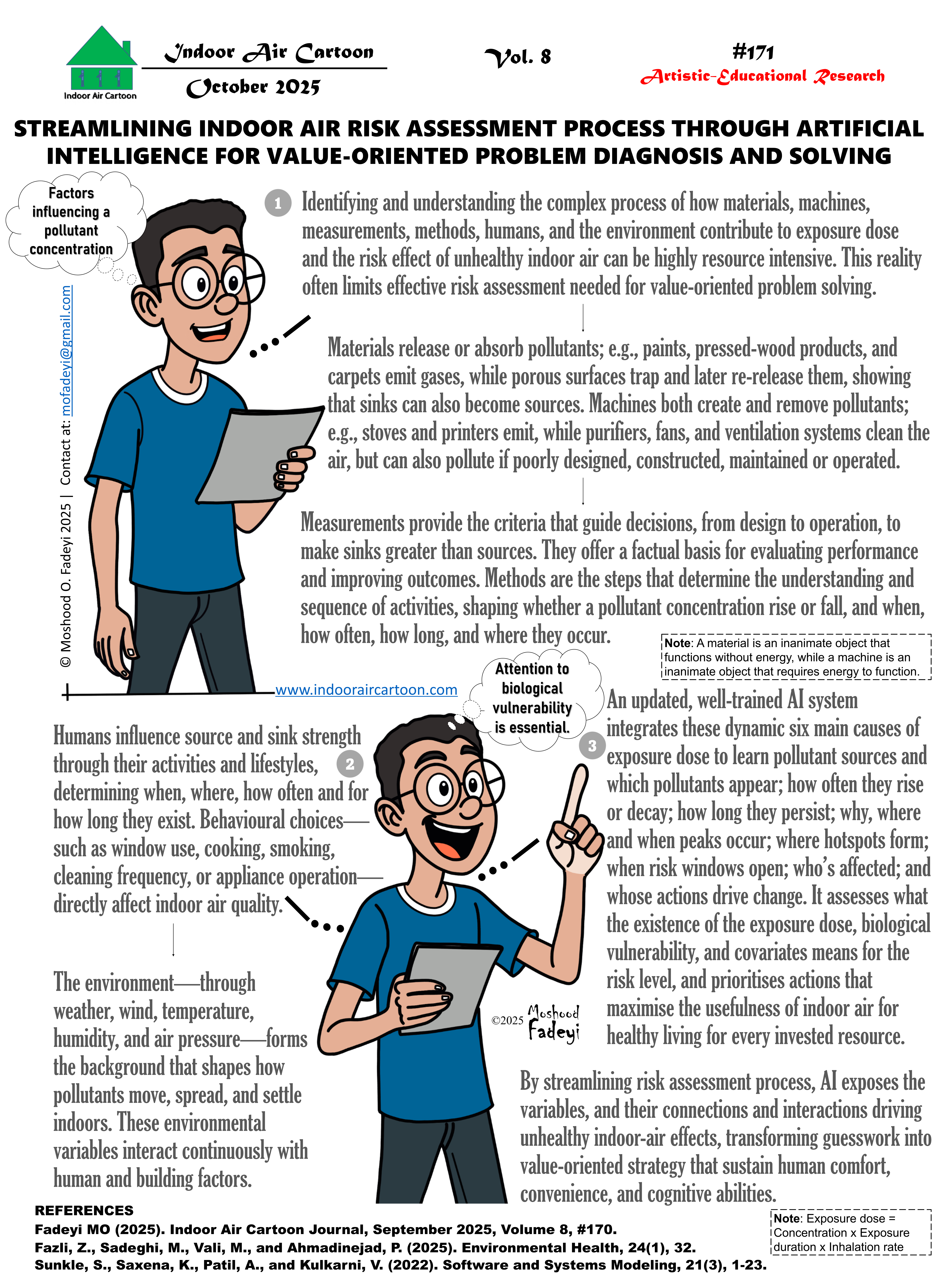

Leave a Reply