Indoor Air Cartoon Journal, April 2025, Volume 8, #165
[Cite as: Fadeyi MO (2025). Observation for deepening understanding of indoor air quality problems and solving them ethically in value-oriented ways. Indoor Air Cartoon Journal, April 2025, Volume 8, #165.]

Fictional Case Story (Audio – available online) – Part 1
Fictional Case Story (Audio – available online) – Part 2
Fictional Case Story (Audio – available online) – Part 3
Fictional Case Story (Audio – available online) – Part 4
.……………………………………..
The complexity inherent in indoor air quality (IAQ) problems has made observation a universally recognised necessity, forming the foundation for effective IAQ assessment and management. However, in Cavernia, a developed country, the quality of observation, though essential, was precisely what was most lacking, both within the IAQ industry and across society. While procedural efficiency continued to rise, the culture did not meaningfully support or encourage the act of questioning—an essential prerequisite for effective observation. Without the mental models, curiosity and cognitive engagement required to ask the right questions, observation became a passive, checklist-driven routine incapable of revealing the underlying causes of IAQ challenges.
In Cavernia, poor-quality observation became a defining failure in IAQ management. Despite having technology and procedural frameworks, the inability to observe meaningfully and ask insightful questions led to misdiagnosed or undetected problems. Technically compliant but contextually blind interventions became common. As efficiency improved, through faster reporting, checklists, and automated systems, value delivery declined sharply. Occupants received little benefit in terms of health, comfort, or cognitive well-being. The system appeared productive, yet failed to solve real problems. For professionals and policymakers, the lack of high-quality observation eroded decision-making and sustained a fragmented, reactive culture of IAQ management.
An observation of deficiencies in observation practices within the IAQ industry, and their far-reaching implications, motivated a young man to embark on a journey to develop an observation solution that could move the industry closer to the goal of solving IAQ problems in a value-oriented manner. The personal and professional journey of this young man is the subject of this fiction story.
1 ……………………………..
Kyle Pierre was only two years old when he disappeared. It happened in the space of an instinct—a mother’s instinct to respond to the cry of her waking child. The late afternoon sun had warmed the small lawn in front of their home, where Kyle played with a red plastic truck, his soft curls damp with sweat, his laughter rising and falling like birdsong. His mother sat nearby, barefoot and smiling, keeping half an eye on him as he rolled the truck over the soft lawn.
Then she heard it—a familiar cry from the house, sharp, sudden, unmistakable. It was her baby daughter, just nine months old, stirring from her nap in the front bedroom. The sound was not loud, but it tugged at her like a thread. She stood quickly, brushing grass from her dress, and called over her shoulder without looking, “I will be right back, sweetheart. Stay close, okay?”
She stepped inside, the screen door swinging gently behind her. The baby’s cry grew clearer as she entered the room where the little girl lay blinking in her crib, arms raised in protest. “Shhh, Mama is here,” she whispered, gathering the child into her arms. The baby settled quickly, resting her head on her mother’s shoulder, her thumb finding her mouth.
She kissed her daughter’s forehead, smiling softly. She thought for a moment about bringing both children outside—to let the baby feel the breeze and sit on the blanket while Kyle played. It would only take a moment to return. However, when she stepped back out into the sunlight, Kyle was gone. No sound. No scream. No trace.
The grass still held the impression of where he had been sitting. His truck was there, tipped on its side. One of his sandals rested near the hedge; the other had been left by the step. But the boy—her son—was nowhere in sight. Her breath caught. “Kyle?” she called gently, scanning the yard. No answer. Her heart quickened.
She moved forward, still holding the baby, her eyes darting to every corner. “Kyle!” she shouted now, her voice rising with panic. She ran toward the gate, the baby bouncing in her arms, beginning to fuss again at the sudden motion. Kyle was not there. He was not anywhere.
Just minutes earlier, two people had been watching from a parked van tucked behind a delivery truck across the street. They had been studying the house for days. The compound was familiar to them now—its rhythms, its shadows, its vulnerabilities. Though the walls were high, the upper portion of the fence was made of decorative wrought iron—elegant, but not solid.
From the van, they could see the boy playing on the lawn, the mother seated nearby, and, with the right angle, the cot in the front bedroom where the baby usually napped in the afternoon. It was a quiet, well-kept home in a safe neighbourhood—the kind of place where people felt no need to look over their shoulders.
A night earlier, one of the abductors, a man had tampered with the side gate—nothing dramatic, just a minor misalignment of the latch and a few drops of lubricant in the padlock’s internal groove. It was enough to create the illusion of a faulty lock. That morning, Kyle’s father, an accountant at a bank, had struggled to secure it. The latch refused to align.
After several frustrated attempts, he gave up, deciding to leave it unfastened just for the day. He told himself it was a small risk. He planned to replace the padlock that evening. The neighbourhood was safe. They had lived there for years. Nothing bad had ever happened. He did not tell his wife. He did not think he needed to tell his wife. But the decision he made in a moment of haste would become the shadow that haunted their lives forever.
At exactly 3:11 p.m., a woman—an accomplice of the male abductor—stepped out of the van. She walked slowly down the sidewalk with a phone to her ear and passed near the front bedroom window. In her other hand was a small sound clicker—the kind used for dog training. She slipped it through the iron fence, aimed toward the window, and pressed the button, sending out a sharp click loud enough to disturb the baby. Inside the room, the baby stirred, then whimpered, then cried.
From his hiding spot in the flowerbed near the side gate, behind the hedge, the man listened—waiting. He knew the routine. He knew the mother would step away to tend to the baby, expecting Kyle to be safe on the lawn for just a moment. As soon as he heard her voice inside, calling gently to her son to stay put and keep playing, he moved.
He slipped the gate open without effort. The tampered latch offered no resistance. Kyle was seated just a few steps away, his back turned, absorbed in his game. The man crossed the yard silently, crouched low, and reached the boy in seconds. In one motion, he wrapped an arm around the child’s chest and pressed a cloth soaked in fast-acting sedative over his nose and mouth. Kyle jerked, gasped, kicked once, then slumped. There was no time to scream, no chance to resist. His body wilted as the drug took hold.
The man tucked the unconscious boy under his coat and retraced his steps. He slipped back through the gate, closed it behind him, and disappeared into the waiting van, where his female accomplice was already waiting. The entire act had taken forty-three seconds.
By the time the mother returned with her daughter on her hip, gently patting the child’s back, the yard looked unchanged. The breeze stirred the trees. The sky remained clear. But her son—her joyful, laughing, two-year-old boy—was no longer there.
In the back of the van, curled into the corner, was Kyle. His head lolled to one side, his breath shallow but steady. He stirred faintly now and then but did not wake. His body was limp, his senses clouded. The drug had not fully worn off. The man beside him—broad-shouldered and silent—offered a bottle of water and said something in a language Kyle did not understand. The boy blinked but did not take it. He stared, hollow-eyed, at the metal wall of the van.
He did not cry. He did not scream. He did not know what was happening. He was only two. But somewhere deep inside, a door had closed. By the time the sun set again, he was in a different country.
The van rolled silently through the city streets; its windows tinted to obscure the view inside. Kyle sat in the back, his small body still limp, his mind fogged by the drug that had been pressed into his skin just hours before. He did not cry. He did not scream. He barely understood what was happening to him, only that he was no longer in the place where he had been. His mind, still clouded, had not yet grasped the enormity of his loss.
When the van arrived near the regional airport of the developing country of Galos, the documents for Kyle’s new identity were handed over to their accomplices within the immigration authority. Everything had been arranged in advance. The criminal gang operated with chilling precision—built on years of experience, a network of insiders, and a well-oiled system that had smuggled dozens of children through the airport under the guise of legal adoption. Kyle was just another name on a forged document, another child in transit—gone before any alarm could be raised.
The identity Kyle now carried belonged to a child who had died in infancy several months earlier. His birth certificate had been acquired through a bribe to a low-level registry clerk who altered the date of death and reissued the document under a new file number.
A counterfeit vaccination card and medical report had been prepared to match, along with a fabricated report from a fictional shelter in a conflict-affected region. The photograph on the passport was recent—taken just days before the handover, with Kyle’s facial appearance cosmetically altered and his curly hair shaved—and the age, name, and nationality on the documents aligned seamlessly with the legend that had been constructed for him.
At the airport, the handlers moved with professional calm. The woman posing as his escort had papers identifying her as a relief worker from an international non-governmental organisation. Her appearance was modest, her backstory plausible. She carried a letter of authorisation from a shelter that did not exist, stamped and signed by officials who did not work in offices that could not be found. The documents were indistinguishable from real ones—laser-printed on authentic paper stock, laminated, watermarked, embossed.
One of the planted officers at the immigration counter—an operative embedded by the criminal gang that had infiltrated Galos’s immigration authority—scanned the passport without comment. To the untrained eye, he looked no different from any other official in a dark green uniform. But he was one of several placed quietly across regional airports. He nodded once, stamped the passport, and handed it back. No questions were asked. No suspicion was raised. Just another child, cleared for departure.
Kyle—now Thomas—was asleep, his head resting on the woman’s shoulder. The sedative had worn off, but the disorientation lingered. He did not cry. He did not speak. He looked around with wide, unfocused eyes but did not resist. His silence made everything easier. They had injected him with something that made him weak—too gentle, too subdued, without the energy or will to make a fuss.
The time from abducting Kyle, altering his appearance, to the moment he was seated on the aeroplane took less than six hours—swift enough to prevent any investigation from beginning or news of his disappearance from reaching national media, especially in a country like Galos, where bureaucracy moved slowly, except when it came to the swift execution of criminal activity.
By the time the plane landed in Cavernia—a prosperous, developed, and seemingly untroubled country—Kyle had become someone else: legally, officially, irrevocably. His past had been erased. The names of his parents, Joseph and Tania Pierre, did not exist in any file. No missing persons alert had reached the systems here. And even if one had, it would not have matched the name on Kyle’s new passport, which now bore a different identity—Thomas.
The criminal adoption agency that had arranged his placement was legally registered in Cavernia. It operated behind closed doors and beneath carefully constructed façades. On the surface, it appeared to be a reputable institution—complete with official registration numbers, audited financial statements, glowing online testimonials, and polished video reels showcasing so-called ‘success stories’. In truth, it preyed on the desperation of families and the quiet failures of international law.
To the unsuspecting, it appeared legitimate—licensed, inspected, and approved. It promised hope to couples who had spent years aching for a child, offering them the dream of parenthood wrapped in glossy brochures, heartfelt letters, and paperwork that never seemed out of place. The price was steep, but the process was swift, and the assurances were many.
Emily and Andrew—an innocent, loving couple who had dreamt of a family for years had earlier reached out to the adoption agency. They had tried everything: IVF (In-vitro fertilization), treatments, prayers. But nothing worked. After years of longing and heartache, they decided to turn to adoption, not as a last resort, but as a calling.
The idea of helping a child in need, giving a child a home, felt right. And so, they searched for an agency—one that appeared trustworthy, transparent, and committed to helping children in crisis from war-torn countries. At least, that was the story they were given.
The agency they found online was glowing with positive reviews. The brochures were beautiful, filled with pictures of happy children in loving homes. The paperwork was immaculate—every detail accounted for. They had no reason to suspect anything was amiss.
Emily was the first to lay eyes on Kyle, now called Thomas, after he had spent two months at the adoption agency. The moment Emily saw Thoma’s small, somber face, something deep inside her broke. He was only two years plus, but his eyes seemed older, as though they had seen too much.
Still, Emily wept. She wrapped her arms around him, her heart swelling. “He’s perfect,” she whispered, her voice thick with emotion. “He’s ours.” They dressed him in a soft blue coat. When they first held him, he barely moved, his head resting limply against Emily’s shoulder. They assumed he was just quiet boy.
At home, they showered him with love. They prepared a nursery painted pale yellow, a rocking chair by the window, toys still in boxes waiting to be opened. The house was pristine, filled with all the things a child could need. They were not unloving, not neglectful. They wanted to provide him with everything a child could want.
However, there was something missing, something they did not see. They could not see the boy who had been taken. The boy who was lost. And Thomas—though loved—was not seen. He did not laugh as children do. He did not cry for attention. He did not ask questions. He never looked at the world with curiosity. His face remained blank, his eyes distant, as though he had learnt long ago to suppress the urge to wonder.
After Kyle, now known as Thomas in another world, was abducted, his biological parents were consumed by devastation and disbelief. His biological mother, Tania, blamed herself relentlessly for stepping inside, even for a moment, while his father, Joseph, lived with the unbearable guilt of leaving the gate unlocked. Days turned into weeks filled with desperate searches, police reports, and sleepless nights.
The case drew brief media attention but yielded no leads. Friends and neighbours offered their support, but nothing could fill the silence Kyle had left behind. Over time, the grief hardened into a quiet ache they carried each day. Though they never stopped hoping, the world moved on, leaving them with memories and unanswered questions.
Seeking a fresh start, they left the southern city behind and relocated with their infant daughter to the quieter northern region of Galos, hoping that distance might soften the pain—even if it could never erase it.
Back in Cavernia, Emily and Andrew, though kind, did not know how to reach Thomas. They never saw the deeper ache within him—the absence of self. They did not notice how he never questioned, never enquired. When they spoke to him, he responded, but his answers were mechanical, rehearsed.
He was a quiet child, a polite child, one who did everything right—but never questioned why. He had quickly learnt not to ask questions, as asking questions only brought silence. At the adoption agency, asking why had been met with stillness and indifference. And so, he stopped asking. He had learnt this, even though he was only a toddler.
Emily and Andrew also could not provide answers to the questions he asked during his first two weeks with them. As he grew older, he perfected the habit of not asking questions or observing his surroundings or situations. He no longer saw the need to do so.
By the age of four, the memory of his abduction had been completely erased from his consciousness—a disappearance shaped by an unexplained psychological phenomenon, perhaps the mind’s way of protecting itself from a trauma too great to bear. Thus, Thomas believed he had always belonged to them.
They were of the same race, and no one in Emily and Andrew’s family ever mentioned the adoption. It was only when Thomas turned twelve that they gently told him the truth. They spoke with warmth, careful honesty, and the best of intentions.
To their surprise, Thomas received the news with quiet composure. He nodded, offered a gentle hug, and said, “I love you as my loving parents.” There was no fuss, no follow-up questions—just calm acceptance. Emily and Andrew were deeply moved, though quietly unsettled by how easily he seemed to absorb the revelation. At the time, they saw it as maturity. But in hindsight, it was one of many moments where silence was mistaken for peace.
The education system in Cavernia only deepened this trait of not asking questions or observing. Schools in Cavernia were not places for deep inquiry—they were places for absorbing knowledge, not questioning it. Thus, from an early age, Thomas excelled at following instructions, memorising facts, and giving answers without ever truly thinking about them.
Teachers praised him for being well-behaved, for being “mature for his age.” They marked his work as excellent, his answers correct, but no one saw the lack of engagement, the absence of curiosity. He was a student who obeyed, a child who conformed. He did not think beyond the lines drawn for him. He did not wonder why the world was the way it was, nor did he care to ask.
As he grew older, Thomas became excellent at school. He earned accolades for his performance, awards for his grades. But deep inside him, a quiet pressure built—a sensation he could not name. It was not anger, nor sadness, but an ache. An ache that no praise, no certificate, no loving home could fill.
Something within him longed for answers—answers to questions he could not quite form, let alone ask. It was not that he refused to speak, but that the language of inquiry was unfamiliar, undeveloped in him. He had never learnt to question—not because he lacked the ability, but because the habit had never been nurtured.
Instead, he buried that longing beneath the surface of a well-behaved, successful child. He did not realise that the very traits that had brought him success—the absence of wonder, the habit of silence—were the very things that would one day leave him feeling most lost.
In essence, the boy who had been sold, who had been stolen from his parents, had never known what it was to ask, to seek, to wonder. And so, he became Thomas. A boy with no past, no questions, and a future that would be shaped by the things he could not ask. As the years passed, Thomas grew up—successful, admired, and silent.
2 ……………………………..
The incident that would alter the course of Thomas’s life happened when he was seventeen—just weeks into the final year of his six-year high school education. It was a rainy Tuesday afternoon. School had dismissed early in anticipation of a national holiday the following day, but Thomas had remained behind to review some notes for an upcoming test. When he finally left campus, the usual bus schedule had been disrupted in preparation for the holiday—a detail posted on the noticeboard that morning. He had seen it, but not truly registered it. He had not asked. He had not observed.
He decided to walk home. Headphones in, backpack slung over one shoulder, he stepped into a crosswalk just as a vehicle turned sharply at the intersection. He did not see the flashing red light. He did not hear the screech until it was too late. The car clipped him at the shoulder, sending him crashing to the pavement. The world blurred, tilted, then faded to black.
When he awoke, groggy and sore in a hospital bed, he was surrounded by his parents, Emily and Andrew. His collarbone was fractured, his leg bruised, his head dazed from the mild concussion. Doctors told him he had been lucky—just a few centimetres more and the injury could have been life-altering.
He lay there for days, staring at the ceiling, the sterile scent of disinfectant sharp in his nostrils, replaying the moment over and over. It was not the accident itself that haunted him—it was the realisation that it could have been prevented. The holiday had been announced. The sign had been there. The light had flashed. But he had not seen it. He had not thought to question. He had assumed the day would unfold as all others did.
That accident was the first time Thomas truly confronted the cost of his habits. Until then, his ability to comply had been an asset—praised, rewarded, admired. But now it felt like a flaw. A dangerous one. Because in complying, he had learned to stop noticing. In obeying, he had stopped questioning. He realised that his unquestioning nature had left him exposed—not just to danger, but to a way of living that bypassed understanding. For the first time, he asked himself not what he had missed—but why he had missed it.
The hospital became a place of reckoning. With few visitors and long hours alone, he began to reflect on the way he had lived. He realised that he had grown up in a world where asking questions was not expected—curiosity was discouraged or regarded as a distraction rather than something valuable or essential. He had always been told what to know, never how to see.
At school, his success depended on providing the right answers, not forming the right questions. He had learnt to memorise, not to understand. And now, that way of living had failed him in a moment when understanding might have saved him. It was not an epiphany that changed him overnight. It was a slow, hesitant awakening—like light creeping into a room that had been dark for too long.
After weeks of recovery and much internal resistance, he made a quiet decision. He would try to change. He did not know exactly how, but he knew he could no longer ignore the consequences of uncritical living. He began modestly. Back at school, he made an effort to truly read the notices on the board. He started asking his teachers questions, even when he feared sounding foolish.
He began contributing to discussions—not to impress, but to engage. Even as one of the top students, he had long avoided the discomfort of speaking without certainty. It felt unfamiliar at first. But with every effort, a part of him that had long been silent began to stir.
Despite missing nearly two months of school, Thomas graduated from high school with distinction. It surprised some of his classmates, but not those who understood how the system worked. The national examinations in Cavernia relied heavily on standardised formats and model answers. Success depended less on independent thinking and more on the ability to memorise and reproduce predetermined responses.
For a student like Thomas, who had long since mastered the art of structured recall, the delay in formal schooling made little difference. He simply picked up the textbooks, studied the patterns, and did what he had always done—followed the template. In a school system designed for compliance over creativity, his performance remained untouched by the disruption.
When it came time to choose a university course, he found himself drawn not to law, or medicine, or finance—careers others often expected of someone with his grades—but to something quieter, less obvious: sustainable building engineering.
It was not a choice made out of passion, nor a bold deviation from the expected path. At the time, he did not fully understand why the course appealed to him—only that it did. In hindsight, it made sense. Something about it spoke quietly to his emerging desire to think about how environments shape people. He had lived most of his life unaware of how spaces affected behaviour, breath, and thought.
Perhaps, without knowing it, he was drawn to a discipline that would help him finally see. They were functional and grounded. Yet, they also held people. They shaped how people lived, how they breathed, how they worked and rested. Perhaps, he thought, this field would help him understand the space between structure and experience—between what is seen and what is felt.
He enrolled in the programme and quickly found comfort in its rigour. There were formulas, simulations, models. It was familiar terrain. But unlike in high school, something had changed in Thomas. He was no longer satisfied with following instructions alone. He began to look more deeply at what buildings did—how they functioned, but also why they mattered.
Then came the internship. In his third year, Thomas was placed at an indoor air quality (IAQ) solutions company for his industrial attachment. At first, the work was technical and straightforward: sensor calibration, data logging, ventilation performance reports. But as weeks passed, he began to notice something unsettling. The engineers were competent, the technology sophisticated, yet problems persisted in the buildings they served. Occupants still complained. Spaces still felt stale. Solutions were implemented, but their impacts were inconsistent.
He asked one of the senior staff why this was so. The answer was telling: “We follow the standards, but we do not always understand the context. Sometimes we are just ticking boxes.” That statement echoed in Thomas’s mind for weeks. He began to see the same blind spots that had once shaped his own life—decisions made without observation, actions taken without reflection, systems operating without curiosity. A professional setting that places more emphasis on efficiency than on value delivery.
He started paying attention—not just to the data, but to the people using the buildings. He noticed how ventilation was often blocked by furniture, how occupants closed windows even when IAQ was poor, how maintenance staff lacked basic understanding of airflow patterns. Everyone was following a routine, but no one was seeing.
And suddenly, it all connected. This was not just an industry problem—it was a human problem. The failure to observe, the failure to ask, the failure to think beyond what was given. It was the same flaw that had nearly cost him his life at seventeen. The same flaw that had defined much of his early education. The same flaw that, he now realised, limited how we cared for buildings and the people inside them.
He began to document his reflections. He read research on IAQ, user behaviour, and engineering ethics. He asked questions others avoided: What would it mean to observe ethically? To see not just indoor air pollutants, but patterns? Not just IAQ, but lived experience? What value is lost when engineers fail to ask why?
By the time he graduated—with first-class honours—Thomas had already begun planning a PhD study. He wanted to explore how observation—structured, reflective, and ethically grounded—could improve how we solve IAQ problems. Not just through sensors and standards, but through curiosity and value-oriented thinking. He believed that observation, when done well, was not passive but transformative. It had changed his life. Perhaps it could change the industry too. Thomas’s research problem is as follows.
“Today, increasing attention is being paid to the impact of IAQ on human health, well-being, and productivity. With individuals spending up to 90 percent of their time indoors, the quality of indoor air has become a central concern in both public discourse and professional practice.
Whether in residential flats, childcare centres, hospitals, schools, or offices, there is a growing awareness that the air occupants breathe may be compromised by a complex and dynamic mixture of chemical and biological pollutants. These air pollutants are not only agents of harm in themselves but also interact with various contextual and environmental factors in ways that amplify their potential to generate negative chemical or biological energy that causes harm – disintegration of a system.
Chemical pollutants commonly found in indoor environments include volatile organic compounds (VOCs), formaldehyde, carbon monoxide, nitrogen dioxide, and particulate matter of various sizes—most notably PM2.5 and PM0.1. These pollutants are often emitted from building materials, cleaning products, furnishings, combustion processes, and human activities such as cooking and smoking.
At the same time, biological pollutants—such as bacteria, fungal spores, mould fragments, and airborne viruses—pose serious and often invisible health threats. These biological agents can also exist as or attach to particulate matter, including PM2.5 and PM0.1, allowing them to remain suspended in the air and penetrate deep into the respiratory system.
Airborne viruses, in particular, have emerged as a major global concern following the COVID-19 pandemic, which highlighted the vulnerability of indoor environments to bioaerosol transmission and the inadequacy of traditional ventilation and filtration systems in containing airborne pathogens.
The challenge is particularly acute in settings where ventilation is limited, occupancy is high, or the use of space is not aligned with the needs of its occupants.
In such scenarios, both chemical and biological air pollutants tend to accumulate, recirculate, and persist in the air, creating conditions that directly threaten human health, exacerbate chronic respiratory and cardiovascular diseases, impair cognitive function, and reduce overall quality of life. Vulnerable populations, including children, the elderly, and individuals with pre-existing health conditions, are often at the greatest risk.
Despite the increased deployment of advanced instrumentation and sensor-based IAQ assessment tools, there remains a widespread experience in both industry and public settings that many IAQ problems go undetected, are misinterpreted, or are responded to ineffectively. The core issue is not the lack of data, but the disconnect between the availability of data and the ability to act meaningfully and appropriately upon it.
Monitoring devices can detect indoor air pollutant concentrations and trends, but they do not explain why those pollutants are present, how the specific spatial and behavioural context contributes to their presence, or what ethical principles should inform the response. As a result, the presence of indoor air pollutants is noted, but their significance remains poorly understood, and remedial actions often fail to address the root causes.
This problem is especially pronounced in the case of biological air pollutants, such as airborne viruses, which defy simple detection and control. Viral transmission is highly dependent on occupant behaviour, interpersonal distancing, airflow patterns, room geometry, humidity, and duration of exposure—factors that cannot be captured by sensors alone.
Furthermore, interventions aimed at controlling airborne viruses must take into account not only technical efficacy but also ethical considerations such as consent, privacy, and social equity. For example, imposing behavioural restrictions or implementing surveillance-based interventions may reduce viral risk but simultaneously infringe on occupant autonomy or disproportionately burden certain population groups.
Professionals working in the built environment and public health sectors therefore face a persistent and serious challenge. The shared goal is clear: IAQ problems—both chemical and biological—should be identified at an early stage, understood in their full context, and addressed through interventions that are both effective and ethically justifiable.
These interventions should not only reduce indoor air pollutant concentrations but also respect the values, needs, and lived experiences of the building’s occupants. Yet in practice, the performance of existing IAQ observation and response systems falls well short of this goal.
Much of the underperformance stems from the limitations of the observation tools and protocols commonly used in industry. These tools are typically mechanistic, checklist-driven, and focused on technical compliance rather than deep understanding. They are not designed to engage observers—whether engineers, technicians, or facility managers—in the kind of intentional, curiosity-driven reflection that supports the development of mental models or ethical awareness.
As such, observers are often reduced to passive data recorders rather than active thinkers who can perceive hidden patterns, consider alternative explanations, or question the appropriateness of potential interventions.
This limitation is rooted in three major risk factors. First, observation protocols are often designed with minimal attention to contextual factors. They do not adequately account for variables such as building use patterns, occupant demographics, socio-economic constraints, spatial configurations, or cultural norms.
As a result, the same observation checklist might be used in a high-income office building and a low-income residential flat, despite the vastly different risks, behaviours, and vulnerabilities present in each setting. This one-size-fits-all approach undermines the effectiveness of IAQ problem detection and leads to inappropriate or inequitable interventions.
Second, there is a widespread lack of support for the cognitive and ethical engagement of observers. Existing IAQ assessment systems typically do not encourage or equip observers to question what they are seeing, reflect on what may be missing, or consider the potential consequences of proposed actions for different stakeholder groups.
Without tools that activate mental modelling, foster curiosity, and support ethical reasoning, observers are unlikely to move beyond surface-level observations or take into account the broader implications of their decisions.
Third, the IAQ field lacks rigorous empirical evidence demonstrating that structured, ethically guided observation protocols lead to better outcomes. While technical standards and guidelines exist for pollutant thresholds and ventilation rates, little is known about the comparative effectiveness of different observational approaches in improving the quality of IAQ interventions—especially when ethical, contextual, and stakeholder variables are considered.
Without such evidence, it is impossible to justify the widespread adoption of new observation practices or to develop reliable training programmes that prepare professionals for the complexity of real-world IAQ problem-solving.
This gap—between the current performance of existing IAQ observation and problem-solving practices and the expected performance needed to maximise ethical integrity and effectiveness in addressing IAQ risks involving both chemical and biological air pollutants—underscores the urgent need for rigorous scientific research.
Specifically, there is a pressing need to design observation protocols that do far more than gather data. These protocols must intentionally foster the development of knowledge, mental models, and curiosity in observers, enabling them to ask the right questions, recognise what they do not yet know, and consider what may be ethically or contextually inappropriate about the assumptions they are making. They must be structured in such a way that they reveal complexity rather than simplify it, and that they provoke deeper reflection rather than rote compliance.
Moreover, these new observation protocols must be tested and refined in a variety of real-world settings. Research must examine how different observers—experts and novices alike—engage with the protocols, how they interpret what they observe, and how their observations translate into decisions.
Attention must also be given to how contextual variables such as building type, cultural norms, and occupant vulnerability influence the effectiveness of the observation process. Importantly, the protocols must be validated through comparative studies that measure their impact on problem identification accuracy, intervention appropriateness, stakeholder satisfaction, and ultimately, indoor air quality outcomes.
Until these gaps are addressed, society and industry will continue to implement IAQ solutions that are technically limited, ethically shallow, and poorly aligned with the people they are meant to serve.
Solving this problem requires a fundamental rethinking of observation itself—not as a mechanical procedure, but as a scientifically structured, cognitively engaging, and ethically grounded act. Only through such a transformation can we build a more responsive, inclusive, and effective approach to solving the complex IAQ challenges of the 21st century.”
The research problem led to the following research questions: (i) What cognitive, contextual, and ethical considerations must inform the design of structured observation protocols that intentionally develop mental models and curiosity to guide ethical, stakeholder-relevant IAQ problem understanding and framing in diverse building environments? (ii) How do observer characteristics, levels of cognitive engagement, and environmental complexity influence the effectiveness of structured observation protocols in developing curiosity-driven question-asking and accurate IAQ problem detection across real-world settings? (iii) To what extent do structured observation protocols—designed to enhance cognitive abilities and stakeholder-aligned ethical reasoning—improve the appropriateness, value orientation, and effectiveness of IAQ intervention decisions compared to conventional assessment approaches?
Each of the research questions determines the phase of the research study. The research questions and problems informed the objectives of his PhD research. The research objectives were: (i) To identify and integrate cognitive, contextual, and ethical considerations necessary for designing structured observation protocols that intentionally foster the development of mental models and curiosity, thereby supporting ethical and stakeholder-relevant understanding and framing of IAQ problems in diverse building environments. (ii) To examine how observer characteristics, levels of cognitive engagement, and environmental complexity affect the effectiveness of structured observation protocols in facilitating curiosity-driven question-asking and accurate detection of IAQ problems across varied real-world settings. (iii) To evaluate the extent to which structured observation protocols—designed to enhance cognitive abilities and support stakeholder-aligned ethical reasoning—improve the appropriateness, value orientation, and effectiveness of IAQ intervention decisions in comparison to conventional assessment methods.
Thomas’s PhD research was supervised by the famous and word renowned professor of engineering education, Professor Anita Kumar. Below is an excerpt from Thomas’s PhD thesis.
3 ……………………………..
Research Methods
Action 1: Understanding of the conventional observation protocol for IAQ problem solving
To answer the first research question and address the corresponding research objective—focused on identifying and integrating cognitive, contextual, and ethical considerations into the design of structured observation protocols that intentionally support mental model development and curiosity for ethical and stakeholder-relevant understanding of IAQ problems—a combined methodology was adopted.
This methodology involved Design-Based Research (DBR), which is a form of practice-based research, and multi-criteria expert elicitation. This methodological approach facilitated an iterative and interdisciplinary inquiry linking theoretical grounding with practical design and empirical insight.
The study commenced with a systematic review of the literature, which served as the theoretical and empirical foundation for the design phase. The review was structured around four main domains.
First, literature on IAQ diagnostics was reviewed, encompassing the characterisation, detection, and interpretation of both chemical and biological pollutants, including volatile organic compounds, particulate matter (PM2.5 and PM0.1), ozone, formaldehyde, carbon monoxide, airborne mould spores, bacteria, and viruses.
Second, cognitive science literature relating to cognitive modelling, curiosity-driven learning, epistemic engagement, and reflective observation was reviewed to identify the mechanisms by which structured observation can enhance mental model formation and support question formulation.
Third, ethical literature in the context of public health and environmental engineering was reviewed to establish frameworks related to fairness, privacy, informed consent, autonomy, and distributive justice in IAQ interventions.
Finally, literature on stakeholder-centred design and values-sensitive observation from the fields of human-centred engineering, architecture, and sociology was included to guide the alignment of observation practices with stakeholder needs and social values. The search strategy employed key databases such as Scopus, Web of Science, IEEE Xplore, and PubMed. Selected studies were screened for relevance, methodological robustness, and contribution to design-relevant constructs.
Following the literature review, a contextual and ethical mapping exercise was conducted across eight real-world building settings selected to capture variation in function, IAQ risk, occupancy characteristics, and ventilation strategy. These included childcare centres, eldercare homes, multi-residential public housing units, secondary schools, outpatient health clinics, office buildings, university classrooms, and a public library. The buildings were located in both high-density and low-density urban environments.
Ethnographic walkthroughs were conducted by the researchers at each site, combining direct observation with unstructured conversations, spatial documentation, and situational analysis.
Attention was given to how indoor activities, human behaviour, material usage, and environmental conditions interacted to influence IAQ risk, especially regarding the presence and spread of chemical emissions and airborne biological agents. Particular attention was also paid to the spatial and behavioural factors affecting the movement and accumulation of viral aerosols.
In parallel, ethical considerations were explored through informal interviews and field conversations with building users and maintenance personnel. The ethical mapping focused on identifying perceptions of risk, barriers to communication and mitigation, and concerns related to privacy, fairness, and access to IAQ interventions.
The mapping process also examined socio-economic constraints limiting stakeholders’ capacity to act on IAQ information. These empirical observations and stakeholder insights were recorded, transcribed, and coded thematically to generate a database of context-specific factors and ethical sensitivities to be considered in the protocol design.
To synthesise and prioritise the cognitive, contextual, and ethical considerations that emerged from the literature review and fieldwork, a Delphi study was conducted. A panel of twenty-three experts was assembled, comprising researchers and practitioners from the fields of IAQ engineering, cognitive science, architecture, environmental health, virology, and applied ethics.
The Delphi process was carried out in three rounds. In Round One, panellists were presented with an initial list of proposed design considerations and were invited to comment on their clarity, relevance, and completeness. In Round Two, a revised list—reflecting feedback from the first round—was ranked in terms of importance using a five-point Likert scale.
In Round Three, panellists reviewed anonymised aggregate rankings and were invited to re-rank or revise their assessments in light of group trends. Qualitative comments were also collected throughout each round to support interpretive understanding and refinement of the items.
To quantitatively prioritise and organise the finalised considerations, the Analytic Hierarchy Process (AHP) was used. AHP is simply a method for ranking possible solutions in a complex problem by comparing how well each solution satisfies multiple criteria. Each Delphi panellist completed a series of pairwise comparisons between prioritised factors using Saaty’s scale.
The comparisons covered a structured set of decision criteria including cognitive scaffolding potential, ethical visibility, stakeholder relevance, contextual sensitivity, and practical feasibility. Responses were synthesised using AHP matrix computations to derive weighted priorities, indicating the relative importance of each consideration in informing protocol structure and content.
Based on the literature synthesis, fieldwork insights, and expert-validated priorities, a structured observation protocol, called Structured Cognitive-Ethical-Contextual Observation (SCECO) approach, was developed through Design-Based Research (DBR). This approach enabled iterative design, evaluation, and refinement of a context-sensitive, cognitively supportive, and ethically grounded observation tool.
The protocol was conceptualised as a modular framework combining observation prompts, annotated visual guides, airflow and pollutant mapping overlays, and reflective questions aimed at activating observer curiosity and ethical reasoning.
Design iterations were informed by established principles of cognitive apprenticeship, curiosity stimulation, and participatory ethics. Protocol components included scenario-specific prompts encouraging attention to less-visible pollutant sources (such as aerosol transmission hotspots), guided reflections on stakeholder impact, and structured fields for documenting assumptions, uncertainties, and value tensions.
Action 2: Philosophy guiding the development of the proposed structured observation protocol
The intention behind the development of a Structured Cognitive-Ethical-Contextual Observation (SCECO) approach is to design, develop, and apply an IAQ diagnostic tool based on a clearly defined problem-solving philosophy. This philosophy establishes the standard for what constitutes a well-performing IAQ solution and what observers must understand and look for in the process of solving complex IAQ problems.
At the heart of this philosophy is the premise that an IAQ solution performs well only when it achieves the performance level expected at the goal of a healthy indoor air. This means an IAQ solution must deliver the necessary quality (e.g., effectiveness of pollutant removal or control), quantity (e.g., sufficient air change rate, consistent application across occupied spaces), and safety performance (e.g., no unintended exposure to other harmful agents during the mitigation process) to effectively solve the users’ problem.
Moreover, it must do so in a way that maximises the users’ satisfaction, defined as comfort (thermal, olfactory, and sensory wellbeing), convenience (ease of use, accessibility, and fit with daily activities), and awareness (cognitive enhancement)—the users’ ability to understand what affects the air they breathe, how the system works, and how their behaviours may support or hinder IAQ quality. Such performance and satisfaction indicators are not to be viewed in isolation.
They must be achieved and maximised relative to every unit of invested cost—expenditure and time spent—as well as every unit of sacrificed satisfaction—such as temporary discomfort and inconvenience experienced during maintenance, restrictions in spatial flexibility, or the cognitive demand involved in operating a new system. In other words, users should receive maximum value and benefit for the effort, expense, or discomfort they have accepted.
A high-performing solution is not one that simply “works” but one that works proportionately to what was invested and sacrificed. The observer involved in IAQ problem-solving must fully understand this philosophy or be able to recognise what it looks like in practice—for instance, by interpreting a mismatch between high user inconvenience and only marginal healthy indoor air improvement as a performance-satisfaction imbalance.
Observation, in this context, is not a passive or generic act. It is a deliberate and intentional process of acquiring information through direct sensory experience (e.g., noticing a stuffy environment, detecting odours) or instrumental measurement (e.g., CO2 levels, PM2.5 readings, temperature fluctuations), with the purpose of building knowledge, mental models, and curiosity.
These elements are crucial for formulating the right questions, which in turn enhance cognitive abilities and deepen understanding. A well-formed question such as, “Why does discomfort persist despite meeting minimum ventilation rates?” may lead to deeper inquiry about indoor air pollutant sources or occupant behaviour.
This deeper understanding is what ultimately guides ethical and value-oriented action to solve problems for the relevant stakeholders—whether they be residents, building managers, school children, or the elderly.
Therefore, anyone performing observation to define an IAQ problem—if one exists—must begin with a clear understanding of what the IAQ problem is, as defined by the above philosophy of solving IAQ problems in a value-oriented manner, especially for the end users of the IAQ solutions provided, namely the building occupants. The observer must examine whether there is an existing solution and, if so, determine how closely it is performing relative to the goal.
Is the solution already achieving the required performance level, or is it falling short? How far is it from what is expected? These are not binary judgements but cognitive comparisons involving practical indicators: has the user stopped reporting complaints? Is pollutant concentration consistently within acceptable thresholds? Has awareness among occupants improved?
In making such assessments, the observer must carefully evaluate the quality, quantity, and safety performance of the existing solution (if any). Just as importantly, the observer must consider the demonstrated level of user satisfaction—that is, the comfort, convenience, and cognitive awareness experienced by those using the solution. A room may meet all ventilation standards and still result in discomfort due to excessive air drafts or noise, thus failing in satisfaction even while passing in performance.
These observations must be made in light of the costs and sacrifices users have incurred to maintain and use the solution. The critical question is this: To what extent is the current performance and satisfaction level justified by the investment made? Has every unit of effort—whether in running an air purifier, enduring a sealed room, or paying for filter replacements—produced an equivalent or greater improvement in air quality and occupant wellbeing?
According to the philosophy, observing performance alone is insufficient. The observer must also identify and understand the forces at play—both those improving the situation and those making it worse. The SCECO approach specifically is intended to guide observers to look for forces that reduce hazards and vulnerabilities, thereby decreasing the problem and moving the solution toward the goal.
Such forces may include improved occupant awareness, where users are more mindful of ventilation practices or pollutant sources; regular maintenance of equipment, which ensures that systems function as intended; effective behavioural adaptations, such as window opening at optimal times to balance air exchange and pollutant inflow; and the integration of low-emission materials into the indoor environment, reducing the overall pollutant load from the source.
On the other hand, the SCECO approach will also train the observer to detect and interpret forces that increase hazards and vulnerabilities, thereby moving the solution away from the goal or causing it to perform deficiently.
These could involve blocked or poorly maintained ventilation ducts, lack of awareness among users resulting in harmful behaviours (e.g., closing windows during periods of high pollutant accumulation indoors), improper system usage, budget constraints that affect timely maintenance and upgrades, or even external environmental changes such as increased traffic emissions near the building.
Understanding these opposing forces is critical, as they will reveal not just the state of the problem, but also the dynamics behind its change—whether the system is improving, declining, or stagnating despite appearances. The SCECO approach will encourage observers to look beyond static conditions and instead analyse how a system is evolving over time.
The SCECO approach, in sum, will be designed to prompt and guide the observers in applying this problem-solving philosophy practically. It will enhance observers’ ability to observe not just superficially, but in a structured, cognitively engaged, ethically grounded, and contextually aware manner. It will foster a way of seeing that links scientific measurement with human experience, performance standards with value expectations, and technical data with moral responsibility.
Through such observation done through history and physical examination’ of the facility housing occupants, IAQ problem-solvers will be better equipped to define problems accurately, understand user experiences meaningfully, and guide actions that are aligned with ethical values and maximised value delivery—achieving not just technical compliance, but real-life, value-based solutions.
Action 3: Pilot testing of the proposed structured observation protocol
To assess the usability and internal coherence of the prototype, a pilot validation phase was conducted using think-aloud protocol testing. Fifteen pilot participants were recruited based on diversity in background and role, including architecture, environmental engineering, public health, education, and facilities management.
Each participant was assigned to conduct IAQ observations in two designated indoor environments selected for contrast in complexity and risk level. While using the protocol, participants were instructed to verbalise their thought processes in real time.
Observations were audio-recorded, supplemented with observer notes, and transcribed for thematic analysis. The purpose of this phase was to identify how the designed elements of the protocol influenced users’ attention, cognitive engagement, and ethical awareness during the observation process.
All study procedures involving human participants received prior approval from the institutional ethics review board. Written informed consent was obtained from all participants involved in the contextual mapping, expert elicitation, and protocol validation phases. Ethical safeguards included data anonymisation, voluntary participation, and withdrawal rights.
This methodology provided a comprehensive, scientifically grounded, and contextually sensitive approach to designing structured observation protocols for IAQ assessment. Through the integration of interdisciplinary literature, empirical field mapping, expert consensus-building, and iterative design refinement, the study systematically addressed the cognitive, contextual, and ethical dimensions central to effective and responsible IAQ observation practice.
Action 4: Testing of the Structured Observation Protocols for IAQ Problem Detection
To address the second research question and objective—focused on understanding how observer characteristics, cognitive engagement, and environmental complexity influence the effectiveness of structured observation protocols in fostering curiosity-driven question-asking and accurate detection of IAQ problems—a mixed-methods field experiment combined with cognitive task analysis was employed.
This methodology enabled the examination of not only how the protocol performed across user types, but also how it influenced cognitive processes that underpin deep problem understanding in IAQ contexts, particularly those involving both chemical and biological pollutants, including airborne viral agents.
Although the contextual and ethical mapping conducted in Objective 1 included eight diverse building types, the field experiment for Objective 2 focused specifically on primary and secondary school classrooms. This decision was based on several interrelated justifications.
Classrooms represent high-risk IAQ environments with a known co-presence of chemical pollutants (such as cleaning agents and carbon dioxide) and biological hazards, particularly airborne viruses that spread through expiratory particles in crowded, enclosed spaces.
The risk of viral aerosol accumulation is elevated in such settings due to sustained occupancy, close interpersonal distance, and inconsistent or inadequate ventilation. Furthermore, the high regularity of classroom use and accessibility for controlled field deployment made schools ideal for implementing repeated, comparative trials.
Additionally, ethical approval and administrative coordination were more readily achieved in educational settings compared to environments housing vulnerable or medically compromised populations.
Three representative schools were selected for the field trials: a naturally ventilated primary school, a hybrid-ventilated secondary school, and a mechanically ventilated secondary school. These were chosen to capture variability in ventilation strategies, occupancy patterns, pollutant source diversity, and vulnerability to viral exposure. Two classrooms were selected from each of the three schools. Thus, a total of six classrooms were selected for this study.
Preliminary IAQ screening was conducted in all locations using portable sensor kits measuring PM2.5, CO2, temperature, and relative humidity. CO2 concentration was treated as a proxy indicator for potential airborne viral exposure, based on established correlations between elevated CO2 concentrations, inadequate ventilation, and the accumulation of occupant-generated bioaerosols.
Complementary to this, qualitative observations were conducted to document mask usage, occupant density, ventilation openings, and behavioural compliance with infection control policies, allowing for context-specific estimation of viral transmission potential.
Thirty-six observers were recruited and stratified into three equally sized groups according to their IAQ-related expertise: trained IAQ technicians, postgraduate public health or environmental engineering students, and laypersons without formal training.
This stratification allowed the study to examine how varying levels of professional experience and cognitive preparedness influenced the quality of IAQ problem detection and the formulation of reflective, curiosity-driven questions. Each participant was briefed on the purpose of the study, their ethical rights as participants, and the data collection procedures, and informed consent was obtained in accordance with institutional review board protocols.
To quantitatively represent differences in environmental challenge, an Environmental Complexity Index (ECI) was developed and applied to each classroom. This index incorporated the following components: (a) pollutant source ambiguity, including overlapping sources of VOCs, CO2, and PM2.5; (b) pollutant diversity; (c) airflow variability, such as inconsistent cross-ventilation, obstructed air paths, or mechanical system irregularities; and (d) viral exposure potential, inferred from real-time CO2 data, occupant density per square metre, average exposure duration, and ventilation efficacy (based on air change proxy estimations).
In addition, the ECI accounted for occupancy activity intensity, recognising that different behavioural patterns within classrooms—such as sustained verbal interaction, group-based discussions, movement around the room, or quiet individual work—affect pollutant emission rates, air mixing dynamics, and viral aerosol generation.
Classrooms were therefore classified not only by their physical characteristics but also by the dominant activity types observed during data collection, given their influence on both chemical and biological pollutant levels. Observers were assigned to environments rated as either low or high complexity according to their ECI scores, and the complexity designation was later used as an explanatory variable in analysis.
Observers were randomly assigned to either the intervention group, which used the structured observation protocol developed in the previous phase, or the control group, which employed a conventional checklist-based approach derived from existing IAQ auditing standards. Each observer conducted observations in two classrooms with contrasting complexity levels. Observation sessions were approximately 30–45 minutes in duration.
Participants were instructed to identify IAQ risks—both visible and invisible—formulate questions based on what they observed, and provide interpretations or hypotheses concerning the sources and impacts of the detected risks, including those associated with viral exposure.
Observers were fitted with lapel microphones and instructed to verbalise their thoughts continuously (think-aloud protocol) during the session to capture their real-time reasoning, reflection, and curiosity development. Each observer was also equipped with a digital IAQ display showing live readings of PM2.5, temperature, relative humidity, and CO2 concentration.
Particular emphasis was placed on recognising high CO2 levels (>1000 ppm) as indicative of poor ventilation and elevated risk of airborne viral transmission, which observers were expected to interpret and comment upon during the observation process.
Following each session, participants completed a set of cognitive engagement instruments. The Epistemic Curiosity Scale (EC-Scale) was administered to assess their baseline disposition toward uncertainty and inquiry. Observers then completed a modified NASA Task Load Index (NASA-TLX) to self-report cognitive workload, mental effort, and perceived task complexity during the observation.
They also recorded their spontaneous and post-hoc questions in an IAQ Risk Question Log, which captured the number, type, and depth of queries formulated in relation to chemical, particulate, and biological (especially viral) pollutants.
Cognitive task analysis continued in the form of semi-structured interviews, where participants reflected on their decision-making processes, identification strategies, and interpretive confidence. These interviews probed the degree to which participants recognised the potential for viral aerosol accumulation in poorly ventilated spaces and whether their thought process considered CO2 levels as a meaningful risk signal.
Participants also generated mental model diagrams, illustrating how they conceptually linked IAQ indicators—such as sensor readings, occupancy, and spatial features—to pollutant sources and exposure risk, including the behavioural and architectural modifiers of viral transmission.
Quantitative analysis focused on comparing observation accuracy, question depth, and interpretive alignment across the structured protocol and checklist groups. Observation accuracy was benchmarked against expert diagnoses derived from comprehensive walkthroughs, sensor logs, airflow analyses, and source attribution modelling.
Where applicable, expert assessments specifically indicated potential zones of viral aerosol stagnation, which were used to validate the observers’ ability to detect and interpret this class of biological risk.
Qualitative data, including think-aloud transcripts, interview content, and mental model artefacts, were coded thematically using a hybrid coding scheme. Deductive codes included constructs such as epistemic curiosity, IAQ risk framing, and viral exposure recognition, while inductive codes emerged through open analysis.
A specific code family addressed how observers reasoned about viral risk, responded to elevated CO2 readings, and framed interventions (e.g., increasing air exchange, limiting occupant density, or modifying user behaviour). All coding was conducted independently by two researchers and finalised through consensus review.
This methodology allowed for the triangulation of sensor-informed risk signals, observer cognition, and contextual understanding to assess the effectiveness of structured observation protocols under real-world IAQ conditions.
Crucially, by incorporating airborne viral exposure—via both proxy measures and behavioural cues—into the environmental complexity framework and observer evaluation criteria, the study provided a scientifically grounded, ethically relevant, and operationally realistic approach to understanding the intersection of cognition, protocol design, and IAQ problem-solving.
All data collection procedures adhered to rigorous ethical standards, including participant confidentiality, anonymisation of identifiable data, and freedom to withdraw. Ethical approval was granted by the institutional review board overseeing human-subject research.
This comprehensive mixed-methods approach enabled a focused and credible investigation into how observer characteristics and cognitive engagement interact with varying levels of environmental complexity, including viral exposure potential, to influence IAQ problem identification.
It established the structured observation protocol not merely as a data gathering tool but as an educational and decision-support system capable of guiding context-sensitive, curiosity-driven, and ethically informed responses to IAQ threats involving both chemical and biological hazards.
Action 5: Evaluating IAQ Interventions Informed by Structured Observation
To address the third research question and objective—centred on evaluating the extent to which structured observation protocols, designed to enhance cognitive abilities and stakeholder-aligned ethical reasoning, improve the appropriateness, value orientation, and effectiveness of IAQ intervention decisions in comparison to conventional assessment approaches—a comparative field intervention study supported by a mixed-methods outcome evaluation was conducted.
This third phase of the study was designed to build directly upon the methodology of Research Question 2, which examined how observer characteristics, cognitive engagement, and environmental complexity influenced the effectiveness of structured observation protocols in real-world school classrooms.
While Research Question 2 was designed to examine if structured protocols improved observation quality, it was not designed to evaluate whether these enhanced observations can translate into better decision-making or real-world improvements in IAQ outcomes.
Engagement of observers was limited to interpreting IAQ conditions. They were not tasked with formulating or implementing interventions. Thus, the methodology for Research Question 2 tested the cognitive and ethical robustness of observation practices, but not their decision-making utility or outcome effectiveness.
The methodology for Research Question 3 advanced the study from observation to action by evaluating whether cognitively and ethically enriched observation processes, developed and tested in earlier phases, could inform and support the implementation of superior IAQ interventions in secondary school classrooms.
While Research Question 2 focused on the diagnostic quality of IAQ observation using structured protocols, Research Question 3 examined whether these protocols translated into better real-world IAQ outcomes compared to conventional approaches. By retaining the school context, the study ensured methodological continuity and enabled direct comparison of outcomes across both phases.
The school environment was particularly appropriate for this phase of the study. School classrooms are characterised by prolonged occupancy, high occupant density, and varying activity patterns that generate a complex mix of IAQ pollutants, including chemical agents such as volatile organic compounds (VOCs), carbon dioxide (CO2), and fine particulate matter (PM2.5), as well as biological hazards such as airborne viruses.
The combination of vulnerability and variability in these settings makes them ideal for examining whether structured observation can support ethically and cognitively sound intervention decisions that improve environmental and educational outcomes.
The six school classrooms used in Research Question 2 were also used in Research Question 3. These classrooms were purposefully sampled based on elevated environmental complexity scores, which were derived from the Environmental Complexity Index (ECI) developed in Research Question 2. The ECI considered factors such as pollutant source ambiguity, airflow variability, occupant density, and viral aerosol risk.
Classrooms were selected to represent three types of ventilation configurations: naturally ventilated (through operable windows), mechanically ventilated (using air-conditioning or fan systems), and hybrid systems combining both. Instructional patterns also varied across the classrooms, ranging from lecture-based teaching to small-group work and laboratory activities. These variations influenced pollutant load profiles and helped test the structured observation protocol under different real-world IAQ conditions.
Two observer groups were assigned to each classroom. The experimental group (Group A) used the structured observation protocol developed in Research Questions 1 and 2. This protocol was grounded in the principle that observation should not be a passive activity but an intentional, cognitive, and ethical engagement with the environment.
The protocol guided observers to consider not only the sensory and instrumental data but also contextual and stakeholder-related variables. It prompted mental modelling of IAQ risk pathways, encouraged formulation of curiosity-driven questions, and required reflection on the ethical implications of both the problem and the possible interventions. Observers were trained to identify potential stakeholder concerns, equity implications, and behavioural drivers contributing to pollutant accumulation.
In contrast, the control group (Group B) used a conventional IAQ checklist. This tool included standard parameters such as temperature, relative humidity, CO2, and PM2.5 levels but lacked cognitive prompts, ethical reflection components, or stakeholder considerations.
Observers using the checklist focused on measuring compliance with existing standards rather than interpreting IAQ issues through a value-oriented lens. Both groups were instructed to conduct their observations independently and then submit an intervention plan outlining recommended IAQ improvement strategies for the classroom they assessed.
Each proposed intervention was reviewed for feasibility through consultations with teachers, school administrators, and facilities personnel. Criteria for selection included implementation cost, disruption to classroom activities, alignment with school policies, and expected impact on IAQ.
The most contextually appropriate and operationally feasible intervention for each classroom was selected for implementation. Interventions included strategies such as scheduling natural ventilation during recess and between lessons, repositioning or upgrading portable air purifiers, implementing window-opening routines with visual reminders, and launching classroom awareness campaigns involving both students and staff to promote good ventilation habits.
Once interventions were implemented, IAQ was continuously monitored over a six-week period using calibrated sensors. Measurements of PM2.5, CO2, temperature, and relative humidity were recorded at five-minute intervals.
CO2 was of particular interest, as it served as a proxy for airborne viral exposure risk, especially during periods of high occupancy and limited ventilation. To ensure data comparability, results were normalised by adjusting for room volume, number of occupants, lesson duration, and ventilation type.
In addition to environmental monitoring, the study incorporated behavioural and stakeholder feedback mechanisms. Behavioural compliance with the intervention (e.g., whether windows were actually opened according to schedule, or whether air purifiers remained operational) was tracked using logbooks maintained by teachers and school operations staff. These records were supplemented by spot checks and brief observational walkthroughs.
Stakeholder responses were gathered using post-intervention surveys administered to students and teachers. These surveys assessed perceived IAQ changes, ease of compliance with the intervention, and perceived alignment of the intervention with educational needs and classroom culture.
To assess the ethical quality and value orientation of the interventions, the study employed a modified Ethical Impact Assessment (EIA) framework. This included focus group discussions with teachers and structured interviews with student representatives.
The EIA focused on key dimensions such as inclusiveness (whether voices from various stakeholders were considered), privacy and autonomy (especially in relation to ventilation or behavioural monitoring), sensitivity to diverse classroom needs, and stakeholder empowerment (whether the intervention fostered a sense of control over the environment).
Quantitative outcome measures focused on changes in pollutant concentrations, particularly ∆PM2.5 and ∆CO2, before and after the intervention. These values were analysed using paired t-tests and ANCOVA (Analysis of Covariance) to identify statistically significant differences between pre- and post-intervention conditions within and across groups.
Behavioural compliance and stakeholder feedback were coded and quantified using Likert-scale analysis. To synthesise all data into an integrated view of intervention performance, Multi-Criteria Decision Analysis (MCDA) was employed. This allowed the research team to assign weights to technical, behavioural, and ethical dimensions of success and to generate composite scores for each classroom intervention.
This methodology enabled the direct empirical testing of whether structured, cognitively enriched observation leads to more appropriate, stakeholder-relevant, and ethically sound IAQ interventions in schools. By maintaining the same classroom environments studied in Research Question 2, the research preserved contextual continuity and controlled for external variables, allowing for a rigorous comparison between diagnostic and action-based outcomes.
In doing so, the methodology strengthened the evidence base for re-conceptualising observation not merely as a technical diagnostic tool but as a vital part of a broader process of ethical, stakeholder-informed, and cognitively grounded IAQ problem-solving in educational environments.
4 ……………………………..
Research Findings
Action 1: Understanding of the Conventional Observation Protocol for IAQ Problem Solving
The findings from the research conducted to answer research question 1 and fulfil its corresponding objective provide comprehensive evidence of the cognitive, contextual, and ethical considerations that should inform the design of structured observation protocols for identifying IAQ problems in stakeholder-relevant and ethically responsible ways.
These findings are drawn from the triangulation of four sources: (i) systematic literature review, (ii) contextual and ethical mapping across diverse buildings, (iii) a three-round Delphi study, and (iv) Analytic Hierarchy Process (AHP) rankings.
The systematic literature review revealed that conventional IAQ diagnostic approaches, which commonly include checklist-based assessments, walkthrough investigations, occupant interviews, and surveys, are often limited in cognitive scaffolding and ethical framing. While walkthroughs and interviews are valuable for identifying user experiences and building-related factors, conventional approaches often treat these as parallel rather than integrated data streams.
The diagnostic process remains focused on indoor air pollutant concentrations and threshold compliance, with limited scaffolding for interpretation, contextual reasoning, or ethical reflection. As a result, conventional tools offer minimal guidance for recognising underlying patterns, stakeholder vulnerabilities, or source-context relationships.
This narrow, compliance-focused orientation constrains the ability of observers to identify complex or emerging IAQ risks and hinders efforts to develop proactive, stakeholder-sensitive responses.
The cognitive science literature emphasised the importance of epistemic curiosity, reflective attention, and the development of mental models as prerequisites for complex environmental problem solving. Epistemic curiosity, which drives reflective attention and mental model development, is the motivation to explore, question, and make sense of a situation—not just for practical reasons, but because understanding itself is rewarding.
Thus, these studies informed the need for observation protocols that stimulate questioning, pattern recognition, and sense-making, which ultimately contribute to improved safety, optimised air quality and quantity, and reduced recurrence of IAQ problems.
The ethical literature underscored a critical tension between observational efficacy and stakeholder rights. Key concerns included data privacy, unequal access to IAQ interventions, and failure to incorporate stakeholder perspectives in diagnostic or mitigation strategies. The literature on stakeholder-centred design reinforced the necessity of aligning observation practices with user values and social norms, particularly in shared or constrained spaces such as classrooms, clinics, and public housing units.
Aligning observation practices with user values and social norms are central to ensuring not only safety but also improved physical comfort for occupants, the practical convenience of implementing IAQ solutions without disrupting normal activities, and deeper cognitive engagement among observers and users, who better understand and mentally participate in addressing the actual, complex indoor air quality challenges present in different environments.
By looking at both the context and the ethical issues in eight real buildings, the study showed that traditional ways of observing indoor air quality are not enough. It revealed key factors—often ignored—that affect how indoor air problems should be understood and addressed.
The walkthroughs and interviews revealed that building occupants often lacked awareness of IAQ risks and did not recognise sources such as low-grade disinfectants, stored cleaning supplies, or routine human activity as IAQ contributors. Many settings had no formal procedures for recognising or reporting IAQ concerns.
It was observed that behavioural patterns—such as blocking ventilation outlets with furniture or bags, clustering around airflow zones like fans or open windows, keeping windows shut during periods of high occupancy, or placing personal belongings over air purifiers—were contextually driven and ethically significant. However, these behaviours are often overlooked in conventional IAQ evaluations, even by those provided IAQ solution providers.
In many cases, occupants also intentionally or unintentionally introduced sources of indoor air pollutants to meet their comfort, convenience, or customary needs. For instance, some burned incense for cultural or religious reasons, others used scented sprays or diffusers to freshen the air, or cooked with doors and windows closed to retain warmth or maintain privacy. Personal heaters and humidifiers were also used without a clear understanding of their impact on indoor air chemistry and airflow dynamics.
Addressing these issues through structured observation will promote safety and supports occupants’ wellbeing. More importantly, it can help build the mental models necessary for proactive IAQ management by enabling occupants to recognise how their everyday behaviours affect indoor air quality and shared wellbeing.
Ethical mapping is needed to identify and make sense of the moral dimensions of a situation, including who is affected, what values are at stake, and what potential harms or benefits may arise. It helps guide decisions that are not only effective but also fair, responsible, and aligned with ethical principles.
By making ethical considerations visible and structured, ethical mapping supports more thoughtful, inclusive, and accountable problem-solving—especially in complex contexts involving multiple stakeholders and long-term consequences. However, ethical mapping done in this study found that occupants frequently expressed discomfort about being observed, especially in sensitive environments such as eldercare homes and clinics.
Stakeholders emphasised the need for transparent communication about observation goals and protections for privacy. In public housing units and childcare centres, socio-economic constraints surfaced as a barrier to acting on IAQ recommendations, indicating that observation protocols must consider not only what to observe, but how any resulting insights could realistically be acted upon. These findings affirm that observation should be ethically grounded to ensure IAQ decisions enhance safety while empowering stakeholders.
The Delphi study with 23 experts across disciplines confirmed and refined the themes derived from literature and fieldwork. In Round One, participants identified gaps in standard protocols, particularly their failure to account for observer cognition and ethics. They proposed integrating mechanisms for question-generation, uncertainty tracking, and stakeholder empathy into observation. In Round Two, five priority domains were ranked: (i) support for mental model development, (ii) ethical visibility, (iii) stakeholder alignment, (iv) contextual responsiveness, and (v) feasibility of use across observer types.
These domains remained consistent in Round Three, though several experts re-ranked their priorities after reviewing anonymised group results. Qualitative feedback from the Delphi rounds emphasised that observation should be treated not as static data-gathering but as a structured reasoning process informed by context and values to drive safe, appropriate, and sustainable IAQ interventions.
The Analytic Hierarchy Process (AHP) analysis generated a prioritised set of design criteria for the structured protocol. The highest weighted criterion was “support for mental model development,” followed closely by “ethical visibility” and “stakeholder alignment.” Lower but still significant weights were assigned to “contextual responsiveness” and “feasibility.”
These findings quantitatively validated that cognitive and ethical dimensions are not secondary to technical accuracy in IAQ observation—they are essential for making sense of what is observed and for guiding ethically appropriate action. Importantly, they contribute to reducing recurrence of IAQ issues and optimising both short- and long-term environmental health and safety.
Action 2: Development of a Structured Observation Protocol Prototype
The Structured Cognitive-Ethical-Contextual Observation (SCECO) framework, developed based on research findings from the above section, is operationalised as a mobile Artificial Intelligence (AI)-guided field application. This prototype serves as a real-time observation and cognitive support assistant, designed specifically for use during IAQ investigations and problem-solving activities.
It is not a tool that performs measurement or observation autonomously, nor is it intended to replace the observer’s own problem-solving philosophy, reasoning, or observational capacity. Rather, it functions as a cognitive scaffold that supports decision-making by prompting the observer to consider appropriate, ethically relevant, and contextually meaningful issues in alignment with the principles of the SCECO framework.
The application is designed for direct use in the field as the observer moves through buildings or indoor spaces. Upon launching the application, the user selects the type of environment under investigation—such as a school, residential unit, healthcare facility, or office. Based on this input, the application activates a sequence of structured prompts derived from the SCECO framework.
These prompts are intended to guide the observer to reflect deeply and meaningfully on the observed environment. For instance, the prompts address the quality, quantity, and safety conditions of solutions implemented to solve IAQ problems; the indicators of occupant satisfaction, namely comfort, convenience, and cognitive enhancement; and the cost invested and satisfaction—comfort, convenience, and cognitive abilities—sacrificed by users to procure, maintain, and utilise IAQ solutions effectively.
Although the application itself does not conduct measurements or generate observations independently, it is fully capable of receiving, organising, and referencing a wide array of supporting materials that can inform and enrich the observer’s judgment. These materials may include uploaded IAQ data—such as CO2, PM2.5, VOCs, temperature, humidity, etc—recorded via external instruments.
The application can also receive photographs of specific spaces, materials, or equipment; architectural or spatial layouts; engineering systems layouts; and voice notes recorded freely by the observer during investigation. These files are categorised and tagged within the system to facilitate contextual referencing during analysis, synthesis, or reporting. In this way, the application acts not only as a structured cognitive guide but also as a centralised organiser of field documentation, supporting connections between physical evidence and conceptual reasoning.
To further facilitate field use, the application includes voice-enabled functionality. Observers can record verbal observations while in motion, and the application will transcribe and categorise the input into relevant cognitive, ethical, or contextual domains. This enables the observer to remain physically engaged in environmental assessment while mentally focused on structured inquiry, continuously supported by the app’s internal logic.
A dedicated digital workspace allows the observer to track and map forces affecting IAQ conditions—both those that reduce hazards and vulnerabilities (e.g., proper system maintenance, informed user behaviour) and those that increase them (e.g., obstructed airflow, inadequate awareness, systemic neglect). These forces are not automatically detected by the app but are identified and recorded by the observer, guided by reflective prompts that structure their interpretation in accordance with the SCECO framework.
The application also includes a structured tool to assess the performance—specifically the quality, quantity, and safety—of existing IAQ solutions, as well as user satisfaction with the existing IAQ solution in relation to the cost invested and satisfaction—comfort, convenience, and cognitive abilities—sacrificed.
The observer is prompted to evaluate whether the existing IAQ solution delivers a level of performance and user satisfaction—defined by comfort, convenience, and cognitive enhancement—that is proportionate to the potential costs and levels of satisfaction sacrificed in procuring, maintaining, and using the solution.
The system synthesises this input to generate a visualised satisfaction-to-investment profile, supporting the observer’s evaluation of whether the existing IAQ solution aligns with the SCECO principle of maximising value for every unit of invested cost and sacrificed satisfaction.
As the observation process progresses, the application compiles the inputs into a structured summary. This includes a working definition of the IAQ problem, if one is identified; an assessment of the performance gap between current conditions and the desired goal; a mapping of observed forces; and a synthesis of ethical and contextual insights.
Supporting materials such as photographs, recorded voice notes, data logs, and architectural and engineering plans are linked to the summary for ease of reference and documentation. While the observer remains the sole decision-maker, the application ensures that reasoning is structured, value-oriented, and transparent.
To further deepen reflection, the application includes an AI-based dialogue assistant. This assistant engages the observer in real-time cognitive and ethical dialogue, offering reflective questions that are designed to uncover overlooked issues or reinforce structured thinking. For example, the assistant may ask whether vulnerable occupants are sufficiently considered, or whether perceived performance improvements are supported by proportionate user satisfaction with the IAQ solution. This dialogue is non-directive in nature; it is intended to mirror the observer’s reasoning process and extend their reflection without assuming control.
The application is fully functional in offline settings, with automatic data synchronisation when connectivity is restored. This feature ensures usability in enclosed or remote spaces where internet access may be limited. All observation records, audio logs, supporting documents, and reflective summaries are securely stored and organised for later retrieval and analysis.
In essence, the SCECO mobile AI-guided field application operationalises the framework in a manner that is both philosophically grounded and practically applicable during real-time IAQ investigations. It does not replace the observer’s judgment, nor does it act as a diagnostic device. Instead, it serves as a structured cognitive assistant and observational organiser, designed to enhance the observer’s capacity to identify, reflect on, and act upon ethically and contextually relevant IAQ problems.
By combining reflective prompts with the ability to integrate supporting materials—including measured data, spatial documentation, and verbal annotations—the solution transforms the SCECO framework from an abstract concept into a real-time cognitive companion for principled, value-driven IAQ problem-solving.
Action 3: Pilot testing of the proposed structured observation protocol
Fifteen pilot participants representing a range of disciplinary backgrounds including architecture, environmental engineering, public health, education, and facilities management, were asked to verbalise their thoughts as they interacted with each prompt in the protocol.
Findings from the think-aloud sessions confirmed that the SCECO protocol effectively facilitated cognitive engagement and ethical reflection. Participants consistently demonstrated a high level of interaction with the structured prompts, which appeared to encourage deeper and more integrative forms of reasoning than those typically associated with conventional IAQ observation checklists.
Across professional backgrounds, participants noted that the protocol’s structure not only guided their attention to physical conditions (e.g., ventilation pathways, sources of emissions) but also provoked reflection on user behaviour, spatial dynamics, and implications for diverse stakeholder groups.
One recurrent theme was that the protocol enabled participants to identify IAQ risk factors that they would have otherwise overlooked. For instance, several participants stated that the prompts encouraged them to consider dynamic spatial usage patterns and behavioural routines—such as door closures during meal periods or poor awareness of ventilation practices among occupants—that contribute to fluctuating IAQ conditions.
Think-aloud transcripts captured mental model construction in statements such as, “If this door stays closed during lunch, the CO2 level here must rise rapidly,” demonstrating how the protocol helped users form causal and conditional interpretations grounded in environmental observation.
Ethical reasoning also emerged prominently throughout the sessions. Participants routinely considered fairness, burden distribution, and conflicting stakeholder needs as they reflected on potential IAQ interventions. For example, one participant remarked, “This intervention would be good for students but not fair to the janitorial staff—they’d have more to clean.”
Such responses indicated that the SCECO prompts successfully foregrounded ethical concerns that are often overlooked in technically focused IAQ procedures. These concerns were not limited to immediate trade-offs but extended to the broader implications of long-term implementation and perceived fairness across social and occupational groups.
In addition to ethical considerations, the transcripts revealed strong stakeholder sensitivity. Participants demonstrated anticipatory reasoning about how different users—such as parents, teachers, or maintenance staff—might react to specific IAQ strategies. For instance, a participant noted, “Parents might not support using these air purifiers if they’re too noisy or affect thermal comfort.” This type of reflection underscored the protocol’s ability to guide observers toward relational thinking—considering not only physical outcomes but also social acceptability and user experience.
Participants also identified several areas for improvement. Many suggested that while the prompts were effective, they would benefit from adaptation to specific building types or settings. For example, those working in educational environments recommended the development of tailored versions for schools, while others requested simplified language to improve usability in community-based or non-specialist contexts. These suggestions have informed subsequent iterations of the protocol, which are being designed with modular adaptability and multiple language levels.
Taken together, the findings indicate that the SCECO approach supports a form of IAQ observation that integrates technical, cognitive, ethical, and stakeholder dimensions in a unified process. Unlike conventional IAQ practices that often isolate physical parameters from behavioural and ethical variables, SCECO merges these domains within a reflective and interpretive framework. Participants’ consistent engagement with multiple domains of reasoning illustrates that the protocol enables a richer and more holistic observation process.
These findings reinforce the proposition that effective IAQ observation cannot be reduced to standardised, checklist-driven procedures focused solely on technical compliance. Instead, the results suggest that meaningful IAQ evaluation requires a cognitively rich, ethically informed, and stakeholder-sensitive approach that actively engages the observer in interpretation rather than mechanical assessment.
The SCECO protocol offers a replicable means of enacting such an approach, translating the complexities of IAQ into a form that supports informed, balanced, and safety-oriented decision-making grounded in context.
Action 4: Testing of the Structured Observation Protocols for IAQ Problem Detection
The findings from research methods adopted to answer research question 2 demonstrate, with empirical rigour and contextual specificity, that the Structured Cognitive-Ethical-Contextual Observation (SCECO) observation approach significantly outperforms conventional IAQ observation protocols in enabling accurate detection, ethically grounded interpretation, and curiosity-driven inquiry in real-world IAQ contexts.
These findings are grounded in structured field experiments conducted across six classrooms—two in each of three schools selected to represent a range of ventilation systems: naturally ventilated, hybrid ventilated, and mechanically ventilated environments.
The methodology was explicitly designed to evaluate how the SCECO observation approach performs in these real-world classrooms in terms of its ability to support curiosity-driven question-asking and improve the detection of IAQ risks. The diverse ventilation configurations and classroom activities within these sites provided a robust empirical basis to fulfil the objective of examining how observer characteristics, cognitive engagement, and environmental complexity interact to influence the protocol’s effectiveness.
Quantitative results revealed meaningful variation in the impact of the SCECO observation approach across classroom typologies and environmental complexity. In the naturally ventilated primary school classrooms—characterised by operable windows but no mechanical air movement—observers using the SCECO protocol demonstrated acute sensitivity to CO2 fluctuation patterns during sustained verbal activities.
These observers were able to identify stagnant zones near windowless corners, correlating these to periods of poor ventilation following recess and group-based instructional sessions. Their reflections included suggestions to alternate seating arrangements and to implement structured window-opening during recess or between lessons, not as a substitute for window use during class time, but as a supplementary strategy to ensure that indoor air is periodically refreshed in situations where windows may be closed for noise control or other instructional reasons.
Conventional checklist users noted the CO2 rise and often recorded the elevated values correctly; however, they were generally less likely to connect these readings to specific classroom usage patterns, such as the timing of group discussions or the closure of windows during instruction, and less likely to recommend operational adjustments informed by such context.
In the hybrid-ventilated classrooms—where windows and ceiling fans complemented intermittent mechanical ventilation—SCECO observers demonstrated a nuanced understanding of transitional IAQ states. These classrooms often transitioned between open and closed conditions based on schedule, weather, or noise sensitivity.
Structured observers linked spikes in PM2.5 and CO2 to transitional lags in switching between ventilation modes. They also recognised that ceiling fans improves thermal comfort (by making people feel cooler through air movement), but it does not ensure uniform or effective indoor air pollutant removal. In fact, they observed that ceiling fans can unintentionally create areas where pollutants remain concentrated, especially if ventilation is poor or airflow is disrupted.
It was observed that ceiling fans can unintentionally create or preserve areas where pollutants concentrate because they recirculate air rather than replace it, and the airflow they generate can be blocked, uneven, or insufficient. Without good ventilation and thoughtful spatial design, these stagnant zones become invisible reservoirs of poor air quality.
These participants asked questions such as: “Are certain groups of students consistently exposed to higher concentrations?” and “Does the ventilation schedule consider lesson structure and density?” On the other hand, checklist users often documented readings but failed to generate these critical associations.
Mechanically ventilated classrooms presented the greatest interpretive challenge. These spaces maintained stable thermal profiles but had reduced visible cues regarding ventilation efficacy. SCECO users were uniquely capable of identifying low-movement airflow zones—particularly in ceiling-mounted return-air zones or spaces adjacent to high storage cabinets.
Many observers inferred potential viral stagnation hotspots using real-time CO2 surges during peak density, often drawing on both IAQ data and classroom layout cues. Mental model diagrams produced post-observation frequently depicted complex feedback loops between ventilation outlet placement, classroom activities, and occupant vulnerability. Conventional observers rarely depicted airflow dynamics beyond listing mechanical system features.
Statistical analysis confirmed that SCECO observers across the six classrooms recognised 38% more IAQ risk indicators than their checklist counterparts. This detection advantage was amplified in classrooms with higher Environmental Complexity Index (ECI) scores. The naturally ventilated rooms scored moderately due to variable air exchange and proximity to traffic noise.
Hybrid classrooms scored high due to inconsistent airflow transitions and layered occupancy patterns. Mechanically ventilated spaces scored highest, largely due to reduced user agency over ventilation control and ambiguity in flow dynamics. Importantly, observer performance using the SCECO approach demonstrated a strong positive correlation with ECI scores, indicating resilience and adaptability under increasing complexity.
Observer expertise influenced both detection depth and reasoning quality. Trained IAQ professionals performed consistently across all settings; however, the most pronounced gains under the SCECO protocol were observed among laypersons and postgraduate public health students. In hybrid classrooms, lay observers using the SCECO protocol were the first to identify temporal mismatches between CO2 accumulation and ceiling fan activation, despite limited formal training.
In mechanically ventilated rooms, postgraduate students identified air recirculation loops and proposed mitigation strategies based on occupant redistribution and door-opening sequences during breaks. In contrast, checklist users in these groups tended to report IAQ readings with limited interpretation, often overlooking cumulative exposure concerns.
Cognitive engagement, as captured through think-aloud recordings and structured mental model interviews, was consistently higher among SCECO users. In naturally ventilated classrooms, these observers verbalised assumptions such as: “I expect CO2 to drop after recess, but this window remains closed—why?” In hybrid classrooms, they identified fluctuating PM2.5 patterns during back-to-back lessons and questioned whether activity-based emission was being offset by fan use.
In mechanically ventilated rooms, structured observers highlighted blind spots in airflow visualisation and verbalised curiosity about the influence of filter condition and duct cleaning frequency. Checklist observers, by contrast, offered narrower reflections—often reading off sensor values or identifying furniture obstructions without deeper inquiry.
The IAQ Risk Question Log revealed that structured protocol users generated nearly triple the number of reflective questions compared to checklist users. These questions were not only more numerous but also demonstrated epistemic depth, often combining physical measurements with contextual interpretation and stakeholder empathy.
Structured observers frequently asked whether occupants had agency to act on the risks they observed or whether solutions proposed would be equitable in low-resource classrooms. Many questions addressed temporal dynamics, such as, “What is the trend across the school day?” or “Does the HVAC system respond to real-time demand?”
Scores from the NASA Task Load Index and Epistemic Curiosity Scale supported these findings. While SCECO users reported marginally higher workload (mental and cognitive effort), they also reported significantly higher cognitive engagement, perceived relevance, and satisfaction.
Structured observers consistently reported that the protocol encouraged purposeful thinking and reflective judgment, especially in mechanically ventilated classrooms where visual cues were limited. Importantly, the SCECO users had to think harder, but they did not feel more frustrated or exhausted. This shows that the SCECO protocol provided a healthy mental challenge—one that helps learning and decision-making without overwhelming the user.
Thematic coding of post-observation interviews yielded three dominant constructs: (i) stakeholder empathy—observers voiced concern for pupils in less ventilated seating areas; (ii) situational reasoning—participants interpreted data relative to classroom events, not in isolation; and (iii) curiosity-driven exploration—structured observers re-posed questions multiple times and adapted their interpretations over time. These themes were especially evident in the hybrid and mechanical classrooms where layered complexity demanded active interpretation.
Checklist users, by contrast, demonstrated limited integration of ethical or contextual reasoning. In the hybrid classrooms, they noted sensor peaks but did not connect them to activity-based ventilation lags. In mechanically ventilated rooms, checklist users often overestimated system effectiveness due to stable thermal conditions, neglecting indoor air pollutant accumulation near return ducts or behind partitions. This contrast underscores the SCECO observation approach’s strength in transforming observation from a passive metric collection task into an active cognitive and ethical reasoning process.
Taken together, these findings confirm that the SCECO observation approach provides an empirically validated, cognitively enriching, and ethically grounded alternative to conventional IAQ protocols. Across six diverse classrooms with varying complexity, it empowered observers to detect IAQ risks more accurately, formulate deeper questions, and reflect critically on context-specific causes and consequences.
The data demonstrate that observer type, cognitive engagement, and environmental complexity interact decisively in shaping observation effectiveness. This study makes a broader contribution by demonstrating that structured observation, when embedded with cognitive and ethical scaffolds, serves not only as a diagnostic tool but also as an instrument of reflective learning.
The SCECO observation approach enables scalable deployment in schools and other high-density indoor settings, where real-time decisions often depend on non-expert observation. It also offers a framework for training stakeholders—from facilities officers to teachers—to engage with IAQ data more critically and compassionately. Future studies should evaluate longitudinal outcomes of repeated SCECO use and explore its integration with AI-enhanced IAQ platforms to amplify its diagnostic and educational potential.
Action 5: Evaluating IAQ Interventions Informed by Structured Observation
The findings from research methods adopted to answer research question 3 provide robust and context-specific evidence that the Structured Cognitive-Ethical-Contextual Observation (SCECO) observation approach leads to more appropriate, ethically aligned, and effective IAQ intervention decisions in real-world school settings, compared to conventional assessment practices.
These findings are grounded in a comparative intervention study conducted across six classrooms previously evaluated in Research Question 2, thereby ensuring continuity of context and empirical comparability while enabling a shift in focus from diagnostic capacity to decision-making and real-world impact.
Quantitative analysis of IAQ data collected before and after intervention implementation revealed clear performance differentials between classrooms guided by the SCECO observation approach (Group A) and those guided by conventional checklist-based methods (Group B). Group A classrooms demonstrated average reductions of 31% in CO2 concentration and 26% in PM2.5 levels post-intervention, while Group B classrooms achieved respective reductions of only 14% and 11%.
These differences were statistically significant at the 95% confidence level (p < 0.05), based on paired t-tests comparing pre- and post-intervention periods. The data were normalised using classroom volume, occupancy duration, and ventilation mode to ensure comparability across contexts. The more substantial improvements in Group A were particularly evident during high occupancy periods, where CO2 spikes were mitigated more effectively due to tailored, context-aware interventions.
The effectiveness of SCECO-derived interventions was especially pronounced in classrooms with high Environmental Complexity Index (ECI) scores. In these classrooms, which featured a combination of indoor air pollutant source ambiguity, intermittent ventilation effectiveness, and occupant behavioural variability, the SCECO approach provided a cognitive and ethical scaffold for generating multi-dimensional interventions. These included behavioural prompts, structural adjustments, and communication strategies, rather than relying solely on equipment upgrades.
For instance, in a high-ECI hybrid classroom, Group A observers recommended window-use sequences aligned with class schedules and ceiling fan operation protocols adjusted based on thermal and air movement patterns—both of which contributed to a sustained reduction in particulate accumulation and improved air mixing.
Behavioural compliance with interventions was significantly higher in Group A classrooms. Implementation fidelity was assessed using teacher-maintained logbooks, spot-check audits, and time-stamped observation walkthroughs. Group A classrooms exhibited 88% adherence to intervention protocols, while Group B showed only 61% adherence. Compliance in Group A was attributed to the simplicity, contextual relevance, and co-designed nature of the interventions, many of which included visual aids, student engagement materials, or classroom-level IAQ champions.
In one mechanically ventilated classroom, for example, the SCECO-inspired intervention involved a seating rotation system and periodic door-opening coordinated with transition periods, co-developed with the teacher to reduce chemical and biological pollutant stagnation risk while respecting classroom flow. Group B, in contrast, proposed generic solutions like “increase ventilation” or “use purifiers,” which either lacked practical feasibility or failed to achieve sustained implementation.
Qualitative feedback from teachers and students strongly supported the perceived relevance and inclusiveness of SCECO-driven interventions. Post-intervention surveys showed that 87% of teachers in Group A classrooms reported that the interventions were easy to implement, compatible with teaching routines, and culturally resonant. In contrast, only 62% of teachers in Group B classrooms agreed with similar statements.
Student surveys revealed similar trends: 76% of students in Group A classrooms felt the intervention improved their awareness and agency regarding IAQ, compared to 41% in Group B. These findings were corroborated by post-intervention interviews, where Group A teachers spoke of a sense of shared responsibility for maintaining IAQ and noted a positive impact on student attentiveness and comfort.
The Ethical Impact Assessment (EIA), carried out through focus groups with teachers and structured interviews with student representatives, revealed marked differences in the ethical and value-oriented dimensions of the interventions. Group A interventions scored substantially higher across all five EIA indicators—namely inclusiveness, privacy and autonomy, cultural sensitivity, transparency, and empowerment.
On a five-point scale, Group A averaged 4.5 in inclusiveness (compared to 3.1 in Group B), 4.3 in privacy and autonomy (vs. 3.4), and 4.6 in empowerment (vs. 3.0). Participants highlighted that SCECO-inspired interventions felt more consultative and less imposed, often using non-intrusive behavioural nudges and participatory design elements. In one classroom, students contributed posters about good ventilation habits, which not only reinforced intervention uptake but also fostered a classroom culture of care.
An illustrative case was the mechanically ventilated school classroom with the highest ECI score. Here, the SCECO protocol led observers to identify asymmetrical airflow patterns and zones of stale air near closed cupboards and under the projector mount.
The proposed intervention for this mechanically conditioned classroom included the strategic repositioning of desks, shelves, and partitions; the encouragement of context-sensitive door-opening practices during transition periods to improve air mixing where feasible; and the involvement of maintenance staff in adjusting air-conditioner operation to enhance air freshness and energy efficiency, particularly during unoccupied or transitional periods.
These actions resulted in a 38% reduction in CO2 and a 33% reduction in PM2.5 levels, the highest improvement recorded across all classrooms. In contrast, the Group B observers in the same classroom recommended “filter replacement and system servicing,” which had already been recently completed. Post-intervention readings in that classroom under Group B showed no statistically significant improvement.
The structured nature of the SCECO observation protocol played a critical role in enhancing observer insight and facilitating richer problem framing. Intervention plans submitted by Group A observers were characterised by deeper explanatory reasoning, causal linkages, and ethical reflection.
These plans routinely included stakeholder-specific concerns (e.g., sensitivity to noise when windows are opened), classroom-specific challenges (e.g., window geometry, lesson duration), and ethical implications (e.g., burden of behavioural change on already stretched teachers). Group B plans, while technically adequate, were frequently generic, lacking these layers of contextual or stakeholder analysis.
From a technical perspective, Group A observers were more likely to propose multi-pronged interventions combining physical, behavioural, and communicative strategies. These interventions were not only more effective in improving IAQ metrics but also more adaptable and sustainable, as evidenced by the higher rates of behavioural compliance and stakeholder satisfaction.
The comparative advantage of the SCECO approach lies in its capacity to support decision-making processes that are not only evidence-informed but ethically nuanced and behaviourally grounded.
To integrate quantitative and qualitative results, Multi-Criteria Decision Analysis (MCDA) was conducted. Each classroom intervention was scored using a weighted composite index including three dimensions: technical improvement (40%), behavioural adoption (30%), and ethical alignment (30%).
The final scores averaged 8.7/10 for Group A and 6.1/10 for Group B. Notably, Group A interventions outperformed Group B across all dimensions in every classroom, with the largest gaps observed in classrooms with hybrid ventilation and complex behavioural dynamics.
These findings directly answer Research Question 3 and fulfil Research Objective 3 by empirically demonstrating that structured IAQ observation—when grounded in cognitive development and ethical reasoning—translates into better IAQ outcomes, more stakeholder-relevant interventions, and greater behavioural compliance in educational settings.
The SCECO observation approach was shown not only to enhance diagnostic capacity but to serve as a foundational scaffold for designing and implementing ethical, effective, and context-sensitive IAQ interventions.
Furthermore, the study contributes new knowledge to IAQ research by demonstrating the importance of participatory observation in intervention design. Unlike conventional models, which often treat observation and action as separate phases, the SCECO model integrates the two by equipping observers with the tools to frame problems systemically and inclusively. In doing so, it closes the gap between assessment and intervention and fosters long-term ownership of IAQ improvements among users.
This evidence base justifies broader adoption of structured, ethically embedded observation protocols in schools and similar high-density indoor environments. Future research should assess the long-term durability of SCECO-inspired behavioural changes, explore its application in other sectors such as healthcare and public transport, and investigate how digital tools or AI could be layered onto the observation process to scale its impact. For now, this study confirms that observation, when designed and used wisely, is not merely diagnostic—it is transformative.
5 ……………………………..
Thomas’s transition into academia was not planned—it was earned. After his PhD thesis received international acclaim for proposing the Structured Cognitive-Ethical-Contextual Observation (SCECO) framework and developing a mobile AI-guided application that brought it to life, the university offered him a position as Assistant Professor in Sustainable Building Engineering.
By the time he defended his thesis, the SCECO tool had already moved beyond concept. During his PhD, Thomas had expanded the application from a prototype into a robust, real-world field solution. He refined its voice-activated inputs, enhanced its tagging and categorisation system for field materials, and integrated support for real-time synthesis of IAQ data, spatial layouts, photographic evidence, and observer commentary. It was already being used by trained professionals and students across pilot sites—schools, clinics, low-income flats—to guide ethical and cognitively meaningful IAQ observations.
As an Assistant Professor, Thomas turned his attention to embedding the SCECO approach in education and professional practice. He redesigned undergraduate and postgraduate modules to challenge students not just to use IAQ tools, but to question how they used them and why. The mobile application became part of field assignments, prompting students to ask stakeholder-relevant, context-sensitive questions while recording evidence in real time. For many students, it was their first experience of thinking reflectively, ethically, and practically—at once.
But the influence of Thomas’s work did not stop at engineering education. As word of SCECO spread, professionals in healthcare design, public health, social work, urban planning, and occupational psychology began exploring its potential in their own fields.
They were drawn to the SCECO tool’s capacity to support decision-making in complex environments—places where variables were many, trade-offs difficult, and stakeholder needs often in tension. Thomas’s approach offered something rare: a structured yet adaptable method for grappling with uncertainty, engaging ethically with real-world complexity, and avoiding oversimplification in high-stakes environments.
In hospital design, SCECO became a tool not just for engineers but for clinical staff and infection control experts, helping them collaboratively examine air quality in wards where airborne pathogen risk intersected with patient comfort and emotional wellbeing.
In schools, SCECO helped teachers and facility managers engage in structured reflection on how ventilation routines affected learning outcomes, especially for children with asthma or sensory sensitivities. In architecture studios, the tool was used to teach design students how to conduct ethical pre-occupancy walkthroughs with communities whose daily realities often went unseen.
In all of these contexts, a new culture of problem-solving began to emerge—one that saw the act of observation not as a compliance exercise, but as a moral and cognitive responsibility. The SCECO tool redefined the role of the observer. It equipped professionals to ask better questions, trace the connections between cause and consequence, and understand that technical solutions must always be shaped by context and guided by values.
Thomas’s research was not only prolific but impact oriented. He documented how the structured use of SCECO in diverse environments led to improved detection of hidden IAQ issues, enhanced user engagement, and more justifiable intervention decisions. His studies were cited across disciplines—from sustainable engineering to environmental health, educational psychology to data ethics.
When he was promoted to Associate Professor, Thomas expanded the SCECO platform. He led a team of researchers in adapting the tool for new building types, particularly those serving vulnerable populations—childcare centres, elderly care homes, and temporary shelters. Customised modules were developed, and the AI dialogue assistant within the app was further refined to prompt deeper ethical questioning in high-risk scenarios.
SCECO’s adaptability made it a unifying tool across sectors that had historically operated in silos. In interdisciplinary workshops, Thomas observed how engineers, nurses, social workers, and architects could now speak a common language. SCECO gave them that language—not through rigid definitions, but through shared prompts, reflective questioning, and structured evidence-gathering. Complex, value-laden problems no longer paralysed teams. They now had a framework for navigating ambiguity with humility, clarity, and care.
At the same time, Thomas recognised that solving complex IAQ problems in a value-oriented manner required not only professionals but also the public to develop foundational observation skills. He began a public education initiative in which he held community workshops, published plain-language guides, and developed digital explainer series that introduced everyday occupants to the principles behind SCECO.
These initiatives demystified concepts like performance-satisfaction balance and user-investment value, equipping non-experts—teachers, parents, office workers, caregivers—with the mental tools to identify IAQ problems in their environments and advocate for better solutions. By fostering public engagement in cognitive and ethical observation, Thomas helped shift IAQ from a technical concern into a shared societal responsibility. He shared the following in one of his public engagements.
“What is it that I don’t know or consider that makes what I know or consider contextually inappropriate? Observe with this question in mind: Remember, the priority is effectiveness, not efficiency. Efficiency only matters if effectiveness is not compromised. When done properly, observation helps enhance effectiveness.
Observation is the intentional act of acquiring information through direct sensory and/or instrumental engagement to develop knowledge, mental models, and curiosity necessary to ask the right questions that enhance cognitive abilities, which deepen understanding that guides actions for ethical and value-oriented problem-solving for relevant stakeholder(s).
Persistent coughing, sore throat, and fatigue were repeatedly reported by occupants of a large, multi-storey institutional building, but the facility management team misunderstood the recurring symptoms and dismissed them as ordinary seasonal flu.
I was invited for my IAQ expertise and employed observation, knowing that without it, problem-solving actions would be misdirected and detached from the underlying causes of the problem.
I used observation to diligently guide the building’s history taking and physical examination, enabling effective diagnosis of the problem through context-specific engagement rather than routine compliance.
I created a mental model. It is a formula developed and refined through observation to support structured questioning of variables’ relevance to the context and their interrelationships, improving problem understanding and the effectiveness of solving it.
The mental model accounted for emission sources and their rates, sinks and their removal rates, contributing factors to both, factors influencing the residence time and toxicity of the indoor air pollutants, and risks involved.
Actions—guided by value-oriented principles and informed by conceptual models—also included the use of efficient filters and other air cleaners, context-triggered ventilation strategies, and IAQ-based behavioural and maintenance protocols.
Observation was used not just to gather data but to understand the situation and protect people, ensuring that safety—not air quality, air quantity, or cost (expenditure and time)—was always the top priority.
Applying observation alongside the facility management team’s expertise and actions significantly improved safety, optimised air quality and quantity, enhanced comfort and convenience, cognition, and reduced problem recurrence, thus, minimising both operational and health costs.”
Two of the key messages conveyed in all of Thomas’s public engagements and communications regarding the SCECO framework are, first, that effective observation requires a psychologically safe environment in which individuals can demonstrate it appropriately; and second, that leadership plays a critical role in enabling or hindering this process.
A weak or fearful leader can compromise the environment necessary for effective observation or prevent followers from demonstrating it with confidence and clarity. A fearful individual is unlikely to carry out observation effectively—even if they possess all other attributes necessary for it—because effective observation involves asking the right questions in alignment with the context, the purpose, and the problem to be solved.
Not being afraid to ask the right questions is foundational to effective observation. When leadership demonstrates passive and/or active aggression—or engages in subtle or overt retaliation—towards individuals who ask questions, even when those questions are raised respectfully, logically, and with moral responsibility, it undermines the very foundation upon which effective observation is built.
This contradiction becomes particularly destructive when the same leaders encourage feedback or claim to value observation, yet create an atmosphere where questioning leads to punishment, alienation, or dismissal. Humans are wired to seek safety. Safety is not a luxury—it is a fundamental condition. It is the first priority in everything. Without psychological safety, people will avoid asking difficult or necessary questions, regardless of how competent or well-intentioned they are.
Those in leadership positions, and all individuals responsible for enabling effective observation to solve problems, must therefore place value delivery as a priority over efficiency. Efficiency that occurs alongside limited, compromised, or absent value delivery is not only ineffective—it is dangerous.
Without safety and value clarity, observation becomes a hollow exercise, and the deeper cognitive, ethical, and contextual insights required for solving complex problems are lost.
The SCECO framework was no longer just helping people observe—it was reshaping how professionals across sectors understood observation itself. Thomas began working with regulatory bodies to inform updates to IAQ assessment guidelines. He helped establish national training programmes that made SCECO a required component in building diagnostics certification.
At this point, Thomas was no longer just conducting research—he was cultivating a new generation of observer-practitioners. His mentorship style was not prescriptive; he pushed students and junior researchers to build on the foundation of SCECO rather than imitate it. He wanted the field to grow beyond him.
As his mentees branched into other domains—product design, workplace consultancy, education policy—they carried with them the philosophy behind SCECO: that problems must be observed holistically, that lived experience is part of the data, and that good solutions honour both technical accuracy and human values. SCECO became a mindset, not just a method.
His promotion to Full Professor came after leading several interdisciplinary, multi-institutional projects that measured not just technical outcomes, but ethical ones. These studies demonstrated how structured, cognitive-ethical observation could improve not only IAQ metrics, but occupant satisfaction, trust in interventions, and long-term behaviour change.
He launched an international research and education consortium focused on cognitive and ethical scaffolding in the built environment. His team developed open-access teaching materials and multilingual SCECO interfaces. Collaborations with AI researchers resulted in a lightweight offline-compatible version of the app for use in resource-constrained settings.
As SCECO was translated and localised into different cultural contexts, Thomas insisted that the philosophical foundation remain intact. Observation was always to be intentional, not reactive. Judgment was always to be grounded in reasoning, not assumption. Action was always to be proportionate, not performative.
6 ……………………………..
Despite Professor Thomas McPaul’s distinguished professional career, something was still missing in his life—though he did not know it or perhaps had unconsciously buried it deep within himself.
After forty-six years of unanswered questions, forgotten memories, and unspoken grief, the moment that would begin to unravel the truth about Thomas McPaul’s origin came not through scientific inquiry or intentional searching, but through a seemingly ordinary coincidence at a local high school—a coincidence that began with a striking resemblance no one could ignore.
The truth arrived not in a laboratory or a lecture hall, but in a Year 5 classroom at Abraham High School in Coleman State, Cavernia. It was Lewis McPaul, seventeen, sharp-minded and well-loved like his father, who stood at the centre of a moment that no one could have predicted.
That term, a pair of identical twin boys—Ethan and Elian Obala—had transferred mid-year from Galos, a country from another continent, and joined Lewis’s cohort. It was not their transcripts, behaviour, or even academic promise that caught attention, but their faces. They looked exactly like Lewis.
The resemblance was so extraordinary that it created a ripple through the school. Students stared. Teachers whispered. Even the principal found himself repeatedly glancing at the three boys whenever they were together. The twins shared the same facial features, posture, even the peculiar way Lewis tilted his head when deep in thought. They could have been triplets.
The school principal, curious and amused, decided to feature them in the upcoming school newsletter. He invited the parents of the three boys for a photo session. That day, Professor Thomas McPaul, a distinguished academic in Sustainable Building Engineering, arrived with his wife, Dr. Marisa McPaul, a psychologist.
When they entered the room and saw the boys standing side by side, Thomas froze. His face tightened. He could not explain why. Then Bernice Obala—the mother of the twin boys—walked in. She stopped short the moment her eyes met Thomas’s. Her breath caught. Her body went still. The sensation was primal. A silence spread across the room—unnatural, weighty, inexplicable.
They posed for the photo, but neither Bernice nor Thomas could shake what had just happened. It was not just the uncanny resemblance between their children. It was the way their own eyes mirrored each other. The shape of their noses. The same tilt in their shoulders. Something deep and unsettling stirred.
That evening, in the quiet of her home, Bernice sat on the living room couch with her mobile phone. She scrolled through the photographs from the school visit. One image in particular—of herself, her twin sons, Lewis, Thomas, Marisa, and Thomas’s adoptive parents, Emily and Andrew—stood out. She zoomed in on Thomas’s face. Her heart pounded. Her hands trembled. It was not just a likeness. It was recognition. Thomas looked a lot like her father.
Bernice called her parents in Galos. Her mother, Tania Pierre, answered the video call. Bernice hesitated, then held up her phone to show a photo on the screen. “Mum,” she said slowly, “I need you to see something. His name is Professor Thomas McPaul. He teaches at a university here. His son is in the same class as Ethan and Elian. Look at them together. And look at him. Tell me if this means anything to you.”
Tania leaned toward the iPad, squinting at the phone screen. Her hand covered her mouth. She reached for her glasses, studied the image again, and whispered, “Joseph… come quickly.” Joseph Pierre entered the frame and stared. His reaction was different—no sound, just a shift in his expression, a paleness in his face, and then a tremble in his fingers. He sat down wordlessly, still staring at the image. That was when Tania began to sob—not softly, but with the heavy, broken sound of someone whose pain had been sealed in silence for decades.
Tania and Joseph had never told Bernice the truth. She had grown up believing she was their only child. The story of their son—her brother—had been buried deep, out of love and fear. But now, faced with this unignorable coincidence, the truth could not remain hidden. Through tears, Joseph whispered, “Your brother, Kyle… was taken when he was two.
You were nine months old. We never told you. We did not want to ruin your childhood with a sorrow you could not fix. We also did not know how to tell you, even after you had grown, because the pain was too much, and we did not want to revisit it when there was no hope of a solution in sight. But we have prayed for this moment all our lives.”
“Bernice was stunned. “I had a brother?” she asked. “Yes,” Tania whispered. “His name was Kyle Pierre. That man in your photo… he looks like him. He also had the same small birthmark on his lip, just like our Kyle.” Bernice did not resist. She had always trusted her parents. But the revelation was too large, too sudden. “How do I know this is real?” she asked.
Without a word, Joseph stood and returned minutes later holding a small, locked case. Inside were items preserved for forty-six years: a birth certificate, a pair of tiny shoes, a child’s drawing, and a faded photo of a little boy holding a red plastic truck in a sunlit garden. Bernice gasped. “This is real!” she exclaimed. Tania nodded and said, “I took the photo on that fateful day when I was playing with him, just before I rushed inside to attend to you when you were crying.” She said this with her voice trembling.
After the emotionally charged long video call that revealed the long-hidden truth, Bernice wasted no time. She booked her parents on the earliest flight from Galos to Cavernia. The following day, Tania and Joseph Pierre—now in their seventies, bearing the weight of decades of silent grief—arrived, hearts pounding with anticipation and uncertainty.
Bernice had arranged for a quiet meeting at Thomas’s home. She did not tell him the full story—only that her parents had flown in and asked if he would be willing to meet them. Curious, and with a growing unease he could not explain, Thomas agreed.
The day after they arrived in Cavernia, Bernice, along with her parents, husband, and children, went to Thomas’s house. The doorbell rang and Thomas opened the door. Standing before him were a man and a woman—elderly, poised, yet visibly shaken by a storm that had raged in their hearts for decades.
Their faces were unfamiliar, but their presence pressed heavily against the room, like memory itself had taken form. Bernice stood just behind them, her eyes wide and glassy, as if holding her breath for what might come next. She gave Thomas a small, tentative nod. In her hand, Tania clutched something close to her chest.
The silence lasted only seconds, but it felt like the room had dropped its anchor into something ancient and immovable. Then, with hands trembling but determined, Tania stepped forward and extended an old photograph. It was faded at the corners, slightly curled with time, but the image it held was unmistakable: a two-year-old boy in a sunlit garden, holding a red plastic truck.
“You were our son,” she said softly, her voice catching at the edges. “Your name was Kyle Pierre. You disappeared when you were two years old.” Behind them, Joseph Pierre remained silent, his eyes locked on Thomas—not with expectation, but with the fragile reverence of someone who had seen a ghost. Thomas looked so much like him when he had been around Thomas’s age. He could not believe his eyes.
Thomas stared at the photo. His breath caught. The boy was unmistakably him—not just in the features, but in the posture, the expression, the small birthmark above the lip—an anomaly he had never paid much attention to, though he had been mildly teased about it as a child. There was virtually no difference between the boy in the photo and how he looked in the pictures taken with Emily and Andrew shortly after his adoption.
The living room behind him was quiet. Emily and Andrew McPaul—his adoptive parents—were already seated, having been invited earlier by Bernice in the hope that, should the meeting confirm the truth, they too would hear it firsthand. They had always known their son had been adopted through an international agency, but they had never been told the full story. Until recently, neither had they questioned it.
The agency, once widely trusted and respected, had later been exposed as a front for a child trafficking network. However, news media coverage and public court case reports suggested that the agency’s connection to trafficking had only begun few years before the discovery—effectively excluding the possibility that children adopted earlier, like Thomas, had been affected.
Emily and Andrew had accepted that version, believing Thomas’s adoption had been legitimate. And now, the truth—gentle, trembling, and real—stood before them, shattering the timeline they had long believed.
Tania’s words hung in the air. Thomas’s hands moved slowly to accept the photo. They trembled. Marisa, his wife, placed hers gently over his and whispered, “Let it come,” urging him, as both a partner and a psychologist, to stop holding back—to allow the wave of memory, emotion, and long-buried truth to rise, unfiltered and unresisted.
Thomas stared, searching the image, his mind whirring through long-forgotten dreams. He remembered them suddenly—snippets from childhood: the shape of a curtain blowing in the wind, the weight of a small red truck in his hands, the scent of sun-warmed grass. His voice broke when he finally spoke. “I have seen this place,” he whispered. “In dreams. Since I was a child. I never knew what they meant… but now I do.”
Tania’s hands flew to her mouth, tears brimming. Joseph placed a steadying hand on her shoulder. Bernice stepped forward. “We did not know how to tell you,” she said. “But when I showed our parents the photo of you from school, everything changed. They told me about Kyle—about you. They never spoke of it before. I did not even know I had a brother.”
Thomas’s gaze shifted to Emily and Andrew, whose own expressions were full of shock but not defensiveness—only a quiet grief for the innocence they, too, had lost. Emily stood and walked to Tania. “We did not know,” she said. “If we had known, we would have… we would have tried to find the truth.” Tania, through her tears, reached for Emily’s hands. “We know you did not know. You raised him. You loved him. That is all a mother could ask of another.”
In the true sense of it, Emily and Andrew were also victims. The financial machinery behind the adoption agency that had delivered Thomas (Kyle) to Emily and Andrew was more sinister than anyone had imagined. On the surface, it appeared respectable—licensed, international, and praised in glowing testimonials. But behind that legitimacy was a finely tuned system of exploitation, built on desperation and hidden beneath the language of hope.
Families in developed countries, longing for a child, were willing to pay dearly. Adoption fees ranged from tens to hundreds of thousands of dollars, presented as administrative costs, legal processing, international liaison, and “orphanage support”. These families believed they were giving a child a future. What they did not realise was that much of the money they paid never reached the child’s country of origin. Instead, it lined the pockets of traffickers and shadow intermediaries.
In reality, the cost to “obtain” a childlike Kyle was minimal—sometimes only a few hundred dollars, sometimes even less. Abductors, like the one who had stolen Kyle from his family garden, were paid a fraction of what the agency would eventually receive.
The real money came later, once the child had been smuggled across borders, his identity scrubbed, and his past rewritten. The agency, now clean on paper, presented the child as an orphan—lost to conflict, abandoned at birth, or found in a shelter with no traceable relatives.
Forged documents filled the gaps. Corrupt officials were paid to look the other way or, in some cases, to produce entirely fabricated case files. The adoptive parents, like Emily and Andrew, never saw the shadow behind the paperwork. They saw a child in need. They saw a pathway to parenthood. They paid in good faith—only to learn, decades later, that their son had been stolen.
For the agency, the formula was simple and profitable: pay little, earn much. Present the adoption as legal, cloak the child’s history in tragedy, and extract a fortune from hopeful families. It was a business model built not just on lies, but on stolen lives.
And now, years later, the truth had surfaced—quietly, painfully, and without ceremony. It shattered not only the past, but the assumptions that had shaped it. Emily and Andrew were not criminals, but they were victims of a system that had commodified children and hidden its operations behind the mask of benevolence. And Kyle—now Thomas—had been its product. Its profit. Its cost.
In that living room—now filled with the echoes of nearly five decades of longing—no one held blame. Only the truth remained: a stolen child, a broken chain, and a reunion forged not from bitterness, but from grace.
In the days following the emotional reunion, the families agreed that confirmation was necessary—not to prove love or loyalty, but to ground the overwhelming experience in fact. A DNA test was arranged, not out of mistrust, but to offer clarity to all who had been touched by the decades-long silence.
The DNA results removed all doubt. Professor Thomas McPaul was, in fact, Kyle Pierre. The resemblance was no coincidence—it was recognition, finally confirmed with objective truth. In that moment, everything broke—and everything healed. Emily and Andrew cried, not from guilt, but from release.
Marisa, ever steady, helped them all navigate the emotional labyrinth with grace and insight. The reunion was not simple. It was layered with grief, forgiveness, joy, and rediscovery. Thomas began spending time with Tania and Joseph, learning their voices, their stories. He and Bernice grew close quickly. Lewis and his cousins were inseparable. And in the quiet moments, when Thomas stood alone in his study, he reflected not just on what he had lost, but what he had found: a fuller picture of himself.
Weeks later, at a public lecture held in the auditorium of the Lincon Institute for Ethical Engineering, Thomas stood at the podium—no longer just a professor, but a man whose life had been rewritten by something far more personal than academic success.
The event had been fully booked within hours. Its title: “The Science of Seeing: Observation Beyond Measurement.” But the room was filled not just with engineers and students—it was filled with people who had followed his extraordinary story, drawn by something deeper than curiosity.
He looked out at the crowd, composed himself, and began. “My life,” he said, “was saved by a question. A pattern. A photograph. A strange resemblance.” He explained how it started—his son Lewis, standing beside two new classmates at school.
The resemblance was shocking. Too strong to ignore. It was not data or technology that noticed it. It was human observation. The quiet moment when a teacher looked twice, when a school principal paused, when he and a stranger—Bernice—locked eyes and felt a shiver of recognition neither could explain.
He recounted how Bernice had gone home and zoomed in on a photo. How she had noticed not just a similarity, but something deeper—a familiarity she could not name. She had asked the question. She had made the call. And it was her mother, Tania, who saw what she could not forget: the face of her long-lost son, now a grown man, living in another country under another name. A photo, a memory, a scar on the lip, a dream once dismissed—all of them small threads woven by observation.
“It was not instruments that led me home,” Thomas said. “It was awareness. Curiosity. Someone noticing what others might have missed. Observation is not always about measuring particles. Sometimes it is about recognising what a mother remembers, what a sister sees, what a child senses.”
He paused, then added, “Observation led me back to my biological family. It connected the scattered clues of a life once broken. May it lead us all back to what is true.” And so, the boy who vanished—Kyle Pierre—was not only found, but restored. Not by DNA alone, but by love, by memory, and by the quiet courage to observe what matters. The End!


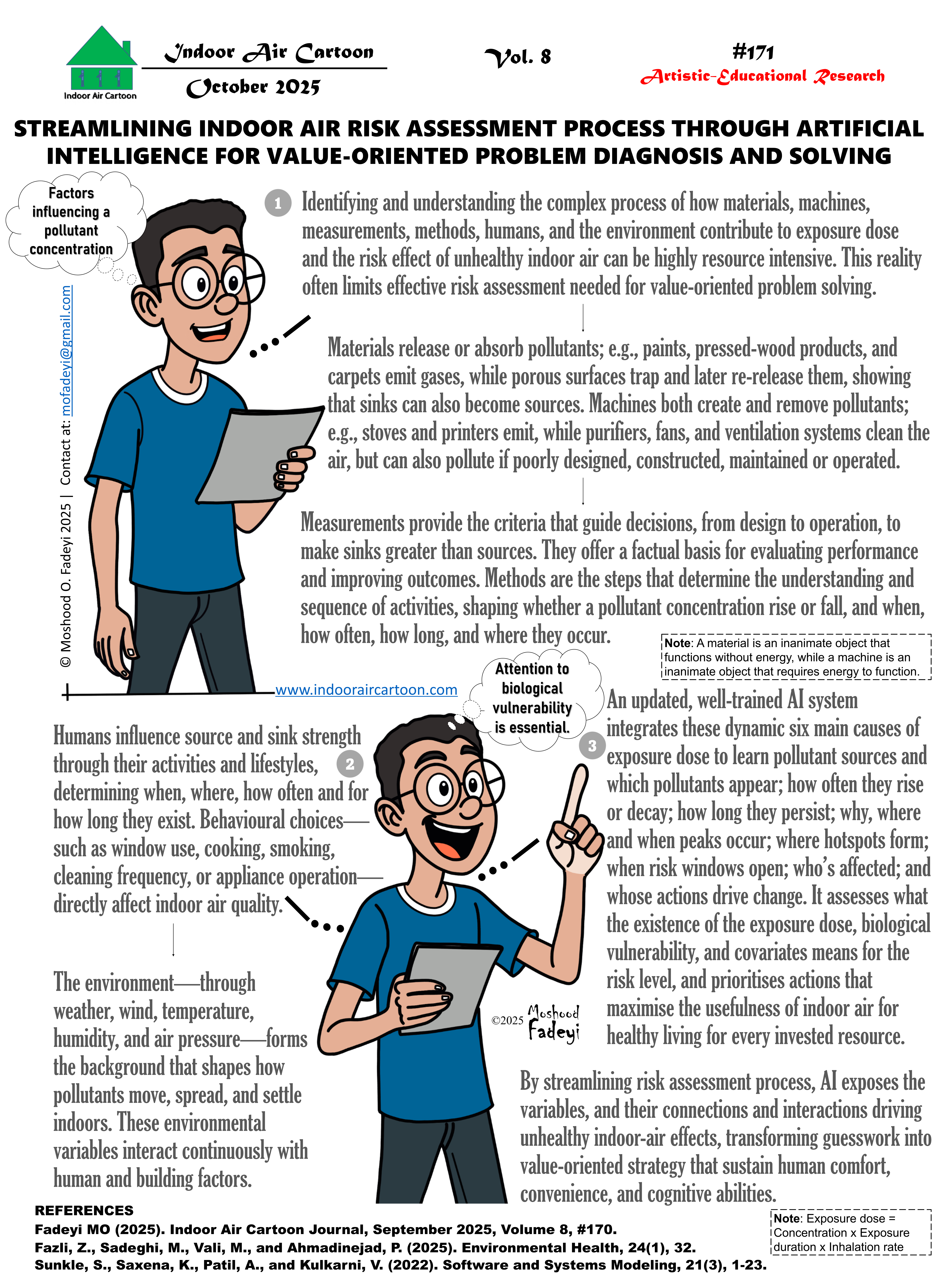

Leave a Reply