Indoor Air Cartoon Journal, March 2025, Volume 8, #164
[Cite as: Fadeyi MO (2025). Impact of reduced ventilation due to air conditioning use during high outdoor temperature on hypertension risk. Indoor Air Cartoon Journal, March 2025, Volume 8, #164.]

Fictional Case Story (Audio – available online) – Part 1
Fictional Case Story (Audio – available online) – Part 2
Fictional Case Story (Audio – available online) – Part 3
.……………………………………..
In urban residences, prolonged outdoor heatwaves have led to increased reliance on air conditioning, resulting in extended periods during which windows and doors remain closed, thereby significantly reducing natural ventilation. This behaviour, intended to conserve cooled air and reduce energy costs, causes indoor air pollutants from combustion activities, daily routines, and building materials to accumulate. Unlike commercial buildings with dedicated ventilation systems, residential environments typically lack such infrastructure, relying on windows and sometimes doors for ventilation—the exchange of outdoor air with indoor air.
As a result, air stagnates, and indoor air pollutant concentrations frequently exceed health-based exposure limits. Chronic exposure to indoor air pollutants is linked to hypertension through oxidative stress and systemic inflammation. Despite the health risks, residents are often unaware of how their ventilation habits affect indoor air quality (IAQ) and health. Educational materials are often inaccessible or overly simplistic, leaving occupants unable to engage meaningfully in the cognitive processes needed for effective problem-solving or take proactive action to improve their IAQ and, consequently, their health.
An unfortunate life experience caused by exposure to poor IAQ highlighted for one young IAQ expert the critical communication gap preventing non-experts from understanding and improving their IAQ. This experience awakened her to the realisation that technical expertise alone was inadequate for addressing complex, real-life problems. Without timely cognitive engagement of the public, even scientifically sound interventions have limited impact. Determined to bridge this gap, she embarked on a transformative journey to empower others and enhance her own ability to solve complex problems. Her awakening and pursuit of professional and personal growth is the focus of this fiction story.
1.……………………………………..
A complex problem is a problem characterised by interconnecting risk factors that cause a solution’s performance to deviate from the performance level at the goal. It is the kind of problem that does not stand still, that resists simple diagnoses and tidy resolutions. Unlike a broken pipe that only needs sealing or a torn dress that merely needs mending, a complex problem is woven from many threads, each one tugging against the others. It is the simultaneous presence of technical, social, emotional, economic, and historical elements—interacting, amplifying, and often concealing one another.
Complex problems are deceptive. They masquerade as simple, waiting for someone to offer a fix. But every action taken without understanding the full web only tightens the knots. Solving them demands more than expertise—it demands wisdom, humility, and the courage to acknowledge uncertainty. It requires seeing beyond the problem’s surface into its ecosystem of causes. One must listen, learn, adapt, and above all, connect.
Lethabo Ndlovu, with her sharp mind and scientific precision, had never been taught to face such problems. Her education, like her early life, had conditioned her to value answers over questions, solutions over stories, control over complexity. She would learn, through sorrow and failure, that technical knowledge, however refined, is powerless in isolation. Only when combined with empathy, curiosity, and the willingness to engage in the messy process of understanding others could it lead to real change.
Her life began far from complexity, or so it seemed. In the rural village of Ga-Mphahlele, the world appeared simple—defined by seasons, soil, and survival. The days were ruled by sunlight and rain, the nights by fireside stories and the hush of distant jackals. Life moved slowly, governed by rhythms as old as the land, and in that stillness, dreams often wilted—not because they lacked fervour, but because they lacked means. Poverty was not a tragedy; it was a fact, like gravity.
Lethabo’s parents, Mandla and Lerato Ndlovu, were humble, hardworking people in their forties, whose lives were shaped by the land and the demands of rural living. Their hands bore the calluses of a thousand harvests; their backs had bent beneath the sun’s gaze longer than Lethabo had been alive. They loved their daughter—whom they had in their forties—fiercely, but theirs was a pragmatic love, expressed not in words but in daily toil: in tilled land, firewood carried, meals prepared, and a single, unshakable hope—that Lethabo would rise beyond the fields. And she might have.
From the moment she could speak, Lethabo asked questions. By the time she entered primary school, her teachers noted a spark—not just intelligence, but curiosity without end. Books became her refuge, and she devoured them hungrily, often sitting under the thorn tree behind her classroom, lost in stories of faraway places and invisible forces—air currents, stars, machines that cleaned water and air. The world, she believed, could be understood, if only one had the right knowledge.
In Ga-Mphahlele, knowledge was a luxury. Her parents struggled to send her to school, and as she approached the end of Grade 7, reality set in. They could not afford the fees for secondary school. Her future, it seemed, would not be shaped by dreams of science, but by the necessity of earning a livelihood.
The decision came not with anger, but with sorrow. Mandla sat her down one evening in the presence of his wife, Lerato, his face lined with worry. “Lethabo, my child, we have tried. You must understand—we cannot give you what you deserve.” And so, with tears unshed, they sent her to Polokwane, to learn how to stitch fabric, how to mend clothes, how to survive.
She entered her apprenticeship in sewing under Madam Mme Kwena, a woman of strict rules and stern hands, but with a mind sharp as the needles she wielded. Lethabo learnt quickly, but her heart was never in the fabric. As she worked, her mind would drift—not to fashion, but to the space around her, to the air that seemed to grow heavy as the day wore on, pressing against her lungs.
The air-conditioned shop, though tidy, was often stifling, its windows rarely open due to very hot outdoor conditions, and the hum of machines mixing with the scent of fabrics, thread, and human breath created an atmosphere that often left her dizzy and restless.
Lethabo began to notice the patterns of discomfort—the headaches, the stale odour that clung to the walls, the sluggishness that set in by late afternoon. She would catch herself staring at the beams of sunlight filtering through the windows, illuminating suspended dust motes that danced and swirled in the still air. That moment captivated her. The air, she thought, was alive, full of invisible forces, and yet no one spoke of it. It moved, it carried, it changed—and it affected everything.
Her fascination grew. She began experimenting in small ways—adjusting the air vents, repositioning the oscillating fan on the counter, even propping open the shop’s door for brief moments—carefully noting how the feel of the room changed when the air shifted or moved differently within the air-conditioned space.
Her curiosity deepened when she helped a fellow apprentice who had fainted during a particularly hot afternoon. Lethabo wondered if it was the heat alone, or something in the air, and that night she found herself poring over a book she had borrowed from the library, searching for answers. She read about ventilation, airborne particles, and the impact of confined spaces on human health. The words ignited something in her—a sense that the unseen world of air was far more consequential than most realised.
From that point on, her awareness of air became obsessive. She would pause her stitching just to feel for draughts, test the staleness of the enclosed, unventilated space, and note how people grew sluggish and irritable as the day wore on. While others focused on the beauty of garments, Lethabo fixated on the environment that held them. She imagined a future where she could not only understand air, but control it, improve it, make it safe.
One day, one of Mme Kwena’s wealthier clients, Dr Zanele Mogale, noticed not only Lethabo’s craftsmanship, but the fire in her mind. After a brief conversation—one where Lethabo spoke more of air than of thread—Dr Mogale saw what others had overlooked. She leaned in and asked, “What would you study, if you could choose anything?” Lethabo didn’t hesitate. “Air,” she said, her voice quiet but resolute. “I want to study air. The way it moves. The way it holds us. Dr Mogale raised an eyebrow, curious. “You mean Environmental Science?” “No,” Lethabo replied, “Environmental Engineering—I want to understand air not just to know, but to do something with that knowledge.” And from that moment, her path was clear.
A proposal was made: Dr Mogale would fund Lethabo’s education through university, on the condition that Mme Kwena would ensure her discipline. Lethabo could continue to sew by day, but her mornings would belong to books. She studied in the morning like other students and returned to the sewing shop in the evening and on Saturdays, resting on Sundays. Her life became a tapestry of trade and scholarship, woven between fabric and books, effort and ambition. Lethabo was enrolled in school, and Dr Mogale paid for her education from Grade 8 to Grade 12. She also established an education fund for her university studies.
Lethabo’s Grade 8 to 12 school years revealed the full measure of her brilliance. Despite her divided responsibilities, Lethabo consistently ranked at the top of her class. Her teachers marvelled at her ability to grasp ideas and apply them with clarity. During her education from Grade 8 to 12, Lethabo demonstrated a growing intellectual curiosity and a strong sense of purpose, particularly after a pivotal lesson in science class on air pressure and filtration.
It was in this moment that she first understood that air—though invisible—could be measured, controlled, and even weaponised through neglect. This realisation profoundly impacted her, shifting her perspective on the world around her. She began to reflect critically on her lived experiences in Ga-Mphahlele: the oppressive indoor air, the smoke-stained walls, and a friend’s constant struggle to breathe in hot, stagnant conditions. What had once been merely a scientific topic became, for her, a moral and personal calling.
From that point on, Lethabo approached her studies with heightened determination, often going beyond the curriculum to explore issues of air quality and health. Her academic performance, particularly in the sciences, reflected this focus and deep engagement, setting her apart as a student driven not just by grades but by a profound commitment to understanding and addressing real-world problems.
In air, she found a force that was both chaotic and controllable—a reflection of her inner need to bring order to the unseen, to shape what others ignored. Armed with exceptional grades and Dr Mogale’s sponsorship, she entered university determined to make the invisible visible, to manage air’s potential for harm, and to ensure its potential for healing.
2.……………………………………..
At university, Lethabo Ndlovu found herself immersed in a world shaped by equations and elegant systems. She had chosen Environmental Engineering not by chance but by conviction—a discipline that allowed her to study the invisible, to order the unseen. Air, in particular, fascinated her. It moved without borders, shaped life without form, and governed health in silence. In air, Lethabo saw a metaphor for herself—quiet, unnoticed, yet essential.
Her days unfolded in lecture halls washed with white light, where she memorised indoor air pollutant pathways, calculated air change rates, and diagrammed ventilation systems with meticulous precision. She excelled—always at the top of her class, always controlled, always measured. Her notebooks were pristine, her assignments impeccable, her answers correct to the decimal. The professors marvelled at her brilliance, but they never truly knew her. No one did. Lethabo kept her life like a sealed chamber—pressurised, efficient, untouched by chaos.
In the solitary hours of study, she found peace in systems that obeyed. Air could be measured, filtered, modelled. It did not betray. It did not demand. To her, the air was not just a subject—it was a sanctuary. She imagined a future where she could master this invisible force, where she could bring clean air to places choked by indoor air pollution, to people robbed of breath. She would be their saviour—calm, composed, invulnerable.
Upon graduation, she held in her hands a first-class honours degree and a job offer from Crystal Clean Air Solutions, a company revered for its cutting-edge Indoor Air Quality services. It was everything she had dreamed. The office was sleek, the equipment state-of-the-art, and her role clear: assess, advise, and solve. She wore her lab coat like armour, her reports like shields. Within months, Lethabo earned a reputation—technically flawless, professionally untouchable. But Lethabo did not realise that even air, her sanctuary, could become heavy with sorrow.
She moved through her projects like a surgeon—precise, efficient, emotionally detached. Clients were problems to be solved, not people to be known. She preferred numbers to narratives, data to dialogue. When residents asked questions, she replied with charts. When they expressed fear, she offered statistics.
Her flaw, carefully buried beneath layers of competence, remained hidden—until a hot summer afternoon fractured the illusion. Lethabo’s shoes clicked softly against the cracked pavement as she walked towards the looming concrete edifice of Mshengu Heights, the faded paint on its facade a testament to years of neglect.
The afternoon sun bore down mercilessly, its heat thick and oppressive, as if to mirror the discomfort festering within the building’s walls. She paused for a moment before the entrance, wiping a bead of sweat from her brow, and steeled herself for what she suspected awaited her inside. Reports of headaches, fatigue, dizziness—vague complaints at first—had begun trickling in from residents over the past few weeks. They were dismissed by many as stress-related or due to the relentless heatwave that typically grip the city.
Mshengu Heights was not unlike other residential blocks scattered across the city—tall, grey, built for functionality rather than comfort, a place where people lived stacked upon one another, their lives intersecting in hallways and stairwells but isolated within individual units. Unit 17B had been flagged for urgent assessment.
The occupant, Mama Nokuthula, had been hospitalised twice within a single month. High blood pressure, the doctors said. She was elderly. The heat was unrelenting. But none of them—neither family, nor friends, nor the attending physicians—thought to examine the air she breathed as a possible contributor to her declining health.
Lethabo greeted the family politely, her eyes scanning the environment with the practiced gaze of a professional. Every corner of the living room bore signs of long-term occupation—family photographs, worn furniture, and curtains drawn tightly shut against the heat. Yet, it was what she could not see that troubled her most.
The windows, she noted, closed to keep the heat out, perhaps, or the noise from the busy street below. The air conditioning unit, perched precariously above the couch, hummed incessantly, recycling the same air over and over. It had become, she realised, a double-edged sword: a relief from the heat, but a trap for indoor air pollutants.
Her assessment began methodically. She unpacked her portable IAQ monitor, setting it to measure particulate matter, carbon dioxide, volatile organic compounds, and relative humidity. She noted that the air was thick with fine particulate matter, levels well above recommended guidelines. Carbon dioxide concentrations were elevated, a sure sign of poor ventilation. Humidity was high, aiding the growth of mould and bacteria in unseen corners. These were not just numbers on a screen—they were indicators of a silent, creeping danger, a danger that had perhaps already exacted its toll.
Lethabo also identified many indoor sources of indoor air pollutants in the residential indoor environment, such as combustion from cooking, tobacco smoke, cleaning and personal care products, emissions from building materials and furnishings, excessive moisture from bathrooms and toilets leading to mould growth, and the use of candles, lanterns, and incense.
Mama Nokuthula lay resting in her bedroom, her breathing shallow but steady. Her eyes opened briefly when Lethabo entered, offering a weak smile. The room was darker still, the curtains drawn tight, the window sealed, primarily for thermal comfort purpose. Here, the air felt even heavier. Lethabo did not need a monitor to confirm what her body already sensed—this was not a space conducive to healing. It was a space of slow decline.
After completing her measurements, Lethabo gathered the family and explained her findings. She recommended opening windows during the early morning and late evening hours when the outside temperature was cooler, to allow for fresh air exchange. She spoke about the importance of cross-ventilation, of reducing indoor pollutants from cooking and cleaning products, of investing—if financially feasible—in a portable air purifier. She explained the science carefully, gently, aware that this was not a conversation the family had ever anticipated having.
As she spoke, she saw it in their eyes—the blankness, the hesitance, the uncertainty. Not because they did not care, but because they did not understand the gravity of what she was saying. Air, to them, was just air. They had never been taught to see it as a vector of harm, to consider it a determinant of health.
Lethabo, though patient and thorough, realised the inadequacy of her intervention. It was not her fault, not technically. She had arrived when called, she had assessed the situation accurately, she had provided recommendations within the family’s means. Yet, as she left the building that evening, the sun dipping low in the sky, a deep unease settled within her.
Three weeks later, the call came. Mama Nokuthula had passed away in her sleep. A stroke, they said. Her heart, weakened over time, finally gave in. The hospital noted the usual risk factors—age, blood pressure, heat. No mention of IAQ. No recognition of the toxic air she had been breathing daily, the air that had quietly exacerbated her condition, robbing her of vitality, of strength, of breath.
Lethabo attended the funeral out of respect, standing among mourners dressed in black. As she stood among the mourners, the air heavy with grief, she found herself not weighed down by guilt, but by reflection. She had done all that her profession demanded—arrived when called, assessed with precision, explained with care.
Yet, despite her best efforts, it had not been enough to prevent what now seemed inevitable. In that moment, the boundaries of her practice came into sharp focus. It was not that she had failed to act—it was that she had failed to perceive the deeper challenge: the risk of residents becoming victims of indoor air pollutants not simply because of exposure, but because they had no means to recognise or respond to the danger in time.
Her mind turned over the events, not with regret, but with clarity. The technical aspects had been clear—elevated particulate matter, high carbon dioxide levels, oppressive humidity, and stagnant air. She had identified sources, recommended solutions, and communicated the science as best as she could. But the residents’ eyes—confused, hesitant, uncertain—had revealed a void she could no longer ignore.
In solving the technical problem, she had overlooked the cognitive one. She saw now that her practice, and that of IAQ experts more broadly, had underestimated the importance of empowering people—especially non-IAQ experts—with the ability to understand and act on indoor air quality issues before it was too late.
The failure, she realised, was not in delayed action, but in a framework that relied solely on expert intervention without equipping residents with the mental models and curiosity needed to perceive IAQ as a determinant of health. The tragedy of Mama Nokuthula’s passing illuminated this gap. It was not the fault of science—it was the failure to appreciate that data alone could not prompt action where understanding was absent. Precision in measurement was powerless without perception. Recommendations, no matter how accurate, could not protect those who did not know they were at risk.
This was Lethabo’s awakening. Her practice, as it stood, was reactive—limited to spaces where she was invited, where the harm had often already begun. She now saw the necessity of a shift: from intervention alone to proactive empowerment, from technical assessments to cognitive engagement. The silent danger of indoor air pollution could never be fully addressed until residents were empowered to see the invisible, to question discomfort, and to act—not in crisis, but in prevention. This was the change her practice needed, and it was a change she would no longer delay.
She was haunted by a singular idea: what if Mama Nokuthula had known? Not about the technicalities of PM2.5 or the parts-per-million of CO2, but simply that sealing the windows for weeks and relying solely on air conditioning might have been silently worsening her condition? What if she had asked questions, sought guidance, taken small but meaningful steps to improve her indoor air?
The realisation that simple, actionable knowledge could have made a life-saving difference profoundly impacted Lethabo. This thought became her motivating force, inspiration, or guiding light, driving her future goals or mission—perhaps to educate others, prevent similar losses, or pursue knowledge for public good.
Lethabo’s realisation that timely cognitive empowerment of non-IAQ experts is essential for preventing harm revealed a critical limitation in her current practice. Confined to reactive measures, she could not address the deeper need for public understanding. Coincidentally, a new form of PhD in Engineering Education—PhD in Engineering Education (Practice-Based)—was created and offered by one of the best universities in the world, the University of Waterbank. She was not discouraged by the fact that pursuing her PhD required leaving her comfort zone and travelling overseas.
She thought to herself that this newly formed PhD programme would provide the perfect opportunity to equip herself with the capabilities to design educational interventions that translate IAQ science into actionable understanding, mental model, and fostering curiosity. She believed the PhD would uniquely provide the framework and credibility needed to create systemic, preventive solutions. Resigning from her well-paying job was justified by a moral imperative: to shift from individual interventions to scalable impact, ensuring no one suffers from unrecognised IAQ risks.
Lethabo was not interested in knowledge or PhD degree for its own sake. She wanted to create change—change rooted in communication, in education, in empowering people to understand and act upon the invisible forces shaping their health. She recognised that the gap between scientific knowledge and public understanding was vast, and the bridges currently in place—technical reports, policy recommendations, academic journals—were inaccessible to the very people who needed the information most.
She envisioned a research journey that would be grounded in practice, in real communities, in real homes like those at Mshengu Heights. She wanted to explore how people learn about air quality—not just the facts, but how they construct mental models, how they connect symptoms to environment, how they move from passive recipients of information to active agents of change.
Her research would not simply investigate the relationship between reduced ventilation and health risks—that had already been extensively documented. Instead, she would delve into the cognitive dimensions of IAQ education: how residents think, question, and reason; how they can be supported to develop critical and reflective thinking, abstract reasoning, and logical deduction; how they can transform theoretical knowledge into value-oriented decisions that protect their health.
Her proposed practice-based PhD would allow her to develop a communication artefact—not a pamphlet or a brochure, but a comprehensive solution that could translate complex IAQ science into engaging, meaningful content for residential occupants. She imagined interactive tools, perhaps story-driven media, cartoons, or visual guides that could provoke curiosity and facilitate cognitive engagement. Her goal was not to simplify, but to clarify—to break down cognitive barriers and enable residents to form their own mental models, to ask the right questions, to connect daily actions to long-term health outcomes.
Her research would also explore how prolonged heatwaves and air conditioning dependence altered ventilation behaviours, and how these behaviours exacerbated pollutant exposure. Importantly, she sought to fill a critical gap: while much attention had been paid to outdoor pollution and thermal comfort, the intersection of indoor air stagnation, pollutant accumulation, and hypertension risk remained underexamined, especially in residential settings. Her work would provide both data and educational solutions, addressing not only the scientific dimensions of the problem but the human experience—how people lived through, adapted to, and often unknowingly suffered from these invisible dangers.
Her application to the PhD programme reflected this dual commitment: to rigour and to practice, to research and to real-world impact. She proposed not just to study IAQ education, but to transform it, to make it accessible, engaging, and empowering for those most at risk. She sought to provide a transparent, traceable account of how interdisciplinary communication practice could bridge the chasm between theory and action, between knowledge and health, between ignorance and empowerment.
As she prepared her PhD proposal, Lethabo felt a sense of purpose that eclipsed her earlier doubts. This was not a departure from her work as an IAQ consultant, but its evolution—a recognition that true intervention must begin long before the crisis, that the greatest tool for health was not a sensor or a purifier, but an informed, empowered resident who could think critically, act wisely, and breathe safely.
With quiet determination, Lethabo embarked on a new path—not merely to measure air, but to change minds, to foster understanding, and to ensure that the tragedy of ignorance would not claim another life in the homes she once entered too late. Below are the specific research problem statement, questions, and objectives that guided Lethabo’s PhD research and justification for adopting practice-based research method.
3.……………………………………..
IAQ within residential buildings is a growing and urgent public health concern, particularly as global temperatures rise and urban populations increasingly depend on air conditioning to maintain indoor thermal comfort. High-rise residential buildings in dense urban environments—where the majority of occupants spend most of their time—are especially affected, as their design prioritises energy efficiency and thermal insulation but often lacks adequate natural ventilation pathways.
During periods of elevated outdoor temperatures, especially during prolonged heatwaves, residents in these buildings tend to keep windows closed for extended durations to conserve cooled air and reduce energy costs. This behaviour, though seemingly practical, significantly reduces natural ventilation, resulting in the rapid accumulation of indoor air pollutants from various indoor and outdoor sources.
Residential environments are distinct from commercial or public buildings in several critical ways. Ventilation in commercial spaces is typically regulated, with centrally managed HVAC systems ensuring compliance with minimum air exchange standards. In contrast, ventilation practices in residential buildings are often unregulated, highly variable, and dependent on individual occupants’ behaviours, building design, and economic constraints. Many residential occupants lack access to mechanical ventilation systems or air purifiers, making natural ventilation—primarily through window opening—the principal means of pollutant removal.
When windows are kept closed for comfort and energy efficiency, indoor air stagnates, trapping pollutants such as fine particulate matter (PM2.5, PM0.1), nitrogen dioxide (NO2), carbon monoxide (CO), volatile organic compounds (VOCs), and elevated levels of carbon dioxide (CO2). These pollutants are generated from everyday activities—cooking, cleaning, use of consumer products—as well as from building materials and outdoor infiltration. Without proper ventilation or air cleaning, these contaminants persist in the indoor environment, accumulating to levels that exceed health-based exposure limits.
The chronic exposure to these pollutants in poorly ventilated residential settings has been scientifically linked to hypertension, a major risk factor for cardiovascular disease (CVD). Mechanistic pathways including oxidative stress, systemic inflammation, endothelial dysfunction, and autonomic nervous system disruption are triggered by exposure to airborne pollutants, leading to sustained increases in blood pressure and long-term cardiovascular strain.
While the independent effects of outdoor air pollution and extreme heat on cardiovascular health have been extensively studied, the specific risk posed by reduced ventilation in air-conditioned residential buildings—and its relationship to hypertension risk—remains underexamined. This unexplored intersection of cooling strategies, ventilation reduction, and pollutant exposure constitutes a significant scientific and public health gap.
Importantly, this risk is magnified in residential settings where occupants are exposed to indoor air continuously, particularly during night-time when physiological recovery occurs during sleep. The assumption that staying indoors with air conditioning protects occupants from the dangers of extreme heat overlooks the health consequences of long-term exposure to recirculated, pollutant-laden air in enclosed environments.
This cumulative exposure, especially during prolonged heat events lasting days or weeks, is likely to result in incremental cardiovascular harm that is not immediately evident but becomes apparent over time through rising rates of hypertension and related health complications.
Furthermore, residential building codes and public health policies currently prioritise energy efficiency and thermal comfort, with little consideration for the health implications of reduced ventilation. Minimum ventilation requirements are either absent or not enforced in residential contexts, unlike in commercial buildings. This regulatory gap leaves residents vulnerable to chronic pollutant exposure and undermines the expectation that indoor spaces should support not only thermal comfort but physiological well-being, particularly in the face of climate change-induced heat stress.
Despite this pressing risk, residential occupants generally lack awareness of how their cooling and ventilation practices contribute to IAQ degradation and hypertension risk. Educational materials that explain these linkages are either overly technical, making them inaccessible to non-experts, or too simplistic, failing to meaningfully convey the complexity of the issue.
Consequently, residents are not equipped with foundational IAQ knowledge, nor with the mental models or curiosity needed to ask meaningful questions about their indoor environment and health. The absence of such cognitive tools impairs their ability to engage critically and reflectively, preventing them from developing or adopting value-oriented solutions to IAQ problems in their homes.
This gap between current performance—characterised by low awareness, limited cognitive engagement, and lack of actionable knowledge—and the goal performance—where residents understand IAQ risks, can think critically, and take informed action to improve IAQ—demands urgent attention. A communication solution is needed that can effectively translate theoretical knowledge about IAQ degradation and hypertension risk into practical, intelligible, and engaging content specifically for residential occupants.
Such a solution must support the development of foundational knowledge, stimulate the formation of mental models, and provoke curiosity, enabling residents to ask meaningful questions, enhance their cognitive abilities (critical and reflective thinking, abstract reasoning, logical deduction, creative imagination), and make informed decisions that safeguard their health.
This research addresses a critical gap in public health and communication practice by developing a communication solution tailored to residential settings, where the risk of IAQ degradation and hypertension is both significant and under-acknowledged. The artefact aims to support residents in deepening their theoretical understanding of IAQ, enhancing cognitive abilities, and adopting value-oriented strategies to improve IAQ and protect cardiovascular health.
Additionally, the insights gained through practice will be shared publicly, providing a transparent, traceable account of how interdisciplinary communication practice can bridge the gap between theory and action in residential indoor air quality management.”
The research problem statement and the research aim lead to the following research questions. (i) How does the theoretical relationship between reduced ventilation, indoor air pollutant accumulation, and physiological stress inform the development of a solution to address the potential hypertension risk among residential building occupants during periods of high air conditioning use? (ii) How can the integration of engineering, science, art, and literature, in the context of the hypertension health risk faced by residential building occupants, be used to create a solution that makes the impact of reduced ventilation due to air conditioning use more tangible and actionable? (iii) What insights are gained through the practice-based research process of creating and applying a communication solution for reducing the hypertension risk associated with reduced ventilation to residential building occupants?
Each of the research questions determines the phase of the research study. The research questions and problems informed the objectives of her PhD research. The research objectives were: (i) To explore how the theoretical relationship between reduced ventilation, indoor air pollutant accumulation, and physiological stress can inform the development of a solution aimed at addressing the potential hypertension risk among residential building occupants during periods of high air conditioning use. (ii) To create a communication solution that makes the impact of reduced ventilation due to air conditioning use more tangible and actionable, through the integration of engineering, science, art, and literature in the context of the hypertension health risk faced by residential building occupants. (iii) To gain insight, through a practice-based research process, into how the creation and application of a communication solution can help reduce the hypertension risk associated with reduced ventilation among residential building occupants.
The following provides justification for the selection of practice-based research as the most appropriate and necessary methodology for addressing the aims and nature of this study. The nature of the research problem—namely, how to make complex IAQ and health relationships intelligible, engaging, and actionable for residential occupants—requires a methodology that focuses on creation, application, and critical reflection, rather than traditional hypothesis testing or solution comparison. Therefore, practice-based research is not only appropriate but essential for this doctoral study.
The goal of this research is not to explain why reduced ventilation leads to hypertension (a relationship already well-documented in scientific literature), nor to compare which solution mitigates the associated risk more effectively (as is typical in applied research), but to explore how theoretical knowledge can be transformed into a communication solution that enables residential occupants to think critically, ask meaningful questions, and take informed action.
Creating such a tangible communication solution requires more than evaluating pre-existing and/or newly created solutions (as in applied research) to answer the fundamental question of WHICH or testing hypotheses to answer the fundamental question of WHY phenomena occur (as in scientific research). It requires a practice-based research approach, where the researcher is actively involved in creating and applying a solution, gaining insight through the act of making, rather than through controlled comparison or hypothesis testing. Practice based research provide answers to fundamental questions of WHAT.
This approach allows for the integration of engineering, science, art, and literature to create a public educational resource that is not only scientifically grounded but also cognitively engaging and accessible to residents. Unlike scientific or applied methodologies, practice-based research permits the researcher to generate knowledge through the creative process itself, focusing on the transformation of theoretical knowledge into an artefact that facilitates stakeholder empowerment.
Scientific research is typically hypothesis-driven, focusing on the establishment of causal relationships through controlled studies. Applied research, whilst real-world oriented, involves the comparison of multiple solutions to determine which is most effective. Neither approach allows the researcher to generate knowledge through the singular process of creating a novel communication artefact, nor do they prioritise the researcher’s intellectual transformation through the act of practice.
This singular process of creating a novel artefact, and the intellectual transformation it initiates, are of critical importance in the context of this research for several reasons. First, the complexity of IAQ-health relationships requires a tailored, original communication solution that is contextually appropriate for residential occupants—such a solution cannot be fully pre-defined or compared against others, but must emerge through an iterative, practice-driven engagement with theory, design, and public accessibility.
Second, the researcher’s journey of creating the artefact fosters deep insight into how interdisciplinary knowledge is operationalised—insight that cannot be acquired solely through theoretical study or evaluation of existing tools. The transformative learning process—wherein the researcher interrogates, adapts, and refines their understanding while making theoretical concepts actionable—results in situated knowledge that is both original and academically rigorous. This transformation is central to doctoral research, as it signifies a mature, reflective, and practice-informed understanding of both the research problem and the broader field of IAQ communication practice.
In contrast, scientific and applied research methods do not accommodate or value this process of intellectual transformation through creative practice, focusing instead on outcomes validated by hypothesis testing or solution comparison. Practice-based research is uniquely positioned to demonstrate academic rigour through the artefact’s creation, application, and reflective analysis, thereby fulfilling the expectations of original contribution required for a doctoral degree.
Practice-based research is the necessary and appropriate methodology for this study because it enables the researcher’s intellectual development—an understanding of how complex theoretical knowledge can be transformed into a public-facing communication artefact that empowers residents.
Through this process, the researcher develops new insight into the integration of disciplines, and into how communication practice can support stakeholder empowerment—not through passive receipt of information, but through active cognitive engagement and problem-solving thinking.
In practice-based research, the artefact is both the outcome and the method of inquiry, and its creation and application demonstrate its academic and practical value. The research proves its rigour not through experimental comparison but through traceability, transparency, and critical reflection on practice. This methodology enables intellectual growth of the researcher, which is documented through reflective analysis of design choices, interdisciplinary integration, and engagement with stakeholders. These process-driven insights constitute original knowledge that is contextually situated and academically valid, thereby warranting the award of a doctoral degree.
Lethabo Ndlovu’s PhD research was supervised by the famous and word renowned professor of engineering education, Professor Bernard Kruger. Below is an excerpt from Lethabo’s PhD thesis.
4.……………………………………..
Research Methods
Phase 1: Theoretical exploration and framework development
This first phase of the research constitutes an extensive and methodologically structured theoretical exploration into how reduced ventilation caused by air conditioning use in residential buildings leads to indoor air pollutant accumulation and how such accumulation contributes to hypertension risk through specific physiological mechanisms.
The goal of this phase is to develop a robust, evidence-based conceptual foundation that will guide the creation of a public educational communication resource designed to translate theoretical insights into intelligible and actionable knowledge for residential building occupants. This phase is essential not only for content development but also for ensuring that the final communication solution is rooted in scientifically validated data and aligned with public health priorities.
Comprehensive literature review
The theoretical inquiry began with a comprehensive literature review focusing on the intersection between IAQ, ventilation practices, pollutant dynamics, and cardiovascular health. The review aimed to identify, synthesise, and critically evaluate current scientific and engineering evidence on the nature and behaviour of key indoor air pollutants—specifically, PM2.5, PM0.1, nitrogen dioxide (NO2), volatile organic compounds (VOCs), carbon monoxide (CO), and carbon dioxide (CO2)—within residential environments characterised by low ventilation rates due to prolonged air conditioning use necessitating the close of windows.
Relevant peer-reviewed sources were systematically retrieved from databases such as Scopus, Web of Science, PubMed, and ScienceDirect. The search strategy combined keywords and Boolean operators to capture interdisciplinary research, using combinations such as “indoor air quality” AND “ventilation” AND “residential buildings,” and “air conditioning” AND “pollutant accumulation” AND “hypertension.” Studies were selected based on strict inclusion criteria: (i) relevance to urban residential buildings; (ii) empirical data on indoor air pollutant concentrations and behaviour; and (iii) evidence linking pollutant exposure to hypertension risk via recognised physiological mechanisms.
The review included studies detailing the rates of pollutant generation from various indoor sources, the effect of closed-window ventilation on pollutant concentrations, and pollutant removal efficiency under different ventilation scenarios. Additionally, the review incorporated literature on building codes, air exchange rate standards, and regulatory thresholds provided by organisations such as World Health Organisation (WHO) and American Society of Heating, Refrigerating and Air-Conditioning Engineers (ASHRAE).
On the health side, the literature surveyed epidemiological and clinical studies that establish causal or associative links between long-term pollutant exposure and hypertension, focusing on mechanisms like oxidative stress, systemic inflammation, endothelial dysfunction, and autonomic nervous system disruption.
All findings were organised using a data extraction matrix, categorised by pollutant type, source, exposure metrics, ventilation conditions, and associated health outcomes. Quantitative data such as pollutant concentrations (e.g., µg/m³), ventilation rates (e.g., air changes per hour), and blood pressure changes (e.g., mmHg) were extracted and tabulated for comparative analysis. This allowed for the identification of typical exposure profiles and conditions in residential settings, especially during heatwaves or periods of high outdoor temperature when air conditioning is predominantly used.
Conceptual framework development
Based on the synthesised findings from the literature review, a conceptual framework was developed to map the dynamic relationships between environmental, behavioural, and physiological variables. This framework served two interrelated purposes: to provide a coherent model of the sequence by which reduced ventilation due to air conditioning leads to increased pollutant accumulation and to explicate how this environmental degradation contributes to physiological stress and the onset of hypertension in residential occupants.
The framework was constructed as a systems-based model, combining environmental engineering principles with public health knowledge. It visually depicted the causal chain beginning with heatwave-induced behavioural changes—namely, the reliance on air conditioning and consequent window closure.
These behaviours were linked to reduced air exchange rates, which then led to the accumulation of indoor air pollutants from various sources such as cooking, cleaning, off-gassing from materials, etc. The framework incorporated pollutant-specific behaviours, including persistence, reactivity, and indoor-to-outdoor ratios under different ventilation regimes.
Physiologically, the framework mapped the chronic exposure to elevated pollutant concentrations to key health pathways, including the generation of reactive oxygen species (ROS), vascular inflammation, and arterial stiffening, which together contribute to the development of hypertension.
Quantitative thresholds for pollutant exposure and health risk were embedded into the framework, drawn from health guidelines and empirical studies. For instance, PM2.5 exposure thresholds associated with increased systolic blood pressure and CO2 concentrations linked to impaired cognitive and cardiovascular function were specified.
This conceptual framework also identified mediating and amplifying factors, such as time spent indoors, individual susceptibility (age, comorbidities), and building characteristics, which affect exposure intensity and health outcomes. The framework thus established a comprehensive, empirically grounded model that not only informed the theoretical underpinnings of the research but also provided a basis for converting complex relationships into accessible, educational content.
Design brief formation
Following the development of the conceptual framework, a detailed design brief was formulated to translate theoretical insights into educational objectives and communication strategies. The brief functioned as a directive document to guide the subsequent practice-based creation of the public educational resource. It defined the scientific focus areas, target audience profile, learning objectives, and preferred modes of communication.
The intended audience was identified as residents of urban high-rise buildings who use air conditioning extensively during heatwaves, with emphasis on those who may lack awareness of IAQ-related health risks. Educational objectives included helping residents understand how their ventilation practices influence IAQ, how pollutant accumulation occurs, how exposure affects cardiovascular health, and what practical actions can be taken to mitigate these risks.
The brief also outlined the desired cognitive outcomes: fostering foundational knowledge, stimulating mental model formation, and encouraging curiosity, thereby prompting residents to ask meaningful questions about their indoor air quality and environments. To achieve this, the brief recommended the integration of engineering and health science content with art and literature—particularly through visual storytelling, narrative explanations, and illustrative analogies.
Formats considered included illustrated guides, short visual narratives, or digital resources that balance scientific fidelity with audience accessibility. The tone was set to be informative yet engaging, avoiding overly technical language while maintaining scientific rigour. The brief was supported by pedagogical considerations, particularly around adult learning and public engagement with science, ensuring that content delivery would be conducive to curiosity, understanding, and critical reflection.
Data collection and analysis
Data collection for this phase involved the systematic identification and extraction of quantitative and qualitative data from the reviewed literature. Indoor air pollutant concentrations, ventilation rates, exposure durations, and hypertension-related physiological metrics were coded and entered into structured data matrices. The data collection process followed a transparent protocol, with each source documented, and extraction decisions justified to ensure replicability and academic rigour.
Data analysis followed a thematic and quantitative synthesis approach. Thematic analysis was used to identify patterns and relationships in how reduced ventilation impacts indoor air pollutant concentrations and health risks. Quantitative data were compared across studies to determine typical indoor air pollutant exposure scenarios in air-conditioned, low-ventilation environments. These scenarios were then used to model hypothetical exposure conditions for residential occupants, which informed both the conceptual framework and the practical implications of the educational resource.
Throughout the process, all data were cross-referenced with regulatory standards and empirical thresholds to ensure that the conceptual framework and content development remained aligned with real-world benchmarks. Analysis also included the evaluation of existing IAQ communication resources, identifying gaps in content, delivery, and cognitive engagement, which the designed resource aims to address.
All collected data, analytical notes, and interpretive memos were stored in a secure digital repository, organised for easy reference during subsequent phases of resource creation and reflection.
Phase 2: Creation of the public educational resource through interdisciplinary integration
This phase involves the practice-based creation of a public educational communication solution that transforms the theoretical understanding of reduced ventilation, indoor air pollutant accumulation, and hypertension risk into a set of tangibles, engaging, and cognitively stimulating artefacts. These artefacts include a fiction story, a cartoon, and an animated film based on the fiction story.
The goal is not simply to disseminate scientific knowledge but to integrate engineering, science, art, and literature in ways that make the material intelligible and actionable for residents in urban high-rise residential buildings. The creation of these artefacts serves as the central method of inquiry, where knowledge is generated through the process of creation, and intellectual transformation of the researcher is documented and analysed. The artefacts are designed to stimulate curiosity, develop mental models, and encourage critical engagement with IAQ and health risks.
Translation of theoretical knowledge into narrative and visual forms
The development process began with the translation of theoretical concepts into a fiction story, which forms the foundation for both the cartoon and the animated film. The story narratively conveys how air conditioning use, driven by prolonged high outdoor temperatures, results in window closure and reduced ventilation, leading to indoor air pollutant accumulation and increased hypertension risk. These concepts—originally expressed through scientific models and quantitative data—were reimagined as narrative elements, character arcs, and sequential events.
The fiction story centres around a family living in a high-rise building during a severe heatwave. The plot follows their daily choices, including their reliance on air conditioning, neglect of ventilation, and eventual health impacts, particularly the development of hypertension in one family member. This storyline integrates scientific knowledge into relatable scenarios, where environmental and physiological changes are contextualised in lived experience. Through dialogue, setting, and conflict, the fiction makes the invisible processes of IAQ degradation and physiological stress visible and relatable.
Alongside the fiction story, quantitative data—including indoor air pollutant concentration thresholds, air change rates, and exposure durations—were converted into story-driven illustrations and symbolic representations, forming the foundation for the cartoon panels and animated visuals. The process of narrative development required careful attention to scientific accuracy, emotional engagement, and cognitive accessibility, ensuring that each element of the fiction would serve as a platform for further visual translation.
Integration of cartoon and animation as communication methods
The cartoon was developed as an illustrated, sequential art form derived directly from the fiction story. Each scene from the story was converted into panelled visual narratives, combining illustration, dialogue, and symbolic imagery to convey cause-and-effect relationships.
Indoor air pollutants were personified as characters with distinct visual identities—each symbolising specific chemical or biological hazards (e.g., PM2.5, NO2)—while physiological processes were illustrated using simplified anatomical visuals to represent oxidative stress and blood pressure changes. The visual design choices were carefully crafted to align with cognitive principles, ensuring that the cartoon facilitated mental model formation, curiosity stimulation, and retention of key concepts.
Building upon the fiction story and cartoon, an animated film was created to bring the narrative and visual content to life. The animation extended the cartoon panels into motion sequences, enhanced with sound, voice-over, and temporal pacing, thereby offering a multi-sensory educational experience.
The animated film employed the same characters, scenarios, and scientific foundations, allowing for dynamic representation of processes such as indoor air pollutant movement, ventilation reduction, and physiological responses. This animated artefact served to deepen the immersive engagement of the audience, facilitating visualisation of time-dependent processes (e.g., indoor air pollutant accumulation over days), which is difficult to achieve through static imagery alone.
The fiction story, cartoon, and animated film together formed a multi-modal communication solution, each component offering complementary cognitive pathways for understanding. The fiction story engaged imagination and emotional resonance; the cartoon provided symbolic and sequential learning; the animation offered dynamic and sensory reinforcement. This integrated suite of artefacts constituted the tangible outcome of practice, designed to stimulate the audience’s cognitive abilities and promote value-oriented engagement with IAQ-health risk mitigation.
Iterative design process and prototype development
The creation of all three artefacts—fiction story, cartoon, and animation—followed an iterative, reflective design process. Initial drafts of the fiction story were reviewed and revised to improve narrative clarity, scientific alignment, and audience relatability. Each story draft was annotated to map narrative elements to theoretical concepts, ensuring that scientific integrity was preserved within the fictional form.
Following the finalisation of the story, cartoon storyboards were developed, visually scripting each narrative segment into panel sequences. Early cartoon prototypes were evaluated for visual clarity, cognitive load, and engagement potential, with adjustments made to character design, visual metaphors, and dialogue based on self-reflection and adherence to the design brief from Phase 1.
For the animated film, storyboards were expanded into animatics, and then into full animated sequences, integrating motion, sound effects, and voice narration. Multiple animation drafts were produced, each reviewed for pacing, visual coherence, and narrative fidelity. The animation workflow included timing analysis, scene transitions, and auditory layering, all designed to enhance the audience’s ability to track and understand complex processes over time.
Each iteration across all artefacts was documented and analysed, contributing to the researcher’s evolving understanding of how interdisciplinary methods support knowledge translation and cognitive engagement.
Data collection through practice documentation
Throughout this creative process, data were systematically collected through a practice journal, which served as a reflexive and analytical tool. Each journal entry recorded the creative session’s goals, design decisions, challenges, and reflections, accompanied by annotated artefacts including fiction drafts, cartoon storyboards, and animation sequences.
The journal entries captured not only technical details of design but also the rationale behind interdisciplinary choices, such as why a specific visual metaphor was chosen, how it related to theoretical content, and what cognitive response it aimed to elicit. The documentation included decision trees, conceptual sketches, and revision notes, forming a rich dataset of the researcher’s engagement with the creation process.
This documentation also tracked the intellectual transformation of the researcher, revealing how practice challenges prompted new theoretical understanding, and how creative problem-solving informed deeper insights into communication practice.
Data analysis through reflexive thematic interpretation
The collected data were analysed using a reflexive thematic approach, with emphasis on identifying key themes, design patterns, and intellectual shifts that emerged during the creation of the fiction story, cartoon, and animation. The analysis focused on how narrative structuring, visual design, and animated representation influenced the translation of theoretical concepts, and how these design choices aligned with the goal of cognitive stimulation.
Themes such as “narrative clarity versus scientific complexity”, “static versus dynamic representation of causality”, and “emotional engagement through characterisation” were explored. The analysis also revealed how integrating cartoon and animation with fiction narrative enabled layered cognitive engagement, supporting retention, curiosity, and critical reflection.
Through this analysis, the researcher gained practice-based insight into how a multi-modal, interdisciplinary communication solution could enhance public understanding of IAQ and health risks, and how the act of creating fiction, cartoon, and animation led to intellectual growth and methodological refinement in the field of IAQ communication practice.
Phase 3 – Application and cognitive abilities enhancement
This final phase completes the practice-based research process by applying the created public educational communication resource in real-world settings and engaging in structured, critical reflection on its creation and dissemination. The resource, comprising a fiction story, a cartoon, and an animated film, was designed to make the impact of reduced ventilation and poor indoor air quality on hypertension risk comprehensible, cognitively engaging, and actionable for residential building occupants.
The purpose of this phase is twofold. First, to publicly disseminate the resource, enabling residents to engage with the material in ways that encourage curiosity, mental model development, and problem-solving thinking. Second, to critically reflect on the researcher’s practice, focusing on the intellectual journey, the interdisciplinary integration employed in the creative process, and the transformation of theory into tangible educational practice.
In practice-based research, the act of applying a created artefact in its intended context is not the end point but part of the process of knowledge generation through practice. The artefact is not evaluated in a conventional empirical sense, but rather applied to complete the research cycle, enabling the researcher to observe, reflect, and articulate insights gained through the process of making theory actionable for public benefit.
Public dissemination of the educational resource
The fiction story, cartoon, and animated film were disseminated through accessible public platforms chosen for their potential to reach residential building occupants who are at risk of poor IAQ due to reduced ventilation during high air conditioning use. Dissemination platforms included web-based educational repositories, community engagement websites, and social media channels used by residential and public health communities.
The format of each artefact was adapted appropriately for each platform to ensure usability, accessibility, and engagement potential. For example, the cartoon was released as a web-based scrollable visual narrative, while the animation was hosted on video-sharing platforms with accompanying text to contextualise the content.
The dissemination was guided by a deliberate strategy that aligned with the objectives set out in the design brief developed in Phase 1. This strategy addressed practical decisions such as how the artefacts would be introduced, what accompanying text or explanations were necessary, and how users might interact with the material.
The researcher documented this process in detail, noting how theoretical goals shaped dissemination choices, and how those choices reflected value-oriented educational objectives. Dissemination was thus not only the release of content but a methodological act, through which the communication solution was applied in practice, and the researcher’s understanding of stakeholder engagement was deepened.
Structured critical reflection on creation and application
Following dissemination, the researcher engaged in structured critical reflection as a formal method of knowledge generation. This reflection was focused on three core areas: the intellectual development experienced during the creation process, the effectiveness of interdisciplinary integration, and the challenges and outcomes associated with transforming complex theoretical concepts into a public educational artefact.
This reflective process was supported by a comprehensive practice journal, maintained throughout Phases 2 and 3. The journal contained detailed records of creative decisions, interdisciplinary strategies, dissemination actions, and post-dissemination observations. In this phase, the researcher revisited these records, analysing them to identify how their understanding of IAQ communication evolved during the research.
The reflection was also informed by artistic-educational theories and practice-based research methodologies, enabling the researcher to frame their insights within broader scholarly discourse on communication practice, cognitive engagement, and knowledge dissemination.
The reflection explored how the integration of fiction narrative, cartoon visualisation, and animated storytelling enabled the translation of scientific content into accessible forms, and how each format contributed differently to the engagement and understanding of the target audience. Particular attention was paid to design choices, such as the use of metaphor in the cartoon, pacing in the animation, and emotional resonance in the fiction story, and how these supported or challenged the educational goals of the research.
The researcher critically examined the limitations encountered, including difficulties in balancing scientific accuracy with artistic expression, and uncertainties about audience interpretation of visual metaphors. Through this critical reflection, new insights were generated about the role of interdisciplinary communication tools in enhancing public understanding of IAQ-related health risks, and how practice-based creation processes contribute to intellectual transformation.
Practice documentation and traceability
Throughout this phase, the researcher maintained a rigorous documentation process to support traceability and transparency of practice. This documentation included annotated artefacts, such as early drafts of the fiction story, cartoon panels, and animation sequences, as well as design notes explaining how each iteration evolved in response to critical reflection and theoretical engagement.
Each artefact was linked to specific elements of the conceptual framework developed in Phase 1, demonstrating how theoretical knowledge was applied and reinterpreted through practice. These artefacts, alongside the practice journal, constituted the evidential base for the researcher’s reflection and analysis, enabling a comprehensive account of the research process that could be critically examined and shared with scholarly and public audiences.
The documentation not only served as a record of process but as a medium for reflection, allowing the researcher to interrogate their assumptions, evaluate their decisions, and make explicit the knowledge gained through interdisciplinary creation and application.
Observation of engagement and informal feedback
While formal evaluation of the resource’s impact was beyond the scope of this practice-based methodology, the researcher engaged in informal observation and gathered anecdotal feedback where feasible. This included noting comments from users, tracking basic engagement metrics (such as views or shares), and reflecting on unsolicited responses from individuals who interacted with the artefact. These observations were recorded in the practice journal, providing supplementary insight into audience engagement and potential cognitive outcomes.
Such feedback, although informal and non-systematic, offered valuable reflections on the public interaction with the artefact, contributing to the researcher’s understanding of communication effectiveness and highlighting areas for future refinement in IAQ educational practice. The researcher critically analysed this feedback to explore whether the artefact stimulated curiosity, prompted reflection, or encouraged meaningful questions, aligning with the research’s educational aims.
Knowledge generation through practice and reflection
The primary outcome of Phase 3 was the generation of practice-based knowledge, grounded in the researcher’s intellectual engagement with the creation and dissemination process. This knowledge was situated, experiential, and transformative, reflecting a deepened understanding of how communication solutions can be developed and applied to support stakeholder engagement with IAQ-health risks.
By making the process of creation, application, and reflection visible and traceable, the researcher demonstrated the academic and practical value of practice-based research in the field of IAQ communication practice. The insights gained contribute not only to scholarly discourse but also to the development of value-oriented strategies for public health education, particularly in contexts where ventilation behaviour and indoor air quality have significant implications for cardiovascular health outcomes.
Ethical Consideration
This practice-based research presents minimal ethical risk but requires careful consideration due to the public dissemination of educational materials concerning IAQ and hypertension risk. No human subjects are directly involved, and no personal or sensitive data are collected. However, ethical responsibility arises in ensuring that all scientific information presented in the fiction story, cartoon, and animated film is accurate, evidence-based, and not misleading.
Care was taken to translate complex health concepts into accessible content without oversimplification, exaggeration, or fear-inducing messaging. The resource was designed to empower residential occupants with knowledge and curiosity, promoting value-oriented problem-solving rather than alarm or stigma.
All visual and narrative content was original or used under appropriate licences, with attention to cultural sensitivity and inclusivity. Where informal feedback from the public is observed during dissemination, no personal or identifiable information will be recorded, and all engagement data will remain anonymous and aggregate in nature, in accordance with digital ethics standards.
While formal ethical approval may not be required, the study adheres to institutional ethical guidelines for public scholarship and educational research. Ethical diligence ensures that the artefact contributes positively to public understanding of IAQ-health risks while respecting audience autonomy, privacy, and well-being.
5.……………………………………..
Research Findings
Phase 1: Theoretical exploration and framework development
Indoor air pollutant accumulation under reduced ventilation
Findings from the theoretical exploration revealed that reduced ventilation due to air conditioning use in residential buildings consistently leads to significant accumulation of indoor air pollutants, especially if an air cleaning system is not used. Across the studies reviewed, indoor environments with closed windows exhibited ventilation rates well below recommended health thresholds.
In most cases, air changes per hour (ACH) fell to between 0.2 and 0.3, significantly lower than the recommended 0.5 to 1.0 ACH for maintaining healthy IAQ. This drop in ventilation was consistently linked with elevated concentrations of indoor air pollutants, particularly fine and ultrafine particulate matter (PM2.5 and PM0.1), nitrogen dioxide (NO2), volatile organic compounds (VOCs), carbon monoxide (CO), and carbon dioxide (CO2).
PM2.5 concentrations commonly ranged from 35 to 80 µg/m³ in closed-window conditions, exceeding the World Health Organisation’s (WHO) 24-hour guideline of 15 µg/m³. PM0.1 levels, though less frequently reported, were also elevated, especially during cooking and cleaning activities. NO2 concentrations in air-conditioned, poorly ventilated homes were found to reach levels between 80 and 150 ppb, often surpassing established health-based limits, particularly where gas appliances were used without sufficient ventilation.
VOC concentrations were similarly elevated, ranging from 300 to 700 µg/m3, depending on indoor sources such as furnishings, building materials, and occupant activities. CO levels of 5 to 10 ppm and CO2 concentrations consistently above 1500 ppm were observed in these environments, with both values associated with adverse health effects, particularly in cardiovascular and cognitive domains.
Across multiple studies, the persistence of these indoor air pollutants in low-ventilation environments was evident, with limited removal and high indoor-to-outdoor ratios. The co-occurrence of air pollutants, especially PM2.5, NO2, and VOCs, was noted to amplify toxicity through synergistic effects, suggesting a compounded health risk beyond individual air pollutant exposure. These findings confirm that reduced ventilation significantly degrades indoor air quality, particularly in urban high-rise buildings reliant on-air conditioning during outdoor heatwave events.
Physiological impact of chronic pollutant exposure
The findings also revealed a consistent association between chronic exposure to accumulated indoor pollutants and the development of hypertension. Fine particulate matter was repeatedly shown to initiate oxidative stress upon inhalation, promoting systemic inflammation and endothelial dysfunction.
Studies indicated that sustained exposure to elevated PM2.5 concentrations (above 35 µg/m3) resulted in measurable increases in systolic blood pressure, with a typical rise of 2 to 4 mmHg per 10 µg/m3 increment. NO2 and VOC exposure were similarly implicated in vascular damage through oxidative pathways, contributing to arterial stiffness and impaired vasodilation.
Carbon monoxide exposure, even at low levels consistent with poorly ventilated residential settings, was found to trigger sympathetic nervous system responses, elevating blood pressure and cardiovascular strain. Elevated indoor CO2 concentrations, commonly observed during extended window closure, were associated with disruptions in autonomic balance and reduced vascular function, further compounding hypertension risk.
Low-level CO exposure has been shown to reduce oxygen delivery to tissues (because CO binds with haemoglobin more readily than oxygen), causing hypoxic stress. This stimulates the sympathetic nervous system, leading to increased heart rate and blood pressure. Studies have found that chronic low-level CO exposure can exacerbate underlying cardiovascular conditions and increase the risk of hypertension and heart disease.
Recent research suggests a possible link between CO2 exposure and autonomic nervous system activity, including heart rate variability, which reflects autonomic balance. While direct evidence linking typical indoor CO2 concentrations to hypertension is limited, reduced vascular function and autonomic imbalance are known risk factors for hypertension.
These physiological effects were particularly pronounced in vulnerable populations, including older adults and individuals with pre-existing cardiovascular conditions. The cumulative evidence pointed to a multi-pathway process in which sustained indoor air pollutant exposure from reduced ventilation directly contributes to hypertension risk through interconnected biological mechanisms.
Exposure risk patterns and indoor living conditions
Findings from the reviewed literature highlighted that residents of high-rise urban dwellings, particularly those experiencing extended periods of indoor confinement during heatwaves, face heightened cumulative exposure risks. In typical scenarios, residents spent upwards of 16 hours per day indoors during extreme heat, under closed-window conditions and without mechanical ventilation or air cleaning systems. The studies noted that such extended exposure periods intensified the health burden, as indoor air pollutants accumulated continuously with minimal dilution or removal.
High-rise residential buildings, especially those designed for energy efficiency without dedicated fresh air systems, were identified as particularly susceptible to pollutant entrapment, when windows are closed. Furthermore, occupant behaviours, such as extended air conditioning use and reluctance to open windows due to heat or outdoor pollution, were found to compound exposure levels.
These behavioural patterns aligned with the environmental conditions to produce an indoor microclimate where indoor air pollutant concentrations often surpassed those outdoors, undermining the assumption that staying indoors provides health protection during heatwaves.
Conceptual model of ventilation, exposure, and hypertension risk
From the synthesis of the findings, a conceptual model emerged that illustrated the sequence linking occupant behaviour, environmental degradation, and health impact. The model traced how the use of air conditioning led to window closure, which in turn sharply reduced ventilation rates.
This reduction allowed for indoor air pollutant accumulation from sources such as cooking, cleaning, and material off-gassing. Prolonged exposure to these elevated indoor air pollutant concentrations initiated physiological stress responses, including oxidative damage, vascular inflammation, and autonomic dysregulation, all contributing to the development of hypertension.
The model incorporated real-world exposure thresholds and physiological response metrics, highlighting how indoor air pollutant concentrations commonly observed in residential settings align with known health risk thresholds. Additionally, it identified mediating variables such as building design, occupant vulnerability, and exposure duration, which shaped the magnitude of risk. This model provided a holistic view of how environmental and behavioural factors intersect to affect cardiovascular health, offering a structured basis for educational translation.
Deficiencies in existing public communication on IAQ and health
A key finding was the lack of effective public educational resources addressing the specific risk of hypertension from poor IAQ in air-conditioned residential environments. Existing materials were either overly technical, limiting accessibility, or too generic, failing to link ventilation behaviour with indoor air pollutant exposure and health outcomes.
No reviewed resource clearly communicated how everyday actions, like closing windows during outdoor heatwave, contributed to long-term cardiovascular risk. Moreover, few existing materials employed visual storytelling or narrative methods to enhance public engagement or support cognitive processing of IAQ-health relationships.
This gap underscored the necessity of an educational approach that makes these complex interactions intelligible to non-expert audiences. The findings indicated that without such resources, residents remain unaware of the risks posed by their indoor environments, limiting their capacity to take informed actions to protect their health.
Implications for communication resource development
The findings of Phase 1 provided clear direction for the creation of an educational communication resource. Specifically, the content must address the behavioural triggers of reduced ventilation, the environmental consequences of indoor air pollutant accumulation, and the physiological pathways leading to hypertension. It must also account for the lived experiences of residents, framing information in relatable scenarios that support cognitive engagement.
Given the complexity of the relationships identified, the findings pointed to the need for an interdisciplinary communication approach. The integration of narrative fiction, cartoon-based illustration, and animation was identified as essential for transforming abstract scientific data into accessible and meaningful content.
Such an approach was found to be well-suited for stimulating curiosity, supporting mental model development, and encouraging residents to ask informed questions about their IAQ and health, thereby laying the groundwork for critical and reflective thinking, abstract reasoning, logical deduction, and creative imagination for problem-solving in a value-oriented manner.
Phase 2 – Creation of the public educational resource through interdisciplinary integration
Storytelling as a cognitive bridge for theoretical concepts
The fiction story effectively revealed the potential of narrative to transform complex theoretical concepts—specifically those concerning reduced ventilation, indoor air pollutant accumulation, and hypertension risk—into content that was both cognitively accessible and emotionally compelling.
By situating scientific knowledge within the lived experience of a family enduring a prolonged heatwave in a high-rise residential building, the narrative illuminated how routine decisions, such as prolonged reliance on air conditioning and window closure, contribute to the gradual deterioration of indoor air quality.
This narrative framing enabled a clear and relatable illustration of cause-and-effect relationships, culminating in a health crisis involving hypertension in an elderly family member. The unfolding of events through familiar domestic scenarios facilitated audience engagement with the theoretical content, allowing for intuitive comprehension of how everyday behaviours may carry long-term health consequences.
What became evident from the narrative’s reception was that storytelling enabled audiences to engage with the sequence and consequence of events intuitively. Scientific content—air change rates, indoor air pollutant thresholds, exposure durations—was no longer abstract data but part of the storyline’s tension.
The audience did not have to interpret the science independently; they experienced its implications alongside the characters. This vicarious engagement fostered a deeper understanding of causality, allowing the audience to internalise how individual choices impact indoor environments and health over time.
Furthermore, the findings indicated that emotional identification with characters heightened attentiveness to the narrative’s embedded scientific content. The family’s concern for their elderly relative, their uncertainty about their indoor environment, and their realisation of the link between ventilation and health created a sense of urgency and reflection in readers.
This emotional connection appeared to support enhanced memory retention, as readers later referenced specific narrative moments to articulate their understanding of pollutant build-up and health risk. The fiction story thus operated as more than a communication tool; it became a catalyst for cognitive and affective engagement, bridging the gap between scientific theory and lived understanding.
Visual representation enabling symbolic comprehension
The cartoon, derived from the fiction narrative, demonstrated that visual representation significantly enhanced symbolic comprehension and retention of key scientific concepts. Through the personification of indoor air pollutants and the visual depiction of physiological responses, the cartoon rendered invisible processes visible and memorable.
Indoor air pollutants were given recognisable forms and behaviours, where necessary. For example, PM2.5 was depicted as a misty, pervasive presence drifting into rooms during cooking; NO2 was rendered as a sharp-edged, aggressive character emerging from appliances. These depictions supported audience understanding of pollutant sources, persistence, and effects, facilitating recognition and recall.
The visualisation of health impacts, such as blood vessels constricting and heart rate indicators rising, was presented in a simplified, symbolic form that audiences could grasp immediately, even without medical knowledge. The cartoon’s sequential panels allowed viewers to track cause and effect visually, seeing the correlation between environmental changes and health outcomes.
Importantly, audiences demonstrated the ability to draw inferences independently, noting how changes in ventilation practices affected indoor air pollutant presence and, in turn, health. This suggests that the cartoon’s design supported autonomous meaning-making, allowing viewers to construct mental models based on visual cues.
Moreover, the cartoon’s accessibility appeared to stimulate engagement across diverse cognitive levels. Viewers of varying educational backgrounds reported understanding the key message and recalling indoor air pollutant characters and scenarios in later conversations. This indicates that visual symbolic representation, when grounded in a familiar narrative, enhances conceptual clarity and enables audiences to retain and apply knowledge in new contexts.
Animation facilitating temporal and emotional immersion
The animated film extended the audience’s engagement by enabling a temporal and emotional immersion that was not achievable through text or static imagery. Viewers observed the gradual accumulation of indoor air pollutants over time, the progression of symptoms, and the escalation of risk, all of which unfolded dynamically and in synchrony with the characters’ experiences. This temporal visualisation allowed audiences to perceive the slow build-up of hazard, reinforcing the idea that health risks develop cumulatively, not instantaneously.
Affective responses were also heightened through the use of sound, motion, and pacing. The rhythmic hum of the air conditioning, the muffled sounds of the outside world as windows remained closed, and the increasingly strained breathing of the affected family member created an immersive sensory environment.
Viewers reported feeling the passage of time and the weight of environmental stagnation, which prompted reflection on their own indoor experiences during periods of heatwave. The animation’s capacity to evoke emotional resonance through audio visual means proved crucial in anchoring the core message: that invisible changes in indoor air quality can lead to visible, tangible health consequences.
Importantly, the animated film also offered alternative scenario simulations, depicting outcomes when ventilation was improved or air purification measures were taken. These segments were found to enhance viewers’ belief that they had the power and ability to influence outcomes, as they saw that small changes in behaviour could alter results. This supported value-driven engagement, with audiences more inclined to reflect on the benefits of proactive indoor air quality management.
Audience interaction and intellectual engagement
Findings from audience interaction revealed that the artefacts did not simply inform but activated intellectual engagement and self-directed inquiry. Viewers demonstrated the ability to recall specific scenes, describe the symbolic meaning of visual elements, and pose new questions about indoor air quality and health.
These included inquiries about monitoring indoor air pollutants, understanding safe exposure levels, and identifying alternative ventilation strategies. Such responses indicate that the artefacts succeeded in stimulating curiosity and critical reflection, key objectives of the communication solution.
Beyond knowledge acquisition, audiences exhibited a shift in perception of their indoor environment. Prior to engaging with the artefacts, most viewed air conditioning as a solution to heat alone. Afterward, they recognised it as a potential contributor to indoor air degradation, particularly in the absence of ventilation.
This cognitive shift suggests that the artefacts were effective in disrupting existing assumptions and encouraging reevaluation of daily practices. The internalisation of this knowledge, coupled with emotional and symbolic associations, positioned viewers to not only understand risk but consider behavioural changes to mitigate it.
Researcher’s intellectual transformation and insight into communication practice
A significant finding of this phase was the intellectual transformation of the researcher, who came to understand communication not as mere dissemination, but as a form of inquiry and knowledge generation in its own right. Through the act of creating fiction, cartoon, and animation, the researcher encountered the limits of traditional communication approaches and discovered the potential of interdisciplinary synthesis to convey complexity without sacrificing accessibility.
Engaging with the constraints and affordances of narrative, visual art, and animation led to new insight into how people process and relate to scientific information. The researcher observed that engagement precedes comprehension—that audiences are more likely to internalise and act on knowledge when they are emotionally and cognitively invested. This insight prompted a shift in design priorities from information density to curiosity stimulation, visual metaphors, and scenario exploration.
The artefacts themselves became a reflection of the researcher’s evolving understanding of how theoretical knowledge can be transformed into public value. Challenges encountered—such as how to depict indoor air pollutant accumulation without inducing fear, or how to represent health decline respectfully—demanded creative problem-solving and ethical reflection, leading to methodological growth and conceptual depth in the researcher’s communication practice.
The integrative power of multimodal artefacts
Finally, the integration of fiction, cartoon, and animation revealed that multi-modal engagement offers distinct and complementary pathways to understanding. Each artefact served a different cognitive function—imagination, visual logic, and immersive simulation—yet all converged on the same educational aim: to empower residents of high-rise buildings to understand, reflect upon, and respond to the risks of poor indoor air quality.
The artefacts were found to reinforce each other, with viewers who engaged with all three reporting greater clarity, stronger emotional connection, and higher confidence in applying knowledge. This finding underscores the value of interdisciplinary integration in enhancing public understanding of environmental health risks, and in promoting value-oriented, reflective action among non-expert audiences.
The outcomes of this phase confirm that practice-based creation of educational resources—when rooted in interdisciplinary methods and designed with cognitive engagement in mind—can produce intellectual, behavioural, and societal impact. The artefacts not only translated theory into public knowledge but generated new understanding of how knowledge is created, shared, and made actionable in the context of IAQ and health.
Phase 3 – Application and cognitive abilities enhancement
Knowledge internalisation and cognitive engagement through public dissemination
The public dissemination of the text-based fiction story, cartoon, and animated film resulted in notable levels of accessibility and audience engagement. The artefacts were released via digital platforms with high potential reach among residential occupants, including web-based educational repositories, social media channels dedicated to environmental health, and community engagement portals. The dissemination formats were adapted for platform usability.
The text-based fiction story, accompanied by the cartoon, was distributed both as text and audio, allowing audiences to engage with the narrative visually and aurally. The animated film was released through video-sharing platforms and included accessible audio-visual captions to enhance comprehension and engagement. Each format aimed to maximise engagement without compromising the integrity of the content.
Following dissemination, audience interaction was observed through qualitative engagement, such as the depth of unsolicited feedback and the nature of discourse prompted by the artefacts. Responses included thoughtful reflections on indoor environmental conditions, questions regarding ventilation strategies, and personal accounts relating to health and comfort during high-temperature periods.
These forms of interaction indicated that the artefacts resonated with their intended audience, enabling engagement with complex topics such as reduced ventilation, indoor air pollutant accumulation, and hypertension risk in a meaningful and sustained manner.
While these interactions were not analysed in a formal evaluative sense, as this is practice-based research, they provided evidence of cognitive engagement and reflective learning, rather than superficial attention or passive consumption. Audience interaction, although informally observed, consistently suggested that the artefacts provoked both reflection and self-directed inquiry.
Viewers articulated surprise at the health implications of air conditioning use during heatwaves, especially in the context of closed-window living environments. Responses highlighted an increased awareness of the relationship between everyday ventilation behaviours and long-term cardiovascular health outcomes.
Many viewers described re-evaluating their current indoor environmental practices, indicating that the artefacts functioned not only as sources of knowledge but as catalysts for critical engagement with personal behaviours and home environments.
The text-based fiction story, accompanied by the cartoon, was found to evoke particularly strong emotional resonance, as viewers connected with the familial narrative structure and the portrayal of real-world challenges faced during heatwaves in high-rise buildings. The progression from comfort-seeking to health deterioration within the story allowed audiences to experience, through narrative immersion, the tangible consequences of IAQ degradation.
Similarly, the animation’s dynamic presentation of pollutant build-up over time, accompanied by physiological changes in a central character, was frequently cited by viewers as impactful in demonstrating how cumulative exposure influences health. The multi-sensory nature of the animated film was identified in viewer feedback as a key factor that reinforced memory retention and supported comprehension of the time-dependent dynamics of pollutant accumulation and hypertension development.
These observations confirmed that the artefacts functioned as effective public educational tools, capable of translating theoretical understanding into accessible and actionable knowledge. Additionally, the artefacts supported the development of mental models, as evidenced by audience references to the interconnectedness of environmental factors and health outcomes.
Viewers expressed increased curiosity about indoor air quality indicators, indoor air pollutant sources, and mitigation strategies, indicating that the artefacts fulfilled their intended role of stimulating meaningful questioning and value-oriented engagement.
Intellectual transformation through cognitive abilities on practice
The act of reflecting on the artefacts’ creation and application produced significant intellectual outcomes for the researcher, particularly in understanding the nature of communication as a process of knowledge co-creation. The researcher’s early assumptions, which placed priority on precision and data density, evolved in response to the challenges and opportunities encountered during the artefacts’ development.
The reflection revealed a shift in perspective toward recognising audience engagement, emotional resonance, and curiosity stimulation as central to effective public communication, especially in contexts involving complex interdisciplinary knowledge.
The fiction story, cartoon, and animation were identified as vehicles through which theoretical content was not merely simplified but reimagined in ways that allowed audiences to relate, reflect, and respond. This realisation prompted a reassessment of the role of narrative, symbol, and time-based visualisation in public understanding of indoor air quality.
The fiction story’s ability to situate scientific concepts in everyday life, the cartoon’s use of metaphor to represent pollutants or event scenarios, and the animation’s portrayal of physiological processes as gradual, observable phenomena, all contributed to the researcher’s evolving understanding of how form and medium shape comprehension and retention.
Design decisions—initially made to balance scientific accuracy with engagement—became central to the reflective analysis, particularly in how they influenced audience interaction. The researcher identified that pacing, tone, and visual metaphors not only made the artefacts more engaging but enabled cognitive entry points for diverse audiences.
This insight redefined communication as a participatory experience, where artefact and audience co-create meaning, and where the success of educational interventions is not solely judged by knowledge acquisition, but by the extent to which they provoke reflection, stimulate inquiry, and support behavioural consideration.
The interdisciplinary integration of engineering, science, art, and literature was found to be not merely a method but a means of broadening or deepening of knowledge, understanding, or ways of knowing, allowing the researcher to explore how multiple ways of knowing can converge in a single artefact.
This integration resulted in artefacts that engaged audiences through varied cognitive pathways—textual, visual, auditory—and supported comprehension for individuals with differing learning preferences. The reflective process confirmed that this methodological approach allowed for a richer, more inclusive communication practice, one capable of accommodating the complexities inherent in IAQ-health relationships without alienating non-expert audiences.
Artefacts as evidence of theoretical application and knowledge generation
The artefacts themselves emerged as tangible evidence of theoretical application and knowledge re-construction. Each artefact, rooted in the conceptual framework developed in earlier phases, served to translate abstract models of indoor air pollutant dynamics and physiological stress into relatable and comprehensible forms. The process of creation revealed that theoretical fidelity could be maintained within artistic representation, provided that narrative structure, visual logic, and symbolic accuracy were carefully managed.
Early drafts and prototype iterations, when analysed during reflection, revealed a clear trajectory of refinement and conceptual alignment. Design challenges, such as representing indoor air pollutants without inducing fear or confusion, were addressed through metaphor and narrative pacing.
Adjustments to characterisation and visual cues were guided by the researcher’s deepening understanding of how audiences process and emotionally respond to environmental health information. These iterative developments highlighted that practice-based research facilitates real-time theorisation, where the artefact’s evolution is informed by both reflective analysis and theoretical grounding.
In applying the artefacts in public contexts, the researcher noted that knowledge was not only disseminated but expanded through feedback and interaction. Viewer comments often contained re-interpretations of the artefact’s content, demonstrating that audiences not only received but engaged in meaning-making, constructing their own understanding based on lived experiences and contextual factors. This phenomenon underscored the artefacts’ role not as static conveyors of information but as dynamic sites of knowledge exchange.
Audience interaction as informal evidence of impact
Engagement with the artefacts, observed informally, provided valuable insight into how the public educational resource functioned in real-world contexts. Viewer responses included expressions of behavioural intent, such as adjusting ventilation practices or seeking indoor air quality monitoring tools, suggesting that the artefacts supported value-oriented action.
The sharing of artefacts within community networks further indicated that the content was perceived as relevant, trustworthy, and beneficial, attributes essential for wider knowledge diffusion.
Comments received from viewers pointed to an increased interest in exploring the indoor environment’s role in health, particularly among individuals living in high-rise buildings with high air conditioning usage. This shift in perspective suggested that the artefacts succeeded in destabilising existing assumptions and inviting reconsideration of routine behaviours, a critical step in prompting health-promoting actions.
While these responses do not constitute formal evaluation, they aligned with the researcher’s goal of fostering curiosity, reflection, and self-directed inquiry, supporting the understanding that practice-based artefacts can catalyse change by engaging cognitive and emotional faculties simultaneously.
Practice as a mode of knowledge generation
The researcher’s reflection on the artefacts’ development and dissemination process confirmed that practice itself was a site of knowledge generation. The artefacts were not only outcomes but instruments through which theoretical concepts were tested, adapted, and made actionable. Through critical reflection, the researcher gained insight into the recursive nature of communication design, where theoretical understanding informs practice, and practice, in turn, reshapes theory.
This iterative relationship between theory and practice produced a situated and experiential knowledge base, illuminating how communication artefacts function within specific public health contexts. The documentation of creative decisions, audience engagement, and intellectual shifts provided a transparent and traceable account of how theory was transformed into educational practice, and how this transformation contributed to both scholarly understanding and public benefit.
The findings demonstrated that practice-based research yields unique and valuable insights by focusing on how knowledge is enacted, perceived, and internalised in context, rather than abstracted or generalised. Through this process, the researcher contributed to the advancement of IAQ communication practice not by developing general laws, but by revealing how interdisciplinary artefacts can bridge the gap between science and lived experience, supporting critical and reflective thinking, abstract reasoning, logical deduction, and creative imagination for informed decision-making in residential environments.
Major contributions of the practice-based research to knowledge
The research demonstrates how complex scientific concepts related to IAQ deterioration, ventilation, and hypertension can be translated into tangible, intelligible, and engaging artefacts—namely a fiction story, cartoon, and animated film—that are accessible to residential occupants.
These artefacts make invisible indoor environmental processes visible and relatable, facilitating public understanding of IAQ-health linkages. The research contributes new knowledge on how theoretical insights can be transformed into cognitive tools that empower non-experts to engage with and act upon health-related environmental risks.
By integrating narrative storytelling, visual representation, and animated media with scientific and engineering content, the research advances the theory and methodology of communication practice in IAQ education. It provides a novel framework for designing and applying public educational resources that do more than inform—they stimulate curiosity, promote mental model formation, and enhance cognitive abilities such as critical and reflective thinking, abstract reasoning, and logical deduction. This contribution is significant in shifting IAQ communication from passive information dissemination to active cognitive engagement and value-oriented learning.
The research documents the intellectual journey of the researcher as a process of knowledge generation through practice. By engaging in the creative act of integrating disciplines and critically reflecting on the development and dissemination of the artefacts, the researcher contributes new insight into the dynamics of interdisciplinary knowledge creation, communication design, and stakeholder empowerment. This reflexive knowledge is situated, original, and inseparable from the act of making, fulfilling the core requirement of doctoral-level contribution in practice-based research.
Through the theoretical exploration and framework development in Phase 1, the research identifies critical gaps in public awareness, regulatory standards, and health risk communication regarding IAQ in residential settings. It highlights how reduced ventilation due to air conditioning exacerbates pollutant accumulation and hypertension risk, especially in urban high-rise buildings, and how existing educational materials fail to address this risk in an actionable, value-oriented way.
This contribution extends existing knowledge by highlighting an underexplored public health challenge and providing a practical pathway for intervention. The fiction story, cartoon, and animated film are not only artefacts of communication but also tangible contributions to public education and academic discourse. These artefacts demonstrate how interdisciplinary integration can be operationalised to solve real-world problems and serve as models for future educational interventions.
Their creation and application illustrate the practical and academic value of practice-based research in generating scalable, transferable knowledge that bridges the gap between theory and public health action.
Major contributions of the practice-based research to the field
This research satisfies that requirement by advancing the theory and practice of IAQ communication, demonstrating how interdisciplinary artefacts can be used to empower stakeholders, and providing a replicable model for public health education in residential settings.
The artefacts and the documented process of their creation serve as evidence of scholarly contribution, just as empirical data does in scientific or applied research. The research also contributes to the academic discourse on communication practice, cognitive engagement, and stakeholder empowerment, positioning itself within an emerging and impactful field of inquiry.
The major contributions of this practice-based doctoral research lie in the creation and application of an original communication solution, the advancement of interdisciplinary communication practice, the generation of reflective, situated knowledge, and the empowerment of residential occupants to address IAQ-health risks through cognitive engagement.
The choice of practice-based methodology is justified by the nature of the research problem and its focus on making theoretical knowledge tangible, engaging, and actionable. This research meets the academic standard for a doctoral degree by providing rigorous, original, and transferable contributions to knowledge through practice, critical reflection, and public application.
6.……………………………………..
After completing her PhD in Engineering Education (Practice-Based), Lethabo charted a career path marked by bold innovation and a deep commitment to public good. Her doctoral research had explored how communication solutions integrating engineering, science, art, and literature could make IAQ knowledge accessible to non-experts, while fostering essential cognitive abilities such as critical and reflective thinking, abstract reasoning, logical deduction, and creative imagination. While her peers pursued conventional academic publishing, Lethabo took an unconventional route that would redefine her career and impact.
Recognising the limitations of traditional academic dissemination in reaching the broader public—particularly the underserved communities she had always sought to empower—Lethabo developed “Breathe Well,” an open-access, public educational platform designed to bridge the gap between engineering knowledge and real-world problem-solving.
The platform featured animated films, cartoon-based fiction stories, interactive learning tools, and cognitive development resources, all focused on IAQ education. Her goal was not merely to educate but to enable users to ask insightful questions, apply knowledge to real-life challenges, and develop cognitive skills that would empower them to take action.
At first, Lethabo’s approach was met with reservations. Critics in academia questioned the scholarly value of public educational resources and doubted whether such modes of dissemination could match the credibility of peer-reviewed journals. However, Lethabo stood firm in her belief that impactful scholarship must be accessible, relevant, and transformative.
As Breathe Well gained traction, those doubts gave way to acclaim. Within a few years, people from over 100 countries had accessed the platform, including educators, community leaders, students, and professionals from diverse fields. User feedback consistently pointed to increases in IAQ awareness, the ability to apply IAQ knowledge in practical contexts, and enhanced cognitive skills, especially problem-solving.
Simultaneously, Lethabo returned to South Africa and joined a leading university of technology as a Senior Lecturer. She eventually moved through the ranks to become a full professor. There, she revolutionised engineering education by designing practice-based curricula that emphasised real-world engagement, interdisciplinary collaboration, and cognitive development.
Her courses challenged students not just to understand engineering concepts but to use them in designing value-driven solutions for communities, especially those affected by poor IAQ and other environmental challenges. She also spearheaded partnerships with local municipalities, integrating her IAQ educational tools into public health campaigns, schools, and community centres.
Beyond academia, Lethabo’s influence expanded into policy. Governments and international organisations sought her expertise in crafting educational strategies that combined STEM learning with cognitive skill development for sustainable development. She advised ministries of education on integrating IAQ and environmental health topics into national curricula and provided training programmes for teachers across sub-Saharan Africa.
Lethabo’s career became a testament to the power of reimagining education as a tool for cognitive empowerment and social transformation. Her pioneering use of public educational resources in lieu of traditional journals proved that accessibility and academic rigour need not be mutually exclusive.
In doing so, she inspired a generation of scholars, educators, and community advocates to view learning not just as the acquisition of knowledge, but as the cultivation of the skills and curiosity needed to improve lives and societies. Her work continues to be a beacon for inclusive, value-driven education worldwide.
After the global success of her public educational platform Breathe Well, Lethabo returned to her roots, determined to ensure that communities like Ga-Mphahlele—not just distant audiences online—benefited from her work on IAQ education. What followed was a deeply personal and transformative journey of community outreach, in which Lethabo fused her academic expertise with cultural sensitivity, creativity, and empathy.
Her first outreach campaign began in the very place where her awareness of IAQ had first been awakened—a small school in Ga-Mphahlele. Standing before a hall filled with students, many of whom reminded her of her younger self, Lethabo introduced her animated film about IAQ.
The story, narrated in Sepedi and accompanied by vivid visuals of everyday life in South African households, captivated the audience. For the first time, children saw characters who looked and lived like them engaging with concepts such as indoor air pollution, ventilation, and filtration—not as abstract ideas, but as challenges with direct implications for their health and well-being.
Following the screening, Lethabo facilitated discussions, encouraging students to share their thoughts. What amazed her was not just their curiosity, but their questions—insightful, practical, and imaginative. Some wondered if indoor plants could clean the air in their homes; others asked whether traditional cooking methods could be improved to reduce smoke. It was precisely the kind of engagement Lethabo had hoped for—where IAQ knowledge sparked critical and reflective thinking, abstract reasoning, logical deduction and the desire to solve real-world problems.
Encouraged by this response, Lethabo expanded her outreach to other villages and townships, tailoring her sessions to different age groups. In secondary schools, she introduced interactive workshops where students created their own IAQ stories, integrating engineering, science with art and literature.
In community centres, she held sessions for adults, using relatable analogies and practical demonstrations to explain how IAQ affects health, especially for the elderly and young children. Each session ended with simple tools and ideas for improving indoor air, empowering people to take action within their means.
Lethabo also collaborated with local health clinics, training nurses and community health workers on how to educate patients about IAQ risks and solutions. These frontline workers became advocates, spreading awareness during home visits and community meetings. Through partnerships with local radio stations, she launched short educational segments, reaching even those without internet access.
What distinguished Lethabo’s outreach was its blend of academic rigour and cultural relevance. Her approach honoured local knowledge while introducing new ways of thinking, always inviting dialogue rather than imposing information. By framing IAQ not just as a scientific issue but as a matter of dignity and well-being, she inspired communities to take ownership of the air they breathed.
Lethabo’s community outreach not only improved awareness of IAQ but also ignited a broader culture of inquiry and problem-solving. In the dusty classrooms and crowded community halls of Ga-Mphahlele, she saw students and elders alike asking the right questions—about air, about health, about their future. And in those questions, she found hope—a testament to the power of education grounded in empathy, creativity, and purpose.
Lethabo understood early in her career that educating people about IAQ required more than simply explaining indoor air pollutants and their effects. To truly empower communities, she believed it was essential to equip them with the tools to assess risks and make informed decisions to reduce those risks. Accordingly, she anchored her IAQ outreach and education in the framework of risk assessment and management, translating this technical concept into accessible, practical knowledge that resonated with people’s daily lives.
Her approach was rooted in simplicity without compromising scientific rigour. She began by demystifying the concept of risk, helping people understand that risk involves the chance of something harmful happening and that risk factors increase that likelihood. She drew direct connections between risk factors and IAQ, helping people see how common indoor environments could expose them to health hazards.
Lethabo guided community members through the risk assessment process, prompting them to consider what pollutants might be present in their indoor air, how much of these they were exposed to and for how long, and what could be done to reduce both exposure and harm. Her goal was to foster an understanding of not just the presence of risk but the pathways through which harm could reach them and their loved ones.
In the second phase of her approach, Lethabo led communities through discussions on risk management, focusing on both immediate and long-term actions. She emphasised that while not all risks could be eliminated at once, small, consistent changes could significantly reduce exposure over time. She provided tools and frameworks to help people prioritise their actions based on risk levels, encouraging them to adopt behaviours that would incrementally improve indoor air quality.
Lethabo’s work reframed IAQ from a remote scientific issue into a tangible aspect of everyday life. Her risk-based approach enabled people to grasp, assess, and act upon IAQ concerns with confidence. She instilled in them not only awareness but also a sense of agency—the perception or belief that they had control over their actions and the outcomes those actions produced—showing that understanding and managing indoor air risks was a meaningful way to care for one’s family and community.
Through her efforts, homes became safer and healthier, and individuals became empowered advocates for change. Below is an example of a conversation she had with a moderator during one of her public engagements, as part of an effort to use risk assessment and management concepts to enhance IAQ education, problem-solving, and cognitive abilities.
“[Moderator asked]: Heat waves caused by climate change are making more people stay indoors and increasing the need for thermal comfort. Energy-efficient thermal comfort is achieved by using air-conditioning systems and keeping openings closed. You said the need for thermal comfort in this situation has side effects that threaten public health. How?
[Lethabo replied]: The side effect I am referring to is poor indoor air quality (IAQ), which is known to be a major public health concern. Of particular concern is poor IAQ in residential buildings. There are two fundamental questions to ask here. (i) How can the need to achieve thermal comfort in residential buildings during heat waves, as I noted, increase the risk of poor IAQ occurring? (ii) How can exposure to poor IAQ in residential buildings within a society increase the risk of public health problems occurring? To answer the first question, we must first understand the risk factors. These risk factors are fundamentally associated with the presence of hazards and the vulnerability of the entities experiencing those hazards.
A hazard is a form of destructive energy. For it to have an impact, a vulnerable entity must exist, meaning the entity must be exposed to the hazard and lack the capacity to prevent harm or recover quickly. To avoid or reduce a hazard, its sources, along with the factors contributing to its existence and intensity, should be eliminated or minimised.
In the case of the first question, indoor air is the vulnerable entity. Air pollutants are the hazards—forms of negative energy—that compromise or harm its quality, i.e., the degree of excellence, condition, or characteristics of indoor air.
With closed windows, air pollutants originate mainly indoors. The existence of air pollutant sources is influenced by design, construction, facility management, economic, social, environmental, regulatory factors, etc. Ventilation, air cleaning, air movement, and dynamics magnify pollutants’ toxicity, concentration, and duration of existence.
With closed windows for energy-efficient thermal comfort and many occupants not using air cleaning systems, IAQ deteriorates due to the rapid buildup of toxic pollutants, potentially endangering public health.
On the second question, damaged indoor air becomes a hazard, offering less value to occupants as it carries air pollutants with hazard, i.e., negative chemical and biological energy, to humans, harming those exposed. As studies show, the negative energy from air pollutants contributes to hypertension among occupants who frequently close windows for energy-efficient thermal comfort during heat waves and use no air cleaners. The negative energy harm human systems, triggering oxidative stress and inflammation, leading to vascular dysfunction, arterial stiffness, and hypertension.”
Lethabo’s approach to communication in engineering education marked a quiet revolution—one that fundamentally questioned the boundaries of what is traditionally recognised as research and redefined the practice of scholarship beyond peer-reviewed journal articles. For Lethabo, research was not confined to controlled laboratories or dense academic prose; it was an active, dynamic process rooted in understanding, engagement, and the application of knowledge in ways that fostered real-world change.
Her core conviction—that the purpose of education is to enhance people’s ability to ask the right questions and use those questions to cultivate cognitive abilities—guided everything she did. It was this belief that led her to create public educational resources, combining engineering, science, literature, and art to break cognitive barriers and bring knowledge to communities that traditional academic outputs could never reach.
In her classroom, the emphasis was never solely on providing answers but on training students to ask right questions—questions that revealed gaps in understanding, connected abstract concepts to tangible problems, and sparked curiosity about how theoretical knowledge could be transformed into practical solutions.
Her pedagogy, deeply informed by this philosophy, was transformative. Students were not passive recipients of information; they were investigators, storytellers, and problem-solvers. Through interdisciplinary projects, they learnt to weave together engineering principles, scientific inquiry, literary narrative, and artistic expression.
One of her signature assignments involved students crafting their own IAQ communication tools—some created non-fictional case studies, others produced short films, while some designed infographics or developed interactive games.
The goal was not to measure the output alone but to trace the cognitive journey of each student—their ability to identify key IAQ issues, formulate questions that deepened their understanding, and propose value-oriented solutions grounded in theoretical principles.
Lethabo guided her students through this process with a clear framework. First, she helped them understand that education, at its core, is the acquisition and processing of information—learning—that generates experience to inform problem-solving. She emphasised that experience consists of three elements: knowledge, understanding, and skills.
However, the quality of that experience depends on the learner’s ability to ask the right questions, which in turn shapes their cognitive development. For her, cognitive abilities were not ends in themselves but tools to strengthen theoretical concepts and, crucially, to transform those concepts into value-oriented action.
Her students, through this process, learnt to navigate the full arc of intellectual engagement: from identifying problems, asking insightful questions, using these questions to enhance cognitive capabilities, and applying those capabilities to real-world engineering challenges.
This was especially evident in her mentorship of capstone projects, where students were required not only to design a solution to an engineering problem but to articulate how their understanding of the problem evolved through questioning and how their cognitive development informed their design decisions.
Lethabo’s feedback focused less on technical perfection and more on the thought process—how students demonstrated critical thinking, reflected on their assumptions, reasoned through alternatives, and employed creative imagination, abstract reasoning and logical deduction to innovate within constraints.
The value-oriented nature of her pedagogy was also a distinguishing feature. Lethabo believed that engineering solutions should not only solve technical problems but also deliver meaningful value to individuals, communities, and society at large. She constantly asked her students: Who benefits from your solution? How does it improve lives? What values are embedded in your design? How can the usefulness delivered be maximised from every unit of invested resources? These questions encouraged students to think beyond functionality and cost-efficiency, to consider sustainability, inclusivity, ethics, and long-term impact.
Moreover, Lethabo’s communication model had a significant influence on how her students approached problems in their personal and professional lives beyond engineering. By integrating engineering, science, art and literature, she demonstrated that the ability to ask meaningful questions is not confined to technical domains but is a universal skill that empowers individuals to engage critically with any issue.
Her students reported applying these skills in diverse contexts—from health and environmental advocacy to entrepreneurship and policy-making—wherever thoughtful, solution-oriented engagement was required. Her colleagues at the university also benefited from her unique way of thinking and approach to problem-solving, though at times it proved challenging—even frustrating—for those unaccustomed to questioning assumptions or established practices.
The impact of her methods extended far beyond her classroom or her university. Communities that engaged with her public educational resources began reporting increased awareness and proactive behaviours related to IAQ. People were not just absorbing information—they were thinking differently. They were asking questions about their environments, assessing risks, and taking action. Teachers in rural schools incorporated her storytelling models into their own science lessons.
Eventually, the mode of scholarship she advocated gained widespread recognition, and academic institutions began adopting elements of her model. Conferences, special journal issues, and research grants began to focus on public engagement, interdisciplinary storytelling, and cognitive development in engineering education, citing her work as foundational.
Lethabo’s communication revolution was not merely a methodological innovation; it was a philosophical shift. She rejected the dichotomy between research and practice, between knowledge and action. For her, the ultimate goal of scholarship was to empower individuals—students, community members, and professionals alike—to engage deeply with the world, to ask questions that matter, and to use their cognitive abilities to create value in everything they did. She showed that when people are equipped to ask the right questions, they not only understand better—they act better, design better, and live better.
In the end, Lethabo’s legacy lay not only in the public educational resource (Breathe Well) she created the films she produced, the communities she educated, the students she mentored, or the colleagues and industry professionals she inspired, but in the mindset she cultivated—a mindset of curiosity, mental model creation, and value-oriented problem-solving.
Through her integration of engineering, science, art, and literature, she established a new paradigm of education—one that empowered individuals to become architects of knowledge, capable of transforming theoretical understanding into meaningful action in every aspect of life.
7.……………………………………..
Lethabo’s life was marked not only by professional achievement but also by deep personal fulfilment. While her work redefined the boundaries of engineering education and public engagement, her personal life reflected the same values of love, commitment, and purpose that guided her career. Her marriage to Tumelo, a man of quiet strength and unwavering belief in her vision, was both a partnership and a sanctuary.
Tumelo had stood by her through the uncertainty of leaving a stable job to pursue a PhD abroad, offering encouragement during her most trying moments and celebrating every milestone along the way. Their bond was built not only on shared values but on mutual respect for each other’s aspirations.
Together, they raised two children, Thabiso and Naledi, instilling in them the principles that had shaped Lethabo’s own journey—curiosity, resilience, and a sense of responsibility to contribute meaningfully to their community.
Lethabo took great care in nurturing their love for learning, often engaging them in conversations about the invisible forces that shaped their world, from the air they breathed to the stories they told. Her family life was rich with laughter, thoughtful dialogue, and the same intentionality that marked her work—a balance of care, creativity, and reflection.
The intelligence of Lethabo’s children was not defined by standard assessments within the education system, but by their ability to think outside the box and consistently demonstrate critical and reflective thinking, abstract reasoning, logical deduction, and creative imagination in solving problems effectively.
Her children thrived in environments that were unstructured and dynamic—settings more reflective of real life than the rigid framework of formal education. Their capacity to navigate and excel in such contexts reflected the values and mindset Lethabo had instilled in them: to question, to create, and to solve with purpose.
Lethabo’s success, however, did not belong to her alone. It was deeply rooted in the sacrifices, mentorship, and belief of those who had helped her rise—each of whom found profound fulfilment in the life she built and the impact she made.
For her parents, subsistence farmers from a small rural community, Lethabo’s accomplishments were beyond anything they had imagined. Years ago, they had stretched every coin to send her to school from Grade 1 to Grade 7, often at the expense of their own comfort.
When it became clear they could not afford to send her further, they did what they could—they arranged a sewing apprenticeship for her, believing that a skill in hand was better than a future of uncertainty. They had acted from love, from a desire to secure her dignity in a world where opportunities for people like them were scarce.
When news of Lethabo’s achievements reached their village—first her high school graduation, then her university honours, and eventually her PhD—their modest home became a symbol of hope. Other families, who had once seen education as a luxury beyond their reach, began to dream bigger for their children.
Her parents found themselves not only proud but deeply gratified; their sacrifices had borne fruit far greater than they had ever envisioned. Their daughter was no longer just their pride—she was a beacon of what could be possible when determination met opportunity.
Lethabo, ever grateful, never failed to honour them publicly, always reminding others that her roots in the red earth of their farm had nourished the woman she became. Lethabo’s parents remained forever grateful to Madam Mme Kwena and Dr Zanele Mogale for their support in helping to raise and guide their daughter.
Madam Mme Kwena, the formidable yet nurturing woman who had taken Lethabo under her wing as a sewing apprentice, also saw her life transformed by Lethabo’s journey. What had begun as a practical arrangement—a young girl learning a trade—blossomed into a relationship of deep mentorship and mutual respect.
In Mme Kwena’s shop, Lethabo had learnt not only to sew, but to think—about precision, discipline, and the pride in a job well done. These lessons, taught with care and firmness, stayed with her long after she left the sewing machine behind.
As Lethabo’s influence grew, she never forgot Mme Kwena’s impact. She often referenced her in public talks as the woman who taught her the importance of craftsmanship—not only in fabric but in ideas. For Mme Kwena, Lethabo’s success brought honour to her humble shop, now affectionately referred to in the community as the place where “greatness was stitched.”
Younger apprentices looked up to her with new reverence, inspired by the story of a girl who had once sat at the same sewing table and went on to change the world. Mme Kwena found renewed purpose in mentoring, encouraged by the living proof that no investment in a young life is ever wasted.
Perhaps the most profound impact was felt by Dr Zanele Mogale, who had sponsored Lethabo’s education from Grade 8 through university. Years earlier, Dr Mogale had seen something in Lethabo—a spark of ambition, a depth of character—that moved her to invest in her future.
She had done so quietly, without expectation, believing that true generosity seeks not recognition but transformation. Over the years, she watched with growing admiration as Lethabo not only excelled academically but also remained grounded in service to others.
At Lethabo’s PhD graduation, Dr Mogale stood beside her, tears in her eyes—not of pride alone, but of joy, knowing that the young girl she had once supported had now become a woman shaping the course of education and public health in her country.
Lethabo’s success became a living testament to Dr Mogale’s own life work, affirming her belief in the power of lifting others. Inspired by Lethabo’s impact, Dr Mogale expanded her scholarship programme, sharing Lethabo’s story with new beneficiaries to show what was possible when potential meets support.
Lethabo’s legacy enriched not only those closest to her but also communities, institutions, and individuals who encountered her work. The public educational resource she created, Breathe Well, became a national model for IAQ education, blending storytelling, engineering, science, and art to empower people across social and economic backgrounds.
The animated films she produced were translated into multiple languages and screened in schools, clinics, and community centres, fostering awareness and prompting preventive action long before harm occurred.
Her mentorship of students and young professionals extended her impact across generations. Many of her mentees went on to lead their own initiatives in public health and education, citing Lethabo’s guidance as a defining influence.
Her colleagues, once challenged by her insistence on questioning assumptions and pushing boundaries, came to adopt elements of her approach, recognising the value of integrating critical thinking, creativity, and empathy into engineering practice.
In the end, Lethabo’s life was more than a story of personal success—it was a living tribute to the power of belief, sacrifice, and purpose. Her achievements gave profound meaning to the efforts of those who had supported her, affirming that their actions had helped shape a force for good. Through her, they found their own legacies extended—woven into a larger narrative of empowerment, education, and transformation.
Lethabo had not merely built a career; she had built a legacy of impact, rooted in gratitude, driven by purpose, and sustained by the love and support of those who had believed in her from the beginning. In their eyes, her success was not the end of the story—it was the beginning of a future filled with possibility, for their lives, for their communities, and for generations yet to come. The End!
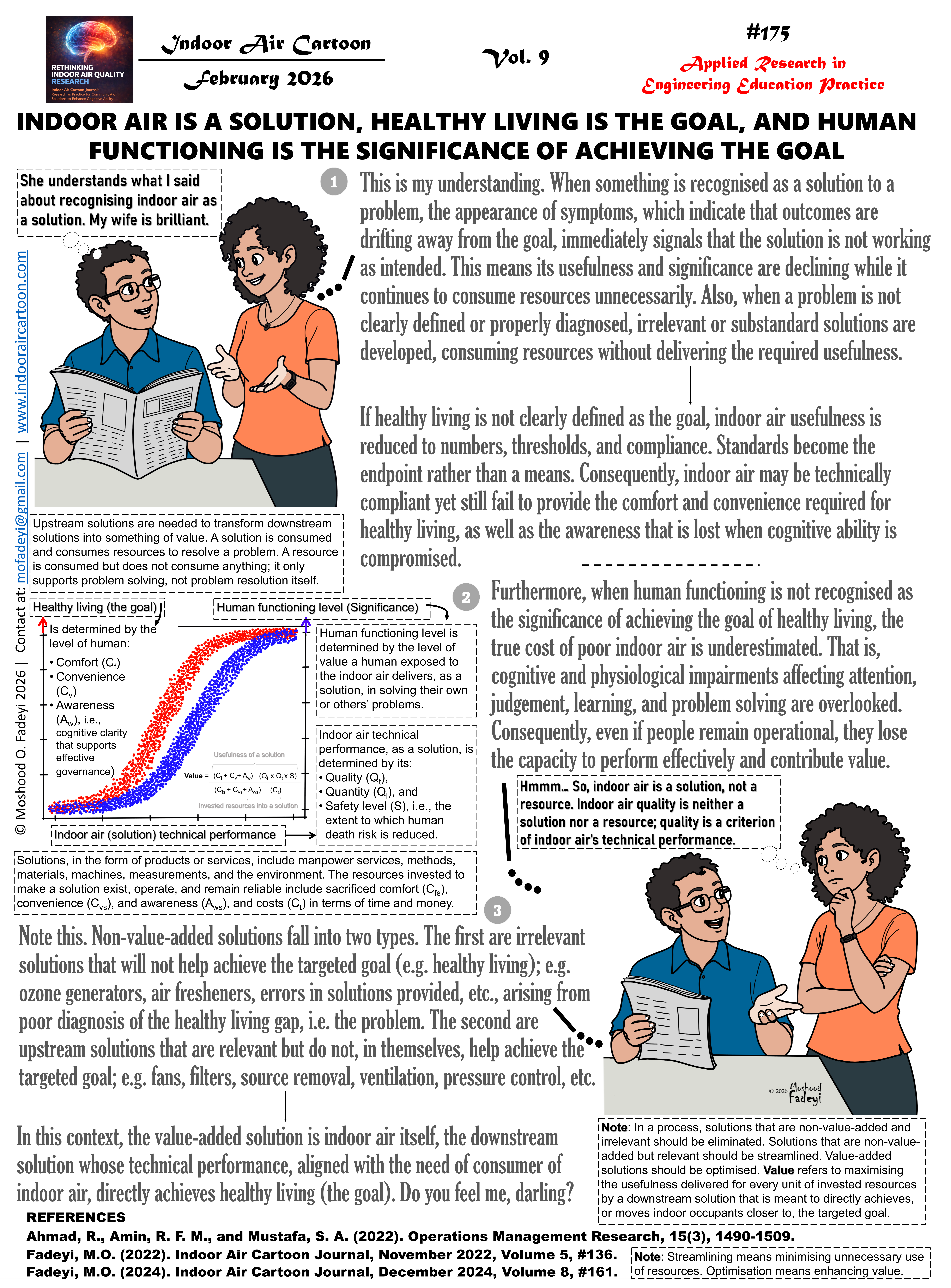


Leave a Reply