Indoor Air Cartoon Journal, September 2025, Volume 8, #170
[Cite as: Fadeyi MO (2025). Break cognitive barriers to understand and solve health problems from indoor air pollutants: the case of unpaved roads. Indoor Air Cartoon Journal, September 2025, Volume 8, #170.]

Fictional Case Story (Audio – available online) – Part 1
Fictional Case Story (Audio – available online) – Part 2
Fictional Case Story (Audio – available online) – Part 3
Fictional Case Story (Audio – available online) – Part 4
Fictional Case Story (Audio – available online) – Part 5
……………………………
In Nagos, families in naturally ventilated homes near unpaved roads lived with air that never stayed clean. Dust rose with every passing vehicle and gust of wind, settling back on beds, books, and toys within hours of being swept away. Cooking filled homes with smoke and odours that lingered long after meals, trapped inside when windows were closed or mixed with dust when left open. Walls and seals offered little defence. Efforts often backfired — sweeping re-suspended particles, scented cleaners left the air heavy. The deeper problem was cognitive barriers: families could not see the full chain of cause and effect.
Amid this struggle, a girl grew up watching these contradictions and living them herself. She recognised the pattern: people leapt to solutions without asking what variables mattered, how they connected, and how interactions shaped outcomes. She knew this flaw too well, for she had suffered it in her own attempts to fix problems quickly, only to make them worse. The recognition was painful, but it gave her clarity. If cognitive barriers were broken, understanding could grow, and real solutions could emerge. She decided she would act, and dedicate herself to building this path. The girl’s journey from young to adulthood is the subject of this fiction story.
1 ……………………………
Nkechi Danjuma moved through the world with a restlessness that others admired but never fully understood. As a child, she was fearless in her tinkering. When her father’s old radio coughed static and silence, she smacked it against the wall, twisted the knobs with small determined fingers, and declared triumph when a snatch of music returned — only for it to fade again within minutes.
Her father laughed, shaking his head. “My little engineer,” he said, ruffling her hair. “But remember, quick hands without careful thought can break more than they mend.” Nkechi nodded but let the warning slip past her. What stayed was the rush — the intoxicating satisfaction of doing something.
At school, teachers praised her quickness in mathematics, her ability to spot patterns almost before problems had been written on the board. Yet the same energy often made her impatient with group work. When teammates lingered in discussion, she leapt ahead, sketching bold answers while others were still outlining the question. “You’re decisive,” teachers said with approval. But classmates sometimes groaned under their breath.
Her flaw showed itself at a school science fair. She had built a water filter from sand and charcoal, proudly demonstrating how it cleared muddy water. Parents and teachers clapped as brown liquid trickled out cleaner at the bottom. But one judge frowned, uncapping a vial of the filtered water. “It looks clear,” he said, “but it still smells. Bacteria remain.”
The prize went to another student, whose slower, more methodical design produced safe water. Nkechi clapped along, smiling stiffly, but inside she burned. It was her first taste of a lesson she was not yet ready to learn: solutions imposed too quickly may sparkle, but they rarely endure.
By her teenage years, the flaw had spread beyond classrooms. Friends found her generous but exasperating. When one confided her fear of failing an exam, Nkechi rattled off a strict study schedule without pausing to listen. The girl’s real worry — that her parents might withdraw her from school — went unheard. Their friendship dissolved, and Nkechi could not understand why.
At home, her family’s neighbourhood shaped her resolve. The district lived with the exhaustion of failing infrastructure: taps that dripped ceaselessly, power cuts that plunged evenings into anxious silence, and unpaved roads that sent dust spiralling into houses with every passing vehicle. Her parents bore it with quiet resilience, patching what they could, enduring what they could not. But Nkechi hated helplessness. She vowed she would study something that gave her the power to fix.
From her teenage years, one question tormented her: why did homes in her neighbourhood, though solidly built with bricks and roofs, fail to protect the families inside? Dust from the unpaved roads still crept in, water pipes leaked constantly, and nights without electricity left rooms heavy and stifling. She longed to pursue a field that did more than raise walls and roofs — one that made spaces genuinely habitable, where air, light, and comfort could coexist with strength and safety. This was the burden she carried forward, the flaw she longed to overcome, though she did not yet know how.
Many evenings she sat staring at the cracked walls and dusty floors of her own home, wrestling with a fundamental question: what discipline could give her both the tools and the vision to confront problems like these — not just to build, but to heal? Architecture tempted her for its creativity, but she feared being confined to aesthetics. Engineering promised rigour, yet as she understood it then, felt too distant from shaping how people actually lived within walls. Architectural engineering, she thought, might promise both.
When she completed secondary school, her academic record bore the mark of her restless brilliance. She excelled in mathematics and physics, securing top scores that made her teachers speak of her with pride, but her impatience showed in subjects that required long, reflective essays. In the end, her exceptional performance in the sciences outweighed her weaknesses, earning her one of the coveted places in the architectural engineering programme at the University of Nagos — a university her parents had only dreamt their daughter might one day reach. It was regarded as one of the top 3 universities in the country, Nagos – a developing a country in Africa.
The acceptance letter arrived in a large white envelope, and Nkechi remembered holding it with trembling hands, her mother’s eyes wet with quiet joy. It was proof that her long nights at the dining table, hunched over textbooks lit by a flickering lamp during power cuts, had not been wasted.
Architectural engineering promised both worlds. She saw it as a bridge between her father’s warning about quick fixes and her mother’s weary resilience in their dust-filled home. It would allow her to draw, to imagine beautiful facades, but also to calculate loads, analyse airflow, and test how walls and roofs responded to heat and moisture. For her, it was not only a course of study but a promise: if she mastered it, perhaps she could return to the places like her own district and design buildings that did more than stand — they would breathe with the people inside them, shelter them, and uphold their health.
When she arrived at university, the sight overwhelmed her. The campus was alive with ambition. Drafting tables stood covered with sketches of bold structures, laboratories hummed with instruments she had only read about, and corridors buzzed with conversations of sustainability and future cities. She felt she had stepped not just into an institution but into the future she had dreamt of while sweeping dust from her family’s shelves or listening to her father sigh over dripping taps. Here, perhaps, she would find the tools to confront the problems that had shaped her childhood.
She joined several engineering and sustainability clubs, eager to immerse herself in projects that promised real-world impact. The university offered more than lectures; it offered a stage where students could test their ideas against the pressing challenges of the built environment. Nkechi signed up for everything she could — the Sustainable Futures Society, the Young Engineers Forum, and even a grassroots group that campaigned for greener student housing.
To her, these clubs were more than extracurricular activities; they were laboratories of possibility, a chance to prove that she could design solutions to problems like those she had seen growing up. She threw herself into these ventures with the same fierce energy that had defined her since childhood.
Yet beneath the thrill of belonging to these communities and tackling sustainability projects, her old flaw remained. Her instinct was still to leap into action before pausing to map the web of causes, to prescribe fixes before she understood the hidden variables. She was finally inside the dream she had worked so hard to enter — a world of blueprints, debates, and visions of better living — but she carried with her the very weakness that would soon unravel her first great disaster. Old habits do not die easily.
In her second year, it erupted in her first true disaster. The university had launched a sustainability drive, urging students to design projects to reduce water wastage in dormitories. Nkechi joined a group where teammates carefully debated: Was leakage from broken taps a bigger culprit than long showers? Did cultural habits influence timing? Could financial incentives shift behaviour?
Nkechi grew impatient. To her, the solution was obvious. People showered too long. Limit the time, and the problem would vanish. She waved off her teammates’ cautions, insisting they were overcomplicating matters. “You can argue about culture all you like,” she said with a sharp laugh, “but if you cut shower time, the maths speaks for itself.” She had no patience for nuance.
Ignoring further protests, she ordered dozens of small shower timers online. When they arrived, she presented them as though unveiling trophies of ingenuity. She posed for photographs with the timers, wrote a glowing project summary, and marched into the dormitories with the air of someone who had solved a national crisis. To administrators she spoke with confidence, explaining that she had “cracked the problem” of water waste.
She imagined the applause: students congratulating her, administrators praising her initiative, perhaps even a newspaper headline celebrating innovation. The reality was nothing like her vision. Students resented the timers. Some yanked them from the walls. Others mocked her openly, calling her the “water police.” Rumours spread that she had wasted university funds ordering gadgets no one wanted. A petition circulated online, demanding the timers be removed.
The people deliberately ignored the time limit for showers and kept using water longer, as a way of protesting or rejecting what they saw as unfair control over their behaviour. Nkechi overheard two boys in the cafeteria laughing. “That girl thinks we’re machines she can programme. Let’s waste double the water.”
By semester’s end, the very dormitory she had targeted recorded higher water use than the year before. Her name, once associated with promise, became synonymous with failure. She had not just missed the mark; she had turned the problem into something worse.
Humiliation wrapped around her like smoke. Humiliation wrapped around her like smoke. What she had brushed aside — the hidden drivers she never paused to trace, the social, technical, and human factors that shaped outcomes — had been the real forces at work.
She had focused only on what was visible, and the outcome mocked her. Her timers ignored them, and the outcome mocked her. A professor asked quietly after the final report, “Nkechi, did you identify what drives the outcome? Did you trace how the variables link?” She smiled stiffly, throat tight. Inside, the sting was unbearable. She had not. She never had.
The humiliation was not confined to the classroom. In the cafeteria, conversations hushed when she walked past. Someone had scribbled “Water Cop” on the noticeboard outside the dormitory. A meme even circulated online: a shower timer strapped to a broken tap dripping endlessly, captioned, “Innovation?” At first, she laughed with her friends, pretending it was all harmless. But each joke chipped away at her confidence. She had entered university determined to make a difference; now she was the punchline to a cautionary tale.
For weeks she wandered campus restless, notebooks under her arm but pages blank. Friends whispered she had lost confidence. Some tried to reassure her: “You meant well,” they said. But their sympathy only deepened the wound. She didn’t want to be remembered for meaning well. She wanted to be remembered for making things better. And the truth was worse than lost confidence: she had lost her certainty that effort alone was enough. Effort had been her identity, her armour, her proof of worth. Now effort looked clumsy, reckless, even dangerous.
It was one late evening in the library, wandering between shelves, that she stumbled across the writings of Professor Fadeyi. She had not gone looking for salvation; she had been searching half-heartedly for material on sustainable design. But one book title caught her eye: Mental Models and the Art of Problem-Solving.” She sat, almost without thinking, and began to read.
The line that stopped her heart was simple: “A solution is only as strong as the mental model that guides it. To act without mapping the necessary variables — along with their connections and interactions that influence the outcomes to be achieved — is to build on sand.” She also read in the book: “one cannot be creative with what is not understood, and that to understand for value-oriented problem solving, an accurate mental model is needed.”
Mental models. The phrase clung like a hook. For the first time, she saw her flaw named. She began an experiment with herself. No matter how trivial the problem, she forced herself to sketch variables before proposing action. At first it was agony. Her instincts screamed for quick fixes. But her pen dragged reluctant circles and arrows, messy webs across the page. The diagrams embarrassed her. Yet slowly, clarity emerged.
One night she redrew her shower timer project. She mapped broken taps dripping endlessly, student resentment at imposed rules, cultural habits of evening showers, water tariffs too low to discourage waste, and the sluggish maintenance system. The very factors she had ignored now clamoured for attention.
It was painful to admit, but the disaster had not been a surprise at all. It had been inevitable. And that realisation, as sharp as it was, carried a flicker of relief. The chaos had rules. She could learn them. It hurt to see how predictable her disaster had been. But the hurt was strangely comforting. She was learning, finally, to see.
Her chance to test this new discipline came in her third year. The class was assigned a case study: a naturally ventilated classroom where teachers had long complained of heavy, stale air during lessons. In the past, Nkechi would have rushed to suggest devices — fans, air fresheners, even portable purifiers. But this time she forced herself to pause.
She studied the site notes carefully and mapped what she found. Windows stayed closed during class hours because teachers worried noise from the playground would distract pupils. Cleaning staff mopped with strong products in the early morning, leaving odours lingering as pupils arrived. Bookshelves and storage units had been pushed against walls, blocking potential cross-breezes. Teachers rarely opened windows during short breaks, fearing disruption to routines.
When her group gathered to share ideas, Nkechi put forward her suggestions: reschedule cleaning for after school so the air could clear overnight; encourage short window openings during quieter times; rearrange furniture to improve airflow; replace dry sweeping with damp wiping to limit dust being stirred into the air. To her surprise, the group accepted several of her points, weaving them into their collective plan.
As part of the module, each team was permitted to trial one or two measures in a single classroom. Nkechi’s group rearranged the furniture and persuaded staff to try a brief window-opening routine during breaks. The difference was not dramatic, but teachers noted the room felt less stuffy, and students were less distracted than expected.
When the group presented their findings, the professors commended the approach rather than the outcome. “You’ve recognised the system, not just the symptom,” one said. Another added, “And you’ve shown that the ideas are workable, even in practice.” Sitting among her teammates, Nkechi felt a quiet shift. For the first time, she had contributed to work that earned respect not for speed or boldness, but for thoughtful design.
That lesson carried her into her summer internship with a consultancy. She was assigned to survey housing near unpaved roads — far from the neat lecture halls she knew. Dust was everywhere. It settled on shelves, beds, toys. Mothers swept until their arms ached, only for the particles to return. Children coughed on verandas. Cooking smells lingered long into the night. Windows closed for safety left rooms suffocating; windows open invited dust. The houses seemed porous, unable to protect their occupants.
At first, she slipped back into old reflexes. The pressure of being the “intern who delivered” tugged at her instincts. Site visits were short, supervisors were impatient, and residents expected answers. It felt safer to give quick instructions than to admit she didn’t yet understand the system.
Her supervisors urged “practical advice.” She told families to close windows during busy hours, mop more often, sweep with damp cloths. Her bosses praised her. “Good, hands-on thinking,” one said. The praise reassured her for a moment, but also unsettled her. She had heard those words before, just before her earlier failures.
But weeks later, her notes brimmed with contradictions. Families closed windows only to reopen them against the heat. Dust returned no matter how often floors were cleaned. Children coughed whether mothers mopped or not. Burning incense masked odours but left the air heavy.
Every effort seemed to backfire. When she reported back, hoping for guidance, her supervisors shrugged. “Sometimes people don’t follow instructions,” one said. Another proposed distributing leaflets with the same advice. The words stung. She realised she was not just fighting her own habit of rushing to fixes — the very culture of the consultancy rewarded speed over depth, visibility over understanding.
In meetings, the quickest suggestions drew nods, while careful questions were brushed aside as “academic.” Each time she tried to raise a doubt, she felt out of step, as though caution were weakness. The words chilled her. The blind spot was collective. Not only hers, but theirs. They mistook action for understanding.
2 ……………………………
Walking home, shoes coated in dust, she whispered aloud, “We don’t know what we’re doing.” It was not a dramatic epiphany but a quiet recognition that weighed heavily on her. She had seen first-hand how well-intentioned advice from herself and her supervisors had failed to ease the suffering of families living near unpaved roads. People were working tirelessly to clean their homes, yet the air remained heavy, and children continued to cough. She carried that awareness into her final year at university, determined to discipline herself and approach problems differently.
While her peers gravitated toward glamorous dissertation topics — futuristic building skins, renewable energy integration, structural optimisation models — Nkechi deliberately chose what many dismissed as trivial: dust and odours in student housing. She framed it not as an abstract nuisance but as a matter of health. “If a home cannot give health to its occupants, then it has failed its first duty,” she told her supervisor, who raised an eyebrow but gave approval.
The choice was pragmatic. Student dormitories offered her a contained, accessible laboratory of daily life. They were naturally ventilated, low-tech environments that mirrored the struggles she had seen in poorer neighbourhoods, though on a smaller scale. Residents complained about dust returning within hours of cleaning, cooking odours that clung to curtains, and headaches after the cleaning staff mopped with strong detergents. To others, these were petty inconveniences; to Nkechi, they were clues to deeper processes.
Her method was painstaking. She spent weeks sitting in dorm rooms at different times of day, noting patterns of air movement when windows were open, closed, or partly ajar. She collected dust wipes from surfaces and compared them before and after cleaning. She tracked odour persistence by interviewing students after cooking sessions in shared kitchens.
What distinguished this project from her earlier failures was not technological sophistication but her decision to map carefully before prescribing. She traced how ventilation rates were often too low, how gaps around window frames allowed fine particles to drift in, how sweeping re-suspended more dust than it removed, and how volatile compounds from detergents lingered long after their “fresh” smell had faded.
Her dissertation did not attempt to solve the larger puzzle of dust infiltrating homes near unpaved roads — she knew that problem was far more complex. Instead, it disciplined her to slow down, to test assumptions, and to respect the stubbornness of small, everyday processes. The findings were modest but rigorous: that poor ventilation amplified odour persistence, that sweeping methods mattered as much as frequency, and that common cleaning products introduced as many irritants as they removed.
She graduated with distinction, her dissertation praised for its clarity of observation, but for her the real achievement lay elsewhere. She had resisted the old habit of rushing into fixes and learned instead to dwell inside the problem until its contours became visible. She left her BSc not just with grades, but with a sharpened sense of purpose.
Her MPhil took her further. If her undergraduate work had disciplined her to observe, her postgraduate study demanded that she explain. She designed a programme that combined airflow modelling with field interviews, seeking to understand how pollutants behaved once they entered buildings and how residents’ practices shaped outcomes. She chose modest urban housing blocks — naturally ventilated, with ageing materials and varied occupant habits.
At first, her flaw whispered to her again. Early in her MPhil, she attributed reports of discomfort almost entirely to dust. But after a seminar in which her mentor pressed her — “Are you certain dust is the only factor?” — she revisited her data. Slowly, other patterns emerged. Cleaning products contributed volatile organic compounds. Micro-gaps in window seals allowed intermittent infiltration even when windows were closed. Behavioural routines — when windows were opened, how long mopping water was left in buckets, when incense was burned — shifted the exposure profile dramatically.
One interview stayed with her. A grandmother demonstrated proudly how she mopped every morning with a scented detergent, convinced it kept her home fresh and safe for her grandchildren. Nkechi’s instruments told a different story: a measurable spike in volatile compounds, invisible to the senses but strong enough to induce headaches.
The woman’s words — “I always feel dizzy after cleaning, but that is the price of cleanliness” — haunted Nkechi. It was like facing a younger version of herself, acting with conviction yet blind to the hidden consequences. That night she wept, not out of despair but recognition. Others too were trapped by the same blindness. The true enemy, she realised, was not only pollutants but cognitive barriers — the absence of mental models to connect variables and trace their interactions.
Her MPhil did not leap to grand solutions. It produced careful evidence of how airflow, building porosity, and occupant behaviour interacted. It showed that discomfort could not be traced to a single pollutant but to webs of factors entangled across indoor and outdoor boundaries. Her work gained respect from examiners for its methodological balance — a rare blending of quantitative modelling with qualitative interviews — but more importantly, it deepened her conviction.
If her BSc had shown her that small irritations were symptoms of larger processes, her MPhil, done at the same university, taught her that without tools to see these processes, people were destined to repeat blind actions that worsened their own conditions. Her conviction crystallised one dry season when she revisited a family she had first met during her internship near the unpaved roads. Their youngest boy, once bright-eyed and quick to laugh, now coughed constantly, his small chest heaving. The doctor had advised the family to move, but their means tied them to the house. His mother lifted his exercise book, its pages already filmed with dust despite her having cleaned that morning.
The boy tried to smile, but his breath rasped in his chest. Nkechi stood frozen. In his struggle she saw the echo of all her past failures: the smashed shower timers that ignored student psychology, the mould-ridden flats born from ignoring moisture dynamics, her sister’s tears when she had prescribed advice instead of listening, the smoke-filled corridor where her rushed instructions almost cost lives. Always she had rushed, and always others had paid. Now, here, the stakes were higher. It was no longer about wasted water or irritated classmates, but about a child’s breath. This time, she vowed, it would be different.
Her PhD study, undertaken at another of the top three universities in the country — the University of Badagum — was born from that vow. She framed the problem not simply as dust infiltration or pollutant concentration but as the absence of mental models. Families were not failing through laziness. They were constrained by blindness: unable to see how porous walls, household practices, daily rhythms, and environmental forces conspired to trap them. What they needed was not just cleaner air but frameworks of thought — tools that would allow them to ask the right questions. When is ventilation safe? How do cleaning practices interact with indoor air? Why does air that looks clear still feel irritating?
Her proposal carried unusual clarity. She described sweeping that re-suspended particles, windows opened at the wrong times, scented cleaners that worsened discomfort, and even the possibility that certain pollutants, once indoors, interacted chemically to create compounds more dangerous than the originals. She traced how porous walls, poorly maintained seals, cultural cleaning habits, and weather patterns produced outcomes that residents could not predict.
Her reviewers saw not just a study but a mission. They accepted her proposal with enthusiasm, noting that she was not merely filling a research gap but re-framing the problem altogether. For them, the appeal lay in her insistence that the barrier to healthier living was not only material but cognitive — a failure to see and therefore to act wisely. Her flaw, once a curse, had become her compass. Each misstep of her past now pointed her toward her true calling: to illuminate the unseen, to help others build mental models where none existed, and to ensure that homes near unpaved roads became not traps of discomfort but sanctuaries of health.
In truth, her BSc and MPhil had laid the foundation for this transformation. Her undergraduate dissertation trained her to observe patiently and respect the stubbornness of everyday processes, while her MPhil gave her the methodological tools to trace airflow, porosity, and behaviour with intellectual rigour. These experiences were not separate from her PhD but the bedrock upon which it stood.
The knowledge she gained from both stages directly influenced how she designed her PhD methodology — blending systematic mapping, modelling, and human-centred observation into a single framework aimed at breaking cognitive barriers. She built on the observational patience from her BSc, expanded it with the modelling-and-interview synthesis of her MPhil, and integrated both into a PhD design that was ambitious yet grounded in reality.
Her PhD methodology was not a sudden leap but the culmination of lessons earned through her BSc and MPhil. They had taught her that true methodology follows problem, that design is only as strong as the clarity of the challenge it seeks to resolve. The problem statement that provided this clarity is given below.
“The ideal home should protect its occupants from harmful pollutants and provide an environment where health and wellbeing are supported. In naturally ventilated housing near unpaved roads, this goal remains unmet. Families in such environments live with recurring symptoms of irritation, coughing, and breathing discomfort. Dust reappears quickly after cleaning, odours from daily activities linger in the air, and residents feel that no matter what they do, their homes do not stay clean or comfortable. These everyday experiences highlight a gap between the promise of healthy housing and the reality of exposure.
The challenge begins outside. Vehicles driving on unpaved roads disturb dust, sending visible clouds into the air. Even after traffic has passed, winds continue to stir fine particles, and during dry periods, surfaces never stay settled for long. Families often notice that in wet weather dust problems seem reduced, only to return immediately once conditions dry. These observations suggest that outdoor conditions strongly shape the burden on households, yet residents have little control over these forces.
Inside the home, the challenge does not disappear. Residents often try to protect themselves by closing windows, sweeping floors, or using strong cleaning products. Yet complaints of dust returning, odours persisting, and eye or throat irritation remain common. Homes built with porous walls, worn seals, and gaps around windows cannot prevent the smallest particles from entering. Families believe that being indoors offers protection, but lived experience contradicts this assumption, leaving them uncertain about what practices truly reduce exposure.
Current practices often make matters worse. Sweeping can send dust back into the breathing zone. Opening windows may feel refreshing but sometimes coincides with passing traffic, allowing more dust inside. Cleaning with scented products may leave surfaces looking cleaner but can leave the air heavy, prompting headaches or discomfort. These contradictions confuse residents, who are left relying on sight or smell as indicators of safety, despite the reality that harmful pollutants may persist long after visible dust has settled.
At present, both residents and practitioners lack the mental models needed to connect these everyday experiences into a clear picture of how pollutants move from unpaved roads into the home and how indoor activities influence what happens next. Without this understanding, people cannot generate the questions that would guide effective decision-making—questions such as: When is ventilation safe? How do cleaning practices affect exposure? Why does air that looks clear still feel irritating? The absence of such questioning reflects deeper cognitive barriers that prevent households and professionals alike from seeing the full chain of cause and effect.
This gap—between the goal of safe, healthy housing and the current reality of persistent symptoms and ineffective practices—is the central problem. Residents of naturally ventilated homes near unpaved roads are not failing through lack of effort; they are constrained by cognitive barriers that keep the processes of dust infiltration and transformation invisible. What is urgently needed are communication solutions that can break these barriers, help residents and practitioners form accurate mental models, and enable value-oriented behaviours and interventions that align with the goal of healthier indoor environments.”
Her interest in addressing this research problem led her to formulate three research questions that needed to be answered.
The research questions are as follows: (i) How do emissions from unpaved roads—driven by traffic activity, soil composition, and meteorological conditions—interact with building characteristics such as façade leakage, ventilation mode, and distance to the road to determine the levels and variability of particulate matter, heavy metals, and VOC-laden dust that infiltrate indoor environments? (ii) How do pollutants infiltrated from unpaved roads—including PM fractions, heavy metals, and VOCs—interact with indoor activities such as cooking and cleaning, and with indoor chemical processes like ozone reactions, to change their toxicity, persistence, and potential to harm human health? (iii) How can overcoming cognitive barriers through mental-model-based frameworks enhance understanding of how time–activity patterns, behaviours, and biological vulnerability mediate the health risks from indoor exposure to unpaved-road pollutants, and how can this deeper understanding be translated into effective problem solving that reduces those risks in vulnerable populations?
For the first research question, the Null Hypothesis (H01) is that indoor pollutant infiltration is not significantly influenced by unpaved-road emissions, meteorology, or building characteristics. The Alternative Hypothesis (H11) is that Indoor pollutant infiltration is significantly influenced by unpaved-road emissions, meteorology, and building characteristics.
For the second research question, the Null Hypothesis (H02) is that indoor activities and chemistry do not significantly alter the toxicity or persistence of infiltrated pollutants. The Alternative Hypothesis (H12) is that indoor activities and chemistry significantly increase the toxicity or persistence of infiltrated pollutants.
For the third research question, the Null Hypothesis (H03) is that breaking cognitive barriers does not improve understanding of exposure–health pathways or contribute to effective problem solving. The Alternative Hypothesis (H13) is that breaking cognitive barriers improves understanding of exposure–health pathways and enables effective problem solving.
The research questions and problems informed the following objectives of her PhD research: (i) To investigate how emissions from unpaved roads—shaped by traffic activity, soil composition, and meteorological conditions—interact with building characteristics such as façade leakage, ventilation mode, and distance to the road in determining the levels and variability of particulate matter, heavy metals, and VOC-laden dust that infiltrate naturally ventilated indoor environments. (ii) To examine how pollutants infiltrated from unpaved roads—including particulate matter fractions, heavy metals, and VOCs—combine with indoor activities such as cooking and cleaning, and with indoor chemical processes like ozone reactions, to alter their toxicity, persistence, and overall potential to harm human health. (iii) To develop and apply mental-model-based communication frameworks that break cognitive barriers, thereby enhancing understanding of how time–activity patterns, behaviours, and biological vulnerability mediate the health risks from indoor exposure to unpaved-road pollutants, and to translate this understanding into effective, value-oriented problem-solving strategies for protecting vulnerable populations.
3 ……………………………
Research Methods
Methods for Research Question 1:
Background
Research Question 1 asked: How do emissions from unpaved roads—driven by traffic activity, soil composition, and meteorological conditions—interact with building characteristics such as façade leakage, ventilation mode, and distance to the road to determine the levels and variability of particulate matter, heavy metals, and VOC-laden dust that infiltrate indoor environments?
The purpose of this question was to quantify how outdoor pollutant generation, meteorological transport, and building entry mechanisms governed indoor pollutant infiltration and accumulation. The methodological design sought to separate the contribution of the outdoor source, the modifying effects of weather, and the structural features of buildings that allowed or restricted entry of pollutants.
The null hypothesis (H01) stated that indoor pollutant infiltration was not significantly influenced by unpaved-road emissions, meteorology, or building characteristics. The alternative hypothesis (H11) stated that indoor pollutant infiltration was significantly influenced by unpaved-road emissions, meteorology, and building characteristics.
Study Design
The study was conducted as a year-long, multi-site field investigation across a range of dwellings located at different distances and orientations to unpaved roads. The year-long duration was essential to capture the seasonal variability characteristic of tropical climates, particularly the contrasting wet and dry periods. During the dry season, dust resuspension by traffic was at its peak, while the wet season temporarily suppressed dust but created strong resuspension events once surfaces dried.
These seasonal contrasts directly influenced pollutant emissions, transport, and infiltration. The study extended over twelve months, ensuring coverage of different meteorological and traffic regimes, with transitional months providing additional variability. Seasonal stratification of results allowed testing of whether infiltration pathways changed across seasons, which strengthened the robustness of the findings and ensured conclusions were not biased towards a particular weather condition.
The study focused on naturally ventilated homes, since the context assumed that windows were the primary means of ventilation and that there were no mechanical HVAC systems. The selection of homes was carried out through a stratified purposive sampling approach to ensure that key building characteristics influencing pollutant infiltration were adequately represented.
An initial survey of dwellings located within 200 metres of unpaved roads was conducted using municipal housing records, site visits, and visual inspection. From this pool, homes were categorised according to façade porosity, window type, floor level, and external shielding.
Façade porosity was assessed by visible cracks, construction materials, and the condition of plaster or sealants. In addition, a blower door test (Minneapolis Model 3) was used. The fan created a 50 Pascal pressure difference between indoors and outdoors, and the air leakage rate was expressed as Air Changes per Hour at 50 Pascals (ACH50). ACH50 indicated how many times the full indoor air volume would leak out in one hour under that pressure. For instance, ACH50 = 10 meant the air would be replaced 10 times in an hour. Smoke pencils were also used to locate specific leakage points.
Window type was recorded as louvred, sliding, or casement, with particular attention to gaps when shut. Floor level was defined as ground, mid-level (2nd–4th floors), or high-rise (5th floor and above). Shielding was documented by the presence of vegetation, walls, or adjacent structures between the dwelling and the unpaved road. A scoring matrix was applied to ensure representation across these categories, and households were then approached for participation. To minimise bias, at least three homes per stratum were included. This process ensured that the sample captured realistic differences in building envelopes and contexts, enabling repeatability in similar urban or peri-urban settings.
Outdoor and Indoor Measurements, Ratios, Modelling, and Data Assurance
The outdoor environment was characterised through measurement of particulate matter in three size fractions (PM10, PM2.5, and ultrafine PM0.1), volatile organic compounds (VOCs), and heavy metals such as lead bound to dust particles. These pollutants were selected because they represented both the physical and chemical burdens associated with unpaved road emissions. Dust arising from vehicular movement was not composed of inert soil alone; it contained particulate matter small enough to be inhaled deeply into the respiratory system, as well as toxic species such as heavy metals and hydrocarbons deposited from vehicle exhaust.
Outdoor particulate matter was measured using optical particle counters for PM10, PM2.5, and PM0.1, calibrated against gravimetric filter samplers for chemical and elemental analysis of metals. This dual approach ensured that both continuous temporal patterns and chemically resolved mass data were available. PM10 and PM2.5 were included because they penetrated the respiratory system and were regulated pollutants, while PM0.1 was included because ultrafine particles were increasingly linked to systemic health effects. Filters collected from outdoor samplers underwent elemental analysis to identify metals including lead, silica, and trace elements originating from soil or from vehicle exhaust deposited on the unpaved road surface.
Volatile organic compounds were measured outdoors using two approaches. Passive diffusive samplers were left in place for several days to capture average background levels, while canister or sorbent tube samples were taken for shorter periods during traffic activity to detect sudden spikes. All samples were analysed in the laboratory using gas chromatography–mass spectrometry (GC-MS) to identify hydrocarbons, aromatics, and aldehydes. These pollutants often settled on unpaved road dust and were stirred back into the air by passing vehicles. By combining passive and active sampling, the study captured both typical daily levels and short-term increases caused by heavy traffic.
Meteorological variables, including wind speed, direction, temperature, humidity, and rainfall, were recorded with a compact weather station mounted on-site or a rooftop sensor at representative cluster locations. Wind speed and direction were essential for determining whether emissions were transported towards or away from the dwelling. Rainfall was critical because it suppressed dust temporarily, but resuspension occurred once the road dried, meaning that meteorology directly controlled source intensity.
Traffic activity on unpaved roads was monitored using automated pneumatic tube counters and validated with short video recordings. The pneumatic tube was laid across the road surface so that vehicle tyres compressed it when passing; the resulting air pulse was sent to a roadside counter box, where each pulse was logged as a count. With two tubes placed at a fixed distance, the system also calculated vehicle speed and axle spacing for classification. These automated data quantified emission intensity, with heavier vehicles and higher speeds generating more dust resuspension, and were validated against short video clips to ensure counts and classifications matched real-world conditions.
Indoor pollutant concentrations were measured in the main occupied room of each dwelling, as this was where residents spent the majority of their time. PM10, PM2.5, and PM0.1 were monitored continuously using portable optical sensors calibrated against reference instruments. By using identical instrumentation indoors and outdoors, direct comparison between the two environments was possible.
Indoor air was sampled using specialised particulate collection filters (Teflon or quartz filters mounted in air sampling pumps), which trapped fine particles present in the living space. These sampling filters were later analysed in the laboratory for elemental composition, allowing direct comparison with outdoor samples and identification of specific toxic species that had entered indoors. Indoor VOCs were monitored using passive samplers to assess whether VOCs associated with road dust also appeared indoors. These samplers, placed away from windows and doors to avoid bias from outdoor air streams, provided integrated measurements over several days and revealed the extent to which volatile pollutants penetrated the living environment.
Air-exchange rate (AER) was measured repeatedly using CO2 decay or tracer gas methods under representative window states (fully open, partially open, or closed). AER was a critical parameter linking outdoor concentration (Cout) with indoor concentration (Cin), since it defined how quickly indoor air was replaced with outdoor air. Multiple measurements were taken at different times of day and across different seasons to capture variability in natural ventilation behaviour.
Each dwelling also underwent a rapid building audit to capture structural features influencing infiltration. The audit recorded window type, door gaps, façade material and condition, presence of visible cracks, floor level, and shielding by vegetation or built structures. These variables later served as predictors in statistical modelling, allowing the role of the building envelope in pollutant infiltration to be tested rigorously.
The relationship between outdoor and indoor concentrations was expressed through indoor–outdoor ratios. For each pollutant and site, the indoor–outdoor (I/O) ratio was calculated as the ratio of mean indoor concentration to mean outdoor concentration over defined intervals. These ratios provided an indicator of infiltration efficiency under varying conditions and served as the simplest measure of how much outdoor pollution penetrated indoors. Indoor concentration dynamics were analysed using the mass-balance model:
C(t) = S/a + (C0 – S/a) × e–a·t
Where C(t) represented the indoor concentration at time t, C0 was the initial concentration, S was the effective source strength indoors, and a was the overall removal rate constant. The removal rate, a, included ventilation, deposition to surfaces, coagulation (where applicable), and any filtration. By fitting this model to observed events when outdoor levels changed, values of S and a were estimated. For example, when a sudden rise in outdoor PM2.5 occurred due to passing traffic, the model was fitted to the subsequent rise and fall indoors. This approach quantified how quickly pollutants entered and how quickly they were removed, directly linking field measurements with theoretical modelling.
Mass-balance modelling was pragmatically needed because it allowed the complex indoor processes to be reduced to a set of measurable parameters, making it possible to separate the contributions of pollutant entry, accumulation, and removal. Without this step, raw monitoring data alone would not provide a clear understanding of why concentrations rose or fell, nor would it allow comparisons across different homes and conditions.
To connect outdoor concentration to its effective contribution indoors, the outdoor-driven component of S was parameterised as:
S = a × (I/O) × Cout
where Cout was the outdoor pollutant concentration and I/O was the measured indoor–outdoor ratio. This formulation ensured that the model captured the influence of outdoor conditions and infiltration efficiency on indoor concentrations, while distinguishing this from true indoor sources.
The main statistical tool for addressing the hypotheses was a mixed-effects regression model. The dependent variable was either the indoor–outdoor ratio. Independent variables included outdoor pollutant concentration, wind direction towards the façade, traffic activity, distance of the dwelling from the unpaved road, rainfall, façade leakage indicators, and air-exchange rate. The model took the following general form:
I/O = β0 + β1 × Cout + β2 × Wind + β3 × Distance + β4 × Building + uh + ε
Where β0 was the intercept, representing the baseline level of infiltration when all predictors were set to zero, and β1–β4 were the fixed-effect coefficients quantifying the strength of association between infiltration and specific predictors: β1 for outdoor pollutant concentration, β2 for meteorological conditions, β3 for distance of the dwelling from the unpaved road, and β4 for building characteristics. These coefficients were necessary because they directly measured how strongly each factor contributed to the outcome, either positively or negatively, while controlling for the others.
The term uh represented the random effect for each dwelling, which accounted for unobserved differences between houses—such as construction details or occupant habits—that were not explicitly measured but could influence infiltration. This random effect allowed repeated measurements within the same dwelling to be modelled appropriately, ensuring that the results reflected both within-home variability (day-to-day changes) and between-home variability (structural differences). The residual error term, ε, captured the random noise not explained by the predictors or random effects.
In practical terms, β0–β4 were not assigned by the researcher but were estimated from the collected data using regression analysis. The model compared measured indoor–outdoor ratios against observed values of pollutant levels, weather, distance, and building features across all homes and time points. Statistical software then fitted the line or curve that best explained these relationships, producing numerical values for each β coefficient. For example, if β1 = 0.3, this meant that for every 10 µg/m³ increase in outdoor concentration, indoor infiltration increased by about 3 µg/m³, once other factors were held constant.
To make this easier to picture, regression in this study worked in many dimensions at once. Imagine plotting I/O (the outcome) on the vertical axis and outdoor concentration on the horizontal axis. That graph shows the effect of β1. Now imagine adding distance, wind speed, and leakage as more axes—something we cannot draw in 2D or 3D. Instead of separate graphs for each factor, the computer solves all of them together in one multi-dimensional space.
The coefficients β0–β4 are therefore the weights that describe how much each factor shifts the outcome, while still accounting for the influence of the others. It is important to note that this modelling was performed separately for each pollutant of interest (PM10, PM2.5, PM0.1, VOCs, and heavy metals), ensuring that the coefficients reflected the unique behaviour of each pollutant rather than treating them as interchangeable.
In essence, regression finds the best-fitting equation that uses all the predictors together to explain the outcome. The values of β0–β4 are the weights the model assigns to each predictor, so the equation matches the observed data as closely as possible.
Model outputs were then tested for the statistical significance of each coefficient. If emissions, meteorology, and building variables did not show significant effects, H01 was supported. If these variables were significant predictors of infiltration or indoor concentration, H11 was supported.
Cross-validation was applied to evaluate the predictive performance of the models, ensuring that the results were not artefacts of overfitting. Effect sizes were reported to show how much infiltration increased or decreased under different conditions, providing not only statistical but also practical significance. Here, effect size simply indicated the size of the change—for example, how much indoor pollution rose when outdoor levels increased or when a building had more leakage. This helped show the real-world importance of each factor, beyond just whether the effect was statistically significant.
Data quality assurance was maintained through calibration of real-time monitors against reference instruments, duplicate sampling of filters for reproducibility, and the use of field blanks to detect contamination in VOC and metal analysis. Calibration routines were repeated monthly to minimise instrument drift, and co-location of sensors at selected sites ensured cross-comparability. Data streams from sensors were time-synchronised to ensure proper alignment of indoor, outdoor, meteorological, and traffic datasets. Without this alignment, time lags between outdoor and indoor changes could have been misinterpreted.
Outlier detection and drift correction algorithms were applied to preserve data integrity, with any anomalous readings cross-checked against meteorological logs and field notes. This rigorous quality assurance process ensured that the results were reproducible, credible, and suitable for testing the null and alternative hypotheses.
Contribution to Knowledge
The methodology addressed the stated purpose by linking pollutant generation outdoors to indoor concentrations through the mediating effects of weather and building structure. The measurements and models provided a direct means of testing the null and alternative hypotheses. If outdoor concentration, wind direction, and building characteristics were statistically significant predictors of indoor infiltration, H11 was supported, while lack of significance supported H01.
In doing so, the study did more than generate results; it demonstrated how a methodological framework can itself contribute to new knowledge. The framework provided quantitative estimates of indoor–outdoor ratios for PM10, PM2.5, PM0.1, heavy metals, and VOCs under different conditions, allowing a systematic comparison across pollutants that had not been equally investigated before. It revealed the relative importance of outdoor emissions, meteorology, and building features in shaping indoor infiltration, while producing validated models capable of predicting indoor pollutant levels from measurable external conditions and structural attributes.
This represented a departure from much of the past literature, which often treated pollutants in isolation, focused on either outdoor or indoor measurements without linking the two, or neglected the role of meteorology and building variability. Unlike these fragmented approaches, the present methodology integrated multi-pollutant monitoring, seasonal coverage, and building science audits into a single coherent framework. This integration enabled the capture of pollutant pathways from source to indoor exposure in ways that earlier methods could not achieve, thus advancing both methodological and theoretical understanding.
Beyond hypothesis testing, the methodology also generated applied knowledge by showing how building audits, infiltration measurements, and pollutant monitoring could be integrated into a reproducible protocol for guiding interventions such as improving building sealing, optimising window operation, or applying targeted filtration during high-exposure periods.
The contribution to knowledge derived from this approach lay in the establishment of a rigorous and reproducible framework that integrated environmental monitoring, building science, and statistical modelling to explain how emissions from unpaved roads translated into indoor exposure. This framework advanced theoretical understanding of source–transport–exposure pathways by quantifying not only the magnitude of pollutant infiltration but also the conditions under which infiltration was most severe.
It added new empirical evidence on the role of ultrafine particles and VOCs from road dust, which had been underexplored in previous studies, and demonstrated how meteorological variability and building features jointly mediated exposure outcomes. Furthermore, the validated predictive models represented a methodological innovation by enabling scenario analysis that directly linked scientific observation to practical interventions.
By bridging scientific measurement with actionable solutions, the methodology addressed a critical gap in knowledge: how to move beyond isolated measurements of pollutants to a systemic understanding that informs real-world problem solving. In doing so, it highlighted that methods themselves—through integration, reproducibility, and predictive power—are generators of knowledge, not only vehicles for obtaining results.
This contribution lay not only in extending the evidence base but also in breaking cognitive barriers, understood here as the lack of knowledge about the dependent variable (such as the indoor air quality problem or health outcome), the independent variables that influence it (including emissions, meteorology, building features, and occupant behaviours), and the connections and interactions between those independent variables. These barriers have historically hindered recognition of the complex links between unpaved-road emissions, building envelopes, and health risks.
Ethical Considerations
Participation of households was secured through informed consent, ensuring that residents fully understood their rights and the voluntary nature of their involvement. Each household was carefully briefed on the purpose of the study, the significance of examining how emissions from unpaved roads affected indoor environments, and the procedures that would be followed.
The briefing stressed that the study would cause minimal disruption to daily life and that no intrusive activities would be undertaken. Indoor monitors were installed only in the main living room and were specifically designed to measure air quality parameters, not to capture personal conversations, behaviours, or images.
All data collected were strictly anonymised, with identifiers removed at the point of entry, and results were reported solely in aggregated form to prevent identification of individual households. To ensure reciprocity, residents were provided with personalised feedback on the indoor air quality of their homes, offering immediate and practical benefits that could guide healthier living practices.
Methods for Research Question 2:
Background
Research Question 2 asked: How do pollutants infiltrated from unpaved roads—including particulate matter, heavy metals, and volatile organic compounds—interact with indoor activities such as cooking and cleaning, and with indoor chemical processes such as ozone reactions, to change their toxicity, persistence, and potential to harm human health?
The purpose of this research question was to examine whether pollutants generated outdoors from unpaved roads and transported indoors underwent transformation that altered their harmfulness. Dust from unpaved roads carried not only soil particles but also toxic metals and volatile organic compounds deposited from vehicle exhaust.
Once these pollutants entered buildings, they did not remain static. They were expected to settle on surfaces, resuspend during human activity, and interact chemically with other indoor pollutants. For example, volatile organic compounds released during cooking or cleaning could react with infiltrated ozone, forming secondary organic aerosols with different toxicity profiles. Similarly, resuspension of settled dust by sweeping or walking could expose occupants repeatedly to particles that had already entered the building.
The central concern was whether these transformations made pollutants more dangerous, longer-lasting, or more bioavailable than they were when they first infiltrated. The null hypothesis (H02) stated that indoor activities and chemical processes did not significantly alter the toxicity or persistence of infiltrated pollutants. The alternative hypothesis (H12) stated that indoor activities and chemical processes significantly increased the toxicity or persistence of infiltrated pollutants.
Study Design
The methodological design combined intensive field-based measurements in occupied homes with controlled laboratory chamber experiments. The field studies ensured that results reflected the complexity and realism of actual indoor environments, while the chamber studies provided a controlled environment for isolating specific mechanisms and verifying causality.
Field measurements were carried out in a subset of dwellings already studied under RQ1, ensuring continuity in linking outdoor generation, infiltration, and indoor transformation. These homes were selected to represent variation in building types, degrees of outdoor pollutant infiltration, and resident activity patterns. During the intensive campaigns, pollutants were measured continuously indoors before, during, and after typical household activities such as cooking and cleaning.
Laboratory chamber experiments complemented field observations by replicating the interactions under controlled conditions. In these experiments, road dust collected from unpaved roads was aerosolised in a chamber and exposed to indoor gases such as ozone and volatile organic compounds released from cleaning agents or cooking oils. By systematically adding or removing individual components, the experiments revealed whether transformations observed in the field were driven by specific chemical pathways.
This dual approach ensured that the study was both ecologically valid and mechanistically precise, allowing results to be generalised with confidence and providing the basis for testing the stated hypotheses. The pollutants investigated were those that originated outdoors, entered indoors, and were likely to undergo transformation. Particulate matter was central to the study, with three size fractions—PM10, PM2.5, and ultrafine PM0.1—measured because they behaved differently in terms of deposition, resuspension, and chemical reactivity. PM0.1 was particularly important given its large surface area–to–volume ratio and potential to penetrate biological barriers.
Heavy metals bound to dust particles, including lead, nickel, and chromium, were studied because they posed long-term toxic risks when inhaled or ingested. Volatile organic compounds were also included because they were abundant indoors, easily reactive, and contributed to secondary aerosol formation. By focusing on these pollutants, the study captured both the physical and chemical dimensions of indoor transformations and their health relevance.
Field Measurements in Occupied Homes
The field study was designed not only to examine how pollutants entered homes from unpaved roads but also to understand how these infiltrated pollutants interacted with everyday indoor activities and processes once inside. To achieve this, ten homes were selected from the broader pool of thirty examined under RQ1.
These ten homes were chosen strategically to capture variability in infiltration efficiency, building structures, and household activity patterns. Some houses were more porous and prone to infiltration, while others were better sealed; some households cooked frequently with oil, while others relied more heavily on cleaning products rich in terpenes.
This diversity ensured that the study reflected a wide range of realistic household conditions that could influence pollutant behaviour indoors. Each home was monitored intensively for two to three consecutive days, a duration that balanced the need for high-resolution data with the practicality of maintaining intensive observations.
The monitoring followed three distinct phases: baseline, activity, and decay. The baseline phase measured pollutant levels during everyday living without intervention. Families continued with their usual routines, while researchers monitored pollutants continuously both indoors and outdoors. Indoor instruments were installed in the main living room—the area of greatest occupancy—while outdoor instruments were positioned in adjacent open spaces such as yards or balconies, ensuring unobstructed exposure to road-related emissions.
The simultaneous indoor–outdoor monitoring was essential for establishing how much of the measured indoor pollution came from outside. This function was consistent with RQ1, but in RQ2 it gained an added layer of importance: the outdoor baseline allowed researchers to distinguish between pollutants infiltrated from the road and pollutants or transformations triggered by indoor activities. Without these paired outdoor data, it would have been impossible to isolate indoor chemistry from outdoor variability.
The activity phase introduced structured but common household practices that were known to release reactive pollutants indoors. Residents were asked to fry food, heat oil, or clean with terpene-rich products—activities chosen because they generated aldehydes, terpenes, and other volatile compounds that could chemically interact with infiltrated particles and gases.
Windows and doors were left in their typical household positions to preserve real-world ventilation behaviour. Indoor and outdoor monitors again ran in parallel. The outdoor data here served a dual role: not only to track continued infiltration from unpaved-road dust but also to act as a control against which indoor activity-driven spikes could be evaluated. For instance, if PM2.5 levels rose sharply indoors, researchers could determine whether this was due to a passing truck outside, frying activity inside, or the combination of the two.
The decay phase immediately followed the activity phase. At this stage, household activities were paused, and windows and doors remained in their natural positions. Pollutant levels were tracked indoors for several hours while outdoor monitoring continued in tandem. This design allowed persistence to be measured—that is, how long pollutants and their harmful properties remained indoors after their initial introduction. Here again, the outdoor reference was critical.
If outdoor concentrations dropped quickly while indoor concentrations or toxicity indicators persisted, it suggested that indoor chemical transformations were prolonging pollutant presence and reactivity. This insight into delayed effects would not have been possible without simultaneous outdoor data.
Instrumentation for both indoor and outdoor environments was carefully selected to capture a comprehensive pollutant profile. Optical particle counters continuously measured PM10, PM2.5, and ultrafine PM0.1, supported by gravimetric samplers indoors and outdoors for elemental analysis. These filters allowed the confirmation of heavy metals such as lead and nickel infiltrating from unpaved road dust.
Volatile organic compounds (VOCs) were sampled both indoors and outdoors using passive and active sorbent tubes, with subsequent laboratory analysis by gas chromatography–mass spectrometry (GC-MS). Indoor ozone and nitrogen dioxide were monitored using passive samplers or calibrated electrochemical sensors, while outdoor measurements were obtained from co-located instruments or nearby regulatory reference stations. This ensured consistency in measurement and enabled direct comparisons between outdoor sources and indoor concentrations.
The inclusion of outdoor monitoring in RQ2 therefore went beyond its role in RQ1. While in RQ1 it primarily provided the reference for calculating infiltration efficiency and indoor–outdoor ratios, in RQ2 it was indispensable for distinguishing the contribution of indoor activities and transformations from external variability.
By pairing indoor pollutant data with outdoor baselines, the study could confirm whether observed metals or VOCs indoors were infiltration products of unpaved-road dust, transformations of those pollutants triggered by indoor chemistry, or entirely new emissions from household practices. For example, spikes in aldehydes during cooking could be cross-checked against outdoor data to ensure they were truly indoor in origin, while elevated oxidative potential indoors could be assessed in light of whether outdoor pollutant levels had already fallen.
All datasets—including indoor concentrations, outdoor reference levels, household activity logs, and meteorological conditions—were synchronised by time. This alignment ensured precise interpretation of events. A spike in ultrafine particles indoors could be matched directly to frying in the household activity log, a shift in wind direction outside, or both. Without the outdoor reference, such spikes risked being misattributed, either overemphasising the role of infiltration or underestimating the impact of indoor processes.
Through this integrated design, the field study provided a reproducible framework for linking infiltration, household activity, and indoor chemical transformations. By combining indoor and outdoor monitoring at every stage, the study not only captured how pollutants entered but also clarified how they were modified by indoor processes to influence toxicity, persistence, and overall health risks.
Chamber Experiments
While the fieldwork provided ecological validity by capturing pollutant dynamics in real homes, it also involved many overlapping factors that made it difficult to isolate specific mechanisms. To disentangle these effects, chamber experiments were conducted in a controlled laboratory setting to directly test the interactions between unpaved-road dust and common indoor pollutants.
The experiments took place in a 30-cubic-metre stainless steel chamber fitted with environmental controls for temperature, humidity, and airflow, allowing conditions typical of tropical homes to be replicated. Chamber conditions were maintained at 25–30 °C and 60–80% relative humidity. Between experiments, the chamber was flushed with HEPA-filtered and carbon-scrubbed air to ensure clean starting conditions and prevent contamination across runs.
Unpaved-road dust was collected directly from study-site roads by sweeping and vacuuming. To prepare a uniform test material, the dust was sieved to remove particles larger than 100 micrometres and homogenised. Its chemical composition was characterised using inductively coupled plasma mass spectrometry (ICP-MS) and X-ray fluorescence (XRF), confirming the presence of metals and crustal elements.
To generate airborne material, the dust was aerosolised using a dry powder disperser until particle concentrations stabilised at 100–200 µg/m³ for PM10 and 35–100 µg/m³ for PM2.5, values chosen to match high indoor concentrations observed in the field study. Concentrations were allowed to stabilise for 15 minutes before each experimental run.
Three experimental scenarios were created. The first scenario involved dust alone, providing baseline data on its chemical and toxicological properties without interference. The second scenario combined dust with volatile organic compounds (VOCs) typical of household activities. VOCs were introduced only after the baseline dust-only scenario had been conducted and stabilised.
Within this second scenario, two distinct experimental runs were carried out separately, each beginning with the introduction of aerosolised road dust into the main chamber to match the baseline conditions. In the first run, laboratory-grade chemical standards of a representative terpene (limonene) and a representative aldehyde (acetaldehyde) were injected separately into the main chamber at controlled concentrations, providing precise and repeatable benchmarks for comparison with the dust-only reference.
In the second run, real emissions were generated by frying cooking oil on an electric hotplate and applying terpene-containing cleaning products inside a small, sealed side chamber. This was done in the side chamber rather than in the main chamber to prevent contamination of its surfaces, ensure reproducibility across experiments, and allow controlled transfer of emissions.
Importantly, although the emissions were generated in a side chamber, they still represented genuine indoor sources, since frying and cleaning are activities that occur in households; the side chamber was simply a technical solution to produce these emissions in a controlled and repeatable way without compromising the main chamber.
By contrast, the aerosolised road dust introduced in the first scenario continued to represent an outdoor source, even though it was tested under indoor-like chamber conditions, because its origin was unpaved roads. The vapours and particles produced in the side chamber from cooking and cleaning activities were then channelled by regulated airflow into the main chamber, where they mixed with the aerosolised road dust.
This sequence ensured that both laboratory-grade chemical standards and genuine cooking and cleaning emissions were tested independently but always against the same dust-only baseline, maintaining experimental control while capturing ecological realism.
The third scenario extended the VOC experiments by adding ozone to the dust–VOC mixtures. Ozone was generated using a UV-based ozone generator and introduced into the main chamber via a controlled airflow system. The flow rate was regulated using mass flow controllers to stabilise concentrations at fixed levels.
The central condition was set at 40 parts per billion, while additional runs were conducted at 30 and 60 parts per billion to capture the variability expected from realistic indoor infiltration of outdoor ozone. These three concentration levels were applied in separate runs within the third scenario (dust plus VOCs plus ozone), ensuring that the role of ozone could be examined systematically across a plausible indoor range. In each case, chamber concentrations were continuously verified using an in-chamber ozone monitor, ensuring reproducibility and consistency.
Importantly, this scenario was carried out in two distinct sets of runs, mirroring the VOC experiments: in one, ozone was added to dust mixed with laboratory-grade terpene (limonene) and aldehyde (acetaldehyde) standards; in the other, ozone was added to dust mixed with real emissions from frying cooking oil and applying terpene-containing cleaning products. Each run was maintained for 60–90 minutes, followed by a decay phase of at least four hours to track how pollutant concentrations and toxicity evolved after emissions ceased.
Instrumentation in the chamber mirrored that used in the field to ensure comparability. Optical particle counters measured particle size distributions, while sorbent tubes collected VOCs for subsequent analysis. Ozone and nitrogen dioxide were monitored with photometric and chemiluminescent analysers. Gravimetric filters were also collected for laboratory characterisation.
To distinguish chemical transformations from physical losses, control runs with dust alone were repeated multiple times, and baseline losses to chamber surfaces were quantified. Each experimental run was conducted in triplicate, and the order of runs was randomised to minimise systematic bias.
The chamber experiments provided a means to study chemical pathways that were only hinted at in the fieldwork. For instance, adding terpenes and ozone to dust consistently led to the formation of secondary organic aerosols, which increased both the mass of fine particles and their toxicity. These controlled, repeatable results clarified the mechanisms underlying the persistence and reactivity patterns observed in occupied homes, strengthening the causal interpretation of field observations.
Chemical and Biological Analysis
All samples collected during the field measurements and chamber experiments were subjected to systematic chemical and biological analyses to characterise their composition, reactivity, and potential toxicity. These analyses were designed to establish a reproducible link between pollutant concentrations and their health relevance, ensuring comparability across homes, experimental chamber runs, and pollutant types.
Particulate matter collected on filters indoors, outdoors, and in the chamber was first conditioned in a climate-controlled room at 20–22 °C and 40–50% relative humidity for at least 48 hours. After conditioning, filters were weighed using a microbalance with a precision of ±1 µg to determine gravimetric mass. This procedure provided baseline measurements of particulate concentration expressed in µg/m³.
To assess elemental composition, the filters were digested using microwave-assisted acid digestion with ultrapure nitric acid. The digests were analysed by inductively coupled plasma mass spectrometry (ICP-MS), allowing quantification of metals such as lead, nickel, chromium, and zinc. For validation and detection of crustal elements such as aluminium, silicon, and calcium, X-ray fluorescence (XRF) analysis was also conducted. Duplicate analyses of selected samples were carried out to confirm reproducibility across techniques.
Gaseous and semi-volatile organic compounds were collected using Tenax sorbent tubes and DNPH cartridges. The Tenax tubes were thermally desorbed and analysed by gas chromatography–mass spectrometry (GC-MS), which quantified hydrocarbons, terpenes, and secondary organic aerosol precursors. The DNPH cartridges were eluted with acetonitrile and analysed by high-performance liquid chromatography (HPLC) with UV detection to measure aldehydes such as formaldehyde and acetaldehyde. Calibration standards were run with every batch to ensure quantification accuracy, and laboratory blanks were included to monitor contamination.
The oxidative potential of particles was measured using the dithiothreitol (DTT) assay. Filters were extracted in phosphate buffer, and aliquots were incubated with a DTT solution. The consumption rate of DTT was monitored spectrophotometrically at 412 nm after reaction with 5,5′-dithiobis-(2-nitrobenzoic acid) (DTNB).
Results were normalised both per microgram of particulate mass and per cubic metre of sampled air. Standard reference materials (urban dust NIST SRM 1649b) were included as positive controls in each assay batch. Oxidative potential of particles refers to their ability to produce harmful chemical reactions inside the human body, especially in the lungs.
To assess biological responses, human bronchial epithelial cells (BEAS-2B line) were cultured under standard conditions of 37 °C in a humidified 5% CO2 atmosphere. Cells were exposed to aqueous extracts of collected filters at doses scaled to reflect typical indoor exposure concentrations.
After 24 hours, cell culture supernatants were collected for quantification of inflammatory cytokines, such as interleukin-8, using ELISA kits. Cell viability was assessed using an MTT assay to ensure that observed responses were not due to cytotoxicity alone. Negative controls consisting of culture medium and positive controls using lipopolysaccharide stimulation were included in each assay set.
Time-dependent changes were captured by repeating both chemical and biological analyses on filters collected during baseline, activity, and decay phases in the field and at equivalent time points in chamber runs. This enabled comparisons of pollutant composition and reactivity over time.
To maintain data quality, field and laboratory blanks were included for every 10 samples, duplicate filters were processed in parallel to confirm reproducibility, and calibration of ICP-MS, GC-MS, and HPLC instruments was performed daily with multi-point calibration curves. All data were adjusted so that results were expressed per unit of air and per unit of dust. This made it possible to fairly compare results across different homes, chamber tests, and pollutants, even if the amount of air sampled or the mass of dust collected was different.
Statistical and Modelling Approach
The statistical analysis was designed to link pollutant sources with their chemical reactivity indoors, expressed as harm potential indicators. These indicators did not measure human health outcomes directly but reflected how pollutants behaved once inside homes.
The primary indicator was oxidative potential, which referred to how strongly pollutants collected from the air could drive damaging chemical reactions. This was measured in the laboratory using the dithiothreitol (DTT) assay: air was sampled onto filters, the pollutants were extracted into solution, and the extract was exposed to a reducing agent (DTT). The rate at which DTT was consumed, measured with a spectrophotometer, provided a number indicating how chemically reactive the pollutants were. In simple terms, this number represented how harmful the pollutant mixture could become once indoors.
To align the modelling with this chemical measure, pollutant concentrations were first combined with their mass-normalised oxidative potential (OP) values. For each source pathway, oxidative potential per unit air volume was defined as the product of pollutant concentration (µg·m⁻³) and mass-normalised oxidative potential (nmol DTT·min⁻¹·µg⁻¹).
Indoor oxidative potential per air volume therefore reflected the reactivity of emissions from cooking, cleaning, or other indoor activities, while outdoor oxidative potential per air volume captured the contribution of pollutants infiltrated from sources such as unpaved-road dust. This separation was important because it allowed the model to distinguish between pollutants generated indoors and those brought in from outdoors, rather than treating them as a single undifferentiated source.
The model used the measured oxidative potential per cubic metre of air as the dependent variable, with indoor and outdoor oxidative potentials as predictors. The interaction term tested whether pollutants generated indoors and those infiltrating from outdoors, when present together, produced stronger chemical reactivity than would be expected from either source alone. The equations were expressed as follows:
Predicted OP_air outcome = β0 + β1(Indoor OP_air) + β2(Outdoor OP_air) + β3(Indoor OP_air × Outdoor OP_air) + uh
Actual OP_air outcome = Predicted OP_air outcome + ε
Here, OP_air outcome meant the oxidative potential of a pollutant per cubic metre of air measured inside the chamber after pollutants were introduced. OP_air outcome is otherwise known as the toxicity level of the pollutant of interest. β0 represented the baseline reactivity when both indoor and outdoor oxidative potentials were low. β1 measured the additional effect of increasing indoor oxidative potential, β2 captured the effect of outdoor oxidative potential, and β3 tested whether their combination amplified pollutant reactivity beyond an additive effect.
The random effect uh was included to account for systematic differences between dwellings, such as variations in wall porosity or ventilation, that were not directly measured. The residual term ε accounted for the difference between the actual OP_air outcome (measured directly inside the main experimental chamber) and the value predicted by the model.
Together, these ensured that the model was sensitive to both house-specific tendencies and day-to-day variation. In practice, uh was calculated by the regression model as a consistent “offset” for each house across all its measurements, while ε captured how much variation was left unexplained even after accounting for indoor and outdoor oxidative potentials. Thus, ε showed where the model could not fully explain reality, and uh ensured that differences between homes were fairly represented instead of being mistaken for random noise.
To clarify how these values were obtained: Indoor OP_air was determined from emissions generated in side-chamber cooking and cleaning activities before being channelled into the main chamber. Outdoor OP_air was determined from unpaved-road dust samples aerosolised in the laboratory. The OP_air outcome was then measured inside the main experimental chamber after these emissions were introduced, either separately or together.
The observed OP_air outcome was compared with the predicted modelled value, and their difference gave the residual error (ε). This setup meant that the predictors (indoor OP_air, outdoor OP_air, and their interaction) came from controlled preparation steps, while the outcome was measured in the chamber, making it possible to directly test the model’s accuracy.
The analysis was conducted separately for each pollutant and chemical product of interest, such as PM2.5, PM0.1, aldehydes, or secondary organic aerosols. For each, data from all homes were combined in the regression, with uh identifying which measurements came from the same dwelling. This allowed the model to detect within-home changes over time while also comparing patterns across different homes. Combining household-level data with chamber outcomes ensured that the model captured both controlled experimental conditions and the variability found in real-life indoor environments.
Persistence was then evaluated by analysing how OP_air outcome values changed over time once indoor activities had stopped. Filters were collected at successive intervals after cooking or cleaning ended, and their extracts were analysed. By fitting decay curves to these oxidative potential data, the model estimated whether reactive compounds persisted indoors longer than pollutant mass concentrations suggested.
In this context, persistence referred to the tendency of chemically reactive products formed indoors to remain active in the air even after the original pollutants had dispersed. Evaluating persistence was necessary because a sharp drop in pollutant concentration might create the false impression that the air was safe, while in reality, newly formed chemical species could continue to pose harm for hours.
This analysis therefore revealed whether indoor chemistry prolonged the harmful potential of pollutants beyond their visible or measurable presence. By explicitly measuring persistence, the study ensured that short-term pollutant clearance was not mistaken for long-term safety, highlighting the hidden risks posed by secondary indoor chemistry.
This modelling approach provided a structured way to test whether pollutants infiltrated from unpaved roads, when combined with emissions from common indoor activities, were transformed into more chemically reactive mixtures with longer persistence indoors.
Contribution to Knowledge
The methodology addressed the purpose of RQ2 by investigating whether pollutants infiltrated from unpaved roads were altered indoors in ways that increased their harm potential. This was achieved through the integration of field measurements in occupied homes with controlled chamber experiments, which together captured both the complexity of real-world environments and the mechanistic clarity of laboratory testing.
The null hypothesis (H02) was supported if harm potential indicators, such as oxidative potential and persistence, did not change significantly during household activities or chemical interactions, while the alternative hypothesis (H12) was supported if significant increases were observed.
In doing so, the study demonstrated that methodology itself can contribute to knowledge. The framework provided quantitative evidence of how infiltrated pollutants, including PM10, PM2.5, PM0.1, heavy metals, and VOCs, interacted with household activities such as cooking and cleaning and with indoor chemical reactions such as ozone–VOC interactions. By incorporating persistence analysis, it also captured whether transformed pollutants lingered longer indoors, thus extending exposure risks.
This approach marked a departure from previous studies, which have often treated infiltration as a static process and overlooked the transformations pollutants undergo indoors. Unlike such fragmented approaches, the present methodology combined multi-pollutant monitoring, detailed activity tracking, and mechanistic chamber experiments into a coherent framework. This integration allowed pollutant pathways to be traced from infiltration through indoor transformation to harm potential in ways earlier research could not achieve.
Beyond hypothesis testing, the methodology generated applied knowledge by illustrating how pollutant monitoring, chemical assays, and household activity logs could be combined into reproducible protocols that inform interventions. These included strategies to minimise indoor transformations, such as improving ventilation practices, limiting the use of reactive cleaning products, and applying targeted filtration during periods of elevated outdoor emissions.
The contribution to knowledge therefore lay in establishing a rigorous, reproducible framework that explained how infiltrated pollutants were modified by household activities and indoor chemistry. By quantifying not only the magnitude of infiltration but also the conditions under which pollutants became more harmful, the study advanced theoretical understanding and provided practical evidence to guide interventions. It also helped break cognitive barriers by clarifying the dependent variable (harm potential), the independent variables that influenced it, and their interactions.
Ethical Considerations
The fieldwork for RQ2 involved household participation in measurements designed to examine how infiltrated pollutants interacted with everyday indoor activities. All participating households provided informed consent after receiving a full briefing on the study objectives, the nature of requested activities, and the voluntary character of their involvement. Residents were assured that they could decline participation or withdraw at any stage without consequence.
The activities introduced for the study—such as frying food with cooking oil or using terpene-containing cleaning products—were not imposed as artificial tasks but were selected because they reflected routine practices already common in the participating homes. This ensured that residents were not exposed to risks beyond their ordinary daily environments. Importantly, the study did not introduce chemicals, devices, or interventions that were unfamiliar to residents; rather, it monitored the air quality consequences of activities they themselves routinely performed.
Strict data privacy protocols were maintained throughout. Indoor and outdoor air quality monitors recorded pollutant concentrations and chemical properties only; they did not capture conversations, behaviours, or visual images. To protect confidentiality, household identifiers were removed at the point of data entry, and results were analysed and reported solely in aggregated form, preventing identification of individual homes or families.
As part of an ethical commitment to reciprocity, participating households were provided with tailored feedback summarising their indoor air quality results, including observations on pollutant persistence following activities. This feedback offered immediate, practical value to residents, complementing the broader scientific purpose of RQ2.
Methods for Research Question 3:
Background
Research Question 3 asked: How can overcoming cognitive barriers through mental-model-based frameworks enhance understanding of how time–activity patterns, behaviours, and biological vulnerability mediate the health risks from indoor exposure to unpaved-road pollutants, and how can this deeper understanding be translated into effective problem solving that reduces those risks in vulnerable populations?
The purpose of this question was twofold. First, it aimed to integrate environmental exposure data with human factors—namely behaviour, time–activity patterns, and biological vulnerability—in order to reveal how exposure translated into health outcomes. Second, it sought to investigate whether breaking cognitive barriers through explicit mental-model frameworks enabled residents to understand exposure–health linkages more effectively and thereby to adopt problem-solving behaviours that reduced their risk.
The null hypothesis (H03) stated that breaking cognitive barriers did not improve understanding of exposure–health pathways or contribute to effective problem solving. The alternative hypothesis (H13) stated that breaking cognitive barriers improved understanding of exposure–health pathways and enabled effective problem solving.
Study Design
The study was designed as a mixed-methods panel study, deliberately structured to connect the environmental and mechanistic findings of RQ1 and RQ2 with the lived realities of residents. Whereas RQ1 examined how pollutants infiltrated buildings and RQ2 investigated how they were chemically transformed indoors, RQ3 placed emphasis on how exposure linked to human experience, behaviour, and vulnerability.
Residents in twenty homes were recruited and followed intensively for twelve weeks. Each home contributed repeated measurements, allowing trajectories of both exposure and health outcomes to be modelled rather than relying on single snapshots. Environmental monitoring of particulate matter, volatile organic compounds, and secondary products identified in RQ1 and RQ2 was continued, but these data were explicitly coupled with detailed logs of resident behaviours and time–activity patterns.
These logs recorded when residents were indoors or outdoors, whether windows and doors were open, and what activities such as cooking, cleaning, or resting were taking place. Alongside behavioural monitoring, indicators of biological vulnerability were tracked, including pre-existing respiratory conditions, self-reported sensitivity to air pollution, and routine health assessments such as peak expiratory flow. This ensured that the study accounted not only for exposure but also for the differential capacity of residents to respond physiologically.
Participants were stratified into two groups: intervention and control. The intervention group received a cognitive tool designed around explicit mental-model frameworks. This tool mapped out the independent variables (for example, outdoor infiltration, indoor activities, and meteorological conditions) and the dependent variables (indoor exposure and harm potential indicators), while showing how these factors interacted.
Presented in a clear, visual format, the framework enabled residents to recognise the connections between what they did in daily life, the pollutants entering their homes, and the potential health outcomes. It also included structured prompts to support problem-solving—for instance, identifying when window closure, activity scheduling, or simple filtration measures might reduce exposure risk.
The control group received information of equal length and format but without the structured mental-model framework. Their material focused on general indoor air quality advice, presented in a descriptive but non-analytical way. This design ensured that any differences in outcomes could be attributed to the cognitive framework itself rather than differences in attention or time spent engaging with the material.
Over the twelve-week study, researchers measured not only pollution levels and health signs such as breathing difficulties but also how people thought and responded to what they experienced. This included checking whether residents could clearly explain how pollution in their homes affected their health, whether they could ask meaningful questions about these effects, and whether they could suggest practical ways to reduce the risks. For example, recognising that cooking smoke caused irritation and deciding to open a window or adjust cooking practices showed both understanding and problem-solving ability. These measures helped show how thinking shaped healthier behaviour.
By comparing trajectories between the intervention and control groups, the study directly tested whether breaking cognitive barriers enabled more accurate understanding of exposure–health pathways and led to more effective, self-directed risk-reduction strategies. This quasi-experimental panel design thus bridged scientific measurement with behavioural intervention, providing a rigorous way to test whether mental-model-based frameworks could translate environmental data into meaningful, protective actions for vulnerable populations.
Participant Recruitment and Characteristics
At least two adult participants, including elderly residents where available, were recruited from each of the 20 dwellings located near unpaved roads, giving a minimum sample size of 40. Additional household members, such as children, were also included to ensure diversity in age and health status.
Recruitment deliberately targeted vulnerable groups, including children, the elderly, and individuals with pre-existing respiratory or cardiovascular conditions, as these populations are more susceptible to the adverse effects of indoor air pollution. Their inclusion ensured that the study results reflected real-world population heterogeneity rather than being limited to healthy adults.
The selected dwellings were situated near unpaved roads, which are known sources of resuspended particulate matter (PM10, PM2.5, and ultrafine PM0.1), heavy metals, and volatile organic compounds deposited from traffic emissions. Studying homes in these environments provided a strong basis for extending the focus of RQ1 and RQ2, which examined infiltration and chemical transformation, toward RQ3, which investigated how pollutants interacted with human behaviours, time–activity patterns, and biological vulnerability.
All homes were naturally ventilated, without mechanical heating, ventilation, or air-conditioning systems, ensuring consistency with the earlier studies. In such dwellings, airflow is determined by occupants’ actions, such as opening or closing windows and doors, and these decisions strongly influence infiltration patterns and indoor air quality. Analysing this housing type therefore allowed the study to capture not only pollutant dynamics but also how everyday practices shaped exposure and risk.
Eligibility criteria were designed to ensure reliability of the data. Participants were required to live in the study dwellings for the full twelve-week monitoring period, to consent to wearing lightweight personal monitoring devices, and to participate in simple health assessments and behavioural surveys. Informed consent was obtained after clear explanation of the study’s purpose, methods, and expectations, and participants were reminded of their right to withdraw at any time without consequence.
Exposure assessment combined three approaches—indoor monitoring, personal sensors, and detailed time–activity diaries—to build a complete picture of how participants were exposed to pollutants in their everyday lives. Continuous indoor monitoring was conducted in the main living area of each dwelling, the place where participants spent most of their time. Instruments included optical particle counters, which measured airborne particles of different sizes (PM10, PM2.5, and ultrafine PM0.1), and gravimetric filter samplers, which collected particles on filters for later laboratory testing.
These filters were analysed using inductively coupled plasma mass spectrometry to determine the levels of heavy metals such as lead, nickel, and chromium. In parallel, passive sorbent tubes were used to trap volatile organic compounds, which were then identified and quantified in the laboratory using gas chromatography–mass spectrometry. Together, these techniques ensured that both particles and gases were measured with precision and accuracy.
To capture personal exposure, participants also wore lightweight portable sensors for one week at three points during the twelve-week study: at the beginning, midway, and at the end. These sensors recorded particle concentrations every minute, providing highly detailed data about what each individual actually breathed in during their daily routines.
Unlike the stationary monitors fixed inside the living room, the wearable devices travelled with participants, picking up the variability of exposures in different microenvironments, whether they were commuting, cooking, cleaning, or spending time outdoors. Where feasible, filter attachments on these wearable sensors were also collected and later analysed for oxidative potential. This innovation meant that toxicity testing could be directly linked to personal exposure, providing a stronger connection between what people inhaled and the harm potential of that air.
In addition to the sensor data, participants filled out structured time–activity diaries. Each diary was divided into fifteen-minute blocks and documented where the participant was (indoors or outdoors), what they were doing (such as sitting, cooking, cleaning, or commuting), and whether windows or doors were open.
Linking these diaries with the sensor and indoor monitoring data allowed researchers to connect changes in air quality with specific activities or conditions. For example, if a sharp rise in PM2.5 was observed in the evening, the diary could show that the resident had been frying food at the time, while the sensors confirmed higher indoor particle counts. This cross-checking of behavioural records with scientific measurements provided a clear, evidence-based way of tracing exposure back to everyday household decisions and environmental conditions.
By integrating toxicity testing with these linked datasets, the study could move beyond showing when and where exposures occurred, to demonstrating whether the air breathed during those events was chemically more reactive and therefore more harmful. This made the findings directly relevant to RQ3’s aim of connecting exposure, behaviour, and biological vulnerability.
Cumulative exposure dose was central to understanding how participants experienced pollution in their daily lives. This was not simply a matter of knowing how much particulate matter or gas was present in the air at any given time, but of calculating how much of that pollution was actually inhaled over longer intervals. To achieve this, an integration method was used that summed concentration over time, thereby capturing both peaks and troughs in exposure rather than relying on static averages.
Two complementary metrics were calculated. The first was the total cumulative exposure dose (EC), which reflected the absolute amount of pollution inhaled during the observation period. The second was the average exposure dose (Eav), which standardised exposure across the monitoring period for comparability with air quality guidelines.
In mathematical form, these were expressed as:
EC = ∫ C(t) dt, from 0 to T
Eav = (1/T) ∫ C(t) dt, from 0 to T
where EC represented the total cumulative dose, Eav represented the average dose, C(t) was pollutant concentration at time t, and T was the duration of observation. Using both measures ensured that health risk modelling captured the physiological burden of inhaled pollutants (through EC) while maintaining alignment with regulatory benchmarks that are expressed in terms of average concentrations (through Eav). In practice, this meant that episodes such as frying food, which could sharply raise indoor PM2.5 for a short period, or sweeping dust, which could release resuspended particles, were not ignored but fully integrated into the cumulative exposure profile.
An additional refinement was to adjust dose calculations by breathing rates linked to activity levels. Human ventilation is not constant; a person at rest inhales much less air than someone engaged in physical effort. To reflect this, baseline breathing rates were applied to sedentary activities such as sitting or reading, while higher rates were applied during active behaviours like cooking, cleaning, or commuting.
This ensured that the exposure values reflected not just pollutant concentrations in the air, but also the physiological reality of pollutant uptake into the body. Without this adjustment, the study would risk underestimating exposure during activities when participants inhaled larger volumes of air.
Although cumulative dose provided a detailed picture of what participants inhaled, it was not sufficient on its own to describe risk. To capture how harmful inhaled pollutants might be, toxicity analysis of the sampled air was conducted, following the framework established in RQ2. Filters collected from indoor monitors and personal samplers were subjected to oxidative potential assays, such as the dithiothreitol (DTT) test, which measured the chemical reactivity of pollutants.
The output was expressed as oxidative potential per unit air volume (nmol DTT consumed per minute per m³), linking the measured dose to its harm potential. In this way, exposure calculations (EC and Eav) quantified the amount inhaled, while oxidative potential assays quantified how damaging that inhaled pollution could be. Together, they provided a realistic outcome measure for statistical modelling.
Yet exposure and toxicity do not affect all individuals equally. To account for differences in biological susceptibility, a vulnerability index was developed. This index served as a structured measure of how age, health conditions, immune competence, smoking history, and medical advice modified the risk of harm from air pollution.
Each of these factors was scored on a standardised scale, with higher values indicating greater vulnerability. For instance, a child under twelve with asthma or an elderly resident with chronic obstructive pulmonary disease (COPD) would receive higher scores than a healthy young adult. The index values were then combined into a cumulative score ranging from zero to ten for each participant.
The inclusion of the vulnerability index allowed researchers to examine not only whether exposure led to increased harm potential, but also whether the relationship was intensified for certain groups.
Statistical models tested whether participants with high vulnerability scores exhibited stronger associations between cumulative dose and indicators such as respiratory symptoms or oxidative potential compared to those with lower scores. In this way, the study avoided the simplistic assumption that all individuals face the same risks, and instead captured the heterogeneity of human responses.
By integrating cumulative exposure dose, oxidative potential analysis, and vulnerability scoring, the study moved beyond the environmental focus of RQ1 and RQ2. RQ1 had mapped infiltration into homes, while RQ2 had examined chemical transformations of pollutants indoors. RQ3 extended this by bringing in the human dimension, showing how behaviours, activity patterns, and biological vulnerability interacted with pollution to shape real-world health risks. This combination provided not only a theoretical framework for understanding exposure–health pathways, but also practical insights for targeting interventions to the populations most at risk.
Health Outcome and Cognitive Impact Assessment
Health outcomes in the study were evaluated using both subjective and objective measures to provide a balanced picture of how pollutant exposure translated into physiological effects. Participants recorded daily symptoms such as cough, wheeze, and shortness of breath in structured logs.
These self-reported indicators were complemented by objective tests including peak expiratory flow, which measured lung function, heart rate variability during rest, which reflected cardiovascular stress, and simple tablet-based cognitive performance tasks designed to detect subtle changes in attention and memory. Together, these assessments offered sensitive markers of respiratory, cardiovascular, and neurological impairment that could plausibly be linked to exposure from unpaved-road pollutants.
To analyse risk quantitatively, the study employed a cross-sectional (a snapshot at a moment in time) predictive model expressed as a health risk score, which was modelled using the equation:
Predicted Risk Score = β0 + β1(EC) + β2(V) + β3(EC × V) + Zγ
where EC represented cumulative exposure dose, V was the vulnerability index, and Z denoted covariates such as smoking, physical activity, and socioeconomic status. In this model, β0 represented the baseline risk when both exposure and vulnerability were minimal. β1 quantified the change in risk associated with higher exposure levels, holding vulnerability constant. β2 captured the effect of vulnerability independent of exposure, while β3 tested whether the combination of high exposure and high vulnerability amplified health risks beyond the sum of their individual effects. The vector γ described the contributions of covariates such as lifestyle, socioeconomic conditions, or pre-existing health conditions, which might also influence health risk.
This model allowed the effects of exposure and vulnerability to be examined both independently and in interaction, providing insight into whether biologically susceptible individuals experienced disproportionate health risks under comparable exposure conditions.
The corresponding cross-sectional (a snapshot at a moment in time) observed or actual risk score was then expressed as:
Actual Risk Score = Predicted Risk Score + ε
Here, ε represented the residual error, or the difference between what the model predicted and what was actually observed through symptom logs, lung function tests, cardiovascular measures, or cognitive performance scores. This distinction was critical, as it acknowledged that no model could fully capture reality, and that unexplained variability would always remain due to unmeasured factors or random fluctuations.
In addition to monitoring health outcomes, the study examined whether people’s ability to understand and act on pollution risks could be improved by addressing cognitive barriers. To do this, a structured intervention was designed using a mental-model framework.
A mental model is essentially a map that shows how different factors are connected. In this case, the tool made those connections explicit by showing the independent variables (for example, sources of pollutants such as unpaved roads or household activities, and modifying behaviours such as window opening), the dependent variables (health outcomes), and the links between them.
The tool was presented to participants in the intervention group through visual diagrams and short written stories. These showed, step by step, how dust from nearby unpaved roads could be carried into homes, how it mixed with pollutants from everyday activities like cooking, and how the combination could affect health.
Importantly, the tool did not stop at explanation. It also gave participants practical strategies they could adopt in daily life, such as closing windows during periods of high outdoor dust or traffic, using damp cloths for cleaning to reduce resuspension of particles, and placing small portable purifiers in areas where family members spent the most time. Participants in this group took part in two structured workshops and received follow-up reminders once a week. The control group also received information about air quality, but it was general in nature and lacked the structured mapping and problem-solving focus.
To measure whether the intervention made a real difference, outcomes were assessed in two ways. First, participants were tested with hypothetical scenarios, where they were asked to explain possible links between pollution sources and health symptoms. Their answers were scored using a validated rubric, which checked whether they identified the right variables and correctly explained how those variables interacted.
Second, actual behaviour was observed in participants’ homes. Researchers noted whether households changed their daily practices, such as adjusting window-opening during peak dust periods, switching to dust-reducing cleaning methods, or using purifiers when pollution levels were high. Together, these assessments showed whether the intervention improved both thinking and behaviour.
To rigorously evaluate the effects of exposure, vulnerability, and cognitive intervention in RQ3, the study employed two complementary statistical approaches: Generalised Estimating Equations (GEE) and Structural Equation Modelling (SEM). Each method served a distinct but interconnected purpose, ensuring that both population-level changes and causal pathways were adequately assessed.
GEE was used to model changes in cumulative exposure dose and risk scores across the twelve-week study period, taking into account repeated measures from the same participants and households. Because observations within a household are not independent, traditional regression models would underestimate variability. GEE addressed this issue by explicitly modelling the correlation of repeated measures while still producing robust population-level estimates.
Formally, the GEE (a longitudinal) model was specified as:
E(Yit) = β0 + β1(Timet) + β2(Groupi) + β3(Timet × Groupi) + Zitγ
E(Yᵢₜ) was the population-averaged value predicted by the model. Outcomes analysed with GEE were either the cumulative exposure dose, which quantified the amount of pollution inhaled over time after adjusting for breathing rate and activities, or the risk score, which summarised the likelihood of health effects based on exposure, covariates, and vulnerability. By modelling repeated measurements for the same participants, GEE captured how outcomes changed over time and whether these trajectories differed systematically between the intervention and control groups.
The term Timeₜ marked when the measurement took place during the twelve-week study. Data were collected at three fixed points: the first week of monitoring served as the baseline, the sixth week as the mid-study point, and the twelfth week as the end-study point. This structure allowed the model to track how exposure doses and risk scores changed as the study unfolded.
Groupᵢ identified whether a participant was in the intervention or control arm. Participants who received the structured cognitive intervention (the workshops and the mental-model tool with weekly prompts) were coded as 1, while those who only received general air quality information were coded as 0.
This coding enabled direct testing of whether the intervention group showed greater improvements in understanding, behaviour, exposure reduction, or health indicators compared to the control group. The interaction term Timet × Groupi allowed the model to test whether exposure trajectories or risk score trajectories changed differently over time between groups.
Zᵢₜ was a vector of covariates, which included contextual and individual-level factors measured or reported for each participant at a given time point. Smoking history was coded as categorical values (0 = never smoked, 1 = former smoker, 2 = current smoker) or quantified more precisely using pack-years if available. Physical activity was treated as a time-varying covariate. It was derived from participants’ daily activity diaries, which recorded activities in 15-minute blocks, and cross-checked against wearable sensor data when available.
Each block was classified into sedentary, light, moderate, or vigorous categories using standard metabolic equivalents (METs). These were then aggregated into daily averages and further averaged across the monitoring week. Based on this, participants were given an activity code: 0 for sedentary (<1 hour of moderate activity per day), 1 for moderate (1–2 hours per day), and 2 for active (>2 hours per day). Alternatively, physical activity could be recorded more precisely as the average number of minutes of moderate-to-vigorous activity per day, reflecting what participants actually did during the monitoring period.
Socioeconomic status (SES) was represented through proxies such as household income bracket, education level, or occupation type, with each converted into categorical codes or normalised scales suitable for modelling. Pre-existing health conditions were captured through baseline clinical screening and self-reports, with each condition coded as a binary variable (e.g., asthma: 1 = present, 0 = absent; cardiovascular disease: 1 = present, 0 = absent).
At each time point t, Zᵢₜ represented a set of values describing each participant’s profile. For example, one participant could have Zᵢₜ = [2, 1, 2, 1], corresponding to current smoker, moderate activity at mid-study, middle income, and asthma present. Another participant could have Zᵢₜ = [0, 2, 3, 0], corresponding to never smoked, active at end-study, high income, and no pre-existing condition.
In the statistical model, these values were not simply added together. Instead, each covariate was multiplied by its own regression coefficient (γ). The products were then summed to give the total covariate contribution for that participant at that time point. For instance, if γ₁ represented the effect of smoking, γ₂ the effect of activity, γ₃ the effect of SES, and γ₄ the effect of health conditions, then Zᵢₜγ was calculated as: (γ₁ × smoking value) + (γ₂ × activity value) + (γ₃ × SES value) + (γ₄ × health condition value).
This formulation ensured that the unique contribution of each covariate was preserved, while also allowing the model to adjust exposure and risk estimates for lifestyle, socioeconomic background, and baseline health differences. Thus, the parameters β0, β1, β2, β3, and γ captured the effects of baseline status, time, group membership, interactions, and covariates, respectively.
To account for random variability not explained by the predictors, the relationship between the observed outcome (Yᵢₜ) and the predicted outcome E(Yᵢₜ) was expressed as:
Yᵢₜ = E(Yᵢₜ) + εᵢₜ
while εᵢₜ represented the residual error, that is, the difference between what the model predicted and what was observed in reality. This decomposition emphasised that outcomes reflected not only the systematic effects of exposure, vulnerability, and intervention, but also additional variability arising from unmeasured influences or random fluctuations.
The measured health conditions that form the basis of the actual risk score and the observed outcome (Yᵢₜ) in the GEE model can be the same, but the distinction lies in how these measurements are used. When the study employed the cross-sectional predictive model, the focus was on capturing a snapshot of each participant’s health risk at a single point in time.
In the case of actual risk score, the raw measurements of respiratory, cardiovascular, or neurological function were standardised against healthy reference values and then combined into a composite index. This index, called the observed risk score, condensed the person’s health state into a single number that reflected their relative risk of harm from pollutant exposure at that specific moment. It was static, designed to describe condition and risk as it existed then, without reference to how it might change.
In contrast, the GEE model treated the same types of measurements differently by recognising their repeated collection across time. Instead of compressing data into a single cross-sectional value, GEE incorporated multiple measurements taken at different time points, such as baseline, mid-study, and end-study. The observed outcome Yᵢₜ in this context was the actual recorded value for a participant at a given moment within the study timeline, and the model estimated how these outcomes evolved across the study.
This allowed GEE to capture whether trajectories of exposure, health, or performance outcomes differed between the intervention and control groups. Thus, while both approaches relied on the same kinds of underlying health or performance measurements, the cross-sectional model provided a picture of risk at a moment in time, whereas the longitudinal GEE model traced how those risks unfolded and shifted across time and under different conditions.
While GEE provided population-level estimates of changes in exposure, risk score, or cognitive performance depending on the outcome focus, SEM was employed to test the causal pathways hypothesised in RQ3. The central research question required not only demonstrating whether the intervention improved outcomes, but also explaining how these improvements occurred. SEM allowed the specification of a sequenced causal chain linking intervention, cognitive understanding, behaviour, exposure, and health outcomes.
The SEM framework tested the following hypothesised pathway:
Intervention → Improved Understanding of Exposure–Health Pathways → Behavioural Change (e.g., window management, cleaning practices, purifier use) → Reduced Exposure Dose (E) → Improved Physiological and Cognitive Indicators → Lower Actual Risk Score.
This model captured both direct and indirect effects, recognising that intervention could act on health outcomes not only by reducing exposure but also by shaping behaviours and cognitive capacity. For example, residents who adopted effective cleaning methods and optimised ventilation practices experienced lower exposure, which in turn translated into improved respiratory or cardiovascular function.
Fit indices such as the Comparative Fit Index (CFI), Root Mean Square Error of Approximation (RMSEA), and Standardised Root Mean Square Residual (SRMR) were used to evaluate model adequacy. Accepted benchmarks (CFI > 0.90, RMSEA < 0.08, SRMR < 0.08) provided assurance that the specified causal pathways were consistent with observed data.
To strengthen robustness, SEM models adjusted for potential confounders by including covariates such as age, socioeconomic background, and baseline health status. This ensured that observed pathways were not artefacts of underlying differences between groups but reflected genuine effects of intervention, exposure, and vulnerability interactions.
The combination of GEE and SEM thus provided a comprehensive framework for answering RQ3. GEE quantified whether intervention and vulnerability altered exposure trajectories and risk scores across time, while SEM clarified the mechanisms by which improvements occurred. Together, they enabled the study to test both the null hypothesis—that intervention had no measurable effect—and the alternative hypothesis—that intervention produced significant improvements in understanding, behaviour, exposure reduction, and health outcomes.
By embedding these models within the seasonal and temporal design of the study, results also accounted for environmental variability. Dry-season measurements captured higher resuspension from unpaved roads, while wet-season monitoring reflected altered infiltration processes. This dual-season approach ensured that findings were representative of year-round conditions rather than biased by a single meteorological pattern.
In sum, GEE provided rigorous estimates of how exposure and risk evolved across time and groups, while SEM unpacked the causal chain linking cognitive intervention, behaviour, and health outcomes. This dual approach aligned directly with the human-centred focus of RQ3, ensuring that both what changed and why it changed were comprehensively addressed.
Contribution to Knowledge
The methodology addressed the purpose of RQ3 by testing whether overcoming cognitive barriers—through an explicit mental-model framework—improves people’s understanding of exposure–health pathways and translates that understanding into problem-solving behaviours that reduce risk.
In this study, cognitive barriers were defined as not knowing what to think about (relevant variables and connections) and not knowing how to think about them (linking them logically to health and behaviour). This was achieved by integrating longitudinal exposure monitoring and health indicators with a structured cognitive intervention delivered via workshops and weekly prompts, and by evaluating change over time relative to a control group receiving generic information.
The null hypothesis (H03) was supported if the intervention group showed no statistically significant improvement over controls in pathway identification, problem-solving behaviour, exposure reduction, or health indicators. The alternative hypothesis (H13) was supported if the intervention group demonstrated significant gains on these outcomes and if those gains aligned with the causal chain decided or established in advance, before looking at the data (improved understanding → behaviour change → lower exposure → improved objective health and cognitive measures → Lower Actual Risk Score).
In doing so, the study showed that methodology itself can contribute to knowledge. The framework operationalised “cognitive barriers” as measurable constructs, using a validated rubric to score residents’ ability to identify independent variables (sources, modifiers, behaviours), dependent variables (health outcomes), and the interactions that link them. By pairing these cognitive measures with time–activity data, vulnerability scoring, and exposure/health metrics, the approach produced quantitative evidence of how improved mental models can change real-world exposures and health-relevant indicators.
This design marked a departure from prior work that often examined exposure or health in isolation, treated behaviour as a static background factor, or described “awareness” qualitatively without testing causal pathways. Unlike such fragmented approaches, the present methodology combined multi-timepoint monitoring, a fidelity-checked cognitive intervention, and pathway-based statistical testing (population-average change and mediated effects) within a single, reproducible protocol. This integration allowed the translation from understanding to action—and from action to measurable risk reduction—to be tested directly.
Beyond hypothesis testing, the methodology generated applied knowledge by demonstrating how to implement and evaluate practical strategies (e.g., timed window management, low-resuspension cleaning, targeted filtration) within households exposed to unpaved-road pollutants. It provided a template that public-health programmes can adopt: define cognitive targets, deliver structured mental-model training, track behaviour and exposure with simple instruments, and assess health-relevant indicators over time.
The contribution to knowledge therefore lay in establishing a rigorous, reproducible framework that explains how breaking cognitive barriers can mediate the path from environmental exposure to health risk. By quantifying not only changes in understanding but also the conditions under which understanding becomes effective problem solving, the study advanced theoretical insight and supplied practical evidence for scalable interventions in vulnerable communities.
Ethical Considerations
The study adhered to strict ethical protocols designed to safeguard the rights, dignity, and wellbeing of participants. Ethical approval for the study was obtained from the Institutional Review Board (IRB) of the University of Badagum, which carefully reviewed all aspects of the research to ensure compliance with recognised standards for human research. This approval covered participant recruitment, personal monitoring, health assessments, and delivery of the cognitive intervention.
All participants provided informed consent after receiving clear explanations of the study’s purpose, procedures, potential risks, and benefits. Participation was entirely voluntary, and individuals were reminded of their right to withdraw at any time without consequence. The use of personal monitoring devices, such as lightweight wearable sensors, was non-intrusive and designed to minimise disruption to daily routines. Health assessments, including lung function tests, heart rate variability, and tablet-based cognitive tasks, were simple, non-invasive, and carried minimal risk.
To protect privacy, data were anonymised at the point of collection and stored on secure, password-protected servers accessible only to authorised members of the research team. Household identifiers were removed before analysis, and results were reported only in aggregated form. Both intervention and control groups received feedback on their indoor air quality, ensuring that participants derived direct benefit from involvement in the study. This feedback was designed to be practical, offering residents insights into their exposure patterns while avoiding undue alarm.
By combining IRB approval, informed consent, minimal-risk procedures, and data privacy safeguards, the study ensured that ethical integrity was upheld throughout its implementation.
4 ……………………………
Research Findings
Findings for Research Question 1:
Introduction
The year-long field investigation offered a comprehensive understanding of how unpaved-road emissions, weather conditions, and building characteristics combined to influence the levels of pollution indoors. By monitoring homes over all seasons, the study captured both dry and wet conditions, allowing for the observation of the full cycle of dust generation, transport, and infiltration.
During dry months, traffic on unpaved roads produced large amounts of dust that contained not only coarse particles but also fine and ultrafine fractions, heavy metals such as lead, and volatile organic compounds (VOCs). In contrast, wet months temporarily suppressed emissions, but once surfaces dried, resuspension events occurred, creating sharp but short-lived pollution spikes that still made their way indoors.
Meteorological factors such as wind direction, wind speed, humidity, and rainfall were central in determining whether emissions reached dwellings and how strongly they entered. Winds blowing directly toward building façades increased infiltration substantially, while rainfall reduced emissions only briefly before resuspension resumed. These outdoor dynamics interacted closely with building features, which ultimately determined how much pollution was admitted and how long it remained indoors.
Building leakage, ventilation modes, window type, and floor level were shown to be decisive factors. Leaky façades, measured through blower door tests, and louvred windows with poor seals allowed significant infiltration even when windows were closed. Conversely, higher-floor apartments and dwellings shielded by vegetation or neighbouring buildings experienced lower exposures, especially to coarse particles. Air-exchange rates further shaped pollutant persistence: open windows allowed rapid entry but also quicker removal, while closed yet leaky façades produced slower, sustained infiltration.
Together, the findings traced a complete pathway—from pollutant generation on the road surface, to meteorological transport in the outdoor environment, and finally to infiltration and accumulation within homes. This integrated narrative provided quantitative estimates that not only advanced scientific understanding but also offered practical insights for reducing exposure through building design, maintenance, and targeted behavioural practices.
Indoor–outdoor ratios and composition
The study found that pollution from unpaved roads did not stay outdoors but regularly entered people’s homes. How much entered depended on the size and type of the pollutant. Larger dust particles (PM10) were less able to get inside, with indoor levels averaging about 40 percent of what was outdoors. Finer particles (PM2.5), which travel deeper into the lungs, made it indoors more easily—about 60 percent of outdoor levels. The smallest particles, ultrafine particles (PM0.1), passed through most barriers with the greatest efficiency, reaching more than 70 percent of outdoor levels indoors.
Chemicals that attach themselves to dust, known as volatile organic compounds (VOCs), showed a split behaviour. Some VOCs clung to dust and were carried indoors when vehicles disturbed roadside soil. In these cases, indoor levels reached about 40 percent of what was outside. Other VOCs that stayed in gaseous form were more likely to stick to walls and surfaces or be diluted by indoor air, so indoor levels were much lower, often closer to 20 to 30 percent of outdoor concentrations.
Toxic metals were also carried indoors. Laboratory analysis confirmed that elements like lead, released from contaminated soil and vehicle exhaust, entered homes along with the dust. Lead was detected in nearly 80 percent of the indoor samples. When outdoor concentrations of lead exceeded 50 nanograms per cubic metre, typical indoor levels were around 18 nanograms per cubic metre—roughly one-third of what was outside.
Importantly, the chemical “fingerprint” of particles indoors closely matched the signature of the road dust outdoors, especially when houses had leaky façades or windows open to traffic. This showed that what residents were breathing indoors was not a different pollutant source, but rather the same road dust transported directly into their living spaces.
Seasonal dynamics
The study showed clear seasonal patterns in how road dust and other pollutants entered homes, and these patterns were closely tied to weather conditions. During the dry months, traffic on unpaved roads created much more dust. Outdoor levels of larger particles (PM10) were on average 42 percent higher than during the wet months. Indoors, these higher outdoor levels translated into a 27 percent increase in PM10, even after accounting for how residents used their windows and the rate at which air exchanged between indoors and outdoors.
Finer particles followed a similar trend. Outdoor PM2.5 levels were 25 percent higher in the dry season, and ultrafine particles (PM0.1) rose by 18 percent. Indoors, these increases appeared as 19 percent higher PM2.5 and 15 percent higher PM0.1. This confirmed that when outdoor levels climbed, indoor levels rose as well, though the exact amount was influenced by how leaky the building was and how ventilation occurred.
Rainfall temporarily changed the picture. When rain fell, it suppressed dust on the roads, but as soon as surfaces dried and wind picked up, sudden bursts of resuspended dust were recorded. These short-lived events moved indoors quickly. For PM2.5, increases inside homes could be seen within 12 to 22 minutes; for ultrafine particles, the lag was even shorter, only 6 to 14 minutes, particularly when windows were open. This showed how rapidly outdoor changes could affect indoor air.
Although wet months brought lower outdoor pollution overall, the difference indoors was smaller than expected. For example, the indoor-to-outdoor ratio for PM2.5 fell only slightly, from 0.60 in the dry season to 0.54 in the wet season. This meant that even when outdoor sources were less intense, building pathways still allowed pollutants to move indoors, keeping residents exposed year-round.
Distance-to-road exposure gradient
The study showed that the closer a home was to an unpaved road, the more pollution from road dust entered indoors. This pattern, called an exposure gradient, was clear across all particle sizes.
For fine particles (PM2.5), every extra 100 metres of distance from the road reduced the amount that entered homes by about 0.07 units on the indoor–outdoor ratio scale. Put simply, moving a home 100 metres farther away meant noticeably less of the outdoor dust made it indoors, even after considering other factors such as wind direction, how leaky the building was, and how much air flowed through windows and doors.
The effect was even stronger for coarse particles (PM10). Because these larger particles are heavier and settle quickly near the road, their indoor presence dropped by about 0.10 units for every 100 metres of distance. In contrast, ultrafine particles (PM0.1) are light and stay suspended in the air much longer. Their reduction with distance was smaller—only about 0.04 units per 100 metres—showing that they could travel farther and still enter homes even at greater distances.
Homes located more than 150 metres from the road gained extra protection when natural barriers like vegetation, walls, or neighbouring buildings stood between them and the traffic. In these shielded homes, especially during the dusty dry months, indoor levels of PM10 were almost half those of unshielded ground-floor homes just 50 metres from the road. For example, shielded homes had an indoor–outdoor ratio around 0.27, compared with 0.52 for nearby unshielded homes. This evidence demonstrated that both distance and shielding mattered greatly. The further a house was set back from the road, and the more barriers stood in between, the less road dust and toxic particles were breathed in by residents indoors.
Meteorological modulation of infiltration
Weather played a major role in how dust and pollutants from unpaved roads moved outdoors and eventually entered homes. Both wind and rainfall influenced how much pollution crossed building envelopes, regardless of how far a home was from the road. When wind blew directly toward the side of the building with the main windows or cracks (the façade), more pollution entered indoors. Even after considering distance, building leaks, and air exchange, alignment of wind within about 45 degrees of the façade increased fine particle (PM2.5) levels indoors by about 0.08 units on the indoor–outdoor ratio scale, and ultrafine particles (PM0.1) by 0.06. In simple terms, when the wind blew straight at the house, more outdoor pollutants found their way inside.
Wind speed also mattered, but its effect was not straightforward. As winds increased, more road dust was lifted into the air, and stronger pressure pushed outdoor air into homes. This meant infiltration rose steadily as wind speed climbed to about 3.5 metres per second. Beyond that point, however, the gains levelled off. This happened because other processes—like particles settling out of the air or being dispersed—balanced out the effect of higher winds.
Rainfall had a temporary cleaning effect. When it rained within the previous six hours, it dampened the road surface, suppressing dust and lowering indoor–outdoor ratios of coarse (PM10) and fine particles (PM2.5) by 0.05 to 0.09. Yet this benefit did not last long. Once the road dried—often the same day when sunshine and wind were strong—dust was stirred up again, and infiltration levels quickly returned to their usual values. Overall, these findings showed that the timing and intensity of weather events shaped how much pollution from unpaved roads ended up indoors, sometimes reducing and other times accelerating exposure.
Building-envelope and storey effects
The study found that the way a building is constructed and maintained had a major influence on how much outdoor pollution entered indoors. These building characteristics explained why homes located in similar areas could still experience very different indoor air quality.
A key factor was how “leaky” the building envelope was—the envelope being the walls, windows, and doors that separate indoors from outdoors. This leakage was measured using a blower door test, which creates a pressure difference to see how quickly air escapes or enters. The measure from this test is called ACH50, where higher numbers mean more leakage. Homes with greater leakage let in more pollutants.
Specifically, when ACH50 increased from 7 to 14 (a typical range for leaky homes), the amount of fine particles (PM2.5) indoors rose by 0.09 units on the indoor–outdoor ratio scale, and ultrafine particles (PM0.1) rose by 0.11 units. These findings matched what was also observed using smoke pencils to trace cracks and gaps.
The type of windows also played a role, particularly when windows were kept closed. Louvered windows with worn seals allowed more air to flow through compared to casement or sliding windows with tight fittings. As a result, homes with such louvered windows had higher baseline indoor pollution levels, even at night when residents tended to close windows.
The floor level of a dwelling played an important role in shaping how much outdoor dust entered indoors, particularly for larger particles that do not stay suspended in the air for long. Ground-floor homes located closest to the unpaved roads were most vulnerable, showing the highest indoor–outdoor ratios for coarse particles (PM10). These particles are heavier, settle quickly, and are more concentrated near the source, so ground-level openings provide a direct entry pathway.
Mid-level homes, typically between the second and fourth floors, had moderately lower exposure, with indoor–outdoor ratios about 0.06 units lower than those of ground-level dwellings. High-rise homes on the fifth floor or higher gained further protection, with reductions of around 0.10 units compared with ground-level units. In contrast, finer particles such as PM2.5 and ultrafine particles (PM0.1) remained airborne longer and dispersed more widely, meaning their infiltration was less affected by height and vertical distance.
These smaller particles are capable of travelling significant distances in the air, riding on turbulent flows and thermal currents. PM2.5 can remain suspended for hours, while ultrafine particles can stay airborne for days, allowing them to bypass gravitational settling. As a result, they penetrate upper-storey homes almost as easily as ground-floor units, especially when wind-driven transport carries them vertically. Their small size also enables them to slip through tiny leaks in the building envelope, making storey-level protection less effective.
Another layer of protection came from external shielding. Vegetation, walls, or nearby buildings that stood between a home and the unpaved road reduced how much pollution entered. A measurable increase in shielding (for example, denser vegetation) was linked to a 0.05 reduction in PM10 and a 0.03 reduction in PM2.5 indoors. This effect was strongest when winds were blowing directly toward the building, because barriers disrupted the polluted air before it reached windows and cracks. Together, these results showed that building features—leakiness, window type, floor level, and shielding—significantly shaped how much road dust and toxic particles ended up inside homes.
Air-exchange rate and removal kinetics
The rate at which outdoor air replaces indoor air—called the air-exchange rate (AER)—was central to how pollutants moved indoors and how quickly they were cleared. When windows were shut, the average AER was 0.7 times per hour, meaning less than one full air change per hour. With windows partially open, AER rose to about 1.8, and with windows fully open it reached 4.2, showing how ventilation increased dramatically with wider openings.
These ventilation levels were directly linked to how long pollutants stayed indoors. Using models fitted around pollution spikes from road traffic, researchers calculated a “removal constant” that combined ventilation with other natural loss processes. For fine particles (PM2.5), this constant was 0.9 per hour when windows were closed, 2.3 per hour when partly open, and 4.8 per hour when fully open. The difference between AER and this removal constant showed the added effects of particles settling onto surfaces or clumping together.
From these values, the “half-life” of indoor pollution—the time for concentrations to fall by half—was determined. For PM2.5, half-lives were 46 minutes with windows closed, 18 minutes when partly open, and just 9 minutes when fully open. Larger particles (PM10) dropped out of the air faster, reducing these half-lives by another 20 to 35 percent. By contrast, ultrafine particles (PM0.1) lingered longer when ventilation was low, because they were too small to settle efficiently. This confirmed the observation that ultrafines entered homes easily and remained in the air when windows were closed or only slightly open.
Overall, these findings showed how strongly occupant choices about window opening influenced indoor exposure. Wider openings cleared pollutants more quickly, but they also increased the amount entering in the first place, creating a trade-off between ventilation and infiltration.
Decomposing indoor source terms
The study also looked at whether indoor pollution came mainly from outdoors or from activities inside the home. To do this, a mathematical expression was used where the indoor source strength (S) was calculated as the product of the removal rate (a), the indoor–outdoor ratio (I/O), and the outdoor concentration (Cout). This approach allowed for the separation what was truly carried in from outside from what might be generated indoors.
In most homes, especially during the times monitored, people were not doing activities that stirred up extra dust. Under these conditions, the model results matched closely with the calculated values: the fitted S was within 8 to 15 percent of the expected outdoor-driven estimate for fine particles (PM2.5). This confirmed that short-term increases indoors were largely explained by changes outside, rather than indoor sources.
However, in a smaller set of homes, evening activities such as sweeping, vigorous cleaning, or children playing created noticeable additional dust. In these cases, the “residual” source strength indoors was 20 to 40 percent higher than what would be expected from outdoor infiltration alone, especially for coarse particles (PM10). This pattern was consistent with the idea of indoor resuspension—dust that had already settled being stirred back into the air.
These periods of indoor activity were excluded from the main infiltration analysis to avoid misattributing indoor dust to outdoor sources. Still, they were retained as sensitivity checks. The checks confirmed that even with indoor activity included, the statistical results for outdoor contributions remained stable, and the estimated effect sizes for emissions, weather, and building leakage did not change meaningfully. This careful separation showed that while daily habits can influence indoor air, road dust entering from outside remained the dominant source under typical living conditions.
Model Reliability, Real-World Implications, and Validation
To understand the combined influence of outdoor emissions, weather conditions, and building characteristics on indoor pollution, the study applied a statistical method called mixed-effects regression modelling. This approach allowed for the examination of both short-term changes within a home and long-term differences across many homes. By accounting for repeated measurements in the same dwelling, the model avoided overstating the role of chance variations and instead revealed clear patterns.
For fine particles (PM2.5), the model explained indoor–outdoor ratios with high accuracy. When all predictors were included—outdoor concentration, wind alignment with the building façade, distance to the road, façade leakage (ACH50), window position, air-exchange rate, floor level, and shielding—the model captured nearly 78 percent of the overall variation. Even when focusing only on fixed factors, the model still explained 62 percent of the variability. Prediction errors were small, with an average margin of 0.11 on the indoor–outdoor ratio scale.
Crucially, all three domains—emissions, meteorology, and building factors—were significant contributors. Outdoor emissions, reflected in pollutant concentrations and traffic counts, were consistently strong predictors. Weather added to this through wind direction and rainfall, which shaped whether pollutants were transported toward homes or temporarily suppressed.
Building terms, especially leakage (ACH50) and window state, retained independent importance with very high levels of statistical confidence. This demonstrated that the condition of the building envelope and how occupants used windows had a measurable impact on infiltration, even after accounting for outdoor fluctuations.
Translating these results into practice, the effect sizes showed what changes would matter most for residents. Opening windows from fully closed to partially open increased PM2.5 indoors by about 0.12 and ultrafine particles (PM0.1) by about 0.09, while moving from partially to fully open added another 0.06 for PM2.5. Tightening the building envelope, measured by reducing ACH50 from the leakiest quartile to the tightest, lowered PM2.5 by 0.14 and ultrafine particles by 0.16—equivalent to the protection gained by moving about 150 metres farther from the road.
Vegetation also played a role: dense shielding with low porosity reduced indoor–outdoor ratios for both coarse and fine particles by 0.05 to 0.08, with the greatest benefits seen at ground level where exposure was highest. For toxic metals such as lead, combining façade sealing with careful window management during peak traffic periods cut indoor concentrations by a median of 31 percent. In especially porous homes, reductions of over 45 percent were achieved.
Event-response analysis provided further confirmation of these mechanisms. When outdoor pollution levels spiked due to passing traffic, indoor levels responded with predictable time lags. For PM2.5, the peak response indoors occurred 8 to 20 minutes later if windows were partially open, and only 2 to 6 minutes later when windows were fully open, reflecting rapid advection through large openings. In leaky homes with closed windows, the lag stretched to about 25 minutes, showing slower infiltration through cracks.
Ultrafine particles responded even more quickly, with higher correlations and shorter lags, consistent with their small size and ability to pass easily through pathways into the home. These patterns closely matched the rise times estimated by mass-balance models, providing a strong cross-check of the findings.
To ensure the results were trustworthy, multiple robustness checks were carried out. Instruments were regularly calibrated against reference gravimetric samplers, showing strong agreement. Duplicate filters and blank samples confirmed that laboratory contamination was negligible. In homes where indoor and outdoor monitors were placed side by side, differences between devices were within 0.05 units, showing high consistency.
The models were also re-estimated after removing the top one percent of extreme outdoor pollution events. The results hardly changed, with coefficient values shifting by less than 10 percent. Finally, when traffic counts or vehicle class data were used instead of outdoor concentration as predictors, the models produced similar fits. This reinforced the conclusion that heavier and faster vehicles were especially important in driving dust resuspension and subsequent infiltration.
Altogether, these combined analyses showed that the models were not only statistically strong but also practically meaningful. They demonstrated how emissions, weather, and buildings each played distinct roles in shaping exposure, and they quantified how interventions—whether sealing leaks, managing windows, or adding vegetation—could produce real reductions in the pollutants that residents ultimately breathed indoors.
Conclusion on Findings for Research Question 1
Research Question 1 set out to determine how emissions from unpaved roads—arising from traffic activity, soil composition, and weather conditions—interact with building characteristics such as façade leakage, ventilation mode, and distance from the road to shape indoor pollution levels.
The purpose was to quantify the extent to which outdoor generation and transport mechanisms govern the entry and accumulation of pollutants indoors. Two competing hypotheses were proposed: the null hypothesis (H01), which assumed that indoor infiltration was not significantly influenced by emissions, meteorology, or building features, and the alternative hypothesis (H11), which assumed these factors each exerted a meaningful influence.
The findings decisively reject H01 and support H11. Emissions from unpaved roads defined the pollutant burden available for infiltration, with traffic volume, speed, and resuspension processes driving outdoor concentrations. Meteorological conditions directed transport, with wind and rainfall modulating when and how pollutants reached building façades.
Building characteristics then determined how much of that burden entered and how long it persisted indoors. Leaky façades, louvred windows, and higher air-exchange rates increased infiltration, while floor level and shielding reduced exposures for coarse particles but offered limited protection against fine and ultrafine fractions.
Taken together, these findings show that emissions, meteorology, and building features operate as interconnected domains that cannot be considered in isolation. Each plays a distinct and measurable role in shaping indoor exposure. The study therefore establishes a clear conclusion: infiltration of particulate matter, heavy metals, and VOC-laden dust from unpaved roads is significantly influenced by outdoor generation, transport pathways, and the physical and operational properties of buildings.
Findings for Research Question 2:
Introduction
The second research question examined a critical issue: whether pollutants generated from unpaved roads simply passed into homes unchanged or whether, once inside, they underwent transformations that heightened their potential to cause harm. Road dust is not a neutral mixture of soil; it carries with it fine and ultrafine particles, heavy metals such as lead and nickel, and volatile organic residues deposited by vehicle exhaust. The study sought to determine whether these pollutants, once infiltrated, merely accumulated indoors or whether they became chemically altered through interaction with typical household activities and processes.
The evidence showed clearly that pollutants did not remain inert after entry. Instead, they actively participated in indoor chemistry. Cooking released aldehydes and oily vapours, while cleaning products introduced terpenes and other reactive compounds. When these mixed with infiltrated ozone and dust, new compounds such as secondary organic aerosols formed. These products were smaller, more chemically complex, and often longer lasting than the original particles. Importantly, they also displayed higher oxidative potential, a measure of their ability to trigger damaging reactions in human tissues.
Field Evidence from Occupied Homes
The field investigation in occupied homes offered decisive evidence that pollutants generated on unpaved roads did not remain confined to the outdoors but penetrated buildings, where they underwent further chemical and physical transformations. Unlike short-term measurement campaigns that capture only brief snapshots, this study followed households over an entire year.
By doing so, it captured the complete cycle of wet and dry seasons, the variability of traffic intensity, and the transitional conditions in between. This year-long perspective revealed not only the consistent background infiltration of road dust but also the dynamic processes that transformed pollutants once indoors, altering their composition, persistence, and potential to cause harm.
Even during quiet baseline periods—times when families were not cooking, cleaning, or otherwise generating indoor emissions—the fingerprint of unpaved-road dust was evident indoors. Large coarse particles, PM10, entered carrying soil-derived minerals and heavy metals such as lead and nickel. These components were consistently identified on indoor filters, confirming that infiltration was an ongoing process regardless of human activity.
For finer particles, the effect was even more pronounced. PM2.5 and ultrafine PM0.1 slipped easily through cracks around window frames, poorly sealed doors, and the porous fabric of buildings. Their indoor concentrations often mirrored outdoor levels with remarkable accuracy, rising and falling almost in synchrony with traffic surges or changes in wind direction.
This baseline infiltration mattered because it meant that the indoor environment was never free from contaminants. The air was already chemically loaded with a mixture of dust, metals, and organic residues before any additional activity took place. As a result, indoor chemistry began not from zero but from an inherited foundation shaped by outdoor sources. This set the stage for interactions between infiltrated pollutants and emissions generated within the home.
Cooking, particularly frying with oil, emerged as one of the most potent triggers of chemical transformation indoors. Frying released large bursts of fine and ultrafine particles enriched with organic compounds such as aldehydes and hydrocarbons. When these emissions mixed with infiltrated road dust, pollutant concentrations indoors spiked far beyond what could be explained by a simple sum of the two sources.
The synergy between road dust and cooking emissions indicated that new chemical reactions were taking place in real time. Analysis of particles collected during cooking periods revealed that metals like lead were no longer present in the same chemical forms as in the outdoor dust. Instead, some had become coated with organic films derived from cooking oil vapours.
These surface coatings increased their solubility in lung fluids, making them more bioavailable and more dangerous upon inhalation. Ultrafine particles, with their large surface-area-to-volume ratios, were particularly prone to carrying these reactive coatings, allowing them to penetrate deeply into the lungs and even translocate into the bloodstream.
The result was not simply higher particle counts but the creation of new mixtures that were more chemically reactive, persistent, and harmful. Indoor chemistry had amplified the toxicity of the particles rather than merely preserving their original outdoor identity.
Cleaning practices provided another important mechanism of transformation. Many common cleaning products contained terpenes, such as limonene, which are naturally occurring compounds with strong scents. On their own, these terpenes are volatile organic compounds (VOCs), but when they encountered infiltrated ozone indoors, they underwent rapid reactions to form secondary organic aerosols.
These newly formed particles were smaller, more chemically complex, and often more damaging than the original road dust. Unlike the coarse particles that tended to settle quickly, these secondary aerosols remained suspended for long periods, ensuring that occupants inhaled them during and after cleaning activities.
The health concern lay not just in their size but also in their chemical reactivity. Laboratory analysis from the literature revealed that particles formed from terpene–ozone reactions exhibited elevated oxidative potential, meaning they could drive damaging chemical reactions in the human respiratory system.
Perhaps most troubling was their persistence. While the mass concentration of particles often fell rapidly once cleaning stopped, oxidative potential remained elevated for hours. The air could look and feel clear, but chemically active species lingered, creating an invisible risk. This disconnect between apparent cleanliness and underlying chemical activity demonstrated the subtle but dangerous nature of indoor transformations.
Transformation did not end with direct chemical reactions. Physical processes also gave infiltrated particles a “second life” indoors. Dust that had settled onto floors and furniture could be stirred back into the air by routine movements such as walking, sweeping, or children’s play. These resuspension events reintroduced fine and ultrafine particles, many of which had already undergone transformation during cooking or cleaning, into the breathing zone.
The composition of resuspended dust often included detectable levels of lead and nickel, along with organic residues from indoor activities. This meant residents were exposed repeatedly—not only at the time of infiltration or activity but also later, when previously deposited particles were disturbed. Resuspension effectively prolonged exposure, creating a continuous cycle of particle deposition, transformation, and re-exposure.
One of the most important findings of the field investigation was that particle transformations differed by size fraction, each with its own implications for health. For coarse particles (PM10), the main issue was their role as carriers of heavy metals and minerals. Once indoors, these particles often became coated with organic residues from cooking or cleaning. This coating increased the solubility of metals, making them more likely to enter the bloodstream if inhaled. Although coarse particles tended to settle relatively quickly, their transformed chemical state meant that the short time they spent suspended indoors could still present substantial risks.
For fine particles (PM2.5), transformation was more complex. They not only carried metals but also readily absorbed volatile compounds released indoors. When exposed to reactive gases such as ozone, they participated in secondary chemical reactions that produced new organic species with higher oxidative potential. Fine particles also remained suspended longer than coarse particles, ensuring sustained exposure during household activities.
For ultrafine particles (PM0.1), the transformation process was most dramatic. Their extremely small size and large surface area to volume ratio made them highly efficient carriers for reactive coatings. Once indoors, they rapidly acquired layers of organic compounds, including those derived from cooking oils and terpene–ozone reactions.
These modified ultrafine particles have the ability to penetrate deep into the alveolar regions of the lungs and cross into the bloodstream. Their persistence was particularly concerning: at low air-exchange rates, ultrafine particles lingered much longer than PM2.5, increasing the cumulative dose received by residents.
The combined evidence from the year-long campaign made clear that homes were not passive containers shielding occupants from outdoor dust. Instead, they were active chemical reactors where infiltrated pollutants interacted with indoor emissions to create new and often more harmful species. This finding carried profound implications for health. Residents were not only inhaling dust from unpaved roads but also breathing transformed particles that were more chemically reactive, more bioavailable, and longer-lasting.
From a scientific standpoint, the study advanced understanding of indoor environments as dynamic systems. The transformations observed could not have been inferred from outdoor monitoring alone. Nor could they have been predicted from short-term indoor studies that overlooked the baseline presence of infiltrated dust. Only by following homes across seasons and systematically analysing particle size fractions, chemical composition, and oxidative potential was it possible to uncover the true extent of indoor transformation.
The key message was that the air inside a home is not entirely under the control of its occupants. Even in households that avoided obvious pollutants such as tobacco smoke, unavoidable infiltration of road dust, combined with everyday activities, still contributed to health risks. Perhaps most worrying, the most harmful pollutants were often invisible. Air that looked clear could still contain reactive particles capable of damaging lung tissue long after cooking or cleaning had ended.
In essence, the field evidence from occupied homes showed that the key threat was not simply the entry of pollutants from outside but their transformation once indoors. Coarse particles became carriers of more soluble metals, fine particles turned into chemically reactive aerosols, and ultrafine particles emerged as persistent and deeply penetrating hazards. The indoor environment, therefore, was not a passive buffer but an active site of transformation, amplifying the risks of outdoor pollution through chemical and physical interactions with everyday household activities.
Chamber Experiments and Mechanistic Confirmation
The field evidence from occupied homes revealed that infiltration from unpaved roads was persistent and that pollutant spikes during activities such as cooking and cleaning could not be explained by infiltration or household sources alone. However, the real-world complexity of homes made it impossible to know precisely what chemical reactions were occurring and which processes were responsible for the transformations observed.
In lived environments, traffic fluctuations, shifting winds, occupant behaviour, and overlapping emissions all acted together, blurring the signal. To resolve this ambiguity, chamber experiments were designed to strip the problem to its essentials. By recreating realistic conditions under controlled parameters, these experiments provided mechanistic confirmation of fundamental phenomena that no field campaign—no matter how long—could reveal.
The chamber allowed road dust to be aerosolised at stable, repeatable concentrations and then exposed to carefully chosen gases and vapours, one at a time or in controlled combinations. Limonene, representing citrus-based cleaning products, and acetaldehyde, a common aldehyde released during frying, were introduced in separate runs, while genuine cooking and cleaning emissions were channelled from a side chamber to replicate household realism. In addition to these individual trials, a scenario in which cooking and cleaning emissions were introduced together was also explored.
This mixed condition reflected real-world behaviour, where households often prepare food while cleaning surfaces, and it revealed stronger interactions than either activity alone, producing especially rapid increases in fine and ultrafine particle formation. Ozone was then added at concentrations representative of infiltration from outdoors. In this isolated setting, the interactions between dust, volatile organics, and ozone could be tracked without the interference of fluctuating outdoor winds or the unpredictability of human activity.
The first fundamental finding was the creation of new particles that did not exist in the original mixture. In homes, it was clear that evening cooking often produced spikes in fine and ultrafine particles that were larger than expected, but it was impossible to determine whether these came from simple addition of emissions or from chemical reactions. In the chamber, the answer became unambiguous. When volatile organic compounds from cooking oils or terpene cleaners were introduced alongside aerosolised dust, and particularly when ozone was present, ultrafine particles multiplied rapidly through nucleation.
These particles were chemically distinct from either the road dust or the indoor emissions in isolation. They were born in the chamber, generated by secondary organic aerosol formation. This phenomenon could only be conclusively demonstrated in the controlled environment, as field studies cannot isolate emissions to this degree.
This mixed condition in which cooking and cleaning emissions were introduced together reflected real-world behaviour, where households often prepare food while cleaning surfaces, and it revealed stronger interactions than either activity alone. Under these conditions, ultrafine particle numbers increased by 220–250 percent within the first 20 minutes—nearly double the growth rate of cooking-only or cleaning-only runs.
Fine particles also rose by about 140 percent compared to baseline, and concentrations persisted for more than three hours. The chemical profiles showed 30–40 percent more oxidised organics than in single-source trials, confirming that combined emissions opened additional reaction pathways when ozone was present.
The second critical insight was the decoupling of particle mass from chemical reactivity. Field observations showed that indoor oxidative potential often remained elevated even after particle concentrations appeared to decline, but it was unclear whether this persistence reflected measurement artefacts, delayed infiltration, or true chemical transformation.
The chamber resolved this uncertainty. Mass concentrations declined steadily as particles settled or were removed by airflow, but the oxidative potential of the mixture stayed high for hours. This proved that the reactivity resided not simply in the number of particles but in the reactive chemistry that had modified their surfaces.
It also confirmed that air could appear clean once larger particles had settled, yet still harbour dangerous reactive species carried on ultrafine particles and chemically active gases. Because these particles are far too small to scatter light, they remain invisible to the eye, but their high surface reactivity allows them to persist in the air and continue posing health risks long after the visible haze has disappeared.
This kind of precise decoupling provided by chamber studies cannot be determined in field studies because too many variables change simultaneously. The combined cooking-and-cleaning scenario made this persistence particularly clear: while particle numbers dropped by 60 percent within two hours, oxidative potential fell by only 20 percent, showing that the chemical activity of the air decayed three times more slowly than the particle mass.
A third phenomenon revealed only in the chamber was the transformation of metals embedded in road dust. Field filters consistently detected lead, nickel, and chromium indoors, and there was evidence that their toxicity increased when combined with household emissions.
Yet in homes it was impossible to know whether this change was due to solubility shifts, particle ageing, or differences in exposure timing. In the chamber, metals were tracked under tightly controlled conditions. When dust was exposed to oxidised organics from frying oils or terpene–ozone reactions, metals acquired organic coatings that increased their solubility in water-based systems, mimicking the conditions of lung fluids.
Two dust samples with identical metal concentrations produced very different oxidative potential depending on whether these coatings were present. This confirmed that toxicity was shaped not only by the metal content itself but by the chemical context created indoors. Such solubility shifts cannot be measured in occupied homes, where overlapping emissions obscure mechanistic pathways.
In the mixed cooking-and-cleaning scenario, solubility increases were especially pronounced: lead solubility rose by nearly 60 percent compared with dust-only runs, and nickel by around 45 percent. These values were substantially higher than in cooking-only or cleaning-only runs, which typically increased solubility by 20–30 percent. This showed that the layering of lipid-like residues from frying oils with oxidised terpene products created the most bioavailable and potentially harmful metal mixtures observed in the study.
The chamber also revealed size-specific roles of particles in transformation. Coarse particles acted as carriers, providing surfaces onto which reactive organics condensed and where metals were modified. Fine particles absorbed oxidised vapours, retaining high oxidative potential long after their numbers declined.
Ultrafine particles displayed the most dramatic behaviour: they formed a new, multiplied rapidly, and resisted removal, creating persistent clouds of highly reactive particles. While field evidence showed that different size fractions behaved differently in homes, only the chamber demonstrated precisely how and why these transformations occurred.
When cooking and cleaning emissions coincided, ultrafine particle counts remained 80 percent above baseline even four hours after emissions ceased, compared to just 30–40 percent in single-activity scenarios. This persistence demonstrated that overlapping emissions stabilised ultrafine clouds, preventing their rapid coagulation or deposition.
In essence, the chamber experiments produced results that were qualitatively different from what could ever be achieved in field studies. The field evidence told the story of lived exposure: people breathed air that was transformed by infiltration and activity. The chamber experiments, by contrast, told the story of mechanism: how new particles were born, how metals were chemically reshaped, and how particle mass could vanish while reactivity remained.
The addition of the mixed cooking-and-cleaning condition highlighted that simultaneous everyday practices can act as powerful chemical amplifiers. Quantitatively, these scenarios produced the largest particle growth, the highest oxidative persistence, and the most bioavailable metal mixtures of all chamber trials. Together, these findings revealed that the home is not a passive container but a chemical reactor, and it was the chamber work that proved why and how this transformation occurred.
Modelling Indoor–Outdoor Interactions
The field studies in occupied homes showed how pollutants from unpaved roads entered dwellings and mixed with household emissions, while the chamber experiments confirmed the mechanisms behind chemical transformations under controlled conditions. Yet, both approaches faced limitations.
Field data were rich but messy, with too many overlapping factors, while chamber trials were precise but simplified. Modelling provided the bridge, integrating evidence from both strands into a coherent framework. It elevated descriptive observations into predictive knowledge and allowed causal pathways to be quantified.
One of the clearest contributions came from mass-balance modelling of pollutant infiltration. In homes, indoor concentrations of PM2.5 rose sharply during traffic surges, yet it was unclear whether the increase came directly from infiltration or from indoor resuspension.
By fitting mass-balance models, infiltration coefficients were calculated: in porous dwellings, up to 65 percent of outdoor PM2.5 was transmitted indoors within 30 minutes, compared to just 25 percent in better-sealed homes. These values aligned closely with chamber findings, where ultrafine particles multiplied rapidly under terpene–ozone chemistry, proving that both infiltration efficiency and indoor reactions were critical drivers of exposure.
Modelling also clarified how particle mass and chemical reactivity could diverge. In field studies, oxidative potential often remained high even after particle counts dropped, but the reasons were uncertain. Chamber data showed that coatings of oxidised organics on particles prolonged their reactivity, but only modelling quantified the difference.
Decay constants derived from regression analysis demonstrated that particle mass declined with half-lives of 15–25 minutes for PM2.5, while oxidative potential declined with half-lives of 45–60 minutes. In practical terms, this meant that the air could appear three to four times “cleaner” by particle number than it truly was in terms of harmful reactivity.
Mixed-effects regression added another dimension by quantifying the contributions of meteorology and building characteristics. Field data indicated that window opening, façade leakage, and shielding by vegetation altered infiltration, but modelling made these effects measurable.
Regression coefficients showed that partially opening a window increased the indoor–outdoor ratio of PM2.5 by 0.12 units, while fully opening added another 0.06 units. By contrast, reducing façade leakage from the 75th to the 25th percentile of ACH50 was equivalent to moving a home 150 metres farther from the road. These quantitative results demonstrated that building condition and occupant behaviour could rival distance to source in determining exposure.
Scenario modelling extended the analysis beyond what field or chamber data alone could achieve. For example, simulations showed that if outdoor PM2.5 rose by 40 µg/m³ during a traffic surge while residents cooked with oil indoors, indoor oxidative potential could climb by over 90 percent above baseline, more than double what would be expected from either source acting independently.
In another scenario, if rainfall temporarily suppressed coarse dust but was followed by a windy, sunny afternoon, the model predicted a threefold increase in ultrafine particle numbers indoors, lasting up to four hours even after outdoor conditions stabilised. These insights revealed that the greatest risks were not from isolated events but from overlaps, when outdoor infiltration and indoor activities coincided.
Perhaps the most significant contribution of modelling was the confirmation of causal mechanisms across scales. Field studies described the lived exposure—people breathing transformed air—while chamber studies revealed the mechanistic chemistry of new particle formation and metal solubility shifts.
Modelling tied the two together by showing that the same equations could explain both. For instance, interaction terms between indoor and outdoor oxidative potential were consistently positive and significant (β3 ≈ 0.18–0.22, p < 0.001), proving that combined emissions amplified reactivity beyond additive effects. This statistical evidence transformed chamber observations from laboratory curiosities into generalisable truths about real homes.
The message distilled from modelling is simple but powerful: indoor air is the result of a dynamic conversation between outdoors and indoors. Outdoor dust provides the raw material, household activities act as amplifiers, and indoor chemistry reshapes pollutants into more harmful forms. Even when the air looks clear, models show that reactive species can linger three times longer than visible particles.
In essence, modelling enhanced the knowledge gained from field and chamber studies by quantifying infiltration, confirming persistence, and simulating scenarios beyond observation. It demonstrated that homes are not passive containers but active reactors, and that only by combining measurement with modelling can we predict and manage the full spectrum of indoor air risks.
Conclusion on Findings for Research Question 2
Research Question 2 set out to determine whether pollutants originating from unpaved roads remained chemically unchanged once they entered indoor environments, or whether indoor activities and reactions intensified their harmfulness. The hypotheses presented two possibilities: that household chemistry had little or no effect on the toxicity and persistence of infiltrated pollutants (H02), or that indoor activities and chemical processes significantly amplified their capacity to cause harm (H12).
The findings strongly supported the alternative hypothesis. Evidence from year-long field monitoring, chamber experiments, and mechanistic modelling demonstrated that infiltrated particles and gases did not remain inert indoors. Instead, they interacted with emissions from cooking, cleaning, and infiltrated ozone to form secondary pollutants with new properties.
Coarse particles served as carriers of reactive coatings, fine particles absorbed oxidised vapours, and ultrafine particles multiplied rapidly through nucleation, creating persistent clouds of highly reactive species. These transformations increased oxidative potential and altered metal solubility, making pollutants more biologically available and therefore more damaging upon inhalation.
Persistence was another decisive outcome. While mass concentrations often declined quickly after activity ceased, chemical reactivity remained elevated for hours, showing that indoor air could appear visually clean while still harbouring harmful reactive species. This distinction could only be clarified by combining field observations with controlled chamber experiments, which revealed processes invisible to real-world monitoring alone.
Taken together, the evidence provided clear and consistent rejection of the null hypothesis. Pollutants from unpaved roads were not only transported indoors but fundamentally reshaped once inside. Indoor chemistry amplified both their persistence and toxicity, confirming that homes were not passive recipients of outdoor dust but active environments where transformation and amplification of harm occurred.
Findings for Research Question 3:
Introduction
Research Question 3 was designed to probe a question at the heart of public health in polluted environments: can cognitive barriers be broken in ways that empower people to understand, and therefore reduce, their health risks from indoor exposure to pollutants infiltrating from unpaved roads?
Earlier research questions had already established that unpaved-road emissions not only penetrated dwellings (RQ1) but also underwent chemical transformations indoors that increased toxicity (RQ2). RQ3 extended the enquiry by focusing on people themselves, testing whether providing residents with structured mental-model frameworks could help them perceive these otherwise invisible pathways and act upon them.
The findings demonstrated that residents who received the intervention made measurable advances in their understanding of exposure–health linkages. These improvements were not merely theoretical. They translated into tangible behavioural changes—closing windows at the right times, altering cooking schedules, using damp cleaning methods—that reduced pollutant exposure by nearly one third in some groups. Importantly, these gains were greatest among vulnerable individuals, such as children with asthma or elderly residents with chronic respiratory disease.
From a scientific perspective, these findings decisively rejected the null hypothesis (H03), which posited that breaking cognitive barriers would have no measurable effect on understanding or problem-solving. Instead, the results supported the alternative hypothesis (H13), showing that cognitive intervention improved understanding and enabled self-directed actions that reduced risk. From a human perspective, they revealed that when people are provided with the right cognitive tools, they are not passive recipients of pollution but active participants in protecting their health.
Exposure–Behaviour Linkages in Daily Life
The first strand of findings addressed how residents’ everyday behaviours shaped their exposure to pollutants. Continuous indoor monitoring and personal sensors revealed that infiltration from outdoor sources was only part of the story. Behavioural patterns—when people cooked, cleaned, opened windows, or allowed children to play—determined how much of that infiltration translated into actual exposure.
For example, frying food on high heat increased PM2.5 levels in kitchens and adjoining living spaces by an average of 65 μg/m³ within 30 minutes. To put this into context, the World Health Organization’s 24-hour guideline for PM2.5 is 15 μg/m³. In other words, a single frying session could briefly raise indoor concentrations to more than four times the safe daily limit. Sweeping floors without water suppression, a common practice in these households, was even more striking. Within 15 minutes, PM10 concentrations rose by an average of 120 μg/m³, exposing residents to a cloud of resuspended dust that often contained heavy metals like lead and nickel already deposited from outdoor infiltration.
Additional analyses showed that these spikes were not fleeting anomalies but recurring patterns. In households where frying occurred daily, cumulative exposure doses were consistently higher than in households that boiled or steamed food. Similarly, homes that relied heavily on dry sweeping experienced elevated background concentrations of coarse dust throughout the week, even on days when no cleaning occurred, because resuspended material settled slowly and mixed with fresh infiltrating particles. These repeated exposures compounded risk, particularly in multi-generational households where vulnerable individuals such as young children and elderly grandparents shared the same living space.
Personal sensor data showed how these exposures played out at the individual level. A child crawling on the floor during evening cooking hours experienced PM2.5 levels averaging 85 μg/m³, nearly double the household average, because small children are closer to the floor where particles accumulate. Elderly participants with pre-existing respiratory conditions experienced sharp declines in lung function, measured by peak expiratory flow, on days when both sweeping and outdoor dust resuspension occurred.
Children also displayed sharper fluctuations in exposure profiles because their activities kept them close to the floor and near emission hotspots such as kitchens. In contrast, adults often experienced slightly lower concentrations, though their inhaled doses were higher when engaged in physically demanding activities like sweeping, since increased breathing rates pulled in greater volumes of polluted air. This highlighted the importance of considering not just pollutant concentration but also physiological uptake when assessing health risks.
These findings underscored a key point: exposure was not a static measure of what entered the home. It was a dynamic interaction between outdoor infiltration, indoor activities, and human behaviour. Outdoor dust provided the constant background burden, but it was household decisions—whether to cook with oil, when to clean, or how long to keep windows open—that determined whether background levels spiked into dangerous peaks. Even small adjustments in behaviour, such as delaying cleaning until after rainfall or shifting cooking times away from traffic peaks, produced noticeable differences in personal sensor readings.
Without cognitive tools to interpret these dynamics, residents often misattributed their symptoms. Interviews showed that many initially blamed shortness of breath on “bad weather” or “feeling weak,” failing to recognise the role of cooking, cleaning, or open windows during peak traffic hours. This misattribution created a cycle where harmful exposures were normalised and repeated daily. Residents tolerated coughing fits during cooking or fatigue after sweeping without questioning their causes, reinforcing the perception that these health effects were inevitable rather than preventable.
The absence of this recognition reflected deep cognitive barriers—gaps in mental models that prevented residents from linking what they did with what they felt. Breaking these barriers was therefore essential. Without accurate mental models, even the most detailed measurements of pollutant levels could not translate into meaningful action. Residents needed a framework that showed them not only when and where exposures occurred, but also how their behaviours actively amplified or mitigated those exposures.
Cognitive Barriers and Their Consequences
Baseline assessments revealed just how limiting these cognitive barriers were. When asked to explain why pollutant levels were higher indoors at certain times, only 28 percent of control-group participants could correctly identify both outdoor infiltration and indoor activities as interacting factors. The rest offered partial explanations: some insisted the dust was “only from the road,” while others believed it was “only from cooking.”
When invited to suggest risk-reduction strategies, participants in the control group tended to respond with vague, generic actions such as “keep the house clean” or “drink more water.” While not harmful, such suggestions did not address the actual mechanisms of exposure.
Sweeping without water, for example, actually increased exposure despite the intention to “clean.” Similarly, some participants reported opening windows more widely during sweeping in an effort to “air out” the home, inadvertently creating cross-flows that pulled in even more outdoor dust. Others suggested burning incense to “freshen” the air, which added further particulate matter and masked the problem rather than resolving it.
This misalignment had real consequences. Residents could live for years amid daily exposures without recognising the preventable factors within their control. The inability to connect dots between sources, behaviours, and symptoms created a form of learned helplessness. Dust and coughs were accepted as inevitable parts of life, rather than as problems to be addressed.
Interviews captured the resignation in participants’ voices: “The road is there; what can we do?” or “Everyone coughs here, it is normal.” Such statements revealed how cognitive barriers went beyond misunderstanding—they shaped cultural norms that normalised chronic exposure and made people less likely to demand change or adopt protective practices.
The persistence of these barriers confirmed the importance of intervention. Without explicit frameworks to show how invisible processes were connected, people remained stuck in inaccurate or incomplete mental models that undermined effective action. It became clear that the barrier was not a lack of willingness to act but a lack of clarity about what actions mattered.
Once participants were presented with structured frameworks later in the study, many expressed surprise at how simple changes—closing windows at traffic peaks, switching from dry sweeping to damp mopping—could break the cycle of exposure. This underscored that interventions needed to go beyond awareness campaigns and directly address how people thought about air quality, bridging the gap between lived experience and scientific reality.
Intervention, Mental-Model Frameworks, and Behavioural Change
The persistence of cognitive barriers underscored the need for structured intervention. Residents had lived with chronic exposure for years, often normalising their symptoms or misattributing them to weather, age, or general weakness. What was missing was not motivation but clarity—a way to connect their lived experiences with the invisible processes shaping indoor air quality. To address this, the intervention introduced mental-model frameworks specifically designed to dismantle those barriers and replace them with accurate, usable knowledge.
These frameworks mapped out the independent variables—such as unpaved-road dust resuspending under passing traffic, meteorological factors like wind speed and humidity, and household behaviours like cooking and sweeping—and showed how these linked to dependent variables including exposure levels and health outcomes. Rather than abstract text, the material was delivered through clear diagrams and short narratives. Together, these tools traced the journey from road to room to lungs, making causal chains explicit and visually intuitive.
Residents repeatedly reported that the frameworks “made invisible things visible.” Dust was no longer seen as a vague nuisance drifting in from outside. Instead, it became understood as a moving, interacting process: coarse particles entering through door gaps, fine particles slipping past window seams, resuspended particles rising from swept floors, and volatile organic compounds from frying binding to these pollutants to create more harmful mixtures. This reframing shifted pollution from being perceived as a distant environmental inevitability to a personal, solvable challenge within their control.
For instance, one diagram illustrated how leaving a window open during evening traffic allowed ultrafine particles to infiltrate. At the same time, frying food released aldehydes and reactive organics. The two streams interacted, increasing toxicity and explaining why coughing often worsened during those periods. Seeing this interaction represented step by step replaced guesswork with comprehension—residents could finally connect the sharpness of their symptoms to concrete sequences of events inside their own homes.
The frameworks also incorporated structured prompts designed to trigger problem-solving. Questions such as “What could you do differently when the road is busiest?” or “Which cleaning method reduces resuspension most effectively?” encouraged residents not only to absorb information but to rehearse applying it in their daily contexts. This element was crucial: rather than merely receiving advice, participants were challenged to think like investigators of their own environment, testing hypotheses and reflecting on the outcomes.
The impact of these frameworks was evident in how residents’ understanding evolved. Scenario-based assessments conducted at baseline and again at week 12 showed substantial gains in the intervention group. By the end of the study, 72 percent of intervention participants could accurately identify multiple variables and explain their interactions, compared with just 31 percent of controls. The mean cognitive score for intervention participants rose from 1.8/5 at baseline to 4.1/5, while the control group improved only marginally, from 1.7/5 to 2.2/5. The difference was statistically significant (p < 0.01), leaving little doubt that the frameworks—not chance—drove the improvements.
But perhaps more telling than the numbers was the nature of the questions residents began to ask. One elderly participant wondered: “If I clean with a wet cloth in the morning when the road is still damp, will less dust come back into the air?” Another asked: “Should I close windows only when trucks pass, or for longer stretches?” These questions revealed a deeper shift: participants were no longer passive observers but critical thinkers, applying their mental models to generate new, context-specific strategies.
In contrast, control-group participants continued to frame their difficulties in broad, unspecific ways—complaining of “too much dust” and recommending “sweeping more often,” even though sweeping had been shown to worsen resuspension. Their answers highlighted that without targeted frameworks, their mental models remained static and underdeveloped.
Improved understanding soon translated into concrete behavioural change. Intervention households began altering their window-opening practices, reducing open-window time during peak dust hours by 38 percent, compared with just 9 percent in control households. They also modified cooking schedules: 24 percent of intervention households shifted frying activities to earlier in the day when outdoor levels were lower, compared with only 5 percent of controls.
This seemingly small adjustment had outsized impacts because it prevented overlap between high indoor emissions and high outdoor infiltration, which earlier studies conducted to answer RQ1 and RQ2 had shown to create particularly toxic combinations. Cleaning practices demonstrated the most dramatic shifts. By week 12, 42 percent of intervention households had adopted damp-mopping as their primary strategy, compared with only 14 percent of controls.
This simple behavioural change reduced resuspension exposures by more than half. Personal sensor data confirmed the difference: during cleaning periods, intervention participants experienced PM10 increases averaging just 45 μg/m³, compared with 115 μg/m³ among controls. Importantly, these reductions were not only statistically significant but also clinically relevant, as the difference in exposure magnitude was sufficient to affect respiratory outcomes in vulnerable populations.
The cumulative effects of these adjustments were striking. Overall, the intervention group achieved a 27 percent reduction in cumulative exposure dose (EC) relative to baseline, while controls achieved only a 6 percent reduction. Vulnerable subgroups benefitted most: asthmatic children in intervention households experienced 33 percent lower exposure, while elderly residents with COPD saw reductions of 29 percent.
When plotted across the 12-week study period, the exposure trajectories for intervention households showed a clear downward slope, while control households remained nearly flat. This divergence provided compelling evidence that cognitive interventions, when translated into behaviour, produced measurable risk reduction.
These findings confirmed that improvements in understanding were not merely academic. They reshaped the rhythms of daily life in tangible, protective ways. Where previously families had felt powerless in the face of dust and coughs, they now possessed practical strategies grounded in accurate mental models. For many, this shift restored a sense of agency. One participant described it poignantly: “Before, I thought there was nothing we could do. Now, I can see the steps, and I know which ones make a difference for my family.”
In essence, the intervention demonstrated that breaking cognitive barriers through mental-model frameworks did more than enhance knowledge. It cultivated a mindset of critical reasoning, enabled behavioural adaptation, and achieved measurable reductions in exposure and health risk. The lesson was clear: when people are given the right cognitive tools, they can transform invisible, complex environmental processes into manageable challenges, protecting themselves and their families with confidence.
Biological Vulnerability, Risk Scores, and the Translation to Health Outcomes
The translation of behavioural change into health benefits became most visible when exposure reductions were examined in relation to biological vulnerability. Those with pre-existing conditions, young children, and elderly residents consistently showed the largest gains when cognitive barriers were addressed. In practical terms, high-vulnerability participants in intervention households reduced their predicted risk scores by an average of 1.8 points on a 10-point scale, compared with only 0.5 in controls.
This difference underscored a critical dynamic: even modest reductions in exposure produced disproportionately large benefits for those whose baseline resilience was already compromised. For asthmatic children, reductions in exposure led to fewer night-time coughing episodes and improved sleep, while elderly residents with COPD described being able to climb stairs or complete household tasks with less breathlessness.
Self-reported symptoms corroborated these quantitative findings. Intervention participants reported 35 percent fewer days with wheeze and 29 percent fewer days with shortness of breath by the end of the study, while controls showed no statistically significant improvement. Objective measures aligned with these accounts.
Peak expiratory flow in the intervention group improved by 7 percent over the twelve weeks, while remaining static in controls. Heart rate variability, a measure of cardiovascular stress, also showed subtle but consistent improvement among intervention participants. Even neurological outcomes displayed meaningful shifts: cognitive performance tasks demonstrated fewer attention lapses during high-pollution days in the intervention group, suggesting that reductions in inhaled toxins were improving not just respiratory or cardiovascular health but also day-to-day cognitive function.
Another critical finding related to the persistence of harm potential. As shown in RQ2, indoor air could appear clear while still harbouring reactive pollutants. In RQ3, the mental-model framework helped residents internalise this subtle truth. By week 12, 68 percent of intervention participants correctly explained that “particles too small to see can still damage the lungs,” compared with only 22 percent of controls.
This insight translated into behaviour: residents continued to use purifiers, delay sweeping, or time cooking more carefully even when the air looked visibly clean. Without this cognitive shift, such protection would have been abandoned as soon as visible dust settled.
Portable air cleaners equipped with high-efficiency particulate air (HEPA) filters were particularly important here. Several intervention households reported placing purifiers in living rooms or children’s bedrooms, leading to measurable drops in PM2.5 concentrations during peak traffic or cooking times. Crucially, the benefits extended across particle sizes. Reductions in PM10 averaged 35–45 percent during sweeping or dust resuspension events, while ultrafine PM0.1 concentrations fell by 50–60 percent in households where purifiers were consistently used.
Filter analysis confirmed that these devices were capturing not only coarse dust particles laced with metals but also fine and ultrafine fractions coated with reactive organics. This showed that cleaners were not just effective for visible dust but also for the invisible, highly reactive particles most closely linked with adverse health outcomes. In homes with vulnerable occupants, such as asthmatic children, the combined effect of behavioural change and air cleaner use often reduced short-term exposure spikes across all fractions—PM10, PM2.5, and PM0.1—by between 40 and 60 percent.
Statistical modelling confirmed that these changes were systematic, not incidental. Intervention participants achieved a mean decline of 2.3 mg/m³-hours in cumulative exposure dose by week 12, compared with only 0.6 in controls. Correspondingly, predicted risk scores declined by 1.2 units in the intervention group and only 0.3 in controls.
These results made clear that the intervention effect was not merely additive but multiplicative: the combination of exposure reduction and high vulnerability led to significantly greater health improvements than could have been achieved through exposure reduction alone.
Air cleaner use amplified this effect, with GEE models showing that households consistently operating purifiers achieved an additional 0.4-unit decline in predicted risk scores compared with intervention households that relied solely on behavioural changes such as window management and damp cleaning. The strongest effect sizes were observed for PM0.1 reduction, which closely aligned with improvements in neurological indicators, but PM10 reductions also played an important role in easing respiratory symptoms like coughing and wheezing.
Causal pathway analysis validated the sequence of changes observed in daily life. Improved understanding consistently predicted behavioural change, behavioural change predicted exposure reduction, and exposure reduction predicted better health outcomes. The strength of these links was robust, and the statistical models demonstrated excellent fit with observed data. This chain of evidence provided the strongest support yet that breaking cognitive barriers was not only an educational exercise but a health intervention in its own right.
The numbers were reinforced by human testimony. A mother described how changing her cleaning habits reduced her child’s nightly coughing: “Before, I swept every evening. Now I mop instead, and my daughter sleeps through the night without waking to cough.” An elderly participant explained that cooking earlier in the day, away from heavy traffic periods, eased his breathlessness: “I used to think it was just age. Now I know timing matters. I feel lighter in my chest.” Several participants even reported improved confidence in managing their environment, noting that they no longer felt helpless against the dust but had concrete steps they could take to protect themselves and their families.
Another family reported that the introduction of a purifier in their child’s bedroom provided immediate relief, with the father stating: “The coughing at night almost stopped. The machine shows us when the dust is high, and we feel we can do something about it.” Importantly, participants observed that while PM10 reductions were most noticeable in terms of less visible dust and easier breathing, the invisible PM0.1 reductions—though harder to perceive—were linked to sharper improvements in cognitive alertness and fewer headaches during high-pollution days.
Together, these findings demonstrated that the benefits of intervention extended well beyond test scores or abstract understanding. Breaking cognitive barriers reshaped behaviour, reduced exposure, and, most importantly, translated into measurable improvements in respiratory, cardiovascular, and cognitive health. The impact was greatest for the most vulnerable, proving that mental-model frameworks could serve as a powerful equaliser in communities disproportionately affected by unpaved-road pollution.
By integrating simple technologies like purifiers and filters with improved understanding and behaviour, the intervention showed that low-cost, context-appropriate tools could magnify the protective effect of mental-model frameworks across particle size ranges—from coarse PM10 to the elusive PM0.1—ensuring that even the most vulnerable households could achieve significant reductions in both exposure and risk.
Conclusion on Findings for Research Question 3
The findings for Research Question 3 rejected the null hypothesis (H03) and strongly supported the alternative (H13). Breaking cognitive barriers through structured mental-model frameworks significantly improved residents’ understanding of how time–activity patterns, behaviours, and biological vulnerability shaped the health risks of indoor exposure to unpaved-road pollutants. More importantly, this deeper understanding translated into problem-solving behaviours that reduced exposure and improved health.
Without intervention, participants often misattributed symptoms such as cough or breathlessness to weather or ageing, failing to recognise that cooking during traffic peaks or sweeping without water directly amplified risk. Mental-model frameworks corrected these misperceptions by mapping how outdoor dust infiltrated, mixed with household emissions, and persisted as reactive fine and ultrafine particles. This cognitive shift led to behavioural changes, including reduced window opening during peak traffic, altered cooking schedules, damp cleaning practices, and greater reliance on portable air cleaners.
Quantitative results confirmed the impact. Intervention households reduced cumulative exposure dose by 27 percent, compared with 6 percent in controls. High-vulnerability participants benefited most, with risk scores falling by 1.8 points versus 0.5 in controls. Health improvements were measurable: wheeze days fell by 35 percent, peak expiratory flow improved by 7 percent, and cognitive performance stabilised on polluted days.
The role of portable air cleaners was especially important. In reality, people cannot avoid cooking, cleaning, or prolonged exposure to polluted outdoor air. Air cleaners provided an additional safeguard, reducing PM10 and PM0.1 concentrations during unavoidable activities and extending protection during extended pollution episodes. Their combined use with behavioural adjustments maximised benefits, reinforcing that problem-solving must be practical as well as cognitive. In short, RQ3 demonstrated that overcoming cognitive barriers is not merely educational but a practical health intervention, especially for vulnerable populations.
5 ……………………………
When Nkechi defended her PhD at the University of Badagum, the room was silent for a heartbeat before the applause began. She had just argued for three hours, weaving through data, diagrams, and stories of families caught in the paradox of dust and daily effort. The examiners leaned back, pens still in hand, eyes softened by something that was not quite admiration, not quite relief, but both. One of them closed his file and said quietly, “Stay the course. You’ve opened a door few are willing to touch — cognition in science, the invisible factors that shape visible air. Don’t let it close.”
She nodded, but as she stepped outside into the sunlit courtyard, she felt only the weight of uncertainty. The oral defence was behind her, and she had submitted the thesis corrections two weeks later. Now she waited for official confirmation from the university. Yet weeks stretched ahead before the examiners’ written reports would be returned and the University Senate would give its final approval. During that time, she moved through her days as though suspended between two lives — no longer a student, not yet officially a doctor. Friends celebrated early, calling her “Doctor” in jest, but she resisted the title.
In her small apartment, she returned again and again to the bound copy of her revised PhD thesis, running her fingers over the title page as though reassurance might seep through paper. When the letter finally arrived — thick, stamped with the seal of the University of Badagum — she held it for hours before opening it. Inside, the words were simple: her corrections had been accepted, and the degree would be conferred at the next convocation.
On the day of the ceremony, dressed in flowing robes, she walked across the stage to the Chancellor’s outstretched hand. The applause thundered, but what stayed with her was not the noise; it was the quiet moment after, when she sat back down, the parchment in her lap, realising that years of late nights, field visits, and doubts had crystallised into this single fragile document — proof that she had crossed a threshold.
She had her doctorate, yes, but academic life was no guarantee of stability. She knew too many people with PhDs who drifted — adjunct lecturers scrambling for pay, researchers juggling endless grant rejections, some abandoning academia altogether. The questions swarmed her mind: Where would she go next? Would she take an industry role, earn quickly but compromise the vision she had begun to nurture? Would she lecture part-time, or continue the lonely grind of applications?
She tried to be proactive. In the weeks after submitting her final bound thesis, she began scanning for academic job positions obsessively — Europe, North America, Asia, and Australia. She drafted applications late into the night, tailoring cover letters to universities she had only ever seen on websites. The rejections came in politely worded emails: “We regret to inform you…” or “Your profile is strong, but the competition was unusually high this year.”
Some positions never responded at all. She reminded herself that even with papers published in the field’s very top journals, she was a young woman from a developing country, Nagos in Africa, with no senior patron to whisper her name into the right corridors, especially overseas top universities. Influence mattered, and she had none.
What she did have was persistence. When the University of Badagum circulated an internal call for a new overseas postdoctoral scholarship, funded partly by a philanthropic foundation, she applied with little hope. The scholarship promised two years abroad with a world-leading mentor, followed by a guaranteed assistant professorship upon return. The competition was brutal.
Colleagues in the hallway whispered about candidates with family ties, political connections, or senior supervisors lobbying on their behalf. Nkechi had nothing of that — only her record, her publications, and the conviction that her work on cognition in indoor air mattered. She submitted her proposal anyway, half expecting it to vanish into a pile of unread files.
The answer arrived two months later like a lifeline. The University of Badagum awarded her the scholarship, with one binding condition: she would return afterward as an assistant professor. The award itself did not automatically link her to a host supervisor; that was left for the recipient to propose, subject to approval.
Nkechi, after long discussions with her PhD supervisor, had boldly named Professor Catherine Benjamin of Phonebridge University as her preferred host. Professor Catherine Benjamin was a professor at Phonebridge University in Phonebridgeshire, Mathwater — a rich and developed country. Prof. Catherine was widely called the architect of healthy buildings. Nkechi also tried other “safe” options, in case her plan to work with Prof. Catherine did not materialised.
To Nkechi’s astonishment, Prof. Catherine accepted the request, noting in her reply that she had read some of Nkechi’s works in top peer review journals in the field and found them “refreshingly different.” Thus, the pairing was not pre-arranged, but the product of Nkechi’s own initiative — a daring choice that now seemed almost providential. The scholarship she had from her home university, University of Badagum, also made the arrangement with Professor Catherine easier.
When Nkechi first read the email, she sat frozen in her small apartment chair, heart thudding in her ears. Professor Catherine Benjamin’s work had shaped global WHO guidelines and influenced housing policies globally. To learn under her was to sit at the table where theory bent into policy, where research rippled outward into everyday lives. She reread the email three times; afraid the words might dissolve. Then, pressing her palms together, she whispered a quiet prayer of thanks. For the first time in months, the uncertainty lifted. Few months later, she left for Mathwater that autumn.
The first time she met Prof. Catherine, she nearly stumbled over her words. Prof. Catherine was tall, silver-haired, her voice calm but edged with precision, the kind of authority that did not need volume. Her office overlooked a grey Phonebridgeshire street, its walls lined with books, journals, and air-quality monitors. The following is the exchange between Prof. Catherine and Nkechi while they walk around the university lawn.
[Prof. Catherine]: Although I’ve read some of your work, I would like to hear from you directly. In your PhD, what pathways link unpaved road emissions to indoor air quality and human health?
[Nkechi]: IAQ problems linked to unpaved roads start with dust that carries harmful pollutants. This dust is not ordinary soil; it contains particulate matter such as PM10, PM2.5, and ultrafine PM0.1. It also holds heavy metals like lead and VOCs deposited from vehicle exhaust. When vehicles pass, their movement stirs this contaminated dust into the air. Weather makes a big difference: dry and windy conditions spread more dust, while rainfall temporarily suppresses it but may allow it to rise again once the road dries.
Once airborne, this polluted dust can easily enter nearby buildings. Leaky windows, frequent air exchange, or close distance to the road all increase indoor entry. Indoors, dust resettles and is re-stirred by activity, and incoming particles can react with chemicals from cooking or cleaning. Reactions with gaseous pollutants like ozone or VOCs often create new, more toxic substances.
….Continuing from where I stopped. Pollution inhaled depends on concentration, time indoors and breathing rate; children, elderly, and the immunocompromised face the greatest health risks. Understanding the journey of pollutants from the unpaved road to health effects will guide appropriate problem solving.
[Prof. Catherine] Yes! Understanding what independent variables, their connections, and interactions influence an outcome (dependent variable) is breaking the cognitive barrier needed to create the mental model for asking the right questions to enhance cognitive abilities for processing information on the subject matter and from problematic events to develop understanding for solving the health problem resulting from poor IAQ caused by unpaved roads. You’ve placed cognition at the centre of indoor air. Brave. Some in the field will dismiss it as soft science. But they’re wrong. Buildings are lived in by people, not equations.”
The words landed like a gift. Nkechi’s flaw — once a source of shame — was reframed as vision. To hear her struggle put so plainly, so powerfully, was like being handed a mirror she could finally bear to look into. Her postdoc project under Prof. Catherine’s supervision focused on how residents interpreted air quality signals and how those interpretations shaped both behaviour and health outcomes. They deployed sensors in naturally ventilated flats, not only logging PM2.5, VOCs, and CO₂, but also pairing these with residents’ perceptions: Did they feel the air was fresh? Did odours linger? Did they believe sweeping “cleaned” the air?
The data was startling. In many homes, measured air quality was poor when residents thought it was good — incense masking heavy air, scented cleaners leaving toxic residues, windows flung open during nearby traffic. Conversely, some families believed the air “felt heavy” even when sensors showed safe levels, their perception coloured by memories of illness or discomfort. “See?” Catherine said one evening as they pored over overlapping graphs and interview transcripts. “The gap between numbers and lived experience is not noise. It’s the very space we must study. The science of cognition is the next frontier.”
For Nkechi, those two years were transformative. She learnt the rigour of large-scale data collection, the politics of international collaborations, the art of turning technical findings into narratives that policymakers could not ignore. Prof. Catherine drilled into her the importance of clarity: “If your grandmother cannot understand what you’ve written, it will never reach parliament.” At conferences, Prof. Catherine coached her to use stories, not just statistics: a coughing child bent over homework, a grandmother with headaches after mopping.
By the end of her postdoc, Nkechi had co-authored six papers in leading journals. One, published in Healthy Indoor Air under the title Invisible Links: Cognitive Barriers in Everyday Indoor Air Practices, became widely cited. Senior researchers now sought her out, intrigued by her bold emphasis on cognition. When the two years ended, she boarded a plane back to Badagum. Her contract bound her to the university, but she did not return as the same woman who had left. She returned no longer uncertain, but with a sharpened voice and a discipline that made her flaw negligible — now more a cautionary story for her students than a trap she could fall into herself.
The University of Badagum welcomed her home with both pride and expectation. She was given a modest office in the Department of Architectural Engineering, its single window overlooking dusty courtyards where students hurried between classes. Her assistant professorship marked the start of her independent career. She launched what she called the Healthy Living Systems Lab. At first, it was just her and two enthusiastic MSc students sharing a cramped workspace, scribbling diagrams on the wall, running field visits in borrowed cars. But word spread. Within a year, undergraduates queued to join her projects, attracted by her reputation and her unusual style of teaching.
Her early research focused on local issues: government-funded studies on housing near unpaved roads, consultancy work for schools struggling with classroom air. But she carried Prof. Catherine’s lesson with her — never reduce science to numbers alone. She insisted on interviewing residents, listening to their stories, mapping their practices. She called it “science with eyes open.”
Her students found her approach disorienting. “Professor, this feels like philosophy, not engineering,” one grumbled after an exercise in mapping mould in dormitories. She smiled and pressed on. Webs, not dots,” she would remind them. By this, Nkechi meant that problems in the built environment could not be reduced to isolated events or single culprits. A patch of mould on a ceiling was not just a “dot” to be cleaned away; it was the visible outcome of a web of variables — humidity patterns, ventilation habits, material porosity, even cultural practices like drying laundry indoors.
A room that ‘smelled bad’ was not a dot either, but the endpoint of intersecting threads: cooking residues, cleaning agents, airflow, and the timing of window openings. To see only the dot was to chase symptoms. To trace the web was to approach causes. Her students often resisted at first. They wanted straight lines and neat answers, equations that spat out solutions. But she pushed them gently toward complexity, asking: what interacts with what? what changes when one variable shifts? who decides, and how? Slowly, they began to sketch diagrams of their own, lines criss-crossing until pages looked messy. And slowly, they began to see that the mess was not confusion but reality.
For Nkechi, this mantra — webs, not dots — captured the essence of her intellectual journey. It was the distillation of her own failures: smashed timers, mould-spreading ventilation systems, advice that sounded clever but collapsed in practice. Each of those disasters had come from treating outcomes as dots. Each lesson had shown her that only by seeing the web could solutions hold. Later, those same students admitted it had changed how they thought about problems.
Within five years, her lab had published a string of respected papers. She introduced the phrase “cognitive air gaps” to describe the disconnect between what residents perceived and what measurements revealed. The phrase caught on, appearing in conference talks. Still, the path was uphill. Senior colleagues often dismissed her work. ‘Too abstract,’ one scoffed. ‘Where are the CFD models?’ Another muttered, ‘This won’t bring in big grants.’ What they overlooked was that Nkechi’s mental models were themselves mathematical — equations deliberately crafted to capture not just single variables but their interactions over time.
Her difference was not in using or avoiding equations, but in how she framed them: not as isolated calculations but as webs of relationships, tested against field data and human behaviour. To her colleagues, equations were endpoints. To her, they were starting points for seeing connections that numbers alone could never reveal.
Persistence bore fruit. She secured a national grant to develop community-based training modules, teaching residents how to form mental models of pollutant behaviour. Mothers learnt why sweeping stirred dust, why scented cleaners triggered headaches, why window timing mattered more than duration when outdoor air is polluted or highly humid. The feedback stunned her. “We finally understand,” one participant said.
In these workshops, Nkechi often began with simple sketches — circles, arrows, webs of influence — but she always brought the conversation back to equations. Not equations as abstract formulas divorced from daily life, but equations as stories. A mass balance written on a chalkboard became a tale of dust entering, settling, re-suspending, and escaping.
A ventilation rate equation turned into a rhythm: open too early and dust poured in, too late and odours lingered. Residents gasped when they realised they had been living inside these equations all along — their behaviours, their homes, their health traced by numbers they had never been taught to see.
Her reputation spread. Invitations came first to keynote local conferences, then regional ones. She became known not only as a technical scholar but as a bridge-builder: someone who connected scientific rigour with the realities of everyday life.
By the time she was promoted to Associate Professor, Nkechi had carved out a space entirely her own. Her focus was not simply the chemistry of indoor air pollutants or the physics of infiltration but the mental models that determined how interventions succeeded or failed. For her, the distinction was clear: colleagues treated equations as endpoints — neat answers on a page. She treated them as starting points, frameworks to reveal connections between variables that human intuition alone could not capture.
Her projects expanded internationally. Through Prof. Catherine’s network, Nkechi collaborated with researchers studying biomass smoke in rural kitchens, and with scholars examining dust in favelas near dirt roads in several countries. Everywhere, she found the same paradox: pollutants behaved predictably, but exposure outcomes depended largely on human understanding.
She published a landmark paper, From Data to Decisions: Breaking Cognitive Barriers in Indoor Air Quality Management. The paper argued that no intervention, however scientifically sound, could succeed unless residents were equipped with accurate mental models. The reaction was mixed. Some dismissed it as “soft.” Others hailed it as groundbreaking. For those who read carefully, however, the novelty was clear: Nkechi was not rejecting equations but reimagining their role — turning them into cognitive tools as much as analytical ones.
The controversy drew attention. The World Health Organisation invited her to Geneva to contribute to global indoor pollution guidelines. Sitting at the long table, surrounded by seasoned scientists, she felt a flicker of her old self-doubt. But when she spoke, she told the story of the dust-coated exercise book shown to her years ago by a mother. Silence filled the room. Numbers mattered, yes, but stories carried truths across boundaries.
She returned to Badagum to find her inbox flooded with requests: NGOs eager to adapt her training frameworks, ministries seeking advice on housing policy, and PhD students from across Africa and beyond asking to join her lab. Her reputation as a bridge between technical science and lived reality had travelled ahead of her, and the demand was immediate.
With generous support from government agencies, NGOs, UN bodies, and philanthropic foundations, her lab expanded rapidly. What began as a modest office with two graduate students soon became the Healthy Living Systems Laboratory, a bustling hub where engineers, social scientists, and public health researchers worked side by side. Funding allowed for field stations in several regions, where real-time data was gathered from schools, homes, and community centres.
She supervised a growing number of doctoral candidates, insisting that their work combine field research with rigorous analysis. They were not only to collect numbers but to trace the variables, map the webs, and test how human behaviour interacted with building performance and pollutant pathways. Each dissertation became both a scientific study and a training exercise in how to see.
One student later recalled: “She gave us instruments, yes — but more importantly, she gave us eyes. She made us ask why dust returned after sweeping, why air that smelled fresh could still harm, why people trusted what they saw instead of what shaped their breath.
Under her guidance, several PhD students did not remain confined to classrooms or simulations. Their work meant stepping into real environments. They conducted painstaking field measurements, logging pollutant levels hour by hour, and paired these with experimental studies that recreated the same conditions in controlled environments. Their task was not only to quantify pollutants but to uncover the variables and then trace how those variables interacted to shape outcomes.
Out of this work, they developed mental models that captured both the physical and human dimensions of exposure. The goal was clear: to break cognitive barriers, to replace guesswork with understanding, and to transform fragmented observations into frameworks that residents, practitioners, and policymakers could use to solve indoor air problems in various building types.
Promotion to Full Professor came after sixteen years of relentless work. By then, Nkechi had authored over a hundred publications, many of them field-shaping. She had built international collaborations in many countries across the globe. Her Healthy Living Systems Lab was no longer small — it had become a hub, drawing visiting scholars from around the world. What distinguished her, however, was not the number of papers but the frontier she had opened: the science of cognitive barriers in indoor environments. She framed it as the missing bridge between technical expertise and lived practice.
Her Cognition-Exposure-Outcome (CEO) Framework became widely cited, illustrating how mental models mediated between pollutant behaviour and health outcomes, and how interventions succeeded or failed depending on whether those models aligned with reality. Industry took notice. Companies designing ventilation systems sought her consultation, realising that user behaviour often undermined their technology. NGOs applied her methods in community training. Governments commissioned her reports.
Yet she remained grounded. She continued to visit communities near unpaved roads, sitting with mothers on woven mats, watching children study by lantern light, tracing the dust that still crept across their books. She brought her students along, insisting: “Science begins here, with eyes open to reality.”
Her international influence grew. She was elected President of the International Society for Indoor Air and Health (ISIAH), the very society’s conferences where she had once trembled as a young postdoc. Under her leadership, the society broadened its scope to include cognition and behaviour, not just biology, chemistry and physics.
Awards followed: a Global Health Impact Prize, a National Order of Merit, an honorary doctorate from a European university. But she measured her success differently. When a group of women in a Nagos settlement proudly showed her a hand-drawn diagram linking sweeping, dust, window timing, and coughing, she whispered, “This is it. They can see.
As her career matured, Nkechi turned her focus to mentoring. She launched a fellowship programme pairing African early-career researchers with international mentors, ensuring others had the opportunities Catherine Benjamin once gave her. She argued passionately that breaking cognitive barriers was not just about residents but about scientists themselves. “Too many of us are trapped in silos,” she told colleagues at a prestigious symposium. “Engineers measure, chemists analyse, sociologists interview. But the air does not respect silos. Neither should we.” She became not only a scholar but a bridge-builder across disciplines, continents, and communities.
6 ……………………………
For all her rising influence in academia and public life, Nkechi remained intensely private. The decades had reshaped her: no longer the young woman fumbling with shower timers in student dormitories, nor the anxious scholar clutching her first conference slides, but a seasoned professor whose words carried weight in policy rooms and whose frameworks had crossed continents. Yet for all the honours, what she valued most was the life she had managed to build alongside her career — a life that, though imperfect, was her anchor.
Her parents were still alive, though time had slowed them. Her mother’s hands, once quick over fabric, now trembled when she threaded a needle. Her father’s old radio — the one she had smacked into sputtering life as a child — still sat in their parlour, more relic than tool. He refused to part with it. “This radio has outlived its usefulness,” her brother once teased. But her father only shook his head. “It reminds me of her curiosity,” he said softly. “And of how mistakes can be teachers.” Nkechi’s heart tightened each time she heard it. The radio was no longer about sound; it was about memory.
Her younger sister, once bruised by Nkechi’s careless prescriptions, had long healed. Their relationship was now a source of strength. Over dinners or long phone calls, her sister teased her for becoming “the famous professor who finally listens.” Nkechi never argued the point. She knew her sister’s quiet rebuke had been the wound that forced her to grow.
Romance entered her life later than most. By the time she married Adewale, she had just begun her career as an assistant professor at the University of Badagum. Many colleagues wondered aloud how she would “manage it all,” as though motherhood and scholarship were irreconcilable. Adewale never doubted. He was patient where she was restless, deliberate where she was quick, and unthreatened by her ambition. They built their life around balance: shared meals, evening walks, children’s laughter layered over the whirr of ceiling fans in the humid nights.
Their first child, Ijeoma, was born when Nkechi was around mid-thirties. Holding her daughter, she felt a weight heavier than any grant or keynote. Each decision, each paper, each framework suddenly mattered not just for the children coughing in dusty classrooms, but for the child breathing in her arms.
Two years later came their son, Kene, mischievous and endlessly curious. He had her old habit of tinkering. Once, she found him smacking a broken toy car to make it work. She laughed, remembering her own quick fixes with her father’s radio, and bent to guide his hand. “Not everything fixes that way,” she said gently. “But some things can — if you understand them first.”
Her marriage brought stability, and her home became a refuge rather than an extension of her professional life. She was deliberate about this: the university was where she trained students and advanced her research, but home was where she was simply wife and mother. Evenings were for family meals, laughter, and the ordinary rhythms of life. Adewale often teased her about switching off her “professor mode” at the door, and though not always successful, she tried.
Her children grew up in a household where their mother’s work was spoken of, yes, but never allowed to overshadow their childhood. Ijeoma and Kene knew she travelled often and worked long hours, but when she was home, she was present. She listened to their stories from school, helped with homework, and encouraged their own interests, whether or not they had anything to do with air quality or engineering.
Still, balance did not come without cost. There were years when Nkechi travelled heavily, torn between international commitments and the tug of her children’s hands. She tried to shield them from the weight of her absences, but there were nights when, after Skype calls with Ijeoma and Kene, she wept quietly in hotel rooms. The guilt pressed hard, yet so did the conviction that her sacrifices were not for prestige alone but for a generation that deserved air and homes they could trust. Adewale reminded her often that the children were resilient, and he kept the household steady when she was gone.
Over time, Ijeoma and Kene began to see her work not as competition for her love but as part of who their mother was. By their teenage years, they teased her gently, sketching crude “mental models” of household chores. “Look, mama,” Ijeoma grinned once, “if Kene forgets to run the air purifier, then dust builds up, which leads to sneezing, which leads to grumpy parents.” Nkechi laughed until her sides ached. In moments like that, she saw that even if they did not follow her path, they understood her language — the way she had reframed her own flaw into a tool for seeing the world.
Her marriage, too, grew with the years. Adewale, a civil engineer respected for his work on urban infrastructure and water systems, never sought to measure himself against her public profile. Instead, he grounded their life with quiet steadiness. He reminded her of simple joys: roasted corn at dusk, the calm rhythm of walking home together after church, the unspoken peace of sitting side by side in silence. When critics dismissed her frameworks as “soft science,” it was Adewale who steadied her. “You see what others cannot,” he told her once. “That is not weakness. It is vision.”
Their household was strengthened by the presence of Adewale’s widowed mother, who came to live with them after Ijeoma was born. She anchored the rhythms of daily life — school runs, bedtime routines, stories told under warm lamplight — ensuring the children felt secure even as their parents balanced demanding schedules. Nkechi’s own parents, though living separately, remained active in holidays and family gatherings, giving the children a wide circle of belonging. The arrangement allowed both careers to flourish without compromising the intimacy of home.
As time stretched, Nkechi also became the elder in her wider family. Younger relatives sought her counsel — not because she had quick fixes, but because she had learnt the art of listening. Nieces and nephews grew up knowing “Aunty Nkechi” as the professor whose lessons reached across the world but who never forgot birthdays or weddings. Her parents, proud yet humble, often said, “She has gone far, but she never left home.”
By the time she stood on the steps of the University of Badagum as a full professor, her hair touched with grey, she had lived through more than four decades of triumphs and lessons since she first smacked her father’s radio as a child. Around her, students poured out of classrooms, some clutching notebooks filled with her assignments to map webs instead of dots. She looked at them and thought of the long arc of her own story: from broken radios and torn kites to global frameworks and international prizes.
The dust still swirled on the streets of Badagum, the same dust she had once battled in her childhood home. But she no longer saw it as a taunt. It was the reminder of where her journey began — and why it mattered. She thought of her father’s radio, her mother’s sewing machine, the cousin’s torn kite, the pot of salty stew. Quick fixes once betrayed her, but those failures had been reframed, redeemed. Her flaw was now a story she told her students, a reminder that blindness is not permanent if one learns to see. The End!
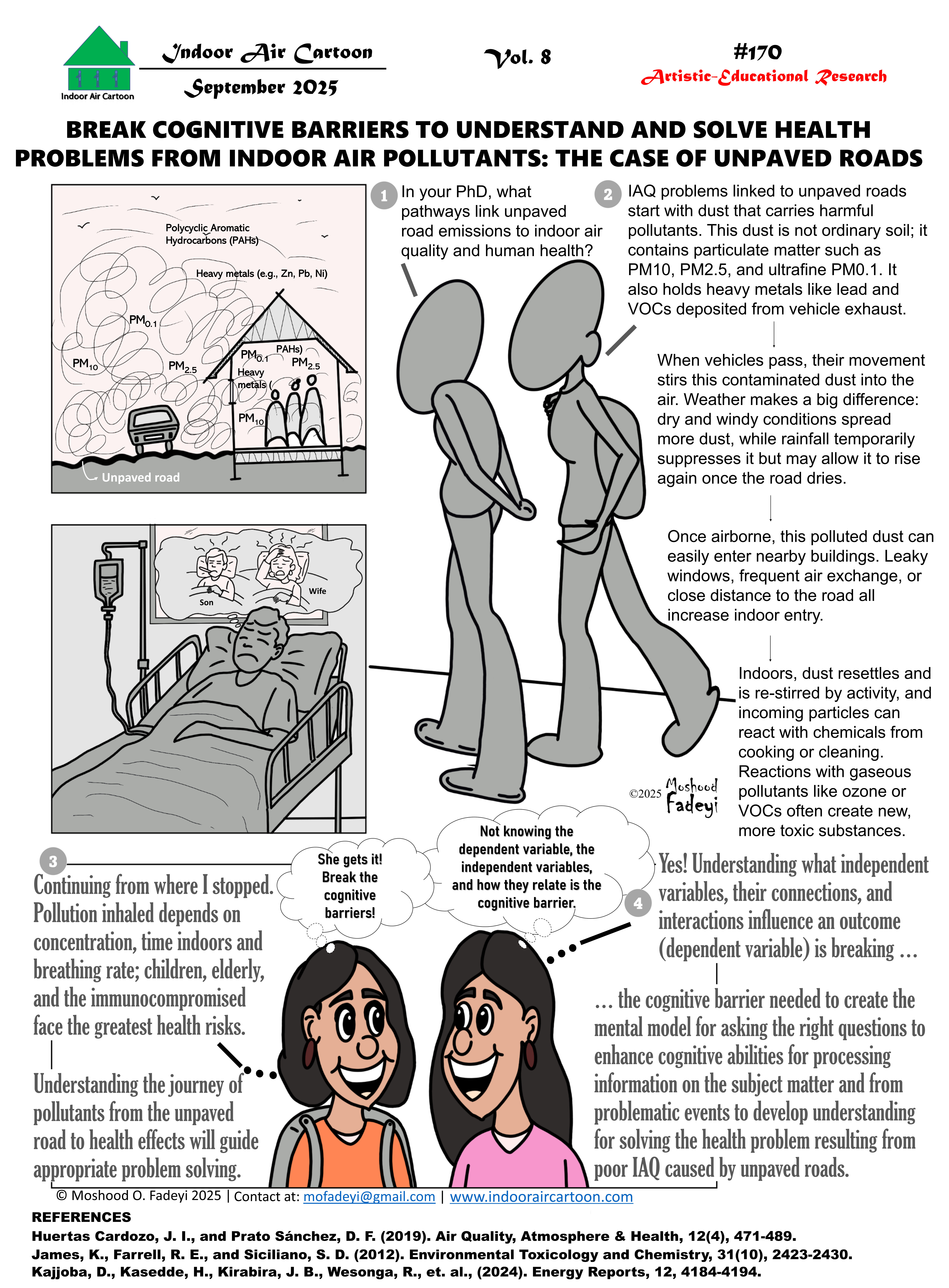


Leave a Reply